
Rituals and Rhythms: Daily Religious Practices in Ancient Andean Communities

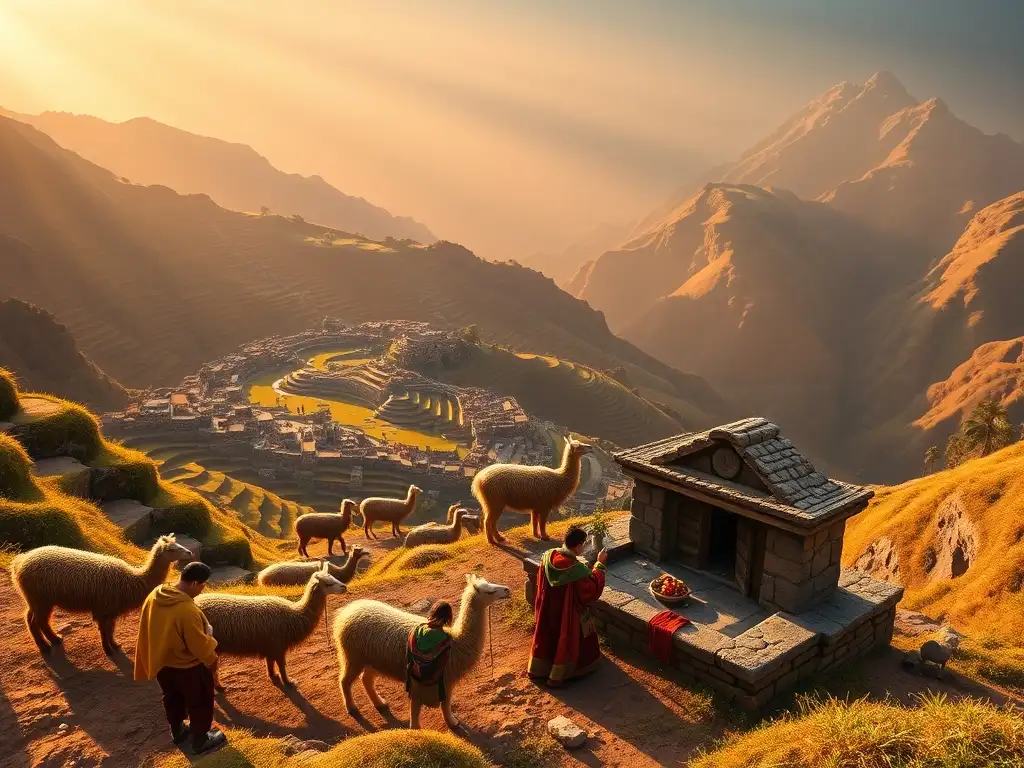
Step into a world lost to time, yet echoing with the vibrant rhythms of ancient Andean life. Imagine the breathtaking landscapes shaping the beliefs of the Incas, Moche, Nazca, and Tiahuanaco. This journey into the heart of Andean Civilizations unveils the mysteries surrounding their Ancient Andean religious rituals, revealing how daily life intertwined with profound spiritual practices. Prepare to be captivated by the intricate details of their beliefs—a story waiting to unfold before your eyes. Discover more about the fascinating interplay between faith and daily life in our exploration of Andean Social Structures.
-
Ancient Andean Religious Rituals: Daily Practices and Rhythms
- The Significance of Daily Rituals in Andean Life
- Sun Worship and Agricultural Ceremonies
- Household Religious Practices
- The Role of Priests and Shamans in Daily Life
- Rhythmic Cycles and Religious Observances
- Specific Daily Rituals Across Andean Cultures
- Sacred Spaces and Ritual Sites
- The Legacy of Ancient Andean Religious Practices
- Conclusion: Understanding the Spiritual Heart of Ancient Andean Societies
-
Frequently Asked Questions
- What role did religion play in daily life for Ancient Andean communities?
- What were some common Ancient Andean religious rituals?
- How did Ancient Andean religious beliefs influence their art and architecture?
- What is the significance of huacas in Ancient Andean religious practices?
- How did Ancient Andean religious rituals differ across various cultures (Inca, Nazca, Moche, etc. )?
- Final Reflection: Echoes of the Andes: A Legacy of Ritual and Belief
- Embrace the Legacy: Connect with Ancient Andean Spirituality
Ancient Andean Religious Rituals: Daily Practices and Rhythms
The Andes Mountains, a spine of towering peaks running down the western coast of South America, were not merely a geographical feature for the ancient civilizations that thrived there; they were a sacred landscape imbued with spiritual significance. Life in these communities, whether Inca, Moche, Nazca, or Tiahuanaco, was deeply intertwined with religious practices that permeated every aspect of daily existence. This article delves into the fascinating world of ancient Andean religious rituals, exploring the rhythms and routines that shaped their lives, their beliefs, and their relationship with the natural world.
We will examine the profound significance of daily rituals, the centrality of sun worship, and the vital role played by agricultural ceremonies in maintaining harmony between the human and spiritual realms. Understanding these practices provides crucial insight into the complex social structures and rich cultural tapestry of these remarkable ancient societies.
This exploration aims to illuminate the profound influence of religion on the daily lives of Andean peoples and showcase the intricate ways in which their beliefs shaped their world. The keyword "Ancient Andean religious rituals" will be explored through various examples and detailed explanations, showcasing the profound interconnectedness of religious belief and daily life.
The Significance of Daily Rituals in Andean Life
Daily life in ancient Andean communities was structured around a complex web of rituals, many of which were performed individually or within the family unit. These weren't simply isolated events; they were integral to the maintenance of cosmic balance and social harmony. Prayers, offerings, and specific actions performed at dawn, midday, and dusk ensured the continuity of life and the favor of the gods.
For example, the daily offering of coca leaves – a sacred plant – was a common practice, symbolizing respect and a connection to the spiritual world. The precise rituals varied among different Andean cultures, reflecting unique beliefs and traditions. However, the underlying principle remained constant: a deep-seated belief in the interconnectedness of the natural and spiritual worlds, requiring constant attention and engagement.
This daily engagement with the divine fostered a sense of community and reinforced social structures. The frequency and importance of these small, daily rituals highlight the pervasive influence of religion on every aspect of Andean life, from the mundane to the momentous. The integration of these practices within the daily routine illustrates a society where the spiritual and the material were inseparable.
Sun Worship and Agricultural Ceremonies
The sun, or Inti, held paramount importance in the cosmology of many Andean cultures. It was viewed not merely as a celestial body but as a powerful deity, the source of life, energy, and prosperity. Sun worship was central to their religious beliefs, and ceremonies were performed to honor and appease this vital force.
These rituals often involved elaborate processions, sacrifices, and feasts, reflecting the profound reverence held for Inti. Furthermore, the agricultural cycle, crucial to the survival of these communities, was intimately linked to religious practices. The success of harvests was seen as directly dependent on the favor of the gods, prompting elaborate ceremonies to ensure bountiful yields and protect crops from harm.
These ceremonies often involved offerings to Pachamama, the Earth Mother, and other deities associated with fertility and abundance. The intricate relationship between sun worship and agricultural practices highlights the deeply practical and spiritual aspects of Andean religious life, emphasizing the interdependence of human existence and the natural world.
Inti Raymi: The Festival of the Sun
Inti Raymi, the most significant festival of the Inca Empire, was a grand celebration dedicated to the sun god, Inti. Held annually during the winter solstice, it involved elaborate processions, sacrifices, and feasts attended by the Sapa Inca (emperor) and his court. The festival served not only as a religious observance but also as a powerful demonstration of imperial power and social order.
The scale and splendor of Inti Raymi reflected the immense importance placed upon the sun god and the intricate ritual practices designed to ensure his continued favor. Detailed accounts, although fragmented, reveal a complex choreography of events, including music, dance, and offerings, which aimed to reaffirm the cosmic order and guarantee the prosperity of the empire. The detailed nature of this festival highlights the sophisticated level of organization and ritual expertise within Inca society.
Pachamama Offerings: Honoring Mother Earth
Pachamama, the Earth Mother, was another vital deity in the Andean pantheon. She represented the fertile earth, the source of all sustenance. Offerings to Pachamama were made regularly, particularly during planting and harvesting seasons. These offerings could include coca leaves, food, drink, and even animals, intended to appease the earth and ensure successful harvests.
These offerings weren't simply acts of appeasement; they were expressions of gratitude and a recognition of humanity's dependence on the earth's bounty. The practice of offering to Pachamama demonstrates a profound respect for the natural world and a nuanced understanding of the interconnectedness of life. The consistent nature of these offerings underscores the importance of maintaining a harmonious relationship with the environment, a critical aspect of Andean religious belief and practice.
Household Religious Practices
Andean religious practices weren't confined to grand temples or elaborate ceremonies. Daily life was deeply intertwined with spirituality, with homes serving as important spaces for religious observance. The domestic sphere was where individuals connected with their ancestors, local deities, and the spiritual forces shaping their world. This intimate connection fostered a sense of continuity between the living and the deceased, the earthly and the spiritual realms.
The rhythm of daily life was punctuated by small acts of devotion, weaving spirituality into the fabric of everyday existence. These practices weren't merely ritualistic; they were essential to maintaining harmony and well-being within the family and the community. The domestic religious sphere provided a framework for understanding the world and navigating its complexities.
Ancestor Veneration in Andean Homes
Ancestor veneration was a cornerstone of Andean religious life, extending beyond formal ceremonies into the daily routines of households. Family members regularly offered prayers and small gifts to deceased relatives, recognizing their continued presence and influence. These offerings, often consisting of food, drink, or coca leaves, were placed on designated altars within the home. These altars, often simple niches or shelves, served as focal points for remembering and honoring ancestors.
The belief in the ongoing connection with ancestors provided comfort, guidance, and a sense of belonging. Evidence suggests that ancestral spirits were seen as protectors and intermediaries between the living and the spiritual world. Maintaining a positive relationship with deceased relatives was crucial for the well-being of the living family. The practice fostered a strong sense of family history and continuity across generations.
Daily Offerings and Prayers to Local Deities
Beyond ancestor veneration, daily life in Andean communities included regular offerings and prayers to local deities associated with specific places, natural features, or activities. These deities were not distant, transcendent beings, but rather powerful forces intimately connected to the everyday lives of the people. Farmers might offer prayers and coca to the mountain spirit (apu) for a bountiful harvest. Fishermen might make offerings to the sea deity for a successful catch.
These daily devotions reflected a deep respect for nature and the spiritual forces believed to inhabit it. The offerings were not merely symbolic gestures; they were seen as crucial for maintaining a harmonious relationship with the spiritual world and ensuring the well-being of the community. The regularity of these practices underscored their significance in daily life.
The Role of Priests and Shamans in Daily Life
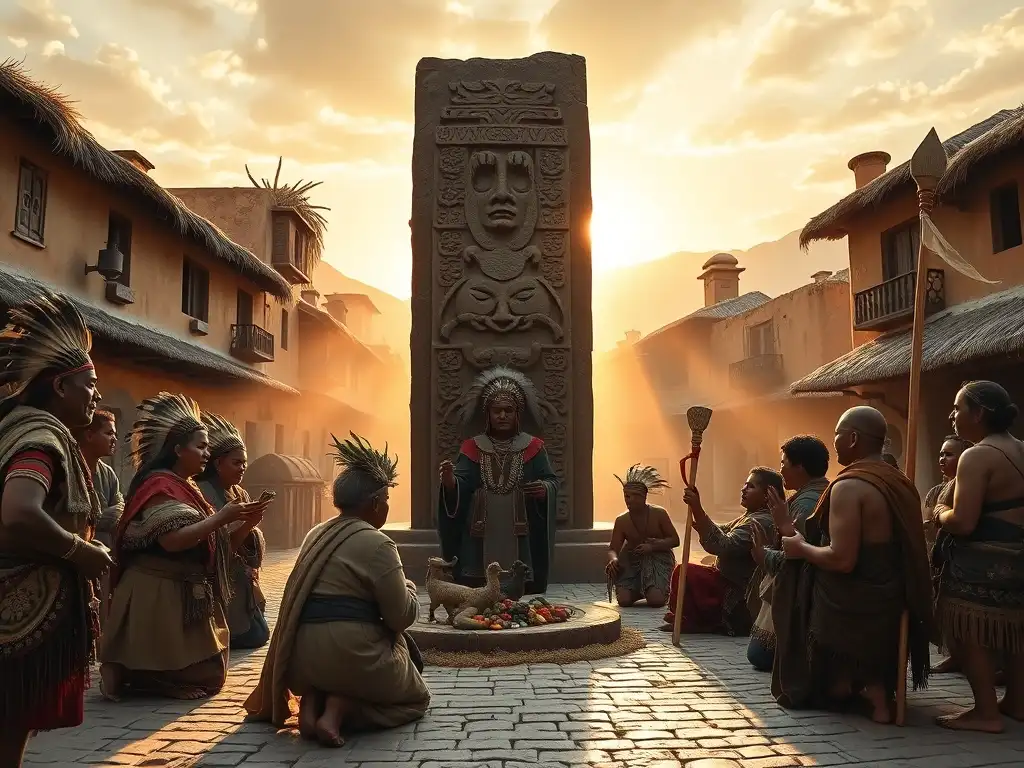
While household practices formed the foundation of Andean religious life, specialized religious figures, such as priests and shamans, played a crucial role in interpreting the spiritual world and mediating between the human and divine realms. Their expertise was vital in understanding omens, performing rituals, and providing healing and spiritual guidance. These individuals were not simply religious leaders but also held significant social influence, often acting as advisors and mediators in community affairs.
Their knowledge and skills were highly valued and their presence in daily life ensured the proper conduct of both individual and communal religious observances. Their intervention was often sought in times of trouble or uncertainty, providing solace and direction.
Interpreting Omens and Performing Rituals
Priests and shamans possessed specialized knowledge in interpreting omens and signs, which were crucial for understanding the will of the deities and anticipating future events. They observed natural phenomena, such as the flight of birds or the patterns of stars, to discern messages from the spiritual world. Based on their interpretations, they would perform specific rituals to appease deities, avert misfortune, or ensure good fortune.
These rituals could range from simple offerings to elaborate ceremonies involving music, dance, and sacrifices. Their abilities to interpret omens and perform effective rituals were essential for maintaining social order and the well-being of the community. This close interplay between the spiritual and the mundane is indicative of the profound religious nature of Andean society.
Healing Practices and Spiritual Guidance
A significant aspect of the priests' and shamans' role was their involvement in healing practices and providing spiritual guidance. Illness was often seen as a result of spiritual imbalance or the influence of malevolent forces. Shamans used various methods, including herbal remedies, rituals, and spiritual techniques, to restore balance and heal the afflicted.
They also provided spiritual guidance to individuals facing personal challenges or seeking direction in their lives. Their role extended beyond the physical realm, encompassing the emotional and spiritual well-being of their community members. The integration of healing and spiritual guidance within their religious practices highlights the holistic nature of Andean spirituality.
Rhythmic Cycles and Religious Observances
Ancient Andean religious practices weren't isolated events; they were deeply intertwined with the natural rhythms of the environment. The Andes' dramatic landscape, with its towering mountains, fertile valleys, and unpredictable weather patterns, profoundly shaped the spiritual lives of its inhabitants. Understanding the cyclical nature of the cosmos was fundamental to their worldview, impacting every aspect of daily life.
The cyclical patterns of the sun, moon, and stars were meticulously observed and incorporated into their calendar systems, which dictated the timing of agricultural activities and religious rituals. This close relationship between the natural world and the spiritual realm is reflected in the intricate astronomical observatories and the precise agricultural practices developed by various Andean cultures.
The precise knowledge of these cycles allowed for sophisticated planning of agricultural activities and religious ceremonies, ensuring the prosperity and spiritual well-being of the communities. The integration of astronomy and religion was not simply a matter of observing the celestial bodies; it was a way of understanding and interacting with the divine forces that governed their lives.
Lunar Cycles and Their Influence on Rituals
The moon held significant importance in many ancient Andean cultures. Its phases, waxing and waning, were seen as symbols of life, death, and rebirth, mirroring the cyclical nature of agriculture and the human experience. Lunar cycles often dictated the timing of specific rituals, particularly those related to fertility and the harvest.
For example, [specific information pending] concerning the correlation between moon phases and planting cycles in various Andean communities. Evidence suggests that certain rituals, such as offerings to ensure bountiful harvests or ceremonies aimed at appeasing mountain spirits, were timed to coincide with specific lunar phases, demonstrating a profound understanding of the celestial influence on earthly events.
The meticulous tracking of lunar cycles highlights the Andean people's deep connection to the cosmos and their ability to integrate astronomical observations into their daily lives. This careful observation wasn't merely a matter of practical scheduling; it was a way of aligning human activities with the rhythms of the universe.
The Importance of the Agricultural Calendar
The agricultural calendar was the backbone of Andean life, inextricably linked to their religious practices. The success of their agricultural endeavors, crucial for survival, depended on the accurate prediction of planting and harvesting seasons. This required a deep understanding of weather patterns, which were often unpredictable in the Andes.
Therefore, religious rituals played a crucial role in ensuring successful harvests. Prayers, offerings, and elaborate ceremonies were performed to appease the deities associated with fertility, rain, and the earth. [Specific information pending] on the specific rituals associated with different agricultural phases for different Andean communities.
The Inca, for example, had a sophisticated system of agricultural terracing and irrigation, complemented by elaborate rituals to ensure the fertility of the land and the success of their crops. The close relationship between agriculture and religion highlights the deep connection between the material and spiritual realms in Andean societies. The agricultural calendar wasn't just a practical guide; it was a sacred calendar that dictated the rhythm of life itself.
Specific Daily Rituals Across Andean Cultures
While the overarching themes of Andean religious practices shared similarities across different cultures, the specific rituals varied considerably. Each culture developed unique ceremonies and traditions reflecting their specific environment and beliefs. The Moche, Inca, Tiahuanaco, and Nazca, for instance, all had distinct religious practices woven into their daily lives. Examining these differences provides a rich understanding of the diversity and complexity of ancient Andean spirituality. The common thread, however, was the deep connection between the people and the natural world, and the belief in the power of ritual to maintain harmony between the human and spiritual realms.
Moche Religious Practices: A Closer Look
The Moche civilization (c. 100-800 CE) is known for its elaborate religious iconography, vividly depicted in its pottery and monumental architecture. Their religious beliefs centered around powerful deities, often associated with nature, such as the ocean, rain, and fertility. Daily rituals likely involved offerings of food, drink, and precious objects to appease these deities. [Specific information pending] regarding the frequency and nature of Moche daily rituals.
Evidence suggests the presence of specialized priests or shamans who played a significant role in mediating between the human and spiritual worlds. The Moche's intricate artistic representations provide valuable insights into their religious beliefs and practices, offering a glimpse into the daily rituals that shaped their society. The intensity of their religious devotion is evident in the lavishness of their offerings and the grandeur of their ceremonial sites.
Inca Daily Religious Observances
The Inca Empire (1438-1533 CE) had a highly organized and centralized religious system. The Inca state religion, dominated by the worship of the sun god Inti, permeated all aspects of daily life. Daily rituals included offerings of coca leaves, prayers, and sacrifices, performed by priests and commoners alike. [Specific information pending] detailing the specific daily rituals performed by different social classes within Inca society.
The Inca's sophisticated calendar system played a crucial role in determining the timing of these rituals, ensuring their alignment with the agricultural cycle and the celestial events. The Inca's emphasis on order and control extended to their religious practices, creating a tightly structured system that reinforced the power of the state. Their religious beliefs were deeply embedded in their social structure, shaping their worldview and influencing their daily activities.
Tiahuanaco Daily Ritual Practices
The Tiahuanaco culture (c. 1500-1100 BCE), located on the shores of Lake Titicaca, developed a complex religious system centered around a pantheon of deities. Their monumental architecture, including the famous Sun Gate, suggests the importance of elaborate ceremonies and rituals. [Specific information pending] on the daily rituals practiced by the Tiahuanaco people.
Evidence suggests the use of ritual objects, such as kero vessels and intricately carved stone sculptures, in their religious practices. The Tiahuanaco's unique location, at a high altitude and near a large lake, likely influenced their religious beliefs and practices, linking them to water, mountains, and the celestial bodies. Their religious system, though less documented than others, is believed to have been deeply ingrained in daily life, influencing agricultural practices and social organization.
Nazca Rituals and Their Connection to the Landscape
The Nazca civilization (c. 100 BCE-800 CE) is renowned for its enigmatic geoglyphs, vast lines etched into the desert landscape. While the exact purpose of these geoglyphs remains debated, they likely played a significant role in Nazca religious practices. [Specific information pending] clarifying the relationship between the Nazca lines and their daily rituals. The Nazca people, who lived in a harsh desert environment, developed elaborate irrigation systems and ritual practices aimed at ensuring water and fertility.
Their religious beliefs were intricately connected to their landscape, with rituals possibly performed to ensure the success of their agricultural endeavors and maintain harmony with the desert environment. The Nazca's unique relationship with their environment is reflected in their art, architecture, and religious practices, demonstrating a remarkable adaptation to a challenging landscape. Their rituals, though shrouded in mystery, clearly played a crucial role in their daily lives and survival.
Sacred Spaces and Ritual Sites
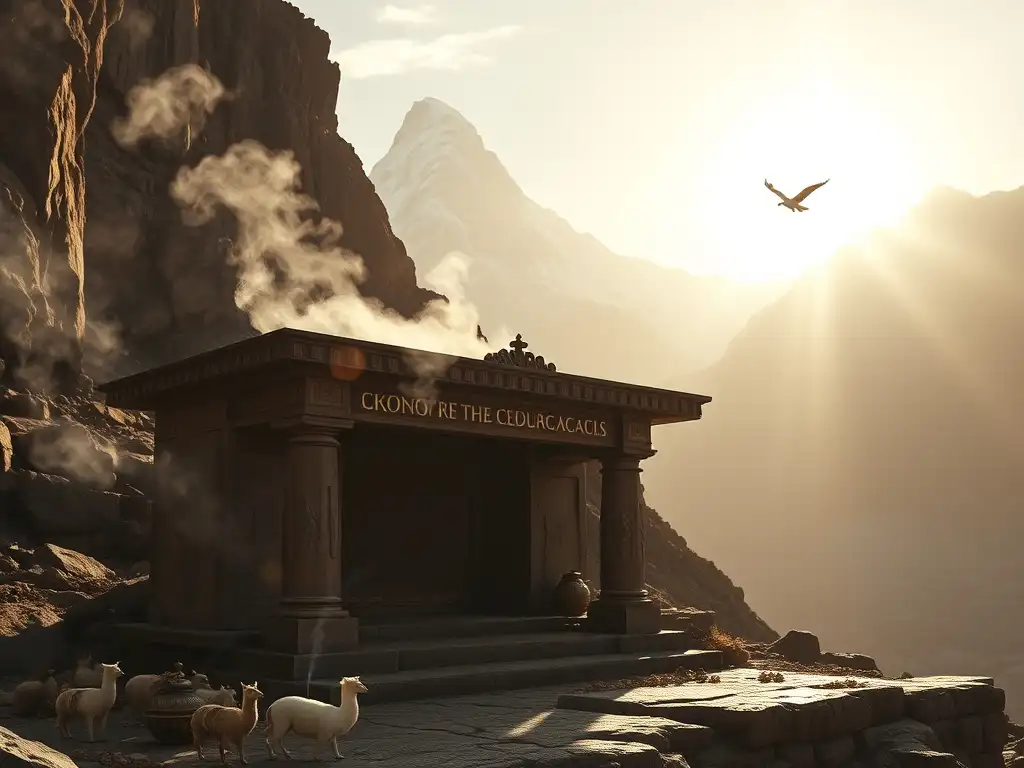
Ancient Andean religious practices were deeply intertwined with the landscape. Mountains, rivers, springs, and caves—all held sacred significance and served as focal points for rituals and offerings. These locations, often referred to as huacas, weren't merely geographical features; they were imbued with spiritual power, believed to be inhabited by deities or ancestral spirits.
The selection of these sites was often based on geographical features which were believed to be auspicious, or which held significance to local myths and legends. The specific characteristics of a huaca dictated the types of rituals performed there. For instance, a mountaintop might be associated with celestial deities and sun worship, while a spring could be linked to water spirits and fertility rites.
The reverence for these sites extended beyond formal ceremonies; daily life was structured around maintaining a respectful relationship with the huacas, ensuring the continued flow of blessings and protection. Regular offerings, prayers, and symbolic gestures were integrated into the routines of daily living, reinforcing the spiritual significance of the environment. The concept of sacred geography was fundamental to the Andean worldview, shaping not only religious practices but also social structures and political organization.
The Function of Huacas in Daily Life
The huacas weren't simply locations for grand, infrequent ceremonies. They played a vital role in the everyday lives of Andean communities. Farmers would make offerings to ensure bountiful harvests, while herders would perform rituals for the protection of their livestock. Individuals would visit huacas to seek guidance, healing, or protection from harm.
These interactions weren't necessarily formal or elaborate; they could involve simple gestures, such as leaving a small offering of coca leaves or making a silent prayer. The continuous interaction with these sacred sites maintained a constant connection between the community and the spiritual realm. The proximity of huacas to settlements further emphasizes their importance in daily life.
This constant presence served as a reminder of the spiritual forces at play, shaping the community's values and behavior. Evidence suggests that families had designated huacas they regularly visited, creating a personalized spiritual connection beyond community-wide rituals. The significance of huacas in daily life reflects a holistic worldview where the spiritual and material realms were inextricably linked.
Rituals Performed at Andean Temples
Andean temples, often grand structures built from stone, served as major centers for religious rituals. These weren't simply places of worship; they were dynamic spaces where elaborate ceremonies were performed, involving priests, rulers, and the wider community. These rituals often involved complex offerings, including precious metals, textiles, food, and even human sacrifices in some cases, particularly during significant events or periods of crisis.
The rituals performed varied depending on the specific deity or ancestor being honored, the time of year, and the purpose of the ceremony. For example, the Inti Raymi, the festival dedicated to the sun god Inti, involved elaborate processions, offerings, and feasts. The specific rituals performed at Andean temples were highly structured, with detailed procedures and symbolic actions.
Archaeological evidence reveals intricate details of these ceremonies, including the arrangement of offerings, the use of specific tools and artifacts, and the roles of different participants. Furthermore, these temples were not only sites of ritual but also served as centers for administrative and political power, highlighting the close relationship between religion and governance in Andean societies.
The Legacy of Ancient Andean Religious Practices
The impact of ancient Andean religious practices extends far beyond the collapse of the great empires. Many elements of these traditions continue to resonate in contemporary Andean cultures. The reverence for mountains, rivers, and other natural features, the importance of ancestor veneration, and the practice of offering coca leaves—all remain significant aspects of Andean spirituality today. The enduring influence of these ancient practices reflects the deep-seated connection between the Andean people and their ancestral heritage.
This continuity is not merely a matter of tradition; it is a living testament to the resilience and adaptability of Andean cultures. The practices have adapted and evolved over centuries, absorbing influences from other cultures, but core elements remain remarkably intact. This enduring legacy shows the power of religious beliefs and practices to shape the identity and worldview of a civilization across generations.
Influence on Modern Andean Spirituality
Contemporary Andean spirituality is a rich tapestry woven from ancient threads and modern influences. While syncretism with Christianity is evident in many regions, the core beliefs and practices of ancient Andean religions continue to inform contemporary spiritual life. The veneration of apus (mountain spirits), the use of coca leaves in rituals and daily life, and the importance of community-based spiritual practices are all examples of this enduring legacy. Many modern Andean communities continue to perform rituals similar to those practiced by their ancestors, albeit with variations and adaptations reflecting changing social and environmental contexts.
This blending of ancient and modern beliefs demonstrates the vitality and adaptability of Andean spiritual traditions. The persistence of these ancient practices highlights the enduring power of religious belief systems in shaping individual and collective identities. Understanding the roots of these traditions provides insights into the complex cultural dynamics of the modern Andean world.
Preserving the Traditions of the Past
The preservation of ancient Andean religious practices is crucial for understanding the rich cultural heritage of the Andes. Efforts to document, study, and protect these traditions are essential for ensuring their continuity for future generations. This involves collaborative research with indigenous communities, respectful documentation of rituals and ceremonies, and the promotion of cultural heritage tourism that benefits local communities.
Such efforts help not only to preserve the practices themselves but also the knowledge systems, oral histories, and artistic expressions associated with them. The challenge lies in balancing the need for preservation with the sensitivity required to respect the sacred nature of these traditions. This requires a collaborative approach that involves both scholars and community members, ensuring that the preservation efforts are authentic and respectful of the cultural values they seek to protect.
The preservation of these traditions is not just an academic endeavor; it is a vital aspect of maintaining cultural identity and promoting cultural diversity. The commitment to preserving these rituals is a testament to the enduring power and importance of these ancient practices.
Conclusion: Understanding the Spiritual Heart of Ancient Andean Societies
The intricate tapestry of daily life in ancient Andean societies was deeply interwoven with religious practices. From the meticulous preparation of coca leaves for offerings to the rhythmic chants accompanying agricultural cycles, religion wasn't a separate entity but the very fabric of their existence. Understanding "Ancient Andean religious rituals" requires appreciating this pervasive spiritual dimension, recognizing that every action, from planting seeds to building homes, held a sacred significance. The meticulousness observed in their rituals, the symbolic importance of objects, and the communal nature of their practices all point to a society profoundly connected to the spiritual world.
Their beliefs weren't merely confined to temples or formal ceremonies; they permeated every aspect of their daily lives, shaping their social structures, their agricultural practices, and their understanding of the cosmos. This deeply ingrained spirituality provides valuable insights into their worldview and offers a richer understanding of their remarkable achievements. The legacy of these ancient Andean religious rituals continues to resonate today, influencing contemporary Andean cultures and inspiring a deeper appreciation for the complexity and richness of their past.
Further research into specific regional variations and the evolution of these practices over time is crucial to a more complete understanding of the spiritual heart of these fascinating societies. The meticulous record-keeping, albeit fragmented, left behind by these civilizations provides a foundation for continued exploration and a deeper appreciation of their profound connection to the divine. The study of "Ancient Andean religious rituals" is not merely an academic pursuit; it's a journey into the very soul of a civilization that shaped the landscape and culture of South America.
Frequently Asked Questions
What role did religion play in daily life for Ancient Andean communities?
Religion permeated every aspect of Andean life. Daily activities, from farming to building, were interwoven with religious rituals and beliefs aimed at pleasing the gods and ensuring a bountiful harvest and prosperity. This ensured a strong connection between the spiritual and material realms.
What were some common Ancient Andean religious rituals?
Common rituals included offerings to deities, such as llama sacrifices, ceremonial dances, and the construction of elaborate temples and shrines. These practices varied among different Andean cultures, reflecting their unique beliefs and traditions.
How did Ancient Andean religious beliefs influence their art and architecture?
Andean art and architecture are deeply intertwined with their religious beliefs. Religious iconography is prevalent in textiles, pottery, and monumental structures like Machu Picchu. These artistic expressions served to honor their deities and reinforce their cosmological worldview.
What is the significance of huacas in Ancient Andean religious practices?
Huacas were sacred places or objects believed to possess spiritual power. They could be natural features like mountains or springs, or man-made structures. These sites were central to rituals and offerings, reinforcing the interconnectedness between the spiritual and physical worlds.
How did Ancient Andean religious rituals differ across various cultures (Inca, Nazca, Moche, etc. )?
While sharing some common threads, Andean cultures exhibited diverse religious practices. The Incas emphasized sun worship, while the Nazca created intricate geoglyphs possibly for ritual purposes, and the Moche are known for their elaborate sacrificial practices. These variations reflect the unique cultural identities and beliefs of each civilization.
Final Reflection: Echoes of the Andes: A Legacy of Ritual and Belief
The intricate tapestry of daily religious practices in ancient Andean communities continues to resonate today, reminding us of the enduring power of faith and the profound connection between humanity and the natural world. Understanding these rituals offers not just a glimpse into the past, but a vital lens through which to examine our own relationship with spirituality and the environment. The echoes of their beliefs are surprisingly loud in our modern world.
The enduring influence of Andean cosmology, with its emphasis on reciprocity, balance, and the interconnectedness of all living things, is profoundly relevant in our increasingly fragmented and ecologically challenged world. The mountains are not just mountains, but living beings, full of power and spirit,
a Quechua elder once said, encapsulating the deep reverence for nature that permeated Andean life. This perspective, so deeply ingrained in their rituals, offers a powerful counterpoint to the anthropocentric worldview that has dominated much of modern history, and its consequences are now starkly apparent. We can learn much from their holistic approach to life.
Consider the enduring power of ritual itself. You, the reader, participate in rituals daily, whether consciously or not. From the morning coffee that jumpstarts your day to the evening routines that signal rest, these small acts structure our lives and provide a sense of continuity and meaning.
Reflect on your own rituals; what do they reveal about your values, your beliefs, and your connection to the world around you? By understanding the ancient Andean practices, we can gain a deeper appreciation for the fundamental human need for ritual and the profound impact it has on shaping our individual and collective identities. Let the echoes of the Andes inspire you to find meaning and purpose in your own life, and to foster a more harmonious relationship with the world around you.
Embrace the Legacy: Connect with Ancient Andean Spirituality
Thank you for exploring the fascinating world of ancient Andean religious practices. By examining their rituals and daily life, you've gained valuable insights into a rich culture that profoundly shaped both lives and landscapes. Now, let's explore how you can integrate this knowledge into your own life.
Here are some ways to connect with the essence of Andean spirituality and honor the legacy of these remarkable civilizations:
- Create a personal ritual: Incorporate elements of Andean practices into your daily life. For example, create a home altar dedicated to gratitude or mark seasonal changes with meaningful offerings. The connection will deepen with consistent practice.
- Share your discoveries: Discuss your newfound understanding with friends and family, or share a social media post about an ancient Andean practice that resonates with you. Inspire others to explore their own spiritual journeys.
- Continue your learning: Deepen your understanding by reading books or watching documentaries about Andean civilizations, their customs, and the significance of their rituals.
What personal ritual will you create to honor the wisdom of the ancient Andean communities?