
The Resilience of Andean Family Values in the Face of Change

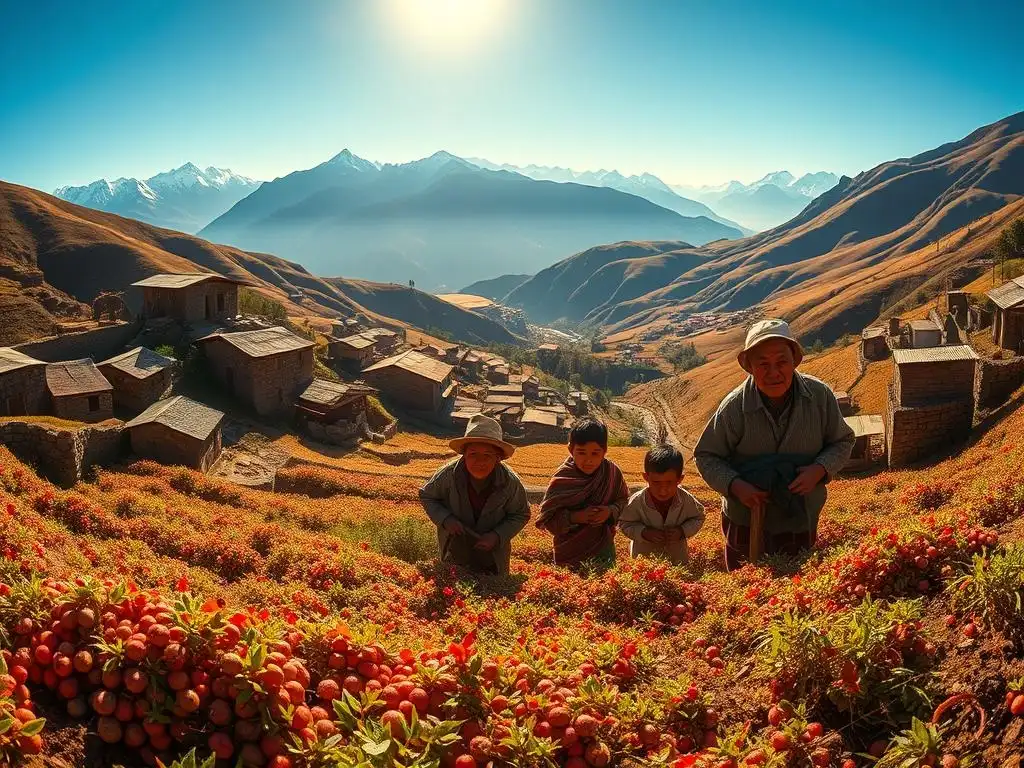
Uncover the enduring legacy of the Andes! For centuries, the towering peaks and fertile valleys have witnessed the rise and fall of magnificent civilizations. But what secrets do their social structures hold? Journey with us to explore the fascinating tapestry of Andean family values history, a story of resilience and adaptation that will challenge your perceptions of ancient societies. Discover how these values shaped their worlds—and continue to resonate today. Prepare to be amazed.
The Andes Mountains, a spine of towering peaks stretching along the western edge of South America, have witnessed the rise and fall of numerous impressive civilizations. From the sophisticated irrigation systems of the Nazca to the vast empire of the Inca, these Andean cultures left behind a legacy that continues to shape the region today.
This article delves into a crucial aspect of that legacy: the enduring strength and adaptability of Andean family values. We will explore how these values, deeply rooted in history and tradition, have navigated centuries of societal shifts, colonial influence, and modernization, demonstrating remarkable resilience.
Examining the historical roots of Andean family structures and the integral role of reciprocal practices like ayni reveals a complex and fascinating system that prioritized community and interdependence, and which continues to inform family life in the Andes even today. This exploration of "Andean family values history" will uncover the intricate tapestry of kinship, social responsibility, and spiritual beliefs that have shaped and sustained Andean families for millennia.
Understanding the Historical Roots of Andean Family Values
Andean family values weren't simply a set of rules; they were integral to the very fabric of Andean societies. Pre-Columbian Andean cultures, including the Inca, Moche, Nazca, and Tiahuanaco, placed immense importance on kinship ties, extending beyond the nuclear family to encompass extended family networks and community bonds. These extended family structures provided crucial support systems, particularly in challenging environments characterized by high altitudes and unpredictable weather patterns.
Evidence suggests a strong emphasis on collective responsibility, with families working together to cultivate land, manage resources, and care for the elderly and vulnerable. This collaborative spirit fostered a sense of shared identity and mutual dependence, vital for survival in these harsh conditions. Religious beliefs often reinforced these social structures, incorporating ancestor veneration and rituals that strengthened family and community ties.
The concept of pachamama (Mother Earth) further emphasized the interconnectedness of all living things, promoting a sense of harmony and respect within the family and the wider ecosystem. Archaeological findings, such as meticulously preserved textiles and intricate pottery depicting family scenes, provide tangible evidence of the significance of family life in ancient Andean societies.
Traditional Andean Kinship Systems: A Foundation of Community
The foundation of Andean family life rested on complex kinship systems that went far beyond simple blood relations. These systems often involved a hierarchical structure, with elders holding positions of authority and respect. The concept of ayllu, a community-based kinship group, played a vital role, uniting individuals through shared ancestry, land ownership, and mutual obligations.
Membership in an ayllu provided access to resources, social support, and protection. Marriage customs varied across different Andean cultures, but often involved intricate negotiations and ceremonies that solidified alliances between families and communities. Inheritance practices also played a significant part, often involving the distribution of land and resources among family members, ensuring the continuation of the ayllu and the preservation of traditional ways of life.
The stability and strength of these kinship systems were crucial to the success and longevity of Andean communities, providing a framework for social organization and conflict resolution. Detailed genealogical records, though not always extensively documented in written form, were maintained through oral traditions and carefully observed rituals.
The Importance of Ayni and Reciprocity in Andean Family Life
The principle of ayni, a system of reciprocal exchange, was fundamental to Andean family life and social cohesion. It involved the mutual exchange of goods, services, and labor, fostering strong bonds of interdependence within families and communities. Ayni wasn't merely a system of bartering; it was a deeply ingrained social ethic that emphasized cooperation and shared responsibility.
Families regularly participated in ayni activities, helping each other with tasks such as farming, building, and childcare. This system ensured that resources were distributed fairly and that everyone had access to the support they needed. The practice of ayni reinforced the sense of community and collective identity, contributing significantly to the resilience of Andean family values in the face of change.
The enduring legacy of ayni is evident in many Andean communities today, where reciprocal exchanges continue to play a vital role in daily life, reflecting the deeply rooted values of cooperation and mutual support. The continued practice of ayni demonstrates the remarkable adaptability of this ancient system in navigating modern challenges while upholding traditional Andean family values.
Andean Family Structures: Beyond the Nuclear Family
The concept of the "nuclear family" – a mother, father, and their children – often falls short when describing traditional Andean family structures. Instead, Andean kinship systems were, and in many communities still are, characterized by extended family units, encompassing multiple generations living together or in close proximity. This extended family structure provided crucial support networks, particularly in challenging agricultural environments. The sharing of resources, labor, and childcare was commonplace, fostering a strong sense of collective responsibility and interdependence.
This wasn't simply a matter of convenience; it was a fundamental aspect of Andean social organization, reflecting deep-seated values of reciprocity and mutual support. The ayllu, a kinship-based community group, often played a significant role, extending family obligations and responsibilities beyond the immediate household. This complex web of relationships ensured the survival and prosperity of the family unit, particularly during times of scarcity or hardship.
The strength of these bonds was, and continues to be, a key element in the resilience of Andean family values in the face of external pressures. For instance, in many Quechua communities today, the extended family structure remains a vital source of social and economic support, demonstrating the enduring legacy of these traditional values. The importance of collective responsibility and shared resources continues to shape family dynamics and social interactions.
The Role of Elders in Andean Family Traditions
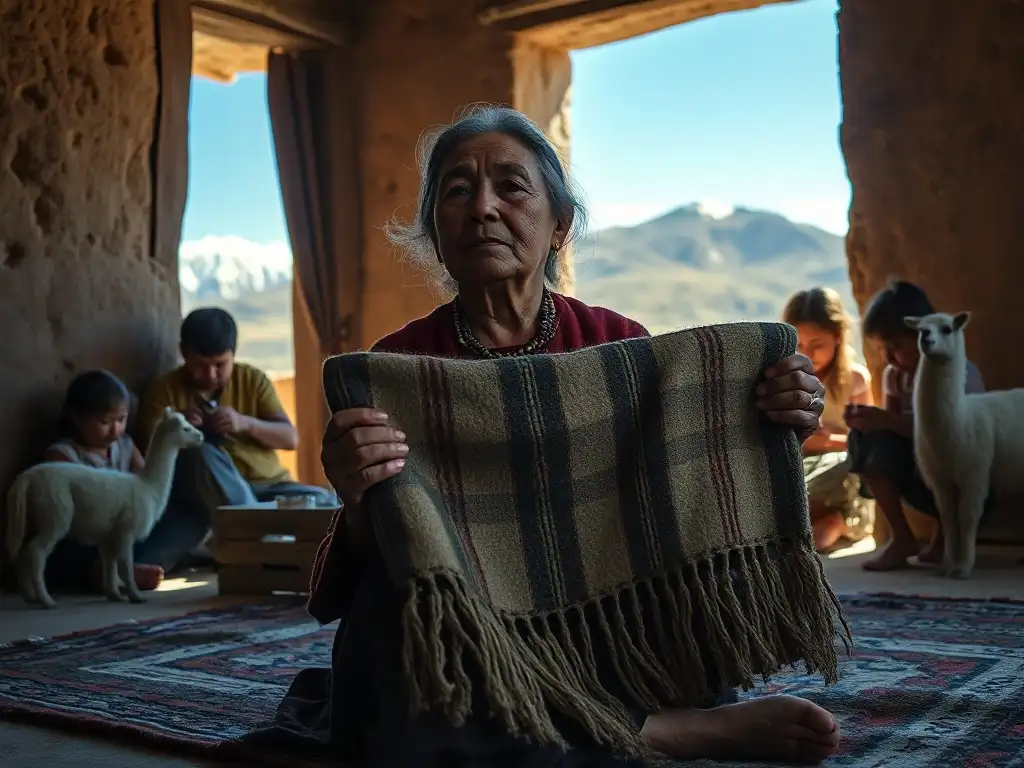
Respect for elders has always been a cornerstone of Andean family values. Elders, often the repositories of traditional knowledge, held (and continue to hold) positions of significant authority and influence within the family. Their wisdom and experience guided decision-making processes, shaping family values and traditions. The transmission of cultural heritage, from agricultural techniques to storytelling and religious practices, was primarily entrusted to the elders.
This intergenerational knowledge transfer ensured the continuity of Andean culture across generations. Their role extended beyond mere advice; they actively participated in the daily lives of the family, contributing their labor and providing crucial support to younger generations. The respect shown to elders wasn't merely a social convention; it was a reflection of the deep-seated value placed on experience and wisdom within Andean societies. The authority of elders wasn't absolute, but it was deeply respected, contributing to a stable and harmonious family environment.
This respect for elders is a significant factor in the preservation of Andean family values, demonstrating the enduring strength of intergenerational bonds. The continued influence of elders in many Andean communities underscores the resilience of this aspect of their cultural heritage. Their stories, knowledge, and guidance are crucial to maintaining a strong sense of cultural identity and continuity.
The Impact of External Factors on Andean Family Values History
The history of Andean family values has not been without its challenges. External factors, such as colonization, globalization, and migration, have significantly impacted traditional family structures and practices. The introduction of European social structures and economic systems during the colonial period disrupted traditional kinship networks and power dynamics. The imposition of a nuclear family model often undermined the extended family structures that had been central to Andean life for centuries.
The subsequent waves of globalization have further challenged traditional family values, leading to increased migration and urbanization. These changes have often resulted in weakened family ties and a decline in the traditional role of elders. However, despite these significant pressures, many Andean communities have demonstrated remarkable resilience. Traditional family values, such as respect for elders and the importance of community support, persist in many areas, adapting and evolving to meet the challenges of modern life.
While external forces have undoubtedly altered the landscape of Andean family life, the core values of reciprocity, mutual support, and respect for tradition remain remarkably resilient. The ongoing adaptation of Andean family structures reflects a dynamic interplay between traditional values and the pressures of a changing world, demonstrating the enduring strength of their cultural heritage. Studying this adaptation reveals the complex and multifaceted nature of cultural change and the capacity of Andean communities to navigate these transformations while preserving key elements of their identity.
Colonial Influences on Andean Family Structures
The Spanish conquest profoundly impacted Andean family structures, introducing significant changes that continue to resonate today. Prior to the arrival of the Europeans, Andean kinship systems were complex and varied across different cultures. Family units often extended beyond the nuclear family, encompassing a wider network of relatives bound by reciprocal obligations and shared resources. The ayllu, a community-based kinship group, played a crucial role in social organization and resource management. However, the colonial period witnessed a systematic dismantling of these traditional structures.
The imposition of Spanish law and religious practices led to a shift towards the nuclear family model, emphasizing the patriarchal authority of the husband and father. Indigenous communal land ownership was largely replaced by private property, weakening the ayllu system and its inherent support networks. Forced labor and the resettlement of populations disrupted traditional family ties, leading to widespread displacement and family separation. Moreover, the introduction of new religious beliefs and practices often clashed with indigenous spiritual traditions, further altering family customs and rituals.
The imposition of Christianity, for example, often clashed with indigenous ancestor veneration practices that were central to Andean family life. This cultural disruption led to a weakening of traditional family support systems and increased vulnerability for many Andean families. The impact of this colonial legacy is still felt in many aspects of modern Andean family life, shaping social structures and influencing family dynamics.
The Effects of Modernization and Urbanization on Andean Families
Modernization and urbanization have presented significant challenges to traditional Andean family structures. The migration of rural populations to urban centers in search of economic opportunities has led to the disintegration of extended family networks and the weakening of traditional support systems. Urban life often necessitates smaller, more nuclear family units, as the close proximity and interdependence characteristic of rural communities are replaced by a more individualistic and competitive environment.
The increasing influence of global media and consumer culture has also affected Andean family values. Exposure to Western ideals and lifestyles can lead to conflicts between generations, as younger family members adopt new behaviors and attitudes that may differ from traditional norms. This generational gap can create tensions within families and challenge established hierarchies.
Furthermore, the rise of individualism and the pursuit of personal success can sometimes overshadow the emphasis on collective well-being that has historically characterized Andean family life. Economic pressures, including poverty and unemployment, also place considerable strain on families, leading to increased stress and conflict. The accessibility of education and opportunities outside of traditional agricultural practices has also influenced family structures, with younger generations often choosing to pursue careers in urban areas that may remove them from their familial support networks for extended periods.
Adaptations and Transformations in Andean Family Dynamics
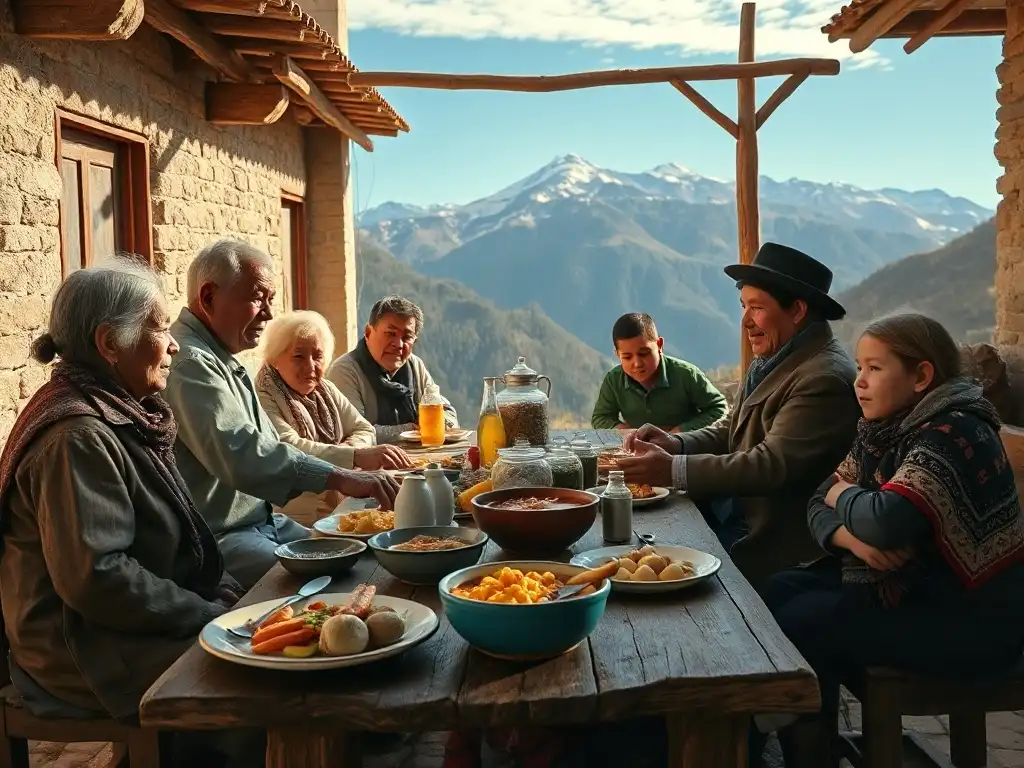
Despite the significant challenges posed by colonialism, modernization, and urbanization, Andean family values have shown remarkable resilience. While traditional structures have undoubtedly changed, the importance of family remains central to Andean life. Families continue to provide essential social and emotional support, and strong family ties often endure across geographical distances. Many families have adapted to changing circumstances by maintaining close relationships despite living in different locations, utilizing technologies like telephones and the internet to stay connected.
Moreover, Andean families have demonstrated a remarkable capacity for innovation and adaptation in their response to economic hardship. Many families engage in diverse economic activities, combining traditional agricultural practices with other income-generating strategies to ensure their survival and well-being. The strong emphasis on mutual support and cooperation within families continues to play a vital role in navigating economic uncertainties.
Furthermore, there is a growing recognition of the importance of preserving and celebrating traditional Andean culture, including family customs and values. This renewed focus on cultural identity has fostered a sense of community and collective pride, strengthening family bonds and reinforcing traditional values in new and evolving contexts.
The adaptability and resilience of Andean families underscore the enduring strength of their cultural heritage in the face of profound social and economic change. The enduring strength of Andean family values – a testament to their inherent resilience – continues to shape the cultural landscape of the Andes.
Maintaining Core Values: The Strength of Andean Family Resilience
Andean family structures, while adapting to external pressures throughout history, have demonstrated remarkable resilience in preserving core values. The emphasis on ayni—reciprocity and mutual support—remains a cornerstone of Andean family life. This principle, deeply ingrained in the cultural fabric, ensures the well-being of individual family members and the community as a whole.
Even facing colonization, forced migration, and economic hardship, the commitment to collective responsibility and shared resources has persisted. For example, the minga, a communal work system, continues to be practiced in many Andean communities, highlighting the enduring importance of collaborative efforts within families and extended kinship networks. This collective approach to problem-solving and resource management significantly contributes to the resilience of Andean families in the face of adversity.
The strong bonds of kinship and the unwavering commitment to mutual aid have proven to be powerful buffers against social and economic upheavals, preserving the essence of Andean family values across time. The inherent flexibility within these values allows for adaptation without sacrificing the core principles of community and cooperation.
Preserving Cultural Heritage Through Family Practices
The transmission of Andean cultural heritage is intrinsically linked to family practices. Family units serve as vital repositories of traditional knowledge, skills, and beliefs. This knowledge, encompassing everything from agricultural techniques and medicinal plant use to intricate weaving patterns and storytelling traditions, is carefully passed down through generations within the family structure.
Grandparents play a crucial role, often acting as keepers of ancestral wisdom and cultural memory, imparting valuable lessons and skills to younger generations. The practice of storytelling, for instance, is a powerful tool for preserving cultural narratives and values. These stories, often passed down orally within families, recount the history of the community, the struggles and triumphs of ancestors, and the importance of adhering to traditional customs.
Furthermore, the creation and preservation of traditional crafts, such as textiles and pottery, often take place within the family unit, reinforcing cultural identity and ensuring the continuity of artistic traditions. This intimate transmission within the family context ensures the sustainability of Andean cultural heritage, even in the face of globalization and modernization. The family becomes a crucial safeguard against cultural loss.
The Transmission of Andean Family Values Across Generations
The transmission of Andean family values across generations is a dynamic process shaped by both continuity and adaptation. While core principles like ayni and respect for elders remain central, their practical application evolves in response to changing circumstances. For example, while traditional agricultural practices are still valued, younger generations might incorporate modern techniques to improve yields.
Similarly, while respect for elders remains paramount, the dynamics of family relationships might adapt to reflect changing social norms. However, this adaptation doesn't signal a weakening of family values; rather, it demonstrates a flexibility that ensures their continued relevance. The integration of new knowledge and skills within the existing framework of family values strengthens the community's ability to navigate modern challenges while maintaining its cultural identity.
This continuous process of adaptation and renewal ensures the enduring legacy of Andean family values, guaranteeing their relevance and strength for future generations. The ability to balance tradition and innovation is a testament to the resilience of Andean family structures. The emphasis remains on maintaining strong family bonds and supporting each other, regardless of the specific context.
Contemporary Challenges and Opportunities for Andean Families
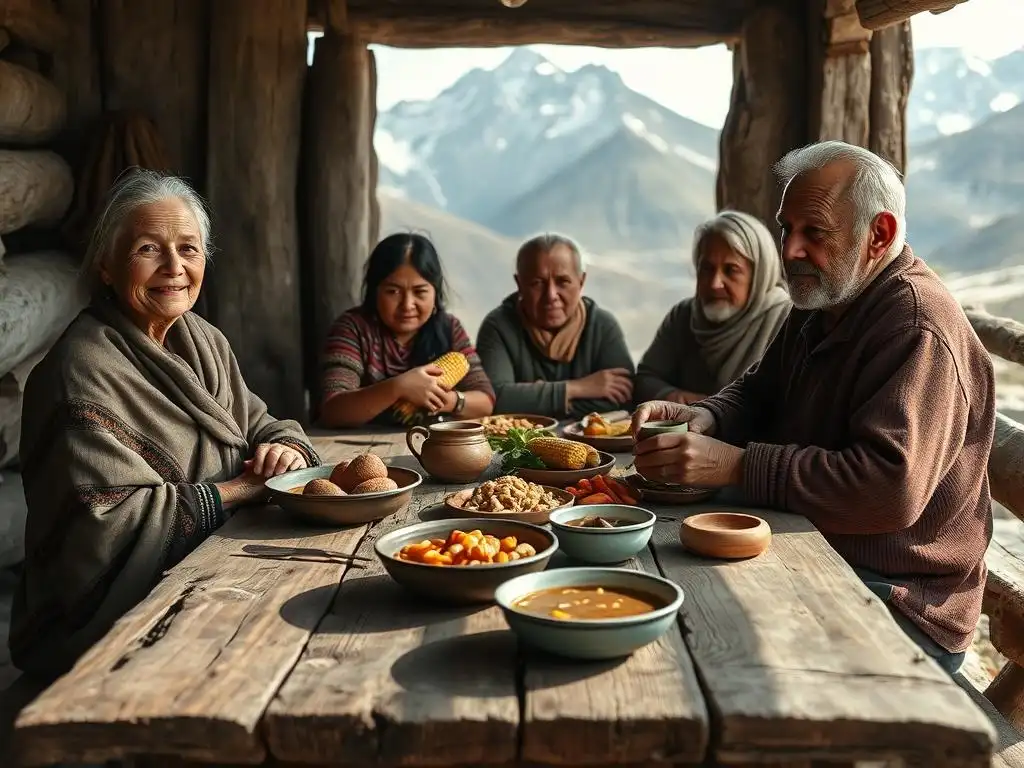
Andean families today face a complex web of challenges and opportunities shaped by globalization, migration, and economic shifts. Rapid urbanization, for instance, has led to a significant disruption of traditional agricultural lifestyles, forcing many families to adapt to new economic realities in urban centers. This transition often involves a shift from extended family structures, where multiple generations lived together and shared resources, to smaller, nuclear family units.
This change can strain traditional support systems, impacting the care of elderly family members and the upbringing of children. However, it also presents opportunities for individual advancement and access to education and healthcare, which were often limited in rural settings. The increased access to information and technology also allows for greater connectivity between family members, even when geographically separated, mitigating some of the isolation that can accompany migration.
Moreover, the rise of indigenous rights movements has fostered a renewed appreciation for traditional Andean values and practices, leading to a resurgence of interest in cultural preservation and community-based initiatives that support families. These initiatives often focus on strengthening family bonds and promoting intergenerational knowledge transfer, creating a dynamic interplay between tradition and modernity.
Balancing Tradition and Change in Modern Andean Life
The balancing act between preserving traditional Andean family values and adapting to the demands of modern life is a constant negotiation for Andean families. The concept of ayni, the principle of reciprocity and mutual support, remains central to many Andean communities, but its practical application has evolved. While the traditional practice of ayni involved direct exchange of goods and labor within the community, modern interpretations might involve financial assistance or shared childcare responsibilities.
Similarly, the concept of yanantin, the duality of complementary opposites, continues to shape family dynamics, but the expression of this duality might manifest differently in urban contexts. For example, the traditional division of labor between men and women is increasingly challenged as women enter the formal workforce and men take on more domestic responsibilities. This shift doesn't necessarily negate yanantin; instead, it redefines its expression within a changing social landscape.
The challenges lie in navigating these shifts without sacrificing the core values of community, mutual respect, and intergenerational solidarity that have long characterized Andean family structures. This requires a conscious effort to adapt traditional practices to modern circumstances while retaining their underlying principles. Many families find creative solutions, blending traditional customs with modern conveniences and perspectives.
The Enduring Legacy of Andean Family Values in the 21st Century
Despite the significant social and economic transformations experienced by Andean societies, many traditional family values remain remarkably resilient. The emphasis on collective well-being, respect for elders, and strong kinship ties continues to shape family dynamics and community structures. The importance of familia extends beyond the immediate nuclear family, encompassing extended family members, godparents, and community members.
This broad definition of family provides a crucial support network, offering assistance during times of need and fostering a sense of belonging. While modernization has undeniably brought about changes, the underlying principles of mutual support, reciprocity, and communal responsibility endure. The resilience of these values is evident in the continued importance of family rituals, celebrations, and communal activities.
These practices serve not only to reinforce family bonds but also to transmit cultural knowledge and values across generations. The strength of Andean family values lies in their adaptability; they have proven capable of evolving while maintaining their core essence, ensuring the continuation of a rich cultural heritage into the 21st century and beyond. The ongoing adaptation and reinterpretation of these values represent a dynamic process of cultural continuity in the face of change.
- Understanding the Historical Roots of Andean Family Values
- Traditional Andean Kinship Systems: A Foundation of Community
- The Importance of Ayni and Reciprocity in Andean Family Life
- Andean Family Structures: Beyond the Nuclear Family
- The Role of Elders in Andean Family Traditions
- The Impact of External Factors on Andean Family Values History
- Colonial Influences on Andean Family Structures
- The Effects of Modernization and Urbanization on Andean Families
- Adaptations and Transformations in Andean Family Dynamics
- Maintaining Core Values: The Strength of Andean Family Resilience
- Preserving Cultural Heritage Through Family Practices
- The Transmission of Andean Family Values Across Generations
- Contemporary Challenges and Opportunities for Andean Families
- Balancing Tradition and Change in Modern Andean Life
- The Enduring Legacy of Andean Family Values in the 21st Century
Frequently Asked Questions
How did Andean family structures differ from European models?
Andean family structures often emphasized extended family units, including grandparents, aunts, uncles, and cousins, living together and sharing responsibilities, unlike the more nuclear European model. This fostered strong intergenerational bonds and community support.
What role did kinship play in Andean society?
Kinship was fundamental to Andean social organization. Lineages and clans determined social standing, access to resources, and political alliances. Strong family ties were essential for survival and prosperity.
How did Andean family values adapt to Spanish colonization?
While colonization significantly disrupted Andean societies, many traditional values persisted, adapting and blending with Spanish influences. Family remained a central unit, though its structure and roles were often altered.
What evidence reveals the importance of family in Andean culture?
Archaeological findings, such as multi-generational burials and the layout of settlements, reveal the central role of the extended family. Ethnographic studies of surviving Andean communities also highlight the enduring importance of family ties.
What are some enduring aspects of Andean family values today?
Many traditional Andean family values, such as collective responsibility, respect for elders, and strong community bonds, continue to be important in contemporary Andean societies. These values contribute to resilience and social cohesion.
Final Reflection: Echoes of the Andes: A Legacy of Resilience
The enduring strength of Andean family values is not merely a historical footnote; it's a vibrant, living testament to the power of community and adaptation in the face of relentless societal shifts. These values, woven into the very fabric of Andean society for centuries, continue to shape individual lives and influence broader cultural trends, offering invaluable lessons for navigating the complexities of the modern world.
The profound impact of these traditions extends far beyond the historical record. They represent a deep-seated commitment to kinship, mutual support, and a profound respect for elders, principles that are increasingly vital in our fragmented, individualistic society. The family is the first essential cell of human society.
This simple statement, though seemingly commonplace, encapsulates the enduring power of the family unit, a power that Andean cultures have consistently demonstrated through their resilience and adaptability across generations. The strength of these familial bonds has allowed Andean communities to not only survive but thrive, even amidst significant economic and social upheaval.
Consider the lessons embedded within these resilient traditions. How can we, in our own lives, cultivate stronger bonds of community and mutual support? How can we honor the wisdom of our elders and integrate their experiences into our own understanding of the world?
You hold the power to build stronger connections, to foster a sense of belonging, and to create a more supportive and compassionate world, inspired by the enduring legacy of Andean family values. Let the echoes of the Andes resonate within you, prompting a deeper reflection on the importance of family and community in shaping a more meaningful and fulfilling life.
Embrace Andean Values for a Brighter Tomorrow!
Thank you for exploring the rich tapestry of Andean family values with us! You've discovered the resilience and strength inherent in these traditions, and now it's time to put that inspiration into action. Let's honor and nurture these values as we face life's challenges.
Here are some simple yet impactful ways to connect more deeply with Andean family values:
- **Share Your Story:** Reflect on how your family traditions shape your identity, and share your thoughts with loved ones or on social media to inspire others. A short written reflection would be a great starting point.
- **Create a Family Ritual:** Establish or revive a weekly family gathering where you share experiences, meals, or celebrate your cultural heritage. This could be a wonderful way to strengthen family bonds.
- **Explore Andean Heritage:** Visit a local cultural center or museum to learn more about the history and practices of Andean civilizations. Immersing yourself in this rich heritage will deepen your understanding.
How can you incorporate the spirit of Andean resilience into your daily life? Share your ideas below!