
The Inca's Agricultural Planning: A Strategy for Sustained Growth


Step into a world lost to time, yet echoing with ingenuity and resilience. Journey with us through the breathtaking landscapes of the Andes, where ancient civilizations flourished, leaving behind a legacy of awe-inspiring artistry and sophisticated technology. But what secrets lie beneath the surface of their success?
Discover the remarkable story of Inca agricultural planning techniques, a testament to their mastery of sustainable growth – a system so advanced, it continues to inspire us today. Unravel the mysteries of this remarkable civilization and unlock the knowledge hidden within their ingenious agricultural practices. Read on to uncover the secrets of the Incas’ enduring legacy.
The Inca Empire, renowned for its sophisticated social and political structures, also boasted remarkably advanced agricultural planning techniques. This wasn't simply about producing enough food; it was a complex system designed to ensure sustainable growth and resilience across diverse and challenging terrains. From the high-altitude Andes to the coastal deserts, the Inca implemented ingenious strategies to maximize agricultural output, demonstrating a deep understanding of their environment and a commitment to long-term prosperity. This article delves into the key aspects of Inca agricultural planning, revealing the ingenuity and foresight behind their impressive achievements, and showcasing how their methods contributed to the empire's remarkable expansion and longevity. Understanding their agricultural planning techniques provides crucial insight into the overall success of the Inca civilization and offers valuable lessons for modern sustainable agriculture practices. We will explore the diverse techniques employed, their impact on the Inca society, and the lasting legacy they left behind.
Terracing: Conquering the Slopes
Inca agricultural planning heavily relied on terracing, a technique that transformed steep, mountainous slopes into cultivatable land. These terraces, meticulously constructed using stone walls, created level platforms that slowed water runoff, prevented soil erosion, and optimized sunlight exposure for crops. The scale and precision of these terracing projects are breathtaking, demonstrating a mastery of engineering and a deep understanding of hydrological principles.
The size and number of terraces varied depending on the slope’s incline and the available space, showcasing adaptability in their approach. For example, the terraces at Moray, near Cusco, are believed to have served as experimental agricultural plots, with differing microclimates within each terrace enabling the cultivation of a wide variety of crops. This meticulous approach to terracing significantly increased arable land and ensured food security even in challenging mountainous regions.
Irrigation Systems: Harnessing Water Resources
The Inca's mastery of water management is equally impressive. They constructed intricate irrigation systems, channeling water from rivers and streams to irrigate fields, even those located at considerable distances from water sources. These systems frequently involved canals, aqueducts, and reservoirs, often carved into rock and built with remarkable precision. Their understanding of water flow and distribution allowed them to cultivate crops in areas that would otherwise have been unsuitable for agriculture.
The ingenuity of these systems is evident in their ability to adapt to varied terrains and climates. Detailed records, though scarce, show that they used sophisticated techniques to manage water flow, including diverting water using strategically placed weirs and distributing water evenly across fields using a network of smaller channels. This efficient irrigation system was crucial for sustaining agricultural production during the dry season and contributing to the empire's food security.
Crop Rotation and Fertilization: Ensuring Soil Health
Inca agricultural planning was not limited to terracing and irrigation. They also implemented practices that maintained soil fertility and prevented depletion. Evidence suggests they employed crop rotation, alternating different crops in a specific field over time to prevent the depletion of essential nutrients in the soil. This careful planning ensured the long-term productivity of the land.
Furthermore, the Inca utilized various forms of organic fertilization, including animal manure and guano (bird droppings), to enrich the soil and enhance crop yields. The strategic use of these organic fertilizers, combined with crop rotation, showcased their understanding of sustainable agricultural practices. This holistic approach to soil management played a vital role in ensuring consistent agricultural output and the long-term sustainability of their farming practices. The results were impressive harvests that sustained a vast population.
Waru Waru: A Unique Andean Agricultural System

Beyond terracing and irrigation, the Inca also utilized a unique agricultural system known as waru waru. This involved creating raised beds separated by canals, which acted as both irrigation channels and drainage systems. The canals regulated soil temperature and moisture, creating a favorable microclimate for plant growth, even in challenging conditions.
Furthermore, the canals served as a breeding ground for fish and other aquatic life, providing an additional source of protein for the Inca population. This integrated approach to agriculture, combining crop cultivation with aquaculture, demonstrated a remarkable understanding of ecological principles and maximized resource utilization. The waru waru system highlights the Inca's innovative and sustainable approach to agricultural planning, which optimized both food production and resource management.
The Legacy of Inca Agricultural Planning
The Inca's sophisticated agricultural planning techniques stand as a testament to their ingenuity and foresight. Their methods, developed over centuries, were not only successful in sustaining a large population but also remarkably sustainable. The legacy of Inca agricultural planning continues to inspire modern agricultural practices, offering valuable lessons in resource management, sustainable land use, and the importance of adapting to diverse environmental conditions.
The resilience and adaptability inherent in their systems serve as a powerful example for contemporary efforts to develop sustainable agriculture in challenging environments. Understanding their techniques offers crucial insights into building resilient and productive food systems for the future. The impact of their innovative approaches is still felt today, reminding us of the importance of sustainable agricultural practices.
- Terracing: Conquering the Slopes
- Irrigation Systems: Harnessing Water Resources
- Crop Rotation and Fertilization: Ensuring Soil Health
- Waru Waru: A Unique Andean Agricultural System
- The Legacy of Inca Agricultural Planning
- What were the key elements of Inca agricultural planning?
- How did terracing benefit Inca agriculture?
- What role did irrigation play in Inca agricultural success?
- What other techniques did the Incas use besides terracing and irrigation?
- How did Inca agricultural planning contribute to the empire's growth?
Understanding Inca Agricultural Practices and Planning
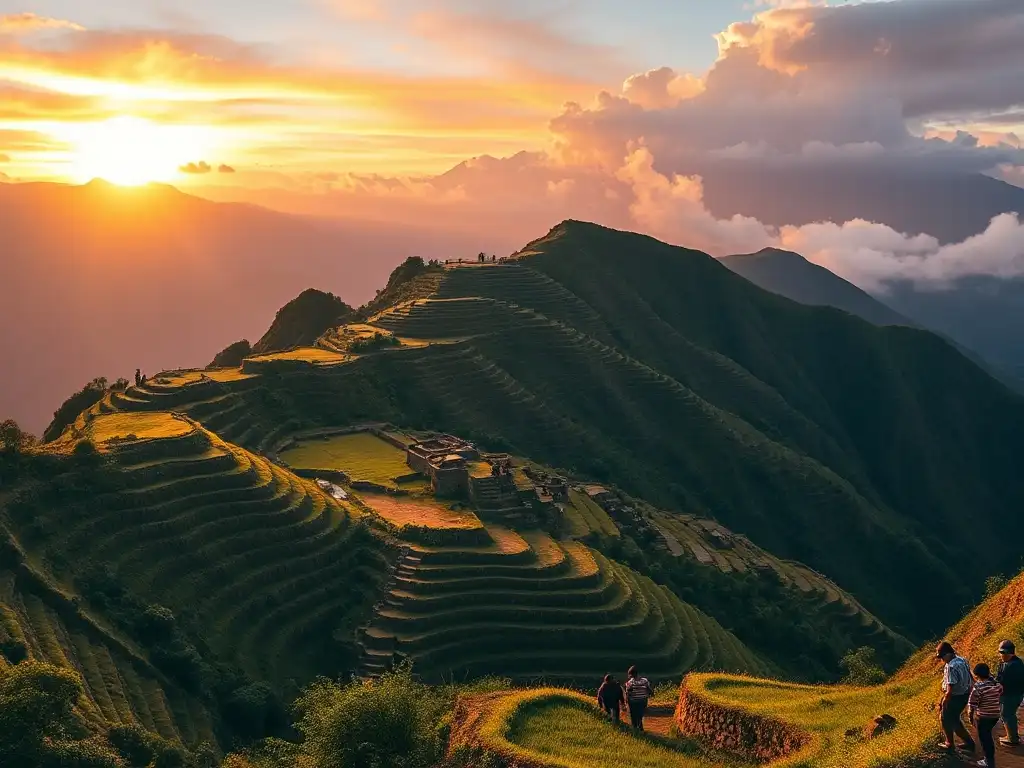
This section delves into the sophisticated agricultural practices and meticulous planning employed by the Inca Empire, a key factor in their sustained growth and societal stability. We will explore the significance of agriculture within their society and dissect the core elements of their innovative planning techniques. Understanding these strategies offers valuable insights into their remarkable ability to thrive in challenging Andean environments. The Inca's mastery of agricultural planning techniques is a testament to their ingenuity and adaptability.
The Significance of Agriculture in the Inca Empire
Agriculture was not merely a source of sustenance for the Inca; it was the very bedrock of their empire. Their societal structure, economic system, and even their religious beliefs were deeply intertwined with agricultural production. Unlike many other ancient civilizations that relied heavily on hunting and gathering, the Inca developed a complex and highly organized agricultural system capable of supporting a large and densely populated empire.
This system ensured food security, even in the face of environmental challenges such as steep mountain slopes, unpredictable weather patterns, and limited arable land. The success of Inca agriculture was crucial for maintaining social order, facilitating trade, and fueling the expansion of the empire. Their surplus production allowed for the accumulation of wealth, the support of a large bureaucracy, and the construction of impressive infrastructure projects, all testaments to the importance of their agricultural prowess.
The Inca's success highlights the crucial role of effective agricultural planning techniques in the development and longevity of a civilization. Their approach serves as a compelling case study for sustainable resource management.
Key Elements of Inca Agricultural Planning Techniques
The Inca's agricultural success stemmed from a combination of ingenious techniques and meticulous planning. Several key elements contributed to their remarkable achievements:
- Terracing: The construction of extensive terrace systems on steep mountain slopes is arguably their most iconic agricultural innovation. These terraces dramatically increased the amount of arable land available, creating level platforms for cultivation. Furthermore, terraces helped to prevent soil erosion, retain moisture, and optimize sunlight exposure. The scale and precision of these terracing projects are astonishing, demonstrating a sophisticated understanding of engineering and land management. Evidence suggests that different types of terraces were built, adapted to various slopes and soil conditions.
- Irrigation Systems: The Inca developed complex and extensive irrigation systems to manage water resources effectively. Canals, aqueducts, and reservoirs were constructed to divert water from rivers and streams to irrigate their fields, even in arid regions. This allowed them to cultivate crops in areas that would otherwise have been unsuitable for agriculture. The sophisticated management of water resources was crucial for ensuring consistent crop yields, particularly during periods of drought. The precise engineering and meticulous planning involved in these irrigation projects are a testament to the Inca's advanced understanding of hydraulic engineering.
- Crop Rotation and Fertilization: To maintain soil fertility and prevent depletion, the Inca practiced crop rotation, alternating the types of crops grown in a particular field over time. They also employed various fertilization techniques, using manure, compost, and other organic materials to enrich the soil. This sustainable approach helped to ensure long-term productivity and prevented soil degradation. Specific details regarding the exact rotation cycles and fertilization methods employed are still under investigation by archaeologists, but evidence points towards a sophisticated and carefully planned system.
- Waru Waru: This unique agricultural technique involved creating raised beds surrounded by canals. This innovative system improved drainage, regulated soil temperature, and provided a microclimate conducive to crop growth, even in cold, high-altitude regions. The Waru Waru system also acted as a natural water reservoir, storing water during the rainy season and releasing it slowly during drier periods. This sustainable approach to water management was particularly important in regions with limited water resources. The effectiveness of Waru Waru is still being studied and replicated in modern agricultural practices.
- Seed Selection and Storage: The Inca carefully selected and stored seeds, ensuring the quality and diversity of their crops. They developed sophisticated seed banks and storage facilities to preserve seeds for future planting. This allowed them to maintain a diverse range of crops and adapt to changing environmental conditions. This meticulous approach to seed management contributed significantly to their agricultural resilience and food security. Further research is needed to fully understand the methods used for seed selection and preservation, but the impact on their agricultural success is undeniable.
The Inca's agricultural planning techniques were not merely practical strategies; they were integral to their social, political, and religious systems. This integrated approach to resource management is a powerful example of sustainable development and a testament to their remarkable ingenuity. Their legacy continues to inspire modern agricultural practices and offers valuable lessons for sustainable resource management in challenging environments.
Advanced Inca Farming Methods

The Inca Empire, renowned for its sophisticated social and political structures, also possessed remarkably advanced agricultural planning techniques. Their success wasn't solely due to a fertile landscape; rather, it stemmed from a deep understanding of environmental challenges and the ingenuity to overcome them. This section delves into the specific methods employed by the Inca, showcasing their mastery of agricultural engineering and resource management, contributing significantly to the empire's sustained growth and stability. Understanding these Inca agricultural planning techniques reveals a civilization deeply connected to its environment and committed to sustainable practices.
Terraced Farming: Maximizing Land Use
Terraced farming was a cornerstone of Inca agricultural planning. The Andes Mountains, while offering breathtaking views, presented a steep and challenging terrain for agriculture. The Inca brilliantly overcame this obstacle by carving intricate terraces into the mountain slopes. These weren't simply haphazard cuts; they were meticulously designed, utilizing sophisticated engineering principles.
The terraces were typically built with retaining walls made of stone, carefully fitted together without mortar, a testament to their advanced stonemasonry skills. The walls served multiple purposes: they supported the soil, preventing erosion; they created level platforms for planting; and they helped to control water flow. The size and slope of each terrace were adapted to the specific topography, maximizing land use and minimizing soil loss.
This method allowed the Inca to cultivate land that would otherwise have been unusable, significantly increasing their agricultural output. The scale of these projects is truly impressive, with some terraced landscapes stretching for miles along mountain slopes. For example, the impressive terraces at Moray, near Cusco, are a striking testament to this ingenuity.
They are believed to have served not only as agricultural plots but also as experimental agricultural sites, showcasing the Inca's dedication to agricultural research and development. The precise measurements and orientation of the terraces suggest a deep understanding of solar radiation and its impact on crop growth.
The efficiency of terraced farming is evident in the empire's ability to sustain a large population despite the challenging terrain. This technique is still used today in many parts of the Andes, a testament to its enduring effectiveness. The Inca’s mastery of this technique is a key aspect of understanding their Inca agricultural planning techniques and overall success.
Irrigation Systems: Ensuring Water Supply
Water scarcity was another significant challenge in the Andean highlands. To overcome this, the Inca developed sophisticated irrigation systems that channeled water from rivers and streams to their agricultural fields. These weren't simple canals; they were complex networks of channels, aqueducts, and reservoirs, demonstrating remarkable engineering skill and planning.
These systems often involved diverting water over considerable distances, using a combination of gravity and ingenious water management techniques. They built canals of varying sizes, carefully graded to ensure a consistent flow of water. They also constructed reservoirs to store water during the rainy season for use during drier periods. The construction of these systems required significant labor, highlighting the importance of agriculture within the Inca social structure. The intricate network of canals and reservoirs not only supplied water to the terraces but also regulated its flow, preventing flooding and ensuring an even distribution of water to the crops.
The Inca’s understanding of water management is particularly evident in their use of qanatos, underground channels that tapped into underground water sources. These systems were especially important in arid regions, providing a reliable source of water even during prolonged droughts. The construction and maintenance of these irrigation systems required careful planning and a high degree of cooperation among the communities. The success of their irrigation systems contributed significantly to the food security and stability of the Inca Empire, further solidifying the importance of their Inca agricultural planning techniques.
Crop Rotation and Soil Management Practices
Beyond impressive infrastructure, the Inca also employed sophisticated crop rotation and soil management practices to maintain soil fertility and prevent erosion. They understood the importance of diversifying their crops and rotating them to prevent the depletion of essential nutrients in the soil.
They utilized a system of crop rotation that included a variety of crops, such as maize, potatoes, quinoa, and beans. This practice helped to maintain soil fertility and prevent the buildup of pests and diseases. They also employed techniques such as composting and the use of manure to enrich the soil. Furthermore, they understood the importance of fallow periods, allowing fields to rest and recover before replanting. This careful management of soil resources was crucial to the long-term sustainability of their agricultural practices.
The Inca’s understanding of soil health is further demonstrated by their use of different types of fertilizer. They used both organic fertilizers, such as manure and compost, and inorganic fertilizers, such as volcanic ash. The selection of fertilizers was often tailored to the specific needs of the crop and the soil type.
This sophisticated approach to soil management allowed them to maintain high agricultural yields for centuries. Their meticulous attention to soil health underscores the depth and sophistication of their Inca agricultural planning techniques, demonstrating a commitment to long-term sustainability that is still relevant today. The Inca’s approach to agriculture serves as a valuable lesson in sustainable resource management, offering insights that are pertinent to modern agricultural practices.
Inca Agricultural Calendar and Seasonal Planning
The Inca Empire's success wasn't solely based on its military prowess or sophisticated societal structure; it was deeply rooted in its remarkably efficient agricultural practices. Central to this success was a meticulously developed agricultural calendar and sophisticated system of seasonal planning. This wasn't merely a matter of planting and harvesting; it was a complex interplay of astronomical observations, detailed knowledge of microclimates, and a deeply ingrained understanding of the Andean environment.
The Inca calendar, intricately tied to the sun's movements and the phases of the moon, dictated the precise timing of agricultural activities across the vast empire. This ensured optimal planting and harvesting times, maximizing yields and minimizing the risks associated with unpredictable weather patterns common in the Andes.
Different regions within the empire, ranging from coastal deserts to high-altitude valleys, experienced vastly different climatic conditions. The Inca calendar wasn't a one-size-fits-all approach; instead, it was adapted to these regional variations. Local specialists, often revered as wise elders or religious figures, would interpret celestial events and adjust the planting schedules accordingly.
This localized approach, combined with the empire's sophisticated communication networks, ensured that agricultural practices were optimized for each specific environment. For example, the planting of potatoes, a staple crop, was carefully timed to coincide with the onset of the rainy season in the highlands, while maize cultivation in the lower valleys followed a different, yet equally precise, timetable.
The Inca's understanding of microclimates was astonishingly advanced for its time. They recognized that even within a small area, variations in altitude, sunlight exposure, and soil composition could significantly impact crop yields. This understanding led to the development of intricate terracing systems that maximized the utilization of available land and optimized conditions for different crops.
Furthermore, they employed sophisticated irrigation techniques, diverting water from rivers and streams to ensure consistent water supply even during dry periods. This careful planning, guided by their detailed calendar and deep knowledge of local conditions, allowed the Inca to achieve remarkable agricultural productivity, supporting a large and densely populated empire. The precision of their seasonal planning is evident in the archaeological record, which reveals the careful selection of planting sites based on factors like soil drainage, sunlight exposure, and proximity to water sources.
The Inca's commitment to careful observation and precise planning was a cornerstone of their agricultural success and a testament to their advanced understanding of the natural world. This sophisticated system of agricultural planning was a crucial factor in the Inca Empire's ability to sustain its large population and maintain its power for centuries.
Inca Resource Management for Agricultural Success
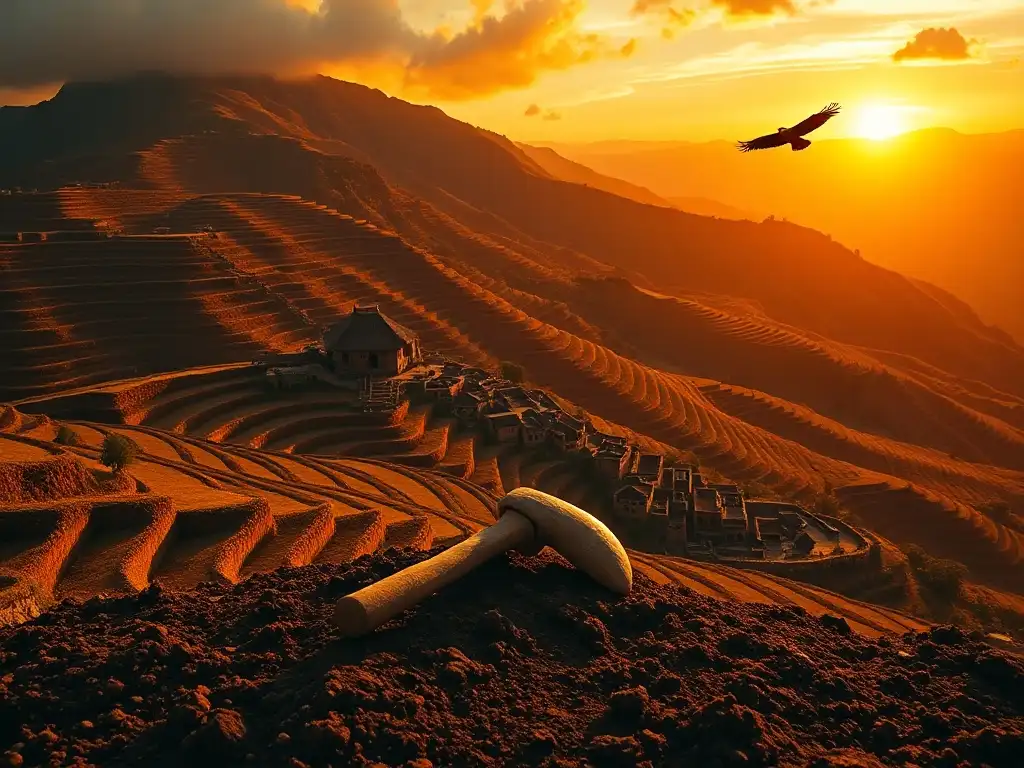
The Inca Empire's remarkable longevity and expansive reach were significantly underpinned by sophisticated agricultural planning techniques. Their success wasn't solely reliant on innovative farming methods but also on a robust system of resource management that ensured the efficient production, storage, and distribution of food across the diverse Andean landscape. This intricate system, encompassing meticulous planning, effective labor organization, and strong state intervention, allowed the Inca to achieve remarkable agricultural sustainability and support a large, densely populated empire.
Understanding these strategies provides crucial insight into the ingenuity and organizational prowess of the Inca civilization and its impact on its environment. The keyword phrase "Inca agricultural planning techniques" is central to understanding this complex system.
Storage and Distribution of Agricultural Products
Efficient storage and distribution were crucial elements of Inca agricultural planning techniques. The Incas developed a sophisticated network of storehouses, known as qollqas, strategically located throughout the empire. These weren't simply rudimentary structures; they were carefully designed to preserve agricultural products against the harsh Andean climate. Many qollqas were built underground or into hillsides, utilizing natural insulation to maintain stable temperatures and humidity levels. This minimized spoilage and ensured a reliable food supply year-round, crucial for a society heavily reliant on agriculture.
The design of the qollqas itself demonstrates advanced engineering knowledge. Ventilation systems, often incorporating ingenious use of natural airflow, prevented mold and rot. The construction materials, often carefully chosen stone, further enhanced preservation. Furthermore, the location of these storehouses was strategically planned to be easily accessible for both producers and consumers.
The distribution of stored goods was managed by a complex bureaucratic system. Accountants meticulously tracked the quantities of stored food, ensuring equitable distribution among the population. This prevented famines during lean periods and fostered social stability, a critical component of the empire's enduring success. This system effectively mitigated the risks associated with variable harvests and ensured the survival of the population even in the face of challenging environmental conditions. The effectiveness of this system speaks volumes to the advanced logistical capabilities of the Inca civilization and their understanding of resource management.
Labor Organization and Community Involvement
Inca agricultural planning techniques relied heavily on a highly organized labor system, integrating community involvement and state-directed projects. The mita system, a form of mandatory public service, played a central role in agricultural production. While often associated with mining and construction, the mita also contributed significantly to agricultural tasks, such as terracing, irrigation, and harvesting. This ensured a large labor pool for large-scale projects, such as the creation of extensive irrigation canals or the cultivation of vast agricultural terraces.
Furthermore, the ayllu, the traditional community organization, was integral to agricultural production. Land was allocated within the ayllu, with collective responsibility for its cultivation and maintenance. This fostered a sense of community ownership and ensured efficient land use. The communal aspect of the ayllu also facilitated the sharing of resources, knowledge, and labor, enhancing the overall productivity of the agricultural system.
This combination of state-directed labor and community involvement created a highly effective and adaptable agricultural system. It allowed the Incas to undertake large-scale projects while also ensuring that the needs of individual communities were met. The integration of the mita and the ayllu represents a sophisticated understanding of labor management and its crucial role in achieving agricultural sustainability. This was a key component of the overall Inca agricultural planning techniques.
The Role of the State in Inca Agricultural Planning
The Inca state played a crucial, overarching role in agricultural planning. Far from a passive observer, the state actively shaped agricultural practices, implemented infrastructure projects, and regulated resource allocation. The state’s involvement extended from the planning and execution of large-scale irrigation projects to the distribution of agricultural surpluses. This central control ensured efficient resource use and mitigated the risks associated with climate variability.
The state's involvement in agricultural planning is evident in the extensive network of irrigation canals and terraces that characterize Inca agricultural landscapes. These ambitious engineering feats required meticulous planning, coordination, and a substantial labor force, all under the direction of the state. Moreover, the state's control over the distribution of agricultural products ensured that food supplies reached even the most remote regions of the empire, preventing widespread famine and maintaining social stability.
The state’s intervention wasn't merely about resource allocation; it was also about technological innovation and knowledge dissemination. The state encouraged the adoption of improved farming techniques and the development of new crops, further enhancing agricultural productivity. This proactive approach to agricultural development is a testament to the Inca state’s sophisticated understanding of the importance of agriculture to the empire's survival and prosperity.
This centralized control, combined with the ingenious agricultural techniques, is what made the Inca Empire's agricultural system so remarkably resilient and productive. Understanding the state's role is crucial to fully grasping the intricacies of Inca agricultural planning techniques.
Impact and Legacy of Inca Agricultural Planning Techniques
The Inca agricultural planning techniques left an undeniable mark on the Andes, shaping not only the landscape but also the social and political fabric of the empire. Their sophisticated systems ensured food security for a vast and diverse population, contributing significantly to the Inca's remarkable expansion and longevity. The legacy of their ingenuity continues to resonate today, offering valuable lessons for sustainable agriculture and resource management in the face of modern challenges.
Understanding their achievements allows us to appreciate the depth of their knowledge and the enduring impact of their practices. The scale of their agricultural projects, from terraced fields clinging to impossibly steep slopes to intricate irrigation systems spanning vast distances, remains a testament to their organizational prowess and profound understanding of their environment. Their success wasn't solely based on technological innovation; it was deeply intertwined with a complex social structure that prioritized community and resource allocation.
Sustaining a Large Population Through Efficient Farming
The Inca Empire, at its zenith, supported millions of people across a geographically diverse and challenging terrain. This was only possible due to the remarkable efficiency of their agricultural planning. Their methods weren't simply about producing enough food; they were about optimizing yields and ensuring equitable distribution across the empire. This involved:
- Terracing: The iconic terraced fields dramatically increased arable land, transforming steep slopes into productive farmland. These weren't haphazardly constructed; they were meticulously planned, taking into account factors such as sun exposure, drainage, and soil type. The precise orientation of terraces maximized sunlight and minimized erosion, ensuring optimal crop growth even in challenging environments. Evidence suggests that different terraces were used for different crops, showcasing a sophisticated understanding of agricultural diversification.
- Irrigation Systems: The Inca built extensive canal networks to channel water from rivers and streams to their fields, enabling agriculture in otherwise arid regions. These systems were not only functional but also aesthetically pleasing, often integrated into the landscape in a way that minimized environmental disruption. The ingenuity of their design allowed for water distribution across vast areas, ensuring consistent water supply even during dry seasons. Sophisticated techniques, like the use of aqueducts and underground channels, minimized water loss and maximized efficiency.
- Crop Rotation and Fertilization: Inca farmers practiced crop rotation and employed various fertilization techniques to maintain soil fertility. They understood the importance of diversifying crops, not only for nutritional reasons but also to prevent soil depletion. The use of organic fertilizers, such as guano (bird droppings) and compost, further enriched the soil, enhancing crop yields over the long term. This demonstrates a deep understanding of ecological principles and sustainable agricultural practices.
Lessons from Inca Agriculture for Modern Sustainability
The Inca's approach to agriculture offers crucial lessons for modern sustainable agriculture practices. Their emphasis on:
- Water conservation: In a world facing increasing water scarcity, the Inca's efficient irrigation systems serve as a potent example of responsible water management. Their techniques, adapted to the specific needs of their environment, offer valuable insights for modern irrigation design and water conservation strategies.
- Soil health: Their focus on soil health through crop rotation and fertilization is directly applicable to contemporary concerns about soil degradation and desertification. The use of organic methods, minimizing chemical inputs, is a key element of sustainable agriculture.
- Biodiversity: The Inca's emphasis on crop diversification mirrors modern calls for increased agricultural biodiversity. This approach not only enhances food security but also builds resilience against pests and diseases.
- Community involvement: The Inca's successful agricultural system was rooted in community participation and resource sharing. This collaborative approach provides a model for fostering sustainable agricultural practices at a community level. Modern agricultural systems could benefit greatly from the cooperative spirit that was integral to the Inca’s success.
Exploring the Enduring Influence of Inca Ingenuity
The impact of Inca agricultural planning techniques extends far beyond their historical context. Many Andean communities still utilize variations of their methods, demonstrating the enduring relevance of their knowledge. Furthermore, researchers continue to study Inca agricultural practices to gain insights into sustainable agriculture and resource management.
This ongoing research highlights the lasting legacy of their ingenuity and the potential for applying their principles to address modern challenges. Their sophisticated systems, developed in response to the unique challenges of the Andes, provide valuable lessons for sustainable agriculture worldwide, demonstrating the timeless relevance of their approach and the importance of learning from the past to build a more sustainable future. The ingenuity of the Inca agricultural planning techniques serves as a powerful reminder of the profound connection between human ingenuity and environmental stewardship.
Frequently Asked Questions
What were the key elements of Inca agricultural planning?
The Inca employed several ingenious techniques, including terracing, irrigation systems, and crop rotation, to maximize food production in diverse environments. Their success stemmed from a deep understanding of their environment and sophisticated water management.
How did terracing benefit Inca agriculture?
Terracing allowed the Incas to cultivate steep slopes, transforming them into productive farmland. This significantly increased the amount of arable land available, especially in mountainous regions.
What role did irrigation play in Inca agricultural success?
The Incas developed extensive irrigation canals and aqueducts to bring water to their fields, ensuring a reliable water supply even during dry seasons. This water management was crucial for crop yields.
What other techniques did the Incas use besides terracing and irrigation?
They utilized techniques like waru waru (raised bed agriculture) and crop rotation to enhance soil fertility and prevent erosion. This demonstrated a sophisticated understanding of sustainable farming practices.
How did Inca agricultural planning contribute to the empire's growth?
The Incas' effective agricultural strategies ensured food security and surpluses, supporting a large population and a vast empire. This reliable food production was fundamental to their power and longevity.
Final Reflection: Echoes of the Andes: Inca Agricultural Innovation for a Sustainable Future
The ingenuity of Inca agricultural planning remains a potent lesson for our time, a stark reminder that sustainable growth is not merely an aspiration, but a necessity achievable through careful observation and innovative adaptation. Facing climate change and a burgeoning global population, we are increasingly confronted with the urgent need for resilient food systems. The Inca's sophisticated techniques, far from being relics of the past, offer a blueprint for navigating the challenges of the 21st century.
The enduring legacy of Inca agricultural practices extends far beyond the Andes, influencing our understanding of sustainable land management and resource optimization. Their terraced fields, ingenious irrigation systems, and crop diversification strategies stand as testaments to a deep understanding of ecological balance. The Inca civilization demonstrated that a harmonious relationship with the environment is not only possible but essential for long-term prosperity.
This principle, though centuries old, resonates deeply with the modern environmental movement, urging us to rethink our relationship with the land and its resources.
Consider the implications of the Inca's achievements. What innovative solutions can you develop, inspired by their ingenuity? How can we apply their principles of careful planning, resource management, and community collaboration to address the pressing food security challenges of our own time? Let the echoes of the Andes inspire you to cultivate a more sustainable future, not just for ourselves, but for generations to come.
Unleash the Power of Ancient Wisdom for Modern Growth!
Thank you for exploring the fascinating world of Inca agricultural strategies! You've discovered valuable insights into sustainable practices that have endured for centuries. Now, let's put that knowledge to practical use and cultivate your own path towards sustainable growth.
Here's how you can begin to apply this ancient wisdom to your daily life:
- Embrace Sustainable Practices: Start by incorporating at least one sustainable farming technique inspired by the Inca into your garden or local community projects. Every effort, no matter how small, contributes to positive change.
- Share Your Knowledge: Discuss the innovative Inca farming methods with friends, family, or online. Inspire others to embrace sustainable thinking.
- Connect with a Local Community Garden: Join forces with like-minded individuals who are passionate about sustainable practices. Collaborative efforts often lead to innovative solutions.
What innovative Inca agricultural techniques do you believe could revolutionize our approach to sustainability today?