
The Power of Place: How Geography Influenced the Development of Early Andean Culture

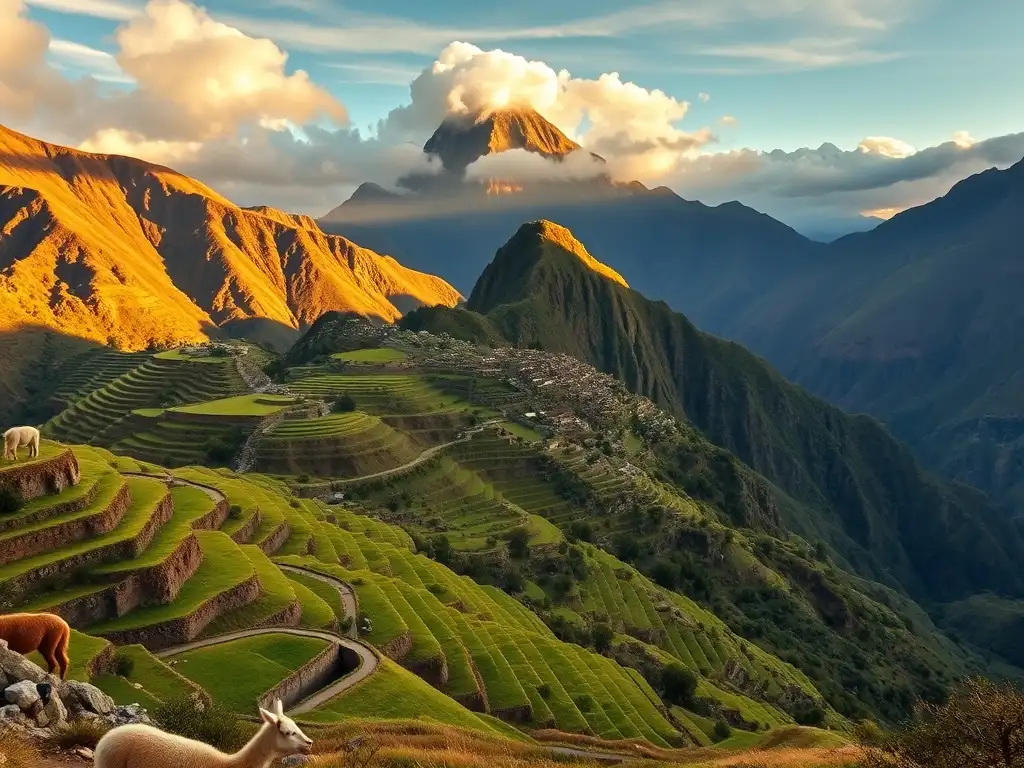
Step into a world lost to time, yet echoing with the power of ancient empires. Imagine civilizations rising and falling amidst the breathtaking Andes Mountains, their ingenuity shaped by the very landscape that surrounded them. This is the story of the Andean civilizations, a tapestry woven from intricate cultures and breathtaking artistry. Discover how the dramatic Andean civilizations geography influence shaped their remarkable development—a journey waiting to unfold within. Unravel the mysteries and marvel at the legacy left behind.
The dramatic landscapes of the Andes Mountains profoundly shaped the trajectory of Andean civilizations. From the towering peaks and arid deserts to the fertile valleys and coastal plains, the geography of this region dictated not only where people settled but also how they organized their societies, developed their technologies, and created their unique cultures. This article explores the intricate relationship between the physical environment and the rise of early Andean societies, demonstrating how the challenges and opportunities presented by the Andes fostered innovation and resilience.
We will examine how geographical factors influenced aspects such as agriculture, urban planning, and even religious beliefs, revealing the deep connection between the Andean peoples and their extraordinary environment. Understanding this interplay is key to appreciating the complexity and ingenuity of these remarkable civilizations. The influence of Andean civilizations geography is a crucial element in understanding their remarkable achievements.
The Andes: A Diverse and Challenging Environment
The Andes Mountains present a remarkably diverse range of ecosystems, each posing unique challenges and opportunities for human settlement. From the high-altitude puna grasslands, characterized by thin air and harsh weather, to the lush cloud forests of the ceja de selva, and the coastal deserts of the Pacific, the Andean landscape is anything but uniform. This diversity led to the development of highly specialized adaptations in different regions.
For example, the inhabitants of the high Andes developed sophisticated techniques for cultivating crops at high altitudes, while coastal communities mastered fishing and the cultivation of crops adapted to arid conditions. The varied geography also resulted in significant regional variations in culture and social organization, with different groups developing distinct identities and practices. This wasn't merely a matter of survival; the geographical diversity also fostered a rich tapestry of cultural expressions.
Agricultural Innovations: Adapting to Altitude and Terrain
The challenging terrain of the Andes demanded innovative agricultural techniques. The early Andean peoples were not just farmers; they were master engineers of their environment. Terracing, a method of creating level plots on steep slopes, allowed for the cultivation of crops on otherwise unusable land.
This technique, combined with sophisticated irrigation systems, dramatically increased agricultural productivity and supported the growth of larger, more complex societies. Specific examples of ingenious irrigation canals and sophisticated terracing systems remain visible today, a testament to the engineering prowess and deep understanding of their environment possessed by these ancient peoples. The development of these techniques was directly linked to the specific geographical challenges they faced.
Urban Planning and Settlement Patterns: Responding to the Landscape
The location of Andean cities and settlements was directly influenced by geographical factors. Many cities were strategically situated in valleys, providing access to water resources and fertile land. Others were built on elevated locations, offering defensive advantages and commanding views of the surrounding terrain.
The patterns of settlement reflect a deep understanding of the landscape and its resources. For example, the location of [specific example of city placement pending] demonstrates the strategic planning involved in maximizing access to resources and minimizing vulnerability to environmental threats. The layout of these urban centers, often reflecting a hierarchical social structure, reveals a level of sophistication in urban planning that was remarkable for its time.
Religious Beliefs and Cosmovision: A Connection to the Land
The Andean worldview was deeply intertwined with the natural environment. Mountains were often considered sacred, representing the axis mundi, or the center of the universe. Religious practices and ceremonies were frequently linked to specific geographical features, reflecting the profound connection between the people and their landscape. The [specific religious practice or belief pending] illustrates the close relationship between Andean religious beliefs and the surrounding geography. This intimate connection to the land shaped not only religious practices but also social and political structures. The very fabric of Andean society was woven into the landscape.
The Legacy of Andean Adaptation
The ingenuity and resilience displayed by the early Andean peoples in adapting to their challenging environment serves as a powerful testament to human adaptability. Their mastery of agriculture, urban planning, and resource management laid the foundation for the development of complex and sophisticated civilizations.
The legacy of these adaptations continues to resonate today, reminding us of the profound impact of geography on human societies and the enduring power of human ingenuity in the face of environmental challenges. The study of Andean civilizations geography offers valuable insights into the intricate relationship between humans and their environment, a relationship that continues to shape the world we live in.
- The Andes: A Diverse and Challenging Environment
- Agricultural Innovations: Adapting to Altitude and Terrain
- Urban Planning and Settlement Patterns: Responding to the Landscape
- Religious Beliefs and Cosmovision: A Connection to the Land
- The Legacy of Andean Adaptation
- How did the Andes Mountains influence Andean civilizations?
- What role did rivers and coastlines play in Andean development?
- How did the diverse geography of the Andes affect the political organization of these civilizations?
- What impact did the climate variations across the Andes have on Andean cultures?
- What were the main geographical factors that contributed to the rise and fall of Andean civilizations?
Andean Civilizations Geography Influence: An Introduction
The Andes Mountains, a colossal spine running down the western coast of South America, profoundly shaped the development of Andean civilizations. Understanding this influence is crucial to grasping the unique characteristics of cultures like the Inca, Moche, Nazca, and Tiahuanaco. This section delves into the intricate relationship between the Andean landscape and the rise of its remarkable societies, exploring how geographical features dictated societal structures, agricultural practices, and even religious beliefs.
The Andean civilizations geography influence is not merely a backdrop; it's a fundamental actor in their story. We will explore the specific ways this dramatic terrain impacted the trajectory of these fascinating cultures.
Understanding the Impact of the Andean Landscape on Early Cultures
The Andean landscape presented both opportunities and challenges. The sheer altitude, ranging from sea level to over 6,000 meters, created diverse microclimates, from arid coastal deserts to lush cloud forests and frigid alpine zones. This verticality, often referred to as verticality, fostered a unique form of agriculture known as vertical archipelago.
People adapted to these varied environments by developing ingenious agricultural techniques, such as terracing, irrigation systems, and the cultivation of diverse crops suited to different altitudes. This agricultural innovation wasn't merely a response to environmental constraints; it also underpinned the growth of complex social structures and political hierarchies.
The control of vital resources, particularly water and fertile land, became a source of power and prestige, influencing the development of sophisticated political systems and the emergence of powerful states. For example, the Nazca's mastery of irrigation in the arid coastal plains allowed them to create a flourishing civilization despite the harsh environment, showcasing the profound influence of geographical adaptation on cultural development.
The Unique Geographical Setting of the Andes Mountains
The Andes are not merely a mountain range; they are a complex system of interconnected ecological zones, each with its unique characteristics. The western slopes are largely arid, characterized by deserts and coastal plains. Moving eastward, the climate transitions through diverse ecosystems, including cloud forests, high-altitude grasslands (puna), and even glacial areas.
This dramatic variation in altitude and climate led to a remarkable biodiversity, providing a wide array of resources for Andean peoples. However, the challenging terrain also presented significant obstacles. Steep slopes, narrow valleys, and unpredictable weather patterns made transportation and communication difficult.
This geographical challenge encouraged the development of sophisticated infrastructure, such as intricate road networks (like the Inca's Qhapaq Ñan) and innovative transportation methods adapted to the mountainous environment. The geographic diversity also influenced the distribution and density of settlements, shaping the social and political organization of Andean societies. The availability of specific resources, such as minerals or fertile land, played a crucial role in the location and growth of cities and towns.
Why Geography Matters in the Development of Andean Societies
The Andean civilizations geography influence is a fundamental aspect of their story, a complex interplay between human ingenuity and environmental challenges that resulted in the creation of remarkably sophisticated and resilient societies. Understanding this relationship provides crucial insight into the richness and complexity of Andean culture. Further research is needed to fully elucidate the specific impacts of micro-climatic variations on individual settlements and their technological developments. [Specific information pending on the impact of microclimates on specific technological advancements].
Diverse Environments and Their Impact on Andean Life
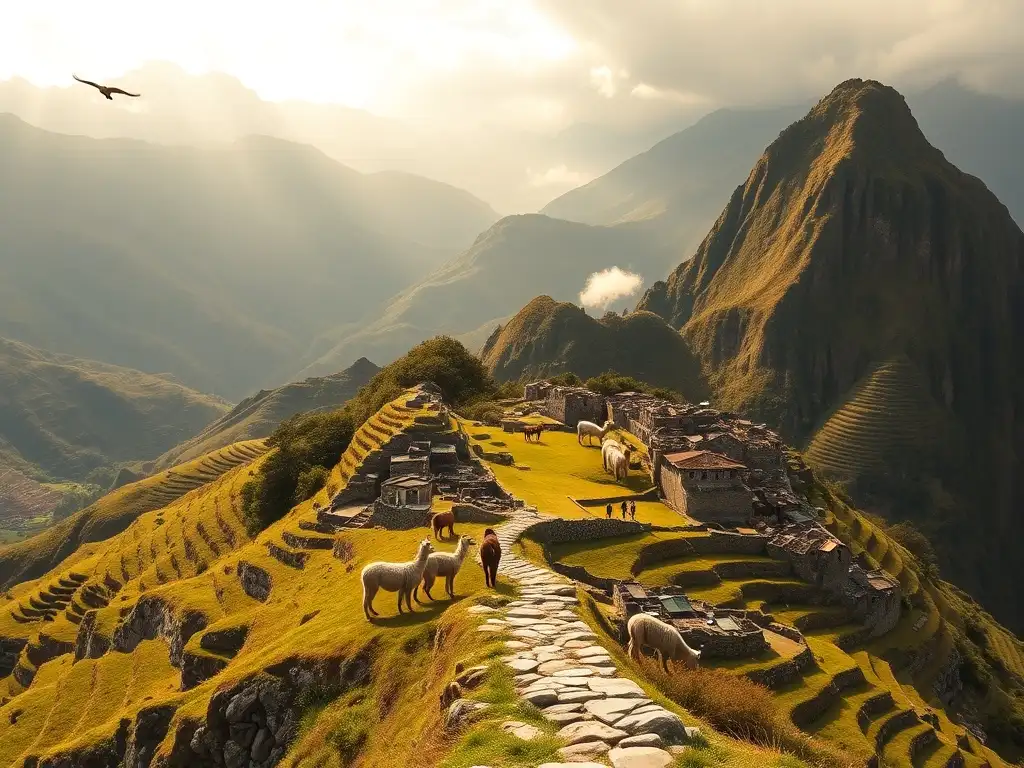
The Andean region, a geographically diverse tapestry stretching along the western coast of South America, profoundly shaped the trajectory of its ancient civilizations. Understanding the interplay between geography and culture is crucial to appreciating the remarkable achievements and unique characteristics of Andean societies. The varied landscapes—coastal deserts, towering highlands, and lush Amazonian foothills—dictated economic strategies, social structures, and even spiritual beliefs.
This section will explore the distinct influences of these environments on the development of early Andean life, focusing on how these diverse settings fostered innovation and adaptation. The impact of geography on Andean civilizations is a compelling narrative of human resilience and ingenuity in the face of challenging environments. Analyzing this relationship provides valuable insight into the rise and fall of these fascinating cultures, highlighting the intricate connection between people and place for the keyword "Andean civilizations geography influence".
Coastal Regions and Maritime Resources: Shaping Early Settlements
The arid coastal regions of Peru, seemingly inhospitable at first glance, offered surprisingly rich resources. The cold Humboldt Current, flowing northward along the coast, created a unique ecosystem teeming with marine life. This abundance fueled the development of early coastal settlements.
Fishing, a primary economic activity, provided a stable food source and supported burgeoning populations. Evidence of sophisticated fishing techniques, including the use of intricate nets and specialized boats, has been uncovered at numerous archaeological sites. Furthermore, the extraction of guano, bird excrement rich in nitrates, provided a vital fertilizer for agriculture in the limited fertile valleys.
The coastal deserts, while challenging, also provided access to valuable minerals like salt, an essential element for preservation and trade. The early Andean civilizations cleverly leveraged these resources, establishing thriving coastal settlements that played a critical role in the larger network of Andean societies. This maritime focus significantly shaped their worldview, social structures, and artistic expressions, contributing significantly to the overall development of Andean culture.
The Importance of the Andean Highlands: Agriculture and Adaptation
The Andean highlands, characterized by towering mountains, steep valleys, and a challenging climate, presented significant obstacles to human settlement. Yet, the ingenuity of the early Andean people is evident in their remarkable adaptation to these harsh conditions. The development of sophisticated agricultural techniques, such as terracing and irrigation, allowed them to cultivate crops like potatoes, maize, and quinoa in otherwise unsuitable terrain. The ability to successfully cultivate these staple crops was essential for population growth and the development of complex social structures.
The highlands also provided access to valuable resources like minerals and timber, further contributing to economic development. The altitude itself played a role in shaping Andean culture, influencing everything from respiratory adaptations in the population to the development of unique religious beliefs and practices. The challenging environment of the highlands fostered innovation and resilience, shaping the distinctive character of highland Andean civilizations.
The Amazonian Influence: Interplay and Exchange
The Amazonian foothills and rainforest regions, while geographically distinct from the coastal and highland areas, played a vital, albeit less extensively studied, role in the development of Andean civilizations. While direct evidence of large-scale settlements in the Amazonian regions during the early periods of Andean development is limited, archaeological findings suggest significant interaction and exchange between Amazonian populations and those in the highlands and coastal areas. The Amazon provided access to valuable resources, including timber, exotic plants, and animals.
The exchange of goods and ideas likely contributed to cultural diversification and technological innovation across the Andean region. Further research is needed to fully understand the nature and extent of this interaction, but the existing evidence points to a dynamic and complex relationship between the Amazonian region and the development of Andean civilizations.
The interplay between these diverse geographical zones highlights the interconnectedness of early Andean societies and the significant role of environmental factors in shaping their cultural trajectory. Understanding this interplay continues to be a focus of ongoing archaeological research, promising further insights into the nuances of "Andean civilizations geography influence".
The Chinchorro Culture: Mummification and Coastal Adaptation
The Chinchorro culture, flourishing along the arid northern coast of Chile between 7020 and 1500 BCE, provides a fascinating example of how a civilization adapted to a challenging coastal environment. Their unique relationship with the Pacific Ocean shaped not only their subsistence strategies but also their elaborate funerary practices. The Chinchorro people were expert fishermen and shellfish gatherers, relying heavily on the marine resources available to them. Their settlements were strategically located near abundant fishing grounds, ensuring a stable food supply. This dependence on the sea is reflected in their art and iconography, with numerous artifacts depicting marine life.
The scarcity of arable land in their coastal habitat drove innovation in resource management. They developed sophisticated techniques for fishing and preserving food, including sun-drying and possibly fermentation. The harsh desert climate also influenced their unique mummification practices.
Unlike later Andean cultures, the Chinchorro mummified not only elites but also individuals from all social strata. Their mummification techniques, involving the removal of organs and the application of various pastes and clays, were incredibly advanced for their time. These mummies, some of the oldest artificially mummified remains in the world, offer invaluable insights into the Chinchorro's physical characteristics, health, and social structures.
The intricate process of mummification itself suggests a deep-seated connection to the afterlife and a reverence for ancestors, further illustrating the profound impact of their environment on their worldview. The combination of coastal adaptation and sophisticated mummification practices firmly establishes the Chinchorro as a unique Andean civilization, deeply shaped by its geographical location. Studies of their mummies continue to reveal new information about their lives and the challenges they overcame.
The Wari Culture: Terraced Farming and Highland Dominance
The Wari culture, a powerful civilization that dominated much of the central Andes from approximately 600 to 1000 CE, expertly adapted to the challenging highland environment. Their success hinged on their mastery of agricultural techniques, particularly terraced farming. The steep, mountainous terrain of the Andes presented significant obstacles to farming; however, the Wari ingeniously carved terraces into the slopes, creating level plots of land for cultivation.
This allowed them to maximize arable land and increase crop yields, supporting a large and complex population. The intricate network of irrigation canals that accompanied the terraces further demonstrates their sophisticated understanding of water management, essential for survival in a region with variable rainfall.
The Wari's dominance wasn't merely agricultural. Their extensive road system, connecting various settlements across vast distances, facilitated trade and communication. This infrastructure, combined with their effective agricultural practices, enabled them to control a large empire. Archaeological evidence suggests a highly organized society with centralized administration, likely facilitated by their mastery of the challenging terrain.
The Wari's ability to effectively utilize the highland environment, coupled with their impressive infrastructural achievements, stands as a testament to their ingenuity and organizational prowess. Their legacy continues to inspire awe, highlighting the remarkable adaptability of Andean civilizations in the face of environmental challenges. The precision and scale of their terraced farming systems are still visible today, a poignant reminder of the Wari's significant impact on the landscape and the Andean civilization's development. The careful planning and execution of these projects required significant labor and coordination, further showcasing the sophisticated social organization of the Wari.
Geographical Challenges and Cultural Adaptations
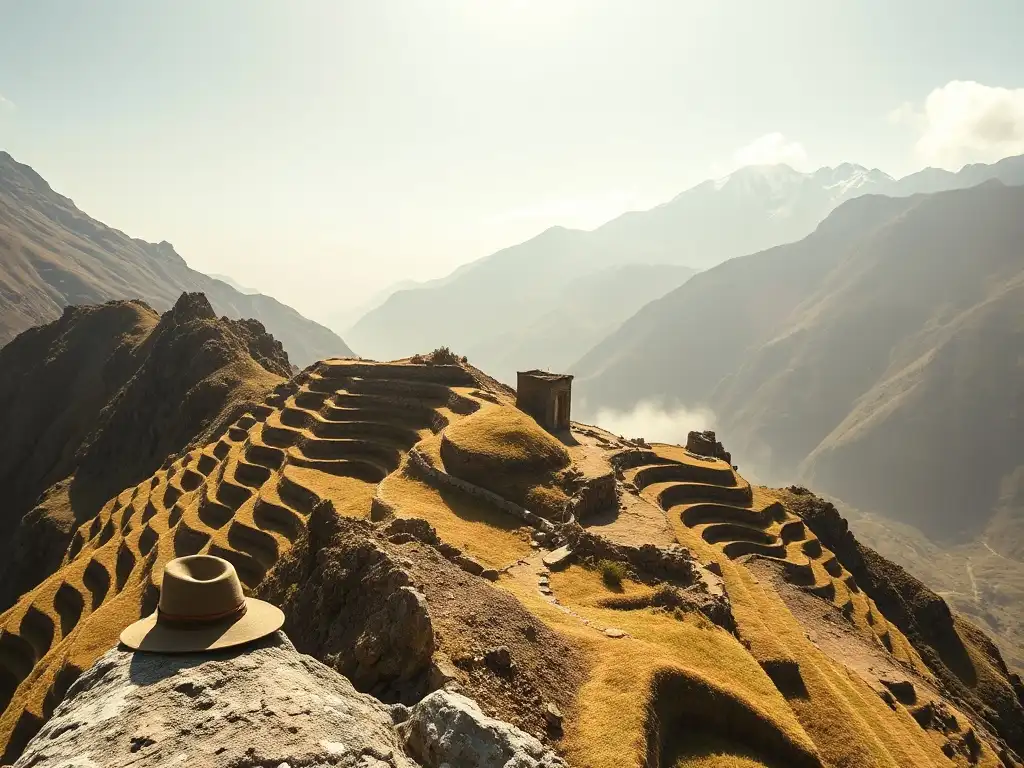
The Andean region, a geographically diverse and challenging landscape, profoundly shaped the development of its early civilizations. The towering Andes Mountains, with their steep slopes, high altitudes, and unpredictable weather patterns, presented significant obstacles. However, rather than hindering progress, these geographical challenges spurred remarkable innovation in engineering, agriculture, and resource management, leaving behind a legacy of ingenuity and adaptation that continues to fascinate and inspire.
Understanding the interplay between the Andean geography and the cultural responses of its inhabitants is key to comprehending the rise of these remarkable civilizations. The influence of Andean civilizations geography is undeniable; it was both a constraint and a catalyst for their achievements.
Overcoming the Steep Terrain: Engineering and Construction
The sheer scale of the Andes presented a formidable engineering challenge. Constructing roads, irrigation systems, and monumental architecture on such steep slopes required advanced techniques and a deep understanding of structural mechanics. The Incas, for example, are renowned for their impressive road network, the Qhapaq Ñan, which spanned thousands of miles, connecting distant communities across diverse terrains.
This wasn't simply a matter of laying down a path; it involved sophisticated terracing techniques, bridges spanning chasms, and carefully engineered pathways that minimized the impact of landslides and erosion. Their mastery of stonework, evident in the precise fitting of stones in structures like Machu Picchu, speaks volumes about their ability to overcome the difficulties posed by the terrain. Even before the Incas, cultures like the Wari and Tiwanaku demonstrated impressive engineering feats, constructing large-scale urban centers and impressive monumental architecture adapted to the mountainous landscape.
This ingenuity in construction was not simply a matter of aesthetics; it was crucial for survival and societal cohesion in such a challenging environment. The development of sophisticated construction techniques directly reflects the influence of Andean civilizations geography on their cultural and technological achievements.
Adapting to Climate Variability: Agricultural Innovation
The Andean region experiences significant climate variability, ranging from arid coastal deserts to lush cloud forests and frigid alpine zones. This diversity presented both opportunities and challenges for agriculture. Early Andean civilizations developed innovative agricultural techniques to maximize food production in these diverse environments.
Terracing, for instance, allowed for the cultivation of steep slopes, preventing soil erosion and maximizing the use of available land. The development of sophisticated irrigation systems, including canals and aqueducts, enabled the efficient distribution of water resources, particularly crucial in drier areas. Furthermore, the domestication of a wide variety of crops, including potatoes, maize, and quinoa, adapted to different altitudes and climates, demonstrated a remarkable understanding of plant adaptation and agricultural diversification.
The cultivation of these crops, along with the development of sophisticated storage techniques, helped to ensure food security and societal stability, even in the face of unpredictable weather patterns. The ingenuity displayed in Andean agricultural practices serves as a powerful example of how human societies can adapt and thrive in challenging environmental conditions. This adaptability is a direct result of the influence of Andean civilizations geography on their agricultural practices.
Resource Management in Scarce Environments: Strategies for Survival
The uneven distribution of resources across the Andean region necessitated the development of sophisticated strategies for resource management. Access to water, fertile land, and building materials was often limited, requiring careful planning and cooperation. Early Andean societies developed intricate systems of trade and exchange to ensure access to essential goods and resources.
This involved the establishment of well-defined trade routes, often traversing challenging terrain, connecting different ecological zones and facilitating the exchange of goods and services. The development of sophisticated systems of storage and distribution, such as qollqas (Inca storehouses), helped to manage surpluses and ensure the equitable distribution of resources during times of scarcity. These strategies were essential not only for survival but also for maintaining social order and stability.
The complex systems of resource management highlight the ingenuity and adaptability of Andean societies in the face of environmental constraints. The scarcity of resources, a direct consequence of Andean civilizations geography, spurred the development of effective and sustainable management systems, underscoring the profound connection between environment and society.
Waru Waru Agriculture: Raised Fields for Water Management
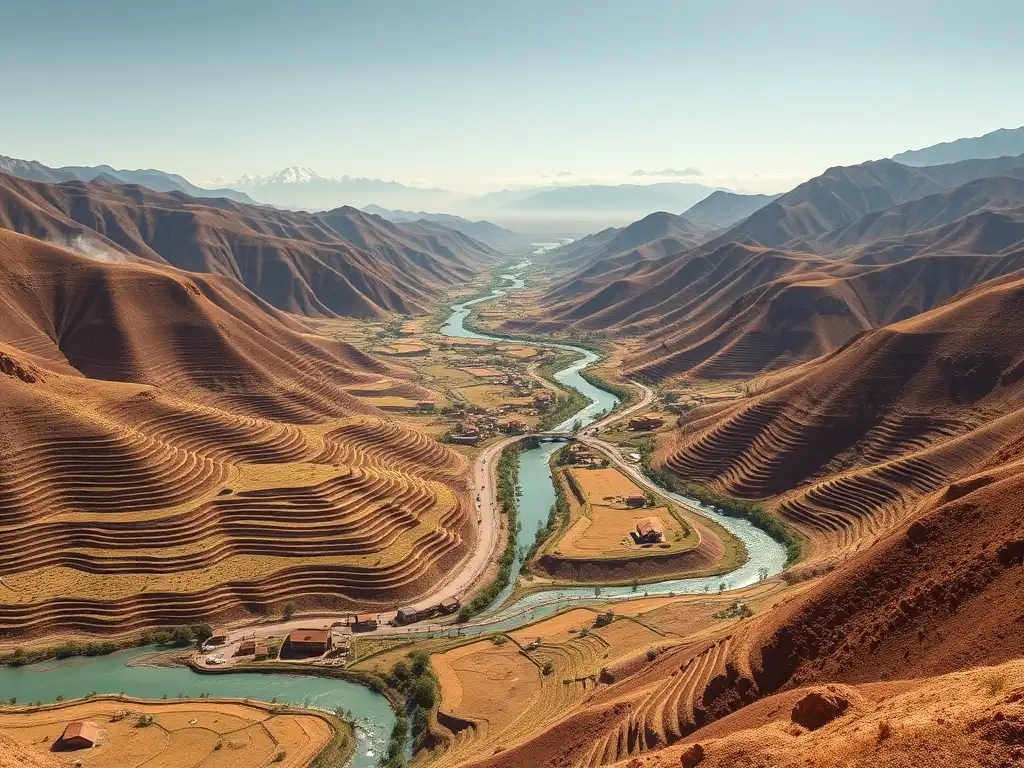
Waru waru agriculture, a sophisticated system of raised fields, stands as a testament to the ingenuity of Andean civilizations in adapting to challenging geographical conditions. These weren't simply elevated plots; they were meticulously designed agricultural landscapes that maximized water resource utilization and crop yields in high-altitude regions. The system involved creating raised beds separated by canals, allowing for efficient irrigation and drainage. Water, often scarce in the Andean highlands, was carefully channeled through the canals, irrigating the crops while simultaneously regulating water temperature.
This ingenious approach minimized water loss through evaporation, a critical consideration in the arid climate. Furthermore, the canals acted as microclimates, moderating temperature fluctuations and extending the growing season. The raised beds themselves provided better drainage, preventing waterlogging and improving soil aeration, essential for optimal crop growth. The effectiveness of waru waru is evidenced by its continued use in some regions even today, demonstrating its long-term sustainability and the profound understanding of hydrology possessed by ancient Andean farmers.
Archaeological evidence suggests that waru waru systems, often integrated with complex water management infrastructure, supported dense populations and thriving societies for centuries. The system's success highlights the deep connection between Andean communities and their environment, showcasing their capacity for innovation in response to geographical limitations. Studies of ancient waru waru systems continue to inform modern sustainable agricultural practices, particularly in regions facing water scarcity. The intricate design and enduring legacy of waru waru agriculture underscore the significant impact of geography on the development of Andean culture and technology.
Machu Picchu's Terraces: Adapting to Mountainous Terrain
Machu Picchu, the iconic Incan citadel perched high in the Andes Mountains, is not just a breathtaking architectural marvel; it's also a remarkable example of human adaptation to a dramatically challenging landscape. The site's famous agricultural terraces are a key component of this adaptation, meticulously carved into the steep mountain slopes to create level platforms for cultivation. This wasn't merely a feat of engineering; it was a sophisticated system designed to maximize arable land in a very limited, mountainous environment. The terraces themselves were not uniform; their size and orientation varied depending on the slope and the type of crop being cultivated.
This demonstrates a deep understanding of microclimates and soil conditions within the mountain environment. Furthermore, the terraces were built with intricate drainage systems to prevent soil erosion and manage water runoff, crucial in a region prone to heavy rainfall. The construction of these terraces required immense labor and planning, reflecting the importance of agriculture to the Incan economy and social structure. The terraces not only provided food for the inhabitants of Machu Picchu but also likely served as a symbol of Incan power and control over their environment.
Their survival for centuries speaks to the skill and ingenuity of the Incan builders and their deep understanding of the complex interplay between geography, agriculture, and societal organization. The terraces of Machu Picchu serve as a powerful illustration of how Andean civilizations overcame geographical constraints through innovative engineering and agricultural practices, shaping their culture and leaving behind a legacy of remarkable ingenuity. The integration of agricultural terraces within the broader urban planning of Machu Picchu further highlights the importance given to food production and resource management within the Incan society.
The Andes as a Catalyst for Cultural Diversity
The Andes Mountains, a colossal spine running down the western coast of South America, weren't just a physical barrier; they were a crucible forging the diverse tapestry of Andean civilizations. Their imposing presence dictated the very fabric of life, influencing everything from agricultural practices to social structures and belief systems. The sheer variety of ecological niches within the Andes – from arid coastal deserts to lush cloud forests and high-altitude plains – fostered a remarkable degree of regional specialization and cultural differentiation.
This unique geographical setting directly contributed to the development of distinct Andean cultures, each adapting ingeniously to its specific environment. Understanding the influence of Andean geography is key to unlocking the complexities and richness of these ancient societies. The keyword phrase "Andean civilizations geography influence" perfectly encapsulates this crucial relationship.
The Role of Geography in Shaping Unique Cultural Identities
The dramatic altitudinal variations within the Andes created a mosaic of microclimates, each supporting a unique set of flora and fauna. This directly impacted the development of distinct cultural identities. For instance, coastal communities, like the Moche, thrived on fishing and marine resources, developing sophisticated irrigation systems to cultivate limited arable land. Their art, reflecting their environment, often depicted sea creatures and maritime activities. In contrast, highland civilizations like the Tiahuanaco, adapted to the challenges of high-altitude living, developing advanced agricultural techniques like terracing to maximize crop yields in thin soils. Their monumental architecture and intricate religious beliefs reflected their adaptation to a harsh but resource-rich environment. This environmental diversity, a direct consequence of Andean geography, is a critical factor in understanding the unique cultural identities that emerged. The varying altitudes and resulting microclimates significantly impacted social structures, religious beliefs, and artistic expressions, creating a rich spectrum of Andean cultures.
Geographical Isolation and the Development of Regional Traditions
The towering peaks and deep canyons of the Andes acted as natural barriers, isolating communities and fostering the development of independent regional traditions. Limited interaction between groups led to the evolution of distinct languages, customs, and artistic styles. The Nazca lines, for example, a mysterious geoglyph complex etched into the desert plains, are a testament to the unique cultural development of a relatively isolated group.
While some inter-regional contact undoubtedly existed, the geographical challenges posed by the Andes significantly limited its extent, allowing for the independent flourishing of diverse cultural traditions. This isolation, while limiting interaction, also allowed for unique adaptations and innovations, enriching the overall tapestry of Andean civilization. The relative isolation fostered by the geography of the Andes played a crucial role in the development of distinct regional traditions, each possessing unique characteristics.
Interregional Trade and the Spread of Cultural Traits
Despite the geographical barriers, interregional trade networks did exist, albeit challenging to maintain. The exchange of goods, resources, and ideas across different ecological zones played a critical role in the spread of cultural traits across the Andes. The Inca Empire, for example, with its sophisticated road system, facilitated greater integration and the dissemination of cultural practices.
However, even before the Inca, evidence suggests a significant exchange of goods, particularly textiles, ceramics, and precious metals, indicating a level of interaction between geographically diverse groups. While geographical isolation played a significant role in shaping regional distinctiveness, the existence of trade routes and the exchange of resources and ideas also contributed to the shared cultural elements found across different Andean civilizations.
The interplay between isolation and interaction, shaped by the unique geography of the Andes, is crucial to understanding the complex evolution of Andean culture. The "Andean civilizations geography influence" is not solely about isolation, but also the dynamic exchange facilitated by carefully planned trade routes.
The Nazca Lines: Geoglyphs Reflecting Regional Beliefs
The Nazca Lines, sprawling geoglyphs etched into the coastal plains of southern Peru, stand as a testament to the profound influence of geography on Andean culture. Their creation, spanning centuries between 500 BCE and 500 CE, is intrinsically linked to the unique environmental conditions of the Nazca region. The arid, desert landscape, characterized by its expansive plains and relatively flat terrain, provided the perfect canvas for these colossal designs.
The fine-grained soil, easily manipulated and remarkably stable due to the lack of rainfall, allowed the Nazca people to create these intricate figures with surprising precision. The very act of creating these massive geoglyphs, requiring significant labor and coordination, reflects a deep connection to the land and a sophisticated understanding of its properties.
Furthermore, the Nazca Lines are not merely artistic expressions; they are believed to have held significant religious and ceremonial importance. Scholars propose various interpretations, ranging from astronomical alignments reflecting a sophisticated understanding of celestial cycles to representations of deities and mythical creatures central to Nazca cosmology. The aridity of the region, with its limited resources and unpredictable weather patterns, likely played a critical role in shaping their beliefs and their need to appease the forces of nature.
The lines themselves, visible from vantage points only accessible through careful observation of the surrounding landscape, may have served as pilgrimage sites or ritual pathways, reinforcing the importance of the geographical context in their religious practices. The very act of creating and maintaining these monumental works underscores the deep connection between the Nazca people, their environment, and their spiritual worldview. The sheer scale of the undertaking speaks to the power of shared belief and the ability of a community to overcome the challenges imposed by a demanding environment.
The Nazca Lines are not just lines in the sand; they are a powerful narrative etched into the very fabric of the desert, a story of adaptation, ingenuity, and spiritual devotion deeply intertwined with the unique geography of the Nazca region. The precise reasons behind their creation remain a subject of ongoing debate, but their existence undeniably highlights the profound impact of geography on the development of Andean culture and belief systems. Understanding the Nazca Lines requires understanding the Nazca environment.
The Legacy of Andean Geography on Civilization
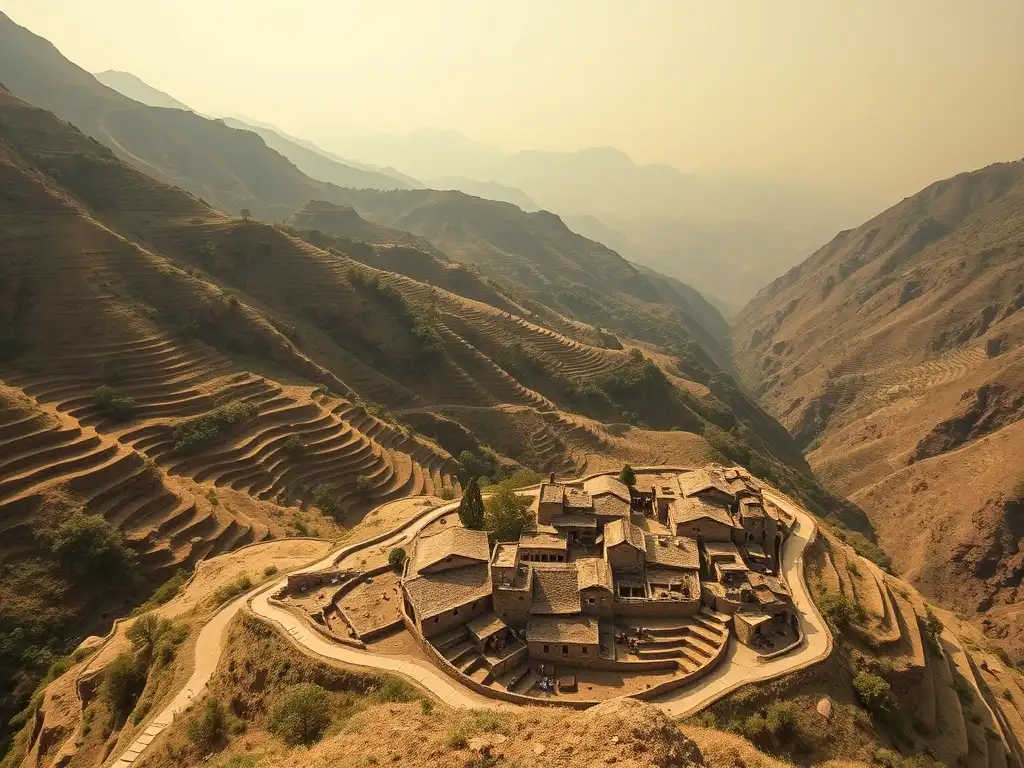
The dramatic topography of the Andes Mountains profoundly shaped the trajectory of Andean civilizations. The sheer scale of the mountain ranges, coupled with the diverse ecosystems they encompass – from arid coastal deserts to lush cloud forests and high-altitude plains – presented both challenges and opportunities for early inhabitants. This section explores how the unique geography of the Andes fostered innovation, spurred migration patterns, and ultimately defined the cultural landscape of these remarkable societies.
Understanding this geographical influence is crucial to comprehending the development and diversity of Andean civilizations and their lasting legacy. The keyword "Andean civilizations geography influence" is central to this analysis, highlighting the inextricable link between environment and culture.
How the Environment Shaped the Worldview of Andean Peoples
The Andes weren't simply a backdrop; they were an active participant in the lives of Andean peoples. The towering peaks, unpredictable weather patterns, and the ever-present threat of earthquakes and volcanic eruptions instilled a deep respect for the power of nature. This reverence is reflected in their mythology, religious practices, and social structures.
Many Andean societies developed complex systems of huacas, or sacred sites, often located in geographically significant areas like mountaintops or cave systems. These locations weren't merely places of worship; they were believed to be portals to the spiritual world, reflecting a worldview deeply intertwined with the physical landscape. The cyclical nature of agriculture, heavily dependent on the unpredictable Andean climate, further reinforced the importance of understanding and appeasing the forces of nature.
This is evident in the elaborate agricultural terraces and irrigation systems developed by various Andean cultures, showcasing their profound understanding of their environment and their ability to adapt to its challenges. The cyclical patterns of the Andes – the wet and dry seasons, the changing altitudes – found expression in their art, their rituals, and their very understanding of time and existence. Their worldview wasn't a separation from nature, but rather a deep integration with it.
The Enduring Influence of Geography on Andean Art and Religion
Andean art and religion are replete with imagery reflecting the powerful influence of geography. The recurring motifs of mountains, condors, and serpents, for example, are not merely aesthetic choices; they represent powerful forces of nature central to Andean cosmology. The Moche culture, known for its exquisite ceramics, frequently depicted scenes of agricultural practices, reflecting the vital role of the land in their society.
Similarly, the Nazca lines, though their exact purpose remains debated, likely served a ritualistic function, possibly linked to astronomical observations or water management – both crucial aspects of life in the arid Nazca region. The intricate weaving techniques of many Andean cultures, showcasing complex patterns and vibrant colors inspired by the surrounding landscapes, further demonstrates the close relationship between artistic expression and the environment. The use of specific materials – like gold, silver, and obsidian – often sourced from geographically specific locations, adds another layer to this intricate relationship.
The location of important religious sites, like Machu Picchu for the Inca, high in the mountains, underscores the spiritual significance of these geographical features. Even the very structure of Andean settlements, often adapted to the steep slopes and varied terrains, reflects the adaptive ingenuity born from the challenges of their environment. The integration of the physical landscape into their artistic and religious practices underscores the profound influence of geography on their cultural identity.
Understanding the Past to Appreciate the Present
Analyzing the geographic influences on Andean civilizations provides a crucial framework for understanding their remarkable achievements. By recognizing the challenges and opportunities presented by the Andes, we gain a deeper appreciation for the ingenuity and adaptability of these societies. The sophisticated agricultural techniques, the complex social structures, and the rich cultural expressions were all shaped, in no small part, by the unique environment in which they flourished.
This understanding is not merely an academic exercise; it has practical implications for contemporary Andean communities who continue to navigate the challenges and harness the potential of this unique landscape. The enduring legacy of Andean civilizations is not just found in their impressive ruins and artifacts but also in the resilient spirit of their descendants who continue to adapt and thrive in the shadow of the Andes.
This legacy serves as a testament to the power of human ingenuity and the profound, enduring influence of geography on the development of culture. The study of "Andean civilizations geography influence" continues to reveal new insights into the complex interplay between humans and their environment, providing valuable lessons for understanding the past and shaping a sustainable future.
Moche Ceramics: Depictions of Coastal Life and Deities
Moche ceramics offer an unparalleled window into the lives and beliefs of this remarkable Andean civilization. Their artistry wasn't merely decorative; it served as a powerful medium for communicating their worldview, deeply intertwined with the geography of their coastal homeland. The intricate detail and vibrant colors of Moche pottery showcase a profound understanding of their environment, from the teeming marine life of the Pacific Ocean to the arid desert landscapes that surrounded their settlements.
The Moche people were masterful potters, employing sophisticated techniques to create vessels of varying sizes and shapes. These weren't simply utilitarian objects; they were carefully crafted works of art, often depicting scenes of daily life, religious rituals, and mythical beings. The prevalence of marine imagery – fish, crustaceans, seabirds – in their pottery underscores the crucial role the ocean played in their sustenance and cultural identity.
Depictions of fishing expeditions, complete with boats and fishermen, provide valuable insights into their maritime practices and technologies. These weren't just random artistic choices; they were carefully constructed narratives reflecting the realities of their existence.
Furthermore, Moche ceramics vividly portray their complex religious beliefs. Many vessels feature depictions of powerful deities, often associated with fertility, water, and the forces of nature. These divine figures are frequently shown interacting with humans, suggesting a close relationship between the spiritual and material worlds.
The detailed representations of these deities, their attributes, and their interactions with mortals provide crucial clues to understanding the Moche pantheon and their cosmological views. The style and iconography of these depictions varied across different regions and time periods, reflecting the dynamic nature of Moche culture and its adaptation to the diverse geographical conditions of the northern coast of Peru. Analyzing these variations offers scholars a richer understanding of the subtle regional differences within the broader Moche civilization.
The influence of geography on their art is undeniable; the ocean, the desert, and the fertile valleys all find expression in the vibrant narratives captured on these ancient ceramic surfaces. The study of Moche ceramics therefore remains a crucial element in understanding the Andean civilizations geography influence on their culture and beliefs.
Conclusion: The Indelible Mark of Geography on Andean Civilizations
The Andean region, with its dramatic topography and diverse climates, wasn't merely a backdrop for the rise of its impressive civilizations; it was a fundamental architect of their development. Understanding the interplay between the people and their environment is crucial to grasping the unique characteristics of Andean societies. From the ingenuity of irrigation systems in arid coastal regions to the adaptation of agricultural practices to high-altitude environments, the influence of geography is undeniable.
This intricate relationship shaped not only their material culture, but also their social structures, beliefs, and political organizations. The "Andean civilizations geography influence" is not a passive observation, but a dynamic force that continues to resonate in the legacy of these remarkable cultures.
Summarizing the Key Influences of Geography
Several key geographical factors profoundly impacted the trajectory of Andean civilizations. The verticality of the Andes, with its distinct ecological zones ( * pisos ecológicos* ), fostered a unique form of agriculture. Societies developed sophisticated methods of exploiting the varied altitudes, cultivating different crops at different elevations. This verticality also influenced trade networks, creating interconnectedness between communities inhabiting different ecological niches. Coastal regions, though seemingly harsh, offered abundant marine resources and fertile valleys, supporting large populations and complex societies like the Moche.
The challenging terrain, however, also presented obstacles. The inaccessibility of certain areas limited communication and facilitated the development of relatively isolated communities. This led to a diversity of cultural expressions and independent technological innovations across the Andean region. The availability of specific resources, such as minerals (like copper and gold) in certain areas, also influenced economic development and shaped social hierarchies.
The Significance of the Andean Environment in Shaping History
The Andean environment wasn't just a source of resources; it also shaped the very narrative of Andean history. Consider, for example, the impact of El Niño events, unpredictable climatic shifts that could devastate agricultural production and lead to social upheaval. These events are documented in archaeological records and likely played a significant role in the rise and fall of various Andean societies.
The need to adapt to these unpredictable conditions spurred innovation in agriculture, water management, and social organization. The constant challenge of survival in such a dynamic environment fostered resilience and ingenuity, traits that are evident in the sophisticated technologies and social structures developed by Andean civilizations.
The impact of geography extended beyond the practical; it also influenced cosmology and religious beliefs. The towering mountains, the vast expanse of the sky, and the powerful forces of nature were all incorporated into Andean worldview, shaping their understanding of the universe and their place within it.
Further Exploration of the Andean Landscape and its Impact
Further research into the specific geographic features of different Andean regions is crucial to understanding the nuances of regional variations in cultural development. For instance, the impact of the Atacama Desert on the Nazca civilization differed significantly from the influence of the high Andes on the Tiwanaku civilization. A comparative analysis of these regional variations is essential for a comprehensive understanding of the relationship between geography and culture.
Detailed studies of ancient agricultural techniques, irrigation systems, and settlement patterns, combined with paleoclimatological data, can provide richer insights into the adaptive strategies employed by Andean societies. Moreover, investigating the role of specific resources—like obsidian, for instance—in shaping trade networks and social power dynamics could illuminate the intricate connections between the environment and socio-political structures.
The study of Andean civilizations and their geography offers a captivating exploration of human adaptation and ingenuity. The continuing investigation into this dynamic relationship promises to uncover further fascinating details about these extraordinary cultures.
Frequently Asked Questions
How did the Andes Mountains influence Andean civilizations?
The Andes' rugged terrain shaped Andean societies. High altitudes dictated agriculture and settlement patterns, while mountain passes facilitated trade but also presented challenges to communication and expansion. This led to diverse, regionally distinct cultures.
What role did rivers and coastlines play in Andean development?
River valleys provided fertile land for agriculture, supporting large populations. Coastal regions offered access to marine resources and facilitated trade networks along the Pacific coast, influencing the development of both fishing cultures and maritime trade.
How did the diverse geography of the Andes affect the political organization of these civilizations?
The challenging geography often resulted in smaller, independent states rather than large, unified empires. However, some civilizations, like the Inca, successfully integrated diverse regions through sophisticated administrative systems and infrastructure.
What impact did the climate variations across the Andes have on Andean cultures?
The Andes' varied climates—from arid coastal deserts to high-altitude grasslands—led to specialized agricultural techniques and diverse crops. Different environments also influenced cultural practices, beliefs, and social structures. Adaptation was key to survival.
What were the main geographical factors that contributed to the rise and fall of Andean civilizations?
Factors like access to resources, fertile land, and trade routes significantly influenced the rise of civilizations. Conversely, environmental disasters, climate change, and internal conflicts coupled with geographical limitations contributed to their decline.
Final Reflection: Echoes of the Andes: A Legacy Forged in Place
The intricate relationship between geography and culture, as explored in this article, remains profoundly relevant today. Understanding how the Andes shaped the development of early Andean civilizations offers a crucial lens through which to examine the enduring power of environment on human societies, highlighting the complex interplay between adaptation and innovation. The challenges and opportunities presented by the Andean landscape continue to resonate in the region's contemporary struggles and triumphs.
The impact of the Andes' formidable geography is not merely a historical footnote; it continues to shape the cultural identity and economic realities of the region. The ingenuity and resilience demonstrated by early Andean societies in adapting to their environment serves as a powerful testament to human adaptability. The mountains are not just a backdrop, but an active participant in the story of Andean civilization.
This quote encapsulates the deeply intertwined nature of the landscape and the cultures that emerged within it. The legacy of terrace farming, sophisticated irrigation systems, and the very structure of Andean social organization are all tangible echoes of this enduring relationship.
Consider the ways in which your own environment has shaped your life, your values, and your perspectives. Reflect on the challenges and opportunities presented by your surroundings. Embrace the power of place, recognizing its profound influence on the human experience, and strive to understand the intricate relationship between environment and culture, both in the past and in the present. Let the story of the Andes inspire you to appreciate the enduring impact of geography on the human story, and to act as responsible stewards of our planet's diverse environments.
Embrace the Andean Legacy: Take Action Today!
Thank you for exploring the fascinating relationship between geography and the development of early Andean culture! You've uncovered the profound impact of location on societal growth and identity. To further your understanding and engagement with this captivating topic, consider these next steps:
- Dive deeper: Explore local museums or online resources showcasing Andean artifacts and culture. This week, choose one exhibit or article to explore in detail, focusing on a specific aspect that interests you.
- Share your insights: Discuss your newfound knowledge with friends, family, or colleagues, or join online forums dedicated to Andean history and culture. Sharing your thoughts with others enhances comprehension and fosters a sense of community.
- Reflect on the influence: Consider the enduring impact of geography on shaping cultures, both historically and in the present day. Write a short reflection connecting aspects of Andean culture to contemporary issues in your own community, noting any parallels or contrasts you observe.
How has the geography of your area shaped its unique cultural identity? Let's discuss this further in the comments!