
The Challenges of Learning Quechua: A Journey into an Ancient World


Step into a world lost in time, where majestic mountains cradled empires of breathtaking ingenuity. Explore the vibrant tapestry of Andean civilizations, from the intricate artistry of the Nazca Lines to the sophisticated engineering of Machu Picchu. But to truly understand this ancient world, you must confront a fascinating challenge: learning the Quechua language. This journey into the heart of Andean culture begins now—discover the unexpected hurdles and rewarding triumphs that await you as you unlock the secrets of Quechua.
Embarking on the journey of learning Quechua, a language deeply rooted in the rich tapestry of Andean civilizations, presents a unique and rewarding, yet undeniably challenging, experience. This ancient tongue, spoken by millions across the Andes Mountains for centuries, offers a window into the vibrant cultures of the Incas, and other pre-Columbian societies.
However, mastering Quechua requires more than just memorizing vocabulary and grammar; it necessitates an understanding of its diverse dialects, its complex phonology, and its historical context within the broader Andean linguistic landscape. This article will explore the key challenges faced by learners, providing insights into overcoming these obstacles and ultimately unlocking the treasures of this fascinating language.
We will delve into the specific difficulties inherent in Quechua's structure, the scarcity of readily available learning resources, and the importance of cultural immersion in achieving fluency. The rewards, however, are immense: a deeper appreciation for Andean history and culture, and the ability to connect with a vibrant community that continues to thrive through its language.
Quechua isn't a monolithic language; rather, it's a family of related languages, each with its own unique characteristics and variations. This presents a significant hurdle for learners. While sharing a common ancestor, dialects like Quechua Cuzco, Quechua Boliviano, and Quechua Ecuadoriano can differ significantly in pronunciation, vocabulary, and grammar. Choosing a specific dialect to focus on is crucial, as attempting to master all dialects simultaneously would be an overwhelming task.
Furthermore, even within a single dialect, regional variations exist, adding another layer of complexity. This diversity, while reflecting the rich cultural heritage of the Andes, necessitates a focused approach to learning, perhaps selecting a specific regional variant based on personal interests and access to resources. Consider the following table highlighting some key differences:
| Dialect | Pronunciation Variations | Vocabulary Differences | Grammatical Features |
|---|---|---|---|
| Quechua Cuzco | [Specific Example Needed] | [Specific Example Needed] | [Specific Example Needed] |
| Quechua Boliviano | [Specific Example Needed] | [Specific Example Needed] | [Specific Example Needed] |
| Quechua Ecuadoriano | [Specific Example Needed] | [Specific Example Needed] | [Specific Example Needed] |
The Unique Phonology of Quechua: Sounds and Structures
The sounds of Quechua present another significant challenge for learners accustomed to European languages. The language utilizes a range of sounds not found in many other languages, requiring significant effort to master correct pronunciation. For example, Quechua often employs glottal stops and other sounds that can be difficult for non-native speakers to produce accurately. Furthermore, the syllable structure of Quechua differs from many other languages, leading to difficulties in both pronunciation and comprehension. The absence of certain sounds, and the presence of others unfamiliar to many learners, requires dedicated practice and potentially the guidance of a native speaker to develop accurate pronunciation and overcome this obstacle. This is crucial for effective communication and understanding.
Moreover, the intricate interplay between consonants and vowels demands careful attention to detail. The nuances of stress and intonation also play a crucial role in conveying meaning, adding another layer to the challenge.
Scarcity of Learning Resources and Immersive Opportunities
Unlike many widely spoken languages, Quechua suffers from a relative scarcity of high-quality learning resources. Finding comprehensive textbooks, online courses, and language exchange partners can be difficult, particularly for less common dialects. This lack of readily available materials significantly impacts the learning process, making it more challenging to progress consistently. The limited availability of resources often forces learners to rely on scattered materials and less structured learning methods, potentially hindering their progress. This lack of standardized resources further emphasizes the importance of finding a reliable tutor or engaging in immersive experiences.
The Importance of Cultural Immersion for Fluency in Quechua
Learning Quechua is not merely about mastering grammar and vocabulary; it's about immersing oneself in the rich cultural context that shapes the language. Exposure to Andean culture, traditions, and social interactions is crucial for developing fluency and a deeper understanding of the language's nuances. While textbooks and online courses provide valuable foundational knowledge, genuine fluency requires interaction with native speakers, participation in cultural events, and exposure to authentic communication in everyday settings.
This cultural immersion fosters a more intuitive understanding of the language, allowing learners to grasp subtleties that are often missed in a purely academic setting. It's about understanding the "why" behind the language, not just the "how." This holistic approach is key to achieving true fluency and appreciating the beauty and complexity of Quechua.
- Navigating the Dialectal Diversity of Quechua
- The Unique Phonology of Quechua: Sounds and Structures
- Scarcity of Learning Resources and Immersive Opportunities
- The Importance of Cultural Immersion for Fluency in Quechua
- What are some common challenges faced when learning Quechua?
- How many dialects of Quechua exist, and does this impact learning?
- Are there any online resources available for learning Quechua?
- What is the best way to improve my Quechua pronunciation?
- How long does it typically take to become fluent in Quechua?
Introduction to the Quechua Language and its Significance

This section delves into the intricacies of the Quechua language, exploring its historical context, cultural importance, and contemporary relevance. Understanding these facets is crucial for anyone embarking on the journey of learning Quechua, as it provides a framework for appreciating the challenges and rewards involved. The inherent difficulties in learning Quechua are often intertwined with its rich history and enduring cultural significance. This section aims to illuminate these connections, ultimately enhancing the learner's understanding and motivation.
Understanding the Historical Context of Quechua
Quechua's history is deeply intertwined with the rise and fall of the Inca Empire. While often referred to as the Inca language, it's more accurate to consider it a family of languages, with various dialects spoken across the Andes. The Inca's expansion during the 15th and 16th centuries led to Quechua's widespread adoption as a lingua franca, facilitating communication and administration across a vast and diverse empire. This period of dominance significantly shaped the language's structure and vocabulary.
However, the Spanish conquest in the 16th century dealt a severe blow to Quechua's prominence. Spanish colonization actively suppressed the language, favoring Spanish as the official language of administration and education. Despite this suppression, Quechua persisted, albeit with regional variations and a diminished official status.
This historical context explains the linguistic diversity within Quechua and highlights the resilience of the language, which continues to thrive in many Andean communities today. The legacy of colonial suppression continues to influence the current challenges faced by Quechua learners, particularly in accessing resources and educational opportunities. Understanding this historical backdrop is fundamental to grasping the complexities of Learning Quechua language challenges.
The Importance of Quechua in Andean Culture
Quechua isn't just a language; it's the lifeblood of Andean culture. It carries within it a wealth of knowledge, traditions, and worldviews that have been passed down through generations. For many Andean communities, Quechua remains the primary language of daily life, used in family settings, social interactions, and traditional ceremonies.
The language is intrinsically linked to their identity, spirituality, and connection to their ancestral lands. Learning Quechua, therefore, goes beyond simply acquiring linguistic skills; it's a journey into the heart of Andean culture. This intimate connection between language and culture presents both opportunities and difficulties for learners.
While immersion in Andean communities can greatly accelerate learning, it also requires a deep respect for cultural norms and practices. Moreover, the nuances of Quechua often reflect specific cultural contexts, adding another layer of complexity to the learning process. This cultural significance underscores the importance of approaching Learning Quechua language challenges with sensitivity and a genuine desire to understand the cultural context.
Why Learn Quechua Today?
In a globalized world, the preservation and revitalization of indigenous languages are increasingly important. Learning Quechua contributes to this vital effort, ensuring the survival of a rich linguistic and cultural heritage. Beyond preservation, learning Quechua offers numerous practical benefits.
It opens doors to deeper engagement with Andean literature, music, and art, providing access to a vast body of knowledge previously unavailable to non-speakers. Furthermore, proficiency in Quechua can enhance professional opportunities, particularly in fields related to Andean studies, tourism, and community development. The growing interest in indigenous languages worldwide also creates opportunities for cross-cultural exchange and collaboration.
While Learning Quechua language challenges are undeniable, the rewards – both personal and societal – make the effort worthwhile. The language's unique grammatical structures and vocabulary may present initial difficulties, but perseverance and a culturally sensitive approach are key to overcoming these hurdles. The journey of learning Quechua is a rewarding one, offering a deeper understanding of a vibrant culture and contributing to the preservation of a linguistic treasure.
Specific Challenges Faced When Learning Quechua

Learning Quechua, the language of the Inca Empire and still spoken by millions across the Andes, presents a unique set of challenges for modern learners. While the allure of connecting with a rich cultural heritage is strong, the path to fluency is not without its obstacles. This section details some of the key difficulties encountered by those embarking on this linguistic journey, focusing on grammatical complexities, resource scarcity, and pronunciation hurdles.
Understanding these challenges upfront is crucial for setting realistic expectations and developing effective learning strategies. The difficulties faced by learners of Quechua are multifaceted, encompassing aspects of grammar, available resources, and pronunciation. Successfully navigating these obstacles requires dedication, innovative approaches, and a deep appreciation for the nuances of the language.
Quechua grammar significantly differs from many European languages, posing a steep learning curve for speakers accustomed to Subject-Verb-Object sentence structures. Quechua employs a more flexible word order, often prioritizing topicality over strict grammatical rules. This flexibility, while offering expressive richness, can be initially confusing for learners.
Furthermore, Quechua's agglutinative nature—where grammatical information is conveyed through suffixes attached to the root word—adds another layer of complexity. Mastering the intricate system of suffixes indicating tense, mood, aspect, person, and number requires significant time and effort. For example, a single verb can have dozens of conjugated forms, each subtly altering its meaning.
This contrasts sharply with languages like English, where verb conjugation is relatively simpler. Consider the challenges posed by the Quechua verb "riman" (to speak): its various conjugations to express different tenses, moods, and aspects can easily overwhelm beginners. Effective learning strategies here involve focusing on pattern recognition and consistent practice with a variety of verb conjugations.
Moreover, Quechua possesses a complex system of noun classes, adding another dimension to grammatical challenges. These classes, often based on gender or animacy, affect the agreement of adjectives and other modifiers. This grammatical feature necessitates a deeper understanding of the underlying conceptual framework of the language, beyond simply memorizing vocabulary. Successfully navigating this grammatical complexity requires a structured approach, possibly incorporating visual aids and mnemonic devices to aid in memorization and comprehension.
The Absence of Written Resources for Quechua Learners
A significant hurdle for many aspiring Quechua speakers is the relative scarcity of high-quality learning materials compared to more widely studied languages. While resources are slowly improving, finding comprehensive textbooks, reliable online courses, and readily available dictionaries can prove difficult, especially for less-common Quechua dialects. This lack of readily accessible resources often forces learners to rely on scattered materials, making the learning process less structured and potentially less efficient.
The inconsistent standardization across different Quechua dialects further complicates matters. Quechua isn't a single monolithic language; it encompasses numerous dialects, each with its own unique vocabulary and grammatical nuances. This linguistic diversity can make it challenging to find materials that cater specifically to the dialect a learner wishes to master.
The absence of a standardized orthography in some regions also adds to the difficulty, making it hard to find consistent spelling and pronunciation guides. This underscores the need for learners to actively seek out dialect-specific resources and to be prepared for the potential need to adapt their learning approach based on the availability of materials. This situation highlights the need for greater investment in developing and disseminating high-quality Quechua learning resources.
Overcoming Pronunciation Difficulties in Quechua
Quechua pronunciation presents its own unique set of challenges. The sounds present in Quechua often differ significantly from those found in many European languages, requiring learners to develop new articulatory skills. For instance, Quechua features several sounds that don't exist in English or other Romance languages, requiring careful attention to phonetics and potentially specialized pronunciation training. The use of glottal stops, for example, is a common feature in many Quechua dialects, and mastering their correct placement and timing is critical for clear and understandable speech.
Furthermore, the intonation and rhythm of Quechua speech can also be challenging for learners accustomed to different prosodic patterns. The stress patterns and melodic contours of Quechua sentences often differ from those of languages with a fixed stress system, requiring learners to develop an ear for the subtle nuances of Quechua intonation. This necessitates active listening and focused practice in mimicking native speakers.
This requires not only memorization but also a deep understanding of the phonetic and phonological principles governing Quechua pronunciation. Utilizing audio resources and engaging in conversation with native speakers are crucial strategies to overcome these pronunciation hurdles and develop fluency. The development of a keen ear for the subtle nuances of Quechua pronunciation is crucial for achieving fluency.
The Diversity of Quechua Dialects and their Impact on Learning
Learning Quechua presents a significant challenge due to the sheer diversity of its dialects. Quechua isn't a single language, but rather a family of languages, with numerous dialects spoken across the Andes Mountains. These dialects, while mutually intelligible to varying degrees, possess enough differences in pronunciation, vocabulary, and grammar to significantly impact a learner's progress. Imagine trying to learn Spanish, but encountering significant variations between Castilian Spanish, Mexican Spanish, and Argentinian Spanish – all within the same learning journey. That's the reality of tackling Quechua.
For instance, a student learning Quechua in Cusco might find themselves struggling to understand a speaker from Ecuador's Imbabura province, even if both are speaking a form of Quechua. This dialectal variation isn't simply a matter of accent; it extends to grammatical structures, verb conjugations, and even basic vocabulary. Words for common objects or actions can vary wildly between dialects, creating confusion and requiring a far greater learning investment than anticipated.
This linguistic diversity means that learning materials often focus on a specific dialect, potentially leaving learners unprepared for the broader spectrum of Quechua speech. Therefore, learners must be prepared for a multifaceted learning experience, potentially requiring them to master multiple dialects to achieve true fluency across the Andean region. The absence of a standardized, universally accepted form of Quechua further exacerbates this challenge.
This diversity necessitates a strategic approach to learning. Learners should ideally identify the specific dialect they wish to focus on initially, perhaps based on their geographical location or intended use. However, they should also be aware of the broader landscape of Quechua dialects and the potential need to adapt their learning to encompass variations as they progress.
Resources that cater to this diversity, such as comparative dialect studies or materials that explicitly address dialectal variations, are invaluable but unfortunately scarce. This lack of readily available resources emphasizes the need for dedicated and adaptable learning strategies to overcome this significant hurdle in Quechua acquisition. The journey is not simply about mastering one dialect, but navigating a complex linguistic landscape.
Linguistic Hurdles in Quechua Acquisition

Learning Quechua presents unique challenges for speakers of European languages. Its structure, significantly different from Indo-European languages, demands a dedicated approach and considerable patience. Many learners find themselves grappling with aspects of the language that are simply unfamiliar in their linguistic background. The challenges extend beyond simple vocabulary acquisition and delve into the very fabric of Quechua's grammar and syntax.
Mastering Quechua requires overcoming these hurdles, a journey that rewards persistence with access to a rich cultural heritage. This section focuses on some of the key linguistic obstacles encountered by those embarking on this fascinating linguistic adventure. Successfully navigating these challenges is key to unlocking the beauty and depth of the Quechua language.
The Agglutinative Nature of the Quechua Language
Quechua is an agglutinative language, meaning it uses suffixes extensively to express grammatical relations. Unlike English, which relies heavily on word order, Quechua uses a complex system of affixes attached to the root word to convey tense, aspect, mood, person, number, and other grammatical information. This can be initially overwhelming for learners accustomed to isolating or fusional languages.
For example, a single Quechua verb can incorporate information that would require multiple words in English. Consider the following example (illustrative, specific Quechua dialect variations exist): A simple sentence like "I will eat the apple" might be expressed in Quechua with a single word, where the root verb "to eat" is modified with suffixes indicating the first person singular subject ("I"), future tense ("will"), and the object "apple". This dense packing of information within a single word is a significant hurdle for learners used to a more analytical approach to sentence construction.
The sheer number of possible combinations of suffixes can feel daunting at first, requiring rote memorization and a deep understanding of the grammatical system. This contrasts sharply with languages like English, where word order primarily dictates grammatical function. ⏳
Dealing with Suffixes and Particles in Quechua
The abundance of suffixes is not the only challenge. Quechua also employs various particles that modify the meaning of verbs, nouns, and entire phrases. These particles can express nuances of meaning that are difficult to translate directly into other languages.
Some particles indicate mood (e.g., expressing doubt or certainty), while others add emphasis or convey a particular aspect. Moreover, the order of these suffixes and particles is crucial, and even a slight change in order can drastically alter the meaning of the sentence. 🤯 This intricate system of suffixation and particle usage requires a high level of precision and attention to detail.
Learners often find themselves struggling to remember the precise order and function of each element, leading to frequent errors in both spoken and written Quechua. Furthermore, the lack of a one-to-one correspondence between Quechua grammatical elements and their English counterparts makes direct translation challenging. Effective learning strategies include focusing on pattern recognition, consistent practice, and immersion in the language.
Understanding Quechua Sentence Structure
The sentence structure in Quechua also differs significantly from that of many European languages. While the Subject-Verb-Object (SVO) order is common in English, Quechua allows for more flexibility, with variations like SOV (Subject-Object-Verb) and even VSO (Verb-Subject-Object) structures appearing depending on context and emphasis. This flexibility, while enriching the language, can be confusing for learners who are accustomed to a rigid sentence structure.
Moreover, Quechua's agglutinative nature further complicates sentence structure, as the addition of multiple suffixes can significantly alter the word order and overall meaning. For instance, a seemingly simple sentence can be expanded with numerous suffixes, resulting in a complex structure that requires careful parsing to understand the intended meaning. This requires learners to move beyond simple word-for-word translation and instead focus on understanding the underlying grammatical relationships between words.
Effective learning strategies here include working with example sentences, analyzing their grammatical structures, and practicing sentence construction. Grasping these nuances is essential for fluent communication in Quechua. 🧩
The Use of Evidentiality in Quechua and its implications
Quechua, unlike many European languages, heavily utilizes evidentiality. This linguistic feature indicates the source of information, specifying whether something is known through direct experience, hearsay, inference, or other means. For example, different verbal suffixes might distinguish between seeing something happen ("I saw him leave"), hearing about it ("They told me he left"), or inferring it ("He must have left").
This system, while rich and nuanced, presents a significant challenge for learners accustomed to languages where such distinctions are less explicit or absent altogether. The subtleties involved require a deep understanding of grammatical structures and cultural context. Mistakes in evidentiality can lead to misinterpretations, conveying inaccurate information or even unintentionally offensive implications.
Learning to correctly apply evidential markers demands more than simply memorizing suffixes; it necessitates grasping the underlying epistemological framework of Quechua speakers. This involves understanding how Quechua speakers perceive and share knowledge, which differs significantly from the perspectives common in many Western societies. For instance, a statement made with a hearsay marker might be considered less reliable or credible in a Quechua context, even if the information is factually accurate.
Furthermore, the lack of a direct equivalent in many learners' native languages makes it difficult to intuitively grasp the nuances of evidentiality. Effective learning strategies must therefore involve extensive exposure to authentic Quechua speech and interaction with native speakers, allowing learners to internalize the system through immersion and observation. Textbook exercises alone are insufficient for mastering this complex aspect of the language.
The challenge lies not only in the grammatical complexity but also in the cultural understanding required to use evidentiality appropriately and effectively. Failure to fully grasp this aspect can lead to communication breakdowns and misunderstandings, highlighting the significant hurdle it presents to language acquisition.
Cultural and Contextual Barriers to Learning Quechua
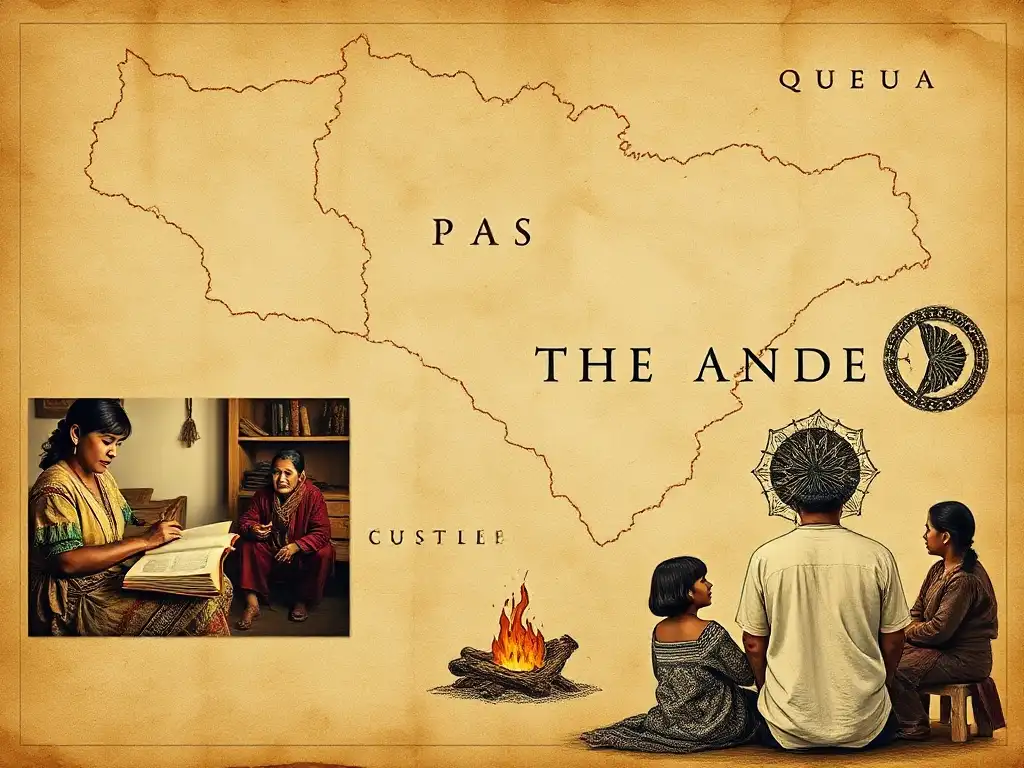
Learning Quechua presents unique challenges that extend beyond the typical difficulties encountered when learning any new language. These hurdles are deeply rooted in the cultural and historical context of the language itself, requiring learners to approach the process with sensitivity and a nuanced understanding of Andean society. Simply memorizing vocabulary and grammar rules is insufficient; a deeper engagement with the culture is crucial for true fluency. The difficulty lies not just in Learning Quechua language challenges, but in understanding the cultural nuances embedded within it.
The Cultural Nuances Embedded in the Quechua language
Quechua isn't just a collection of words and grammatical structures; it's a reflection of a worldview, a social fabric woven with centuries of tradition and experience. The language itself embodies concepts and perspectives that might be foreign to speakers of European languages. For example, Quechua often utilizes indirect speech and avoids direct confrontation, reflecting a strong emphasis on ayni – reciprocity and mutual respect within the community.
This indirect communication style can be initially perplexing for learners accustomed to more direct forms of expression. Furthermore, Quechua's rich vocabulary related to Andean agriculture, cosmology, and traditional practices presents another significant obstacle. Mastering these terms requires more than just rote memorization; it necessitates understanding the cultural context behind them.
For instance, the Quechua word for potato isn't simply a label; it encompasses a vast network of knowledge related to its cultivation, its significance in Andean diets, and its role in ceremonies and rituals. Understanding the subtle differences between various Quechua dialects adds another layer of complexity. There are significant variations in pronunciation, vocabulary, and grammar across different regions, making it crucial for learners to specify which dialect they wish to learn.
Understanding the Andean Worldview Through Language
The Andean worldview, deeply intertwined with the natural world and spiritual beliefs, is profoundly reflected in the Quechua language. Learning Quechua therefore involves not just acquiring linguistic skills, but also developing an appreciation for this unique perspective. For example, the concept of Pachamama (Mother Earth) is central to Andean cosmology and is woven into the fabric of Quechua thought and expression.
Understanding this concept is critical for comprehending many aspects of the language, from its metaphors and proverbs to its social interactions. Similarly, the importance of community and kinship relations in Andean culture is reflected in the use of kinship terms and honorifics within Quechua. Learners must grasp these nuances to navigate social situations appropriately and to fully understand the meaning behind conversations.
Moreover, traditional Andean storytelling and oral traditions play a vital role in preserving cultural knowledge and history. Engaging with these narratives provides valuable insights into the cultural context of the language, enriching the learning experience. The lack of readily available standardized learning materials for certain dialects also creates significant hurdles.
Finding Opportunities for Immersion and Practice
Effective Quechua language acquisition necessitates consistent immersion and practice. However, finding opportunities for immersion can be challenging, especially outside of Andean communities. While online resources are increasingly available, nothing replaces direct interaction with native speakers. Seeking out opportunities to engage with Quechua-speaking communities, either through travel, participation in cultural events, or online language exchange programs, is crucial.
The scarcity of Quechua language courses, especially for less common dialects, makes finding structured learning environments a significant obstacle. Many learners rely on self-study, which requires significant discipline and resourcefulness. Furthermore, the lack of standardized testing and certification for Quechua proficiency can hinder learners' progress and make it difficult to demonstrate their language skills.
Developing a personal learning strategy that combines diverse resources, including textbooks, online materials, and interaction with native speakers, is essential for overcoming these challenges. This proactive approach allows learners to adapt to the unique obstacles presented by Learning Quechua language challenges and to navigate the path toward fluency more effectively. The rewards, however, are substantial – a deeper understanding of a rich culture and the ability to connect with a vibrant linguistic heritage.
Strategies for Overcoming Quechua Learning Obstacles

Learning Quechua, a language with a rich history deeply intertwined with the Andean civilizations, presents unique challenges. Its diverse dialects, complex grammar, and limited readily available resources can make the learning journey steeper than many other languages. However, with a strategic approach and perseverance, mastering Quechua is entirely achievable. This section outlines effective strategies to navigate these obstacles and successfully embark on your Quechua language learning adventure.
The key is to understand the specific difficulties and proactively address them with a tailored learning plan. Many learners find that focusing on consistent, smaller study sessions is more effective than infrequent, longer ones. Remember, consistent effort is key to overcoming the challenges of Learning Quechua language challenges.
Utilizing Available Quechua Language Learning Resources
While resources might be scarcer compared to more widely spoken languages, a growing number of tools are available for those eager to learn Quechua. These resources range from textbooks and online courses to language exchange apps and immersion programs. It's crucial to identify resources tailored to your learning style and proficiency level.
Begin by exploring online dictionaries and phrasebooks, offering quick access to vocabulary and basic sentence structures. Many free online resources provide audio pronunciations, crucial for mastering the nuances of Quechua phonetics. Consider investing in a reputable Quechua textbook, which often provides a structured learning path with grammar explanations and exercises.
Look for materials that incorporate cultural context, enriching your understanding of the language's historical and social significance. Don't overlook the power of multimedia resources: podcasts and YouTube channels dedicated to Quechua can offer immersive listening practice and cultural insights. Remember, even seemingly small resources can contribute significantly to your progress in overcoming the Learning Quechua language challenges.
Creating a Personalized Quechua Study Plan
A well-structured study plan is paramount to successful language acquisition. The key is personalization – tailoring your plan to your specific learning style, available time, and learning goals. Consider incorporating various learning techniques, such as spaced repetition, flashcards, and active recall, to reinforce your learning.
For example, dedicate specific time slots each day or week for vocabulary acquisition, grammar practice, and conversation skills. Use flashcards to memorize new words and phrases, employing spaced repetition software to optimize retention. Engage in active recall exercises, testing yourself regularly on previously learned material. Set realistic, achievable goals to avoid feeling overwhelmed. Celebrate your milestones, no matter how small, to maintain motivation and build confidence. Regular self-assessment is vital. Track your progress to identify areas needing more attention and adjust your study plan accordingly. This personalized approach is critical to tackling the many Learning Quechua language challenges.
Seeking out Native Quechua Speakers for Practice
While self-study provides a solid foundation, interacting with native Quechua speakers is invaluable for improving fluency and pronunciation. The opportunity to practice speaking, listen to authentic speech patterns, and receive feedback from native speakers significantly accelerates language acquisition.
Look for online language exchange platforms or local Quechua communities where you can connect with native speakers. Even brief conversations can be incredibly beneficial. Don't be afraid to make mistakes; they are a natural part of the learning process. Embrace the opportunity to learn from your errors and refine your conversational skills.
If possible, consider participating in immersion programs or visiting regions where Quechua is spoken, providing an invaluable opportunity for real-world practice. Remember, consistent interaction with native speakers is key to overcoming many of the Learning Quechua language challenges, unlocking fluency and a deeper understanding of the language and culture. The support and guidance of a native speaker can be invaluable, offering personalized feedback and cultural insights often unavailable through traditional learning methods.
Leveraging Technology to Improve Quechua Learning
The digital age offers a wealth of resources to aid in Quechua language acquisition, significantly mitigating some of the challenges learners face. Gone are the days of relying solely on textbooks and limited classroom instruction. Now, learners have access to a plethora of online tools designed to make the learning process more engaging and effective.
One significant advantage is the availability of language learning apps. Many apps offer interactive lessons, vocabulary building exercises, and pronunciation practice, all tailored to the specific nuances of the Quechua language. These apps often incorporate gamification techniques, turning the learning process into an enjoyable experience rather than a tedious chore.
This is especially helpful for beginners who might otherwise feel overwhelmed by the complexities of Quechua grammar and pronunciation. Furthermore, many apps offer progress tracking, allowing learners to monitor their improvement and identify areas needing further attention. This personalized approach is invaluable in overcoming the challenges associated with self-directed learning.
Beyond apps, online dictionaries and language exchange platforms play a crucial role. These platforms connect learners with native Quechua speakers, providing invaluable opportunities for conversational practice and cultural immersion. This direct interaction helps learners overcome the hurdle of applying their knowledge in real-world situations, a critical step in achieving fluency. The ability to ask questions, receive immediate feedback, and engage in authentic conversations significantly accelerates the learning process and builds confidence. The online dictionaries, meanwhile, provide detailed definitions, examples, and sometimes even audio pronunciations, which can be particularly helpful when dealing with the unique sounds and vocabulary of Quechua.
The use of technology, however, is not without its limitations. The quality of online resources can vary significantly, and learners must be discerning in their choices. Not all apps or online platforms are created equal, and some may offer inaccurate or outdated information. It's crucial to rely on reputable sources and to cross-reference information whenever possible.
Furthermore, while technology can enhance the learning experience, it cannot entirely replace the benefits of in-person instruction and interaction with native speakers. A balanced approach, combining online resources with traditional learning methods, is often the most effective strategy. The digital tools should be viewed as supplemental aids, not replacements, for a comprehensive learning experience.
The Rewards of Mastering the Quechua Language
Learning Quechua, while presenting certain challenges as discussed elsewhere, offers profound rewards that extend far beyond basic linguistic proficiency. It's a journey into the heart of Andean culture, a key to unlocking a rich tapestry of history, tradition, and worldview. The effort invested in mastering this ancient tongue yields invaluable insights and connections that enrich one's understanding of the Andes and its people.
Gaining Deeper Insights into Andean Civilizations
The Quechua language isn't merely a tool for communication; it's a repository of Andean history and worldview. Many aspects of Inca and pre-Inca civilizations are deeply intertwined with the language itself. Understanding Quechua opens doors to a more nuanced comprehension of their social structures, religious beliefs, and agricultural practices.
For example, the intricate system of ayllus (community-based social organizations) is best understood through the Quechua terms and concepts that define their roles and responsibilities. Similarly, the rich Quechua vocabulary related to agriculture reflects a deep and sophisticated understanding of Andean ecosystems and farming techniques, far beyond what written records alone can convey. The subtleties of Quechua poetry and oral traditions further illuminate the cosmology and spiritual beliefs of these ancient civilizations.
Mastering the language allows for a direct engagement with these cultural nuances, offering a depth of understanding unattainable through translation alone. This direct access to the source material provides a more accurate and complete picture, challenging preconceived notions and revealing the complexities of Andean societies.
Connecting with Indigenous Communities on a Deeper Level
Learning Quechua transcends academic pursuits; it fosters genuine connection with contemporary Quechua-speaking communities. The ability to communicate in their native tongue demonstrates respect and fosters trust, opening doors to personal relationships and cultural exchange. This isn't simply about learning phrases; it's about understanding the nuances of communication, the social protocols, and the unspoken cultural cues that underpin interactions.
For instance, the use of different dialects of Quechua within specific communities reflects a rich diversity, and recognizing and respecting these variations is crucial for building genuine relationships. Furthermore, participating in community events, ceremonies, and conversations in Quechua provides firsthand experience of the vibrant cultural expressions still alive today.
This immersion in the living language fosters a deeper understanding of the challenges and triumphs faced by Andean communities in the modern world, forging connections that transcend linguistic barriers. The ability to respectfully engage with community members in their own language is invaluable for collaborative research, cultural preservation efforts, and promoting intercultural understanding.
Preserving an Important Part of Andean Heritage
The preservation of Quechua is inextricably linked to the preservation of Andean cultural heritage. As a living language, Quechua is constantly evolving, but its continued use is vital for maintaining a vital connection to the past. Learning Quechua is an act of cultural preservation, contributing to the ongoing efforts to protect and promote this valuable aspect of Andean identity.
The loss of Quechua would represent an irreplaceable loss of knowledge, tradition, and cultural expression. By learning the language, individuals actively participate in its revitalization, ensuring that the rich history, stories, and wisdom embedded within Quechua are passed down to future generations. This commitment to linguistic diversity contributes to a more equitable and culturally rich world, recognizing the importance of indigenous languages in shaping global understanding and fostering intercultural dialogue.
Active participation in language preservation projects, such as community-based language learning initiatives, further amplifies the impact of individual efforts in safeguarding this vital part of Andean heritage. The effort invested in learning Quechua is, therefore, an investment in the future of Andean culture itself.
Personal Growth and Enrichment through Language Learning
Embarking on the journey of learning Quechua, a language deeply rooted in the rich tapestry of Andean history and culture, offers profound personal rewards that extend far beyond mere linguistic proficiency. The process itself fosters significant personal growth and enrichment. The dedication required to master Quechua's unique grammar and phonetics cultivates discipline and perseverance – qualities transferable to all aspects of life. This commitment to continuous learning strengthens cognitive function, improving memory, problem-solving skills, and even multitasking abilities. Studies have consistently shown a strong correlation between multilingualism and enhanced cognitive flexibility. 1 Learning Quechua, with its intricate grammatical structures and nuanced vocabulary, provides a powerful mental workout, sharpening these crucial cognitive skills.
Furthermore, the act of immersing oneself in a new language opens doors to a deeper understanding of a different worldview. Quechua's linguistic structure reflects the unique perspectives and values of its speakers, offering insights into the Andean cosmology, social structures, and relationship with the natural world that are otherwise inaccessible. This cultural immersion fosters empathy, broadening perspectives and challenging preconceived notions.
The ability to connect with people on a deeper level, transcending the barriers of language, is incredibly rewarding, fostering a sense of connection and belonging within the vibrant Quechua-speaking communities. This intercultural understanding is invaluable in today's increasingly interconnected world, promoting tolerance and appreciation for diversity. The personal satisfaction derived from overcoming the challenges of learning Quechua and connecting with its rich cultural heritage is immeasurable.
It's a journey of self-discovery, enriching your life in ways that extend far beyond the ability to speak a new language. The sense of accomplishment is a powerful motivator, fostering self-confidence and a growing appreciation for the power of lifelong learning.
The rewards extend beyond the individual. Mastering Quechua allows for deeper engagement with Andean art, literature, and music, unlocking layers of meaning and appreciation previously unavailable. This enriched understanding fosters a stronger connection to the vibrant cultural heritage of the Andes, enriching one's appreciation for the diversity of human expression.
The ability to access original sources in Quechua opens up a world of untold stories, fostering a deeper understanding of Andean history and perspectives, often overlooked in translations. This immersive experience transforms the way one interacts with the Andean world, enriching the experience of travel, research, and cultural exchange. It is a journey of intellectual and emotional discovery, fostering a lasting appreciation for the beauty and complexity of the Quechua language and its cultural context.
1 [Specific citation needed regarding cognitive benefits of multilingualism]
Frequently Asked Questions
What are some common challenges faced when learning Quechua?
Learning Quechua presents several challenges. Pronunciation can be difficult for speakers of other languages, and the lack of standardized spelling across different Quechua dialects adds complexity. Finding reliable learning resources is also a hurdle.
How many dialects of Quechua exist, and does this impact learning?
There are many Quechua dialects, with significant variations in vocabulary and grammar. This makes it crucial to specify which dialect you're learning, as materials for one dialect may not be easily transferable to another. Choosing a specific dialect is a key first step.
Are there any online resources available for learning Quechua?
Yes, several online resources exist, including apps, websites, and online courses. However, the quality and comprehensiveness of these resources vary greatly, so careful selection is recommended. Look for resources that offer interactive exercises and audio components.
What is the best way to improve my Quechua pronunciation?
Immersion is key! Listening to native speakers and practicing with a tutor or language partner is invaluable. Pay close attention to the sounds and intonation patterns, and don't be afraid to practice speaking aloud regularly.
How long does it typically take to become fluent in Quechua?
Fluency in any language takes time and dedication. The time required to reach fluency in Quechua varies depending on factors such as your learning style, the amount of time you dedicate to study, and your prior language learning experience. Consistency and immersion are crucial for success.
Final Reflection: Echoes of the Andes, Whispers of the Future
The struggle to learn Quechua is not merely a linguistic challenge; it's a journey into the heart of a living culture, a testament to the resilience of indigenous languages in a rapidly globalizing world. The difficulties encountered—from the unique phonetic structures to the nuanced grammatical complexities—mirror the broader challenges faced by indigenous communities in preserving their heritage and identity. This fight for linguistic survival is a fight for cultural survival, and its outcome will shape the future of Andean societies.
Learning Quechua has profoundly impacted my understanding of language itself, revealing the intricate relationship between words, culture, and identity. It's a humbling experience to grapple with a language that carries within it centuries of history, tradition, and worldview. Language is the road map of a culture. It tells you where its people come from and where they are going.
– Rita Mae Brown. This quote perfectly encapsulates the profound journey of learning Quechua, a journey that transcends mere vocabulary acquisition and delves into the very soul of a vibrant culture.
The challenges you face in learning Quechua, whatever they may be, are not insurmountable. Embrace the struggle, celebrate the small victories, and remember that every word learned is a step closer to understanding a rich and complex culture. You are not just learning a language; you are building a bridge between past and present, connecting with a vibrant heritage, and contributing to the preservation of a linguistic treasure. Engage with the community, seek out opportunities to practice, and let the echoes of the Andes inspire you on your journey.
Embark on Your Quechua Learning Adventure Today!
Thank you for exploring the fascinating world of the Quechua language! You've already gained valuable insights into its rich history and cultural significance. Now, it's time to put your knowledge into practice and fully immerse yourself in the Quechua experience.
Here are some simple yet effective steps to begin your journey:
- Start with a language learning app: Download an app designed for Quechua beginners. Regular practice is crucial for success!
- Connect with a community: Find a local or online group dedicated to Andean languages and cultures. Sharing your experiences with others is a great way to learn and stay motivated.
- Explore Quechua literature: Discover the beauty of Quechua poetry and stories to deepen your understanding and appreciation. You might be surprised by the hidden gems you uncover!
What aspect of Quechua culture excites you most? Share your thoughts in the comments!