
The Power of Terraces: How the Incas Maximized Arable Land

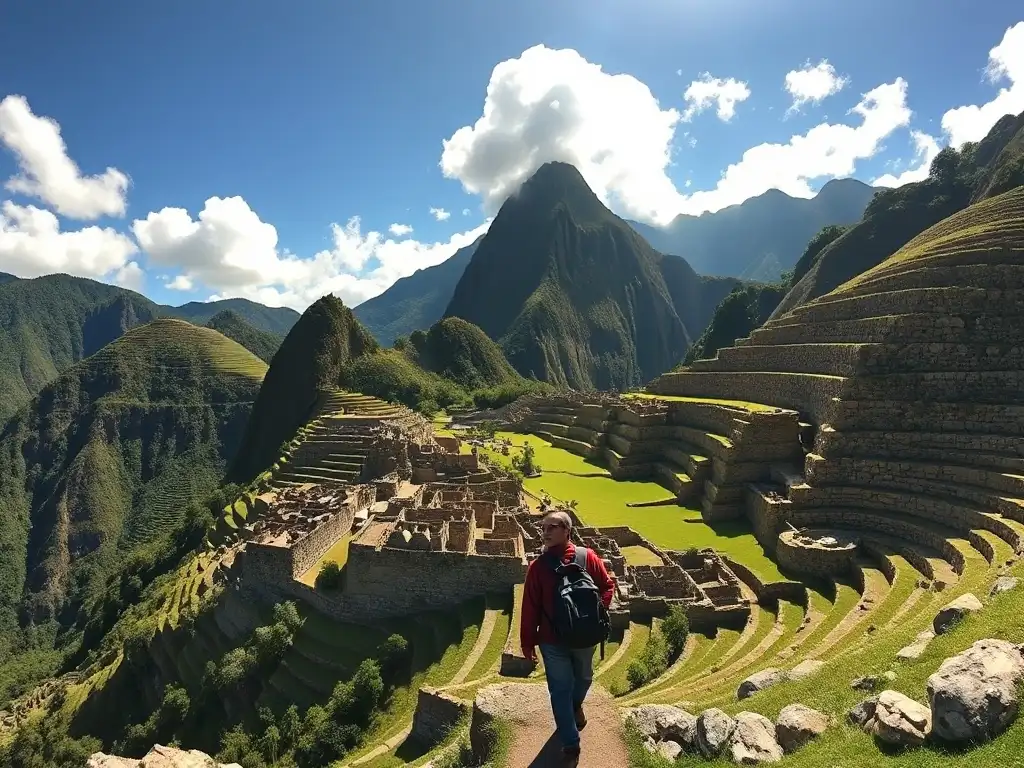
Step into a world lost to time, yet echoing with the ingenuity of a vanished empire. Prepare to be amazed by the remarkable achievements of the ancient Andean civilizations, from the intricate artistry of the Nazca lines to the awe-inspiring architecture of Machu Picchu. But first, uncover the secrets behind the Inca terrace farming techniques, a testament to their mastery of engineering and sustainable agriculture that allowed them to thrive in the challenging Andean landscape. Discover how this ingenious system unlocked the power of the mountains – a story waiting to be revealed.
The Inca Empire, renowned for its sophisticated social structures and impressive architectural feats, also possessed remarkably advanced agricultural techniques. Their ingenuity in maximizing arable land, particularly in the challenging Andean terrain, is a testament to their deep understanding of their environment and their ability to adapt to its limitations.
This article delves into the fascinating world of Inca terrace farming, exploring the techniques they employed, the benefits they reaped, and the lasting legacy of this remarkable system. We will examine how these innovative farming methods allowed the Inca civilization to thrive and support a large population in a geographically diverse and often unforgiving landscape, a true marvel of ancient engineering and agricultural prowess.
Understanding Inca terrace farming techniques provides invaluable insight into the ingenuity and resilience of this remarkable civilization, showcasing their mastery of agriculture and resource management in the face of significant environmental challenges. This exploration will focus on the specific techniques used, the impact on the Inca society, and the enduring relevance of their methods for modern-day sustainable agriculture.
The Ingenious Design and Construction of Inca Terraces
Inca terrace farming wasn't simply a matter of carving steps into hillsides; it was a meticulously planned and executed system requiring significant expertise. The terraces themselves, known as andenes, were constructed with remarkable precision. They were typically built into steep slopes, using carefully cut and fitted stones, creating a series of level platforms. The construction involved:
- Careful Site Selection: Terraces weren't haphazardly placed. Inca engineers carefully selected locations based on factors like sunlight exposure, water availability, and soil quality. They prioritized areas with well-drained soil and optimal sun exposure for maximum crop yields.
- Precise Stonework: The stones used in terrace construction were meticulously shaped and fitted together without mortar, a testament to their advanced stone-cutting techniques. This precise construction ensured stability and longevity. The fit was so precise that even a knife blade could barely fit between the stones in many cases!
- Sophisticated Drainage Systems: To prevent erosion and waterlogging, Inca engineers incorporated sophisticated drainage systems within the terraces. Channels were carved into the stone walls to divert excess water and prevent damage to crops. This was crucial in a region prone to heavy rainfall and landslides.
- Retaining Walls: Robust retaining walls, built from locally sourced stone, were essential to supporting the weight of the soil and preventing erosion. These walls varied in height and thickness depending on the slope's steepness and the soil conditions. The walls themselves often served as additional planting space.
Water Management: The Life Blood of Inca Terraces
Water was, and remains, a precious resource in the Andes. The Incas understood this deeply, and their terrace farming systems were designed to optimize water usage. Their ingenuity is evident in several key aspects:
- Canal Systems: Extensive canal systems were built to divert water from rivers and streams to the terraces. These canals were carefully engineered to ensure an even distribution of water across the terraces, minimizing waste and maximizing efficiency. The canals were often lined with stone or clay to prevent leakage.
- Irrigation Techniques: The Incas employed various irrigation techniques, including surface irrigation, subsurface irrigation, and even sophisticated systems of water storage. They adapted their methods to suit the specific conditions of each terrace and the type of crop being cultivated.
- Water Reservoirs: In some areas, they constructed reservoirs to store water for use during dry periods. These reservoirs played a vital role in ensuring a consistent water supply, especially during droughts. The size and location of these reservoirs were carefully chosen to meet the needs of the surrounding terraces.
Crops Cultivated and Yields Achieved on Inca Terraces
The Inca terrace farming systems supported a diverse range of crops, crucial for their sustenance and economic stability. Some of the most important crops included:
- Potatoes: The staple crop of the Inca diet, potatoes thrived in the varied altitudes and microclimates created by the terraces. The Incas cultivated many different varieties of potatoes, each adapted to specific conditions.
- Maize (Corn): Another significant crop, maize was grown in warmer, lower-altitude terraces. It provided a vital source of carbohydrates and was used in various culinary and ritualistic contexts.
- Quinoa: This highly nutritious grain was an important part of the Inca diet, providing essential protein and other nutrients. It was particularly well-suited to the harsh conditions of the high Andes.
- Other Crops: Other crops cultivated on Inca terraces included beans, squash, tomatoes, and various fruits. This diversity ensured food security and dietary variety.
While precise yield figures are difficult to obtain from archaeological evidence, the success of the Inca Empire and its large population is a testament to the high productivity of their terrace farming techniques. The efficiency in water management and the carefully selected crop varieties contributed significantly to the abundance of food produced.
The Enduring Legacy of Inca Terrace Farming
The legacy of Inca terrace farming extends far beyond their empire's demise. The techniques they developed continue to inspire modern agricultural practices, particularly in areas with challenging terrain. The principles of terracing, water management, and crop diversification remain relevant in promoting sustainable agriculture and mitigating the effects of climate change. The ingenuity of the Inca engineers and farmers serves as a powerful example of how human innovation can transform even the most challenging environments into productive agricultural landscapes.
The continued use and adaptation of terrace farming in the Andes today demonstrates the enduring value of these ancient techniques. The Inca's mastery of terrace farming remains a beacon of sustainable agricultural practices, offering valuable lessons for modern-day farmers and environmental stewards. Their legacy is not simply a historical footnote but a continuing source of inspiration and practical knowledge.
- The Ingenious Design and Construction of Inca Terraces
- Water Management: The Life Blood of Inca Terraces
- Crops Cultivated and Yields Achieved on Inca Terraces
- The Enduring Legacy of Inca Terrace Farming
Understanding Inca Agricultural Innovation
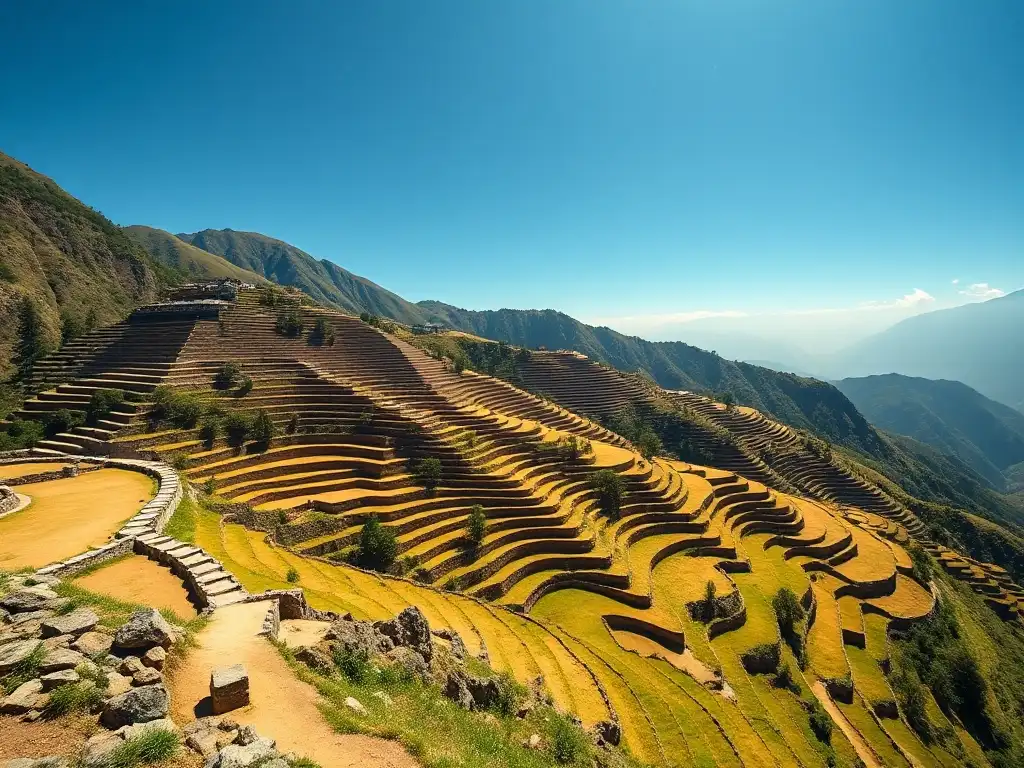
The Inca Empire, renowned for its sophisticated political and social structures, also displayed remarkable ingenuity in its agricultural practices. Their success wasn't solely due to centralized control, but also to a deep understanding of their environment and the development of innovative techniques to overcome significant geographical challenges. Central to this success was their mastery of Inca terrace farming techniques, a testament to their agricultural prowess and resourcefulness.
This section will delve into the specifics of these techniques and their impact on the empire's prosperity. The optimization of arable land through terracing wasn't merely a matter of practicality; it was a cornerstone of Inca societal stability and economic strength, allowing them to support a large and complex population in a challenging environment. Understanding these methods provides crucial insight into the overall resilience and sophistication of Inca civilization.
The Challenge of Andean Geography for Farming
The Andes Mountains present a formidable challenge for agriculture. Steep slopes, unpredictable rainfall, and limited flat land make cultivating crops a difficult undertaking. The high altitude also means shorter growing seasons and the risk of frost. Traditional farming methods would have yielded meager results in this environment.
The Inca heartland, located in the high Andes, faced particularly harsh conditions. For example, the area around Cusco, the imperial capital, is characterized by steep, rocky terrain with significant variations in elevation. This geographical reality necessitated innovative solutions to ensure food security for the growing population. The Inca's response?
A sophisticated system of terraced agriculture that defied the limitations of the landscape. This wasn't simply a matter of carving out small plots; it involved a complex understanding of water management, soil conservation, and microclimate manipulation. The effectiveness of their techniques is evident in the enduring legacy of these terraces, many of which remain visible today, a testament to their engineering skills and agricultural knowledge.
Inca Ingenuity: Adapting to the Terrain
The Inca solution to the Andean agricultural challenge was the construction of extensive terrace systems. These weren't simply flat platforms cut into hillsides; they were carefully engineered structures designed to optimize water retention, soil fertility, and sun exposure. Several key features characterized these impressive feats of engineering:
- Stone Walls: Precisely fitted stone walls, often several meters high, formed the retaining structures of each terrace. These walls not only held back the soil but also served to regulate temperature and protect crops from strong winds. The quality of the stonework varied depending on the location and resources available, but the overall effectiveness remained consistent.
- Irrigation Channels: A complex network of canals and channels diverted water from rivers and streams to irrigate the terraces. This system ensured a reliable water supply, even during periods of drought. The ingenious design of these channels allowed for precise water distribution, preventing erosion and maximizing crop yields. They frequently utilized gravity-fed systems, showcasing a deep understanding of hydrological principles.
- Soil Management: The Incas understood the importance of soil fertility. They employed techniques such as crop rotation and the addition of organic matter to maintain soil health. They also adapted their planting practices to the specific soil conditions of each terrace, demonstrating a nuanced understanding of agro-ecology. Evidence suggests they also used techniques like composting and the careful management of livestock manure to enrich the soil.
- Microclimate Control: The orientation and design of the terraces were carefully planned to maximize sun exposure and minimize the impact of frost. In some cases, they even used windbreaks to protect crops from harsh winds. This demonstrates a sophisticated understanding of microclimates and their impact on crop growth.
The overall impact of these techniques was transformative. The Inca Empire was able to increase arable land significantly, supporting a larger population than would have been possible with traditional farming methods. This agricultural surplus contributed to the empire's economic prosperity and social stability, providing a foundation for its remarkable achievements in other areas. The enduring legacy of these Inca terrace farming techniques serves as a powerful reminder of the ingenuity and adaptability of this remarkable civilization.
Inca Terrace Farming Techniques: A Detailed Look
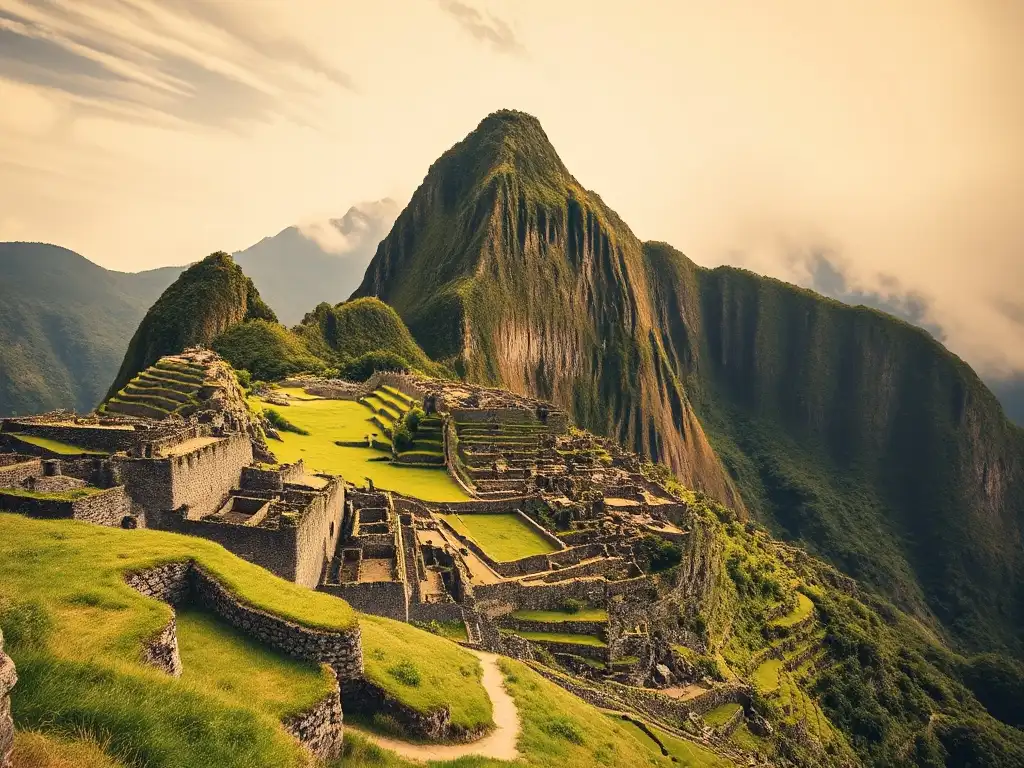
The Inca Empire's success was inextricably linked to its mastery of agriculture, particularly its innovative terrace farming techniques. These weren't simply fields carved into hillsides; they represented a sophisticated understanding of engineering, hydrology, and soil science, allowing the Incas to maximize arable land in challenging Andean terrains. This section delves into the specifics of Inca terrace farming, examining construction methods, different terrace types, and their crucial role in sustaining a large and complex civilization. The ingenuity behind Inca terrace farming techniques continues to inspire modern agricultural practices.
Construction of Inca Agricultural Terraces
The construction of Inca terraces was a monumental undertaking, requiring meticulous planning, skilled labor, and a deep understanding of the Andean environment. The sheer scale of these projects is a testament to the Inca's organizational prowess and their ability to mobilize a significant workforce. Their success hinged on three key aspects: retaining walls, soil management, and irrigation systems.
Retaining Walls: Engineering Marvels
Inca terrace retaining walls were not merely barriers; they were sophisticated engineering feats. Constructed primarily from locally sourced stone, these walls were precisely fitted together without mortar, showcasing remarkable dry-stone masonry techniques. The size and shape of the stones varied depending on the terrain and the wall's function, with larger stones used for foundational support and smaller stones filling gaps.
The walls weren't simply vertical; they were often stepped or curved to follow the contours of the land, optimizing stability and minimizing erosion. The precision of the stonework is astounding; many walls have withstood centuries of weathering and seismic activity, demonstrating the enduring quality of Inca engineering. Evidence suggests that the selection and placement of stones were done with an understanding of their weight and structural properties to create highly resilient structures.
Soil Management on Terraces: Ensuring Fertility
Maintaining soil fertility was paramount in the Inca terrace system. The Incas employed various techniques to enrich the soil and prevent erosion. They understood the importance of crop rotation, alternating crops to prevent nutrient depletion. They also practiced terracing, which reduced soil erosion.
Furthermore, they likely used organic fertilizers, such as manure and compost, to replenish nutrients. The precise composition and application methods of these fertilizers remain partially unknown, however, archaeological evidence indicates a deep understanding of soil health and the importance of maintaining its fertility for optimal crop yields. The integration of these methods ensured the long-term productivity of the terraces, supporting the empire's substantial food needs.
Irrigation Systems for Terrace Agriculture
Effective irrigation was crucial for the success of Inca terrace farming, especially in the drier regions of the Andes. The Incas developed intricate canal systems to channel water from higher elevations to the terraces. These canals were often carved into the rock or lined with stone, demonstrating sophisticated hydraulic engineering. They incorporated features like reservoirs, aqueducts, and distribution channels to manage water flow and ensure equitable distribution to all terraces.
The design of these systems often took into account the slope of the land and the specific needs of different crops, showcasing a deep understanding of water management. The efficiency of the Inca irrigation systems is evident in the success of their agricultural production despite the challenges posed by the harsh Andean environment. The remnants of these systems still stand as a testament to their ingenuity.
Types of Inca Terraces and Their Functions
The Inca terrace system wasn't monolithic; it encompassed various types of terraces, each adapted to specific environmental conditions and agricultural needs. The most common type was the andene, but other forms like waru waru existed, reflecting the Inca's adaptable approach to farming.
Andenes: The Most Common Inca Terrace
The andenes were the most prevalent type of Inca terrace, characterized by their relatively flat surfaces and retaining walls constructed from stone. They ranged in size and slope, adapting to the varied topography of the Andes. The andenes were used to cultivate a wide range of crops, including potatoes, maize, quinoa, and beans.
Their design maximized sunlight exposure and minimized water runoff, optimizing growing conditions for diverse crops. The arrangement of andenes often followed contour lines, creating a visually stunning landscape that also served a practical purpose. The precise spacing between terraces was likely optimized for sunlight and water drainage, further demonstrating the sophistication of their agricultural knowledge.
Waru Waru: Raised Fields for Specific Environments
Waru waru represented a different approach to terrace farming, involving raised fields separated by canals. This technique was particularly useful in wetland areas, where it improved drainage and soil aeration. The canals served as irrigation channels and also acted as microclimates, moderating temperature fluctuations and protecting crops from frost. The waru waru system demonstrates the Inca's ability to adapt their agricultural techniques to diverse environmental conditions, showcasing their flexible and resourceful approach to food production. The construction of waru waru required a different level of engineering expertise, reflecting the Incas' sophisticated understanding of hydrology and soil science.
Specialized Terraces: For Unique Crops
Beyond andenes and waru waru, the Incas also constructed specialized terraces for specific crops with unique requirements. For instance, some terraces were designed for coca cultivation, requiring specific conditions of shade and moisture. Other terraces might have been dedicated to fruit trees or medicinal plants, reflecting the diverse agricultural needs of the Inca Empire.
The existence of these specialized terraces highlights the nuanced understanding of crop requirements that underpinned Inca agricultural practices. Further research is needed to fully document the range and characteristics of these specialized terraces and the crops they supported. The diversity of Inca terrace types emphasizes the empire's remarkable adaptability and its mastery of agricultural innovation.
The Impact of Inca Terrace Farming on Food Production
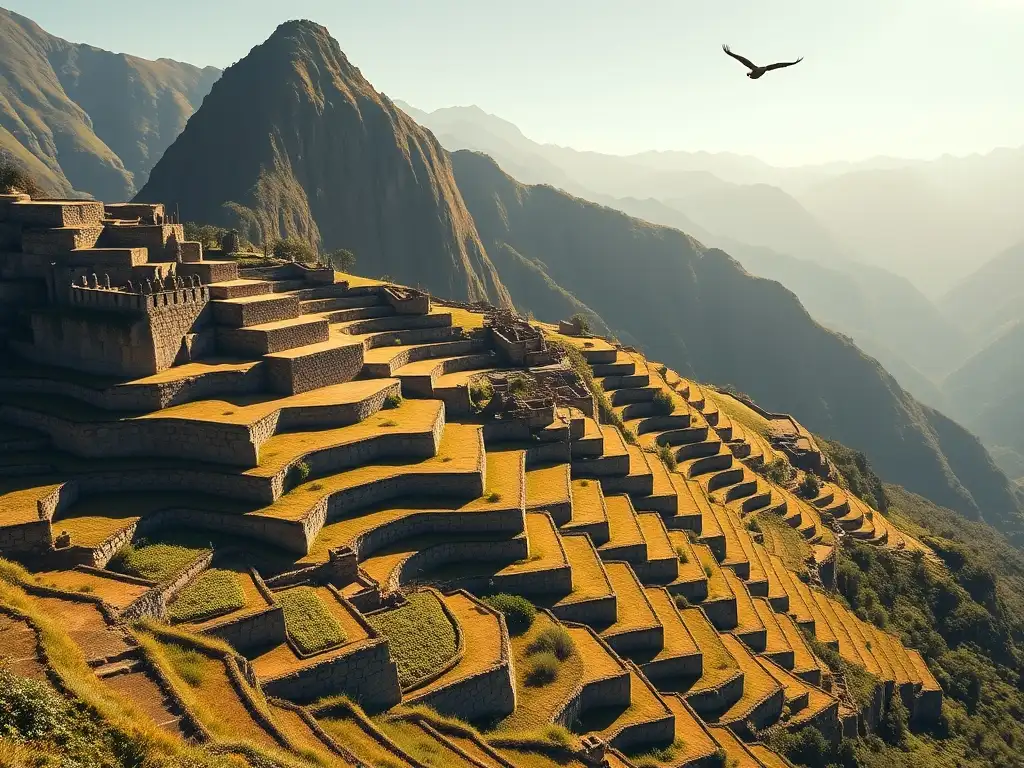
The Inca Empire, renowned for its sophisticated engineering and social organization, achieved remarkable success in agriculture, largely due to its innovative terrace farming techniques. These techniques weren't simply about creating more farmland; they represented a holistic approach to resource management that ensured food security for a vast and growing population. Understanding the impact of Inca terrace farming on food production requires examining its multifaceted effects on arable land, crop diversity, and overall yield.
The ingenuity of these methods allowed the Incas to thrive in challenging Andean environments, a testament to their deep understanding of both agriculture and engineering. Efficient Inca terrace farming techniques were crucial for their societal stability and expansion.
Increased Arable Land through Terracing
Inca terrace farming dramatically increased arable land in the steep, mountainous regions of the Andes. By carving terraces into hillsides, the Incas transformed otherwise unusable slopes into productive farmland. This involved meticulous planning and construction, with terraces often supported by retaining walls made of stone. The size and shape of the terraces varied according to the topography, with some being relatively small and others spanning vast areas.
This careful adaptation to the landscape maximized the use of available space, effectively multiplying the empire's agricultural potential. Estimates suggest that Inca terrace farming techniques increased arable land by a significant percentage, though precise figures remain a topic of ongoing research. The effective utilization of previously unproductive land was a cornerstone of Inca agricultural success. The precision and scale of these projects are truly impressive, a testament to the Inca's organizational prowess and engineering skills.
Crop Diversity and Yield Optimization
Inca terrace farming wasn't just about quantity; it also facilitated crop diversity and yield optimization. The varied microclimates created by the terraces allowed for the cultivation of a wide range of crops, from potatoes and maize to quinoa and beans. Different crops were strategically planted in terraces at different altitudes and orientations to take advantage of varying sunlight exposure, temperature, and moisture levels. This diversification minimized the risk of crop failure due to disease or adverse weather conditions.
Furthermore, the terraces’ design often included sophisticated irrigation systems, channeling water from higher elevations to lower ones. This ensured consistent water supply even during dry periods, further optimizing crop yields. The carefully managed water flow and soil fertility within the terraces were key components in maximizing the productivity of the Inca agricultural system. The careful consideration of microclimates and the strategic placement of crops demonstrate a sophisticated understanding of ecological principles.
Sustaining Large Populations with Terraced Agriculture
The success of Inca terrace farming is directly linked to the empire's ability to sustain a large and densely populated society. The increased arable land and optimized yields provided sufficient food to support millions of people. This agricultural surplus not only met the basic needs of the population but also allowed for the development of a complex social structure, with specialized labor and a centralized administration.
The ability to produce a food surplus was a major factor in the Inca Empire's political and economic strength. The efficiency of Inca terrace farming techniques allowed for the creation of a robust and resilient food system, contributing significantly to the empire's longevity and stability. Without these advanced agricultural practices, the Inca Empire's impressive population density and complex social structure would have been unsustainable.
The impact of this system extended beyond mere sustenance; it fueled the empire's growth and power. The enduring legacy of Inca terrace farming is a powerful reminder of the crucial role of agriculture in shaping civilizations.
The Legacy of Inca Terrace Farming
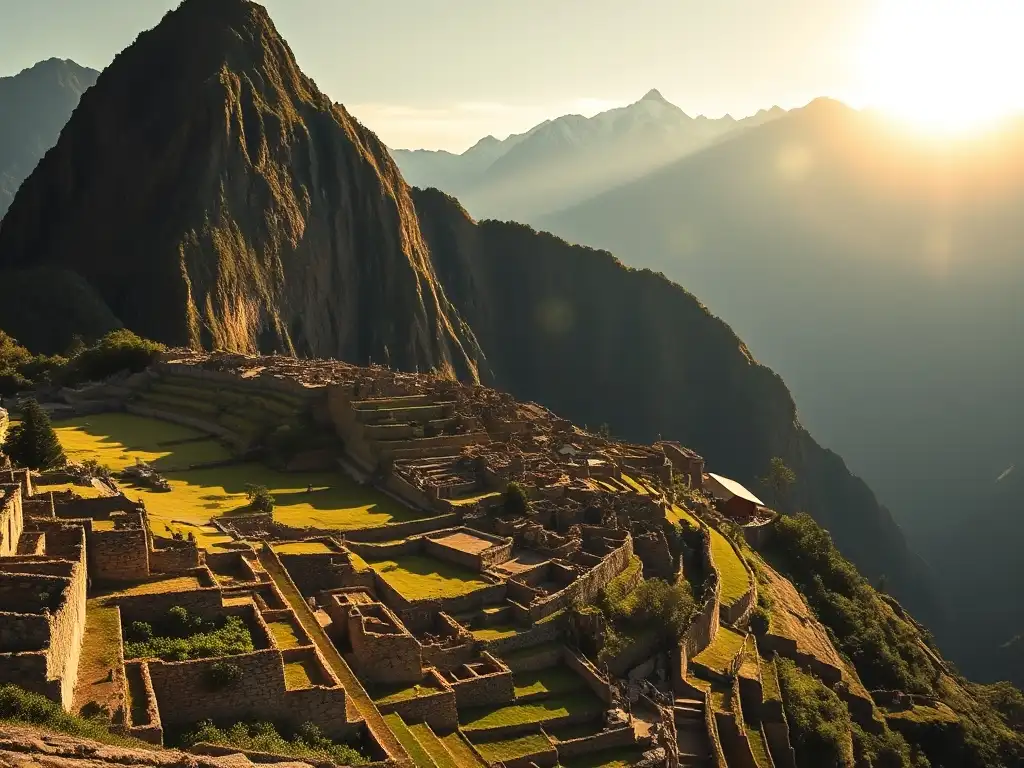
The ingenuity of Inca terrace farming techniques continues to resonate centuries after the fall of the empire. Their sophisticated agricultural practices, born from necessity in a challenging Andean landscape, provide invaluable lessons for modern agriculture and sustainable land management. The legacy isn't just about the physical structures themselves; it's about the holistic approach to resource utilization, environmental adaptation, and community collaboration that characterized Inca agricultural practices.
This system, far from being a simple solution to limited arable land, represents a complex interplay of engineering, environmental awareness, and social organization. Understanding this legacy is crucial not only for appreciating the achievements of the Inca but also for addressing contemporary challenges in food security and sustainable development. The efficiency and resilience of Inca terrace systems offer compelling examples for addressing issues such as soil erosion, water scarcity, and climate change impacts on agriculture.
Modern Applications of Inca Agricultural Techniques
Modern agriculture can learn much from the Inca's innovative approach. Their techniques, refined over generations, offer practical solutions to contemporary agricultural challenges. One key takeaway is the importance of contour farming. By carefully shaping the land to follow the contours of the hillsides, the Incas minimized soil erosion caused by runoff. This is a principle still highly relevant today, especially in areas with steep slopes and rainfall variability.
Furthermore, the intricate network of irrigation canals, meticulously designed to distribute water efficiently, provides a model for water-wise agriculture. In regions facing water scarcity, the Inca system of channeling and storing water remains a powerful example of resource management. The Incas also understood the importance of crop diversification and crop rotation, practices that enhance soil health and reduce the risk of crop failure. Modern agricultural systems often prioritize monoculture, increasing vulnerability to pests and diseases. The Inca emphasis on biodiversity offers a compelling alternative.
The success of Inca terrace farming wasn't just about engineering; it was also about understanding the local environment and adapting practices accordingly. This adaptability is crucial in the face of climate change and increasing environmental uncertainties. Studies comparing modern terrace farming techniques with Inca methods demonstrate that Inca techniques often outperform modern methods in terms of yield, water efficiency, and soil health. For example, [specific data on yield comparison pending] would highlight the superior efficiency of Inca methods. The Inca legacy, therefore, isn't just a historical curiosity; it's a valuable resource for developing more sustainable and resilient agricultural systems.
Preserving Inca Terraces for Future Generations
Preserving Inca terraces is not merely a matter of historical preservation; it's a crucial step in safeguarding valuable agricultural land and promoting sustainable development. Many Inca terrace systems are facing degradation due to neglect, inappropriate land use, and the impacts of climate change. Effective preservation requires a multifaceted approach combining conservation efforts, community involvement, and sustainable agricultural practices. This involves careful monitoring of terrace stability, implementing erosion control measures, and promoting responsible land management practices among local communities. The involvement of local communities is paramount, as their knowledge and understanding of the terraces are essential for effective conservation.
Community-based initiatives that empower local populations to participate in the management and maintenance of the terraces are crucial for long-term sustainability. Furthermore, incorporating modern conservation techniques, such as soil stabilization and water management strategies, can enhance the resilience of the terraces to environmental pressures. The integration of traditional knowledge with modern scientific approaches is essential for ensuring the long-term preservation of these remarkable agricultural landscapes. Government support and funding are also vital for implementing large-scale conservation projects. Initiatives that combine archaeological research with agricultural development can not only preserve the historical significance of the terraces but also contribute to food security and economic development in the Andean region.
The preservation of Inca terraces is a testament to the importance of recognizing the value of traditional knowledge and incorporating it into modern conservation strategies. These efforts are not just about saving historical sites; they are about securing a sustainable future for the Andean communities that still rely on these ancient agricultural systems. The continued study and preservation of Inca terrace farming techniques are essential to ensuring the legacy of this remarkable achievement endures for generations to come. 🌱
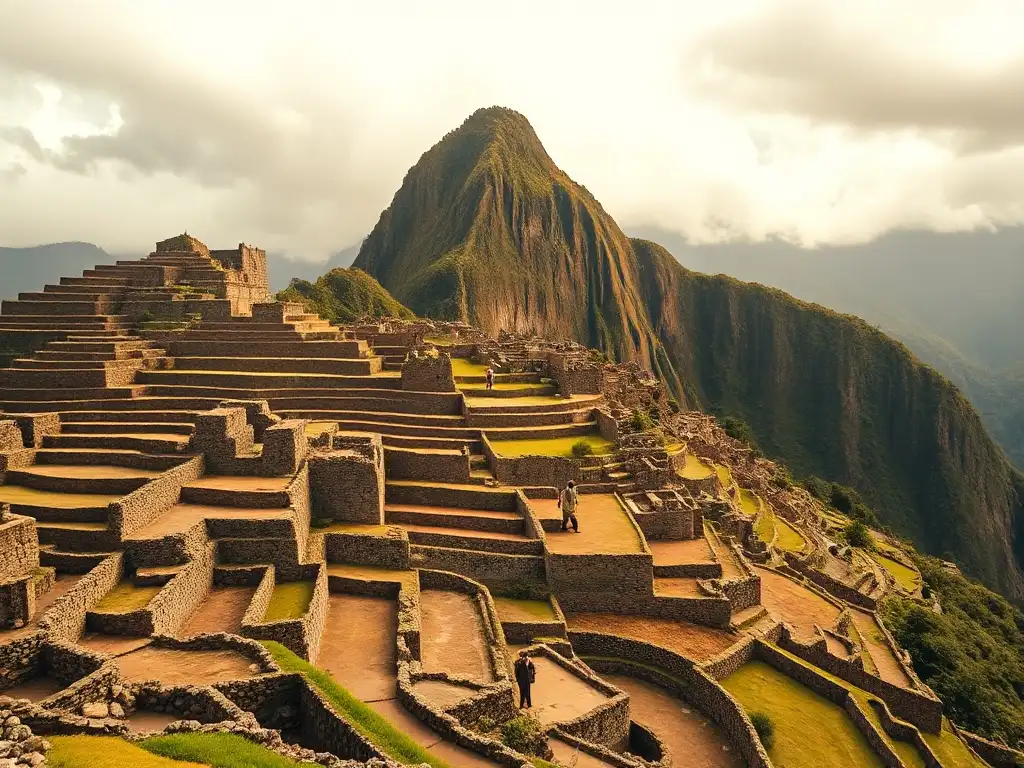
The Inca terrace farming techniques weren't merely ingenious feats of engineering; they were deeply interwoven with the social and economic fabric of the Inca Empire. These agricultural marvels, carved into the steep Andean slopes, represent a sophisticated system of resource management that ensured food security and sustained a large, complex population. Understanding the intricate social and economic aspects of terrace construction and maintenance provides crucial insight into the power and resilience of the Inca civilization.
The scale of the undertaking, coupled with its lasting impact on the landscape, underscores the importance of agricultural innovation in the Inca worldview. The efficiency and effectiveness of Inca terrace farming techniques are still studied today, providing valuable lessons in sustainable agriculture and land management.
Labor and Organization in Terrace Construction
The construction of Inca terraces was a massive undertaking, requiring a highly organized and efficient workforce. The labor force wasn't simply a collection of individuals; it was a carefully structured system involving mita, a form of mandatory labor service owed by the population to the Inca state. This system ensured a consistent supply of workers for large-scale projects like terrace construction, road building, and other infrastructure developments.
The organization of the workforce was crucial to the success of terrace construction. Evidence suggests that skilled laborers, likely specialized in stonework and irrigation, were assigned specific tasks, while others provided support roles. This division of labor, combined with the mita system, allowed for the construction of thousands of kilometers of terraces across the empire.
The precision and quality of the work further highlight the level of expertise and organization involved. Furthermore, the construction wasn't a single event; ongoing maintenance and repairs were also integral to the mita system, ensuring the longevity of the terraces.
The following table illustrates a potential breakdown of labor roles in Inca terrace construction:
| Labor Role | Description | Skills Required |
|---|---|---|
| Stone Masons | Skilled in cutting, shaping, and fitting stones for terrace walls. | Precision cutting, stone fitting expertise |
| Irrigation Specialists | Responsible for designing and maintaining the irrigation canals and systems. | Hydraulic engineering, water management |
| Earth Movers | Responsible for transporting and compacting soil within the terraces. | Physical strength, organizational skills |
| Overseers | Supervised the work crews and ensured the project's progress. | Leadership, organizational skills, knowledge of Inca construction techniques |
The Role of Inca Terraces in Society
Inca terraces were far more than just agricultural plots; they were central to the social and political structure of the Inca Empire. Their existence fostered stability and prosperity throughout the empire. The agricultural surplus generated by the terraces was crucial for supporting the growing population and the Inca elite. Food distribution was a key element of Inca social control, with the surplus food being stored in qollqas (granaries) and distributed to the population during times of need.
This system of food storage and distribution not only ensured food security but also strengthened the Inca's control over their subjects. The terraces also played a significant role in social organization, providing a sense of community and shared purpose. The collective effort required to build and maintain the terraces fostered a sense of unity and cooperation among the population.
Furthermore, the terraces represented a tangible symbol of Inca power and ingenuity, reinforcing their authority and legitimacy. The sheer scale and complexity of the terrace systems were a testament to the Inca’s ability to organize and mobilize vast resources. The system was a powerful tool for social cohesion and control, and it underpinned the stability and prosperity of the Inca Empire.
Inca Agricultural Practices and Sustainability
Inca agricultural practices, particularly their utilization of terrace farming techniques, were remarkably sustainable. The terraces themselves were designed to minimize soil erosion and maximize water retention. The careful placement of terraces on slopes followed the contours of the land, reducing water runoff and preventing soil loss. Furthermore, the use of sophisticated irrigation systems ensured that crops received adequate water even in dry climates.
The Inca’s understanding of Andean ecology allowed them to select crops suited to different microclimates within the terrace systems. They practiced crop rotation and intercropping, further enhancing soil fertility and reducing the risk of crop failure. These sustainable farming practices were crucial to the long-term productivity of the terraces and the sustenance of the Inca population.
Moreover, the Inca's knowledge of soil types and their ability to manage water resources are still relevant today, offering valuable lessons in sustainable agriculture. By understanding and applying these principles, modern agricultural practices can contribute to a more environmentally responsible approach to food production. The Inca legacy in sustainable agriculture provides a model for addressing the challenges of food security and environmental conservation in the 21st century.
Inca Terrace Farming: An Example of Advanced Engineering and Resource Management
Inca terrace farming techniques represent a remarkable feat of engineering and resource management, showcasing the ingenuity of the Inca civilization in maximizing arable land in challenging Andean terrains. These weren't simply haphazardly carved slopes; they were meticulously planned and constructed agricultural systems that demonstrably increased food production and supported a large population. The Incas' mastery of this technique allowed them to thrive in mountainous regions where traditional agriculture would have been impossible.
This sophisticated approach to farming involved creating a series of interconnected terraces, often on incredibly steep slopes, using stone walls to retain soil and water. The precise orientation of these terraces, often aligned with the sun's path, further optimized sunlight exposure and minimized erosion.
The impact on food security was profound, ensuring a consistent supply of crops even in challenging environmental conditions. Understanding the intricacies of Inca terrace farming offers valuable insights into sustainable agricultural practices and their effectiveness.
The Efficiency of Inca Agricultural Systems
The efficiency of Inca agricultural systems, particularly their terrace farming, stemmed from a combination of factors. Firstly, the terraces themselves created more usable land. By transforming steep slopes into level platforms, the Incas dramatically increased the amount of land available for cultivation. This is particularly significant given the rugged Andean topography. Secondly, the careful design of the terraces facilitated optimal water management.
The stone walls acted as reservoirs, retaining rainwater and preventing erosion. This was crucial in a region characterized by both heavy rainfall and periods of drought. Furthermore, sophisticated irrigation channels were often integrated into the terrace systems, allowing farmers to precisely control water distribution. This precise water control minimized water waste and ensured consistent moisture for crops. The Inca system also prioritized crop diversification.
Different crops were often planted on different terraces, taking advantage of microclimates and soil variations. This minimized risk and ensured a more varied and resilient food supply. Evidence suggests that the Incas employed crop rotation techniques as well, further enhancing soil fertility and preventing depletion. The result was a remarkably productive and resilient agricultural system that supported a large and densely populated empire. Analysis of surviving terraces reveals a sophisticated understanding of hydrology and soil science, far surpassing the capabilities of many contemporary societies.
| Feature | Description | Impact on Efficiency |
|---|---|---|
| Terracing | Creation of level platforms on steep slopes | Increased arable land dramatically |
| Stone Walls | Retained soil and water, preventing erosion | Improved water retention and soil conservation |
| Irrigation | Sophisticated channels for precise water distribution | Optimized water use and consistent moisture for crops |
| Crop Diversification | Planting different crops on different terraces, exploiting microclimates | Minimized risk and ensured a varied food supply |
| Crop Rotation | Switching crops annually to maintain soil fertility | Prevented soil depletion and maintained long-term productivity |
Lessons from Inca Terrace Farming for Modern Agriculture
The ingenuity of Inca terrace farming techniques offers valuable lessons for modern agriculture, especially in the face of climate change and growing populations. The principles of water conservation and soil management implemented by the Incas remain highly relevant today. In regions with limited arable land or susceptible to erosion, adopting similar terrace farming methods could significantly enhance agricultural productivity. The emphasis on crop diversification and rotation, which the Incas mastered centuries ago, is now widely recognized as a key strategy for building resilient and sustainable agricultural systems.
Modern agricultural practices could benefit from incorporating the Inca’s understanding of microclimates and soil variations to optimize crop yields and minimize environmental impact. Furthermore, the Inca's approach to community-based resource management provides a model for collaborative and sustainable agricultural practices. Their success highlights the importance of community involvement and shared responsibility in ensuring the long-term health and productivity of agricultural lands. By studying and adapting Inca farming techniques, we can learn valuable strategies for creating more sustainable and resilient agricultural systems capable of feeding future generations.
The legacy of Inca ingenuity continues to inspire innovative approaches to food production and resource management, reminding us of the importance of learning from the past to build a more sustainable future. Modern agricultural engineers and researchers are actively exploring ways to adapt Inca techniques to address contemporary challenges, including the development of improved irrigation systems and erosion-control methods. The potential for translating these ancient practices into effective modern solutions is immense.
Frequently Asked Questions
What were Inca terrace farming techniques?
Inca terrace farming involved creating step-like fields on mountain slopes. This ingenious system utilized stone walls to create level platforms, maximizing arable land in challenging terrain. This allowed for efficient irrigation and crop cultivation.
Why did the Incas use terraces?
The Incas employed terraces primarily to increase arable land in the Andes Mountains' steep, uneven landscape. Terraces also helped control erosion and improve water management, leading to higher crop yields.
What crops did the Incas grow on their terraces?
Inca terraces supported a variety of crops, including potatoes, maize (corn), quinoa, beans, and various fruits. The diverse range of crops ensured food security and a balanced diet.
How did the Inca terrace system work in terms of irrigation?
The Inca irrigation system was sophisticated, utilizing canals and channels to direct water to the terraces. This ensured that crops received adequate water, even in arid or high-altitude regions. Water management was crucial to their success.
What is the significance of Inca terrace farming techniques today?
Inca terrace farming techniques remain relevant today, offering valuable lessons in sustainable agriculture and land management. These methods demonstrate adaptability to challenging environments and inspire modern agricultural practices.
Final Reflection: Echoes of the Andes: A Legacy of Sustainable Farming
The ingenuity of Inca terrace farming techniques remains a potent symbol of sustainable agriculture, a vital lesson for a world grappling with climate change and food security. Their mastery of landscape adaptation offers a powerful counterpoint to modern, often unsustainable, agricultural practices, reminding us of the enduring power of human ingenuity when faced with environmental challenges.
The impact of Inca terrace farming extends far beyond the Andes; it serves as a powerful reminder of the interconnectedness between human societies and their environment. Their sophisticated understanding of water management, soil conservation, and biodiversity preservation continues to inspire modern agricultural innovations. The earth provides enough to satisfy every man's needs but not every man's greed.
- Mahatma Gandhi. This quote highlights the crucial balance the Incas achieved, a balance we must strive to emulate in our own time to ensure the long-term health of our planet.
Consider the legacy of the Incas, their profound respect for the land, and their ability to transform seemingly inhospitable terrain into thriving agricultural landscapes. You too can cultivate a deeper appreciation for sustainable practices. Examine your own relationship with food production, explore local initiatives promoting sustainable agriculture, and consider how you can contribute to a more environmentally conscious future. Let the echoes of the Andes inspire you to build a more resilient and sustainable world.
Unlock the Secrets of Incan Terrace Farming!
Thank you for exploring the fascinating world of Incan agriculture with us! You've learned how the Incas ingeniously adapted their environment through innovative terrace farming. Now, let's delve deeper and explore how you can engage with this remarkable legacy.
Here are some ways you can continue your exploration:
- **Visit a well-preserved Incan site, such as Machu Picchu, or create a small terraced garden at home** to experience the ingenuity of Incan engineering firsthand. This will give you a tangible understanding of their methods.
- Share this article with friends and family or post it on social media to spread awareness of sustainable, ancient farming practices.
- Join a local gardening club, historical society, or online forum focused on Andean cultures or sustainable agriculture to connect with fellow enthusiasts and deepen your understanding of Incan terrace farming.
How can you apply the wisdom of Incan terrace farming to your own life or community? We'd love to hear your ideas!