
Moche Clothing and Adornment: Status, Identity, and Style

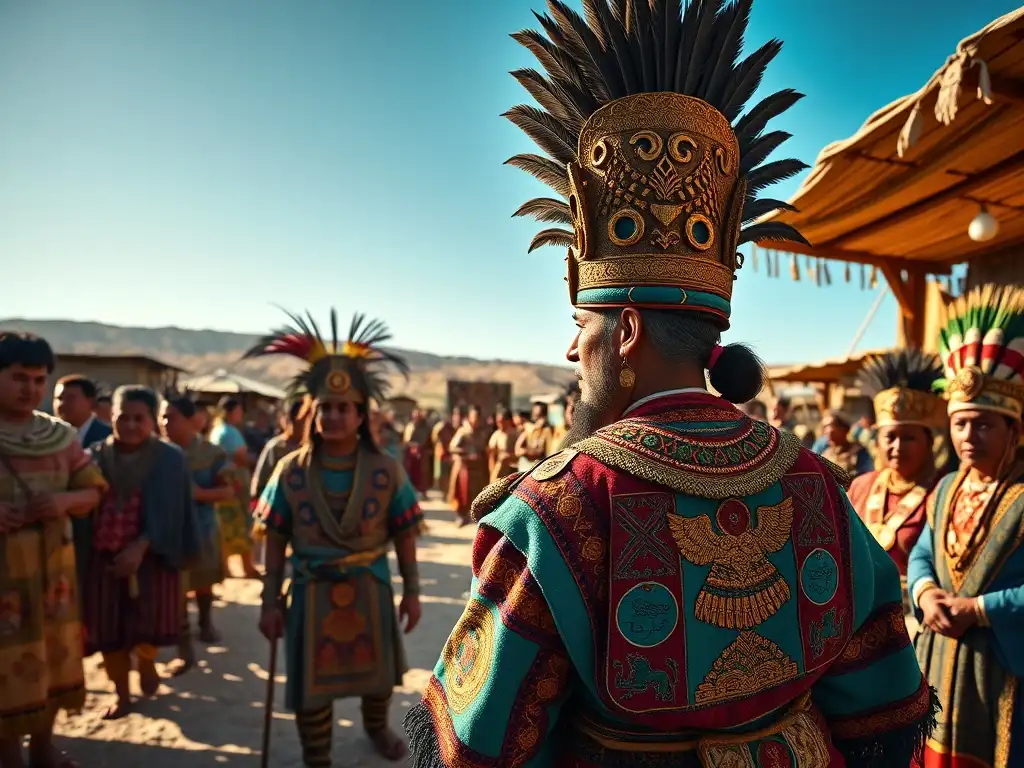
Unravel the mysteries of a lost world, where vibrant textiles whispered tales of power and prestige. Step into the captivating realm of the Moche civilization, and prepare to be amazed by the intricate artistry and profound symbolism woven into their clothing. Discover how Moche clothing styles and symbolism reflected social status, individual identity, and a deeply spiritual worldview. Dare to explore the secrets hidden within the threads of their remarkable garments – a journey awaits that will redefine your understanding of Andean artistry.
The Moche civilization (circa 100-800 CE), flourishing along the northern coast of Peru, left behind a remarkable legacy of artistry and craftsmanship, vividly reflected in their clothing and adornment. This article delves into the intricate world of Moche textiles and jewelry, exploring how these items served not only as practical garments and decorations, but also as powerful symbols of social status, individual identity, and artistic expression. Understanding Moche clothing styles and symbolism offers crucial insight into the complex social hierarchy, religious beliefs, and daily life of this fascinating pre-Columbian culture.
We will examine the materials, techniques, and iconography used to create these remarkable artifacts, revealing the rich tapestry of meaning woven into every thread and bead. The analysis will focus on how specific garments and adornments reflected social standing, religious roles, and personal aspirations within Moche society.
Materials and Techniques: The Foundation of Moche Fashion
Moche artisans displayed exceptional skill in manipulating a variety of materials to create their distinctive clothing and adornments. Cotton, a staple crop along the Peruvian coast, formed the basis of many textiles. However, the Moche also expertly employed other fibers such as camelid wool (llama and alpaca), demonstrating their mastery of diverse textile techniques.
Evidence from archaeological discoveries reveals intricate weaving patterns, including tapestry, brocade, and embroidery. The use of different weaves not only affected the texture and durability of the garments but also contributed to their aesthetic appeal and symbolic meaning. Furthermore, the meticulous dyeing techniques employed by Moche artisans resulted in a vibrant palette of colors, achieved using natural pigments derived from plants and minerals.
These pigments were exceptionally durable, ensuring that the colors remained vibrant even after centuries of burial. The complexity of the techniques and the quality of the materials suggest a highly specialized and stratified craft system, likely involving skilled artisans working within specific workshops or family units. Examples of incredibly well-preserved textiles reveal the extent of this mastery, showcasing intricate designs and elaborate decorative elements.
The type of clothing worn by a Moche individual was directly linked to their social standing. Archaeological evidence suggests a clear hierarchy reflected in the quality, style, and adornment of garments. Elite members of society, such as priests, warriors, and possibly rulers, were adorned in lavishly decorated textiles featuring intricate designs and rare materials.
These garments often incorporated precious metals, such as gold and silver, along with semi-precious stones like turquoise and spondylus shells. The use of these materials not only enhanced the aesthetic appeal of the clothing but also served as a visual indicator of wealth and power. In contrast, commoners likely wore simpler garments made from readily available materials, with less elaborate designs.
While less visually striking, these simpler garments still held cultural significance and reflected the everyday life and practical needs of the Moche population. Further research is needed to fully understand the nuances of clothing styles across the various social strata, but the available evidence clearly points to a system where clothing played a critical role in reinforcing social divisions.
Adornment and Symbolism: Beyond Clothing
Beyond clothing itself, Moche individuals used a wide array of adornments to express their identity and social status. Jewelry, including necklaces, earrings, and headdresses, often featured intricate designs and symbolic imagery. These adornments were made from a variety of materials, including gold, silver, copper, shells, and stones.
Many pieces incorporated depictions of deities, mythical creatures, and other significant symbols, reflecting religious beliefs and cosmological understandings. For instance, the frequent depiction of feline imagery in Moche jewelry may relate to the importance of felines in their religious cosmology. Similarly, headdresses featuring elaborate plumes and ornaments likely signified high social status or religious authority.
The precise meanings of many of these symbols remain a subject of ongoing research, but their presence clearly indicates the importance of adornment in conveying social messages and personal identity within Moche society. The craftsmanship involved in creating these adornments was exceptional, showcasing the skill and artistry of Moche artisans and their deep understanding of symbolic representation.
Moche Clothing Styles and Symbolism: A Synthesis
The study of Moche clothing and adornment provides invaluable insights into the social structure, religious beliefs, and artistic achievements of this significant Andean civilization. The intricate techniques, high-quality materials, and symbolic imagery employed in their textiles and jewelry demonstrate a sophisticated understanding of textile production and visual communication. By carefully analyzing the materials, techniques, and iconography present in these artifacts, researchers can gain a deeper understanding of the social hierarchy, religious practices, and daily life of the Moche people. Further research, especially focused on the less-preserved examples of commoner clothing, will further illuminate the intricate relationship between clothing, status, and identity within this fascinating culture. The enduring legacy of Moche artistry continues to captivate and inspire, offering a window into the vibrant and complex world of a remarkable ancient civilization.
- Materials and Techniques: The Foundation of Moche Fashion
- Clothing as a Marker of Social Status: Hierarchy in Textiles
- Adornment and Symbolism: Beyond Clothing
- Moche Clothing Styles and Symbolism: A Synthesis
Understanding Moche Culture Through Dress
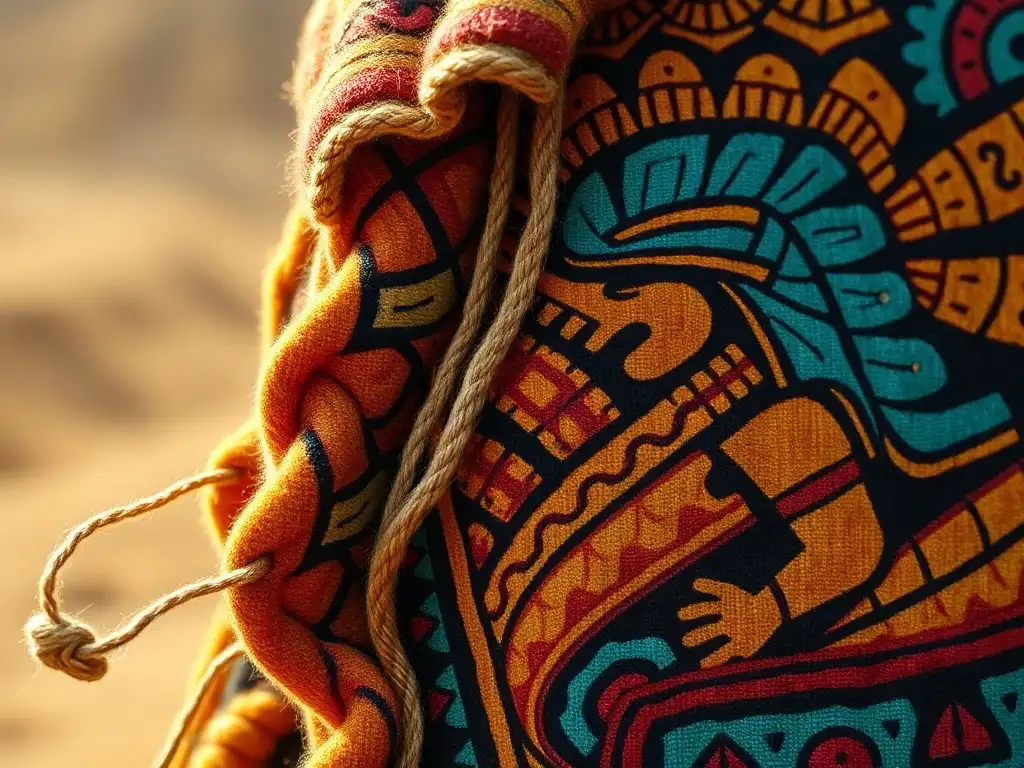
The Moche civilization, flourishing along the northern coast of Peru from approximately 100 CE to 800 CE, left behind a remarkable legacy, vividly depicted in their art and artifacts. Their sophisticated understanding of textiles and their meticulous attention to detail in clothing and adornment provide invaluable insights into their social structures, religious beliefs, and daily lives. Studying Moche clothing styles and symbolism allows us to reconstruct a more nuanced picture of this fascinating culture, moving beyond simple descriptions to understand the complex interplay of status, identity, and artistic expression.
Analyzing the materials, techniques, and iconography present on Moche textiles reveals a society deeply concerned with expressing social hierarchy and individual identity through carefully crafted garments. The vibrant colors, intricate designs, and the use of precious materials all speak to the importance of clothing within Moche society.
The Significance of Moche Attire in Society
Moche attire wasn't merely functional; it was a powerful tool for communicating social standing. Elaborate headdresses, finely woven tunics, and ornate jewelry were not equally accessible to all members of society. Archaeological evidence suggests a clear correlation between the complexity and richness of clothing and an individual's position within the social hierarchy.
For example, individuals buried in elite tombs were often adorned with intricately embroidered textiles made from fine cotton and adorned with precious metals such as gold and silver. These garments frequently featured depictions of deities, mythical creatures, and scenes of ritual ceremonies, highlighting the wearer's connection to the spiritual realm and their privileged status. Conversely, individuals from lower social strata were typically buried in simpler garments made from coarser materials, with less elaborate decoration.
This disparity in attire underscores the deeply stratified nature of Moche society and the significant role clothing played in reinforcing social distinctions. The careful placement of specific symbols and motifs on clothing further emphasized an individual's place within the community.
Decoding Moche Garments: More Than Just Fabric
Moche garments weren't just visually stunning; they were also imbued with symbolic meaning. The intricate designs woven into the textiles often depicted powerful symbols related to Moche mythology, religion, and social structures. These designs weren't randomly placed; they were carefully chosen and strategically arranged to convey specific messages.
For instance, the depiction of certain deities or mythological creatures on a garment could indicate a connection to specific religious cults or lineages. Furthermore, the use of specific colors and patterns might have signified particular social groups or clans. Researchers have identified recurring motifs like stylized felines, birds of prey, and anthropomorphic figures, each potentially representing different aspects of Moche ideology and social organization.
The precise meaning of many of these symbols remains a subject of ongoing research and debate among scholars, but the sheer complexity and artistry involved demonstrate the sophisticated level of symbolic communication embedded within Moche clothing. Detailed analysis of these garments, combined with evidence from other archaeological contexts, continues to unveil the rich tapestry of Moche culture and belief. The study of Moche clothing styles and symbolism offers a unique window into the worldview of this remarkable Andean civilization, revealing a society where clothing was much more than just a covering; it was a powerful medium for expressing identity, status, and belief.
Moche Clothing Styles: Materials and Techniques
The Moche civilization (circa 100-800 CE), renowned for its sophisticated artistry and engineering, also possessed a highly developed textile tradition. Moche clothing styles and symbolism were intricately linked to social status, religious beliefs, and personal identity, reflecting a complex interplay of factors within their society. The remarkable preservation of textiles found in Moche tombs provides invaluable insights into their clothing production, revealing meticulous craftsmanship and a deep understanding of materials and techniques. Understanding these aspects is crucial to appreciating the full significance of Moche garments.
Weaving Techniques in Moche Textiles
Moche weavers employed a variety of sophisticated techniques, resulting in textiles of exceptional quality and artistry. Evidence suggests a mastery of both plain weave and more complex structures like tapestry and brocade. Plain weave, the most basic technique, involved interlacing warp and weft threads in a simple over-under pattern. This was often used for creating the base fabric of garments. However, Moche artisans elevated this basic technique with the incorporation of intricate designs achieved through variations in color and texture.
The tapestry technique, involving the insertion of weft threads of different colors to create images and patterns within the fabric, allowed for the creation of highly detailed and vibrant designs. These designs frequently incorporated mythological creatures, geometric patterns, and stylized representations of plants and animals, all integral to Moche iconography and belief systems. The use of brocade, a technique involving supplementary weft threads that are woven over and under the ground weave to create raised patterns, further enhanced the visual richness of their textiles.
This advanced weaving technique demonstrates a high level of skill and technical expertise within the Moche society. Analysis of surviving textiles indicates the use of various loom types, suggesting a potential specialization of labor within textile production. Further research into the specific types of looms employed and their construction would provide a more comprehensive understanding of Moche weaving practices.
Moche Clothing Materials: Cotton, Camelid Fiber, and Natural Dyes
The creation of Moche textiles relied heavily on two primary fiber sources: cotton and camelid fiber (alpaca and llama). Cotton, grown extensively in the coastal valleys, provided a soft, absorbent material ideal for garments worn in the warmer climates. Camelid fiber, sourced from the highlands, offered greater warmth and durability, making it suitable for colder conditions or for creating more robust textiles. The choice of fiber likely reflected both practical considerations and symbolic meanings, with certain fibers potentially associated with specific social statuses or rituals.
The vibrant colors characteristic of Moche textiles were achieved through the skillful application of natural dyes derived from plants and minerals. Analysis of textile fragments reveals the use of various plant-based dyes, including those from indigo (producing blues), achiote (reds and oranges), and various other plants providing yellows and browns. The precise recipes and processes used in dyeing remain partially understood, with ongoing research actively seeking to decipher the techniques employed by Moche artisans.
The consistent quality and intensity of colors in surviving textiles testify to the mastery of these techniques, highlighting the sophisticated understanding of chemistry and color manipulation within Moche society. The use of mineral dyes, while less prevalent than plant-based dyes, also contributed to the rich color palette of Moche textiles.
Types of Moche Garments: Tunics, Loincloths, and Headdresses
Moche clothing comprised a variety of garments, reflecting both practical needs and social distinctions. The tunica, a type of tunic, was a common garment worn by both men and women. These tunics varied in length, style, and decoration, reflecting differences in social standing and possibly occupation. Elaborately decorated tunics, often featuring intricate designs and high-quality materials, were likely worn by individuals of higher social status, while simpler tunics were worn by the broader population.
Loincloths, simpler garments, were also worn, particularly by men. These were often made from plain weave cotton and served as basic undergarments. However, even these simpler garments could be decorated with fringes or simple patterns, indicating a level of aesthetic consideration even in everyday clothing.
Headdresses played a significant role in Moche attire, varying greatly in style and complexity. Simple headbands were worn by many, but elaborate headdresses, often incorporating feathers, precious metals, and intricate textile work, were reserved for elite members of society and possibly for religious or ceremonial purposes. These headdresses, along with other forms of adornment, served as powerful visual markers of status and identity within the Moche social hierarchy.
The diversity in Moche clothing styles, from simple functional garments to richly adorned ceremonial attire, underscores the importance of clothing as a means of expressing social status, religious beliefs, and individual identity within this remarkable ancient civilization. Further research into burial contexts and iconography associated with specific garments is needed to provide a more complete understanding of the symbolism embedded within Moche clothing.
Moche Adornment: Jewelry and Body Modification
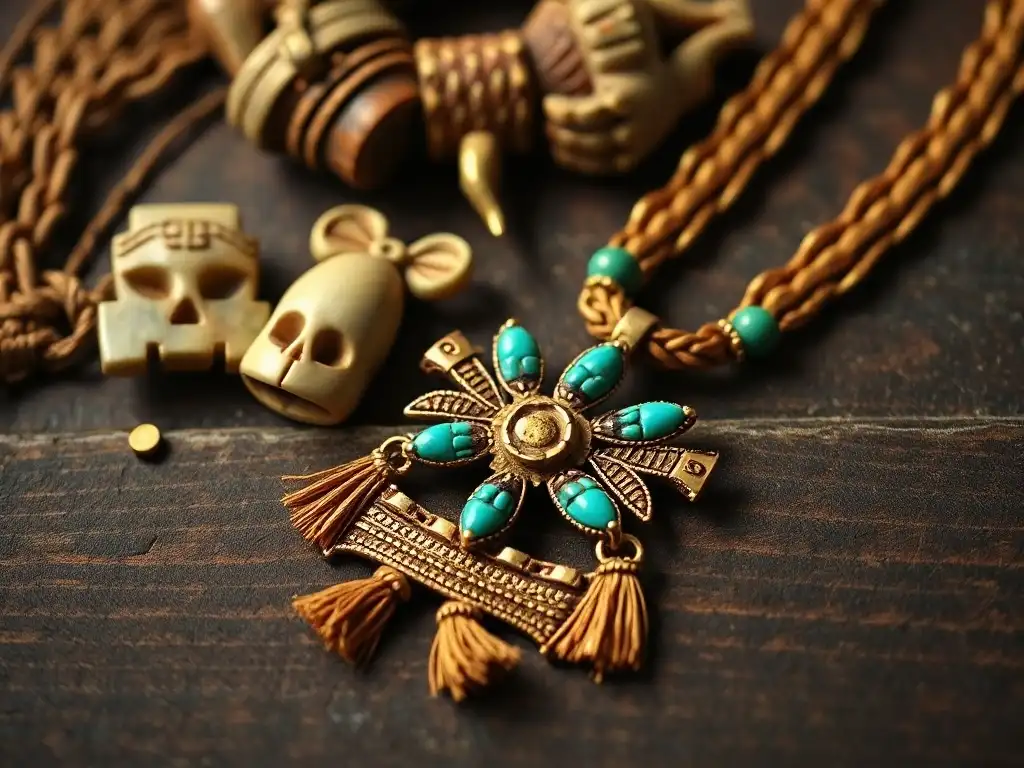
The Moche civilization, flourishing along the northern coast of Peru from approximately 100 CE to 800 CE, left behind a remarkable legacy in art and technology, particularly evident in their sophisticated clothing and adornment practices. Moche clothing styles and symbolism weren't merely aesthetic choices; they served crucial roles in signifying social status, individual identity, and religious beliefs. This section delves into the intricate details of Moche adornment, encompassing jewelry and body modifications.
Moche Jewelry: Gold, Silver, and Spondylus Shells
Moche artisans were masters of metalworking, skillfully crafting exquisite jewelry from gold, silver, and copper alloys. Gold, a symbol of power and divinity in many Andean cultures, was frequently used to create intricate necklaces, earrings, and headdresses, often adorned with turquoise and other precious stones. The craftsmanship is astonishing; delicate filigree work and intricate castings showcase their advanced metallurgical techniques. For instance, archaeological finds reveal elaborate gold breastplates depicting mythical creatures and powerful leaders, reflecting the high status of their owners.
Silver, while less commonly used than gold, was still valued for its beauty and malleability. Silver ornaments, often simpler in design than their gold counterparts, were likely worn by a broader segment of the population, though still indicating a level of wealth and social standing.
Beyond precious metals, spondylus shells, sourced from the Ecuadorian coast, were highly prized. These vibrant red shells held significant symbolic meaning, often associated with fertility, power, and the sea. They were meticulously carved into beads, pendants, and ornaments, and frequently incorporated into clothing and headdresses, their presence indicating both prestige and access to far-flung trade networks. The rarity and difficulty in acquiring spondylus shells further enhanced their value as status symbols within Moche society.
Body Modification Practices: Ear Spools and Tattoos
Body modification played a significant role in Moche identity and social signaling. Among the most striking examples are the large ear spools, often made of gold, silver, or shell, that were worn by both men and women. The size of the ear spools often correlated with social status; larger, more elaborate spools indicated higher rank.
The stretching of the earlobes to accommodate these weighty ornaments was a long and arduous process, a testament to the commitment to displaying one's social standing. It is believed this practice started at a young age, gradually increasing the size of the piercing until adulthood.
Tattoos, another form of body modification, were also prevalent in Moche society. While the exact techniques are unknown, the vibrant designs preserved in Moche pottery suggest that tattoos were intricately designed and skillfully applied. These tattoos likely depicted deities, animals, and symbolic motifs, further communicating aspects of the individual's identity, beliefs, and social standing within the community. Unfortunately, the organic nature of tattoos means direct evidence is scarce, but the artistic detail of the pottery strongly suggests their importance.
Moche clothing styles and symbolism, as reflected in their adornment, were intricately linked to social hierarchy. The materials used, the complexity of the craftsmanship, and the type of body modification all served as powerful visual indicators of status. Elites, such as priests, warriors, and rulers, adorned themselves with elaborate gold jewelry, large ear spools, and possibly intricate tattoos, signifying their elevated positions within the social structure.
Their elaborate attire, in combination with other status markers, served as a powerful visual display of power and authority. The commoners, while likely wearing simpler adornments, still used clothing and accessories to express their individual and group identities. The careful study of Moche grave goods provides valuable insights into these social distinctions, allowing researchers to piece together a complex picture of Moche society and its intricate system of social stratification.
Further research, including detailed analysis of textile remains and a deeper understanding of the iconography present in the adornments, will continue to illuminate the nuances of Moche social organization and the symbolic meanings embedded within their clothing and adornment practices. The study of Moche clothing styles and symbolism continues to reveal the remarkable sophistication and complexity of this ancient Andean civilization.
Moche Clothing Styles and Symbolism: A Deep Dive
The Moche civilization (circa 100-800 CE) left behind a rich tapestry of artistic expression, and their clothing and adornment are a crucial window into their complex social structure, religious beliefs, and artistic achievements. Understanding Moche clothing styles and symbolism provides invaluable insights into their daily life, rituals, and power dynamics. The intricate weaving techniques, vibrant colors, and symbolic imagery found on their textiles reveal a sophisticated society with a deep appreciation for aesthetics and symbolic representation. This section delves into the intricate details of Moche attire, exploring the iconography, symbolism, and social implications embedded within their clothing.
Moche Iconography in Textiles: Depicting Deities and Narrative Scenes
Moche textiles frequently depict powerful deities and mythical creatures, often interwoven with narrative scenes that likely represent important myths, rituals, or historical events. These scenes are not merely decorative; they are powerful statements of religious belief and social order. The representations are often highly stylized, yet detailed enough to allow for interpretation.
For example, depictions of the Ai Apaec, a fearsome deity often associated with sacrifice and warfare, are frequently found on elite garments, suggesting a connection between this deity and the power of the ruling class. Similarly, representations of feline deities, associated with fertility and hunting, are common, reflecting the importance of these activities in Moche society.
The narrative scenes are equally compelling. Researchers have identified scenes depicting battles, processions, and ritual ceremonies. These scenes are often complex, with multiple figures engaged in specific actions, revealing a nuanced understanding of storytelling through textile art. The level of detail, the use of color, and the placement of figures all contribute to the narrative's impact.
Further research is needed to fully decipher the meaning of all the depicted scenes, but existing scholarship suggests a deep connection between these narratives and the Moche worldview. Careful analysis of these scenes, combined with archaeological context, offers a valuable glimpse into their beliefs and societal practices. The use of specific color palettes within these scenes may also hold symbolic meaning, a topic requiring further investigation.
Symbolic Meanings of Moche Clothing Patterns and Colors
Beyond the explicit depictions of deities and narrative scenes, the patterns and colors used in Moche textiles also carry significant symbolic weight. Certain colors, like red and yellow, were likely associated with power and divinity, while others, such as blue and green, might have represented water and fertility. The use of these colors wasn't arbitrary; it was carefully considered and likely encoded with specific meanings.
Geometric patterns, such as stripes, chevrons, and stepped patterns, are also frequently found. While the exact meaning of each pattern remains a subject of ongoing research, some scholars suggest that these patterns may have represented social status, clan affiliation, or even specific rituals. The complexity and precision of these patterns highlight the advanced weaving techniques employed by Moche artisans.
For example, the intricate use of multiple colors within a single pattern, achieved through techniques like tapestry weaving, demonstrates a mastery of textile production. This level of skill suggests that the creation of these textiles was not just a craft, but a highly specialized and respected profession within Moche society. The variation in complexity across different textiles further suggests a correlation between pattern intricacy and social standing.
Moche clothing served as a powerful indicator of social status and roles within the society. The quality of the textiles, the intricacy of the designs, and the use of specific colors and materials all contributed to signaling an individual's position within the social hierarchy. Elite members of society, such as priests and rulers, wore garments made from fine textiles adorned with elaborate designs and precious materials like gold and feathers. These garments were often richly decorated with symbolic imagery, further emphasizing their high status and power.
In contrast, the clothing of commoners was likely simpler, made from coarser materials, and featuring less elaborate designs. This distinction in clothing served to reinforce the social hierarchy and maintain order within Moche society. Archaeological evidence supports this interpretation, with burials revealing a clear correlation between the quality of the textiles found with the deceased and their presumed social standing.
For example, individuals buried with elaborate headdresses and finely woven tunics are generally considered to have occupied high social positions. The analysis of textile remains alongside other grave goods provides crucial evidence for understanding the relationship between clothing and social stratification in the Moche world. Further research into the textiles found in different types of burials could provide even more detailed insights into this complex social dynamic.
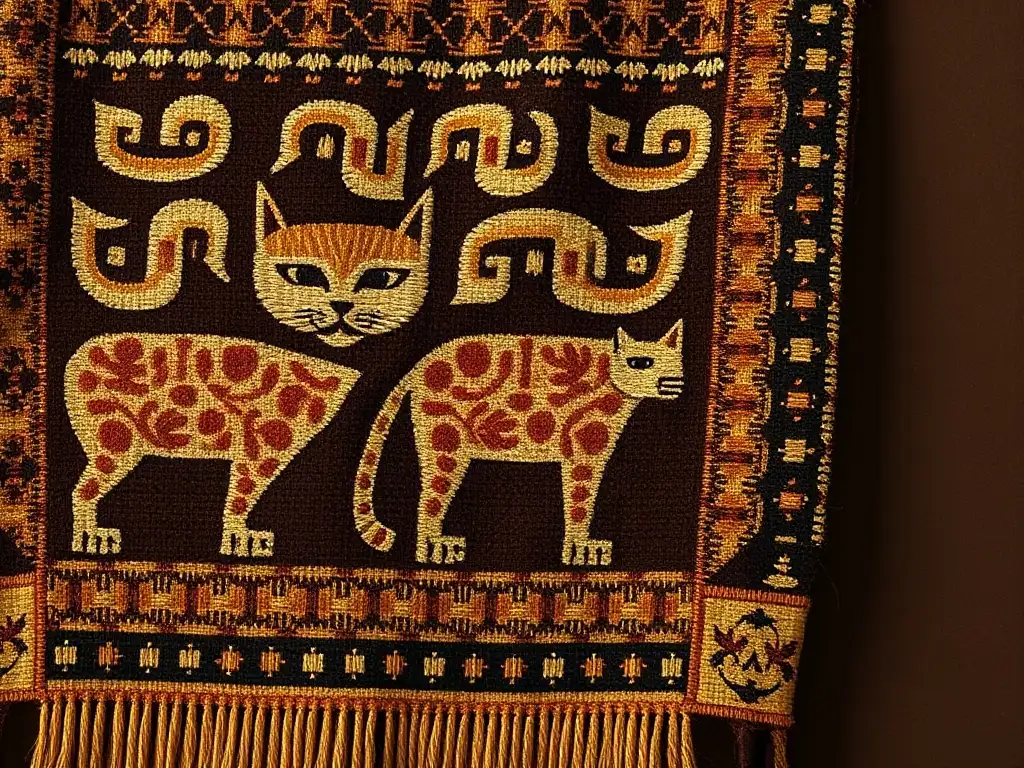
The Moche elite, particularly the rulers, were visually distinct from commoners through their elaborate clothing and adornment. These garments weren't merely decorative; they were powerful symbols of authority, lineage, and divine connection. The sheer artistry and craftsmanship involved in their creation further emphasized the wearer's elevated status.
Analyzing Moche royal attire provides invaluable insight into the complex social hierarchy and religious beliefs of this fascinating civilization. The textiles themselves, often made of fine cotton or camelid fibers, showcase the advanced weaving techniques of the Moche artisans. The vibrant colors, intricate designs, and use of precious materials like gold and silver all contributed to the overall impact of these garments.
The Elaborate Garments of Moche Rulers
Moche rulers were often depicted wearing richly decorated tunics and mantles. These garments frequently featured intricate designs, including stylized representations of animals (such as jaguars, birds of prey, and snakes), mythical creatures, and powerful symbols associated with fertility and warfare. For example, depictions in Moche pottery often show rulers wearing tunics adorned with representations of the feline deity, a powerful symbol of royal power and authority.
The use of specific colors also played a significant role. Deep blues and reds, for instance, were likely reserved for the elite, highlighting their privileged position within society. The construction of these garments was exceptionally complex, often involving multiple layers of textiles and sophisticated weaving techniques such as tapestry and brocade.
Evidence suggests that the creation of these garments was a collaborative process, involving numerous skilled artisans and potentially taking months or even years to complete. The detail in these surviving examples, though limited, gives us a tantalizing glimpse into the scale of production and the resources dedicated to creating these garments.
Royal Symbols in Moche Clothing and Adornment
Beyond the garments themselves, Moche rulers employed various forms of adornment to visually reinforce their power. These included elaborate headdresses, necklaces featuring precious stones and beads, and intricate ear ornaments. The use of gold and silver, particularly in the form of elaborate jewelry, was a clear marker of royal status. Specific motifs, such as the double-headed serpent or the stylized representation of a caiman, were commonly associated with royalty and likely held deep religious significance.
These symbols often appeared repeatedly across different garments and adornments, reinforcing their visual impact and underscoring their connection to the divine realm. The careful arrangement and combination of these symbols further conveyed information about the ruler's lineage, power, and relationship with the supernatural world. Detailed analysis of these symbols, combined with careful study of the archeological context, allows us to piece together a more comprehensive understanding of Moche royal iconography.
The Significance of Headdresses in Moche Royal Iconography
Headdresses represent a crucial aspect of Moche royal attire, often depicted as towering structures of feathers, textiles, and precious metals. Their size and complexity directly correlated to the wearer’s status. The most elaborate headdresses were reserved for the highest-ranking individuals, such as the supreme ruler or high priest. These headdresses were not simply decorative; they played a vital role in religious ceremonies and were likely imbued with spiritual power.
The materials used were often carefully chosen for their symbolic significance. Feathers from rare birds, for example, held special meaning and were likely associated with the deities. The construction of these headdresses was incredibly complex, requiring specialized skills and considerable time.
Archaeological evidence suggests that the creation of these headdresses involved a team of artisans with diverse skills, including featherworkers, goldsmiths, and textile specialists. The headdresses’ complex construction and the materials used underscore their importance as potent symbols of power, divinity, and social hierarchy within Moche society. Further research into the specific types of feathers and materials used would undoubtedly enhance our understanding of their symbolic meaning.
Moche Warrior Clothing and Equipment
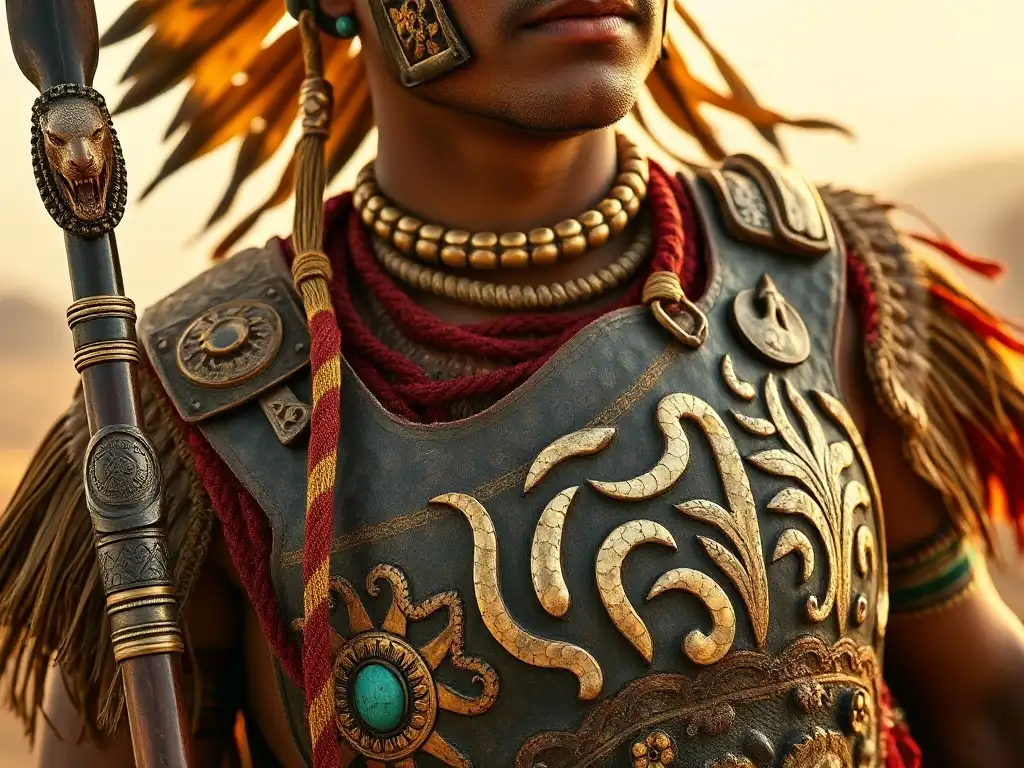
The Moche civilization, renowned for its intricate metalwork and sophisticated irrigation systems, also possessed a highly developed system of military organization reflected in the distinctive clothing and equipment of its warriors. Understanding Moche warrior attire provides invaluable insight into their social hierarchy, military strategies, and symbolic worldview. Analysis of surviving artifacts and artistic representations reveals a complex interplay of functionality and symbolism in their clothing and weaponry.
The style and ornamentation of these items directly correlated with the warrior's rank and status within the Moche military structure. This section will explore the unique characteristics of Moche warrior clothing and equipment, examining their practical applications and symbolic meanings.
Moche Warrior Attire: Functional and Emblematic
Moche warrior attire wasn't merely decorative; it served both practical and symbolic purposes. Evidence suggests that warriors wore layered clothing designed for protection and mobility in combat. Beneath possibly a cotton undershirt, they likely wore padded armor made from textiles or possibly even leather, offering protection against blows from clubs and spears.
Over this, they wore tunics and possibly cloaks, often adorned with intricate designs and vibrant colors. These colors and designs, frequently depicted in Moche pottery and murals, likely signified the warrior's rank or clan affiliation. For example, bright reds and yellows might have indicated higher status, while simpler designs might have denoted lower ranks.
The use of specific motifs, such as stylized jaguars or birds of prey, further reinforced the warrior's identity and association with specific deities or ancestral figures. The emphasis on both protection and symbolic representation highlights the integral role of clothing in Moche warfare. Further research is needed to determine the precise materials used in Moche armor, with [specific material composition pending].
Depictions of Moche Warriors in Art and Ceramics
The artistic representations of Moche warriors in their ceramics and murals offer invaluable information about their clothing and equipment. These depictions are not merely aesthetically pleasing; they are meticulously detailed and provide crucial insights into the cultural values and beliefs of the Moche people. Frequently, warriors are shown wearing elaborate headdresses, often featuring feathers, metal ornaments, and even representations of supernatural beings.
These headdresses were not merely decorative; they likely served as powerful symbols of status and authority, reinforcing the warrior's connection to the spiritual realm. The careful rendering of textiles, weapons, and other accoutrements in Moche art suggests a deep understanding of the significance of these items within their society. The consistent portrayal of specific clothing styles and weaponry across various artistic mediums underscores their importance as markers of social identity and military prowess.
Analyzing these artistic depictions allows us to reconstruct a more nuanced understanding of Moche military culture and the symbolic meaning embedded within their warrior attire. For instance, a recurring motif of a specific type of headdress worn by high-ranking officers is consistently depicted in [specific examples of Moche pottery awaiting further research].
Moche Military Uniforms and Their Significance
While the concept of a standardized "uniform" in the modern sense might not fully apply to the Moche, the consistent visual patterns in their artistic representations suggest a degree of regulated attire within the military. Certain clothing styles and ornaments were likely reserved for specific ranks or units within the Moche army. This suggests a structured military hierarchy with clear visual distinctions between different levels of command and specialized roles.
This regulated attire not only served a practical purpose in identifying different units on the battlefield but also played a vital role in reinforcing social order and authority within the Moche society. The symbolic significance of these visual markers extended beyond the battlefield, influencing social interactions and reinforcing the power dynamics within the Moche state. The standardization of certain elements within the warrior's attire, such as specific types of headdresses or weaponry, suggests a degree of centralized control and organization within the Moche military, indicative of a sophisticated and well-structured military system.
Further investigation into the relationships between clothing styles and military ranks is necessary to fully understand this aspect of Moche military organization. [Data on specific Moche military ranks and their corresponding attire is pending].
Moche Clothing and Ritual Practices
The Moche civilization, renowned for its sophisticated artistry and complex social structure, expressed much of its religious and social hierarchy through clothing and adornment. Understanding Moche clothing styles and symbolism requires examining its use in ritual practices, where garments transcended mere fabric and became powerful symbols of status, identity, and connection to the supernatural. The intricate designs and materials used in ritual clothing offer invaluable insights into Moche religious beliefs and societal organization.
Moche Ritual Attire: Dress for Sacrifices and Ceremonial Events
Moche ritual attire, particularly that worn during sacrifices and ceremonial events, differed significantly from everyday clothing. Evidence from numerous grave sites reveals the use of elaborate textiles, often featuring vibrant colors and intricate iconography. These garments were not simply decorative; they were imbued with symbolic meaning, reflecting the participant's role and the nature of the ceremony. For instance, individuals participating in sacrificial rituals might have worn garments depicting scenes of warfare or supernatural beings, reflecting their connection to the act and the power it represented.
The use of specific colors, such as red (representing blood and sacrifice) or yellow (representing the sun and divinity), further enhanced the symbolic weight of the attire. We see a clear distinction between the simpler, more utilitarian textiles found in common burials and the opulent, meticulously crafted garments unearthed from elite contexts. This difference underscores the profound significance of clothing in defining social status and participation in sacred rituals.
Detailed analysis of textile fibers, dyes, and weaving techniques further elucidates the specialized production and high value placed on these ritual garments. Unfortunately, the precise meaning of many symbolic elements remains debated, requiring further research and interdisciplinary collaboration to unlock their full significance. However, the sheer artistry and complexity of the textiles undeniably speak to the central role of clothing in Moche religious life.
The Connection Between Clothing and Moche Religious Beliefs
Moche religious beliefs were deeply intertwined with their understanding of the natural world and the supernatural realm. This cosmology found powerful expression in their clothing and adornment. The depiction of deities, mythical creatures, and cosmological symbols on textiles suggests a belief that clothing could act as a conduit between the human and spiritual worlds.
The use of specific materials, such as feathers, precious metals, and shells, further reinforces this idea, as these items were often associated with supernatural power and prestige. For example, the presence of hummingbird feathers, often associated with the sun god, in ritual attire indicates the sacred nature of the garment and the wearer’s connection to divine authority. Furthermore, the intricate weaving techniques and designs themselves may have held symbolic significance, reflecting the Moche’s sophisticated understanding of cosmology and their relationship with the supernatural.
The meticulous detail and artistry involved in creating these garments suggest a deep reverence for the spiritual world and the power of clothing as a medium for expressing religious beliefs. Future research focusing on the iconography and material analysis of Moche textiles will undoubtedly reveal more nuanced connections between clothing and the Moche belief system.
Ritual Clothing of the Priestesses and its Meaning
The ritual clothing of Moche priestesses provides a particularly compelling case study of the intersection between religious belief, social status, and adornment. Priestesses, occupying positions of significant power and influence within Moche society, wore distinctive garments that clearly distinguished them from other members of the community. These garments frequently displayed complex iconography related to fertility, water, and the moon—deities associated with feminine power and the cyclical nature of life.
The use of specific colors, materials, and weaving techniques further emphasized the priestesses’ sacred role. For example, the prevalence of white and turquoise, colors often linked to purity and divinity, in priestess attire underscores their connection to the supernatural realm. The elaborate headdresses, often adorned with feathers and precious metals, further enhanced their status and spiritual authority.
Analysis of the burial contexts of priestesses, often accompanied by rich grave goods including elaborate textiles, provides further evidence of their elevated position within Moche society and the significance of their clothing in expressing that status. The study of Moche priestess attire offers a unique window into the role of women in Moche religion and society, highlighting the complexity and sophistication of their religious beliefs and practices. However, further research is needed to fully understand the nuances of the symbolism and the specific meanings associated with the different elements of their clothing.
The Legacy of Moche Textile Art
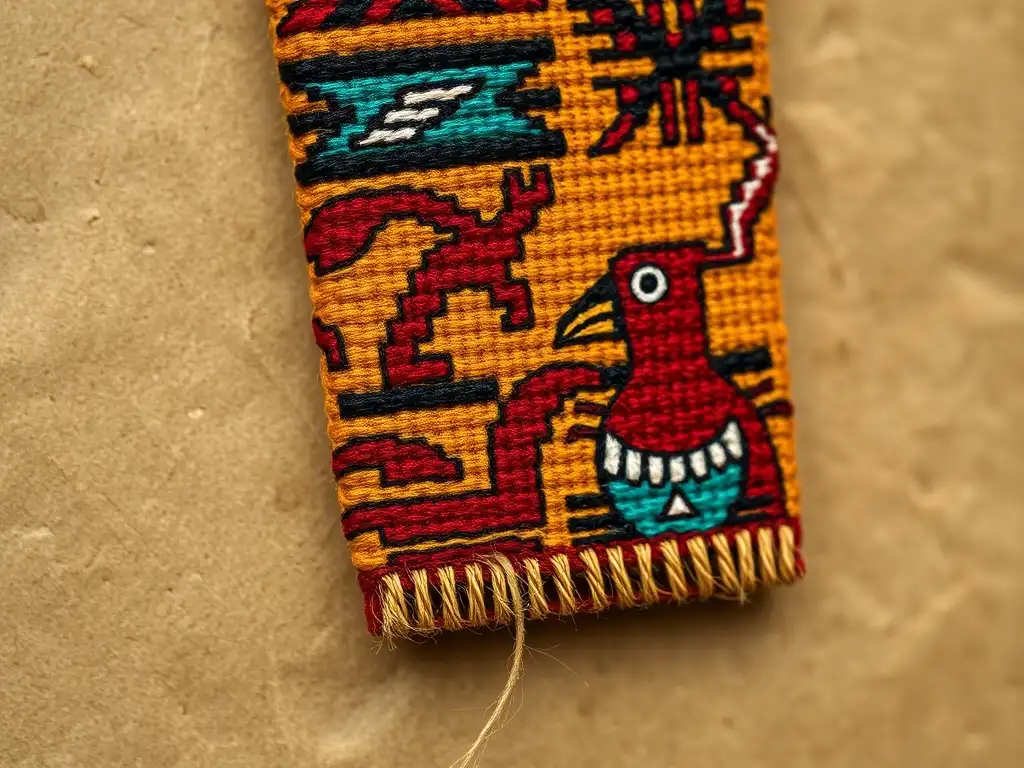
The Moche textile tradition, a vibrant tapestry woven from natural fibers and imbued with intricate designs, left an indelible mark on Andean history. Their mastery of textile techniques, including complex weaving patterns, dyeing processes, and the incorporation of diverse materials, significantly influenced subsequent Andean cultures. The sophisticated artistry of Moche textiles stands as a testament to their advanced technological capabilities and artistic sensibilities.
Beyond their practical use as clothing and adornment, these textiles served as powerful symbols of social status, religious beliefs, and cultural identity, providing invaluable insights into Moche society. Understanding the legacy of Moche textile art requires examining not only the techniques themselves but also their broader socio-cultural context.
The enduring impact of Moche textile traditions is evident in the continuous evolution and adaptation of these techniques throughout the Andean region for centuries after the Moche civilization's decline. This legacy is a crucial element in understanding the broader trajectory of Andean textile art.
Influence of Moche Textile Techniques on Later Andean Cultures
Moche textile techniques, characterized by their complexity and innovation, weren't merely confined to their own time period. Their influence reverberated through subsequent Andean cultures, shaping the styles and techniques of later civilizations. For instance, the intricate tapestry weaving methods employed by the Moche, involving multiple weft threads and elaborate patterning, are clearly seen in the textiles of later cultures such as the Chimú and Inca.
The use of vibrant natural dyes, derived from plants and minerals, a hallmark of Moche textile production, also continued to be refined and employed by succeeding Andean societies. Furthermore, the Moche's innovative use of different fiber types, including cotton and camelid wool, influenced later textile production, demonstrating a continuity in material choices and techniques across centuries. Specific examples of Moche-inspired motifs and patterns have been identified in later textile finds, further highlighting the enduring influence of their artistic legacy.
This cultural transmission underscores the significance of Moche textile production as a foundational element within the broader context of Andean textile history. The sophisticated techniques and artistic styles developed by the Moche provided a rich foundation upon which later cultures built and expanded, demonstrating a remarkable continuity in Andean textile traditions.
Moche Clothing and Adornment in Modern Archaeological Studies
Modern archaeological studies have significantly enhanced our understanding of Moche clothing and adornment. Advanced analytical techniques, including microscopic analysis of fibers and dyes, provide detailed information on the materials and techniques employed in Moche textile production. The application of scientific methodologies, such as radiocarbon dating, helps establish accurate chronologies for Moche textiles, allowing for a more precise understanding of their development and evolution over time.
Furthermore, the careful excavation and preservation of Moche textile fragments from various sites, like the Huaca de la Luna and Huaca del Sol, have yielded invaluable data on clothing styles, decorative motifs, and the use of adornments. Analysis of burial contexts provides insights into the social status and roles of individuals based on the quality and type of clothing and adornments they were buried with. For example, the discovery of elaborately woven textiles and intricate jewelry in elite tombs offers compelling evidence of social stratification within Moche society.
These studies demonstrate that Moche clothing and adornment were not simply functional items but also powerful symbols of identity, status, and religious beliefs. The ongoing research consistently reveals new details about the sophisticated artistry and cultural significance of Moche textiles, enriching our understanding of this remarkable civilization. The combination of meticulous excavation, advanced scientific analysis, and careful interpretation of archaeological evidence continues to unveil the intricacies of Moche clothing and its symbolic meaning.
Preserving and Understanding Moche Textile Heritage
Preserving and understanding the Moche textile heritage is crucial for appreciating the sophistication of their culture and technology. The fragility of these ancient textiles necessitates careful conservation efforts, employing specialized techniques to protect them from degradation. These efforts involve meticulous cleaning, stabilization, and storage in controlled environmental conditions. Digital archiving and documentation play a vital role in preserving these artifacts for future research and study.
High-resolution photography and 3D scanning allow for the creation of detailed digital records, enabling researchers to study these textiles without physically handling the fragile originals. Furthermore, public education and outreach programs are essential to disseminate knowledge about Moche textiles and their cultural significance. Museums and cultural institutions play a key role in exhibiting these artifacts and providing educational materials to the public.
By combining advanced preservation techniques with innovative methods of dissemination, we can ensure that the remarkable artistry and cultural heritage of the Moche textile tradition are appreciated and understood by future generations. This collaborative approach, involving archaeologists, conservators, and educators, is essential for safeguarding and sharing this invaluable aspect of Andean history. The ongoing commitment to preservation and education is vital to ensuring the long-term survival and appreciation of this significant cultural heritage.
Conclusion: Moche Clothing as a Window to Their World
The study of Moche clothing and adornment offers a captivating glimpse into the intricacies of this remarkable civilization. More than mere garments, textiles and ornaments served as powerful tools for communicating social status, religious beliefs, and individual identity. By meticulously analyzing the surviving artifacts—fragile textiles, shimmering gold, and intricately carved ornaments—we gain invaluable insights into the social hierarchy, religious practices, and artistic achievements of the Moche people.
The vibrant colors, elaborate designs, and diverse materials employed reflect a sophisticated understanding of textile production and a keen aesthetic sense. The enduring legacy of Moche artistry is evident in the continued fascination with their clothing styles and symbolism, a testament to their enduring cultural impact. Further research, particularly in the area of textile analysis and the development of new dating techniques, promises to unlock even more secrets hidden within the threads of Moche society.
The Importance of Studying Moche Clothing and Adornment
Understanding Moche clothing and adornment is crucial for a comprehensive understanding of their society. The careful consideration given to materials, craftsmanship, and symbolic representation speaks volumes about their worldview and social structures. For example, the presence of specific motifs—like the feline deity or stylized birds—on clothing items provides evidence of religious beliefs and ritual practices.
Similarly, the quality of materials and the intricacy of design often correlated directly with social standing, allowing archaeologists to deduce hierarchical structures within Moche communities. The study of Moche textiles also provides insights into their technological capabilities, revealing their mastery of weaving techniques and dyeing processes. This knowledge helps us appreciate the level of sophistication achieved by the Moche in various aspects of their lives, showcasing their ingenuity and artistic brilliance.
Furthermore, studying Moche clothing offers a unique perspective on gender roles and social interactions, as different garments and adornments were associated with specific genders and social positions. This detailed analysis allows us to move beyond superficial observations and engage with the nuances of daily life in Moche society. Analyzing the preservation techniques employed and the contexts of discovery further enhances our understanding of their funerary rituals and beliefs about the afterlife.
Moche Fashion: A Reflection of a Complex Society
Moche fashion wasn't simply about aesthetics; it was a complex system of visual communication reflecting social stratification, religious beliefs, and individual identities. The use of specific colors, patterns, and materials signaled social status. For instance, individuals of higher rank likely wore garments made from finer textiles, adorned with precious metals like gold and silver, and embellished with intricate embroidery.
Conversely, individuals of lower social standing may have worn simpler garments made from readily available materials. This is supported by the archaeological record, where grave goods consistently show a correlation between the richness of the burial and the quality of the clothing found within. Moreover, the presence of specific motifs, such as stylized depictions of deities or mythical creatures, on clothing items suggests religious significance and perhaps even participation in specific rituals or ceremonies.
The variations in clothing styles across different regions and time periods also suggest the possibility of regional identities and evolving fashion trends within the Moche culture. The careful examination of these variations, alongside technological analyses of the textiles themselves, provides a dynamic picture of Moche society, its complexity, and its evolution. The study of Moche clothing styles and symbolism continues to reveal new details about this fascinating ancient culture.
Frequently Asked Questions
What role did clothing play in Moche society?
Moche clothing served a crucial role in signifying social status, identity, and religious beliefs. Elaborate garments and adornments indicated wealth and power, while simpler styles reflected lower social standing.
Elaborate textiles, intricate metalwork, and precious adornments like gold and feathers denoted high social standing. Simpler clothing indicated a lower position within the hierarchical society.
What were some common materials used in Moche clothing?
The Moche utilized cotton, wool, and camelid fibers to create their textiles. They also incorporated feathers, beads, and precious metals like gold and silver into their garments.
What symbolism is found in Moche clothing designs?
Moche clothing often featured geometric patterns, animal motifs, and religious iconography. These designs held significant meaning, possibly representing deities, ancestors, or important events.
How did Moche adornments complement their clothing?
Adornments like elaborate headdresses, ear spools, and necklaces complemented their clothing, further emphasizing social status and religious beliefs. These pieces were often made from precious materials and displayed intricate craftsmanship.
Final Reflection: Unraveling the Threads of Moche Identity
The vibrant textiles and intricate adornments of the Moche civilization continue to resonate today, offering a powerful lens through which to understand the complexities of social hierarchy, personal identity, and artistic expression in ancient Peru. Their legacy isn't confined to dusty museum displays; it speaks to our enduring fascination with how societies construct and communicate status, and how individual style transcends time.
The Moche's sophisticated understanding of textile production and their symbolic use of color, pattern, and material profoundly impacted their social fabric and continues to inspire contemporary artists and designers. Their artistry wasn't merely decorative; it was a powerful tool for communicating social standing, religious beliefs, and individual aspirations. The clothing of the Moche was not simply a covering for the body, but a powerful statement of identity and belonging.
This statement, while simple, encapsulates the depth of meaning woven into every thread of their garments. The enduring appeal of their aesthetic demonstrates the timeless power of visual communication and the enduring human need for self-expression.
Consider the intricate details of Moche clothing – the vibrant hues, the symbolic imagery, the meticulous craftsmanship. These weren't just garments; they were narratives, carefully constructed to communicate a person's place within society and their relationship to the spiritual world. Now, consider your own clothing choices. What stories do your clothes tell?
What aspects of your identity do they reveal? Let the legacy of the Moche inspire you to explore the power of clothing as a form of self-expression and a reflection of your unique place in the world. Embrace the opportunity to communicate your own story through the choices you make, just as the Moche did centuries ago.
Unveil Your Inner Moche: Embrace Style and Culture!
Thank you for exploring the rich and vibrant world of Moche clothing and adornment. You've discovered how these artifacts reflect social status, personal identity, and exceptional artistry. Now, let's deepen your connection with this fascinating culture.
Here are some ways to engage and explore:
- Delve deeper into the Moche legacy by visiting local museums or exploring online exhibits showcasing their remarkable artistry. Many institutions offer virtual tours and detailed information.
- Share your discoveries and perspectives with friends and on social media using the hashtag **#MocheStyle** to connect with others and celebrate Andean culture.
- Incorporate Moche-inspired elements into your own style or artwork! Seek out artisans who create contemporary pieces inspired by these ancient designs. You might find unique jewelry, textiles, or artwork that reflects the Moche aesthetic.
Which aspect of Moche culture resonates most with you, and how could it inspire your personal creativity and self-expression?