
The Unspoken Rules of Andean Family Interactions

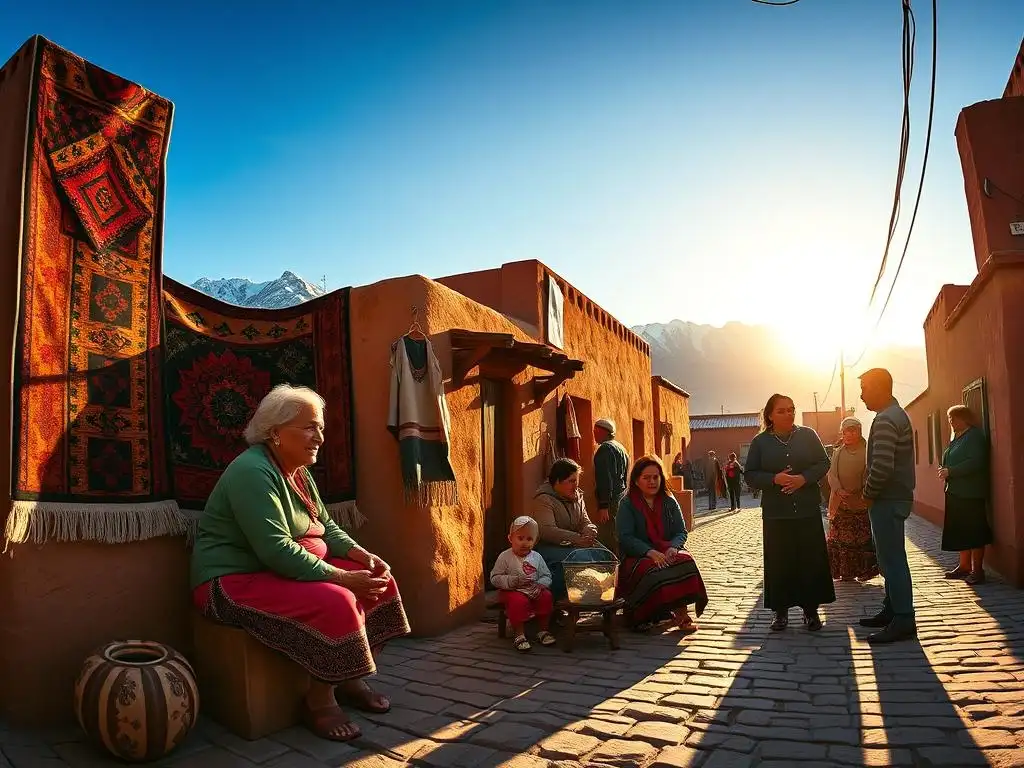
Step into a world lost in time, yet echoing with vibrant life. Discover the intricate tapestry of Andean family life, a world far removed from our own. The Unspoken Rules of Andean Family Interactions unveil a fascinating glimpse into the complex social structures that shaped these remarkable civilizations. Prepare to be captivated by customs that defied expectations and forged unbreakable bonds – a legacy that continues to resonate today. Are you ready to unravel the secrets?
-
Andean Family Interaction Customs: Unspoken Rules and Traditions
- Understanding Andean Family Dynamics
- The Significance of Respect in Andean Households
- Hierarchy and Roles within the Andean Family Structure
- Communication Styles in Andean Family Interactions
- The Role of Elders in Andean Family Life
- Rituals and Celebrations in Andean Family Gatherings
- Gender Roles in Andean Family Interactions
- Conflict Resolution within Andean Families
- Variations in Andean Family Practices Across Regions
- The Impact of Modernity on Andean Family Traditions
- Key Takeaways: Understanding Andean Family Interaction Customs
-
Frequently Asked Questions
- How did Andean family structures differ from European models?
- What role did kinship play in Andean society?
- What were some common customs regarding child-rearing in Andean cultures?
- How did Andean cultures handle inheritance and property?
- What is the significance of ayni and mita in understanding Andean family interactions?
- Final Reflection: Weaving the Threads of Andean Family: Past, Present, and Future
- Embrace the Andean Way: Take Action Today!
Andean Family Interaction Customs: Unspoken Rules and Traditions
Understanding the intricacies of Andean family interactions requires moving beyond the readily apparent. While formal rules might be few, a complex web of unspoken customs and traditions governs daily life within Andean families. This article delves into the rich tapestry of Andean family life, exploring the nuanced dynamics that shape relationships and interactions, focusing on the key concept of ayni – the principle of reciprocity – which underpins much of Andean social structure and profoundly influences family relationships.
We'll examine how this principle manifests in everyday interactions and how it contributes to the unique character of Andean family dynamics. Understanding these unspoken rules is crucial for appreciating the depth and complexity of Andean culture and its enduring legacy. This exploration will illuminate the significance of respect, the importance of community, and the enduring power of family ties within Andean societies, past and present.
We will explore how these customs, often passed down through generations, continue to shape the lives of Andean communities today, highlighting the vital role they play in maintaining social cohesion and cultural identity. The keyword "Andean family interaction customs" will be explored through specific examples and insightful analysis.
Understanding Andean Family Dynamics
Andean family structures are often extended, encompassing multiple generations living together or in close proximity. This close-knit arrangement fosters strong bonds and a deep sense of interdependence. The concept of ayni, reciprocal exchange, is central to these dynamics. It's not simply about material goods; ayni extends to labor, support, and emotional reciprocity. For example, helping a family member with farming or childcare is not viewed as a favor but as a natural expression of familial obligation and mutual support.
This system promotes strong social cohesion and ensures the well-being of all family members. The elder members of the family often hold significant authority and influence, their wisdom and experience highly valued. Decisions are frequently made collectively, reflecting a strong sense of shared responsibility and consensus-building. This collaborative approach contrasts sharply with more individualistic family models found in other cultures.
The emotional bonds within Andean families are deeply rooted, and expressions of affection may differ from Western norms. While overt displays of affection might be less frequent, the underlying sense of loyalty and support is profound and unwavering. This deep-seated connection shapes interactions and provides a strong foundation for navigating life's challenges. The emphasis on collective well-being over individual achievement underscores the unique character of Andean family dynamics.
The Significance of Respect in Andean Households
Respect for elders, particularly grandparents and parents, is paramount within Andean households. This respect is not merely a matter of politeness; it's deeply ingrained in the cultural fabric and reflects the hierarchical structure of many traditional Andean communities. Children are raised to show deference to their elders, addressing them with formal titles and exhibiting behaviors that demonstrate humility and consideration. This respect extends beyond verbal interactions, encompassing a wide range of behaviors, from offering assistance with chores to attentively listening to their advice.
Disrespect towards elders is considered a serious offense, carrying significant social consequences. The wisdom and experience of elders are highly valued, and their guidance is sought on important matters. This respect, however, is not one-sided. Elders are expected to reciprocate by providing guidance, support, and love to younger generations, fostering a mutually respectful and nurturing environment.
This reciprocal relationship reinforces the strong family bonds and contributes to the overall stability and harmony of the household. Failure to uphold this reciprocal respect can lead to social tension and disrupt the delicate balance within the family. The importance of this respect is not just a tradition; it is a cornerstone of Andean family interaction customs, ensuring the continuity of cultural values and the strength of family ties across generations. 👨👩👧👦👵👴
Hierarchy and Roles within the Andean Family Structure
The Andean family structure, while varying across different cultures and time periods, generally exhibits a hierarchical organization. Respect for elders, particularly grandparents, is paramount. The pachamama (Mother Earth) concept deeply influences this structure, fostering a sense of interconnectedness and mutual responsibility. Elders often hold significant decision-making power within the family, guiding younger generations in matters of tradition, land ownership, and community involvement.
This doesn't imply an oppressive system; rather, it reflects a deep respect for accumulated wisdom and experience. Younger family members are expected to show deference and obedience to their elders, contributing to the overall harmony and stability of the family unit. Gender roles also played a significant part, with men often taking on roles related to agriculture and external affairs, while women managed domestic affairs and played crucial roles in textile production and community rituals. However, the extent of these divisions varied considerably across different Andean cultures.
For example, in some communities, women held significant economic and social power, particularly within the domestic sphere. The precise roles and responsibilities were often fluid and adaptable to the specific circumstances of each family and community. Understanding this hierarchical structure is crucial to grasping the nuances of Andean family interactions. The system is not rigid but rather a dynamic framework built upon mutual respect and intergenerational ties.
Communication Styles in Andean Family Interactions
Communication within Andean families often differs significantly from Western models. It's not just about what is said, but how it's said, and often, what remains unsaid. Direct confrontation is generally avoided, prioritizing harmony and maintaining social equilibrium. Indirect communication styles, relying on subtle cues, gestures, and shared understandings, are prevalent.
This can sometimes make it challenging for outsiders to fully grasp the dynamics of a conversation. Family members often rely on a shared cultural understanding and implicit knowledge of social norms to interpret messages. This reliance on context and nonverbal cues highlights the importance of shared cultural background in effective family communication.
Furthermore, the use of storytelling and proverbs often serves as a primary method of conveying values, teaching lessons, and transmitting cultural knowledge across generations. These narratives are not merely entertaining; they are powerful tools for social learning and the transmission of cultural heritage. The style of communication also varies based on the specific Andean group, reflecting the diversity of cultures within the region.
Nonverbal Communication in Quechua Communities
In Quechua communities, nonverbal communication plays a crucial role in family interactions. Eye contact, for instance, can vary in meaning depending on the context. Direct, prolonged eye contact might be interpreted as a challenge or disrespect, particularly when speaking to elders. Instead, a more modest gaze is often preferred.
Gestures and body language also carry significant weight. A slight nod, a hand gesture, or a particular facial expression can communicate volumes without uttering a single word. Understanding these subtle nonverbal cues is essential for effective communication and avoiding misinterpretations. The emphasis on nonverbal cues underscores the importance of observing and interpreting the entire communicative context, which extends beyond the spoken word.
It's a communication system built on mutual understanding and shared cultural knowledge. This rich nonverbal language adds layers of complexity and depth to Quechua family interactions. Moreover, the specific nonverbal cues can differ between families and communities, reflecting the diversity of Quechua cultures.
The Importance of Silence in Aymara Dialogue
Within Aymara families and communities, silence holds a profound significance, often conveying more than words ever could. Silence isn't necessarily interpreted as awkwardness or disagreement, but rather as a sign of respect, contemplation, or agreement. It's a crucial element in the communicative process, allowing time for reflection and thoughtful consideration before responding. Prolonged silences during conversations are not uncommon and are often viewed as a natural and acceptable part of the communicative exchange.
This contrasts sharply with Western cultures, where silence is often interpreted negatively. In the Aymara context, silence can be a powerful tool for conveying respect for elders and demonstrating careful consideration of the topic at hand. The ability to listen attentively and respond thoughtfully, often after a period of silence, is highly valued.
This emphasis on silence highlights the importance of patience and respect in Aymara family communication. Understanding the role of silence is essential for navigating Aymara family interactions effectively and avoiding misunderstandings. The use of silence demonstrates a deep understanding and respect for the Aymara cultural context.
The Role of Elders in Andean Family Life
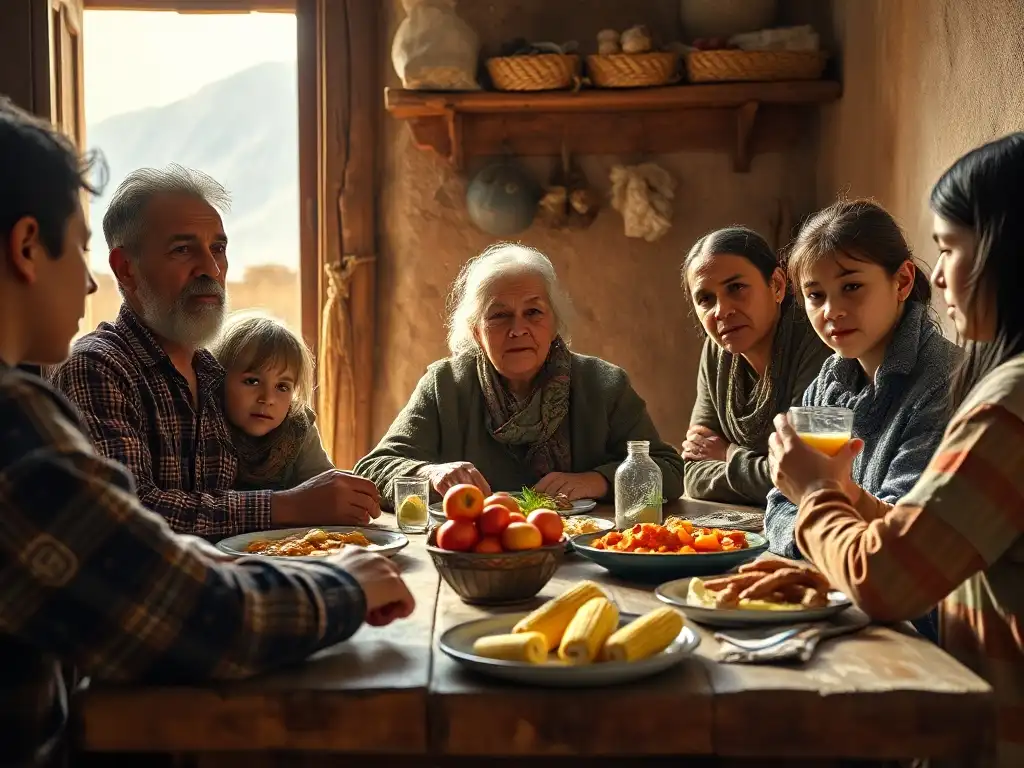
The Andean worldview deeply respects elders, viewing them as repositories of wisdom, tradition, and ancestral knowledge. Their role within the family extends far beyond mere companionship; they are the keepers of cultural memory and the moral compass for younger generations. Decisions impacting the family, particularly those concerning land, resources, or significant life events like marriage or funerals, often involve extensive consultation with elders.
Their opinions carry significant weight, reflecting the community's respect for their life experience and connection to the past. This respect is not simply a matter of politeness; it’s a fundamental aspect of maintaining social harmony and continuity within the family unit. Disrespecting elders is considered a grave offense, potentially fracturing family relationships and disrupting the delicate balance of the community.
The wisdom of elders is seen as a valuable asset, guiding younger generations in navigating the complexities of life and upholding traditional values. This intergenerational connection is vital for preserving cultural heritage and maintaining strong family bonds.
Honoring Pachamama and Lineage
A crucial aspect of respecting elders in Andean families is recognizing their role in maintaining the connection to Pachamama (Mother Earth) and the family lineage. Elders often lead family rituals honoring Pachamama, ensuring the continued prosperity and well-being of the family. They are responsible for passing down knowledge about ancestral lands, sacred sites, and the family's history, often through oral traditions and storytelling.
These stories are not merely historical accounts; they are living narratives that connect the family to its past, reinforcing a sense of identity and belonging. The lineage is not simply a genealogical record; it's a spiritual connection that links the family to the land and its ancestors, a bond reinforced through the guidance and teachings of the elders.
Understanding this connection is vital for appreciating the depth of respect given to elders within Andean family structures. Their role extends beyond familial authority; they are the custodians of a vibrant cultural legacy.
Passing Down Textile Weaving Traditions
Textile weaving is a deeply ingrained tradition in many Andean communities, and elders play a pivotal role in passing down these intricate skills and knowledge. The intricate designs and techniques embedded in Andean textiles often hold symbolic meaning connected to the family's history, beliefs, and connection to the land. Elders, possessing years of experience, teach younger generations the complex techniques, the symbolic interpretations of the designs, and the spiritual significance of the craft.
This is not merely a vocational training; it's a cultural transmission that reinforces family identity and cultural continuity. The process of learning involves not just technical skill but also the understanding of the cultural context and the deep-rooted connection to the ancestral past. The textile itself becomes a tangible representation of the family's history and shared heritage, meticulously woven and passed down through generations.
Rituals and Celebrations in Andean Family Gatherings
Andean family gatherings are often infused with rich rituals and celebrations that strengthen family bonds and reinforce cultural identity. These gatherings are not merely social occasions; they are opportunities to reaffirm communal values, honor ancestors, and express gratitude for the bounty of the land. The frequency and type of gatherings vary across different Andean communities, but the underlying principles of communal sharing, respect for elders, and connection to the spiritual world remain constant.
These gatherings are characterized by a strong sense of community and shared experience, creating lasting memories and strengthening family ties. The rituals and celebrations themselves are often deeply symbolic, reflecting the Andean worldview and reinforcing the importance of family and community.
Family Coca Leaf Sharing and Communal Meals
A cornerstone of many Andean family gatherings is the sharing of coca leaves and communal meals. Coca leaves, an integral part of Andean culture, are often shared during family gatherings as a symbol of unity, respect, and shared experience. The act of sharing coca leaves is a deeply social act, fostering conversation and strengthening bonds.
Similarly, communal meals are more than just sustenance; they represent a shared experience, a time for family members to connect, share stories, and reinforce their bonds. The preparation and sharing of food are often accompanied by prayers and expressions of gratitude, reflecting the importance of reciprocity and the interconnectedness of the community. These practices are not merely traditions; they are vital components of maintaining family cohesion and cultural identity.
Significance of Ayni in Andean Social Bonds
The principle of ayni, a system of reciprocal exchange, is central to Andean social structures and significantly influences family interactions. Ayni emphasizes the importance of mutual support and cooperation within the family and the wider community. Family members are expected to assist each other in times of need, sharing resources and labor without expecting immediate compensation. This reciprocal exchange fosters strong social bonds and reinforces the sense of community.
The spirit of ayni extends beyond immediate family members, encompassing extended family and the wider community. This principle is vital for maintaining social cohesion and ensuring the well-being of all members of the community. Understanding ayni is crucial to grasping the dynamics of Andean family interactions and the deep-rooted sense of community that characterizes these societies.
Gender Roles in Andean Family Interactions
Traditional Andean societies, while varying across different cultures like the Inca, Moche, and Nazca, generally exhibited a clear division of labor based on gender. These roles, deeply ingrained in their worldview and agricultural practices, significantly shaped family interactions. Men were often associated with activities requiring physical strength and long-distance travel, such as hunting, herding livestock (llamas and alpacas), and clearing land for agriculture. Women, on the other hand, played crucial roles in domestic tasks, including food preparation, weaving, childcare, and tending to smaller-scale agricultural activities closer to the home.
This division wasn't necessarily hierarchical, but rather a functional allocation of responsibilities based on perceived capabilities and societal needs. The mutual respect and interdependence between these roles were key to maintaining family stability and social harmony. However, the degree of rigidity varied across different Andean communities and throughout history.
Traditional Agricultural Responsibilities
The agricultural landscape profoundly influenced gender roles within Andean families. Men's strength was essential for tasks like plowing fields (using tools like the chaquitaclla), terracing mountainsides, and managing irrigation systems—complex feats of engineering crucial for survival in the challenging Andean terrain. Women, meanwhile, were responsible for planting, weeding, harvesting, and processing crops like potatoes, maize, and quinoa.
They also played a vital role in preserving food for the lean seasons, utilizing traditional techniques like sun-drying and storing in underground cellars. This division of labor, deeply intertwined with the cyclical nature of Andean agriculture, ensured the family’s survival and fostered a strong sense of shared responsibility and cooperation between genders within the family unit. The success of the harvest depended on the combined efforts of both men and women, reinforcing their mutual dependence.
Changing Dynamics in Urban Andean Families
The rapid urbanization in Andean regions over the past century has significantly altered traditional gender roles within families. Migration to urban centers has exposed Andean families to new social influences and economic opportunities. Women, in particular, are increasingly entering the formal workforce, taking on jobs outside the home and challenging the traditional division of labor.
This shift has led to a renegotiation of family roles and responsibilities, with men often participating more in domestic tasks and childcare. While the traditional values of family and community remain important, the practical realities of urban life necessitate a more flexible and adaptable approach to gender roles, leading to new forms of family interaction and a gradual blurring of traditional lines. However, the transition is not uniform, and traditional expectations still significantly influence many Andean families, particularly within older generations.
Conflict Resolution within Andean Families
Conflict resolution within Andean families traditionally relied on non-confrontational methods prioritizing community harmony over individual assertion. The concept of ayni (reciprocity) played a crucial role, emphasizing cooperation and mutual support. Disagreements were often addressed through dialogue, mediation by respected elders, and a strong emphasis on maintaining social balance. Shaming or ostracizing individuals was avoided, as it could disrupt the delicate social fabric of the community. Families valued consensus-building and sought solutions that preserved relationships rather than assigning blame. This approach mirrored the broader Andean societal emphasis on collective well-being and the interconnectedness of individuals within the community.
The Role of Community Leaders in Disputes
When family conflicts escalated beyond the capacity of internal resolution, community leaders, such as curacas (in Inca society) or other respected elders, played a crucial role in mediation. Their authority stemmed not only from their position but also from their deep understanding of customary law and social norms. These leaders facilitated dialogue, helped parties understand each other's perspectives, and guided them towards a mutually acceptable resolution.
Their intervention emphasized restoring harmony within the family and preventing the conflict from spreading to the wider community. The process often involved considering the broader social implications of the dispute and ensuring that the resolution upheld the principles of reciprocity and community well-being. This community-based approach to conflict resolution reflects the strong emphasis on social cohesion prevalent in Andean cultures.
Maintaining Ayllu Harmony and Balance
The concept of ayllu—a kinship-based community—was central to Andean social organization and profoundly influenced family interactions. Maintaining harmony and balance within the ayllu was paramount, as it was viewed as essential for the collective well-being and prosperity of the community. Family disputes, therefore, were not just private matters but also had implications for the wider ayllu.
Resolving conflicts in a way that preserved social order and avoided disrupting the delicate balance of the ayllu was a priority. This emphasis on collective well-being underscored the interconnectedness of families and individuals within the broader social structure, shaping the approaches to conflict resolution and emphasizing cooperation over confrontation. The preservation of ayllu harmony was seen as crucial for the continued success and survival of the entire community.
Variations in Andean Family Practices Across Regions
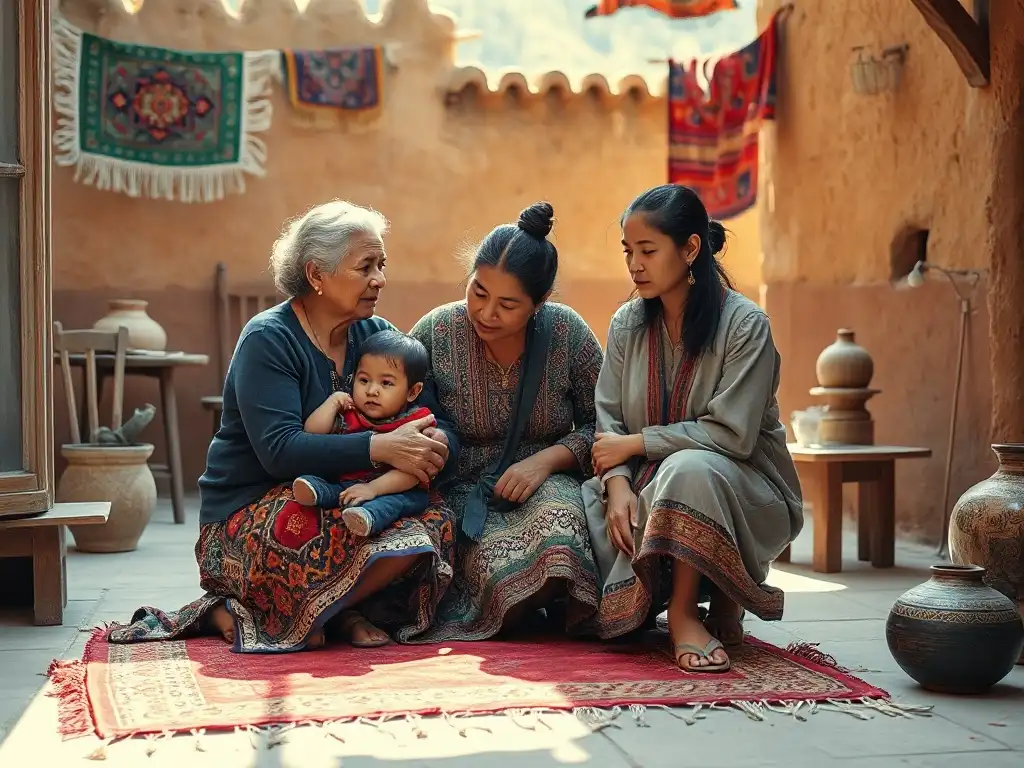
The vast geographical expanse of the Andes Mountains encompasses diverse ecosystems and cultures, leading to significant variations in Andean family interaction customs. Understanding these regional differences is crucial to appreciating the complexity of Andean family structures. While common threads of respect for elders and community cohesion exist, the specific expressions of these values differ considerably.
For example, family size and structure can vary dramatically based on factors such as altitude, access to resources, and historical influences. In some regions, extended family households are the norm, with multiple generations living under one roof, sharing responsibilities and resources. In other areas, nuclear family structures are more prevalent.
These differences are not arbitrary; they are deeply rooted in the unique ecological and social contexts of each region. The nuanced expressions of kinship and family obligations highlight the adaptability and resilience of Andean family structures throughout history. Detailed ethnographic studies are necessary to fully understand these nuances and avoid generalizations.
Differences in Andean family customs in the Altiplano
The harsh environmental conditions of the Altiplano, the high-altitude plateau of the Andes, have profoundly shaped family life. Limited arable land and unpredictable weather patterns necessitate strong community bonds and cooperative labor practices. Family units often work together in agricultural activities, sharing resources and responsibilities. Respect for elders, who possess valuable knowledge of traditional farming techniques and survival strategies, is paramount.
Decision-making processes frequently involve consensus-building within the extended family, ensuring that the needs of all members are considered. The emphasis on collective well-being reflects a deep-seated understanding of interdependence in a challenging environment. [Specific data on family structures and agricultural practices in a particular Altiplano community is needed here].
Differences in Andean family customs in the Amazonian Foothills
In contrast to the Altiplano, the Amazonian foothills offer a more abundant and diverse environment. This abundance, however, presents its own set of challenges and influences on family life. While community cooperation remains important, individual initiative and resource management play a more significant role. Subsistence strategies often involve a combination of agriculture, hunting, fishing, and gathering.
Family structures may be more fluid, adapting to the availability of resources and the demands of seasonal activities. The relationship between families and the natural environment is deeply intertwined, with traditional ecological knowledge playing a vital role in family livelihoods and cultural practices. [Specific examples of family adaptations to the Amazonian environment are needed to further enrich this section].
The Impact of Modernity on Andean Family Traditions
Modernization has significantly impacted Andean family structures and interaction customs, presenting both challenges and opportunities. The influx of new technologies, economic changes, and migration patterns have altered traditional ways of life, creating both tensions and adaptations within families. The increasing prevalence of nuclear family structures, as opposed to extended family households, is one notable change.
This shift often leads to a weakening of traditional support networks and a greater reliance on individual resources. Furthermore, the process of urbanization has led many Andean families to migrate to cities in search of better economic opportunities, resulting in geographic dispersal and changes in family interactions. The balance between preserving ancestral traditions and adapting to modern realities is a constant negotiation within Andean families.
Challenges to Traditional Quechua Language
The decline of the Quechua language, a significant component of Andean cultural identity, presents a major challenge to the preservation of family traditions. As younger generations increasingly adopt Spanish or other languages, the transmission of oral histories, traditional knowledge, and cultural values associated with Quechua is threatened. This language shift can lead to a disconnect between generations, hindering the continuity of family customs and practices.
Efforts to revitalize the Quechua language through community-based initiatives, educational programs, and media production are crucial to safeguarding this invaluable aspect of Andean cultural heritage. [Data on the current prevalence of Quechua language use across different Andean communities would strengthen this section].
Preserving Cultural Heritage through Music and Dance
Music and dance play a vital role in preserving Andean cultural heritage and maintaining strong family ties. These art forms serve as powerful vehicles for transmitting values, beliefs, and historical narratives across generations. Family participation in traditional musical and dance performances reinforces social cohesion and cultural identity. The shared experience of learning and performing traditional songs and dances strengthens familial bonds and promotes a sense of belonging.
These activities often provide opportunities for intergenerational learning, fostering communication and understanding between elders and younger family members. The preservation of this rich artistic heritage is not merely a matter of entertainment; it is essential for maintaining the vitality of Andean family structures and cultural identity. [Specific examples of family-based musical or dance traditions would enhance this section].
Key Takeaways: Understanding Andean Family Interaction Customs
Understanding Andean family interaction customs requires appreciating the nuanced blend of respect, reciprocity, and community that defines these societies. It's not simply about following a set of rules, but about embodying a deeply ingrained cultural ethos. The emphasis on collective well-being often overshadows individual desires, fostering a strong sense of unity and interdependence within the family unit. This is reflected in the importance placed on extended family networks, where obligations and responsibilities are shared across generations.
Furthermore, understanding the significance of ayni (reciprocity) and mita (labor service) is crucial to grasping the dynamics of Andean family interactions. These principles, while perhaps not explicitly stated, profoundly shape the way families interact and support one another. Ignoring these underlying principles can lead to misunderstandings and misinterpretations of family behaviors.
Ultimately, approaching Andean family interactions with empathy and a willingness to learn the unspoken rules will foster deeper connections and a more meaningful understanding of this rich cultural heritage. Successful navigation of these interactions hinges on observing, learning, and respecting the intricate web of relationships that bind Andean families together. Remember, the emphasis is always on maintaining harmony and balance within the family and the wider community.
The key takeaway is this: Andean family interactions are not simply about stated rules, but about deeply ingrained values and principles that prioritize community and reciprocity. Understanding ayni and the importance of extended family networks are crucial to appreciating the dynamics at play. Respect for elders and a collective focus on well-being are paramount.
By recognizing these unspoken rules, one can better navigate and appreciate the rich tapestry of Andean family life. This understanding fosters not only respectful interactions but also a deeper appreciation for the cultural values that shape these families. Learning about these customs provides a window into a unique societal structure that values collaboration and mutual support above all else.
Frequently Asked Questions
How did Andean family structures differ from European models?
Andean family structures often emphasized extended family living arrangements, with multiple generations residing together, unlike the more nuclear family model common in Europe. This fostered strong intergenerational bonds and shared responsibilities.
What role did kinship play in Andean society?
Kinship was paramount in Andean societies. Family ties determined social standing, access to resources, and even political alliances. Reciprocity and mutual support were central values.
What were some common customs regarding child-rearing in Andean cultures?
Child-rearing practices varied across different Andean cultures but often involved a strong emphasis on community involvement in raising children. Children were often socialized to value collective responsibility and respect for elders.
How did Andean cultures handle inheritance and property?
Inheritance practices varied considerably, but often involved collective ownership of land and resources within the extended family. The distribution of property was frequently determined by customary law and social standing.
What is the significance of ayni and mita in understanding Andean family interactions?
Ayni (reciprocal labor exchange) and mita (labor service) were crucial principles governing Andean society and family life. They highlighted the importance of mutual support and community obligations, strengthening family ties and social cohesion.
Final Reflection: Weaving the Threads of Andean Family: Past, Present, and Future
The intricate tapestry of Andean family interactions, once largely unseen by the outside world, is now increasingly understood as a vital key to comprehending the region's rich cultural heritage and its ongoing social dynamics. Understanding these unspoken rules isn't merely an academic exercise; it's crucial for fostering respectful and meaningful cross-cultural communication and collaboration in today's interconnected world.
The enduring strength of Andean family structures, built on deep-rooted traditions of mutual support and respect for elders, continues to shape the social fabric of the region. These values, often expressed through subtle gestures and unspoken expectations, are a testament to the resilience and adaptability of Andean communities. The family is not an accident, but a work of art.
This quote, while not specifically Andean, perfectly encapsulates the deliberate and carefully cultivated nature of these family bonds. The article's exploration of these customs highlights the profound impact of cultural heritage on shaping individual identities and community cohesion.
Consider the lessons learned within this article. How can you apply a deeper understanding of the importance of respect for elders, the significance of communal support, and the nuanced communication styles within Andean families to your own interactions, both within your family and in broader social contexts? Embrace the opportunity to learn from other cultures, to appreciate the diversity of human experience, and to build bridges of understanding across geographical and cultural divides. Let the unspoken rules of Andean family interactions inspire you to cultivate stronger, more meaningful connections in your own life.
Embrace the Andean Way: Take Action Today!
Thank you for exploring the fascinating world of Andean family interactions! You've gained valuable insights into the principles of connection and respect that underpin these cultures. Now, let's put this knowledge to practical use and enrich your own relationships.
Here are some ways you can apply what you've learned:
- Engage with Andean Culture: Attend local cultural events or gatherings to experience these family dynamics firsthand. Immersing yourself in the culture will deepen your understanding.
- Share Your Discoveries: Discuss your newfound knowledge with friends, family, or on social media. Your perspective could inspire others to learn more about Andean traditions and values.
- Integrate Andean Principles: Reflect on how the Andean emphasis on respect and connection can enhance your own family relationships. Consider ways to incorporate these values into your daily interactions.
What unique aspects of family life in your own culture resonate with the emphasis on respect and connection found in Andean traditions? Share your thoughts below!