
Aymara Political Systems: From Chiefdoms to Modern Governance

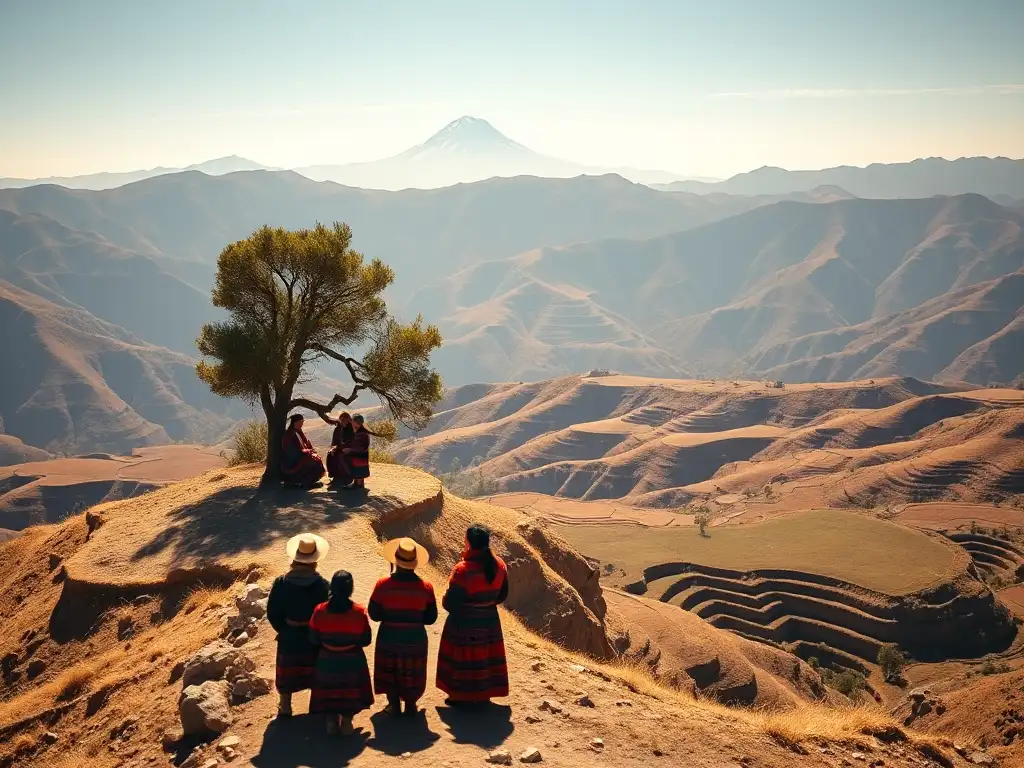
Step into a world lost in time, yet echoing through the ages. Journey with us to the heart of the Andes, where ancient empires flourished and shaped the very fabric of South America. Uncover the mysteries of civilizations like the Inca, Moche, and Nazca, and witness the remarkable ingenuity of their cultures. But what about the Aymara? Their enduring legacy is perhaps best understood through their fascinating political evolution, a story of adaptation and resilience that spans millennia. Explore the intricate path from chiefdoms to modern governance – a tale waiting to be discovered within.
- Aymara Political Systems: Tracing the Evolution of Governance
- Pre-Columbian Aymara Chiefdoms: Foundations of Political Organization
- The Impact of the Inca Empire on Aymara Political Systems
- Colonial Era and Transformations in Aymara Political Organization
- 19th and 20th Century Aymara Political Activism and Movements
- Modern Aymara Governance: Challenges and Opportunities
- Conclusion: Understanding Aymara Political Evolution Through Time
-
Frequently Asked Questions
- What is the main focus of this article on Aymara political evolution?
- How did Aymara political organization differ from that of the Inca Empire?
- What role did traditional Aymara institutions play in their political evolution?
- How did the Spanish conquest impact Aymara political structures?
- What is the current status of Aymara political participation in modern Bolivia?
- Final Reflection: Weaving the Threads of Aymara Governance
- Unveil the Aymara Legacy: Engage and Empower!
Aymara Political Systems: Tracing the Evolution of Governance
The Aymara people, inhabiting the Altiplano region of the Andes Mountains, boast a rich and complex history marked by a fascinating political evolution. This article delves into the intricate tapestry of Aymara governance, exploring its transformation from decentralized chiefdoms to the modern political landscape they navigate today.
We will examine the key characteristics of their traditional systems, analyze the impact of external forces like the Inca Empire and Spanish colonization, and finally, assess the current state of Aymara political participation within the broader context of Bolivia and Peru. Understanding the Aymara political evolution provides crucial insight into the resilience and adaptability of this remarkable Andean culture, highlighting their enduring connection to their ancestral lands and governance structures.
This journey through time will reveal how Aymara political systems have adapted and persisted, showcasing their enduring strength and cultural significance in the face of significant historical upheaval. The keyword "Aymara political evolution" will be explored through a multifaceted lens, offering a comprehensive overview of this captivating topic.
Introduction to Aymara Political Structures and Their Historical Context
Before the Inca expansion, Aymara society was characterized by a relatively decentralized system of governance. Rather than a single, centralized authority, power was often distributed among various local leaders or mallkus. These mallkus were not necessarily hereditary rulers but often gained influence through their demonstrated skills, wisdom, and ability to manage resources effectively within their communities. Their authority was largely based on consensus and respect, relying heavily on kinship ties and reciprocal obligations within the community.
This system was significantly different from the highly structured, centralized empires that would later dominate the Andean region. Evidence suggests that inter-community alliances and conflicts were common, with power dynamics shifting based on factors like agricultural productivity, access to resources, and strategic alliances. This pre-Inca period is crucial to understanding the foundations upon which later Aymara political structures were built, demonstrating a long tradition of community-based governance and negotiation.
Archaeological findings, oral histories, and ethnographic studies all contribute to piecing together this complex picture of early Aymara political organization. The complexities of pre-Columbian Aymara society are still being uncovered through ongoing research. Understanding this early foundation is key to comprehending the subsequent adaptations and changes in their political systems.
The Impact of Inca Rule on Aymara Political Organization
The Inca conquest significantly altered the existing Aymara political landscape. While the Inca Empire incorporated Aymara territories into its vast administrative network, the Inca’s approach varied depending on the level of resistance encountered and the strategic importance of the region. In some areas, existing Aymara leaders were integrated into the Inca bureaucracy, albeit with diminished authority.
The Inca implemented a system of kurakas, local officials who reported directly to Inca authorities. This hierarchical system, characterized by a centralized control of resources and labor, contrasted sharply with the more decentralized structures that preceded it. The Inca imposed a tribute system, demanding labor and agricultural products from the Aymara population.
This economic control further solidified Inca dominance and profoundly impacted Aymara social and political life. The imposition of Quechua as the official language also contributed to cultural assimilation, although Aymara language and traditions persisted. The Inca period represents a critical juncture in Aymara political history, marking a shift from decentralized chiefdoms to a more centralized, albeit externally imposed, system of governance.
Colonial Influence and the Persistence of Aymara Identity
The Spanish conquest in the 16th century brought about further dramatic changes to Aymara political structures. The Spanish colonial administration dismantled the Inca system, replacing it with its own hierarchical structure. The encomienda system, which granted Spanish conquistadors control over indigenous labor, led to widespread exploitation and dispossession. However, despite the efforts to suppress indigenous cultures, Aymara identity persisted.
Aymara communities continued to maintain aspects of their traditional social organization and governance, albeit within the confines of the colonial system. They adapted and negotiated their relationship with the colonial power, finding ways to maintain a degree of autonomy and cultural continuity. This period highlights the resilience of Aymara culture and their ability to adapt and negotiate within oppressive systems. The enduring strength of Aymara identity in the face of colonial subjugation is a testament to their cultural resilience and determination.
Aymara Political Participation in Modern Bolivia and Peru
In the modern era, Aymara communities continue to play a significant role in the political landscape of Bolivia and Peru. The rise of indigenous movements in the late 20th and early 21st centuries has led to increased political participation and recognition of Aymara rights. The election of Evo Morales, an Aymara leader, as President of Bolivia in 2006, marked a significant milestone in the struggle for indigenous rights and political representation.
However, challenges remain, including issues of land rights, access to resources, and overcoming historical inequalities. Aymara communities continue to advocate for their rights and seek greater autonomy within the existing political frameworks. The ongoing struggle for self-determination and equitable representation underscores the continuing relevance of Aymara political organization in the modern world.
The complexities of contemporary Aymara political participation require further investigation and analysis. The ongoing evolution of Aymara political systems continues to shape their relationship with the broader national contexts of Bolivia and Peru.
Pre-Columbian Aymara Chiefdoms: Foundations of Political Organization
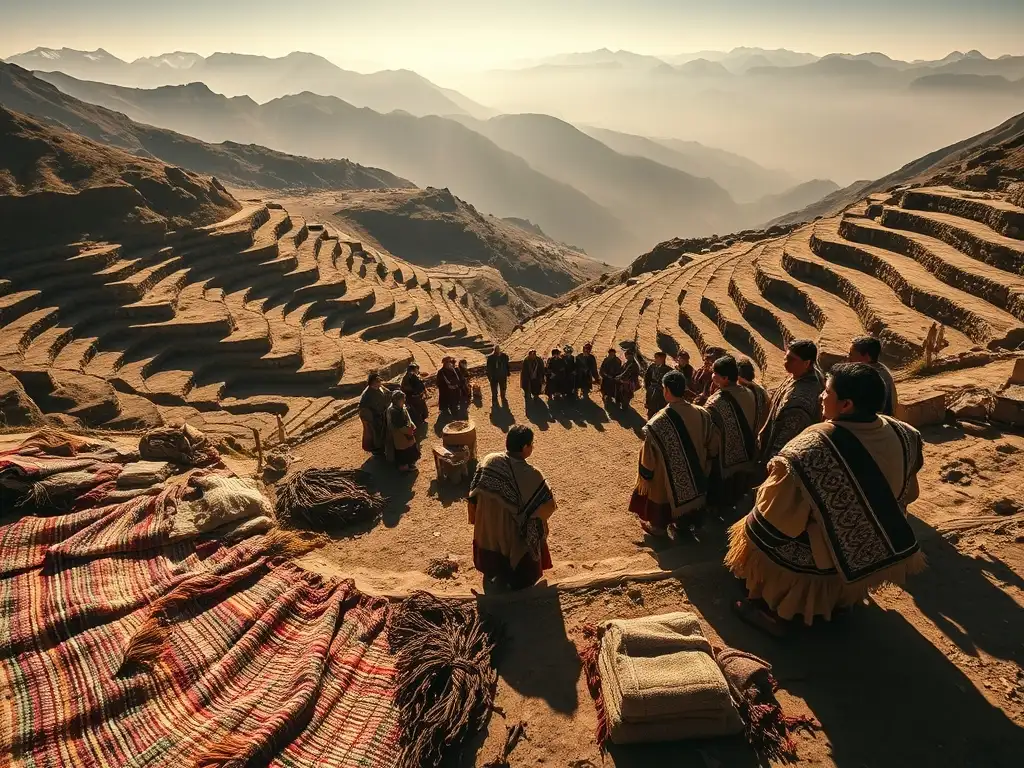
This section delves into the political structures that characterized pre-Columbian Aymara societies, laying the groundwork for understanding their subsequent political evolution. While precise details remain elusive due to limited written records, archaeological evidence and ethnohistorical accounts provide valuable insights into the complexity of these early Aymara political systems. The Aymara political evolution wasn't a linear progression, but rather a dynamic interplay of adaptation and change shaped by environmental factors, resource availability, and inter-group relations.
We will examine the evidence to paint a picture of these early societies, focusing on key aspects of their organization and governance. Understanding these foundations is crucial for appreciating the later transformations within Aymara political systems.
The Lupaqa Kingdom: A Case Study in Early Aymara Political Power
The Lupaqa, an early Aymara group inhabiting the Lake Titicaca basin, offer a compelling case study of pre-Columbian Aymara political organization. Archaeological findings suggest a stratified society with a powerful elite controlling significant resources. Evidence of monumental architecture, such as elaborate ceremonial centers and sophisticated irrigation systems, points to centralized authority and the mobilization of considerable labor.
The Lupaqa kingdom, while not necessarily a unified state in the classical sense, exhibited characteristics of a chiefdom, with a ruling lineage wielding significant influence over surrounding communities. Their political power was likely rooted in their control over crucial resources like fertile land and access to the lake's abundant fish stocks. This control allowed the Lupaqa elite to amass wealth and consolidate their authority, shaping the political landscape of the region.
Further research is needed to fully understand the extent of Lupaqa influence and the nature of their interactions with neighboring groups. The precise nature of their administrative structures and the mechanisms of power transfer remain subjects of ongoing scholarly debate. However, the Lupaqa kingdom provides a tangible example of the early development of complex political organization within Aymara societies.
Aymara chiefdoms were characterized by a hierarchical social structure. Archaeological evidence, such as differential burial practices and the distribution of luxury goods, suggests a clear distinction between elites and commoners. The elite likely consisted of a hereditary ruling class, possibly with religious authority interwoven with their political power.
Governance mechanisms within these chiefdoms appear to have been complex, involving a combination of kinship ties, religious rituals, and potentially some form of institutionalized law. While the specifics of their legal systems remain uncertain, it's likely that disputes were resolved through a combination of negotiation, mediation, and potentially more coercive means depending on the severity of the conflict. The role of religion in maintaining social order was probably significant, with religious leaders possibly playing a crucial role in legitimizing the authority of the ruling class.
The extent of centralized control varied across different Aymara chiefdoms, with some exhibiting more integrated political structures than others. The dynamics of power and authority within these societies were likely fluid and subject to change based on factors such as resource availability and inter-group relations. The study of Aymara political evolution necessitates a nuanced understanding of these internal variations.
Economic Foundations of Aymara Political Power: Resources and Control
Control over vital resources was fundamental to the power of Aymara chiefdoms. Access to fertile agricultural land, particularly along the shores of Lake Titicaca and in the valleys of the Andes, was crucial for sustaining the population and providing surplus for the elite. The development of sophisticated irrigation systems, evident in archaeological remains, demonstrates the Aymara's ability to manage and control water resources, a key factor in their economic and political success.
Furthermore, control over access to other resources, such as minerals, likely contributed to the consolidation of power. The economic activities of the Aymara, including agriculture, pastoralism, and specialized crafts, were closely intertwined with their political structures. The distribution and redistribution of resources through ritual feasts and other ceremonies likely served both economic and political functions, reinforcing social hierarchies and maintaining the authority of the ruling class.
Understanding the Aymara's sophisticated economic systems is crucial for a complete understanding of their political evolution and the mechanisms that underpinned their power structures. The management of these resources, and the resulting wealth, played a critical role in shaping the political landscape of the Andean region.
The Impact of the Inca Empire on Aymara Political Systems
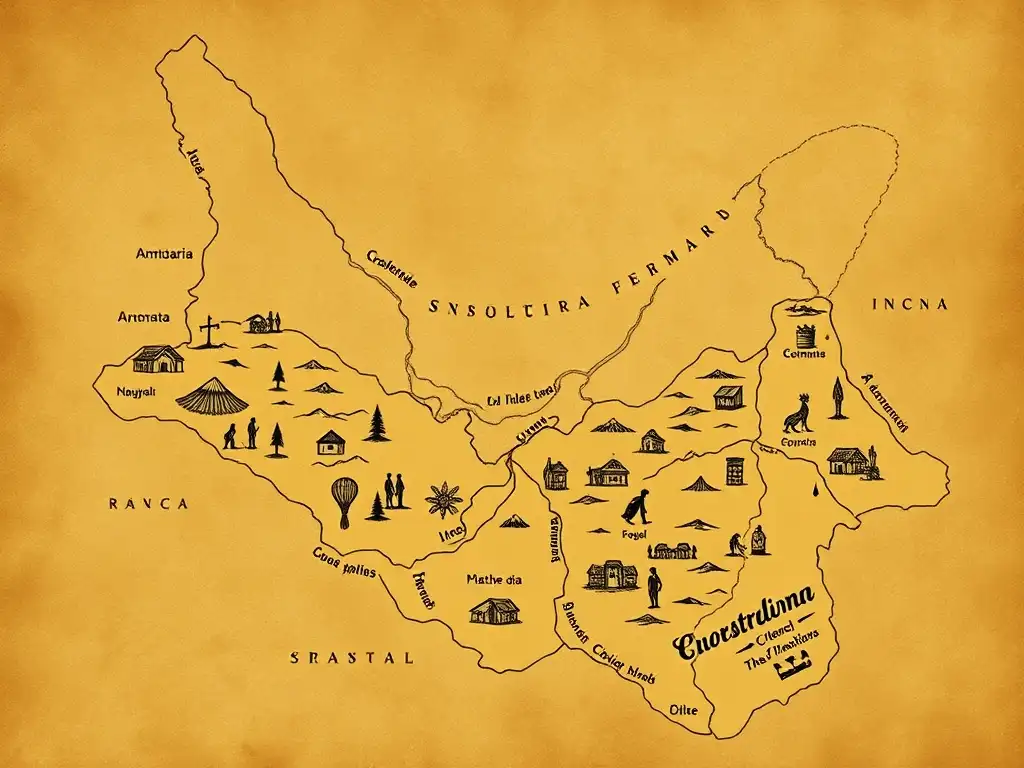
The Inca Empire's expansion dramatically reshaped the political landscape of the Andes, profoundly impacting the Aymara, a significant group inhabiting the Altiplano region. While the Aymara possessed established political structures prior to Inca contact, the integration into the vast empire led to significant transformations in their governance, social organization, and political autonomy. Understanding this period is crucial for a complete picture of Aymara political evolution.
The Inca influence wasn't simply a forceful imposition; it involved a complex interplay of adaptation, resistance, and negotiation. Examining this dynamic reveals the resilience and adaptability of the Aymara people in the face of imperial power. The effects of Inca rule are still felt in Aymara society today, shaping their political identity and influencing their modern governance structures.
Inca Expansion and the Incorporation of Aymara Territories
The Inca expansion into Aymara territories, beginning in the late 15th century, was a gradual process. It wasn't a single, decisive conquest, but rather a series of strategic alliances, military campaigns, and diplomatic maneuvers. The Inca employed a sophisticated strategy of incorporating conquered populations into their empire.
This involved a combination of military force, strategic marriages between Inca royalty and Aymara elites, and the resettlement of populations. Archaeological evidence suggests a significant increase in Inca-style architecture and infrastructure in Aymara regions during this period, indicating a growing Inca presence and influence. The precise timeline of Inca conquest in different Aymara communities varies, with some areas resisting longer than others.
Detailed records of the specific battles and alliances are unfortunately scarce, requiring further research to fully map the Inca expansion into the Aymara heartland. However, what is clear is that the Aymara were not passively absorbed; their existing social and political structures played a key role in shaping the integration process.
Adapting Aymara Governance: Inca Influence on Political Structures
The Inca imposed their administrative system upon the conquered Aymara territories. This system, characterized by a highly centralized bureaucracy, involved the establishment of a hierarchical structure with appointed officials overseeing various aspects of life, from agriculture and tribute collection to religious practices and military organization. However, the Inca did not completely dismantle existing Aymara political structures.
Instead, they often incorporated them into their own system. Aymara leaders, Mallkus, were sometimes integrated into the Inca administrative hierarchy, acting as intermediaries between the local population and the imperial government. This strategy allowed the Inca to maintain control while minimizing widespread resistance.
The Inca mita system, a form of labor tribute, was implemented across the empire, including Aymara territories. This system, while demanding, also provided a degree of social organization and infrastructure development, benefiting the Aymara in some ways. The impact of the mita on Aymara society remains a complex and debated topic, with both positive and negative consequences.
Aymara Resistance and Political Autonomy Under Inca Rule
Despite the Inca's efforts at integration, Aymara resistance to Inca rule persisted throughout the period of imperial dominance. While large-scale rebellions were relatively uncommon, localized acts of defiance and subtle forms of resistance were likely widespread. This resistance manifested in different forms, including the preservation of Aymara religious practices and traditions, maintaining aspects of their language and cultural identity, and subtle challenges to Inca authority.
The exact nature and extent of this resistance are difficult to ascertain due to a lack of detailed historical records from the Aymara perspective. However, evidence suggests that Aymara communities retained a degree of political autonomy, especially in more remote areas. The Inca's administrative reach was not absolute, and pockets of Aymara self-governance likely persisted even under Inca rule.
This highlights the importance of considering the agency and resilience of the Aymara people, who actively shaped their own destiny even within the context of imperial domination. Further research into Aymara oral traditions and archaeological findings could illuminate the nuanced dynamics of resistance and adaptation during this crucial period of their political evolution.
Colonial Era and Transformations in Aymara Political Organization
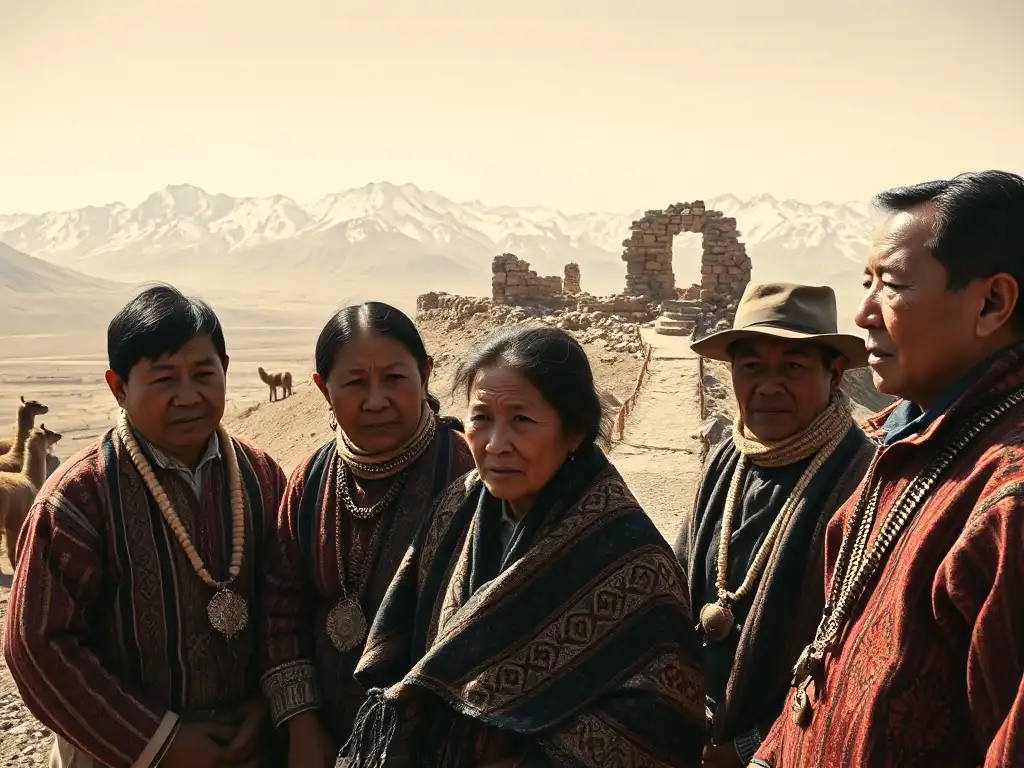
The Spanish conquest dramatically reshaped the Aymara political landscape, dismantling existing structures and imposing a new colonial order. Understanding this period is crucial for grasping the complexities of Aymara political evolution. The impact extended far beyond simple subjugation; it fundamentally altered social hierarchies, governance systems, and the very fabric of Aymara society. This section explores the profound transformations wrought by Spanish colonialism on Aymara political organization, focusing on the administrative changes, the adaptations and resistance of Aymara leadership, and the ultimate loss of traditional political structures. The keyword phrase "Aymara political evolution" is central to understanding this tumultuous period.
Spanish Colonial Administration and Its Effects on Aymara Society
The Spanish implemented a highly centralized administrative system, replacing the pre-Columbian Aymara chiefdoms with a hierarchical structure rooted in Spanish authority. The repartimiento system, initially intended for labor allocation, quickly evolved into a form of forced labor, severely impacting Aymara communities. This system, coupled with the encomienda system which granted Spanish colonists control over indigenous populations, resulted in the exploitation of Aymara labor and resources.
The introduction of new taxes, often levied in impossible amounts, further destabilized the existing social order. The imposition of Catholicism also had profound implications, as Spanish missionaries actively sought to replace traditional Aymara religious beliefs and practices, further weakening indigenous authority structures. The consequences were widespread: disruption of traditional agricultural practices, forced migration, and the erosion of Aymara autonomy.
This period saw the systematic dismantling of the intricate web of Aymara political alliances and power structures that had existed for centuries. The introduction of new legal frameworks and administrative practices further marginalized Aymara traditional governance.
Aymara Leadership Under Colonial Rule: Adaptation and Resistance
Despite the overwhelming power of the Spanish crown, Aymara leaders demonstrated remarkable resilience. While traditional forms of governance were suppressed, Aymara leaders adapted and sought to negotiate their position within the colonial framework. Some collaborated with the Spanish, acting as intermediaries between the colonial administration and their communities.
This collaboration, however, often came at a cost, potentially leading to accusations of betrayal from within their own communities. Others actively resisted Spanish rule, engaging in open rebellion or employing more subtle forms of resistance, such as withholding labor or manipulating colonial regulations to their advantage. Detailed records of specific instances of Aymara resistance, however, remain scarce, requiring further historical investigation to fully document the extent of these actions.
The strategies employed by Aymara leaders during this period reveal a complex interplay of adaptation and resistance, highlighting their determination to maintain a degree of autonomy and cultural identity amidst overwhelming oppression. The study of these strategies is crucial for a complete understanding of "Aymara political evolution."
The Loss of Traditional Aymara Political Structures During Colonialism
The long-term consequences of Spanish colonial rule were devastating to the traditional Aymara political system. The pre-colonial structures of chiefdoms and local councils were largely dismantled, replaced by a colonial administrative system that prioritized Spanish authority and control. The loss of traditional political structures resulted in the erosion of Aymara autonomy and self-governance. The imposition of Spanish law and administrative practices, coupled with the economic exploitation inherent in the colonial system, fundamentally altered the social and political fabric of Aymara society. The weakening of traditional leadership structures left Aymara communities vulnerable to exploitation and disenfranchisement. This process of political disintegration had long-lasting effects, shaping the trajectory of Aymara political development in the centuries that followed. The legacy of this period continues to inform contemporary discussions about Aymara identity, autonomy, and political participation, underscoring the significance of understanding the complexities of "Aymara political evolution" within the broader context of Andean history.
19th and 20th Century Aymara Political Activism and Movements
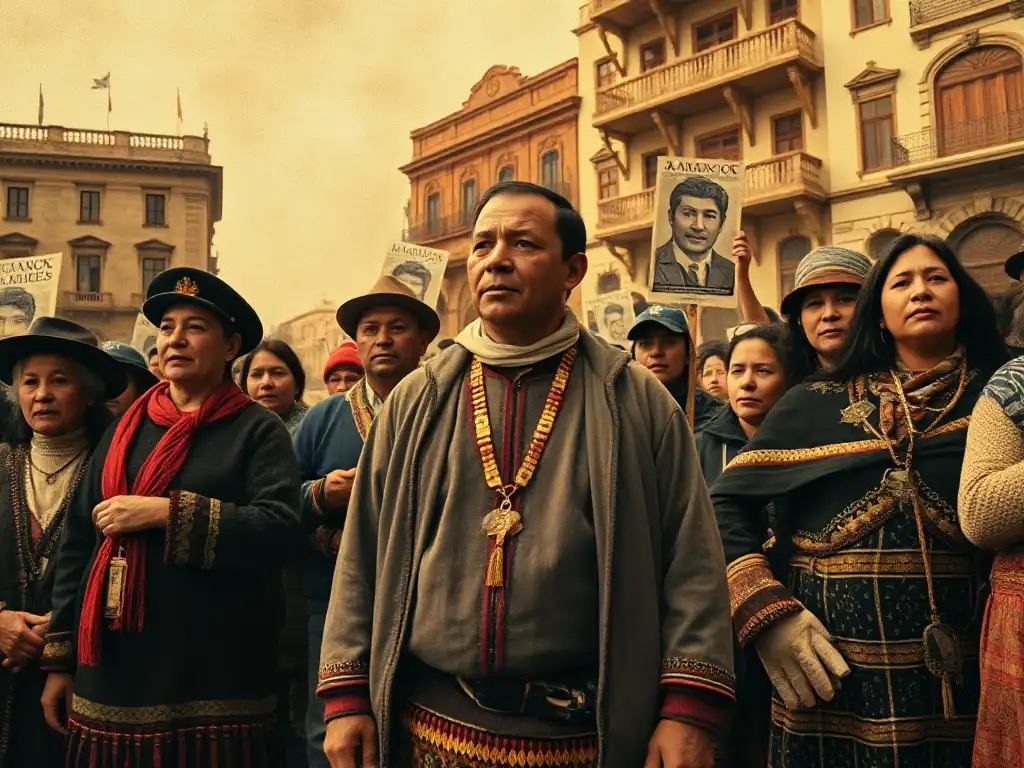
The Aymara people's political evolution throughout the 19th and 20th centuries was marked by a complex interplay of resistance, adaptation, and evolving strategies for self-determination. Facing the pressures of colonialism and later, nation-state formation in Bolivia and Peru, Aymara communities navigated a challenging political landscape. Their activism, often expressed through subtle forms of resistance alongside more overt movements, significantly shaped the trajectory of their own political identity and the broader national contexts in which they existed.
Understanding this period requires acknowledging the multifaceted nature of Aymara political engagement, which ranged from local-level community organization to participation in national-level political processes. The Aymara political evolution during this time was not a linear progression, but rather a dynamic process characterized by both setbacks and significant advancements in their struggle for recognition and rights.
Aymara Participation in Post-Colonial Political Processes
Following the independence of Bolivia and Peru from Spanish rule, Aymara communities did not experience immediate liberation or empowerment. Instead, they faced the continued dominance of the criollo elite and new forms of economic exploitation. Aymara participation in post-colonial political processes was often indirect and limited. While they were nominally citizens, their access to political power and influence remained severely restricted. Their traditional forms of governance and community organization were largely ignored or undermined by the newly formed nation-states.
However, even within these constraints, subtle forms of political engagement persisted. Aymara communities often used customary legal systems and community assemblies ( ayllus) to negotiate with state authorities and maintain a degree of autonomy in local affairs. This "indirect rule" approach, while not granting them direct political power, allowed them to preserve certain aspects of their traditional governance structures and resist complete assimilation.
Studies of land tenure disputes and tax resistance reveal the nuanced ways in which Aymara communities challenged the authority of the state and defended their interests. The subtle yet persistent resistance demonstrated the enduring strength of Aymara political organization even under considerable pressure.
Rise of Aymara Indigenous Movements for Self-Determination
The late 20th century witnessed a significant shift in Aymara political activism. Inspired by broader indigenous rights movements across Latin America, Aymara communities began to organize more explicitly around demands for self-determination, land rights, and cultural recognition. This period marked a transition from subtle forms of resistance to more overt political mobilization. The emergence of indigenous organizations and political parties advocating for Aymara interests played a crucial role in this transformation.
The factors contributing to the rise of Aymara indigenous movements were multifaceted. Increasing awareness of indigenous rights globally, coupled with growing economic inequality and environmental degradation, fueled the mobilization of Aymara communities. The rise of social movements demanding greater political participation and recognition of indigenous identities also provided a crucial context for the emergence of these movements. This period saw a significant increase in Aymara participation in national-level politics, including increased representation in government and the development of policy initiatives focused on indigenous rights.
Key Figures in Aymara Political Activism and Their Impact
Several key figures emerged as leaders in the Aymara political activism of the 20th and 21st centuries. While a comprehensive list requires further research [specific information pending], it's crucial to recognize the diverse roles played by community leaders, intellectuals, and political organizers. These individuals often worked within and across national borders, connecting local struggles with broader international networks advocating for indigenous rights. Their efforts were instrumental in raising global awareness of Aymara issues and contributing to the growth of indigenous movements.
Their impact extended beyond immediate political gains. These figures played a vital role in shaping Aymara political identity and fostering a sense of collective agency. By articulating Aymara demands and perspectives within national and international political arenas, they contributed to a greater understanding and recognition of Aymara rights and cultural significance.
Their legacy continues to inspire ongoing Aymara political mobilization and advocacy for self-determination. The study of these figures provides valuable insights into the complex interplay of local and global forces that shaped Aymara political evolution. Further research is needed to fully document the contributions of all significant Aymara political activists and leaders.
Modern Aymara Governance: Challenges and Opportunities
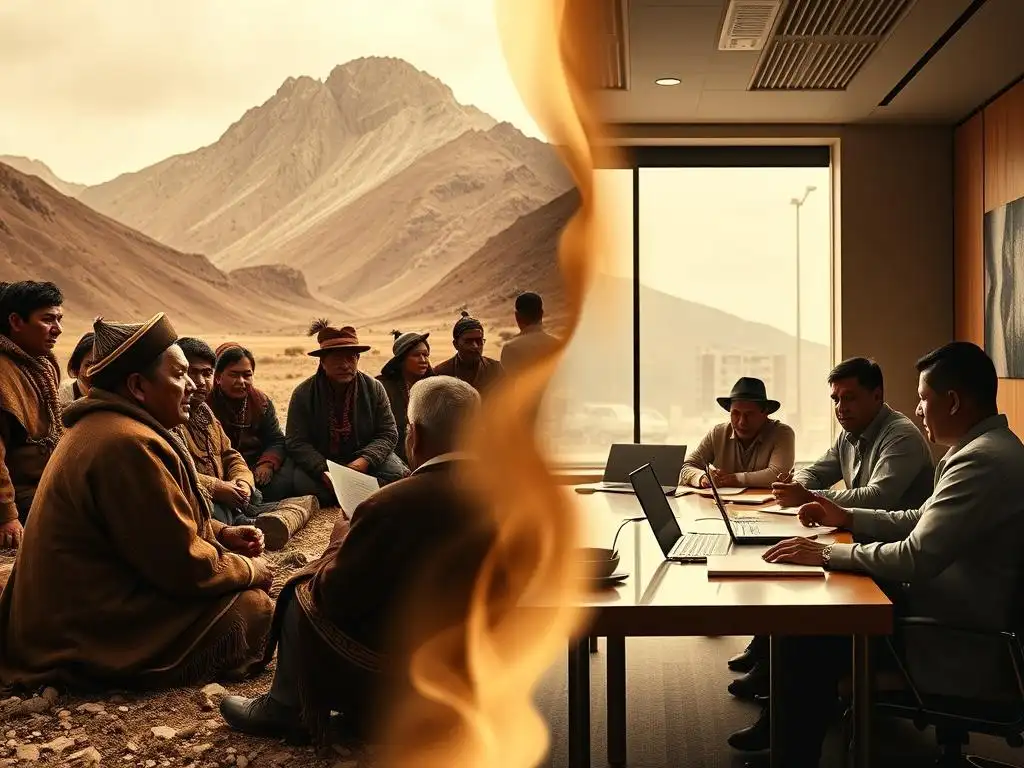
The Aymara people, inhabiting the Altiplano region of the Andes, have navigated a complex path from pre-Columbian chiefdoms to participation in modern nation-states. Their journey reflects both remarkable resilience and significant challenges in achieving self-determination and equitable representation within increasingly complex political landscapes. Understanding the nuances of contemporary Aymara governance requires examining both the successes and persistent obstacles they face in securing their rights and preserving their cultural heritage. The ongoing struggle for political evolution within Bolivia and Peru highlights the enduring tension between indigenous self-governance and the demands of national integration.
Contemporary Aymara Political Participation: Local and National Levels
Aymara political participation manifests at both local and national levels, often intertwined and influencing each other. At the local level, traditional community structures, like ayllus (kinship-based communities), continue to play a vital role. These structures often provide a framework for local decision-making, resource management, and conflict resolution, although their power is often negotiated within the context of national laws and institutions. The influence of ayllus varies considerably depending on geographical location and specific historical circumstances. Some ayllus maintain strong autonomy, while others have been significantly impacted by state policies and modernization.
At the national level, Aymara participation is channeled through political parties, social movements, and advocacy groups. While achieving proportional representation remains a challenge, the rise of indigenous political leaders and parties has undeniably increased Aymara influence in national politics. However, participation is not without its obstacles. Language barriers, limited access to education and resources, and systemic discrimination continue to hinder full and equitable participation in the national political arena. The effectiveness of Aymara political engagement is also influenced by the prevailing political climate and the willingness of national governments to address indigenous demands.
Aymara Representation in Modern Andean Political Systems
Aymara representation in modern Andean political systems is a complex and evolving process. While progress has been made in terms of legal recognition of indigenous rights and increased political participation, significant challenges remain. Formal representation through elected officials in national parliaments and local governments is one aspect, but the broader question of substantive representation — the extent to which Aymara interests and perspectives are effectively incorporated into policy-making — remains a critical concern.
The effectiveness of Aymara representation is influenced by several factors, including the capacity of elected officials to advocate for Aymara interests, the level of political will from national governments, and the internal cohesion and effectiveness of Aymara political organizations. Data on the actual impact of Aymara representation on policy outcomes is often limited, highlighting the need for further research in this area. Moreover, the issue of representation extends beyond formal political structures to encompass broader societal participation and the recognition of Aymara knowledge systems and cultural values within national institutions.
The Future of Aymara Political Evolution and Self-Governance
The future of Aymara political evolution hinges on several interconnected factors. Continued advocacy for self-determination and greater autonomy within existing political frameworks is crucial. This requires strengthening Aymara political organizations, enhancing access to education and resources, and promoting intercultural dialogue and understanding. The successful integration of traditional Aymara governance structures with modern democratic institutions presents a significant challenge, but also an opportunity to develop innovative and inclusive models of governance that respect both tradition and modernity.
Furthermore, the ability of Aymara communities to effectively manage their own resources and address their development needs is essential for their long-term well-being and political empowerment. This requires investment in education, infrastructure, and economic opportunities that are tailored to the specific needs and priorities of Aymara communities. The ongoing struggle for Aymara political evolution underscores the need for continuous engagement, dialogue, and a commitment to creating truly inclusive and equitable political systems in the Andes.
The success of this endeavor will depend on the collaborative efforts of Aymara communities, national governments, and international organizations committed to promoting indigenous rights and self-determination. The path forward requires a nuanced understanding of Aymara history, culture, and political aspirations, as well as a commitment to fostering genuine partnerships that empower Aymara communities to shape their own future.
Conclusion: Understanding Aymara Political Evolution Through Time
The Aymara political evolution, a journey spanning millennia, reveals a fascinating adaptation and resilience in the face of both internal dynamics and external pressures. From their early chiefdoms characterized by decentralized power structures and community-based decision-making, to their encounters with the Inca Empire and subsequent colonial rule, the Aymara have consistently demonstrated an ability to negotiate and re-shape their political landscape. This intricate history underscores the complexity of understanding their political systems, demanding a nuanced approach that considers both continuity and change.
The persistence of community-based governance and traditional leadership structures, even within the framework of modern nation-states, highlights the enduring strength of Aymara political traditions. Studying this evolution offers valuable insights into the interplay between indigenous governance and external forces, providing a rich case study for understanding political adaptation in a globalized world.
The enduring legacy of Aymara political systems continues to influence their social structures and interactions today. Understanding this evolution provides a crucial lens through which we can appreciate the complexities of Aymara identity and governance in the 21st century.
The Legacy of Aymara Political Systems: From Chiefdoms to Contemporary Governance
The Aymara political legacy is not a static entity, but a dynamic process of adaptation and negotiation. While early Aymara societies were organized around relatively small, autonomous chiefdoms, the Inca conquest significantly altered their political landscape. Inca rule imposed a centralized administrative system, integrating the Aymara into a larger imperial structure.
However, even under Inca domination, evidence suggests that Aymara communities retained a degree of local autonomy and continued to practice their traditional forms of governance. The Spanish conquest brought about further transformations, introducing a colonial administrative system that sought to suppress indigenous political structures. Yet, despite centuries of colonial and post-colonial rule, Aymara communities have persevered, adapting their traditional political systems to navigate the complexities of modern nation-states.
Today, Aymara communities continue to assert their political rights and actively participate in local and national governance, demonstrating the enduring resilience of their political traditions. This ongoing process of adaptation showcases the vibrant and evolving nature of Aymara political identity and the continued relevance of their historical experiences. The impact of globalization and modernization on Aymara political systems remains a topic of ongoing research and discussion.
Key Takeaways About Aymara Political Development
Several key takeaways emerge from a study of Aymara political development:
- Decentralized origins: Early Aymara societies were largely characterized by decentralized political structures, with power distributed among local communities and leaders.
- Inca influence: The Inca conquest significantly impacted Aymara political organization, introducing a centralized system while simultaneously allowing for the persistence of local customs.
- Colonial impact: Spanish colonization further reshaped Aymara political structures, imposing a new administrative system and attempting to suppress indigenous governance.
- Resilience and adaptation: Despite centuries of external pressures, Aymara communities have demonstrated remarkable resilience, adapting their political systems to survive and thrive.
- Contemporary relevance: Aymara political traditions continue to shape their social structures and interactions today, influencing their participation in modern governance.
This evolution highlights the dynamic interplay between indigenous political systems and external forces, offering valuable insights into processes of political adaptation and the enduring strength of community-based governance. Understanding these key aspects is crucial for appreciating the complexity of Aymara political history and their ongoing political engagement in contemporary society. Further research is needed to fully understand the nuances of Aymara political evolution across different regions and time periods.
Further Research on Aymara Political History and Modernity
Further research on Aymara political history and modernity should focus on several key areas:
- Comparative analysis: A comparative study of Aymara political systems across different regions and time periods is needed to identify regional variations and common threads in their evolution. This would involve examining the specific political structures and practices of different Aymara communities.
- Oral histories: The incorporation of oral histories and traditional narratives is crucial for a more complete understanding of Aymara political perspectives and experiences. This would involve working closely with Aymara communities to gather their perspectives.
- Modern political participation: Further investigation is necessary to understand the ways in which Aymara communities participate in modern political processes and the challenges they face in asserting their political rights. This research would require analyzing Aymara engagement in national and local politics.
- The impact of globalization: The effects of globalization and modernization on Aymara political systems require more in-depth analysis. This study would examine how globalization has influenced Aymara political structures and practices.
By addressing these research areas, scholars can gain a more nuanced and complete understanding of Aymara political evolution and its implications for contemporary Aymara communities. This ongoing research is essential for ensuring a more accurate and respectful representation of Aymara history and political identity. The continued study of Aymara political systems offers valuable insights into the dynamics of indigenous governance and its relationship with global forces.
Frequently Asked Questions
What is the main focus of this article on Aymara political evolution?
This article explores the Aymara political systems throughout history, tracing their development from early chiefdoms to their current involvement in modern governance structures. It examines key changes and continuities in their political organization.
How did Aymara political organization differ from that of the Inca Empire?
While the Inca imposed their own centralized system, the Aymara retained a degree of autonomy and local governance even under Inca rule. Their traditional community-based structures persisted, influencing their post-Inca political evolution.
What role did traditional Aymara institutions play in their political evolution?
Traditional Aymara institutions, such as ayllus (kinship-based communities) and markas (territorial units), continued to be important even after the Spanish conquest and the Inca Empire's collapse. They formed the basis for resistance and adaptation to changing political landscapes.
How did the Spanish conquest impact Aymara political structures?
The Spanish conquest significantly disrupted existing Aymara power structures, leading to both suppression and adaptation. Aymara communities faced colonial rule but also employed strategies to maintain elements of their traditional political systems.
What is the current status of Aymara political participation in modern Bolivia?
Today, the Aymara people actively participate in Bolivian politics, advocating for their rights and interests. They have achieved significant political representation and influence, demonstrating the enduring strength of their political identity.
Final Reflection: Weaving the Threads of Aymara Governance
The intricate tapestry of Aymara political evolution, from ancient chiefdoms to contemporary governance structures, continues to resonate powerfully in the face of modern challenges. Understanding this historical trajectory is not merely an academic exercise; it offers crucial insights into the resilience and adaptability of indigenous communities navigating globalization and its inherent complexities. The Aymara experience provides a potent counter-narrative to simplistic models of political development, highlighting the enduring strength of community-based systems.
The enduring legacy of Aymara political thought and practice profoundly shapes the cultural and social landscape of the Andes today. Their emphasis on community consensus, reciprocal obligations, and the integration of traditional and modern governance mechanisms offers valuable lessons for contemporary societies grappling with issues of equity, sustainability, and participatory democracy. The past is never dead. It's not even past.
– William Faulkner. This quote aptly captures the persistent influence of Aymara political systems, demonstrating how historical structures continue to inform present-day realities and shape future possibilities.
Consider the ways in which the principles of Ayllu – the traditional Aymara community system – might inform your own approach to collective action and social responsibility. How can we, in our own lives and communities, foster a greater sense of shared responsibility and participatory decision-making, drawing inspiration from the enduring wisdom of the Aymara? Embrace the opportunity to learn from this rich history, and let the enduring strength of Aymara political evolution inspire your own journey towards a more just and equitable future.
Unveil the Aymara Legacy: Engage and Empower!
Thank you for exploring the fascinating world of Aymara political systems! We hope you enjoyed learning about their evolution from ancient chiefdoms to modern governance and gained valuable insights into their rich heritage. Let's put this knowledge into action!
Here are some ways you can deepen your engagement with Aymara culture and advocate for its continued importance:
- Join a local cultural group or online community focused on Andean civilizations to connect with like-minded individuals.
- Share what you've learned on social media using #AymaraLegacy to raise awareness and encourage discussions about their unique governance structures.
- Organize a discussion or book club centered on Aymara history, perhaps exploring books that highlight their influence on modern governance.
What aspect of Aymara political systems most interests you, and how can you integrate this understanding into your daily life or community involvement?