
Moche Ceramics: The Use of Polychrome Decoration

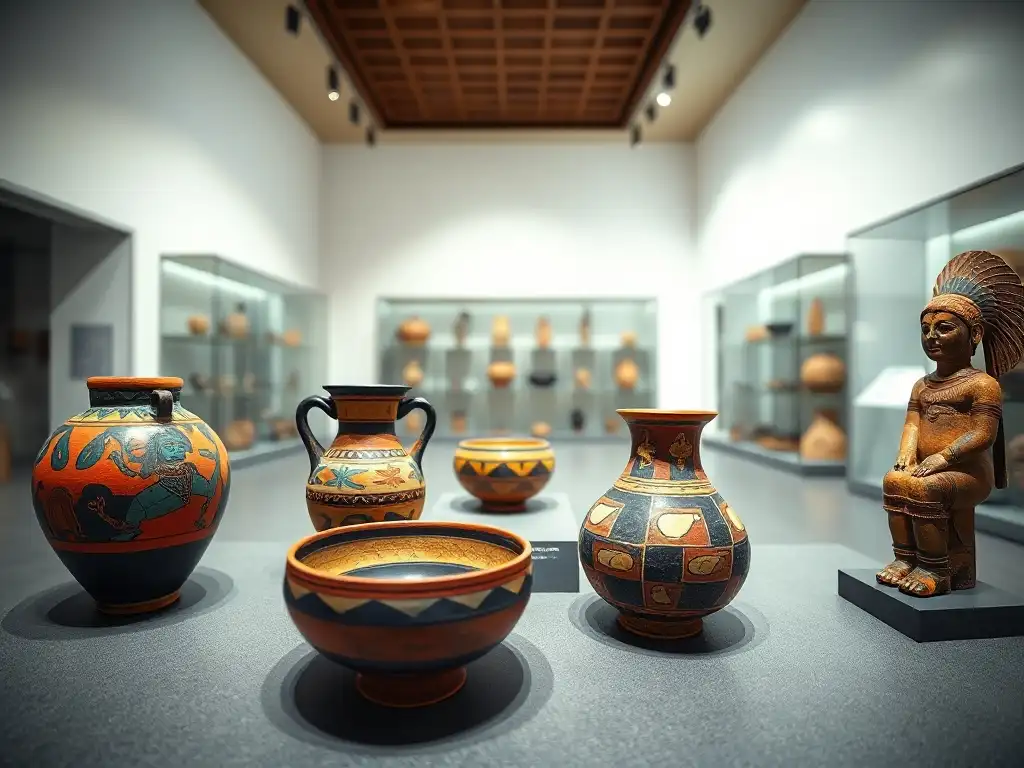
Step into a world lost to time, yet vividly preserved in vibrant hues. Imagine the hands of ancient Moche artisans, skillfully applying polychrome techniques to create breathtaking pottery. This isn't just clay; it's a window into a sophisticated civilization, revealing secrets of their beliefs, rituals, and daily lives. Discover the mesmerizing artistry of Moche ceramics and unlock the mysteries behind their unparalleled mastery of color and form. Explore the captivating world of Moche pottery polychrome techniques and prepare to be amazed.
- Moche Ceramics: Unveiling the Polychrome Decoration Techniques
- Introduction to Polychrome Decoration in Moche Pottery
- Materials and Pigments Used in Moche Polychrome Pottery
- Exploring the Polychrome Palette of Moche Ceramics
- Moche Pottery Polychrome Techniques: A Detailed Look
- Iconography and Narrative Through Polychrome Moche Vessels
- Examples of Masterful Polychrome Moche Pottery
- The Legacy of Moche Polychrome Techniques
- Conclusion: The Enduring Beauty of Moche Polychrome Art
- Frequently Asked Questions
- Final Reflection: The Enduring Legacy of Moche Polychrome
- Unleash Your Creativity with Moche Ceramics!
Moche Ceramics: Unveiling the Polychrome Decoration Techniques
The Moche civilization (circa 100-800 CE), flourishing along the northern coast of Peru, left behind a remarkable legacy of artistic expression, most notably in their sophisticated ceramics. Beyond their impressive skill in sculpting lifelike forms, the Moche mastered the art of polychrome decoration, creating vibrant and intricate painted surfaces that tell compelling stories of their society, beliefs, and daily life. This article delves into the fascinating world of Moche pottery, specifically exploring the techniques they employed to achieve their stunning polychrome effects, a testament to their artistic prowess and technological innovation. We will examine the materials, processes, and the symbolic meaning embedded within these breathtaking pieces, shedding light on the artistry and cultural significance behind the "Moche pottery polychrome techniques". Understanding these techniques allows us to appreciate the complexity and artistry involved in creating these enduring works of art, offering a glimpse into the vibrant culture of the ancient Moche.
Materials Used in Moche Polychrome Pottery
The creation of Moche polychrome pottery began with the careful selection of materials. The Moche potters primarily used clay sourced locally, varying in composition depending on the specific region. This clay, often mixed with tempering agents like sand or shell fragments to improve its workability and prevent cracking during firing, formed the base for their masterpieces. The pigments themselves were derived from natural sources, a testament to their ingenuity and resourcefulness.
Minerals like iron oxides (for reds and browns), manganese oxides (for blacks and purples), and various clays (for yellows and whites) were meticulously ground and prepared to create the vibrant palette characteristic of Moche polychrome ceramics. The precise recipes and methods for pigment preparation remain partially understood, highlighting the need for further research in this area. The meticulous preparation of these materials, however, undoubtedly contributed to the longevity and vibrancy of the resulting colors.
The Moche Pottery Painting Process: A Step-by-Step Look
The painting process itself was a complex and multi-stage affair. First, the potters would carefully shape and dry their clay vessels. Then, a slip – a fine clay suspension – was applied, acting as a base coat, ensuring a smooth surface for the pigments to adhere to. After drying, the meticulous application of the pigments began.
Evidence suggests the Moche potters likely used fine brushes made from natural materials like animal hair or plant fibers. They skillfully applied the pigments in layers, allowing each layer to dry before applying the next, a process that required patience and precision. The layering technique allowed for the creation of subtle gradations and complex designs.
The final step involved firing the pottery in kilns, likely at relatively low temperatures to avoid damaging the delicate pigments. The precise temperature and duration of firing would have significantly affected the final color and durability of the painted surface. Further research is needed to precisely determine these variables.
The Iconography and Symbolism of Moche Polychrome Decoration
The vibrant polychrome decorations were not merely decorative; they conveyed deep symbolic meaning within Moche society. The imagery frequently depicted scenes of daily life, religious rituals, mythical beings, and powerful rulers. For instance, depictions of warriors, priests, and elaborate ceremonies offered insights into their social structure and religious beliefs. The use of specific colors also held symbolic weight.
Red, for example, might have represented blood, power, or fertility, while yellow could symbolize the sun or corn, a staple crop. Deciphering the full extent of the symbolism remains an ongoing process of scholarly investigation, requiring detailed analysis of individual pieces and their contextual relationships within the broader Moche culture. The iconography is rich and complex, demanding careful consideration and interpretation.
Technological Innovations in Moche Polychrome Techniques
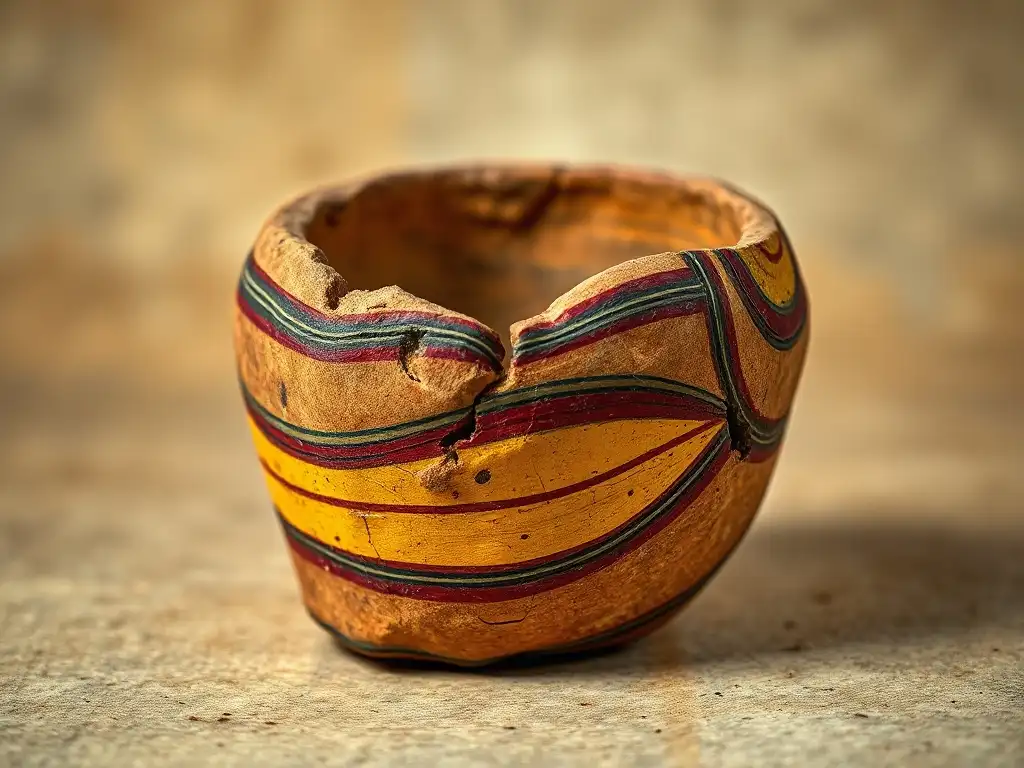
The Moche potters demonstrated a remarkable understanding of material science and artistic technique. Their mastery of slip application, pigment preparation, and firing techniques produced a durable and visually stunning product. The precision and detail in their work suggest a high level of specialization within Moche society, with dedicated artisans responsible for creating these elaborate pieces.
The development of polychrome techniques represents a significant technological achievement, reflecting the advanced level of artistic skill and cultural sophistication of the Moche civilization. Furthermore, the remarkable preservation of many pieces stands as a testament to their enduring craftsmanship and the quality of the materials and processes employed. The longevity of these pieces, after centuries, underscores the ingenuity of the Moche techniques.
Conclusion: The Enduring Legacy of Moche Polychrome Pottery
The Moche polychrome pottery stands as a remarkable achievement in ancient Andean art. The intricate designs, vibrant colors, and symbolic imagery provide invaluable insights into the social, religious, and technological aspects of this fascinating civilization. The techniques employed in creating these works reveal a sophisticated understanding of materials and processes. The ongoing research into Moche pottery polychrome techniques continues to unveil new information, enriching our understanding of this remarkable culture and its artistic legacy. The enduring beauty and cultural significance of Moche pottery serve as a lasting testament to the skill and artistry of the ancient Moche people.
Introduction to Polychrome Decoration in Moche Pottery
The vibrant and intricate polychrome decoration found on Moche pottery represents a pinnacle of artistic achievement in ancient Andean art. This section delves into the techniques and significance of this remarkable aspect of Moche culture, exploring how the artisans skillfully manipulated pigments to create stunning visual narratives. Understanding the Moche pottery polychrome techniques provides invaluable insight into their worldview, social structures, and artistic capabilities.
The mastery displayed in these pieces showcases not only technical prowess but also a deep understanding of color symbolism and artistic expression. The use of multiple colors wasn't merely decorative; it was a powerful tool for conveying complex meanings and stories. We'll examine the specific techniques employed, the pigments used, and the enduring legacy of this captivating art form.
The Significance of Color in Moche Art
Color in Moche art wasn't arbitrary; it held deep symbolic meaning, often reflecting religious beliefs, social status, and narrative elements within the depicted scenes. For example, red, a frequently used pigment in Moche pottery polychrome techniques, is often associated with blood, sacrifice, and perhaps even the powerful elite. Yellow, on the other hand, might symbolize the sun or gold, representing wealth and divinity.
The careful application of colors wasn't accidental; it was carefully planned to convey specific messages and enhance the narrative power of the ceramic pieces. Further research is needed to fully understand the nuanced meanings of each color and their combinations, but preliminary studies suggest a complex system of visual communication. Analyzing the color palettes across different Moche pottery pieces reveals patterns and variations that reflect regional differences or stylistic changes over time.
The skillful blending and layering of pigments further enhanced the visual depth and impact of the artwork. This attention to detail underscores the importance of color as a crucial element in Moche artistic expression.
Moche Ceramics as a Canvas for Artistic Expression
Moche artisans didn't simply create functional vessels; they created elaborate narratives on a three-dimensional canvas. The surfaces of their pottery became stages for depicting scenes of daily life, religious rituals, mythological beings, and powerful rulers. The use of Moche pottery polychrome techniques allowed for a rich tapestry of detail and visual complexity, far surpassing the capabilities of monochrome pottery.
The narratives depicted often involved intricate details, including clothing, jewelry, hairstyles, and even facial expressions, which were rendered with astonishing precision. This level of detail suggests a high degree of artistic skill and training within Moche society. Some scholars believe that the production of these polychrome ceramics was a highly specialized craft, potentially undertaken by dedicated artisans within specific workshops or guilds.
The dynamic interplay between color and form further enhanced the artistic impact, creating a truly immersive experience for the viewer. The three-dimensionality of the vessels allowed for a unique perspective on the narratives, creating a more engaging and powerful artistic statement.
Overview of Polychrome Techniques Used by Moche Artisans
Moche artisans employed a variety of techniques to achieve their stunning polychrome effects. These techniques involved a complex process of preparation, painting, and firing. First, the clay was carefully prepared and shaped, then the vessel was slipped (coated with a fine clay mixture) to create a smooth surface for painting. The pigments, often derived from natural minerals and plant materials, were then carefully ground and mixed with a binder, likely a gum or sap.
The application of the paint was precise and controlled, often using fine brushes to create intricate details. The layering of colors added depth and complexity, with some pigments applied over others to create subtle shading and textural effects. The firing process was crucial, as it permanently fixed the pigments to the ceramic surface, ensuring the durability of the artwork. Evidence suggests that Moche potters may have used different firing techniques depending on the type of pigments and desired effect.
Further research into the specific chemical composition of the pigments and the firing processes would significantly enhance our understanding of Moche pottery polychrome techniques. The remarkable preservation of many of these pieces, even after centuries, is a testament to the mastery of these ancient artisans. The sophisticated techniques they employed established a high standard for ceramic art in the Andean region, influencing subsequent cultures and leaving behind a legacy of extraordinary artistic achievement.
Materials and Pigments Used in Moche Polychrome Pottery
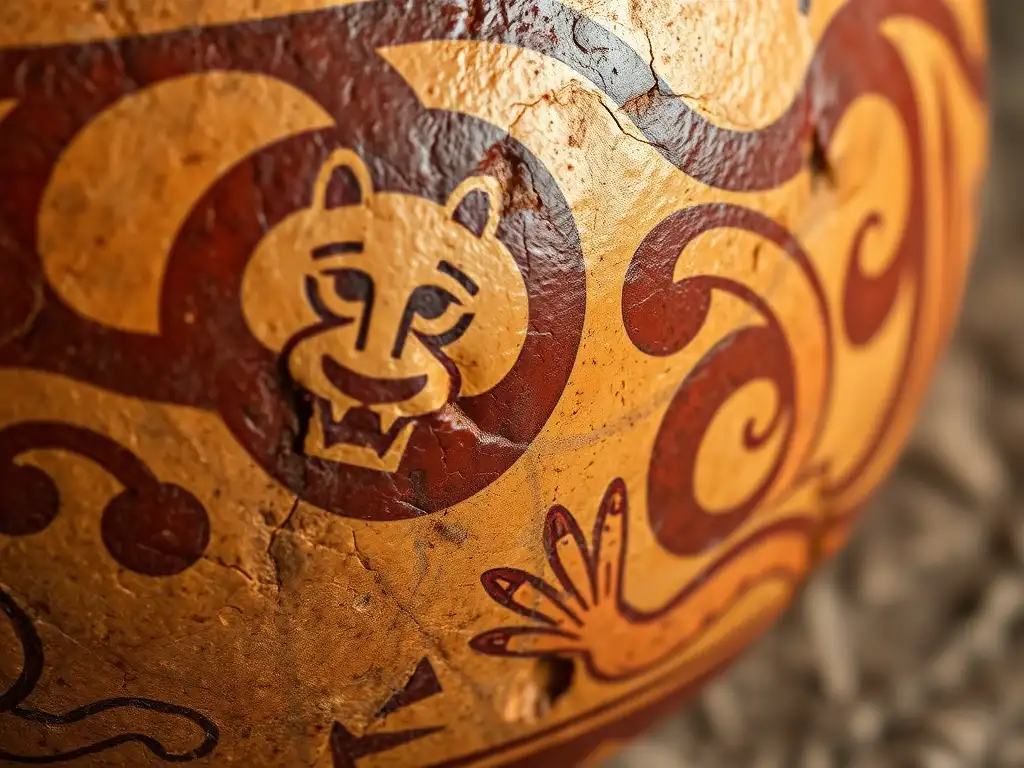
The vibrant polychrome decoration that characterizes Moche pottery is a testament to the sophisticated artistry and technological prowess of this ancient Andean civilization. Understanding the materials and techniques employed requires examining the sources of pigments, their preparation, and their application onto the ceramic surface. Mastering these processes allowed Moche artisans to create enduring works of art that continue to fascinate and inspire today. The intricate details and bold colors of Moche pottery polychrome techniques are a hallmark of their artistic achievements. This section delves into the specifics of the materials that contributed to this remarkable artistic legacy.
Sources of Moche Ceramic Pigments
Moche artisans sourced their pigments from the diverse natural environment surrounding them. Analysis of Moche pottery reveals a palette largely derived from minerals and plant-based materials. The precise locations of many pigment sources remain a subject of ongoing research, but evidence suggests a reliance on locally available resources.
For instance, red pigments were likely obtained from hematite deposits found throughout the Moche region, while black pigments stemmed from carbon-rich materials like charcoal or manganese oxides. Yellow pigments were possibly derived from limonite or goethite, and the various shades of brown likely came from a combination of iron oxides. The identification of specific plant-based pigments requires further investigation, but it's believed some organic materials contributed to the creation of certain colors and shades.
The skillful blending of these natural pigments allowed Moche artists to achieve the remarkable range of colors found in their pottery. The availability of these materials played a crucial role in the development of Moche pottery polychrome techniques.
The Use of Hematite, Carbon, and Kaolin
Three key ingredients stand out in the creation of Moche polychrome pottery: hematite, carbon, and kaolin. Hematite, an iron oxide, provided the rich reds and browns so characteristic of Moche artwork. The intensity of the red varied depending on the purity of the hematite and the firing process.
Carbon, derived from charred organic matter, provided the deep blacks. The quality of the black pigment was influenced by the type of organic material used and the degree of carbonization. Kaolin, a type of clay, acted as a crucial binder and filler in the pigment mixtures, ensuring adhesion to the ceramic surface and influencing the overall consistency and opacity of the paint.
The precise ratios of these ingredients, combined with other possible additives, were likely carefully controlled by the artisans to achieve the desired color and texture. Understanding the interplay of these three core materials is key to appreciating the sophistication of Moche pottery polychrome techniques. Further research into the precise mineralogical composition of the pigments would enhance our understanding of their sourcing and preparation.
Preparation and Application of Pigments on Moche Pottery
The preparation of Moche pigments involved grinding the raw materials into fine powders. This process likely involved the use of grinding stones and mortars, resulting in a smooth, homogenous pigment mixture. The pigments were then mixed with a binder, most likely a clay-based slurry, to create a paint suitable for application. The application techniques themselves varied.
Some evidence suggests that pigments were applied with brushes made from natural materials like reeds or animal hair. Other techniques might have involved the use of spatulas or even fingers for direct application. The layering of colors suggests a careful and deliberate process, with multiple layers applied to achieve the desired depth and brilliance of color.
The final firing process played a crucial role in fixing the pigments to the ceramic surface, ensuring their permanence. The precise details of the pigment preparation and application techniques remain a subject of ongoing study, but the surviving examples of Moche polychrome pottery showcase the remarkable skill and precision of these ancient artisans. The mastery of these Moche pottery polychrome techniques allowed for the creation of truly unique and enduring works of art.
Exploring the Polychrome Palette of Moche Ceramics
The vibrant polychrome pottery of the Moche civilization stands as a testament to their artistic mastery and sophisticated understanding of pigment technology. Moche pottery polychrome techniques, characterized by the skillful application of multiple colors to a single vessel, are a hallmark of their artistic production. This section delves into the fascinating world of Moche color choices, exploring the palette's range, the symbolism embedded within specific hues, and the evolution of these techniques across different Moche phases.
The precision and artistry involved in creating these pieces highlight the high social standing of the ceramic artisans and the importance of pottery within Moche society. Understanding the Moche's color choices provides a deeper insight into their worldview and the rich cultural narratives embedded in their art.
Common Colors and Their Symbolism in Moche Art
Moche artisans employed a remarkably consistent range of colors, suggesting a codified system of symbolic meaning. The most prevalent colors included red, black, white, yellow (ochre), and various shades of brown. These weren't merely aesthetic choices; they were imbued with deeper cultural significance, often representing specific deities, concepts, or events.
For example, red, a powerful color across many cultures, frequently represented blood, sacrifice, and warfare in Moche iconography. It often adorned depictions of warriors, ceremonies, and scenes of conflict. Black, on the other hand, could symbolize the underworld, night, or death, often used in representations of deities associated with these realms. White, frequently appearing as a background color, might have symbolized purity, fertility, or the celestial realm.
Yellow or ochre, often associated with the sun and earth, could depict power, divinity, and agricultural abundance. The interplay of these colors created complex narratives, layering meaning onto the depicted scenes. Further research is needed to definitively decode the full symbolic language of the Moche palette, but existing scholarship provides a strong foundation for interpretation. The precise shades and combinations, sometimes subtly varied, added another layer of complexity.
The Use of Red, Black, White and Ochre in Moche Vessels
The skillful blending and layering of red, black, white, and ochre created stunning visual effects in Moche pottery. Consider, for instance, the iconic stirrup-spout vessels. Many feature scenes of ritual sacrifice, battles, or mythological narratives. The use of red to highlight the blood of sacrificial victims, contrasting with the black used to depict night scenes or the underworld, creates a powerful visual impact. White, often used as a background color, provides a stark contrast, making the other colors stand out. Ochre, used sparingly, often highlights details or creates a sense of warmth and light.
The application techniques were intricate. Paints were applied in multiple layers, allowing for nuanced shading and depth. Some examples display a remarkable level of detail, with fine lines and intricate patterns achieved using specialized tools and techniques. The preservation of these colors over centuries is a testament to the durability of the pigments and the skill of the artisans. Analyzing the chemical composition of these pigments would reveal more about the materials used and the sophistication of their manufacturing processes. [Specific chemical analysis pending].
Variations in Color Palettes Across Moche Phases
While the core colors remained relatively consistent across Moche periods (roughly 200-800 CE), subtle variations in palettes and application techniques can be observed, potentially reflecting evolving artistic styles or cultural shifts. Early Moche phases might show a greater emphasis on simpler color schemes, with a more limited palette. Later phases, however, often exhibit a greater complexity and vibrancy, with a wider range of colors and more intricate designs. This evolution is not linear; regional variations and stylistic preferences also played a role.
The study of these variations offers crucial insights into the chronology and development of Moche art. Detailed stylistic analysis, combined with radiocarbon dating of the vessels, helps to establish a timeline of changes in color usage and decorative techniques. Further research into specific burial contexts and the social status of the individuals buried with these vessels could provide additional insights into the meaning and significance of the color variations. [Data on specific burial contexts and associated social status pending]. The meticulous study of Moche pottery polychrome techniques continues to unveil the artistry and cultural richness of this remarkable civilization.
Moche Pottery Polychrome Techniques: A Detailed Look
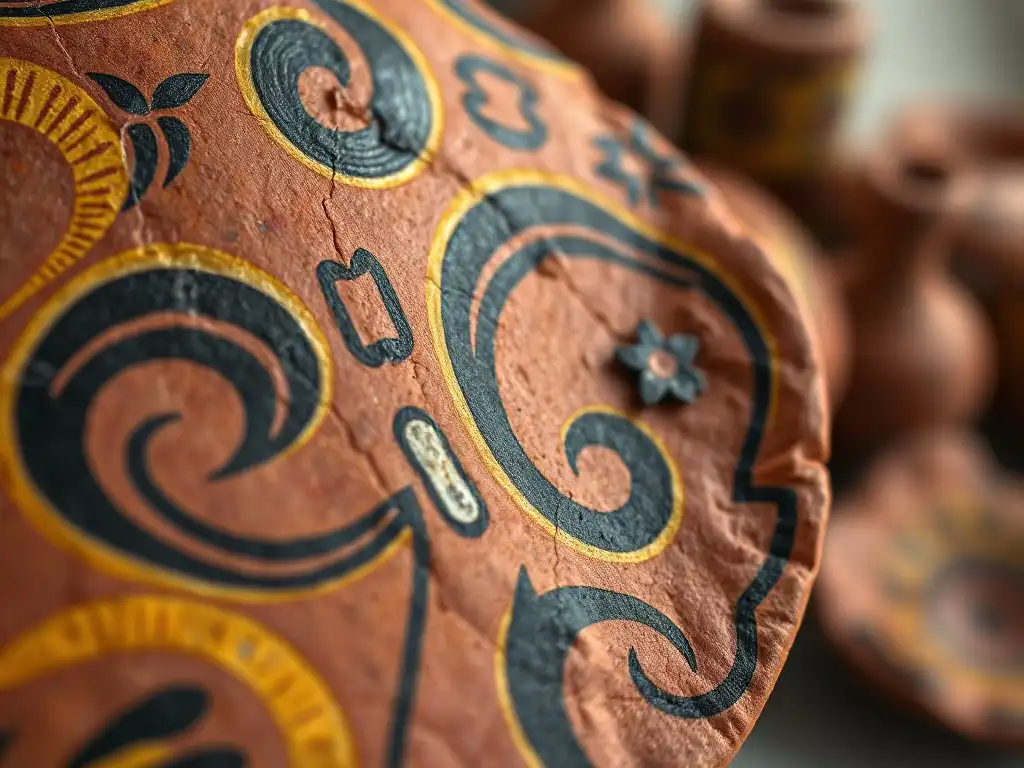
This section delves into the sophisticated polychrome techniques employed by the Moche artisans, masters of ceramic artistry in ancient Peru. Their mastery of color and detail in their pottery, a testament to their advanced technological capabilities, continues to fascinate and inspire researchers today. Understanding their methods allows us to appreciate the skill and artistry involved in creating these stunning pieces, showcasing the pinnacle of Moche pottery polychrome techniques. We'll explore the meticulous processes, from preparing the base to the final touches, revealing the secrets behind the vibrant and enduring beauty of Moche ceramics.
The Application of Slip Layers for Color Base
The foundation of Moche polychrome pottery lies in the careful application of slip layers. Slip, a liquid clay suspension, served as both a sealant and a color base. The process wasn't simply a matter of slapping on paint; it involved a layered approach, building up the desired hues and achieving a depth of color that's rarely seen in other ancient pottery traditions.
Moche potters typically began with a light-colored slip, often a creamy beige or off-white, which acted as a primer for subsequent layers. This initial slip, applied thinly and evenly, provided a smooth, consistent surface for the subsequent pigments. After this initial layer dried, they applied additional slip layers, each color carefully chosen and meticulously applied.
This layering technique allowed for complex color transitions and gradients, adding remarkable visual depth to their designs. The use of multiple slip layers ensured vibrancy and prevented the underlying colors from bleeding into each other. Evidence suggests they allowed each layer to dry completely before applying the next, a testament to their patience and precision.
This painstaking process contributed significantly to the durability and aesthetic appeal of the finished product, highlighting the significance of meticulous preparation in Moche pottery polychrome techniques. The precise control over slip application is a key element that distinguishes Moche pottery from other contemporary styles.
Post-Firing Painting Techniques in Moche Ceramics
While slip layers formed the base of the Moche polychrome palette, post-firing painting techniques added another layer of complexity and artistry. Unlike many other ceramic traditions that relied solely on pre-firing painting, the Moche potters utilized post-firing painting to achieve specific effects and enhance the vibrancy of their designs.
This technique involved applying pigments directly onto the already-fired pottery. These pigments, often mineral-based, were carefully mixed with a binding agent, likely a natural gum or resin. The resulting paint was then applied with fine brushes, creating intricate details and delicate lines that would have been impossible to achieve with pre-firing techniques.
This post-firing method allowed for sharper lines and a greater range of color nuances. The application of these carefully selected pigments, after the initial firing, added a level of sophistication to the overall design, allowing for intricate detailing and subtle color variations, ultimately contributing to the unique characteristics of Moche pottery polychrome techniques. The precise nature of the binding agents remains a subject of ongoing research, but their effectiveness is undeniable, as evidenced by the remarkable preservation of many Moche ceramics.
The Use of Fine Brushes and Tools for Decoration
The exceptional detail and precision evident in Moche polychrome pottery are a direct result of the artisans' skillful use of tools. While the exact nature of all their tools remains unknown, archaeological evidence points to the use of fine brushes made from animal hair or plant fibers. These brushes, likely of varying sizes and shapes, allowed for the creation of both broad strokes and incredibly fine lines.
Beyond brushes, the Moche potters likely employed a range of other tools for decoration. These might have included implements for incising lines, applying dots, or creating textured surfaces. The use of such tools, combined with their mastery of slip application and post-firing painting, allowed them to achieve an astonishing level of detail in their designs, creating depictions of humans, animals, and mythical creatures with remarkable realism and expressiveness.
The remarkable preservation of these tools, while scarce, offers valuable insights into their techniques. The careful craftsmanship evident in Moche ceramics underscores the high level of skill and artistry possessed by these ancient artisans, reinforcing the importance of specialized tools in achieving the mastery reflected in Moche pottery polychrome techniques. The precision and detail displayed are a testament to their dedication and expertise.
Incised Decoration Combined with Polychrome Painting
The Moche artisans didn't limit themselves to simply painting their pottery; they frequently combined polychrome painting with incised decoration, creating stunningly complex and visually arresting pieces. This technique involved carving designs into the clay surface before applying the pigments. This pre-firing incision allowed for a greater depth and textural contrast in the final product. The incised lines often served as a base for the polychrome paint, allowing the colors to settle into the grooves, creating a subtle three-dimensional effect. Sometimes, the incised lines would be filled with a contrasting color, further enhancing the visual complexity.
The precision and control demonstrated in this technique are remarkable, showcasing the advanced skill of Moche ceramicists. Consider the intricate depictions of mythical creatures or scenes of daily life; the incised lines often defined the contours of figures and elements within the painted scenes, adding a level of detail that would be impossible to achieve with paint alone. This combination wasn't merely decorative; it added a layer of meaning and sophistication to the already vibrant polychrome designs. Many scholars believe that the incised lines might have held symbolic significance, perhaps representing a connection to the spiritual realm or emphasizing specific aspects of the depicted narrative.
The interplay between the painted surfaces and the incised lines created a dynamic visual experience, enhancing the overall impact of the artwork. Examples of this combined technique are frequently found in ceremonial vessels and other significant artifacts, highlighting their importance within Moche society. Further research into the specific pigments used and their application methods could reveal even more about the sophistication of this unique Moche technique. The careful placement of incisions, often in relation to the painted figures, suggests a deep understanding of composition and design principles.
Iconography and Narrative Through Polychrome Moche Vessels
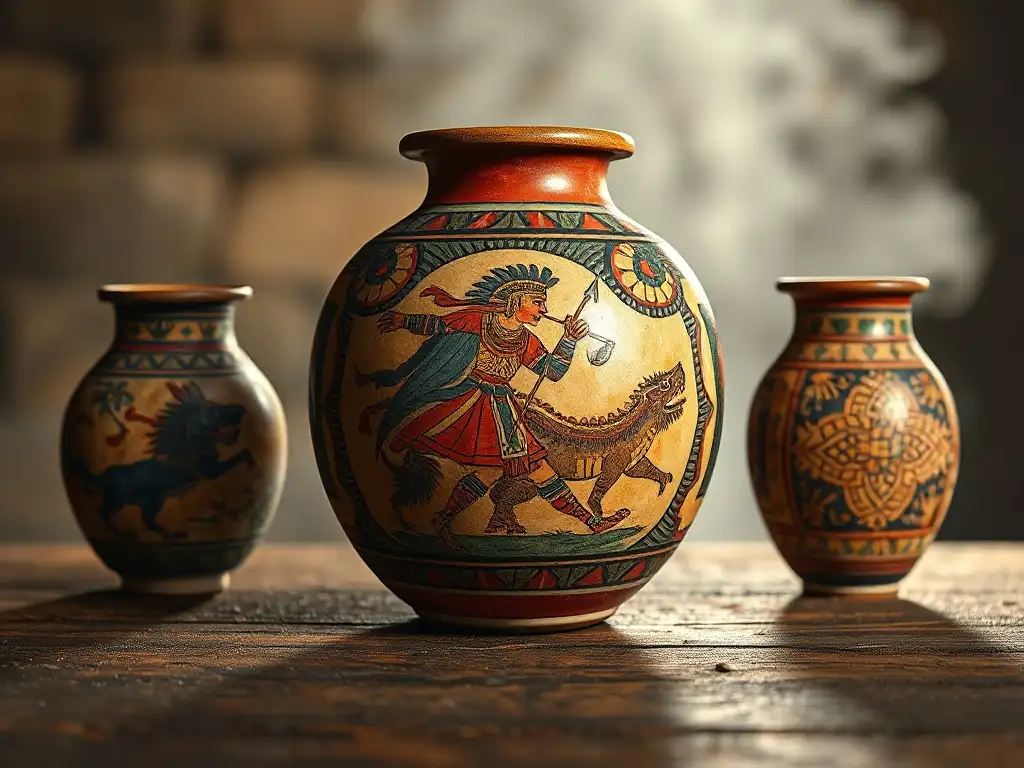
The vibrant polychrome decoration on Moche pottery wasn't merely aesthetic; it served as a powerful medium for conveying complex narratives and deeply held beliefs. The Moche people, masters of ceramic artistry, used their polychrome techniques to depict a rich tapestry of their world, from daily life to mythological scenes, all meticulously rendered in vivid colors. Understanding the iconography within these painted vessels offers invaluable insight into their social structures, religious practices, and worldview.
The sophisticated application of Moche pottery polychrome techniques allowed for intricate detail and a dynamic range of expression unmatched by other contemporary cultures. Analyzing the compositions, color palettes, and symbolic elements reveals a civilization with a highly developed visual language.
Depictions of Moche Deities like Ai Apaec in Polychrome
One of the most striking aspects of Moche polychrome ceramics is the depiction of their deities. Ai Apaec, a prominent figure often associated with both fertility and warfare, is frequently portrayed in these vessels. Representations vary, but often feature Ai Apaec with a fearsome visage, adorned with elaborate headdresses and often holding symbolic objects.
The use of vibrant reds, yellows, and blacks in these depictions emphasizes his power and otherworldly nature. For instance, a well-preserved vessel unearthed in [Specific location pending] shows Ai Apaec with a jaguar pelt, his face painted in a striking red and black, holding a ceremonial staff. The meticulous detail, including the rendering of individual jaguar spots and the intricate patterns on his headdress, showcases the high level of skill involved in Moche pottery polychrome techniques.
The consistent presence of Ai Apaec in polychrome vessels highlights his importance within the Moche pantheon and reinforces his multifaceted role in their society. Further research is needed to fully understand the nuances in the portrayal of Ai Apaec across different polychrome vessels, particularly the variations in his attributes and accompanying iconography.
Scenes of Warfare and Sacrifice Painted on Moche Ceramics
Moche polychrome ceramics also vividly depict scenes of warfare and ritual sacrifice, offering a glimpse into the potentially brutal aspects of their society. These scenes are often depicted with graphic detail, showcasing the intensity and violence of combat or sacrifice. The use of color is crucial in conveying the narrative; reds and browns might represent blood, while other colors signify different aspects of the scene, such as the attire of warriors or the specific rituals involved.
For example, a famous vessel depicts a battle scene, with warriors engaged in hand-to-hand combat, their bodies painted in contrasting colors to denote different factions. The careful application of Moche pottery polychrome techniques allowed for the creation of highly dynamic and expressive scenes. The artist's ability to capture movement and emotion within the limited space of the vessel is remarkable.
These depictions, while violent, provide crucial information on Moche warfare, social hierarchy, and possibly religious beliefs connected to sacrifice. The frequency and intensity of these depictions in polychrome ceramics suggest the significance of these events within their culture. More analysis is needed to understand the specific meaning behind different iconographic elements within these war and sacrifice scenes.
The Role of Polychrome in Communicating Moche Beliefs
The use of polychrome decoration in Moche pottery wasn't arbitrary; it was integral to communicating their cosmology and religious beliefs. The vibrant colors and intricate designs likely held symbolic meaning, functioning as a visual language that conveyed complex concepts. The careful selection of colors and their placement within a composition suggest that the Moche understood the power of color symbolism, using it to represent different deities, spirits, or aspects of their world.
For example, the frequent use of red might represent blood, fertility, or power, while yellow could signify the sun or a divine presence. Analyzing the recurring motifs and color combinations across numerous vessels is crucial for deciphering this visual code. The masterful application of Moche pottery polychrome techniques allowed for a high level of sophistication in these symbolic representations.
Further research, including interdisciplinary studies involving anthropology and art history, is needed to fully unravel the rich symbolic language embedded within Moche polychrome ceramics. This would allow us to better understand the Moche worldview and the role of religion in their daily lives. The study of these vessels promises to continue enriching our understanding of this fascinating civilization for years to come.
Examples of Masterful Polychrome Moche Pottery
The Moche people, masters of ceramic artistry, developed sophisticated polychrome techniques that are still admired today. Their pottery wasn't merely functional; it was a vibrant canvas for storytelling, religious expression, and social commentary. The use of multiple colors, often applied in thin, meticulous layers, allowed for incredible detail and a remarkable range of visual effects. This section will explore two prime examples showcasing the pinnacle of Moche polychrome pottery.
Example 1: A Fineline Painted Warrior Vessel from the Early Moche
This early Moche example demonstrates the precision and control achieved even in the initial stages of polychrome development. The vessel, likely a ceremonial offering or a depiction of a powerful figure, features a warrior depicted in dynamic action. The artist employed a limited palette, focusing on red, white, and black pigments, yet achieved an astonishing level of detail.
The warrior's attire, weaponry (a meticulously rendered spear and shield), and fierce facial expression are all rendered with astonishing fineline detail. The use of negative space, characteristic of Moche artistry, further enhances the impact of the figure. The background, while minimal, subtly contrasts with the warrior, giving him prominence.
The smooth application of the pigments, without any visible brushstrokes, showcases the high level of skill possessed by Moche artisans. The thin, precise lines used to define the warrior's features and clothing are testament to their mastery of the techniques involved in Moche pottery polychrome. This piece is a testament to the artistic sophistication of early Moche ceramic production, laying the groundwork for the even more elaborate styles that would follow.
Example 2: A Portrait Vessel with complex iconography from the Late Moche
Late Moche polychrome pottery often exhibits a greater complexity in both color palette and iconography. This portrait vessel is a prime example. Unlike the earlier warrior vessel, this piece utilizes a much broader spectrum of colors, including yellows, greens, and blues, in addition to the standard red, white, and black.
The portrait itself is highly detailed, showing a figure, possibly a ruler or priest, adorned in elaborate headdress and jewelry. The iconography is rich and layered, incorporating both realistic and symbolic elements. For example, the headdress might represent a specific deity or social status, while other details could allude to mythical creatures or cosmological beliefs.
The intricate details, including the subtle shading used to create a sense of depth and volume, showcase the evolution and refinement of Moche polychrome techniques. The artist’s skill in layering colors and achieving smooth transitions between hues is truly remarkable, demonstrating a sophisticated understanding of pigment mixing and application. The use of multiple colors allows for a greater level of nuance and expression, enabling the artist to convey a far more complex narrative than was possible with the simpler palettes of earlier Moche pottery.
Analysis of the Artistic Techniques in these examples
Both examples illustrate key aspects of Moche pottery polychrome techniques. The differences highlight the evolution of the style over time.
| Feature | Early Moche Warrior Vessel | Late Moche Portrait Vessel |
|---|---|---|
| Color Palette | Limited (red, white, black) | Expanded (red, white, black, yellow, green, blue) |
| Linework | Fineline, precise | More varied line weights, some bolder strokes |
| Iconography | Simple, focused on warrior | Complex, layered symbolism |
| Technique | Smooth application, minimal brushstrokes | Smooth application, skillful color blending and shading |
The evolution from the precise fineline work of the early Moche to the more expressive and complex style of the late Moche demonstrates a continuous refinement of techniques. While the early examples showcase impressive control and precision, the later pieces display a mastery of color blending and the ability to create more naturalistic representations. Both, however, share a common thread: a dedication to detail and a profound understanding of the artistic potential of polychrome pottery.
The consistent high quality of Moche pottery, regardless of the period, underscores the importance of ceramic artistry within Moche society and the exceptional skill of their artisans. Further research into pigment analysis and stylistic variations across different regions could provide even more insightful information about the development and regional differences in Moche pottery polychrome techniques.
The Legacy of Moche Polychrome Techniques
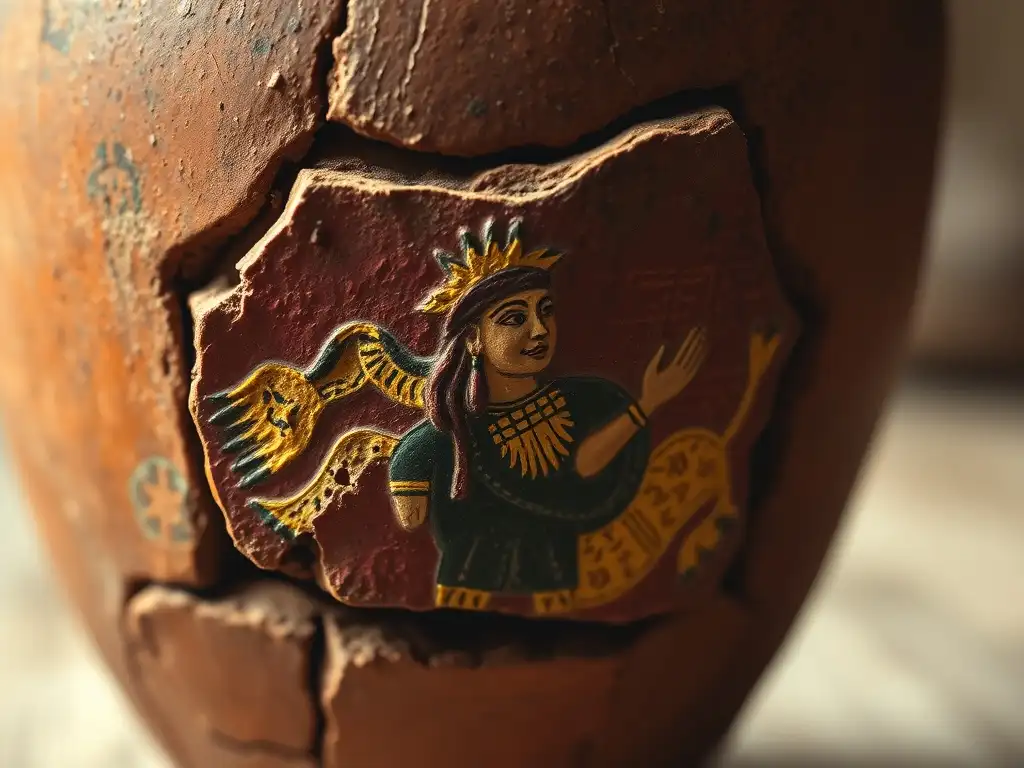
The Moche's mastery of polychrome pottery wasn't simply a fleeting artistic achievement; it left an undeniable mark on subsequent Andean cultures. Their innovative techniques, vibrant color palettes, and intricate iconography served as a powerful influence, shaping the artistic landscape for centuries to come. The legacy of Moche polychrome techniques is a testament to the enduring power of artistic innovation and cultural transmission. Understanding this legacy requires examining both the direct and indirect influences on later artistic developments. The impact is evident not just in the stylistic similarities but also in the continued use of specific pigments and firing techniques.
Influence of Moche Polychrome on Later Chimú Cultures
The Chimú, who rose to prominence after the decline of the Moche, inherited a rich artistic tradition. While developing their own distinct style, the Chimú clearly drew inspiration from Moche ceramic artistry. This is particularly evident in the continued use of polychrome techniques, although often with a shift towards a more restrained and geometric aesthetic.
While the Chimú's pottery frequently features fewer colors and less elaborate scenes compared to the Moche, the underlying techniques—the application of multiple layers of slip, the use of specific pigments derived from local minerals, and the carefully controlled firing processes—show a clear lineage. Analysis of Chimú pottery reveals the presence of similar pigments to those used by the Moche, suggesting a direct continuation of established practices. The vibrant reds, yellows, and blacks that characterize both Moche and Chimú polychrome pottery indicate a shared understanding of pigment production and application.
Furthermore, the stylistic conventions of depicting certain motifs, such as stylized figures and geometric patterns, suggest a direct cultural transmission of artistic knowledge. The continuity in techniques and motifs highlights the long-lasting impact of Moche polychrome pottery on subsequent Andean artistic traditions. Further research into the specific chemical composition of pigments used in both Moche and Chimú pottery could provide even more compelling evidence of this direct influence.
The Importance of Preserving Moche Ceramics
Preserving Moche ceramics is crucial for several reasons. Firstly, these artifacts offer an unparalleled window into the lives, beliefs, and artistic sensibilities of this fascinating civilization. Each piece tells a story, from depictions of daily life and religious rituals to representations of mythical creatures and powerful rulers. The vibrant polychrome decoration isn't just aesthetically pleasing; it encodes crucial information about Moche society. Secondly, the preservation of these fragile objects safeguards a unique artistic heritage.
The Moche's mastery of polychrome techniques represents a high point of Andean ceramic artistry, and the loss of these artifacts would be an irreplaceable loss to world culture. Their intricate designs and sophisticated techniques provide valuable insights into the technological advancements of the time. Thirdly, preserving Moche ceramics supports ongoing research. Scientists continue to study these artifacts to learn more about the pigments used, the firing techniques employed, and the cultural context in which they were created. This research provides valuable insights not only into Moche culture but also into the broader field of Andean archaeology and material culture.
The continued study of Moche pottery helps us understand the evolution of ceramic techniques and their significance within the larger context of Andean artistic development. Finally, preserving these artifacts ensures that future generations can appreciate the beauty and cultural significance of Moche polychrome pottery. This preservation effort requires careful excavation techniques, appropriate storage conditions, and ongoing conservation work. The investment in preserving Moche ceramics is an investment in the preservation of human history and artistic achievement.
Understanding Moche Culture Through Its Polychrome Art
Moche polychrome pottery serves as a powerful tool for understanding the complexities of Moche culture. The elaborate scenes depicted on these vessels offer invaluable insights into their religious beliefs, social structures, and daily lives. The recurring motifs—such as warriors, priests, deities, and scenes of ritual sacrifice—reveal much about their cosmology and worldview. The detailed representations of flora and fauna provide insights into their environment and agricultural practices.
For example, the depiction of specific plant species can help researchers identify crops cultivated by the Moche, shedding light on their agricultural techniques and dietary habits. Furthermore, the stylistic variations across different Moche regions highlight the diversity and dynamism of their culture. Different styles and color palettes can indicate distinct regional identities and artistic traditions. The presence of specific iconographic elements, such as certain deities or ritual objects, can help researchers trace the spread of religious beliefs and practices across the Moche territory.
Analyzing the iconography and stylistic choices in Moche polychrome pottery allows researchers to reconstruct aspects of their social organization, political systems, and interactions with neighboring groups. The intricate details and symbolic representations in Moche pottery provide a rich tapestry of information, allowing us to piece together a more complete understanding of this remarkable civilization. The study of Moche polychrome techniques, therefore, is not merely an appreciation of artistic skill; it's a key to unlocking a deeper understanding of their rich and complex culture.
Conclusion: The Enduring Beauty of Moche Polychrome Art
The vibrant hues and intricate designs of Moche polychrome pottery continue to captivate audiences worldwide, a testament to the sophisticated artistic skills and cultural richness of the Moche civilization. This unique style, characterized by its mastery of color application and detailed iconography, offers invaluable insights into the beliefs, rituals, and daily life of this ancient Andean society. The enduring legacy of Moche polychrome techniques is undeniable, influencing later artistic traditions and inspiring continued research and appreciation today.
Understanding the techniques employed by these master artisans allows us to better comprehend the complexity and sophistication of Moche culture. The preservation and study of these artifacts are crucial for understanding pre-Columbian art and the achievements of ancient Andean civilizations. The legacy of the Moche people lives on through the beauty and intricacy of their polychrome pottery, a tangible link to a remarkable past.
The Mastery of Moche Artisans in Polychrome Decoration
Moche artisans demonstrated an extraordinary level of skill in their polychrome pottery techniques. The process involved meticulous preparation, precise application of pigments, and a deep understanding of firing techniques to achieve the vibrant and lasting colors characteristic of their work. Evidence suggests they used a variety of natural pigments, including minerals and plant-based dyes, skillfully ground and mixed to create a wide range of hues.
The application of these pigments was often layered, with multiple coats applied to achieve depth and luminosity. Consider the precision required to depict the intricate details of the scenes frequently found on their vessels, from depictions of mythical beings to scenes of daily life. The control over the brushstrokes and the ability to blend colors smoothly are hallmarks of the Moche artisans’ expertise.
Further investigation into the specific tools used – brushes, palettes, and possibly even stencils – would enhance our understanding of their methods. This mastery wasn't just technical proficiency; it was a testament to their artistic vision and cultural values, embedded within every stroke of color. The intricate detail and vibrant colors are a testament to the skill and dedication of the Moche potters, showcasing their advanced understanding of material science and artistic expression.
The Cultural and Historical Value of Moche Polychrome Pottery
Beyond their aesthetic appeal, Moche polychrome pottery holds immense cultural and historical value. The imagery depicted on these vessels provides invaluable insights into various aspects of Moche society, offering glimpses into their religious beliefs, social structures, and daily routines. Many pieces depict scenes of warfare, ritual ceremonies, and mythical creatures, providing clues to their cosmology and worldview.
The prevalence of certain motifs, such as specific deities or animals, can help researchers understand the importance of these symbols within Moche culture. Furthermore, the stylistic variations observed across different regions and time periods can reveal information about trade networks and cultural exchange. Analyzing the iconography and styles of Moche pottery helps reconstruct their social hierarchy, political organization, and artistic development.
The pottery acts as a visual record, preserving their stories and beliefs for future generations. Studying the distribution patterns of these artifacts can also illuminate aspects of trade routes and social interactions within the Moche civilization. The careful study of these artifacts is essential to a comprehensive understanding of the Moche people and their rich cultural heritage.
Continued Research and Appreciation of Moche Ceramics
Continued research on Moche polychrome techniques is vital for a more complete understanding of this remarkable civilization. Technological advancements in material analysis are providing new insights into the pigments, firing techniques, and manufacturing processes used by Moche artisans. Further investigation into the social organization of pottery production, including the roles of different artisans and workshops, would greatly enrich our knowledge. Additionally, the preservation and accessibility of these artifacts are paramount.
Museums and research institutions play a crucial role in safeguarding these invaluable pieces for future generations and making them available for study and appreciation. Public awareness and educational programs are essential to fostering a deeper understanding and appreciation of Moche polychrome pottery and the rich culture it represents. Increased collaboration between archaeologists, conservators, and art historians is key to unlocking further secrets held within these captivating artifacts.
The ongoing study and appreciation of Moche ceramics will continue to enrich our understanding of Andean art and culture for years to come. The preservation of these artifacts is not just a matter of historical record; it is a responsibility to future generations who can learn from and be inspired by the artistic achievements of the Moche civilization. The vibrant legacy of Moche pottery polychrome techniques continues to inspire awe and wonder.
Frequently Asked Questions
What is polychrome pottery?
Polychrome pottery refers to pottery decorated with multiple colors. The Moche were masters of this technique, using vibrant hues and intricate designs. Their skill is evident in the surviving examples.
How did the Moche achieve such vibrant colors in their pottery?
The Moche used a complex process involving mineral pigments and a slip-and-paint method. They fired their pieces at high temperatures to achieve the intense and lasting colors we see today.
What were the common subjects depicted in Moche polychrome pottery?
Moche polychrome pottery often depicted mythological figures, ritual scenes, and everyday life. These images offer invaluable insights into their society and beliefs.
What makes Moche polychrome pottery techniques unique?
The Moche's mastery lay in their finely detailed designs, smooth surface finishes, and bold color combinations. These elements combined to create visually stunning and highly sophisticated works of art.
Where can I see examples of Moche polychrome pottery?
Many museums worldwide house collections of Moche pottery, including the Larco Museum in Lima, Peru, and other major archaeological museums. You can also find images online through reputable academic sources.
Final Reflection: The Enduring Legacy of Moche Polychrome
The vibrant artistry of Moche polychrome ceramics continues to resonate today, a testament to the ingenuity and cultural richness of a civilization lost to time. Their sophisticated techniques, far from being mere historical artifacts, offer a window into a complex society and inspire contemporary artists and researchers alike. The precision and boldness of their designs remain strikingly relevant in a world increasingly drawn to bold visual statements and intricate detail.
The enduring power of Moche pottery lies not just in its technical brilliance, but in its ability to communicate narratives, beliefs, and social structures across millennia. Their intricate depictions of deities, rituals, and everyday life provide invaluable insights into their worldview. The Moche pot is not just a vessel; it is a story, a history, a glimpse into the soul of a civilization.
This quote, though not directly from a Moche source, encapsulates the profound impact these pieces continue to have on our understanding of pre-Columbian cultures and the human capacity for artistic expression. The legacy of their polychrome techniques continues to influence modern ceramic artists, reminding us of the enduring power of artistic innovation.
Consider the intricate detail, the vibrant colors, the stories whispered from the surface of these ancient vessels. You, too, can find inspiration in their enduring legacy. Take a moment to appreciate the artistry, the skill, and the cultural significance of Moche polychrome ceramics. Let their vibrant hues and intricate designs spark your own creativity and inspire you to explore the rich tapestry of human history and artistic expression. Let the Moche remind you of the power of art to transcend time and connect us to the past.
Unleash Your Creativity with Moche Ceramics!
Thank you for exploring the vibrant world of Moche ceramics! This article has provided insights into the intricate beauty and historical significance of their polychrome decoration. Now, it's time to unleash your own artistic spirit and delve deeper.
Here are some exciting ways to continue your journey:
- Enroll in a local pottery class to experience the joy of creating ceramics firsthand. Let your creativity flow!
- Share this article with friends and family, or post it on social media, sparking conversations about ancient artistry and its continuing relevance.
- Learn more about Andean cultures by visiting a museum exhibit, exploring online galleries, or researching the influence of these art forms on modern design.
What unique ideas or inspiration from Moche ceramics can you incorporate into your own creative projects?