
Andean Tourism: Balancing Exploration with Cultural Respect

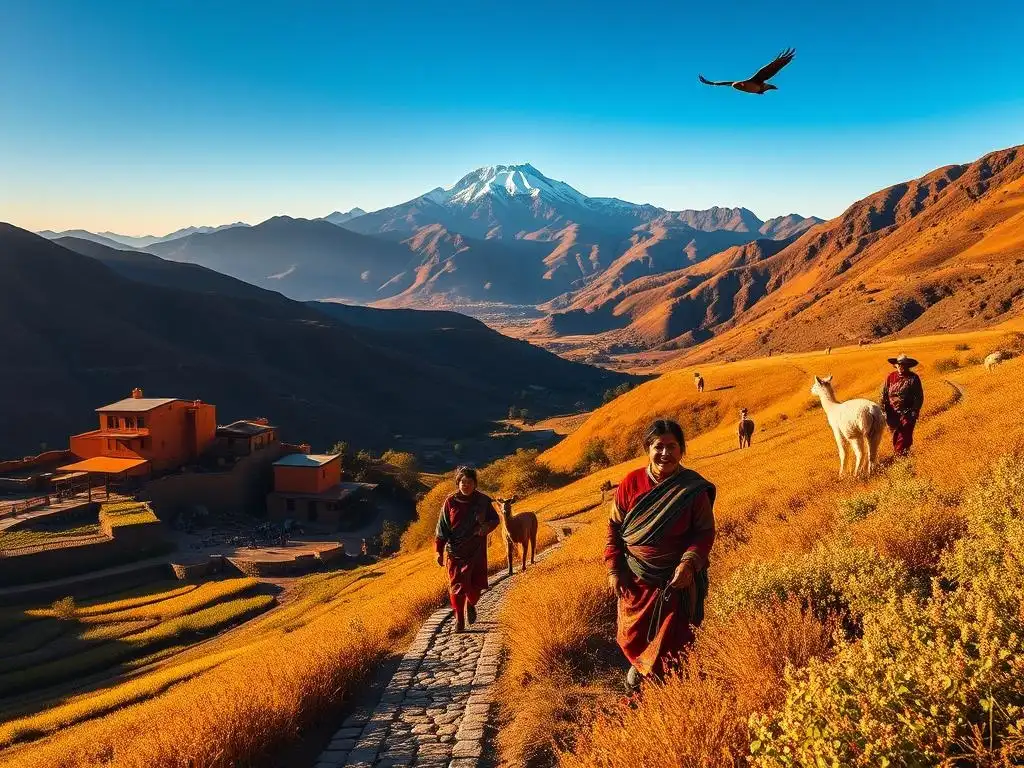
Dive into the captivating world of Andean Civilizations, where echoes of empires past whisper secrets of ingenuity and artistry. From the soaring heights of Machu Picchu to the enigmatic Nazca Lines, uncover a legacy that continues to inspire awe. But what does responsible exploration truly mean? This journey begins with an examination of Andean cultural tourism practices – a critical look at how we can experience these wonders while preserving their invaluable heritage for generations to come. Prepare to be amazed, challenged, and ultimately, inspired.
The Andes Mountains, a spine of towering peaks stretching along the western edge of South America, are home to a rich tapestry of ancient civilizations. For centuries, cultures like the Inca, Moche, Nazca, and Tiahuanaco flourished in this challenging yet fertile landscape, leaving behind an extraordinary legacy of intricate artistry, sophisticated engineering, and deeply spiritual traditions. Today, this legacy attracts millions of visitors eager to explore the breathtaking landscapes and delve into the fascinating history of the Andes.
However, the increasing popularity of Andean tourism presents a critical challenge: how can we ensure that exploration is balanced with profound respect for the living cultures and fragile environments that are integral to the Andean experience? This article explores the evolving landscape of Andean cultural tourism practices, examining the significance of preserving cultural heritage while promoting responsible and sustainable travel.
We will delve into the rise of Andean tourism, the importance of ethical practices, and the crucial role of both visitors and local communities in safeguarding this invaluable heritage for future generations. Understanding the nuances of Andean cultural tourism is paramount to ensuring its longevity and positive impact on the region and its people.
Understanding the Significance of Andean Cultural Heritage
Andean cultural heritage encompasses far more than just impressive ruins and breathtaking landscapes. It represents a complex interplay of beliefs, traditions, languages, and artistic expressions that have been shaped over millennia. The intricate textiles, the sophisticated astronomical knowledge reflected in their architecture, and the deeply rooted spiritual connection to the Pachamama (Mother Earth) are all testament to the richness and complexity of Andean civilizations.
Understanding this heritage necessitates moving beyond a superficial appreciation of aesthetic beauty and embracing a deeper understanding of its cultural significance. This involves recognizing the ongoing relevance of these traditions in the lives of contemporary Andean communities. Many indigenous communities continue to practice ancient rituals, maintain traditional agricultural techniques, and preserve their unique languages and artistic forms.
Respecting this living heritage requires a conscious effort to avoid cultural appropriation and to support initiatives that empower local communities to share their stories and traditions on their own terms. Failure to do so risks undermining the very essence of what makes Andean culture so unique and valuable.
For example, the intricate weaving techniques passed down through generations, often imbued with symbolic meaning, are not merely decorative items; they represent a living tradition that connects contemporary artisans to their ancestors. Similarly, the agricultural practices, adapted to the high-altitude environment, represent a sustainable approach to land management that deserves recognition and support.
The Rise of Andean Cultural Tourism
The surge in Andean cultural tourism presents both opportunities and challenges. On one hand, it offers a vital source of income for local communities, enabling them to preserve their heritage and improve their livelihoods. On the other hand, uncontrolled tourism can lead to environmental degradation, cultural commodification, and the displacement of indigenous populations. Responsible Andean cultural tourism practices must prioritize sustainability and community empowerment.
This requires a shift from extractive tourism models, which prioritize profit over cultural preservation, to participatory models that involve local communities in all stages of the tourism process. This includes involving them in decision-making, ensuring fair wages and working conditions, and promoting cultural exchange rather than exploitation. Furthermore, educating tourists about the importance of respecting local customs, traditions, and environments is crucial for minimizing the negative impacts of tourism.
The rise in popularity has also led to a greater need for clear guidelines and regulations to manage the flow of tourists and protect sensitive sites. Effective management strategies are essential to prevent overcrowding, environmental damage, and the erosion of cultural integrity. Data on the number of tourists visiting key sites, the economic impact of tourism on local communities, and the environmental consequences of increased tourism is [specific information pending], but even preliminary data highlights the urgent need for sustainable and responsible management strategies. The implementation of effective strategies requires collaboration between government agencies, tourism operators, and local communities.
- What are some examples of respectful Andean cultural tourism practices?
- How can I contribute to sustainable tourism in the Andes?
- What are the potential negative impacts of tourism on Andean cultures?
- Are there any specific etiquette rules to follow when visiting Andean sites?
- How can I learn more about Andean cultures before my trip?
Challenges in Andean Cultural Tourism Practices
This section delves into the complexities of balancing the economic benefits of tourism with the preservation of invaluable Andean cultural heritage. Understanding the challenges is crucial for developing sustainable and respectful Andean cultural tourism practices. Ignoring these issues risks irreparable damage to the very sites and traditions tourists come to experience. We'll explore both the negative impacts of unsustainable tourism and the vital role of ethical tourism in safeguarding the Andes' rich legacy.
Negative Impacts of Unsustainable Tourism
Unsustainable tourism in the Andes presents a multifaceted threat to cultural preservation. The influx of visitors, without proper management, can lead to a cascade of negative consequences. One primary concern is the commodification of culture. Sacred sites, once places of deep spiritual significance for local communities, can become mere backdrops for tourist photos, stripping them of their inherent meaning and sanctity. This often manifests in the superficial presentation of traditions, devoid of their original context and significance. For example, traditional dances performed solely for tourist consumption can lose their authentic purpose and become diluted versions of their former selves.
Another significant impact is the environmental degradation caused by increased tourist traffic. Footpaths erode, fragile ecosystems are disrupted, and pollution accumulates, damaging both the natural beauty and the cultural landscape. The construction of infrastructure to accommodate tourists often clashes with the preservation of historical sites, leading to irreversible damage. Consider the impact on Machu Picchu, where the sheer number of visitors necessitates constant maintenance and restoration efforts to mitigate the damage caused by foot traffic and atmospheric pollution. Careful planning and sustainable infrastructure development are essential to mitigate these effects.
Furthermore, the rapid influx of tourists can lead to socio-economic imbalances. Local communities may experience a surge in prices for goods and services, pricing out residents and creating a sense of displacement. The benefits of tourism are often not evenly distributed, leading to social inequality and resentment. The creation of jobs may be short-term and low-paying, failing to offer meaningful economic opportunities for the local population. Sustainable tourism models that prioritize community involvement and equitable benefit-sharing are crucial to addressing this issue.
Finally, the lack of regulation and control can lead to the exploitation of cultural resources. The sale of counterfeit artifacts, the appropriation of traditional designs, and the performance of cultural practices without proper respect can be detrimental to the cultural integrity of the Andes. The creation and enforcement of strict regulations, coupled with educational initiatives, are necessary to combat these issues.
The Importance of Ethical Tourism in the Andes
Ethical tourism stands as a crucial counterbalance to the negative impacts discussed above. It necessitates a shift in perspective, prioritizing the well-being of local communities and the preservation of cultural heritage over purely economic gains. This involves a deep understanding of Andean cultures, traditions, and values, fostering respect and avoiding cultural appropriation or commodification.
Key aspects of ethical Andean cultural tourism include:
- Community-based tourism: Prioritizing local ownership and management of tourism initiatives, ensuring that the benefits directly reach the communities involved. This often includes hiring local guides, supporting local businesses, and incorporating community perspectives into tourism planning.
- Respect for sacred sites: Recognizing and respecting the spiritual significance of certain locations, avoiding disruptive behavior, and supporting initiatives that preserve these sites for future generations. This includes limiting visitor numbers and implementing strict guidelines for visitor conduct.
- Environmental sustainability: Minimizing the environmental footprint of tourism activities, implementing responsible waste management practices, and supporting initiatives that protect the Andean ecosystem. This might involve promoting eco-friendly transportation options and reducing reliance on single-use plastics.
- Cultural sensitivity: Educating tourists about appropriate behavior and cultural norms, fostering respectful interactions with local communities, and discouraging the purchase of counterfeit artifacts or the exploitation of cultural practices. This includes providing clear guidelines and promoting responsible visitor behavior.
- Fair compensation and equitable distribution of benefits: Ensuring that local communities receive fair compensation for their participation in tourism activities, and that the benefits are equitably distributed amongst community members. This involves transparent financial arrangements and community-led development initiatives.
By embracing these principles, Andean cultural tourism can become a powerful tool for cultural preservation, economic development, and community empowerment. The challenge lies in implementing these principles effectively, requiring collaboration between government agencies, tourism operators, local communities, and tourists themselves. The future of Andean cultural tourism hinges on this collective commitment to responsible and ethical practices.
Promoting Responsible Andean Cultural Tourism
This section delves into the crucial aspects of promoting responsible Andean cultural tourism, focusing on practices that benefit both visitors and the local communities. Sustainable and ethical tourism is paramount to preserving the rich heritage of the Andes and ensuring its longevity for future generations. Understanding and implementing responsible practices is key to fostering positive "Andean cultural tourism practices".
Supporting Local Andean Communities
Supporting local Andean communities is fundamental to responsible tourism. This goes beyond simply spending money; it involves actively seeking out and patronizing locally-owned businesses, participating in community-based tourism initiatives, and contributing to projects that directly benefit the residents. For example, choosing to stay in a family-run hospedaje instead of a large international hotel directly injects money into the local economy, supporting families and preserving traditional building techniques. Furthermore, participating in guided tours led by local guides ensures that a significant portion of the revenue remains within the community, empowering local people and preserving their traditional knowledge.
Consider this example: A community in the Sacred Valley of the Incas might offer weaving workshops, allowing tourists to learn traditional techniques while directly supporting the artisans. This type of interaction fosters cultural exchange and provides sustainable income for the community, a vital element of respectful "Andean cultural tourism practices". The economic benefits extend beyond immediate income; it can also fund community infrastructure projects like schools and healthcare facilities, improving the overall well-being of the population.
Respecting Andean Traditions and Customs
Respect for Andean traditions and customs is paramount. This involves understanding and adhering to local protocols and etiquette. Simple gestures, such as asking permission before taking photographs of individuals, dressing modestly when visiting sacred sites, and learning a few basic Quechua phrases, demonstrate respect and contribute to a positive visitor experience. Ignoring these customs can be deeply offensive and undermine the very cultural heritage that attracts tourists in the first place.
Understanding the significance of Andean spirituality is also crucial. Many sites hold deep religious and cultural meaning for local communities, and it's essential to treat them with the reverence they deserve. Avoid disruptive behavior, refrain from littering, and be mindful of the environment. By respecting sacred spaces and engaging with local traditions thoughtfully, tourists contribute to preserving the authenticity of Andean culture and demonstrating a commitment to ethical "Andean cultural tourism practices". This respectful approach ensures that the cultural heritage remains vibrant and meaningful for both locals and visitors alike.
Educating Tourists about Andean History and Culture
Educating tourists about Andean history and culture is a crucial element of responsible tourism. This can be achieved through various means, including pre-trip research, engaging with well-informed guides, and participating in educational programs offered by local organizations. Providing tourists with accurate and nuanced information helps them appreciate the complexity and richness of Andean civilizations, fostering a deeper understanding and respect for the heritage.
For instance, a well-structured tour could incorporate discussions about the Inca road system, the sophisticated agricultural techniques employed by the pre-Columbian cultures, or the intricate symbolism found in Andean textiles. This educational approach transforms a simple sightseeing trip into a meaningful cultural experience, enriching the visitor's understanding while promoting the preservation of Andean heritage.
Such initiatives are vital for sustainable and ethical "Andean cultural tourism practices", ensuring that tourism contributes positively to the preservation and promotion of Andean culture for years to come. Providing accurate and engaging educational materials before and during the trip can significantly improve the overall impact of the tourist experience.
Best Practices for Andean Cultural Tourism
This section delves into practical strategies for experiencing the Andes while upholding ethical and sustainable tourism principles. Understanding and implementing these best practices is crucial for ensuring the long-term preservation of Andean heritage and the well-being of local communities. Responsible Andean cultural tourism practices are not just about seeing the sights; they're about actively contributing to the positive development of the region.
Choosing Responsible Tour Operators
Selecting a reputable tour operator is the cornerstone of responsible Andean cultural tourism. Look beyond price and flashy advertising; investigate the operator's commitment to sustainability and community engagement. Consider these key indicators:
- Fair Labor Practices: Does the operator ensure fair wages and safe working conditions for its guides and staff? Look for evidence of employee benefits and transparent compensation structures. A responsible operator prioritizes the well-being of its employees.
- Community Involvement: Does the operator actively support local communities through initiatives such as employing local guides, sourcing products from local artisans, or contributing to community projects? Many operators partner with local organizations to give back.
- Environmental Sustainability: Does the operator implement environmentally friendly practices, such as minimizing waste, reducing carbon emissions, and promoting responsible waste management? This might include using eco-friendly transportation or supporting reforestation projects.
- Cultural Sensitivity: Does the operator provide training to its guides on cultural sensitivity and respectful interaction with local communities? A responsible operator ensures its guides are well-informed and respectful of local customs and traditions.
- Transparency and Accountability: Is the operator transparent about its pricing, operations, and commitment to sustainability? Look for detailed information on their website and readily available contact information.
For example, a truly responsible operator might detail their carbon offsetting strategies or highlight their partnerships with local schools or community initiatives. Avoid operators who prioritize profit over ethical considerations; their actions often negatively impact the environment and local communities. Choosing wisely ensures a more meaningful and ethically sound travel experience.
Engaging with Local Guides and Artisans
Direct interaction with local guides and artisans is invaluable for authentic Andean cultural tourism. These individuals possess unique insights and perspectives, offering a far richer experience than generic tourist information. Here's how to maximize the positive impact of these interactions:
- Support Local Businesses: Actively seek out opportunities to purchase handcrafted goods directly from local artisans. This provides vital income to the community and helps preserve traditional crafts. Look for authentic pieces, avoiding mass-produced imitations.
- Learn Basic Quechua Phrases: Making an effort to learn a few basic Quechua phrases demonstrates respect and can enhance your interactions with locals. Even simple greetings can go a long way.
- Respect Local Customs: Be mindful of local customs and traditions. Ask for permission before taking photographs, particularly of individuals. Dress modestly when visiting religious sites.
- Engage in Meaningful Conversations: Go beyond superficial interactions. Engage in conversations to learn about the local culture, history, and way of life. Show genuine interest and listen attentively.
- Tip Generously: Fair tipping is essential. It demonstrates your appreciation for the services provided and helps support the livelihoods of local guides and artisans.
Remember, a simple conversation can reveal untold stories and create lasting memories, fostering a deeper understanding and appreciation for Andean culture. Avoid the temptation to treat interactions as mere transactions; engage genuinely and respectfully.
Minimizing Environmental Impact
Responsible Andean cultural tourism requires a conscious effort to minimize environmental impact. The Andes are a fragile ecosystem, and unsustainable practices can have devastating consequences. Consider these practices:
- Reduce Your Carbon Footprint: Opt for eco-friendly transportation options whenever possible. Consider using public transport or walking whenever feasible. Support operators that utilize fuel-efficient vehicles or prioritize alternative transportation methods.
- Practice Leave No Trace Principles: Pack out everything you pack in. Avoid littering and dispose of waste responsibly. Respect wildlife and avoid disturbing natural habitats.
- Conserve Water and Energy: Be mindful of your water and energy consumption. Take shorter showers, turn off lights when leaving a room, and avoid excessive use of electricity. Many eco-lodges and hotels already implement various sustainability measures.
- Support Conservation Efforts: Consider donating to or volunteering with organizations working to protect the Andean environment. Your contribution, no matter how small, can make a difference.
- Respect Wildlife: Observe wildlife from a safe distance and avoid disturbing their natural habitats. Refrain from feeding animals, as this can disrupt their natural behavior and endanger them.
By actively minimizing your environmental impact, you contribute to the preservation of this unique and valuable ecosystem for future generations. Responsible travel means leaving the Andes better than you found them. The beauty and fragility of the region demand our collective commitment to sustainable practices.
The Future of Andean Cultural Tourism
The future of Andean cultural tourism hinges on a delicate balance: sustaining the economic benefits while safeguarding the invaluable cultural heritage for generations to come. This requires a paradigm shift, moving beyond exploitative practices towards a model that prioritizes community empowerment and environmental responsibility. The successful implementation of responsible Andean cultural tourism practices will not only boost local economies but also ensure the preservation of these unique and irreplaceable cultures.
Sustainable Development and Community Empowerment
Sustainable development is paramount for the long-term viability of Andean cultural tourism. This means creating economic opportunities that directly benefit local communities, rather than enriching external entities. Successful initiatives often involve fair wages, equitable distribution of profits, and the active participation of indigenous communities in tourism planning and management.
For example, community-based tourism projects, where local people act as guides, artisans, and hospitality providers, directly empower communities and foster a sense of ownership over their cultural heritage. This approach not only generates income but also allows for the authentic sharing of Andean traditions and knowledge. Data suggests that community-based tourism leads to significantly higher retention of tourism revenue within local economies compared to large-scale, externally managed projects.
Furthermore, empowering local communities to manage their tourism resources fosters a sense of pride and responsibility, encouraging the preservation of their cultural heritage. A key element of this is ensuring that tourism revenue is reinvested in local infrastructure, education, and healthcare, creating a positive feedback loop that benefits the entire community.
Preserving Andean Heritage for Future Generations
Preserving Andean heritage is not merely a matter of protecting physical artifacts; it's about safeguarding intangible cultural heritage – the traditions, knowledge, languages, and artistic expressions that define Andean identity. This requires a multi-faceted approach encompassing several strategies. Firstly, investments in research and documentation are crucial for understanding and preserving the complexity of Andean cultures. Secondly, educational initiatives aimed at both tourists and local communities are needed to promote awareness and respect for Andean heritage.
This includes providing accurate and culturally sensitive information about Andean history and traditions, combating harmful stereotypes and misconceptions. Thirdly, implementing strict regulations to prevent the looting and illegal trafficking of cultural artifacts is essential. This requires strong collaboration between governmental agencies, law enforcement, and international organizations.
Finally, supporting the revitalization of traditional arts and crafts through fair trade practices and cultural centers helps ensure that these traditions continue to thrive. The long-term success of Andean cultural tourism depends on the active participation of all stakeholders in preserving this rich tapestry of cultural heritage, ensuring its continuity for future generations. Without diligent preservation efforts, the very essence of Andean cultural tourism risks being lost.
Integrating Modern Interpretations into Tourism
The challenge lies in finding a balance between respecting the authenticity of Andean heritage and presenting it in a way that is engaging and accessible to contemporary audiences. This involves thoughtfully integrating modern interpretations into tourism experiences without compromising the integrity of the cultural heritage itself. One approach involves using technology to enhance the visitor experience, such as creating interactive museum exhibits or virtual reality tours that allow visitors to explore ancient sites in a more immersive way.
However, it's crucial that these technological additions serve to enhance, not replace, the authentic cultural experience. Another approach is to incorporate storytelling and performance arts into tourism programs, allowing visitors to connect with Andean culture on a deeper emotional level. This could involve collaborating with local artists and storytellers to create authentic and engaging performances that reflect the richness and diversity of Andean traditions.
Careful curation and contextualization of these modern interpretations are key to ensuring that they do not overshadow or distort the historical and cultural narratives. The goal is to create a symbiotic relationship between modern technology and traditional practices, ensuring that both contribute to a richer and more meaningful tourism experience. This careful integration requires collaboration between historians, anthropologists, community members, and tourism professionals, ensuring that modern interpretations are both engaging and respectful of the past.
Frequently Asked Questions
What are some examples of respectful Andean cultural tourism practices?
Respectful practices include supporting local guides and businesses, learning basic Quechua phrases, and requesting permission before taking photos of people. Avoid touching artifacts or sacred sites without permission.
How can I contribute to sustainable tourism in the Andes?
Minimize your environmental impact by using eco-friendly transportation and reducing waste. Support community-based tourism initiatives that directly benefit local people and preserve cultural heritage.
What are the potential negative impacts of tourism on Andean cultures?
Uncontrolled tourism can lead to cultural commodification, environmental degradation, and the displacement of local communities. Over-tourism can also erode the authenticity of cultural experiences.
Are there any specific etiquette rules to follow when visiting Andean sites?
Always dress modestly when visiting sacred sites. Refrain from loud or disruptive behavior, and be mindful of local customs and traditions. Show respect for elders and local authorities.
How can I learn more about Andean cultures before my trip?
Read books and articles about Andean civilizations, watch documentaries, and listen to Andean music. Consider taking a language course in Quechua or Spanish to enhance your experience and show respect.
Final Reflection: Weaving a Sustainable Future for Andean Tourism
The delicate balance between exploring the breathtaking Andes and respecting its vibrant cultures is not merely a tourist concern; it's a crucial element in ensuring the longevity of these unique traditions. The surge in Andean cultural tourism, while offering economic opportunities, also presents significant challenges that demand careful consideration and proactive solutions. Ignoring the potential for negative impacts risks irrevocably damaging the very essence of what draws visitors to this magnificent region.
The enduring power of Andean culture, its resilience in the face of globalization, and its capacity for adaptation are truly inspiring. Its intricate tapestry of beliefs, practices, and artistic expressions deserves our utmost respect and understanding. As we witness the increasing commercialization of certain aspects of Andean life, it's vital to remember the importance of authenticity and ethical engagement. Travel is fatal to prejudice, bigotry, and narrow-mindedness,
wrote Mark Twain, and this sentiment rings particularly true when exploring cultures as rich and complex as those found in the Andes. We must strive to be mindful travelers, actively contributing to the preservation of these invaluable cultural heritages rather than contributing to their erosion.
Consider your own travel experiences. How can you ensure that your future explorations of the Andes, or any other culturally rich destination, are not only enriching for you but also beneficial and respectful to the local communities? Let us all commit to being conscious consumers of tourism, supporting businesses that prioritize ethical practices, and engaging with local cultures with humility and genuine curiosity. By embracing responsible tourism, we can help weave a sustainable future where both exploration and cultural respect thrive hand-in-hand, ensuring the Andes' vibrant heritage continues to flourish for generations to come.
Embrace the Andean Adventure Responsibly!
Thank you for exploring the captivating world of Andean tourism. You've learned how meaningful cultural exchange enriches travel while preserving the vibrant heritage of Andean civilizations. Let's translate this knowledge into actions that honor both your journey and the communities you visit.
Here are some ways to deepen your connection with Andean culture and make a positive impact:
- Practice respectful tourism by researching local customs and traditions before your trip. This cultural understanding enhances your experience and shows respect for local communities.
- Share your knowledge with fellow travelers! Discuss the importance of cultural sensitivity on travel forums or social media, encouraging responsible travel practices.
- Consider volunteering with a local organization. This is a rewarding way to contribute and engage more deeply with the culture.
How will your next Andean adventure inspire respect and appreciation for its rich heritage?