
Unseen Connections: The Reach of Andean Exchange Networks

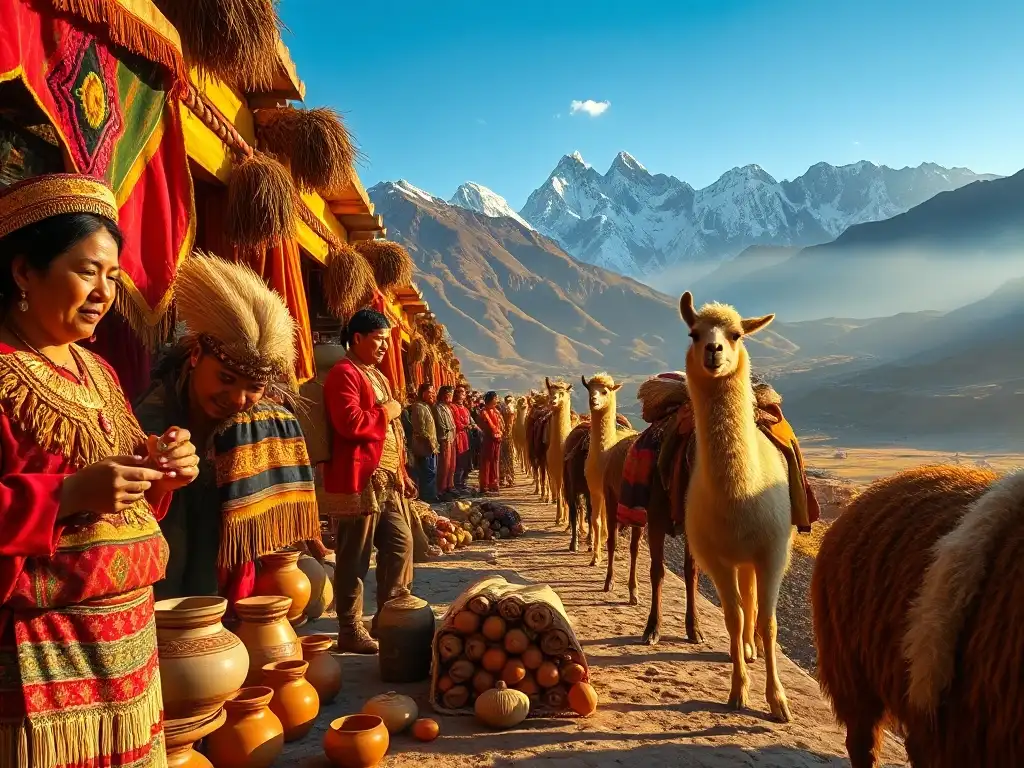
Dive into a world lost to time, yet echoing with the whispers of a vibrant past. Imagine sprawling empires, intricate artistry, and a sophisticated trade system that connected the Andes like threads of gold. This is the story of the Andean civilizations, and we invite you to unravel the mysteries behind their remarkable achievements. Discover the astonishing reach of the Andean civilizations trade networks – a tale of ingenuity, exchange, and the unseen connections that shaped an entire continent. Prepare to be amazed.
The towering peaks of the Andes Mountains, while seemingly isolating, served as a backdrop for a vibrant tapestry of interconnected societies. For centuries, the diverse cultures of the Andean region—from the Incas to the Moche, Nazca, and Tiahuanaco—were not isolated entities, but rather active participants in extensive trade networks that shaped their economies, cultures, and very survival. This article delves into the fascinating world of Andean civilizations trade networks, exploring the unseen connections that bound these societies together through complex systems of barter and exchange.
We will examine the significance of these interactions, revealing how the movement of goods, ideas, and even technologies fostered cultural development and influenced the rise and fall of entire civilizations. Understanding these ancient trade routes is crucial to fully appreciating the richness and complexity of Andean history. The intricate web of exchange reveals a sophisticated understanding of resource management, social organization, and long-distance communication that continues to fascinate and inspire researchers today.
This exploration will illuminate the crucial role of trade in shaping the unique character of Andean civilizations. Prepare to uncover the hidden stories woven into the very fabric of Andean society, stories revealed through the remnants of their sophisticated trade systems.
The Significance of Barter in Ancient Andean Societies
Barter, the direct exchange of goods and services without the use of currency, formed the cornerstone of Andean economic activity for millennia. Unlike later systems involving standardized currency, Andean barter operated on a complex system of reciprocal relationships and social obligations. The value of goods was determined not just by their material properties but also by their cultural significance and the social standing of the individuals involved in the exchange. This system fostered strong social bonds, reinforcing alliances and solidifying political power.
For example, the exchange of high-quality textiles from coastal communities for agricultural products from highland settlements cemented relationships crucial for survival and prosperity. The intricate system of ayllu, or Andean kinship groups, played a vital role in regulating these exchanges, ensuring the fair distribution of resources and mediating disputes. Archaeological evidence, including the discovery of diverse artifacts in widely separated sites, vividly illustrates the extensive reach of these barter networks.
The presence of coastal shellfish in highland settlements, alongside highland agricultural products in coastal areas, is undeniable proof of widespread exchange. Moreover, the standardization of certain types of goods, such as pottery styles or specific types of textiles, suggests the existence of established trade routes and specialized production centers. This intricate system of barter not only facilitated economic survival but also served as a powerful mechanism for cultural diffusion.
Early Forms of Andean Commerce and Interaction
The development of Andean trade networks wasn't a sudden phenomenon but rather a gradual process evolving over thousands of years. Early forms of interaction focused on localized exchange within smaller communities. However, as agricultural techniques improved and populations grew, the need for access to diverse resources led to the expansion of trade routes connecting distant regions. The development of sophisticated technologies, such as llama domestication for transport and the construction of impressive road systems (particularly by the Inca), significantly enhanced the efficiency and reach of these networks.
The exchange of goods wasn't limited to material items; ideas, religious beliefs, and artistic styles also travelled along these routes, leading to a fascinating blend of cultural influences. For instance, the spread of specific architectural styles or religious iconography across vast distances points to the significant role of trade in cultural homogenization and the creation of shared identities within the Andean world. Early forms of Andean commerce involved the exchange of essential commodities like food, textiles, and metals.
The abundance of specific resources in certain regions, such as copper in the Andes or marine resources on the coast, created a natural incentive for trade. The careful analysis of archaeological findings, such as the distribution of specific types of pottery or tools, helps researchers reconstruct these early trade routes and understand the complex interactions between different Andean communities. The evidence suggests a far more dynamic and interconnected Andean world than previously imagined, where the exchange of goods and ideas played a pivotal role in shaping the region's rich cultural heritage.
- The Significance of Barter in Ancient Andean Societies
- Early Forms of Andean Commerce and Interaction
The Scope of Andean Civilizations Trade Networks
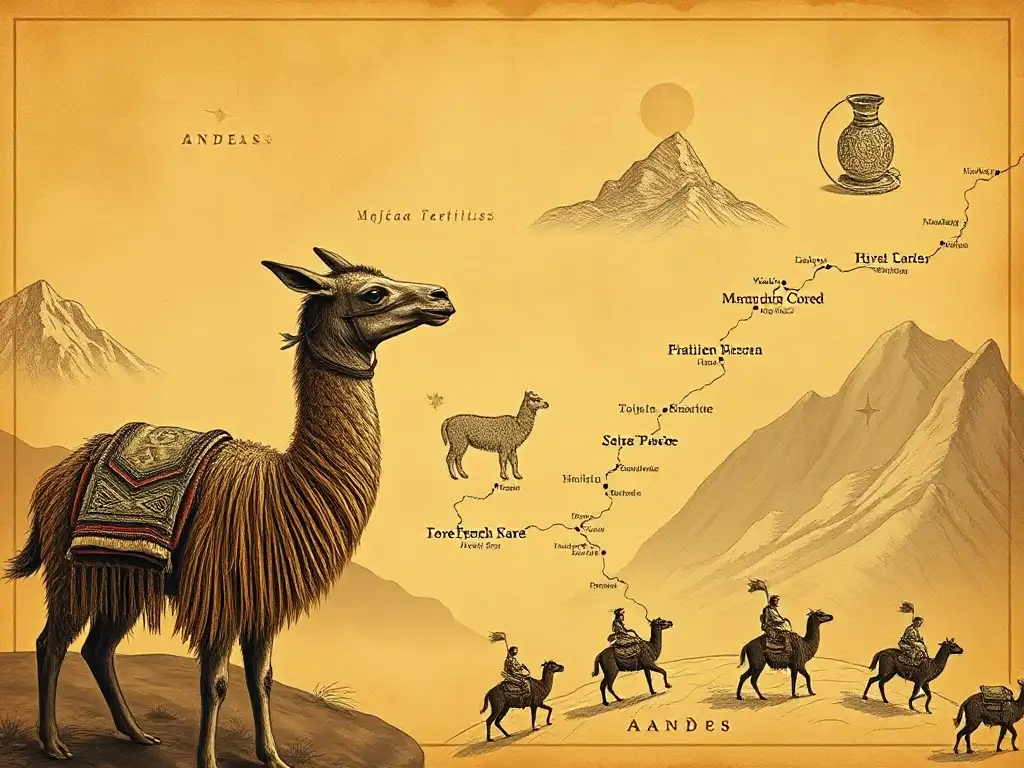
The intricate web of Andean civilizations trade networks extended far beyond simple bartering, representing a sophisticated system of resource management and cultural exchange that shaped the development of these societies for centuries. Understanding the scope of these networks requires analyzing not only the physical routes and exchanged goods but also the social, political, and religious factors that underpinned them. The sheer scale of these operations, considering the challenging Andean geography, highlights the remarkable organizational capabilities of these ancient cultures.
The term "Andean civilizations trade networks" itself underestimates the complexity; it was a dynamic system constantly adapting to environmental changes, political shifts, and technological advancements. Analyzing the reach and impact of this system reveals crucial insights into the interconnectedness of Andean societies and their remarkable resilience. We'll explore specific aspects of this extensive network below.
Regional Trade Routes and Their Importance
The Andean region's diverse geography – encompassing towering mountains, arid coastal deserts, and lush rainforests – significantly influenced the development of its trade routes. These weren't simply haphazard paths; rather, they were carefully planned and maintained pathways optimized for the transport of goods across varied terrains. For example, the Inca road system, Qhapaq Ñan, is a testament to this sophisticated approach.
While the Incas built upon pre-existing networks, they expanded and improved them considerably, facilitating the movement of goods, armies, and messengers across their vast empire. But the Qhapaq Ñan wasn't unique; other Andean cultures developed their own extensive route systems, adapted to their specific needs and geographic contexts. The importance of these routes extended beyond mere economic gains; they served as conduits for cultural diffusion, political control, and religious pilgrimage.
The efficient movement of goods, facilitated by these routes, allowed for specialization and the development of diverse regional economies. This specialization fueled innovation and allowed for the accumulation of wealth and power within specific communities. The absence of wheeled vehicles didn’t hinder the process; llama caravans and human porters effectively transported goods across vast distances, showcasing the ingenuity and organizational prowess of Andean societies.
The Role of Coastal and Highland Exchange
The exchange between coastal and highland regions was crucial to the Andean trade system. The coastal areas provided marine resources like fish, shellfish (including the prized spondylus shells), and salt, while the highlands offered agricultural products such as potatoes, maize, and coca leaves, as well as minerals like obsidian and copper. This complementary relationship fostered interdependence and fostered a robust exchange system.
The contrasting environments created a need for trade, driving innovation in transportation and storage techniques. For instance, the development of sophisticated irrigation systems in the highlands allowed for surplus agricultural production, which could then be traded for coastal goods. Similarly, the specialized knowledge and techniques for processing marine resources in the coastal regions created valuable commodities highly sought after in the highlands.
The interaction between these regions wasn't merely transactional; it also facilitated the exchange of ideas, technologies, and religious beliefs, further enriching the cultural tapestry of Andean societies. The control of these vital trade routes often conferred significant political and economic power, contributing to the rise and fall of various Andean civilizations.
Key Products in the Andean Trade System: Obsidian, Spondylus Shells, Textiles, Copper
Several key products dominated the Andean trade system, reflecting the region’s diverse resources and the varying needs of its inhabitants. Obsidian, a volcanic glass prized for its sharpness, was a crucial material for tools and weapons. Its sources were geographically limited, making it a highly valued trade item. Similarly, spondylus shells, originating from the Pacific Ocean, held significant religious and symbolic importance, frequently used in ceremonies and adornments.
Their rarity and symbolic value made them highly desirable throughout the Andean region. Textiles, particularly those made from alpaca and llama wool, were another crucial commodity. The intricate weaving techniques and high-quality materials made Andean textiles highly prized, not only for their practical use but also for their aesthetic and symbolic value. Finally, copper, a relatively abundant metal in the Andes, was used to create tools, weapons, and ornaments.
The different alloys and techniques for working copper varied across different regions, further highlighting the sophisticated metallurgical knowledge of Andean societies. The trade in these key products fostered economic development, cultural exchange, and political power dynamics throughout the Andean region. The distribution patterns of these goods provide valuable insights into the extent and nature of the Andean trade networks, painting a vivid picture of the interconnectedness of these ancient civilizations.
| Product | Origin | Importance | Distribution |
|---|---|---|---|
| Obsidian | Volcanic regions | Toolmaking, weapons | Wide, reflecting its value as a resource |
| Spondylus Shells | Pacific Ocean | Religious ceremonies, adornments | Primarily coastal, but traded inland |
| Textiles | Highlands | Clothing, ceremonial use, status symbol | Widespread, reflecting diverse weaving styles |
| Copper | Various locations | Tools, weapons, ornaments | Varies depending on specific alloys and techniques |
Exploring the Dynamics of Andean Exchange
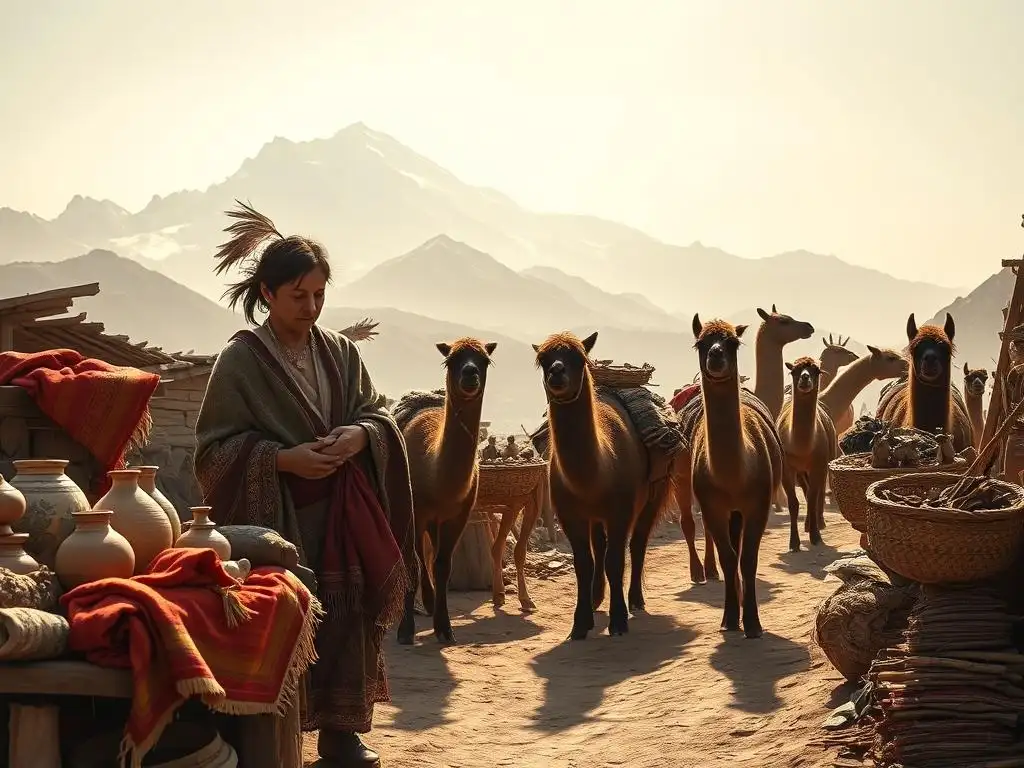
This section delves into the intricate workings of Andean exchange networks, focusing on the movement of goods, the impact on society, and the relationship between social structures and trade practices. Understanding these dynamics is crucial to appreciating the complexity and sophistication of Andean civilizations. The term "Andean civilizations trade networks" itself undersells the multifaceted nature of these systems, which encompassed much more than simple bartering.
The Flow of Goods and Ideas
The Andean exchange network wasn't a haphazard system; it was a carefully orchestrated flow of goods and ideas across vast distances, connecting disparate communities. The sheer scale of this network is remarkable, considering the challenging geography of the Andes Mountains. Goods moved along established routes, often utilizing established trails and waterways. These routes facilitated the movement of essential resources like:
- Agricultural products: Potatoes, maize, coca leaves, quinoa, and various fruits and vegetables were transported extensively, ensuring food security across diverse ecological zones. The vertical archipelago, a system of agricultural diversification across different altitudes, depended heavily on this exchange.
- Textiles: Fine textiles, particularly those made from alpaca and llama wool, were highly valued trade items. These textiles served both practical and ceremonial purposes, reflecting the technological skill and artistic creativity of Andean weavers. The intricate designs often encoded social status and religious beliefs.
- Metals: Copper, bronze, gold, and silver were vital resources used for tools, weapons, ornaments, and religious artifacts. The control and distribution of these metals played a significant role in the power dynamics of Andean societies. Mining and metalworking techniques were often shared through these networks.
- Ceramics: Pottery, often beautifully decorated and functional, was another crucial element of trade. Different styles and techniques reflect regional variations and artistic traditions, highlighting the cultural exchange facilitated by the networks.
The movement of goods was not solely economic; it also facilitated the dissemination of ideas, religious beliefs, and artistic styles. This cultural exchange contributed to the remarkable uniformity and interconnectedness observed across various Andean societies, despite their geographical separation. The spread of religious iconography and architectural styles across different cultures demonstrates the powerful influence of this exchange.
The Impact of Trade on Andean Culture and Society
The Andean exchange networks profoundly impacted the culture and social structures of the region. The availability of diverse goods and resources through trade led to:
- Specialization of labor: Communities could specialize in producing specific goods, benefiting from economies of scale and enhanced efficiency. This specialization fostered innovation and the development of sophisticated technologies in various crafts.
- Increased social complexity: The management and control of trade routes and resources led to the emergence of powerful elites and complex political organizations. Trade generated wealth, which was often concentrated in the hands of ruling classes.
- Cultural exchange and innovation: The interaction between different communities facilitated the sharing of knowledge, skills, and artistic styles. This cultural exchange led to innovation in technology, art, and religious practices. The spread of agricultural techniques, for example, demonstrates this phenomenon.
- Political alliances and conflicts: Control over trade routes and resources often became a source of conflict between different groups. Conversely, trade also fostered alliances and cooperation between communities that benefited from mutual exchange.
The impact of trade was not always positive. Competition for resources and control of trade routes sometimes resulted in warfare and social upheaval. However, the overall effect of the Andean exchange networks was to create a more integrated and sophisticated society across the region.
Andean societies did not operate solely on market-based exchange. Reciprocity and redistribution played crucial roles in their economic systems. Reciprocity involved the exchange of goods and services between individuals and groups based on mutual obligations. This system fostered social cohesion and ensured the equitable distribution of resources within communities. Redistribution, on the other hand, involved the collection of goods by central authorities, who then redistributed them to the population. This system was particularly important in managing surplus agricultural production and ensuring food security during times of scarcity.
| System | Mechanism | Social Impact | Example |
|---|---|---|---|
| Reciprocity | Mutual exchange of goods and services | Strengthened social bonds, ensured resource sharing | Exchange of labor for agricultural assistance |
| Redistribution | Collection and redistribution by central authority | Maintained social order, ensured food security | Inca state's control over agricultural production |
The interplay between reciprocity, redistribution, and market-based exchange created a complex and dynamic economic system that effectively managed resources and fostered social cohesion within Andean societies. Further research is needed to fully understand the precise balance between these different systems and their regional variations. [Specific information pending on the quantitative analysis of the relative importance of each system]. The study of Andean civilizations trade networks continues to reveal new insights into the sophistication and resilience of these ancient societies.
Major Andean Civilizations and Their Trading Practices
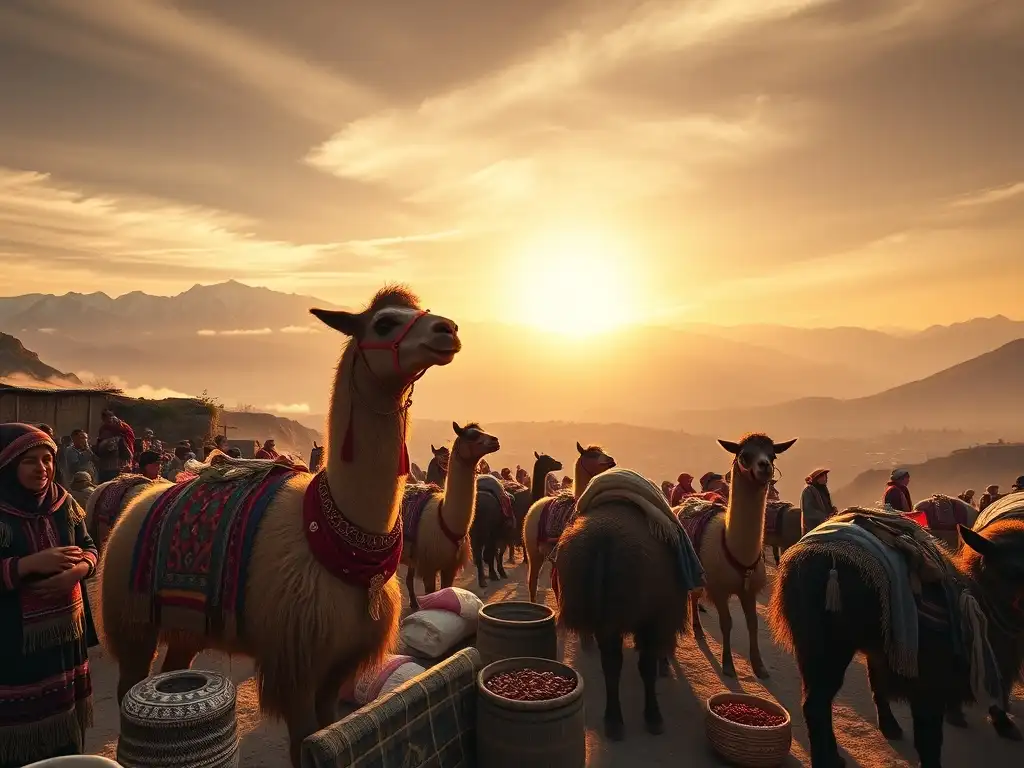
This section delves into the unique trading practices of several major Andean civilizations, highlighting their diverse approaches to exchange and the far-reaching impact of their networks. Understanding these individual systems provides crucial context for appreciating the broader scope of Andean civilizations trade networks and their overall contribution to the economic and cultural development of the region.
We will examine how these systems functioned, the goods exchanged, and their significance within the broader context of Andean society. The intricate web of Andean exchange was not simply about goods; it was a powerful force shaping social structures, political alliances, and the very fabric of Andean life.
Inca Trade and Distribution Networks: Mit'a Labor System and State-Controlled Trade
The Inca Empire, renowned for its sophisticated organization, implemented a highly centralized and controlled system of trade. Unlike the more decentralized systems of earlier Andean civilizations, Inca trade was largely managed by the state. The mit'a system, a form of mandatory labor service, played a crucial role in this system. While primarily associated with public works projects, mit'a also contributed significantly to the movement of goods across the vast Inca empire. Specialized mitmaq communities, strategically relocated throughout the empire, facilitated the transport and distribution of goods, acting as intermediaries between different regions.
This state-controlled system ensured the flow of essential goods, such as textiles from the highlands, agricultural products from diverse ecological zones (the vertical archipelago), and precious metals from the mines. The Inca also utilized a complex system of tambos (state-run waystations) along the Qhapaq Ñan (Inca Road system) to provide lodging and supplies for travelers and to store and redistribute goods. This infrastructure was instrumental in supporting the efficient movement of goods and people across the empire, showcasing a remarkable feat of engineering and logistical organization.
The Inca's ability to effectively manage this extensive network is a testament to their administrative prowess and its contribution to the empire's overall stability and prosperity. The system, while centralized, wasn't entirely devoid of local exchange – smaller-scale barter still occurred within communities.
Moche Exchange Systems: Long-Distance Trade via Maritime Routes
The Moche civilization, flourishing on the northern coast of Peru, developed a robust maritime trade network, leveraging their sophisticated knowledge of navigation and shipbuilding. Unlike the Inca's land-based system, the Moche relied heavily on boats for long-distance trade. Evidence suggests extensive maritime exchange along the Pacific coast, connecting them to distant communities and facilitating the exchange of a variety of goods.
Their expertise in pottery production is well documented, and their finely crafted ceramics were a significant trade item. These goods were not only exchanged locally but also transported along the coast, reaching potentially far-flung communities. Beyond pottery, the Moche also traded agricultural products, such as cotton and maize, as well as precious metals like gold and silver, which were often used in religious contexts.
Analyzing the distribution patterns of Moche artifacts across different archaeological sites reveals a complex and extensive exchange network. The Moche's maritime prowess significantly expanded their reach and contributed to their economic and cultural influence along the Peruvian coast. Further research is needed to fully understand the extent and complexity of their trade routes and the social dynamics that underpinned them.
Nazca Trading Practices: Exchange of Pottery and Agricultural Products
The Nazca civilization, known for its iconic geoglyphs and sophisticated irrigation systems, also engaged in extensive trade. While not as centralized as the Inca system or as maritime-focused as the Moche, the Nazca developed a thriving network based on the exchange of their renowned pottery and agricultural products.
Their highly distinctive pottery, characterized by its intricate polychrome designs, was a highly valued commodity. The vibrant colors and detailed iconography of Nazca pottery suggest a significant investment in artistic skill and technological innovation. This pottery was traded across a wide area, indicating an established network of exchange that connected them with other Andean communities. Evidence suggests that the Nazca also traded agricultural products, including cotton and maize, along with other specialized goods such as textiles and feathers.
The distribution of these goods across the region points to a significant level of interaction and exchange between the Nazca and neighboring societies. The Nazca's success in trade likely contributed to their cultural flourishing and their ability to develop their unique artistic style and complex irrigation systems. [Further research on specific trade routes and associated cultural exchanges is needed].
Tiahuanaco Commercial Reach: Caravans and Control of Resources
The Tiahuanaco civilization, flourishing in the southern Andes from approximately 500 to 1000 CE, wielded considerable influence across a vast territory. Their economic prowess stemmed not only from agricultural innovations—like their mastery of raised-field agriculture—but also from a sophisticated system of trade and resource control. This wasn't simply a matter of local bartering; Tiahuanaco's reach extended far beyond its immediate surroundings, influencing a network that stretched hundreds of kilometers. Evidence suggests the use of extensive caravan networks, carefully planned routes that facilitated the movement of goods and the maintenance of political power.
The nature of these caravans remains a subject of ongoing research, but archaeological findings hint at their scale and organization. Discoveries of standardized weights and measures at various sites within the Tiahuanaco sphere of influence suggest a degree of centralized control over trade. This standardization facilitated fair exchange and may have also helped to monitor the flow of goods, ensuring the Tiahuanaco elite received their share of the profits.
Furthermore, the presence of Tiahuanaco-style ceramics and artifacts in distant locations provides compelling evidence of long-distance trade connections. These weren't random occurrences; the consistent presence of these items speaks to a deliberate and sustained effort to spread Tiahuanaco influence and control access to valuable resources.
Control over vital resources was a key component of Tiahuanaco's economic power. Their location near Lake Titicaca provided access to abundant water and fertile land, crucial for agriculture. However, their influence extended to the control of other resources, including metals like copper and silver, which were highly valued and traded throughout the Andes.
The precise mechanisms of this control are still debated by scholars. Some suggest direct control through military power and the establishment of colonies or tributary relationships. Others argue for a more indirect approach, relying on alliances, diplomatic ties, and the establishment of trade monopolies.
Regardless of the precise methods, it's clear that access to and control of these resources significantly contributed to Tiahuanaco's wealth and power, bolstering their position within the wider Andean trade networks. The sophisticated organization of their trade and the strategic control of resources allowed Tiahuanaco to maintain its dominance for centuries, leaving an enduring mark on the Andean region's economic and political landscape. The legacy of their trading practices continues to fascinate researchers and illuminate the complexities of Andean civilizations' interconnectedness.
The Long-Distance Reach of Andean Trade Networks
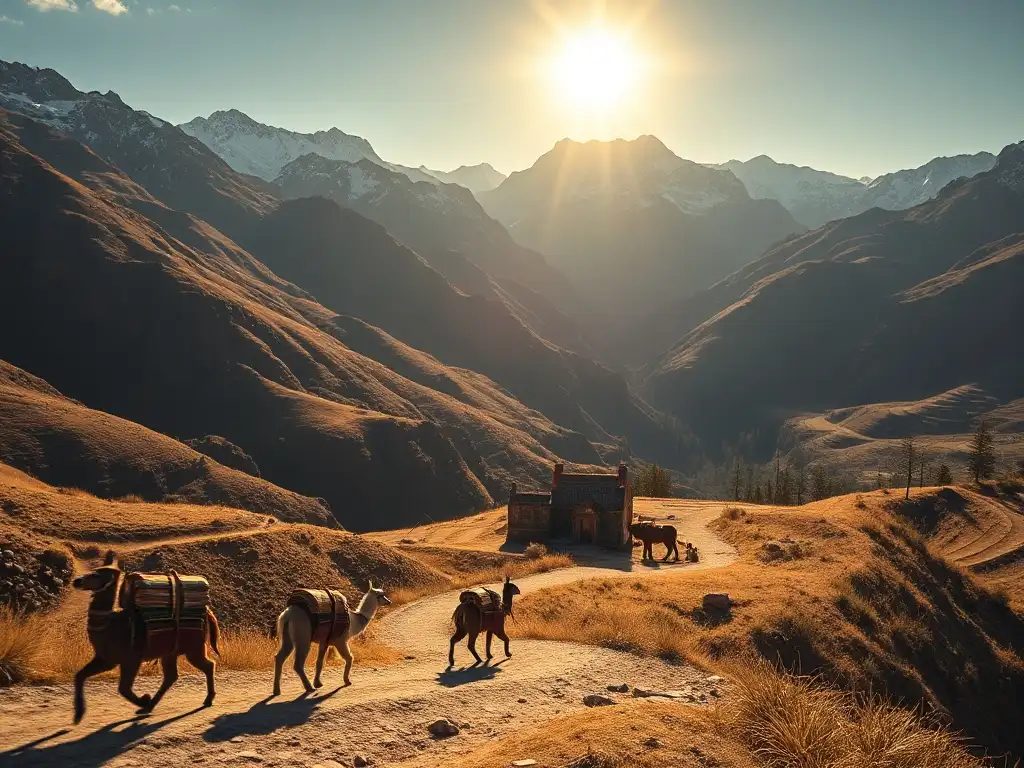
The intricate web of Andean civilizations trade networks extended far beyond the immediate vicinity of any single culture. While the specifics of these networks remain a subject of ongoing research, archaeological evidence paints a picture of sophisticated systems connecting distant communities across diverse geographical terrains, fostering cultural exchange and economic interdependence.
This wasn't merely a matter of local bartering; these were long-distance trade routes facilitating the movement of valuable goods, ideas, and technologies across vast distances, contributing significantly to the development and complexity of Andean societies. Understanding the reach and impact of these networks is crucial to comprehending the interconnectedness of Andean civilizations and their remarkable achievements.
Evidence of Inter-Regional Trade: Remains of Exotic Goods at Archaeological Sites
Archaeological excavations consistently unearth compelling evidence of extensive inter-regional trade amongst Andean civilizations. The presence of exotic goods far from their places of origin speaks volumes about the established trade routes and the scale of exchange. For example, finds of coastal shell ornaments in highland sites, hundreds of kilometers inland, demonstrate the movement of valuable resources across significant geographical barriers. Similarly, the discovery of highland obsidian tools in coastal settlements underscores the widespread distribution of materials vital for tool production. These finds are not isolated incidents. Rather, they represent a pattern of long-distance exchange that characterized many Andean societies.
The analysis of these materials provides further insights. Chemical analysis of obsidian tools can pinpoint their source, allowing researchers to trace the precise origins of traded goods and map the routes they traveled. Similarly, isotopic analysis of human remains can reveal dietary patterns reflecting the consumption of goods from distant regions, providing further evidence of trade and interaction.
Such detailed studies are fundamental in reconstructing the intricate tapestry of Andean trade networks. The quantity and variety of exotic goods discovered in archaeological sites across the Andes directly support the hypothesis of robust and extensive trade networks. Further research, focusing particularly on [specific site data pending], promises to reveal even more about the scale and sophistication of this ancient system.
Connecting Distant Communities: Exchange Between the Andes and the Amazon
The exchange networks of the Andean civilizations weren't confined to the Andes themselves. Evidence suggests significant interaction and trade between the Andean highlands and the Amazon basin, a region vastly different in terms of climate and resources. The Amazon provided goods such as exotic feathers, parrots, and potentially even coca leaves, highly valued commodities in Andean societies. In return, the Amazonian communities received Andean goods such as textiles, ceramics, and metalwork.
This inter-regional exchange wasn't a one-way street; it involved a complex interplay of goods and cultural practices. The presence of Amazonian artifacts in Andean contexts, and vice-versa, highlights the interconnectedness of these seemingly disparate regions. The logistics of such exchanges would have required sophisticated organizational structures and perhaps even specialized intermediaries.
The nature of the exchange—whether through direct interaction or through a series of intermediary groups—remains a subject of ongoing scholarly debate. Further research into [specific Amazonian-Andean trade routes pending] is needed to fully understand the dynamics of this significant interaction. The scale of this exchange underscores the pervasive reach of Andean trade networks and their role in shaping the cultural landscape of the region.
The Influence of Trade on Andean Art and Technology
The extensive trade networks of the Andean civilizations had a profound impact on the development of Andean art and technology. The exchange of ideas and materials facilitated technological innovation and the diversification of artistic styles. For instance, the spread of metalworking techniques from one Andean society to another through trade networks led to regional variations in metalwork styles and the development of new metallurgical techniques. Similarly, the exchange of textile production techniques resulted in the creation of diverse and sophisticated textiles across the Andes.
The distribution of specific raw materials, like the highly valued spondylus shells from the coast, also influenced artistic expression. The rarity of these materials made them prestigious and highly sought-after, leading to their incorporation into elite goods and ceremonial objects. This created a system where artistic styles and techniques were not only regionally specific but also reflected the broader exchange networks that connected different Andean communities.
The intricate designs and techniques observed in Andean textiles and metalwork are a testament to the interconnectedness fostered by these trade routes. The influence of trade on the development of Andean art and technology is undeniable, and ongoing research continues to uncover the full extent of this fascinating relationship. The dynamism of Andean artistic innovation was clearly fueled by this interconnectedness, creating a vibrant and diverse cultural landscape.
Challenges and Adaptations in Andean Trade
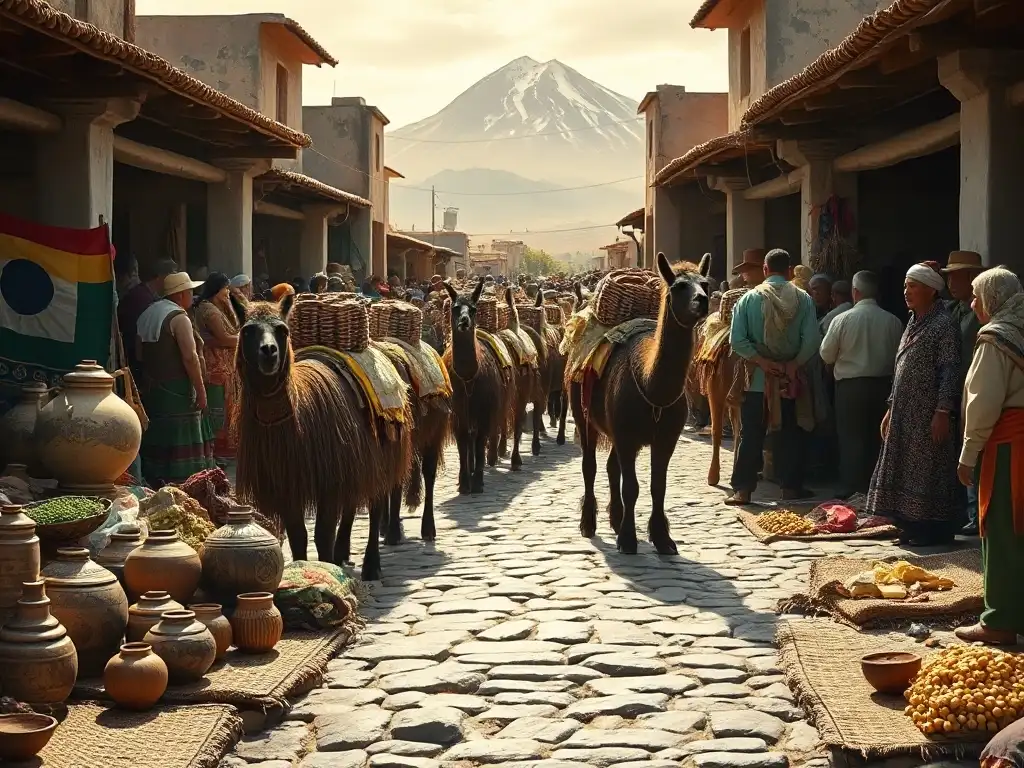
The intricate tapestry of Andean civilizations trade networks wasn't woven without significant hurdles. The formidable geography of the Andes Mountains, coupled with diverse ecological zones and fluctuating climatic conditions, presented constant challenges to the efficient exchange of goods and ideas. Understanding how these societies adapted is key to appreciating the sophistication of their trade systems and the resilience of their economies.
The ingenuity displayed in overcoming these obstacles speaks volumes about the resourcefulness of Andean peoples and their deep understanding of their environment. This section will explore some of the key adaptations employed by Andean societies to facilitate trade across vast and varied landscapes.
Overcoming Geographical Barriers: Use of Llamas and Terraced Farming
The rugged Andean terrain, characterized by towering peaks, deep canyons, and treacherous passes, posed a major obstacle to the movement of goods. However, Andean civilizations cleverly utilized the llama, a highly adaptable camelid, as their primary pack animal. Llamas could carry substantial loads across difficult terrain, proving invaluable for transporting goods along trade routes. Their surefootedness and resilience made them ideally suited to the challenging Andean environment.
Estimates suggest a single llama could carry up to 100 pounds (45 kg) of goods, making them significantly more efficient than human porters for long-distance trade. The llama's importance extended beyond mere transportation; their wool provided clothing, their meat served as a dietary staple, and their dung was used as fertilizer. This multifaceted contribution solidified the llama's central role in Andean economies and trade networks.
Beyond animal transport, the development of sophisticated agricultural techniques, particularly terraced farming, played a crucial role in overcoming geographical limitations. Terracing allowed Andean farmers to cultivate steep slopes, maximizing arable land and increasing agricultural output. This increased productivity reduced reliance on trade for essential foodstuffs in certain regions, freeing up resources and capacity for the exchange of specialized goods.
The ingenious system of terraced fields also helped to mitigate soil erosion and water runoff, ensuring the long-term sustainability of agricultural production. This intricate agricultural system, directly supporting the population and reducing reliance on trade for basic necessities, significantly contributed to the stability and expansion of Andean civilizations trade networks.
The Role of Infrastructure: The Qhapaq Ñan and Colcas
The construction of extensive infrastructure was paramount to the success of Andean trade networks. The most impressive example is the Qhapaq Ñan, a vast network of roads and trails spanning thousands of kilometers across the Andes. This sophisticated system, built and maintained over centuries by various Andean cultures, connected distant communities and facilitated the movement of people, goods, and information.
The Qhapaq Ñan was not merely a series of paths; it was a strategically designed system featuring bridges, resting places, and waystations that ensured the safe and efficient passage of travelers and trade caravans. Its construction involved a deep understanding of engineering principles and a remarkable organizational capacity, reflecting the advanced technological skills of Andean societies. The Qhapaq Ñan is a testament to the importance placed on facilitating inter-regional connections and ensuring the smooth operation of trade.
Complementing the Qhapaq Ñan were the colcas, strategically located storehouses used for storing surplus agricultural products. These structures, often built into cliffsides or constructed from stone, provided secure storage for grains, potatoes, and other staples. The colcas played a vital role in stabilizing the Andean economy by ensuring food security during times of scarcity.
Their strategic placement along trade routes also facilitated the exchange of goods, allowing for the redistribution of surpluses and the mitigation of localized shortages. The combination of the Qhapaq Ñan and the colca system ensured efficient movement of goods and provided a safety net against environmental disruptions, highlighting a sophisticated approach to resource management and trade logistics.
The Impact of Environmental Factors on Trade
The diverse and often unpredictable Andean environment significantly influenced trade patterns and practices. The varying altitudes, climates, and ecological zones created regional specialization in agricultural production. Coastal regions focused on fishing and the cultivation of specific crops, while higher altitudes were suited to different agricultural products. This specialization fostered exchange networks, with communities trading goods and resources not readily available in their own immediate environment. For example, coastal communities might trade fish and salt for highland agricultural products like potatoes and quinoa.
However, environmental factors also presented significant challenges. Droughts, floods, and earthquakes could severely disrupt agricultural production and trade routes, leading to shortages and economic instability. Andean societies developed sophisticated adaptation strategies, including irrigation systems, drought-resistant crops, and emergency food storage in colcas to mitigate the impact of these events.
The resilience of Andean trade networks lay not just in their logistical sophistication but also in their capacity to adapt to the unpredictable nature of the Andean environment. Analyzing the impact of environmental factors highlights the interplay between human ingenuity and natural forces in shaping the evolution and resilience of Andean civilizations trade networks. Understanding this relationship is crucial to fully appreciating the complexity and sophistication of Andean economies.
The Legacy of Andean Trade and Exchange
This section explores the lasting impact of ancient Andean trade networks on the modern cultures of the Andes region. The intricate systems of exchange, developed over millennia, continue to resonate in contemporary Andean societies, shaping their economic practices, social structures, and cultural identities. Understanding this legacy is crucial to appreciating the full scope of Andean civilizations and their enduring influence.
The Enduring Impact on Modern Andean Culture
The legacy of Andean trade networks is not confined to dusty museum exhibits; it's woven into the fabric of daily life across the Andes. Many traditional Andean markets, bustling with activity, echo the ancient barter systems that connected distant communities centuries ago. The exchange of goods, from textiles and ceramics to agricultural products and livestock, continues to foster social bonds and economic stability.
For instance, the vibrant markets of Cusco, Peru, still see the exchange of locally produced goods, showcasing a direct lineage to the sophisticated trading practices of the Inca Empire. The intricate system of reciprocity, a cornerstone of ancient Andean economies, persists in many communities, shaping social interactions and underpinning mutual support networks. This enduring emphasis on communal cooperation and shared resources directly reflects the values embedded within the ancient Andean trade systems.
Moreover, the techniques used in ancient crafts, such as pottery and weaving, are often passed down through generations, directly connected to the trade routes that facilitated the spread of these artistic traditions. The vibrant colors and intricate designs of Andean textiles, for example, are a testament to this enduring legacy, reflecting both the artistic skill and the economic importance of textile production in the pre-Columbian era. The enduring impact of the ancient systems of exchange is palpable, visible in the vibrant tapestry of modern Andean life.
Lessons from Ancient Andean Trade Systems
Analyzing ancient Andean trade networks offers valuable insights for understanding economic development and sustainability. The sophisticated logistics and organizational skills required to manage these far-flung networks, often spanning vast distances and challenging terrains, are remarkable. The Inca quipus, knotted cords used for record-keeping, provide a fascinating glimpse into the complexity of their economic administration. These systems, while not fully understood, clearly demonstrate a capacity for managing large-scale trade and resource allocation.
Furthermore, the Inca's ability to maintain a vast empire through efficient trade networks highlights the crucial role of infrastructure in economic success. Their extensive road system, coupled with sophisticated storage facilities, enabled the efficient movement of goods and facilitated communication across their empire. The strategic placement of tambos (roadside inns) along these routes provided rest stops for travelers and served as vital hubs for trade and information exchange.
These systems provide valuable lessons for modern infrastructure development and resource management, particularly in geographically challenging regions. The resilience of these ancient trade networks in the face of environmental challenges also offers important lessons for modern sustainable development. Understanding how ancient Andean societies adapted their trade practices to climate variability and environmental constraints provides valuable insights for mitigating the impacts of climate change on modern economies.
Understanding the Complexities of Andean Economic History
The study of Andean trade networks reveals the complexities of ancient Andean economies, moving beyond simplistic narratives of isolated communities. The evidence suggests a sophisticated system of interconnectedness, with diverse communities engaging in extensive exchange networks. Analyzing the distribution of artifacts, such as ceramics and metals, across vast geographical areas reveals the reach and scale of these networks. For example, the discovery of coastal ceramics in highland sites and vice versa underscores the widespread exchange of goods and the extensive interaction between different ecological zones.
Furthermore, the presence of specialized craft production centers, such as those dedicated to metalworking or pottery, indicates a complex division of labor and a high degree of economic specialization. This specialization suggests a level of social organization and economic sophistication far beyond simple barter systems. The analysis of Andean economic history requires a nuanced understanding of the interplay between diverse ecological zones, sophisticated organizational structures, and the dynamic exchange of goods and ideas.
The intricate tapestry of Andean trade networks highlights the interconnectedness of Andean civilizations and challenges simplistic interpretations of their economic practices. Further research into these networks promises to reveal even more about the complexities of Andean economic history, providing a richer and more complete understanding of these fascinating civilizations. The ongoing study of Andean civilizations trade networks continues to refine our understanding of their economic sophistication and interconnectedness.
Frequently Asked Questions
How extensive were the Andean trade networks?
Andean trade networks were remarkably extensive, stretching across diverse geographical regions and encompassing vast distances. They connected the coast, highlands, and Amazon basin, facilitating the exchange of goods and ideas.
What goods were primarily traded in the Andes?
The Andean civilizations traded a wide variety of goods, including luxury items like gold and silver, agricultural products such as coca leaves and potatoes, and textiles and ceramics. Obsidian, used for tools, was also a key traded commodity.
How did the Andean civilizations facilitate trade over such distances?
Trade relied on a complex system of roads and trails, often traversing challenging terrain. Relay systems and specialized traders played crucial roles in efficiently moving goods across the vast Andean landscape. Llamas were vital for transporting goods.
Did trade influence the development of Andean cultures?
Absolutely! Trade fostered cultural exchange and the spread of ideas and technologies. The movement of goods also led to the development of complex social and political structures necessary to manage trade networks.
What evidence reveals the extent of Andean trade networks?
Archaeological evidence, such as the distribution of artifacts, similar artistic styles across different regions, and the presence of exotic materials in distant locations, all point to the existence of extensive and well-established trade networks.
Final Reflection: Weaving the Threads of Andean Legacy
The intricate web of Andean exchange networks, far from being a relic of the past, continues to resonate in the complexities of modern globalization. Understanding these ancient trade routes offers a powerful lens through which to examine contemporary issues of resource management, cultural preservation, and the enduring power of interconnectedness. The echoes of these vibrant exchanges still shape our world today.
The impact of these networks extends far beyond mere economic transactions; they represent a profound cultural exchange, a testament to human ingenuity and collaboration. These ancient pathways fostered the sharing of not only goods but also ideas, technologies, and artistic styles, creating a rich tapestry of Andean civilization. The past is never dead. It's not even past.
– William Faulkner. This quote perfectly encapsulates the enduring influence of these ancient trade routes, their legacy woven into the very fabric of Andean societies and their continued impact on the world.
Consider the implications of this legacy. How can we learn from the successes and failures of these ancient systems to build more sustainable and equitable trade networks in the present? What responsibilities do we bear in preserving the tangible and intangible heritage of these remarkable civilizations? You, the reader, hold the power to carry this knowledge forward. Engage with the history of Andean exchange, reflect on its relevance to your own life, and become a part of the ongoing conversation about building a more connected and sustainable future.
Unravel the Mysteries of Andean Exchange!
Thank you for exploring the intricate tapestry of Andean exchange networks with us! Understanding these connections provides valuable insights into the dynamic relationships that shaped ancient civilizations. Now, let's delve deeper into this fascinating subject.
Here are a few ways you can continue your exploration:
- **Engage with our community:** Share your thoughts and insights on Andean exchange in our forums or on social media. You might spark some exciting new discussions!
- **Expand your knowledge:** Explore our recommended reading list featuring captivating stories and scholarly studies on Andean civilizations.
- **Share your discoveries:** Write a blog post or share your newfound knowledge with friends and colleagues—teaching others is a powerful way to solidify your own understanding.
What aspects of Andean history have most captivated you? We'd love to hear your thoughts in the comments below!