
The Ethics of Research: Navigating the Cultural Sensitivities of Andean Legacy

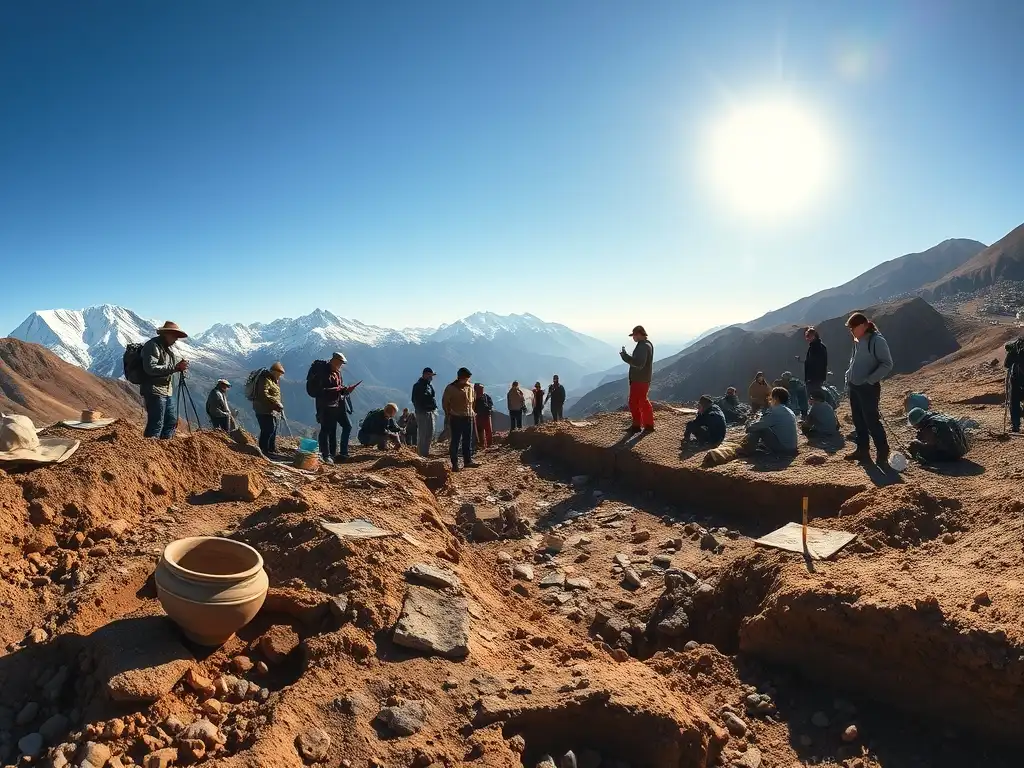
Step into a world lost to time, yet echoing with the whispers of empires. Unearth the mysteries of the Andes, from the breathtaking artistry of the Nazca lines to the sophisticated engineering of the Incas. But before we delve into the captivating stories of these ancient civilizations, we must first confront a crucial question: how do we responsibly explore their legacy? This exploration of Andean archaeology ethical considerations will illuminate the complexities of researching these incredible cultures, setting the stage for a deeper understanding of their enduring impact. Continue your journey to discover more.
The exploration of Andean civilizations—from the majestic Inca Empire to the enigmatic Nazca Lines—presents a unique and complex challenge for archaeologists and researchers. Uncovering the rich tapestry of their history, culture, art, and technology requires a profound understanding and respect for the living descendants of these ancient peoples and their enduring connection to their ancestral heritage. This article delves into the crucial ethical considerations inherent in Andean archaeology, examining the responsibilities scholars bear in ensuring that research practices are not only scientifically rigorous but also culturally sensitive and respectful.
We will explore the vital importance of collaboration, repatriation, and community engagement in safeguarding the Andean legacy for future generations. Ignoring these ethical responsibilities risks perpetuating past injustices and undermining the very communities whose history we strive to understand.
The ethical conduct of Andean archaeology is not merely a matter of professional standards; it is a fundamental aspect of preserving the dignity and cultural integrity of Andean peoples. Failing to address these ethical considerations compromises the integrity of the research itself and hinders the potential for meaningful collaboration and knowledge exchange.
Understanding the Importance of Ethical Practices in Andean Archaeology
Ethical practices in Andean archaeology are paramount, demanding a move beyond purely scientific objectives to encompass the social and cultural context of the research. This necessitates a shift from a purely extractive approach, where artifacts and knowledge are removed from their original context without adequate consideration for their significance to descendant communities, towards a collaborative and respectful methodology. This involves actively engaging with indigenous communities and seeking their informed consent at every stage of the research process.
Ignoring their perspectives not only disrespects their ancestral heritage but also risks misinterpreting the very data being collected. The ethical considerations are multifaceted, encompassing issues of repatriation of artifacts, protection of sacred sites, and the responsible dissemination of research findings. The consequences of unethical practices can be far-reaching, damaging relationships with communities, hindering future research, and perpetuating historical injustices.
A truly ethical approach prioritizes the well-being and self-determination of Andean communities, recognizing their inherent rights to their cultural heritage. This commitment to ethical conduct is not merely an addendum to research protocols; it is the very foundation upon which responsible and meaningful Andean archaeology is built. The long-term impact of our actions, both positive and negative, must be carefully considered.
Collaboration and Community Engagement: A Cornerstone of Ethical Andean Archaeology
Successful Andean archaeological research hinges on genuine collaboration and meaningful engagement with descendant communities. This isn't a mere formality, but a fundamental ethical and methodological imperative. It requires researchers to actively seek out and build relationships with community representatives, involving them in all stages of the research process, from project design and data collection to interpretation and dissemination of findings.
This collaborative approach ensures that research projects are aligned with community priorities and values, preventing the perpetuation of colonial-era practices that marginalized indigenous voices. Moreover, community participation enriches the research itself, providing invaluable local knowledge and perspectives that can significantly enhance the accuracy and depth of interpretation. Examples of successful collaborations include projects where indigenous knowledge keepers have played a crucial role in identifying and interpreting archaeological sites, leading to a far richer and more nuanced understanding of the past.
The benefits extend beyond the academic realm, fostering mutual respect, empowering communities, and creating lasting partnerships that contribute to both the preservation of cultural heritage and the advancement of knowledge. This collaborative model ultimately ensures that the research serves not only the interests of the researchers, but also, and most importantly, the communities whose heritage is being studied. This participatory approach is crucial for the long-term sustainability and ethical integrity of Andean archaeology.
Repatriation and the Return of Cultural Heritage
The repatriation of ancestral remains and cultural artifacts is a critical ethical consideration in Andean archaeology. For many communities, these items hold immense spiritual and cultural significance, representing a direct connection to their ancestors and heritage. The removal and retention of these items in museums and private collections often constitutes a form of cultural dispossession, perpetuating historical injustices.
Ethical practice necessitates a commitment to the return of these artifacts to their rightful owners, facilitating their respectful reburial or return to community control. This process is not without its complexities, requiring careful negotiation and collaboration with descendant communities to determine the most appropriate course of action. The ethical framework guiding repatriation should prioritize the wishes and needs of the communities themselves, acknowledging their inherent rights to their cultural heritage.
Increasingly, museums and other institutions are recognizing the moral imperative of repatriation, actively working with communities to facilitate the return of ancestral objects. This commitment to repatriation is not merely a matter of legal compliance; it is an essential step towards healing historical wounds and fostering respectful relationships between researchers and the communities they study. The process itself, guided by ethical principles, can be a powerful catalyst for reconciliation and community empowerment.
Responsible Dissemination of Research Findings: Respecting Cultural Sensitivities
The dissemination of research findings is another crucial area where ethical considerations come into play. The way in which research results are presented can significantly impact the perception and understanding of Andean cultures by both academic and wider audiences. It is crucial to avoid perpetuating stereotypes, misrepresentations, or narratives that undermine the cultural integrity of Andean peoples.
Researchers have a responsibility to present information accurately, respectfully, and in a way that is accessible and understandable to both scholarly and community audiences. This includes acknowledging the limitations of the research, recognizing the uncertainties inherent in interpreting the past, and actively engaging with community perspectives in shaping the narrative. The collaboration with communities extends to the publication process, ensuring that findings are presented in a way that reflects their values and concerns, and that they have the opportunity to review and comment on the interpretations before dissemination.
Responsible dissemination of research findings is not simply a matter of adhering to academic standards; it is a crucial step in ensuring that the research contributes to a more accurate, nuanced, and respectful understanding of Andean civilizations. This approach ensures that research benefits both the academic community and the descendant communities whose heritage is being studied.
- Understanding the Importance of Ethical Practices in Andean Archaeology
- Collaboration and Community Engagement: A Cornerstone of Ethical Andean Archaeology
- Repatriation and the Return of Cultural Heritage
- Responsible Dissemination of Research Findings: Respecting Cultural Sensitivities
- What ethical considerations are paramount when conducting Andean archaeological research?
- How can archaeologists ensure they are not causing harm to sacred sites during excavation?
- What role do indigenous communities play in Andean archaeological research?
- How does the issue of looting impact ethical research in the Andes?
- What are some examples of best practices in Andean archaeology related to ethical considerations?
Andean Archaeology Ethical Considerations: A Deep Dive
The study of Andean civilizations presents unique ethical challenges for archaeologists and researchers. Unlike many other archaeological sites around the world, Andean archaeological sites are often intimately connected to the living descendants of the cultures they represent. This proximity necessitates a heightened awareness of cultural sensitivities and a commitment to ethical practices that go beyond standard archaeological protocols.
The very act of excavating, analyzing, and interpreting Andean artifacts and sites carries significant weight, impacting not only the academic understanding of the past but also the present-day identities and spiritual beliefs of Indigenous communities. This section delves into the crucial ethical considerations that must guide all research related to Andean archaeology. Failure to address these considerations can lead to the perpetuation of colonialist attitudes and the unintentional harm of living communities.
Understanding and implementing ethical best practices is paramount for ensuring responsible and respectful research in this sensitive field. The long history of exploitation and misrepresentation of Andean cultures demands a radical shift towards collaborative and community-centered approaches.
The Complexities of Researching Andean Civilizations
Researching Andean civilizations requires navigating a complex web of interconnected factors. The sheer diversity of cultures across the Andes – from the Incas to the Moche, Nazca, and Tiahuanaco – necessitates a nuanced approach that avoids generalizations and stereotypes. Each culture possessed unique beliefs, practices, and social structures, demanding specific considerations in research methodology and interpretation. For example, the significance of sacred sites varies greatly depending on the specific Andean group.
What might be considered a minor feature by one community could be a deeply venerated place of worship by another. This highlights the crucial need for detailed ethnographic research and consultation with Indigenous communities before, during, and after any archaeological investigation. Ignoring this crucial step risks misinterpreting artifacts and sites, leading to inaccurate and potentially offensive narratives.
Furthermore, the ongoing impact of colonialism and globalization on Andean communities necessitates a critical examination of existing research and the potential for perpetuating harmful stereotypes or power imbalances. The goal is not simply to uncover artifacts, but to engage with the past in a way that respects and empowers present-day communities. A collaborative approach, prioritizing the voices and perspectives of Indigenous communities, is essential for achieving this.
Respecting Indigenous Communities in Archaeological Research
Respecting Indigenous communities is not merely an ethical imperative; it's a fundamental requirement for responsible Andean archaeology. This respect manifests in several key ways:
- Prior Informed Consent: Before any research begins, researchers must obtain the free, prior, and informed consent (FPIC) of the relevant Indigenous communities. This means engaging in open dialogue, transparently explaining the research objectives, methodology, and potential impacts, and ensuring that communities have the agency to decide whether or not to participate. This process needs to be conducted in the community's preferred language and involve community leaders and elders.
- Community Collaboration: Research should be conducted with, not on, Indigenous communities. This involves actively collaborating with community members at all stages of the research process, from planning and excavation to analysis and dissemination of findings. This collaborative approach ensures that research reflects the community's perspectives and avoids imposing external interpretations. This also includes actively involving community members in the preservation and management of archaeological sites.
- Repatriation and Access: The repatriation of human remains and culturally significant artifacts to their rightful communities is a crucial aspect of ethical research. This process should be guided by the wishes of the communities involved and respect their traditional practices and beliefs. Additionally, researchers should ensure that Indigenous communities have access to research findings and are involved in the interpretation and dissemination of knowledge. This includes actively seeking out and correcting any historical inaccuracies or misrepresentations of their cultures.
- Benefit-Sharing: Research should benefit the communities involved, not just researchers. This might involve providing opportunities for community members to participate in research activities, sharing research findings with the community, or contributing to community development projects. The benefits should be tangible and meaningful to the community.
Failing to adhere to these principles risks perpetuating a colonial legacy in Andean archaeology, undermining the credibility of research, and causing significant harm to Indigenous communities. A commitment to ethical practices is not simply a matter of following guidelines; it's a commitment to justice, respect, and meaningful collaboration. The future of Andean archaeology depends on it.
Cultural Sensitivity in Andean Archaeological Studies
This section delves into the crucial ethical considerations surrounding Andean archaeology, focusing on the respectful and responsible engagement with the rich cultural heritage of the Andean region. Understanding the nuances of cultural sensitivity is paramount for any researcher working within this context. The legacy of past exploitative practices necessitates a paradigm shift towards collaborative and community-based approaches.
We explore key ethical principles that guide responsible research in Andean archaeology, aiming to ensure that the study of these remarkable civilizations contributes positively to the well-being of present-day communities. Ignoring these considerations risks perpetuating harmful stereotypes and undermining the very cultural heritage we seek to understand. The ethical conduct of Andean archaeological research demands a deep respect for the living cultures and their intertwined relationship with the past.
Recognizing the Spiritual Significance of Andean Sites
Many Andean sites hold profound spiritual significance for contemporary communities. These are not simply historical ruins; they are living landscapes imbued with ancestral memory and ongoing religious practices. For example, the sacred mountains ( apus) of the Andes are not merely geographical features but powerful deities deeply revered by indigenous populations. Archaeological investigations near or within such sites require extreme sensitivity.
The mere presence of researchers can be disruptive, and excavation work could potentially damage or desecrate sacred spaces. Therefore, a crucial ethical consideration is obtaining free, prior, and informed consent (FPIC) from the communities who have custodianship over these sites. This process goes beyond simple permission; it involves engaging in open dialogue, explaining the research objectives clearly, and addressing any concerns the community may have. Failing to respect these spiritual dimensions undermines the integrity of the research and risks causing significant harm to the community’s cultural identity.
The potential for inadvertent damage, even without malicious intent, highlights the need for meticulous planning and ongoing consultation. The long-term implications of research must be carefully considered, ensuring a legacy of respect rather than exploitation. Ignoring these nuances risks causing irreparable damage to both the physical and spiritual landscapes of the Andes and further marginalizing indigenous communities.
The Role of Informed Consent in Archaeological Excavations
Informed consent is a cornerstone of ethical Andean archaeology. It's not merely a bureaucratic formality; it is a fundamental commitment to collaboration and respect for the rights of indigenous communities. It involves actively engaging with local communities throughout the research process – from initial planning and site selection to the dissemination of findings. This engagement necessitates clear and transparent communication in accessible languages, often requiring the services of skilled translators familiar with both the scientific and cultural contexts.
The process should be participatory, ensuring that community members are actively involved in shaping the research agenda, and are not merely passive observers. Furthermore, the benefits and risks associated with the research should be clearly articulated, and mechanisms for addressing potential negative impacts should be established. This might involve, for example, establishing protocols for the respectful handling and repatriation of human remains, or mitigating the potential for tourism-related damage to the site following an excavation.
A lack of informed consent not only violates ethical principles but also risks undermining the validity of the research itself by creating distrust and hindering collaboration. Transparency and accountability are critical, and researchers have a responsibility to demonstrate a commitment to working in partnership with the communities whose heritage they are studying. This includes providing regular updates on the progress of the research and sharing the results in accessible formats.
Challenges in Communicating Research Findings to Local Communities
Communicating research findings to local communities presents unique challenges. The language used must be culturally appropriate and easily understood, avoiding jargon and technical terms that may be inaccessible to non-specialists. Visual aids, such as maps and diagrams, can be invaluable tools for explaining complex information. Moreover, the dissemination of findings should not be a one-way street.
It is crucial to create opportunities for dialogue and feedback, allowing community members to share their perspectives and interpretations of the research. This reciprocal exchange of knowledge is essential for fostering mutual understanding and building trust. The ethical responsibility extends beyond simply sharing information; it involves actively listening to and respecting the perspectives of local communities. Researchers must be mindful of potential sensitivities and avoid presenting findings in a manner that could be interpreted as disrespectful or appropriative.
For instance, interpretations of ancient Andean art or beliefs must be presented with nuance and avoid imposing external frameworks that may not align with community understandings. The aim should be to empower communities by sharing knowledge in a way that benefits them, rather than simply extracting information for academic purposes. This collaborative approach, underpinned by mutual respect and transparency, is crucial for ensuring that Andean archaeology contributes to the well-being of the communities whose history it seeks to illuminate.
The exploration of Andean civilizations presents a unique set of ethical challenges for researchers and scholars. Understanding and respecting the cultural sensitivities surrounding the study of Andean heritage is paramount. This section delves into the crucial ethical considerations that must guide all aspects of Andean archaeology, ensuring the responsible and respectful treatment of this rich legacy. The field of Andean archaeology ethical considerations is complex and requires constant vigilance. We must move beyond simply uncovering artifacts to actively protect and honor the cultures they represent.
Protecting Andean Heritage from Exploitation and Misrepresentation
The allure of Andean artifacts and sites often attracts those seeking to profit from their historical significance, leading to looting, illegal trafficking, and misrepresentation. This exploitation not only damages the tangible heritage but also undermines the cultural identity of Andean descendants. Ethical research necessitates a strong commitment to combating these practices.
This involves actively supporting initiatives that combat the illegal antiquities trade. This includes advocating for stricter legislation, collaborating with law enforcement agencies, and educating the public about the devastating consequences of looting. Furthermore, researchers must be vigilant in ensuring the accuracy and sensitivity of their publications and presentations.
Avoidance of sensationalism and the responsible contextualization of findings are crucial to prevent misrepresentation and the perpetuation of harmful stereotypes. For instance, the careful attribution of artifacts and the avoidance of anachronistic interpretations are key components of ethical reporting. Specific data on the number of artifacts recovered illegally each year in the Andes would further strengthen this point, but such information is [specific information pending].
The protection of Andean heritage also requires a commitment to sustainable tourism practices. While tourism can provide economic opportunities for local communities, it must be managed responsibly to prevent damage to sites and to ensure that local communities benefit from the revenue generated. This requires careful planning, community involvement, and a commitment to minimizing the environmental impact of tourism.
Responsible Handling of Andean Artifacts and Remains
The excavation and analysis of Andean artifacts and human remains demand the utmost respect and sensitivity. Ethical practices dictate that all research must be conducted with the informed consent of relevant communities and stakeholders. This includes engaging in meaningful dialogue with descendants of the cultures being studied and incorporating their perspectives into the research process. This collaborative approach extends beyond simply obtaining permission; it necessitates a genuine partnership built on mutual respect and understanding.
The handling of human remains presents particularly complex ethical considerations. Many Andean cultures hold deeply spiritual beliefs about the treatment of their ancestors, and these beliefs must be respected. Repatriation of remains to their places of origin, where culturally appropriate, is a crucial aspect of responsible archaeological practice.
Furthermore, the study of human remains must be conducted with the utmost care and precision, ensuring that the dignity of the deceased is maintained throughout the process. Detailed protocols, including the recording of every step of the process, are essential to ensure transparency and accountability. The development and implementation of these protocols require [specific information pending] on best practices from other regions with similar cultural sensitivities.
The Importance of Collaboration with Andean Descendants
Ethical Andean archaeology is not a purely academic pursuit; it is a collaborative endeavor that must involve Andean descendants as active partners. Their knowledge, perspectives, and interpretations are invaluable in understanding the past and shaping the future of Andean heritage. Ignoring their voices not only diminishes the quality of research but also perpetuates a colonialist approach that has historically marginalized indigenous communities.
This collaboration should extend throughout the entire research process, from the initial planning stages to the dissemination of findings. Researchers should actively seek out opportunities to share their work with Andean communities, engaging in open dialogue and incorporating feedback into their research. This participatory approach ensures that the research is relevant, respectful, and contributes to the empowerment of Andean descendants.
For example, collaborative projects focusing on the preservation and interpretation of ancient Andean textiles, involving Andean artisans and historians, are excellent models of ethical engagement. Success stories of such collaborations, including specific examples and quantifiable impacts, are [specific information pending]. The ultimate goal is to build a sustainable relationship based on mutual respect and a shared commitment to preserving and celebrating Andean heritage for future generations.
Ethical Frameworks for Andean Research
The exploration of Andean archaeological sites and the study of Andean civilizations demand a rigorous ethical framework. This isn't merely a matter of adhering to legal regulations; it's about demonstrating respect for the living descendants of these ancient cultures and acknowledging the enduring spiritual and cultural significance of the sites themselves. The ethical considerations in Andean archaeology are multifaceted, encompassing international standards, local laws, and the development of culturally sensitive research protocols.
Ignoring these considerations risks perpetuating historical injustices and causing irreparable harm to both tangible and intangible heritage. The pursuit of knowledge should never come at the cost of cultural disrespect or the exploitation of vulnerable communities. This section will delve into the key ethical pillars guiding responsible research in the Andean region.
International Guidelines for Archaeological Research
International organizations, such as UNESCO and ICOMOS, provide crucial guidelines for archaeological research, emphasizing ethical conduct and the protection of cultural heritage. These guidelines often stress the importance of obtaining informed consent from indigenous communities and relevant authorities before commencing any excavation or research activity. Furthermore, they highlight the necessity of repatriation of artifacts when appropriate and the equitable sharing of research findings with local communities.
These principles are not merely suggestions; they represent a global commitment to responsible stewardship of the world's cultural heritage. Failure to adhere to these internationally recognized standards can lead to sanctions and reputational damage within the archaeological community.
For example, the UNESCO's 1970 Convention Concerning the Means of Prohibiting and Preventing the Illicit Import, Export and Transfer of Ownership of Cultural Property provides a strong legal basis for many ethical considerations. The convention emphasizes the sovereign right of states to control their cultural heritage and stresses the importance of international cooperation to prevent illicit trafficking.
The implementation of these guidelines requires careful attention to detail. This includes:
- Transparency: Openly communicating research goals and methods to all stakeholders.
- Collaboration: Working closely with local communities and authorities throughout the research process.
- Respect: Acknowledging the spiritual and cultural significance of archaeological sites.
- Sustainability: Minimizing the environmental impact of research activities.
Local Regulations and Considerations in the Andean Region
Beyond international guidelines, each Andean nation possesses its own specific laws and regulations governing archaeological research. These regulations often reflect the unique cultural contexts and historical experiences of the region. Navigating this complex legal landscape requires careful research and consultation with legal experts familiar with Andean regulations. For instance, some countries may have stricter rules regarding the export of artifacts or the involvement of local communities in research projects.
Ignoring these local regulations can have serious legal consequences, including fines, imprisonment, and the seizure of research materials. Understanding the nuances of national and regional laws is paramount for ethical and legal compliance. Furthermore, the concept of Sumak Kawsay (good living), a fundamental principle in Andean philosophy, should be considered. This concept emphasizes harmony between humans and nature, and its principles should guide research practices, promoting sustainable and respectful interactions with the environment and local communities.
It is crucial to note that the regulatory landscape is constantly evolving. Staying abreast of the latest changes and amendments is essential for maintaining ethical and legal compliance. Regular consultation with relevant government agencies and legal professionals is highly recommended.
Developing Culturally Appropriate Research Protocols
Developing culturally appropriate research protocols is a crucial aspect of ethical Andean archaeology. This involves not only understanding international guidelines and local regulations but also engaging in meaningful dialogue with local communities and indigenous groups. This dialogue should focus on understanding their perspectives on the research, their concerns, and their aspirations.
Protocols should be developed collaboratively, ensuring that research activities respect local customs, beliefs, and traditions. For example, researchers might need to adapt their excavation techniques to avoid disturbing sacred sites or ancestral remains. Similarly, the way research findings are disseminated should be carefully considered, ensuring that they are accessible and understandable to local communities and that they do not misrepresent or trivialize their cultural heritage.
The process of developing these protocols should be iterative and inclusive, involving regular feedback and adjustments based on community input. Transparency and mutual respect are key to successful collaboration. The goal is not simply to obtain permission but to build trust and establish long-term partnerships based on mutual benefit and shared understanding.
This collaborative approach ensures that research contributes positively to the well-being of local communities and promotes the preservation of their cultural heritage for future generations. A successful protocol will prioritize the long-term protection and respect of the Andean legacy, ensuring that research benefits both the academic community and the descendants of the ancient civilizations.
Case Studies: Ethical Dilemmas in Andean Archaeology
This section delves into specific instances where ethical considerations in Andean archaeology have been paramount, highlighting the complexities and challenges faced by researchers. Understanding these case studies provides crucial context for developing best practices in the field, ensuring the respectful treatment of Andean heritage and the preservation of cultural dignity. The sensitive nature of Andean archaeology necessitates a nuanced approach, balancing the pursuit of knowledge with the protection of cultural patrimony.
This requires careful consideration of the ethical implications inherent in every stage of research, from excavation to publication. The following case studies exemplify the spectrum of ethical dilemmas encountered.
Case Study 1: The Discovery of the Llullaillaco Mummies
The discovery of the Llullaillaco mummies in 1999 presented a profound ethical challenge. These remarkably preserved Inca children, sacrificed atop the volcano, offered unprecedented insights into Inca ritual practices. However, their discovery immediately sparked intense debate regarding the ethical implications of their excavation and subsequent display. Questions arose regarding the right to disturb sacred burial sites, the potential desecration of religious beliefs, and the long-term preservation of the mummies themselves.
The initial excavation faced criticism for a lack of sufficient consultation with indigenous communities, raising concerns about cultural disrespect. While the research team aimed to preserve the mummies for scientific study and public education, the debate highlighted the tension between scientific advancement and cultural sensitivity. The long-term preservation of these fragile artifacts also presented a major challenge. The extreme altitude and environmental conditions of Llullaillaco demanded sophisticated conservation techniques, further complicating the ethical landscape.
The ongoing discussion about the appropriate display and interpretation of the mummies underscores the enduring ethical considerations related to this important archaeological discovery. The balance between scientific inquiry and cultural respect remains a delicate one, requiring careful consideration of indigenous perspectives and the potential for both harm and benefit. The Llullaillaco mummies serve as a powerful reminder of the need for collaborative research, prioritizing the ethical treatment of human remains and cultural heritage.
Case Study 2: The Dispute over the Machu Picchu Artifacts
The ongoing debate surrounding Machu Picchu artifacts exemplifies another complex ethical challenge in Andean archaeology. While Machu Picchu's discovery captivated the world, the subsequent handling and ownership of artifacts unearthed at the site have been fraught with controversy. The question of repatriation of artifacts to Peru from various international museums highlights the ongoing tension between national sovereignty over cultural heritage and the international community's interest in scientific study and public access.
The ethical implications of artifact ownership are multifaceted. While many argue that artifacts should remain in their countries of origin to be preserved within their cultural context and returned to the communities they belong to, others contend that museums worldwide play a vital role in preserving and disseminating knowledge about these objects to a global audience.
This dispute underscores the need for transparent and equitable agreements between nations and institutions regarding the ownership and management of Andean cultural heritage. The absence of clear international guidelines regarding repatriation further complicates the matter, highlighting the urgent need for collaborative efforts to establish ethical frameworks for the exchange and preservation of cultural artifacts.
The Machu Picchu artifacts' story emphasizes the importance of respecting the rights of indigenous communities in the decision-making process concerning their ancestral heritage. This includes prioritizing community participation in research projects and ensuring that the benefits of research are shared equitably.
Lessons Learned and Best Practices
The case studies above reveal the critical need for a robust ethical framework in Andean archaeology. Several key lessons emerge: Prioritizing meaningful consultation with indigenous communities at every stage of research is paramount. This includes obtaining informed consent, respecting traditional knowledge systems, and ensuring that research benefits local communities.
Transparency and accountability in research processes are also crucial, fostering trust and mitigating potential conflicts. Furthermore, developing clear guidelines for the repatriation of artifacts and the ethical management of human remains is essential. The development and implementation of these best practices are crucial for ensuring that future Andean archaeological research upholds the highest ethical standards, safeguarding cultural heritage and fostering respectful collaboration between researchers and indigenous communities.
The ethical considerations surrounding Andean archaeology are not static; they demand ongoing reflection and adaptation in light of evolving understandings of cultural sensitivity and indigenous rights. The future of Andean archaeology depends on our commitment to responsible and respectful practices.
The Future of Ethical Research in Andean Archaeology
The ethical considerations surrounding Andean archaeology are not merely academic exercises; they are crucial for the respectful and responsible engagement with a rich and complex cultural heritage. The future of this field hinges on a fundamental shift towards collaborative, community-centered approaches that prioritize the voices and needs of Andean communities. Moving beyond extractive research models requires a proactive and multifaceted strategy, one that actively addresses past injustices and builds a more equitable and sustainable future for Andean archaeological research.
The long-term preservation of these invaluable sites and artifacts depends on it. This section will explore key steps toward achieving this goal.
Fostering Dialogue and Understanding
Effective communication and mutual respect are the cornerstones of ethical Andean archaeology. This requires moving beyond a purely academic discourse and actively engaging with Andean communities in meaningful dialogue. This involves:
- Meaningful Consultation: Prioritizing genuine consultation with descendant communities at every stage of the research process, from project inception to publication and dissemination of findings. This is not simply ticking a box but involves actively listening to and incorporating their perspectives and concerns. Ignoring these voices perpetuates the historical power imbalances that have long characterized archaeological research in the region.
- Respectful Representation: Ensuring accurate and sensitive representation of Andean cultures and histories, avoiding stereotypical portrayals or the perpetuation of harmful narratives. This includes acknowledging the complexities and diversity within Andean societies, avoiding generalizations, and prioritizing the perspectives of those most directly affected.
- Language Accessibility: Making research accessible to Andean communities through translation and culturally appropriate communication strategies. Research reports and publications should be available in local languages, and community members should be involved in the translation process to ensure accuracy and cultural sensitivity. Ignoring language barriers effectively silences the voices of those whose heritage is under study.
Promoting Sustainable and Inclusive Research Practices
Sustainable and inclusive research practices are paramount for the long-term preservation of Andean heritage. This means:
- Capacity Building: Investing in training and education programs to empower Andean communities to participate actively in the management and preservation of their cultural heritage. This includes providing opportunities for community members to gain skills in archaeology, museum studies, and heritage tourism.
- Collaborative Research Teams: Developing collaborative research teams that include archaeologists, anthropologists, historians, and community members. This ensures a more holistic and representative approach to research, respecting the diverse perspectives and expertise involved.
- Repatriation and Restitution: Supporting the repatriation of cultural artifacts to their rightful communities and engaging in processes of restitution where appropriate. The ethical imperative is to return cultural objects to their places of origin, ensuring their proper care and allowing communities to engage directly with their heritage. This requires significant sensitivity and collaboration.
Empowering Andean Communities in the Preservation of their Heritage
Empowering Andean communities is not merely an ethical consideration; it's a practical necessity for the long-term preservation of their heritage. This involves:
- Community-Based Heritage Management: Supporting the development of community-based heritage management plans that empower local communities to take ownership of the preservation and interpretation of their cultural heritage. This includes providing funding and technical assistance to support community-led initiatives.
- Economic Benefits: Ensuring that research and tourism activities generate economic benefits for Andean communities, providing opportunities for employment and income generation. This is crucial to incentivize community participation and support for preservation efforts. Sustainable tourism models are crucial here.
- Long-Term Commitment: Recognizing that the ethical engagement with Andean heritage is an ongoing process that requires a long-term commitment to collaboration, dialogue, and mutual respect. This is not a short-term project but a sustained partnership built on trust and transparency. The Andean legacy demands nothing less.
The future of Andean archaeology rests on a commitment to ethical principles, a commitment that translates into concrete actions that empower Andean communities and ensure the long-term preservation of their invaluable cultural heritage. The careful consideration of "Andean archaeology ethical considerations" is not just a matter of academic debate; it is the foundation upon which a just and sustainable future for the field is built.
Frequently Asked Questions
What ethical considerations are paramount when conducting Andean archaeological research?
Respecting the cultural heritage of indigenous communities is crucial. This involves obtaining informed consent from relevant groups and ensuring that research benefits them. Repatriation of artifacts is also a key ethical concern.
How can archaeologists ensure they are not causing harm to sacred sites during excavation?
Archaeologists must prioritize minimizing disturbance to sacred sites. This involves careful planning, employing non-destructive techniques whenever possible, and consulting with local communities to understand the significance of the sites. Respectful handling of any discovered artifacts is also vital.
What role do indigenous communities play in Andean archaeological research?
Indigenous communities should be active participants, not just passive subjects. Their traditional knowledge is invaluable, and their involvement ensures research is conducted respectfully and ethically. Collaboration and partnership are key to successful projects.
How does the issue of looting impact ethical research in the Andes?
Looting severely damages archaeological sites and undermines the integrity of research. Combating looting requires strong legal frameworks, international cooperation, and educating the public about the importance of preserving cultural heritage. Community involvement in protecting sites is also crucial.
Best practices include community engagement throughout the research process, prioritizing non-destructive methods, ensuring transparent data sharing, and actively supporting cultural heritage preservation initiatives. Repatriation of artifacts is another important aspect of ethical best practices.
Final Reflection: Echoes of the Andes: A Legacy of Ethical Responsibility
The ethical considerations surrounding Andean archaeological research are not merely academic exercises; they are vital safeguards for preserving cultural heritage and fostering respectful collaborations with Indigenous communities. Failure to prioritize these ethical frameworks risks perpetuating historical injustices and undermining the very legacy we strive to understand.
The ongoing impact of past unethical practices in Andean archaeology continues to resonate today, shaping the relationships between researchers and Indigenous communities. The legacy of looting, disrespectful excavation, and the appropriation of artifacts for private collections casts a long shadow. The past is never dead. It's not even past.
– William Faulkner. This quote powerfully illustrates how the ethical failures of the past continue to influence the present, demanding a critical examination of our current practices. We must actively work to repair these fractured relationships and build trust through genuine collaboration and respect for Indigenous knowledge and perspectives.
Consider the implications of this article's findings in your own life. Are you engaging with cultural heritage responsibly? How can you contribute to a more ethical and equitable approach to research, whether in your professional life or simply as a conscious citizen? Let the echoes of the Andes inspire you to champion ethical practices, ensuring that future generations inherit a legacy of respect, understanding, and genuine collaboration with the descendants of this rich and vibrant civilization.
Embrace Ethical Research and Honor Andean Heritage!
Thank you for exploring the complexities of ethical research within the context of Andean civilizations. Your commitment to understanding cultural sensitivities is crucial for fostering respect and appreciation for this rich heritage. Let's translate this enthusiasm into meaningful actions that create positive change.
- Collaborate with Andean communities: Engage directly with local communities, ensuring their voices are central to your research and decisions. Their perspectives are vital.
- Share your knowledge: Write a blog post or share on social media what you've learned about ethical research practices in relation to Andean cultures. Educating others is a powerful step.
- Join a community of practice: Participate in discussions and forums focused on ethical research and cultural heritage to learn from others and share your insights.
What unique perspective can you offer to enrich the conversation on ethical research within Andean contexts? Your contributions are valuable.