
The Art of Governance: Unraveling the Political Systems of Early Andean States

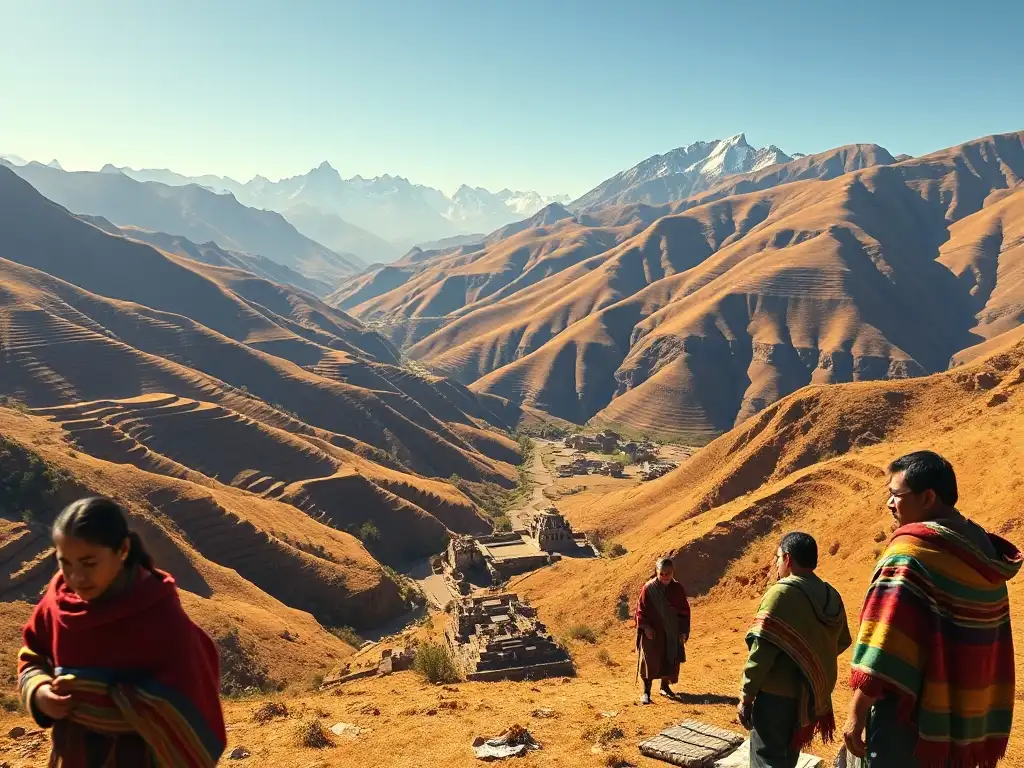
Step into a world lost to time, yet echoing with the ingenuity of empires that shaped a continent. Prepare to be amazed as we delve into the fascinating intricacies of Andean political systems. From the towering heights of Machu Picchu to the enigmatic lines of Nazca, discover how these ancient Andean civilizations mastered governance, leaving behind a legacy that continues to inspire awe and wonder. Uncover the secrets behind their sophisticated structures of power – a story far more complex and captivating than you might imagine. Are you ready to explore?
The Andes Mountains, a spine of towering peaks and deep valleys stretching along the western coast of South America, cradled a remarkable tapestry of ancient civilizations. For centuries, these societies, facing the challenges of a diverse and demanding environment, developed sophisticated political systems that shaped their cultures and left an enduring legacy. This article delves into the fascinating world of Andean political systems, exploring the organizational structures, leadership styles, and mechanisms of power employed by states such as the Inca, Moche, Nazca, and Tiahuanaco.
We will examine how these diverse groups, while geographically proximate, developed unique approaches to governance, reflecting their distinct environmental contexts and societal needs. Understanding these Andean political systems provides crucial insights into the complexities of state formation and the remarkable ingenuity of these pre-Columbian societies.
We will uncover how they managed vast territories, organized labor, and maintained social order, all while navigating the intricacies of a challenging landscape and diverse populations. This exploration promises to reveal the intricacies of power dynamics, the role of religion, and the lasting impact of these ancient Andean political structures.
The Inca Empire: A Highly Centralized State
The Inca Empire, at its zenith, controlled a vast territory encompassing much of the Andes. Its political system was remarkably centralized, with the Sapa Inca at its apex, considered a divine ruler. A complex bureaucracy, comprised of officials appointed by the emperor, managed the empire's resources and ensured its smooth functioning.
This intricate system relied heavily on a sophisticated road network, facilitating communication and the movement of troops and goods. The mit'a system, a form of mandatory labor service, was instrumental in the construction of infrastructure projects and the efficient organization of agricultural production. The Inca's ability to integrate diverse ethnic groups into their empire, while maintaining a level of control, was a testament to their political acumen.
Their success, however, was ultimately short-lived, succumbing to the Spanish conquest in the 16th century. Further research into the Inca's record-keeping systems, using quipus (knotted cords), is crucial to fully understand the complexities of their administrative processes.
The Moche Civilization: A Theocratic Oligarchy?
The Moche civilization, flourishing on the northern coast of Peru between approximately 100 CE and 800 CE, presents a different model of Andean political organization. While evidence suggests a hierarchical structure, the exact nature of Moche governance remains a subject of ongoing debate among scholars. The presence of elaborate tombs and monumental architecture points towards a powerful elite, possibly a theocratic oligarchy where religious leaders held significant political sway. The Moche's sophisticated irrigation systems and intensive agriculture indicate a highly organized society, suggesting a degree of centralized control over resources.
However, the lack of extensive written records makes reconstructing their political system challenging. Analysis of Moche iconography and artistic representations, particularly those depicting warfare and ritual sacrifice, offer valuable, albeit indirect, clues into their political dynamics. The role of warfare in consolidating power and the potential for regional variations in governance are key areas that require further investigation.
The Nazca and Tiahuanaco: Regional Powers and their Influence
The Nazca and Tiahuanaco cultures, contemporaneous with the Moche, represent distinct approaches to political organization within the Andean region. The Nazca, known for their enigmatic geoglyphs, appear to have been organized into smaller, independent polities, lacking the extensive centralized control seen in the Inca Empire. Their sophisticated irrigation systems and mastery of textile production suggest a well-organized society, albeit one perhaps less centralized than the Moche.
Tiahuanaco, on the other hand, exerted significant influence over a vast area through a combination of military power and ideological control. Their monumental architecture and widespread distribution of characteristic ceramics suggest a complex political and economic network. The exact nature of their political structure remains debated, with some scholars proposing a form of imperial control, while others emphasize the importance of regional autonomy and alliances.
Further archaeological research and comparative studies with other contemporary Andean cultures are needed to fully illuminate the intricacies of both Nazca and Tiahuanaco political systems. The interplay between these regional powers and their influence on the broader Andean landscape remains a significant area of research within the field of Andean archaeology.
Comparing and Contrasting Andean Political Systems: A Synthesis
The Andean region, despite its geographical unity, witnessed the emergence of diverse political systems reflecting unique environmental conditions and societal adaptations. While the Inca Empire represents a prime example of a highly centralized state, other civilizations such as the Moche, Nazca, and Tiahuanaco developed alternative models of governance. Comparing these systems reveals a spectrum of organizational structures, ranging from centralized empires to less integrated regional polities.
Further research, combining archaeological findings with anthropological and historical perspectives, is crucial to unravel the intricacies of these fascinating societies and gain a deeper understanding of the factors that shaped their political landscapes. The study of Andean political systems offers valuable insights into the complexities of state formation, the dynamics of power, and the resilience of human societies in the face of environmental challenges. The enduring legacy of these civilizations continues to inspire scholars and fascinate the world.
- The Inca Empire: A Highly Centralized State
- The Moche Civilization: A Theocratic Oligarchy?
- The Nazca and Tiahuanaco: Regional Powers and their Influence
- Comparing and Contrasting Andean Political Systems: A Synthesis
- What were the main characteristics of Andean political systems?
- How did the Inca Empire's political system function?
- How did the smaller Andean societies organize their politics before the Inca?
- What role did religion play in Andean political systems?
- How did Andean political systems manage large-scale projects?
Understanding Andean Political Structures: An Introduction
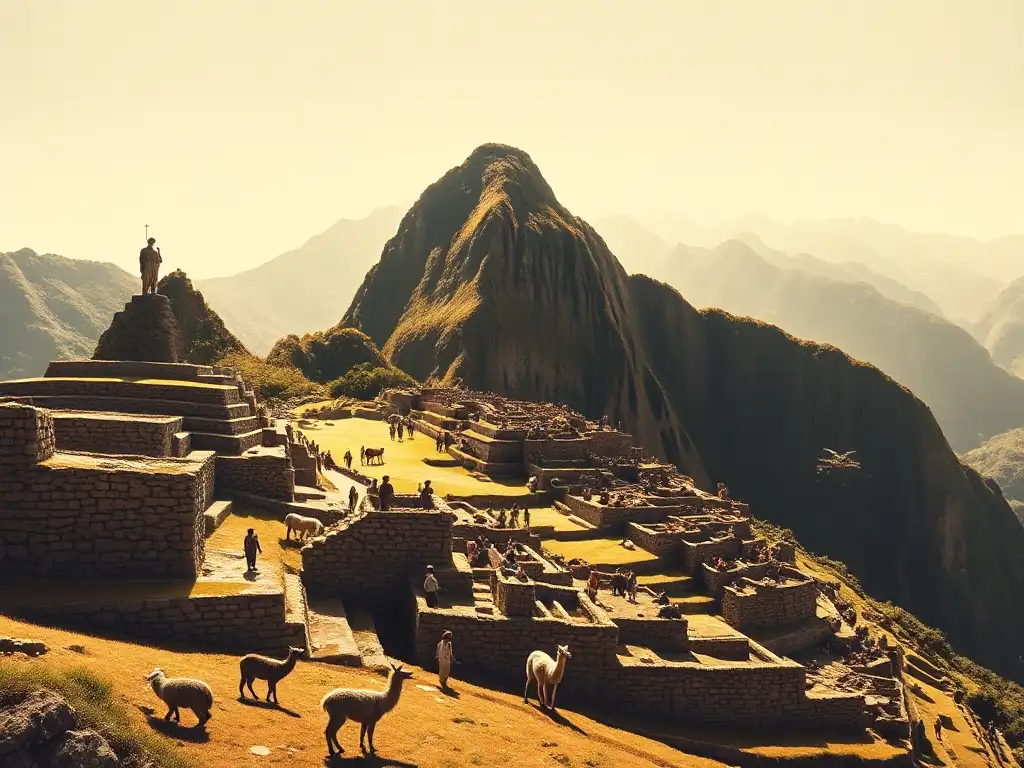
This section delves into the fascinating and complex world of Andean political structures, exploring the diverse ways in which power was organized and exercised across different Andean societies. While the term "Andean political systems" might evoke images of a unified, centralized empire like the Inca, the reality is far richer and more nuanced. We'll examine the significant variations in governance across various cultures and time periods, from the relatively smaller chiefdoms of the early formative period to the sprawling empires of the Late Intermediate Period.
Understanding these diverse systems is crucial to appreciating the ingenuity and adaptability of Andean societies in managing their resources, populations, and territories. We will explore the foundations of power, the role of religion and ideology, and the mechanisms of control employed by these remarkable civilizations.
This analysis will reveal the intricacies of Andean governance, highlighting both the common threads and the remarkable diversity that characterized these ancient political landscapes. The study of Andean political systems offers valuable insights into the broader processes of state formation and societal development, providing a unique perspective on human history.
The Foundations of Power in Ancient Andes
The foundations of power in the ancient Andes were multifaceted and deeply intertwined with religious beliefs, agricultural practices, and social structures. Unlike many other ancient civilizations, Andean power wasn't solely based on military might, although military strength certainly played a role, particularly in later, larger empires. Instead, legitimacy often stemmed from a complex interplay of factors:
- Religious Authority: Many Andean rulers claimed divine lineage or a close connection to the supernatural world. They often acted as intermediaries between the gods and their people, controlling access to sacred sites, rituals, and resources. This religious authority bolstered their political power, granting them legitimacy and influence. For example, the Inca emperors were considered descendants of the sun god Inti, reinforcing their absolute rule.
- Control of Resources: Access to and control over vital resources, particularly agricultural land and water, were paramount. Elites often controlled prime agricultural lands, ensuring their own prosperity and the ability to redistribute resources to maintain social order and garner loyalty. This control extended to essential commodities like coca leaves and precious metals, further consolidating their power. The intricate canal systems built by various Andean societies demonstrate the importance of water management in political control.
- Social Hierarchy: A clearly defined social hierarchy, with distinct roles and responsibilities, was fundamental to Andean political systems. These hierarchies were often stratified, with elites at the top, followed by various levels of nobility, commoners, and potentially enslaved populations. This social structure facilitated the distribution of labor and resources, contributing to the stability and effectiveness of the system. The Inca ayllu system, a form of communal organization, illustrates the complex interplay between social structure and political power.
- Elaborate Infrastructure: The construction of impressive infrastructure, including roads, irrigation systems, and monumental architecture, served not only practical purposes but also symbolized the power and authority of the ruling elite. These projects required massive coordinated labor and demonstrated the ability of the state to mobilize resources and manpower. The Nazca lines, while their purpose remains debated, certainly represent a monumental undertaking reflective of organizational capacity.
Defining "Andean Political Systems"
Defining "Andean political systems" requires acknowledging the vast diversity of political organizations across time and space within the Andes. It's inaccurate to impose a single model onto such a varied landscape. Instead, a nuanced approach is needed, recognizing the spectrum of political structures, from small-scale chiefdoms to large, centralized empires.
Several key characteristics can help us analyze and compare these systems:
| Characteristic | Examples | Implications |
|---|---|---|
| Scale and Complexity | Small chiefdoms (e.g., early coastal societies), large empires (Inca) | Affects the extent of centralized control, administrative structures, and social stratification |
| Centralization | Highly centralized (Inca), decentralized (some pre-Inca societies) | Determines the degree of power concentrated in the hands of a ruling elite |
| Legitimacy | Religious authority, military power, control of resources | Influences the stability and longevity of the political system |
| Administrative Structure | Highly formalized bureaucracy (Inca), less formalized systems | Impacts efficiency in resource management, tax collection, and conflict resolution |
The term "Andean political systems," therefore, encompasses a wide range of organizational structures, each with its unique features and dynamics. It's crucial to avoid generalizations and instead engage in detailed case studies of specific cultures and periods to fully grasp the complexities of governance in the ancient Andes. Further research into specific regional variations and the impact of environmental factors on political organization is vital for a complete understanding. The development of Andean political systems was a dynamic process, shaped by a complex interplay of environmental, social, and ideological forces.
Early Andean Political Organization: A Diverse Landscape
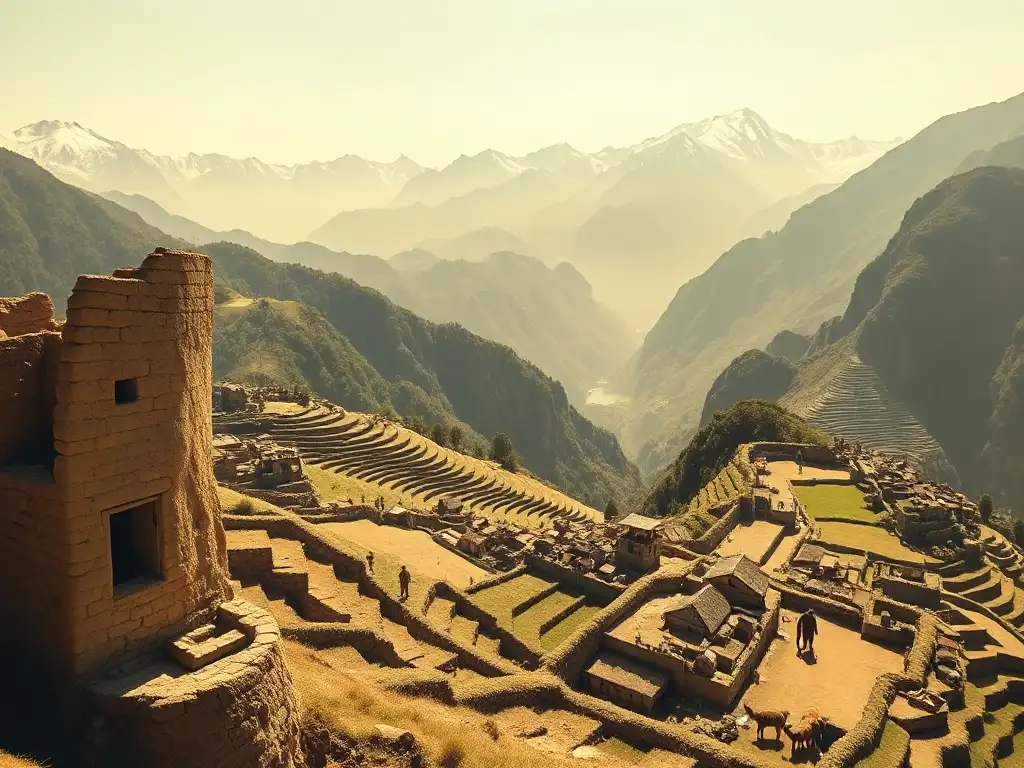
The Andean region, prior to Inca dominance, wasn't unified under a single political system. Instead, a tapestry of diverse political organizations thrived, each with unique structures and governance mechanisms. Understanding these variations is crucial to grasping the complexity of Andean political systems and their evolution.
The level of centralization, the role of religion in governance, and the nature of social stratification all differed significantly between these early states, creating a fascinating and multifaceted picture of power dynamics in the Andes. Analyzing these differences helps us appreciate the ingenuity and adaptability of Andean societies in managing their resources and populations across varied geographical and environmental contexts. The keyword, "Andean political systems," encapsulates this very diversity, encompassing the spectrum of organizational models found across the region.
The Moche State: Power and Divine Rulership
The Moche civilization (c. 100-800 CE) exemplifies a highly centralized Andean political system. Archaeological evidence strongly suggests a hierarchical structure with a powerful elite at its apex. This elite, likely composed of warrior-priests, controlled vast resources and exerted significant influence over the Moche population.
The Moche state's success hinged on its ability to manage irrigation systems, which were vital for agricultural production in the arid coastal valleys. Control over these vital water resources solidified the power of the ruling class. This centralized authority is reflected in the impressive monumental architecture, such as the Huaca del Sol and Huaca de la Luna, which served as both religious and administrative centers.
Moche Social Hierarchy and Governance
The Moche social hierarchy was rigidly stratified, with the ruling elite at the top, followed by priests, warriors, artisans, farmers, and finally, laborers. This social stratification is evident in Moche iconography, which depicts individuals of different social standing in varying degrees of ornamentation and attire. The elite's control extended to all aspects of life, from religious rituals to economic production.
The system relied heavily on the charisma and perceived divine legitimacy of the rulers, reinforcing their authority and ensuring social stability. Evidence suggests that the Moche state was capable of mobilizing large-scale labor forces for construction projects and warfare, indicating a well-organized and effective administrative system. The mechanisms for enforcing this hierarchy, however, remain a subject of ongoing research and debate amongst Andean specialists.
The Role of Warrior-Priests in Moche Politics
A defining characteristic of Moche governance was the fusion of religious and political power. Warrior-priests, depicted in elaborate ceramic vessels and murals, occupied prominent positions within the Moche elite. They were not only responsible for conducting religious ceremonies but also for leading military campaigns and overseeing the state's administrative functions. This intertwining of religious authority and military might solidified the elite's control and ensured the population's compliance.
The warrior-priest's role underscores the importance of ideology in maintaining the Moche state's power. The imagery of powerful rulers, often depicted alongside supernatural beings, served to legitimize their authority and instill fear and respect among the populace. This powerful combination of religious and political power is a key element in understanding Moche political systems.
The Nazca Society: Decentralized Power and Ritual Centers
In contrast to the centralized Moche state, the Nazca civilization (c. 100 BCE – 500 CE) exhibited a more decentralized political organization. While evidence points to regional elites and powerful lineages, there's less indication of a unified, centralized state controlling all aspects of Nazca life. Instead, Nazca society appears to have been organized around a network of independent communities and ritual centers, each with its own local leadership. The absence of large-scale monumental architecture similar to that of the Moche suggests a different approach to governance and resource management.
Nazca Political Organization and its Characteristics
The Nazca political system, characterized by its decentralized nature, relied on a network of smaller, independent communities. These communities were likely governed by local leaders or lineages who held influence based on factors such as kinship, religious authority, or control over vital resources like water. The lack of a centralized authority, however, doesn't imply a lack of political organization.
Instead, Nazca political organization was more fluid and adaptable to the diverse ecological conditions of the Nazca region. The development and maintenance of extensive irrigation systems, for example, required coordination and collaboration among different communities, suggesting a degree of inter-community interaction and cooperation. This cooperation, however, was probably facilitated by shared religious beliefs and practices rather than a centralized political authority.
The Significance of Ceremonial Sites in Nazca Governance
Despite the decentralized nature of Nazca society, ceremonial sites played a crucial role in social and political life. These sites, often located in strategic locations, served as gathering points for religious rituals and possibly as centers for political negotiations and decision-making. The elaborate Nazca Lines, for instance, might have had both religious and political significance, potentially marking territories or signifying the power of local elites.
The construction and maintenance of these sites required collective effort and resource mobilization, reflecting a level of social organization and cooperation that transcended individual communities. While the exact nature of political power in Nazca society remains debated, the importance of ritual centers in shaping social relations and influencing political dynamics is undeniable. Further research focusing on the distribution of artifacts and settlement patterns is needed to fully illuminate the nuances of Nazca governance.
Tiahuanaco: The Rise of a Powerful Andean State
Tiahuanaco, flourishing between approximately 500 and 1000 CE in the Altiplano region of the Andes, stands as a testament to the ingenuity and organizational prowess of early Andean societies. Its sophisticated political system, far from being a simple chiefdom, exhibited characteristics of a true state, controlling a vast territory and wielding significant influence over neighboring groups. The city itself, meticulously planned and built, served as a powerful symbol of centralized authority.
Monumental architecture, such as the iconic Akapana pyramid and the Gateway of the Sun, not only showcased the technological capabilities of Tiahuanaco but also served to project its power and legitimacy. The scale of construction required a highly organized workforce, sophisticated engineering skills, and a centralized system for resource management, all indicative of a complex political structure.
The sheer size of Tiahuanaco, its intricate urban planning, and the extensive evidence of long-distance trade networks, point towards a highly organized and centralized state capable of mobilizing substantial resources and manpower. Further research into the intricate iconography found throughout the city continues to illuminate our understanding of the political ideology and social hierarchy that underpinned Tiahuanaco's power.
Tiahuanaco's Political and Administrative System
While the precise details of Tiahuanaco's political structure remain debated among scholars, the available evidence suggests a highly centralized system with a powerful ruling elite. The monumental architecture, coupled with the sophisticated organization required for its construction, indicates a centralized authority capable of coordinating labor and resource allocation across a vast territory. The presence of standardized artifacts and pottery across the Tiahuanaco sphere of influence hints at a system of administrative control that ensured uniformity and facilitated the smooth functioning of the state.
Recent archaeological findings, including evidence of specialized workshops and storage facilities, further support the hypothesis of a centralized administrative apparatus. The complexity of the system is further emphasized by the sophisticated irrigation systems developed by the Tiahuanaco, demonstrating an understanding of water management crucial for sustaining a large population and supporting agricultural production.
This intricate network of canals and channels required careful planning and coordination, underlining the state's capacity for large-scale engineering projects and resource management. The precise nature of the ruling elite and the mechanisms of power remain areas of ongoing research, but the scale and sophistication of Tiahuanaco's infrastructure undeniably point to a highly organized and centralized political system.
The Influence of Tiahuanaco in Regional Politics
Tiahuanaco's influence extended far beyond its immediate geographical boundaries, impacting the political landscape of the entire Andean region. The dissemination of Tiahuanaco-style pottery, architecture, and iconography across vast distances provides compelling evidence of its widespread political and cultural dominance. This influence wasn't necessarily achieved through direct military conquest alone, but also through a combination of factors including trade, diplomacy, and cultural exchange.
The adoption of Tiahuanaco-style features by other societies suggests a degree of voluntary assimilation or emulation, reflecting the prestige and power associated with the Tiahuanaco state. However, evidence also suggests that Tiahuanaco's influence was sometimes imposed through force, with archaeological findings indicating possible military campaigns and the imposition of political control over neighboring communities. The extent of Tiahuanaco's political control varied across different regions, with some areas exhibiting stronger Tiahuanaco influence than others.
The collapse of Tiahuanaco around 1000 CE resulted in a power vacuum, leading to the emergence of new political entities and a reshaping of the Andean political landscape. However, the legacy of Tiahuanaco’s political organization and cultural influence remained significant, shaping the development of subsequent Andean states for centuries to come. The lasting impact of Tiahuanaco underscores its pivotal role in the evolution of Andean political systems.
Key Elements of Andean Governance
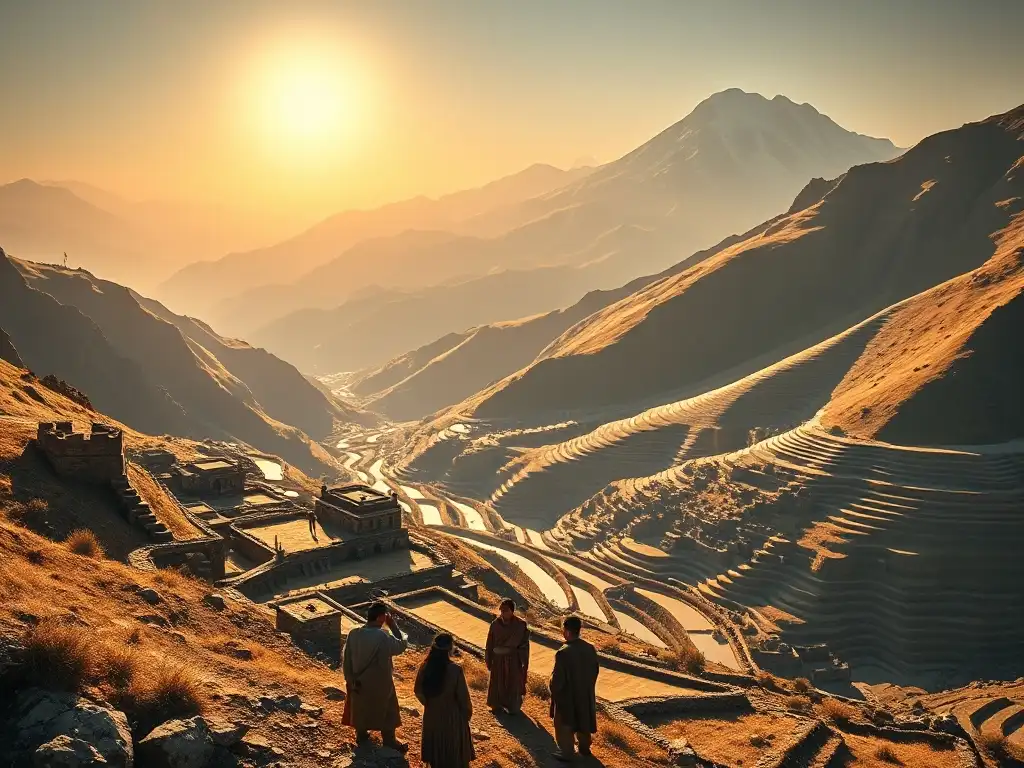
This section delves into the core components that shaped the political systems of the various Andean civilizations, focusing on the intricate interplay between social structures, resource management, and religious beliefs. Understanding these elements is crucial to appreciating the complexity and sophistication of these early states. The term "Andean political systems" itself encompasses a vast array of approaches, demonstrating the diversity within these cultures. We will explore the key features common across many of them, highlighting both similarities and differences.
The Importance of Reciprocity in Andean Societies
Reciprocity, or ayni, was a fundamental principle underpinning Andean social and political organization. It wasn't merely a system of exchange; it was a deeply ingrained social contract that bound individuals and communities together. This principle extended beyond simple bartering; it encompassed reciprocal obligations between individuals, communities, and even the deities.
For example, the labor contributed to communal projects like irrigation systems or temple construction was seen as a reciprocal obligation, strengthening social bonds and ensuring the well-being of the entire community. The failure to uphold these reciprocal agreements could lead to significant social consequences, highlighting the crucial role ayni played in maintaining social order and political stability.
The concept of reciprocity is a vital lens through which to understand Andean political systems, showing how cooperation and obligation were central to power structures. Evidence of this can be seen in the meticulously organized record-keeping systems used by some Andean cultures to track contributions and obligations.
Control of Resources and Labor: The Basis of Power
Control over vital resources, particularly agricultural land and water, was paramount in Andean political systems. Access to fertile valleys and reliable irrigation systems directly translated into power and influence. Elites controlled access to these resources, often through a complex system of land tenure and labor organization.
This control wasn't always absolute; some communities maintained certain levels of autonomy in managing their own resources, but the ultimate authority often resided with the ruling class. The mobilization of labor for large-scale projects, such as the construction of monumental architecture or extensive road networks, was another crucial aspect of power. The ability to command the labor of a significant portion of the population was a hallmark of a powerful Andean state.
We can see examples of this in the immense scale of Inca projects like Machu Picchu, testament to their effective control over both resources and manpower. Analysis of archaeological sites reveals evidence of sophisticated resource management strategies and centralized control over labor, reinforcing the link between resource control and political power within Andean political systems.
Religious authority was inextricably linked to political power in Andean societies. Rulers often held both secular and religious roles, bolstering their legitimacy through claims of divine connection or descent. This intertwining of religious and political power fostered social cohesion and reinforced the authority of the ruling class.
The elaborate religious ceremonies and rituals performed by the elite served to reinforce their divine mandate and maintain social order. The construction of impressive temples and the performance of elaborate sacrifices were not merely religious acts; they were powerful displays of political authority and control. The close relationship between the religious and political spheres in Andean political systems provides insight into the ways in which these societies legitimized their power structures.
The Role of Shamanism and Andean Cosmology
Shamanistic practices and a complex cosmology played a vital role in legitimizing political authority. Shamans acted as intermediaries between the human and spiritual worlds, influencing decisions related to agriculture, warfare, and other aspects of Andean life. Their knowledge of Andean cosmology, which encompassed a complex system of deities, spirits, and sacred landscapes, was crucial in shaping political beliefs and practices.
Shamans' ability to interpret omens, predict the future, and perform rituals that ensured the well-being of the community enhanced their influence and authority. The integration of shamanistic practices within Andean political systems highlights the significance of religious belief in shaping social structures and political power.
Further research into specific Andean cultures could reveal more nuanced understandings of the shaman’s role in governance and the specific ways in which cosmology shaped political ideologies. The intricate relationship between religion, cosmology, and governance remains a fascinating area of study within the broader field of Andean political systems.
Comparing Andean Political Systems: Similarities and Differences
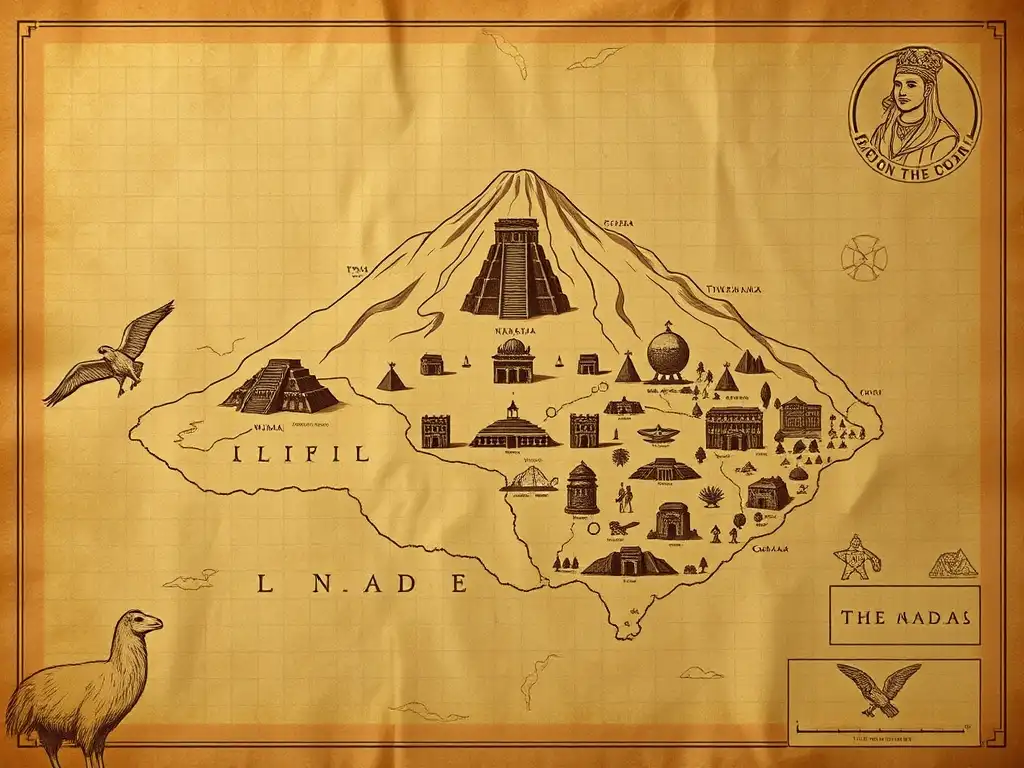
This section delves into the fascinating complexities of Andean political structures, focusing on the unique characteristics and shared traits among different early Andean states. Understanding these nuances is crucial to appreciating the diverse tapestry of governance that shaped the region. We will explore the ways in which power was wielded, the extent of centralized control, and the mechanisms used to maintain social order, specifically examining the Moche, Nazca, and Tiahuanaco civilizations.
Analyzing these Andean political systems reveals both surprising commonalities and significant divergences in their approaches to governance. The rise of these complex societies was not a monolithic process, but rather a series of unique adaptations to the challenging Andean environment and the resulting social and economic pressures.
Contrasting Moche, Nazca, and Tiahuanaco Political Models
The Moche, Nazca, and Tiahuanaco civilizations, while geographically proximate and temporally overlapping to some degree, developed vastly different political systems. The Moche, known for their elaborate iconography and sophisticated irrigation systems, appear to have been ruled by a hereditary warrior elite. Evidence suggests a highly centralized state, with theocratic rulers wielding significant power. Their monumental architecture and intricate artwork likely served both practical and propagandistic purposes, reinforcing the authority of the ruling class. The concentration of power is evident in the sophisticated organization of labor required for large-scale construction projects and the creation of extensive irrigation networks.
In contrast, the Nazca, renowned for their breathtaking geoglyphs and advanced textile production, present a more ambiguous picture. While evidence points to a degree of centralized authority, the nature and extent of this power remain debated. Some scholars suggest a less centralized system, perhaps involving a network of smaller, independent chiefdoms, rather than a single, unified empire.
The impressive scale of their geoglyphs and the sophistication of their textile technology, however, imply a degree of social organization and coordinated effort that necessitated some form of centralized control, albeit possibly less rigid than that of the Moche. The lack of monumental architecture comparable to the Moche further supports this hypothesis of a less centralized Andean political system.
The Tiahuanaco, on the other hand, are characterized by their imposing monumental architecture, including the iconic Puma Punku complex. This suggests a powerful, highly centralized state capable of mobilizing vast resources and manpower. The Tiahuanaco state controlled a large territory, extending its influence across the altiplano and beyond. Their political system may have been more theocratic than that of the Moche, with religious leaders playing a significant role in governance. Unlike the Moche, whose power seems to have been based on military might, the Tiahuanaco’s control likely stemmed from a combination of religious authority, economic power, and military strength.
| Civilization | Political Structure | Key Features | Evidence |
|---|---|---|---|
| Moche | Highly centralized, theocratic, warrior elite | Monumental architecture, intricate artwork, sophisticated irrigation | Large-scale constructions, iconography depicting rulers |
| Nazca | Possibly less centralized, network of chiefdoms? | Advanced textile production, geoglyphs | Scale of geoglyphs and textile production, lack of monumental architecture |
| Tiahuanaco | Highly centralized, possibly theocratic | Monumental architecture (Puma Punku), extensive territorial control | Size and complexity of Puma Punku, evidence of widespread influence |
Commonalities in the Exercise of Power in the Early Andes
Despite their differences, several common threads connect the political systems of the early Andean states. One key similarity lies in the use of ideology and religious belief to legitimize power. In all three cases, rulers likely utilized religious authority and elaborate rituals to consolidate their control and maintain social order. The construction of monumental architecture and the creation of intricate artwork often served to reinforce the power and prestige of the ruling class, presenting them as divine or semi-divine figures. This manipulation of religious beliefs served as a powerful tool for social control in these Andean political systems.
Another shared characteristic was the importance of control over resources, particularly water and fertile land. The sophisticated irrigation systems developed by the Moche and other Andean civilizations were not merely technological achievements but also instruments of political power. Access to water and arable land was essential for survival, and the state's ability to control these resources was crucial for maintaining its authority. This control over resources translated into economic power, which in turn reinforced political dominance. The ability to manage these resources effectively was a key factor in the success and stability of these early Andean states.
Finally, all three civilizations demonstrate evidence of social stratification, with a clear hierarchy separating the ruling elite from the common people. This stratification was likely reinforced through various mechanisms, including religious beliefs, economic control, and possibly even military force. While the specific details of social organization varied across these societies, the existence of a stratified social structure appears to be a consistent feature of early Andean political systems.
Understanding these commonalities allows us to appreciate the broader patterns and underlying principles that shaped the political landscape of the Andes. Further research is needed to fully understand the nuances of these intricate societies and the complexities of their governance. 🕵️♂️
The Legacy of Andean Political Systems
The intricate tapestry of Andean political systems, woven over millennia, left an enduring legacy that continues to resonate today. Understanding the successes and failures of these ancient states provides invaluable insights into the complexities of governance and societal organization. While the Incas are often the most prominent example, a deeper dive reveals a diverse range of political structures across various Andean cultures, each with unique characteristics and approaches to power.
From the highly centralized Inca Empire to the regional kingdoms of the Moche and the sophisticated city-states of the Tiahuanaco, the Andean world showcased a remarkable experimentation with political organization. The variations in their governance models, influenced by geography, resource availability, and cultural beliefs, offer a rich case study for understanding the evolution of complex societies and the enduring challenges of maintaining social order and political stability. The study of these systems is not simply an academic exercise; it provides crucial context for understanding the enduring impact of Andean civilizations on the modern world.
Analyzing their successes and failures allows for a more nuanced understanding of contemporary political challenges, offering valuable lessons for navigating the complexities of governance in the 21st century. The influence of ancient Andean political thought and practice on modern Latin American politics, for example, is a significant area of ongoing research.
How Early Andean Governance Shaped Later Civilizations
The impact of early Andean governance extends far beyond their immediate historical context. The sophisticated administrative systems, particularly those developed by the Inca Empire, profoundly influenced subsequent political structures in the region. The Inca's mita system, a form of labor taxation, while exploitative in some aspects, demonstrated a remarkable capacity for large-scale public works projects like road networks and irrigation systems. These infrastructure achievements facilitated communication, trade, and agricultural productivity, laying the groundwork for future economic development.
Moreover, the Inca's centralized bureaucracy, with its network of officials and appointed leaders, provided a model for later colonial and republican administrations. Even after the Spanish conquest, elements of the Inca administrative system were adapted and integrated into the colonial structure, demonstrating its resilience and adaptability. The Inca's approach to record-keeping, utilizing quipus (a system of knotted strings), although not fully deciphered, showcases their advanced understanding of data management and information control.
This innovative system, though different from later alphabetic systems, highlights the sophistication of their administrative capabilities. Further research is needed to fully understand the long-term consequences of early Andean political structures on the development of the region, particularly concerning the interplay between indigenous traditions and imposed colonial systems. The influence of these early systems can still be seen in contemporary Andean communities’ social and political organization.
Lessons from Ancient Andean Political Structures for Today
The study of Andean political systems offers several valuable lessons applicable to modern governance. The Inca's emphasis on infrastructure development, for instance, highlights the critical role of investment in public works for economic growth and social cohesion. Their extensive road network, connecting distant parts of the empire, facilitated trade and communication, creating a sense of unity and shared purpose. This underscores the importance of strategic infrastructure planning in contemporary societies.
Conversely, the Inca's highly centralized system, while effective in maintaining control over a vast territory, also proved vulnerable to internal dissent and external shocks. This illustrates the inherent risks of concentrating power and the importance of building resilient, adaptable systems capable of weathering crises. The challenges faced by the Inca Empire, such as managing ethnic diversity and maintaining social stability across a vast geographical area, resonate with contemporary issues faced by multinational states. Their successes and failures offer crucial insights into the complexities of managing diverse populations and promoting social justice.
Analyzing the strengths and weaknesses of Andean political systems provides a rich historical perspective for tackling the challenges of effective governance in the modern world. A comparative study examining the effectiveness of decentralized versus centralized systems in Andean societies could provide further valuable insights. The Andean experience offers a compelling case study for understanding the enduring tension between centralized control and local autonomy in governance.
Frequently Asked Questions
What were the main characteristics of Andean political systems?
Andean political systems were highly diverse, but often featured hierarchical structures with powerful rulers, religious elites, and specialized administrative bodies. They also emphasized control over resources like land and labor.
How did the Inca Empire's political system function?
The Inca Empire utilized a highly centralized system based on provincial governors and a complex bureaucracy. Intensive road networks facilitated communication and control across vast distances, enforcing their rule.
How did the smaller Andean societies organize their politics before the Inca?
Pre-Inca societies like the Moche and Nazca developed sophisticated political structures, although less centralized than the Inca. These ranged from chiefdoms to more complex states with specialized roles.
What role did religion play in Andean political systems?
Religion played a crucial role, with rulers often claiming divine legitimacy. Temples, rituals, and religious symbolism were integral to political power and social control throughout Andean societies.
How did Andean political systems manage large-scale projects?
The ability to mobilize labor for monumental construction projects like irrigation systems and temples was a key feature. Political power was directly linked to the capacity for large-scale organization and resource management.
Final Reflection: Echoes of the Andes: Governance and Our Modern World
The intricate political systems of the early Andean states, far from being relics of a distant past, offer crucial lessons for understanding the complexities of governance in our modern, interconnected world. Their successes and failures, their innovations and their limitations, continue to resonate in the challenges we face today – from equitable resource distribution to the delicate balance between centralized power and local autonomy. The echoes of their struggles reverberate in our own political landscapes.
The enduring legacy of Andean political thought and practice is undeniable. The sophisticated systems of record-keeping, infrastructure development, and social organization implemented by civilizations like the Wari and Tiwanaku continue to inspire awe and provide valuable insights into effective governance. The past is never dead. It's not even past.
– William Faulkner. This quote perfectly encapsulates the relevance of studying these ancient systems; their influence extends far beyond their geographical and temporal boundaries, shaping our understanding of power, society, and the very nature of the state.
Consider the challenges faced by these early Andean societies – the need to manage vast territories, diverse populations, and scarce resources. These are challenges we grapple with today on a global scale. You, the reader, are now equipped with a deeper understanding of the complexities of governance, gleaned from the wisdom of ancient Andean civilizations. Reflect on the parallels between their struggles and our own.
What lessons can we learn from their successes and failures? How can we apply this knowledge to build more just, equitable, and sustainable societies in the future? Let the echoes of the Andes guide you towards a more informed and engaged citizenry.
Uncover the Legacy of Andean Governance!
Thank you for exploring the fascinating world of Andean governance and its enduring historical impact. Your interest has already provided valuable insights into the intricate political landscape that shaped these remarkable early societies. Now, let's build on that knowledge and delve even deeper!
Here are some ways to continue your exploration:
- Explore our interactive map of ancient Andean civilizations to witness the evolution of governance across the region.
- Share your discoveries with others on social media and ignite a conversation about the profound role of governance in shaping societies.
- Join our online community to connect with fellow history enthusiasts and discuss the influence of past political systems on contemporary governance.
What aspects of Andean governance find you most captivated, and how do you see them reflected in—or contrasting with—modern political systems?