
Chavín and the Cosmos: Connecting Earthly Life with the Heavens

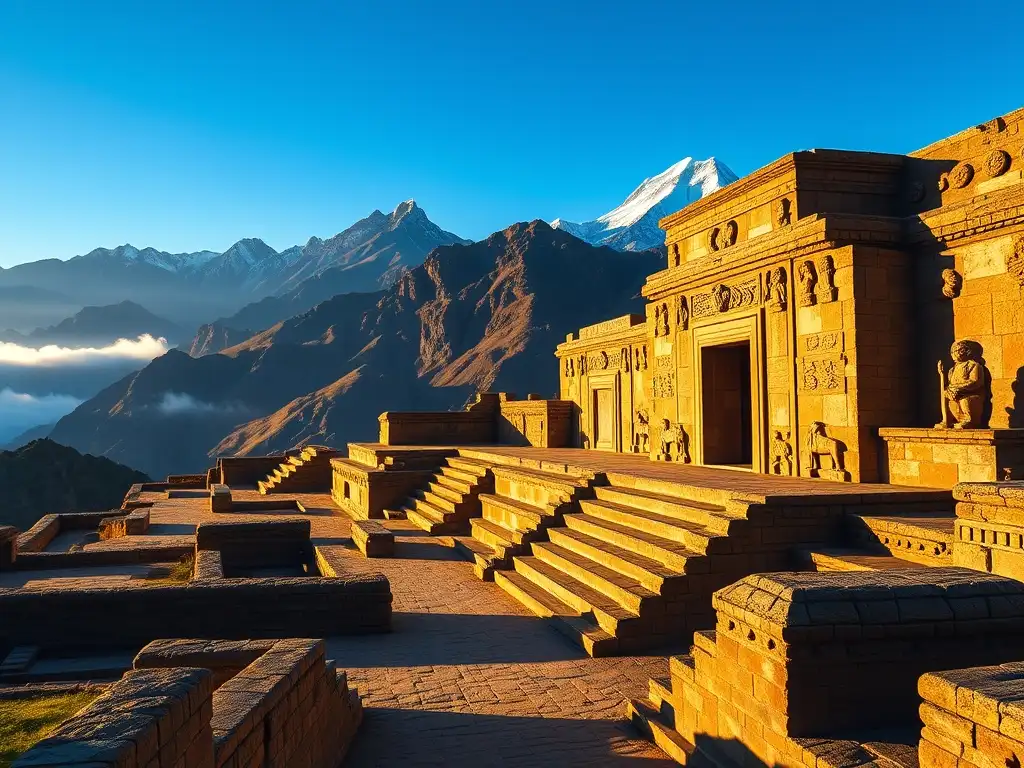
Step into a world lost to time, yet echoing with the power of ancient Andean ingenuity. Prepare to unravel the mysteries of Chavín culture cosmic beliefs, a fascinating tapestry woven from celestial observations and earthly rituals. Journey with us through the Pre-Incan Cultures of the Coast, and discover how the Chavín people connected their lives to the heavens in ways that still resonate today. What secrets did their cosmic beliefs hold? Explore the answers within.
The Chavín culture, flourishing in the Andes Mountains of Peru from approximately 900 to 200 BCE, presents a captivating enigma for archaeologists and historians alike. Their influence, radiating outwards from the central temple complex at Chavín de Huántar, profoundly impacted the development of subsequent Andean civilizations. This article delves into the fascinating world of Chavín cosmology, exploring their intricate beliefs connecting earthly life with the celestial realm.
We will examine the evidence suggesting a sophisticated understanding of astronomy, the symbolic representation of cosmic forces in their art and architecture, and the potential societal implications of these beliefs. Understanding Chavín cosmic beliefs provides crucial insight into the worldview of this formative Andean culture and its lasting legacy on the region's spiritual and artistic traditions.
This exploration will illuminate how the Chavín people perceived their place within the universe and how this perception shaped their society and artistic expression. The keyword "Chavín culture cosmic beliefs" will be explored in detail throughout the article.
Astronomical Knowledge and its Manifestation in Chavín Art
The Chavín people demonstrated a surprisingly advanced understanding of astronomy for their time. Evidence suggests they meticulously tracked celestial events, likely using the positioning of the sun, moon, and stars for agricultural purposes and possibly for religious rituals. While specific data on the precision of their astronomical observations is still being researched, the orientation of structures within Chavín de Huántar, such as the main temple, strongly suggests a deliberate alignment with significant celestial positions.
The intricate carvings found throughout the site depict various celestial bodies and constellations, hinting at a complex system of symbolic representation. These carvings, often featuring stylized jaguars, snakes, and other powerful animals, are believed to represent both earthly and celestial forces, reflecting a deep interconnectedness between the two realms.
Further research is needed to fully decipher the meaning behind these intricate designs and their connection to specific astronomical events. The intricate details of these carvings, along with the architectural alignments, provide compelling evidence of their advanced astronomical knowledge and its integration into their daily lives and religious practices.
The Symbolism of the Lanzón and Other Chavín Iconography
The Lanzón, a massive, carved monolith found within the main temple of Chavín de Huántar, stands as a central figure in Chavín cosmology. This imposing sculpture, depicting a deity with both feline and human characteristics, is believed to represent a powerful cosmic force. The Lanzón’s intricate carvings, featuring stylized fangs, claws, and other symbolic elements, are thought to represent the interconnectedness of the earthly and celestial realms.
Other Chavín iconography, including ceramic vessels and textiles, frequently depict similar motifs, further emphasizing the importance of these cosmic themes in their culture. The recurring appearance of these symbols across various media suggests a standardized and widespread understanding of Chavín cosmology throughout their society.
The repetition of these symbols reinforces their significance and serves as a visual testament to the centrality of cosmic beliefs in Chavín life. Detailed analysis of these symbols is crucial to understanding the nuances of their beliefs and the complex relationship between the Chavín people and the cosmos.
The Societal Impact of Chavín Cosmic Beliefs
The profound influence of Chavín cosmic beliefs extended beyond religious practices and artistic expression. The integration of astronomy into their agricultural practices likely contributed to the success of their civilization, allowing for efficient planning and resource management. Furthermore, the shared belief system fostered social cohesion and a sense of collective identity.
The powerful imagery and symbols associated with Chavín cosmology likely played a crucial role in legitimizing political power and maintaining social order. The centralized nature of the Chavín de Huántar temple complex, along with the widespread dissemination of their iconography, suggests a sophisticated system of religious and political control. Further research is needed to fully understand the intricate relationship between religious beliefs, political power, and social organization within Chavín society.
The impact of these beliefs on the development of subsequent Andean cultures also warrants further investigation, considering their lasting influence on art, religion, and worldview. The evidence suggests a strong correlation between the Chavín's sophisticated cosmology and their social structure and advancements.
- Astronomical Knowledge and its Manifestation in Chavín Art
- The Symbolism of the Lanzón and Other Chavín Iconography
- The Societal Impact of Chavín Cosmic Beliefs
- What were the main characteristics of the Chavín culture?
- How did Chavín religious beliefs influence their art?
- What role did the Chavín de Huántar site play in their society?
- What evidence suggests a connection between Chavín culture and cosmic beliefs?
- How did Chavín culture's cosmic beliefs impact their daily life?
Understanding Chavín Culture's Cosmic Vision
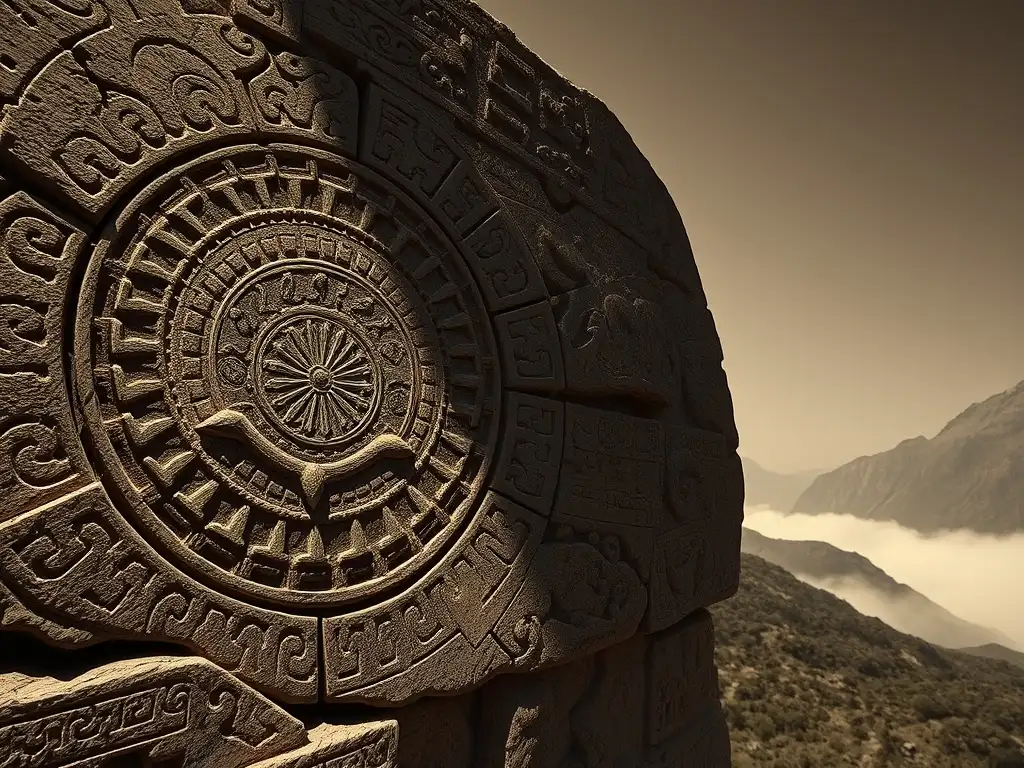
The Chavín culture, flourishing in the Andes from approximately 900 to 200 BCE, presents a fascinating case study in the intertwining of earthly life and celestial events. Their worldview, deeply rooted in cosmology, permeated every aspect of their society, from religious practices to artistic expression. Understanding their cosmic vision requires analyzing their sophisticated astronomical knowledge, their intricate iconography, and the evidence found in their monumental architecture.
This intricate relationship between the Chavín and the cosmos is a testament to their advanced understanding of the universe and its influence on their daily lives. The Chavín culture cosmic beliefs are not simply a matter of superstition; they represent a deeply ingrained system of understanding the world around them. This section delves into the core tenets of this belief system, revealing a civilization profoundly connected to the rhythms of the heavens.
The Importance of Cosmology in the Chavín Worldview
Cosmology wasn't merely a philosophical pursuit for the Chavín; it was the very foundation of their existence. Their deities, often depicted in hybrid forms combining animal and human attributes, were inextricably linked to celestial bodies and natural phenomena. The sun, moon, and stars weren't just distant lights; they were powerful forces influencing harvests, weather patterns, and the very fabric of life.
Evidence suggests a sophisticated understanding of the solstices and equinoxes, with architectural features potentially aligned with these significant celestial events. For example, the orientation of certain temples and plazas may have been carefully planned to mark the path of the sun throughout the year, highlighting the importance of these astronomical cycles in their agricultural practices and religious rituals. This deep-seated connection to the cosmos is reflected in their art, where celestial motifs frequently appear, often interwoven with depictions of deities and mythical creatures.
The intricate carvings found on their pottery and textiles further emphasize the profound significance of their cosmic beliefs in their daily lives. The Chavín worldview wasn't merely a passive observation of the heavens; it was an active engagement, an attempt to understand and harness the power of the cosmos for the benefit of their community.
Chavín Religious Practices and Celestial Observation
Chavín religious practices were directly tied to celestial observations. The priests, likely the most knowledgeable about astronomy, played a crucial role in interpreting celestial events and mediating between the human and divine realms. Rituals, possibly involving sacrifices and hallucinogenic substances, may have been performed to appease or honor celestial deities, seeking favorable conditions for agriculture and overall societal well-being.
The presence of astronomical instruments, though not yet definitively discovered, is highly probable given the sophistication of their astronomical knowledge. The layout of Chavín de Huántar, their principal ceremonial center, itself may have served as a giant astronomical calendar, with its structures strategically positioned to track the movement of the sun and stars. Furthermore, the iconography found throughout the site, featuring jaguars, serpents, and other symbolic creatures, could represent constellations or celestial phenomena, adding another layer to the intricate relationship between their religious beliefs and the cosmos.
Detailed analysis of these symbols, combined with further archaeological discoveries, could shed more light on the specific celestial events and deities they worshipped and the nature of their astronomical observations. The study of Chavín religious practices continues to reveal the depth and complexity of their cosmic beliefs, highlighting their profound understanding of the universe's influence on human affairs. Further research into the intricate details of their rituals and iconography is crucial for a more complete understanding of the Chavín culture cosmic beliefs.
The Chavín Artistic Representation of the Cosmos
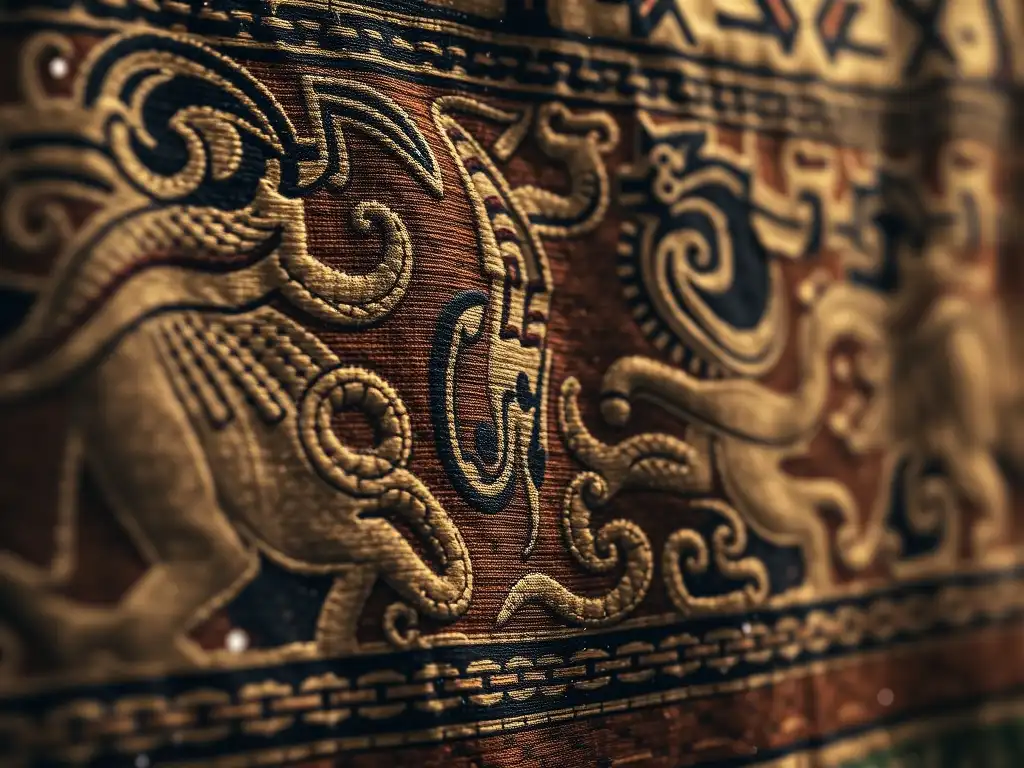
The Chavín culture, flourishing in the Andes from approximately 900 to 200 BCE, left behind a remarkable legacy of art that reflects a profound connection between earthly life and the cosmos. Their artistic expressions, far from mere decoration, served as powerful tools for understanding and interacting with the perceived celestial order.
This intricate system of cosmic beliefs, woven into the very fabric of Chavín society, is evident in their iconic symbols, monumental architecture, and sophisticated artistic techniques. Understanding their art provides a crucial window into their worldview, revealing a sophisticated understanding of astronomy and a deeply spiritual connection to the natural world.
The Chavín's artistic representation of the cosmos goes beyond simple depictions; it's a complex system of symbolism that reveals their sophisticated cosmology and their belief in the interconnectedness of all things. Their art actively participated in their religious practices, acting as a bridge between the human and divine realms.
Iconic Symbols and their Cosmic Significance
Chavín art is replete with recurring symbols, each carrying potent cosmic significance. The most prominent among these are the stylized feline, often depicted with fangs bared and serpentine features, and the serpent itself, frequently intertwined with other motifs. These creatures are not merely representations of animals; they represent powerful forces within the Chavín cosmology.
The feline, for example, may symbolize a celestial predator, perhaps a constellation or a celestial body associated with power and authority. Its association with jaguars, powerful animals revered in Andean cultures, further reinforces its position as a symbol of strength and cosmic energy. The serpent, on the other hand, is often linked to water sources, fertility, and the underworld, embodying the cyclical nature of life and death. Its presence suggests a powerful connection between the terrestrial and celestial realms, indicating the Chavín's belief in the interconnectedness of these spheres.
| Symbol | Possible Interpretation | Significance |
|---|---|---|
| Stylized Feline | Celestial predator, powerful force, cosmic energy | Power, authority, strength, cosmic influence |
| Serpent | Water sources, fertility, underworld, cyclical life | Interconnectedness of terrestrial and celestial realms |
| Staff/Scepter | Representation of authority, connection to the divine | Religious power, mediating between worlds |
Other symbols, such as the staff or scepter, also carry significant weight. These objects, often depicted in the hands of figures in Chavín art, represent authority and a connection to the divine, acting as conduits between the earthly and celestial realms. The meticulous detail and repetition of these symbols underscore their importance within the Chavín worldview, emphasizing their role in religious rituals and ceremonies. The prevalence of these motifs across different artistic mediums further highlights their central role in Chavín religious thought and practice.
The Lanzón Monolith: A Conduit to the Divine
The Lanzón monolith, a massive carved stone sculpture found at the Chavín de Huántar site, stands as a prime example of Chavín artistic representation of the cosmos. This towering, anthropomorphic figure, with its intricate carvings and powerful presence, was likely a focal point for religious rituals. Its design incorporates many of the iconic symbols discussed earlier—the feline, the serpent, and other symbolic motifs—all contributing to its role as a conduit to the divine.
The Lanzón is not merely a sculpture; it's a complex symbolic representation of the cosmos, possibly symbolizing a powerful deity or a representation of the world axis, connecting the upper and lower worlds. Its location within the temple's central chamber further reinforces its importance as a sacred object, mediating between the human and divine realms.
The sheer size and intricacy of the Lanzón underscore the immense effort invested in its creation, highlighting the significance of its cosmic symbolism within the Chavín culture. The impressive scale of the Lanzón, combined with its detailed carvings, suggests a profound understanding of the cosmos and a belief in the power of religious rituals.
Chavín Art: Depicting the Natural and Supernatural
Chavín art masterfully blends depictions of the natural world with supernatural elements, creating a complex and multifaceted representation of the cosmos. The artists meticulously rendered details of flora and fauna, alongside fantastical creatures and symbolic motifs, illustrating the close relationship between the earthly and the celestial realms. This integration of natural and supernatural elements is evident in their textile designs, ceramics, and stone carvings.
For example, depictions of jaguars, snakes, and birds are frequently combined with abstract symbols and geometric patterns, suggesting a symbolic layering of meaning. The artists did not simply copy nature; they used it as a basis for creating symbolic representations of cosmic forces and deities. The realistic portrayal of animals is often intertwined with stylized forms and supernatural elements, creating a unique artistic language that reflects the Chavín belief system.
This fusion of the natural and supernatural underscores the Chavín's belief in the interconnectedness of all things, where the earthly realm reflects and interacts with the celestial realm. The detailed representations of both natural and supernatural elements in Chavín art highlight their sophisticated understanding of the world and their deep spiritual beliefs. This unique blend is a testament to the Chavín's artistic innovation and their profound connection with the cosmos.
Chavín Architecture and its Connection to the Stars
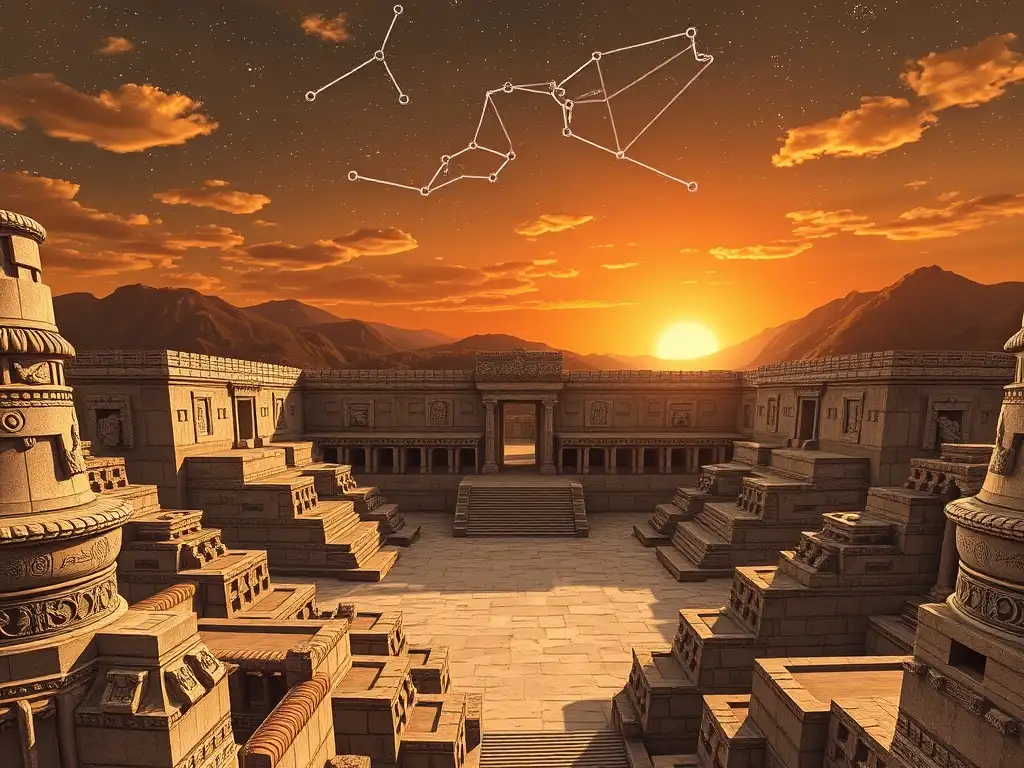
The Chavín culture, flourishing in the Andes from 900 to 200 BCE, left behind a remarkable architectural legacy deeply intertwined with their cosmic beliefs. Their understanding of the cosmos wasn't merely philosophical; it was physically manifested in their temple structures, demonstrating a sophisticated knowledge of astronomy and its influence on their worldview.
The precise alignment of key architectural features with celestial events suggests a deliberate attempt to connect the earthly realm with the heavens, reflecting a society profoundly shaped by its celestial observations. This intricate relationship between Chavín architecture and the cosmos is a testament to their advanced astronomical understanding and its central role in their religious and social life.
The meticulous planning and execution of these structures serve as powerful evidence of the Chavín's deep-seated belief in the interconnectedness of the terrestrial and celestial spheres. This section will delve into the specific ways in which Chavín architecture reflects their cosmic beliefs, focusing on the key aspects of their temple design and its astronomical significance.
The Alignment of Chavín Temples with Astronomical Events
Analysis of Chavín de Huántar, the most significant Chavín site, reveals a remarkable correlation between the temple's orientation and significant astronomical events. For instance, the main temple's central axis is believed to align with the solstices and equinoxes, allowing for precise tracking of the sun's movements throughout the year. This alignment wasn't coincidental; the precision suggests a deliberate design to mark these crucial dates within the Chavín calendar.
Furthermore, some scholars propose that certain windows and doorways within the temple complex were strategically positioned to frame specific stars or constellations at particular times of the year. This would have provided a visual spectacle, reinforcing the importance of these celestial events in the Chavín worldview. The precise nature of these alignments is still being investigated, with ongoing research utilizing modern astronomical software and techniques to refine our understanding of the Chavín's astronomical knowledge.
Detailed studies of the site’s layout, combined with advanced astronomical modeling, are crucial in unraveling the full extent of their cosmic observations and their integration into their architectural designs. The level of precision involved suggests a profound understanding of celestial mechanics far exceeding what was previously assumed for a culture of that era.
Chavín de Huantar: A Sacred Space Reflecting the Cosmos
Chavín de Huántar wasn't merely a ceremonial center; it was a microcosm of the cosmos itself. The complex's labyrinthine layout, with its interconnected plazas, galleries, and underground passages, can be interpreted as a symbolic representation of the universe. The central Lanzón monolith, a towering carved stone, likely represented a powerful deity associated with both earthly and celestial forces.
Its placement at the heart of the complex underscores its central role in the Chavín cosmology. The intricate carvings adorning the temple walls, depicting jaguars, snakes, and other mythical creatures, also held significant cosmic meaning.
These creatures were often associated with celestial bodies or natural phenomena, further reinforcing the connection between the earthly and celestial realms within the temple's design. The very structure of Chavín de Huántar, with its intricate network of passages and chambers, may have been intended to mimic the celestial pathways and the movement of stars and planets across the night sky, creating a sacred space that directly mirrored the cosmos.
Architectural Symbolism and its Cosmic Interpretation
The symbolism embedded within Chavín architecture is rich and multifaceted, often imbued with cosmic significance. For example, the repeated use of stylized feline imagery, particularly jaguars, is often linked to celestial deities associated with the night sky and powerful cosmic forces. The complex network of tunnels and underground chambers may have represented the underworld, connecting the earthly realm with the subterranean world, further highlighting the interconnectedness of different realms within their cosmology.
The use of specific stones and materials in construction might also have held symbolic meaning, potentially reflecting the different celestial bodies or elements within their cosmological understanding. Further research into the symbolic language of Chavín art and architecture is needed to fully decipher the cosmic messages encoded within their buildings. The interpretation of this symbolism requires a multidisciplinary approach, combining archaeological findings with ethnographic studies of later Andean cultures that may have inherited some of the Chavín's cosmological beliefs.
Understanding these symbols is key to unlocking a more complete picture of Chavín culture and their profound connection with the cosmos. The intricate interplay of architectural elements and symbolic representations reinforces the idea that Chavín architecture was not simply functional, but rather a powerful expression of their deeply held cosmic beliefs.
Chavín Shamanism and its Cosmic Journey
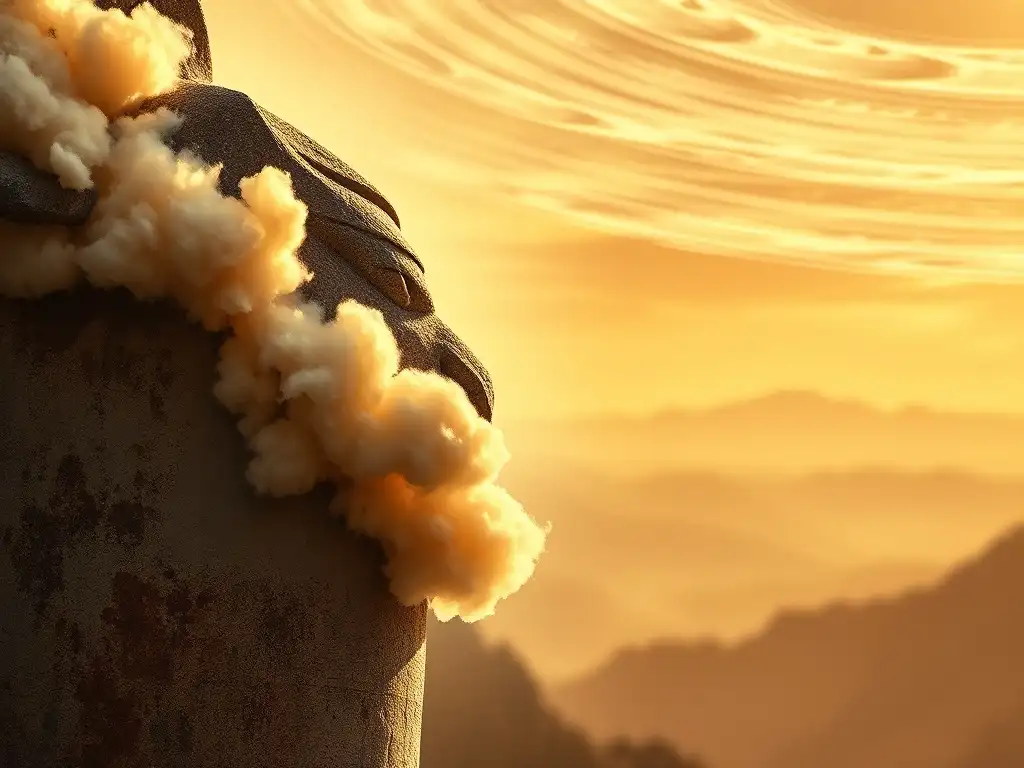
The Chavín culture, flourishing in the Andean highlands of Peru from approximately 900 to 200 BCE, is renowned for its intricate art, sophisticated architecture, and profound cosmological beliefs. Central to understanding their worldview is the crucial role of shamanism and its connection to the cosmos. The Chavín people didn't simply observe the celestial bodies; they actively engaged with them, believing in a dynamic interplay between the earthly and spiritual realms, mediated by powerful shamans.
Evidence suggests a sophisticated understanding of astronomy, with architectural alignments possibly reflecting significant celestial events like solstices and equinoxes. This intricate relationship between the earthly and heavenly spheres is reflected in their art, architecture, and ritual practices. Understanding Chavín cosmic beliefs requires delving into the practices and beliefs of their shamans.
The Role of Shamans in Interacting with the Spirit World
Chavín shamans served as intermediaries between the human world and the spirit world, a world inextricably linked with the cosmos. Their role wasn't simply that of a healer or diviner; they were considered powerful figures capable of journeying to other realms and interacting with supernatural beings. Archaeological evidence, such as the depiction of supernatural beings in Chavín art, points to a complex pantheon of deities associated with celestial bodies and natural forces. These beings, often depicted with feline or other zoomorphic features, may represent constellations, planets, or powerful spirits inhabiting the cosmos.
The shamans, through ritual practices and possibly the ingestion of hallucinogenic substances, are believed to have accessed these otherworldly realms, gaining insights and power that they then used to benefit their community. They may have acted as advisors to rulers, interpreting omens and guiding decisions based on their cosmic visions. Their status within the society was likely high, reflecting the importance of their connection to the supernatural.
The intricate carvings and sculptures found at Chavín de Huántar, the culture's principal site, might represent these shamanistic journeys and encounters with cosmic entities. Further research is needed to fully understand the precise nature of their interactions and the extent of their influence on Chavín society.
Chavín rituals and ceremonies were deeply intertwined with their cosmic beliefs. These rituals likely involved offerings to the deities, possibly including precious metals, textiles, and agricultural products. The placement of these offerings within specific architectural contexts, such as underground chambers or plazas, suggests a deliberate attempt to connect the earthly realm with the celestial one. The use of hallucinogenic substances, like the San Pedro cactus, likely played a significant role in these rituals, facilitating altered states of consciousness that allowed shamans to communicate with the spirit world and experience cosmic journeys.
Evidence suggests that the large-scale architecture of Chavín sites, with its labyrinthine passages and intricate carvings, may have served as a stage for these rituals. The design itself may have been intended to evoke a sense of awe and mystery, enhancing the spiritual experience of participants. The specific details of these rituals remain largely unknown, but their importance in maintaining the social and cosmic order within Chavín society is undeniable. Future research, combining archaeological findings with ethnohistorical data, could provide a more comprehensive understanding of these ceremonies and their significance in the Chavín worldview.
Altered States of Consciousness and their Spiritual Significance
The use of hallucinogenic plants, such as the San Pedro cactus, was likely a crucial element in Chavín shamanistic practices and their interaction with the cosmos. These substances would have induced altered states of consciousness, enabling shamans to transcend the limitations of ordinary perception and enter into a realm of spiritual experience. The visual representations in Chavín art, often depicting hybrid creatures and fantastical beings, might reflect the visions experienced under the influence of these substances. This visual language, a blend of the earthly and the supernatural, is central to understanding their cosmic beliefs.
The altered states of consciousness weren't merely recreational; they were integral to the shaman's ability to communicate with the spirit world and gain insights into the cosmic order. These experiences helped to solidify the connection between the earthly and heavenly realms, reinforcing the social and religious structures of the Chavín civilization. The specific effects of these hallucinogens and their impact on Chavín worldview require further investigation.
However, it's clear that altered states of consciousness played a fundamental role in shaping their religious practices and understanding of the cosmos. The remarkable artistry and architectural achievements of the Chavín culture may be a direct outcome of these visionary experiences. The interplay between altered consciousness, shamanic practices, and cosmic beliefs remains a key area of study for understanding the Chavín culture's unique place in Andean history.
The Legacy of Chavín's Cosmic Beliefs
The Chavín culture, flourishing in the Andes from approximately 1200 to 200 BCE, left an indelible mark on subsequent Andean civilizations. Their sophisticated understanding of the cosmos, reflected in their art, architecture, and religious practices, wasn't simply a localized phenomenon; it profoundly impacted the worldview and spiritual practices of later cultures. The intricate iconography found in Chavín artifacts, particularly the recurring motifs of jaguars, serpents, and stylized figures, served as potent symbols that resonated across centuries and geographical regions. These symbols, imbued with cosmic significance, were reinterpreted and adapted by later Andean groups, demonstrating the enduring influence of Chavín cosmology.
The legacy isn't simply about stylistic imitation; it's about the transmission of core beliefs and cosmological concepts. This cultural continuity is a testament to the power and depth of Chavín's understanding of the universe. Understanding this legacy is key to deciphering the complex tapestry of Andean religious thought.
Influence of Chavín Cosmology on Later Andean Cultures
The impact of Chavín cosmology extended far beyond the immediate geographical reach of the culture itself. Evidence suggests a significant influence on subsequent Andean cultures like the Paracas, Nazca, and even the later Inca. For example, the recurring motif of the "Lanzón," the central deity of the Chavín temple, a powerful, anthropomorphic figure often depicted with feline and serpent attributes, can be traced in modified forms in the iconography of later cultures.
While the specific interpretations might have evolved, the underlying symbolism of power, fertility, and cosmic forces remained consistent. This suggests a process of cultural exchange and adaptation, where the core elements of Chavín cosmology were integrated into the belief systems of succeeding Andean societies. Further research into the stylistic parallels and thematic resonances between Chavín art and that of later cultures could reveal more nuanced details about this transmission of cosmological ideas.
Analyzing the distribution of similar iconographic elements across different regions and time periods will offer crucial insights into the processes of cultural diffusion and adaptation in the Andes. The spread of Chavín influence wasn't a simple, linear process; it was a complex interplay of cultural exchange, adaptation, and innovation. The persistence of certain symbolic motifs across centuries highlights the enduring power of Chavín's cosmic beliefs.
The Enduring Significance of Chavín's Understanding of the Universe
The Chavín culture's understanding of the universe wasn't merely a collection of myths and rituals; it was a sophisticated system of beliefs that profoundly shaped their society and its interactions with the natural world. Their worldview, deeply intertwined with the celestial sphere, influenced their agriculture, social structures, and artistic expressions. For instance, the precise alignment of Chavín architectural structures with astronomical events suggests a deep understanding of celestial cycles and their relationship to earthly phenomena.
This awareness wasn't limited to a priestly elite; it likely permeated the entire society, shaping their daily lives and worldview. The enduring significance of Chavín's cosmic beliefs lies not only in their historical impact on later Andean cultures but also in their contribution to our understanding of the evolution of religious thought and the complex interplay between cosmology and societal development. Their sophisticated understanding of the universe, reflected in their art, architecture, and social practices, offers valuable insights into the human capacity for symbolic thought and the development of complex belief systems.
The study of Chavín cosmology, therefore, provides a fascinating window into the human quest for understanding our place in the cosmos. The intricate relationship between the earthly and the heavenly, as envisioned by the Chavín, continues to resonate with contemporary scholars and offers a rich field for further investigation.
Future Studies on Chavín Cosmic Beliefs
Further research into Chavín cosmic beliefs requires a multidisciplinary approach. Future studies should focus on several key areas: First, more detailed analysis of Chavín iconography is needed, using advanced imaging techniques and comparative studies with other Andean cultures. This will help to refine our understanding of the symbolic meanings embedded in their art and architecture. Second, further investigation into the astronomical alignments of Chavín sites, using modern astronomical software and techniques, could reveal more precise information about their understanding of celestial cycles and their relationship to earthly events.
Third, a more thorough investigation into the social and political implications of Chavín cosmology is needed. How did their cosmic beliefs shape their social structures, political organization, and economic practices? Finally, a comparative study with other contemporary Andean cultures can shed light on the uniqueness and the influence of Chavín cosmology within the broader context of Andean religious thought.
By integrating archaeological, astronomical, anthropological, and art historical perspectives, future research can significantly enhance our understanding of this fascinating and influential culture and its enduring legacy. These investigations will not only illuminate the specifics of Chavín beliefs but also contribute to a broader understanding of the evolution of religious thought and the complex relationship between humans and the cosmos throughout history. The potential for discovery in this field remains immense.
Frequently Asked Questions
What were the main characteristics of the Chavín culture?
The Chavín culture (c. 900-200 BCE) is known for its iconic artistic style, characterized by feline and other zoomorphic motifs, and its influence across the Andes. They developed sophisticated religious and ceremonial practices centered around a powerful religious center.
How did Chavín religious beliefs influence their art?
Chavín art is deeply intertwined with their cosmic beliefs. Zoomorphic representations, such as jaguars and eagles, symbolized powerful forces in the cosmos and were used to express religious ideas and concepts of power. Religious iconography was integrated into their architecture and artifacts.
What role did the Chavín de Huántar site play in their society?
Chavín de Huántar served as a major religious and ceremonial center. It attracted pilgrims from across the Andes, and its monumental architecture and intricate carvings suggest a highly organized and stratified society centered around religious leaders and practices.
What evidence suggests a connection between Chavín culture and cosmic beliefs?
The iconography found in Chavín art—depicting celestial bodies, mythical creatures, and shamanistic imagery—strongly suggests a connection to cosmic beliefs and shamanistic practices. The architecture itself, often incorporating astronomical alignments, further supports this link.
How did Chavín culture's cosmic beliefs impact their daily life?
While the specifics are debated, it's likely that Chavín cosmic beliefs permeated daily life. Agricultural practices, social organization, and even artistic expression were probably influenced by their understanding of the cosmos and the interaction between the earthly and celestial realms.
Final Reflection: Echoes of the Andes, Whispers of the Cosmos
The intricate cosmology of the Chavín culture remains a potent reminder of humanity's enduring fascination with the heavens, a fascination that continues to shape our understanding of the universe and our place within it. Their sophisticated astronomical observations and symbolic representations, woven into the very fabric of their society, resonate powerfully with contemporary discussions about our relationship with the cosmos, highlighting the timeless human need to find meaning in the vastness of space.
The Chavín's deep connection to the celestial sphere wasn't merely a matter of scientific observation; it was integral to their worldview, shaping their social structures, artistic expressions, and spiritual practices. Their understanding of the cosmos informed their daily lives, influencing everything from agriculture to ritual. The cosmos is not outside us. It is within us. We are made of star-stuff.
- Carl Sagan. This quote beautifully encapsulates the Chavín's profound integration of the earthly and the celestial, a perspective that continues to inspire awe and wonder in our own time, reminding us of the interconnectedness of all things.
Consider the enduring legacy of Chavín artistry and architecture. Their temples, carved into the landscape, stand as testaments to a civilization that sought to bridge the gap between the human and the divine, the earthly and the cosmic. Now, it's your turn to reflect.
How can we, in our modern world, reconnect with this sense of wonder and reverence for the universe? How can we find meaning and purpose in the vastness of space, drawing inspiration from the ancient wisdom of cultures like the Chavín? Let the echoes of the Andes inspire you to look up, to explore, and to find your own connection to the cosmos.
**Unveil the Wonders of the Cosmos! **
Thank you for exploring the captivating connections between Chavín culture and the cosmos! Your journey through history enriches your understanding and fosters a deeper appreciation for life's mysteries.
To enhance your experience, consider these suggestions:
- **Visit** a Chavín archaeological site to immerse yourself in their fascinating worldview.
- Share your newfound knowledge with friends and on social media to inspire others about the beauty of Andean cultures.
- **Spend** a night stargazing, reflecting on the celestial beliefs of past civilizations and forging your own cosmic connection.
What aspects of Chavín culture resonate most with you as you explore the universe?