
Inca Military Innovations: Engineering and Technological Advancements

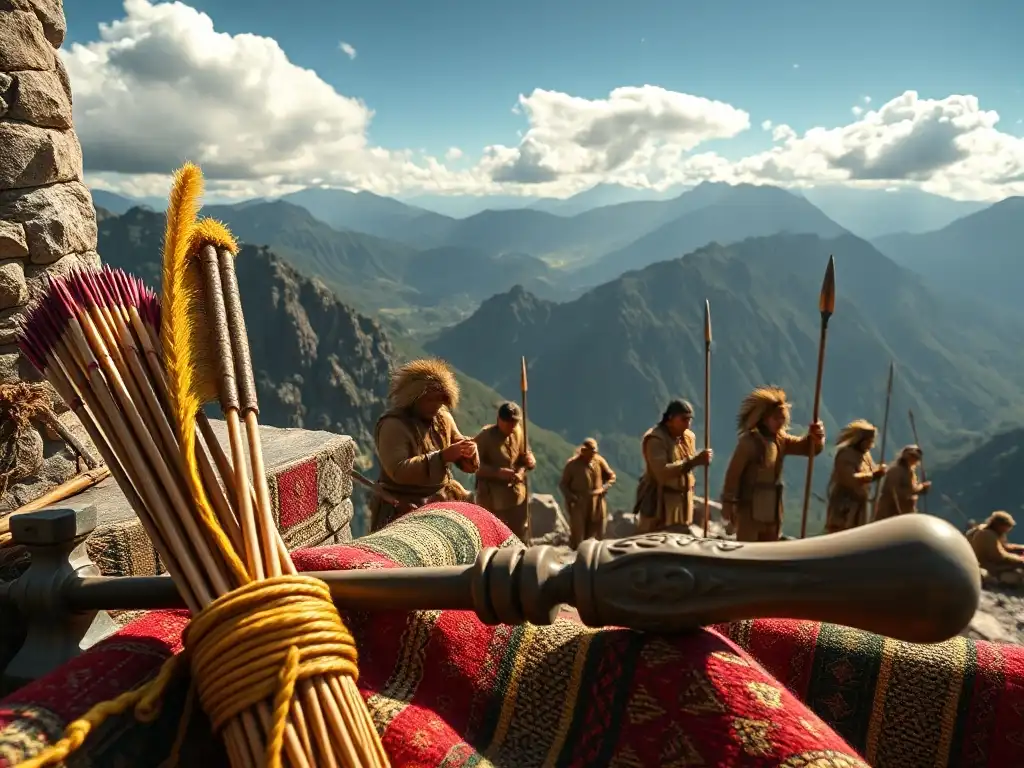
Step into a world lost to time, yet echoing with the ingenuity of empires past. Discover the secrets of the Andes, a land where towering mountains cradled civilizations of breathtaking artistry and astonishing military prowess. But what truly propelled the Inca to dominance? Prepare to be amazed as we unravel the mysteries behind Inca military technology innovations, revealing ingenious engineering feats and strategic advancements that shaped the destiny of a continent. Dare to delve deeper into the fascinating world of Andean warfare and uncover the truth behind their legendary might.
The Inca Empire, spanning vast swathes of the Andes Mountains from the 15th to the 16th centuries, was not only a marvel of administrative organization and agricultural ingenuity but also a testament to remarkable military innovation. This article delves into the sophisticated engineering and technological advancements that underpinned the Inca military's success, examining how they adapted their environment and resources to create a formidable fighting force.
We will explore the strategic use of terrain, the development of unique weaponry, and the logistical prowess that allowed the Inca army to conquer and control such a geographically diverse and challenging empire. Understanding these innovations provides crucial insight into the complexities of Inca society and its lasting impact on Andean history.
The Inca's military success wasn't solely dependent on manpower; it was a product of careful planning, strategic thinking, and impressive technological capabilities, showcasing a deep understanding of both warfare and engineering. This exploration will reveal how the Inca military technology innovations contributed significantly to their rise and dominance.
Introduction to Inca Military Ingenuity
The Inca military wasn't simply a collection of warriors; it was a highly organized and efficient machine, fueled by sophisticated logistical networks and innovative technologies. Unlike many contemporary societies that relied heavily on cavalry, the Inca army adapted to the challenging Andean terrain, developing strategies and technologies specifically suited to mountainous warfare. Their ingenuity extended beyond weaponry; it encompassed infrastructure development, communication systems, and even the strategic deployment of their troops.
This intricate system allowed them to effectively mobilize large armies across vast distances, swiftly quell rebellions, and maintain control over their expansive empire. The effectiveness of the Inca military stemmed from a holistic approach, integrating technological advancements with a deep understanding of Andean geography and the psychology of warfare. This holistic approach, unlike many of their contemporaries, ensured that their military operations were not only powerful but also sustainable.
Understanding the Context of Inca Warfare
Inca warfare wasn't solely about conquest; it played a significant role in maintaining political stability and expanding the empire's influence. The Inca faced various challenges, including the need to control diverse populations, manage resources across varied ecological zones, and defend against potential threats from neighboring groups. Their military strategies were therefore multifaceted, combining aggressive expansion with shrewd diplomacy and strategic alliances. The mountainous terrain of the Andes presented unique challenges and opportunities.
The Inca cleverly utilized this terrain to their advantage, constructing fortifications in strategically important locations, and employing guerilla tactics to ambush and outmaneuver their enemies. This understanding of the geographical context is crucial to appreciating the ingenuity behind their military innovations. The Inca military technology innovations were not developed in isolation; they were directly influenced by the environmental and political realities of their time.
Inca Military Engineering Marvels
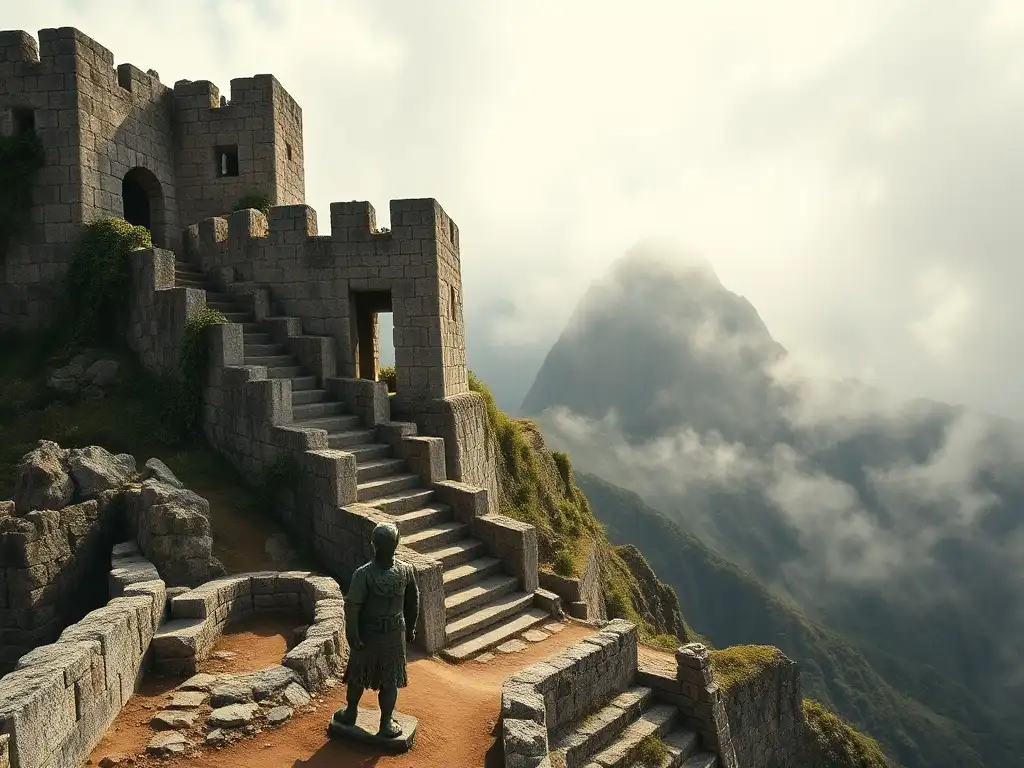
The Inca Empire's military dominance wasn't solely reliant on manpower; it was significantly bolstered by impressive feats of engineering that facilitated rapid troop deployment, efficient logistics, and formidable defenses. Their military innovations weren't simply weapons; they were sophisticated systems designed for control and conquest across a vast and challenging terrain. This section delves into some of the most remarkable examples of Inca military engineering, showcasing the ingenuity and technological prowess that underpinned their power. Understanding these engineering marvels is crucial to appreciating the full scope of Inca military technology innovations.
Qhapaq Ñan: The Inca Royal Road for Military Logistics
The Qhapaq Ñan, or Inca Road system, stands as a testament to Inca engineering capabilities and its crucial role in military operations. This extensive network of roads, spanning over 40,000 kilometers, wasn't merely a transportation system; it was the backbone of the empire's military logistics. Its strategic design facilitated the rapid movement of troops and supplies across the Andes' diverse and challenging geography.
The Qhapaq Ñan wasn't a single, monolithic road, but a complex web of interconnected pathways, catering to varying terrains. Sections were meticulously paved with stone, allowing for year-round use, even in mountainous regions. Ingenious drainage systems prevented erosion and maintained road integrity. Strategic placement of tambos (roadside inns) provided rest stops and storage facilities for soldiers and supplies, ensuring troops remained well-supplied and rested during long marches.
This meticulous planning enabled the Inca army to react swiftly to rebellions or external threats, swiftly deploying forces across vast distances. The efficiency of the Qhapaq Ñan represents a significant Inca military technology innovation, contributing substantially to their control over such a geographically diverse empire. The sheer scale and functionality of this network are unmatched in pre-Columbian engineering.
Suspension Bridges: Vital Infrastructure for Troop Movement
The Inca's mastery of suspension bridge construction is another remarkable example of their military engineering prowess. These bridges, often spanning deep gorges and raging rivers, were essential for maintaining communication and troop movement across otherwise impassable terrain. Their construction involved intricate weaving techniques using strong, naturally sourced materials like ichu grass and fibers from the maguey plant. These materials were woven into incredibly strong ropes, which were then suspended across canyons, providing a pathway for soldiers and supplies.
The design and construction of these bridges were remarkably sophisticated for their time. The Inca engineers cleverly utilized natural anchors in the rock faces, ensuring the bridge's stability even under heavy loads. This allowed for the swift movement of troops and supplies across challenging geographical obstacles, a considerable advantage in military campaigns.
The design was not static; bridges were adaptable to varying spans and terrain, showcasing Inca engineers’ understanding of structural mechanics and material science. The construction of these suspension bridges represents a significant Inca military technology innovation, allowing for rapid troop deployment even in the most challenging environments. 🌉
Ollantaytambo: A Fortified City and Military Stronghold
Ollantaytambo, a majestic Inca city nestled in the Sacred Valley, serves as a prime example of Inca military architecture and strategic planning. More than just a city, Ollantaytambo functioned as a strategically important military stronghold, designed to defend against potential invaders. Its imposing stone structures, strategically positioned terraces, and intricate network of defensive walls effectively protected the city and controlled access to the surrounding valley.
The city's layout itself was designed for defense. Narrow, winding streets funneled potential attackers into choke points, where they could be easily ambushed. The massive stone walls, some weighing many tons, were incredibly resistant to attack. Ingenious systems of canals and water channels could be used to flood sections of the city, further hindering attackers.
Ollantaytambo's design demonstrates a deep understanding of defensive strategies and the integration of natural features into defensive architecture. The city’s resilience and strategic location underscore the sophistication of Inca military technology innovations in fortification and defense. The sheer scale of the construction, combined with its strategic placement, showcases the Inca's ability to create formidable defensive structures. The impressive engineering of Ollantaytambo remains a lasting testament to Inca ingenuity and military prowess.
Technological Innovations in Inca Weaponry
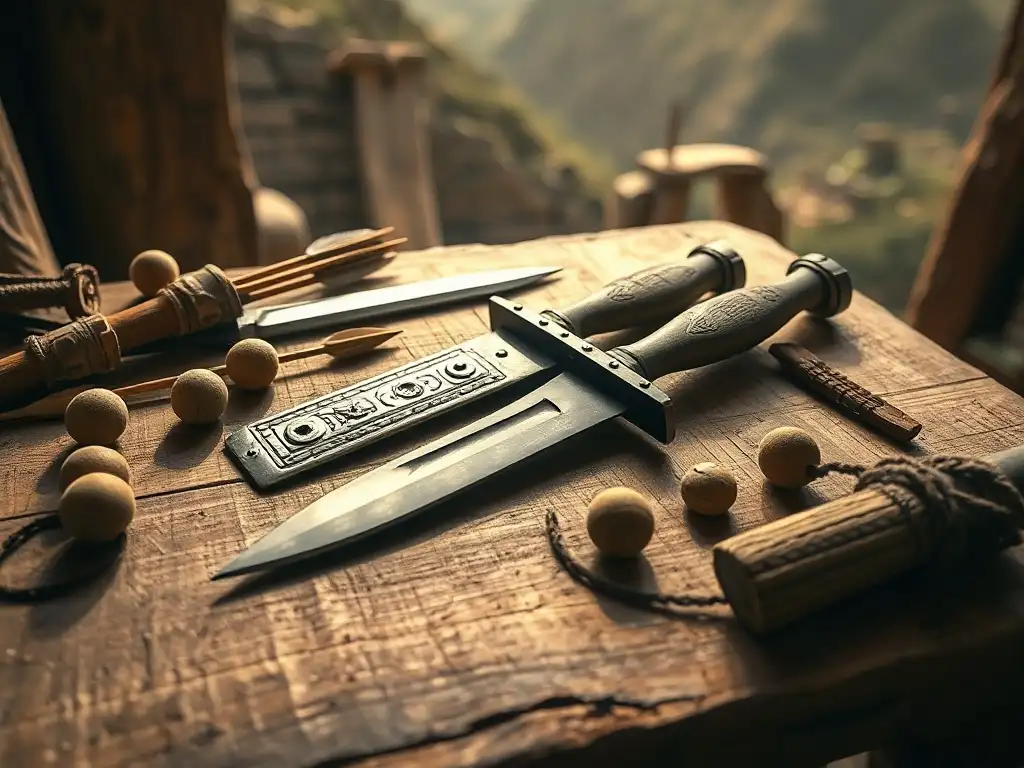
The Inca Empire, renowned for its sophisticated administrative and infrastructural achievements, also displayed remarkable ingenuity in military technology. Their advancements weren't solely about brute force; they involved strategic material science, innovative weapon design, and effective tactical deployment. This section will explore some key technological innovations in Inca weaponry that contributed significantly to their military success and the expansion of their empire.
Understanding these innovations provides crucial insight into the Inca military's effectiveness and the sophistication of their approach to warfare. The key to their success lay not just in the weaponry itself, but also in the innovative strategies employed in conjunction with these advanced tools. This is reflected in the careful selection of materials and the precise manufacturing techniques used in the creation of their weapons.
Copper and Bronze Alloying for Superior Weapons
Inca metallurgists possessed advanced skills in copper and bronze alloying, resulting in weapons superior to those of many neighboring cultures. They weren't simply melting copper and tin together; they understood the importance of precise ratios and controlled heating processes to achieve specific metallurgical properties. This resulted in weapons that were both stronger and more durable than those made using less sophisticated techniques.
For example, Inca macanas (clubs) were often crafted from carefully selected bronze alloys, making them exceptionally resistant to breaking during combat. The precise composition of these alloys varied regionally, suggesting a sophisticated understanding of material science tailored to local resource availability. This regional variation, however, didn't diminish the overall effectiveness of these weapons across the empire.
Further research is needed to fully understand the specific alloy compositions used in different regions and their impact on weapon performance. [Specific alloy compositions pending]. However, archaeological evidence clearly demonstrates that the Inca's mastery of metallurgy was a crucial component of their military strength, enabling them to produce weapons with enhanced durability and striking power. This technological advantage played a significant role in their ability to conquer and control a vast territory. The Inca's ability to create superior weapons through their mastery of metalworking technology is a testament to their advanced understanding of metallurgy and its application to warfare.
The War Sling: Projectile Weapon with Remarkable Range
The seemingly simple war sling was a surprisingly effective weapon in the Inca arsenal. Its effectiveness stemmed not from simple design, but from the Inca's mastery of its use and the careful selection of projectiles. While slings were used throughout the ancient world, the Inca refined the technique, achieving remarkable accuracy and range.
They utilized specially prepared stones, often shaped and smoothed for optimal aerodynamics, maximizing both distance and impact force. The slingers themselves underwent rigorous training, developing exceptional strength and precision. This combination of projectile design and specialized training made the sling a highly effective ranged weapon, particularly useful in siege warfare and harassing enemy formations.
The impact of the sling on Inca military strategy is often underestimated. Its range allowed Inca forces to engage enemies from a safe distance, minimizing casualties and disrupting enemy formations before close-quarters combat. The effective use of slings, coupled with other weaponry, gave Inca armies a significant tactical advantage in many battles.
The sling's effectiveness was not solely dependent on the range; the precision of Inca slingers allowed them to target specific individuals or vulnerable points in enemy formations. This level of accuracy was a testament to their extensive training and proficiency. Their prowess with this seemingly simple weapon is a testament to the Inca's emphasis on rigorous training and strategic utilization of even basic weaponry.
Chuki (Spears) and their Tactical Deployment
The chuki, or spear, was a fundamental weapon in the Inca army. While seemingly commonplace, the Inca's strategic deployment of the chuki highlights their tactical sophistication. The spears weren't just used individually; they were employed en masse in formations designed to overwhelm the enemy. Their length provided a significant advantage in close-quarters combat, allowing Inca warriors to keep enemies at bay while maintaining a safe distance. Furthermore, the chuki was often used in conjunction with other weapons, such as clubs and slings, creating a layered defensive and offensive strategy.
The material composition of the chuki also played a role in their effectiveness. While often made from wood, the choice of wood type and the spearhead's design varied based on regional availability and specific combat requirements. The effectiveness of the chuki was greatly enhanced by the coordinated actions of Inca soldiers, who were trained to work together in formations, maximizing the impact of their spears.
Their tactical deployments were sophisticated, employing techniques designed to break enemy lines and create openings for other weapons and infantry to exploit. The chuki, therefore, was more than just a weapon; it was a vital component of a larger, highly coordinated military strategy. The combination of material science, weapon design, and tactical deployment made the chuki a powerful and versatile weapon in the Inca arsenal.
Wooden and Hide Shields for Personal Defense
Inca soldiers relied heavily on effective personal protection, and their shields played a crucial role in achieving this. Far from simple wooden planks, Inca shields represented a sophisticated blend of materials and construction techniques reflecting a deep understanding of defensive needs on the battlefield. These weren't merely static barriers; their design incorporated features that enhanced maneuverability and protection against a range of weaponry.
The primary material for Inca shields was wood, often sourced from readily available and durable local species. The type of wood varied depending on regional availability, but the selection always prioritized strength and lightness. This careful selection ensured the shields were both effective and manageable for prolonged use in combat. To further enhance their defensive capabilities, the wooden frames were often covered with layers of cured animal hide, typically llama or alpaca. This hide layering provided an additional buffer against blows, increased the shield's durability, and offered a degree of water resistance, crucial in the Andean climate.
The construction process itself was likely a combination of skilled carpentry and leatherworking. The wooden frame, carefully shaped and sized to fit the soldier's body, would have been meticulously prepared before the hide layers were applied. This layering process would have involved careful stretching and securing of the hide to ensure a smooth, even surface. Evidence suggests that some shields may have been reinforced with additional layers of fabric or even metal studs for added protection against piercing weapons.
The size and shape of the shields also varied, likely depending on the soldier's role and the specific tactical situation. While precise dimensions are difficult to ascertain from surviving fragments, it's clear that the Inca understood the importance of balancing protection with maneuverability in their shield designs. The shields weren't simply large, cumbersome objects; they were carefully crafted tools designed to optimize a soldier's defensive capabilities.
This careful attention to detail reflects the Inca's advanced understanding of materials science and their commitment to providing their warriors with the best possible equipment. The quality of the craftsmanship visible in surviving fragments highlights the skill and dedication of the artisans who produced these vital pieces of military equipment. The effectiveness of the shields is further evidenced by their widespread use throughout the Inca empire, indicating their value as a key component of Inca military strategy.
Innovations in Inca Military Logistics and Organization

The Inca Empire's military prowess wasn't solely reliant on brute force; it stemmed from sophisticated logistical and organizational innovations that allowed for the efficient mobilization and sustenance of large armies across challenging Andean terrain. These advancements significantly contributed to their ability to conquer and control a vast empire, showcasing the ingenuity of Inca military technology innovations. Let's delve into some key aspects.
Qullqas (Storehouses) and the Distribution of Supplies
The Inca's success hinged on their exceptional ability to supply their armies. This was achieved through a meticulously planned system of qullqas, strategically located storehouses throughout the empire. These weren't simply storage facilities; they were integral components of a complex network designed for the rapid distribution of food, weapons, clothing, and other essential supplies. The qullqas were built with remarkable architectural precision, often integrated into the landscape to blend seamlessly with their surroundings. Their construction involved advanced stonework techniques, ensuring durability and protection from the elements.
The effectiveness of the qullqas system relied heavily on the mit'a labor system. This system obligated citizens to contribute a set amount of labor to public projects, including the construction and maintenance of the qullqas and the transportation of goods. This ensured a continuous flow of supplies, even during wartime. Detailed records, likely kept using quipus (knotted string records), meticulously tracked the inventory and distribution of resources, allowing for efficient management and preventing shortages.
The system's efficiency is evidenced by the Inca's ability to sustain large armies for extended periods, even during long campaigns in remote regions. The sheer scale of the qullqas network, with thousands of storehouses spread across the vast empire, speaks volumes about their logistical capabilities. Further research is needed to fully quantify the number and capacity of these structures, but archaeological evidence continues to unearth new examples of their sophistication and strategic placement.
Chasqui Runners: A Rapid Communication System
Beyond the impressive logistical network, the Inca Empire boasted a remarkably efficient communication system: the chasqui runners. This relay system allowed for the swift transmission of messages across vast distances, crucial for coordinating military movements and responding to threats. The chasqui runners were specially trained individuals, selected for their stamina and endurance. They ran in relays, passing messages along a network of strategically placed tambos (rest houses) located along well-maintained roads.
The system's speed was astonishing. Messages could travel hundreds of miles in a matter of days, a feat unmatched by any other civilization at the time. The chasqui system wasn't just about speed; it was remarkably reliable. Messages were carefully encoded using a system of quipus or other methods, ensuring accuracy and preventing interception.
This rapid communication was vital for the Inca military, allowing for the swift mobilization of troops, the coordination of attacks, and the rapid dissemination of critical information. The chasqui system exemplifies the Inca's understanding of the importance of communication in military strategy and their innovative approach to solving logistical challenges. The precise number of chasqui runners and the exact details of their training remain subjects of ongoing historical investigation.
The Apus (Generals) and the Decimal Command Structure
The Inca military's organizational efficiency was further enhanced by its highly structured command system. The army was organized into decimal units (groups of 10, 100, 1000, and 10,000), each with its own appointed commander. This hierarchical structure, overseen by high-ranking Apus (generals), ensured clear lines of authority and efficient control, even within large armies. The decimal system allowed for a flexible and adaptable military structure. Smaller units could be easily combined or separated as needed, allowing for effective responses to various tactical situations.
The Apus, often chosen from among the Inca aristocracy, were highly skilled military leaders, trained in both strategy and tactics. They were responsible for the overall command and coordination of their respective units. Their authority was absolute within their designated units, ensuring discipline and obedience.
This hierarchical structure, coupled with the efficient communication and logistical systems, enabled the Inca to deploy and manage their forces effectively, even across vast distances. Further research is needed to fully understand the selection process for Apus and the specific training they underwent, but the effectiveness of the resulting command structure is undeniable, representing a significant Inca military technology innovation in organizational terms. The decimal system, with its clear lines of authority and flexible structure, contributed significantly to the Inca's military success.
Impact of Inca Military Technology Innovations on Warfare
The Inca Empire's remarkable expansion across the Andes was not solely due to superior military strategy; it was significantly aided by technological innovations that reshaped Andean warfare. These advancements, ranging from improved weaponry and fortifications to sophisticated logistical systems, provided the Inca army with a decisive advantage over their opponents. Understanding the impact of these Inca military technology innovations is crucial to appreciating the scale and speed of their conquests.
The effectiveness of their military machine wasn't just about brute force; it was a carefully calibrated system that combined technological prowess with effective organization and leadership. This section will explore the key aspects of this technological edge and its consequences.
Siege Warfare and the Adaptation of Tactics
Inca military technology innovations profoundly impacted siege warfare. Prior to the Inca, Andean warfare often involved skirmishes and raids, with less emphasis on prolonged sieges. The Incas, however, developed sophisticated siege techniques and weaponry. Their mastery of stonework allowed them to construct formidable fortifications, including strategically placed defensive walls and towers, capable of withstanding prolonged attacks.
They also employed innovative siege engines, although the exact nature of these is still debated by scholars. Evidence suggests the use of large slings for hurling projectiles over walls, alongside potentially more complex devices for breaching fortifications. This adaptation of tactics, coupled with improved logistics that allowed for the sustained provisioning of armies during sieges, fundamentally altered the dynamics of Andean warfare. The ability to effectively conduct and withstand sieges was a key factor in their ability to conquer and control larger territories.
The Effectiveness of the Inca Army in Conquest
The Inca military's effectiveness in conquest can be directly attributed to their technological advancements. Their superior weaponry, including the macuahuitl (a wooden club with obsidian blades) and the boleadoras (throwing weapons with weighted cords), provided significant advantages in close combat. Furthermore, their advanced road network, a feat of Inca engineering, allowed for rapid troop deployment and efficient supply lines. This logistical superiority allowed the Inca army to sustain prolonged campaigns and maintain a constant presence across vast territories.
The effectiveness is also evident in the speed of their conquests. The relatively short timeframe within which the Inca Empire expanded across such diverse terrains speaks volumes about the impact of their technological and organizational superiority. Detailed accounts from Spanish chroniclers, while biased, offer glimpses into the effectiveness of Inca military tactics, highlighting the role of superior weaponry and logistical capabilities.
Influence on Subsequent Andean Military Practices
The Inca military technology innovations exerted a lasting influence on subsequent Andean military practices. Even after the Spanish conquest, the legacy of Inca engineering and weaponry persisted, shaping the military strategies and tactics of various Andean groups. The construction techniques used in Inca fortifications continued to inspire defensive structures, while elements of Inca weaponry were adapted and modified by later societies.
For example, the macuahuitl's effectiveness in close combat led to its continued use, even in modified forms. Moreover, the Inca emphasis on logistical efficiency and well-organized armies became a model for subsequent military organizations in the region. The impact extended beyond mere imitation; it fostered a continuous evolution of Andean military capabilities, demonstrating the enduring legacy of Inca innovations.
The study of post-conquest Andean warfare reveals a clear lineage to Inca military technology and its lasting impact. Further research into specific regional adaptations is needed to fully understand the extent of this influence.
The Siege of Cusco: Utilization of Inca Military Strategies
The siege of Cusco, while not a single, definitive event, represents a recurring theme throughout Inca history and a potent demonstration of their military technological prowess. The city's strategic location in the Andes, nestled within a valley and surrounded by easily defensible terrain, played a crucial role in its defense. However, the Inca's military innovations significantly enhanced their capacity to both withstand and launch sieges. The sophisticated understanding of terrain and the strategic placement of defensive structures were key.
The Inca's mastery of stonework allowed them to construct formidable fortifications. Walls, often incorporating carefully fitted stones without mortar, presented formidable obstacles to invaders. These walls were not merely static barriers; they were integrated into a larger defensive system, often incorporating strategic chokepoints and observation points that allowed for the effective deployment of troops.
The construction of these fortifications wasn't a haphazard process; it reflected meticulous planning and engineering expertise tailored to the specific geographical characteristics of Cusco. Evidence suggests that the Inca utilized a variety of stone types, selected for their strength and durability, further highlighting their advanced understanding of materials science in a military context. The integration of natural defensive features, such as cliffs and rivers, into their fortifications further amplified their effectiveness.
Furthermore, the Inca's sophisticated road network played a vital role in both defending and besieging Cusco. This network facilitated the rapid movement of troops and supplies, ensuring that the city remained well-supplied even under siege. The efficiency of their logistical system allowed the Inca to maintain a strong defensive posture and launch counter-offensives when necessary. The ability to quickly reinforce Cusco's defenses or launch surprise attacks against besieging forces was a significant advantage, turning the road network into a strategic asset. This efficient logistics system allowed for the sustained defense of Cusco over extended periods.
The Inca's military strategies during sieges were not solely reliant on passive defense. Their use of guerrilla warfare tactics, leveraging the terrain to their advantage, allowed them to harass and weaken besieging forces. Ambushes, sudden raids, and the cutting of supply lines were common practices.
This active defense strategy, combined with their defensive fortifications, significantly increased the cost and difficulty of any siege against Cusco. The use of these tactics, often coordinated across multiple fronts, prevented the besieging forces from establishing a strong foothold and allowed the Inca to inflict significant casualties while conserving their own resources. It was a testament to their strategic adaptability and their understanding of asymmetric warfare.
Finally, the psychological impact of the Inca's military might should not be underestimated. The reputation of the Inca army, coupled with the formidable appearance of their fortifications, often acted as a deterrent, preventing many potential sieges from even beginning. The very threat of a protracted and costly siege, often resulting in heavy casualties and logistical strain, could force potential adversaries to reconsider their plans. This was a silent, yet powerful, aspect of Inca military technology's influence on warfare. The fear instilled by their military capabilities played a critical role in maintaining stability and control within their vast empire.
Frequently Asked Questions
What were some key Inca military innovations?
The Inca excelled at military engineering, building impressive infrastructure like roads and bridges to facilitate rapid troop movement. They also utilized effective logistics and organization, ensuring their armies were well-supplied. Advanced weaponry, such as clubs, slings, and spears, were also crucial.
How did the Inca road system aid their military?
The extensive road network allowed for swift deployment of troops across the vast empire. This superior mobility gave the Inca a significant advantage over their enemies. Efficient communication along these roads also played a crucial role in coordinating military actions.
What role did Inca weaponry play in their military success?
While not using gunpowder, Inca weaponry was effective and well-suited to their environment. Superior craftsmanship and the use of strong materials enhanced their effectiveness. Combined with tactical prowess, this weaponry contributed significantly to their military victories.
How did the Inca organize and train their armies?
The Inca had a highly organized and disciplined military, with a system of conscription. Specialized units existed for different roles, and training emphasized physical fitness and tactical maneuvers. This created a powerful and effective fighting force.
Did the Inca use any advanced siege technology?
While not possessing gunpowder weaponry, the Inca employed sophisticated siege tactics and engineered siege weapons. They were skilled at constructing fortifications and adapting their strategies to different terrains and enemy defenses. Their successes demonstrated a high level of military ingenuity.
Final Reflection: Echoes of the Andes: The Enduring Legacy of Inca Military Innovation
The ingenuity of Inca military technology wasn't merely a product of its time; it represents a powerful testament to human adaptability and strategic brilliance, a legacy that continues to resonate in modern engineering and conflict studies. The sophisticated road networks, innovative weaponry, and effective logistical systems employed by the Inca Empire stand as a compelling example of how resourcefulness and a deep understanding of terrain can overcome seemingly insurmountable obstacles. This is not just ancient history; it's a blueprint for effective organization and problem-solving that remains relevant today.
The Inca's ability to unify such a vast and diverse empire through a combination of military prowess and sophisticated infrastructure is truly remarkable. Their achievements continue to inspire awe and wonder, prompting us to reconsider our own assumptions about technological advancement and its relationship to societal progress. The Inca were not just builders of empires, but architects of a future they could only dimly perceive.
This quote encapsulates the visionary nature of their military innovations, a forward-thinking approach that allowed them to thrive in a challenging environment. Their legacy challenges us to appreciate the ingenuity of cultures often overlooked in traditional historical narratives.
Consider the implications of the Inca's achievements. Their mastery of logistics, their understanding of terrain, and their ability to adapt their technology to the specific needs of their environment offer valuable lessons for modern engineers, strategists, and anyone facing complex challenges. You, the reader, are now equipped with a deeper understanding of this fascinating aspect of Inca civilization.
Take this knowledge, reflect on its relevance to your own life, and consider how the principles of ingenuity, adaptability, and strategic planning can empower you to overcome obstacles and achieve your own goals. The echoes of the Andes still call to us, urging us to learn from the past and build a better future.
**Unlock the Secrets of Inca Engineering! **
Thank you for exploring the fascinating world of Inca military innovations with us! We hope this article has ignited your curiosity about the incredible engineering and technological achievements of the Inca civilization. Now, let's build on what you've learned!
Here are some ways to continue your exploration:
- **Join our community:** Share your insights and discoveries with fellow history enthusiasts in our discussion forums!
- **Explore further:** Delve into our resources on other Andean civilizations and how their military strategies have influenced modern engineering.
- **Share the knowledge:** Inspire others to appreciate the ingenuity of the Inca by sharing this article with friends and on social media.
Which aspects of Inca engineering or military strategy most captivate you, and how do you see them inspiring innovation today?