
Tiahuanaco's Military Edge: The Art of Siege and Fortification

Prepare to be amazed. For centuries, the towering ruins of Tiahuanaco whispered secrets of a lost empire. Now, delve into the heart of their formidable power. Discover the ingenious military strategy that allowed Tiahuanaco to dominate the Andes, a mastery of siege warfare and fortification that shaped the destiny of entire civilizations. Uncover the hidden tactics behind their success – the story is far more complex and fascinating than you might imagine. Explore the mysteries of Tiahuanaco's military edge and unravel the secrets of their enduring legacy.
- Tiahuanaco's Military Edge: An Overview of Siegecraft and Fortification
- Understanding Tiahuanaco Military Power and Expansion
- Tiahuanaco's Fortification Techniques: Securing the Realm
- Tiahuanaco Siege Warfare: Offensive Military Strategies
- Tiahuanaco Military Strategy: A Combined Approach
- Tiahuanaco Military Legacy: Lessons from the Past
- Frequently Asked Questions
- Final Reflection: The Enduring Legacy of Tiahuanaco's Military Prowess
- Unleash Your Inner Explorer: Dive into the World of Tiahuanaco!
Tiahuanaco's Military Edge: An Overview of Siegecraft and Fortification
The towering ruins of Tiahuanaco, located on the shores of Lake Titicaca in modern-day Bolivia, whisper tales of a powerful civilization that dominated the Andean region for centuries. While renowned for its sophisticated artistry, intricate religious practices, and advanced agricultural techniques, Tiahuanaco also possessed a formidable military capability.
This article delves into the evidence suggesting a sophisticated military strategy employed by the Tiahuanaco, focusing on their mastery of siege warfare and the impressive fortifications they constructed to protect their settlements and control their vast territory. Understanding Tiahuanaco's military prowess provides crucial context to comprehending their rise to power, their influence on neighboring cultures, and the ultimate factors that contributed to their decline.
We will explore the archaeological evidence, analyze their likely tactics, and assess the effectiveness of their military strategies in maintaining regional dominance. The keyword "Tiahuanaco military strategy" will be explored throughout, offering insights into this often overlooked aspect of their remarkable civilization.
The Fortifications of Tiahuanaco: A Bulwark Against Invasion
The Tiahuanaco heartland boasted impressive fortifications, designed not only to deter invaders but also to control access to vital resources like water and arable land. Archaeological evidence reveals the use of massive stone walls, strategically placed towers, and complex defensive systems. These weren't simply haphazard constructions; they were meticulously planned and executed, demonstrating an advanced understanding of defensive architecture.
The precise methods of construction, including the transportation and placement of colossal stones, remain a subject of ongoing research and debate, highlighting the engineering skill and organizational capacity of the Tiahuanaco builders. The scale of these projects speaks to the importance placed upon defense and the resources dedicated to maintaining this crucial aspect of their societal structure.
Analysis of the layout suggests a layered defense system, with outer walls serving as a first line of defense, allowing for a controlled retreat to inner citadels in case of a breach. Further research is needed to fully understand the specific materials used in the construction, the types of tools employed, and the manpower required for these monumental undertakings.
Tiahuanaco Siege Warfare: Evidence and Speculation
While direct evidence of Tiahuanaco siege tactics is limited, we can infer likely strategies based on the available archaeological data and comparisons to contemporary Andean warfare practices. The size and strategic location of Tiahuanaco settlements suggest a capacity for prolonged sieges, with ample supplies and defensive positions to withstand protracted attacks. The mastery of agricultural techniques, evidenced by their sophisticated irrigation systems, would have ensured food security during extended periods of conflict.
Moreover, the control of vital resources like water sources could have been used as a powerful tool in sieges, potentially cutting off enemy supplies and forcing a surrender. We can speculate that Tiahuanaco forces likely employed a combination of defensive maneuvers, including the use of ranged weaponry (such as slings and spears) from elevated positions, along with close-quarters combat when necessary.
Further research into the Tiahuanaco weaponry and the organization of their military units is needed to fully reconstruct their siege warfare capabilities. The analysis of skeletal remains from this period could provide valuable insights into the types of injuries sustained during combat, offering clues about the nature of Tiahuanaco military engagements.
The Influence of Tiahuanaco Military Strategy on Neighboring Cultures
Tiahuanaco's military success wasn't solely due to its defensive capabilities. Their influence extended far beyond their immediate territory, suggesting a proactive military strategy that involved both conquest and the imposition of political control. The spread of Tiahuanaco iconography and architectural styles across a vast region indicates a level of cultural and potentially military dominance.
This suggests that their military strategy was not solely reactive, but also involved offensive campaigns to expand their territory and secure resources. The evidence of widespread trade networks further supports this hypothesis, suggesting that Tiahuanaco exerted influence through a combination of military power and economic control. The impact of Tiahuanaco's military strategy on the development of warfare in the Andean region remains a key area for future research.
More specifically, the long-term consequences of their military actions on the political landscape and the social structures of neighboring societies should be further investigated. Understanding this influence is critical to a comprehensive understanding of the broader Andean civilization's evolution.
The Decline of Tiahuanaco's Military Power: Unanswered Questions
The reasons behind the eventual decline of Tiahuanaco's military power remain a subject of ongoing debate. While environmental factors, such as climate change and resource depletion, likely played a role, internal conflicts and external pressures also contributed to their weakening. The lack of clear evidence regarding the precise causes of their decline highlights the need for further research.
The analysis of archaeological data, alongside the study of contemporary accounts (if any exist), is crucial to piecing together a comprehensive picture of the events that led to the fall of this once-mighty empire. Several hypotheses exist, ranging from internal rebellions to external invasions, but without further evidence, definitive conclusions remain elusive.
The study of Tiahuanaco's fall offers valuable lessons about the fragility of even the most powerful empires and the complex interplay of factors that contribute to their rise and fall. The investigation into the collapse of their military dominance is crucial to a complete understanding of their history and legacy.
Understanding Tiahuanaco Military Power and Expansion
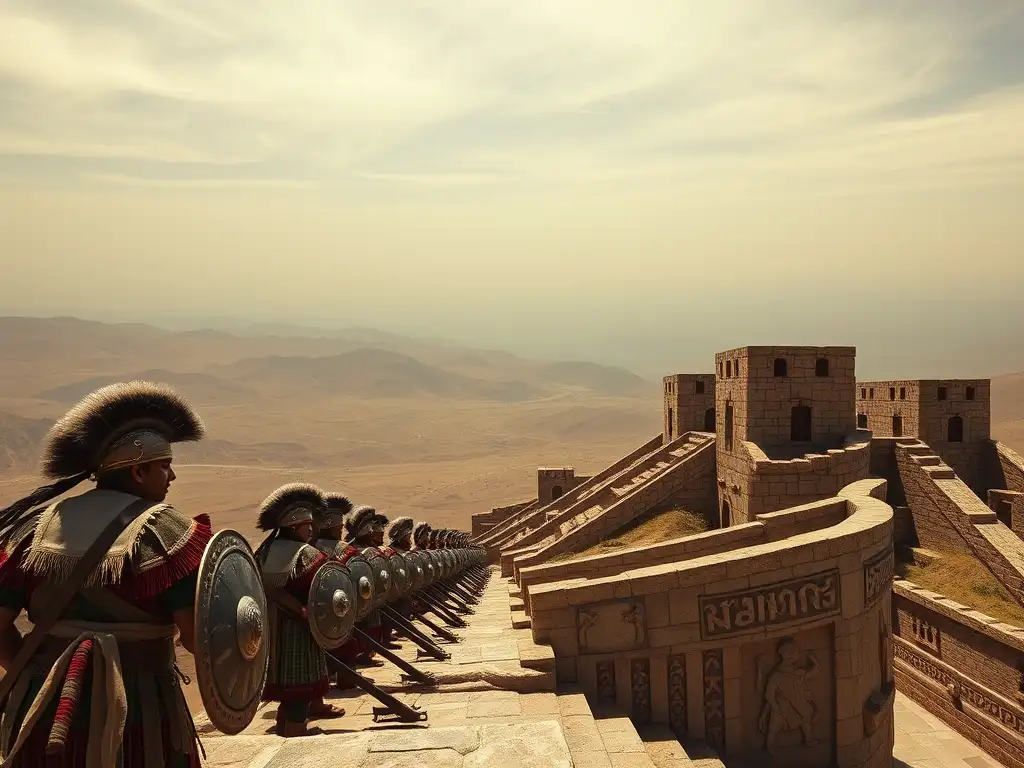
The formidable military might of Tiahuanaco, a pre-Columbian civilization flourishing in the Andes between approximately 300 and 1200 CE, allowed for significant territorial expansion and political dominance across a vast region. Their success wasn't solely based on brute force, but rather a sophisticated combination of strategic planning, innovative engineering, and potentially highly effective weaponry, all contributing to a powerful military machine. Understanding Tiahuanaco's military power requires examining its rise, its army's structure, its siege tactics, and its sophisticated fortification systems.
This understanding helps us appreciate the complexity of Andean warfare and the ingenuity of the Tiahuanaco civilization. The keyword "Tiahuanaco military strategy" is central to understanding their remarkable achievements.
The Rise of Tiahuanaco and its Military Influence
Tiahuanaco's initial rise to prominence is still under scholarly debate, but its military power played a pivotal role in its expansion. Archaeological evidence suggests a gradual process of consolidation, starting with control over crucial resources like fertile agricultural land and access to vital trade routes. This control likely solidified through a combination of diplomacy and military force.
Early successes, perhaps in smaller-scale conflicts, likely boosted the Tiahuanaco army's confidence and reputation, attracting more recruits and resources. The development of advanced agricultural techniques, allowing for increased food production, further supported a larger and more sustainable military. This self-reinforcing cycle of military success, resource accumulation, and technological advancement fueled Tiahuanaco's eventual dominance over a large swathe of the Andes.
The impressive scale of their monuments and infrastructure is a testament to the resources they commanded, resources in no small part secured through military prowess. Further research into the early phases of Tiahuanaco's expansion is needed to fully understand the precise nature of its initial military campaigns and the role of alliances and subjugation in its growth.
Tiahuanaco's Army: Organization and Composition
While precise details remain elusive due to the limited surviving written records, archaeological findings offer glimpses into the organization and composition of Tiahuanaco's army. It's likely the army was not a standing force in the modern sense, but rather a levy system, where able-bodied men were called up for military service as needed. This system would have been flexible, allowing for rapid mobilization and demobilization depending on the scale and duration of conflicts.
The elite warrior class, perhaps identifiable through burial goods and distinctive iconography depicted in artifacts, likely played a crucial role in leadership and specialized combat roles. The size of the army would have varied depending on the specific military campaign. Evidence suggests that the Tiahuanaco military might have employed specialized units, such as archers, spearmen, and possibly even cavalry, although the latter is still a subject of ongoing debate amongst researchers.
The use of sophisticated weaponry, including advanced metallurgy techniques for crafting weapons and defensive armor, provided a decisive advantage in battle. The effective organization and composition of their army, combined with their mastery of siege warfare and fortification, were key components of Tiahuanaco's military success and lasting influence across the Andean region. The study of Tiahuanaco's military organization continues to yield valuable insights into the complexities of Andean warfare and its impact on the region's political landscape.
Tiahuanaco's Fortification Techniques: Securing the Realm
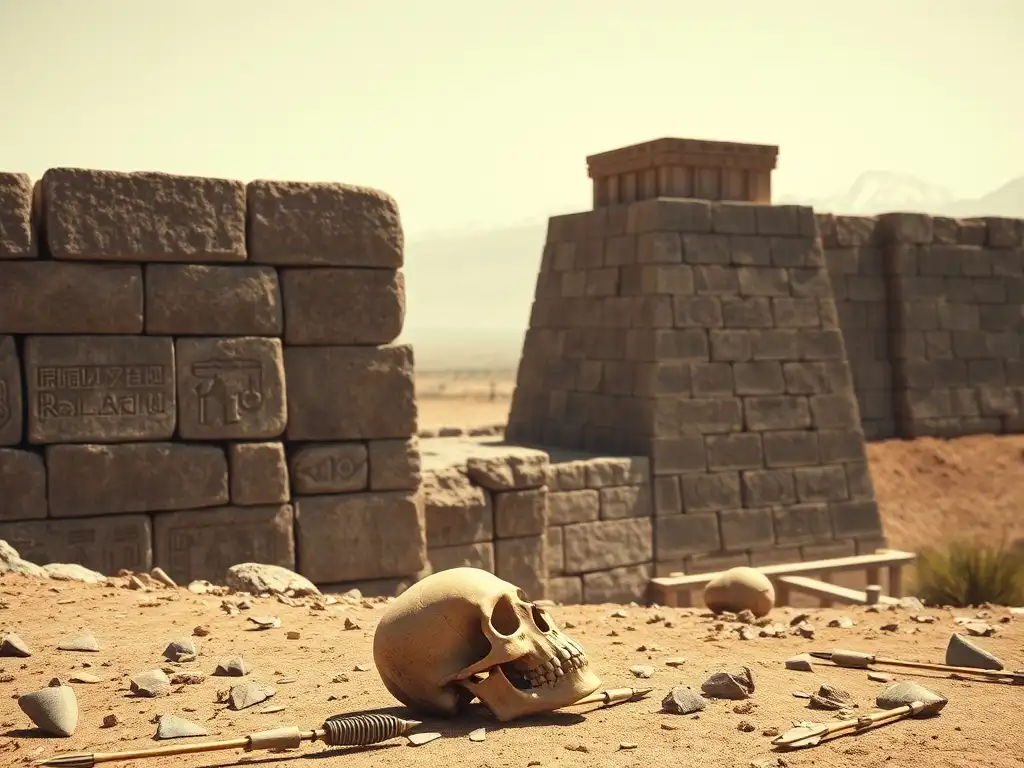
Tiahuanaco's military prowess wasn't solely reliant on its army; its sophisticated fortification techniques played a crucial role in its dominance. The strategic placement of its fortresses, combined with innovative architectural designs, created a formidable defensive network that protected its vast territory and resources. Understanding these techniques reveals a nuanced perspective on Tiahuanaco military strategy and its impact on the Andes region.
The careful consideration of geography, materials, and construction methods demonstrates a deep understanding of both defensive principles and engineering capabilities. This wasn't simply about building walls; it was about controlling access, projecting power, and securing the very foundation of the Tiahuanaco state. The effectiveness of these fortifications is evident in Tiahuanaco's long-lasting influence and the challenges faced by its enemies in attempting to breach its defenses.
Strategic Placement of Tiahuanaco Fortresses
The location of Tiahuanaco's fortifications wasn't arbitrary. Strategically positioned across its expansive territory, these defenses controlled vital resources, trade routes, and access points. Many fortresses were built on elevated terrain offering panoramic views and natural defensive advantages. This allowed for early warning systems and the ability to effectively deploy troops.
For example, [specific location and details of a fortress with strategic importance pending], likely controlled access to [resource or trade route pending], a crucial element in Tiahuanaco's economic power. This strategic placement ensured that any potential invasion would face significant challenges, even before engaging the Tiahuanaco army directly. The placement was intrinsically linked to the broader Tiahuanaco military strategy, maximizing defensive capabilities and minimizing vulnerabilities. This careful planning demonstrates a sophisticated understanding of geography and its military implications, a hallmark of Tiahuanaco's advanced military capabilities.
Architectural Design of Tiahuanaco Fortifications
Beyond strategic placement, the architectural design of Tiahuanaco's fortifications further enhanced their defensive capabilities. The use of local materials, such as stone and adobe, was cleverly integrated with advanced construction techniques. These weren't simply haphazardly constructed walls; they represented a sophisticated understanding of engineering principles, materials science, and defense architecture. The scale and complexity of these structures underscore the significant investment of resources and manpower dedicated to the defense of the Tiahuanaco state. The resulting fortifications were not only strong but also visually imposing, a testament to Tiahuanaco’s power and a deterrent to potential invaders.
Walls and Defensive Structures in Tiahuanaco
The walls themselves were often massive, constructed from precisely cut and fitted stone blocks. The precise nature of the stonework, which often included intricate carvings and designs, is impressive. [Specific details regarding the dimensions and construction methods of a particular wall pending]. Beyond the primary walls, additional defensive structures, such as bastions and towers, were incorporated to provide flanking fire and increased surveillance capabilities.
These structures were not uniformly distributed; their placement reflected a deep understanding of tactical considerations and the potential attack vectors. The integration of these defensive elements created a layered defense system, making it significantly more difficult for attackers to breach the fortifications. The sheer size and complexity of these walls served not only as a physical barrier but also as a symbol of Tiahuanaco's power and resilience.
Gateways and Access Control in Tiahuanaco Forts
Gateways were not simply openings; they were strategically designed choke points, often fortified with additional walls, towers, and even trap mechanisms. [Specific examples of Tiahuanaco gateway designs and their defensive features pending]. Access control was a critical aspect of Tiahuanaco's defense strategy. Limited access points made it easier to defend against attackers and allowed for a controlled entry and exit of people and goods.
This careful control over access points helped to maintain order and security within the fortified areas. The design of the gateways themselves, often incorporating intricate carvings and symbolic elements, served as both functional and symbolic elements of Tiahuanaco power and control. The combination of physical barriers and controlled access formed a crucial component of Tiahuanaco’s overall defensive strategy, highlighting the sophistication of its military planning.
Construction Materials and Methods used in Tiahuanaco Forts
Tiahuanaco's military prowess wasn't solely dependent on its strategic planning; it was deeply intertwined with its mastery of construction. The forts and defensive structures weren't haphazardly thrown together; they were meticulously engineered using locally sourced materials and advanced techniques reflecting a sophisticated understanding of engineering principles. This allowed them to create formidable defenses capable of withstanding prolonged sieges.
The primary building material was, unsurprisingly, stone. However, it wasn't just any stone. Tiahuanaco's builders expertly selected and utilized andesite, a volcanic rock renowned for its strength and durability.
This choice was crucial, as andesite's resistance to weathering and erosion ensured the longevity of their fortifications, even under harsh Andean conditions. The precise quarrying and transportation of these massive andesite blocks remain a testament to their engineering skills, a feat that continues to fascinate and challenge modern researchers. We can only speculate on the precise methods they used, but evidence suggests a combination of levers, ramps, and possibly even rudimentary rollers to move these colossal stones.
Beyond the andesite, Tiahuanaco builders incorporated other materials to enhance their fortifications. Smaller stones, likely sourced from nearby quarries, were used as fill and to create mortar, binding the larger andesite blocks together. Archaeological evidence suggests the use of a type of mud-based mortar, possibly mixed with other binding agents to increase its strength and water resistance.
This mortar, combined with the precise fitting of the andesite blocks, created incredibly strong and stable structures resistant to earthquakes and other natural disasters common in the region. The precise composition of this mortar is still under investigation, however, ongoing analysis of samples from excavated structures is slowly revealing its secrets. The ingenuity of these techniques is further highlighted by the fact that many Tiahuanaco structures have survived for centuries, a testament to their enduring strength and the skill of their builders.
The remarkable preservation of these structures provides invaluable insights into Tiahuanaco's engineering prowess and military capabilities. Understanding these construction methods is key to comprehending the complexity of Tiahuanaco's military strategy and its effectiveness in defending its territory.
Tiahuanaco Siege Warfare: Offensive Military Strategies
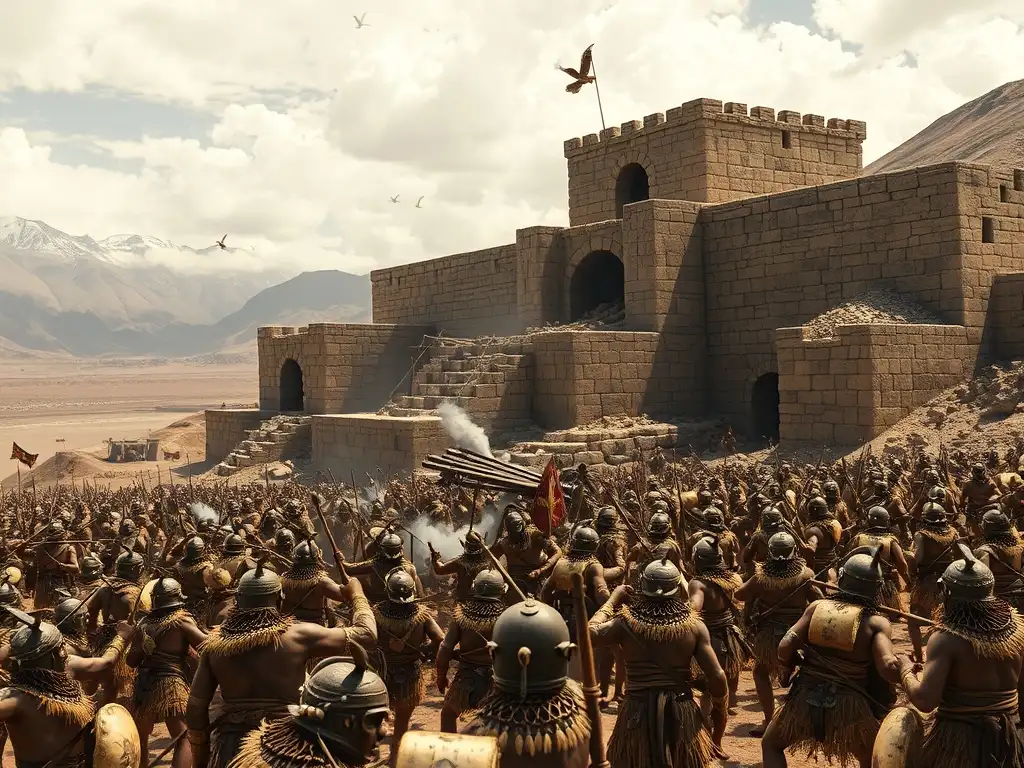
Tiahuanaco's military prowess extended beyond open warfare. Their sophisticated understanding of siege warfare, a crucial component of their overall military strategy, allowed them to conquer and control vast territories. While direct evidence of specific siege tactics is limited, archaeological findings and analyses of their societal structure suggest a well-organized and effective approach to besieging enemy settlements. The Tiahuanaco's mastery of resource management, logistical planning, and the construction of sophisticated weaponry likely played a significant role in their successful siege campaigns. This effective Tiahuanaco military strategy allowed them to dominate the Andean region for centuries.
Tiahuanaco's Approach to Siege Tactics
The Tiahuanaco likely employed a multi-pronged approach to sieges, combining psychological warfare with logistical superiority. Their understanding of terrain and strategic positioning was paramount. They probably targeted settlements strategically, prioritizing those with limited access to resources or easily defensible locations.
This allowed them to minimize their own losses while maximizing the impact of their assault. We can infer from the scale of their empire that their siege tactics were highly effective, resulting in the subjugation of numerous communities. Further research into Tiahuanaco's military organization and logistics could reveal a more nuanced understanding of their siege practices.
The limited existing evidence suggests a sophisticated understanding of prolonged sieges, possibly involving the construction of temporary fortifications near the targeted settlement to establish a sustained presence. This would have given them a strategic advantage in terms of both manpower and resources. The combination of effective siege tactics and superior logistical capabilities played a key role in the expansion and consolidation of Tiahuanaco power.
Evidence of Siege Warfare in the Tiahuanaco Region
Direct evidence of Tiahuanaco siege warfare is scarce, hampered by the challenges of archaeological investigation in the high-altitude Andean environment and the limited preservation of organic materials. However, indirect evidence can be inferred from several sources. The presence of large-scale defensive structures in various locations, such as those found at Lukurmata, points to a prevalence of conflict and the need for sophisticated defenses against sieges.
The discovery of weaponry such as projectile points and clubs, along with the remains of fortifications, indicates that prolonged sieges were likely a common occurrence. Analysis of isotopic ratios in human skeletal remains from sites associated with Tiahuanaco influence might shed light on dietary changes during sieges, providing further evidence of prolonged conflict.
Additionally, the meticulous organization of Tiahuanaco society, evident in their urban planning and agricultural practices, suggests a capacity for the logistical demands of prolonged siege operations. The scale of the Tiahuanaco empire itself is testament to their successful application of military strategies, including siege warfare.
Lukurmata: Evidence of Defensive Structures and Conflict
Lukurmata, a site located within the Tiahuanaco sphere of influence, provides compelling evidence of defensive preparations against siege warfare. The presence of extensive stone walls, strategically positioned terraces, and watchtowers strongly suggests a planned defensive strategy against prolonged attacks. The construction of these fortifications likely involved significant labor and resources, indicating the importance placed on defense against potential sieges.
The scale and complexity of the defensive structures at Lukurmata suggest the potential for protracted conflicts, where the ability to withstand prolonged sieges was crucial. Further research on the site, including detailed architectural analysis and radiocarbon dating, could provide more precise information about the chronology and nature of the conflicts that occurred there. The discovery of artifacts associated with warfare within the defensive structures could further illuminate the strategies employed during sieges at Lukurmata and more broadly within the Tiahuanaco military strategy.
The meticulous engineering and strategic placement of these structures underscore the sophistication of Tiahuanaco's defensive capabilities and their ability to prepare for and withstand prolonged sieges. Analyzing the architectural features and comparing them to other fortified sites within the Tiahuanaco region could reveal patterns in their defensive strategies and offer further insights into their overall military approach.
Weapons and Technology Used in Tiahuanaco Sieges
Tiahuanaco's military prowess wasn't solely reliant on strategic planning; it was significantly bolstered by sophisticated weaponry and advanced technology for its time. Their arsenal, while not as extensively documented as that of some other Andean cultures, reveals a clear understanding of siege warfare principles. Evidence suggests a combined approach utilizing both ranged and melee weapons, indicative of a flexible military doctrine adaptable to various siege scenarios.
The effectiveness of their weaponry was further enhanced by their understanding of metallurgy and material science, allowing them to craft durable and effective tools of war. The strategic use of these weapons, combined with their fortifications, played a crucial role in Tiahuanaco's success in controlling a vast territory.
Further research into Tiahuanaco metallurgical practices could shed more light on the specific alloys and techniques employed in weapon production. Archaeological excavations continue to yield new insights into the specifics of their arsenal, expanding our understanding of their military capabilities.
Projectile Weapons in Tiahuanaco Warfare
The Tiahuanaco army effectively employed projectile weapons during sieges, significantly impacting their offensive capabilities. While the exact range and accuracy remain subjects of ongoing research, evidence suggests the use of slings for launching stones and potentially other projectiles over relatively long distances. These slings, likely crafted from readily available materials such as leather or woven fibers, would have been a crucial element in softening enemy defenses before a direct assault.
Additionally, the discovery of numerous arrowheads and spear points indicates the widespread use of bows and arrows, and spears respectively. These ranged weapons would have been particularly effective in harassing defenders on walls or within fortified positions. The construction of these weapons suggests a considerable level of craftsmanship and specialization within the Tiahuanaco military structure.
The materials used—obsidian, bone, and various types of stone—indicate adaptation to available resources and demonstrate an understanding of the properties required for effective projectile weaponry. Further analysis of recovered projectiles could reveal information about their manufacturing processes and the potential range and lethality of these weapons.
Hand-to-Hand Combat Implements of Tiahuanaco Warriors
Beyond ranged weaponry, Tiahuanaco warriors were equipped for close-quarters combat, essential in the final stages of a siege. The most common hand-to-hand weapons included maces, clubs, and various types of axes. These weapons were often crafted from wood, stone, or metal, reflecting the diverse resources available to the Tiahuanaco.
The design of these weapons, often featuring elaborate carvings or ornamentation, suggests not only a practical purpose but also a symbolic significance within their military culture. The presence of metal-tipped weapons indicates a level of sophistication in metallurgy, enabling them to produce more durable and effective melee weapons compared to those made solely of wood or stone. Moreover, the discovery of numerous broken and damaged weapons suggests intense and prolonged close-combat engagements during sieges, highlighting the importance of hand-to-hand fighting in their military strategy.
Analysis of the damage patterns on these weapons could offer further insight into the types of combat encountered during sieges and the effectiveness of their melee weaponry. The study of Tiahuanaco iconography may also reveal further information about the use and significance of these weapons in their society.
Tiahuanaco Military Strategy: A Combined Approach
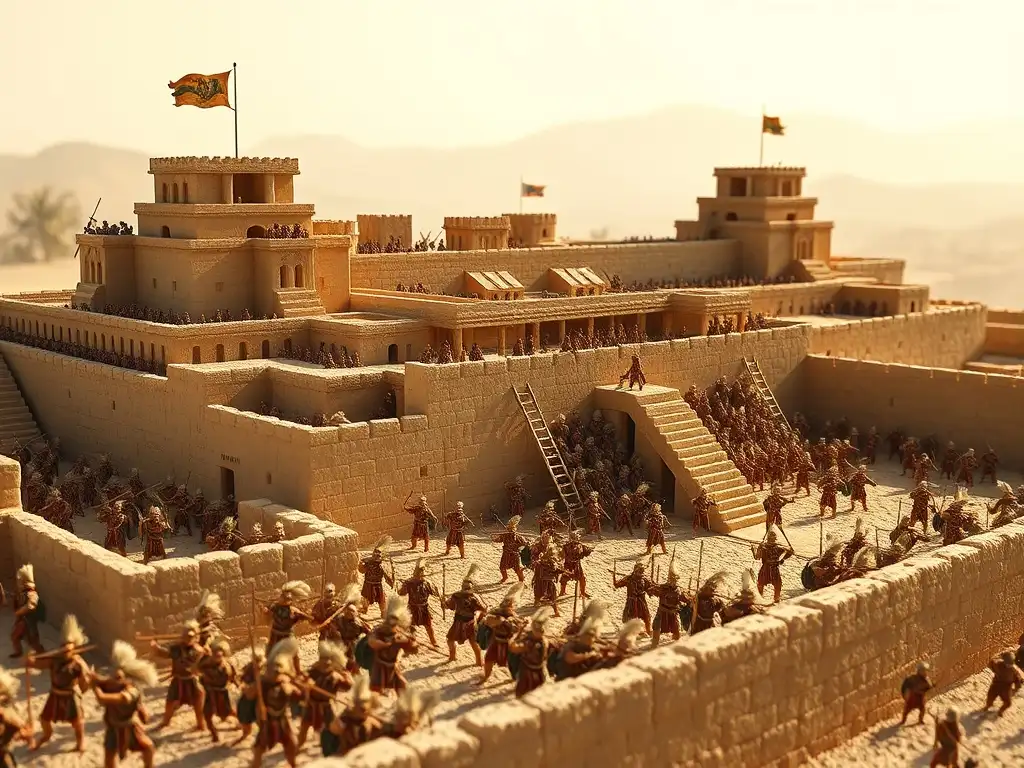
The Integration of Fortification and Siege in Tiahuanaco Military Planning
Tiahuanaco's military prowess wasn't solely reliant on brute force; it stemmed from a sophisticated integration of fortification and siege warfare. Their strategic planning encompassed both defensive and offensive maneuvers, creating a synergistic approach to conflict. Fortifications weren't merely passive defenses; they were integral parts of a broader military strategy, designed to wear down opponents and create advantageous positions for subsequent attacks.
Consider the iconic city of Tiahuanaco itself. Its monumental architecture, while impressive in its own right, served a crucial defensive purpose. The massive stone structures, strategically placed and interconnected, formed a formidable barrier against attackers. The high walls, coupled with potentially strategically placed defensive structures (although precise details remain elusive due to limited archaeological evidence), would have made a direct assault extremely difficult. This inherent defense allowed Tiahuanaco to withstand sieges and potentially use protracted defensive strategies to exhaust enemy resources.
Furthermore, Tiahuanaco's military planning likely incorporated the construction of temporary fortifications during campaigns. These temporary structures, built strategically near targeted settlements or along crucial trade routes, would provide bases for operations, allowing Tiahuanaco forces to establish control over key areas, and to launch and sustain sieges effectively. Archaeological evidence of smaller, less permanent structures in regions associated with Tiahuanaco influence suggests this mobile fortification strategy was indeed employed.
The precise materials used and the design of these temporary fortifications remain an area of ongoing research, but their existence points towards a sophisticated understanding of siege warfare. The effective use of this combined approach to fortification and siege greatly enhanced Tiahuanaco's military effectiveness and helped solidify their regional dominance.
Tiahuanaco's Logistics and Supply Chain for Military Campaigns
The success of Tiahuanaco's military campaigns hinged not only on tactical brilliance but also on a robust logistical system. Maintaining a large, well-equipped army across potentially vast distances required a sophisticated understanding of supply chain management – a critical component often overlooked in discussions of Andean warfare. Evidence suggests that Tiahuanaco possessed a well-developed infrastructure to support its military endeavors.
The control of crucial trade routes was paramount. These routes provided access to essential resources, including food, building materials, and weapons. Tiahuanaco’s control over these routes allowed them to maintain a steady flow of supplies to their armies, even during prolonged campaigns. The strategic placement of storage facilities and waystations along these routes is a key area for future archaeological investigation, but the scale of Tiahuanaco's military actions necessitates a highly organized supply network.
Furthermore, the cultivation of staple crops like potatoes and quinoa, coupled with advanced agricultural techniques, ensured the availability of food for the army and the civilian population. This agricultural prowess provided a crucial foundation for sustaining prolonged military campaigns. The efficiency of food production and distribution, coupled with the control of vital trade routes, allowed Tiahuanaco to project its military power effectively over a wider geographical area. This logistical prowess represents a significant aspect of Tiahuanaco's military success, often overshadowed by the focus on their impressive military architecture and weaponry.
The Impact of Tiahuanaco Military Might on Regional Control
Tiahuanaco's sophisticated military strategy, encompassing both fortification and siege warfare alongside a well-managed logistical system, resulted in significant regional control. Their military might wasn't simply about conquest; it was about establishing and maintaining dominance over a wide swathe of the Andes.
The influence of Tiahuanaco extended far beyond its immediate vicinity. Evidence suggests a widespread adoption of Tiahuanaco-style architecture, religious practices, and even administrative systems in regions under their control. This cultural influence wasn't imposed through sheer force alone; it also involved a degree of political and economic integration. The control of vital trade routes, facilitated by their military successes, allowed Tiahuanaco to exert considerable influence over the economic activities of surrounding communities.
The lasting impact of Tiahuanaco's military power is visible in the archaeological record. The presence of Tiahuanaco-style artifacts and structures in distant locations speaks volumes about the extent of their reach. This influence wasn't merely superficial; it represented a fundamental shift in the political and social landscape of the Andes.
The strategic application of their military strategy allowed Tiahuanaco to establish a network of alliances and dependencies, solidifying their position as a major power in the region. This enduring legacy highlights the effectiveness of their combined approach to warfare and the lasting impact of their military might on the broader Andean world. Further research into the specific mechanisms of political and economic control employed by Tiahuanaco is needed to fully understand the extent and nature of their regional dominance.
Tiahuanaco Military Legacy: Lessons from the Past
The formidable military capabilities of Tiahuanaco are a significant aspect of its enduring legacy. While much remains shrouded in mystery, archaeological evidence and analysis of their societal structure paint a picture of a civilization adept at both offensive and defensive warfare, contributing significantly to the understanding of Tiahuanaco military strategy. Their success wasn't solely reliant on brute force; sophisticated planning, innovative engineering, and potentially a well-organized intelligence network all played crucial roles.
The sheer scale of their monumental architecture, often interpreted as religious centers, also served a strategic military purpose, providing defensible positions and symbolic displays of power, deterring potential enemies. Understanding their military achievements necessitates examining both their offensive and defensive strategies, as well as the socio-political factors that fueled their military prowess. This wasn't simply a matter of armed conflict; it was an intricate system woven into the fabric of Tiahuanaco society.
The Decline of Tiahuanaco and the Fate of its Military Infrastructure
The reasons for Tiahuanaco's eventual decline are still debated by scholars. Environmental factors, such as prolonged droughts and climate change, likely played a significant role in weakening their agricultural base and destabilizing their society. Internal strife and potential overextension of their power are also considered contributing factors. The impact on their military infrastructure is evident in the archaeological record.
While many of Tiahuanaco's monumental structures survived, evidence suggests a gradual decline in maintenance and investment in defensive fortifications. This wasn't a sudden collapse; instead, it appears to have been a slow process of deterioration, mirroring the gradual weakening of their overall power. The lack of significant new fortifications or military expansions in the later periods indicates a shift in priorities or a diminishing capacity for large-scale military projects.
Further research, particularly focused on the analysis of pottery shards and other artifacts from this period, could shed more light on the specifics of this decline and the fate of their once mighty military. Analyzing the condition of surviving structures and comparing them to earlier constructions may reveal valuable insights into the weakening of their military capabilities. For instance, a detailed study comparing the quality of stonework in earlier and later fortifications could provide quantitative data on the decline in resources or expertise.
Tiahuanaco's Influence on Subsequent Andean Military Practices
Tiahuanaco's military influence extended far beyond its own lifespan. Their sophisticated military organization and innovative strategies likely impacted subsequent Andean civilizations. The evidence for this influence is indirect, derived mainly from comparing Tiahuanaco's known military practices with those of later cultures such as the Inca. For example, the Inca’s impressive road network, facilitating rapid troop deployment, might bear some resemblance to Tiahuanaco’s logistical capabilities, although direct links remain to be established.
Furthermore, the Inca's use of strategic mountain passes and fortifications echoes similar practices potentially employed by Tiahuanaco. The prevalence of certain weapons and military tactics across different Andean cultures also warrants further investigation. Did Tiahuanaco's military innovations diffuse through cultural exchange, trade, or conquest? Or did similar environmental challenges and societal needs independently lead to the development of similar military strategies in different Andean societies?
Comparative studies of Tiahuanaco and later Andean military practices are needed to better understand the extent and nature of this influence. A detailed comparative analysis of weaponry, fortifications, and military organization across different Andean cultures could provide valuable insights into the long-term impact of Tiahuanaco's military legacy. Further research into the iconography and symbolism found in military artifacts from different periods could also reveal subtle connections and cultural transmissions.
Frequently Asked Questions
What was Tiahuanaco's primary military strategy?
Tiahuanaco's military success relied heavily on siege warfare and fortification. They excelled at building strong defensive structures and strategically cutting off enemy supply lines. This approach minimized the need for direct confrontation.
How did Tiahuanaco's geography influence its military tactics?
The high-altitude location of Tiahuanaco presented unique challenges and opportunities. The difficult terrain naturally defended the city, while their control over crucial mountain passes allowed them to control trade routes and choke points.
What role did fortifications play in Tiahuanaco's military strategy?
Fortifications were essential to Tiahuanaco's defense. Their impressive stonework created incredibly strong defenses, capable of withstanding prolonged sieges and deterring attacks. Monumental architecture doubled as defensive structures.
Did Tiahuanaco have a standing army?
While the exact size and organization remain debated, archaeological evidence suggests that Tiahuanaco maintained a significant military force. Their success in controlling a large territory points to a well-organized and effective military structure.
What evidence supports our understanding of Tiahuanaco's military capabilities?
Archaeological findings, including fortifications, weaponry, and the distribution of settlements, reveal much about Tiahuanaco's military might. Analysis of their architecture, artifacts, and the extent of their empire provides strong supporting evidence.
Final Reflection: The Enduring Legacy of Tiahuanaco's Military Prowess
Tiahuanaco's sophisticated military strategies, once confined to the Andean highlands, continue to resonate today as a testament to human ingenuity and the enduring power of strategic planning. The meticulous fortifications, innovative siege tactics, and logistical mastery revealed in Tiahuanaco's archaeological record offer invaluable insights into the complexities of ancient warfare and the crucial role of infrastructure in maintaining power. This understanding transcends mere historical curiosity; it provides a framework for analyzing modern conflict and the importance of resource management in achieving strategic goals.
The impact of Tiahuanaco's military achievements extends far beyond the realm of ancient history. Their mastery of defensive architecture and siege warfare influenced subsequent Andean cultures, shaping the landscape and the very fabric of societal development for centuries. The echoes of their strategic brilliance can be heard in the careful planning and execution of military campaigns throughout history. The past is never dead. It's not even past.
– William Faulkner. This quote perfectly encapsulates the enduring relevance of Tiahuanaco's military legacy, reminding us that understanding the past is crucial to navigating the complexities of the present.
Consider the implications of Tiahuanaco's ingenuity. Their success wasn't solely based on brute force, but on a sophisticated understanding of terrain, logistics, and the psychology of warfare. You, too, can apply these principles to your own life.
Whether you're facing a personal challenge, navigating a complex project, or striving to achieve a long-term goal, the lessons learned from Tiahuanaco's military prowess – careful planning, resource management, and strategic thinking – can empower you to overcome obstacles and achieve lasting success. Embrace the spirit of innovation and strategic foresight that defined this remarkable civilization, and unlock your own potential for achievement.
Unleash Your Inner Explorer: Dive into the World of Tiahuanaco!
Thank you for joining us on this fascinating journey through the military ingenuity of Tiahuanaco! You've gained insights into their remarkable siege and fortification strategies that shaped their dominance in the Andes. Now, it’s time to build on that knowledge and explore further!
Here’s how you can delve deeper and share your discoveries with others:
- Explore local history: Visit a museum or cultural center to learn more about Andean civilizations and share your newfound knowledge with friends and family. You might be surprised by what you uncover!
- Join a discussion group: Engage with fellow history enthusiasts online—share your thoughts on Tiahuanaco's military strategies and learn from others' perspectives. Online forums and social media groups are great places to start.
- Create your own content: Write a blog post or social media update about what most surprised you about Tiahuanaco. Your insights might spark a lively discussion!
What aspect of Tiahuanaco’s military strategies intrigues you the most, and how do you think their innovative approaches might inspire solutions to modern challenges?