
Exploring Tiahuanaco's Concept of Duality: Opposites and Balance in the Universe

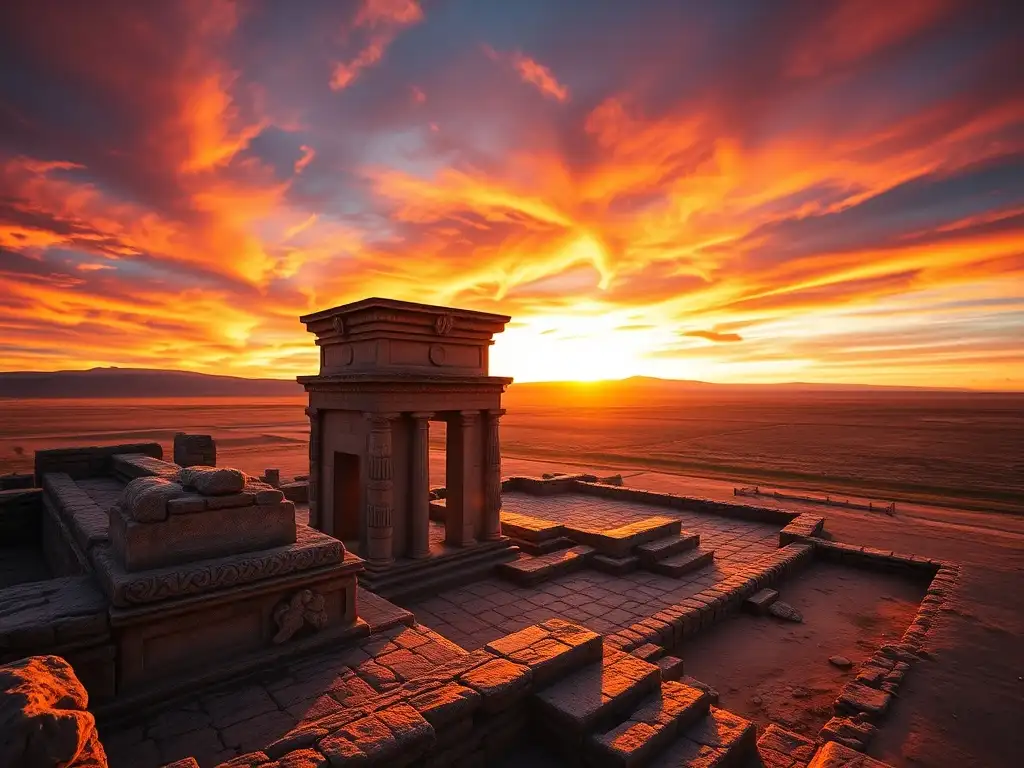
Welcome to Andean Civilizations! Prepare to be captivated by the intricate tapestry of ancient Andean cultures. Journey with us through millennia of history, art, and innovation. But first, unravel the enigma of the Tiahuanaco duality concept – a fascinating exploration of opposing forces and cosmic balance that reveals the profound worldview of this remarkable civilization. Dare to delve deeper and uncover the secrets held within this lost world? Let's begin.
-
Tiahuanaco's Duality: Understanding Opposites and Balance in the Andean World
- The Foundation of Tiahuanaco Cosmology: Duality as a Core Principle
- Defining the Tiahuanaco Duality Concept: Beyond Simple Opposites
- Exploring the Manifestations of Duality in Tiahuanaco Culture
- The Role of Complementarity in Tiahuanaco's Worldview
- The Connection between Tiahuanaco Duality and the Natural World
- The Legacy of Tiahuanaco's Dualistic Thought in Later Andean Cultures
-
Frequently Asked Questions
- What is the core concept of duality in Tiahuanaco culture?
- How is duality reflected in Tiahuanaco art and architecture?
- What role did the duality concept play in Tiahuanaco religion?
- Are there specific deities or symbols associated with Tiahuanaco's concept of duality?
- How does Tiahuanaco's concept of duality compare to other Andean cultures?
- Final Reflection: Echoes of Duality in a Modern World
- Unveil the Power of Duality in Your Life!
Tiahuanaco's Duality: Understanding Opposites and Balance in the Andean World
The Andean civilizations possessed a sophisticated understanding of the cosmos, reflected in their intricate religious beliefs and practices. Among these, the Tiahuanaco culture stands out for its profound exploration of duality, a concept deeply embedded in their worldview and manifested in their art, architecture, and social structures.
This article delves into the fascinating concept of duality in Tiahuanaco, exploring how this civilization viewed the interplay of opposing forces and their crucial role in maintaining cosmic balance. We will examine the foundational principles of Tiahuanaco cosmology, analyze the specific ways duality manifested in their society, and uncover the significance of this complex interplay in shaping their understanding of the universe.
Understanding Tiahuanaco's concept of duality offers a crucial lens through which to interpret their remarkable achievements and enduring legacy, providing insights into a worldview that prioritized harmony and balance between seemingly opposing forces. This exploration will reveal how the "Tiahuanaco duality concept" was not merely a philosophical abstraction, but a fundamental organizing principle shaping every aspect of their lives.
The Foundation of Tiahuanaco Cosmology: Duality as a Core Principle
Tiahuanaco cosmology wasn't a monolithic system; rather, it was a complex web of interwoven beliefs and practices centered around the concept of duality. This wasn't a simple dichotomy of good versus evil, but a more nuanced understanding of complementary forces necessary for cosmic equilibrium. Evidence suggests a belief system encompassing paired deities or principles representing opposing yet interconnected forces, such as:
- Light and Darkness: The interplay of light and darkness wasn't seen as a struggle, but as a cyclical process vital for life and renewal. The sun and moon, for example, were likely viewed as complementary forces, rather than antagonists.
- Life and Death: Death wasn't viewed as an end, but as a transition, a part of a continuous cycle of renewal. Archaeological evidence, such as burial practices, may offer further insights into these beliefs, though further research is needed to fully understand their nuances.
- Male and Female: The balance between male and female principles was likely crucial in their worldview. This is reflected in their iconography, though the exact interpretations are still subject to ongoing scholarly debate. [Specific examples of iconography pending further research].
- Above and Below: The connection between the terrestrial and celestial realms was a fundamental aspect of their cosmology. This is evident in their monumental architecture, which seems designed to connect the earthly and divine spheres.
This intricate system of interconnected dualities wasn't static; rather, it was a dynamic interplay of forces constantly seeking equilibrium. The maintenance of this balance was crucial for the well-being of the cosmos and the community. The disruption of this balance, potentially through natural disasters or social upheaval, was likely interpreted as a sign of cosmic imbalance requiring ritualistic intervention.
Defining the Tiahuanaco Duality Concept: Beyond Simple Opposites
The Tiahuanaco duality concept transcended a simple binary opposition. It wasn't merely about opposing forces, but about their inherent interconnectedness and mutual dependence. This is exemplified in their art, where seemingly contradictory elements are often combined to represent a unified whole. For instance, [Specific examples of Tiahuanaco art depicting duality pending]. The concept wasn't about choosing one side over the other, but about recognizing the essential role of both in maintaining cosmic harmony. This holistic perspective is a hallmark of Tiahuanaco thought, setting it apart from more simplistic dualistic systems.
The understanding of this duality wasn't limited to the religious sphere; it permeated all aspects of Tiahuanaco life. Social structures, agricultural practices, and even their urban planning may reflect this complex interplay of opposing yet complementary forces. Further research is needed to fully understand the extent to which this worldview shaped their social and political organization.
However, preliminary findings suggest that the concept of duality was not just a religious belief, but a fundamental organizing principle of their civilization. The intricate balance of power, the division of labor, and the organization of their society might all reflect this deep-seated understanding of complementary opposites. The remarkable achievements of the Tiahuanaco civilization, therefore, can be seen as a testament to their mastery of balancing these seemingly opposing forces, a testament to their sophisticated understanding of the "Tiahuanaco duality concept".
Exploring the Manifestations of Duality in Tiahuanaco Culture
Tiahuanaco's concept of duality permeated every aspect of their culture, from their art and architecture to their social structure and religious beliefs. Understanding this pervasive duality is key to unlocking a deeper comprehension of their worldview and societal organization. This wasn't simply a recognition of opposing forces, but a complex interplay where opposing forces were seen as inherently interconnected and necessary for cosmic and societal balance.
The very existence of one depended on the other, creating a dynamic equilibrium that shaped their understanding of the universe and their place within it. This holistic perspective is evident in many aspects of their civilization, revealing a sophisticated understanding of the interconnectedness of seemingly opposing forces. The emphasis on balance and harmony, derived from this understanding of duality, is a recurring theme in their cultural expressions.
Duality in Tiahuanaco Art and Iconography: The Sun and Moon, Male and Female Figures
The duality inherent in Tiahuanaco cosmology is strikingly evident in their art. Numerous artifacts depict complementary pairs, most notably the sun and moon. These celestial bodies, representing contrasting yet equally important forces, are frequently portrayed together, emphasizing their interconnectedness. Similarly, male and female figures are often depicted in a balanced relationship, symbolizing the generative power of opposing principles.
These figures are not portrayed as conflicting entities, but rather as essential components of a unified whole. The stylistic choices employed in their representation further highlight this concept; the balance in size, positioning, and even the use of color underscores their equal importance within the overall composition. Detailed analysis of these artistic representations reveals a sophisticated understanding of the interplay between opposing forces, reflecting a worldview that valued harmony and balance above all else. The recurring motif emphasizes the cyclical nature of life, death, and regeneration, integral to their cosmological understanding.
Duality in Tiahuanaco Architecture: The Kalasasaya and Akapana Structures
The monumental architecture of Tiahuanaco also reflects this profound understanding of duality. The Kalasasaya, with its precisely aligned stones and intricate carvings, embodies earthly stability and order. In contrast, the Akapana pyramid, with its layered terraces and internal chambers, represents the celestial realm and the dynamic forces of nature. These structures, although distinct in their form and function, are not isolated entities but rather complementary components of a unified architectural complex.
Their close proximity and carefully planned arrangement suggest a deliberate attempt to visually represent the interaction between the earthly and celestial realms. The architectural design itself, with its emphasis on symmetry and geometric precision, further reinforces the importance of balance and harmony in the Tiahuanaco worldview. The integration of astronomical alignments within the structures suggests a deep understanding of celestial cycles and their connection to earthly events.
Social and Political Implications of Tiahuanaco Duality: Moieties and Social Organization
The concept of duality extended beyond the cosmological and artistic realms, deeply influencing Tiahuanaco's social and political organization. Evidence suggests a societal structure based on moieties—two complementary groups, often associated with contrasting principles. These groups, though distinct, likely collaborated and interacted in a structured manner, maintaining a balanced power dynamic crucial for societal stability.
This dualistic social organization might have facilitated resource management, conflict resolution, and the overall functioning of the complex society. Further research into Tiahuanaco social structures is needed to fully understand the intricate workings of their moiety system and the precise nature of the interactions between these groups. However, the evidence strongly suggests that the principle of duality played a fundamental role in shaping their social and political landscape.
The Role of Complementarity in Tiahuanaco's Worldview
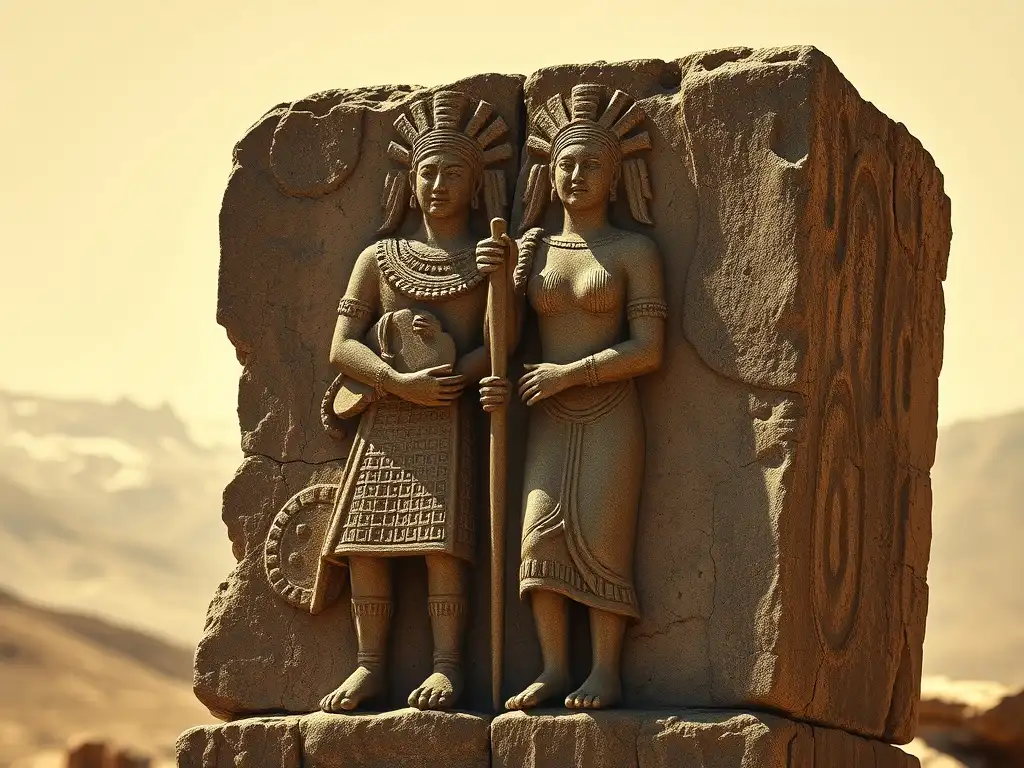
The concept of duality in Tiahuanaco is not about opposition in the sense of conflict, but rather about complementarity. The seemingly contradictory forces were viewed as interdependent, each essential to the existence and function of the other. This perspective is fundamental to understanding their cosmological beliefs and religious practices. The dynamic interplay between these forces was not perceived as chaotic, but rather as a source of continuous creation and renewal. This holistic view contrasts sharply with some other worldviews that emphasize a hierarchical opposition between good and evil, light and darkness.
Complementary Opposites: Upper and Lower Realms, Day and Night
Tiahuanaco cosmology recognized a duality between the upper and lower realms, mirroring the celestial and terrestrial spheres. The upper world, associated with the sun and celestial deities, represented light, power, and order. The lower world, linked to the earth and subterranean forces, embodied darkness, fertility, and the cyclical processes of nature.
These realms were not seen as separate or antagonistic but as intrinsically linked, participating in a continuous exchange of energy and influence. Similarly, the duality of day and night was not viewed as a simple alternation of light and darkness, but as a representation of the continuous cycle of creation and destruction, life and death. This cyclical perspective is crucial to understanding their understanding of time and their place within the cosmic order.
Achieving Balance Through Duality: Ritual Practices and Offerings
To maintain cosmic harmony and societal equilibrium, the Tiahuanaco people engaged in elaborate ritual practices and offerings. These rituals aimed to balance the opposing forces, ensuring the continued flow of energy and the preservation of the delicate equilibrium between the upper and lower worlds. These practices likely involved offerings to both celestial and terrestrial deities, symbolizing the recognition of the importance of both realms in maintaining cosmic harmony.
Further research is needed to fully understand the specific rituals and their connection to the concept of duality. However, the archaeological evidence strongly suggests that rituals played a critical role in maintaining balance and order within their worldview. The complexity and sophistication of their rituals underscore the importance they placed on maintaining this delicate balance.
The Relationship Between Duality and the Tiahuanaco Pantheon: Wiracocha and Inti
The Tiahuanaco pantheon itself reflects this duality. While the specific roles and relationships between deities remain a subject of ongoing research, the prominence of figures like Wiracocha, often associated with creation and cosmic order, and Inti, the sun god, suggests a complex interplay of complementary forces within their religious system. Wiracocha, as the creator deity, often embodies a unifying principle, while Inti represents the dynamic energy of the sun and its life-giving power.
The interaction and relationship between these and other deities likely reflected the broader cosmological principle of duality, emphasizing the interconnectedness of opposing forces within the divine realm and their influence on the earthly world. Further research is needed to fully elucidate the complex relationships within the Tiahuanaco pantheon and their connection to the broader concept of duality.
The Connection between Tiahuanaco Duality and the Natural World
The Tiahuanaco worldview was deeply intertwined with the natural world, reflecting a profound understanding of the Andean landscape and its inherent dualities. The civilization's sophisticated agricultural techniques, religious practices, and artistic expressions all reveal a complex system of beliefs centered around the interplay of opposing forces. This wasn't simply a philosophical abstraction; it was a practical framework for understanding and interacting with their environment.
The very survival of the Tiahuanaco people depended on their ability to harness and balance the forces of nature, a testament to the practical application of their dualistic philosophy. Their success in cultivating crops in a challenging high-altitude environment is a direct result of this nuanced understanding of opposing forces and their potential for harmonious coexistence. This intricate relationship between human society and the environment is a recurring theme in the study of Tiahuanaco culture, highlighting the holistic nature of their worldview.
Duality in the Andean Landscape: High Altitude and Lowlands, Mountains and Valleys
The dramatic Andean landscape itself provided a powerful visual representation of duality. The stark contrast between the high-altitude plains of the Altiplano and the lower valleys, the imposing mountains and the fertile river valleys, all served as tangible expressions of the opposing forces that shaped the Tiahuanaco worldview.
The challenges of cultivating crops in the harsh, high-altitude environment necessitated a deep understanding of water management and agricultural techniques, further reinforcing the importance of balancing opposing forces. The constant struggle against the elements, the need to adapt to fluctuating climates, and the careful management of resources all contributed to the development of a sophisticated understanding of duality in the natural world.
This inherent duality in the landscape profoundly influenced their cosmology and religious beliefs, shaping their understanding of the universe and their place within it. The very survival of the Tiahuanaco civilization depended on their ability to navigate and harmonize these contrasting elements.
The Cosmic Balance: Duality and the Tiahuanaco Understanding of the Universe
The Tiahuanaco understanding of the universe was fundamentally shaped by their concept of duality. They saw the cosmos as a dynamic interplay of opposing forces – light and darkness, male and female, wet and dry – constantly interacting and influencing each other. This wasn't a conflict, but rather a necessary tension that maintained the cosmic balance. Their religious rituals and iconography, including the famous Gate of the Sun, often depict this interplay of opposing forces, emphasizing the importance of maintaining equilibrium.
The intricate carvings and symbolic representations found on Tiahuanaco artifacts point towards a sophisticated cosmological system based on the harmonious interaction of these dualities. The concept of a balanced universe was central to their understanding of the world and their place within it. This cosmic balance wasn't static; it was a dynamic process requiring constant attention and participation from the Tiahuanaco people.
Agricultural Practices and the Concept of Opposites: Potato Cultivation and Irrigation Techniques
The Tiahuanaco’s mastery of agriculture, particularly potato cultivation, showcases their understanding and application of duality. The successful cultivation of potatoes in the challenging high-altitude environment required a sophisticated understanding of water management, irrigation techniques, and soil fertility. This involved balancing opposing forces: the scarcity of water against the need for irrigation, the harsh climate against the need for crop protection, and the fertile soil against the challenges of erosion.
Their advanced irrigation systems, meticulously planned and executed, are a testament to their ability to harness and balance these opposing forces. The remarkable success of their agricultural practices is a clear indicator of their practical application of dualistic principles, highlighting the interconnectedness of their cosmological beliefs and their daily life. This practical approach to agriculture reflects the deep integration of their worldview with their material reality.
The Legacy of Tiahuanaco's Dualistic Thought in Later Andean Cultures
The influence of Tiahuanaco's dualistic thought extended far beyond its own lifespan, leaving a lasting impact on subsequent Andean cultures. The sophisticated cosmological system and the emphasis on balancing opposing forces resonated deeply with later civilizations, shaping their religious beliefs, social structures, and artistic expressions. The concept of duality became a fundamental element in the Andean worldview, permeating various aspects of life and culture.
This enduring legacy is evident in the similarities between Tiahuanaco's beliefs and those of later civilizations, showcasing the profound and lasting impact of this ancient Andean culture. The study of these later cultures helps us to better understand the evolution and dissemination of Tiahuanaco's dualistic thought.
Traces of Duality in Inca Cosmology: Hanan and Hurin Divisions
The Inca Empire, a later Andean civilization, clearly inherited and adapted the concept of duality from Tiahuanaco. The Inca's division of the world into Hanan (upper) and Hurin (lower) realms mirrors the Tiahuanaco emphasis on complementary opposites. These divisions were not simply geographical; they held significant cosmological and social importance.
The Hanan and Hurin dichotomy was reflected in Inca social structures, religious practices, and even their urban planning. This demonstrates a clear continuity between Tiahuanaco's dualistic worldview and the cosmological beliefs of the Inca, highlighting the enduring influence of Tiahuanaco's cultural legacy. The parallel between these two distinct but related systems of belief reinforces the significance of duality as a core element of Andean thought.
The Enduring Significance of the Tiahuanaco Duality Concept: Its Ongoing Impact
The Tiahuanaco concept of duality continues to hold significant relevance in contemporary studies of Andean civilizations. It offers a crucial framework for understanding the complex interplay of opposing forces that shaped Andean societies, cultures, and cosmologies. The concept of duality serves as a key to unlocking a deeper understanding of Andean thought, revealing the intricate relationship between cosmology, religion, and the material world.
The enduring legacy of Tiahuanaco's dualistic worldview provides valuable insights into the rich tapestry of Andean culture, reminding us of the enduring power of ideas and their capacity to shape societies across centuries. Further research into this concept promises to shed even more light on the complexities of Andean civilization.
Understanding Tiahuanaco's Duality: A Key to Unlocking Andean Thought
Understanding Tiahuanaco’s concept of duality is paramount to comprehending the broader context of Andean thought. It provides a lens through which we can interpret their art, religion, social structures, and agricultural practices. The emphasis on balance and the harmonious interplay of opposites reveals a holistic worldview that integrated the spiritual and the material, the cosmic and the terrestrial.
By exploring the various manifestations of duality in Tiahuanaco culture, we gain a deeper appreciation for the ingenuity and sophistication of this ancient civilization and its lasting contribution to Andean culture. The study of Tiahuanaco duality is not merely an academic exercise; it's a key to unlocking a richer and more nuanced understanding of one of the most fascinating civilizations of the Andes. This deeper understanding provides valuable insights into the development and evolution of Andean thought and its enduring impact on the region's cultural heritage.
Frequently Asked Questions
What is the core concept of duality in Tiahuanaco culture?
Tiahuanaco's worldview was deeply rooted in duality, seeing the universe as a constant interplay of opposing forces. These forces, such as light and dark, male and female, were not seen as antagonistic but rather as complementary aspects of a unified whole.
How is duality reflected in Tiahuanaco art and architecture?
The symmetry and paired elements found throughout Tiahuanaco's architecture and art symbolize this duality. For example, the Gate of the Sun depicts numerous figures arranged in pairs, representing the balance between opposing forces.
What role did the duality concept play in Tiahuanaco religion?
Religious practices likely revolved around maintaining harmony between these opposing forces. Rituals and offerings may have aimed to ensure a balance that supported the well-being of the community and the cosmos.
Are there specific deities or symbols associated with Tiahuanaco's concept of duality?
While specific details are debated, many scholars believe that paired deities or symbolic representations of opposing forces were central to their religious beliefs. Further research is needed to fully understand these complexities.
How does Tiahuanaco's concept of duality compare to other Andean cultures?
While other Andean cultures also recognized duality, Tiahuanaco's expression of this concept in its art, architecture, and possibly religious practices seems particularly elaborate and systematic. Further comparative studies are needed to fully understand the nuances.
Final Reflection: Echoes of Duality in a Modern World
The intricate cosmology of Tiahuanaco, with its profound understanding of duality and the delicate balance between opposing forces, remains strikingly relevant in our modern world. We grapple daily with the tensions between progress and preservation, technology and nature, individual ambition and collective responsibility – echoes of the very same cosmic dance the Tiahuanaco people sought to understand and harmonize. Their sophisticated understanding offers a powerful lens through which to examine our own complex realities.
The enduring legacy of Tiahuanaco's worldview lies not just in its archaeological remnants, but in its capacity to inspire a deeper contemplation of our own interconnectedness. The concept of duality, far from being a relic of a bygone era, speaks to the fundamental tensions that shape our existence. As the philosopher Heraclitus famously stated, The way up and the way down are one and the same.
This ancient wisdom resonates deeply with the Tiahuanaco perspective, reminding us that seemingly opposing forces are often intertwined, interdependent, and essential for a holistic understanding of the universe.
Consider the insights of Tiahuanaco's cosmology. Reflect on the inherent duality within yourself, the interplay of light and shadow, creation and destruction, order and chaos. How can you embrace these opposing forces, not as enemies to be conquered, but as integral aspects of your own journey? By understanding and integrating these dualities, we can strive for a more balanced and harmonious existence, both within ourselves and in the world around us, echoing the wisdom of a civilization that continues to inspire awe and wonder.
Unveil the Power of Duality in Your Life!
Thank you for joining us on this exploration of Tiahuanaco's profound concept of duality! We hope you gained valuable insights into the universal principle of balance arising from the interplay of opposites. Now, let's apply this wisdom to your daily life.
Here are some practical steps to embrace the power of duality:
- Reflect on your inner conflicts: Consider two seemingly opposing aspects of your life. How can you integrate them to create a more harmonious existence? For example, perhaps you struggle to balance ambition with self-care. Exploring this tension can lead to a more fulfilling life.
- Keep a balance journal: Regularly record your observations about how opposing forces interact in your daily experiences. This practice will deepen your understanding of duality and promote personal growth.
- Share your discoveries: Connect with others interested in spirituality and philosophy. Discuss how the principle of duality influences our lives. Joining a group or starting a conversation can be incredibly enriching.
What internal conflicts are you ready to embrace to achieve greater balance in your life? Share your thoughts below!