
Nazca's Metallic Mysteries: Investigating their Unique Metalworking Traditions

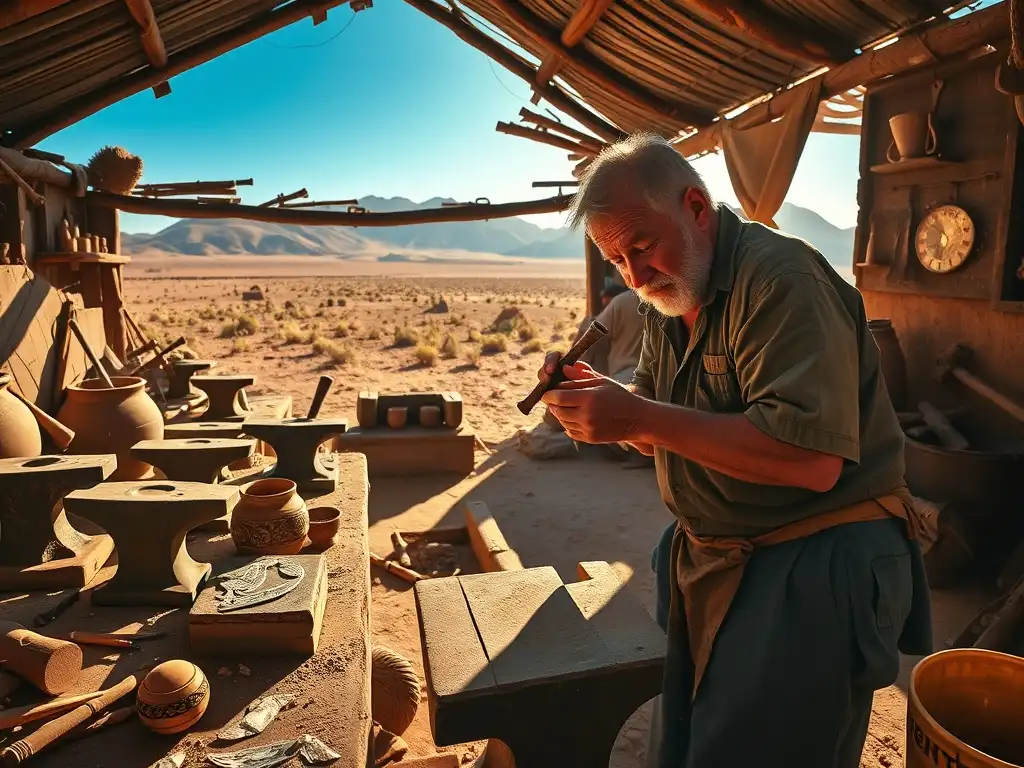
Step into a world lost to time, where artistry and ingenuity converged in the heart of the Andes. Prepare to be captivated by the enigmatic brilliance of ancient Andean civilizations, their breathtaking achievements shaping the very landscape of South America. But this is only the beginning… Unravel the secrets behind the Nazca metalworking techniques, a mastery of metallurgy that continues to baffle modern experts. Dare to delve deeper into the metallic mysteries and discover how these ancient artisans forged their legacy in gold, silver, and copper.
The Nazca culture, famed for its enigmatic geoglyphs etched into the Peruvian desert, also possessed a sophisticated and surprisingly advanced metalworking tradition. This article delves into the fascinating world of Nazca metallurgy, exploring their unique techniques, the materials they used, and the significance of their metallic artifacts in understanding their complex society. We will uncover the secrets behind their mastery of gold, copper, and alloys, examining how these skills contributed to their social structure, religious practices, and daily life.
This exploration of Nazca metalworking techniques will reveal a level of technological sophistication that rivals other contemporary Andean cultures, highlighting the ingenuity and artistry of this remarkable civilization. Understanding their metallurgical achievements provides crucial insights into the broader context of Andean technological innovation and its impact on the development of the region.
Materials and Sources: The Foundation of Nazca Metalworking
The Nazca's metalworking prowess wasn't simply about skill; it was deeply intertwined with the availability of raw materials. Their access to copper deposits in the Andes Mountains formed the bedrock of their metallurgical practices. While gold was also utilized, it was less abundant and therefore more precious, reserved for elite objects and ceremonial use. Copper, on the other hand, allowed for the creation of a wider range of tools, ornaments, and weaponry. The Nazca cleverly utilized both native copper and, more significantly, learned to manipulate copper alloys, enhancing the durability and aesthetic qualities of their metalwork. Detailed analysis of surviving artifacts reveals a deep understanding of the properties of different metals and their interaction, indicating a level of experimentation and refinement in their techniques.
Furthermore, evidence suggests the Nazca likely traded for certain materials, expanding their access to resources and further fueling their innovative metalworking practices. This intricate network of resource acquisition contributed significantly to the diversity and complexity of their metallic artifacts.
Techniques and Processes: Hammering, Annealing, and Alloying
Nazca metalworkers employed several sophisticated techniques to shape and refine their metallic creations. Hammering, a fundamental technique, required significant skill and precision to create the desired forms. This was often followed by annealing—a process of heating and cooling the metal—to increase its malleability and reduce brittleness. This careful manipulation of the metal's properties allowed for the creation of intricate designs and complex shapes. The mastery of annealing showcases a deep understanding of the material's behavior at different temperatures, indicative of advanced metallurgical knowledge.
The Nazca were also skilled in creating alloys, combining copper with other metals like tin or arsenic to produce bronze and other materials with enhanced properties. The precise ratios of these alloys were carefully controlled, revealing a sophisticated understanding of metallurgy. The creation of alloys allowed for the production of stronger, more durable, and often more aesthetically pleasing objects. This demonstrates a level of scientific understanding and experimental prowess that was extraordinary for its time.
Notable Nazca Metalwork: Examples of Artistic Mastery and Technological Skill
The surviving examples of Nazca metalwork are truly remarkable, showcasing both artistic talent and technological skill. These artifacts range from intricately decorated ceremonial objects to practical tools used in daily life. For example, we find beautifully crafted gold and copper ornaments, often featuring intricate designs and depictions of animals and deities. These pieces not only reflect the aesthetic sensibilities of the Nazca but also provide valuable insights into their religious beliefs and social hierarchy. The production of these highly detailed objects required exceptional skill and patience, reflecting the high status of the metalworkers within the society.
Furthermore, the discovery of functional tools, such as needles and knives, demonstrates the practical applications of their metalworking skills. The precision and durability of these tools highlight the effectiveness of their techniques and the importance of metalworking to the Nazca's daily life. The quality and variety of surviving artifacts demonstrate the scale and sophistication of their metalworking industry.
Nazca metalworking was not merely a technological achievement; it was deeply intertwined with the social, religious, and economic fabric of their society. The production of prestigious metallic objects, particularly those made of gold, likely played a significant role in reinforcing social hierarchies and demonstrating power and status. The intricate designs and symbolic imagery found on these artifacts often reflected religious beliefs and cosmological concepts, suggesting a close connection between metalworking and religious rituals. The trade of metal objects, both within the Nazca region and with neighboring cultures, also contributed significantly to their economy.
The study of Nazca metalworking techniques, therefore, offers a multifaceted understanding of this remarkable civilization, revealing insights into their technological capabilities, social structures, religious beliefs, and economic activities. The legacy of their metallurgical achievements continues to inspire awe and admiration, highlighting the ingenuity and artistry of the Nazca people. Further research and analysis of existing artifacts will undoubtedly continue to shed light on the complexities of their metalworking traditions and their place within the broader context of Andean cultural development.
- Materials and Sources: The Foundation of Nazca Metalworking
- Techniques and Processes: Hammering, Annealing, and Alloying
- Notable Nazca Metalwork: Examples of Artistic Mastery and Technological Skill
- The Significance of Nazca Metalworking: Social, Religious, and Economic Impacts
Unveiling the Metallurgical Prowess of the Nazca Civilization
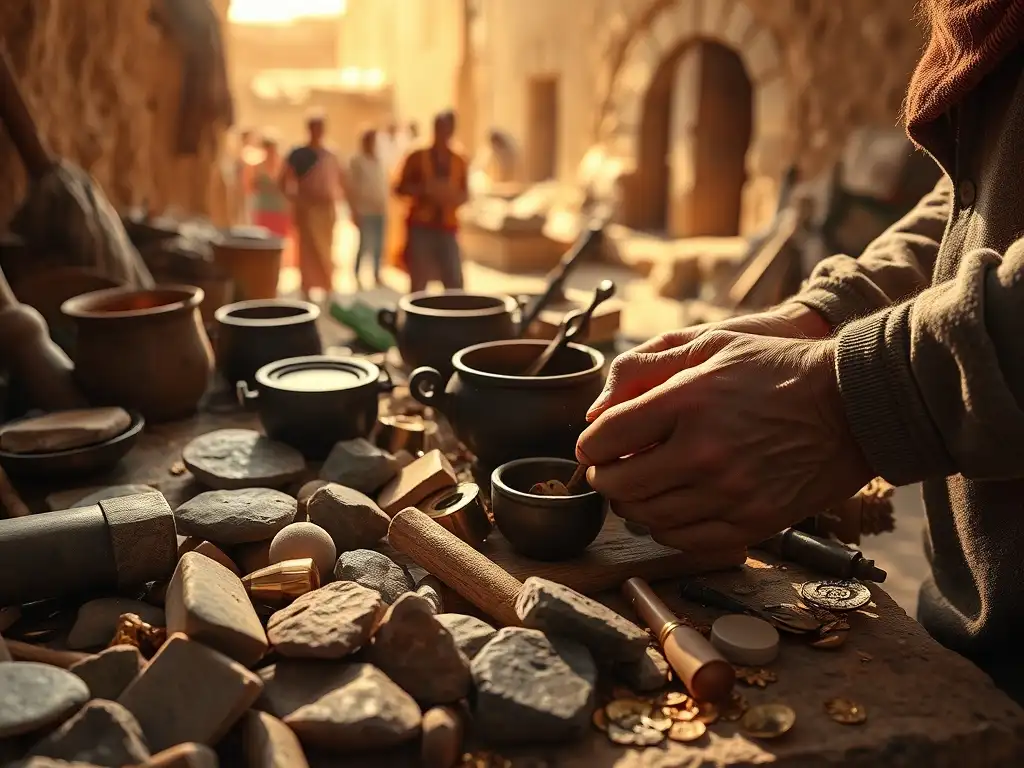
Introduction to Nazca Culture and its Technological Achievements
The Nazca civilization, flourishing along Peru's southern coast between 100 BCE and 800 CE, is renowned for its iconic geoglyphs etched into the desert plains. However, beyond the breathtaking artistry of the Nazca Lines, lies a sophisticated understanding of metallurgy that significantly shaped their society. Their technological achievements extended far beyond the creation of impressive artwork; they developed advanced techniques in metalworking, reflecting a deep understanding of material properties and innovative manufacturing processes.
This mastery of metalworking wasn't merely a practical skill; it held profound social and religious significance, influencing their social structures and worldview. The Nazca weren't simply shaping metal; they were forging their identity. Their expertise in Nazca metalworking techniques involved a complex interplay of resource management, sophisticated tools, and specialized knowledge passed down through generations.
This expertise allowed them to create a diverse range of objects, from everyday tools to elaborate ceremonial items, reflecting a high level of technological sophistication for their time. The study of their metalwork offers invaluable insights into their social organization, religious beliefs, and economic practices.
The Nazca's technological prowess wasn't limited to metalworking; they also demonstrated significant achievements in ceramics, textiles, and irrigation systems. However, their metalworking techniques stand out as particularly impressive due to the challenges involved in processing the available metals and the artistry displayed in the finished products. The scarcity of readily available metal ores in the region further highlights the ingenuity and resourcefulness of their metallurgical practices.
Their ability to overcome these limitations speaks volumes about their advanced understanding of material science and their dedication to mastering this crucial craft. Understanding their metalworking techniques requires a detailed examination of the materials used, the processes employed, and the cultural context in which these objects were created.
The Significance of Metal in Nazca Society
Metal held a privileged position within Nazca society, far beyond its purely functional applications. The scarcity of metals like copper and gold, coupled with the complexity of their processing, contributed to their high value. Metallic objects, therefore, were not merely tools or ornaments but also powerful symbols of status, authority, and religious power.
Analysis of burial sites reveals a strong correlation between the presence of metal artifacts and the social standing of the deceased. Elaborate gold and copper ornaments, often intricately crafted, were frequently found in the tombs of elite individuals, highlighting their privileged access to these valuable resources and their association with the supernatural realm.
The use of metal in religious contexts is particularly striking. Many metal artifacts, including small figurines and ritual objects, were clearly intended for ceremonial purposes. These objects often depict deities or mythological figures, suggesting their role in religious rituals and beliefs. The careful craftsmanship and the use of precious metals underscore the sacred nature of these items and their importance in Nazca religious practices. The artisans themselves likely held a respected position within society, reflecting the value placed on their skills and the importance of metalworking in the overall cultural landscape.
Further Considerations on Nazca Metalworking
The study of Nazca metalworking is ongoing, and many questions remain unanswered. For instance, [specific information pending] regarding the precise techniques used for alloying and the extent of trade networks involved in acquiring raw materials. Further research, including advanced metallurgical analysis and archaeological excavations, is crucial for a more complete understanding of this fascinating aspect of Nazca culture. The ongoing efforts of researchers are slowly uncovering more pieces of this intricate puzzle, revealing further details about the sophistication and artistry of Nazca metalworking. The legacy of their unique metallurgical traditions continues to inspire and intrigue, reminding us of the remarkable ingenuity and creativity of this ancient Andean civilization.
Nazca Metalworking Techniques: An Overview
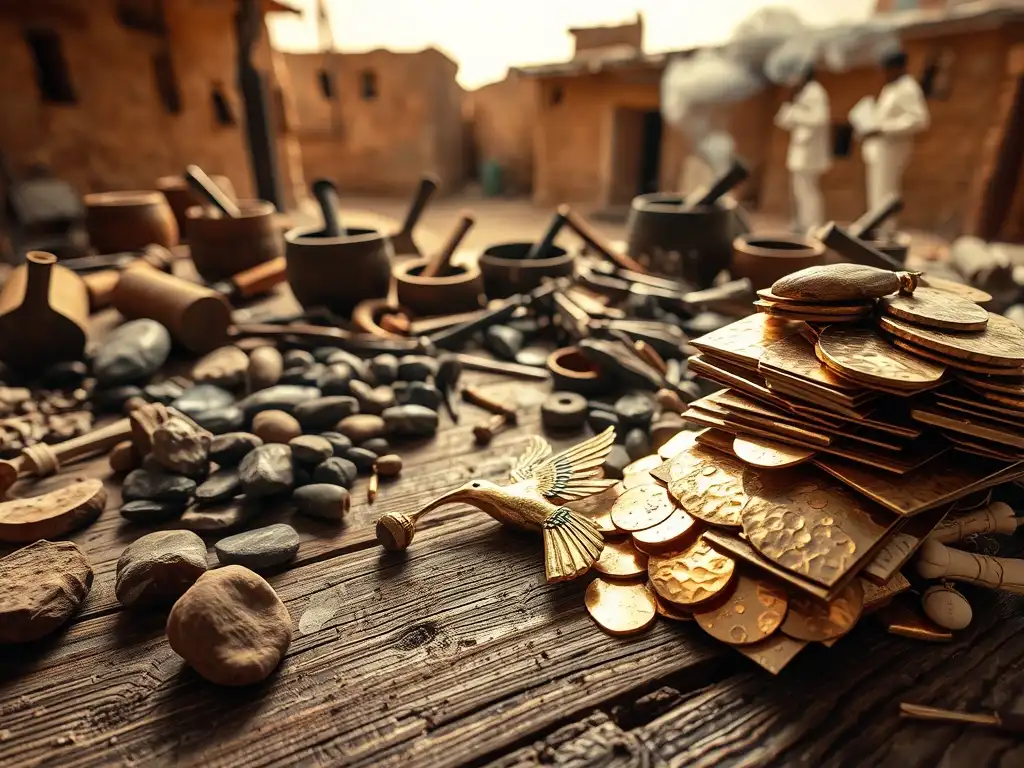
The Nazca civilization, famed for its enigmatic geoglyphs, also possessed sophisticated metalworking techniques. Unlike some of their Andean neighbors who relied heavily on casting, the Nazca excelled at cold hammering and annealing, shaping primarily gold, silver, copper, and their alloys into a variety of objects. This section will delve into the specific techniques and the types of metals utilized by these masterful artisans, offering a glimpse into their remarkable metallurgical achievements and revealing insights into their society's values and beliefs.
Understanding the intricacies of Nazca metalworking techniques provides a crucial window into their culture, revealing details about their social structures, religious practices, and technological capabilities. Analyzing the specific alloys and the methods employed allows for a deeper appreciation of the ingenuity and artistry of these ancient Andean metallurgists. The skill and precision involved in these techniques demonstrate a level of technological advancement often overlooked when discussing this fascinating civilization.
Exploring the Range of Metals Used by the Nazca
The Nazca's metalwork showcases a discerning selection of materials, reflecting both their access to resources and their understanding of metallurgical properties. The choice of metal often dictated the object's function and symbolic significance within Nazca society. Their mastery extended beyond simply working with the metals; they also understood the properties of different alloys and how to manipulate them to achieve desired results, be it strength, malleability, or a specific aesthetic effect. This control over material properties was a key component of their success in creating intricate and durable artifacts.
Gold and Silver: Precious Metals for Ritual and Status
Gold and silver, scarce and highly valued, were predominantly employed in the creation of ceremonial and elite objects. These precious metals frequently adorned intricate headdresses, masks, and other ritual paraphernalia. The use of gold, in particular, strongly suggests its association with divinity and power within Nazca society.
The intricate detail and precision found in these gold and silver artifacts are a testament to the skill of the Nazca artisans and the importance placed on these objects within their culture. Analysis of these artifacts reveals a sophisticated understanding of metalworking techniques, including the ability to create incredibly thin sheets of gold and silver, which were then shaped and decorated with incredible precision. The presence of gold leaf in certain artifacts also points to a high degree of technical proficiency.
Copper and its Alloys: Utilitarian and Decorative Purposes
Copper and its alloys, such as bronze (a copper-tin alloy) and arsenical copper, were used more widely than gold and silver, serving both utilitarian and decorative purposes. These metals were fashioned into tools, weapons, ornaments, and domestic items. The use of copper alloys, in particular, shows an understanding of metallurgy beyond the simple hammering of native metals.
The addition of tin or arsenic to copper altered its properties, making it stronger and more durable, suitable for tools and weaponry. The variation in alloy composition suggests that the Nazca metallurgists carefully controlled the properties of their materials, adapting their techniques to suit the intended function of each artifact. Evidence suggests they understood the impact of different alloying elements on the final product, demonstrating a deep understanding of the metallurgical processes involved.
Cold Hammering and Annealing: Basic Nazca Metal Shaping Methods
The primary metal shaping techniques employed by the Nazca were cold hammering and annealing. Cold hammering involved repeatedly striking the metal with a hammer to shape it, gradually refining its form. Annealing, a process of heating and cooling the metal, was crucial for preventing the metal from becoming too brittle during the hammering process.
This cyclical process of hammering and annealing allowed the Nazca artisans to shape the metals into complex forms while maintaining their structural integrity. The absence of evidence for widespread casting suggests that the Nazca metallurgists were particularly adept at these techniques, achieving remarkable precision and control over the final product. The tools used for these processes, though often not preserved, were likely simple yet effective, demonstrating the artisans' ability to achieve complex results with relatively basic equipment.
The mastery of these basic techniques is what allowed them to produce such a diverse and impressive range of metal artifacts. Further research into the specific tools and the exact annealing temperatures used would provide a more complete picture of their metallurgical expertise.
The Use of Molds in Nazca Metal Craftsmanship
The Nazca people, renowned for their intricate ceramics and geoglyphs, also possessed sophisticated metalworking skills. A key element of their techniques was the masterful use of molds. Unlike some other Andean cultures that relied heavily on hammering and repoussé, the Nazca artisans frequently employed lost-wax casting and mold-casting techniques to create their metallic artifacts. This allowed them to produce complex shapes and intricate designs with remarkable precision, far surpassing the capabilities of simple hammering.
Evidence suggests that these molds were often made from clay, possibly mixed with other materials to increase their durability and heat resistance during the casting process. The creation of these molds itself would have required considerable skill and artistry, demonstrating a deep understanding of material properties and the casting process. The molds were not simply crude forms; they were carefully crafted to replicate the desired shape and details of the final product, often incorporating multiple pieces to create more elaborate objects.
The level of detail achieved in some Nazca castings, including the rendering of fine lines and textures, speaks to the high level of expertise attained by these artisans. Careful examination of surviving artifacts reveals the use of different mold types, suggesting experimentation and refinement of the process over time.
Further research is needed to fully understand the diversity of mold types and materials used in Nazca metalworking, but preliminary findings point towards a sophisticated and well-developed system. The impact of mold-making on the production of Nazca metal objects was profound, enabling the creation of complex forms that would have been impossible using solely hammering techniques.
Advanced Techniques: Gilding and Plating in Nazca Metallurgy
Beyond the impressive mold-casting techniques, Nazca metalworkers also demonstrated mastery of advanced surface decoration techniques, such as gilding and plating. Gilding, the application of a thin layer of gold, and plating, the application of a thin layer of another metal, were used to enhance the aesthetic appeal of their artifacts and often to imbue them with symbolic meaning. This wasn't simply a superficial application; the artisans displayed a profound understanding of the metallurgical processes involved to achieve durable and aesthetically pleasing results.
The precise methods used for gilding and plating in Nazca metallurgy are still being investigated, but evidence suggests the use of mercury amalgamation. This technique involved mixing gold or other metals with mercury to create an amalgam that could be applied to the surface of the object. The mercury would then be evaporated, leaving behind a thin layer of the precious metal.
This process required careful control of temperature and precise manipulation to avoid damaging the base metal or creating an uneven finish. The exceptional quality and thinness of the gold layers on many surviving artifacts testify to the skill and precision of the Nazca metalworkers. The choice of gilding or plating likely held symbolic significance, with gold possibly reserved for elite objects or those with religious connotations.
The combination of casting, hammering, and surface decoration techniques resulted in stunningly elaborate and visually striking artifacts that underscore the Nazca's sophisticated understanding of metallurgy and their advanced artistic capabilities. Further research into the chemical composition of these artifacts will shed more light on the specific techniques employed and the materials used in this complex process. The enduring beauty and technical sophistication of Nazca gilded and plated objects continue to fascinate and inspire researchers today.
Nazca Metal Artifacts: Evidence of Skill and Innovation
The Nazca civilization, renowned for its enigmatic geoglyphs, also possessed sophisticated metalworking techniques. Their mastery of metallurgy, while less extensively documented than that of some other Andean cultures like the Incas, reveals a remarkable level of skill and innovation, particularly considering the challenges posed by the arid coastal environment. Analysis of surviving artifacts showcases a deep understanding of material properties and a dedication to intricate craftsmanship. The scarcity of surviving pieces, however, underscores the preciousness of these objects and the challenges faced in their preservation over millennia.
Further research and archaeological discoveries are crucial to fully understand the extent of Nazca metalworking practices and their societal significance. The limited availability of metallic ores in the region further highlights their ingenuity in sourcing and processing materials. This scarcity likely contributed to the high value placed on these artifacts.
Ornaments and Jewelry: Intricate Nazca Metal Designs
Nazca metalworkers produced a variety of exquisite ornaments and jewelry, showcasing their technical prowess and artistic sensibilities. These artifacts, primarily crafted from gold, silver, and copper, often featured intricate designs incorporating geometric patterns, stylized animals, and human figures. The techniques employed included hammering, annealing (heating and cooling to soften the metal), and soldering, demonstrating a sophisticated understanding of metallurgical processes.
The use of alloys, like tumbaga (a gold-copper alloy), further enhanced the aesthetic and functional properties of their creations. The precise details achieved, even on tiny pieces, are testament to the skill and patience of the Nazca artisans. These were not merely decorative items; they likely held significant symbolic meaning within Nazca society, reflecting social status, religious beliefs, or perhaps even astronomical observations.
Headdresses, Nose Rings, and Ear Spools: Symbolic Importance
Among the most striking examples of Nazca metalwork are headdresses, nose rings, and ear spools. These items, often adorned with elaborate designs and precious stones, were likely worn by elite members of society during ceremonies or other important occasions. The imagery depicted on these objects often suggests a connection to religious beliefs or shamanistic practices.
For instance, some headdresses feature stylized birds or feline figures, potentially representing deities or supernatural beings. The use of gold, a material associated with the sun and divinity in many Andean cultures, further reinforces the sacred nature of these artifacts. The meticulous craftsmanship involved in creating these delicate pieces indicates the high social status of those who wore them and the importance placed on their role within the community.
Analyzing the iconography and materials used offers valuable insights into Nazca cosmology and social structures. Unfortunately, the precise symbolic meaning of many of the motifs remains a subject of ongoing scholarly debate.
Tools and Utensils: Practical Applications of Nazca Metalwork
While Nazca metalworking is often associated with ornate jewelry, the artisans also produced practical tools and utensils. Though less visually impressive than the ornaments, these objects provide crucial evidence of the versatility and adaptability of their metallurgical skills. The survival rate of these items is lower due to their everyday use and less precious materials, making their discovery and study particularly important for understanding the broader scope of Nazca metalworking.
Agricultural Implements and Domestic Items
Evidence suggests that Nazca metalworkers crafted agricultural implements, such as small knives or sickles, potentially used for harvesting or processing crops. The limited availability of these artifacts makes precise classification challenging, but their existence suggests an integration of metalworking into daily life, beyond the realm of ceremonial objects.
Furthermore, some researchers suggest the possibility of domestic items, like needles or pins, though definitive evidence remains scarce. The discovery of such artifacts would significantly expand our understanding of the role metallurgy played in the everyday lives of the Nazca people, revealing a more comprehensive picture of their technological capabilities and their impact on various aspects of their society.
Further investigation into potential sites and a more thorough analysis of existing collections are needed to uncover more evidence of these practical applications of Nazca metalworking techniques. The scarcity of these items highlights the need for continued archaeological research focused specifically on uncovering evidence of daily life in Nazca settlements.
Ritual Objects: Metallic Artifacts in Nazca Ceremonies
The Nazca culture's sophisticated metalworking techniques weren't solely dedicated to practical tools. A significant portion of their metallurgical production focused on creating ritual objects, reflecting a deep integration of metalwork into their religious and ceremonial life. These artifacts, often crafted from copper, gold, and alloys like tumbaga (a copper-gold alloy), served as powerful symbols and played crucial roles in various ceremonies.
The meticulous craftsmanship evident in these pieces underscores the high social standing of the metalworkers and the importance of these objects within Nazca society. We see a clear distinction between the utilitarian objects and these ritual pieces, indicating specialized workshops or individuals devoted to creating these sacred items.
The forms of these ritual objects varied considerably. Some were small, intricately detailed figurines representing deities or animals, possibly used as offerings or amulets. Others were larger, more elaborate items, such as ceremonial axes or staffs, possibly used by priests or elites during important rituals.
The use of precious metals like gold, often associated with divinity and power in many cultures, further emphasizes the sacred nature of these artifacts. The presence of gold leaf, often applied delicately to copper or tumbaga bases, points to a refined understanding of metallurgical processes and a remarkable artistic sensibility. Analysis of these artifacts reveals that the alloying processes were carefully controlled, allowing the creation of specific colors and textures, adding to the symbolic meaning and aesthetic appeal of the objects.
The discovery of these ritual objects within carefully constructed tombs and ceremonial contexts further supports their religious significance. Archaeological evidence suggests that these artifacts were not merely decorative items but were actively used and perhaps even worn during important rituals. Their placement within burials, often alongside other prestigious grave goods, highlights their importance in the afterlife beliefs of the Nazca people.
The careful arrangement of these objects within the tombs indicates a deliberate and ritualistic process, further emphasizing the sacred context in which these metallic artifacts were used and valued. Further research, including isotopic analysis of the metals and detailed study of the manufacturing techniques, can reveal more information about the social and religious practices of the Nazca culture.
The careful attention to detail and the symbolic richness embedded in these objects provide invaluable insights into the spiritual world of this fascinating civilization. The surviving examples are truly remarkable testaments to their advanced metallurgical skills and their sophisticated religious beliefs.
The Unique Characteristics of Nazca Metalworking

The Nazca culture, flourishing along Peru's southern coast from approximately 100 BCE to 800 CE, developed a distinctive style of metalworking that sets it apart from its contemporaries. While other Andean cultures, like the Moche and Tiahuanaco, were also skilled metallurgists, the Nazca possessed unique techniques and aesthetic preferences resulting in a recognizable body of work. Their mastery of Nazca metalworking techniques involved a sophisticated understanding of alloys, casting, and surface decoration, producing objects of remarkable artistry and technical skill.
The scarcity of surviving artifacts, however, presents challenges in fully understanding the breadth and depth of their metallurgical achievements. Further research is needed to fully elucidate the intricacies of their lost-wax casting processes and the specific compositions of their alloys.
Distinguishing Nazca Metallurgy from Neighboring Cultures
The Nazca's metalworking traditions stand apart from those of their geographic neighbors in several key aspects. While both the Moche and Nazca cultures utilized gold, silver, and copper, the stylistic choices and techniques differed significantly. The Moche, known for their elaborate and often figurative metalwork, frequently employed repoussé and chasing techniques to create intricate three-dimensional forms.
In contrast, Nazca metalworkers favored simpler forms and hammered sheet metal, often adorned with geometric patterns and minimal figural representation. This stylistic divergence reflects different cultural values and aesthetic preferences. The scarcity of large-scale Nazca metalworks, unlike the Moche's impressive castings, might indicate differing social structures or resource allocation.
Contrasting Techniques with Moche Metalwork
Moche metalworking, characterized by its dynamic and often narrative representations, heavily relied on complex casting techniques, including lost-wax casting and sheet metal working. They created detailed figures of humans, animals, and mythical creatures, showcasing a high degree of technical skill and artistic expression. In contrast, Nazca metalwork, while possessing its own unique beauty, displays a preference for simpler, geometric designs.
While lost-wax casting was likely employed, the surviving examples show less emphasis on intricate details and three-dimensionality. The Moche's preference for complex figural representations contrasts sharply with the Nazca's generally simpler, more abstract style. This difference suggests distinct cultural narratives and artistic priorities.
Comparing Nazca Methods with Tiahuanaco Metal Practices
The Tiahuanaco culture, located in the highlands of Bolivia, developed a different metallurgical tradition entirely. While both cultures utilized similar materials (gold, silver, copper), their approaches differed significantly. Tiahuanaco metalwork is often characterized by its use of hammered sheet metal, but unlike the Nazca, they frequently incorporated intricate inlay work using other precious metals and stones. Furthermore, Tiahuanaco artisans frequently produced larger, more monumental pieces, often associated with religious or ceremonial contexts.
The Nazca, on the other hand, predominantly produced smaller objects, such as ornaments and tools, suggesting a different scale of production and social function. The contrasting styles reflect the distinct cultural and environmental contexts of each civilization. Further comparative analysis of alloy compositions could reveal more about the technological exchange or independent developments between the two cultures.
The Role of Nazca Metal Artisans in Society
The precise social standing of Nazca metalworkers remains unclear, but their specialized skills suggest a position of importance within their society. The production of metal objects, requiring advanced knowledge and technical expertise, likely involved specialized training and possibly a hierarchical structure within the craft. The relatively small number of surviving artifacts, however, makes it difficult to accurately gauge the scale of metal production and the number of individuals involved.
More archaeological evidence, particularly excavation of workshops and settlements, is needed to understand the organization of metal production and the social roles of the artisans. The stylistic consistency of surviving objects suggests a level of control and standardization in production, possibly indicating a centralized workshop or guild system. Further research into burial contexts associated with metal artifacts could shed light on the social status and prestige associated with metalworking skills.
Understanding the role of these artisans offers crucial insights into the social organization and economic structures of the Nazca civilization. The limited evidence available currently prevents a definitive statement on their exact societal role; however, future archaeological discoveries may offer more concrete answers. Analysis of isotopic signatures in the metal artifacts could also help pinpoint the sources of raw materials and trace the movement of goods and potentially of artisans themselves.
The Legacy of Nazca Metalworking: Influence and Continuity
The Nazca's sophisticated metalworking techniques didn't vanish with their civilization. Their legacy is clearly visible in the subsequent developments of Andean metallurgy, particularly within the later cultures that occupied the same geographical areas. While the exact nature of the transmission of knowledge remains a subject of ongoing research, the stylistic similarities and technological advancements suggest a clear line of influence. For example, certain alloying techniques and decorative motifs found in Nazca artifacts reappear, albeit with modifications, in the metalwork of the Wari and later Inca cultures.
This continuity isn't simply a matter of copying; rather, it represents an evolution, a building upon the existing foundations laid by the Nazca masters. The innovative use of gold, silver, and copper alloys, perfected by the Nazca, provided a template for later artisans, leading to increasingly complex and refined pieces. The mastery of techniques like hammering, annealing, and soldering, crucial components of Nazca metalworking, continued to be employed and improved upon by succeeding Andean civilizations. The study of these continuities helps us to understand not only the evolution of metallurgical practices but also the broader cultural and social connections between these different Andean societies.
The persistence of certain design elements, such as specific zoomorphic representations or geometric patterns, also suggests a shared cultural heritage and a sustained appreciation for the aesthetic achievements of the Nazca metalworkers. This enduring influence underscores the significant impact of Nazca metalworking on the trajectory of Andean metallurgy. The techniques and aesthetics pioneered by the Nazca provided a rich and enduring foundation for generations of artisans, shaping the landscape of Andean metalwork for centuries to come. Further research into specific artifact comparisons and stylistic analyses will undoubtedly shed more light on the precise nature of this transmission and evolution of Nazca metalworking techniques.
Analyzing the Materials and Methods of Nazca Metal Production
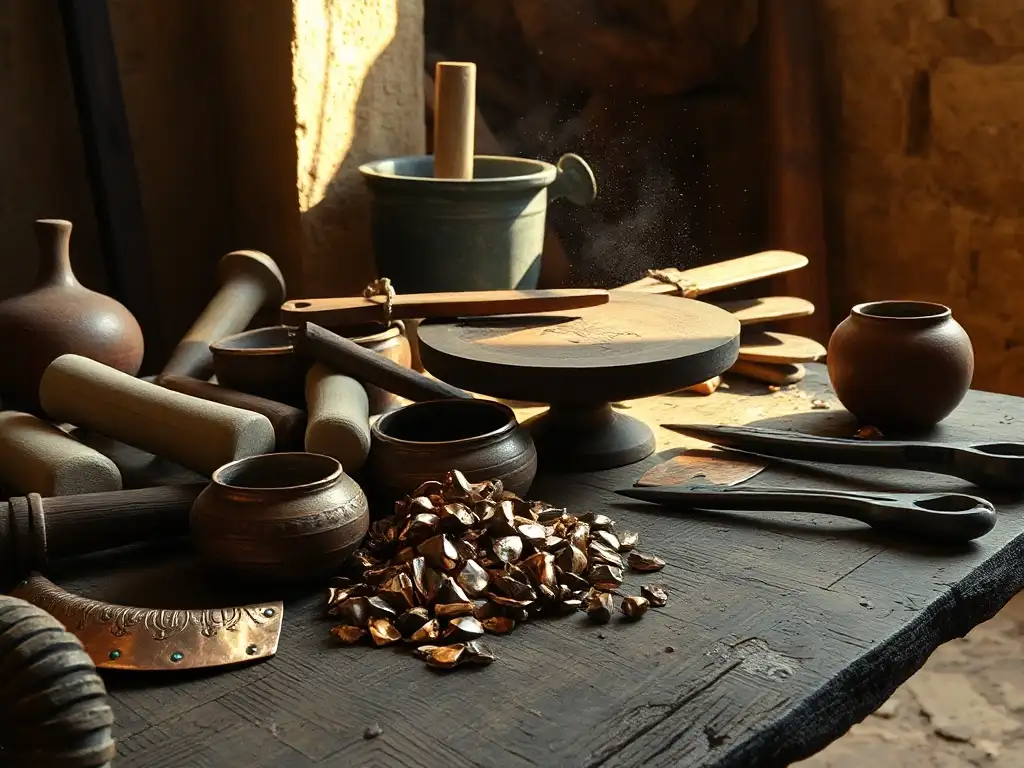
The Nazca culture, flourishing along the southern coast of Peru from approximately 100 BC to 800 AD, displayed remarkable skill in metalworking, a testament to their advanced technological capabilities. Their mastery of metallurgy, though perhaps less prolific than that of other Andean cultures like the Moche, reveals a sophisticated understanding of material science and innovative techniques. Understanding their "Nazca metalworking techniques" requires examining the materials they used, the methods they employed, and the resulting limitations and achievements. This section delves into the specifics of Nazca metal production, highlighting the ingenuity and resourcefulness of these ancient artisans.
Provenance and Sources of Nazca Metal Ores
The primary metals used by Nazca metalworkers were gold, silver, and copper, with occasional use of alloys like tumbaga (a gold-copper alloy). Determining the precise provenance of these ores remains a subject of ongoing research, but evidence suggests a diverse sourcing strategy. Copper ores, likely chalcopyrite and other copper sulfides, were probably obtained from nearby coastal deposits and possibly from the Andes mountains, requiring sophisticated trade networks to facilitate the transport of these heavy materials. Gold and silver, often found in alluvial deposits, were likely sourced from rivers and streams in the surrounding regions.
The geographical distribution of these metals significantly influenced Nazca metalworking practices. The accessibility of certain ores may have influenced the types of metal objects produced and the overall scale of metalworking activities. For instance, the abundance of copper might explain the prevalence of copper objects in Nazca assemblages, while the less frequent discovery of gold artifacts might reflect the relative scarcity of gold sources.
Further research into isotopic analysis of Nazca metal artifacts could provide more precise information about the origins of these valuable resources and refine our understanding of Nazca trade networks. This would allow us to better map the movement of raw materials and thus, gain insights into the economic and social organization of Nazca society.
The Process of Smelting and Refining Metals in Nazca
Nazca metalworkers employed sophisticated techniques to extract and refine metals from their ores. The process likely involved smelting, a high-temperature process in which ores are heated in furnaces to extract the molten metal. While the exact design and construction of Nazca furnaces remain unknown, archaeological evidence suggests the use of simple hearths or possibly more complex, clay-lined structures. These hearths would have been fueled by charcoal, a readily available resource in the region.
The refining process involved removing impurities from the molten metal to achieve a higher purity. Techniques like cupellation, which involves oxidizing impurities in a heated crucible, were likely employed. Another possibility is the use of repeated melting and pouring to separate lighter impurities from the denser molten metal.
The high level of craftsmanship evident in many Nazca artifacts suggests a high degree of control over the smelting and refining processes, resulting in relatively pure metal for crafting intricate objects. The precise details of these techniques, however, remain largely speculative due to the limited archaeological evidence of the actual workshops and tools used in these processes. Further investigation into metallurgical residues found at potential workshop sites is crucial to unveil the intricacies of Nazca smelting and refining.
The Technological Limitations and Achievements of Nazca Metalworkers
Despite their considerable skills, Nazca metalworkers faced technological limitations. The lack of large-scale, high-temperature furnaces, for example, likely restricted the types of alloys they could produce and the size of the metal objects they could create. The absence of advanced bellows technology may have limited the control over the smelting process and the purity of the resulting metal. Furthermore, the relative scarcity of certain ores, especially gold, likely influenced the styles and types of metalwork produced. 🔨
Despite these limitations, Nazca metalworkers achieved remarkable feats. Their mastery of hammering, annealing (heating and cooling to soften metal), and repoussé (hammering from the back to create three-dimensional forms) allowed them to produce intricately detailed objects, including intricately designed ornaments, small figurines, and decorative elements for textiles. Their ability to create thin sheets of metal and to work with delicate designs showcases a high level of technical proficiency.
The creation of tumbaga objects, requiring precise control of the gold-copper ratio, further demonstrates their advanced metallurgical understanding. 🏆 Further study of surviving artifacts through advanced analytical techniques can further illuminate the nuances of their skill, potentially revealing previously unknown aspects of their sophisticated metalworking tradition.
The Enigmatic Aspects of Nazca Metalworking
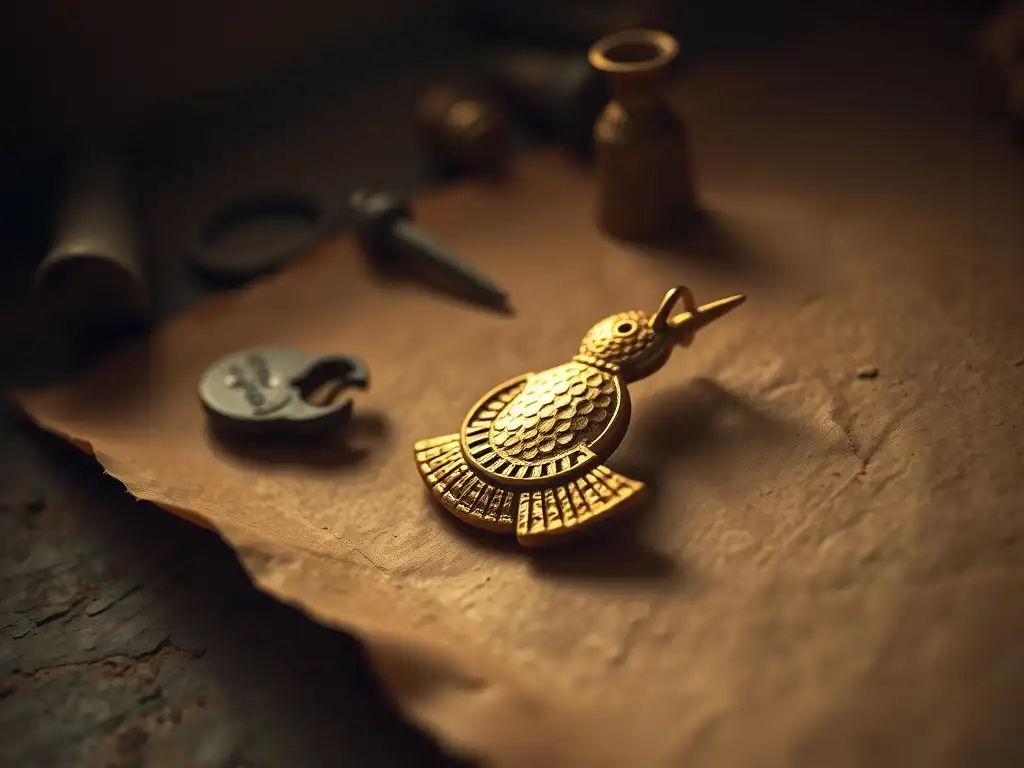
The Nazca culture, famed for its enigmatic geoglyphs, also possessed a sophisticated and surprisingly advanced metalworking tradition. While not as prolific as that of other Andean cultures like the Moche, the Nazca's unique techniques and the limited surviving artifacts leave researchers with many unanswered questions about their metallurgical practices. Their mastery of techniques like hammering, annealing, and alloying, often using gold, silver, copper, and their alloys, resulted in exquisite objects whose creation remains partially shrouded in mystery.
The scarcity of surviving metalwork, coupled with the challenging environmental conditions of the Nazca desert, complicates our understanding of the full extent of their capabilities. The "Nazca metalworking techniques" employed represent a significant contribution to the broader understanding of Andean metallurgy and its evolution.
Unresolved Questions about Specific Techniques
Many aspects of Nazca metalworking remain unclear. For example, the precise methods used to create incredibly thin gold sheets, often seen in adornments, are still debated. While hammering and annealing were undoubtedly involved, the exact techniques to achieve such delicate work, especially considering the lack of readily available advanced tools, are unknown.
Similarly, the creation of intricate alloys, such as tumbaga (a gold-copper alloy), requires precise control over temperature and composition. The limited evidence suggests they possessed a good understanding of these processes, but the specifics of their furnaces and techniques are yet to be fully documented. Further research is needed to clarify these processes.
The following table summarizes some of the unresolved questions:
| Technique | Unresolved Questions | Potential Research Avenues |
|---|---|---|
| Gold sheet creation | How did they achieve such thinness without fracturing the metal? What tools were used? | Microscopic analysis of surviving artifacts, experimental archaeology |
| Alloying (e.g., tumbaga) | What were the precise proportions of metals used? How did they control the process? | Metallurgical analysis, comparison with other Andean alloying techniques |
| Surface finishing techniques | How did they achieve the high polish on many objects? What substances were used? | Analysis of surface residues, examination of tool marks |
Furthermore, the lack of extensive workshops or mining sites directly associated with Nazca metalworking hampers our understanding of their production processes. Were these objects crafted in specialized workshops or in domestic settings? Was the metal sourced locally or traded over long distances? These are critical questions that require further investigation. The available data suggests a level of sophistication that surpasses initial assumptions, adding another layer of complexity to the puzzle of Nazca metalworking. 🕵️♂️
The Purpose and Meaning of Certain Metal Objects
The surviving Nazca metal artifacts, though few, are often highly decorated and intricately designed. Their purpose and symbolic meaning are frequently difficult to ascertain. Many objects, such as small, delicately crafted gold sheets, seem too fragile for practical use, suggesting a primarily ritualistic or ceremonial role. The presence of specific motifs, such as stylized animals or geometric patterns, may provide clues to their significance within Nazca society. However, the limited number of surviving pieces and the lack of accompanying contextual information make definitive interpretations challenging.
For example, the meaning behind certain designs remains open to interpretation. Were these objects associated with specific deities or rituals? Did they hold a social status or demonstrate political power? Were they used in funerary practices? Further research combining archaeological findings with iconographic studies and comparative analyses with other Andean cultures could shed light on these aspects. The study of these artifacts offers a fascinating glimpse into the cosmology and worldview of the Nazca people.
Future Research and Discoveries in Nazca Metallurgy
Future research in Nazca metallurgy should focus on several key areas. First, more extensive field surveys and excavations are needed to identify and analyze additional metal artifacts and potential workshops. This includes utilizing advanced geophysical techniques to locate buried sites that might have escaped previous detection. Second, advanced scientific techniques, such as X-ray fluorescence (XRF) spectroscopy and scanning electron microscopy (SEM), should be employed to analyze the composition and manufacturing techniques of existing artifacts in greater detail. This will allow for more precise identification of alloys and manufacturing processes.
Third, experimental archaeology—recreating Nazca metalworking techniques using only materials and tools available to the Nazca—can provide valuable insights into their methods and limitations. This approach can help to validate or refute existing hypotheses about their techniques and might even reveal previously unknown methods. Finally, a more comprehensive comparative study of Nazca metallurgy with that of other contemporaneous Andean cultures could reveal broader patterns of technological exchange and cultural influence.
The potential for new discoveries and a deeper understanding of Nazca metalworking remains significant, promising to reveal further secrets of this enigmatic culture and contribute substantially to our understanding of "Nazca metalworking techniques." 🏆
Conclusion: Celebrating the Metalworking Expertise of the Nazca
The Nazca's mastery of metalworking stands as a testament to their ingenuity and sophisticated understanding of metallurgy. Their unique techniques, developed and refined over centuries, resulted in a diverse range of artifacts, from delicate ornaments to powerful ceremonial objects. This advanced metalworking wasn't merely a practical skill; it was deeply intertwined with their religious beliefs and social structures, reflecting their complex worldview and artistic sensibilities. Understanding their metalworking techniques provides invaluable insights into the Nazca civilization's social organization, economic activities, and spiritual life.
The enduring legacy of their metallurgical achievements continues to fascinate and inspire, highlighting the remarkable capabilities of this ancient Andean culture. Further research and analysis of surviving artifacts are crucial to fully unravel the intricacies of Nazca metalworking and its place within the broader context of Andean technological development. The study of "Nazca metalworking techniques" remains a vibrant and rewarding field of investigation.
Summarizing the Key Aspects of Nazca Metal Technology
Several key aspects define Nazca metal technology. Their expertise in hammering and annealing allowed them to shape malleable metals like gold, silver, and copper into intricate forms. The use of lost-wax casting, a complex technique requiring considerable skill and precision, enabled the creation of three-dimensional objects with remarkable detail.
Furthermore, their innovative use of alloying—combining different metals to achieve desired properties—demonstrates a sophisticated understanding of material science. This is evidenced in the production of tumbaga, a gold-copper alloy prized for its distinctive color and durability. The application of surface decoration, including hammering, repoussé, and inlaying, further enhanced the aesthetic appeal of their metalwork.
The Nazca also displayed a mastery of gold plating, a technique that involved applying a thin layer of gold onto a base metal, showcasing their advanced technical skills and artistic flair. The careful selection of materials and the meticulous execution of these techniques resulted in objects of exceptional beauty and craftsmanship. Analysis of surviving artifacts reveals a consistency in their approach, suggesting a well-established and possibly formalized system of metalworking practices.
The Lasting Impact of Nazca Metallurgical Innovations
The innovations in Nazca metalworking had a lasting impact on subsequent Andean cultures. Their techniques, particularly lost-wax casting and alloying, were adopted and adapted by later civilizations, contributing to the evolution of Andean metallurgy. The aesthetic principles evident in Nazca metalwork, such as the preference for intricate designs and the use of vibrant colors, also influenced the artistic styles of succeeding cultures.
The legacy of Nazca metalworking is not just about the objects themselves; it's also about the knowledge and skills that were passed down through generations, shaping the technological landscape of the Andes. Studying their methods offers a valuable perspective on the continuity and change in Andean technological traditions. The impact of their "Nazca metalworking techniques" can be seen across centuries, highlighting the enduring influence of this remarkable civilization.
The sophisticated metalwork of the Nazca serves as a powerful reminder of the ingenuity and artistry of ancient Andean societies and their significant contributions to the development of metallurgy in the region. 🎉
Frequently Asked Questions
What unique metalworking techniques did the Nazca civilization employ?
The Nazca were master craftspeople who utilized techniques like hammering, annealing, and soldering to create intricate gold and copper objects. They also employed lost-wax casting for more complex pieces.
What types of metals did the Nazca primarily work with?
The Nazca primarily worked with gold and copper, sometimes alloying them to create different colors and strengths. Silver was less common, and other metals were rarely used.
How did the Nazca's metalworking compare to other Andean cultures?
While sharing some techniques with other Andean cultures, Nazca metalworking stood out for its unique style and intricate designs. Their mastery of hammering and repoussé was particularly advanced.
What tools did the Nazca use for their metalworking?
Nazca metalworkers utilized a variety of tools, including hammers, chisels, and anvils made from stone and other materials. They also employed crucibles for melting and casting metals.
Where can I see examples of Nazca metalwork today?
Examples of Nazca metalwork are displayed in museums around the world, including Peru. Many pieces are also found in private collections, though access may be limited.
Final Reflection: The Enduring Legacy of Nazca Metalworking
The intricate artistry of Nazca metalworking, once confined to the arid plains of Peru, continues to resonate today, a testament to human ingenuity and cultural resilience. These ancient techniques, far from being relics of a bygone era, offer invaluable insights into material science, artistic expression, and the enduring power of human creativity. Their sophisticated methods, often employing techniques lost to time, challenge our modern understanding of metallurgical processes and inspire ongoing research and innovation.
The impact of Nazca metalworking extends far beyond the archaeological record; it speaks to a deeper understanding of human connection to the natural world and the transformative power of artistic expression. The sheer skill and dedication required to create these objects, often from scarce resources, is breathtaking. Art washes away from the soul the dust of everyday life.
– Pablo Picasso. This quote, while not directly referencing Nazca art, perfectly encapsulates the enduring power of artistic creation to transcend time and connect us to something larger than ourselves. The meticulous detail and symbolic richness embedded within these artifacts continue to fascinate and inspire artists and researchers alike.
Consider the implications of this ancient knowledge. What can we learn from the Nazca's resourcefulness and innovative spirit? How can we apply their dedication to craftsmanship and artistic expression in our own lives?
I urge you to reflect on the enduring legacy of the Nazca and to consider how their mastery of metalworking can inspire us to approach our own challenges with ingenuity, creativity, and a deep respect for the materials and traditions that shape our world. Let the shimmering beauty of their artifacts serve as a reminder of the boundless potential of human creativity and the importance of preserving and celebrating our shared cultural heritage.
Unveil the Secrets of Nazca's Metalworking Traditions!
Thank you for exploring the fascinating world of Nazca metalworking with us. We hope you've gained valuable insights into their unique techniques, showcasing their brilliant craftsmanship and ingenuity. Now, let's delve deeper into this captivating subject!
Here are some exciting next steps:
- Participate in a hands-on workshop led by local artisans to experience traditional metalworking techniques firsthand and create your own piece of history!
- Share your knowledge of Nazca metalworking on social media—tag us to inspire others to appreciate these ancient crafts.
- Watch documentaries or read books about Andean civilizations to further enrich your understanding of their art and culture.
As you continue your journey into the ancient world, consider this: How have Nazca's metalworking traditions influenced modern Andean craftsmanship?