
The Art of Acquisition: A Guide to Buying Andean Art with Confidence

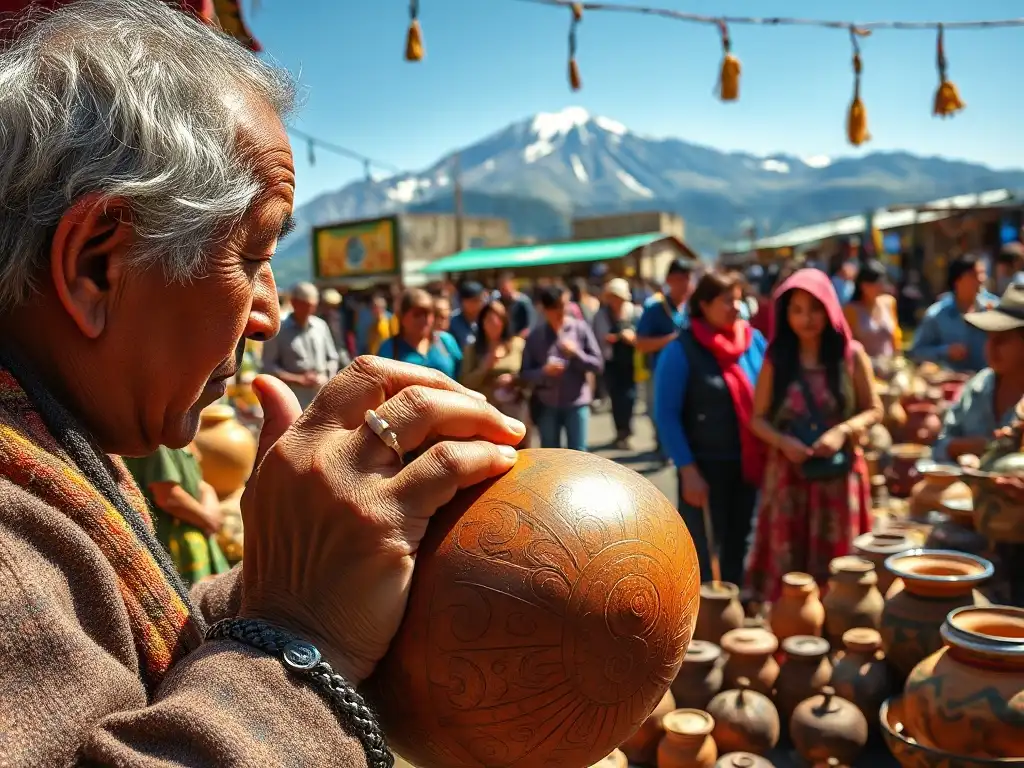
Dive into the mesmerizing world of Andean Civilizations! From the intricate artistry of the Nazca lines to the sophisticated engineering of the Incas, their legacy continues to captivate. But how do you navigate the fascinating, yet sometimes treacherous, world of authentic Andean artifacts? Our guide on Buying authentic Andean art unveils the secrets to acquiring pieces that truly resonate with history, ensuring your purchase is a celebration of their enduring culture, not a regrettable imitation. Explore the intricacies of Andean art and learn how to make informed, confident choices. Let's embark on this journey together!
The allure of Andean art is undeniable. From the intricate textiles of the Nazca to the majestic goldwork of the Moche, these artifacts represent thousands of years of rich cultural heritage and unparalleled artistic skill. However, the market for Andean art is also fraught with potential pitfalls, making it crucial for buyers to approach acquisitions with knowledge and caution.
This guide provides an essential framework for navigating the complexities of buying authentic Andean art, equipping you with the tools to make informed decisions and contribute to the responsible preservation of this invaluable legacy. We'll explore the key factors to consider when assessing authenticity, identifying reputable dealers, and understanding the ethical implications of your purchase, ensuring a rewarding and responsible experience.
Ultimately, our goal is to empower you to confidently acquire pieces that reflect the true artistry and historical significance of Andean civilizations, while supporting sustainable practices within the art market. This guide focuses specifically on finding reputable dealers, a crucial first step in buying authentic Andean art.
The sheer volume of Andean artifacts available, both online and in physical markets, can be overwhelming. Distinguishing genuine pieces from high-quality forgeries requires a discerning eye and a solid understanding of Andean art history and stylistic conventions. Many factors contribute to a piece's authenticity, including materials used, craftsmanship techniques, and stylistic elements specific to particular cultures and time periods. For example, identifying the specific type of textile fiber used in a pre-Columbian textile can be crucial in determining its age and origin.
Similarly, understanding the metallurgy techniques employed in creating Moche gold objects is vital for authentication. Careful examination, ideally with the assistance of an expert, is essential. This initial assessment helps narrow down the field and identify potential sources for further investigation.
Remember, patience and thorough research are key to acquiring authentic Andean art. Don't rush the process. A thoughtful approach will ultimately lead to a more rewarding and meaningful acquisition.
Identifying Reputable Dealers of Andean Art
Finding trustworthy dealers is paramount. Reputable dealers will not only offer authentic artifacts but also provide detailed provenance documentation—a history of the object's ownership—along with transparent information about its acquisition. They should be knowledgeable about Andean art history and be willing to answer your questions thoroughly and honestly. Look for dealers who are members of professional organizations and who adhere to ethical collecting practices.
Be wary of dealers who are vague about provenance or who offer unusually low prices for exceptional pieces. A reputable dealer will actively participate in the preservation of Andean cultural heritage and will not sell items obtained illegally or unethically. Building relationships with trusted dealers is a long-term investment that will pay off in the authenticity and ethical sourcing of your acquisitions. Remember, your purchase contributes directly to the market, so choosing wisely supports ethical practices.
Due Diligence: Verifying Authenticity and Provenance
Before committing to a purchase, conduct thorough due diligence. This involves more than just visually inspecting the artifact. It includes requesting and carefully reviewing provenance documentation. This documentation should trace the artifact's ownership history back as far as possible, ideally to its original discovery. If the provenance is unclear or incomplete, proceed with extreme caution.
Consider seeking expert opinions from archaeologists, art historians, or museum curators specializing in Andean art. These experts can provide valuable insights into the authenticity and age of a piece and help you avoid costly mistakes. Their assessments, while often requiring a fee, are a worthwhile investment in protecting your purchase and ensuring its value. Remember, a thorough investigation is a crucial step in responsible collecting. It is better to be cautious than to regret a purchase later.
The Ethical Considerations of Buying Andean Art
The ethical implications of acquiring Andean art cannot be overstated. It is crucial to ensure that your purchase does not contribute to the looting of archaeological sites or the exploitation of indigenous communities. Support dealers committed to sustainable practices and responsible sourcing. Avoid purchasing artifacts that lack clear provenance or that appear to have been obtained illegally.
By making informed choices, you can contribute to the preservation of Andean cultural heritage and ensure that your acquisition is both beautiful and ethically sound. This responsible approach is vital for the long-term protection of these invaluable cultural treasures. Your choices directly impact the future of Andean art.
- Navigating the World of Authentic Andean Artifacts
- Identifying Reputable Dealers of Andean Art
- Due Diligence: Verifying Authenticity and Provenance
- The Ethical Considerations of Buying Andean Art
- Online Auction Houses Specializing in Pre-Columbian Art: Christie's, Sotheby's, and Bonhams
- Reputable Galleries with a Focus on Andean Artifacts: Gallery of the Andes, Ancient Art of the Andes
- Art Fairs with Andean Art Sections: TEFAF, Tribal Art Fair
- Establishing Relationships with Expert Andean Art Appraisers and Consultants: Art Loss Register, American Society of Appraisers
- Insuring Your Andean Art Collection: AXA Art Insurance, Chubb Insurance
- Proper Storage and Handling of Andean Artifacts: Maintaining stable temperature and humidity; using archival-safe materials
- Documenting Your Collection for Future Reference: Detailed photography and cataloging with dimensions and materials
Understanding the Market for Andean Art: Key Considerations
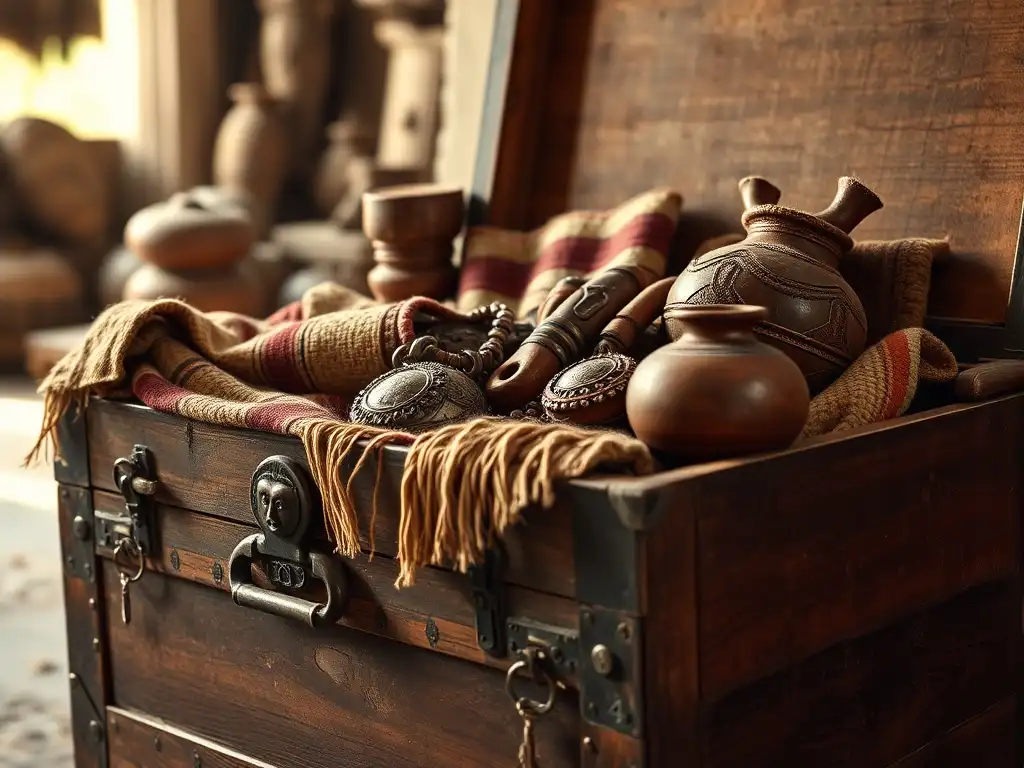
This section delves into the complexities of the Andean art market, providing crucial insights for discerning collectors seeking to buy authentic Andean art. Navigating this market requires a keen eye, a healthy dose of skepticism, and a firm understanding of the factors influencing prices and authenticity. The demand for genuine Andean artifacts is high, fueled by both historical significance and aesthetic appeal. This demand, however, has also unfortunately led to a surge in forgeries and misrepresented pieces. Therefore, careful consideration of several key factors is paramount.
The Allure of Ancient Andean Art: Why Collect?
The enduring appeal of ancient Andean art stems from a confluence of factors. Firstly, the sheer artistry is captivating. The intricate textile work, the sophisticated pottery, and the masterful metalwork represent a level of skill and innovation rarely seen in other ancient cultures. These objects are not merely decorative; they often tell stories, reflecting complex religious beliefs, societal structures, and daily life.
Collecting Andean art allows one to connect with a rich and vibrant past, owning a tangible piece of history. Furthermore, the scarcity of genuine artifacts adds to their value and desirability. Many pieces survived harsh climates and looting attempts, making surviving examples truly unique and valuable.
Finally, the investment potential of authentic Andean art should not be overlooked. As interest in this field continues to grow, the value of genuine pieces tends to appreciate over time, making it an attractive option for both passionate collectors and shrewd investors interested in buying authentic Andean art. The market, however, is volatile and requires careful research.
Defining Authenticity: What Constitutes a Genuine Andean Piece?
Determining the authenticity of Andean art requires a multi-faceted approach. It's not simply a matter of visual inspection; it necessitates a deep understanding of the stylistic conventions, materials, and techniques used by different Andean cultures across various periods. For instance, the pottery of the Moche culture is distinct from that of the Nazca, exhibiting differences in form, decoration, and the very clays used. Similarly, Inca textiles often feature specific weaving techniques and iconography absent in later imitations. Several key elements contribute to verifying authenticity:
- Provenance: A clear and documented history of ownership is crucial. Knowing where a piece came from and who owned it previously helps establish its legitimacy and trace its journey. A documented provenance significantly reduces the risk of acquiring a forgery.
- Materials Analysis: Scientific testing, such as thermoluminescence dating for ceramics or fiber analysis for textiles, can provide objective evidence regarding the age and origin of an artifact. While expensive, this method offers the most reliable confirmation of authenticity.
- Stylistic Analysis: Expert examination by archaeologists or art historians specializing in Andean art is essential. They can identify subtle stylistic features that distinguish genuine pieces from imitations. Their expertise in recognizing specific cultural styles, techniques, and iconography is invaluable in determining authenticity.
- Condition: The condition of an artifact is also a significant factor. While age-related wear is expected, excessive damage or inconsistent repairs may indicate a forgery or a piece that has been heavily restored.
The process of verifying authenticity often involves a combination of these methods. Relying on a single element is insufficient; a comprehensive assessment is crucial when buying authentic Andean art.
Identifying Reputable Dealers of Andean Art: A Crucial First Step
Choosing a reputable dealer is the cornerstone of acquiring authentic Andean art. Dealing with established and respected galleries and auction houses significantly mitigates the risk of purchasing forgeries or misrepresented pieces. Reputable dealers will provide detailed provenance documentation, readily submit their pieces to scientific testing if requested, and possess a deep understanding of Andean art and its history. Several key characteristics distinguish reputable dealers:
- Transparency: They are open and honest about the provenance and condition of their pieces, readily answering questions and addressing concerns.
- Expertise: They possess deep knowledge of Andean cultures and art history, enabling them to accurately identify and authenticate artifacts.
- Reputation: They have a long-standing reputation for ethical practices and handling only genuine pieces. Online reviews and recommendations from trusted sources can help assess their reputation.
- Documentation: They provide comprehensive documentation, including provenance records, authentication certificates, and any relevant scientific test results.
Buying authentic Andean art requires diligence and a critical eye. By carefully considering the factors outlined above and engaging with reputable dealers, collectors can confidently acquire treasured pieces that enrich their collections and contribute to the appreciation of Andean cultural heritage. Remember, investing time and resources in due diligence is an investment in the authenticity and long-term value of your collection.
A Step-by-Step Guide to Buying Authentic Andean Art
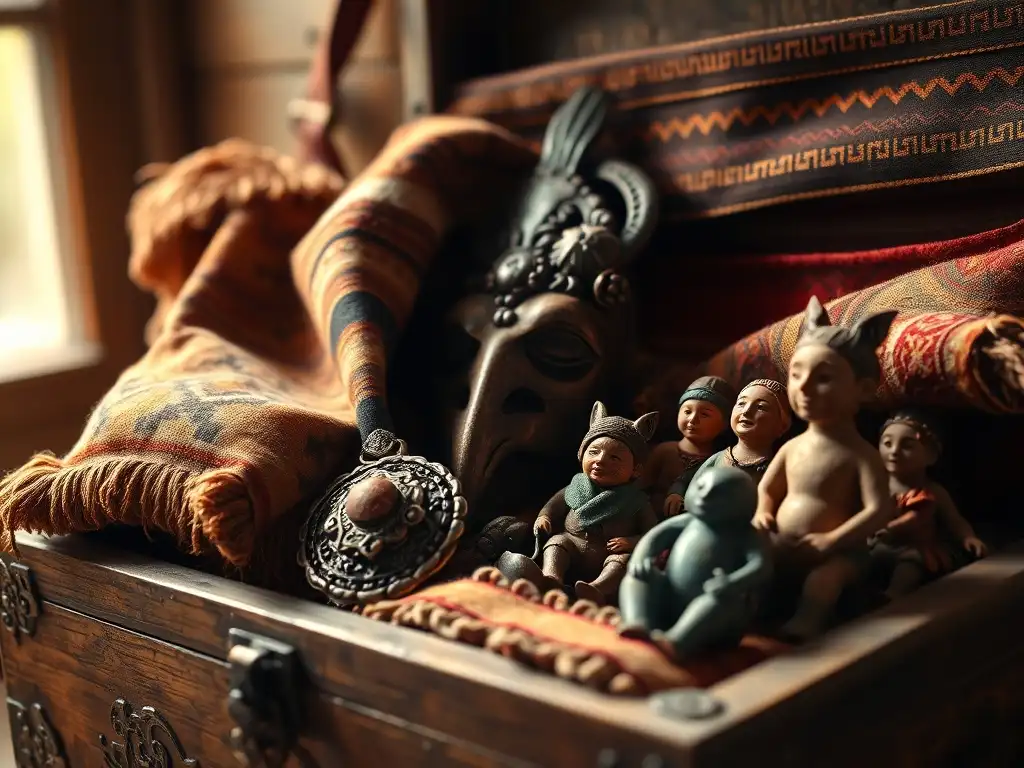
This section provides a practical, step-by-step guide for those interested in buying authentic Andean art. Understanding the nuances of Andean art styles, periods, and the condition of artifacts is crucial to making informed and confident purchases. Buying authentic Andean art requires diligence and a keen eye for detail. Let's delve into the process.
Step 1: Researching Andean Art Styles and Periods
Before even considering a purchase, thorough research is paramount. Familiarizing yourself with the diverse artistic styles and historical periods of the Andean civilizations will significantly improve your ability to distinguish authentic pieces from reproductions. This section offers a glimpse into the distinct artistic characteristics of some prominent Andean cultures.
Familiarizing Yourself with Inca Art: Pottery styles of the Imperial Inca period
Inca pottery, while often less elaborate than that of preceding cultures, holds its own unique characteristics. Imperial Inca pottery frequently features simple, geometric designs, often in muted colors like red, black, and beige. Common motifs include stepped patterns, zigzags, and bands. Unlike the vibrant, detailed work of the Moche, Inca pottery prioritizes functionality and standardization.
Identifying the characteristic Inca aryballos (small, globular vessels with a narrow neck) or kero (ceremonial drinking cups) can be a strong indicator of authenticity. Look for evidence of hand-building techniques, as opposed to mass-production methods. Careful examination of the clay type and the firing techniques can further aid in authentication. Note the subtle variations in style across different Inca regions – the pottery of Cusco might differ slightly from that found in northern regions of the empire.
Exploring Moche Ceramics: Iconography of the Decapitator God
Moche pottery is renowned for its incredibly detailed and lifelike depictions of figures, often showcasing complex scenes of warfare, ritual ceremonies, and daily life. The Decapitator God, a recurring motif in Moche art, is characterized by its fierce expression and often depicted in scenes of human sacrifice or ritualistic violence. These scenes, often painted with vibrant colors and intricate detail, are a testament to the sophisticated artistic skills of the Moche people.
Authentic Moche pottery is typically characterized by its distinctive slipware technique and the use of fine-grained clay. Recognizing the specific iconography and stylistic elements associated with the Decapitator God, or other prominent Moche deities, is essential for authenticating a piece. Look for the use of mold-made techniques and the application of several layers of paint in Moche ceramics.
Understanding Nazca Lines and Textiles: The Spider Geoglyph and its textile counterparts
The Nazca culture is famous for its enigmatic geoglyphs—giant figures etched into the desert floor. While you won't be buying the lines themselves, their motifs often appear in Nazca textiles. The Spider Geoglyph, for example, is a striking image that also appears in intricate woven textiles. These textiles, often made from cotton or camelid fibers, exhibit incredibly fine weaving techniques and use a range of colors and complex designs.
Authentic Nazca textiles often show evidence of natural dyes and unique weaving patterns. The complexity of the designs, the use of multiple colors, and the fine detail are all indicative of authenticity. The presence of specific motifs, like the spider or other zoomorphic figures, can help pinpoint the origin and authenticity of the textile. The quality of the weave and the condition of the fibers are also crucial elements in assessing authenticity.
Discovering Tiahuanaco Iconography: The Staff God and related imagery
The Tiahuanaco culture, known for its monumental architecture, also produced distinctive art characterized by its geometric and stylized representations. The Staff God, a recurring figure in Tiahuanaco iconography, is a powerful symbol often depicted with a staff and other symbolic elements. Authentic Tiahuanaco artifacts often feature intricate carvings and a unique style of geometric patterning.
Tiahuanaco pottery, for example, often shows a preference for geometric designs and the use of specific clay types. The presence of specific stylistic elements, such as the Staff God or other iconic figures, alongside the quality of the craftsmanship, will help determine the authenticity of a Tiahuanaco piece. Furthermore, understanding the stylistic variations between different periods within the Tiahuanaco culture is crucial for accurate identification.
Step 2: Assessing the Condition of Andean Artifacts
Once you've familiarized yourself with the various styles and periods, the next crucial step is assessing the condition of the artifact itself. Authenticity is only part of the equation; the condition significantly impacts its value and aesthetic appeal.
Examining Pottery: Identifying hairline fractures, glaze loss, and overpainting
When examining Andean pottery, look closely for any signs of damage or repair. Hairline fractures, while sometimes acceptable, can significantly impact value. Pay close attention to the glaze—loss of glaze or uneven application can be indicative of poor quality or damage.
Overpainting, where a later layer of paint has been applied to mask damage or enhance the appearance, is a significant red flag. Examine the base of the pottery for any signs of uneven firing or damage. The overall consistency of the glaze and the color should be uniform across the entire piece, with any variations being explainable by the natural characteristics of the clay and the firing process.
Analyzing Textiles: Checking for sun bleaching, moth damage, and original weave structure
Andean textiles are often delicate and susceptible to damage. Examine textiles for signs of sun bleaching, which can fade colors and weaken fibers. Moth damage, characterized by holes or weakened areas, is another common issue. Pay close attention to the weave structure—a consistent, tight weave is a hallmark of high-quality textiles.
Look for irregularities in the weave pattern or any signs of patching or repair. The use of natural dyes and the quality of the fibers should also be considered, as these can provide valuable clues about the age and authenticity of the textile. Consider the presence of any repairs and the methods used to repair the textile.
Inspecting Metalwork: Look for signs of verdigris, pitting, and repairs
Andean metalwork, often made of gold, silver, or copper alloys, requires careful examination. Verdigris, a green patina that develops on copper and bronze, is a natural process and doesn't necessarily indicate damage. However, excessive verdigris or uneven patination could be a cause for concern. Pitting, or small holes in the metal, can indicate corrosion or damage.
Look closely for signs of repairs—poorly executed repairs can detract from the value and authenticity of the piece. The weight and feel of the metal, along with any hallmarks or markings, can also provide valuable insights into the authenticity of the piece. A reputable dealer should be able to provide information about the metal's composition and any known history of the piece.
Step 3: Evaluating Provenance and Documentation
This step is crucial for ensuring the authenticity and ethical sourcing of your Andean art purchase. Ignoring provenance can lead to acquiring pieces with questionable origins, potentially contributing to the illegal antiquities trade. A thorough examination of an artifact's history is paramount. This involves more than just a pretty certificate; it requires careful scrutiny and a healthy dose of skepticism. Remember, even seemingly impeccable documentation can be forged.
Understanding the Importance of Provenance: The documented ownership history of an artifact
Provenance, the documented history of an object's ownership, is the cornerstone of authentication. A strong provenance demonstrates a clear chain of custody, tracing the artifact back through time. Ideally, this chain should be unbroken, with each transfer of ownership meticulously recorded. This documentation might include invoices, letters of sale, museum records, or even family heirlooms with verifiable historical connections.
The more complete and verifiable the provenance, the higher the confidence in the artifact's authenticity and ethical acquisition. A lack of clear provenance should raise significant red flags. For example, a beautiful pre-Columbian textile with no record of its previous owners or acquisition might be a beautiful piece, but its origin is suspect.
Recognizing Authenticity Certificates: Certificates from recognized experts and institutions
Authenticity certificates, while helpful, are not foolproof guarantees. A certificate issued by a reputable art historian specializing in Andean artifacts, a respected museum, or a recognized authentication organization carries significant weight. However, always scrutinize the certificate itself. Look for the issuing organization's details, the specific identification of the artifact, and the expert's credentials.
Be wary of certificates that lack specific details or appear poorly produced. Independent verification of the issuing body's legitimacy is essential. Remember that even a seemingly legitimate certificate may be fraudulent, so further investigation is always advisable. Consider obtaining a second opinion from another expert if possible.
Verifying Documentation: Export permits and documentation of archaeological context
Beyond ownership history, legal documentation is vital. For artifacts of significant age or cultural importance, export permits are often required to legally transfer ownership across international borders. The absence of such permits is a clear indication of potential illegality. Furthermore, documentation detailing the archaeological context of discovery can be invaluable.
This information, if available, sheds light on the artifact's origin, dating, and cultural significance. Such details can help to verify its authenticity and assess its value. A lack of archaeological context can significantly diminish the value and trustworthiness of a piece, even if other documentation appears credible. This highlights the importance of seeking out reputable dealers who prioritize ethical sourcing and transparency.
Step 4: Understanding Fair Pricing for Andean Art
Determining a fair price for Andean art requires careful consideration of various factors. The market for these artifacts is complex, influenced by both supply and demand, as well as ethical considerations. A thorough understanding of these factors will help you avoid overpaying or, worse, supporting the illegal trade in antiquities.
Factors Influencing Price: Provenance, artistry, and historical significance
Several key factors influence the price of Andean art. Provenance, as discussed earlier, plays a significant role. A well-documented history of ownership dramatically increases value. The artistry of the piece is another crucial factor. Highly skilled craftsmanship, unique design elements, and the use of rare materials all contribute to higher prices. The historical significance of the artifact also matters. Items associated with important historical figures, events, or cultural practices command higher prices. Rarity also plays a significant role; unique or exceptionally well-preserved pieces are often highly sought after.
Avoiding Overpriced Items: Comparing prices across multiple sources
To avoid overpaying, compare prices from multiple reputable sources. Research similar artifacts sold at auctions, galleries, or online marketplaces. Be aware of market trends and fluctuations. Don't hesitate to seek appraisals from independent experts to verify the value of a piece before committing to a purchase. This due diligence is crucial to ensure that you are paying a fair price and not being taken advantage of. Remember, a seemingly "bargain" price might indicate a problematic provenance or lack of authenticity.
Negotiating Prices Respectfully: Establishing rapport and justifying your offer
Negotiating the price is a common practice in the art market. Establish a respectful rapport with the seller before discussing price. Clearly articulate your understanding of the artifact's value based on your research and the factors discussed above. Justify your offer by referencing comparable sales and highlighting any perceived discrepancies between the asking price and market value. Remember to be polite and professional throughout the negotiation process. A successful negotiation benefits both buyer and seller, fostering trust and transparency within the market. A respectful approach also demonstrates your commitment to ethical purchasing practices.
Where to Find Reputable Dealers of Andean Art: Recommended Sources
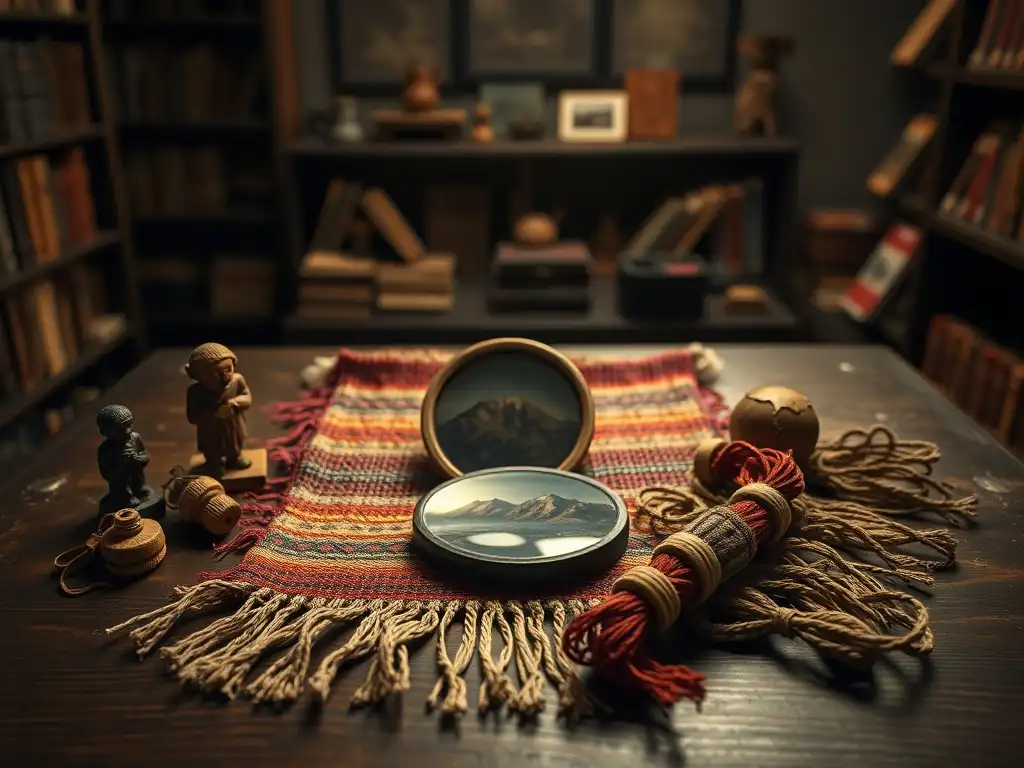
This section provides a curated list of reputable sources for acquiring authentic Andean art. Navigating the market for pre-Columbian artifacts requires diligence, and choosing trustworthy dealers is paramount to ensuring the authenticity and ethical sourcing of your purchase. Buying authentic Andean art involves more than just aesthetics; it's about preserving cultural heritage and supporting responsible practices. This guide will help you confidently navigate the landscape of Andean art acquisition.
Online Auction Houses Specializing in Pre-Columbian Art: Christie's, Sotheby's, and Bonhams
Major international auction houses like Christie's, Sotheby's, and Bonhams frequently feature significant collections of Andean art. These institutions employ expert cataloguers and authentication processes, offering a degree of assurance regarding provenance and authenticity. However, it's crucial to thoroughly review the provided documentation, including provenance research and any accompanying certificates of authenticity. While these auction houses strive for accuracy, independent verification might still be advisable, especially for high-value pieces.
The benefits of using these auction houses include:
- Extensive Catalogs: They often offer detailed descriptions, high-resolution images, and provenance information.
- Established Reputation: Their long-standing reputations lend a certain level of credibility to the objects they handle.
- Competitive Bidding: The auction format can lead to competitive pricing, potentially resulting in favorable acquisition costs.
However, there are also potential drawbacks:
- High Premium Fees: Auction houses charge significant buyer's premiums, adding to the final cost.
- Competitive Bidding Can Drive Up Prices: High demand can inflate prices beyond what might be considered fair market value.
- Requires Expertise: Buyers need a strong understanding of Andean art and the auction process to participate effectively.
Reputable Galleries with a Focus on Andean Artifacts: Gallery of the Andes, Ancient Art of the Andes
Specialized galleries dedicated to pre-Columbian art offer a more personalized buying experience. These galleries often cultivate relationships with reputable collectors and sources, allowing them to offer meticulously vetted pieces. Gallery owners typically possess significant expertise in Andean art, providing valuable insights and guidance to buyers. Examples include galleries specializing in Andean artifacts, such as the hypothetical "Gallery of the Andes" and "Ancient Art of the Andes." Remember that thorough due diligence is still essential, even when dealing with established galleries. Requesting provenance documentation and seeking independent verification for particularly valuable items is always recommended.
The advantages of using specialized galleries include:
- Expert Advice: Gallery owners can provide invaluable context and information about the pieces.
- Curated Collections: Galleries usually offer carefully selected pieces with known provenance.
- Personal Interaction: The personal interaction allows for a more thorough understanding of the artwork.
The potential downsides include:
- Higher Prices: Gallery markups can be substantial compared to auction prices.
- Limited Selection: The selection may be smaller compared to the vast inventories of auction houses.
- Dependence on Gallery Expertise: The buyer relies heavily on the gallery's assessment of authenticity.
Art Fairs with Andean Art Sections: TEFAF, Tribal Art Fair
International art fairs, such as TEFAF Maastricht and various tribal art fairs, often include sections dedicated to pre-Columbian art. These events bring together numerous dealers, offering a wider selection in a single location. However, the diversity of dealers also necessitates increased vigilance. Carefully examine the credentials of each dealer and insist on provenance documentation before making any purchases. Networking with other collectors and experts attending the fair can also provide valuable insights and perspectives.
Attending such fairs presents both opportunities and challenges:
- Wide Selection: A broad range of Andean artifacts from various dealers is available in one location.
- Networking Opportunities: Connecting with other collectors and experts can enhance your knowledge and discernment.
- Potential for Discovering Unique Pieces: Rare and exceptional pieces may surface at these events.
Conversely, there are potential risks:
- Increased Risk of Counterfeits: The large number of dealers increases the chance of encountering fraudulent items.
- High Prices: Competitive bidding amongst collectors can inflate prices.
- Requires Thorough Due Diligence: Careful vetting of each dealer and artifact is crucial.
Remember: Buying authentic Andean art is an investment in cultural heritage. Thorough research, careful selection of reputable sources, and a commitment to ethical sourcing are crucial for a rewarding and responsible acquisition. Always prioritize provenance documentation and consider seeking independent expert authentication for significant purchases.
Establishing Relationships with Expert Andean Art Appraisers and Consultants: Art Loss Register, American Society of Appraisers
Building a network of trusted experts is paramount when buying authentic Andean art. These professionals offer invaluable insights, helping you navigate the complexities of the market and avoid potential pitfalls. Two particularly useful resources are the Art Loss Register and the American Society of Appraisers.
The Art Loss Register maintains a comprehensive database of stolen and recovered artworks. While primarily focused on preventing the purchase of stolen artifacts, engaging with them can provide crucial information on provenance and authenticity. Their expertise extends beyond simply identifying stolen pieces; they can also offer guidance on verifying the legitimacy of an object's history, a critical aspect of buying Andean art responsibly.
Understanding the chain of custody—from the initial discovery of the artifact to its current offering—is vital in ensuring its authenticity and ethical acquisition. For example, a piece with a documented history traced back to reputable archaeological digs or museum collections carries significantly less risk than one with a murky or undocumented past. The Art Loss Register's resources can help you confidently assess this crucial aspect of Andean art provenance.
The American Society of Appraisers (ASA) is a professional organization representing appraisers across various fields, including fine arts. While not exclusively focused on Andean art, the ASA offers a directory of qualified appraisers who can provide expert opinions on the authenticity, condition, and value of potential purchases. Finding an ASA-designated appraiser specializing in pre-Columbian art, or at least with significant experience in similar artifacts, is crucial.
Their assessment includes not only verifying the artifact's material composition and techniques but also scrutinizing stylistic elements and comparing them to established examples of Andean artistry. This meticulous examination minimizes the risk of purchasing forgeries or misattributed pieces. For instance, an ASA appraiser could distinguish between a genuine Inca textile and a skillfully crafted modern reproduction by analyzing the fiber types, weaving techniques, and decorative motifs.
This professional evaluation provides crucial confidence when investing in valuable Andean artifacts. Remember to always request detailed reports and supporting documentation from any appraiser you engage. A thorough report should explicitly address any concerns or ambiguities.
Protecting Your Investment: Post-Purchase Considerations
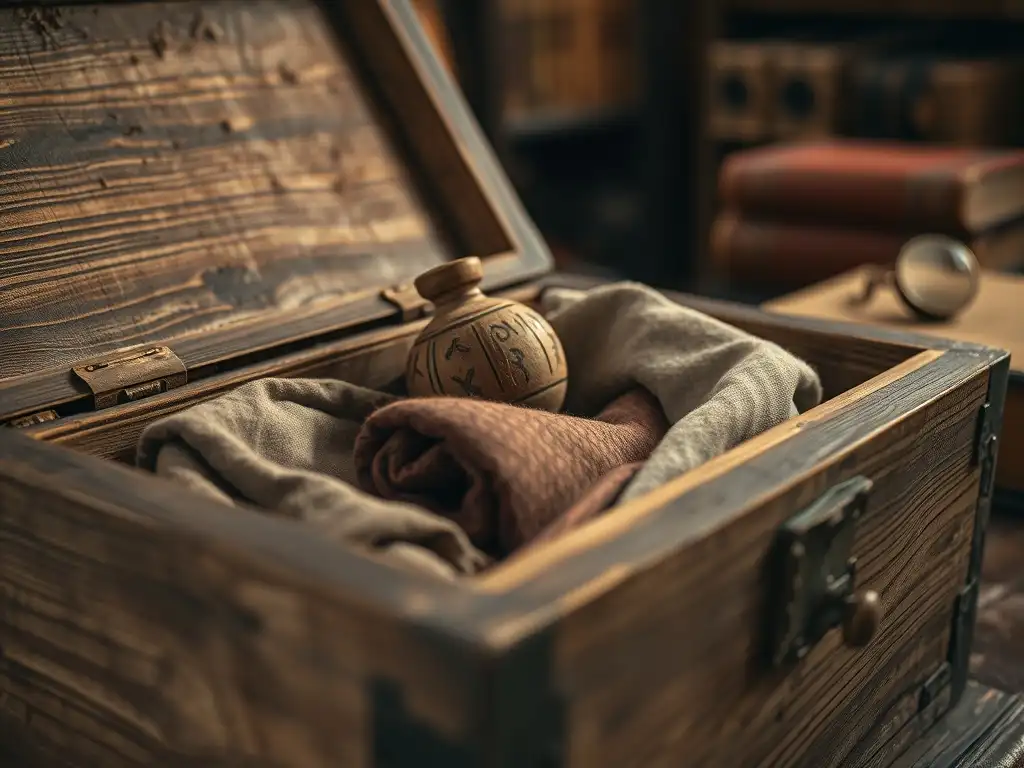
Buying authentic Andean art is a significant investment, both financially and emotionally. Securing your purchase goes beyond the initial transaction; it involves proactive measures to preserve its value and integrity for years to come. This section focuses on the crucial steps to take after acquiring your Andean artifact to ensure its longevity and protect your investment. Understanding these post-purchase considerations is key to responsible ownership and the enjoyment of your collection.
Insuring Your Andean Art Collection: AXA Art Insurance, Chubb Insurance
Once you've acquired a valuable piece of Andean art, insuring it is paramount. High-value artifacts, particularly those made of precious metals, ceramics, or textiles, are susceptible to damage, theft, or loss. Specialized art insurance policies offer comprehensive coverage tailored to the unique risks associated with these delicate items.
Reputable insurers like AXA Art Insurance and Chubb Insurance offer such specialized plans. These policies typically cover damage from unforeseen events like fire, water damage, and accidental breakage, as well as theft and loss. It's crucial to accurately assess the value of your artifact and obtain a professional appraisal before purchasing insurance to ensure adequate coverage.
Remember to thoroughly review the policy's terms and conditions, paying close attention to exclusions and claim procedures. Having appropriate insurance provides peace of mind and protects your financial investment in your authentic Andean art. Consider also the implications of insuring multiple pieces; bundling items can often lead to cost savings.
Proper Storage and Handling of Andean Artifacts: Maintaining stable temperature and humidity; using archival-safe materials
Proper storage and handling are critical for preserving the condition of your Andean artifacts. These objects are often sensitive to environmental factors like temperature and humidity fluctuations, and improper handling can lead to irreversible damage. Maintaining a stable temperature and humidity level is essential. Ideally, the storage environment should have a consistent temperature between 65-70°F (18-21°C) and a relative humidity of 45-55%.
Avoid placing your artifacts in direct sunlight or near sources of heat or moisture. For storage materials, always use archival-safe materials. This means using acid-free boxes, tissue paper, and foam padding to prevent abrasion and chemical degradation. Avoid using plastics, rubber bands, or adhesives that might release harmful chemicals over time, compromising the integrity of the artifact.
Regularly inspect your collection for any signs of damage or deterioration, such as cracking, discoloration, or pest infestation. Early detection of problems allows for timely intervention, preventing further damage. The longevity and aesthetic appeal of your Andean treasures depend heavily on careful storage and handling.
Documenting Your Collection for Future Reference: Detailed photography and cataloging with dimensions and materials
Thorough documentation is crucial for several reasons, including insurance claims, authentication, and future research. High-quality photographs should be taken from multiple angles, capturing details of the artifact's craftsmanship and any unique markings. Along with the photographs, create a detailed catalog that includes the following information for each piece:
| Item # | Description | Dimensions (cm) | Material(s) | Acquisition Date | Provenance Notes |
|---|---|---|---|---|---|
| 1 | Moche ceramic vessel | 15 x 12 x 10 | Clay, pigments | 2023-10-27 | Acquired from [Dealer Name], Lima, Peru |
| 2 | Inca textile fragment | 20 x 30 | Alpaca wool, cotton | 2023-11-15 | Private collection, provenance uncertain |
| 3 | Nazca textile | 10 x 12 | Cotton, natural dyes | 2024-01-05 | Acquired at auction, [Auction House Name] |
Note that "Provenance Notes" are extremely important when buying authentic Andean art. This section should detail the history of ownership, if known. Accurate measurements (in centimeters) are essential, as are detailed descriptions of the materials used. This meticulous record-keeping will protect your investment and provide valuable information for future generations. Consider using a digital database to organize your collection and make it easily searchable. This comprehensive documentation is a crucial aspect of responsible ownership and ensures the legacy of your Andean art collection.
Conclusion: Investing in the Legacy of Andean Civilizations
This exploration of acquiring authentic Andean art has highlighted the importance of careful consideration, thorough research, and a commitment to ethical sourcing. Buying authentic Andean art is not merely an acquisition; it's an investment in preserving cultural heritage and supporting sustainable practices. Each piece tells a story, echoing the ingenuity and artistry of past civilizations. By making informed choices, we contribute to the ongoing appreciation and protection of these invaluable cultural treasures.
The vibrant colors, intricate designs, and unique craftsmanship of Andean artifacts offer a tangible connection to a rich history, a legacy that deserves our respect and careful stewardship. Understanding the nuances of provenance, recognizing hallmarks of authenticity, and engaging with reputable dealers are key to ensuring a responsible and rewarding experience. The process itself becomes a journey of discovery, enriching our understanding and appreciation of Andean civilizations.
The Enduring Appeal of Andean Art: Connecting with ancient cultures
The enduring allure of Andean art lies in its profound connection to ancient cultures. These artifacts aren't simply decorative objects; they are tangible links to a past brimming with innovation and spiritual significance. From the intricate textiles of the Nazca to the powerful ceramics of the Moche, each piece reflects a unique worldview and artistic sensibility.
The vibrant colors, often derived from natural pigments, resonate with the energy of the Andean landscape. The meticulous craftsmanship, passed down through generations, speaks to a deep respect for tradition and artistic excellence. Owning a piece of authentic Andean art allows us to engage with this rich heritage on a personal level, bringing a piece of history into our homes and lives.
This connection transcends mere aesthetics; it fosters a deeper understanding and appreciation of the cultures that created these remarkable works. The enduring appeal stems from the inherent artistry, the historical significance, and the emotional resonance these pieces evoke, fostering a powerful link between the past and the present. The acquisition of such art becomes a powerful act of cultural preservation.
A Final Word on Buying Authentic Andean Art: Due diligence and informed decisions
Ultimately, buying authentic Andean art requires diligent research and informed decision-making. The process should be approached with respect for the cultural heritage it represents. Thorough due diligence involves verifying provenance, examining the craftsmanship for telltale signs of authenticity, and engaging with reputable dealers who prioritize ethical sourcing.
This commitment not only ensures the acquisition of genuine artifacts but also contributes to the preservation of Andean cultural heritage. By supporting ethical practices, we collectively safeguard these invaluable pieces for future generations. Remember, the value of authentic Andean art extends far beyond its monetary worth; it lies in its historical significance, its artistic merit, and its ability to connect us to a rich and vibrant past.
The responsible acquisition of such art is a testament to our appreciation for these remarkable civilizations and a commitment to preserving their legacy. Investing in authentic Andean art is, therefore, an investment in history, culture, and the preservation of a unique artistic heritage.
Frequently Asked Questions
How can I be sure I'm buying authentic Andean art?
Authenticity is key! Look for provenance documentation, expert appraisals, and reputable dealers specializing in Andean artifacts. Be wary of exceptionally cheap prices.
What are some red flags to watch out for when purchasing Andean art?
Be suspicious of imperfect imitations, unusually low prices, and lack of provenance. Poor quality materials or inconsistencies in style also signal potential fakes.
What types of Andean art are most commonly available for purchase?
You'll find a wide range, including textiles, pottery, metalwork, and stone carvings. The availability varies based on the specific civilization and the piece's rarity.
Where is the best place to buy authentic Andean art?
Consider reputable auction houses, specialized galleries, and museums with gift shops. Direct purchase from respected artisans in Andean communities can also be a rewarding experience.
How can I care for my Andean art once I've purchased it?
Proper storage is crucial. Keep your art in a stable environment, away from direct sunlight and excessive humidity. Consult a conservation professional for specific advice on cleaning and maintenance.
Final Reflection: The Enduring Legacy of Andean Art
The quest for authentic Andean art is not merely a pursuit of beautiful objects; it's a journey into a rich tapestry of history, culture, and enduring craftsmanship. Understanding the nuances of acquisition, as explored in this guide, is crucial in ensuring the preservation of this legacy and preventing the exploitation of artisans and cultural heritage. The ethical considerations discussed are paramount in today's market, where the demand for authentic pieces is high, and the potential for forgery is ever-present.
The impact of Andean art extends far beyond its aesthetic appeal; it represents the resilience and creativity of a civilization that has thrived for millennia. It speaks to the enduring power of human expression and the profound connection between art and identity. >“Art washes away from the soul the dust of everyday life.” – Pablo Picasso.
This quote, while not specifically about Andean art, perfectly encapsulates the transformative power of these pieces, their ability to connect us to something larger than ourselves, and their capacity to enrich our lives. The responsibility of acquiring these works ethically, therefore, becomes a vital part of appreciating their true value.
Consider your own relationship with art. What draws you to a particular piece? How can you ensure your acquisition contributes positively to the preservation of Andean artistry and the well-being of its creators? I urge you to approach the world of Andean art with respect, knowledge, and a commitment to ethical purchasing. By doing so, you become not just a collector, but a guardian of a remarkable cultural heritage, ensuring its vibrant legacy continues to inspire generations to come.
**Embrace Your Art Journey Today! **
Thank you for exploring "The Art of Acquisition"! You've gained valuable insights into the captivating world of Andean art. Now, let's take the next steps on your journey of discovery.
Here are a few ways to deepen your appreciation:
- **Begin your collection:** Visit a local gallery or reputable online marketplace to find unique Andean pieces that resonate with you. Consider the artist's story and the piece's cultural significance.
- **Join our community:** Connect with fellow enthusiasts on our social media channels to share experiences and learn from each other. Engage in discussions and discover new perspectives.
- **Expand your knowledge:** Research the history and cultural context of artworks that intrigue you. Consider how these pieces could enrich your life and tell a story within your home or collection.
Which Andean artwork excites you most, and what draws you to it? Share your thoughts below!