
Nazca Pottery and Trade: Exploring the Distribution of Ceramic Goods

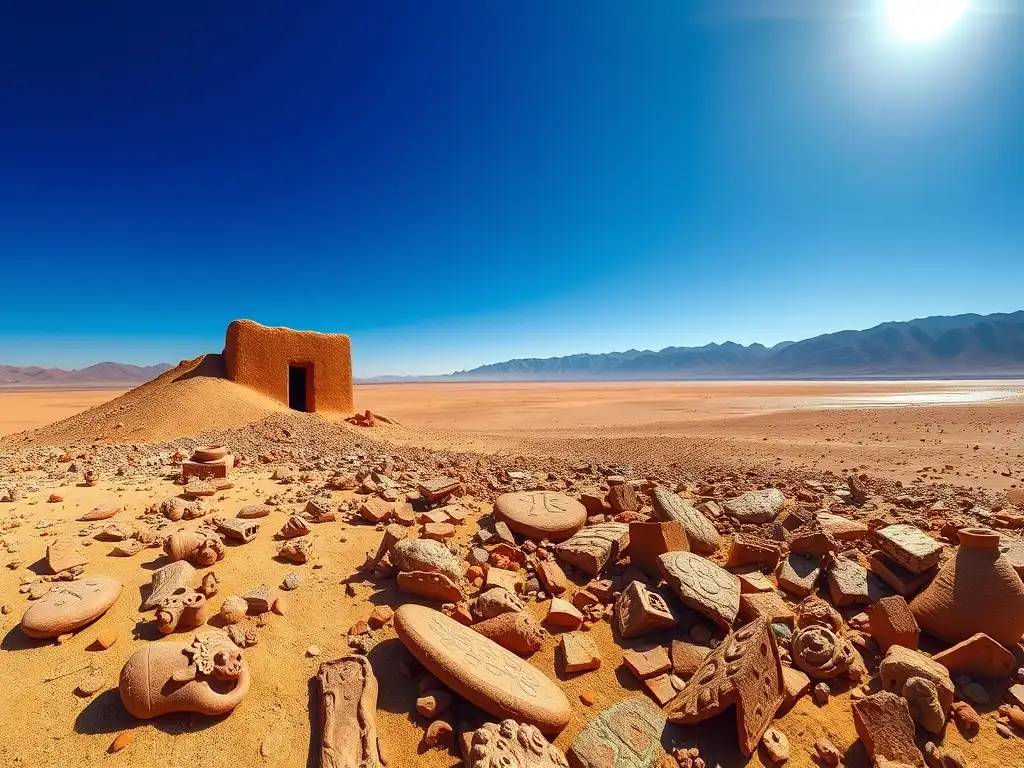
Unravel the mysteries of a lost world. Step into the heart of the Andes and discover a civilization renowned for its breathtaking artistry and intricate social networks. Prepare to be amazed by the intriguing story of Nazca pottery trade routes, a complex system that connected distant communities and shaped the very fabric of Andean society. Journey with us as we explore the vibrant legacy of the Nazca, revealing the secrets held within their exquisite ceramics and the far-reaching impact of their trade.
The Nazca civilization, flourishing along Peru's southern coast between 100 BCE and 800 CE, left behind a remarkable legacy—most notably, their stunning polychrome pottery. This article delves into the fascinating world of Nazca pottery and its distribution, exploring the intricate trade networks that connected this seemingly isolated culture to a wider Andean world.
We will examine the distinctive styles and characteristics of Nazca ceramics, analyze the evidence for trade routes, and consider the economic and social implications of this extensive exchange of goods. Understanding the Nazca pottery trade routes provides crucial insights into the sophistication of their society, their interactions with neighboring cultures, and the reach of their artistic influence across the vast Andean landscape.
This exploration will illuminate not only the intricacies of Nazca ceramic production but also the broader economic and social fabric of this remarkable civilization. We will uncover how the distinctive artistry of Nazca pottery became a significant commodity, shaping economic relations and cultural exchange across significant distances.
Introduction to Nazca Pottery and Its Significance
Nazca pottery is renowned for its vibrant polychromy and intricate iconography. Unlike the simpler pottery of preceding cultures, Nazca ceramics showcase a mastery of color and detail, employing up to ten different pigments applied in thin layers. These pigments, derived from minerals and plants, were meticulously ground and mixed to achieve a wide range of hues.
The artistry extended beyond the application of color; skilled artisans crafted vessels of diverse forms, including stirrup-spout jars (characteristic of Nazca pottery), beakers, bowls, and effigy vessels depicting humans, animals, and mythical beings. The iconography itself is rich with symbolism, often depicting scenes of daily life, ritual practices, and mythological narratives. The significance of Nazca pottery extends beyond its aesthetic appeal; these ceramics served various functions, from everyday use in households to ceremonial contexts and even as grave goods, reflecting the complex social and religious beliefs of the Nazca people.
The sheer volume of surviving pottery also speaks to the scale of production and the importance of ceramics within their society. Analysis of ceramic styles and motifs allows archaeologists to trace the evolution of Nazca culture and to identify potential interactions with neighboring groups. The presence of certain stylistic elements in distant locations provides compelling evidence for extensive trade networks.
Defining Nazca Ceramic Styles and Characteristics
Several distinct styles characterize Nazca pottery, each associated with a specific chronological period. Early Nazca pottery (Nazca I) is characterized by simpler designs and a more limited color palette, often featuring geometric patterns and stylized representations of animals. As the Nazca culture developed (Nazca II and III), the complexity and sophistication of the designs increased dramatically. This period is marked by the emergence of the iconic polychrome style, featuring elaborate scenes with multiple figures and vibrant colors.
The use of negative space, where the background is left unpainted to highlight the figures, is a key feature of later Nazca pottery. Common motifs include stylized birds, felines, monkeys, and mythological creatures. The mastery of perspective and the ability to depict complex scenes on a curved surface highlight the advanced artistic skills of Nazca potters. Furthermore, the precise application of pigments and the durable nature of the finished product are testament to their technical expertise.
Detailed analysis of the clay composition and the manufacturing techniques further supports the idea of specialized workshops and a well-organized system of ceramic production. The consistent high quality of Nazca pottery across different styles suggests a degree of standardization and control over production, underscoring the economic importance of this craft. The variation in styles and the distribution of specific motifs across different geographical regions will be further explored in subsequent sections, providing valuable clues to understanding the networks of exchange and trade.
The Role of Pottery in Nazca Society
Nazca pottery wasn't merely utilitarian; it held profound social and religious significance. The intricate polychrome designs, depicting deities, mythical creatures, and scenes of daily life, suggest a deep connection between the artistry and their worldview. Pottery served as a crucial medium for expressing religious beliefs and social status.
Elaborate vessels, adorned with complex iconography, were likely used in ceremonies and rituals, while simpler forms served everyday needs. The sheer volume and variety of pottery produced indicate a highly organized and specialized craft, with skilled artisans playing a vital role in Nazca society. The creation and use of pottery were deeply embedded in the social fabric, influencing social interactions, religious practices, and even economic structures.
For example, the presence of specific motifs on funerary pottery suggests beliefs about the afterlife and the importance of providing deceased individuals with necessary items for their journey. The stylistic variations in pottery also reflect social stratification, with elite classes possessing finer, more elaborately decorated pieces.
Evidence of Nazca Pottery Trade
The widespread distribution of Nazca pottery across vast distances provides compelling evidence of a thriving trade network. The presence of Nazca ceramics in sites far removed from the core Nazca region indicates extensive interaction and exchange between different communities. This trade wasn't limited to a single geographic area; instead, it extended across significant portions of the Andean coast and potentially even into the highlands.
The remarkable consistency of stylistic elements and manufacturing techniques in pottery found across these distant locations strongly suggests a system of organized trade, rather than sporadic or isolated exchanges. Furthermore, the presence of non-Nazca artifacts in Nazca sites hints at a reciprocal exchange system, where goods and ideas flowed in both directions.
The scale of this trade network highlights the importance of pottery as a valuable commodity within the broader Andean economic landscape. This extensive trade network facilitated cultural exchange and interaction between different groups, contributing to the broader development of Andean societies.
Archaeological Discoveries of Nazca Ceramics
Archaeological excavations have unearthed a wealth of Nazca pottery at sites throughout the southern coast of Peru and beyond. Significant discoveries have been made at locations like [Specific site names and locations pending], revealing large quantities of ceramic vessels in various states of preservation. These finds often include complete vessels, fragments, and even molds used in pottery production.
The analysis of these artifacts provides invaluable insights into the techniques, styles, and distribution patterns of Nazca pottery. For instance, the discovery of large caches of pottery in tombs indicates its importance in funerary rites. The presence of specific types of vessels in certain contexts (e.g., elite tombs vs. commoner burials) offers clues about social hierarchy and the distribution of wealth.
Moreover, the discovery of workshops and kilns provides crucial evidence for the production process and the organization of craft specialists. The careful study of these archaeological discoveries continues to shed light on the complexities of Nazca pottery production and trade.
Distribution Patterns of Nazca Pottery
The geographic distribution of Nazca pottery reveals fascinating patterns of trade and exchange. While the highest concentration of Nazca ceramics is found within the core Nazca region, significant quantities have been uncovered in sites located hundreds of kilometers away, both along the coast and in the Andean highlands. These distribution patterns suggest a complex network of trade routes, potentially involving both overland and maritime transport.
The presence of Nazca pottery in coastal sites suggests maritime trade, while its presence in highland locations indicates overland trade routes, likely utilizing established paths along rivers and mountain passes. The types of pottery found in different locations may also reflect variations in trade networks and the preferences of different communities. For example, certain styles or types of vessels might have been more prevalent in specific regions, indicating localized demand or specialized trade relationships.
Further research on the distribution patterns of Nazca pottery, combined with the analysis of other artifacts found in association, is crucial for a more complete understanding of the complex dynamics of Nazca trade networks. Analyzing the distribution patterns allows researchers to map out potential trade routes and understand the economic and social implications of Nazca pottery exchange. The spread of Nazca pottery facilitated the dissemination of cultural ideas and artistic styles across a wide geographic area, leaving a lasting impact on the development of Andean civilizations.
Analyzing Nazca Pottery Trade Routes
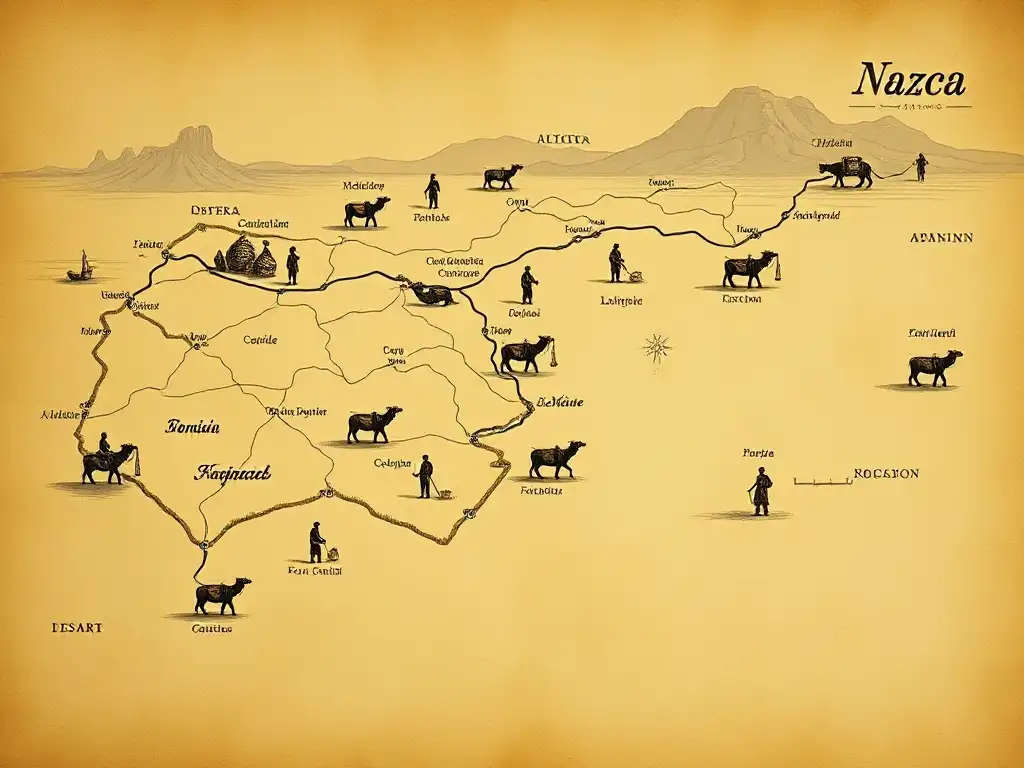
The study of Nazca pottery trade routes offers a fascinating glimpse into the economic and social structures of this ancient Andean civilization. Archaeological evidence, such as the distribution of distinctive ceramic styles and the presence of imported goods in Nazca sites, allows researchers to reconstruct these vital networks. The sheer volume of pottery found across a wide geographical area points to a sophisticated system of production, distribution, and exchange, far exceeding simple local consumption.
Analyzing the chemical composition of the clay used in pottery production can also help pinpoint the origins of specific vessels and further illuminate trade routes. Furthermore, the presence of similar pottery styles in distant locations suggests the existence of established trade partnerships or at least consistent exchange patterns.
The absence of certain styles in particular regions can also be informative, indicating geographical limits or barriers to trade. The meticulous analysis of these factors allows for a more complete understanding of the Nazca economy and its interaction with neighboring cultures.
Identifying Key Nazca Trade Centers
Several key locations emerge as crucial hubs in the Nazca pottery trade network. Cahuachi, a large ceremonial center, likely served as a major distribution point, facilitating the exchange of goods between different regions. The presence of large quantities of high-quality pottery at Cahuachi, along with evidence of widespread ritual activity, suggests its importance as a central node in the network.
Other significant centers, such as the coastal settlements of Tambo Viejo and Cerro Baúl, likely played crucial roles in facilitating trade between the Nazca heartland and coastal communities. These coastal locations provided access to marine resources and potentially served as points of contact with other coastal cultures.
Identifying these centers is crucial to understanding the flow of goods and the overall structure of the trade network. Further research, including detailed site surveys and analysis of ceramic assemblages, is needed to fully understand the hierarchy and function of these centers within the broader trade system.
The Importance of River Systems in Nazca Trade
The arid nature of the Nazca region makes the role of river systems in facilitating trade particularly significant. Rivers, such as the Río Grande and its tributaries, provided crucial transportation routes, enabling the movement of goods and people between different settlements. The valleys along these rivers offered fertile land for agriculture, supporting the population and generating surpluses that could be traded. Evidence suggests that the Nazca skillfully used these waterways, possibly employing rafts or other watercraft for transporting pottery and other goods.
The strategic location of settlements along riverbanks further underscores the importance of these waterways in the trade network. Understanding the hydrological systems and their relation to settlement patterns is vital to reconstruct the movement of goods within the Nazca region. Further investigation into the seasonal availability of water and its impact on trade routes is crucial for a comprehensive understanding of Nazca trade dynamics.
Mapping Potential Nazca Pottery Distribution Networks
Mapping the distribution of Nazca pottery is crucial for understanding the extent and nature of their trade networks. Archaeological surveys and excavations across a wide geographic area are essential to this process. By charting the locations where specific styles of Nazca pottery are found, researchers can begin to reconstruct the pathways of trade. This process involves identifying patterns of distribution, such as the concentration of certain types of pottery in specific regions, which can indicate trade routes or preferential exchange relationships. The use of Geographic Information Systems (GIS) can be instrumental in visualizing these networks and identifying potential connections between different sites. Combining GIS mapping with data on settlement patterns, environmental conditions, and other relevant factors can create a more comprehensive understanding of the factors that shaped Nazca trade. This type of mapping will allow for a more nuanced interpretation of the economic and political dynamics of the Nazca civilization.
Types of Goods Traded Along Nazca Routes
While Nazca pottery is a prominent feature of their trade, it was certainly not the only commodity exchanged. The Nazca economy involved a complex network of exchanges including agricultural products, textiles, and possibly even precious metals. Agricultural products, such as maize, beans, and cotton, were essential components of the Nazca diet and economy, and undoubtedly formed part of their trade networks.
High-quality textiles, known for their intricate designs and craftsmanship, were another important traded good. The presence of exotic materials in some Nazca pottery, such as certain types of pigments or shell ornaments, suggests the exchange of raw materials or finished products with distant regions.
The extent of metalworking in the Nazca culture is still being investigated, but the possibility of trading metal artifacts or raw materials cannot be ruled out. Further research is needed to fully understand the complete range of goods exchanged and their relative importance in the Nazca economy.
Understanding the Value of Nazca Ceramics
The value of Nazca ceramics within their trade network was likely multifaceted. Beyond their functional use, these vessels often served as prestigious items, used in ritual contexts or as indicators of social status. The elaborate designs and high-quality craftsmanship of many Nazca pots suggest that they held significant symbolic or ceremonial value. Certain types of pottery might have been produced specifically for trade, indicating a specialized production system geared towards fulfilling external demand.
The value of Nazca pottery could also have been tied to the prestige of the producing communities or workshops. The presence of specific styles of pottery in elite contexts suggests that some vessels held particular importance, functioning as symbols of power or wealth. Further research into burial contexts and the association of pottery with other artifacts could shed more light on the social and economic significance of these ceramics.
Beyond Pottery: Other Traded Goods
Beyond pottery, a variety of other goods were likely traded along Nazca routes. Evidence suggests the exchange of agricultural products, like cotton and maize, formed a significant aspect of their economy. Cotton, a crucial resource for textile production, would have been highly sought after, and its distribution would have been facilitated by trade networks.
Maize, a staple crop, likely played a crucial role in supporting the population and supplementing local agricultural production. Additionally, the presence of exotic materials in Nazca artifacts, such as certain pigments or shells, indicates a wider network of exchange involving raw materials and finished goods from distant coastal or highland regions.
The precise nature and extent of these other trade networks remain areas of ongoing research, and further investigation is needed to fully understand the complexity of the Nazca economy and its interactions with neighboring cultures. This will necessitate a more interdisciplinary approach, integrating botanical, zoological, and geological analyses with archaeological fieldwork.
Factors Influencing the Nazca Pottery Trade
The flourishing Nazca pottery trade, a hallmark of the Nazca civilization (c. 100 BCE – 800 CE), wasn't solely driven by artistic prowess. A complex interplay of factors shaped its reach and intensity. Understanding these nuances is crucial to fully grasping the significance of Nazca pottery in the wider Andean context. We can categorize these influencing factors into environmental, social, and political spheres.
Environmental Conditions and Their Impact
The arid coastal desert environment of the Nazca region presented both challenges and opportunities. The scarcity of resources, particularly water, necessitated sophisticated irrigation systems and efficient resource management. This, in turn, fostered specialized production and the need for trade to acquire essential goods not readily available locally. The very nature of the Nazca's environment – its limited arable land and scarce resources – pushed them towards establishing trade networks to obtain necessary materials like wood, obsidian, and certain types of clay not found in their immediate vicinity.
The successful cultivation of cotton, however, provided a crucial commodity for trade, fueling the exchange of goods across vast distances. The challenging geography, including the steep coastal cliffs and the vast desert expanse, also influenced the routes and methods of transport employed in the Nazca pottery trade. Overcoming these geographical obstacles required significant organizational capabilities and logistical planning.
Social and Political Dynamics of Nazca Trade
The social structure of Nazca society played a vital role in shaping its trade networks. Evidence suggests a hierarchical system, with powerful elites likely controlling the production and distribution of high-quality pottery. These elites may have used pottery as a tool to consolidate power and influence, distributing it as gifts or tributes to maintain alliances and control regional interactions.
The production of elite-style pottery, often featuring intricate designs and high-quality materials, further cemented the social hierarchy and the economic power of those in control of these valuable resources. Political stability, or the lack thereof, within the Nazca region, and in interacting regions, inevitably affected the flow and intensity of the pottery trade.
Periods of political upheaval or conflict could disrupt trade routes, while stability would allow for the expansion and consolidation of trade networks. Furthermore, the exchange of pottery might have served as a form of diplomatic exchange, reinforcing political ties between different groups.
The Impact of Nazca Pottery Trade on Regional Interactions
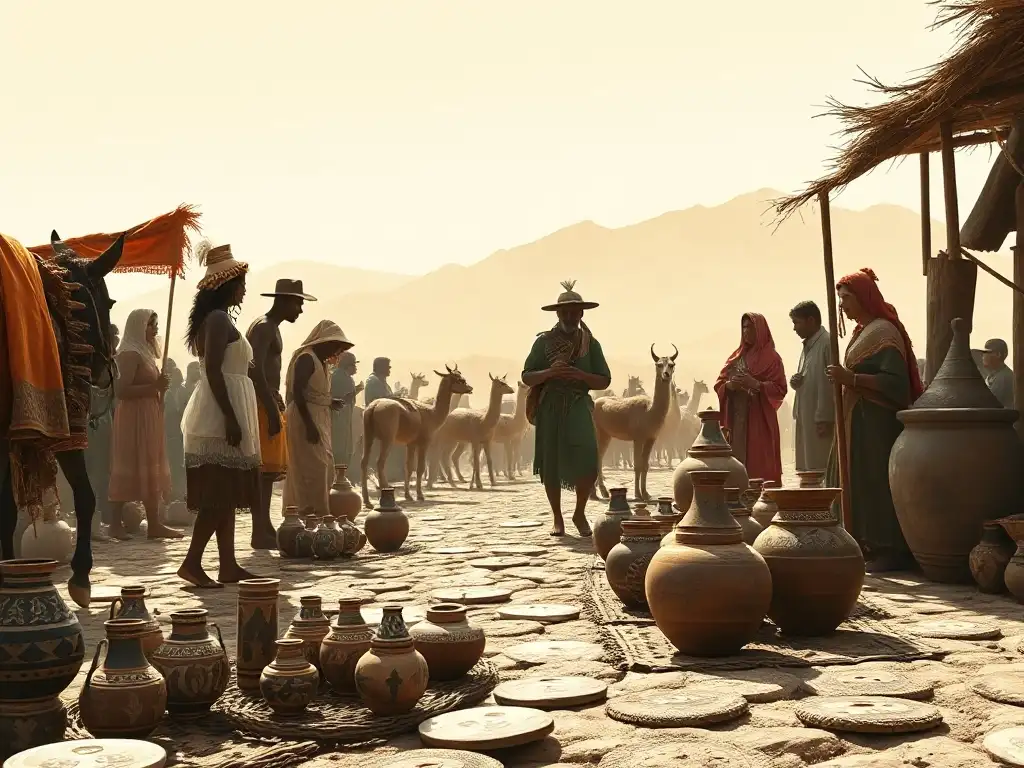
The extensive Nazca pottery trade had profound effects on the interactions between the Nazca civilization and its neighbors. It wasn't merely a commercial exchange; it fostered a complex web of cultural exchange, technological diffusion, and economic interdependence. The far-reaching impact of this trade extended beyond simple economic transactions, significantly shaping the social, cultural, and political landscapes of the region.
Exchange of Ideas and Cultural Practices
The distribution of Nazca pottery was not a one-way street. The movement of goods across vast distances facilitated the exchange of ideas and cultural practices. Styles and motifs found on Nazca pottery may reflect the adoption and adaptation of artistic influences from other cultures, showcasing the dynamic interaction between different societies.
For example, [specific examples of cross-cultural influences in Nazca pottery pending]. This demonstrates that the pottery trade wasn't simply about commerce but also about the transmission of knowledge, beliefs, and artistic expressions. The spread of Nazca artistic styles might have also influenced the artistic traditions of neighboring cultures, leading to a blending of artistic influences and the emergence of new styles.
Economic Consequences of Nazca Trade
The Nazca pottery trade had significant economic consequences for the region. It generated wealth for those involved in production, transport, and exchange, contributing to the overall economic prosperity of the Nazca civilization. The economic impact extended beyond the direct participants, creating a network of interconnected economies across the region. The demand for Nazca pottery created jobs and spurred economic activity in various sectors, from pottery production and clay mining to transportation and trade.
The accumulation of wealth through trade likely played a crucial role in supporting the development of Nazca society's infrastructure and elite power structures. Fluctuations in the trade, however, could also have caused economic instability, highlighting the vulnerability of an economy heavily reliant on a single commodity. The extent of this economic impact, however, requires further investigation and analysis of archaeological data to fully quantify.
Comparing Nazca Pottery Trade with Other Andean Cultures
Similarities and Differences in Trade Systems
The Nazca's extensive pottery trade system shared similarities with other contemporary Andean cultures, yet also possessed unique characteristics. Like the Moche, for example, the Nazca relied heavily on their ceramic production for economic exchange. Both civilizations developed sophisticated techniques for creating durable and aesthetically pleasing pottery, which were highly valued by neighboring communities.
However, the Moche, with their powerful centralized state, may have exercised greater control over their trade networks, potentially utilizing state-sponsored expeditions or monopolies. In contrast, the Nazca, characterized by a less centralized political structure, likely relied more on decentralized networks involving individual artisans and merchants. This difference in political organization significantly impacted the scale and organization of their respective trade systems.
Further research comparing the administrative structures behind the trade of both cultures could illuminate these differences more clearly. The scale of production and the level of standardization in pottery also differed. While both cultures produced large quantities of pottery, the extent of standardization in forms and decoration might have been greater in the Moche system compared to the potentially more diverse production of the Nazca.
Examining Trade Networks of Neighboring Civilizations
Analyzing the trade networks of civilizations neighboring the Nazca, such as the Paracas and Wari, provides valuable context for understanding the unique aspects of Nazca ceramic distribution. The Paracas, preceding the Nazca chronologically, likely influenced early Nazca pottery styles and techniques. Evidence suggests a degree of cultural exchange and possibly even trade in ceramic wares between these two cultures, although the precise nature and extent of this interaction remain areas of ongoing research.
[Specific information pending on comparative trade networks of Paracas and Nazca]. The later Wari empire, known for its extensive trade network spanning much of the central Andes, likely interacted with Nazca communities, potentially influencing the distribution and perhaps even the production of Nazca pottery.
The impact of Wari expansion on Nazca trade routes and the integration of Nazca ceramic styles into the wider Wari economic system require further investigation. Understanding the interplay between these different trade networks is crucial to fully grasping the dynamic nature of Andean exchange systems.
Evidence for Long-Distance Nazca Ceramic Trade
Reaching Distant Communities with Nazca Pottery
The presence of Nazca pottery fragments at sites far removed from the core Nazca region provides compelling evidence of long-distance trade. Archaeological excavations have uncovered characteristic Nazca ceramics in locations hundreds of kilometers away, indicating extensive trade networks reaching across diverse geographical areas. The types of pottery found in these distant locations often reflect a selective process, with certain styles and forms being more prevalent than others, suggesting that demand varied across different regions.
For instance, [Specific examples of Nazca pottery found in distant locations and their significance pending]. The discovery of these artifacts helps us reconstruct the routes and mechanisms employed in the distribution of these goods, highlighting the sophisticated networks that connected communities across the Andean landscape. This spread of pottery wasn't a random occurrence; it demonstrates a high level of organization and demand for Nazca ceramic products across a wide geographical expanse.
The Extent of Nazca Trade Influence
The extent of Nazca trade influence is still being investigated and refined, with ongoing research continually revealing new information. The sheer volume of pottery discovered at distant sites underscores the significant economic impact of Nazca ceramic production. This widespread distribution suggests a considerable demand for Nazca pottery, influencing artistic styles and consumption patterns in distant communities.
The presence of Nazca ceramic motifs or stylistic elements in the pottery of other cultures provides further evidence of this influence. However, determining the precise nature of this influence—whether it was purely economic, or also involved cultural exchange and adoption of ideas—requires further analysis. Moreover, the relative importance of Nazca pottery within the broader context of Andean trade networks still needs more comprehensive study.
The extent of Nazca trade influence is a complex issue that requires further research to fully understand its scope and ramifications. The discovery of new sites and the application of advanced analytical techniques will help to refine our understanding of this important aspect of Nazca culture.
Decline of Nazca Pottery Trade and Its Causes
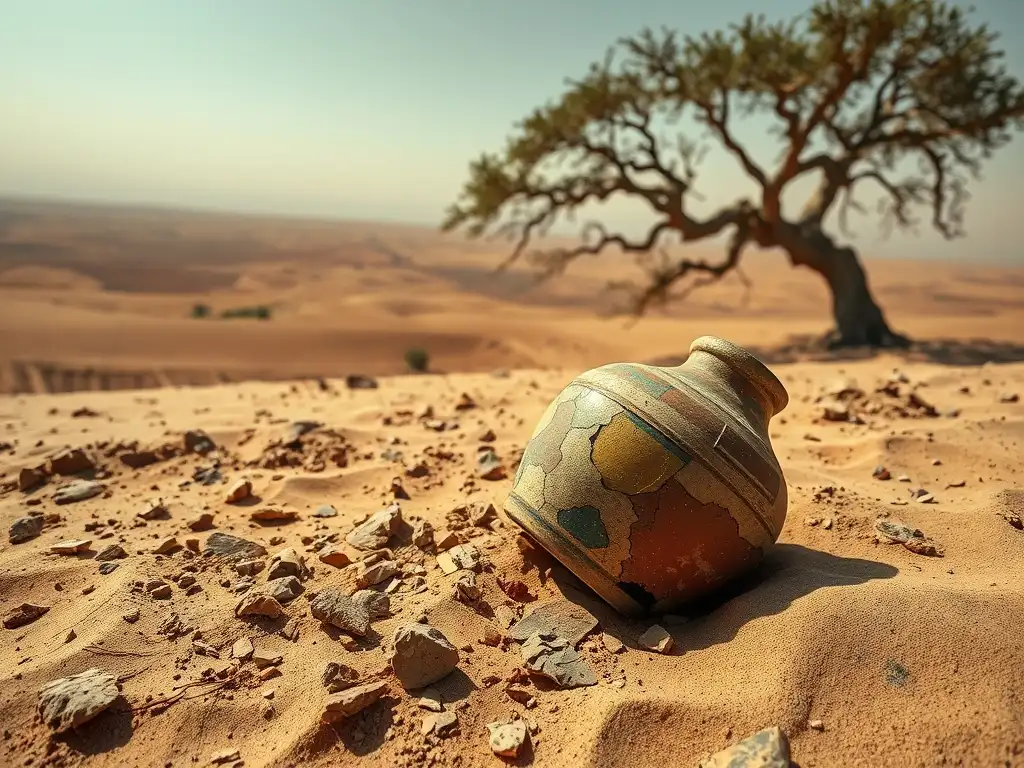
The vibrant Nazca pottery trade, which flourished for centuries, eventually experienced a significant decline. Pinpointing the exact timeframe is challenging due to the complexities of archaeological dating, but evidence suggests a gradual decrease in the volume and reach of trade networks starting around the 5th century CE. This wasn't a sudden collapse, but rather a process of diminishing returns and shifting economic landscapes. Several factors intertwined to contribute to this decline.
Factors Leading to Trade Disruption
Several factors contributed to the disruption of the established Nazca pottery trade routes. One crucial aspect was the changing political landscape. The rise of new powerful groups, such as the Wari, gradually impacted the Nazca's control over their territories and access to key trade routes. The Wari expansion, with its centralized administration and military might, likely led to the disruption of existing trade networks and the imposition of new economic systems, ultimately marginalizing Nazca pottery production and distribution.
Furthermore, environmental changes may have played a role. Periods of drought or other climatic shifts could have impacted agricultural production, impacting the resources available for pottery production and trade. This scarcity of resources would have naturally constricted the capacity for large-scale ceramic production and long-distance trade.
Finally, internal factors within Nazca society itself could have contributed. Possible internal conflicts or shifts in social structures might have weakened the existing trade networks, reducing the efficiency of distribution and ultimately leading to a decline in the production and trading of their distinctive pottery. The exact interplay of these factors requires further research and analysis, but their combined effect is undeniable.
The End of the Nazca Culture
The decline in Nazca pottery trade was intrinsically linked to the broader decline and eventual end of the Nazca culture itself. While the exact circumstances remain a subject of ongoing debate among archaeologists, it's clear that the culture did not simply vanish overnight. Instead, it appears to have undergone a period of transformation and integration with other cultures.
The arrival and expansion of the Wari, as mentioned earlier, likely played a crucial role in this process. The Wari's influence led to significant changes in the political, economic, and social structures of the Nazca region, gradually eclipsing the Nazca's unique cultural identity. This doesn't necessarily mean a complete annihilation of the Nazca people, but rather a process of cultural assimilation and absorption into the broader Wari empire.
This process of cultural blending likely led to the decline of specific Nazca artistic traditions, including their renowned pottery styles, as new aesthetic preferences and production methods were introduced. The legacy of Nazca pottery, however, continued to influence later ceramic traditions in the region.
Conclusion: The Legacy of Nazca Pottery Trade
The Nazca pottery trade, despite its eventual decline, left an enduring legacy. The widespread distribution of Nazca ceramics across vast distances testifies to the sophistication of their trade networks and the high value placed on their artistic creations. The distinctive styles and iconography of Nazca pottery are still recognized and studied today, providing invaluable insights into their culture, beliefs, and social structures.
Analyzing the remnants of the trade routes and the pottery itself allows researchers to reconstruct aspects of the Nazca economy, social organization, and interactions with neighboring societies. Even though the large-scale trade eventually faded, the impact of Nazca pottery on the artistic and cultural landscape of the Andes remains significant, demonstrating the enduring legacy of a once-thriving trade network.
Further research, particularly through advanced archaeological techniques and interdisciplinary collaboration, promises to reveal even more about the complexities of Nazca pottery production, distribution, and its ultimate decline. Understanding this decline provides a crucial piece of the puzzle in comprehending the broader dynamics of Andean civilization and the intricate interplay of cultural, political, and environmental factors that shaped its history.
Further Research on Nazca Ceramic Distribution
Further research into Nazca ceramic distribution networks requires a multi-faceted approach, combining archaeological excavation with detailed stylistic analysis and the application of scientific dating techniques. Current research often focuses on specific sites, providing valuable localized data, but a more comprehensive understanding requires connecting these isolated findings. This means expanding excavation efforts to less-studied regions potentially involved in the trade network, such as coastal areas and inland valleys that may have served as intermediary points in the distribution system.
One crucial area for future research involves the identification and analysis of workshops and kilns. Pinpointing the locations of ceramic production centers is vital for understanding the organization of production and the potential role of specialized artisans. Detailed studies of the clay sources used in pottery production, combined with isotopic analysis, could reveal the geographic origins of the raw materials and further illuminate the trade routes. This geospatial analysis, coupled with the identification of characteristic stylistic elements in pottery fragments found at different locations, could help map the spread of specific ceramic traditions and trace the flow of goods.
Moreover, the application of advanced scientific dating methods, such as radiocarbon dating and thermoluminescence dating, is crucial for establishing chronological frameworks for the production and distribution of Nazca pottery. Precise dating would allow researchers to correlate the emergence and evolution of specific ceramic styles with changes in the trade networks and broader socio-political dynamics within Nazca society. By combining these chronological data with information on the distribution of pottery styles, researchers can build more accurate models of the temporal and spatial dynamics of Nazca ceramic trade.
Finally, interdisciplinary collaboration is essential. The study of Nazca pottery trade routes requires the expertise of archaeologists, ceramic specialists, geologists, and other scientists. By integrating different methodologies and perspectives, researchers can create a more complete and nuanced understanding of this complex economic and social phenomenon. This integrated approach is vital to unraveling the intricacies of Nazca ceramic trade and its impact on the broader Andean world. The integration of ethnographic data from contemporary Andean communities, where traditional pottery-making persists, could also offer valuable insights into the production and exchange of ceramics in the past.
- Introduction to Nazca Pottery and Its Significance
- Defining Nazca Ceramic Styles and Characteristics
- The Role of Pottery in Nazca Society
- Evidence of Nazca Pottery Trade
- Analyzing Nazca Pottery Trade Routes
- Types of Goods Traded Along Nazca Routes
- Factors Influencing the Nazca Pottery Trade
- The Impact of Nazca Pottery Trade on Regional Interactions
- Comparing Nazca Pottery Trade with Other Andean Cultures
- Evidence for Long-Distance Nazca Ceramic Trade
- Decline of Nazca Pottery Trade and Its Causes
- Conclusion: The Legacy of Nazca Pottery Trade
- Further Research on Nazca Ceramic Distribution
Frequently Asked Questions
What role did pottery play in the Nazca economy?
Pottery was a crucial element of the Nazca economy. The production and trade of ceramics generated significant wealth and influenced social structures. Specialized workshops produced high-quality goods for both local use and export.
How far did Nazca pottery trade routes extend?
Nazca pottery's influence reached across a wide area. Trade routes extended throughout the south coast of Peru and likely into the Andean highlands through exchange networks. Evidence suggests connections even further afield.
What types of goods were traded alongside Nazca pottery?
Nazca pottery wasn't traded in isolation. Other valuable goods, such as textiles, metals, and food products, were exchanged along the same routes. This created a complex and interconnected trading system.
What evidence supports the existence of Nazca pottery trade routes?
Archaeological evidence strongly supports widespread trade. The discovery of Nazca pottery in sites far from its production centers provides strong evidence. Stylistic similarities and the presence of diagnostic materials further confirm these routes.
How did the Nazca establish and maintain their trade routes?
The Nazca likely relied on a combination of strategies, including direct exchange, relay systems, and possibly specialized traders. Political alliances and social networks likely facilitated these extensive trade connections.
Final Reflection: The Enduring Legacy of Nazca Pottery
The intricate designs and vibrant colors of Nazca pottery continue to resonate today, a testament to the sophisticated trade networks that once crisscrossed the Peruvian desert. The meticulous craftsmanship and the sheer volume of pottery discovered across vast distances vividly illustrate the power of cultural exchange and economic interconnectedness in ancient South America. This wasn't simply the movement of goods; it was the movement of ideas, beliefs, and artistic styles, shaping the very fabric of Nazca society and its neighbors.
The impact of Nazca pottery extends far beyond its archaeological significance. It continues to inspire artists, designers, and researchers, reminding us of the ingenuity and artistry of a civilization that thrived centuries ago. The past is never dead. It's not even past.
– William Faulkner. This quote perfectly encapsulates the enduring presence of Nazca pottery in our world. Its influence can be seen in modern interpretations of its motifs, in the ongoing study of its production techniques, and in the continued fascination it holds for people across the globe. The legacy of these ancient artisans lives on, enriching our understanding of human creativity and cultural exchange.
Consider the intricate details of a Nazca vessel, the stories whispered in its imagery. Now, consider the vast network of trade routes that brought these pieces across the desert landscape, connecting communities and fostering cultural exchange. You too can be a part of this legacy. Take a moment to reflect on the power of connection, the importance of cultural understanding, and the enduring impact of human creativity. Let the vibrant spirit of Nazca pottery inspire you to explore the connections in your own life and to appreciate the rich tapestry of human history.
Unveil the Richness of Nazca Pottery Today!
Thank you for exploring the fascinating world of Nazca pottery and trade with us! Your journey into the vibrant history of these ceramics has provided valuable insights into the artistry and cultural significance of Andean civilizations. Now, let's explore ways to further engage with this captivating subject.
Here are some suggestions to deepen your understanding:
- Visit local museums or archaeological sites featuring Nazca artifacts to experience the beauty of these ceramics firsthand.
- Connect with other enthusiasts by joining online forums or social media groups dedicated to Andean cultures. Share your knowledge and learn from others.
- Create a display of high-quality replicas inspired by Nazca pottery to spark conversations about their historical significance and add a unique touch to your home.
What specifically about Nazca pottery captivates you, and how might you integrate its legacy into your daily life?