
The Cultural Compass: How Oral Tradition Guides Andean Communities

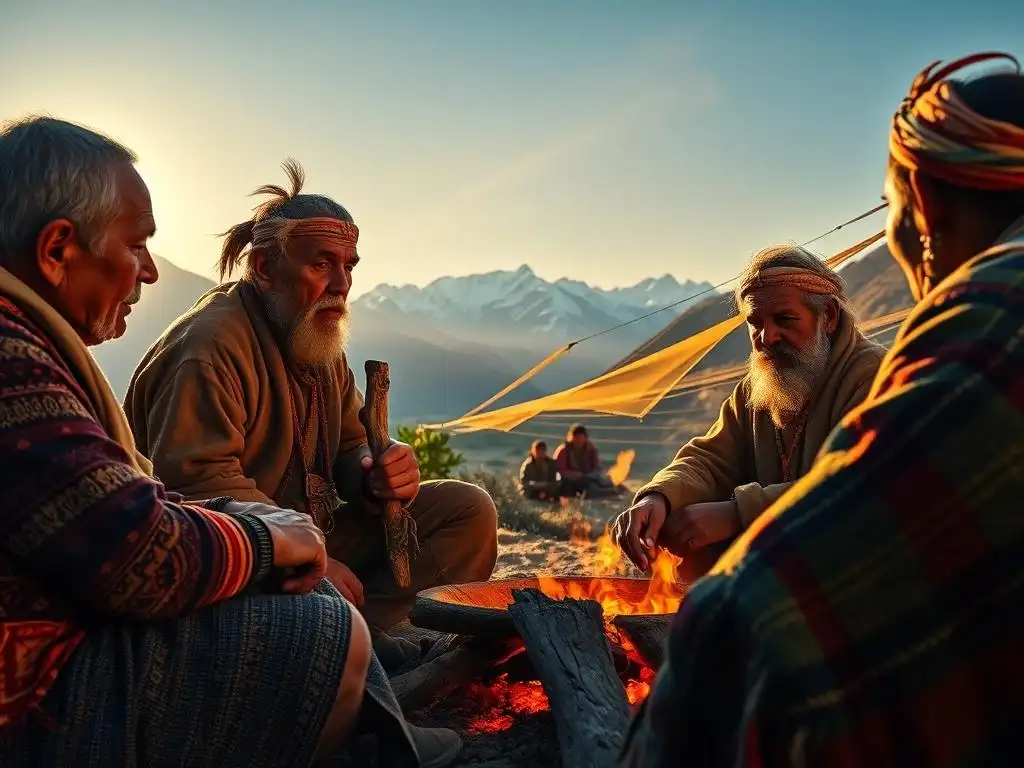
Unravel the mysteries woven into the very fabric of the Andes! Journey through millennia of captivating history, where vibrant cultures thrived and left behind a legacy richer than gold. Prepare to be amazed by the intricate tapestry of Andean civilizations, from the Incas to the Nazca. But what secrets do their voices hold? Discover the power of Andean oral tradition history—a living legacy that continues to shape Andean communities, and unlock the untold stories waiting to be heard. Explore further to uncover the truth.
The Andes Mountains, a spine of towering peaks stretching along the western coast of South America, have been home to a vibrant tapestry of cultures for millennia. While impressive architectural feats like Machu Picchu and sophisticated agricultural techniques stand as testament to the ingenuity of Andean civilizations, a crucial, often overlooked, aspect of their enduring legacy is their rich oral tradition.
This article delves into the profound significance of Andean oral tradition, exploring its historical roots, its role in shaping Andean communities, and its continued relevance in the modern world. Understanding Andean oral tradition history is key to appreciating the depth and complexity of these remarkable cultures, revealing how stories, songs, and myths have served as the bedrock of their social structures, spiritual beliefs, and historical memory.
We will uncover how this vital form of knowledge transmission has not only survived but thrived, adapting to changing circumstances while preserving its core values. This exploration will illuminate the enduring power of storytelling within Andean societies and its contribution to their unique cultural identity.
Understanding the Significance of Andean Oral Tradition
Andean oral tradition encompasses a vast and diverse range of expressive forms, including myths, legends, songs ( harawi), poetry, proverbs, and narratives passed down through generations. These oral traditions aren't merely entertaining stories; they serve as crucial vehicles for transmitting knowledge, preserving history, and reinforcing social values. They act as a living library, holding intricate details about cosmology, agriculture, social organization, and ancestral wisdom.
The narratives often intertwine with the landscape itself, connecting people to their environment and reinforcing a deep sense of place. Furthermore, oral tradition plays a vital role in maintaining cultural identity, particularly in the face of external influences. It is a dynamic process, constantly evolving yet rooted in ancient practices, reflecting the resilience and adaptability of Andean communities.
The preservation of this heritage is crucial for understanding not only the past but also the present and future of Andean cultures. Without understanding the intricate web of oral histories, we risk a fragmented and incomplete picture of these fascinating societies.
The Historical Roots of Andean Oral Narratives
The origins of Andean oral narratives are deeply intertwined with the pre-Columbian history of the region. These stories, passed down through generations, offer invaluable insights into the beliefs, practices, and social structures of these ancient civilizations. The oral tradition is not simply a historical record; it's a living, breathing entity that continues to shape Andean communities today.
Pre-Inca Oral Tradition in the Andes
Before the Inca Empire's rise, numerous diverse cultures thrived in the Andes, each with its own unique oral traditions. The Moche, Nazca, and Tiahuanaco civilizations, for example, left behind remarkable artistic expressions – ceramics, textiles, and monumental architecture – which often allude to their mythological beliefs and historical narratives. These visual representations offer clues to understanding the content and style of their oral traditions, though much remains to be deciphered.
Archaeological findings, combined with the analysis of surviving oral narratives from later periods, allow us to piece together a fragmented but increasingly clearer picture of pre-Inca Andean storytelling. While the specific narratives may differ between cultures, common themes like ancestor veneration, the importance of nature, and the struggles against adversity frequently emerge.
The study of these early oral traditions is crucial for understanding the cultural foundations upon which later Andean societies were built. These foundational narratives provide a context for interpreting the later, more widely known Inca traditions.
The Impact of Spanish Colonization on Andean Storytelling
The arrival of the Spanish in the 16th century profoundly impacted Andean societies, including their oral traditions. The imposition of Catholicism and the suppression of indigenous languages and practices led to significant changes in the ways stories were told and preserved. Many traditional narratives were either lost or adapted to incorporate elements of Christian belief.
However, Andean communities demonstrated remarkable resilience, finding creative ways to embed their traditional knowledge within seemingly compliant forms. The use of allegory and coded language allowed them to preserve key aspects of their cultural heritage despite colonial pressures. The study of post-colonial Andean oral traditions reveals the complex interplay between cultural survival and adaptation, highlighting the enduring power of indigenous storytelling in the face of significant adversity.
Analyzing this period reveals a powerful narrative of resistance and the tenacious preservation of cultural identity. The effects of colonization are still felt today, impacting how Andean oral traditions are understood and passed down.
Key Elements of Andean Oral Tradition
Andean oral tradition is not a monolithic entity; rather, it's a vibrant tapestry woven from diverse threads of storytelling, music, poetry, and ritual. Its strength lies in its adaptability and its capacity to transmit knowledge across generations, even in the face of societal shifts and technological advancements. This tradition isn't merely a collection of stories; it's a living, breathing system that shapes Andean identities, values, and worldviews.
The power of Andean oral tradition stems from its inherent connection to the land, its ancestors, and the cosmos. Stories, songs, and poems are not simply entertainment; they are tools for understanding the world, navigating social complexities, and maintaining a deep sense of cultural continuity.
The effectiveness of this transmission is deeply intertwined with the social structures and interpersonal relationships within Andean communities. The intimate nature of storytelling sessions, often within family units or small groups, fosters a strong connection between the narrator and the audience, ensuring the information is not just heard, but felt and understood.
Myths and Legends as Cultural Cornerstones
Myths and legends form the bedrock of Andean oral tradition, providing explanations for the origins of the world, the cosmos, and humanity itself. These narratives often feature powerful deities, mythical creatures, and ancestral heroes whose actions shaped the landscape and the social structures of Andean societies. For instance, the creation myths of the Incas, which detail the emergence of the world from a primordial chaos, are not simply historical accounts; they are powerful statements about the relationship between humans and the natural world.
These narratives provide a framework for understanding the Andean worldview, emphasizing the interconnectedness of all living things and the importance of respecting the environment. Similarly, legends of powerful Inca rulers, such as Pachacuti, serve to reinforce social hierarchies and legitimize political power.
These aren't simply fairy tales; they are active participants in the ongoing construction and negotiation of Andean identities and values. The enduring power of these myths and legends reflects their ability to adapt and resonate with each new generation.
The Role of Storytellers in Andean Societies
Storytellers, or yachaywasi in Quechua, hold a position of immense respect and authority within Andean communities. They are not simply entertainers; they are custodians of knowledge, keepers of history, and moral guides. Their skill lies not only in their ability to recount stories with vivid detail and emotional impact but also in their understanding of the cultural context and the social implications of their narratives.
A skilled storyteller can use a seemingly simple tale to convey profound lessons about morality, social responsibility, and the importance of community. The stories they tell are carefully chosen to suit the audience and the occasion, reflecting the intricate social dynamics of Andean societies. The oral tradition is preserved through the meticulous recitation and retelling of these narratives, with each generation adding its own nuances and interpretations.
This continuous process of reinterpretation ensures that the tradition remains relevant and meaningful in the ever-changing social landscape. The role of the storyteller is therefore deeply embedded in the very fabric of Andean society, its preservation, and its evolution.
Music and Poetry in the Transmission of Andean Knowledge
Music and poetry are integral to the transmission of Andean knowledge, serving as powerful mnemonic devices and emotional vehicles for conveying complex ideas and historical events. Traditional Andean music, often accompanied by instruments like the charango and the panpipes, is not merely entertainment; it's a form of storytelling in itself. The melodies and rhythms often mirror the emotional arc of the narrative, enhancing the listener's engagement and facilitating memorization.
Similarly, Andean poetry, often imbued with symbolism and metaphor, serves as a repository of historical knowledge, social commentary, and spiritual reflection. The poetic forms, such as the harawi (a love song) or the ayataqui (a lament), are carefully crafted to convey specific meanings and emotions.
The use of metaphor and symbolism allows for complex ideas to be transmitted in a way that is both memorable and emotionally resonant. The interweaving of music and poetry creates a powerful synergy, enhancing the memorability and emotional impact of the transmitted knowledge, ensuring its continued survival and relevance.
The Preservation of Andean Oral Heritage
The preservation of Andean oral heritage faces numerous challenges in the modern era. The rapid pace of globalization, urbanization, and the dominance of digital media threaten to erode traditional storytelling practices and linguistic diversity. The younger generations, often drawn to the allure of modern technologies and urban lifestyles, may not be as invested in learning and preserving these traditions as their elders. This poses a significant threat to the continuity of Andean cultural identity. Efforts to preserve this invaluable heritage require a multi-faceted approach, combining community-based initiatives, technological innovation, and policy interventions.
Challenges to Andean Oral Tradition's Survival
The encroachment of dominant languages, like Spanish, poses a significant threat to the survival of Quechua and other indigenous languages, which are the primary vehicles for Andean oral traditions. The decline in fluency in these languages directly impacts the ability to transmit knowledge, stories, and cultural values across generations. Furthermore, the increasing migration from rural areas to urban centers disrupts traditional social structures and weakens the bonds that underpin the transmission of oral histories.
The shift from agrarian lifestyles to urban occupations also alters the social contexts in which these traditions are typically practiced. The absence of dedicated spaces and opportunities for intergenerational storytelling further undermines the preservation of this crucial cultural heritage. Additionally, the lack of formal recognition and support for oral traditions within educational and cultural institutions can lead to their marginalization and eventual disappearance.
Community Efforts to Protect Andean Oral Histories
Many Andean communities are actively engaged in preserving their oral histories through a range of initiatives. These efforts often involve documenting stories, songs, and poems, translating them into other languages, and creating accessible archives. Community-based organizations play a vital role in organizing storytelling events, workshops, and educational programs aimed at fostering intergenerational transmission of knowledge.
These initiatives aim not only to preserve the existing body of knowledge but also to encourage younger generations to actively participate in the continuation of the oral tradition. The active engagement of community members is crucial in ensuring that these efforts are sustainable and effective in safeguarding this irreplaceable cultural treasure. Such initiatives often involve the collaboration of elders, who are the keepers of the traditions, and younger generations, who are responsible for carrying them forward.
The Quechua Language Radio Program: A Case Study in Oral Tradition Preservation
[Specific information pending: A real-world example of a Quechua language radio program dedicated to preserving oral tradition needs to be inserted here. This should include the name of the program, the region it broadcasts in, and details about its content and impact on the community. Data on listener demographics and the program's effectiveness in promoting language preservation and cultural transmission would also strengthen this section.]
This section would detail a specific example of how a radio program successfully utilizes the medium to preserve and promote Andean oral tradition, demonstrating the positive impact of technological integration in cultural preservation efforts. The inclusion of listener testimonials and quantitative data on the program's reach and impact would further enhance this case study.
Andean Oral Tradition: A Living Legacy
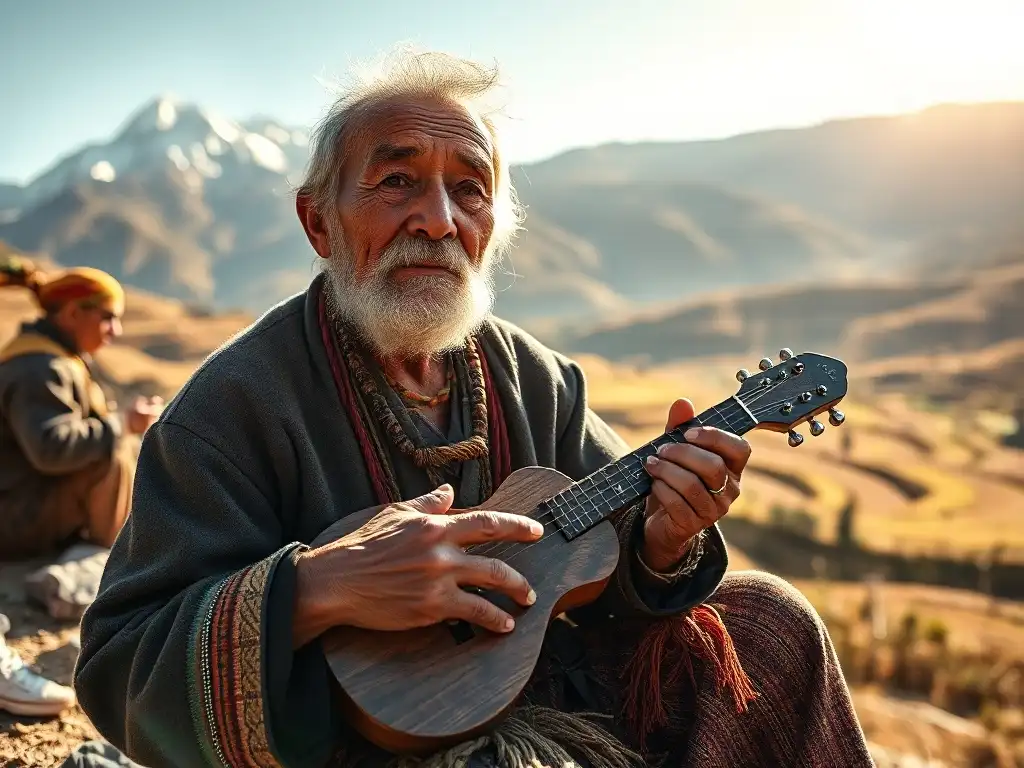
Andean oral tradition represents a vibrant and enduring legacy, a tapestry woven from centuries of storytelling, song, and ritual. It's not merely a historical record; it's a living, breathing entity that shapes the present and informs the future of Andean communities. This rich oral history encompasses a vast array of narratives, from creation myths and epic poems to practical knowledge about agriculture, medicine, and social structures.
These narratives aren't static; they evolve and adapt, reflecting the changing circumstances and perspectives of each generation. The power of Andean oral tradition lies in its ability to transmit knowledge, values, and cultural identity across vast stretches of time and space, connecting individuals to their ancestors and to a shared cultural heritage. The stories, songs, and chants are not simply entertainment; they are the very foundation upon which Andean societies are built.
They provide a framework for understanding the world, navigating social relationships, and maintaining a sense of community. The depth and complexity of this tradition are truly remarkable, encompassing diverse styles and forms that vary significantly across different Andean regions and ethnic groups.
The Relevance of Oral Tradition in Contemporary Andean Life
Despite the influence of globalization and modern technologies, Andean oral tradition remains profoundly relevant in contemporary Andean life. It continues to play a crucial role in shaping social structures, resolving conflicts, and transmitting essential knowledge. For example, in many communities, traditional storytelling remains a vital part of education, socialization, and moral instruction.
Elderly members of the community often serve as keepers of this knowledge, sharing their wisdom and experiences with younger generations. This intergenerational transmission of knowledge is essential for maintaining cultural continuity and fostering a sense of belonging. Furthermore, oral traditions are often integrated into ceremonies and rituals, reinforcing social bonds and providing a sense of continuity with the past.
The stories, songs, and chants serve as a powerful reminder of shared history and collective identity. The continued practice of these traditions is a testament to their enduring significance in the lives of Andean people. The preservation of these traditions is not just a matter of historical preservation; it's crucial for the ongoing well-being and cultural vitality of Andean communities.
The Transmission of Values and Beliefs Through Storytelling
Andean oral tradition skillfully employs storytelling as a powerful vehicle for transmitting values, beliefs, and moral lessons. Narratives often center around archetypal characters and situations, conveying fundamental principles of social conduct, responsibility, and respect for nature. For instance, stories about the Inca emperors often emphasize themes of justice, compassion, and the importance of community.
These narratives aren't simply didactic; they are engaging and often incorporate elements of humor, suspense, and drama, making them memorable and effective teaching tools. Myths and legends, frequently involving supernatural beings and events, explain the origins of the world, the natural environment, and social customs. These narratives provide a framework for understanding the universe and one's place within it.
Through storytelling, values like reciprocity (ayni), community cooperation (minka), and respect for the Pachamama (Mother Earth) are passed down through generations, reinforcing the ethical and spiritual foundations of Andean culture. The effectiveness of these narratives lies in their ability to connect with listeners on an emotional level, making abstract concepts relatable and meaningful.
Andean Oral Tradition and its Connection to Identity
Andean oral tradition is inextricably linked to the identity and self-perception of Andean communities. The narratives, songs, and rituals serve as powerful affirmations of cultural belonging and pride. They provide a sense of continuity with the past, connecting individuals to their ancestors and to a shared cultural heritage.
Through the recounting of ancestral stories, individuals reaffirm their connection to the land, their community, and their cultural identity. This connection to the past is not merely nostalgic; it provides a sense of stability and grounding in a rapidly changing world. The preservation and practice of oral tradition are essential for maintaining cultural distinctiveness and resisting the homogenizing forces of globalization.
The narratives, songs, and rituals embody the unique cultural values and worldview of Andean communities, contributing to their distinct identity and sense of self. The vitality of Andean oral tradition is, therefore, a testament to the resilience and cultural strength of Andean people.
The Future of Andean Oral Tradition
The future of Andean oral tradition hinges on a multifaceted approach that blends traditional practices with modern technologies and educational strategies. The challenge lies in ensuring its continuity in a rapidly changing world.
Integrating Oral Tradition into Education
Formal education systems have a crucial role in preserving and promoting Andean oral tradition. Integrating these traditions into school curricula can help ensure that future generations appreciate and understand their cultural heritage. This integration shouldn't be limited to history classes; it should be woven into language arts, music, and even science curricula, demonstrating the multifaceted nature of oral tradition and its relevance to various aspects of life. For example, incorporating traditional storytelling techniques into language arts classes can enhance students' communication skills and cultural awareness.
Similarly, integrating traditional music and songs into music classes can foster an appreciation for Andean musical heritage. By actively incorporating Andean oral tradition into the education system, we can help ensure that this vital part of Andean culture is passed down to future generations. Innovative teaching methods that combine traditional storytelling with modern technology could also increase engagement and accessibility.
The Role of Digital Archives in Preserving Andean Heritage
Digital archives offer a powerful tool for preserving and disseminating Andean oral traditions. Recording and archiving traditional stories, songs, and rituals can help safeguard them from loss and ensure their accessibility to a wider audience. These digital archives can serve as valuable resources for researchers, educators, and community members alike. However, it's crucial to approach digital archiving with sensitivity and respect, ensuring that the traditions are represented accurately and ethically.
The participation and consent of the communities that own these traditions are paramount. Furthermore, digital archives should be designed to be user-friendly and accessible to diverse audiences. The use of multilingual interfaces and translation tools can ensure that these valuable resources are accessible to a broader audience. Moreover, digital archives can facilitate cross-cultural exchange and collaboration, helping to promote a deeper understanding and appreciation of Andean culture worldwide.
Ensuring the Continuity of Andean Oral Tradition for Future Generations
Ensuring the continuity of Andean oral tradition requires a multi-pronged strategy involving community engagement, educational initiatives, and technological advancements. It requires not only the preservation of existing knowledge but also the active cultivation of new forms of expression and interpretation. Support for community-based initiatives that promote the transmission of oral traditions from one generation to the next is vital. This might involve funding for storytelling workshops, cultural festivals, and other community-based activities.
Furthermore, collaborations between communities, researchers, and educators are essential to develop effective strategies for the preservation and promotion of Andean oral tradition. Ultimately, the success of these efforts will depend on the active participation and commitment of Andean communities themselves. The future of Andean oral tradition rests in the hands of those who value and actively participate in its preservation and transmission. It's a shared responsibility that demands a collaborative and respectful approach.
Andean Oral Tradition History: A Summary
Andean oral tradition history is a vast and complex tapestry woven from centuries of storytelling, song, and ritual. It's not simply a recounting of past events; it's a living, breathing entity that shapes Andean identities, values, and social structures to this day. Unlike written histories, which can be easily altered or lost, oral traditions have demonstrated remarkable resilience, adapting and evolving across generations while preserving core cultural elements.
This enduring legacy is a testament to the power of human memory and the deep-seated importance of shared narrative in Andean communities. The transmission of knowledge, beliefs, and customs through oral means has allowed Andean cultures to maintain a strong connection to their ancestral past, even in the face of colonization and modernization. This rich oral history encompasses a wide range of forms, including myths, legends, folktales, historical accounts, and practical knowledge passed down through generations of artisans, farmers, and healers.
Understanding Andean oral tradition history requires acknowledging its multifaceted nature and the diverse ways in which it continues to inform contemporary Andean life. The stories themselves are often intertwined with specific geographical locations, sacred sites, and rituals, further enriching their cultural significance and providing a deep sense of place and belonging for Andean peoples.
The enduring power of oral narratives in Andean culture
Oral narratives in Andean culture serve as powerful tools for transmitting knowledge, preserving cultural identity, and shaping social behavior. These narratives, passed down through generations, are not mere entertainment; they embody the collective memory and wisdom of the community. Myths and legends, for example, often explain the origins of the world, the creation of humans, and the establishment of social order, providing a framework for understanding the cosmos and one's place within it.
Folktales, on the other hand, teach moral lessons, offer practical advice, and explore the complexities of human relationships. The continued telling of these stories reinforces cultural values, strengthens community bonds, and provides a sense of continuity across time. Even seemingly simple narratives about everyday life can reveal deeper insights into Andean worldview, beliefs, and practices.
The power of oral narratives lies not only in their content but also in the context in which they are shared: communal gatherings, family celebrations, and religious rituals all contribute to the stories' emotional impact and social significance. The performance aspect, involving intonation, gestures, and often music, further enhances the narrative's power and memorability. The oral tradition is not static; stories evolve and adapt over time, reflecting the changing circumstances and perspectives of the community, while still retaining their core themes and values.
The importance of respecting and valuing Andean oral heritage
Respecting and valuing Andean oral heritage is crucial for preserving cultural diversity and promoting intercultural understanding. The unique knowledge systems embedded within these oral traditions represent an invaluable resource for humanity, offering insights into alternative ways of understanding the world, interacting with the environment, and organizing social life. The loss of these traditions would not only impoverish Andean cultures but also deprive the world of a rich source of wisdom and inspiration.
Preserving Andean oral heritage requires a multi-pronged approach that includes documenting these narratives through various methods, supporting the communities that maintain these traditions, and promoting education and awareness about their importance. This involves active listening to community elders, collaborating with indigenous communities in research and preservation efforts, and actively countering the marginalization and erasure of indigenous knowledge systems. Furthermore, supporting initiatives that promote the teaching and learning of Andean languages is essential, as these languages are often intrinsically linked to the oral traditions themselves.
By valuing and protecting Andean oral heritage, we not only contribute to the survival of these rich cultures but also enrich our own understanding of the human experience and the diversity of human knowledge. The preservation of this heritage is not merely an academic exercise; it is a matter of social justice and cultural survival, essential for ensuring that future generations can benefit from the wisdom and insights of their ancestors.
- Understanding the Significance of Andean Oral Tradition
- The Historical Roots of Andean Oral Narratives
- Key Elements of Andean Oral Tradition
- The Preservation of Andean Oral Heritage
- Andean Oral Tradition: A Living Legacy
- The Future of Andean Oral Tradition
- Andean Oral Tradition History: A Summary
- What role did oral tradition play in Andean societies?
- How was information preserved through oral tradition in the Andes?
- What are some examples of Andean oral traditions still practiced today?
- How does oral tradition relate to the history of Andean civilizations like the Inca?
- How reliable is information passed down through Andean oral tradition?
Frequently Asked Questions
What role did oral tradition play in Andean societies?
Oral tradition was central to Andean life, transmitting history, knowledge, and cultural values across generations before the widespread use of writing. It shaped social structures, religious beliefs, and artistic expressions.
How was information preserved through oral tradition in the Andes?
Information was preserved through memorization, storytelling, and ritual performances. Specialized individuals, like quipucamayocs (Inca record keepers), played a crucial role in maintaining historical accounts and knowledge. Songs, poems, and myths were also important vehicles for transmitting information.
What are some examples of Andean oral traditions still practiced today?
Many Andean communities still actively practice oral traditions. Storytelling, particularly of myths and legends, remains vital. Traditional songs and dances continue to be performed, carrying historical and cultural significance. Rituals and ceremonies also involve the oral transmission of knowledge.
How does oral tradition relate to the history of Andean civilizations like the Inca?
Inca history, while documented in some written forms, was significantly shaped and preserved by oral tradition. Royal genealogies, historical accounts, and laws were all transmitted orally, supplementing and sometimes contradicting written records. This oral component provides vital context and nuance.
How reliable is information passed down through Andean oral tradition?
While susceptible to changes over time, oral traditions offer valuable insights into Andean history and culture. By comparing different versions of stories and analyzing their underlying themes, scholars can reconstruct a more complete picture. Multiple accounts strengthen the reliability of the information passed down.
Final Reflection: Echoes of the Andes, Whispers of the Future
The enduring power of Andean oral tradition resonates deeply in today's world, a vibrant testament to the resilience of culture in the face of globalization and technological advancement. While written histories often dominate narratives, the living, breathing stories passed down through generations in the Andes offer a crucial counterpoint, preserving invaluable knowledge of ancestral practices, ecological wisdom, and social structures that are vital for understanding the region's past and shaping its future. This rich tapestry of oral history deserves not only preservation but also celebration as a powerful model for community building and cultural continuity.
The impact of Andean oral tradition extends far beyond the immediate communities that practice it. It offers a profound lesson in the importance of collective memory and the interconnectedness of human experience across time. The stories, songs, and rituals passed down through generations are not merely historical accounts; they are living entities that shape identity, values, and social cohesion. The past is never dead. It's not even past.
– William Faulkner. This quote perfectly encapsulates the enduring relevance of Andean oral traditions, reminding us that the past continues to inform the present and shape the future. These traditions are not relics of a bygone era but rather dynamic forces that continue to evolve and adapt, offering invaluable insights into human resilience and cultural survival.
Consider the profound wisdom embedded within these oral narratives. Think about the intricate knowledge of Andean ecosystems, the sophisticated social structures, and the enduring spiritual beliefs that are preserved and transmitted through storytelling. You, the reader, are now empowered to actively seek out and appreciate these rich cultural expressions. Engage with the stories, listen to the music, and learn from the wisdom of the Andean people. By understanding and respecting these traditions, we can all contribute to a more just and sustainable future, one that values cultural diversity and the enduring power of human connection across time and space.
Embrace the Power of Oral Tradition!
Thank you for exploring the rich tapestry of Andean culture with us! We hope this exploration of oral tradition has inspired you to appreciate its vital role in shaping communities and preserving history. Now, let's actively engage with this vibrant cultural aspect.
- Visit a local cultural center or museum to learn more about Andean traditions and share your experiences with others.
- Attend a storytelling event or workshop to connect with people who value oral traditions and discover new narratives.
- Share this article to spark conversations about the importance of cultural preservation in today's world.
What personal story or tradition has shaped your life, and how could sharing it strengthen your community? Consider the impact of passing down your family history or a cherished local legend.