
From Seed to Supper: The Rituals and Traditions Surrounding Andean Agriculture

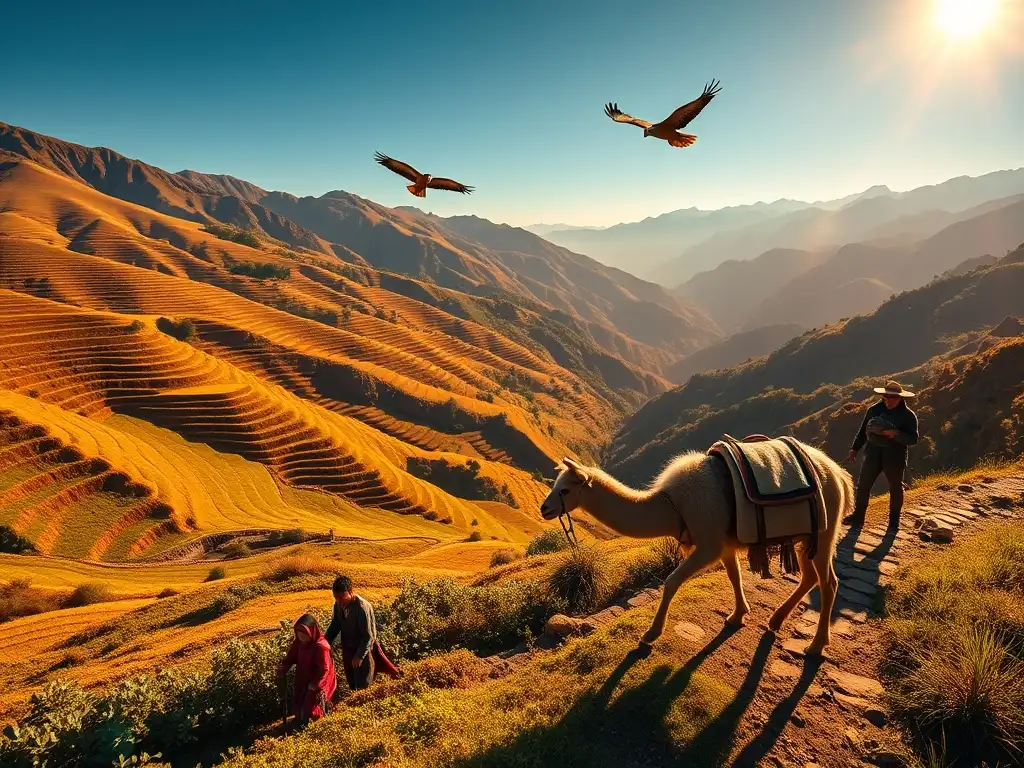
Uncover the secrets whispered on the wind across the Andes Mountains. For centuries, these towering peaks have witnessed civilizations thrive, their ingenuity woven into the very fabric of their existence. But what fueled their remarkable achievements? Dive into the fascinating world of Andean agricultural rituals, where ancient practices intertwined with spirituality to yield bountiful harvests. Prepare to be amazed by the intricate connection between faith, farming, and the survival of some of history's most captivating empires – a story that begins now.
The Andes Mountains, a spine of towering peaks and fertile valleys, cradled some of the most sophisticated agricultural societies the world has ever known. For millennia, Andean civilizations, including the Incas, Moche, Nazca, and Tiahuanaco, developed intricate systems of cultivation and irrigation, not merely to survive, but to thrive, weaving agriculture deeply into the fabric of their spiritual and social lives.
This article delves into the fascinating world of Andean agricultural rituals, exploring the profound connection between these ancient peoples and the land that sustained them. We will uncover the rich tapestry of ceremonies, beliefs, and practices that shaped their agricultural endeavors, revealing how their reverence for nature influenced every stage of food production, from the planting of the seed to the final supper.
Understanding these "Andean agricultural rituals" provides crucial insight into the ingenuity and resilience of these remarkable civilizations and their enduring legacy. The intricate relationship between humans and the environment in the Andes offers valuable lessons for sustainable agriculture today, highlighting the importance of respecting the delicate balance of nature.
The Significance of Andean Agricultural Practices
Andean agricultural practices were far more than simply methods of food production; they were integral components of a complex cosmology. The success of their harvests was not solely attributed to human effort but was deeply intertwined with the appeasement of powerful deities and the maintenance of harmonious relationships with the natural world. Many rituals were performed throughout the agricultural cycle, from the initial preparation of the land to the final harvest celebration.
These rituals served multiple purposes: ensuring bountiful harvests, maintaining social order, and reinforcing the spiritual connection between the community and their ancestors. The meticulous planning and execution of these rituals demonstrate a profound understanding of the environment and a sophisticated level of social organization. Consider, for example, the intricate terrace systems built into the steep mountain slopes – not just feats of engineering, but also symbolic representations of the cosmos and the interconnectedness of life.
The precise timing of planting and harvesting, dictated by the movements of the sun and stars, further highlights the deep understanding and respect these cultures held for the natural world. The importance of these rituals is evident in the archeological discoveries of ceremonial sites and artifacts directly related to agricultural practices, showcasing the centrality of farming to their way of life.
Andean Farming: A Spiritual Connection to the Land
The Andean worldview emphasized a profound interconnectedness between the human and natural worlds. Mountains, rivers, and even specific plants and animals were considered sacred entities, imbued with spiritual power. Agricultural activities were thus not merely practical tasks but sacred acts performed to honor these deities and maintain cosmic balance.
For instance, the Inca celebrated the Capacocha, a ritual sacrifice often involving children, seen as a way to ensure the fertility of the land and the prosperity of the empire. This practice, while disturbing from a modern perspective, underscores the gravity with which the Incas viewed their relationship with the earth and the supernatural. Furthermore, various deities were associated with specific crops or aspects of agriculture, highlighting the spiritual significance attributed to each stage of the growing cycle.
Prayers, offerings, and elaborate ceremonies were performed to ensure the favor of these deities, fostering a sense of community and shared purpose. The success of the harvest was not only a matter of survival but a testament to the community's ability to maintain harmony with the divine and the natural world. The dedication and reverence shown towards agriculture in the Andes serves as a powerful reminder of the vital role that a deep connection with nature can play in achieving sustainable and meaningful lives.
- The Significance of Andean Agricultural Practices
- Andean Farming: A Spiritual Connection to the Land
- What role did rituals play in Andean agriculture?
- What were some common agricultural rituals practiced by Andean civilizations?
- How did Andean agricultural rituals impact their social structure?
- What types of offerings were made during Andean agricultural rituals?
- Were Andean agricultural rituals only performed by religious leaders?
Pre-Planting Rituals: Preparing for a Bountiful Harvest
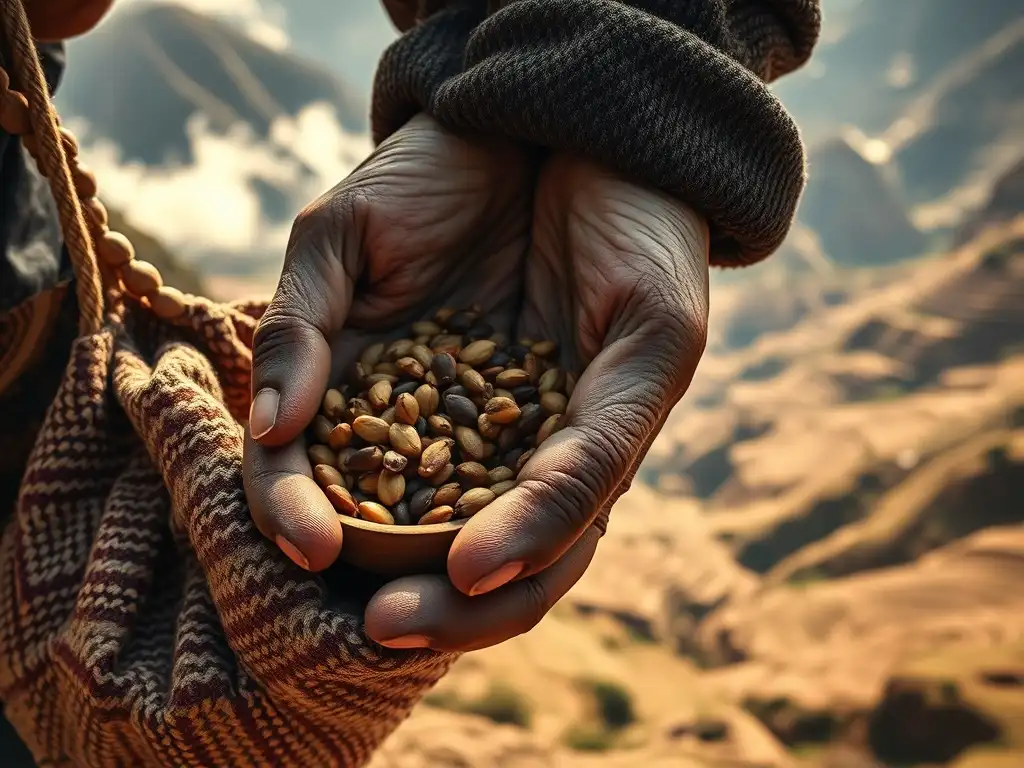
Pre-planting rituals among Andean civilizations weren't simply agricultural practices; they were deeply ingrained spiritual ceremonies, demonstrating a profound connection between the people and their environment. These rituals, often involving elaborate ceremonies and offerings, aimed to ensure a successful harvest and appease the powerful forces of nature, primarily Pachamama, the Earth Mother. The success of the harvest was seen not just as a matter of practical skill but also as a reflection of the community's spiritual harmony and respect for the natural world.
Understanding these rituals offers a unique glimpse into the Andean worldview and their sophisticated agricultural techniques. The meticulous attention paid to these pre-planting rituals underscores the crucial role agriculture played in the social and spiritual fabric of Andean societies. The concept of ayni, reciprocal exchange, was central—a balance between human effort and the generosity of Pachamama.
Observing Celestial Signs: The Andean Agricultural Calendar
Andean farmers were astute observers of the cosmos. Their agricultural calendar wasn't simply a record of dates; it was a complex system interwoven with celestial events. They meticulously tracked the movements of the sun, moon, and stars, using this knowledge to determine the optimal planting times for different crops.
For example, the appearance of certain constellations signaled the beginning of the rainy season, prompting the commencement of planting activities. This wasn't a matter of simple observation; it involved intricate understanding of astronomical cycles and their correlation with agricultural productivity. Specific constellations were associated with particular crops, and their positioning offered guidance on planting strategies.
This deep understanding of the celestial calendar allowed Andean farmers to maximize their yields, demonstrating a remarkable level of astronomical and agricultural knowledge. Detailed records, though often passed down orally, reveal the sophistication of their system, highlighting the interplay between astronomy and agriculture in their culture. This careful observation and interpretation of celestial signs was a crucial component of the Andean agricultural rituals, ensuring that the planting process aligned with the natural rhythms of the cosmos.
Land Preparation Ceremonies: Honoring Pachamama
Before a single seed touched the soil, elaborate ceremonies were performed to honor Pachamama. These ceremonies often involved offerings of coca leaves, chicha (a fermented corn beverage), and other agricultural products. The act of preparing the land wasn't merely a physical task; it was a ritualistic act of communion with the Earth Mother.
Farmers would meticulously clear the land, often using traditional tools like the chaquitaclla (a foot plow), and then carefully prepare the soil. This process wasn't rushed; it was a slow, deliberate act, imbued with reverence and respect. The aim was not only to cultivate the land but also to establish a harmonious relationship with Pachamama, securing her blessings for a bountiful harvest.
Accounts of these ceremonies describe vibrant rituals, involving community participation and symbolic gestures aimed at ensuring the fertility of the land and the prosperity of the community. The specific offerings and rituals varied regionally but consistently reflected a deep-seated belief in the reciprocal relationship between humans and the earth.
Seed Selection and Blessings: Ensuring Crop Vitality
The selection and blessing of seeds were crucial stages in the Andean agricultural rituals. Seeds weren't merely planting materials; they were considered sacred entities, imbued with life-giving power. Farmers carefully selected the best seeds from the previous harvest, often reserving the largest and healthiest ones for planting.
These seeds weren't simply planted; they were blessed through various rituals, often involving prayers, offerings, and symbolic gestures aimed at ensuring their vitality and promoting a healthy growth cycle. This process wasn't merely about ensuring a good yield; it was about fostering a spiritual connection between the farmer, the seed, and Pachamama. The selection process itself was seen as a sacred act, reflecting the farmer's understanding of the importance of genetic diversity and crop health.
The combination of careful selection and ritualistic blessings aimed to maximize the chances of a successful harvest, ensuring food security for the community. The deeply spiritual nature of this practice highlights the integral role of faith and belief within the Andean agricultural system. The act of blessing the seeds was a tangible expression of the Andean worldview, blending practical agricultural knowledge with a profound spiritual understanding.
Planting Rituals: Invoking Growth and Fertility
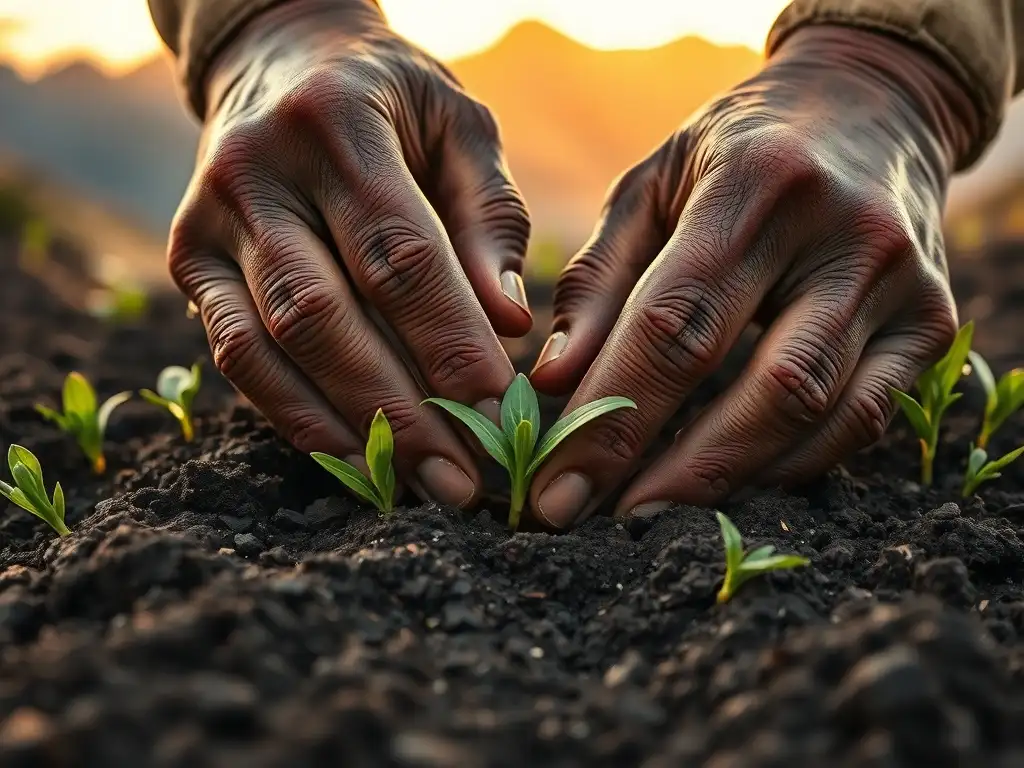
Andean agricultural rituals weren't simply practical acts; they were deeply spiritual events, imbued with meaning and designed to ensure bountiful harvests. The act of planting, far from being a mundane task, was a sacred ceremony, carefully orchestrated to appease the gods and spirits believed to govern the land's fertility. Understanding these rituals provides crucial insight into the Andean worldview and the profound connection between these civilizations and their environment.
The meticulous practices surrounding planting reflect a sophisticated understanding of agriculture and a deep respect for the natural world, a connection that permeated every aspect of Andean life. The success of the harvest wasn't solely dependent on agricultural techniques; it was intrinsically linked to the proper performance of these rituals.
The Act of Planting: Sacred Gestures and Chants
The planting itself was a carefully choreographed performance. Farmers didn't simply toss seeds into the ground; they engaged in specific gestures and chants believed to encourage growth and ward off malevolent forces. Evidence suggests the use of specific tools, like specialized digging sticks or planting implements, further emphasizing the ritualistic nature of the process. These tools weren't just functional; they were imbued with symbolic meaning, representing the connection between the human world and the spiritual realm.
Many accounts describe the use of rhythmic chants and prayers during planting. These vocalizations, often accompanied by musical instruments like panpipes or drums, were intended to attract benevolent spirits and ensure the seeds' successful germination. The specific chants and gestures likely varied between different Andean cultures and even within local communities, reflecting the diversity of beliefs and traditions across the vast Andean region.
Unfortunately, detailed records of these specific chants and gestures are scarce, leaving much to be uncovered through ongoing archaeological research. However, ethnobotanical studies and surviving oral traditions offer valuable clues to understanding these practices. Further research into the linguistic analysis of surviving Andean languages could help unlock the secrets hidden within these ancient chants.
Offerings to the Earth: Seeking Favorable Conditions
Appeasing the earth and its spirits was paramount. Before planting, and often during the process, offerings were made to Pachamama, the Earth Mother, and other deities associated with fertility and abundance. These offerings varied depending on the specific community and the available resources, but commonly included coca leaves, chicha (a fermented maize beverage), llama or alpaca sacrifices (in some cases), and other agricultural products. The offerings weren't merely symbolic gestures; they were believed to directly influence the earth's productivity, ensuring a successful harvest.
The placement of offerings was also significant. Some were buried directly in the fields, while others were left on designated altars or sacred sites. The act of offering itself involved specific rituals, often performed by designated community members or shamans.
Archaeological discoveries frequently uncover evidence of these offerings, providing concrete evidence of the importance of these practices in Andean agriculture. For example, the discovery of coca leaves and pottery shards near planting sites offers tangible proof of the rituals performed to ensure successful harvests. The careful preservation and arrangement of these items suggest a deep respect for the sacred nature of the act.
Community Participation: Collective Planting Traditions
Planting wasn't a solitary activity; it was a communal event, reinforcing social bonds and highlighting the collective responsibility for the success of the harvest. Entire communities participated in planting ceremonies, sharing labor and strengthening social ties. This collaborative effort reflected the strong sense of community characteristic of Andean societies. The collective nature of the ritual emphasized the shared destiny of the community and its dependence on the land's bounty.
The allocation of tasks, the division of labor, and the hierarchical structures within these communal planting activities often mirrored the broader social organization of the Andean communities. This collaborative spirit fostered a sense of shared purpose and ensured the efficient and effective cultivation of the land. The collective experience of planting, coupled with the shared rituals, strengthened social cohesion and reinforced the importance of communal cooperation.
The legacy of these collective planting traditions continues to influence contemporary Andean agricultural practices, highlighting the enduring impact of ancient traditions on modern life. Analysis of modern Andean agricultural practices reveals striking similarities to these ancient rituals, indicating the persistent influence of these traditions.
Crop Care Rituals: Sustaining the Harvest
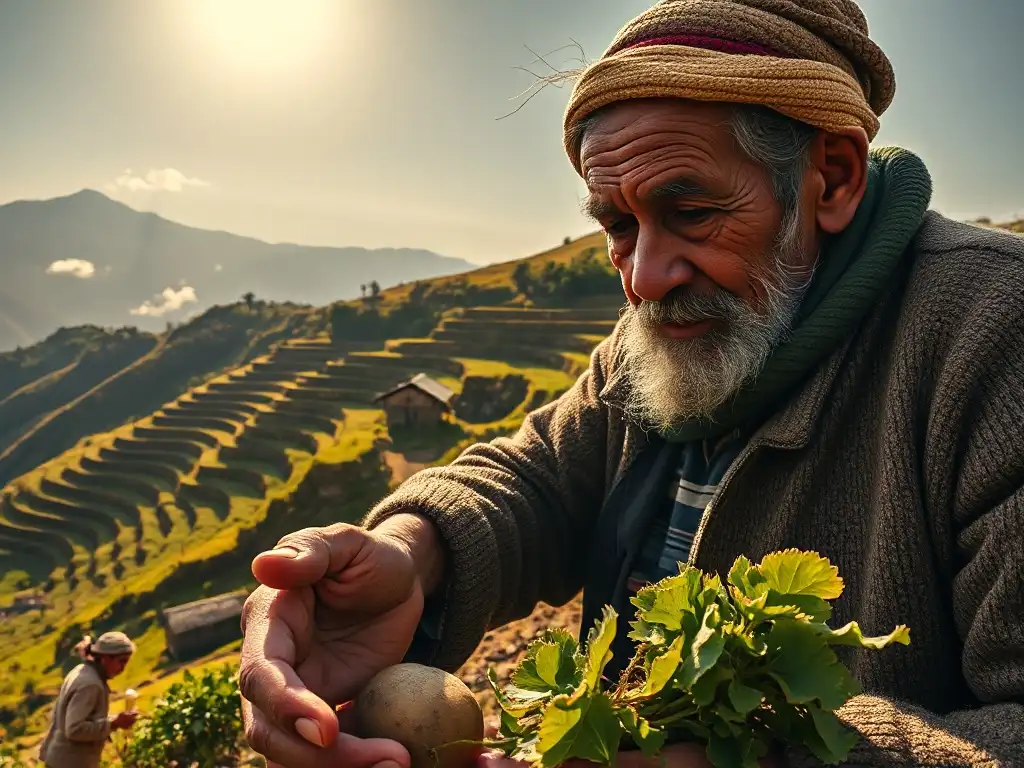
Andean agricultural rituals weren't simply about planting and harvesting; they were deeply intertwined with the spiritual well-being of the community and the ensuring of bountiful harvests. These practices, passed down through generations, demonstrate a profound understanding of the environment and a sophisticated approach to agricultural sustainability. The success of their farming techniques, even in challenging terrains, highlights the ingenuity and spiritual depth of Andean civilizations.
Understanding these rituals provides crucial insight into the holistic worldview of these ancient societies, where the natural world and the spiritual realm were inextricably linked. The concept of ayni, reciprocal exchange, was central – a balance between human actions and the generosity of nature. Failure to maintain this balance was believed to lead to poor harvests and misfortune.
Water Management Practices: The Importance of Irrigation
Water, the lifeblood of Andean agriculture, was revered and carefully managed. Irrigation systems, some incredibly sophisticated, were not merely feats of engineering but also integral parts of ritualistic practices. For example, the intricate canal systems of the Nazca civilization, famous for their geoglyphs, also served as conduits for sacred water, believed to possess life-giving properties.
The annual cleansing and maintenance of these canals were accompanied by ceremonies, offerings, and prayers to ensure the continued flow of water and the prosperity of the crops. Specific rituals might involve pouring chicha (a fermented maize beverage) into the canals, a symbolic offering to the water spirits or apus (mountain gods). The timing of these rituals was often dictated by the agricultural calendar and celestial events, reflecting a deep understanding of the astronomical cycles and their impact on water availability.
Evidence suggests that specific prayers and incantations were used during these ceremonies, though the exact wording remains largely lost to time. The meticulous attention to water management, combined with spiritual practices, demonstrates a holistic approach to sustainable agriculture that ensured the survival and prosperity of Andean communities.
Protection From Pests and Natural Disasters: Ritualistic Safeguards
Protecting crops from pests, diseases, and natural disasters was another crucial aspect of Andean agricultural rituals. Farmers employed a combination of practical techniques and ritualistic safeguards. While they developed pest control methods using natural substances, they also relied on spiritual practices to appease malevolent forces and ensure the protection of their crops. This often involved offerings to deities associated with agriculture and nature.
For instance, the Inca would make offerings to the Pachamama (Mother Earth) to ensure a healthy growing season, free from blight and infestation. These offerings could include coca leaves, llama fetuses, or other precious items. In the case of hailstorms or droughts – frequent threats to Andean agriculture – specific rituals were performed to appease the weather gods and encourage favorable conditions.
These might involve the burning of incense, chanting, or processions to sacred sites. The effectiveness of these rituals was undoubtedly tied to the farmers' faith and their understanding of the interconnectedness between the spiritual and material worlds. The integration of practical knowledge with spiritual beliefs underscores the holistic nature of Andean agricultural practices.
The Role of Andean Shamans in Crop Protection
Andean shamans played a vital role in protecting crops and ensuring successful harvests. These spiritual leaders possessed specialized knowledge of medicinal plants, agricultural cycles, and the spiritual forces believed to influence crop growth. They acted as intermediaries between the human and spiritual worlds, performing rituals to ward off evil spirits, appease deities, and predict future harvests.
Their expertise extended beyond simply conducting ceremonies; they also provided guidance on planting techniques, irrigation strategies, and pest control, integrating spiritual knowledge with practical agricultural skills. The shaman's role was crucial in maintaining the balance between humans and nature, ensuring the prosperity of the community. Their authority stemmed not only from their spiritual abilities but also from their deep understanding of the agricultural processes and the ecological complexities of the Andean environment.
Their pronouncements on auspicious planting times or the need for specific rituals carried considerable weight within the community, reflecting the strong integration of religion and agriculture in Andean life. The detailed knowledge possessed by these shamans, while largely undocumented, remains a testament to the sophistication of Andean agricultural practices.
Harvesting Rituals: Celebrating the Bounty
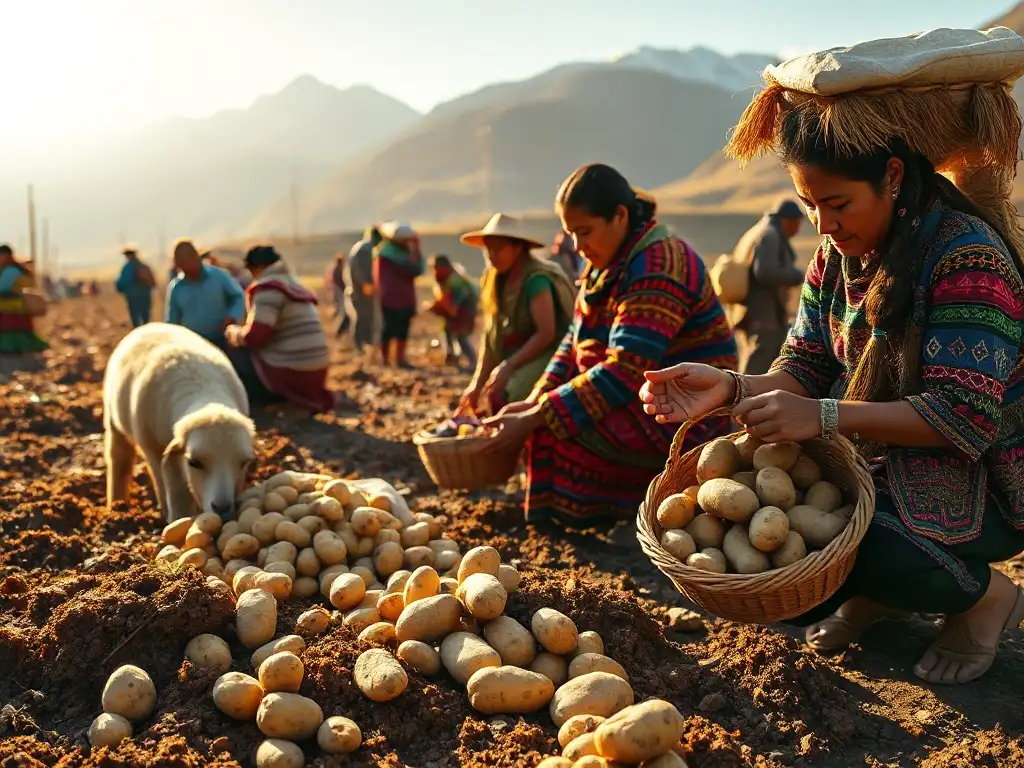
Andean agricultural rituals weren't merely practical; they were deeply ingrained in the spiritual fabric of Andean life. Harvesting, the culmination of months of labor and reliance on the capricious forces of nature, was a time of profound celebration, gratitude, and anticipation for the future. The act of harvesting itself was imbued with reverence, reflecting a holistic worldview where humans were inextricably linked to the land and its cycles.
This section explores the multifaceted rituals surrounding the harvest, highlighting the profound connection between Andean people and their agricultural bounty. Understanding these practices provides crucial insight into the sophisticated agricultural systems and spiritual beliefs of these remarkable civilizations.
First Harvest Offerings: Gratitude to the Earth
The first fruits of the harvest were rarely consumed immediately. Instead, they were meticulously selected and presented as offerings to the apus (mountain spirits) and pachamama (Mother Earth). This act wasn't simply a gesture of thanksgiving; it was a crucial ritual to ensure continued fertility and abundance.
The offerings varied depending on the specific crop and the region, but often included the finest specimens—the largest potatoes, the most vibrant corn cobs, the plumpest quinoa grains. These offerings, sometimes accompanied by coca leaves and chicha (a fermented corn beverage), were left at sacred sites, carefully placed on the earth, or deposited in caves and crevices believed to be portals to the spirit world. Archaeological evidence supports this practice; researchers have unearthed caches of meticulously preserved agricultural products in ceremonial contexts, demonstrating the importance of these offerings in Andean societies.
The act of offering the first fruits was a symbolic acknowledgment of the earth's generosity and a plea for continued prosperity. This deeply ingrained respect for pachamama permeated all aspects of Andean agricultural life. Failure to properly honor the earth was believed to invite misfortune and poor harvests.
The Celebration of the Harvest: Community Feasts and Dances
The harvest wasn't just a time for individual thanks; it was a communal celebration. Villages and communities came together for elaborate feasts and dances, expressing collective gratitude for a successful harvest and solidifying social bonds. These events were opportunities for storytelling, music, and ritualistic performances that reinforced shared cultural values and agricultural knowledge. The feasts themselves were bountiful affairs, showcasing the diversity and abundance of the harvest.
Dishes featured a wide array of crops, reflecting the sophisticated agricultural techniques employed by Andean civilizations. Think of vibrant stews filled with potatoes of various colors, hearty maize dishes, and nutritious quinoa preparations. These meals were not merely sustenance; they were opportunities for strengthening social ties and reaffirming the community's shared identity.
The dances, often accompanied by traditional Andean music and instruments, were lively and energetic, symbolizing the vitality of the land and the people who cultivated it. These communal celebrations ensured the preservation and transmission of agricultural knowledge and cultural traditions across generations. The rhythmic movements and shared experience fostered a sense of unity and shared purpose.
Storage and Preservation Techniques: Ensuring Future Food Security
Harvesting wasn't the end of the cycle; it was the beginning of ensuring food security throughout the year. Andean agricultural rituals extended to sophisticated storage and preservation techniques, reflecting a deep understanding of food preservation and a commitment to minimizing waste. The methods varied depending on the crop and the climate, but generally involved careful drying, freezing, and storage in specially designed structures. Potatoes, for example, were often stored in underground cellars ( qollqas) to maintain consistent temperature and humidity.
Corn was dried in the sun and stored in woven bags or granaries, while quinoa was carefully processed and stored in similar ways. These storage techniques were not only practical but also carried symbolic meaning. The meticulous preservation of the harvest was seen as a reflection of respect for the labor involved and a commitment to the future well-being of the community. The qollqas, for instance, were often considered sacred spaces, reflecting the importance of food security and the continuity of life.
The successful preservation of the harvest ensured not only the community's physical survival but also the continuation of their traditions and cultural practices. The efficiency of these techniques is a testament to the ingenuity and foresight of Andean farmers. The careful planning and execution of storage practices were integral to the successful continuation of Andean agricultural systems and their complex social structures.
Post-Harvest Rituals: Honoring the Cycle of Life
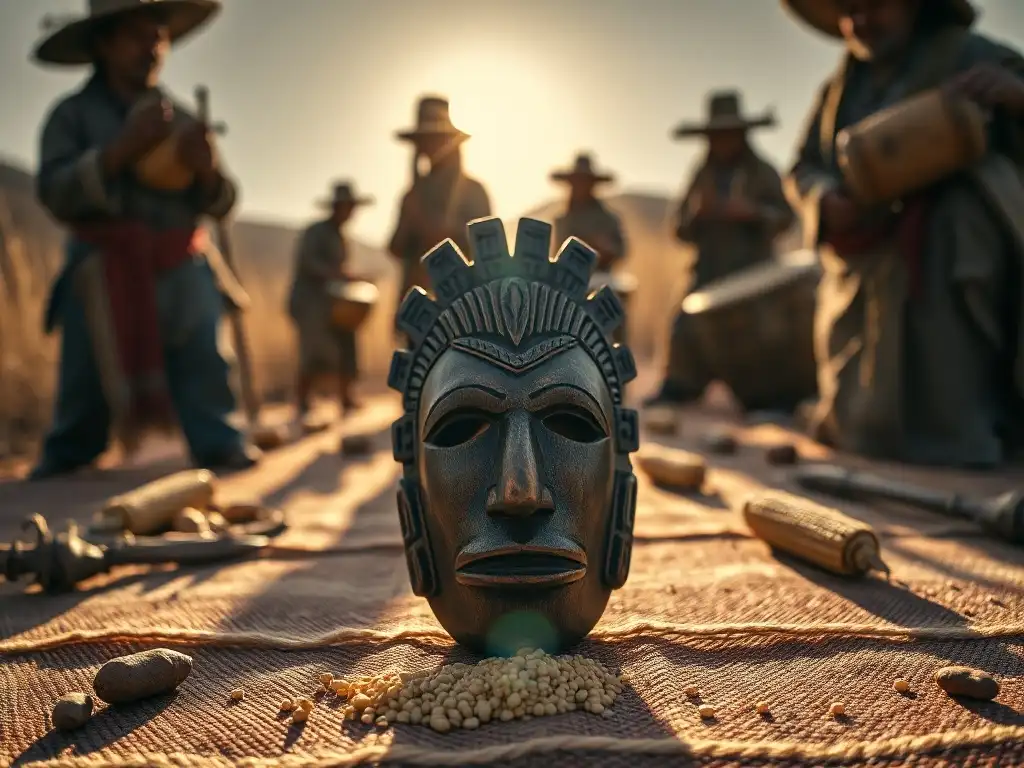
Andean agricultural rituals weren't confined to the planting and growing seasons. The harvest itself marked a crucial point, a time of profound gratitude and anticipation for the future. The abundance reaped wasn't simply a measure of success; it was a reflection of the harmonious relationship between humans and the Pachamama, the Earth Mother.
Post-harvest rituals served to acknowledge this connection, ensuring continued prosperity and expressing reverence for the life-giving power of nature. These practices varied considerably across different Andean cultures, reflecting the unique environments and beliefs of each group. However, a common thread linked them all: the deep-seated understanding of the cyclical nature of life, death, and rebirth.
Seed Saving for Future Planting: Preserving Crop Heritage
Seed saving wasn't merely a practical agricultural technique; it was a sacred act. Farmers meticulously selected the best seeds from the healthiest plants, ensuring the preservation of crop varieties adapted to specific environmental conditions. This wasn't just about maintaining yield; it was about safeguarding the genetic heritage of their community and honoring the ancestral knowledge passed down through generations.
The selection process often incorporated ritualistic elements, prayers, and offerings to ensure a bountiful harvest in the following year. Consider the meticulous care taken with quinoa seeds, a staple crop of the Andes. Farmers would meticulously clean and store the seeds, often in intricately woven bags, carefully protecting them from pests and environmental damage.
This act of preservation was seen as a commitment to the continuity of life and a testament to the enduring bond between the people and their land. The selection of seeds was a deeply significant act, reflecting the Andean worldview that emphasized the interconnectedness of all living things.
The Cycle of Life and Rebirth: The Andean Cosmovision
The Andean cosmovision profoundly influenced post-harvest rituals. The cycle of planting, growth, harvest, and seed saving mirrored the cyclical nature of life, death, and rebirth, reflecting the Andean understanding of the cosmos. The harvest wasn't just an ending; it was a transition, a moment of reflection before the cycle began anew. This perspective is deeply embedded in their understanding of the Pachamama, the Earth Mother, who provided sustenance and demanded respect.
Offerings of food and drink were frequently made to the Pachamama during the harvest, a gesture of gratitude and a plea for continued fertility. These offerings weren't merely symbolic; they were a tangible expression of the reciprocal relationship between humans and the natural world, a relationship built on mutual respect and interdependence. The concept of ayni, reciprocal exchange, was central to this worldview, extending beyond human interactions to encompass the relationship between people and the environment.
Ayni: Reciprocal Labor After the Harvest
The principle of ayni, reciprocal labor, extended beyond the planting and growing seasons. After the harvest, communities came together to share the fruits of their labor and assist each other with post-harvest tasks. This collaborative spirit wasn't simply about efficiency; it was a fundamental aspect of Andean social organization, reinforcing community bonds and solidifying social ties.
The sharing of food and drink during these communal activities further strengthened these bonds, creating a sense of collective identity and mutual support. The ayni system underscored the belief that the community's well-being depended on the cooperation and mutual assistance of its members. This reciprocal exchange extended beyond human interactions to encompass the relationship between the community and the Pachamama, highlighting the deep-seated belief in the interconnectedness of all aspects of life.
The post-harvest celebrations, often involving music, dance, and feasting, served as a powerful expression of this communal spirit, solidifying the social fabric of Andean society and reaffirming the importance of reciprocal relationships. The abundance of the harvest was not just for individual gain but for the collective benefit of the community, a testament to the strength and resilience of Andean social structures.
The Enduring Legacy of Andean Agricultural Rituals
The Andean region, home to a tapestry of vibrant civilizations, boasts a rich history deeply intertwined with agriculture. For millennia, Andean communities developed sophisticated agricultural practices, not merely as a means of sustenance, but as integral components of their spiritual and social lives. These practices, far from being simply utilitarian, were infused with profound ritualistic significance, shaping their worldview and influencing their relationship with the land.
The legacy of these Andean agricultural rituals continues to resonate today, offering valuable insights into sustainable agriculture and cultural preservation. Understanding these rituals provides a crucial lens through which to appreciate the ingenuity and resilience of Andean cultures.
The intricate connection between agricultural practices and religious beliefs highlights a profound respect for the natural world and a deep understanding of ecological balance. This holistic approach to farming, which considered the interconnectedness of all living things, stands in stark contrast to many modern agricultural practices that prioritize yield above all else.
Modern Relevance of Ancient Andean Farming Techniques
Many ancient Andean agricultural techniques remain surprisingly relevant in the face of modern challenges. The intricate Andean agricultural rituals weren't just about appeasing deities; they incorporated practical knowledge honed over generations. Techniques like terracing, which involved creating level platforms on steep slopes, allowed for efficient water management and prevented soil erosion – crucial strategies for sustainable agriculture even today.
Similarly, the waru waru system, a type of raised-bed agriculture, improved drainage and soil fertility, enhancing crop yields even in challenging environments. These methods, passed down through oral traditions and practical experience, offer valuable lessons for contemporary farmers seeking to improve crop production while minimizing environmental impact. The integration of indigenous knowledge with modern agricultural science could lead to more resilient and sustainable farming practices, especially in the face of climate change and increasing food insecurity.
Studies are currently underway to quantify the impact of these traditional techniques on crop yields and soil health in contemporary Andean settings. [Specific data on comparative yields pending].
The Importance of Preserving Indigenous Knowledge
The preservation of indigenous knowledge related to Andean agricultural rituals is paramount for several reasons. First, it represents the safeguarding of a cultural heritage of immense value. These rituals are not merely historical artifacts; they are living traditions that continue to shape the identities and livelihoods of Andean communities.
Second, this knowledge holds the key to developing more sustainable and resilient agricultural practices. The wisdom embedded in these traditions offers valuable insights into water management, soil conservation, and biodiversity preservation, all crucial for ensuring food security in a changing world. Third, the loss of this knowledge would represent a significant loss of biodiversity as many ancient crop varieties and associated farming practices are intimately linked to specific cultural traditions.
Active efforts to document, understand, and revitalize these practices are crucial for ensuring their survival and facilitating their integration into modern agricultural systems. This requires collaborative efforts between researchers, policymakers, and local communities to ensure that indigenous knowledge is respected and protected.
Andean Agricultural Traditions: A Source of Inspiration for Sustainable Practices
Andean agricultural traditions, deeply rooted in Andean agricultural rituals, offer a powerful model for sustainable agriculture. The emphasis on biodiversity, water conservation, and soil health provides a compelling alternative to intensive, resource-intensive farming practices that are increasingly unsustainable. The integration of traditional knowledge with modern scientific techniques could lead to innovative solutions for addressing contemporary challenges such as climate change and food insecurity.
For example, the study of traditional pest control methods used in the Andes could inspire the development of more environmentally friendly alternatives to synthetic pesticides. Similarly, the understanding of ancient irrigation techniques could help improve water use efficiency in modern agricultural systems. The lessons learned from the Andes highlight the importance of a holistic approach to agriculture, one that recognizes the interconnectedness of ecological, social, and cultural factors.
This integrated approach, inspired by ancient Andean wisdom, is increasingly recognized as crucial for building a more sustainable and equitable food system. The future of sustainable agriculture may well lie in learning from the past, drawing inspiration from the rich tapestry of Andean agricultural rituals and the wisdom embedded within them. The potential for cross-cultural exchange and collaboration is immense, offering a pathway towards a more resilient and sustainable future for all.
Frequently Asked Questions
What role did rituals play in Andean agriculture?
Andean agricultural practices were deeply intertwined with religious beliefs and rituals. Farmers performed ceremonies to ensure successful harvests, appease the gods, and maintain a harmonious relationship with nature. These rituals were crucial to their way of life.
What were some common agricultural rituals practiced by Andean civilizations?
Common rituals included offerings to deities associated with fertility and agriculture, such as the Pachamama (Mother Earth). They also performed ceremonies related to planting, harvesting, and ensuring the health of crops. Specific rituals varied between different Andean cultures.
These rituals served to reinforce social cohesion and community. Shared participation in ceremonies strengthened bonds and established a sense of collective responsibility for the success of the agricultural cycle. They were integral to their social fabric.
What types of offerings were made during Andean agricultural rituals?
Offerings included food, drink, coca leaves, and textiles. These were presented to appease the gods and ensure bountiful harvests. The value and type of offering often depended on the specific ritual and the social status of the individual making the offering.
Were Andean agricultural rituals only performed by religious leaders?
While priests and shamans played important roles in leading ceremonies, agricultural rituals involved the entire community. Farmers, families, and communities actively participated, highlighting the collective importance of agriculture and their reliance on spiritual forces for successful harvests.
Final Reflection: Harvesting the Legacy of Andean Agriculture
The intricate relationship between Andean communities and their land remains a powerful testament to the enduring strength of tradition, a vital lesson for a world grappling with food security and sustainable practices. The ancient wisdom embedded within Andean agricultural rituals offers not just historical insight, but a blueprint for a more harmonious and resilient future. We must actively learn from these practices to address the challenges of modern agriculture.
The profound impact of these rituals extends far beyond the simple act of planting and harvesting; they represent a deep-seated connection to the land, a spiritual understanding of the natural world, and a powerful social fabric that binds communities together. The earth is what we all have in common.
This simple statement, though not directly from Andean tradition, encapsulates the core principle at the heart of their agricultural practices – a profound respect for the land that sustains them, a respect that we, in our increasingly industrialized world, must strive to emulate. The stories shared, the ceremonies performed, the knowledge passed down through generations – these are the threads that weave a rich tapestry of cultural heritage and ecological wisdom.
Consider the impact of these ancient practices on your own life. How can you cultivate a deeper connection with the food you consume? What steps can you take to support sustainable and ethical agricultural practices in your community? Let the legacy of Andean agriculture inspire you to make conscious choices, to appreciate the journey from seed to supper, and to become a more mindful steward of the earth. The future of our food systems depends on it.
**Nourish Your Connection to Andean Traditions! **
Thank you for exploring the rich rituals and traditions of Andean agriculture with us! Your journey has deepened your understanding of this vibrant cultural heritage. Now, let's put that knowledge into practice!
- **Experience Nature:** Visit a local farmer's market or community garden to learn about sustainable practices and discover fresh, seasonal produce.
- **Share Your Knowledge:** Discuss what you've learned with friends and family, encouraging them to explore Andean traditions. Sharing knowledge helps it grow and flourish!
- **Try Your Hand at Cooking:** Prepare a meal using Andean ingredients or recipes. There's no better way to appreciate these traditions than by experiencing them firsthand!
What aspect of Andean agricultural traditions most surprised you, and how will you incorporate it into your own life?