
Ancient Quechua: Piecing Together the Lost Sounds of the Past

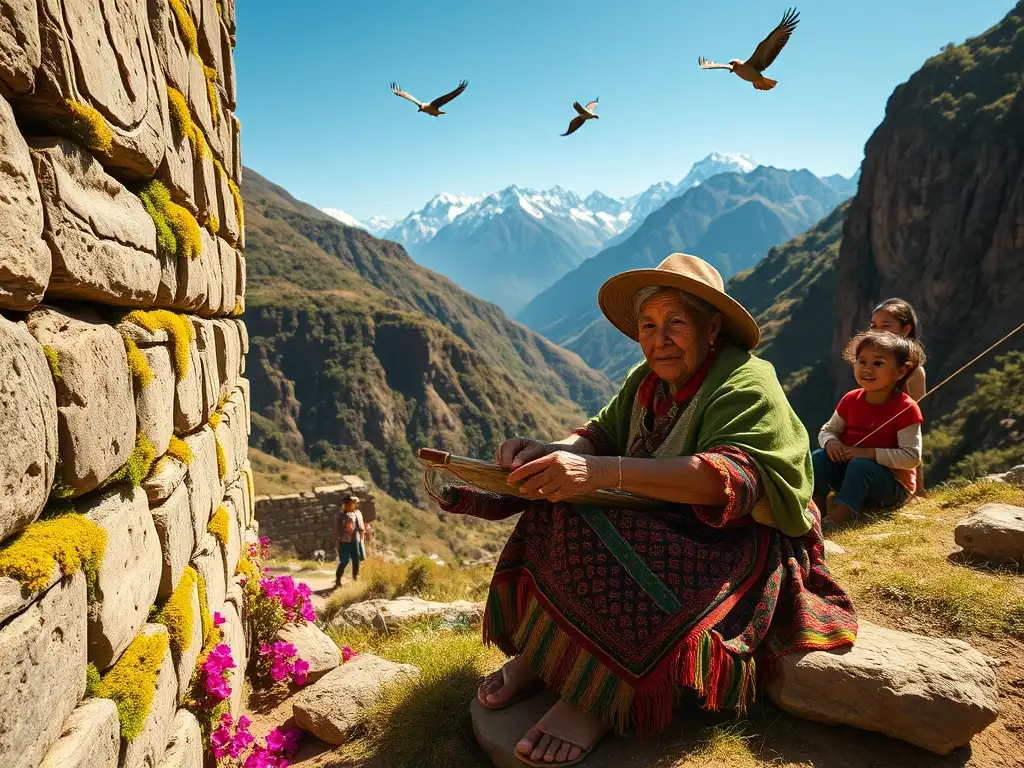
Welcome to Andean Civilizations, where the echoes of a lost world whisper secrets of ingenuity and power. Prepare to be captivated by the intricate tapestry of Andean history, art, and technology. But first, let's unravel a particularly intriguing thread: the fascinating history of the Quechua language. Journey with us as we explore how this ancient tongue shaped the lives and legacies of the Incas and beyond – a story waiting to be rediscovered. Are you ready to decipher its mysteries?
The Quechua language, a vibrant tapestry woven through the Andes Mountains for centuries, holds a captivating history shrouded in mystery. This article delves into the fascinating journey of reconstructing the ancient sounds of Quechua, exploring its evolution from its earliest forms to its diverse modern dialects.
We will unravel the complexities of its linguistic development, examining the challenges and triumphs of piecing together a language whose written records are relatively scarce compared to other ancient civilizations. Understanding the history of Quechua provides invaluable insight into the cultural richness and resilience of the Andean peoples, offering a window into their beliefs, social structures, and daily lives.
This exploration will reveal how linguistic analysis, archaeological discoveries, and comparative studies help us understand the intricate threads that connect the past to the present, illuminating the enduring legacy of the Quechua language. The quest to understand the "Quechua language history" is a journey through time, revealing a fascinating story of adaptation, survival, and cultural continuity.
The Challenges of Reconstructing Ancient Quechua
Reconstructing any ancient language presents significant hurdles. For Quechua, the scarcity of written records from its earliest periods poses a considerable challenge. Unlike languages with extensive written traditions, Quechua’s history is largely preserved through oral transmission, making the task of tracing its evolution a complex puzzle.
Furthermore, the vast geographical expanse across which Quechua was (and is) spoken resulted in the development of numerous dialects, each with its own unique features and variations. These variations make it difficult to establish a definitive "proto-Quechua," a hypothetical ancestor from which all modern dialects are believed to have descended. Scholars must carefully analyze these diverse dialects, searching for commonalities and shared features that provide clues to their shared origins.
This process often involves painstaking comparative linguistics, meticulously comparing vocabulary, grammar, and phonology across different Quechua varieties. The task is further complicated by the influence of other languages encountered throughout Quechua’s history, leading to borrowings and linguistic shifts that must be carefully disentangled. The lack of extensive written records necessitates relying heavily on indirect evidence, such as archaeological findings, ethnographic studies, and linguistic comparisons with related languages.
Early Influences and the Diversification of Quechua
The origins of Quechua remain a subject of ongoing debate among linguists. While a precise date for its emergence is elusive, evidence suggests a long and complex history, possibly stretching back several millennia. The early development of Quechua was undoubtedly influenced by contact with other Andean languages, leading to linguistic exchange and the incorporation of new words and grammatical structures.
This process of linguistic borrowing and adaptation is a common phenomenon throughout language history, and Quechua is no exception. As Quechua-speaking populations expanded and migrated across the Andes, the language diversified, giving rise to the numerous dialects spoken today. Geographical barriers, social structures, and contact with other linguistic groups all played a role in shaping the unique characteristics of each dialect.
Understanding these influences is crucial for tracing the evolution of Quechua and appreciating the rich linguistic diversity within the Andean region. [Specific details on early linguistic influences pending further research].
The Inca Empire and the Standardization of Quechua
The rise of the Inca Empire in the 15th century CE marked a pivotal moment in the history of Quechua. The Inca, recognizing the importance of communication and administration across their vast empire, adopted Quechua as their official language. This led to a degree of standardization, although significant dialectal variation persisted. The Inca’s administrative efforts, including the establishment of standardized weights and measures and a complex system of record-keeping, likely contributed to a degree of linguistic uniformity.
However, it’s important to note that this standardization was not absolute, and local dialects continued to thrive within the empire. [Further research needed on the extent of standardization during the Inca period]. The impact of Inca rule on Quechua’s development was profound, shaping its trajectory and contributing to its survival in the face of later colonization.
Quechua After the Conquest: Resilience and Adaptation
The Spanish conquest of the Inca Empire in the 16th century had a devastating impact on Andean societies, including the Quechua-speaking populations. Despite the efforts of the Spanish to suppress indigenous languages and cultures, Quechua demonstrated remarkable resilience. It persisted as a spoken language in many communities, adapting and evolving in response to the new linguistic landscape. The introduction of Spanish led to extensive borrowing of vocabulary, affecting various aspects of daily life.
However, Quechua speakers retained their language, demonstrating a powerful commitment to their cultural heritage. The continued use of Quechua in various social contexts, including religious practices, family life, and local governance, highlights its enduring significance for Andean communities. [Examples of Quechua resilience and adaptation in specific communities pending]. The survival of Quechua in the face of colonization underscores its deep roots in Andean culture and its importance to the identity of its speakers.
- The Challenges of Reconstructing Ancient Quechua
- Early Influences and the Diversification of Quechua
- The Inca Empire and the Standardization of Quechua
- Quechua After the Conquest: Resilience and Adaptation
The Origins of the Quechua Language Family
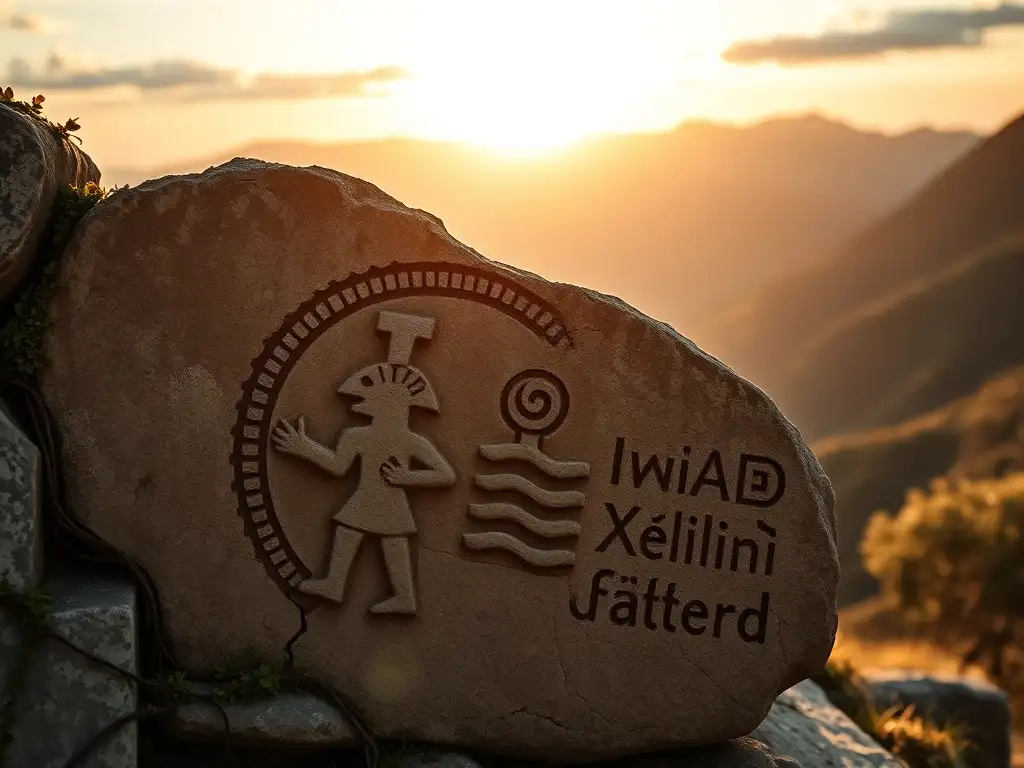
The Quechua language family, a vibrant tapestry of dialects spoken across the Andes Mountains, boasts a history as rich and complex as the civilizations that nurtured it. Understanding its origins requires delving into the intricate interplay of linguistic evolution, cultural diffusion, and the enduring legacy of Andean societies. Pinpointing the precise geographic and temporal origins of Proto-Quechua, the reconstructed ancestor of all modern Quechua languages, remains a subject of ongoing linguistic investigation.
However, substantial evidence points towards a cradle in the central Andes region, likely emerging sometime before the Inca expansion. This section will explore the key theories and evidence supporting this assertion, examining the linguistic and archaeological data that shed light on the Quechua language history. The enduring influence of Quechua on the cultural landscape of the Andes is undeniable, making the study of its origins crucial to understanding the region’s multifaceted past.
Tracing the Roots of Quechua: The Central Andes
The prevailing hypothesis regarding the origins of Quechua places its birthplace firmly in the central Andes, a region characterized by its diverse geography, rich agricultural potential, and a long history of complex societies. This geographically diverse area, encompassing parts of modern-day Peru, Bolivia, and Ecuador, provided fertile ground for the development and diversification of the language.
The presence of early agricultural settlements and the subsequent rise of powerful pre-Inca cultures like the Wari and Tiwanaku provided a social and political framework that likely facilitated the spread of Proto-Quechua. Archaeological evidence from these cultures, although not directly linguistic, indicates extensive trade networks and cultural exchange, all factors that could have played a role in the dissemination of the language.
Analyzing the distribution of modern Quechua dialects further supports this central Andean origin theory. The greatest diversity of Quechua dialects is found in this core region, suggesting a longer period of independent development and evolution compared to areas where Quechua spread later.
The presence of more archaic features and greater internal linguistic variation in central Andean Quechua dialects implies a longer period of evolution in this region, supporting its identification as the likely origin point of the language family. Further research into the genetic relationships between different Quechua dialects, using computational methods, could provide further insights into the dispersal patterns of the language.
Proto-Quechua: Reconstructing the Ancestral Language
Reconstructing Proto-Quechua, the hypothetical ancestor of all modern Quechua languages, is a challenging but crucial task for understanding the full Quechua language history. Linguists employ the comparative method, comparing similarities and differences between modern Quechua dialects to infer the characteristics of their common ancestor. This process involves identifying cognates – words with shared ancestry – across different dialects, tracing their phonetic and semantic evolution. This painstaking work allows researchers to reconstruct the phonology (sound system), morphology (word structure), and lexicon (vocabulary) of Proto-Quechua, offering a glimpse into the language spoken centuries ago.
The reconstruction of Proto-Quechua is an ongoing process, with new data and refined methodologies constantly refining our understanding. However, certain aspects of the reconstructed language are relatively well-established. For instance, evidence suggests that Proto-Quechua possessed a relatively simple sound system compared to some of its modern descendants. The morphology likely involved agglutination, a process where grammatical information is expressed by adding suffixes to word stems.
The lexicon, while still incompletely reconstructed, provides clues about the lifestyle and environment of the early Quechua speakers, hinting at an agricultural society with a sophisticated understanding of their environment. Understanding Proto-Quechua allows us to trace the linguistic changes that have shaped the diverse array of Quechua dialects spoken today, contributing significantly to a more complete picture of the Quechua language history. The ongoing effort to refine this reconstruction promises to reveal even more about the ancient roots of this remarkable language family.
The Diversification of Quechua: A Linguistic Tapestry
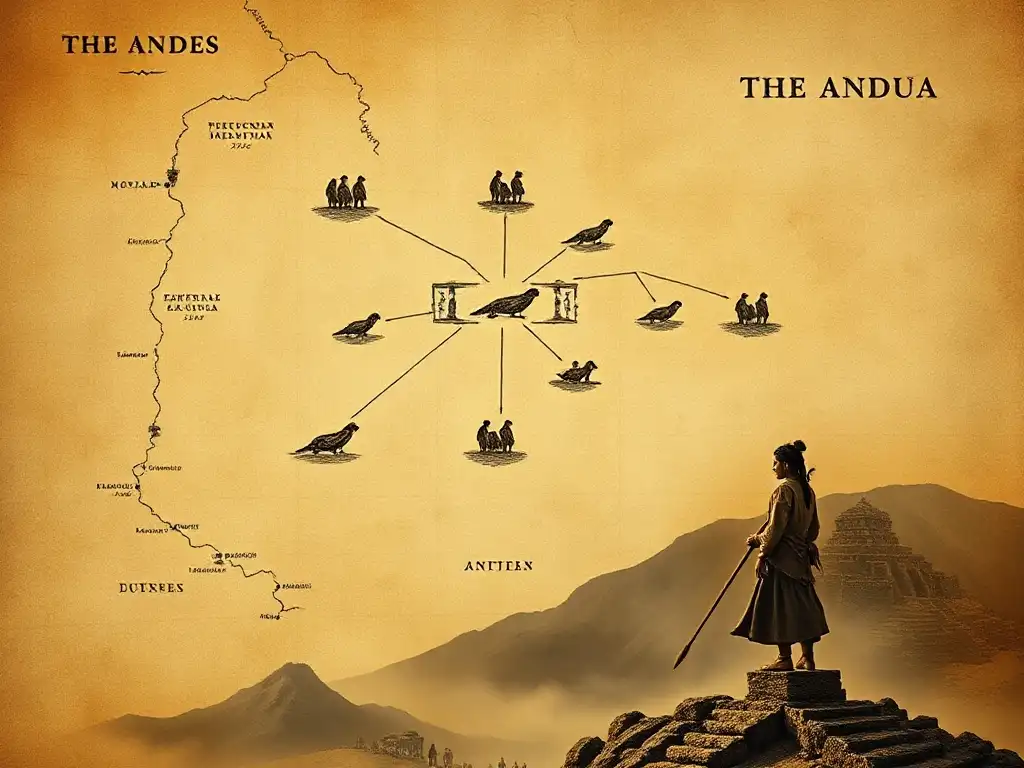
The Quechua language, far from being a monolithic entity, is a vibrant tapestry woven from numerous dialects, each reflecting the unique history and geography of its speakers. Understanding the Quechua language history requires acknowledging this remarkable diversity. The current distribution of Quechua dialects across the Andes is a testament to centuries of linguistic evolution, migration, and cultural exchange.
This intricate web of dialects presents a significant challenge to linguists, but also a fascinating opportunity to reconstruct the history of the language family and its speakers. The sheer number of mutually unintelligible Quechua dialects highlights the vastness of the Andean region and the influence of geography on linguistic development. This diversity, however, also underscores the resilience and adaptability of the Quechua language itself, surviving centuries of colonization and societal change.
The ongoing efforts to document and preserve these diverse dialects are crucial for understanding the rich cultural heritage of the Andean region and preserving its linguistic legacy for future generations. The task is monumental, but the rewards—a deeper understanding of Quechua language history and the Andean world—are immeasurable.
Early Quechua Dialects: Quechua I, Quechua II
Reconstructing the earliest stages of Quechua is a complex undertaking, hampered by a scarcity of early written records. Linguistic reconstruction relies heavily on comparative methods, analyzing shared features across various Quechua dialects to infer the characteristics of their common ancestor. While precise dating remains elusive, scholars generally posit the existence of a proto-Quechua language, sometimes referred to as "Quechua I," which predates the Inca expansion. This proto-language likely possessed a relatively simpler structure and vocabulary compared to later dialects.
The subsequent development of “Quechua II” is believed to have coincided with increasing population density and the formation of early chiefdoms in the central Andes. This period witnessed the emergence of distinct dialectal variations, laying the groundwork for the linguistic diversity observed later. The transition from Quechua I to Quechua II is likely a gradual process spanning centuries, with subtle changes accumulating over time.
Evidence for these early dialects comes mainly from analyzing the shared features of modern Quechua dialects, identifying common grammatical structures and vocabulary, and comparing these with related languages in the Andean region. Further research, including the analysis of potentially pre-Inca archaeological materials, may offer additional clues to unravel this fascinating chapter in Quechua language history. The ongoing work in this field is constantly refining our understanding of this crucial period.
The Impact of the Inca Empire on Quechua: Cusco Quechua as Lingua Franca
The rise of the Inca Empire in the 15th century profoundly impacted the development of Quechua. The Inca administration adopted a dialect spoken in and around Cusco as its official language—Cusco Quechua. This imposition of a lingua franca facilitated communication across the vast and diverse empire, leading to the standardization of certain linguistic features and the spread of Cusco Quechua throughout the Andean region. However, it's crucial to understand that this standardization wasn't uniform or complete.
While Cusco Quechua became the dominant language of administration and elite culture, many local dialects persisted, often coexisting with the official language in everyday life. The empire’s extensive road network and administrative structure facilitated the spread of Cusco Quechua, but the process was more of an overlay than a complete replacement of existing dialects. The influence of Cusco Quechua is evident in the vocabulary and grammatical structures of many modern Quechua dialects, but significant variations still exist, reflecting the diverse linguistic landscape of the pre-Inca era.
This complex interplay between standardization and linguistic diversity continues to shape the Quechua language history and the current distribution of Quechua dialects across the Andes. The legacy of the Inca Empire's linguistic policy is still felt today, highlighting the enduring power of language in shaping both political and social structures. The impact of this historical period is crucial to understanding the contemporary Quechua language landscape.
Quechua Language History: From Pre-Inca to Colonial Times

This section delves into the fascinating journey of the Quechua language, tracing its evolution from a collection of regional dialects to the lingua franca of a vast empire and its subsequent adaptation in the face of colonial influence. Understanding the Quechua language history provides crucial insight into the social, political, and cultural dynamics of the Andes for centuries. We will explore key periods, highlighting the linguistic shifts and adaptations that shaped the Quechua we know today.
Quechua Before the Incas: Localized Languages and Interactions
Before the Inca Empire's rise, the Quechua language family existed as a collection of distinct, yet related, dialects spoken across various regions of the Andes. These proto-Quechua languages exhibited significant variations in vocabulary and phonology, reflecting the diverse geographical and cultural landscapes they inhabited. While precise details remain elusive due to the limited pre-Inca written records, archaeological evidence and linguistic reconstruction suggest a complex network of interactions between these early Quechua-speaking communities.
Trade routes, intermarriage, and migration patterns likely facilitated the exchange of linguistic features and contributed to the gradual homogenization of certain aspects of the language. The process was likely gradual and uneven, with some dialects exhibiting stronger affinities than others.
The extent of mutual intelligibility between these pre-Inca Quechua dialects is a subject of ongoing scholarly debate, with some researchers suggesting relatively high levels of comprehension between neighboring groups, while others argue for more significant barriers to communication. Further research, including the analysis of newly discovered archaeological materials and the refinement of comparative linguistic techniques, is crucial to refining our understanding of this crucial period in Quechua language history.
Quechua Under Inca Rule: Language of Administration and Expansion
The Inca Empire's expansion during the 15th and 16th centuries dramatically impacted the development of the Quechua language. The Incas, originating from the Cusco region, adopted a form of Quechua (likely a dialect closely related to modern Cusco Quechua) as the official language of administration. This standardization process, although not entirely uniform across the vast empire, facilitated communication and governance across diverse ethnic groups.
The Inca's meticulous system of roads and relay runners, coupled with their centralized administrative structure, played a pivotal role in spreading the Inca dialect of Quechua throughout their territories. This resulted in the gradual supplanting of many local languages and dialects, although some regional variations persisted, creating the diverse Quechua dialects we see today. The Inca's use of Quechua for official purposes, including record-keeping (using quipus, knotted strings) and communication between administrative centers, solidified its status as the lingua franca of the Andes.
This period marks a significant turning point in Quechua language history, transforming it from a collection of regional dialects into a language of imperial power and communication. The impact of this standardization is still felt in the modern Quechua-speaking world.
Colonial Quechua: Spanish Loanwords and Script Adoption
The Spanish conquest in the 16th century drastically altered the trajectory of the Quechua language. The imposition of Spanish as the official language of the colony led to a significant influx of Spanish loanwords into Quechua. These loanwords, often relating to new concepts and objects introduced by the Spanish, integrated themselves into the Quechua lexicon, enriching its vocabulary but also impacting its grammatical structure.
However, Quechua's resilience is evident in its survival despite the colonial efforts to suppress it. The adoption of the Latin alphabet for writing Quechua, while initially used primarily by missionaries for religious purposes, proved crucial to its preservation and the development of a written literary tradition. This transition allowed for the documentation of Quechua literature, folklore, and cultural practices, helping to safeguard the language in the face of dominant Spanish influence.
The process of script adoption was not uniform across all Quechua-speaking communities, resulting in variations in spelling and orthography. The interplay between Quechua and Spanish during the colonial period is a complex linguistic phenomenon, reflecting the enduring power of indigenous languages and their ability to adapt and persist amidst significant socio-political upheaval. Understanding this interaction is crucial for a full appreciation of the Quechua language history and its ongoing relevance in contemporary Andean society.
Deciphering Ancient Quechua: Challenges and Methods

The quest to understand ancient Quechua, the language spoken by the Inca Empire and its predecessors, presents significant challenges. Unlike many ancient civilizations that left behind extensive written records, the Inca relied primarily on an oral tradition. This absence of a widespread, standardized written script significantly complicates the reconstruction of their language. However, by employing various linguistic methodologies, researchers are gradually piecing together a clearer picture of ancient Quechua phonology, grammar, and vocabulary.
The task is akin to reconstructing a shattered mosaic, with each fragment representing a piece of evidence painstakingly gathered and analyzed. The resulting image, while incomplete, offers fascinating insights into the linguistic landscape of the Andes. Successfully navigating this complex historical linguistic puzzle requires meticulous attention to detail and a multi-faceted approach. This section will delve into the key methods employed in this endeavor.
The Absence of Writing: Oral Tradition and Reconstruction
The lack of a comprehensive written record for ancient Quechua presents a major hurdle in understanding its historical evolution. The Inca quipus, knotted cords used for record-keeping, offer some clues but do not provide a direct transcription of the language. Instead, scholars must rely heavily on indirect evidence. This includes:
- Ethnohistorical accounts: Chronicles and narratives written by Spanish conquistadors and later scholars provide valuable, albeit often biased, descriptions of Inca society and language. These accounts, while sometimes inaccurate or incomplete, offer glimpses into vocabulary and grammar.
- Modern Quechua dialects: The numerous surviving Quechua dialects spoken across the Andes today provide a crucial link to the past. By comparing these modern varieties, linguists can trace back linguistic changes and reconstruct earlier forms of the language. This comparative method is crucial for identifying shared features and inferring ancestral forms.
- Archaeological context: Archaeological findings, including pottery inscriptions and other artifacts, can sometimes offer clues to the language, though often indirectly. For example, the presence of certain place names or personal names across different archaeological sites can reveal linguistic connections and patterns.
Reconstructing ancient Quechua from this fragmented evidence is a complex and iterative process, requiring careful consideration of multiple data sources and methodologies.
Linguistic Reconstruction: Comparative Analysis of Modern Quechua Varieties
Comparative linguistics plays a pivotal role in reconstructing ancient Quechua. Researchers meticulously compare the various modern Quechua dialects, identifying cognates – words with a common ancestor. This process involves analyzing phonological correspondences (sound changes) and semantic similarities.
For instance, the word for "sun" might vary slightly in pronunciation across different dialects (e.g., inti in one dialect, intip in another), but the underlying semantic meaning remains consistent. By identifying such systematic correspondences, linguists can infer the form of the ancestral word. This process, known as the comparative method, is a powerful tool for reconstructing the proto-language – the common ancestor of the modern dialects.
The application of computational methods further enhances the accuracy and efficiency of this analysis, allowing researchers to handle vast amounts of linguistic data and identify subtle patterns. The resulting reconstruction provides a plausible picture of the ancestral Quechua spoken centuries ago. This reconstruction is, however, always a hypothesis, subject to refinement as new data becomes available and methodologies improve.
Historical Linguistics: Sound Shifts and Semantic Changes
Understanding the historical development of Quechua involves analyzing sound changes (phonological shifts) and semantic shifts (changes in word meaning) that have occurred over time. These changes are not random; they often follow predictable patterns. For example, the process of lenition, where consonants become weaker or disappear, is a common phenomenon in language evolution.
By observing these regularities across different Quechua dialects, linguists can reconstruct earlier stages of the language. Similarly, semantic changes can be traced by comparing the meanings of words across dialects and through time. For instance, a word that once meant "high mountain" might now refer to a specific mountain range.
These shifts provide valuable insights into the cultural and environmental contexts in which the language evolved. The investigation of these changes requires not only linguistic expertise but also a deep understanding of the historical and social factors that shaped the Quechua language over the centuries. The ongoing research in this field continues to refine our understanding of the fascinating evolution of this ancient Andean tongue.
The Importance of Ancient Quechua in Understanding Andean Civilizations
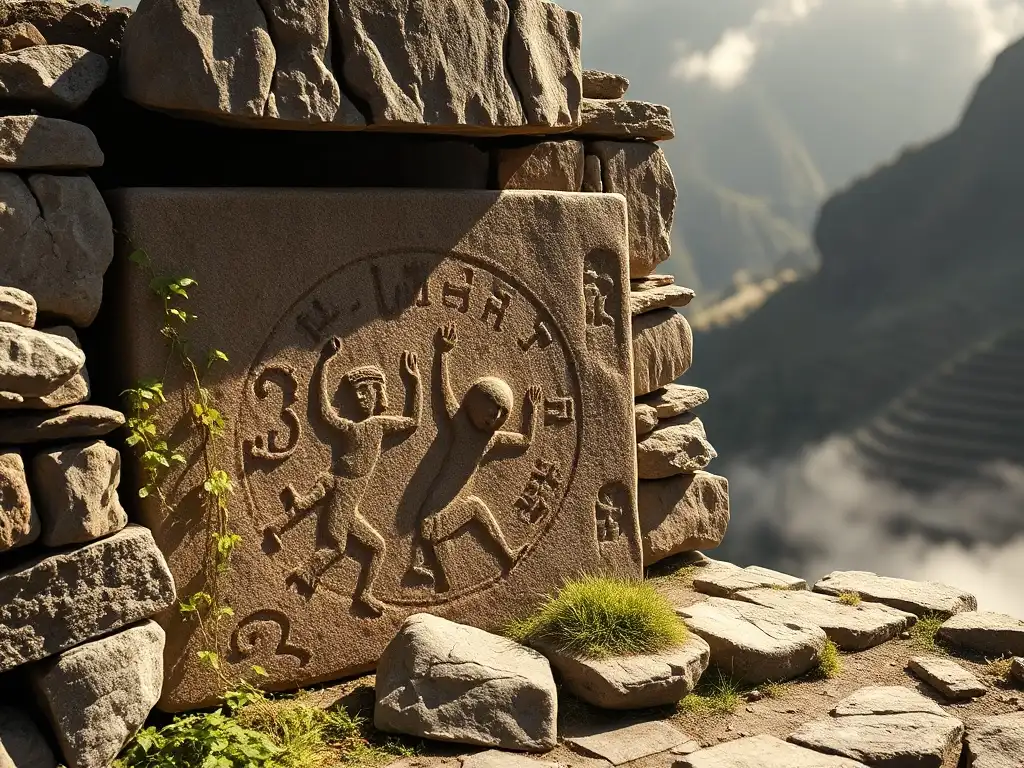
The Quechua language, far from being a mere linguistic artifact, serves as a crucial key to unlocking the complexities of Andean civilizations. Its historical evolution mirrors the socio-political transformations, technological advancements, and cultural shifts that shaped the region for millennia. Studying ancient Quechua allows us to move beyond superficial observations of material culture and delve into the very fabric of Andean thought, belief systems, and social structures.
Understanding the nuances of this language provides invaluable insights into the worldview, social organization, and daily lives of these fascinating societies, enriching our comprehension of their achievements and legacies. The depth and breadth of the Quechua language family reflect the significant diversity within the Andean region itself, with variations highlighting regional differences and historical interactions. By examining the linguistic landscape, we can gain a far more nuanced understanding of the interconnectedness – and sometimes, the fragmentation – of Andean cultures throughout history.
Unveiling Andean Worldviews: Cognitive Structures and Cultural Concepts
Ancient Quechua reveals a worldview deeply intertwined with the natural environment. The language itself is replete with terms reflecting a profound understanding of Andean ecology, including detailed classifications of flora and fauna, intricate descriptions of agricultural techniques, and sophisticated meteorological observations. For example, the nuanced vocabulary related to potato cultivation – encompassing diverse varieties, planting methods, and even the specific soil types – demonstrates a level of agricultural knowledge far surpassing simple subsistence farming.
This intricate linguistic landscape reflects a holistic view of the world, where humans are inextricably linked to their surroundings, a perspective markedly different from many Western worldviews. Furthermore, the numerous terms relating to celestial bodies and cosmological concepts suggest a sophisticated understanding of astronomy and its role in Andean spirituality.
Detailed analysis of ancient Quechua texts and vocabulary, combined with anthropological and archaeological evidence, is crucial to further understand these intricate cognitive structures and cultural concepts. The rich metaphorical language used to describe social relationships and spiritual experiences also sheds light on the Andean understanding of the interconnectedness of the physical and spiritual realms.
Cultural Practices Reflected in Language: Agriculture, Kinship, and Spirituality
The Quechua language provides a window into the daily lives of Andean peoples. Its lexicon reflects the central role of agriculture in their society, with numerous terms describing different crops, farming techniques, and agricultural cycles. The kinship system, a vital aspect of Andean social organization, is also reflected in the language through specific kinship terms that indicate intricate social hierarchies and obligations.
These terms often go beyond simple familial relations, encompassing a wider network of social connections and responsibilities within the community. The spiritual beliefs of the Andes are also powerfully expressed through the language. Ancient Quechua texts contain numerous references to deities, rituals, and sacred places, offering invaluable insight into the religious practices of these societies.
For example, the terms for different types of offerings and rituals demonstrate a complex understanding of the relationship between the human and spiritual worlds. Further research is needed to fully understand the specific meanings and connotations of these terms within their original cultural context; the subtle variations in meaning across different Quechua dialects also require further investigation.
Ancient Quechua Texts: Colonial Chronicles and Limited Inscriptions
Unfortunately, the surviving corpus of pre-Columbian Quechua texts is surprisingly limited. Much of our understanding of ancient Quechua relies on colonial-era chronicles written by Spanish scribes, who often recorded Quechua words and phrases within their accounts. While these chronicles offer valuable glimpses into the language, they are inherently biased and filtered through a European perspective.
Moreover, the orthography used by these scribes often failed to accurately capture the sounds and grammatical structures of Quechua. The scarcity of pre-Columbian written material underscores the challenges faced in reconstructing ancient Quechua. While limited inscriptions exist on pottery and other artifacts, their decipherment remains a significant challenge, requiring interdisciplinary collaboration between linguists, archaeologists, and anthropologists.
The limited availability of primary source materials necessitates a cautious and nuanced approach to reconstructing the history of the Quechua language, relying on careful analysis of available evidence and cross-referencing with related languages and cultural practices. Future research focusing on the decipherment of existing inscriptions and a more thorough analysis of colonial chronicles holds the potential to significantly expand our understanding of ancient Quechua.
The Legacy of Ancient Quechua: Modern Relevance
The Quechua language, far from being a relic of the past, maintains a vibrant presence in the Andes today. Its enduring legacy is a testament to the resilience of Andean cultures and the power of language to connect generations. Understanding the history of Quechua is crucial not only for linguistic scholars but also for appreciating the rich tapestry of Andean societies.
While the precise origins remain debated among researchers, the impact of ancient Quechua on its modern iterations is undeniable. The language's evolution reflects the complex social, political, and environmental shifts experienced across the Andean region. Analyzing the evolution of Quechua offers insights into the dynamics of language contact, adaptation, and the enduring strength of indigenous languages in the face of globalization.
The continued use of Quechua, despite centuries of influence from Spanish and other languages, highlights the deep cultural significance embedded within its structure and vocabulary. Its survival underscores the importance of linguistic diversity and the need for ongoing efforts to preserve and promote indigenous languages worldwide.
Modern Quechua Languages: Regional Dialects and Variations
Modern Quechua isn't a monolithic entity; it's a family of related languages, each with its own distinct dialects and variations. This linguistic diversity reflects the geographical and cultural nuances across the Andean region. For instance, the Quechua spoken in Cusco differs significantly from that spoken in Ecuador or Bolivia. These variations extend beyond simple pronunciation differences; they encompass vocabulary, grammar, and even sentence structure.
This regional diversity poses challenges for standardization efforts but also enriches the linguistic landscape of the Andes. Understanding these variations is essential for accurate translation and effective communication within the Quechua-speaking communities. Researchers have identified several major Quechua language branches, each further subdivided into numerous dialects. This complexity makes precise classification and documentation a continuous process.
The ongoing research into these variations highlights the need for a nuanced approach to language preservation and revitalization efforts. Documenting the unique features of each dialect is critical to ensuring the survival of the diverse expressions of this ancient language. The linguistic map of Quechua is a vibrant testament to the adaptability and resilience of the language itself.
Revitalization Efforts: Education, Media, and Community Engagement
The preservation of Quechua is not merely an academic pursuit; it's a vital component of maintaining Andean cultural identity. Numerous initiatives are underway to revitalize Quechua, focusing on education, media, and community engagement. These efforts range from incorporating Quechua into school curricula to developing Quechua-language media outlets.
Community-based language nests and immersion programs are also gaining traction, providing children with opportunities to learn and use Quechua from a young age. The use of technology plays an increasingly significant role, with online resources, language learning apps, and digital dictionaries facilitating language acquisition and promoting broader access to Quechua materials. The success of these initiatives hinges on community participation and buy-in.
By empowering Quechua speakers to actively participate in the revitalization process, these programs foster a sense of ownership and pride in their linguistic heritage. Measuring the effectiveness of these programs requires ongoing evaluation and adaptation based on community feedback. The future success of Quechua hinges on the continued collaboration between researchers, educators, and the Quechua-speaking communities themselves.
The Future of Quechua: Linguistic Diversity and Cultural Identity
The future of Quechua is inextricably linked to the future of Andean cultures. Preserving linguistic diversity is not simply about saving a language; it's about safeguarding a rich cultural heritage. The ongoing efforts to revitalize Quechua represent a broader movement to promote linguistic pluralism and celebrate the diverse voices of indigenous communities worldwide.
The challenges are significant, including the continued dominance of Spanish and the pressures of globalization. However, the resilience of Quechua and the commitment of its speakers offer reasons for optimism. The continued growth of Quechua language programs, coupled with the increasing awareness of the importance of linguistic diversity, suggests a bright future for this ancient tongue.
Future research should focus on developing sustainable strategies for language preservation, integrating technology effectively, and fostering intergenerational transmission of the language. The ultimate goal is not just to maintain Quechua but to ensure its continued evolution and adaptation within a changing world, allowing it to continue to thrive as a vibrant expression of Andean identity. The legacy of ancient Quechua is not just a historical artifact; it is a living language with a rich and dynamic future.
Frequently Asked Questions
What is the Quechua language?
The Quechua language is a family of languages spoken by millions across the Andes Mountains of South America. It's the official language in several countries and was the language of the Inca Empire. Different Quechua dialects exist, showing regional variations.
How old is the Quechua language?
Pinpointing the exact age is difficult, but evidence suggests Quechua's roots go back several millennia. Linguistic analysis and archaeological findings point to a long and complex history, predating the Inca Empire significantly. Its evolution is a subject of ongoing research.
What is the relationship between the Inca Empire and the Quechua language?
The Inca Empire significantly contributed to the spread and standardization of Quechua. While not the sole language of the empire, it became the official administrative language, facilitating communication and governance across vast territories. Its use solidified its importance.
How has the Quechua language survived to the present day?
Despite colonization and efforts to suppress indigenous languages, Quechua has persevered. Strong community ties, revitalization efforts, and a renewed sense of cultural pride have contributed to its continued use and transmission across generations. Community initiatives are vital for its survival.
Where can I learn more about the history of the Quechua language?
You can explore academic journals, books on Andean linguistics and history, and online resources dedicated to indigenous languages. Many universities and cultural institutions offer courses and resources focusing on Quechua. Further research is encouraged to delve deeper into its rich history.
Final Reflection: Echoes of the Andes: A Legacy Worth Preserving
The rediscovery and revitalization of ancient Quechua dialects are not merely academic exercises; they are vital acts of cultural preservation in a rapidly changing world. The intricate tapestry of Quechua's linguistic history, woven through centuries of Andean life, holds invaluable insights into social structures, belief systems, and the resilience of indigenous communities. Ignoring this rich heritage would be a profound loss, silencing voices that deserve to be heard.
The ongoing struggle to maintain Quechua in the face of globalization underscores the fragility of linguistic diversity. The impact of colonization, modernization, and the dominance of Spanish continues to threaten the survival of many dialects. Yet, the persistent efforts of Quechua speakers and linguists to document and teach their language offer a beacon of hope. A language is a dialect with an army and a navy,
a quote often attributed to Max Weinreich, poignantly captures the political realities behind language survival. This struggle resonates deeply, reminding us of the power of language to shape identity and preserve cultural memory.
Consider the echoes of the past resonating in the words you speak, the stories you share, and the traditions you uphold. The journey to understand ancient Quechua is a journey into the heart of Andean civilization, a journey that invites us all to reflect on the importance of linguistic diversity and the responsibility we share in protecting the voices of the past for the future. Let the legacy of Quechua inspire you to champion the preservation of languages and cultures around the world, ensuring that their stories continue to be told for generations to come.
Unveil the Sounds of Ancient Quechua!
Thank you for exploring the captivating history of Ancient Quechua with us! Your interest helps preserve the vibrancy of this rich culture. Now, let's delve deeper into your journey of discovery.
Here are some ways to further engage with the fascinating world of Quechua:
- **Listen to Quechua:** Immerse yourself in the sounds and rhythm of the language by listening to audio recordings of both modern and historical Quechua speakers.
- **Join our community:** Share your thoughts and experiences with fellow enthusiasts on our forum—let's build a vibrant community of learning and knowledge sharing!
- **Share your discoveries:** Inspire others to learn about Ancient Quechua by writing a blog post or sharing your insights on social media. What surprised you most about this ancient language?
What aspect of Ancient Quechua has resonated most with you? We'd love to hear your thoughts in the comments below!