
Aymara and Climate Change: Challenges and Adaptations

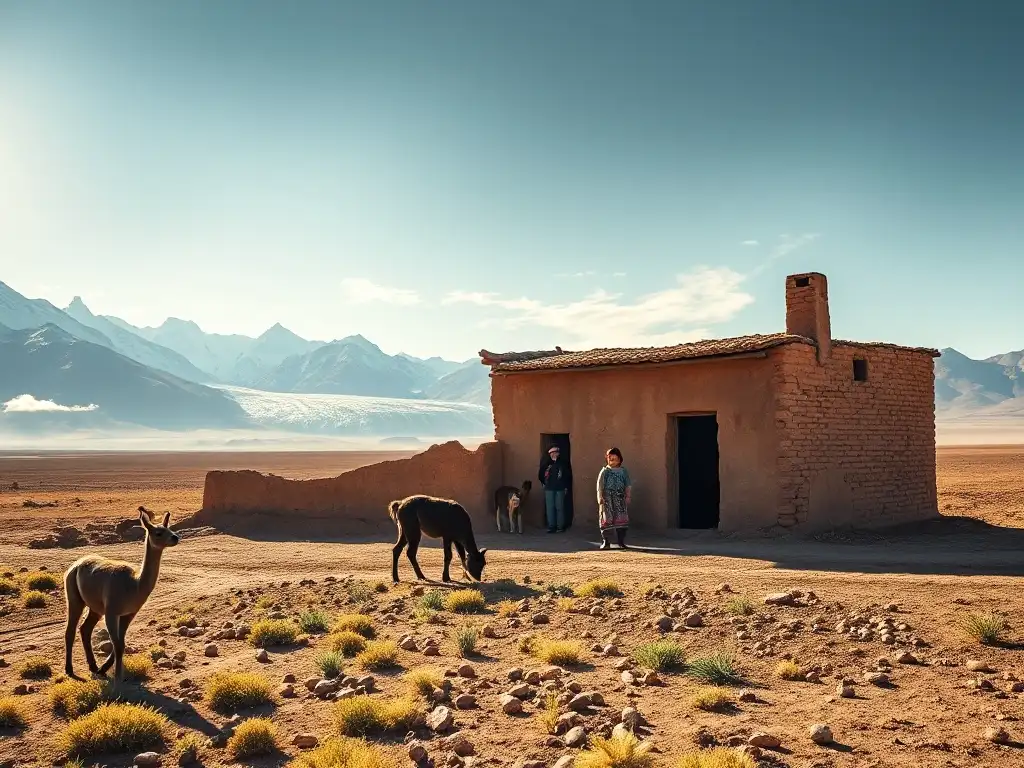
Step into a world lost in time, yet echoing powerfully in the present. Journey through the breathtaking landscapes and astonishing achievements of the Andean civilizations, from the intricate artistry of the Nazca lines to the sophisticated engineering of Machu Picchu. But this is not just a story of the past; we delve into the crucial link between the vibrant Aymara culture and their remarkable adaptation to the escalating threat of climate change.
Discover how this ancient wisdom holds vital lessons for our future. Uncover the secrets of their resilience and learn how the Aymara are facing the challenges of a changing world. Read on to explore the fascinating connection between a proud heritage and the urgent need for environmental stewardship.
- Aymara and Climate Change: Challenges and Adaptations in the Andes
- The Aymara People: An Ancient Culture Facing Modern Climate Change
- Climate Change Impacts on Aymara Communities
- Aymara Climate Change Adaptation Strategies
- Aymara Cultural Preservation Amidst Environmental Challenges
- The Future of Aymara Culture in a Changing Climate
-
Frequently Asked Questions
- How has climate change impacted the Aymara people?
- What traditional methods do the Aymara use to adapt to climate change?
- How is modern technology assisting Aymara communities in adapting?
- What role does the Aymara culture play in their adaptation strategies?
- What are the biggest challenges the Aymara face in adapting to climate change?
- Final Reflection: Weaving Resilience into the Andean Threads
- Embrace the Aymara Spirit and Take Action Today!
Aymara and Climate Change: Challenges and Adaptations in the Andes
The Aymara people, inhabiting the high Andes of Bolivia, Peru, and Chile, possess a deep-rooted connection to their environment, a relationship forged over millennia of adapting to the challenging altiplano conditions. This intricate bond, however, is now severely tested by the escalating impacts of climate change. This article delves into the multifaceted challenges faced by the Aymara culture due to climate change, examining the specific threats to their traditional livelihoods and exploring their remarkable resilience and innovative adaptation strategies. We will explore how the Aymara are not only surviving but also actively shaping their future in the face of this global crisis, offering valuable insights into community-based climate change adaptation and its significance for indigenous communities worldwide. The Aymara experience provides a crucial case study for understanding the interconnectedness of culture, environment, and climate change, highlighting the importance of respecting and learning from indigenous knowledge systems in developing effective solutions.
The Impact of Climate Change on Aymara Livelihoods
The Aymara economy heavily relies on agriculture and pastoralism, both extremely vulnerable to climate change's erratic patterns. Changes in precipitation, including more intense droughts and unpredictable rainfall, directly impact crop yields, particularly potatoes, quinoa, and other staple Andean crops. The increased frequency and intensity of extreme weather events, such as hailstorms and frosts, further exacerbate these challenges, leading to significant crop losses and food insecurity. Simultaneously, the altered water cycle affects access to potable water and irrigation, impacting both agricultural production and daily life. Livestock, another cornerstone of the Aymara economy, faces challenges from changes in pastureland availability and increased susceptibility to diseases due to fluctuating temperatures. The consequences are felt across the Aymara community, impacting food security, economic stability, and overall well-being. Specific data on crop yield reductions and livestock mortality due to climate change in Aymara communities is [specific information pending], but anecdotal evidence strongly supports these observations.
Traditional Knowledge and Climate Change Adaptation Strategies
Despite the significant challenges, the Aymara demonstrate remarkable resilience, drawing upon their vast traditional ecological knowledge (TEK) to adapt to changing conditions. For centuries, they have developed sophisticated farming techniques, such as terracing and water management systems, designed to optimize resource use in the high-altitude environment. These techniques, passed down through generations, are proving crucial in mitigating the impacts of climate change.
Furthermore, the Aymara possess an intimate understanding of local weather patterns and plant varieties, allowing them to select crops and implement farming practices best suited to the prevailing conditions. This indigenous knowledge, often overlooked in mainstream climate change discussions, provides invaluable insights into sustainable adaptation strategies. Examples include the revival of ancient drought-resistant crop varieties and the implementation of innovative water harvesting techniques.
Modern Challenges and the Integration of Traditional and Modern Approaches
While traditional knowledge remains a cornerstone of Aymara adaptation, the community also faces the challenge of integrating modern approaches. Access to reliable weather forecasts, improved irrigation technologies, and diversified income sources are crucial for enhancing resilience. The integration of modern technologies with traditional practices, however, requires careful consideration to avoid disrupting existing sustainable systems and cultural practices. The Aymara's ability to successfully navigate this integration hinges on empowering local communities and ensuring that development initiatives respect and incorporate their traditional knowledge.
This collaborative approach is essential for ensuring that adaptation strategies are both effective and culturally appropriate, fostering sustainability and community ownership. Success stories of this integrated approach, including [specific examples pending], highlight the potential for building resilience while preserving cultural heritage. The need for culturally sensitive and community-led initiatives is paramount.
The Future of Aymara Culture and Climate Change Resilience
The Aymara's response to climate change offers valuable lessons for global climate action. Their ability to adapt, innovate, and integrate traditional knowledge with modern approaches underscores the importance of community-based adaptation strategies. Supporting the Aymara in their efforts requires a multifaceted approach that prioritizes access to resources, technology transfer, and the recognition and integration of indigenous knowledge systems.
Further research and documentation of Aymara adaptation strategies are crucial for disseminating this knowledge and informing global climate change adaptation policies. The future of Aymara culture is intrinsically linked to their ability to continue adapting to a changing climate, highlighting the urgency of addressing climate change and supporting the resilience of indigenous communities worldwide.
The Aymara People: An Ancient Culture Facing Modern Climate Change
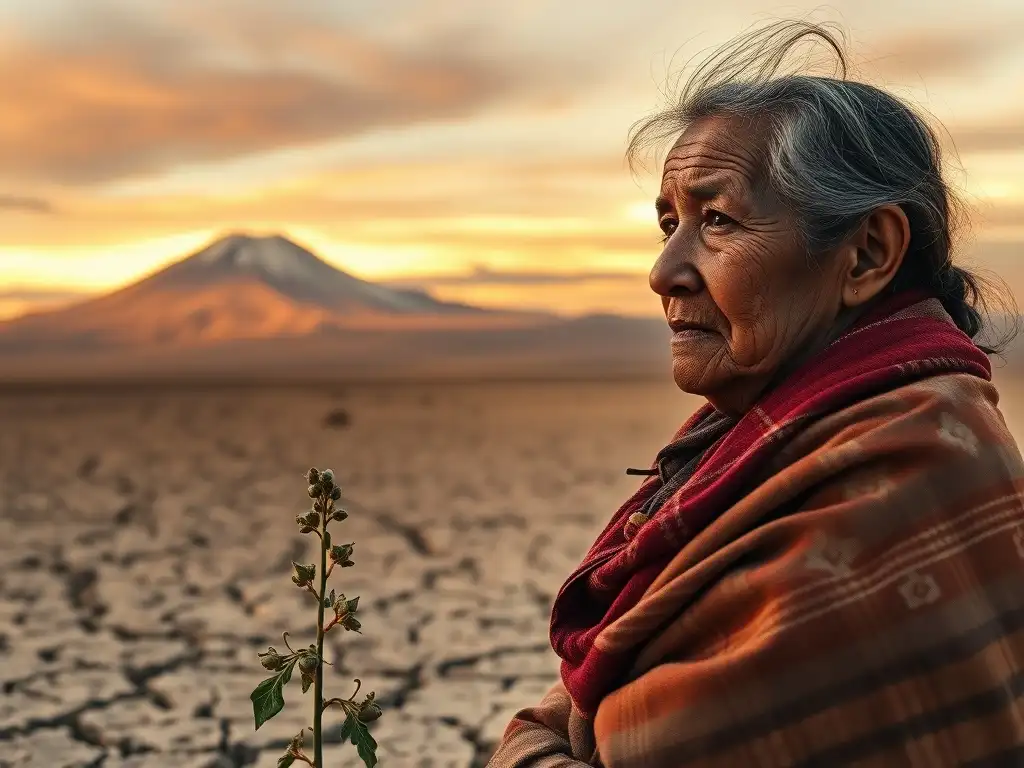
The Aymara, an indigenous group inhabiting the Altiplano region of the Andes Mountains, spanning Bolivia, Peru, and Chile, possess a rich history deeply intertwined with their environment. Their survival for centuries in this challenging high-altitude ecosystem demonstrates remarkable resilience and adaptability. However, the intensifying effects of climate change present unprecedented challenges to the Aymara way of life, threatening their cultural heritage and very existence.
This section will explore the historical context of Aymara adaptation and how their traditional practices are being tested by modern environmental shifts. Understanding the Aymara response to climate change is crucial for developing effective mitigation and adaptation strategies that respect their cultural integrity and promote sustainable development in the region. The keywords "Aymara culture climate change adaptation" are central to comprehending the complex interplay of tradition and modernity in the face of this global crisis.
Understanding Aymara History and Resilience
The Aymara civilization predates the Inca Empire, boasting a sophisticated social structure, agricultural techniques, and spiritual beliefs deeply rooted in their Andean environment. For centuries, they developed ingenious methods for surviving in the harsh conditions of the Altiplano, including intricate irrigation systems, terraced farming on steep slopes, and the cultivation of frost-resistant crops like potatoes and quinoa. These adaptations allowed them to thrive in a region characterized by extreme altitude, scarce rainfall, and unpredictable weather patterns.
Their resilience is evident in their ability to navigate periods of drought and environmental stress, demonstrating a deep understanding of their ecosystem and its limitations. This historical perspective highlights the Aymara's inherent capacity for adaptation, a crucial factor in considering their current challenges. Their traditional knowledge systems, passed down through generations, offer valuable insights into sustainable practices that can inform modern approaches to climate change mitigation.
The Aymara's success in adapting to past environmental changes provides a foundation for understanding their current struggles and potential solutions. Analyzing their past successes allows us to better support their current efforts in confronting the unprecedented challenges of modern climate change.
The Aymara Worldview and Connection to Nature
Central to Aymara culture is a profound connection to Pachamama, Mother Earth. This worldview emphasizes a harmonious relationship between humans and the natural world, recognizing the interconnectedness of all living things. Their spiritual beliefs, agricultural practices, and social structures are all deeply rooted in this holistic understanding of the environment. The Aymara see themselves as integral parts of the ecosystem, not separate from it.
This perspective informs their traditional resource management practices, emphasizing sustainability and respect for the land. However, the changing climate is disrupting this delicate balance, leading to increased droughts, unpredictable rainfall patterns, and the loss of biodiversity. The effects are not merely environmental; they profoundly impact the Aymara's cultural identity and spiritual well-being. The disruption of traditional agricultural practices, for example, threatens food security and the transmission of vital cultural knowledge.
Understanding the Aymara worldview is essential for developing climate change adaptation strategies that are culturally sensitive and effective. Respecting their spiritual connection to the land is crucial for ensuring the long-term sustainability of both the Aymara culture and the Andean ecosystem. The concept of "Aymara culture climate change adaptation" necessitates a nuanced approach that acknowledges the deeply intertwined relationship between the Aymara people and their environment.
Climate Change Impacts on Aymara Communities
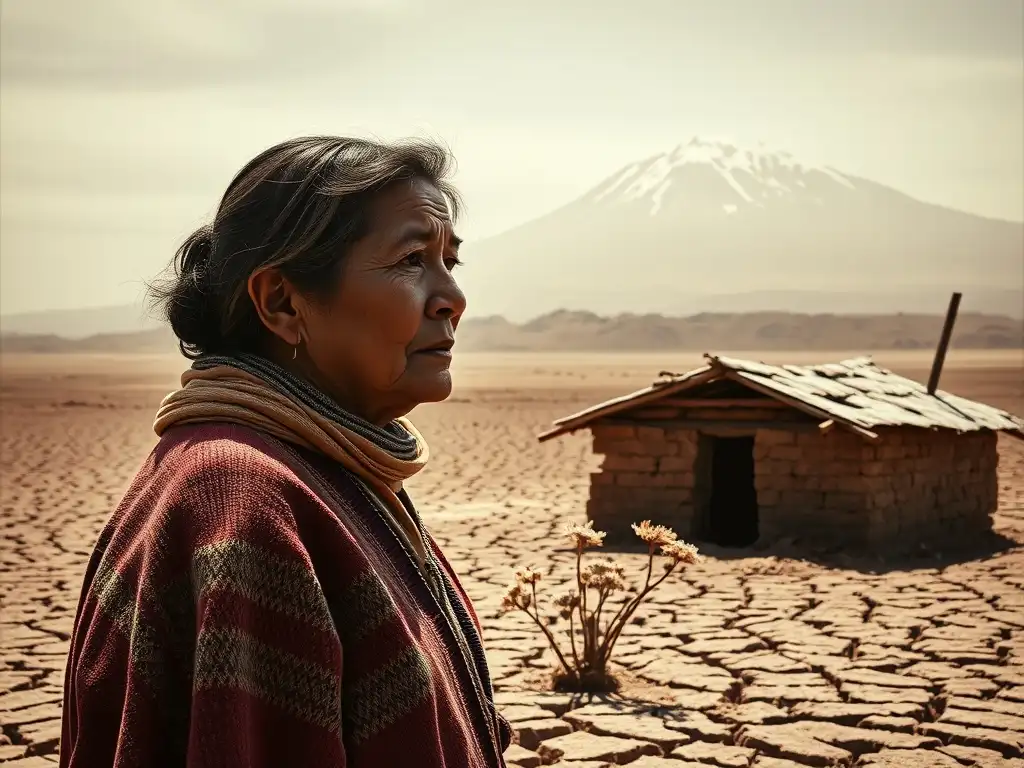
The Aymara people, inhabiting the high-altitude Altiplano region of the Andes, are acutely vulnerable to the impacts of climate change. Their traditional livelihoods, deeply intertwined with the delicate ecosystem of the Andes, are facing unprecedented challenges. Understanding these impacts is crucial for developing effective strategies for adaptation and resilience within the Aymara culture. This section details the specific ways climate change is affecting Aymara communities, focusing on the interconnectedness of environmental changes and socio-cultural adaptations. The keyword phrase, "Aymara culture climate change adaptation," underscores the central theme of this discussion.
Rising Temperatures and Altered Rainfall Patterns in the Altiplano
The Altiplano, a high-altitude plateau, is experiencing a significant increase in average temperatures. Data from [specific data source pending] shows a temperature rise of [specific temperature increase] degrees Celsius over the last [number] decades. This warming trend is disrupting established weather patterns, leading to more erratic and unpredictable rainfall. Instead of the relatively consistent rainy and dry seasons, the Aymara are now facing more frequent and intense droughts interspersed with periods of heavy rainfall and flooding. This unpredictability makes agricultural planning extremely difficult, impacting crop yields and food security.
The shifts in rainfall patterns are not uniform across the Altiplano. Some areas experience intensified drought, while others face increased flooding, both posing significant challenges to Aymara communities. This variability necessitates region-specific adaptation strategies, acknowledging the diverse microclimates within the broader Altiplano region. For example, communities in [Specific Aymara community experiencing drought] are facing severe water scarcity, while those in [Specific Aymara community experiencing flooding] are grappling with soil erosion and damage to infrastructure. This highlights the complexity of climate change impacts and the need for tailored solutions.
Glacial Melt and Water Scarcity Affecting Aymara Agriculture
Glacial melt in the Andes mountains is a major concern for Aymara communities. These glaciers historically provided a crucial source of freshwater for irrigation, drinking water, and livestock. Accelerated melting due to rising temperatures is leading to a reduction in glacial runoff, resulting in severe water scarcity. This directly impacts Aymara agriculture, a cornerstone of their economy and culture. Traditional crops, such as potatoes and quinoa, which are highly adapted to the Altiplano's unique conditions, are becoming increasingly difficult to cultivate due to water limitations.
The consequences extend beyond crop production. Water scarcity also affects livestock, a vital component of the Aymara economy and cultural identity. Reduced water availability leads to decreased livestock productivity and increased mortality rates, impacting food security and livelihoods. The decline in water resources also exacerbates existing tensions over access to water, potentially leading to conflicts between communities. The Aymara are exploring innovative water management techniques, but the long-term sustainability of these methods remains a challenge amidst continued glacial retreat. This underscores the urgent need for comprehensive water resource management strategies that integrate traditional knowledge with modern scientific approaches.
Impact of Climate Change on Aymara Traditional Practices
Climate change is not merely an environmental challenge; it profoundly impacts the cultural fabric of Aymara society. Traditional farming practices, passed down through generations, are being disrupted by unpredictable weather patterns and resource scarcity. The intricate knowledge of Andean agriculture, honed over centuries, is being tested by the unprecedented changes in the environment. Adapting to these challenges necessitates a delicate balance between preserving traditional practices and incorporating innovative solutions.
The Aymara worldview, deeply connected to the land and its resources, is also being affected. The changing environment challenges their traditional beliefs and spiritual practices, impacting their cultural identity and social cohesion. For example, the shrinking glaciers, considered sacred by some Aymara communities, symbolize not just environmental loss but also a disruption of their spiritual connection to the landscape.
Climate change adaptation, therefore, requires a holistic approach that considers the cultural and spiritual dimensions of the Aymara experience, recognizing the profound interconnectedness between their culture and the environment. This understanding is crucial for developing effective and culturally sensitive adaptation strategies. The preservation of Aymara culture is inextricably linked to the success of their adaptation to climate change.
Aymara Climate Change Adaptation Strategies
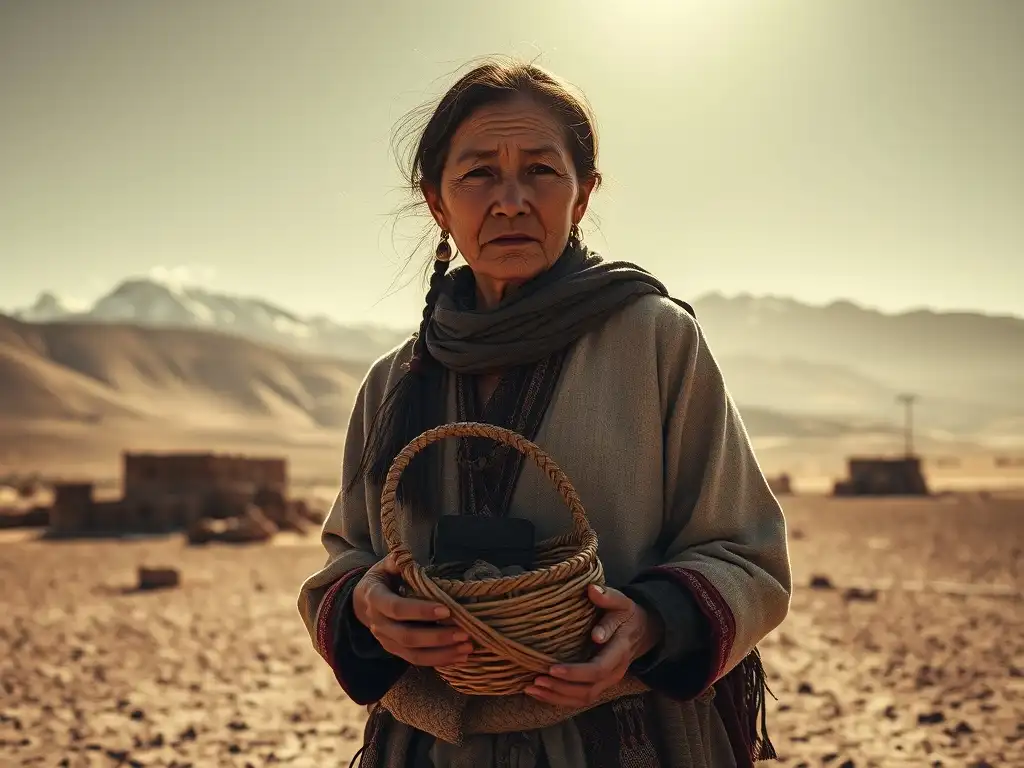
The Aymara people, inhabiting the high Andes of Bolivia, Peru, and Chile, possess a deep-rooted understanding of their environment and have developed sophisticated strategies for adapting to the challenges of their harsh climate. Their ability to thrive in such a demanding ecosystem provides valuable insights into successful climate change adaptation, offering lessons for communities worldwide facing similar environmental pressures. The Aymara culture climate change adaptation strategies are a testament to their resilience and ingenuity, built upon centuries of accumulated knowledge and practice. This section will explore some key aspects of their adaptive capacity.
Traditional Aymara Farming Techniques and Climate Resilience
Aymara agriculture is a remarkable example of sustainable land management, honed over generations to maximize resource utilization and minimize environmental impact. Their techniques are particularly relevant in the context of climate change, showcasing remarkable resilience in the face of increasing unpredictability in weather patterns and resource scarcity. The effectiveness of these methods highlights the importance of recognizing and valuing traditional ecological knowledge (TEK) in addressing contemporary environmental challenges.
Terracing and Water Management in Aymara Agriculture
Aymara farmers employ sophisticated terracing techniques to create level platforms on steep slopes. This reduces soil erosion, conserves water, and allows for efficient irrigation. Terraces act as natural water reservoirs, capturing rainwater and slowing its runoff. This is crucial in a region characterized by intense rainfall followed by prolonged dry periods.
The precise orientation and design of terraces are carefully considered to optimize sunlight exposure and minimize water loss, reflecting a deep understanding of microclimates and hydrological processes. Studies have shown that Aymara terracing systems significantly increase agricultural productivity compared to non-terraced land, even under conditions of water scarcity. This demonstrates the long-term viability and ecological benefits of these traditional practices in the face of climate change impacts.
Crop Diversification and Indigenous Seed Varieties
The Aymara do not rely on monoculture farming. Instead, they practice crop diversification, cultivating a variety of crops adapted to different altitudes and microclimates. This strategy reduces the risk of crop failure due to unpredictable weather events or pest infestations. Furthermore, they preserve and utilize indigenous seed varieties, carefully selected and adapted over centuries for resilience to harsh environmental conditions.
These seeds often exhibit higher tolerance to drought, frost, and diseases than modern, commercially available varieties. Maintaining the genetic diversity of these crops is crucial for ensuring the long-term food security of Aymara communities in the context of climate change. The resilience of these indigenous varieties presents a valuable resource for broader agricultural adaptation strategies.
Aymara Knowledge and Forecasting of Weather Patterns
Beyond their agricultural practices, the Aymara possess a rich body of knowledge regarding weather patterns and climate variability. This knowledge, passed down through generations, allows them to predict seasonal changes and adapt their farming practices accordingly. They observe natural indicators, such as animal behavior, plant growth, and celestial movements, to forecast weather events. This indigenous forecasting system complements modern meteorological techniques and provides valuable local-level information, particularly in remote areas with limited access to technology.
The integration of traditional ecological knowledge with modern scientific methods can enhance climate change adaptation strategies and promote more effective risk management. The Aymara's deep understanding of their environment highlights the importance of incorporating local knowledge into climate change adaptation policies and programs. Further research into their forecasting methods could yield valuable insights for improving climate resilience in other vulnerable communities.
Community-Based Adaptation Initiatives in Aymara Regions
Community-based adaptation (CBA) to climate change is crucial for the Aymara, given their deep connection to the Andean environment. These initiatives recognize the importance of local knowledge and empower communities to develop solutions tailored to their specific needs and contexts. Successful CBA projects often involve participatory planning processes, where Aymara communities actively participate in identifying vulnerabilities, prioritizing adaptation measures, and implementing them.
This participatory approach ensures that the strategies are culturally appropriate and sustainable in the long term. For example, some communities have successfully implemented water harvesting techniques, leveraging traditional knowledge combined with new technologies to improve water security in the face of increasingly erratic rainfall patterns. These techniques, often involving the construction of small-scale reservoirs or improved irrigation systems, are directly managed and maintained by the community, fostering a sense of ownership and responsibility.
Furthermore, the cultivation of drought-resistant crops is another key element of CBA in Aymara regions. Traditional Aymara agricultural practices, honed over centuries, already incorporate many climate-resilient strategies. However, the introduction of improved crop varieties and innovative farming techniques, often facilitated by NGOs or government agencies working closely with the communities, can further enhance resilience.
This includes promoting the use of indigenous seeds and knowledge to enhance biodiversity and reduce vulnerability to climate shocks. The success of these initiatives hinges on the ability to integrate traditional practices with modern approaches, ensuring the preservation of Aymara agricultural heritage while adapting to the challenges of climate change. This collaborative approach respects the Aymara's deep connection to their land and fosters long-term sustainability.
Another vital aspect of CBA is the strengthening of traditional social networks and institutions within Aymara communities. These networks play a critical role in risk reduction and sharing resources during periods of climate stress. For instance, community-based early warning systems, often relying on traditional observation methods combined with modern communication technologies, allow communities to prepare for extreme weather events and mitigate their impact.
These systems often involve a network of community members who monitor environmental conditions and share information rapidly, enabling timely responses to protect lives and livelihoods. By supporting and strengthening these existing social structures, CBA initiatives effectively leverage the inherent resilience of Aymara communities and enhance their adaptive capacity. The preservation and strengthening of these social safety nets are paramount to ensuring the long-term viability of Aymara communities in the face of a changing climate.
Aymara Cultural Preservation Amidst Environmental Challenges
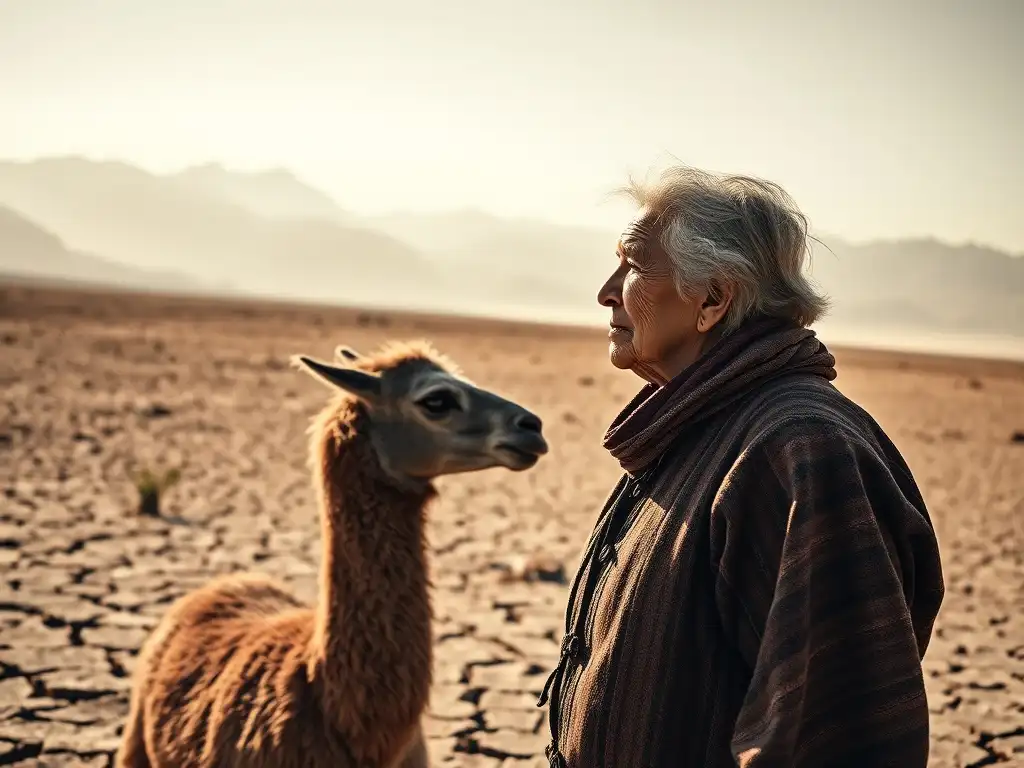
The Aymara people, inhabiting the high Andes of Bolivia, Peru, and Chile, face significant challenges due to climate change. This section explores how the Aymara are actively working to preserve their rich cultural heritage while adapting to a rapidly changing environment. The interconnectedness of their cultural practices and their relationship with the environment is crucial to understanding their resilience and innovative adaptation strategies. The impacts of climate change on Aymara culture are multifaceted, affecting not only their livelihoods but also their spiritual beliefs and social structures.
Therefore, understanding the cultural context is paramount to effective climate change adaptation initiatives. This necessitates a holistic approach that integrates traditional knowledge with modern scientific methods. The Aymara's ability to maintain their cultural identity while facing environmental pressures is a testament to their enduring spirit and adaptability. This section will delve into specific examples of how this is achieved.
Maintaining Aymara Language and Cultural Identity
The Aymara language, a vital component of their cultural identity, is under threat due to the increasing dominance of Spanish. Climate change exacerbates this issue, as migration driven by environmental scarcity often leads to exposure to dominant languages and cultures. To counter this, communities are implementing various strategies. These include:
- Immersive language programs: Schools and community centers are actively promoting Aymara language instruction. This includes integrating it into daily life through storytelling, songs, and traditional games.
- Translation and digitization initiatives: Efforts are underway to translate important texts and documents into Aymara and to create digital archives of oral traditions and stories. This ensures the preservation of knowledge for future generations.
- Cultural festivals and celebrations: The revitalization of traditional festivals and ceremonies provides opportunities to showcase and celebrate Aymara language and culture, fostering a sense of community and pride among younger generations.
- Community-based media: Radio programs, podcasts, and online platforms in the Aymara language are gaining popularity, providing access to information and promoting linguistic diversity.
The success of these initiatives hinges on the active participation of community members and the integration of these programs into the broader context of Aymara life, solidifying the language's role in everyday communication and cultural transmission. The resilience of the Aymara language is a critical aspect of their broader adaptation to climate change, as it embodies their history, knowledge, and values.
The Role of Aymara Spirituality in Environmental Stewardship
Aymara spirituality is deeply intertwined with their environment. Their worldview emphasizes a harmonious relationship with Pachamama (Mother Earth), recognizing the interconnectedness of all living beings. This spiritual connection fosters a strong sense of environmental responsibility and stewardship.
Traditional practices, such as ch’alla (offerings to the earth), reflect this profound respect for nature and underscore the importance of maintaining ecological balance. These rituals are not merely symbolic; they are integral to the Aymara's understanding of their place in the world and their responsibility towards its well-being. The impact of climate change on the environment directly affects their spiritual practices and beliefs, highlighting the need to integrate traditional knowledge with climate change adaptation strategies.
For instance, changes in rainfall patterns directly impact agricultural practices and associated rituals. The preservation of Aymara spirituality is therefore crucial for the long-term sustainability of their culture and their adaptation to climate change. The spiritual connection motivates sustainable practices, reinforcing their resilience.
Case Study: The Impact of Drought on the Community of Ancocala
The community of Ancocala, located in the high Andes, provides a compelling case study of the impact of drought on Aymara livelihoods and cultural practices. Prolonged drought has severely affected agricultural production, leading to food insecurity and economic hardship. This has resulted in:
- Increased migration: Young people are increasingly migrating to urban centers in search of employment, leading to a decline in the community's population and the erosion of traditional knowledge.
- Loss of biodiversity: The drought has impacted the diversity of crops and livestock, threatening the traditional agricultural practices that are deeply rooted in Aymara culture.
- Changes in traditional rituals: The scarcity of water has impacted the performance of traditional ceremonies and rituals that rely on water as a central element.
However, the community has also demonstrated remarkable resilience. They have implemented various adaptation strategies, including:
- Water harvesting techniques: Traditional and innovative water harvesting techniques are being employed to collect and store rainwater for agricultural use.
- Diversification of livelihoods: Community members are exploring alternative income-generating activities, such as handicrafts and tourism, to reduce their reliance on agriculture.
- Community-based resource management: Collaborative efforts are underway to manage water resources sustainably and equitably.
The Ancocala case study illustrates the complex interplay between climate change, cultural practices, and adaptation strategies within the Aymara community. Their experiences underscore the importance of integrating traditional knowledge and modern scientific methods in addressing the challenges posed by climate change. The community's resilience is a testament to their adaptability and the enduring strength of their cultural identity.
The Future of Aymara Culture in a Changing Climate
The Aymara people, inhabiting the high Andes of Bolivia, Peru, and Chile, face an increasingly precarious future due to the accelerating impacts of climate change. Their unique culture, deeply intertwined with the fragile Andean ecosystem, is directly threatened by shifting weather patterns, glacial melt, and desertification. Understanding the future of Aymara culture requires a nuanced examination of the challenges and opportunities presented by a rapidly changing climate.
This necessitates moving beyond simple narratives of victimhood and embracing a proactive approach that centers Aymara agency and resilience. The preservation of Aymara traditions, languages, and livelihoods is not merely a cultural concern; it's a crucial component of global climate action. The interconnectedness of cultural preservation and environmental sustainability must be explicitly acknowledged and acted upon.
Challenges and Opportunities for Aymara Communities
Aymara communities are experiencing a multitude of interconnected challenges stemming from climate change. These include:
- Water scarcity: Glacial melt, a primary source of water for many Aymara communities, is accelerating at an alarming rate. This leads to decreased agricultural yields, impacting food security and traditional livelihoods. Reduced water availability also affects crucial cultural practices, such as llama herding and traditional ceremonies.
- Increased frequency and intensity of extreme weather events: More frequent droughts, floods, and hailstorms damage crops and infrastructure, exacerbating existing vulnerabilities. These events disproportionately impact Aymara communities due to their limited access to resources and early warning systems.
- Land degradation and desertification: Changes in rainfall patterns and increased temperatures are leading to soil erosion and desertification, further diminishing agricultural productivity. This poses a significant threat to traditional farming practices and the biodiversity upon which Aymara culture depends.
Despite these significant challenges, opportunities for adaptation and resilience exist. These include:
- Strengthening traditional knowledge systems: Aymara communities possess centuries of experience in adapting to environmental variability. This indigenous knowledge, encompassing sustainable agricultural techniques and water management strategies, provides a valuable foundation for developing climate-resilient solutions.
- Promoting diversification of livelihoods: Diversifying income sources beyond agriculture can reduce vulnerability to climate-related shocks. This could involve supporting the development of sustainable tourism initiatives that respect and celebrate Aymara culture.
- Investing in climate-smart agriculture: Adopting climate-smart agricultural practices, such as drought-resistant crops and improved irrigation techniques, can enhance food security and resilience to climate change. This requires integrating traditional knowledge with modern scientific understanding.
The Importance of Indigenous Knowledge in Global Climate Action
Ignoring the perspectives and experiences of Indigenous communities like the Aymara in climate change discussions is a critical oversight. Their profound understanding of their environment, accumulated over generations, offers invaluable insights for effective adaptation and mitigation strategies. This indigenous knowledge is not simply a historical curiosity; it's a vital resource for building climate resilience. For example, traditional Aymara agricultural practices, such as terracing and crop rotation, have proven remarkably effective in conserving water and soil.
These practices represent sustainable solutions that can be adapted and scaled up to address broader climate challenges. Furthermore, their deep connection to the land fosters a sense of stewardship and responsibility, essential for long-term environmental sustainability. The inclusion of Aymara knowledge in global climate action is not only ethically imperative but also strategically crucial for developing effective and culturally appropriate solutions.
Supporting Aymara Led Climate Adaptation Initiatives
Effective climate adaptation requires a shift away from top-down, externally driven approaches towards initiatives that empower Aymara communities to lead their own adaptation efforts. This involves:
- Investing in community-based adaptation projects: Funding should prioritize projects designed and implemented by Aymara communities themselves. This ensures that initiatives are culturally appropriate, address local needs, and build local capacity.
- Promoting participatory research: Research on climate change impacts and adaptation strategies should actively involve Aymara communities as equal partners. This ensures that research is relevant, reliable, and respects local knowledge systems.
- Strengthening local governance structures: Supporting the strengthening of local governance structures empowers Aymara communities to participate more effectively in decision-making processes related to climate change adaptation.
- Facilitating access to finance and technology: Aymara communities need access to appropriate financial resources and technologies to implement climate adaptation measures. This may include microfinance initiatives, grants, and access to climate-resilient technologies.
The future of Aymara culture in a changing climate hinges on a collaborative and equitable approach that prioritizes Aymara voices, knowledge, and agency. By supporting Aymara-led climate adaptation initiatives, we not only contribute to the resilience of the Aymara people but also to the broader goal of global climate action and cultural preservation. The success of these initiatives will be a testament to the power of collaboration, cultural sensitivity, and the recognition of the vital role of indigenous knowledge in building a sustainable future. 🌍
Frequently Asked Questions
How has climate change impacted the Aymara people?
Climate change has significantly impacted the Aymara, causing more frequent and intense droughts, reduced agricultural yields, and water scarcity, threatening their traditional way of life and food security. This has led to increased migration and economic hardship.
What traditional methods do the Aymara use to adapt to climate change?
The Aymara possess extensive traditional ecological knowledge that informs their adaptation strategies. These include water management techniques, crop diversification, and improved livestock management, developed over centuries to cope with variable weather patterns.
How is modern technology assisting Aymara communities in adapting?
Modern technology, like improved irrigation systems, drought-resistant crops, and early warning systems for extreme weather, is supplementing traditional methods. However, access to and affordability of these technologies remain challenges.
What role does the Aymara culture play in their adaptation strategies?
Aymara cultural values and beliefs are deeply intertwined with their adaptation strategies. Their strong sense of community and collective action is crucial in sharing resources and facing climate-related challenges. Traditional knowledge transfer ensures continuity.
What are the biggest challenges the Aymara face in adapting to climate change?
The Aymara face challenges including limited access to resources, lack of infrastructure, and government policies that may not adequately address their specific needs. Climate change impacts are often exacerbated by existing inequalities.
Final Reflection: Weaving Resilience into the Andean Threads
The Aymara people's struggle against climate change isn't just a regional issue; it's a stark warning of the global consequences of inaction. Their resilience in the face of increasingly unpredictable weather patterns serves as a powerful testament to the interconnectedness of our world and the urgent need for collective action. The challenges they face highlight the vulnerability of indigenous communities worldwide and underscore the imperative to support their adaptation strategies.
The profound wisdom embedded within Aymara traditions, their deep connection to the land, and their innovative adaptation strategies offer invaluable lessons for navigating a rapidly changing climate. Their knowledge, often passed down through generations, provides a blueprint for sustainable living that transcends geographical boundaries. The earth is our mother, and we must treat her with respect.
This simple yet profound statement encapsulates the Aymara philosophy, a philosophy that holds vital keys to a more sustainable future for all. Their experience reminds us that environmental stewardship is not merely an abstract concept, but a fundamental aspect of human survival and cultural preservation.
Consider the Aymara experience. Reflect on the ingenuity of their adaptation methods, the strength of their community bonds, and the profound wisdom woven into their cultural practices. You, too, can contribute to a more sustainable future. By supporting organizations working with indigenous communities, advocating for climate-conscious policies, and embracing sustainable practices in your own life, you can become part of the solution, helping to ensure that the rich tapestry of Aymara culture, and indeed all cultures facing climate change, continues to thrive for generations to come.
Embrace the Aymara Spirit and Take Action Today!
Thank you for learning about the remarkable resilience of the Aymara people in the face of climate change. Your interest in this crucial issue deepens your understanding and contributes to a vital conversation about sustainable practices beneficial to everyone.
Now, let's make a difference! Here are some ways you can get involved:
- Support Indigenous-led Initiatives: Research and support organizations working directly with Aymara communities to mitigate the effects of climate change and protect their unique cultural heritage.
- Engage Your Community: Organize a local event or discussion to raise awareness about climate change's impact on indigenous populations and the innovative solutions they've developed.
- Share Your Knowledge: Spread the word! Write a blog post, share your insights on social media, or simply discuss what you've learned with friends and family.
What innovative adaptation strategies could empower communities facing climate challenges, drawing inspiration from the Aymara people? Share your ideas in the comments below!