
The Spiritual Connection to Andean Agriculture: Harmony Between Humans and Nature

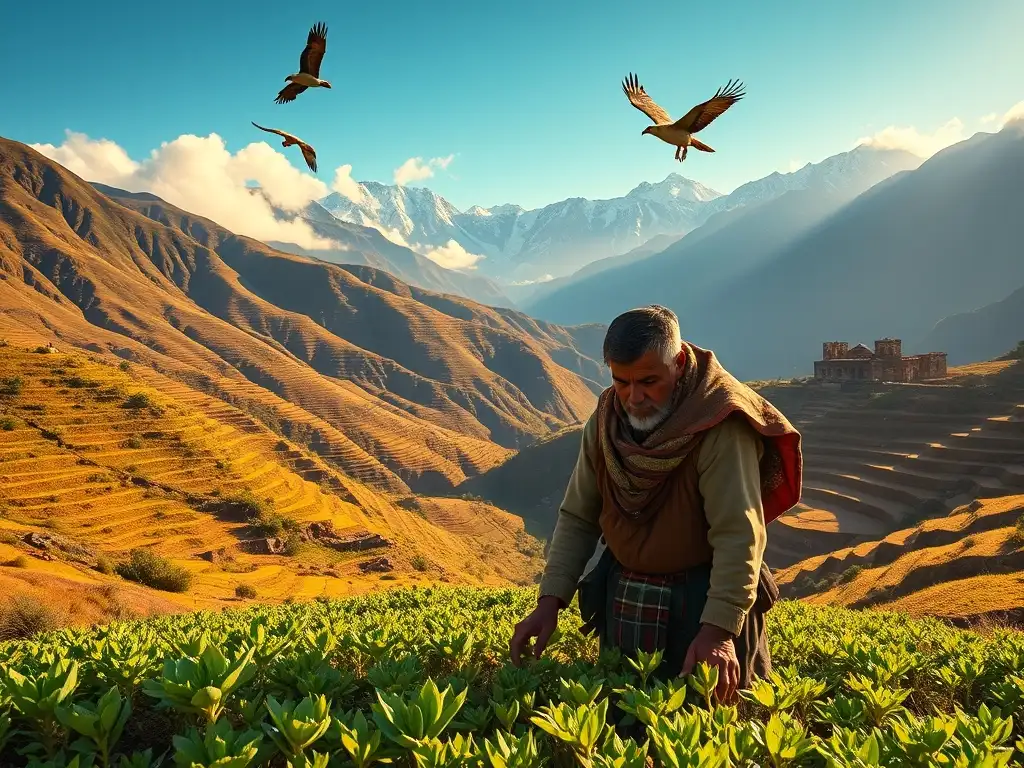
Unravel the mysteries of a world where the mountains whispered secrets to the earth. Journey into the heart of the Andes, where ancient civilizations forged a profound connection between their spiritual practices and innovative agricultural techniques. Discover how the ingenuity of the Incas, Moche, and other Andean cultures shaped not only their landscapes but also their very souls. Prepare to be amazed by the intricate relationship between Andean agriculture and spiritual practices, a story far richer and more complex than you ever imagined. Explore the fascinating details and uncover the enduring legacy of this harmonious coexistence.
- Andean Agriculture and Spirituality: A Deep Connection
- Spiritual Significance of Andean Farming
- Rituals and Ceremonies in Andean Agricultural Practices
- The Spiritual Meaning Behind Andean Crops
- Modern-Day Andean Agriculture and Spiritual Continuity
- The Harmony of Nature and Humanity in Andean Farming
-
Frequently Asked Questions
- What role did spirituality play in Andean agriculture?
- How did Andean people view the relationship between humans and nature?
- What specific rituals or ceremonies were associated with Andean agriculture?
- What evidence exists to support the spiritual significance of Andean agriculture?
- How did this spiritual connection impact the sustainability of Andean agriculture?
- Final Reflection: Weaving the Threads of Andean Wisdom
- Embrace the Harmony of Nature: Take Action Today!
Andean Agriculture and Spirituality: A Deep Connection
The Andes Mountains, a spine of towering peaks and fertile valleys, nurtured some of the most sophisticated agricultural societies in pre-Columbian America. But Andean agriculture wasn't simply a matter of survival; it was deeply intertwined with a complex spiritual worldview. This article explores the profound spiritual connection between the Andean people and their agricultural practices, revealing a harmonious relationship between humans and nature that sustained them for millennia.
We'll delve into the beliefs, rituals, and practices that shaped their agricultural landscape, focusing on the intricate relationship between the Quechua people and their land. Understanding this spiritual dimension is crucial to comprehending the ingenuity and resilience of Andean civilizations, and their remarkable ability to thrive in challenging environments. This exploration of "Andean agriculture spiritual practices" will unveil a fascinating interplay of faith, tradition, and practical farming techniques.
The Sacred Bond Between Quechua People and the Land
The Quechua, one of the largest indigenous groups in the Andes, viewed agriculture not merely as a means of subsistence, but as a sacred duty, a communion with the Pachamama – Mother Earth. Their agricultural practices were infused with rituals designed to appease and honor the earth's life-giving forces. This reverence extended to every aspect of farming, from preparing the land to harvesting the crops.
The Quechua believed that the fertility of the land depended on their respectful treatment and harmonious interaction with the natural world. Their deep understanding of the Andean ecosystem, coupled with their spiritual beliefs, allowed them to develop sustainable farming techniques that ensured the continuity of their communities for generations. Failure to honor these traditions was believed to result in poor harvests and even natural disasters, highlighting the profound importance of maintaining balance within the sacred ecosystem.
This wasn't simply superstition; it was a practical, sustainable approach to farming that ensured the long-term health of the land and its people. The Quechua's deep connection to the Pachamama wasn't just a belief system; it was the foundation of their agricultural success.
Rituals and Ceremonies: Honoring the Pachamama
Numerous ceremonies and rituals were integral to the Quechua agricultural calendar. Before planting, elaborate ceremonies were performed to ask Pachamama for a bountiful harvest. These often involved offerings of coca leaves, chicha (a fermented corn beverage), and other precious goods, placed directly into the earth as a sign of respect and gratitude.
Similar rituals were performed during the growing season to ensure the crops' health and protection from pests and unfavorable weather conditions. The harvest itself was a time of great celebration, with feasts and communal gatherings to thank Pachamama for her generosity. These rituals weren't merely symbolic; they were a way of actively participating in the cycle of life, reinforcing the interconnectedness between humans and the natural world.
The frequency and intensity of these ceremonies varied regionally, reflecting the diverse ecological conditions and local traditions within the Andean region. Detailed accounts of these rituals, often passed down orally through generations, provide invaluable insights into the Quechua worldview.
Agricultural Practices and Spiritual Beliefs: A Symbiotic Relationship
The Quechua's agricultural techniques were not only practical but also deeply connected to their spiritual beliefs. Techniques like terracing, waru waru (raised fields), and the use of Andean camelids for fertilizer and transportation weren't just innovative farming methods; they were expressions of their reverence for the land and their desire to work in harmony with nature.
These methods, developed over centuries, demonstrated a deep understanding of the Andean environment and a commitment to sustainable agriculture. The construction of terraces, for instance, was not merely about increasing arable land; it was also seen as a way of shaping the landscape in a manner that honored the earth's contours and maximized its potential while minimizing environmental impact.
Similarly, the waru waru system, with its intricate network of raised fields and canals, was not only effective in managing water resources but also symbolized the interconnectedness of all living things within the Andean ecosystem. This symbiotic relationship between spiritual beliefs and agricultural practices is a testament to the Quechua people's wisdom and ingenuity.
The Legacy of Andean Agricultural Spirituality
The spiritual dimension of Andean agriculture continues to resonate today. Although modern farming techniques have been introduced, many Quechua communities still maintain traditional practices, preserving a connection to their ancestors and the land that sustains them. The enduring legacy of their agricultural spirituality is a powerful reminder of the importance of respecting and working in harmony with the natural world.
Understanding this rich history is not only crucial for appreciating the achievements of Andean civilizations but also for informing contemporary approaches to sustainable agriculture and environmental stewardship. The wisdom embedded within these ancient practices offers valuable lessons for a world increasingly grappling with the challenges of climate change and food security. The preservation and study of Andean agricultural spirituality are therefore not merely academic pursuits; they hold vital implications for the future of our planet.
Spiritual Significance of Andean Farming
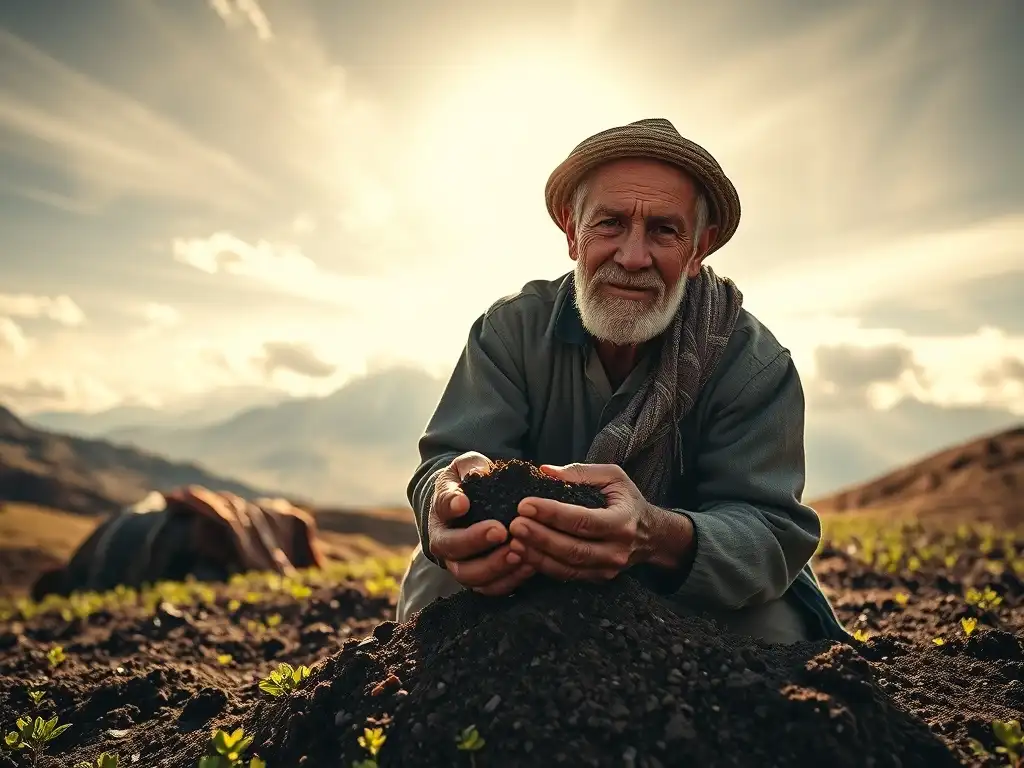
Andean agriculture wasn't merely a means of subsistence; it was a deeply spiritual practice interwoven with the fabric of Andean life. The success of harvests wasn't solely attributed to human effort but to a harmonious relationship with the natural world, governed by intricate spiritual beliefs and rituals. Understanding Andean agriculture requires acknowledging this profound spiritual connection, a perspective central to interpreting their sophisticated cultivation techniques and remarkable achievements in food production.
This section explores the key spiritual elements that shaped Andean agricultural practices, providing insight into the worldview that underpinned their agricultural success. The concept of Ayni, reciprocal exchange, and the reverence for Pachamama, Mother Earth, are fundamental to understanding the unique character of Andean agriculture spiritual practices.
The Concept of Pachamama in Quechua Agriculture
The Quechua term Pachamama, literally translating to "Mother Earth," embodies the central spiritual principle governing Andean agriculture. Pachamama is not simply soil; she is a living entity, a powerful deity providing sustenance and demanding respect. Quechua farmers viewed their agricultural activities as a sacred dialogue with Pachamama, a constant exchange of offerings and gratitude.
Before planting, rituals were performed to appease Pachamama, ensuring a bountiful harvest. These rituals often included offerings of coca leaves, chicha (fermented maize beverage), and other agricultural products. The act of planting itself was imbued with spiritual meaning, a symbolic act of communion with the earth.
Furthermore, the harvest was not just a celebration of abundance; it was a time to express gratitude to Pachamama for her generosity, reinforcing the cyclical nature of this sacred relationship. Failure to honor Pachamama was believed to result in poor harvests, drought, or other misfortunes, highlighting the profound influence of this spiritual belief on agricultural practices. The deep respect for Pachamama wasn't limited to rituals; it manifested in sustainable farming practices designed to maintain the health and fertility of the land, demonstrating a holistic understanding of the interconnectedness between human actions and the well-being of the earth.
Ayni: Reciprocity as a Core Spiritual Practice in Terraced Farming
The principle of Ayni, reciprocal exchange, is another cornerstone of Andean agricultural spiritual practices. This concept extends beyond human interactions, encompassing a reciprocal relationship with the natural world, particularly evident in the construction and maintenance of terraced farming systems. The arduous task of building and maintaining these terraces was not viewed as mere labor, but as an act of reciprocity with Pachamama.
By carefully shaping the land, creating intricate irrigation systems, and investing considerable effort in cultivation, the Andean farmers believed they were repaying Pachamama's generosity. The terraces themselves represent a physical manifestation of Ayni: the human investment in shaping the land is reciprocated by the land's provision of food. This reciprocal relationship wasn't simply transactional; it fostered a sense of responsibility and stewardship towards the environment.
The intricate design of the terraces, often adapted to the specific microclimates and soil conditions, demonstrates a deep understanding of ecological principles and a commitment to sustainable agriculture that was intrinsically linked to their spiritual beliefs. The success of the terraced farming systems, which sustained large populations for centuries, serves as a powerful testament to the effectiveness of this spiritually informed approach to agriculture. The enduring legacy of these systems underscores the profound and enduring connection between Andean spiritual practices and their remarkable agricultural achievements.
Rituals and Ceremonies in Andean Agricultural Practices

Andean agriculture wasn't simply a matter of planting seeds and harvesting crops; it was deeply intertwined with a complex web of spiritual beliefs and practices. The success of the harvest, the well-being of the community, and the very continuity of life were all seen as intimately connected to the appeasement and respect of the natural world and its powerful forces.
This deep-seated spiritual connection is evident in the various rituals and ceremonies that permeated every aspect of Andean agricultural life. Understanding these practices provides crucial insight into the worldview and sophisticated knowledge systems of these ancient civilizations, offering a nuanced perspective on Andean agriculture spiritual practices.
Honoring the Apus: Mountain Spirits and Their Role in Irrigation
The Apus, or mountain spirits, held immense significance in Andean cosmology. These powerful entities were believed to control the vital water sources necessary for successful agriculture. Irrigation systems, often incredibly sophisticated engineering feats, were not merely technological achievements but also acts of reverence towards the Apus.
Before initiating any irrigation work, communities would perform elaborate ceremonies, including offerings of coca leaves, chicha (a fermented corn beverage), and other precious items. These offerings were intended to appease the Apus, ensuring the smooth flow of water and a bountiful harvest. The construction and maintenance of acequias (irrigation canals) themselves were often communal efforts, reinforcing the shared responsibility for maintaining harmony with the spiritual realm.
Failure to honor the Apus could result in droughts, floods, or other calamities, highlighting the profound interdependence between spiritual practices and agricultural success. Evidence of these practices can be found in archaeological sites across the Andes, with remnants of ceremonial structures often located near crucial water sources. The intricate relationship between Andean agriculture and the veneration of the Apus exemplifies the holistic approach to life that characterized these societies.
Agricultural Festivals and the Cycles of Planting and Harvest
The agricultural calendar of Andean civilizations was punctuated by a series of vibrant festivals marking key stages in the agricultural cycle. These weren't mere celebrations; they were ritualistic observances designed to ensure the prosperity of the crops and the community's well-being. The festivals were often tied to specific deities associated with fertility, growth, and harvest.
For example, the Inti Raymi, the Inca festival celebrating the winter solstice, was a crucial moment for ensuring a successful planting season. Detailed records, although scarce in some cases, suggest that these festivals involved elaborate processions, sacrifices, and communal feasts. The timing of these events was meticulously observed, reflecting a deep understanding of the agricultural calendar and the celestial cycles.
The festivals served to reinforce social bonds, strengthen community identity, and reaffirm the spiritual connection to the land. We can infer the importance of these festivals by analyzing surviving accounts from Spanish chroniclers and the archaeological evidence of ceremonial sites associated with agricultural activities. The continuity of these practices across different Andean cultures underscores their significance in shaping Andean agriculture spiritual practices.
The Importance of Offerings in Andean Farming Traditions
Offerings formed a crucial component of Andean agricultural practices. These weren't simply gestures of gratitude; they were considered essential for maintaining a reciprocal relationship between humans and the spiritual world. A wide variety of offerings were made throughout the agricultural cycle, from the initial preparation of the land to the final harvest. Coca leaves, considered sacred, were frequently used, alongside chicha, llamas, and other agricultural products.
These offerings were often placed at sacred sites, such as huacas (sacred places), or along irrigation channels. The act of offering was not simply a material exchange; it was a symbolic act of acknowledging the spiritual forces that governed the natural world and seeking their continued support. The type and quantity of offerings varied depending on the specific context and the desired outcome.
For example, larger and more elaborate offerings might be made during times of drought or when facing a particularly challenging harvest. The continued discovery of archaeological evidence of offerings provides compelling insights into the prevalence and significance of this practice within Andean agriculture spiritual practices. The persistence of some offering traditions even in contemporary Andean communities underlines the enduring power of these ancient beliefs.
The Spiritual Meaning Behind Andean Crops

Andean agriculture wasn't merely a means of subsistence; it was deeply intertwined with the spiritual beliefs and practices of the various Andean cultures. The relationship between humans and nature was not transactional but deeply symbiotic, reflecting a cosmovision where the spiritual and material realms were inextricably linked. This section explores the spiritual significance embedded within Andean agricultural practices, focusing on the reverence for specific crops and the rituals associated with their cultivation and consumption.
Understanding this spiritual dimension is key to comprehending the ingenuity and resilience of Andean agricultural systems and their lasting impact. The interconnectedness of Andean agriculture spiritual practices is a testament to the sophisticated understanding of the natural world possessed by these civilizations.
Sacred Plants and Their Connection to Quechua Cosmovision
The Quechua worldview, prevalent among many Andean communities, profoundly shaped their agricultural practices. Their cosmology saw the world as interconnected, with the sacred permeating every aspect of life, including agriculture. Certain plants held particularly sacred status, representing deities, ancestors, or embodying specific spiritual energies.
For example, maize (corn), often referred to as sara mama ("mother corn") was considered a sacred gift from the gods, representing fertility, abundance, and life itself. Its cultivation was accompanied by rituals aimed at ensuring a bountiful harvest and appeasing the spirits associated with its growth. The careful selection of seeds, the precise timing of planting and harvesting, and the offerings made to the apus (mountain spirits) were all integral parts of the process, demonstrating the deep spiritual connection between the Quechua people and their crops.
This reverence extended to other crops as well, each carrying its own symbolic weight within the Quechua cosmovision. The meticulous care given to these plants reflects a deep understanding of their spiritual significance beyond mere sustenance.
The Spiritual Significance of the Potato in Andean Diet and Ritual
The potato, papa in Quechua, holds a position of immense cultural and spiritual importance within Andean societies. Far beyond a simple staple food, the potato is deeply embedded in Andean traditions, rituals, and beliefs. Different varieties of potatoes often held specific symbolic meanings, reflecting diverse agricultural practices and local traditions. For instance, certain potato varieties might be reserved for ritual offerings or special occasions, while others served as everyday sustenance.
The annual potato harvest festivals, often involving elaborate ceremonies and offerings to the earth and mountain spirits, highlight the profound spiritual connection between the Andean people and this crucial crop. The intricate relationship between the potato and Andean spiritual practices underscores the deep respect and reverence for the land and its bounty. Even today, many Andean communities retain these traditions, demonstrating the enduring spiritual significance of the potato.
Coca and Other Ritual Plants in Andean Agricultural Practices
Beyond food crops, certain plants played a crucial role in Andean religious and ceremonial practices, intimately connected to agricultural cycles and the well-being of the community. Coca ( Erythroxylum coca), for example, was not merely a stimulant but a sacred plant used in rituals, offerings, and shamanistic practices. Its cultivation and use were carefully regulated, reflecting its spiritual significance.
Other ritual plants, including various herbs and medicinal plants, were also integrated into Andean agricultural practices. These plants were not only used for medicinal purposes but also played a role in rituals designed to ensure successful harvests, protect crops from pests and diseases, and maintain harmony between humans and the natural world. The use of these plants highlights the holistic approach of Andean agriculture, where the spiritual and the practical were inextricably intertwined.
The meticulous cultivation of these plants underscores the sophisticated understanding of their properties and their importance in the Andean spiritual and agricultural systems. The integration of these plants into agricultural practices reflects a deep understanding of their significance beyond mere material use.
Modern-Day Andean Agriculture and Spiritual Continuity

The enduring legacy of Andean spiritual practices deeply influences contemporary agricultural methods. While modern technologies have undoubtedly impacted farming techniques, the core beliefs connecting humans and nature remain remarkably resilient, especially within indigenous Quechua communities. This section explores how these ancient spiritual principles continue to shape agricultural practices in the Andes today, highlighting the intricate balance between tradition and adaptation.
The reverence for Pachamama (Mother Earth) and the interconnectedness of all living things continues to guide farming decisions, influencing everything from planting cycles to harvesting rituals. Understanding this connection is key to appreciating the holistic approach to Andean agriculture and its remarkable sustainability. The keyword, "Andean agriculture spiritual practices," is central to this understanding.
Contemporary Quechua Farmers and Their Spiritual Practices
Contemporary Quechua farmers in the Andes Mountains maintain a profound connection to their ancestral agricultural practices, interwoven with deeply rooted spiritual beliefs. Their farming isn't merely a means of subsistence; it's a sacred act, a dialogue with Pachamama. Many rituals and ceremonies accompany the agricultural cycle, ensuring a bountiful harvest and maintaining harmony with the natural world.
For example, before planting, farmers often perform pago a la tierra (payment to the earth), offering coca leaves, chicha (a fermented corn beverage), and other gifts to appease and honor Pachamama. This isn't simply a symbolic gesture; it's a fundamental aspect of their agricultural philosophy, recognizing the earth as a living entity deserving respect and reciprocity.
The selection of seeds is also imbued with spiritual significance. Farmers often choose seeds from plants that have demonstrated exceptional vigor and resilience, believing that these seeds carry a spiritual essence conducive to a successful harvest. Furthermore, the entire planting process, from preparing the land to sowing the seeds, is often accompanied by prayers and chants, seeking blessings and protection from the elements and other potential threats.
This integration of spiritual practices into every stage of the agricultural process underscores the deep-seated belief in the interconnectedness between the spiritual and material realms. This holistic approach demonstrates how "Andean agriculture spiritual practices" are not merely historical relics, but living traditions.
Preserving Traditional Quechua Agriculture and its Spiritual Values
The preservation of traditional Quechua agriculture and its inherent spiritual values faces significant challenges in the modern era. Globalization, economic pressures, and the allure of modern farming techniques threaten to erode these deeply ingrained practices. However, there's a growing movement to safeguard this invaluable cultural heritage. Efforts are underway to document and promote traditional knowledge, emphasizing the ecological benefits and cultural significance of these methods. This includes initiatives focusing on:
- Community-based education programs: Teaching younger generations the importance of traditional farming practices and their spiritual underpinnings.
- Sustainable agriculture initiatives: Supporting farmers in adopting environmentally friendly methods that complement their spiritual beliefs.
- Ecotourism projects: Generating economic opportunities that incentivize the preservation of traditional landscapes and farming techniques.
- Research and documentation: Studying and recording traditional knowledge to ensure its preservation and accessibility.
The success of these initiatives hinges on the active participation of Quechua communities and the broader recognition of the value of their traditional knowledge. The preservation of "Andean agriculture spiritual practices" is not just about maintaining a cultural heritage; it's about safeguarding sustainable and resilient agricultural systems that can contribute to the well-being of both people and the planet.
The future of Andean agriculture depends on the successful integration of ancient wisdom with modern challenges, ensuring a harmonious coexistence between human needs and the ecological integrity of the Andes. The continued practice of these rituals and beliefs ensures the longevity of a unique and valuable agricultural system.
The Harmony of Nature and Humanity in Andean Farming
Andean agriculture wasn't simply a means of sustenance; it was a deeply spiritual practice reflecting a profound interconnectedness between humanity and the natural world. This worldview, far from being a quaint historical curiosity, offers valuable insights into sustainable agriculture practices relevant even today. The Andean understanding of Pachamama, Mother Earth, as a living, sentient entity, permeated every aspect of farming, from planting to harvest.
This wasn't merely a belief system; it was a lived reality shaping their agricultural methods and social structures. The success of their agricultural endeavors was inextricably linked to their spiritual connection with the land, fostering a reciprocal relationship built on respect and reverence. This holistic approach ensured the long-term health of both the environment and the communities that depended on it.
Understanding this perspective is crucial to grasping the ingenuity and sustainability of Andean agricultural techniques. The spiritual dimension wasn't separate from the practical; it was the practical, informing their choices and actions in profound ways.
Understanding the Interconnectedness of Life through Andean Agriculture
The Andean worldview emphasized the intricate web of life, where all beings—human, animal, and plant—were interconnected and interdependent. This understanding shaped their farming practices, promoting biodiversity and ecological balance. For example, the ayllu, a communal system of land ownership and labor, fostered cooperation and shared responsibility for the land's well-being.
This communal approach, rooted in spiritual values, ensured sustainable resource management, preventing overexploitation and promoting long-term productivity. Furthermore, the integration of diverse crops within a single field—a practice known as polyculture—mimicked the natural ecosystems, promoting resilience against pests and diseases. This wasn't simply a matter of efficiency; it was a reflection of their deep respect for the complex relationships within the ecosystem.
They recognized that disrupting this balance would have detrimental consequences for the entire community. Their understanding of Andean agriculture spiritual practices extended beyond simply growing food; it was about nurturing the intricate relationships that sustained life itself. The careful observation of natural cycles, the respect for sacred sites, and the ritualistic aspects of planting and harvesting all contributed to a harmonious coexistence with nature.
Lessons from Andean Spirituality for Sustainable Agriculture
The wisdom embedded within Andean agricultural practices holds valuable lessons for contemporary sustainable agriculture. Their emphasis on biodiversity, soil conservation, and water management offers practical strategies for addressing the challenges of modern farming. The ayllu system, with its emphasis on community and shared responsibility, provides a model for collaborative approaches to land management. This collaborative approach is particularly relevant in the face of climate change and the increasing need for resilient agricultural systems.
The integration of indigenous knowledge with modern scientific techniques can lead to innovative solutions for sustainable food production. Moreover, the spiritual dimension of Andean agriculture highlights the importance of a holistic approach, recognizing the interconnectedness of ecological, social, and economic factors. By incorporating spiritual principles, we can foster a deeper sense of responsibility towards the land and its resources, moving beyond purely economic considerations to a more ethical and sustainable model of agriculture.
The revival and study of Andean agriculture spiritual practices can inspire a more harmonious and sustainable relationship between humanity and the environment, contributing to a more just and equitable food system for all. The challenge lies in understanding and adapting these ancient practices to modern contexts, recognizing their enduring relevance in the face of contemporary ecological challenges. This requires a shift in perspective, moving beyond a purely mechanistic view of agriculture to embrace a more holistic and ecologically conscious approach.
Frequently Asked Questions
What role did spirituality play in Andean agriculture?
Andean agriculture wasn't merely a means of survival; it was deeply intertwined with spiritual beliefs. Farmers performed rituals to ensure successful harvests and appease the gods associated with fertility and the land. This connection permeated all aspects of agricultural life.
How did Andean people view the relationship between humans and nature?
Andean cultures saw a harmonious relationship between humanity and nature. They believed that humans were part of a larger ecosystem and needed to live in balance with it to thrive. This perspective influenced their agricultural practices and worldview.
What specific rituals or ceremonies were associated with Andean agriculture?
Many ceremonies involved offerings to deities, such as the Pachamama (Mother Earth), to ensure bountiful harvests. These rituals often included prayers, sacrifices, and feasts, reinforcing the sacred nature of the land and its produce.
What evidence exists to support the spiritual significance of Andean agriculture?
Archaeological discoveries such as ritual sites, mummified offerings, and depictions in pottery and textiles demonstrate the deep-seated spiritual beliefs surrounding Andean agriculture. These findings reveal the importance of these practices in daily life.
How did this spiritual connection impact the sustainability of Andean agriculture?
The respectful relationship with nature fostered by these spiritual beliefs likely contributed to the sustainability of Andean agricultural practices. Their understanding of ecological balance led to innovative techniques that preserved the land for generations.
Final Reflection: Weaving the Threads of Andean Wisdom
The enduring legacy of Andean agricultural practices demonstrates a profound truth: our relationship with the land is not merely transactional, but deeply spiritual. This connection, far from being a relic of the past, holds vital lessons for our modern world grappling with ecological crises and a growing disconnect from the natural world. The intricate balance between human needs and environmental stewardship, so carefully cultivated by Andean communities for millennia, offers a powerful model for sustainable living.
The spiritual dimension of Andean agriculture, woven into the very fabric of their society, continues to resonate today. It reminds us that our actions have consequences that extend far beyond the immediate harvest. The Earth is what we all have in common.
This simple yet profound statement highlights the interconnectedness that lies at the heart of Andean worldview, a perspective urgently needed in our increasingly fragmented society. Understanding their deep respect for Pachamama, Mother Earth, and the intricate rituals that accompanied their farming practices, allows us to appreciate the holistic approach necessary for true sustainability.
Consider the wisdom embedded in these ancient traditions. How can we, in our own lives, cultivate a deeper connection with the natural world? How can we integrate a sense of reverence and responsibility into our daily interactions with the environment?
I invite you to reflect on the power of mindful consumption, to seek out sustainable practices in your own community, and to rediscover the inherent spirituality in nurturing the land that sustains us. Let the legacy of Andean agriculture inspire you to become a conscious steward of the Earth, weaving together a future where human needs and ecological well-being are harmoniously intertwined.
Embrace the Harmony of Nature: Take Action Today!
Thank you for joining us on this enlightening journey exploring the spiritual connection between Andean agriculture and the environment. We hope you've gained valuable insights into the profound relationship between humans and nature within these vibrant cultures. Now, let's translate that knowledge into meaningful action.
- Explore local sustainable agriculture: Visit a nearby farm or community garden to witness sustainable practices firsthand. Connect with the farmers and learn about their relationship with the land.
- Share this article with friends and family to spread awareness about the importance of living in harmony with nature.
- Incorporate earth-honoring practices: Consider adapting practices that respect the earth's cycles into your own gardening or agricultural efforts. Perhaps explore techniques like crop rotation or composting.
What unique practices or insights have you discovered that could foster a deeper connection with nature in your own life?