
Andean Ancestral Genealogies: Tracing Lineage and Claiming Heritage

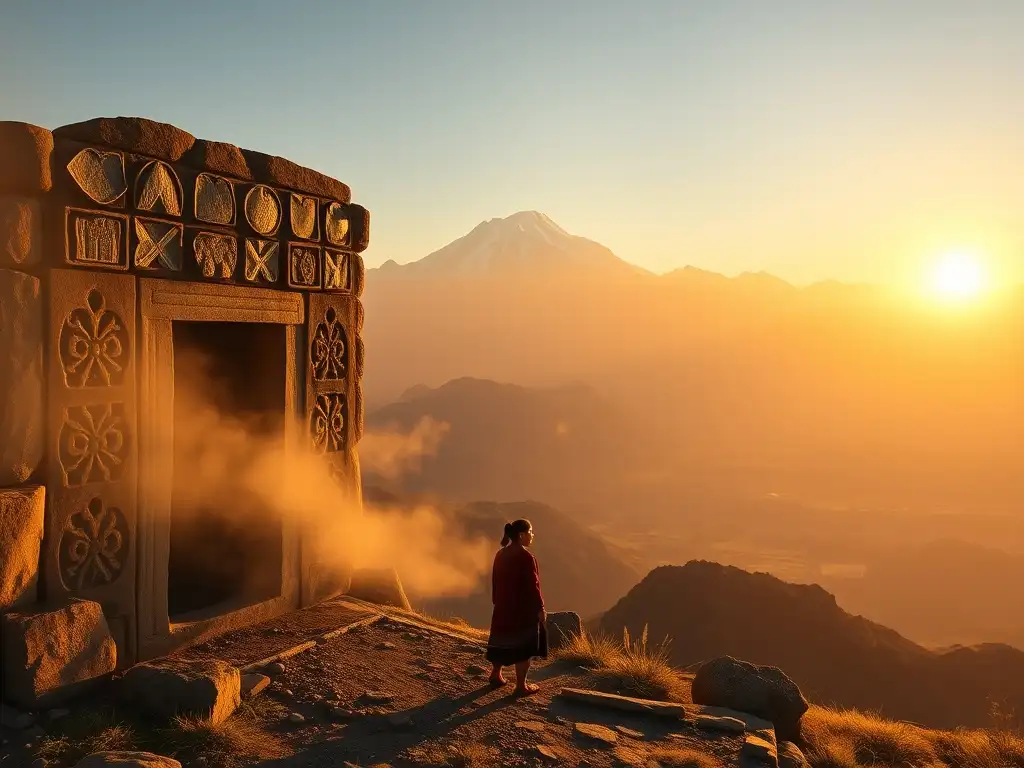
Unravel the mysteries of the Andes! For centuries, the towering peaks and fertile valleys have held secrets whispered on the wind. Now, delve into the captivating world of Andean lineage tracing, a journey that connects you to the vibrant tapestry of Inca, Moche, Nazca, and Tiahuanaco cultures. Discover how ancient Andean cosmology shaped their lives and how you might find your place within this remarkable legacy. Are you connected to these awe-inspiring civilizations? Explore the possibilities and begin your ancestral quest now.
The Andes Mountains, a spine of towering peaks stretching along the western edge of South America, are not merely a geographical feature; they are the cradle of vibrant and sophisticated civilizations that thrived for millennia. This article delves into the fascinating world of Andean ancestral genealogies, exploring how these ancient societies meticulously tracked lineage and the profound significance this held for their cultural identity, social structures, and spiritual beliefs. Understanding Andean lineage tracing provides crucial insight into their cosmology, worldview, and the enduring legacy they left behind.
We'll examine the methods employed, the challenges faced in modern attempts at reconstruction, and the ongoing efforts to reclaim and celebrate this rich heritage. The quest to trace Andean lineage is more than just a genealogical exercise; it's a journey into the heart of a complex and captivating past, a testament to the enduring power of ancestral memory.
Methods of Lineage Tracing in Pre-Columbian Andean Societies
Pre-Columbian Andean societies lacked written languages in the way we understand them today. However, they developed remarkably sophisticated systems for recording and transmitting genealogical information across generations. These methods included:
- Oral Traditions: Storytelling played a vital role, with genealogies embedded within myths, legends, and historical narratives passed down orally through specialized lineages of storytellers (e.g., haravicus among the Inca). These narratives often linked individuals to powerful ancestors and mythical figures, validating social standing and political authority.
- Quipu: The intricate system of knotted strings known as quipus served as a sophisticated mnemonic device, storing numerical and potentially textual data. While the precise nature of their use in genealogy remains a subject of ongoing research, evidence suggests that they were employed to record lineage information, particularly among the Inca. [Specific examples of quipu usage in lineage recording pending].
- Monumental Architecture and Iconography: Elaborate burial sites, temples, and other monumental structures often incorporated symbolic representations of lineages and ancestral figures. Iconography, including textiles, pottery, and metalwork, frequently depicted genealogical relationships and heraldic symbols, providing visual records of family histories. [Specific examples of architectural and iconographic representations of lineages pending].
- Material Culture: In addition to monumental architecture and iconography, everyday objects like textiles and pottery sometimes bore symbols or designs that indicated family affiliation. These items served as tangible representations of lineage and were passed down through generations. [Specific examples of material culture indicating lineage pending].
Challenges in Tracing Andean Lineages Today
Reconstructing Andean genealogies in the present day presents significant challenges. The Spanish conquest led to the destruction of many records and the disruption of oral traditions. Furthermore, the complexities of Andean kinship systems, which often extended beyond simple nuclear families, make the task even more difficult.
- Loss of Oral Traditions: The suppression of indigenous languages and cultural practices following the conquest resulted in the loss of much valuable genealogical information passed down through oral traditions. The knowledge held by the last speakers of certain dialects has been lost, hindering our ability to fully understand earlier systems of lineage.
- Fragmentary Archaeological Evidence: While archaeological findings offer valuable insights, the interpretation of many artifacts and sites relating to lineage is often debated amongst specialists. The lack of complete records makes it difficult to piece together a comprehensive picture of genealogical systems.
- Intermarriage and Complex Kinship Systems: Andean societies often practiced forms of marriage that extended beyond simple monogamy. Unraveling these complex kinship structures and identifying clear lines of descent is a significant challenge.
- The Impact of Colonialism and Migration: The colonial period and subsequent migrations have created significant genetic and cultural mixing, making it difficult to trace pure lineages to pre-colonial times.
Reclaiming and Celebrating Andean Heritage Through Genealogical Research
Despite these challenges, interest in tracing Andean lineage is growing, fueled by a renewed appreciation for indigenous cultures and a desire to reconnect with ancestral roots. Modern methods, such as DNA analysis, combined with careful study of historical records and oral histories, are offering new possibilities. This work is crucial not only for understanding the past but also for empowering indigenous communities in their efforts to reclaim their heritage and assert their cultural identity.
[Specific examples of successful lineage tracing projects pending]. The ongoing research and collaborative efforts between genealogical researchers, archaeologists, and indigenous communities are essential to ensure that the stories of Andean ancestors continue to be told and celebrated. The process of tracing Andean lineage is a powerful act of cultural preservation and a testament to the enduring resilience of Andean identity.
- Methods of Lineage Tracing in Pre-Columbian Andean Societies
- Challenges in Tracing Andean Lineages Today
- Reclaiming and Celebrating Andean Heritage Through Genealogical Research
Understanding the Significance of Andean Lineage
Andean lineage tracing is more than a genealogical pursuit; it's a deeply spiritual and cultural journey. For centuries, Andean communities have placed immense value on their ancestral connections, viewing their lineage as a vital link to the past, present, and future. This profound respect for ancestors isn't merely a historical curiosity; it's a living tradition that shapes social structures, religious practices, and even daily life in many Andean communities. Understanding this significance is crucial to appreciating the complexities of Andean identity and heritage.
The concept of Ayni, reciprocal exchange, extends beyond human interactions to encompass a relationship with ancestors, who are believed to continue to influence the lives of their descendants. This continuous interaction shapes the understanding of Andean lineage tracing and its importance in maintaining cultural continuity. Careful preservation of ancestral knowledge, passed down through generations, underscores this deep connection.
The Importance of Ancestral Connection in Andean Culture
The importance of ancestral connection in Andean culture is woven into the very fabric of their worldview. Ancestral veneration is not simply a matter of remembering past generations; it's an active engagement with the spiritual world. Many Andean cultures believe that ancestors continue to exist in a spiritual realm and actively participate in the lives of their descendants. This belief system profoundly influences social structures, with kinship ties extending far beyond immediate family.
For example, the ayllu, a traditional Andean community structure, is based on a shared ancestry and collective responsibility. Members are bound together by their lineage and a shared history, cooperating in agricultural practices, religious ceremonies, and community governance. The Pachamama, Mother Earth, is also intrinsically linked to this ancestral connection; the land itself is viewed as a source of life and sustenance, connecting the living with their ancestors who also inhabited and cultivated the same land. This interconnectedness fosters a deep sense of responsibility towards both the land and the ancestors who came before.
The spiritual power attributed to ancestral sites, such as burial grounds and ceremonial centers, further emphasizes the significance of this connection. These sites are often considered sacred spaces where the living can communicate with the spirit world and receive guidance from their ancestors. This active engagement with the spiritual dimension of lineage is a key aspect of Andean cosmology and worldview.
Why Tracing Andean Family History Matters Today
In contemporary society, tracing Andean family history holds significant importance for several reasons. Firstly, it fosters a stronger sense of cultural identity and pride. By connecting with their ancestors, individuals can gain a deeper understanding of their heritage and place within a broader historical narrative. This connection combats the homogenizing effects of globalization and helps preserve unique cultural traditions. Secondly, lineage tracing can assist in reclaiming land rights and other ancestral properties.
In many cases, indigenous communities have faced historical injustices, resulting in the loss of ancestral lands and resources. By documenting their lineage, they can strengthen their claims to these lands and resources, contributing to social justice and self-determination. Thirdly, understanding one's Andean lineage can contribute to the preservation of valuable cultural knowledge. Family histories often contain oral traditions, stories, and practices that are not documented elsewhere. Tracing this lineage allows for the recovery and preservation of this invaluable cultural heritage, ensuring its transmission to future generations.
Finally, engaging in Andean lineage tracing can serve as a powerful tool for fostering community building and intergenerational dialogue. The process of researching and sharing family histories can strengthen family ties and create a sense of shared identity within communities. It's a path towards reclaiming a powerful narrative and preserving a rich cultural legacy for years to come. The pursuit of "Andean lineage tracing" is therefore not just a historical endeavor, but a vital component of cultural preservation and empowerment.
Methods of Andean Lineage Tracing
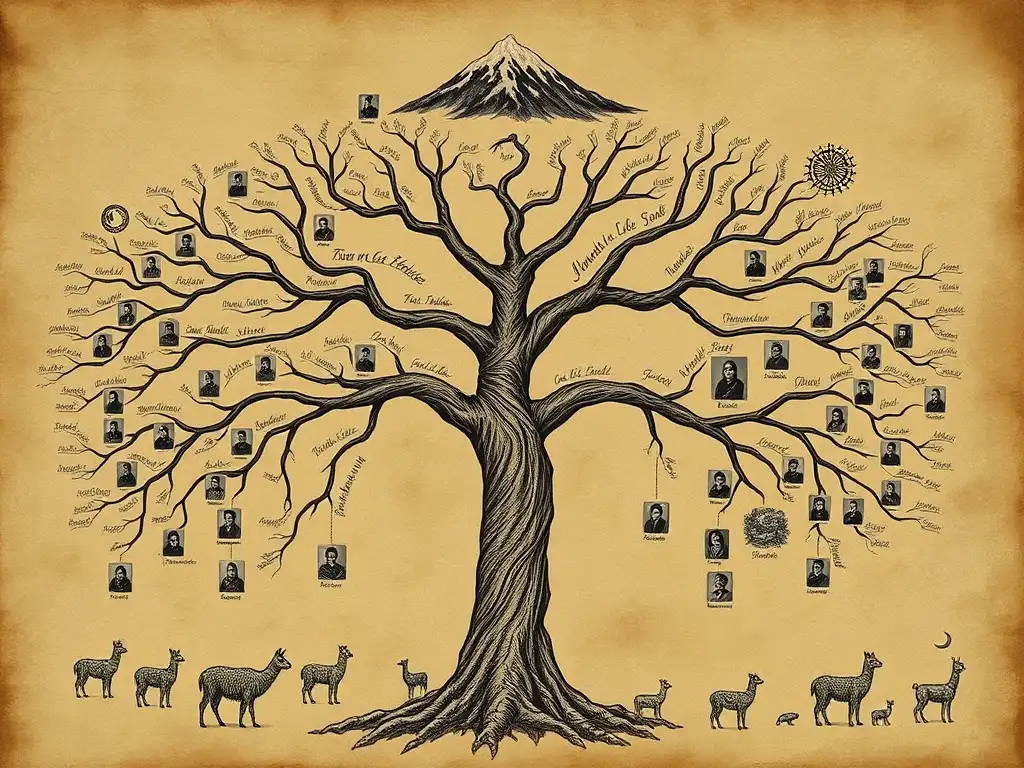
Tracing Andean lineage presents unique challenges and opportunities, demanding a multi-faceted approach that combines traditional methods with modern scientific techniques. The rich tapestry of Andean ancestral knowledge, interwoven with archaeological discoveries and evolving genetic research, allows for a deeper understanding of family histories stretching back millennia. This section explores some key methods employed in the pursuit of Andean lineage tracing. Understanding these methods is crucial for anyone seeking to connect with their Andean heritage.
Oral Traditions and Storytelling in Andean Genealogy
Oral traditions, passed down through generations, form the bedrock of Andean genealogy. Storytelling, a vital part of Andean culture, often incorporates genealogical information, weaving family histories into narratives of mythical heroes, ancestral spirits ( apus), and significant events. These narratives, however, require careful analysis and corroboration. The information isn't always explicitly genealogical; it's embedded within the larger cultural context.
For example, a story about a specific ayllu (community) might mention key ancestors who founded the community or led it through a critical period. These figures, while potentially legendary, can provide valuable clues to actual family lineages. The challenge lies in distinguishing between historical fact and embellished mythology. Careful comparison of stories across different families and communities helps to identify common threads and potentially verify historical accuracy. Linguistic analysis of place names and family names can also provide additional context and support the information within the oral traditions.
Furthermore, the use of mnemonic devices, such as songs, poems, and rituals, played a crucial role in preserving genealogical information. These methods helped ensure the accurate transmission of lineage across generations, particularly in pre-literate societies. Researchers utilizing this information must be aware of the cultural sensitivities involved, approaching these traditions with respect and collaboration with the communities involved. The preservation of these vital oral histories is paramount for the continued understanding of Andean ancestry.
Archaeological Evidence and its Role in Identifying Andean Ancestry
Archaeological evidence significantly complements oral traditions in Andean lineage tracing. Burial sites, often containing grave goods and skeletal remains, offer invaluable insights into family structures and kinship systems. Analysis of burial patterns, the arrangement of grave goods, and isotopic analysis of skeletal remains can provide clues about family relationships and migration patterns. For instance, the discovery of multiple individuals buried together with similar artifacts might suggest a close family unit.
Furthermore, ancient Andean textiles and ceramics frequently bear intricate designs and symbols that may represent family crests or clan markings. Deciphering these symbols requires collaboration with experts in Andean iconography and a deep understanding of the specific cultural contexts. The meticulous study of these artifacts can reveal information about social hierarchies and kinship structures within Andean communities.
Genetic analysis of ancient DNA extracted from skeletal remains is a relatively new but increasingly important tool in Andean lineage tracing. This technology allows for the direct comparison of ancient and modern DNA, potentially identifying genetic links between contemporary individuals and their ancient ancestors. However, ethical considerations and the preservation of ancestral remains remain paramount in this emerging field.
The Use of Andean Naming Conventions in Lineage Reconstruction
Andean naming conventions offer another avenue for lineage tracing. Many Andean communities utilize patronymic or matrilineal naming systems, where individuals inherit names from their fathers or mothers, respectively. These naming patterns can be traced back through generations, providing a clear lineage. However, the complexity of these systems varies across different Andean regions and cultures. Some communities may use a combination of patronymic and matrilineal naming, while others may employ more complex systems that incorporate clan names or place names.
Understanding the specific naming conventions of a particular community is crucial for accurate lineage reconstruction. This requires careful examination of historical records, genealogical charts, and interviews with community elders. Analyzing the variations in naming patterns across different time periods can also reveal shifts in social structures and kinship systems.
The seemingly simple act of naming holds a wealth of information, allowing researchers to construct detailed family trees and understand the dynamics of Andean family structures over time. The careful and respectful documentation of these naming patterns is essential for preserving this valuable aspect of Andean cultural heritage and facilitating future research into Andean lineage.
Genetic Studies and Their Contribution to Andean Ancestry Research
Genetic studies have revolutionized our understanding of Andean lineage tracing, offering a powerful tool to complement traditional genealogical methods. Analysis of ancient DNA (aDNA) extracted from mummified remains and other archaeological artifacts provides invaluable insights into the genetic makeup of past Andean populations.
This allows researchers to trace migrations, identify genetic bottlenecks, and unravel complex relationships between different groups across vast stretches of time. For instance, studies comparing aDNA from various pre-Columbian sites across the Andes have illuminated the genetic continuity and admixture patterns amongst different cultures, such as the Incas, Tiwanaku, and Wari, revealing surprising connections and migrations previously unknown through traditional historical records.
Furthermore, modern-day genetic testing, utilizing autosomal DNA, mitochondrial DNA (mtDNA), and Y-chromosome DNA, helps individuals explore their own Andean ancestry. While not providing a direct lineage back to specific ancestors, these tests can identify genetic markers indicative of Andean origins, often pointing to specific regions or ethnic groups within the Andes. The interpretation of these results, however, requires careful consideration, as genetic markers can be shared across populations and migratory patterns can obscure simple, linear ancestry.
It's crucial to understand that genetic testing provides probabilities and tendencies, not definitive statements about a precise lineage. The results are most effectively used in conjunction with other genealogical research methods.
The accuracy and reliability of genetic studies are constantly improving with technological advancements. The development of more sophisticated sequencing techniques and larger reference databases are allowing researchers to achieve greater resolution in their analyses, identifying finer genetic distinctions within the Andean populations and providing more precise estimations of ancestry. However, challenges remain, particularly in the interpretation of complex admixture patterns and the need for larger, more representative samples to adequately capture the genetic diversity of the Andean region.
Ethical considerations, such as the appropriate handling of ancient DNA and the informed consent of individuals participating in modern genetic studies, also play a significant role in the responsible application of these powerful technologies in Andean ancestry research. The future of Andean lineage tracing promises even more detailed and nuanced understandings as these technologies continue to advance.
Challenges in Tracing Andean Lineage
Tracing Andean lineage presents unique and significant challenges, demanding meticulous research and a nuanced understanding of the historical and socio-cultural context. Unlike societies with long-established written genealogical records, Andean ancestral tracing relies heavily on oral traditions, archaeological evidence, and the often-fragmented remnants of colonial-era documentation. The complexities inherent in reconstructing these fragmented narratives are substantial, requiring a multidisciplinary approach that combines genealogical methodologies with anthropological and historical insights.
The pursuit of Andean lineage tracing, therefore, necessitates patience, persistence, and a deep respect for the cultural sensitivities involved. Successful navigation of these challenges can unlock a wealth of information about individual and community histories, contributing significantly to a richer understanding of Andean identity and heritage.
The Impact of Colonialism on Andean Genealogical Records
The Spanish conquest profoundly disrupted Andean societies, leaving an indelible mark on their genealogical traditions. The imposition of colonial administrative systems often resulted in the destruction or alteration of pre-existing record-keeping practices. Indigenous record-keeping methods, which frequently relied on mnemonic devices, oral histories, and kinship systems encoded within ceremonial objects, were systematically undermined.
The introduction of Spanish-style record-keeping, while offering a new form of documentation, often lacked accuracy and reflected a biased perspective, frequently misrepresenting Andean kinship structures and intentionally obscuring indigenous lineages. Many vital records were lost or destroyed during periods of conflict or simply through neglect. This systematic disruption of traditional record-keeping created significant gaps in Andean genealogical information, making the task of reconstructing family histories exponentially more difficult.
Furthermore, the deliberate suppression of indigenous languages and cultural practices further compounded the problem, leading to the loss of crucial linguistic and cultural context necessary for interpreting surviving records. The colonial legacy continues to cast a long shadow on the process of Andean lineage tracing, requiring researchers to carefully evaluate the reliability and potential biases embedded within the available sources.
Difficulties in Reconstructing Fragmented Family Histories
Even with the surviving records, reconstructing complete family histories for Andean communities presents considerable hurdles. Oral traditions, while invaluable, are often fragmented and subject to variations in retelling across generations. Memories fade, details are lost, and the meaning of specific names or kinship terms may be obscured over time.
The fluidity of Andean kinship systems, often emphasizing collective identity over strict lineal descent, adds another layer of complexity. The lack of standardized naming conventions across different Andean regions further complicates the process of identifying and connecting individuals across generations. Furthermore, migration patterns within and between Andean communities can lead to family members being scattered geographically, making it challenging to track their movements and establish connections.
Researchers often face the task of piecing together fragments of information from diverse sources, including church records, census data, land titles, and oral histories, demanding careful cross-referencing and critical analysis to build a coherent narrative. This painstaking process requires considerable time, resources, and expertise in both genealogical research and Andean cultural history.
Overcoming Language Barriers in Andean Ancestry Research
Language barriers pose a significant obstacle in Andean ancestry research. Many historical documents are written in Spanish, while oral histories are often preserved in indigenous languages such as Quechua or Aymara. The ability to access and interpret these sources requires fluency in multiple languages, as well as a deep understanding of the nuances and variations within each dialect.
Even with translation, the accurate interpretation of historical and cultural context can be challenging, requiring expertise in both linguistics and Andean cultural studies. The loss of indigenous languages through assimilation has further exacerbated this problem, making it increasingly difficult to access and understand vital information preserved in oral traditions.
This linguistic challenge underscores the importance of collaborative research involving individuals with expertise in both genealogical methods and Andean languages, ensuring that the voices and perspectives of indigenous communities are accurately represented and respected throughout the research process. Overcoming language barriers requires dedicated effort and resourcefulness, but it is a crucial step in achieving a more complete and accurate picture of Andean lineage.
Claiming Heritage Through Andean Ancestral Knowledge
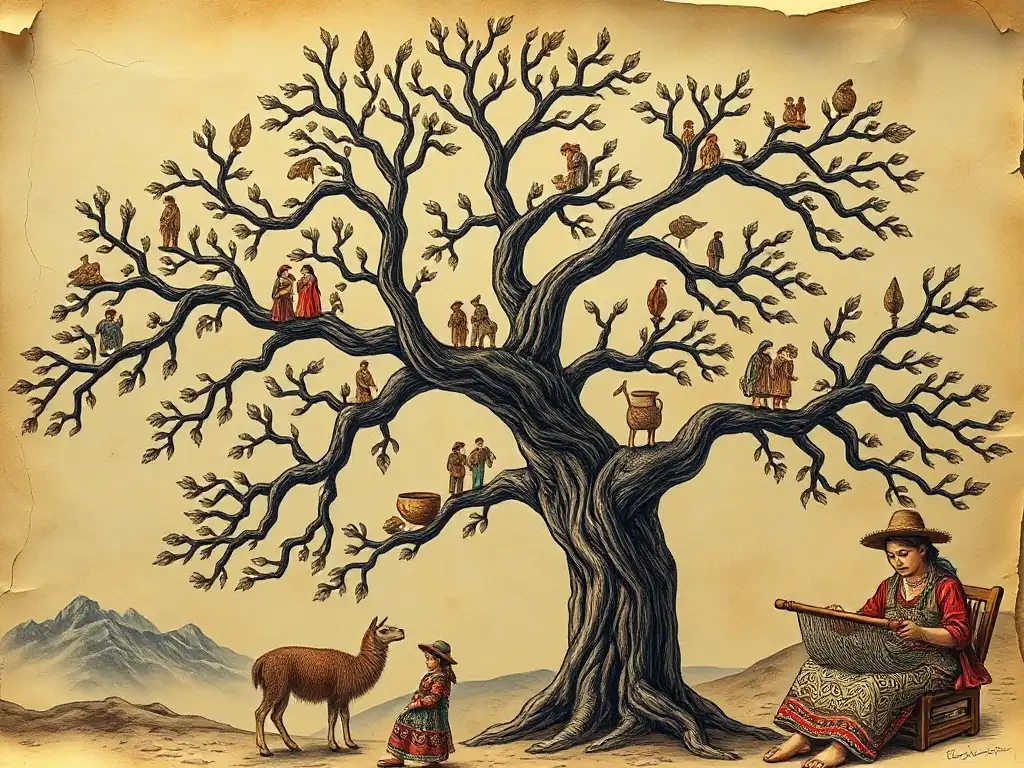
Andean lineage tracing is more than just a genealogical pursuit; it's a powerful act of reclaiming cultural identity and connecting with a rich ancestral legacy. For centuries, Andean communities have maintained intricate systems of remembering and honoring their ancestors, deeply intertwined with their understanding of the cosmos and their place within it. Understanding these systems is crucial to comprehending the profound significance of Andean lineage tracing in the modern context.
This process isn't simply about identifying biological relatives; it's about re-establishing a spiritual and cultural connection to the past, thereby strengthening one's sense of belonging and contributing to the preservation of Andean heritage. The very act of tracing one's lineage strengthens the community's collective memory and ensures the continuity of traditions.
The Role of Lineage in Andean Cultural Identity
Andean cultural identity is profoundly rooted in the concept of ayni, a principle of reciprocity and interconnectedness. This principle extends beyond human relationships to encompass the entire cosmos, including ancestors. Lineage, therefore, isn't merely a linear progression; it's a vibrant network connecting the living with the deceased, the present with the past.
Maintaining strong lineage ties is vital for sustaining cultural practices, passing down traditional knowledge, and ensuring the continuity of community structures. This is evident in the continued importance of ayllus (kinship groups) in many Andean communities, where shared ancestry forms the basis of social organization and mutual support. The strength of the ayllu directly relates to the preservation of its collective memory and genealogical knowledge.
Loss of this knowledge weakens the community's social fabric and its ability to preserve its unique cultural heritage. The meticulous recording of Andean lineages, therefore, is an act of cultural preservation, ensuring that the ayni continues to thrive. Furthermore, understanding one's lineage provides a framework for understanding one's place within the broader Andean community and its history.
Reconnecting with Ancestral Lands Through Genealogical Research
Genealogical research plays a vital role in reconnecting individuals with their ancestral lands. For many Andean communities, land is not merely a physical space; it is intrinsically linked to their identity, spirituality, and cultural practices. Tracing one's lineage often reveals a deep connection to specific geographical locations, ancestral burial sites, and significant cultural landmarks.
This connection transcends simple property ownership; it's a spiritual bond that strengthens cultural identity and provides a sense of place and belonging. For example, knowledge of a family's historical connection to a particular valley or mountain range can inform their participation in traditional ceremonies and agricultural practices. The research process itself can be transformative, leading to a deeper understanding of the historical and environmental context within which their ancestors lived.
This process often involves collaboration with community elders and historians, fostering intergenerational dialogue and knowledge sharing. The rediscovery of ancestral lands can be profoundly empowering, offering a tangible link to the past and a renewed sense of purpose in the present. This strengthens the connection between the individual and the community, fostering a sense of shared responsibility for the preservation of both cultural heritage and the environment.
Preserving and Sharing Andean Family Histories for Future Generations
The preservation and sharing of Andean family histories are crucial for ensuring the continuity of cultural heritage. Oral traditions have historically played a central role in transmitting genealogical information, but these traditions are vulnerable to loss without active efforts to document and preserve them. Modern methods of genealogical research, combined with traditional storytelling and community engagement, offer powerful tools for safeguarding these invaluable records.
This includes digitizing oral histories, creating family trees, and establishing community archives. The use of technology, such as digital databases and online platforms, facilitates the sharing of genealogical information across geographical boundaries, connecting individuals and communities who may be geographically dispersed. Moreover, educational initiatives aimed at promoting genealogical research and the importance of preserving family histories are vital for empowering future generations to continue this essential work.
The preservation of Andean family histories is not merely a historical exercise; it is an active process of cultural transmission, ensuring that the rich tapestry of Andean traditions continues to thrive for generations to come. This active preservation ensures the ongoing relevance of Andean lineage tracing within the broader context of Andean cultural identity and heritage.
Case Studies in Andean Lineage Tracing
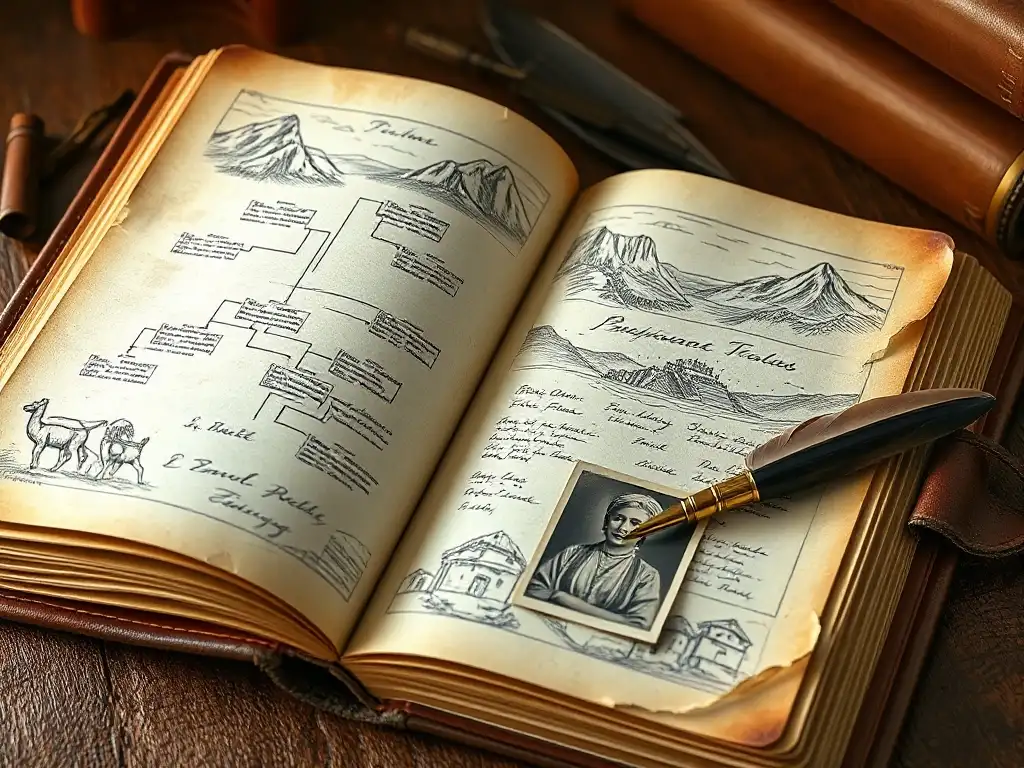
This section delves into specific examples showcasing the complexities and successes of Andean lineage tracing initiatives. These case studies highlight the diverse methodologies employed and the significant impact such research has on communities striving to reconnect with their ancestral past. Understanding these examples provides valuable insights into the challenges and triumphs inherent in the pursuit of Andean lineage tracing. The careful and respectful approach needed in such endeavors is paramount, ensuring the ethical consideration of cultural sensitivities and the preservation of ancestral knowledge.
The Qhapaq Ñan Project: Reconstructing Community Histories Along the Inca Road
The Qhapaq Ñan, the vast Inca road system, served not only as a vital communication and trade network but also as a physical manifestation of Inca power and the interconnectedness of their empire. Recent research projects utilizing the Qhapaq Ñan as a framework are revealing crucial information about ancestral lineages. By examining the archaeological evidence along the road – settlements, cemeteries, and agricultural terraces – researchers are reconstructing community histories and identifying patterns of migration and settlement.
This approach moves beyond simple genealogical charts, integrating archaeological, linguistic, and anthropological data to create a richer and more nuanced understanding of Andean lineage. For example, the discovery of specific pottery styles or building techniques along certain sections of the road can help pinpoint the movements and interactions of different groups, shedding light on their familial connections and historical relationships. This interdisciplinary approach exemplifies the power of combining multiple methodologies to achieve a more comprehensive tracing of Andean lineage.
The project emphasizes community participation, ensuring that local knowledge and perspectives are integral to the research process. This participatory approach ensures the ethical and respectful engagement with the communities affected.
Tracing the Lineage of the Quechua People Through DNA Analysis
While archaeological and historical records provide invaluable insights, genetic analysis offers a unique perspective on Andean lineage. Studies using DNA analysis are increasingly being employed to trace the lineage of the Quechua people, one of the largest indigenous groups in the Andes. By analyzing mitochondrial DNA (mtDNA), which is passed down through the maternal line, and Y-chromosome DNA (Y-DNA), passed down through the paternal line, researchers can identify genetic markers that reveal migration patterns, population bottlenecks, and relationships between different Quechua communities.
This approach, however, requires careful consideration. It's crucial to remember that DNA analysis alone cannot fully capture the complexity of Andean identity and lineage, which is deeply intertwined with cultural practices, oral traditions, and social structures. The results must be interpreted cautiously and in conjunction with other forms of evidence.
One significant finding from such studies has been the identification of genetic links between different Quechua-speaking populations across vast geographical areas, highlighting the surprising degree of genetic connectivity despite geographical barriers and linguistic variations. Further research is needed to understand the nuances of these genetic relationships and their implications for our understanding of Quechua history and identity. The ethical implications of such research, including issues of data privacy and potential misuse of genetic information, must always be at the forefront.
The Impact of Ancestral Knowledge on a Community in the Sacred Valley
The Sacred Valley of the Incas, a region rich in archaeological sites and vibrant indigenous culture, provides a compelling case study of how ancestral knowledge influences contemporary community identity and lineage tracing. For generations, communities in this region have maintained their own oral histories and genealogical records, often passed down through family lineages. These traditions, alongside the physical remnants of Inca structures and agricultural terraces, provide a framework for understanding their place within the broader Andean context.
The preservation and revitalization of these traditional methods of lineage tracing are crucial for maintaining cultural continuity and fostering a sense of collective identity. For instance, the knowledge of specific agricultural techniques passed down through generations contributes not only to food security but also to a deeper understanding of the community's connection to the land and their ancestors. These practices are not merely historical artifacts but living traditions, actively shaping the present and future of the community.
Respect for these ancestral practices is essential for supporting sustainable development initiatives and empowering communities to preserve their cultural heritage. The community's active participation in research projects related to their lineage further strengthens their sense of ownership and pride in their heritage. This participatory approach ensures that the research is relevant and meaningful to the community, contributing to its empowerment and self-determination.
Resources for Andean Lineage Research

Tracing your Andean lineage can be a rewarding journey, connecting you to a rich tapestry of history and culture. However, accessing reliable information requires careful planning and the utilization of diverse resources. This section outlines key avenues for your research, helping you navigate the complexities of Andean genealogical investigation. Remember, patience and persistence are crucial in this endeavor. The quest for accurate information on “Andean lineage tracing” often requires a multi-pronged approach.
Archives and Libraries Specializing in Andean History
Many institutions hold invaluable historical records crucial for Andean lineage tracing. These archives and libraries often contain colonial-era documents, church records (baptisms, marriages, deaths), land ownership records, and even personal diaries that can offer glimpses into family histories. The quality and accessibility of these resources vary significantly depending on location and the specific civilization you are researching (Inca, Moche, Nazca, etc. ).
For example, research into Inca lineage might necessitate exploring archives in Cusco, Peru, while research into Moche ancestry may require examining materials in Trujillo. Furthermore, the language barrier can pose a challenge; many historical documents are written in Spanish or Quechua, requiring translation expertise.
It's crucial to contact archives and libraries before your visit. Many require appointments and may have specific guidelines regarding access to sensitive materials. Also, be prepared to provide a detailed research proposal outlining your project and its objectives. This demonstrates your seriousness and helps archivists guide you to the most relevant resources.
Online Databases and Genealogical Tools for Andean Research
While traditional archives are essential, the digital age offers new avenues for Andean lineage tracing. Several online databases and genealogical tools are emerging, although their comprehensiveness and reliability can vary. Some databases may focus on specific regions or time periods, while others offer broader coverage.
It's important to approach online resources critically. Verify information from multiple sources to ensure accuracy. Many free websites offer limited information, while subscription-based services may provide more comprehensive data. Be cautious of sites promoting unverified or speculative genealogical information.
A systematic approach is vital. Start with readily available information, such as known family names and locations. Use this information as a starting point to explore related records within online databases. Remember to document your sources meticulously to maintain the integrity of your research. The use of specialized software for genealogical research can also aid in organizing your findings and visualizing your family tree.
Local Organizations and Communities Supporting Andean Heritage
Engaging with local organizations and communities can prove invaluable in your Andean lineage tracing journey. These groups often possess unique knowledge and resources not readily accessible through traditional archives or online databases. They may hold oral histories, family traditions, and genealogical records passed down through generations.
These organizations might include cultural centers, historical societies, or community groups focused on preserving Andean heritage. Reaching out to these groups not only provides access to valuable information but also fosters a deeper connection to your ancestral roots. Participating in community events and workshops can enrich your understanding of Andean culture and provide opportunities to network with individuals who share similar research interests. Remember to respect local customs and traditions when interacting with these communities. Collaboration and respectful engagement are key to successful research.
Remember, tracing your Andean lineage is a process that requires dedication, careful research, and a willingness to explore diverse resources. By combining traditional archival research with the possibilities of online databases and community engagement, you can effectively piece together the rich tapestry of your family history.
The Future of Andean Ancestry Research
The field of Andean lineage tracing is poised for significant advancements, driven by both technological innovation and a growing recognition of the importance of community participation. Understanding the future trajectory requires examining current limitations and exploring potential breakthroughs. Currently, research faces challenges in accessing and preserving fragile historical records, deciphering complex kinship systems, and navigating ethical considerations surrounding ancestral remains and genetic data. However, emerging technologies and a renewed focus on community engagement offer promising solutions.
Technological Advances in Andean Genealogical Research
Technological advancements are revolutionizing Andean genealogical research. Genetic genealogy, utilizing DNA analysis, offers unparalleled potential for tracing ancestral lineages. While ethical considerations surrounding the use of ancient DNA require careful navigation, advancements in ancient DNA extraction and analysis techniques are constantly improving.
Moreover, the increasing availability of affordable and accessible DNA testing services opens up possibilities for broader participation, potentially revealing previously unknown connections and migratory patterns across the Andes. Beyond genetics, advancements in digital humanities offer tools for analyzing and visualizing vast quantities of historical data, including colonial records, archaeological findings, and oral histories. Sophisticated software and algorithms can identify patterns and connections that would be impossible to discern through manual analysis alone.
This includes the development of sophisticated tools for analyzing Quechua and Aymara linguistic patterns, potentially uncovering clues about family relationships and migration routes. The integration of these technologies promises a more comprehensive and nuanced understanding of Andean genealogies than ever before. For instance, [specific software examples pending] are showing promise in linking fragmented genealogical records.
The Importance of Community Involvement in Preserving Andean Lineage
The accurate and ethical tracing of Andean lineage is inextricably linked to the active participation of Andean communities themselves. Respectful collaboration with indigenous communities is not merely an ethical imperative; it is crucial for the validity and sustainability of research efforts. Indigenous knowledge holders possess invaluable insights into local kinship systems, oral traditions, and historical records that are often overlooked by external researchers.
Their involvement is crucial for interpreting the data gathered through technological means, ensuring that the research accurately reflects the complexities of Andean societal structures and avoids misinterpretations. Moreover, community-based projects foster a sense of ownership and responsibility, ensuring that the results of the research benefit the communities themselves and contribute to their cultural preservation efforts.
This collaborative approach is fundamental for avoiding the pitfalls of historical narratives imposed from the outside and promoting a more inclusive and equitable representation of Andean history. For example, successful community-based projects have demonstrated how [specific examples of successful community projects pending] can contribute to the preservation of both tangible and intangible cultural heritage.
Strengthening Andean Identity Through Ancestral Connections
Tracing Andean lineage is not merely an academic pursuit; it is a vital process for strengthening Andean identity and fostering a sense of belonging. Connecting individuals to their ancestors provides a powerful sense of continuity and heritage, contributing to cultural revitalization and resilience. Understanding one's lineage can foster pride in one's cultural heritage and encourage the transmission of traditions and values to future generations.
This renewed connection to ancestral roots can empower individuals and communities, promoting self-determination and cultural preservation in the face of globalization and modernization. The ability to trace one's lineage also holds potential for addressing issues of social justice and land rights, providing a stronger foundation for claiming ancestral territories and resources. The process of lineage tracing itself, when carried out ethically and respectfully, can become a powerful tool for community building and cultural affirmation, fostering a sense of shared identity and purpose amongst Andean descendants.
The emotional and psychological benefits of connecting to one's ancestry are profound and should not be underestimated. The resurgence of interest in Andean lineage tracing is, therefore, not just a matter of historical research; it is a vital component of contemporary Andean identity and cultural survival.
Frequently Asked Questions
How can I trace my Andean lineage?
Tracing your Andean lineage can involve genealogical research, examining family records and oral histories, and potentially using DNA testing services specializing in Latin American ancestry. This process often requires patience and may involve contacting family members and researching historical archives.
What resources are available for tracing Andean ancestry?
Many resources exist, including online genealogical databases, university archives, and local historical societies in Andean regions. Collaborating with researchers specializing in Andean genealogy can significantly enhance your efforts. Consider consulting with experts familiar with specific Andean cultures.
Are there specific challenges in tracing Andean lineage?
Yes, challenges include incomplete or fragmented historical records, language barriers, and the complex history of migration and cultural exchange within the Andes. The impact of colonization also significantly affected record-keeping and cultural transmission.
How reliable are DNA tests for tracing Andean ancestry?
DNA tests can provide valuable insights, but results should be interpreted cautiously. They offer a probabilistic assessment rather than definitive proof. It is important to correlate DNA results with genealogical research for a more complete picture.
How can I connect with my Andean heritage after tracing my lineage?
Connecting with your heritage might involve visiting ancestral lands, learning the language, researching your family's cultural traditions and practices, or connecting with Andean communities and organizations. Sharing your findings with family members can also be a powerful and meaningful experience.
Final Reflection: Reclaiming Our Roots, Rewriting Our Futures
The meticulous tracing of Andean lineage is not merely an academic exercise; it is a powerful act of reclaiming cultural identity in a rapidly changing world. The resurgence of interest in ancestral genealogies reflects a growing global awareness of the importance of understanding our past to shape a more equitable future. This renewed focus on heritage is vital for indigenous communities striving to preserve their traditions and assert their rights.
The journey of uncovering Andean lineage is deeply personal, a process of connecting with generations past and forging a stronger sense of self. It's a journey that resonates far beyond the individual, impacting community cohesion and cultural preservation. As the renowned Peruvian anthropologist, Maria Rostworowski, once stated, The past is not dead; it is not even past.
Her words ring true as we witness the ongoing struggle for recognition and the revitalization of Andean traditions fueled by a deeper understanding of ancestral heritage. This understanding is not just about names and dates; it's about reclaiming narratives, challenging colonial narratives, and celebrating the rich tapestry of Andean cultures.
You, the reader, now hold the threads of this narrative. Consider how your own family history intersects with the larger story of Andean heritage. Embrace the opportunity to explore your roots, to learn from the past, and to contribute to the ongoing preservation of this vibrant culture. Let the stories unearthed inspire you to connect with your own heritage, however distant it may seem, and to actively participate in building a future where ancestral knowledge is valued and celebrated.
Unveil Your Ancestral Heritage Today!
Thank you for exploring the rich tapestry of Andean ancestral genealogies! You've unlocked valuable insights into tracing your lineage and embracing your heritage. Now, let's take your journey further. Here are some powerful next steps:
- Begin your genealogical research: Explore your family history using online resources and local archives to trace your roots.
- Share your discoveries: Connect with others by sharing your findings on social media or within community groups dedicated to Andean heritage.
- Join a community: Find local or online communities where you can deepen your understanding and connect with others passionate about Andean culture.
What unique stories about your heritage await discovery, and how might they shape your identity?