
Quechua and Traditional Medicine: Language as a Key to Healing Knowledge

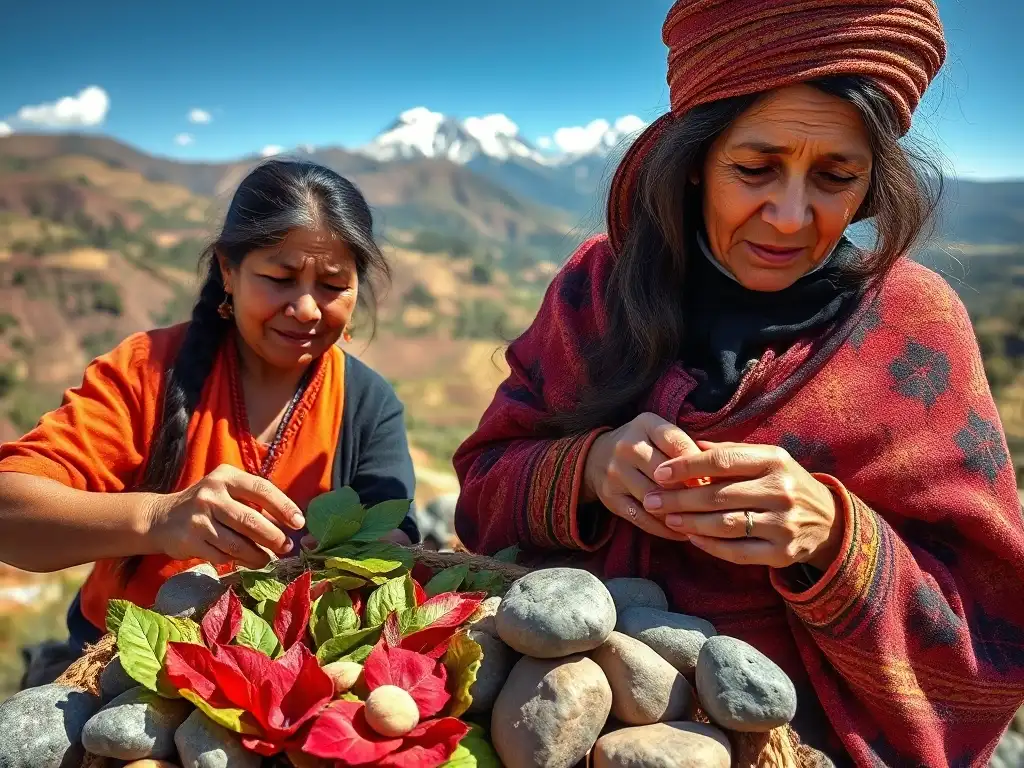
Step into a world lost to time, yet echoing with vibrant life. Imagine a civilization that harnessed the power of the Andes, weaving intricate tapestries of culture and knowledge. Within this realm of soaring mountains and ancient mysteries lies a treasure trove of healing practices. Discover the secrets of Quechua medicine traditions, a fascinating exploration of how language itself held the key to understanding and preserving ancient Andean healing knowledge. Unravel the threads of this captivating history – your journey into the heart of Andean wisdom begins now.
The Quechua language, spoken by millions across the Andes Mountains, is far more than just a means of communication; it's a repository of profound knowledge, deeply intertwined with traditional Andean medicine. This article delves into the intricate relationship between the Quechua language and its rich healing traditions, exploring how specific terminology, classifications of plants and illnesses, and the oral transmission of knowledge are all fundamentally linked to the efficacy and preservation of this ancient practice. Understanding this connection is crucial for appreciating the holistic nature of Andean healing and the vital role language plays in safeguarding its continuity for future generations.
We will explore how Quechua medicine traditions are not merely practices, but a complex system of knowledge embedded within the very fabric of the language itself. This exploration will highlight the importance of linguistic preservation for the continued understanding and application of these invaluable healing practices.
The Quechua Pharmacopoeia: Naming and Classifying Medicinal Plants
The Quechua language boasts a vast and nuanced vocabulary for describing the Andean flora. Each plant, with its unique properties and applications, possesses a specific name reflecting its characteristics, habitat, and medicinal uses. This detailed nomenclature isn't arbitrary; it's a crucial element of the traditional medicine system.
For instance, the Quechua name for a particular plant might incorporate details about its color (e.g., q’ara for "yellow"), its shape ( waylla for "long"), or its growing environment ( qucha for "lake"). This precise naming system allows for accurate identification and differentiation of plants, minimizing the risk of misidentification and potential harm. Furthermore, the names often reflect traditional uses, enabling practitioners to readily recall the plant's medicinal properties based solely on its Quechua name.
This detailed system ensures the accurate transmission of knowledge across generations. The loss of Quechua, therefore, represents a significant threat to the preservation of this invaluable botanical knowledge. Consider, for example, the intricate classification of coca leaves, with different varieties possessing distinct medicinal properties reflected in their specific Quechua names.
Diagnosing Illness through Quechua Terminology
The diagnosis of illness in traditional Quechua medicine is also deeply intertwined with the language. Symptoms are described using rich and precise terminology, often reflecting the holistic view of the body and its relationship to the natural world. Instead of isolating individual symptoms, Quechua descriptions often encompass the patient's overall state, including their emotional, spiritual, and environmental context.
For instance, the Quechua term for a particular ailment might reflect not only the physical manifestations but also the perceived causal factors, such as an imbalance in energies or a disruption of the harmony between the individual and their environment. This holistic approach, deeply embedded within the language, is a key element distinguishing traditional Quechua medicine from Western biomedicine.
The richness of descriptive terms in Quechua allows for a more nuanced understanding of the patient's condition, leading to a more tailored and effective treatment plan. This emphasis on holistic understanding is a testament to the deep interconnectedness woven into the Quechua worldview.
Oral Transmission and the Preservation of Knowledge
The transmission of Quechua medicinal knowledge has traditionally relied heavily on oral methods. Stories, songs, and rituals have served as powerful vehicles for passing down generations of accumulated wisdom. This oral tradition is not merely a form of storytelling; it's a dynamic and adaptive system that ensures the continuity of healing practices.
The use of mnemonic devices, such as rhymes and metaphors embedded within the Quechua language, aids in the memorization and recall of complex information. However, the decline of Quechua fluency poses a significant threat to this oral tradition. As fluency diminishes, so does the ability to accurately transmit and interpret this vital knowledge, risking the loss of invaluable healing practices.
Efforts to revitalize the Quechua language are therefore crucial for the preservation of this irreplaceable heritage. The intricate relationship between language and healing underscores the urgent need for language preservation programs to protect this vital aspect of Andean cultural identity.
The Future of Quechua Medicine Traditions
The future of Quechua medicine traditions hinges on the preservation and revitalization of the Quechua language. Active efforts to document, translate, and teach Quechua are vital in ensuring that this rich knowledge base is not lost. By supporting Quechua language programs and incorporating traditional knowledge into modern healthcare systems, we can ensure the continuation of these invaluable healing practices.
The integration of traditional and modern approaches can lead to a more holistic and culturally sensitive healthcare system, benefiting both communities and individuals. Moreover, the unique insights offered by Quechua medicine can enrich our understanding of human health and well-being. The preservation of this knowledge is not merely a matter of cultural preservation but also a potential source of valuable medical discoveries for the benefit of all humanity.
- The Quechua Pharmacopoeia: Naming and Classifying Medicinal Plants
- Diagnosing Illness through Quechua Terminology
- Oral Transmission and the Preservation of Knowledge
- The Future of Quechua Medicine Traditions
- What role did Quechua play in traditional Andean medicine?
- How did Quechua language influence the understanding of Andean plants used for medicine?
- Are there any surviving Quechua texts detailing medicinal practices?
- How does Quechua medicine differ from Western medical practices?
- Where can I learn more about Quechua medicine traditions?
The Vital Role of Quechua in Andean Traditional Healing
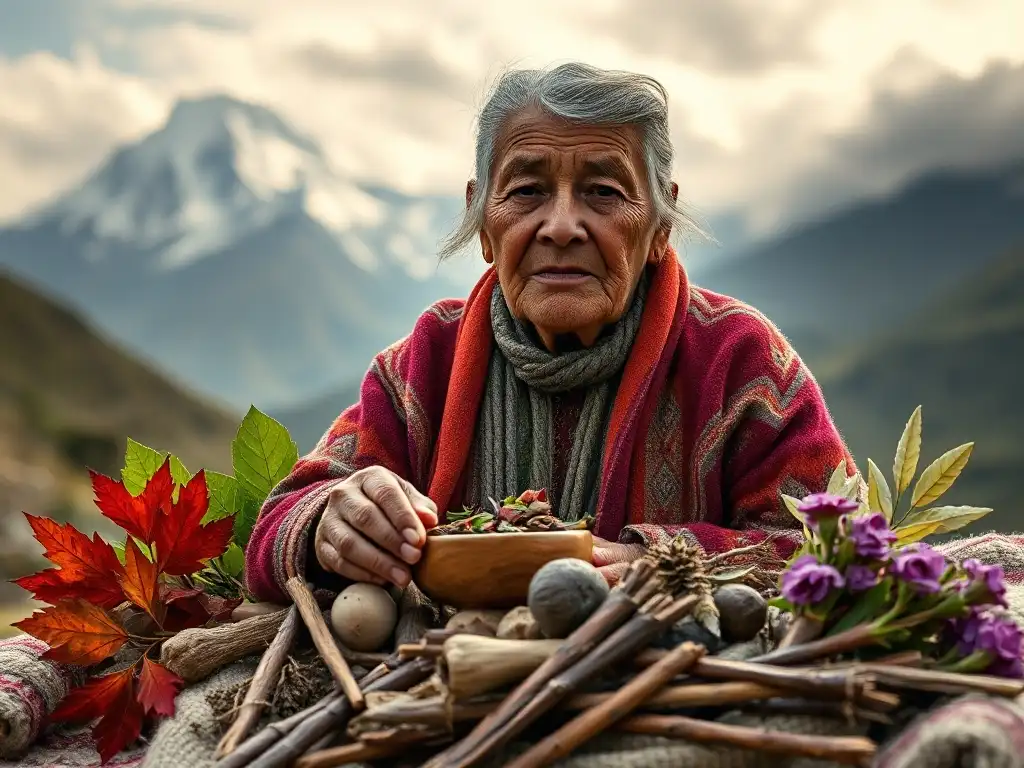
The Quechua language, far from being merely a means of communication, served as a cornerstone of Andean traditional medicine. Its intricate vocabulary, rich with nuanced descriptions of plants, ailments, and treatments, reflects a deep understanding of the natural world and its healing properties. The survival and transmission of this knowledge, passed down through generations of healers, curanderos, and yatiri, is inextricably linked to the preservation of the Quechua language itself.
The loss of Quechua would represent not only a linguistic tragedy but also an irreplaceable loss of invaluable medical wisdom. This section explores the profound interconnection between language and indigenous medicine within the Quechua tradition, highlighting its significance in understanding and preserving this vital heritage. The intricate terminology embedded within the language itself provides a unique window into the complex systems of diagnosis, treatment, and spiritual understanding that underpinned Andean healing practices.
Understanding the Interconnection Between Language and Indigenous Medicine
The relationship between language and Andean traditional medicine is symbiotic. The precise terminology used to describe illnesses, symptoms, and remedies reflects a sophisticated understanding of the human body and its interaction with the environment. For instance, Quechua possesses a vast lexicon dedicated to describing different types of plants, each with its specific medicinal properties. These aren't simply botanical names; they often encompass the plant's energetic qualities, its spiritual significance, and its appropriate applications in various healing rituals.
Furthermore, the language itself often incorporates metaphorical and symbolic elements, reflecting the holistic worldview that underpins Andean healing practices. Illness isn't simply a physical ailment but may be interpreted as an imbalance in the relationship between the individual, the community, and the spiritual world. The Quechua language provides the framework for understanding and addressing these complex interrelationships.
Studies of Quechua medical texts and oral traditions reveal a level of botanical and pharmacological knowledge that rivals, and in some cases surpasses, the understanding of Western medicine in certain areas. The detailed descriptions of symptoms, diagnoses, and treatment protocols demonstrate a deep understanding of the human body and its physiological processes. This intimate connection between language and healing is what makes the preservation of Quechua so crucial for the future of Andean traditional medicine.
Quechua as a Repository of Ancient Medical Knowledge
Quechua serves as a living archive of ancient medical knowledge, preserving invaluable insights into healing practices passed down through centuries. Many medicinal plants and their applications, once only known within isolated Quechua communities, are now being rediscovered and studied by scientists and researchers. This resurgence of interest highlights the potential of Quechua medicine to contribute to modern healthcare. The detailed descriptions of remedies found within traditional Quechua texts and oral histories offer a wealth of information on herbal preparations, therapeutic techniques, and spiritual rituals.
Consider, for example, the extensive knowledge of coca leaf usage in Andean culture. Quechua possesses a rich vocabulary to describe different coca varieties, their uses, and their impact on the body and mind. The nuanced understanding of coca's medicinal properties, embedded within the Quechua language, offers valuable insights into its therapeutic applications, ranging from pain relief and altitude sickness to ceremonial and spiritual practices. This is just one example of the wealth of information contained within the Quechua language, emphasizing the importance of preserving this linguistic and cultural heritage for the benefit of future generations.
The loss of Quechua would mean losing access to a vast reservoir of potentially life-saving knowledge. Further research into Quechua medical terminology is vital, not only for understanding the history of Andean healing but also for exploring its potential contributions to modern pharmacology and healthcare. The preservation of the Quechua language is therefore a crucial step in safeguarding a unique and invaluable legacy.
Exploring Core Concepts in Quechua Medicine Traditions
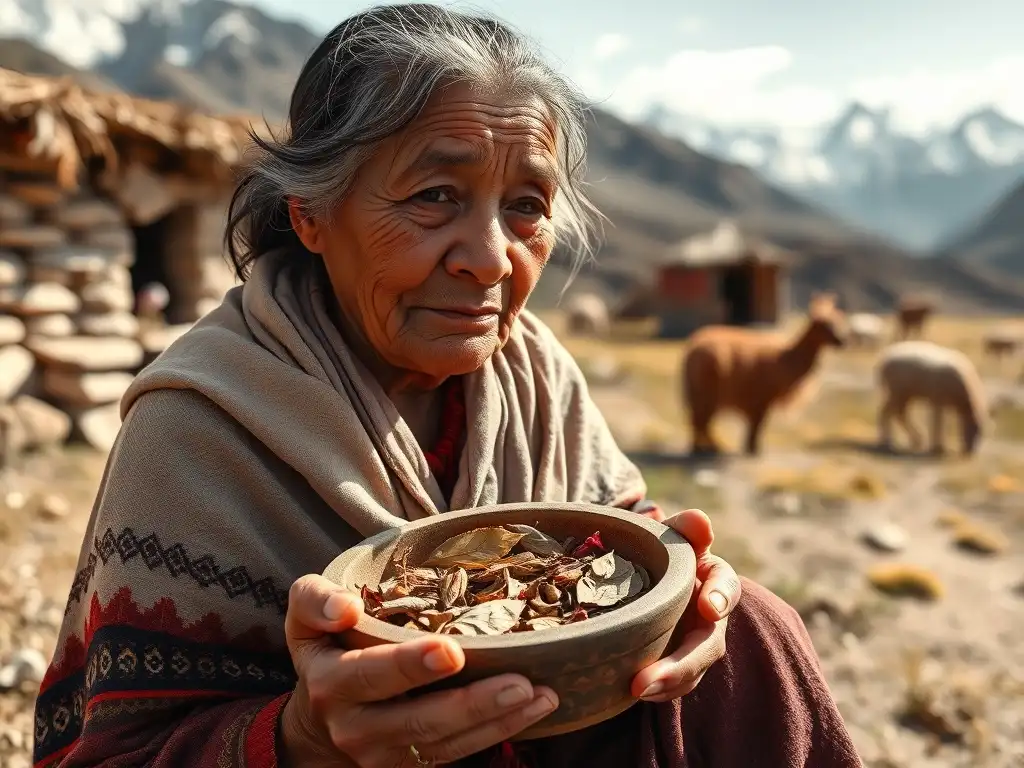
This section delves into the fundamental principles underpinning Quechua medicine traditions, exploring the worldview that shapes their healing practices. Understanding these core concepts is crucial to appreciating the holistic and deeply spiritual nature of Quechua healthcare. We will examine the intricate relationship between the physical and spiritual realms as perceived by Quechua healers and patients, revealing the rich tapestry of beliefs that inform their approach to wellness.
The preservation and transmission of this knowledge, often passed down through generations orally, underscores its importance within the Quechua cultural identity. This oral tradition, while challenging for documentation, provides invaluable insight into the enduring power of Quechua medicine traditions.
The Concept of "Sami" and "Hucha" in Quechua Healing Practices
The Quechua worldview emphasizes a delicate balance between opposing forces. Central to this understanding are the concepts of Sami and Hucha. Sami, often translated as "good" or "health," represents harmony, balance, and well-being—both physical and spiritual. Conversely, Hucha, meaning "bad" or "illness," signifies disharmony, imbalance, and the intrusion of negative forces. Illness, therefore, isn't merely a physical ailment; it's a disruption of this delicate Sami- Hucha equilibrium.
Quechua healers strive to restore this balance through various methods, including herbal remedies, rituals, and spiritual cleansing. The diagnosis itself often involves discerning the root cause of the imbalance, which might stem from a variety of factors—physical injury, spiritual transgression, or environmental influences. The healer's role transcends the purely medical; they act as spiritual guides, helping patients regain harmony with themselves and their surroundings.
This holistic perspective is fundamental to Quechua medicine traditions and sets it apart from many Western medical approaches. For example, a simple headache might not be treated solely with medication but also with rituals aimed at removing negative energies believed to be causing the discomfort.
The precise interpretation of Sami and Hucha varies across different Quechua communities, reflecting the diversity within the language and culture itself. Further research is needed to fully document the nuances of these concepts across various Quechua-speaking regions. However, their central role in shaping Quechua healing practices remains undeniable.
Quechua Terminology for Medicinal Plants and Their Uses
Quechua possesses a rich vocabulary for describing the vast array of medicinal plants used in traditional healing. Each plant holds a specific name reflecting its properties and uses. This intricate knowledge system, passed down through generations, is a testament to the deep connection between the Quechua people and their environment. The precise names and uses of these plants are often closely guarded secrets within families or specific healing lineages.
| Quechua Name (Example) | Spanish Translation (Approximate) | Medicinal Use |
|---|---|---|
| Muña | Mint | Digestive aid, respiratory relief |
| Coca | Coca | Stimulant, medicinal properties |
| Matico | Matico | Wound healing, antiseptic properties |
| Cacao | Cacao | Energy boost, mood enhancer |
This table provides only a small glimpse into the vast pharmacopoeia of Quechua traditional medicine. Many more plants are used, each with its own unique application and preparation methods. The knowledge surrounding these plants encompasses not only their medicinal properties but also their spiritual significance, often linking them to specific deities or ancestral spirits. Detailed ethnobotanical studies are crucial to fully document this invaluable knowledge before it is lost. The precise chemical composition and efficacy of many Quechua medicinal plants require further scientific investigation to validate their traditional uses.
The Significance of Rituals and Ceremonies in Quechua Traditional Medicine
Rituals and ceremonies are integral to Quechua traditional medicine, playing a vital role in restoring Sami and addressing Hucha. These practices are not merely symbolic; they are believed to actively influence the healing process. They often involve offerings, prayers, and the invocation of ancestral spirits or deities associated with healing.
These rituals are highly context-specific, varying depending on the illness, the healer's expertise, and the specific community's traditions. Some rituals may involve cleansing ceremonies, using herbs and water to purify the patient's body and spirit. Others might involve shamanic practices, such as entering altered states of consciousness to communicate with the spirit world and identify the root cause of the illness. The use of music, dance, and other forms of artistic expression is also common, serving to enhance the ritual's effectiveness and create a powerful healing atmosphere.
The effectiveness of these rituals is deeply intertwined with the patient's faith and the healer's skill. The healer's role extends beyond administering remedies; they act as spiritual guides, providing emotional and spiritual support to the patient throughout the healing process. The preservation of these rituals is crucial for safeguarding the rich cultural heritage of Quechua medicine traditions.
Further research is needed to fully understand the efficacy and the social and cultural contexts of these intricate ceremonies. The spiritual dimension of healing is a fundamental aspect of Quechua medicine, and its significance cannot be overstated. Understanding these rituals offers a window into the holistic perspective that shapes Quechua approaches to health and well-being.
Key Elements of Quechua Healing Practices
Quechua medicine traditions, deeply interwoven with the Quechua language and worldview, represent a holistic approach to health and well-being. Understanding these traditions requires appreciating the intricate relationship between the physical, spiritual, and environmental realms. This system, passed down through generations, emphasizes a profound connection to nature and a belief in the interconnectedness of all living things.
This section will explore core aspects of these practices, focusing on the role of the healer, diagnostic methods, and the utilization of herbal remedies. The preservation and study of these practices are crucial not only for understanding Quechua culture but also for potentially identifying valuable medicinal properties and sustainable healthcare approaches.
The Role of the "Yachaq" or Traditional Healer in Quechua Communities
The yachaq, often translated as "one who knows," holds a central position within Quechua communities. They are not simply healers; they are spiritual guides, community leaders, and keepers of ancestral knowledge. Their role extends beyond physical healing; they address the spiritual and emotional dimensions of illness, viewing disease as an imbalance affecting the whole person.
The yachaq's training is typically passed down through apprenticeship, involving years of study and practice under a master healer. This process emphasizes not only the acquisition of medicinal knowledge but also the development of ethical principles and spiritual sensitivity. The yachaq utilizes a range of techniques, including herbal remedies, rituals, and spiritual cleansing, to restore balance and harmony within the individual and the community.
Their expertise is invaluable in maintaining the cultural continuity and health of Quechua communities. The decline in the number of practicing yachaqs represents a significant concern for the preservation of this vital aspect of Quechua heritage. Efforts to document and support the training of new yachaqs are critical for safeguarding Quechua medicine traditions for future generations.
Diagnostic Methods Used in Quechua Traditional Medicine
Quechua traditional medicine employs diagnostic methods that are deeply rooted in observation, intuition, and spiritual understanding. Unlike Western medicine’s reliance on advanced technology, Quechua diagnosis is a holistic process, incorporating various techniques to assess the patient's overall condition. The yachaq might begin by observing the patient's physical symptoms, such as pulse, skin color, and body temperature. However, this is only one part of the assessment.
They may also consider the patient's emotional state, dreams, and any recent life events that could contribute to their illness. The use of divination techniques, such as reading coca leaves or interpreting natural phenomena, is also common. This involves interpreting patterns and symbols to gain insights into the underlying causes of the illness.
For example, the way coca leaves fall can indicate the nature of an ailment and guide the yachaq in selecting appropriate treatments. The process is highly individualized, reflecting the belief that each individual's experience of illness is unique. Further research into these diagnostic methods could offer valuable insights into alternative approaches to healthcare.
Herbal Remedies and Natural Treatments in Quechua Medicine
Quechua medicine traditions boast a rich pharmacopoeia of herbal remedies and natural treatments derived from the Andean ecosystem. The Andes' diverse flora provides a vast array of plants with medicinal properties. These plants are carefully selected and prepared, often using traditional methods passed down through generations. The specific herbs and their applications vary depending on the ailment and the yachaq's knowledge.
Some commonly used plants include muña (a mint-like plant used for digestive problems), coca (used for energy and as part of rituals), and various species of cantuta (used for various ailments). The preparation of remedies involves detailed processes, including specific harvesting times, methods of drying and grinding, and precise dosages. These remedies are often combined with other natural treatments, such as hydrotherapy or massage, to create a comprehensive healing approach.
The use of these natural treatments reflects a deep understanding of the interconnectedness between humans and the environment, emphasizing the importance of sustainable and ethically sourced ingredients. Further scientific investigation is necessary to fully understand the pharmacological properties of these plants and their potential applications in modern medicine. The potential for discovering new drugs and treatments within this traditional knowledge base is significant.
Quechua Medicine Traditions: A Holistic Approach
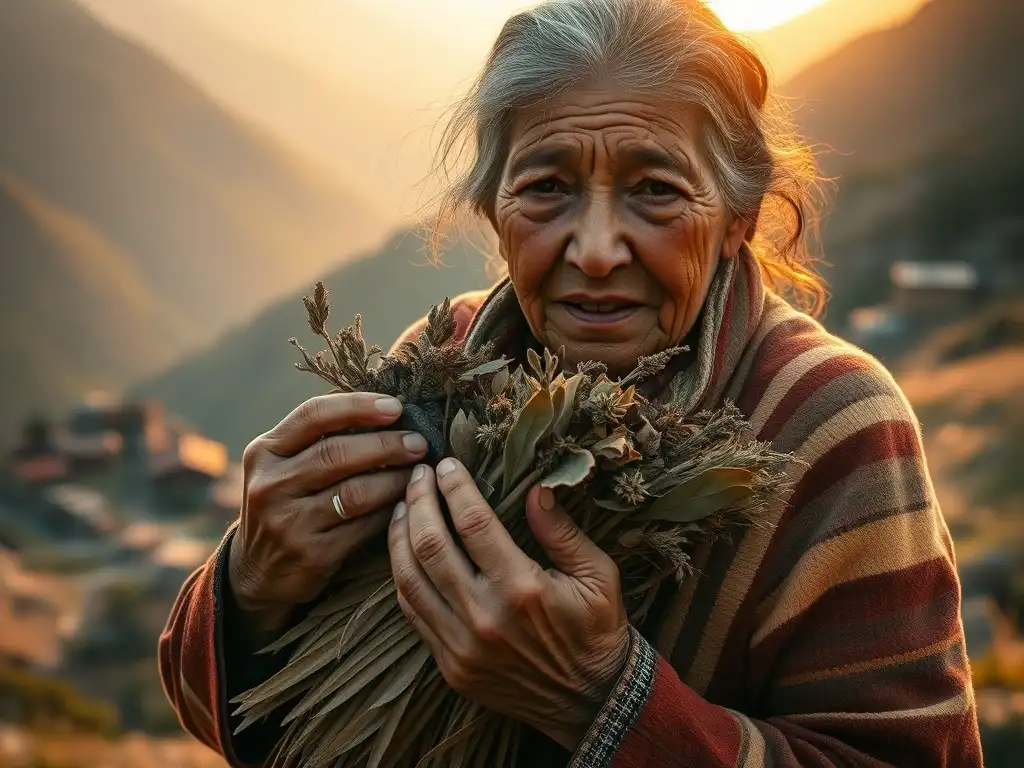
This section delves into the core principles underpinning Quechua medicine traditions, emphasizing its holistic nature and the intricate interplay between mind, body, and spirit. Understanding this fundamental perspective is crucial to appreciating the complexity and effectiveness of Quechua healing practices. The Quechua worldview doesn't compartmentalize health; rather, it views it as a harmonious balance within the individual and their environment. Illness, therefore, isn't simply a physical ailment but often reflects an imbalance in this holistic system.
The Integration of Mind, Body, and Spirit in Quechua Healing
Quechua medicine doesn't treat the symptoms in isolation; it addresses the root cause, often involving spiritual and emotional factors. The ayni principle—reciprocity and balance—is central to this approach. Disruptions in ayni, whether through personal actions or external forces, are believed to cause illness. Healing, then, involves restoring this balance.
This is achieved through a variety of methods, including herbal remedies, rituals, and spiritual guidance. For example, a shaman or yatiri might diagnose an illness as stemming from a spiritual imbalance, prescribing rituals to appease offended spirits or restore the individual's connection to the Andean cosmology. The emphasis on mental and spiritual wellbeing is as important as the physical treatment.
This holistic approach prioritizes the patient's overall well-being, fostering a sense of interconnectedness between the individual and the cosmos. The effectiveness of this approach is supported by anecdotal evidence from communities practicing these traditions, though further rigorous scientific research is needed to fully quantify its impact. Specific examples of treatments could include the use of medicinal plants to address both physical and emotional ailments, or the use of specific rituals to address spiritual imbalances.
Quechua medicine is deeply embedded within the social fabric of Andean communities. Healing is not a solitary endeavor but a collective responsibility. The community plays a vital role in the healing process, offering support, guidance, and practical assistance to the ill individual. This social support network is crucial for the patient's recovery, both emotionally and practically.
Family members and community elders often participate in the healing process, providing emotional support and practical assistance. The yatiri or shaman frequently works in close collaboration with the community, incorporating their knowledge and insights into the healing plan. This communal aspect of Quechua medicine highlights the importance of social cohesion and mutual support in promoting health and well-being.
The strong sense of community provides a powerful framework for healing, offering both emotional and practical support during times of illness. This aspect is often overlooked in Western medical models, which tend to focus on individual treatment. [Further research on specific community involvement in different healing ceremonies is needed].
Quechua Healing Practices and Their Connection to Andean Cosmology
Quechua healing practices are inextricably linked to the Andean worldview and cosmology. The Pachamama (Mother Earth) and the Apus (mountain spirits) are seen as powerful forces that influence health and well-being. Many healing rituals involve offerings to these entities to restore balance and harmony. The use of medicinal plants is often guided by traditional knowledge passed down through generations, reflecting a deep understanding of the natural world and its healing properties.
The yatiri plays a crucial role in interpreting the relationship between the patient's illness and the cosmic order, using their knowledge of Andean cosmology to diagnose and treat the underlying causes of the ailment. For instance, the use of specific plants may be dictated by their association with certain deities or cosmic forces. Understanding the connection between Quechua healing practices and Andean cosmology is essential for appreciating the depth and complexity of these traditions. Detailed studies of specific rituals and their cosmological significance would enrich our understanding of this fascinating aspect of Quechua medicine traditions.
The intricate relationship between the spiritual and physical realms forms the bedrock of these ancient healing practices, offering a unique perspective on the interconnectedness of life and the cosmos. This holistic approach, rooted in a deep respect for nature and the spiritual world, provides a compelling alternative to Western models of healthcare. The survival and continued practice of these traditions are a testament to their enduring value and effectiveness within Andean communities.
The Preservation and Transmission of Quechua Medical Knowledge
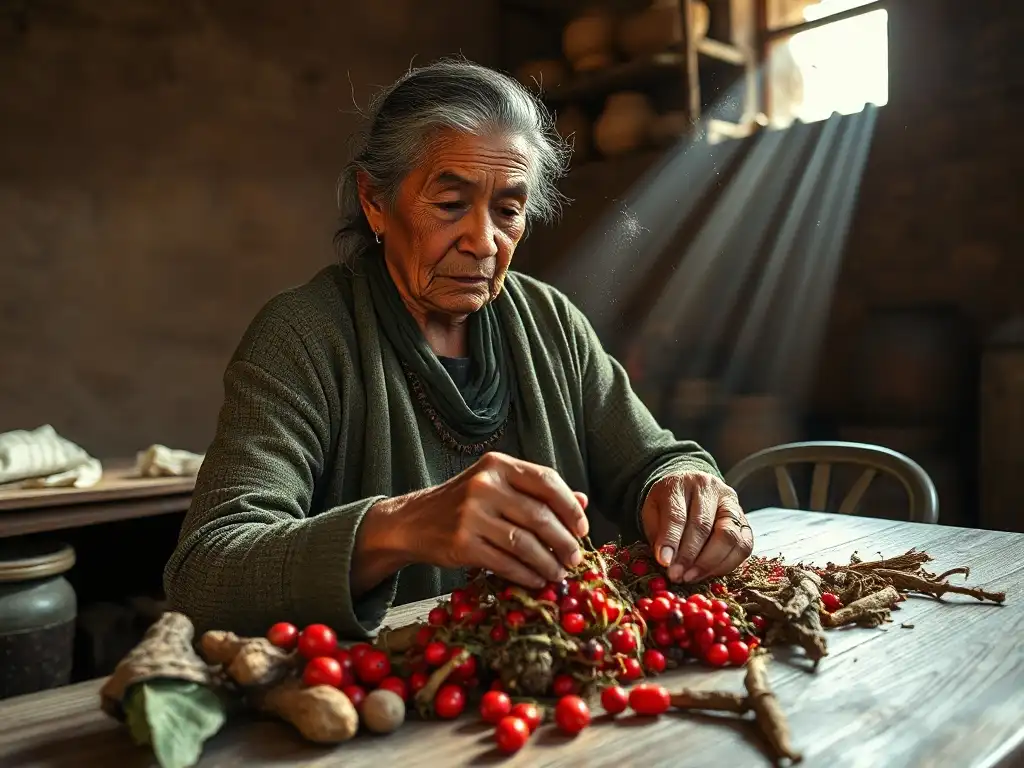
The intricate tapestry of Quechua medicine traditions, woven through generations, faces significant challenges in the modern era. Understanding how this knowledge is preserved and passed down is crucial to appreciating its enduring value and ensuring its continued existence. Historically, this transmission occurred primarily through an oral tradition, with experienced healers – yatikuq – sharing their knowledge and skills with apprentices through direct observation, practical application, and storytelling.
This apprenticeship model, often familial, fostered a deep connection between the healer, the patient, and the natural world. The knowledge wasn't simply a set of procedures; it was an integrated understanding of the human body, the environment, and the spiritual realm, all expressed and understood through the Quechua language.
This linguistic connection is paramount; the very terms used to describe ailments, remedies, and treatments are deeply embedded within the Quechua worldview, making accurate translation and understanding incredibly complex. The loss of fluency in Quechua directly impacts the ability to fully grasp the nuances of this traditional medicine.
Challenges Faced in Maintaining Quechua Traditional Healing Practices
The preservation of Quechua medicine traditions is threatened by several converging factors. The dominance of Western medicine presents a significant obstacle. Many younger generations are drawn to the perceived efficacy and accessibility of Western healthcare, leading to a decline in interest in traditional practices. This shift is further exacerbated by the ongoing process of globalization and urbanization, which often disrupt traditional social structures and community bonds essential for the continuity of oral traditions.
The lack of formal documentation of Quechua healing practices also poses a considerable challenge. While some knowledge has been recorded, much remains undocumented, relying solely on the memory and skill of aging yatikuq. This makes the knowledge vulnerable to loss as these healers pass away. Furthermore, the increasing scarcity of medicinal plants due to deforestation and climate change adds another layer of complexity.
The knowledge associated with identifying, harvesting, and preparing these plants is intimately tied to the broader Quechua medical system, and their disappearance represents a significant loss of both biological and cultural resources. Finally, the lack of recognition and support for Quechua medicine within official healthcare systems often marginalizes these practices, hindering their integration into broader healthcare initiatives. The following table summarizes these challenges:
| Challenge | Description | Impact on Quechua Medicine Traditions |
|---|---|---|
| Dominance of Western Medicine | Western medicine is often preferred over traditional methods, leading to decreased interest in Quechua practices. | Loss of practitioners and knowledge transmission. |
| Globalization and Urbanization | Disrupts traditional social structures and community bonds crucial for the oral transmission of knowledge. | Erosion of cultural practices and knowledge. |
| Lack of Documentation | Much knowledge remains undocumented, relying solely on the memory of aging healers. | Risk of significant knowledge loss upon the death of practitioners. |
| Scarcity of Medicinal Plants | Deforestation and climate change threaten the availability of essential medicinal plants. | Loss of plant-based remedies and associated knowledge. |
| Lack of Official Recognition | Quechua medicine lacks recognition and support within official healthcare systems. | Marginalization and limited integration into broader healthcare initiatives. |
Efforts to Revitalize and Promote Quechua Medicine
Despite the challenges, significant efforts are underway to revitalize and promote Quechua medicine traditions. Several organizations are actively working to document traditional healing practices, preserving valuable knowledge for future generations. This documentation often involves collaborating with experienced yatikuq, carefully recording their knowledge through interviews, detailed descriptions, and even video recordings.
Efforts are also being made to integrate elements of Quechua medicine into formal healthcare settings, promoting a more holistic and culturally sensitive approach to healthcare. Community-based initiatives are playing a crucial role in revitalizing traditional practices, fostering intergenerational knowledge transfer and empowering local communities to protect their cultural heritage. Educational programs are also being developed to raise awareness about Quechua medicine and its importance, promoting a greater appreciation for its value and potential contributions to healthcare.
Moreover, initiatives are focusing on the sustainable cultivation and conservation of medicinal plants, ensuring the long-term availability of essential resources. These efforts highlight a growing recognition of the importance of preserving indigenous knowledge systems and their potential contribution to global health. The success of these efforts relies heavily on community participation, interdisciplinary collaboration, and sustained policy support.
The Future of Quechua Medicine and its Relevance Today
The future of Quechua medicine hinges on the continued commitment to preserving and promoting its rich traditions. Its relevance today extends beyond its historical significance; it offers valuable insights into holistic healthcare approaches that emphasize the interconnectedness of mind, body, and spirit. Quechua medicine traditions offer a potential source of new therapeutic approaches and medicinal compounds.
The knowledge embedded within these practices represents a vast and largely untapped resource for scientific research and innovation. The integration of elements of Quechua medicine into modern healthcare systems could lead to more culturally sensitive and effective healthcare services, particularly in underserved communities. However, this integration requires careful consideration to avoid cultural appropriation and ensure the ethical and respectful preservation of traditional knowledge.
The continued support for community-based initiatives, research collaborations, and educational programs is crucial for securing the future of Quechua medicine and ensuring its contribution to a more holistic and equitable healthcare landscape. This involves not only preserving the knowledge itself, but also strengthening the language and cultural context in which it thrives. The future of "Quechua medicine traditions" relies on a collaborative and respectful approach that values both its historical significance and its potential for contemporary application.
Examples of Specific Quechua Healing Techniques
Quechua medicine traditions, deeply intertwined with their language and worldview, offer a fascinating glimpse into a holistic approach to health and well-being. Understanding the Quechua language is crucial to grasping the nuances of these practices, as many medicinal plants and healing rituals are named and described using specific Quechua terminology. The following examples illustrate the intricate connection between language and healing in Quechua culture.
These techniques are not meant to be a substitute for modern medical care but rather highlight the rich history and cultural significance of Quechua healing practices. Practitioners of these methods should possess extensive knowledge and experience.
Preparation of "Muña" Infusion for Respiratory Ailments
The preparation of a muña ( Minthostachys spicata) infusion exemplifies the precision of Quechua medicinal practices. Muña, a fragrant herb with purported expectorant and anti-inflammatory properties, is central to treating respiratory ailments. The Quechua term itself, muña, evokes its aroma and medicinal qualities within the language. The preparation process, often described through detailed oral instructions passed down through generations, involves specific steps:
- Harvesting: The muña leaves are ideally harvested during specific times of the day, often dictated by the position of the sun and lunar cycles – knowledge often expressed in Quechua proverbs and sayings relating to plant energy. [Specific harvesting times pending].
- Cleaning and Washing: The leaves are meticulously cleaned using pure spring water, a practice emphasizing the importance of purity in healing. The water itself is often considered to hold healing properties.
- Infusion: A precise quantity of muña leaves (typically described using traditional Quechua units of measurement [specific units pending]) is steeped in boiling water for a specific duration [specific duration pending], resulting in a potent infusion. The precise boiling time is often linked to the severity of the respiratory ailment.
- Consumption: The infusion is typically consumed warm, often accompanied by specific instructions regarding the timing and frequency of consumption, all described in Quechua. These instructions often consider the patient's individual constitution and the phase of the illness.
The entire process, from harvesting to consumption, is deeply rooted in Quechua cosmology and linguistic understanding, highlighting the profound connection between language, nature, and healing. The effectiveness of muña infusion is, of course, subject to further scientific investigation; however, its enduring presence in Quechua healing traditions underscores its significance.
The "Pago a la Tierra" Ceremony for Health and Well-being
The Pago a la Tierra (Offering to the Earth) ceremony illustrates the spiritual dimension of Quechua medicine. This ceremony, conducted to restore balance and harmony, is not simply a ritual but a complex interaction between humans and the natural world, deeply rooted in Quechua cosmology and expressed through specific chants and prayers in Quechua. The language used is crucial, as it invokes specific deities and spirits associated with healing and fertility.
The ceremony involves several key components:
- Offerings: Offerings to Pachamama (Mother Earth) are crucial, typically including coca leaves, chicha (fermented corn beverage), and other offerings symbolic of gratitude and respect. The type and quantity of offerings are often dictated by the specific needs and intentions of the individual or community.
- Chants and Prayers: Specific Quechua chants and prayers, passed down through generations, are integral to the ceremony. These invocations aim to connect with spiritual forces and invoke their aid in restoring health and well-being. The precise wording and intonation are critical to the efficacy of the ritual.
- Ritual Actions: Specific actions, such as scattering coca leaves or pouring chicha onto the earth, are symbolic gestures aimed at fostering a connection between the spiritual and physical realms. These actions are meticulously described and understood within the Quechua language.
The Pago a la Tierra is not merely a religious act; it is a powerful expression of Quechua worldview, where health is not separated from the spiritual and environmental well-being. The Quechua language provides the framework for this complex interaction.
The Role of Coca Leaves in Diagnosis and Healing
Coca leaves ( Erythroxylum coca) play a multifaceted role in Quechua medicine traditions. Their use extends beyond simple stimulation; they serve as a key element in diagnosis and healing practices, often guided by the interpretation of specific Quechua terms associated with the leaves themselves and their effects.
- Diagnosis: Experienced healers, yatiri, utilize coca leaves in diagnostic processes. The way the leaves are chewed and the resulting sensations are interpreted to understand the nature and cause of an illness. Specific Quechua terms describe various sensations and their diagnostic significance [Specific Quechua terms and their meanings pending].
- Healing: Coca leaves are also used in conjunction with other herbal remedies to enhance their effectiveness. Specific methods of preparation and administration are dictated by the ailment and involve specialized Quechua terminology. For example, the way coca leaves are incorporated into an infusion or a poultice might differ depending on the specific illness.
- Spiritual Significance: Coca leaves are not merely medicinal; they hold spiritual significance within Quechua cosmology. Their use in healing ceremonies is intertwined with prayer and ritual, underscoring the holistic nature of Quechua healing practices. The language used during these rituals is essential to invoking the desired spiritual aid.
The role of coca leaves in Quechua medicine highlights the deep integration of spiritual, medicinal, and linguistic elements. The Quechua language is the vehicle through which this complex system of knowledge is transmitted and understood, ensuring the preservation of these traditions.
Conclusion: The Enduring Legacy of Quechua Medicine
The intricate relationship between the Quechua language and traditional Andean medicine reveals a profound connection between linguistic expression and healing practices. Understanding this connection is crucial not only for preserving a rich cultural heritage but also for potentially unlocking valuable insights into medicinal plants and therapeutic techniques. The enduring legacy of Quechua medicine traditions is not merely a historical artifact; it's a vibrant, living system that continues to evolve and adapt while maintaining its core principles. This legacy underscores the importance of preserving and respecting Indigenous knowledge systems for the benefit of both the Quechua community and the wider world. Further research, conducted with ethical considerations and cultural sensitivity at the forefront, is vital to fully appreciate the scope and potential of this ancient wisdom. The continued study of Quechua medicine traditions can offer valuable insights into sustainable healthcare practices and potentially lead to the discovery of new medicinal applications.
Recognizing the Value of Quechua Indigenous Medical Systems
Quechua indigenous medical systems, often overlooked in mainstream healthcare, represent a wealth of knowledge accumulated over millennia. These systems are holistic, encompassing physical, mental, and spiritual well-being. Unlike Western medicine's often reductionist approach, Quechua healing emphasizes the interconnectedness of all things, viewing illness as an imbalance within this interconnectedness. The use of medicinal plants, many of which have yet to be fully investigated by modern science, forms a cornerstone of this approach.
For example, the plant Matico ( Piper aduncum ), commonly used in Quechua medicine to treat wounds and inflammation, has shown promising antibacterial properties in preliminary scientific studies. This highlights the potential for discovering novel therapeutic compounds within the Quechua pharmacopoeia. Furthermore, the diagnostic methods employed, often involving detailed observation of symptoms and consideration of environmental factors, offer a unique perspective on disease etiology.
Recognizing the value of these systems requires moving beyond a purely biomedical framework and embracing a more nuanced understanding of health and healing. This shift in perspective is essential for equitable healthcare access and the preservation of invaluable cultural heritage. The effective integration of traditional Quechua practices into modern healthcare systems could lead to more comprehensive and culturally sensitive treatment approaches.
The Importance of Cultural Sensitivity and Respect in Approaching Quechua Healing
Approaching Quechua healing practices requires a deep commitment to cultural sensitivity and respect. It's paramount to acknowledge the spiritual and ritualistic aspects interwoven with the therapeutic process. Simply extracting botanical knowledge without understanding the context of its use risks misinterpreting its efficacy and potentially causing harm. Respect for traditional healers, yatiri, and their knowledge is fundamental.
Their expertise is not merely empirical; it is rooted in generations of experiential learning and cultural transmission. Collaborating with Quechua communities, ensuring their participation and informed consent in any research or application of their knowledge, is ethically imperative. This necessitates a collaborative approach where researchers work with the community, rather than on the community. Furthermore, appropriate compensation and recognition for the sharing of knowledge must be provided.
Ignoring these ethical considerations not only undermines the integrity of the research but also perpetuates historical injustices inflicted upon Indigenous communities. Ethical and respectful engagement ensures the preservation of Quechua knowledge while fostering mutually beneficial collaborations. The ultimate goal should be empowering Quechua communities to control and protect their own healing traditions.
Quechua Language as a Living Link to Ancient Andean Wisdom
The Quechua language itself serves as a vital repository of ancient Andean knowledge, including detailed descriptions of medicinal plants and their applications. Many medicinal plant names, preparations, and therapeutic uses are encoded within Quechua vocabulary, representing a vast, untapped resource for ethnobotanical research. The loss of the Quechua language would represent an irreversible loss of this invaluable knowledge.
The intricate terminology surrounding medicinal plants reflects a deep understanding of their properties and uses, often differentiating between various parts of the plant and specifying specific preparations for different ailments. For example, different Quechua terms may describe various parts of the coca plant ( Erythroxylum coca ) and their distinct applications. The nuanced vocabulary reflects a sophisticated understanding of the plant's chemical composition and its effects on the human body.
Preserving the Quechua language is therefore crucial for safeguarding this rich pharmacopoeia and preventing the erosion of this ancient wisdom. Efforts to revitalize and promote the Quechua language are not merely linguistic endeavors; they are essential steps in preserving a vital part of Andean cultural heritage and its unique approach to healing. The continued use and study of Quechua, therefore, are directly linked to the preservation and understanding of "Quechua medicine traditions."
Frequently Asked Questions
What role did Quechua play in traditional Andean medicine?
Quechua, the language of the Inca Empire, was integral to the transmission of healing knowledge. Herbal remedies, diagnostic techniques, and spiritual practices were often described and passed down through oral traditions in Quechua.
How did Quechua language influence the understanding of Andean plants used for medicine?
The precise names in Quechua for specific plants were crucial for accurate identification and use. This linguistic precision ensured the correct application of plants with therapeutic properties.
Are there any surviving Quechua texts detailing medicinal practices?
While many oral traditions remain, the Spanish conquest significantly impacted the survival of written Quechua texts related to medicine. However, ethnobotanical studies and linguistic analysis of surviving texts offer valuable insights.
How does Quechua medicine differ from Western medical practices?
Quechua medicine emphasizes a holistic approach, integrating physical and spiritual well-being. Unlike Western medicine's focus on isolating ailments, it views the body as interconnected with its environment and the spiritual realm.
Where can I learn more about Quechua medicine traditions?
You can explore ethnobotanical research, consult anthropological studies, and engage with indigenous communities (with respect and permission) to learn more about these rich traditions. Many academic databases and books offer valuable information.
Final Reflection: The Enduring Power of Quechua Healing Traditions
The intricate relationship between language and healing, as explored through the lens of Quechua traditional medicine, remains profoundly relevant today. In a world increasingly dominated by Westernized healthcare systems, the resurgence of interest in indigenous knowledge systems like Quechua medicine offers a vital counterpoint, highlighting the holistic and deeply interconnected nature of well-being. This is not merely a historical curiosity; it represents a powerful resource for addressing contemporary health challenges.
The enduring influence of Quechua medicinal practices on the cultural landscape is undeniable, shaping not only healthcare but also perspectives on the environment, community, and spirituality. The intimate connection between language and the understanding of medicinal plants, diagnostic methods, and healing rituals underscores the importance of preserving linguistic diversity. Language is the road map of a culture. It tells you where its people come from and where they are going.
– Rita Mae Brown. This quote perfectly encapsulates the significance of safeguarding Quechua, a language intrinsically linked to the survival and flourishing of its associated healing traditions. The loss of the language would be an irreplaceable loss of knowledge, impacting not only the Quechua people but also the global understanding of holistic health.
Consider the profound implications of this knowledge for your own life. How can we, as individuals and as a global community, better appreciate and support the preservation of indigenous knowledge systems? By actively seeking to understand and respect diverse healing traditions, we can enrich our own understanding of health and well-being, fostering a more inclusive and equitable approach to healthcare. Let the wisdom embedded within Quechua medicine inspire you to explore the interconnectedness of language, culture, and healing, and to advocate for the preservation of this invaluable heritage for generations to come.
Unlock the Healing Secrets of Quechua Traditions!
Thank you for exploring the rich world of Quechua traditional medicine with us! You've gained valuable insights into the interwoven relationship between language, healing practices, and cultural identity. Now, let's delve even deeper!
Here are some ways to further explore this fascinating topic:
- **Explore Quechua herbal remedies:** Begin by researching and incorporating common Quechua herbs into your cooking or natural health routines. Experiment with different herbs and learn about their traditional uses.
- **Connect with the Quechua community:** Seek out local workshops, community events, or online resources that highlight indigenous practices and the role of language in their healing traditions. Consider attending a cultural event or connecting with a Quechua herbalist.
- **Share your knowledge:** Discuss your discoveries with friends, family, or online communities to raise awareness and appreciation for these traditional healing methods. Consider writing a blog post or creating a social media campaign.
Which aspect of Quechua healing most intrigues you, and how will you integrate this knowledge into your life? Share your thoughts in the comments!