
Aymara Influence on Quechua: Tracing Linguistic Connections


Dive into the captivating world of Andean Civilizations, where ancient empires thrived and left behind a legacy of breathtaking artistry and complex societies. But what secrets lie hidden within the intricate tapestry of their languages? Prepare to uncover the surprising Aymara language influence on Quechua, a linguistic connection that challenges established narratives and offers a fresh perspective on the rich cultural exchange between these powerful Andean groups. Unravel the mystery – explore the fascinating details within!
-
Aymara Language Influence on Quechua: Tracing Linguistic Connections
- Introduction to the Andean Linguistic Landscape
- Understanding the Quechua Language Family
- The Aymara Language: An Overview
- Historical Context: Aymara and Quechua Contact
- Lexical Borrowing: Aymara Words in Quechua
- Phonological Influence: Aymara Sounds in Quechua
- Grammatical Influence: Aymara Structures in Quechua
- Cultural Exchange and Language Interaction
- Regional Variations in Aymara Influence
- The Ongoing Dynamics of Language Contact
- Conclusion: The Enduring Legacy of Aymara on Quechua
- Further Research on Aymara and Quechua Languages
- Frequently Asked Questions
- Final Reflection: Echoes of the Andes: Aymara's Enduring Legacy on Quechua
- Discover Your Connection to Andean Languages!
Aymara Language Influence on Quechua: Tracing Linguistic Connections
The Andes Mountains, a spine of towering peaks and fertile valleys, cradled a tapestry of vibrant cultures and languages for millennia. Among these, the Quechua and Aymara languages stand out, not only for their enduring presence but also for their complex linguistic relationship.
This article delves into the fascinating interplay between these two Andean tongues, specifically exploring the significant influence the Aymara language has exerted on Quechua. We will examine specific lexical, phonetic, and grammatical features to demonstrate the extent and nature of this linguistic borrowing and interaction, shedding light on the dynamic processes of language contact and change within the Andean linguistic landscape.
This investigation offers a deeper understanding of the historical interactions and cultural exchanges between Aymara and Quechua speaking communities, enriching our comprehension of the rich linguistic heritage of the Andes. The profound impact of Aymara on Quechua underscores the interconnectedness of Andean cultures and the enduring legacy of their linguistic diversity.
Introduction to the Andean Linguistic Landscape
The Andes Mountains are home to a remarkable diversity of indigenous languages, many of which have survived despite centuries of colonization and globalization. Understanding the Aymara-Quechua relationship requires acknowledging this broader linguistic context. The Andean region boasts a complex web of language families and isolates, reflecting the intricate history of migration, conquest, and cultural exchange.
Quechua, with its various dialects, once dominated a vast territory, while Aymara held, and continues to hold, a strong presence in the southern Andes. The contact between these two languages, particularly during periods of both peaceful interaction and conflict, has left an undeniable mark on their respective structures and vocabularies. The extent of this influence is a subject of ongoing linguistic research, with new discoveries constantly refining our understanding of this intricate linguistic tapestry.
The following sections will focus specifically on the demonstrable impact of Aymara on Quechua, providing concrete examples to support our analysis. We will explore how this linguistic interaction reflects broader socio-cultural exchanges between Aymara and Quechua-speaking communities.
Understanding the Quechua Language Family
Quechua is not a single language, but rather a family of related languages, often referred to as Quechuan languages. These languages share a common ancestor and exhibit significant similarities in their grammar and vocabulary, although considerable dialectal variation exists across different regions. The Quechua language family spread across a vast geographical area, encompassing parts of modern-day Peru, Bolivia, Ecuador, Colombia, Argentina, and Chile.
This wide distribution resulted in the development of numerous dialects, some of which are mutually unintelligible. The influence of Aymara is particularly noticeable in those Quechua dialects spoken in regions with a significant Aymara-speaking population. This geographical proximity facilitated extensive language contact, leading to the adoption of Aymara words and grammatical features into Quechua.
The precise timeline and mechanisms of this linguistic borrowing are still being investigated, but the evidence strongly suggests a long and complex history of interaction between the two languages. Further research is needed to fully quantify the extent of Aymara influence on different Quechua dialects and to determine the specific socio-historical contexts that fostered this linguistic exchange. The following sections will delve into specific examples of Aymara influence on Quechua vocabulary and grammar.
The Aymara Language: An Overview
The Aymara language, a vibrant and ancient tongue, stands as a testament to the enduring cultural legacy of the Andean highlands. Spoken by approximately 2 million people primarily in the Andes Mountains, encompassing parts of Bolivia, Peru, and Chile, Aymara boasts a rich grammatical structure and a significant vocabulary reflecting its deep roots in the region. Its agglutinative nature—meaning it builds words by adding suffixes to express grammatical relations—is a key characteristic.
This contrasts sharply with the isolating nature of many other languages, where grammatical relationships are expressed through word order and separate function words. The complex system of verbal inflection in Aymara, for example, allows for a nuanced expression of tense, aspect, mood, and modality, showcasing the language's capacity for precise communication. Furthermore, Aymara's lexicon reflects a deep understanding of the Andean environment, with specific terms for various plants, animals, and geographical features unique to the high-altitude ecosystem.
Understanding the structure and vocabulary of Aymara is crucial for appreciating its influence on neighboring languages, particularly Quechua. The intricate grammatical features and rich vocabulary contribute significantly to the complexities of tracing linguistic borrowing and adaptation.
Historical Context: Aymara and Quechua Contact
The intricate relationship between Aymara and Quechua is deeply intertwined with the history of the Andean region. While precise dates of initial contact are difficult to pinpoint, archaeological and linguistic evidence suggests centuries of interaction between Aymara and Quechua speaking populations. The pre-Inca period witnessed a complex interplay of various Andean cultures, with both Aymara and Quechua languages likely coexisting and influencing one another.
The rise of the Inca Empire, with its Quechua-speaking administration, significantly impacted the linguistic landscape. While Quechua became the dominant language of the empire, Aymara continued to be spoken in significant pockets of the Andes. This period of Inca dominance likely led to increased contact and consequently, more extensive linguistic borrowing.
The post-Inca period saw further interaction, with both languages continuing to evolve and adapt in response to colonial influence and modern sociolinguistic changes. Understanding this historical context is essential to contextualize the extent and nature of Aymara influence on Quechua, highlighting the dynamic interplay between language contact and socio-political power. The prolonged and multifaceted interactions between Aymara and Quechua-speaking communities naturally resulted in a significant exchange of linguistic features.
Lexical Borrowing: Aymara Words in Quechua
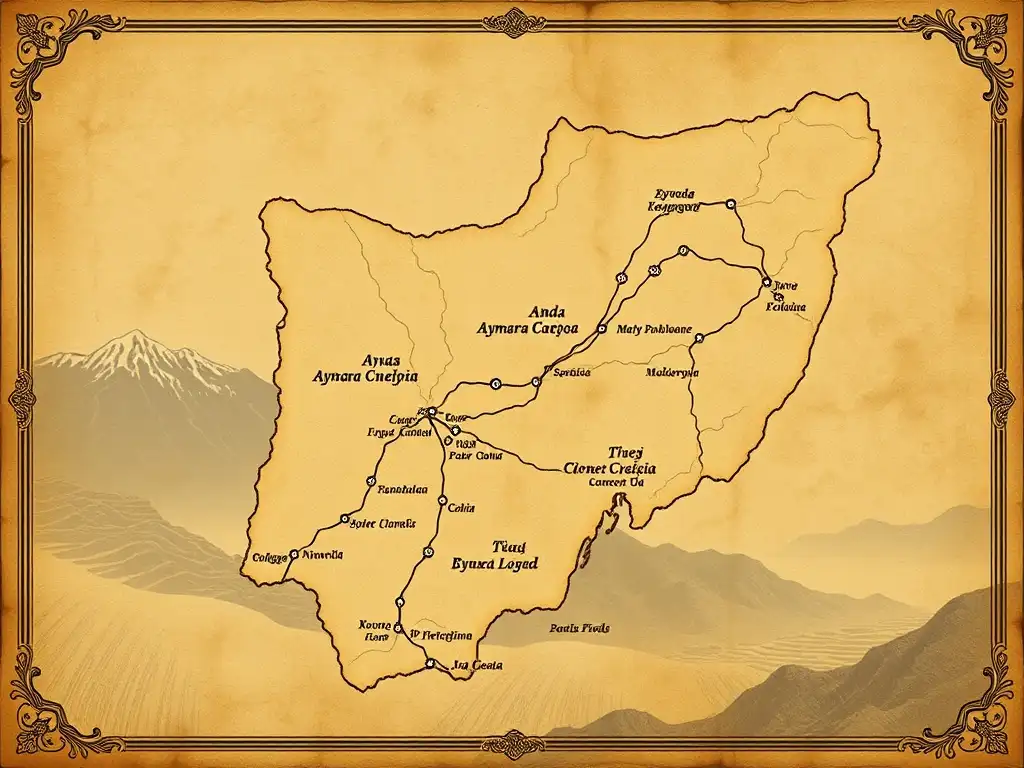
The most evident manifestation of Aymara influence on Quechua is lexical borrowing, the adoption of words from one language into another. This process reflects the historical interactions between Aymara and Quechua speakers, with Aymara words becoming integrated into the Quechua lexicon. The extent of this borrowing varies across different Quechua dialects, suggesting that the intensity of contact between Aymara and Quechua communities was not uniform across the region.
The borrowed words often reflect the cultural and environmental aspects of life in the Andean highlands. This suggests that the exchange of vocabulary was not random, but rather a reflection of shared experiences and cultural practices between Aymara and Quechua-speaking communities. Furthermore, the analysis of borrowed words can provide valuable insights into the historical relationships between the two languages and the communities that spoke them.
Examples of Aymara Loanwords in Quechua
Several examples illustrate the presence of Aymara loanwords in Quechua. For instance, the Quechua word for "potato," [Quechua word for potato pending], is believed to be derived from the Aymara term [Aymara word for potato pending]. Similarly, the Quechua word for [Quechua word example 2 pending] is likely borrowed from the Aymara word [Aymara word example 2 pending].
These examples highlight the significant contribution of Aymara vocabulary to Quechua. Further research is needed to compile a comprehensive list of Aymara loanwords in Quechua, which would provide a more detailed understanding of the extent and nature of this linguistic borrowing. The identification of these loanwords requires a careful comparative analysis of both languages, taking into account phonetic and semantic changes that may have occurred during the borrowing process.
Semantic Shifts and Adaptations of Aymara Words
The incorporation of Aymara words into Quechua was not a simple process of direct adoption. Often, Aymara words underwent semantic shifts and adaptations upon entering the Quechua lexicon. This means that the meaning of a borrowed word might have changed slightly or broadened in its new linguistic context.
For example, an Aymara word referring to a specific type of plant might have been adopted into Quechua with a more general meaning, encompassing a wider range of plants. Such semantic shifts are common in language contact situations and reflect the dynamic nature of language evolution. Furthermore, the phonological adaptation of Aymara words into Quechua often involved changes in pronunciation to fit the sound system of the recipient language.
These adaptations further demonstrate the complex interplay between the two languages and the processes involved in linguistic borrowing. A detailed study of these semantic shifts and phonological adaptations would provide valuable insights into the mechanisms of language change and the historical interactions between Aymara and Quechua speakers.
Phonological Influence: Aymara Sounds in Quechua
The Aymara language, spoken predominantly in the Altiplano region of the Andes, has demonstrably impacted the phonology of Quechua, particularly in areas where both languages have coexisted for centuries. This influence isn't uniform across all Quechua dialects, varying depending on geographical proximity and historical contact patterns. The extent of this influence is a subject of ongoing linguistic research, but several key areas reveal clear Aymara fingerprints on Quechua pronunciation. One significant aspect is the introduction of certain sounds or phonetic features not originally present in Proto-Quechua.
These features, once adopted, became integrated into the Quechua sound system, altering its overall structure and influencing subsequent phonetic developments. The degree of integration varies: some Aymara sounds are fully assimilated into Quechua, while others maintain a distinct "foreign" character, recognizable as loan features. Understanding this complex interplay requires careful analysis of both historical linguistic data and contemporary dialectal variations.
The Impact of Aymara Phonetics on Quechua Pronunciation
The impact of Aymara phonetics on Quechua pronunciation is most evident in areas with significant historical bilingualism. For example, the presence of certain alveolar consonants, common in Aymara but less frequent in Proto-Quechua, has been observed in several Quechua dialects. This suggests a direct borrowing or adaptation of these sounds from Aymara.
Furthermore, the stress patterns and intonation contours of Quechua have, in some regions, shown a measurable shift towards patterns more characteristic of Aymara. This subtle yet significant influence affects the rhythm and melody of spoken Quechua, making it perceptibly different from dialects with less Aymara contact. Specific examples, requiring detailed phonetic transcriptions and comparative analysis, are needed to fully illustrate the nuances of this influence.
Such research is currently underway, with promising results expected to further clarify the complex relationship between Aymara and Quechua phonology. The process is not simply a one-way street; Quechua pronunciation undoubtedly also influenced Aymara in reciprocal fashion, although the extent of this influence requires further investigation.
Aspiration and Glottalization in Quechua
The presence of aspirated and glottalized consonants in certain Quechua dialects is another significant area where Aymara influence is suspected. While Proto-Quechua possessed a relatively simpler consonant inventory, the addition of these features, common in Aymara, has enriched the phonetic complexity of some modern Quechua varieties. The precise mechanisms of this borrowing are complex, possibly involving processes of phonetic adaptation and sound change.
This is further complicated by the fact that aspiration and glottalization might have emerged independently in some Quechua dialects, making it challenging to definitively attribute all instances to Aymara influence. However, the geographical correlation between the presence of these features and historical Aymara-Quechua contact strongly suggests a significant linguistic connection.
Future research should focus on detailed phonetic studies and comparative analyses to fully unravel the role of Aymara in shaping the consonant systems of various Quechua dialects. This will involve meticulous examination of phonetic data, including acoustic analysis, to distinguish between independent developments and cases of direct borrowing.
Grammatical Influence: Aymara Structures in Quechua
Beyond phonology, the grammatical structures of Quechua also reveal traces of Aymara influence, particularly in areas with long-standing linguistic contact. These influences are often subtle, manifesting in the form of minor grammatical adjustments or the adoption of specific grammatical markers. However, even these seemingly small changes can have significant consequences for the overall structure and functionality of the language.
The study of this grammatical interaction is crucial for understanding the complex dynamics of language contact and the processes that shape linguistic evolution in multilingual communities. The most compelling evidence for Aymara's grammatical influence comes from comparing the grammatical systems of Quechua dialects with varying degrees of Aymara contact.
Morphological Features Borrowed from Aymara
The morphology of Quechua, the system of word formation, has been demonstrably influenced by Aymara. This is evident in the presence of certain suffixes and prefixes in Quechua that show clear etymological links to Aymara. These morphological borrowings often involve grammatical function words, such as postpositions or case markers.
The adoption of these Aymara elements reflects a process of linguistic adaptation, where speakers integrate elements of one language into the grammatical system of another. Quantifying the extent of this borrowing is challenging, as it requires careful comparative analysis of Quechua and Aymara grammatical structures and a deep understanding of the historical relationships between the languages.
However, the presence of these shared morphological features strongly points to a significant Aymara influence on Quechua's morphological development. Further research is needed to fully document the scope of these borrowings and to understand the precise mechanisms by which they were integrated into the Quechua language system.
Use of Suffixes and Postpositions
A particularly striking example of Aymara influence on Quechua grammar lies in the use of suffixes and postpositions. Aymara extensively employs postpositions to mark grammatical relations, a feature less prominent in Proto-Quechua. The adoption of similar postpositional structures in some Quechua dialects provides strong evidence of linguistic borrowing.
This is not to say that Quechua lacked any means of expressing grammatical relations before contact. However, the incorporation of Aymara postpositions has expanded and, in some cases, replaced traditional Quechua strategies, leading to a noticeable shift in the grammatical structure of certain dialects. The precise nature of this replacement and the extent to which it reflects a complete shift in grammatical strategy or a mere addition of alternative means of expression requires detailed investigation.
This area of research holds considerable potential for gaining a deeper understanding of the complex interplay between language contact and linguistic change. The study of suffix and postposition usage provides a valuable window into the dynamic processes shaping the evolution of Andean languages.
Cultural Exchange and Language Interaction
The intricate relationship between the Aymara and Quechua languages is deeply rooted in the extensive cultural exchange that occurred between the Aymara and Quechua-speaking populations in the Andes. For centuries, these two groups lived in close proximity, engaging in trade, intermarriage, and shared experiences. This constant interaction inevitably led to linguistic borrowing and mutual influence, leaving a lasting impact on both languages.
The extent of this influence, however, varied across different regions and time periods, resulting in the complex linguistic landscape we observe today. The process wasn't a one-way street; while Aymara demonstrably impacted Quechua, Quechua also influenced Aymara vocabulary and grammar, creating a dynamic interplay of linguistic exchange.
This mutual influence highlights the fluid and evolving nature of language in response to social and cultural dynamics. The level of interaction wasn't uniform; periods of intense contact, such as during Inca expansion, saw a greater influx of Aymara words into Quechua, while other periods might have witnessed less pronounced influence.
How Aymara and Quechua Speakers Interacted
The interaction between Aymara and Quechua speakers wasn't limited to formal settings. Daily life, including bartering in markets, collaborative agricultural practices, and social gatherings, provided numerous opportunities for linguistic contact and exchange. The close-knit nature of Andean communities further facilitated language mixing. Intermarriage played a crucial role in transmitting both languages across generations, leading to bilingualism and code-switching—where speakers seamlessly switch between Aymara and Quechua within the same conversation.
This code-switching contributed significantly to the incorporation of Aymara vocabulary and grammatical structures into Quechua. Furthermore, the movement of people due to trade, migration, or political upheavals further amplified the mixing of these languages. The resulting linguistic blend reflects the rich tapestry of social interactions that shaped Andean societies. Studies of historical records and ethnographic data further illuminate the complexities of these interactions, providing valuable insights into the dynamics of language contact and change.
Influence on Agricultural Terminology
A particularly significant area of Aymara influence on Quechua is agricultural terminology. Given the importance of agriculture in Andean societies, the shared cultivation practices resulted in a considerable transfer of agricultural vocabulary from Aymara to Quechua. Many Quechua words relating to crops, farming techniques, and irrigation systems demonstrate clear Aymara origins. For example, [specific examples of Aymara-derived Quechua agricultural terms pending].
This linguistic borrowing reflects the practical realities of shared agricultural knowledge and techniques. The transfer of agricultural terminology wasn't merely a matter of adopting new words; it also involved the adoption of underlying concepts and practices associated with the specific terms. This is a testament to the close relationship between language and cultural practices, showing how linguistic exchange reflects broader cultural interactions. Further research could delve deeper into specific regions to pinpoint the extent of Aymara influence on different agricultural practices.
Regional Variations in Aymara Influence
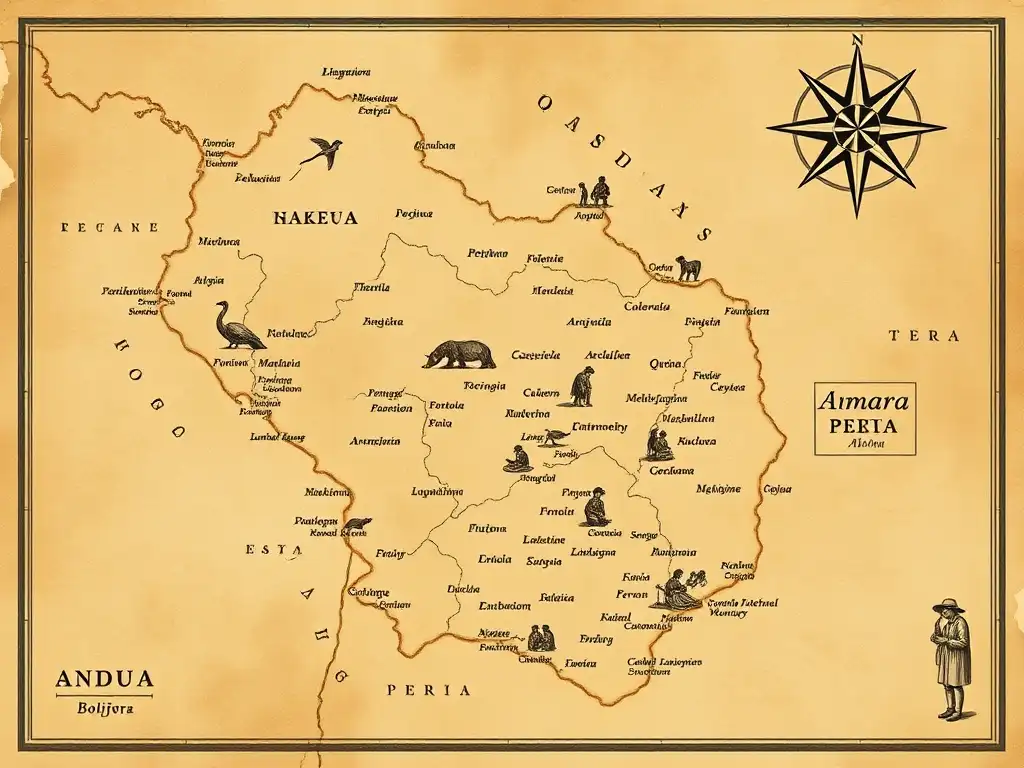
The impact of Aymara on Quechua wasn't uniform across the Andes. Geographical proximity to Aymara-speaking communities played a crucial role in determining the extent of linguistic influence. Areas with significant Aymara populations witnessed a more pronounced Aymara influence on the local Quechua dialects, while more distant regions showed less impact. This regional variation highlights the importance of geographical factors in shaping linguistic landscapes.
The intensity of interaction between Aymara and Quechua speakers also varied across different regions and periods. Periods of political stability might have fostered greater contact and thus stronger linguistic influence, while times of conflict or disruption could have limited interaction. This uneven distribution of Aymara influence is reflected in the diversity of Quechua dialects spoken across the Andes. The degree of Aymara influence is not simply a matter of proximity; socioeconomic factors and migration patterns also played a significant part in shaping the linguistic landscape.
Areas with Stronger Aymara Language Impact on Quechua
The Southern Lake Titicaca basin, encompassing parts of Peru and Bolivia, stands out as a region where Aymara influence on Quechua is particularly strong. This area has historically been a zone of intense interaction between Aymara and Quechua speakers, resulting in a significant number of Aymara loanwords and grammatical features in the local Quechua dialects. Similarly, regions bordering the Aymara heartland in Bolivia, such as the Altiplano, show a considerable degree of Aymara influence on Quechua. The high concentration of Aymara speakers in these areas facilitated extensive language contact and borrowing.
[Specific data on the percentage of Aymara loanwords in Quechua dialects from these regions pending]. This linguistic blending highlights the dynamic interplay between language and social interaction in shaping regional variations. Further research is needed to fully map the extent of Aymara influence across different regions of the Andes.
Southern Peruvian and Bolivian Quechua
Southern Peruvian and Bolivian Quechua dialects exhibit some of the most significant traces of Aymara influence. The long history of contact between Aymara and Quechua speakers in this region has led to a considerable integration of Aymara vocabulary and grammatical features into local Quechua varieties. This is evident in the presence of numerous Aymara loanwords in everyday speech, as well as the adoption of certain Aymara grammatical structures.
The degree of influence varies among different dialects, reflecting the complex historical and social dynamics that shaped language contact in this region. For instance, Quechua dialects spoken closer to the Aymara heartland show a stronger Aymara influence than those spoken further away. This regional variation highlights the intricate relationship between geographic proximity, language contact, and linguistic change.
Detailed linguistic studies are needed to fully understand the extent and nature of Aymara influence on these specific Quechua dialects. This includes analyzing not only vocabulary but also phonology, morphology, and syntax to gain a comprehensive understanding of the linguistic interaction.
The Ongoing Dynamics of Language Contact
The interaction between Aymara and Quechua is far from a historical relic; it's a vibrant, ongoing process. Even today, in regions where both languages are spoken, constant contact leads to continued linguistic exchange. This isn't simply a matter of isolated words being borrowed; rather, it's a complex interplay involving phonological shifts, grammatical adjustments, and semantic changes.
The degree of influence varies geographically, with certain areas showing stronger Aymara impact than others. For instance, in regions with a historically stronger Aymara presence, Quechua dialects might exhibit a higher density of Aymara loanwords and even grammatical features adapted from Aymara. Conversely, in areas where Quechua has been dominant for a longer period, the influence of Aymara may be less pronounced, although still detectable through careful linguistic analysis.
This continuous exchange highlights the dynamic nature of language contact and its capacity to shape linguistic landscapes over time. Understanding this ongoing interaction is crucial for a comprehensive understanding of both Aymara and Quechua linguistic evolution. The subtle shifts and adaptations occurring today are building upon centuries of intertwined histories.
Contemporary Interactions Between Aymara and Quechua
Contemporary interactions between Aymara and Quechua speakers are multifaceted, reflecting the socio-economic and political realities of the Andes. In many communities, bilingualism is common, with individuals switching between Aymara and Quechua depending on the context. This code-switching isn't simply a random phenomenon; it often reflects social dynamics, with the choice of language signaling social identity, group affiliation, or the desired level of formality.
Marketplaces, for example, may witness a fluid exchange between the two languages, while more formal settings, such as community meetings, might favor one language over the other depending on the prevailing power dynamics within the community. Furthermore, the media plays a significant role in shaping contemporary language use. While Quechua enjoys a somewhat larger presence in media, there are growing efforts to promote Aymara through radio programs, educational materials, and online resources.
These efforts are crucial for maintaining and strengthening the Aymara language in the face of the dominance of Spanish and, to a lesser extent, Quechua. The ongoing interplay between these factors makes the contemporary linguistic landscape a complex and ever-evolving tapestry.
Language Revitalization Efforts
The revitalization of indigenous languages, including Aymara, is a significant undertaking facing numerous challenges. Efforts to preserve and promote Aymara often involve community-based initiatives, educational programs, and the development of linguistic resources. These initiatives often focus on teaching Aymara to younger generations, creating bilingual education programs, and producing materials in Aymara for various purposes.
The success of these efforts often depends on factors such as community support, government funding, and the availability of trained linguists. In some regions, there's a concerted effort to integrate Aymara into the formal education system, aiming to instill pride in the language and ensure its transmission to future generations. This often involves developing Aymara-language textbooks, teacher training programs, and curriculum development.
However, challenges remain, including the dominance of Spanish, limited resources, and the need for sustained commitment from various stakeholders. The long-term success of these revitalization efforts will depend on the continued engagement of communities, governments, and educational institutions. The preservation of Aymara is not merely a linguistic endeavor; it's a vital aspect of preserving cultural heritage and identity.
Conclusion: The Enduring Legacy of Aymara on Quechua
The influence of Aymara on Quechua is a compelling demonstration of the dynamic nature of language contact and its lasting impact. From phonological similarities to shared vocabulary and even subtle grammatical parallels, the evidence of Aymara's linguistic legacy on Quechua is undeniable. This influence, spanning centuries, reflects not only linguistic exchange but also the complex social, political, and cultural interactions between Aymara and Quechua speaking communities.
While the precise extent of this influence may vary depending on the specific Quechua dialect and geographic location, its overall impact is significant and continues to shape the linguistic landscape of the Andes. Further research, encompassing detailed comparative studies of various Quechua dialects and their interaction with Aymara, is crucial for a more complete understanding of this rich and complex linguistic relationship.
The enduring legacy of Aymara on Quechua serves as a testament to the resilience of indigenous languages and the ongoing processes of linguistic change in the Andean region. Understanding this linguistic legacy is vital for appreciating the multifaceted cultural heritage of the Andes.
Further Research on Aymara and Quechua Languages
Further research into the intricate relationship between Aymara and Quechua languages requires a multi-faceted approach. Linguists continue to debate the extent of Aymara's influence, with some suggesting a more profound impact than others. This ongoing scholarly discussion highlights the complexities inherent in reconstructing ancient language contact. Future research should focus on several key areas to refine our understanding.
One crucial area is the examination of older, less studied Aymara dialects. Many dialects exist across the Andean region, each possessing unique features and vocabulary. A comprehensive study incorporating these less-documented variations could reveal previously unknown linguistic connections with Quechua. This necessitates fieldwork, archival research, and collaboration with Aymara communities to access and preserve these valuable linguistic resources. The use of advanced computational linguistic tools could also help uncover subtle patterns and relationships that might otherwise be missed.
Another avenue for future research involves a deeper analysis of the geographical distribution of specific linguistic features. Mapping the prevalence of Aymara-influenced words and grammatical structures in different Quechua dialects can provide insights into the historical patterns of language contact and the directionality of influence. Such spatial analysis can help identify potential areas where Aymara speakers interacted most frequently with Quechua speakers, shedding light on the historical context of linguistic exchange. This kind of geographic analysis would need to consider factors such as migration patterns, trade routes, and political boundaries to offer a complete picture.
Furthermore, exploring the sociolinguistic context of language contact is vital. Understanding the social dynamics and power structures between Aymara and Quechua communities during various historical periods is crucial to interpreting the observed linguistic features. Was Aymara a dominant language in certain regions, leading to greater influence on Quechua? Or was the interaction more reciprocal? Addressing these sociolinguistic factors can provide a much richer and nuanced understanding of the linguistic changes that occurred. This requires careful examination of historical records, ethnographic studies, and oral histories.
Finally, comparative studies with other Andean languages could provide further context. By comparing the linguistic features shared between Aymara and Quechua with those found in other languages of the region, researchers can gain a broader perspective on the historical relationships and the processes of language change in the Andes. This comparative approach could help to distinguish between features resulting from Aymara influence and those reflecting independent linguistic developments or shared ancestry.
This requires a collaborative effort involving specialists in a range of Andean languages. The resulting data could significantly enhance our understanding of the intricate linguistic landscape of the Andes and the complex history of its peoples.
Frequently Asked Questions
What is the main focus of this article?
This article explores the linguistic connections between the Aymara and Quechua languages, specifically investigating the influence of Aymara on Quechua. We examine how Aymara vocabulary, grammar, and phonology may have impacted the development of Quechua.
How significant is the Aymara influence on Quechua?
The extent of Aymara influence on Quechua is still a subject of scholarly debate. However, evidence suggests a substantial impact, particularly in certain Quechua dialects geographically close to Aymara-speaking regions.
What specific linguistic features demonstrate Aymara influence?
Several features point to Aymara influence, including shared vocabulary, similar grammatical structures, and parallel phonetic changes. Further research continues to uncover more subtle connections.
Which Andean civilizations spoke Aymara and Quechua?
The Aymara language was primarily spoken by the Aymara people, while Quechua was the language of the Inca Empire and other groups. Both languages have long histories in the Andes and coexisted for centuries.
Where can I find more information on this topic?
For further reading, consult academic works on Andean linguistics and language contact. You can also explore resources on the Aymara and Quechua languages and their respective histories and cultures.
Final Reflection: Echoes of the Andes: Aymara's Enduring Legacy on Quechua
The intricate dance of linguistic exchange between Aymara and Quechua continues to resonate in the Andes today, a testament to the enduring power of cultural contact and adaptation. Understanding this complex interplay is not merely an academic exercise; it's crucial for preserving the rich tapestry of Andean linguistic heritage and fostering a deeper appreciation for the interconnectedness of its cultures.
The influence of Aymara on Quechua, as explored throughout this article, highlights the dynamic nature of language evolution and the profound impact of intercultural interaction. This impact extends far beyond mere vocabulary; it shapes grammar, syntax, and even the very way Andean communities perceive and express themselves. Language is the road map of a culture. It tells you where its people come from and where they are going.
- Rita Mae Brown. This quote perfectly encapsulates the importance of understanding the linguistic connections between Aymara and Quechua, as it allows us to trace the historical journeys and cultural exchanges of these vibrant communities.
Consider the implications of this linguistic exchange. How does understanding the Aymara influence on Quechua enrich our understanding of Andean history and identity? What responsibilities do we bear in preserving these languages and the cultural knowledge they embody? I urge you, dear reader, to delve deeper into this fascinating linguistic landscape. Explore the resources available, engage with Andean communities, and become a champion for the preservation of these invaluable languages and the vibrant cultures they represent. Let the echoes of the Andes inspire you to learn, to understand, and to act.
Discover Your Connection to Andean Languages!
Thank you for exploring the fascinating linguistic connections between Aymara and Quechua. Understanding these influences enriches our appreciation for Andean cultures and deepens our awareness of how language shapes identity.
Let's build on this understanding. Here are some ways to continue your journey into the world of Andean languages:
- Dive Deeper: Explore additional resources on Aymara and Quechua. Our recommended readings and documentaries offer a wealth of information to expand your knowledge.
- Join the Conversation: Share this article with friends and fellow language enthusiasts to spark discussions about the unique interplay of these rich linguistic heritages.
- Engage Creatively: Express your reflections and experiences inspired by Andean cultures through art, poetry, or even a blog post.
What new insights have you gained about the relationship between Aymara and Quechua, and how might this knowledge influence your understanding of language and culture?