
The Huari Pantheon: Who Were Their Most Important Deities?

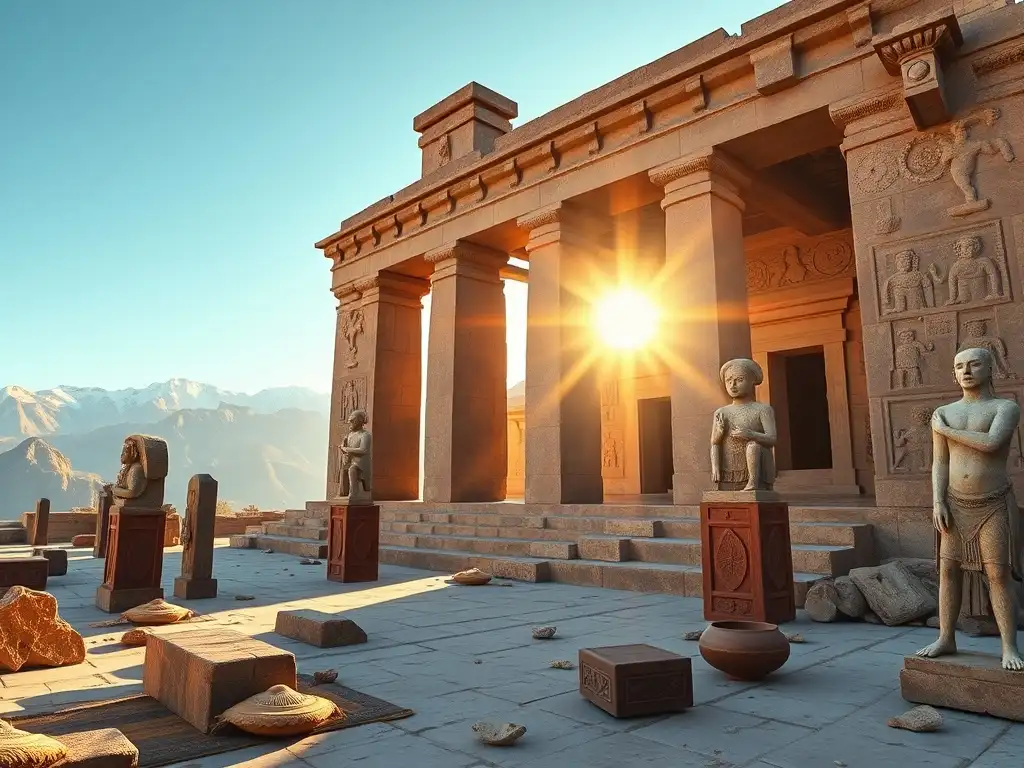
Dive into the enigmatic world of the Andes, where towering mountains hold secrets older than time. For centuries, powerful civilizations flourished, leaving behind a legacy of breathtaking artistry and complex societies. But who were the gods that shaped their beliefs and guided their lives? Prepare to uncover the mysteries surrounding the Huari deities, a civilization that predates the Incas and whose pantheon remains shrouded in intrigue. Our comprehensive Huari deities list unlocks the door to understanding this fascinating pre-Incan culture—are you ready to explore?
- The Huari Pantheon: Unveiling the Most Important Deities of the Huari Culture
- Key Huari Gods and Goddesses: A Detailed Look
- Huari Deities List: Exploring the Pantheon
- The Influence of Huari Religion on Later Andean Cultures
- Interpreting Huari Religious Practices and Rituals
- Deciphering the Huari Religious Worldview
- Frequently Asked Questions
- Final Reflection: Unveiling the Power of the Huari Pantheon
- Explore the Divine Legacy of the Huari Pantheon!
The Huari Pantheon: Unveiling the Most Important Deities of the Huari Culture
The Huari, a powerful pre-Inca civilization that flourished in the Andes between the 7th and 12th centuries CE, left behind a rich legacy of monumental architecture, intricate textiles, and a complex religious system. While much remains shrouded in mystery, archaeological discoveries and interpretations of iconography offer fascinating glimpses into their pantheon of deities. This article delves into the Huari religious landscape, exploring the most prominent deities and their significance within the broader context of Andean beliefs.
We aim to provide a comprehensive Huari deities list, shedding light on the powerful forces that shaped their worldview and societal structures. Understanding the Huari pantheon is crucial to grasping the complexity and sophistication of this remarkable civilization and its lasting influence on subsequent Andean cultures.
The intricate interplay between these deities, reflected in their art and architecture, reveals a sophisticated cosmology and a society deeply connected to the spiritual world. This exploration will move beyond a simple list, offering context and interpretations to enrich our understanding of Huari religious practices and beliefs.
Understanding the Huari Religious Landscape
The Huari religious landscape was far from monolithic. Evidence suggests a complex interplay of local traditions and centralized religious practices imposed by the Huari state. Unlike the later Inca empire with its clearly defined state religion, the Huari pantheon appears to have been more fluid, incorporating elements from conquered regions.
This resulted in a diverse array of deities, represented through a variety of iconographic styles and mediums. Archaeological excavations have unearthed numerous artifacts, including ceramics, textiles, and stone sculptures, depicting various deities and mythological creatures. These artifacts provide invaluable clues about the roles and attributes of these divine figures.
The Huari state likely employed religious practices to legitimize its power and control, integrating local cults into a broader, empire-wide system. This complex interplay of local and imperial religious practices makes reconstructing a complete and definitive Huari deities list a challenging but rewarding endeavor. Further research and analysis of archaeological findings are crucial to enriching our understanding of this intricate religious system.
The Significance of Huari Deities in Andean Beliefs
The Huari deities were not merely abstract concepts; they were deeply intertwined with the daily lives of the people. They represented natural forces, agricultural cycles, and societal structures. Their influence extended to various aspects of life, from warfare and governance to agriculture and daily rituals. The representation of these deities in art often shows them interacting with humans, suggesting a close relationship between the divine and the mortal realms.
The continuity of certain motifs and representations across different Huari sites suggests a degree of standardization in religious beliefs and practices. However, regional variations likely existed, reflecting the incorporation of local traditions into the broader Huari religious system. Further research is needed to fully understand the nuances of these regional variations and their impact on the overall Huari pantheon.
The study of Huari religious beliefs offers valuable insights into the broader context of Andean religious thought and its evolution over time. Understanding the role of Huari deities helps us to better appreciate the cultural dynamics and the sophisticated belief systems of this powerful pre-Inca civilization. The legacy of Huari religious practices continues to resonate in later Andean cultures, highlighting the enduring influence of their religious traditions.
Key Huari Gods and Goddesses: A Detailed Look
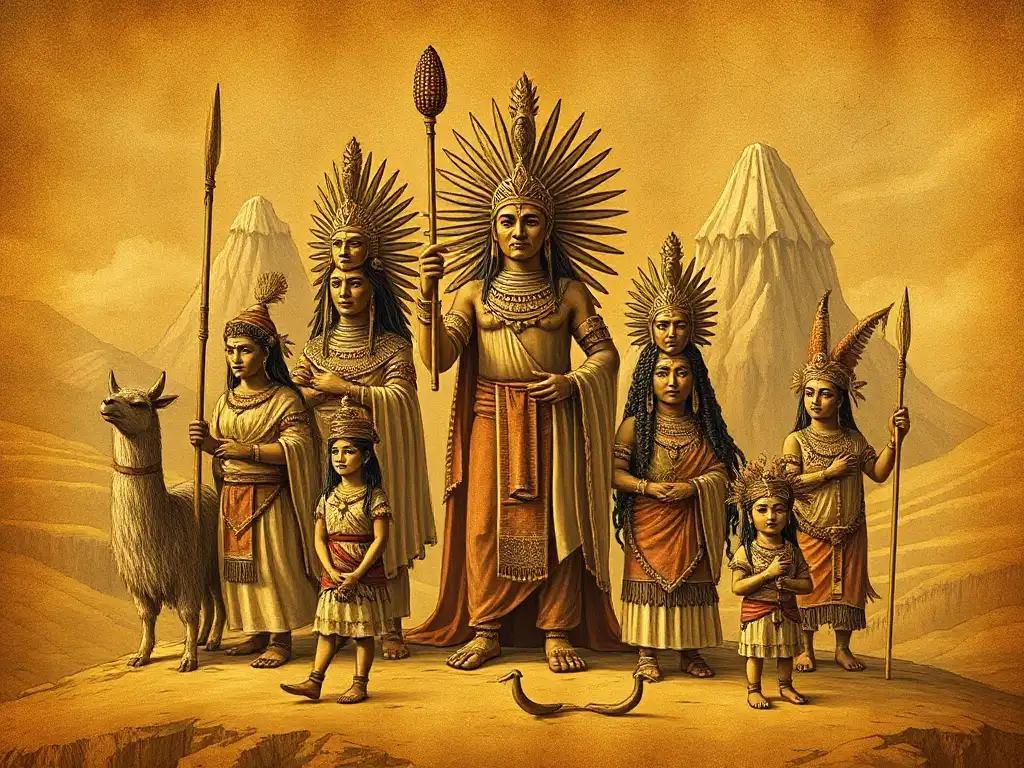
This section delves into the fascinating pantheon of the Huari civilization, exploring the key deities that shaped their religious beliefs and practices. While our understanding of Huari religion is still developing due to the limited textual sources, archaeological evidence like iconography on ceramics, textiles, and monumental architecture provides valuable insights into their cosmology. This exploration will focus on some of the most prominent deities identified through these sources, aiming to provide a comprehensive, albeit still evolving, Huari deities list. The study of Huari religious beliefs offers a captivating glimpse into the spiritual world of this influential pre-Inca culture.
The Creator God: Wiracocha
Wiracocha, a deity also prominent in later Inca mythology, appears to have held a significant position in the Huari pantheon. While the exact nature of Wiracocha's worship within Huari culture requires further research, iconographic evidence suggests a role as a creator god. Depictions often show him as a bearded figure, sometimes holding a staff or scepter, symbols of power and authority.
This representation contrasts with the later Inca portrayal, highlighting the evolution of this deity's image across different Andean cultures. The presence of Wiracocha in both Huari and Inca mythologies suggests a continuity of religious ideas across these Andean societies, although the specifics of his attributes and worship likely varied. The discovery of new archaeological sites and the continued analysis of existing artifacts could further clarify Wiracocha's role in the Huari worldview.
The Importance of Wiracocha in Huari Mythology
The influence of Wiracocha in Huari society extended beyond simple religious iconography. His presence on a variety of artifacts suggests a pervasive role in daily life, possibly influencing agricultural practices, political structures, and social hierarchies. For example, the discovery of Wiracocha figurines in elite tombs points to his association with power and status within the Huari ruling class. Further research is needed to fully understand the extent of Wiracocha's influence on Huari society.
One promising avenue of research involves comparative analysis with other contemporary Andean cultures to understand the unique aspects of Huari's interpretation of this powerful deity. The exact rituals and ceremonies associated with Wiracocha within Huari culture remain largely unknown, necessitating further investigation. The current understanding highlights the need for more detailed archaeological studies focused on uncovering evidence of specific Wiracocha-related rituals and practices.
The Sun God: Inti and Its Influence
Inti, the sun god, was another crucial figure in the Huari pantheon. Unlike Wiracocha, whose depiction varies somewhat across different Andean cultures, Inti’s representation in Huari art shows a clear consistency with later Inca traditions. He is frequently depicted as a radiant sun disc, often associated with symbols of power and fertility.
This indicates the importance of solar worship within Huari religious practices, likely connected to the agricultural cycle and the prosperity of the empire. The sun's life-giving energy was undoubtedly central to their worldview, influencing their agricultural practices and possibly their calendar systems. Evidence suggests that Inti's influence extended beyond mere religious observance; his image frequently appeared on administrative artifacts, suggesting his role in legitimizing Huari political power and reinforcing social order.
The prominence of Inti in Huari iconography underscores its significance as a source of life, power, and authority within the civilization. The continued study of Huari art and architecture promises to reveal further details about the worship and significance of Inti within Huari society. The analysis of specific ritual sites dedicated to Inti could provide crucial information about the intricacies of his cult.
The Huari Moon Goddess: Mama Killa and Her Role
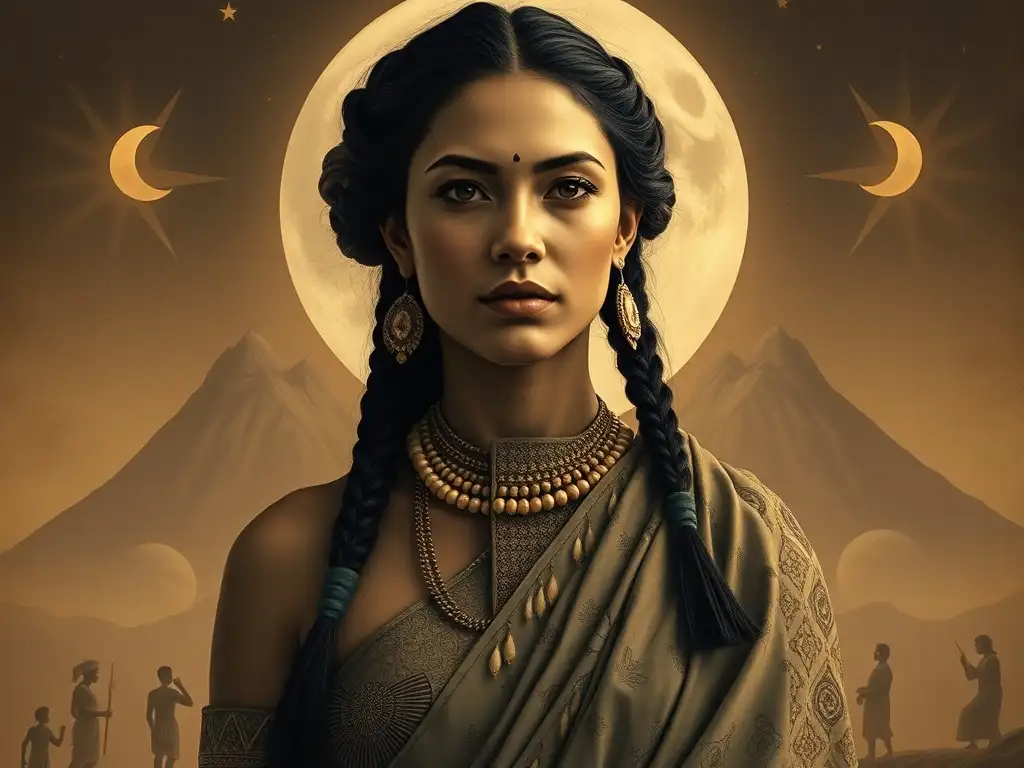
Mama Killa, the moon goddess, held a prominent position within the Huari pantheon. While specific details about her worship practices remain somewhat elusive due to the limited surviving textual sources, archaeological evidence strongly suggests her importance. Depictions of Mama Killa are frequently found on Huari ceramics, textiles, and stone carvings, often associated with water imagery, suggesting a connection to fertility and the cycles of life and death mirrored in the lunar phases.
Her influence likely extended beyond simple agricultural cycles; the moon's cyclical nature may have also been linked to broader societal rhythms, possibly influencing the timing of festivals, agricultural practices, and even political decisions. The precise nature of her rituals and the specific offerings made to her remain a topic of ongoing research, with scholars examining iconographic details to piece together a more complete picture of her worship. Further research into Huari burial sites and temple complexes may reveal more clues about Mama Killa's central role in Huari society and beliefs.
The careful analysis of surviving artifacts continues to provide invaluable insights into the spiritual world of the Huari people and the crucial role of their moon goddess. The discovery of new sites and the application of advanced dating techniques could further illuminate the complexities of Mama Killa's worship and her influence on Huari culture.
Other Significant Huari Deities and Their Functions
Beyond Mama Killa, the Huari pantheon encompassed a diverse array of deities, each with their own specific functions and areas of influence. Unfortunately, the fragmented nature of the surviving archaeological record makes it challenging to create a comprehensive list. However, research suggests the existence of deities associated with:
- Agricultural deities: These likely played a crucial role in ensuring bountiful harvests, given the agricultural basis of Huari society. Iconography often depicts figures associated with maize, potatoes, and other crops vital to their sustenance. The precise names and attributes of these deities remain largely unknown, requiring further investigation of Huari art and religious practices.
- Warfare deities: The expansionist nature of the Huari empire suggests the prominence of deities associated with warfare and military success. These could have been represented through anthropomorphic figures depicted with weapons or through symbolic representations of power and conquest. Further research is needed to identify specific iconography associated with these powerful deities.
- Ancestor veneration: Given the importance of lineage and kinship in Andean societies, ancestor veneration likely played a significant role in Huari religious life. The deceased may have been seen as intermediaries between the living and the spiritual world, influencing the fortunes of their descendants. The identification of specific ancestor figures within the Huari pantheon requires further analysis of burial practices and the objects found within tombs.
- Deities associated with natural phenomena: The Andean landscape is characterized by powerful natural forces, and it is likely that Huari religion incorporated deities associated with mountains, rivers, and storms. These could have been represented through zoomorphic representations or stylized depictions of natural elements. More research into the iconography associated with these natural forces is crucial to understanding their significance within the Huari religious system.
The study of Huari religion is a complex and ongoing process. While the limited textual evidence presents challenges, the rich archaeological record offers valuable clues. Continued research, employing advanced techniques and interdisciplinary approaches, is vital to further unravel the mysteries of the Huari pantheon and gain a deeper understanding of their rich spiritual world. The careful analysis of artifacts, combined with ongoing excavations, holds the key to unlocking more secrets of this fascinating culture.
Huari Deities List: Exploring the Pantheon
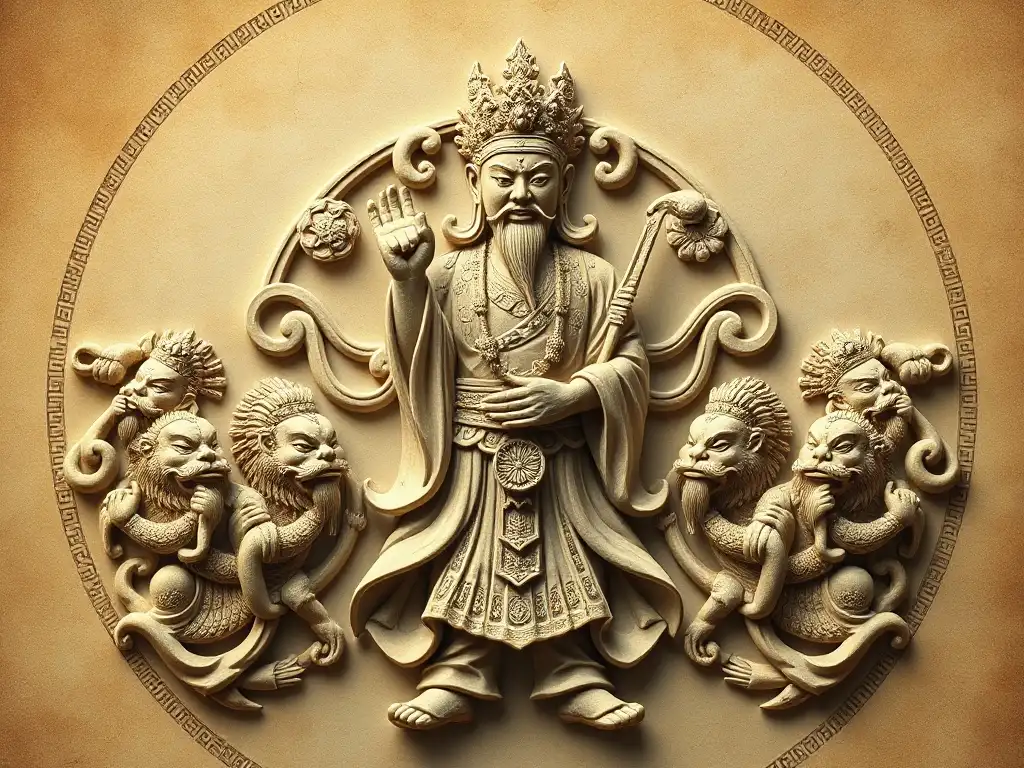
This section delves into the fascinating world of Huari religion, providing a comprehensive overview of their pantheon. Understanding the Huari deities list is crucial to grasping the complexities of their society and culture. While our knowledge is incomplete due to the fragmentary nature of surviving artifacts and the challenges of interpreting ancient beliefs, significant progress has been made in recent decades. This exploration aims to present the current understanding of the Huari's most prominent gods and goddesses.
A Catalog of Major Huari Gods and Their Attributes
Identifying definitively named Huari deities proves difficult. Unlike some other Andean cultures, Huari religious texts are largely absent. Our knowledge stems primarily from iconographic evidence found on ceramics, textiles, and monumental architecture. However, recurring motifs and stylistic conventions allow us to postulate the existence of major deities and their associated attributes.
One prominent figure, possibly a creator god or a supreme being, is frequently depicted as a feline-like entity with anthropomorphic features. This deity is often associated with power, fertility, and the control of the natural world. Representations frequently show this deity holding scepters or other symbols of authority. Further research is needed to determine whether this representation reflects a single, unified deity or a group of related supernatural beings.
Another important deity, possibly a goddess, is often associated with water and agricultural abundance. She is frequently depicted in association with stylized plants and water sources, suggesting a connection to life-giving forces. Her iconography may sometimes overlap with that of the feline deity, implying a complex relationship between these powerful figures in the Huari pantheon.
| Deity (Proposed) | Attributes | Iconographic Representation | Associated Phenomena |
|---|---|---|---|
| Feline Deity | Power, Fertility, Natural World Control | Anthropomorphic feline, scepter | Weather, harvests, possibly warfare |
| Water Goddess | Abundance, Fertility, Life-giving forces | Stylized plants, water sources | Agriculture, rain, rivers |
| [Deity Name Pending] | [Attributes Pending] | [Iconography Pending] | [Associated Phenomena Pending] |
This table highlights the tentative nature of our understanding. More archaeological findings and sophisticated analysis are needed to refine our understanding of the Huari pantheon and the specific roles of these major deities.
Notable Minor Huari Deities and Their Significance
Beyond the major deities, the Huari pantheon likely included a wide array of minor deities and spirits. These figures, while less prominent in the surviving iconography, played important roles in daily life and religious practices. Evidence suggests the existence of deities associated with specific geographical locations, agricultural cycles, and craft production.
For instance, some ceramic vessels depict figures associated with specific animals, suggesting the worship of animal spirits or totemic deities. These smaller-scale representations often appear on domestic items, suggesting a more personal and localized form of religious expression. The role of ancestor veneration also seems significant, although the specifics remain unclear.
Further complicating our understanding is the potential syncretism between Huari beliefs and those of neighboring cultures. The Huari empire encompassed diverse populations, and their religious practices may have reflected this cultural heterogeneity. This could explain the variety of iconographic motifs and the difficulty in establishing a clear hierarchy within the pantheon.
Huari Religious Iconography and Symbolism
Huari religious iconography is rich and complex, employing a variety of symbols and motifs to represent their deities and beliefs. The use of stylized figures, geometric patterns, and symbolic objects provides valuable insights into their religious worldview.
The frequent appearance of stepped pyramids and other monumental structures suggests a strong connection between religion and architecture. These structures, often decorated with elaborate carvings and murals, served not only as religious centers but also as powerful symbols of Huari authority and cosmic order. The use of specific colors, such as red and yellow, in religious contexts may also carry symbolic significance, possibly related to concepts of power, fertility, or the sun.
The analysis of Huari textiles further illuminates their religious beliefs. Complex weavings often incorporate symbolic motifs, mirroring the designs found in ceramic art. These textiles likely served not only practical purposes but also held ceremonial significance, possibly used in rituals or worn by religious leaders. Understanding the meanings behind these intricate designs remains a significant challenge for researchers, requiring further interdisciplinary collaboration. The study of Huari religious iconography and symbolism promises to reveal further insights into this fascinating culture's spiritual world, gradually enriching our understanding of their "Huari deities list" and their complex religious practices.
The Influence of Huari Religion on Later Andean Cultures
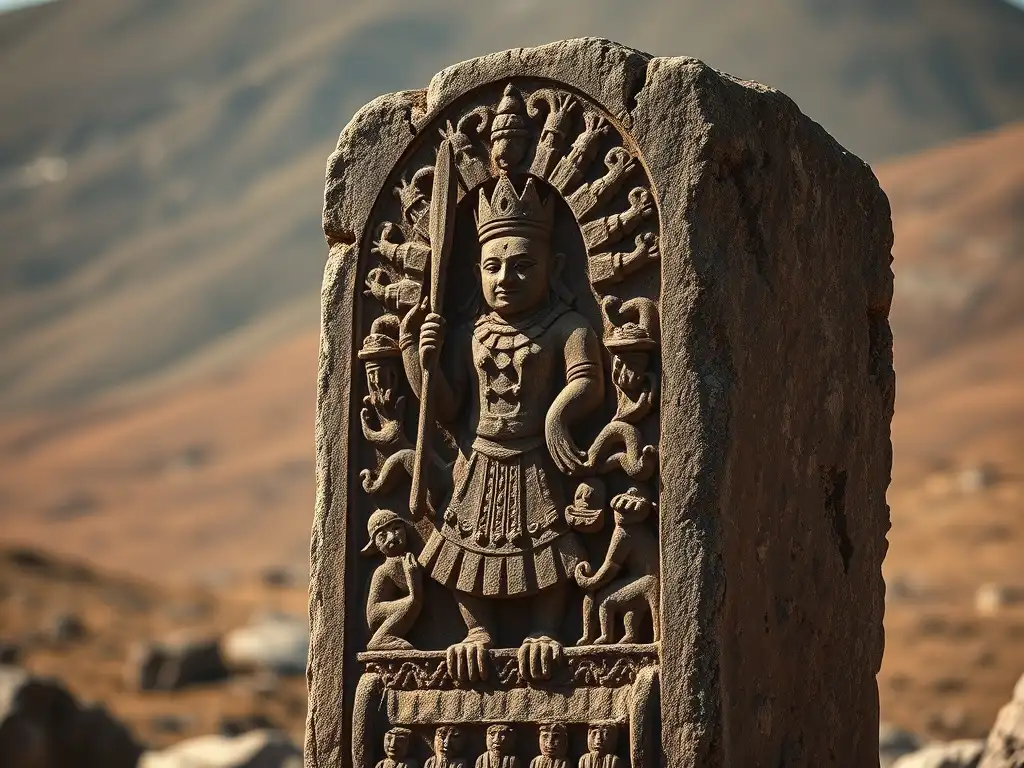
The Huari Empire, flourishing between 600 and 1200 CE in the central Andes, left an undeniable mark on the religious landscape of subsequent Andean civilizations. While the specifics of Huari religious practices are still under investigation by archaeologists and anthropologists, the pervasive influence of their pantheon and associated rituals is evident in the iconography, architecture, and religious beliefs of later cultures, including the Inca. Understanding this legacy provides crucial insights into the continuity and evolution of Andean religious thought.
The Huari pantheon, though not fully understood, served as a foundational element for later religious developments. Their sophisticated religious system, featuring complex iconography and possibly a hierarchical structure of deities, likely influenced the development of similar systems in later Andean cultures. This influence wasn't a simple adoption; instead, it appears to have been a process of adaptation and syncretism, with later cultures incorporating Huari elements into their own pre-existing belief systems.
For example, certain motifs and artistic representations found in Huari temples and ceramics reappear in later Inca art, suggesting a direct lineage or at least a strong inspirational connection. Further research into the specific deities and their attributes is needed to fully map this complex transmission of religious ideas.
Legacy of Huari Deities in Subsequent Andean Belief Systems
Identifying a direct, one-to-one correspondence between specific Huari deities and those of later cultures is challenging due to the fragmented nature of the archaeological record. However, certain stylistic continuities suggest a strong link. For instance, the recurring motif of feline deities, prominent in Huari iconography, finds parallels in the religious imagery of the later Inca and even some coastal cultures.
While the names and specific attributes might have changed or evolved over time, the underlying symbolism of power, ferocity, and perhaps shamanistic abilities associated with feline imagery appears to have persisted. Similarly, the prevalence of certain bird-related motifs in Huari art suggests a possible connection to avian deities, a theme that also resurfaces in later Andean religions. It's important to note that this isn't necessarily a direct inheritance; rather, it's a more nuanced process of cultural exchange and adaptation, where later cultures selectively incorporated aspects of Huari religious traditions that resonated with their own beliefs and social structures.
The study of Huari iconography, alongside the analysis of religious practices of later Andean cultures, offers the best path to unraveling this complex interplay. Further research into specific iconographic elements and their evolution throughout different Andean cultures is crucial to refine our understanding of this religious legacy. The persistence of certain symbolic elements across centuries highlights the enduring power of Huari religious ideas.
How Huari Pantheon Shaped Religious Practices
The Huari pantheon's influence extended beyond mere iconography; it also shaped the very practices of religious life in later Andean societies. The impressive scale of Huari religious architecture, characterized by large temples and ceremonial centers, likely inspired similar constructions in later periods. The meticulous organization and standardization evident in Huari religious sites suggest a highly structured and centralized religious system, possibly involving specialized priesthoods and elaborate rituals. This centralized approach to religious organization may have influenced the development of similar hierarchical structures in later Andean religions, although the exact nature of this influence requires further investigation.
The presence of standardized religious objects across the vast Huari empire also points to a degree of religious uniformity, which may have contributed to the later Inca's ability to impose a relatively unified religious system across their expansive territory. Analyzing the distribution and function of these objects in different Huari sites, and comparing them to similar objects found in later cultures, can help us understand the transmission of religious practices. Did the Huari use specific rituals? Did these rituals involve human sacrifice, as is suggested by some archaeological evidence?
What were the roles of different individuals in these religious practices? These are all questions that further research needs to answer to fully understand the lasting impact of the Huari pantheon on the religious life of the Andes. The study of Huari religious practices provides invaluable insights into the evolution of Andean religious systems.
Interpreting Huari Religious Practices and Rituals
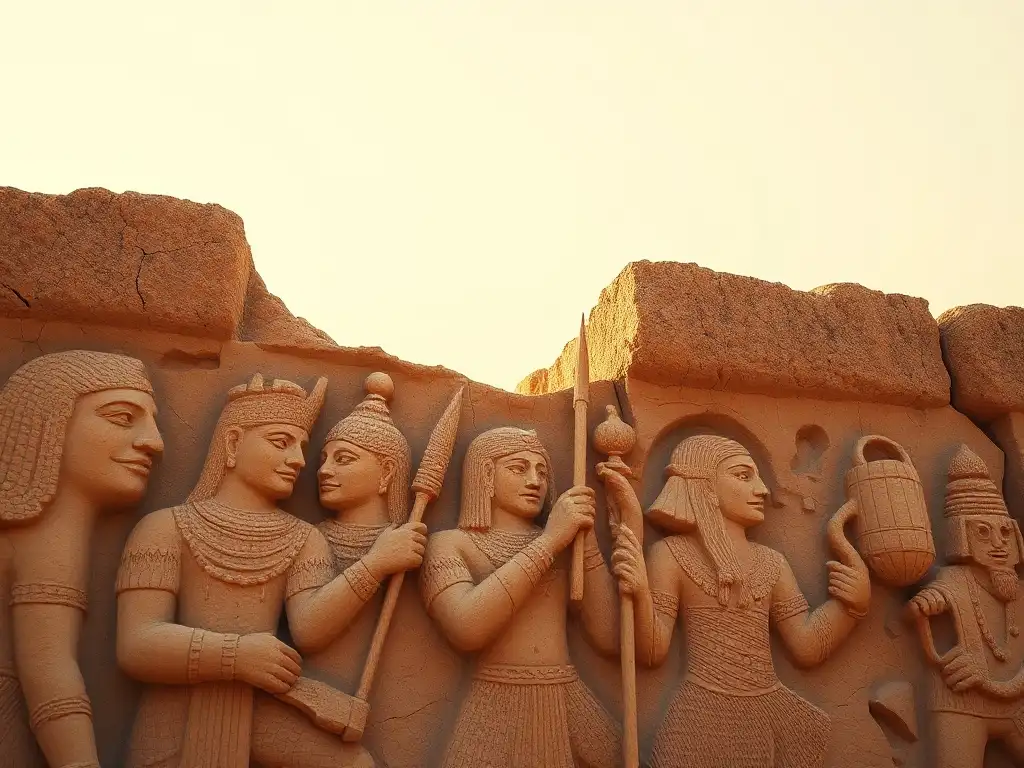
Understanding the Huari pantheon requires careful interpretation of archaeological evidence, as direct textual sources are lacking. Unlike later Andean civilizations like the Inca, the Huari didn't leave behind extensive written records detailing their beliefs. Instead, we must rely on analyzing their monumental architecture, iconography found on ceramics and textiles, and the arrangement of grave goods to piece together a picture of their religious world. This presents challenges, as interpretations can sometimes be debated among scholars.
However, consistent patterns emerge that allow us to build a reasonably comprehensive understanding of their most important deities. The analysis of Huari religious practices is an ongoing process, constantly refined by new discoveries and reinterpretations of existing data. This makes the study of Huari deities a dynamic and exciting field of research. The search for a definitive "Huari deities list" remains a work in progress, constantly evolving with new archaeological findings.
Huari Temples and Sacred Sites
Huari religious practices were deeply intertwined with their urban planning. Their capital city and other major centers contained large-scale temples and plazas that served as focal points for ritual activity. These structures, often built from carefully cut stone, were not merely places of worship but also functioned as centers of political and social power.
The size and grandeur of these temples suggest a highly organized and centralized religious system, reflecting the hierarchical nature of Huari society. Archaeological excavations have unearthed numerous examples of these structures, revealing intricate details about their design and construction. For instance, the layout of some temples suggests a connection to celestial alignments, indicating a sophisticated understanding of astronomy and its role in religious practice.
Furthermore, the discovery of caches of offerings within and around these temples provides valuable insights into the types of rituals performed and the deities that were venerated. The careful placement of these offerings, often including ceramics, textiles, and precious metals, speaks to the importance of these rituals within Huari culture. Analyzing the types of artifacts found in these contexts helps us to understand the nature of the offerings and the beliefs associated with specific deities.
Rituals and Offerings to Huari Deities
The rituals performed by the Huari people are partially understood through the analysis of the artifacts recovered from burials and temple sites. Offerings found in these contexts suggest a complex system of religious practices, potentially including human sacrifice in certain cases – although the extent and context of this practice remains a subject of ongoing debate among specialists. Common offerings included fine ceramics depicting various deities and mythological scenes, elaborate textiles, and precious metal objects. These offerings were carefully placed, often arranged in specific patterns that may hold symbolic meaning.
The meticulous nature of these offerings highlights the importance of religious practices in Huari society. For example, the discovery of numerous ceramic vessels depicting feline-like figures suggests the importance of these creatures in their mythology. Similarly, the frequent presence of stylized bird figures in Huari iconography points to the potential veneration of avian deities or spirits.
Further research is needed to fully understand the specific meanings and roles of these and other symbolic representations within the Huari religious system. The study of Huari iconography is crucial for deciphering the identities and attributes of their pantheon, moving closer to a more complete Huari deities list. The analysis of these ritual practices provides valuable clues about the social and political structures of Huari society, as well as the beliefs and values of its people.
Deciphering the Huari Religious Worldview
The Huari, a powerful pre-Inca civilization that flourished in the Peruvian Andes from approximately 600 to 1200 CE, left behind a complex and fascinating religious legacy. While our understanding is incomplete due to the limited deciphered texts and the fragmentary nature of archaeological findings, research suggests a sophisticated pantheon of deities and a worldview deeply intertwined with the natural environment and agricultural cycles. Understanding their religious beliefs offers crucial insights into their social structures, political organization, and daily lives.
Unlike some other Andean cultures that left behind detailed iconography, deciphering the Huari pantheon requires a careful analysis of ceramic motifs, monumental architecture, and the arrangement of artifacts within excavated sites. This intricate puzzle requires a multidisciplinary approach, combining archaeological evidence with anthropological interpretations to piece together a coherent picture of their spiritual world. The search for a comprehensive "Huari deities list" remains an ongoing endeavor for researchers.
The Huari Concept of the Cosmos and Deities
The Huari cosmological vision, like many Andean cultures, likely involved a layered universe. Evidence suggests a strong connection between the celestial and terrestrial realms. The sun, moon, and stars were probably important celestial deities, influencing agricultural cycles and considered vital for the well-being of the community. Archaeological finds, particularly ceramic vessels depicting stylized figures and celestial motifs, provide clues to the Huari concept of a hierarchical pantheon.
While specific names of deities remain elusive, the prominence of certain iconographic representations suggests a hierarchy with a supreme deity or a triad of powerful figures at the apex. For example, feline imagery is frequently found, possibly representing a powerful deity associated with hunting, warfare, or the underworld. Other motifs, such as serpents and birds, may represent deities linked to fertility, water, or the sky. The precise roles and relationships between these figures require further investigation.
Unfortunately, the lack of written records forces us to rely heavily on iconographic interpretations, which can be open to multiple interpretations. More research is needed to fully clarify the Huari's concept of their cosmos. Further study of the spatial arrangement of temples and ceremonial centers could also reveal more about the relative importance of different deities within their cosmology.
Huari Beliefs About Life, Death, and the Afterlife
Huari beliefs about life, death, and the afterlife are partially inferred from burial practices and the iconography found in tombs. Evidence points to a complex funerary ritual, reflecting a belief in a continued existence after death. The elaborate preparation of bodies, the inclusion of grave goods (often including ceramics, textiles, and food offerings), and the construction of monumental tombs suggest a significant investment in ensuring a successful transition to the afterlife.
The types of grave goods found within individual tombs may indicate social status or the role of the deceased during their lifetime. The presence of specific iconographic motifs on funerary ceramics might reflect beliefs about the journey to the afterlife or the nature of the spirit world. Some scholars suggest the existence of an underworld realm, perhaps ruled by a specific deity, where the souls of the deceased went.
However, the details regarding the nature of this realm and its inhabitants remain largely speculative, necessitating further investigation of Huari burial sites and the careful analysis of the artifacts found within them. The ongoing excavation and analysis of Huari cemeteries are crucial to a more complete understanding of their beliefs surrounding death and the afterlife. A more comprehensive understanding of their beliefs will enhance our overall understanding of Huari culture and society.
Frequently Asked Questions
What were the Huari people known for?
The Huari were a powerful pre-Inca civilization known for their extensive empire in the Andes, their advanced urban planning, and their remarkable artistic achievements, including impressive pottery and textiles.
Did the Huari have a single, dominant deity?
Unlike some other Andean cultures, the Huari didn't seem to have one supreme god. Their pantheon appears to have been polytheistic, featuring various deities associated with different aspects of life and nature.
What is the significance of the Huari's religious beliefs?
Their religious beliefs likely played a crucial role in unifying their vast empire. The depiction of deities on their art suggests a complex system of beliefs that reflected their worldview and social structure.
Where can I find more information about Huari deities?
Further information on Huari deities can be found in academic journals and books focusing on Andean archaeology and anthropology, as well as in museum exhibits showcasing Huari artifacts. You can also search online for scholarly articles using keywords like "Huari iconography" or "Huari religious practices".
Is there a complete and definitive list of all Huari deities?
No, there isn't a fully comprehensive list. Archaeological evidence continues to be discovered, and interpretations of existing artifacts are ongoing, making the complete identification and understanding of the Huari pantheon an evolving field of study.
Final Reflection: Unveiling the Power of the Huari Pantheon
Understanding the Huari pantheon is not merely an academic exercise; it's a key to unlocking a profound understanding of a sophisticated pre-Columbian civilization and its enduring legacy. The intricate web of deities, revealed through careful analysis of archaeological findings and iconography, offers a window into the beliefs, values, and social structures that shaped Huari society. This understanding remains crucial today, as we continue to grapple with the complexities of cultural heritage and the importance of preserving and interpreting the past.
The Huari's sophisticated religious system, with its diverse pantheon reflecting the multifaceted nature of their world, continues to resonate with us. Their focus on agricultural deities, celestial bodies, and powerful ancestral figures speaks to the enduring human need to find meaning and order in the face of the unknown. The gods are always near, even when we cannot see them.
This sentiment, though not directly from a Huari source, captures the essence of their deeply ingrained religious beliefs and their impact on daily life. The echoes of their beliefs can be found in the art, architecture, and social organization that still fascinate and inspire us centuries later.
Consider the implications of this exploration. What can we learn from the Huari's reverence for nature and their intricate understanding of the cosmos? How can we apply their emphasis on community and shared beliefs to our own modern challenges? You, the reader, are now equipped with a deeper understanding of the Huari pantheon. Use this knowledge to foster a greater appreciation for the rich tapestry of human history and to inspire your own journey of discovery and understanding.
Explore the Divine Legacy of the Huari Pantheon!
Thank you for exploring the fascinating world of Huari deities with us! You've uncovered the crucial role these divine figures played in shaping Andean culture and spirituality. Now, let's deepen your understanding and connection.
Here's how you can further explore this captivating topic:
- Expand your knowledge by reading more about Andean civilizations and the rich history and influence of regional cultures.
- Share your discoveries with friends and family—discuss which deity most fascinates you and why.
- Join our online community to connect with fellow enthusiasts of ancient civilizations. Ask questions, share ideas, and contribute your newfound knowledge.
What aspect of the Huari pantheon resonates most with you, and how do you believe their legacy continues to shape modern Andean culture?