
More Than Just Walls: Understanding the Purpose of Moche Adobe Construction

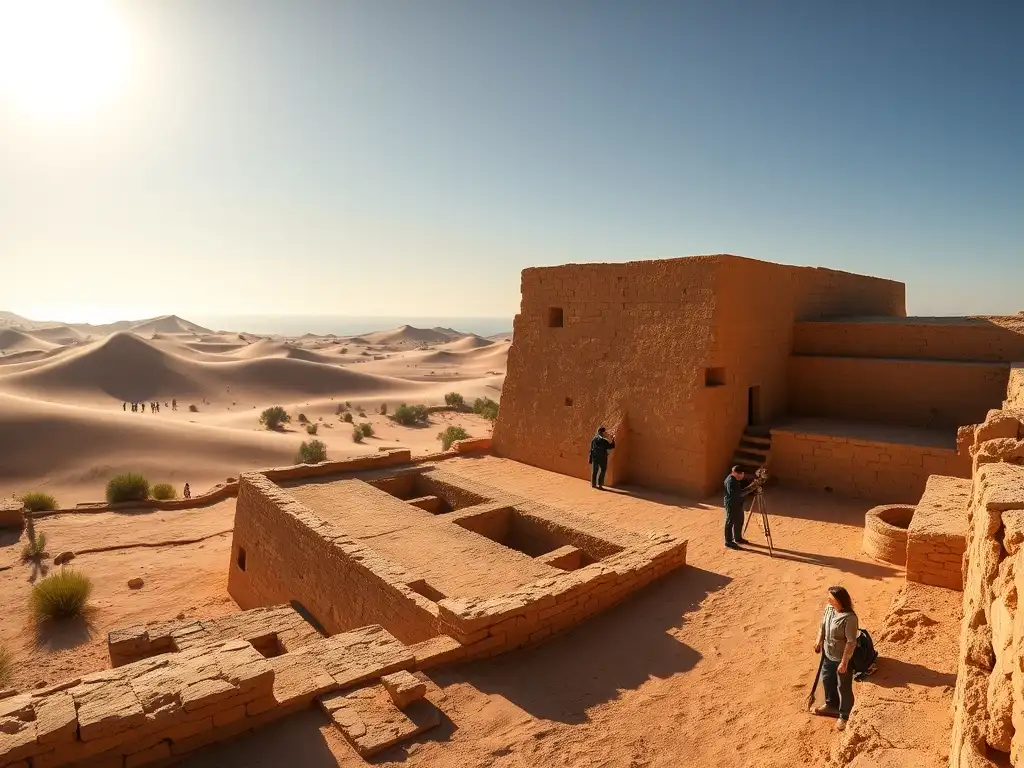
Step into a world lost to time, yet echoing with the ingenuity of the Andes. Imagine colossal structures rising from the desert sands, testaments to a civilization's mastery of adobe. This isn't just about bricks and mortar; it's about uncovering the hidden purpose behind the Moche adobe construction. Prepare to be amazed as we delve into the secrets of Andean architecture and engineering, revealing the intricate reasons behind these monumental achievements. What were the Moche truly building? Read on to discover the answer.
The Moche civilization, flourishing along the northern coast of Peru from approximately 100 CE to 800 CE, left behind a remarkable legacy of sophisticated architecture. Their mastery of adobe construction, far from being merely a practical solution for building shelters, reveals a complex interplay of social, religious, and environmental factors. This article delves into the multifaceted purposes of Moche adobe construction, exploring how these structures served not only as homes and administrative centers but also as powerful symbols of their worldview and societal organization.
Understanding the nuances of Moche adobe construction provides crucial insight into the ingenuity and complexity of this fascinating pre-Columbian culture, enriching our understanding of their social structures, religious beliefs, and adaptation to the challenging coastal environment. We will examine the techniques employed, the materials used, and the symbolic significance embedded within these seemingly simple structures, revealing the depth and sophistication of Moche engineering and artistry.
Introduction to Moche Adobe Architecture
Moche adobe architecture is characterized by its distinct features and regional variations. The readily available materials—adobe bricks (sun-dried mud bricks) and wattle and daub—were shaped and combined to create structures ranging from modest dwellings to monumental religious complexes. The construction process itself involved meticulous planning and execution.
Evidence suggests that the Moche utilized advanced techniques for preparing the adobe, ensuring its durability and resistance to the harsh coastal climate. These techniques included careful selection of soil types, optimal sun-drying methods, and sophisticated construction methods that allowed them to create walls of significant height and stability. This wasn't just about building; it was about creating structures that would endure for generations, reflecting the enduring nature of the Moche civilization itself.
The scale and complexity of certain structures, such as the Huaca del Sol and Huaca de la Luna, showcase the advanced organizational capabilities of the Moche society and their ability to mobilize significant labor forces for large-scale construction projects. The precise planning and execution of these projects highlight a sophisticated understanding of engineering principles and a deep societal commitment to their construction.
Moche Adobe Construction: Beyond Simple Shelters
The purpose of Moche adobe construction extended far beyond the provision of simple shelter. While dwellings certainly formed a significant part of their built environment, many structures served ceremonial, administrative, and symbolic roles. The monumental pyramids, such as the Huaca del Sol and Huaca de la Luna, were clearly not just residences.
Archaeological evidence suggests these served as important religious centers, potentially housing temples, elite residences, and areas for ritualistic activities. Their sheer size and the elaborate decorations found on their surfaces indicate their significant social and religious importance. The intricate murals and sculpted reliefs discovered at these sites depict scenes of Moche mythology, warfare, and daily life, providing invaluable insights into their beliefs and societal structure.
Furthermore, the strategic placement of these structures within the landscape suggests a deep understanding of astronomical phenomena and a connection between the built environment and the natural world. The precise alignment of certain structures with celestial events reinforces their role as significant religious and ceremonial sites.
The strategic location of administrative centers and smaller settlements, often built using similar adobe techniques, further underscores the multifaceted role of adobe construction. These structures facilitated the organization and control of resources, trade networks, and agricultural production – all essential aspects of Moche societal functioning. The consistency in construction techniques across different types of structures points to a standardized approach, suggesting a centralized system of planning and execution.
This centralized control, reflected in the standardized use of adobe, likely contributed to the stability and longevity of the Moche state. Analysis of the size and complexity of these structures in relation to their geographic location provides valuable data on the distribution of resources and the power dynamics within the Moche society. The presence of specific architectural features in certain locations also indicates the significance of those areas within the broader Moche social and political landscape.
- What was the primary purpose of Moche adobe construction?
- Why did the Moche use adobe for construction?
- How did the Moche's adobe construction techniques compare to other Andean cultures?
- What is the significance of the Moche's use of adobe in relation to their culture?
- Are there any examples of surviving Moche adobe structures we can see today?
The Multifaceted Purpose of Moche Adobe Structures
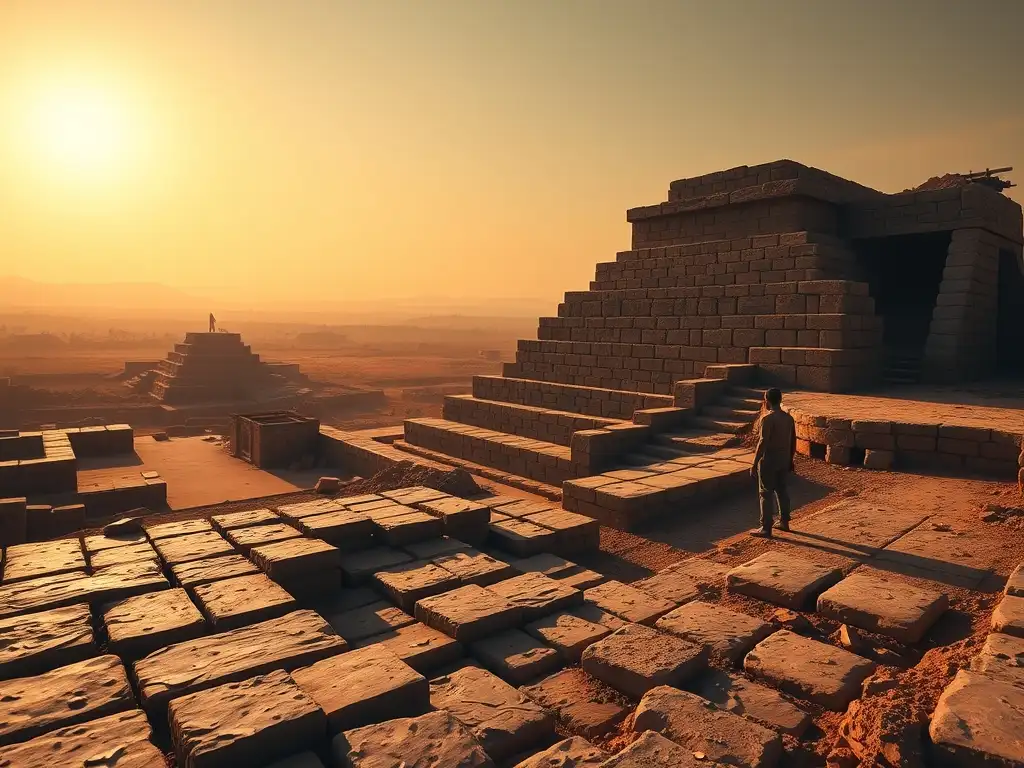
The Moche civilization, flourishing along the northern coast of Peru from approximately 100 CE to 800 CE, left behind a remarkable legacy of adobe architecture. While often visually striking for their monumental scale and intricate detailing, understanding the purpose of Moche adobe construction reveals a far more complex picture than simply providing shelter. Their adobe structures served a multitude of functions, reflecting the sophisticated social, religious, and political organization of this advanced Andean society.
Analyzing the surviving structures, along with archaeological evidence from excavations, allows us to paint a clearer picture of the multifaceted roles these buildings played in daily Moche life. The key to understanding Moche adobe construction purpose lies in appreciating the interwoven nature of their religious beliefs, social structures, and practical needs.
Ceremonial and Religious Functions of Moche Adobe Buildings
Many Moche adobe structures served primarily ceremonial and religious purposes. These weren't simply places of worship; they were integral to the Moche worldview, acting as conduits between the earthly and spiritual realms. The careful placement of structures, often aligned with astronomical events, suggests a sophisticated understanding of cosmology.
Evidence from excavations frequently reveals the presence of ritual objects, such as ceramics depicting deities and sacrificial offerings, further emphasizing the sacred nature of these spaces. The sheer scale of some structures, like the Huaca del Sol and Huaca de la Luna, points to the significant investment of labor and resources, underscoring their importance within the Moche social fabric.
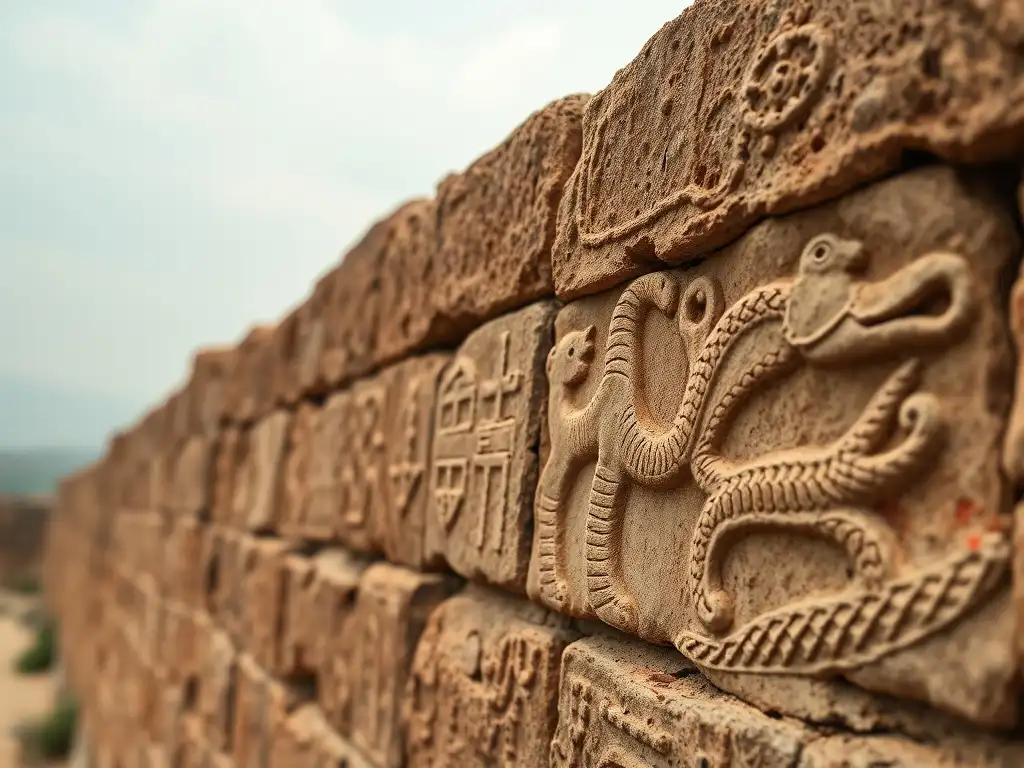
The meticulous craftsmanship evident in the adobe bricks themselves, often precisely shaped and intricately decorated, also speaks to their sacred significance. Consider, for instance, the intricate friezes depicting mythological figures and scenes often found adorning the walls of these structures; these are not merely decorative elements but powerful visual statements reflecting the Moche pantheon and beliefs.
Moche Adobe Pyramids: Centers of Ritual and Power
The imposing pyramids, such as the Huaca del Sol and Huaca de la Luna near Trujillo, represent the apex of Moche adobe construction. These monumental structures were not merely impressive feats of engineering; they served as powerful symbols of authority and religious power, acting as centers for ritual activity and possibly housing elite members of society. The construction process itself, involving the mobilization of vast numbers of laborers, likely served as a form of social control and ritual in itself, reinforcing the power of the ruling class.
The discovery of elaborate murals depicting ritual sacrifices and processions within these pyramids provides compelling evidence for their role as focal points of religious and political life. The evidence suggests a carefully planned and structured layout within these complexes, with different areas designated for specific rituals or ceremonies.
Analyzing the size and arrangement of these spaces provides valuable insights into the social hierarchy and the nature of Moche religious practices. Furthermore, the cyclical nature of construction and destruction—with evidence of several phases of building and rebuilding—suggests that these pyramids were constantly evolving, reflecting changing religious beliefs and political power structures over time.
Residential Uses of Adobe in Moche Society
While grand ceremonial structures dominate the archaeological record, it's crucial to acknowledge the widespread use of adobe in Moche residential architecture. Adobe's readily available materials and relatively simple construction techniques made it an ideal building material for a wide range of dwellings, from humble homes to more elaborate residences for the elite. Although less grand than the pyramids, these residential structures provide valuable insights into the daily lives of Moche people.
Archaeological excavations reveal variations in house size and construction quality, reflecting the social stratification within Moche society. The arrangement of rooms, the presence of storage areas, and the types of artifacts found within these dwellings offer clues to family structure, economic activities, and daily routines. While the exact details of the construction techniques for these smaller structures are less well documented than for the monumental pyramids, the widespread use of adobe indicates its significance in providing shelter and shaping the lived experience of the Moche population.
Further research focusing on residential adobe construction can shed more light on the daily lives of ordinary Moche citizens, offering a more nuanced understanding of their society as a whole. Analyzing the patterns of settlement and the distribution of residential structures in relation to ceremonial centers could reveal further information about social organization and economic activity within Moche communities.
The meticulous craftsmanship evident in Moche adobe construction wasn't solely a matter of engineering prowess; it deeply reflected the complex social hierarchy of the time. The size, complexity, and location of adobe structures directly correlated with the social standing of their inhabitants. Elaborate, multi-room compounds with intricate designs and high-quality adobe bricks were reserved for the elite—likely priests, rulers, and high-ranking officials.
These structures often featured prominent plazas, indicating a focus on communal gatherings and ritualistic activities. The use of superior materials and techniques in these elite structures further emphasized the social divide. For example, the use of finer-grained clay, carefully selected aggregates, and advanced techniques like sun-drying for extended periods to enhance durability were hallmarks of elite construction.
Conversely, commoners' dwellings were typically smaller, simpler structures made with less refined materials and techniques. These buildings often lacked the elaborate decorations and sophisticated architectural features found in elite compounds. This disparity in construction quality and scale served as a visual representation of the rigid social stratification within Moche society.
Archaeological evidence, such as the differing sizes and layouts of discovered residential areas, strongly supports this interpretation. The systematic variation in adobe construction across different settlements provides compelling evidence of a deliberate social engineering through architectural design. The quality of the adobe, the size of the structures, and even the presence or absence of specific architectural elements all played a role in visually and practically communicating social status.
This wasn't just about shelter; it was about projecting power and reinforcing social order. The careful study of Moche adobe construction, therefore, offers invaluable insights into the intricate social dynamics of this fascinating civilization.
Engineering and Design Principles in Moche Adobe Construction
The Moche civilization, flourishing along Peru's northern coast from approximately 100 to 800 CE, demonstrated remarkable ingenuity in their adobe construction. Their structures, ranging from modest dwellings to monumental pyramids and elaborate temples, weren't simply haphazard piles of mud bricks; they reflect sophisticated understanding of engineering principles, material science, and even seismic considerations. Understanding the Moche adobe construction purpose requires examining the careful selection of materials, innovative building techniques, and structural adaptations employed to create durable and aesthetically pleasing architecture in a challenging environment.
The longevity of many surviving structures is a testament to their mastery of these techniques. This section will delve into the specifics of their impressive architectural achievements.
The Selection of Materials for Moche Adobe Brick Making
The quality of the adobe bricks themselves was paramount to the success of Moche construction. Their choice of materials wasn't arbitrary; it was a carefully considered process aimed at maximizing strength and durability. The Moche sourced their clay from local deposits, often selecting specific types known for their binding properties. Analysis of surviving adobe bricks reveals a mixture of clay, sand, and organic temper.
The sand acted as an aggregate, improving the brick's structural integrity and reducing shrinkage during drying. The organic temper, often consisting of straw, dung, or other fibrous materials, further enhanced the brick's strength, flexibility, and resistance to cracking. The precise proportions of these components likely varied based on the location and the specific properties of the available clay.
This attention to detail showcases a deep understanding of material science and its impact on the longevity of their structures. Careful selection ensured the bricks could withstand the harsh coastal climate, including strong winds, occasional flooding, and the inevitable earthquakes that plague the region. The Moche adobe construction purpose, therefore, extended beyond mere shelter; it was about building structures capable of withstanding the forces of nature.
Moche Adobe Construction Techniques: Hand-Molded Bricks and Layered Walls
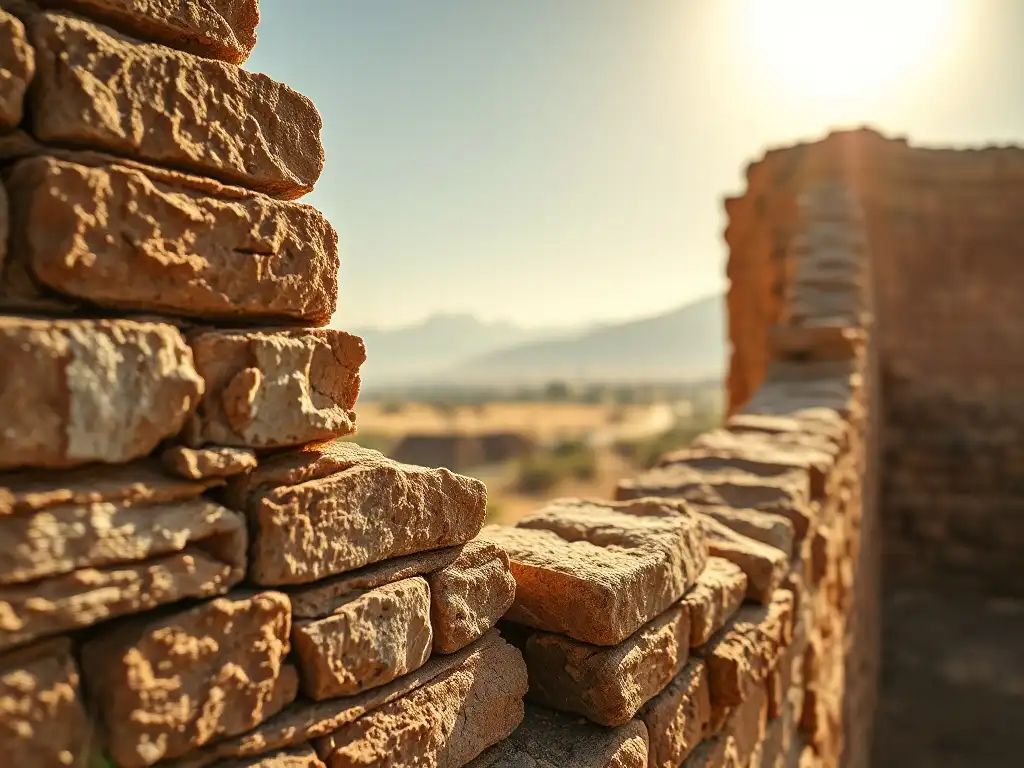
Moche adobe construction relied heavily on hand-molded bricks, a testament to the skilled labor and organized workforce that characterized their society. These bricks, typically rectangular in shape, weren't standardized in size, exhibiting slight variations that reflect the handmade nature of their production. Evidence suggests that bricks were often sun-dried, a process that was both economical and effective in the arid coastal climate. The construction process itself involved careful layering of the bricks.
Mortar, usually a simpler mixture of mud and water, was used to bind the bricks together, creating strong, stable walls. The layers weren't simply stacked; careful attention was paid to the bonding of the bricks, ensuring a strong and uniform structure. In larger structures, we observe the use of different brick sizes and orientations to create complex patterns and enhance stability.
The absence of sophisticated tools doesn't diminish the complexity of the process; rather, it highlights the skill and precision of the Moche builders. The efficiency and effectiveness of their Moche adobe construction purpose is evident in the scale and durability of their surviving structures. The layered approach, combined with the careful selection of materials, created walls capable of supporting significant weight and resisting the elements.
Structural Adaptations in Moche Adobe Architecture: Use of Sloping Walls for Stability
One of the most striking features of Moche adobe architecture is the frequent use of sloping walls. This wasn't merely an aesthetic choice; it was a crucial structural adaptation designed to enhance the stability of their buildings, particularly in earthquake-prone regions. Sloping walls, often slightly inward-leaning, distribute the weight of the structure more effectively, increasing its resistance to seismic forces.
This ingenious technique reduced the likelihood of collapse during earthquakes, a significant consideration given the region's tectonic activity. The angle of the slope likely varied based on factors such as the height and size of the structure, the type of soil, and the local seismic conditions. While precise data on the angles used is [specific information pending further research], observations of surviving structures suggest a deliberate and carefully calibrated approach.
The Moche adobe construction purpose, therefore, incorporated a sophisticated understanding of structural mechanics, demonstrating a level of engineering knowledge that significantly surpassed many contemporary cultures. The sloping walls are a compelling example of how the Moche adapted their building techniques to the specific environmental and geological challenges of their region, resulting in structures that stood the test of time. The integration of sloping walls was a key element in the success and longevity of their architectural achievements.
Moche Adobe Art and Symbolism Embodied in Walls
The Moche people, renowned for their sophisticated metalwork and intricate ceramics, also demonstrated remarkable artistic skill in their adobe construction. Their buildings weren't merely functional structures; they were canvases for expressing religious beliefs, social hierarchies, and cosmological views. The purpose of Moche adobe construction extended far beyond providing shelter; it served as a powerful medium for visual communication, reflecting the vibrant culture and complex worldview of this ancient civilization. Understanding the artistic elements embedded within these structures is crucial to fully appreciating the ingenuity and sophistication of Moche society.
The careful study of surviving remnants reveals a rich tapestry of symbolic representations woven into the very fabric of their architecture. Analyzing the techniques and motifs employed provides valuable insight into their beliefs and social structures. This section will explore the artistic aspects of Moche adobe construction, focusing on the murals, color schemes, and symbolic iconography found in their buildings.
Moche Mural Art on Adobe Walls: Depictions of Deities and Mythological Scenes
Moche mural art, often found on the interior and exterior walls of adobe structures, provides a window into their mythology and religious practices. These murals, though often fragmented due to the ravages of time and environmental factors, depict a range of figures, including deities, mythical creatures, and scenes from their rituals. One recurring motif is the depiction of the Ai Apaec, a fearsome deity often associated with warfare and sacrifice.
These representations are not simply decorative; they served a significant religious purpose, reinforcing the power and authority of the ruling elite and potentially influencing the beliefs and behaviors of the wider population. The style of these murals, characterized by bold lines, vibrant colors, and dynamic compositions, showcases a high level of artistic skill and understanding of perspective. Analysis of surviving fragments indicates the use of natural pigments derived from minerals and plants, demonstrating Moche expertise in both art and material science.
Further research into the chemical composition of these pigments could reveal additional insights into the Moche artistic process and their access to resources. Unfortunately, the precise techniques used in applying these murals to the adobe surfaces remain partially unknown, requiring further investigation.
The Use of Color and Decoration in Moche Adobe Structures
Color played a significant role in Moche adobe architecture, often used to enhance the visual impact of the structures and reinforce their symbolic meaning. While many original colors have faded or been lost over time, analysis of surviving pigments and archaeological evidence suggests a diverse palette was employed, including reds, yellows, browns, and whites. These colors were not randomly applied; rather, they were strategically used to emphasize specific architectural features or to create visual hierarchies.
For example, certain areas might have been painted in brighter colors to indicate their sacred or ceremonial function, while others might have been left unpainted or painted in more muted tones. The use of color in Moche adobe structures also reflects a sophisticated understanding of the symbolic associations of different hues. For instance, red might have been linked to blood, sacrifice, or power, while yellow might have been associated with the sun or fertility.
Further research is needed to fully decipher the complex system of color symbolism used in Moche architecture. This research could involve detailed analysis of pigment composition and comparison with color symbolism in other aspects of Moche culture, such as their ceramics and textiles.
Symbolism and Iconography in Moche Adobe Architecture: The Presentation of Elites and Ancestors
The layout and decoration of Moche adobe structures often reflected the social hierarchy and worldview of the society. The placement of buildings, the size and ornamentation of rooms, and the use of specific motifs all contributed to the presentation of power and authority. Elaborate decorations, including murals and intricate relief work, were typically found in the structures occupied by the elite, highlighting their status and reinforcing their legitimacy.
The depiction of ancestors and other important figures in the murals served to legitimize the rule of the current elite, connecting them to a powerful lineage and reinforcing the importance of tradition. The use of specific iconographic motifs, such as stylized depictions of animals, plants, and supernatural beings, further enhanced the symbolic meaning of these structures. For example, the presence of certain bird species might have indicated a connection to the realm of the gods or to specific rituals.
The detailed study of these motifs, and their placement within the architectural context, can help us unravel the complex social and religious dynamics of Moche society. Further research should focus on identifying and cataloging the various iconographic motifs present in Moche adobe structures, and analyzing their distribution and frequency across different sites and social contexts. This will help to create a more comprehensive understanding of the symbolism and purpose of Moche adobe construction.
The Legacy of Moche Adobe Construction
The Moche civilization (c. 100-800 CE), renowned for its sophisticated artistry and intricate irrigation systems, left behind a remarkable architectural legacy built primarily from adobe. Understanding the purpose of Moche adobe construction goes beyond simply appreciating the structures themselves; it reveals crucial insights into their social organization, religious beliefs, and adaptation to the challenging coastal desert environment. Their mastery of adobe construction wasn't merely a technical achievement; it was intrinsically linked to their worldview and societal needs.
The longevity and impact of their techniques are evident in subsequent Andean cultures, demonstrating the enduring influence of Moche architectural innovations. The strategic placement of structures, the careful selection of materials, and the sophisticated building methods all speak to a highly organized and technologically advanced society.
Analyzing these aspects provides a more nuanced understanding of Moche societal complexity and their remarkable ability to thrive in a harsh landscape. Further research, particularly focused on archaeological excavation and material analysis, is vital to fully uncover the secrets embedded within these remarkable structures.
Moche Adobe Techniques Influencing Later Andean Cultures
Moche adobe construction techniques weren't isolated achievements; they served as a foundation for later Andean cultures. The expertise in adobe brick production, sun-drying techniques, and sophisticated structural designs were adopted and adapted by subsequent civilizations, including the Chimú and Inca. For instance, the Chimú, known for their impressive urban planning in Chan Chan, likely benefited from Moche advancements in adobe brick-making, improving upon the techniques to create even larger and more complex structures.
The Inca, while employing stone extensively, also continued the tradition of adobe construction, especially in less strategically important areas or for less monumental buildings. This continuity demonstrates the practical effectiveness and adaptability of Moche building methods. The widespread adoption of Moche techniques highlights their enduring contribution to Andean architectural traditions and demonstrates the cultural exchange and technological diffusion within the region.
Analyzing the specific techniques employed by later cultures—comparing brick sizes, mortar composition, and construction methods—can reveal the extent of Moche influence and highlight the evolution of Andean adobe architecture over time. This comparative study underscores the significant legacy of Moche adobe construction, proving its influence extended far beyond their own civilization's lifespan.
Conservation Challenges of Moche Adobe Sites: Erosion and Climate Impact
The fragility of Moche adobe sites presents significant conservation challenges. The inherent susceptibility of adobe to erosion, particularly from wind and water, poses a constant threat to the preservation of these invaluable archaeological resources. Climate change, with its increasingly intense weather patterns, further exacerbates these challenges. Rainfall, even in small amounts, can cause significant damage to adobe structures, leading to structural collapse and the loss of valuable information.
Furthermore, the effects of salinity and desertification further compromise the integrity of adobe walls. Effective conservation strategies must address these factors, employing techniques like protective coatings, controlled drainage systems, and careful environmental management. The lack of sufficient funding and expertise also hinders effective preservation efforts.
Detailed studies of the specific environmental factors affecting each site are needed to develop targeted conservation plans. A multidisciplinary approach involving archaeologists, engineers, and climatologists is essential to ensure the long-term preservation of this unique and irreplaceable heritage. The ongoing degradation of Moche adobe sites underscores the urgent need for dedicated conservation programs to safeguard this invaluable piece of Andean history for future generations.
Understanding the Moche World Through Their Adobe Architecture
Moche adobe architecture offers a window into the social, religious, and political aspects of their civilization. The size and complexity of structures, such as the Huaca del Sol and Huaca de la Luna, suggest a highly centralized and stratified society capable of mobilizing significant labor resources. The intricate designs and decorations found on some buildings indicate the importance of religious rituals and beliefs. For example, the presence of murals and sculpted figures on certain structures may depict mythological narratives or commemorate important events.
Analyzing the spatial arrangement of buildings within sites can reveal insights into social organization and daily life. The strategic placement of structures, such as those related to irrigation systems, highlights the importance of water management in their economy and society. The careful use of space and materials within these structures also reveals the sophisticated understanding of engineering and construction principles.
By examining these aspects together, we gain a much richer and more complete understanding of the Moche worldview, their social structures, and their ability to adapt to their environment. Further research into the symbolic meaning of architectural features and the function of different structures within Moche sites is essential to further illuminate the complex interplay between architecture, society, and religion in this fascinating civilization. The careful study of Moche adobe architecture provides invaluable insights into the daily lives and beliefs of this remarkable ancient civilization.
Frequently Asked Questions
What was the primary purpose of Moche adobe construction?
Moche adobe structures served a variety of purposes, including ceremonial, residential, and administrative functions. Their buildings reflected the complex social hierarchy of Moche society.
Why did the Moche use adobe for construction?
Adobe, made from sun-dried mud bricks, was readily available and relatively easy to produce using local materials. This made it a cost-effective and sustainable building material.
How did the Moche's adobe construction techniques compare to other Andean cultures?
While sharing some similarities with other Andean cultures, the Moche developed unique architectural styles and techniques, including intricate relief decorations and sophisticated water management systems integrated into their structures.
What is the significance of the Moche's use of adobe in relation to their culture?
The scale and complexity of Moche adobe structures highlight their advanced engineering skills and the centralized organization needed for large-scale construction projects. This reflects their powerful social and political structures.
Are there any examples of surviving Moche adobe structures we can see today?
Yes, many ruins and sites showcasing Moche adobe architecture still exist. Visiting these locations allows us to understand their lifestyle and the importance of adobe in their society.
Final Reflection: The Enduring Legacy of Moche Adobe
The ingenuity of Moche adobe construction continues to resonate today, a testament to the power of human innovation and adaptation in the face of challenging environments. Their sophisticated techniques, far from being mere building practices, reveal a deep understanding of engineering, social organization, and the very landscape they inhabited. This understanding transcends the mere construction of walls; it speaks to a civilization's resilience and its profound connection to the land.
The Moche's mastery of adobe, a seemingly simple material, continues to inspire awe and wonder. Their structures, though weathered by time, still whisper tales of a vibrant culture that thrived in a harsh desert climate. Their commitment to building not just for shelter, but for ritual, social interaction, and the expression of their beliefs, is a powerful reminder of the multifaceted nature of architecture. Architecture is the learned game, correct and magnificent, of forms assembled in the light.
- Le Corbusier. This quote, while not directly referencing the Moche, perfectly encapsulates the artistry and intentionality evident in their adobe constructions.
Consider the implications of the Moche's achievements. Their understanding of materials, their sophisticated construction techniques, and their ability to organize large-scale projects offer valuable lessons for sustainable building practices today. You, the reader, are now equipped with a deeper understanding of this ancient civilization's ingenuity. Reflect on how their resourcefulness and dedication to community can inspire your own approach to problem-solving and collaboration. Let the legacy of the Moche adobe construction challenge you to build not just structures, but also a more sustainable and meaningful future.
Unveil the Legacy of Moche Architecture Today!
Thank you for exploring the fascinating world of Moche adobe construction! You've learned how these remarkable structures reflect the ingenuity and cultural values of the Moche people. Now, let's put your newfound knowledge to use.
Here are some ways to further your understanding and appreciation of Moche architecture:
- Visit local museums or exhibitions featuring Andean art and architecture to witness the Moche influence firsthand.
- Share your knowledge with others! Discuss the significance of adobe in ancient cultures with friends or online communities.
- Explore Moche archaeological sites; experiencing history firsthand is unparalleled.
What aspect of Moche architecture most captivates you, and how will you integrate this knowledge into your daily life or interests?