
Inca Art as Propaganda: Shaping the Image of the Empire

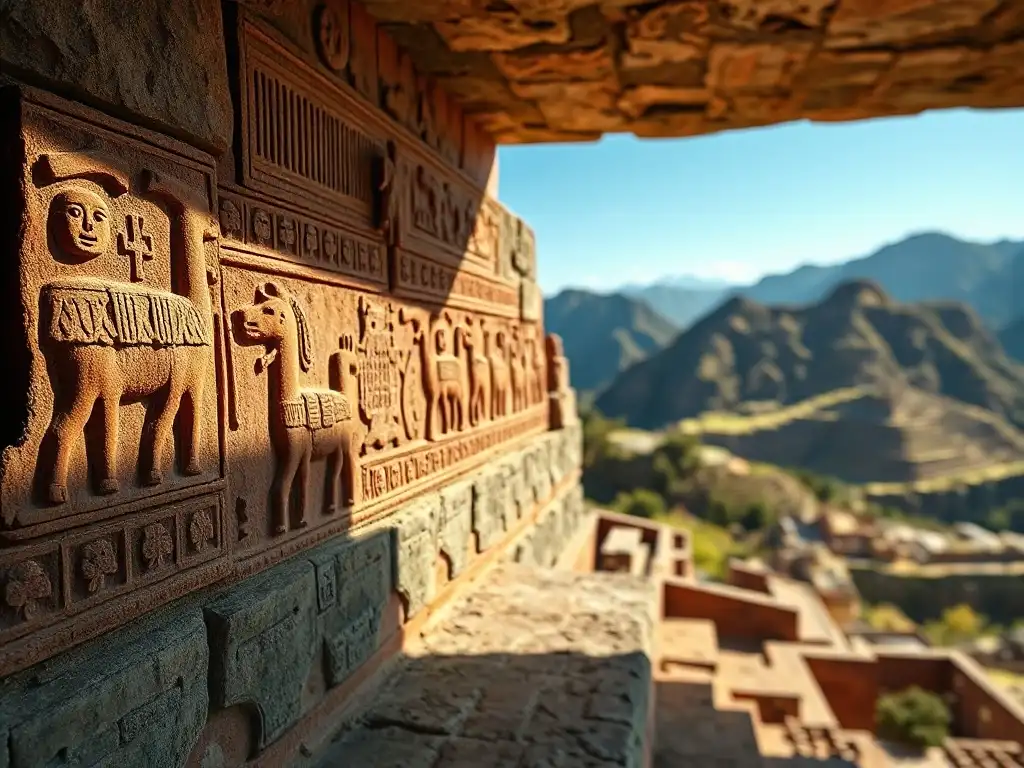
Step into a world lost to time, yet echoing with power and artistry. Imagine a civilization where every intricately woven textile, every meticulously carved stone, served a purpose far beyond mere aesthetics. This is the realm of the Andean civilizations, and here, we delve into the fascinating story of Inca art propaganda examples. Discover how the Incas masterfully shaped their empire's image through breathtaking works of art – a story that will leave you questioning everything you thought you knew. Prepare to be amazed.
The Inca Empire, at its zenith, controlled a vast and diverse territory spanning the Andes Mountains. Maintaining control over such a geographically challenging and culturally complex realm required more than just military might. The Inca leadership cleverly employed a sophisticated system of propaganda, subtly weaving their message of power and legitimacy into the very fabric of their society.
This article will explore how Inca art served as a potent tool in this imperial project, examining specific examples of how artistic creations reinforced Inca authority and shaped the perception of their empire both within its borders and beyond. We will delve into the ways in which Inca art, ranging from monumental architecture to intricately woven textiles, functioned as a powerful form of communication, disseminating the imperial ideology and consolidating the Inca's position as divine rulers. Understanding Inca art through this lens reveals a deeper appreciation for the ingenuity and strategic thinking behind the empire's remarkable success and enduring legacy.
This exploration will focus on key examples that highlight the deliberate use of art for propaganda purposes, solidifying the Inca's image as powerful, divinely appointed rulers, and ultimately contributing to the empire's stability and expansion. We'll examine how the visual language of Inca art conveyed specific messages of power, control, and legitimacy, ultimately shaping the identity and perception of the Inca Empire.
The Role of Art in the Inca Empire's Expansion
The Inca Empire's expansion wasn't solely achieved through military conquest. The Inca strategically integrated conquered populations into their vast empire, employing a nuanced blend of force and diplomacy. Art played a crucial role in this process.
Monumental architecture, such as the meticulously crafted stonework of Machu Picchu or the impressive fortress of Sacsayhuamán, served as powerful symbols of Inca dominance. These structures, built with astonishing precision and scale, not only showcased the Inca's engineering prowess but also instilled awe and respect in both conquered peoples and neighboring states. The sheer size and complexity of these projects communicated the empire's immense power and resources, reinforcing the message of Inca invincibility.
Furthermore, the standardized architectural styles implemented across the empire fostered a sense of unity and shared identity, subtly promoting the idea of a cohesive and powerful Inca state. This approach minimized resistance and facilitated the integration of diverse cultural groups into the imperial structure.
The creation of monumental roadways, like the Qhapaq Ñan, further strengthened this visual narrative. These roads, stretching thousands of kilometers across the Andes, showcased Inca logistical capabilities and connected the far reaches of the empire, visually representing the Inca's control and reach. The efficient infrastructure, in turn, facilitated the movement of goods, people, and information, reinforcing the empire’s power and efficiency.
The very existence of such a sophisticated network served as a constant reminder of the Inca's organizational prowess and control over their vast domain. This strategic use of infrastructure served not just a practical purpose but also a powerful propaganda function, visually communicating the extent and might of the Inca Empire.
Inca Art as a Tool for Imperial Control
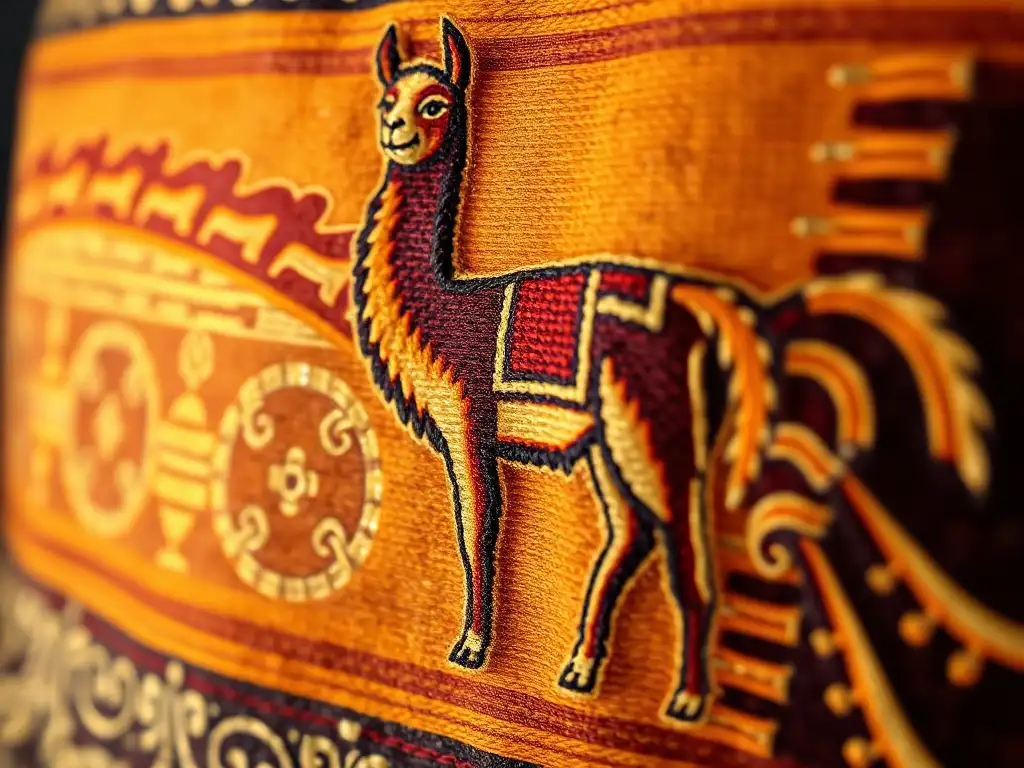
Beyond monumental architecture, Inca art manifested in diverse forms, each contributing to the imperial propaganda machine. Intricately woven textiles, for example, often depicted scenes of Inca rulers, religious ceremonies, and mythical figures, subtly reinforcing the divine legitimacy of the Inca leadership. These textiles, often used in official ceremonies and as gifts to elites, served as powerful visual reminders of Inca authority and cultural superiority.
The sophisticated techniques and high-quality materials used in their creation further highlighted the Inca's advanced technological skills and wealth, further enhancing their prestige and power. The use of specific colors and motifs also held symbolic meaning, conveying messages of authority, prosperity, and divine connection. Detailed records, unfortunately scarce, would be needed to fully decipher the complex visual language embedded within these textiles, but their role in the propagation of Inca ideology is undeniable.
Similarly, Inca metalwork, particularly in gold and silver, played a significant role in reinforcing imperial power. Ornate jewelry, ceremonial objects, and finely crafted weaponry not only showcased the Inca's mastery of metallurgy but also served as symbols of wealth, power, and divine favor. The lavish use of precious metals in royal regalia and religious artifacts visually reinforced the Inca's status as divinely appointed rulers.
The strategic display of these treasures during ceremonies and festivals served as a potent propaganda tool, emphasizing the empire's prosperity and the Inca's close relationship with the supernatural world. The skillful craftsmanship and the sheer abundance of these metallic artifacts served as a constant reminder of the Inca's power and control over resources.
The skillful artistry further solidified the image of the Inca as sophisticated and powerful rulers, capable of harnessing both material and spiritual resources. The scarcity of surviving Inca metalwork, however, unfortunately limits our ability to fully appreciate the range and extent of this aspect of their propaganda efforts.
Examples of Inca Art Propaganda
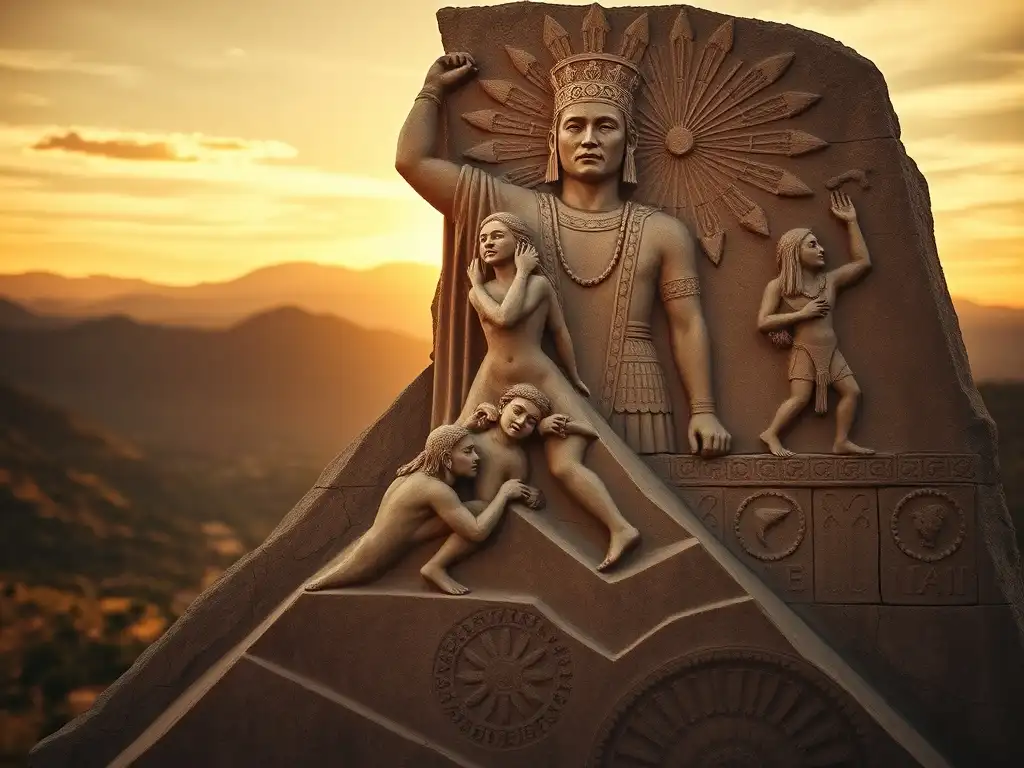
Inca art wasn't merely aesthetically pleasing; it served as a powerful tool of propaganda, meticulously crafted to reinforce the Inca empire's authority and legitimacy. The Inca state strategically employed various art forms to project an image of power, stability, and divine right to rule, effectively shaping the perceptions and beliefs of both its subjects and potential adversaries. This section will delve into specific examples demonstrating how Inca art functioned as a sophisticated form of political communication, solidifying the empire's control and influencing its vast and diverse population.
Understanding these examples provides crucial insight into the Inca worldview and their sophisticated methods of governance. The strategic use of Inca art propaganda examples is key to understanding the empire's lasting legacy.
Architecture: Imposing Structures as Symbols of Power
Inca architecture, renowned for its precision and grandeur, stands as a potent testament to the empire's power. Monumental structures served not just practical purposes but also as powerful symbols, visually communicating the Inca's dominance and control over their vast territory. The sheer scale and meticulous craftsmanship of these buildings instilled awe and reverence, reinforcing the emperor's divine status and the legitimacy of the Inca rule. The strategic placement of these structures further amplified their propagandistic impact.
The Strategic Placement of Inca Structures
The location of Inca structures was far from arbitrary. Cities and temples were often situated on strategically important sites, commanding breathtaking views of the surrounding landscape. This strategic positioning served multiple purposes. For example, the placement of a fortress overlooking a crucial valley not only provided military advantage but also visually demonstrated the Inca's ability to control and protect the region.
This visual dominance translated into a powerful message of authority and control, reinforcing the empire's power in the minds of its subjects and potential rivals. Similarly, the construction of impressive temples near agricultural centers subtly linked the Inca's power to the prosperity of the land, highlighting their role as benevolent rulers ensuring abundance and stability. This careful planning and execution demonstrate a sophisticated understanding of how architecture could serve as a tool of propaganda.
Machu Picchu: The Royal Estate as a Showcase of Inca Engineering
Machu Picchu, the iconic "Lost City of the Incas," serves as a prime example of Inca architecture as propaganda. While its exact function remains debated, its imposing location high in the Andes, coupled with the remarkable precision of its stonework, clearly conveyed a message of power and control. The meticulous planning and execution of its construction, showcasing the Inca's mastery of engineering and organization, instilled awe and reinforced the image of the Inca as divinely favored rulers capable of achieving feats beyond the reach of ordinary people.
The city's layout, with its intricate network of terraces, palaces, and religious structures, further emphasized the Inca's sophisticated social organization and their ability to mobilize vast resources for the construction of such a magnificent complex. The very existence of Machu Picchu, a testament to Inca skill and power, served as a powerful symbol of the empire's might and influence.
Inca textiles were not merely functional; they were intricately woven narratives, communicating messages of power, status, and identity. The intricate designs, vibrant colors, and the use of rare materials served as powerful visual symbols, reinforcing the social hierarchy and the authority of the Inca elite. The production of these textiles was often highly regulated, with specific patterns and materials reserved for the royal family and high-ranking officials.
The Significance of Tocapu Patterns in Inca Textiles
Tocapu patterns, characterized by their intricate geometric designs and vibrant colors, were particularly significant in Inca textiles. These patterns were not merely decorative; they represented specific clans, lineages, and even religious beliefs. The use of these patterns in royal garments served to visually reinforce the Inca's claim to authority and their connection to the divine.
The meticulous execution of these designs, requiring exceptional skill and patience, further emphasized the prestige and power associated with the Inca elite. The exclusive use of certain Tocapu patterns by the royal family and high-ranking officials created a visual hierarchy, clearly distinguishing those in power from the rest of the population. This visual distinction was a crucial element of Inca propaganda, reinforcing social order and the legitimacy of the Inca's rule.
Royal Tunics and the Representation of Inca Elites
Royal tunics, often adorned with elaborate Tocapu patterns and rare materials like vicuña wool, served as powerful symbols of Inca authority. These garments were not simply clothing; they were visual representations of the wearer's status and power. The intricate designs and the use of luxurious materials emphasized the wearer's connection to the divine and their place at the apex of Inca society.
The production of these tunics was a carefully controlled process, ensuring that only the elite could wear these garments, reinforcing the social hierarchy and the power of the Inca state. The careful crafting and symbolic significance of these royal tunics served as a potent form of visual propaganda, reinforcing the legitimacy of the Inca's rule and shaping the perceptions of the population. The visual display of power through these garments served to solidify the Inca's control and maintain social order within the empire.
Metalwork: Demonstrating Wealth and Superiority
Inca metalwork serves as a potent example of art as propaganda, showcasing the empire's immense wealth and technological prowess to both its subjects and potential rivals. The sheer quantity of gold and silver objects unearthed from Inca sites, particularly royal tombs and ceremonial centers, speaks volumes about the empire's control over resources and its ability to mobilize vast labor forces for crafting these intricate pieces. The meticulous craftsmanship, often involving sophisticated techniques like hammering, repoussé, and soldering, further underscored the Inca's superior skill and organizational capacity.
This wasn't simply about creating beautiful objects; it was a deliberate display of power, designed to impress and inspire awe. The very existence of such opulent metalwork served as a constant reminder of the Inca's dominance and the benefits of allegiance to the empire.
The scale of production itself—the sheer volume of objects created—was a testament to the empire's power and resources, dwarfing the capabilities of any potential adversaries. This visual demonstration of wealth and control was a cornerstone of Inca propaganda, effectively reinforcing the emperor's authority and the legitimacy of his rule.
Inca Gold and Silver Figurines
Among the most striking examples of Inca metalwork propaganda are the numerous figurines crafted from gold and silver. These weren't mere decorative pieces; they often depicted llamas, condors, and human figures, all imbued with symbolic meaning. Llamas, essential to the Andean economy, represented the empire's agricultural productivity and wealth.
Condors, majestic birds of prey, symbolized power and dominion. Human figurines, sometimes depicting the Inca emperor himself or important deities, reinforced the divine right to rule and the emperor's status as a intermediary between the human and spiritual realms. The use of precious metals—gold and silver—further amplified the message, associating the Inca elite with divine favor and unparalleled prosperity.
The intricate detail and lifelike quality of many figurines point to the high level of artistic skill within the Inca empire, again demonstrating their technological superiority. The sheer number of figurines discovered underscores the scale of production and the widespread dissemination of imperial imagery throughout the empire. These small but powerful objects were not only symbols of power but also instruments of propaganda, subtly reinforcing the emperor's authority and the empire's might.
Ritual Vessels and the Display of Imperial Power
Beyond figurines, Inca ritual vessels in gold, silver, and other metals played a significant role in imperial propaganda. These vessels, often used in ceremonies and religious rituals, were not merely functional; their ornate designs and the use of precious metals served to reinforce the Inca's control over resources and their connection to the divine. The elaborate designs, often incorporating intricate motifs and symbolic imagery, served as visual representations of Inca ideology and power.
The sheer size and weight of some of these vessels further underscored their importance and the empire's capacity to create such impressive objects. These vessels were not only used in rituals but also displayed publicly, serving as powerful symbols of imperial authority. Their presence in ceremonial contexts and their careful crafting served as a constant visual reminder of the Inca's power, wealth, and divine legitimacy.
The meticulous craftsmanship and the use of precious metals served to highlight the Inca's mastery of metalworking and their control over valuable resources, reinforcing the message of their superior status and power. The very act of creating and displaying these vessels was a powerful form of propaganda, subtly but effectively reinforcing the emperor's authority and the empire's might.
Analyzing Inca Art Propaganda Techniques
The Inca Empire, renowned for its sophisticated infrastructure and administrative prowess, also wielded art as a potent tool of propaganda. Unlike many other ancient civilizations, the Inca lacked a written language in the conventional sense. Their sophisticated system of quipus (knotted strings) recorded numerical data, but the dissemination of imperial ideology relied heavily on visual media.
Inca art, therefore, wasn't merely aesthetic; it was a carefully crafted mechanism to reinforce power, legitimize the Sapa Inca's rule, and project an image of imperial might and divine authority. Understanding the techniques employed allows us to decipher the messages embedded within these seemingly simple artistic forms, revealing a complex strategy of cultural control.
This section will delve into specific examples of Inca art propaganda, focusing on the techniques used to create a unified and powerful imperial image. The analysis below will focus on key examples of Inca art propaganda, examining how repetition, geometric patterns, and depictions of Inti and Inca rulers were employed to shape perceptions and consolidate power.
Repetition and Standardization in Inca Art
One of the most striking aspects of Inca art is its remarkable uniformity across the vast empire. This wasn't accidental; the standardization of artistic motifs, styles, and techniques was a deliberate policy designed to promote a sense of unity and imperial control. Imagine the impact of encountering identical ceramic vessels, intricately woven textiles, or meticulously carved stonework across vast distances.
This visual repetition reinforced the message of a unified empire under the single rule of the Sapa Inca. The consistent representation of imperial symbols, such as the chakana (Andean cross) and depictions of the condor and puma, further cemented this image of imperial cohesion and power. This wasn't simply about aesthetics; it was about creating a powerful visual language that transcended linguistic barriers and effectively communicated the message of Inca dominance.
For example, the remarkably similar style of pottery found across different regions of the empire, despite variations in local materials and techniques, speaks volumes about the centralized control exerted by the Inca state over artistic production. The standardization extended beyond ceramics; it was evident in textiles, metalwork, and stone carving. This systematic approach ensured that the imperial message was consistently delivered, reinforcing the idea of a unified and powerful Inca realm.
The controlled production and distribution of these standardized artifacts served as a constant visual reminder of the empire's power and the Sapa Inca's authority. The sheer scale of this undertaking underscores the importance the Inca placed on using art as a tool of propaganda.
The Use of Geometric Patterns to Convey Order and Control
Inca art is characterized by the extensive use of geometric patterns—triangles, trapezoids, zigzags, and stepped designs. These aren't merely decorative elements; they represent a deeper symbolic meaning linked to Inca cosmology and the imperial ideology of order and control. The precise and repetitive nature of these patterns reflects the Inca's emphasis on meticulous organization and planning, mirroring the highly structured nature of their society and administration. The strict geometric order visually reflects the hierarchical structure of the Inca empire, with the Sapa Inca at the apex, and the carefully controlled flow of resources and labor throughout the empire.
The intricate geometric designs found on textiles, pottery, and stonework also served as a visual representation of the Inca worldview, reinforcing the idea of a cosmos structured according to precise rules and hierarchies. The repetition of these patterns visually reinforced the concepts of stability, predictability, and control—essential elements in maintaining power and projecting an image of imperial strength and stability.
The sophisticated mathematical precision underlying many of these designs further contributes to their symbolic significance, highlighting the Inca's advanced understanding of geometry and their ability to apply it to the creation of powerful visual statements. This intricate detail served to awe and impress, subtly conveying the power and sophistication of the Inca civilization.
Depictions of Inti and Inca Rulers in Art
The sun god, Inti, held a central position in Inca religion and served as a powerful symbol of imperial legitimacy. Depictions of Inti in Inca art frequently appear alongside representations of the Sapa Inca, emphasizing the divine right to rule. The Sapa Inca was portrayed as a direct descendant of the sun god, connecting his authority to a celestial source and reinforcing the idea of his divine mandate to govern. This visual association between the ruler and the sun god helped to legitimize the Inca's rule and inspire reverence and obedience among the population.
Portraits of the Sapa Inca were not merely realistic depictions; they were carefully constructed images designed to project an aura of power, authority, and divine connection. The ruler was often depicted wearing elaborate headdresses, jewelry, and clothing, emphasizing his status and wealth. The stylistic choices in these representations, such as idealized features and regal poses, further served to elevate the Sapa Inca above the common people and solidify his position as the supreme ruler.
These carefully crafted images served to project an image of power and stability, reinforcing the Inca's claim to legitimate rule and ensuring the continued loyalty of their subjects. The consistent iconography surrounding the Sapa Inca and Inti across various art forms served to continuously reinforce this message of divine right and imperial authority throughout the vast empire.
The Impact of Inca Art Propaganda on Conquered Peoples
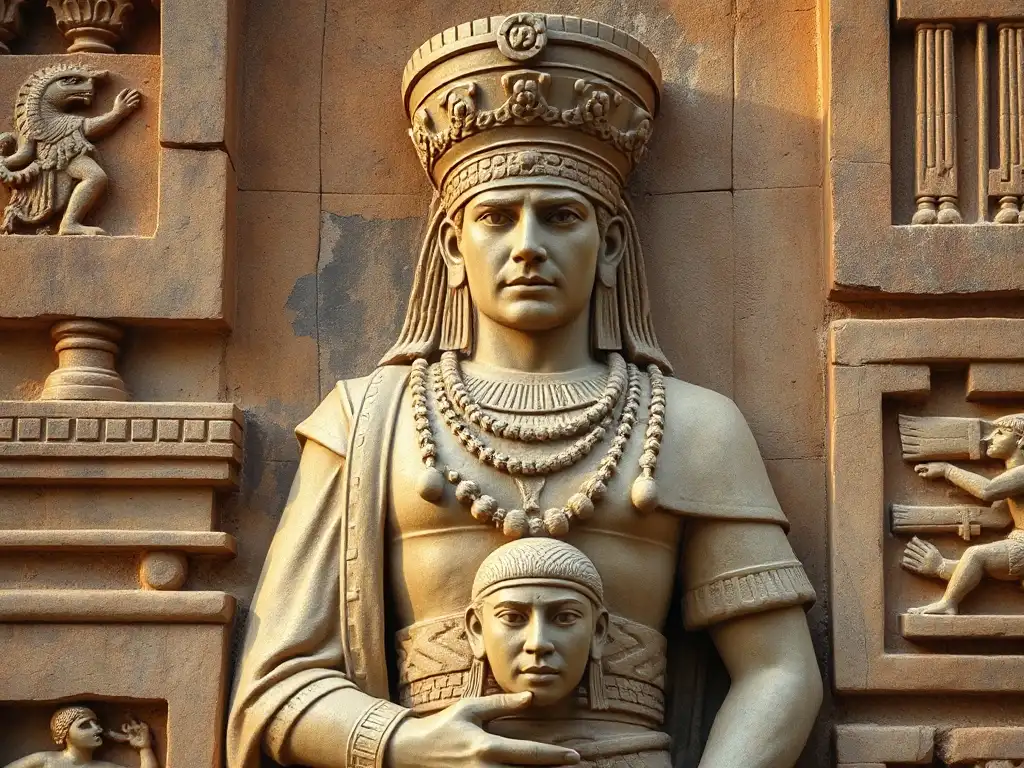
The Inca Empire, renowned for its sophisticated administrative and military prowess, employed art as a powerful tool of propaganda to consolidate its vast dominion and shape the perception of its rule among conquered populations. This wasn't merely aesthetic embellishment; Inca art strategically communicated imperial ideology, projecting power, authority, and legitimacy. The visual language of Inca art, meticulously crafted and widely disseminated, played a crucial role in the process of cultural assimilation and the integration of diverse ethnic groups into the imperial system.
The impact was profound and long-lasting, leaving a significant mark on the cultural landscape of the Andes. By analyzing specific examples of Inca art, we can decipher the subtle yet effective methods used to promote imperial control and forge a sense of shared identity across the empire. The scale of this effort, involving the production and distribution of artifacts across vast distances, speaks volumes about the importance the Inca placed on visual propaganda.
This systematic approach ensured that imperial messages reached even the most remote corners of the empire, reinforcing the Inca's authority and promoting a sense of unity. The effectiveness of this strategy is evident in the surviving artistic artifacts, which showcase a blend of Inca styles and regional variations, reflecting the complex interplay between imperial power and local traditions.
Assimilation and Integration Through Artistic Expression
Inca art served as a powerful mechanism for cultural assimilation, subtly integrating conquered populations into the imperial framework. The standardization of artistic motifs, such as the recurring imagery of the chakana (Andean cross), the inti (sun), and imperial symbols, helped create a visual language that transcended regional boundaries. This shared visual vocabulary fostered a sense of collective identity, binding together disparate groups under the banner of the Inca Empire.
Consider, for example, the widespread use of standardized pottery designs and textiles in various regions. While regional styles weren't entirely erased, the incorporation of imperial motifs served to visually assert Inca dominance and subtly promote cultural homogeneity. This wasn't a forceful imposition, but rather a gradual process of integration, where local artistic traditions were adapted and incorporated into the broader imperial aesthetic.
The subtle blending of styles demonstrates the Inca's pragmatic approach to governance; by adapting to existing cultural practices while simultaneously asserting their authority, they managed to maintain control effectively. This strategy stands in contrast to more forceful methods of cultural suppression, highlighting the sophistication of Inca imperial strategies. The survival of some regional artistic elements within the broader Inca style also suggests a degree of negotiation and cultural exchange, rather than pure domination.
Adaptation of Local Pottery Styles Under Inca Influence
The Inca's masterful manipulation of artistic styles is particularly evident in the adaptation of local pottery traditions. While the Inca developed their own distinctive styles, characterized by their refined craftsmanship and use of specific motifs, they didn't simply impose their aesthetics on conquered populations. Instead, they cleverly integrated elements of existing regional pottery styles into the broader imperial aesthetic. This resulted in a unique blend of Inca and local influences, creating a visually rich and diverse artistic landscape.
For instance, [specific examples of pottery styles from different regions and their Inca adaptations pending]. This strategy served multiple purposes: it appeased local populations by acknowledging their cultural heritage, while simultaneously asserting Inca dominance through the incorporation of imperial symbols and motifs. The subtle yet effective blending of styles showcased the Inca’s understanding of cultural diplomacy and their ability to maintain control without resorting to outright cultural suppression.
This adaptation of local styles also facilitated the efficient production and distribution of goods across the empire, as local artisans could continue to utilize their established techniques while incorporating imperial elements. This pragmatic approach to art production ensured the consistent dissemination of Inca propaganda throughout the vast empire, solidifying their power and influence. The strategic use of pottery, a ubiquitous element of daily life, ensured that the imperial message was constantly reinforced, subtly shaping the cultural landscape of the Andes.
The Legacy of Inca Art Propaganda
The Inca Empire's masterful use of art as propaganda extended far beyond its immediate impact. The enduring legacy of these carefully crafted images and artifacts continues to shape perceptions of the Inca civilization and influence artistic expression in the Andean region even today. This section explores the long-term effects of Inca propaganda art, examining its influence on subsequent artistic styles and cultural identities.
Understanding this lasting legacy allows us to appreciate the sophisticated strategies employed by the Inca rulers and the profound impact they had on shaping both the historical record and the cultural landscape. The intricate weaving techniques, for instance, passed down through generations, are a testament to this enduring influence.
The vibrant colors and symbolic motifs continue to resonate, demonstrating the power of Inca art to transcend time and inspire artists across centuries. The continued use of traditional Andean techniques in contemporary art is a direct reflection of the enduring cultural impact of the Inca artistic legacy, a legacy built not only on skill and artistry but also on deliberate political messaging.
Inca Art's Enduring Influence on Andean Weaving
Inca weaving, a pinnacle of Andean textile artistry, served as a potent tool for imperial propaganda. The use of specific colors, patterns, and materials conveyed messages of power, authority, and divine legitimacy. These visual codes, meticulously crafted and passed down through generations, continue to influence Andean weaving traditions. Modern weavers in the Andes often incorporate Inca-inspired motifs and techniques, demonstrating a direct lineage connecting contemporary artistry to the imperial past. This isn't mere imitation; it's a conscious engagement with a rich history.
For example, the use of challana (a specific type of double-faced weaving technique) continues to be employed in contemporary textiles, showcasing the enduring legacy of Inca technological prowess and aesthetic sensibilities. The intricate designs, often depicting animals, plants, and geometric patterns, are not only visually stunning but also carry symbolic weight, echoing the ideological messages embedded in Inca textiles. The colors themselves—the deep reds, vibrant yellows, and rich blues—all hold specific cultural significance, often directly related to Inca iconography and cosmology.
This continuity demonstrates the lasting impact of Inca propaganda on the cultural identity of Andean communities and their artistic practices. The persistence of these motifs and techniques across centuries underscores the effectiveness of Inca propaganda in shaping cultural memory and artistic expression.
Contemporary Art Inspired by Inca Motifs
The legacy of Inca art propaganda extends beyond traditional Andean weaving. Contemporary artists across the globe continue to draw inspiration from Inca motifs, adapting and reinterpreting them in diverse artistic mediums. This engagement with Inca art reflects not only an appreciation for its aesthetic qualities but also a recognition of its historical and political significance. The resurgence of interest in Inca imagery in modern art showcases the enduring power of Inca propaganda to resonate with contemporary audiences. Many contemporary artists consciously incorporate Inca designs into their work, blending traditional aesthetics with modern techniques and interpretations.
This appropriation, however, often involves a critical engagement with the original context. Artists may use Inca motifs to explore themes of colonialism, resistance, and cultural identity, adding layers of meaning to the original propaganda messages. For instance, some artists might juxtapose traditional Inca designs with modern imagery, highlighting the complexities of cultural heritage and the ongoing impact of colonialism. This creative reinterpretation of Inca art demonstrates its adaptability and its capacity to spark dialogue and critical reflection.
The use of Inca motifs in contemporary art, therefore, serves as a testament to the enduring power of Inca propaganda and its capacity to inspire and provoke even centuries later. It is a powerful reminder that the impact of art, especially when used as a political tool, can be far-reaching and long-lasting. The continued relevance of Inca art in contemporary artistic discourse underscores its significance and its enduring legacy.
Frequently Asked Questions
What is the main purpose of this article?
This article explores how the Inca Empire used art as a form of propaganda, to control and legitimize its rule. It examines specific examples of Inca art that served this purpose.
What are some examples of Inca art used as propaganda?
Examples include monumental architecture like Machu Picchu, textiles depicting imperial power, and metalwork showcasing the emperor's wealth and authority. These items served to inspire awe and loyalty.
How did Inca art portray the emperor?
Inca art consistently portrayed the Sapa Inca as a divine figure, connected to the gods and possessing unquestionable authority. This reinforced their legitimacy and power.
What role did textiles play in Inca propaganda?
Textiles were crucial, displaying imperial symbols and colors to signify status and power. Complex designs and the use of rare materials further highlighted the empire's wealth and sophistication.
How did Inca art differ from the art of other Andean civilizations?
While sharing some stylistic similarities, Inca art emphasizes imperial grandeur and centralized control, unlike the more regionally diverse styles of the Moche, Nazca, or Tiahuanaco cultures. This reflects the Inca's vast empire and centralized power.
Final Reflection: The Enduring Legacy of Inca Propaganda
The sophisticated use of Inca art as a tool of imperial propaganda remains strikingly relevant today. We see echoes of this strategy in modern-day nation-building and political messaging, highlighting the timeless power of visual communication to shape perceptions and consolidate power. The Inca's mastery of this art, from monumental architecture to intricate textiles, serves as a potent reminder of how carefully crafted imagery can influence not only the present but also the future narrative of a civilization.
The enduring impact of Inca propaganda is evident in the continued fascination with their art and the ongoing scholarly debates surrounding its meaning and purpose. The sheer scale and artistry of their creations continue to inspire awe, while the subtle messages embedded within them continue to be deciphered and reinterpreted. Art washes away from the soul the dust of everyday life.
– Pablo Picasso. This quote, while not directly about Inca art, perfectly encapsulates the enduring power of art to transcend time and connect with us on a deeply emotional level, even when created for explicitly political purposes. The Inca understood this power implicitly, and their legacy continues to resonate because of it.
Consider, for a moment, the ways in which you are influenced by visual imagery in your own life. From the advertisements you see daily to the social media feeds you consume, you are constantly bombarded with messages designed to shape your perceptions and influence your choices.
By understanding the techniques employed by the Inca, we can become more critical consumers of visual information and better equipped to navigate the complex world of modern propaganda. Let the legacy of Inca art inspire you to examine the images that surround you with a discerning eye, and to appreciate the enduring power of art to shape our understanding of the world and ourselves.
**Unleash Your Curiosity: Dive Deeper into Inca Art and Culture! **
Thank you for exploring the fascinating world of Inca art and its powerful role as a form of propaganda. Understanding how art shaped perceptions of the Inca Empire provides valuable insights into their culture and societal structures. Now, let's build on that knowledge!
- **Visit a local museum or explore online galleries** to experience Inca art firsthand. Look for exhibitions showcasing their vibrant textiles and intricate pottery, paying close attention to the details.
- **Connect with other enthusiasts** through social media or online forums. Share your thoughts on how Inca art continues to influence modern perceptions of power and authority, and learn from others' perspectives.
- **Create your own artwork inspired by Inca motifs and techniques. ** This is a great way to solidify your understanding of their culture and artistic expression.
What aspect of Inca art most surprised you, and how do you believe it can inform our understanding of other ancient civilizations?