
The Dance of the Stars: How Andean Astrology Shapes Modern Beliefs

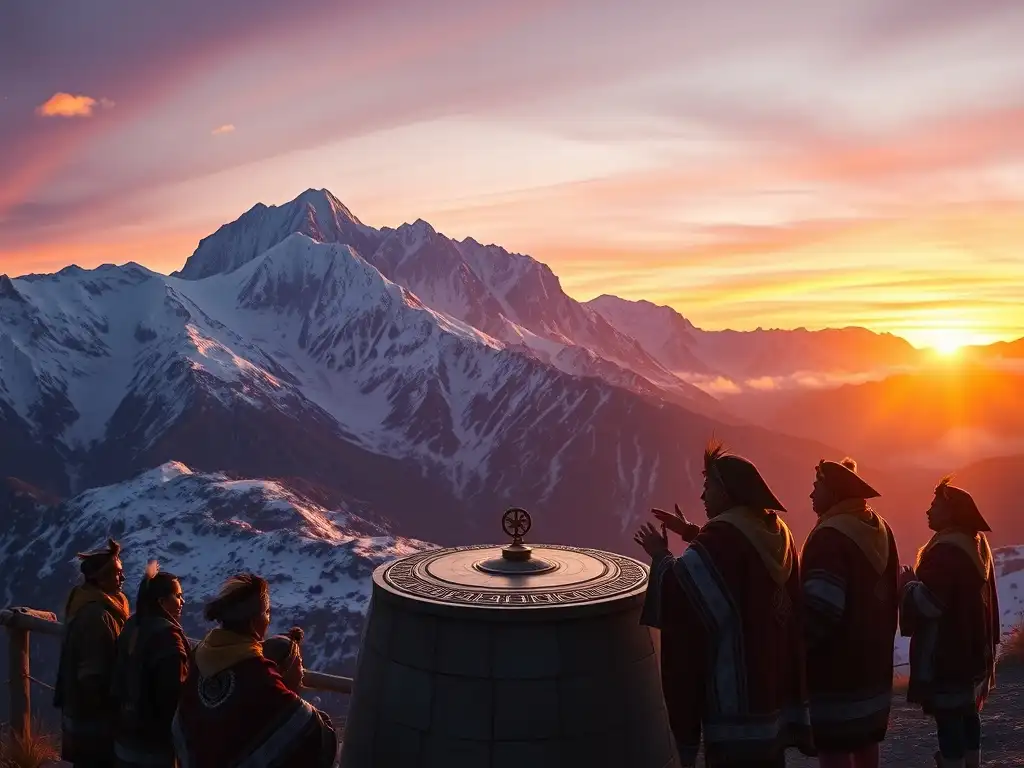
Step into a world lost to time, yet echoing in our present. Uncover the secrets of the Andes, a land where celestial bodies held sway over daily life and shaped the beliefs of mighty civilizations. Did you know that the sophisticated Andean astrology of the Incas, Moche, and other remarkable cultures continues to subtly influence modern spiritual practices? Journey with us to explore this fascinating connection in "The Dance of the Stars: How Andean Astrology Shapes Modern Beliefs," and discover how the ancient wisdom of the Andes resonates with our world today.
The breathtaking landscapes of the Andes Mountains, stretching across South America, were not just the backdrop for the rise and fall of powerful civilizations; they were integral to their spiritual and cosmological beliefs. This article delves into the fascinating world of Andean astrology, exploring its deep roots in ancient cosmology and its surprising influence on modern Andean beliefs and practices.
We'll examine how the meticulous observation of celestial bodies shaped daily life, religious rituals, and agricultural practices, and how echoes of these ancient traditions resonate in contemporary Andean communities. From the intricate astronomical knowledge of the Inca to the sophisticated celestial calendars of earlier cultures like the Nazca and Moche, we'll unravel the complex relationship between the stars and the lives of the Andean people, demonstrating the enduring legacy of Andean astrology on modern cultural identity and practices.
This exploration will reveal how the "dance of the stars" continues to inform and inspire Andean communities today, underscoring the enduring power of ancient wisdom. Understanding this connection is key to appreciating the rich tapestry of Andean culture and its enduring relevance in the 21st century.
Understanding Andean Cosmology and its Astrological Roots
Andean cosmology presents a unique worldview deeply intertwined with the natural world and the celestial sphere. Unlike Western astrological systems that focus on individual horoscopes, Andean astrology was intrinsically linked to the collective, emphasizing the interconnectedness of humanity, nature, and the cosmos. The Andes' high altitude provided unparalleled views of the night sky, fueling a profound understanding of celestial cycles and their influence on earthly events.
Ancient Andean cultures meticulously tracked the movements of the sun, moon, stars, and planets, developing sophisticated calendars and astronomical observatories to predict seasonal changes, agricultural cycles, and auspicious dates for ceremonies. These observations weren't merely scientific; they were deeply spiritual, forming the foundation of their religious beliefs and social structures. The celestial bodies were seen as powerful deities, influencing everything from harvests to human destiny.
This holistic approach, where the celestial and terrestrial realms are inextricably linked, is a defining characteristic of Andean cosmology and its astrological traditions. The intricate relationship between the earthly and the heavenly is reflected in their art, architecture, and mythology, showcasing a profound understanding of the cosmos and its influence on their lives. Understanding this cosmological framework is crucial to comprehending the enduring influence of Andean astrology on contemporary beliefs.
The Significance of Celestial Observation in Ancient Andean Cultures
The precision and sophistication of Andean astronomical observations are truly remarkable. Ancient cultures like the Nazca, known for their enigmatic geoglyphs, demonstrated an advanced understanding of astronomy. Evidence suggests that some of their lines might have served as astronomical markers, aligning with specific celestial events. Similarly, the Moche civilization, renowned for its intricate pottery and metalwork, incorporated celestial motifs into their art, depicting constellations and astronomical phenomena.
The Inca, with their vast empire, developed a highly organized system of celestial observation, utilizing sophisticated instruments and techniques to predict agricultural cycles and plan their ceremonies. Their knowledge was crucial for managing their vast empire and ensuring the prosperity of their people. They used their astronomical knowledge to determine the optimal times for planting and harvesting, ensuring food security for their communities. The Inca also used celestial events to guide their religious practices, conducting rituals and festivals aligned with specific astronomical phenomena.
This deep integration of astronomy into everyday life underscores the profound significance of celestial observation in shaping Andean societies. The meticulous records kept by these civilizations, though often interpreted through surviving artifacts and archaeological findings, provide invaluable insights into their understanding of the cosmos and its influence on their culture. The legacy of this meticulous observation continues to impact modern Andean practices, demonstrating the enduring relevance of these ancient traditions.
Core Principles of Andean Astrology
Andean astrology, unlike its Western counterpart, isn't solely focused on predicting individual destinies. Instead, it emphasizes the interconnectedness of the cosmos and the Earth, reflecting a deep-rooted spiritual understanding of the natural world. The Andean worldview sees humans as integral parts of a larger, vibrant ecosystem, influenced by celestial bodies and the energies of the Pachamama (Mother Earth) and the Apus (mountain spirits). This holistic perspective shapes the core principles of Andean astrology, emphasizing harmony, balance, and respect for the natural order.
The practice isn't about predicting the future in a deterministic way, but rather about understanding one's place within the cosmic rhythm and aligning oneself with its flow. This understanding informs decision-making in various aspects of life, from agriculture to healing. The focus is on living in accordance with the natural cycles and respecting the intricate web of life that connects all things.
The Andean Zodiac: The Llama, The Serpent, and the Fox and their Meanings
Unlike the Western zodiac's twelve signs, Andean astrology utilizes a different system, often incorporating animals and celestial phenomena significant to Andean cultures. While a standardized, universally accepted Andean zodiac doesn't exist, certain animals and constellations consistently appear in various interpretations. For instance, the llama, often representing community and resilience, embodies the strength and adaptability necessary to navigate life's challenges. The serpent, symbolizing transformation and healing, connects to the cyclical nature of life, death, and rebirth, reflecting the Andean understanding of continuous renewal.
The fox, known for its cunning and intelligence, represents resourcefulness and the ability to adapt to changing circumstances. These symbolic interpretations are not fixed; their meaning can vary depending on the specific context and the individual's interaction with the cosmos. Further research is needed to fully document the diverse representations across different Andean communities.
The Role of Pachamama and Apus in Andean Astrological Interpretations
The Pachamama, the life-giving Earth Mother, and the Apus, the powerful mountain spirits, hold central positions in Andean astrology. Their influence permeates every aspect of life, shaping the timing of agricultural activities and influencing personal well-being. Favorable celestial alignments are seen as indicative of the Pachamama's benevolence, promising abundant harvests and overall prosperity. Conversely, unfavorable alignments might be interpreted as a sign to seek balance and harmony, perhaps through ritual offerings or adjustments to daily routines.
The Apus, as guardians of the mountains and protectors of the communities, are believed to exert their influence through weather patterns and other natural phenomena. Understanding their perceived moods and intentions is crucial for navigating the challenges and opportunities presented by the environment. Traditional practices involving offerings and ceremonies to appease the Pachamama and the Apus remain vital aspects of Andean life.
Time Cycles and Predictions: The Inca Calendar and its Agricultural Significance
The Inca calendar, a sophisticated system of timekeeping, played a crucial role in Andean agricultural practices. Based on observations of the sun, moon, and stars, it allowed for precise predictions of planting and harvesting seasons. This intricate knowledge of celestial cycles enabled the Incas to maximize crop yields and ensure the survival of their communities. The calendar wasn't simply a tool for agriculture; it was deeply intertwined with religious beliefs and social organization.
Specific dates were associated with festivals, rituals, and community gatherings, reflecting the importance of maintaining harmony between the human world and the cosmos. While the precise workings of the Inca calendar are still being researched, its influence on Andean agriculture is undeniable, demonstrating the practical application of celestial observations in daily life. The calendar's accuracy and its integration into the social fabric of Inca society are remarkable achievements of Andean astronomy.
Andean Astrology Influence on Modern Andean Beliefs
Despite the passage of centuries and the impact of colonialism, Andean astrology continues to shape modern Andean beliefs and practices. Its enduring influence is evident in various aspects of contemporary Andean life, reflecting the enduring strength of traditional worldviews. The integration of ancient knowledge with modern realities demonstrates the resilience and adaptability of Andean cultures. The persistent relevance of Andean astrology highlights its profound impact on the cultural identity of Andean communities.
The Enduring Presence of Andean Star Lore in Contemporary Quechua Communities
In many contemporary Quechua communities, traditional Andean star lore persists, woven into the fabric of daily life. Knowledge of constellations and celestial events is often passed down through generations, shaping cultural narratives and influencing decision-making. The stories associated with particular stars and constellations provide a rich tapestry of mythology and cosmology, reinforcing a sense of connection to the ancestral past.
These narratives offer valuable insights into the Andean worldview and its enduring influence on modern beliefs. The continued practice of observing the stars and interpreting their significance highlights the importance of maintaining cultural heritage and traditional knowledge. The transmission of this knowledge through oral traditions ensures its survival and continued relevance.
How Andean Astrology Shapes Planting and Harvesting Cycles Today
Even today, Andean astrology significantly impacts planting and harvesting cycles in many rural Andean communities. Farmers often consult traditional calendars and interpret celestial events to determine the optimal times for sowing seeds, tending crops, and harvesting. This practice reflects a deep understanding of the relationship between the cosmos and the natural world.
The integration of ancient knowledge with modern agricultural techniques demonstrates a remarkable blend of tradition and innovation. The continued reliance on celestial observations highlights the enduring practical value of Andean astrology in modern agriculture. This practice underscores the importance of considering both traditional knowledge and modern scientific understanding in agricultural practices.
The Influence of Andean Cosmic Views on Traditional Herbal Remedies
Andean cosmic views also significantly influence traditional herbal remedies and healing practices. The selection of herbs, the timing of their collection, and the methods of preparation often incorporate knowledge of celestial cycles and the energies of the Pachamama and Apus. This holistic approach to healing recognizes the interconnectedness of the body, the environment, and the cosmos.
The continued use of traditional remedies, informed by Andean astrology, demonstrates the enduring relevance of this knowledge system in contemporary healthcare practices. Further research is needed to fully document the diversity of these practices across different regions and communities. The integration of this traditional knowledge with modern medical practices holds potential for developing more holistic and culturally sensitive healthcare systems.
Modern Interpretations and Adaptations of Andean Astrology
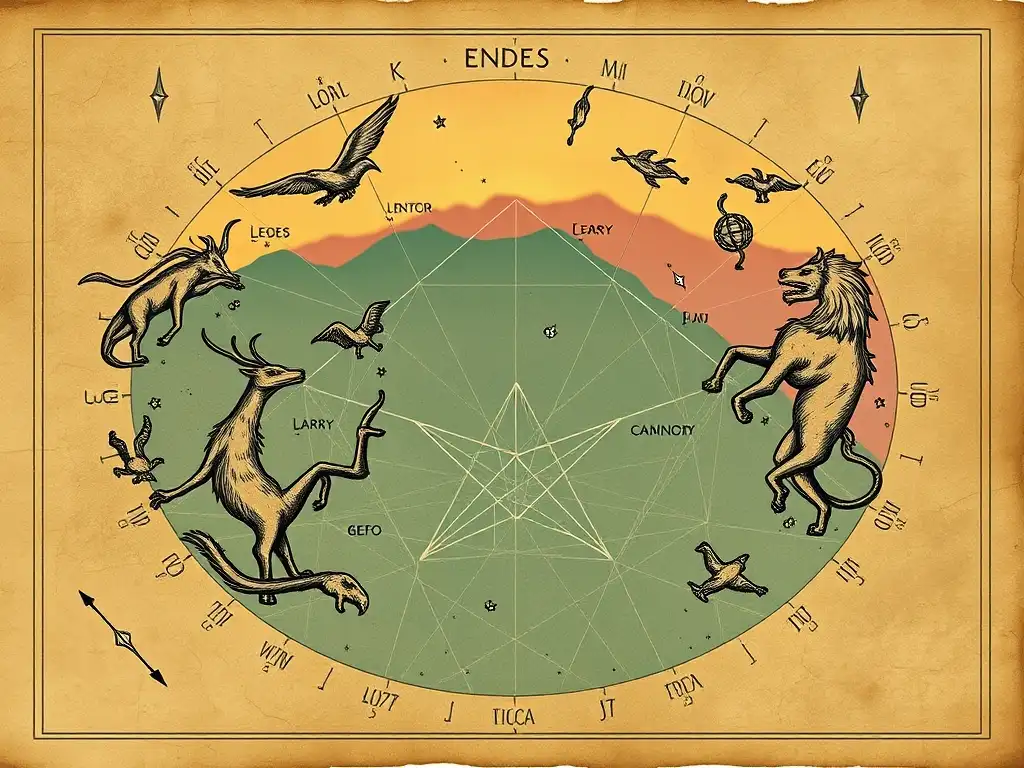
Modern interpretations of Andean astrology are far from static; they represent a dynamic interplay between ancient traditions and contemporary Andean life. While precise historical records are scarce, oral traditions and archaeological findings offer glimpses into the rich astronomical knowledge possessed by Andean cultures. These traditions, often passed down through generations within families and communities, continue to inform modern practices.
The resurgence of interest in indigenous knowledge systems in recent decades has led to a renewed focus on understanding and applying Andean astrology. This revival isn't simply a nostalgic return to the past; it's a conscious effort to integrate ancient wisdom into the challenges and opportunities of the modern world. Many contemporary Andean communities use astrological principles to guide decisions related to agriculture, health, and even social events.
This demonstrates the enduring relevance and practical application of this ancient system. The interpretation of celestial events often blends seamlessly with other aspects of Andean spirituality and worldview.
Blending Ancient Wisdom with Modern Andean Life
The integration of Andean astrology into modern life is a fascinating blend of tradition and adaptation. For example, some Andean farmers still consult astrological calendars to determine optimal planting and harvesting times, a practice rooted in centuries-old observations of celestial cycles and their impact on agricultural yields. Similarly, traditional healers may incorporate astrological principles into their diagnostic and therapeutic approaches, considering the influence of planetary positions on an individual's well-being.
This isn't a rigid adherence to ancient texts; rather, it's a flexible and evolving system where traditional knowledge is adapted to meet contemporary needs. The use of modern technology, such as astronomical software, is sometimes combined with traditional methods, enhancing the accuracy and accessibility of astrological interpretations. This highlights the dynamic nature of Andean astrology, its ability to adapt and remain relevant in a changing world.
The Role of Andean Wisdom Keepers Today
The role of Andean wisdom keepers, often referred to as yatiri or similar titles depending on the specific community, is crucial in the transmission and interpretation of Andean astrology. These individuals act as custodians of ancient knowledge, passing down traditions and practices through oral instruction, apprenticeships, and community rituals. They often possess a deep understanding of both the astronomical and spiritual aspects of Andean cosmology, bridging the gap between the celestial realm and the everyday lives of their communities.
Their expertise is highly valued, particularly in matters related to health, agriculture, and social harmony. The yatiri play a vital role in maintaining the continuity of Andean astrological traditions and ensuring their relevance in contemporary society. Their knowledge is not simply theoretical; it is deeply interwoven with the practical aspects of Andean life, making it a living and evolving tradition.
Andean Astrology vs. Western Astrology: Key Differences and Similarities
While both Andean and Western astrology involve the interpretation of celestial bodies, significant differences exist in their underlying cosmologies and methodologies. A key distinction lies in their cosmological worldviews.
Divergent Cosmological Worldviews
Andean astrology is deeply rooted in a cyclical and interconnected view of the universe, emphasizing the harmonious relationship between humanity and nature. The cosmos is seen as a living entity, with celestial bodies playing active roles in shaping earthly events. In contrast, Western astrology often adopts a more mechanistic approach, focusing on individual horoscopes and predicting future events based on planetary positions at the time of birth.
While both systems utilize celestial observations, their interpretations and philosophical underpinnings differ significantly. Andean astrology, for instance, frequently incorporates elements of Andean spirituality and animism, viewing the cosmos as a sacred and sentient entity. This contrasts with the largely secular approach of many Western astrological traditions.
Contrasting Interpretations of Planetary Alignments
The interpretation of planetary alignments and celestial events also varies considerably between Andean and Western astrology. In Andean traditions, the significance of a particular celestial event is often interpreted within the context of a wider cosmological framework, encompassing the interplay of various natural forces and spiritual entities. For example, the appearance of a specific constellation might be linked to specific agricultural practices, social rituals, or even prophecies related to community well-being.
Western astrology, on the other hand, tends to focus on the individual impact of planetary alignments, often generating personalized predictions based on birth charts and transit patterns. These contrasting approaches highlight the fundamental differences in their philosophical underpinnings and the ways in which they are applied in practice. The emphasis on community and interconnectedness in Andean astrology stands in stark contrast to the often individualistic focus of Western astrological interpretations.
Preserving Andean Astrological Knowledge for Future Generations
Andean astrology, a rich tapestry woven from centuries of observation and interpretation of celestial events, faces the challenge of preservation in the modern era. The transmission of this intricate knowledge system, once primarily reliant on oral traditions and practical application, now requires a multifaceted approach to ensure its continuity. The delicate balance between respecting ancient practices and adapting to contemporary contexts is crucial for its survival.
Loss of this knowledge would represent a significant cultural loss, severing a vital link to the past and impacting the understanding of Andean cosmology and its influence on various aspects of life. Efforts to preserve this heritage are not merely academic exercises; they are essential for maintaining cultural identity and fostering a deeper appreciation for the Andean worldview.
The active participation of indigenous communities is paramount in these preservation efforts, ensuring that the knowledge is passed down authentically and respectfully. Furthermore, the integration of modern technologies, such as digital archives and online resources, can play a significant role in disseminating this knowledge to a wider audience while safeguarding it against loss.
The Importance of Oral Tradition and Intergenerational Learning
The transmission of Andean astrological knowledge has historically relied heavily on oral tradition. This method, passed down through generations, involves storytelling, practical demonstrations, and direct mentorship. Elders, keepers of this ancestral wisdom, play a crucial role in guiding younger generations, imparting not only the technical aspects of astrology but also its philosophical and spiritual significance.
This intergenerational learning process fosters a deep connection to the past and ensures the continuity of cultural practices. However, the increasing urbanization and migration patterns within Andean communities pose a threat to this traditional method of knowledge transfer. Younger generations, often drawn to urban centers and modern lifestyles, may have limited opportunities to engage with elders and learn these ancient practices directly.
Initiatives focused on strengthening community bonds and creating opportunities for intergenerational dialogue are therefore essential for sustaining oral traditions and ensuring the transmission of Andean astrological knowledge. This requires conscious efforts to create spaces and programs that facilitate interaction between elders and younger generations, fostering a shared appreciation for this invaluable heritage.
Educational Programs and Community Workshops
Formal educational programs and community workshops are becoming increasingly important in preserving and promoting Andean astrology. These initiatives offer structured learning environments where individuals can acquire a deeper understanding of the subject. Such programs can range from introductory courses aimed at the general public to advanced workshops designed for those seeking a more in-depth exploration.
By offering a blend of theoretical knowledge and practical applications, these programs can engage a wider range of participants. The integration of modern teaching methods, such as interactive simulations and digital resources, can enhance the learning experience and make the subject more accessible to younger generations. Community workshops, often organized by indigenous communities themselves, provide a platform for sharing knowledge, preserving traditional practices, and fostering a sense of collective ownership over this cultural heritage.
These workshops often incorporate hands-on activities and practical applications, further enriching the learning experience and ensuring that the knowledge is not merely theoretical but also deeply rooted in practical application. The success of these programs hinges on collaboration between educational institutions, indigenous communities, and other stakeholders committed to preserving Andean cultural heritage.
Conclusion: The Ongoing Relevance of Andean Astrology
Andean astrology, far from being a relic of the past, remains a vibrant and relevant aspect of modern Andean culture. Its influence permeates various aspects of daily life, from agricultural practices and healing rituals to social organization and spiritual beliefs. Understanding its enduring relevance requires recognizing its deep integration within the Andean worldview, where the celestial realm is not separate from the earthly one but intrinsically linked.
The preservation of Andean astrological knowledge is not just a matter of historical preservation; it is a crucial step in safeguarding a rich cultural heritage and ensuring its continuity for future generations. The ongoing efforts to document, teach, and practice Andean astrology demonstrate its persistent vitality and its capacity to adapt to modern contexts while maintaining its core values and principles.
The continued study and application of Andean astrology offers valuable insights into the interconnectedness of humans and the cosmos, providing a unique perspective on our place within the universe and offering a rich source of inspiration for modern spiritual and cultural practices. Its continued influence underscores the enduring power of ancient knowledge systems to shape and inform contemporary beliefs and practices.
- Understanding Andean Cosmology and its Astrological Roots
- The Significance of Celestial Observation in Ancient Andean Cultures
- Core Principles of Andean Astrology
- Andean Astrology Influence on Modern Andean Beliefs
- Modern Interpretations and Adaptations of Andean Astrology
- Andean Astrology vs. Western Astrology: Key Differences and Similarities
- Preserving Andean Astrological Knowledge for Future Generations
- Conclusion: The Ongoing Relevance of Andean Astrology
- How did Andean astrology differ from other ancient systems?
- What celestial bodies were most important in Andean astrology?
- How did Andean beliefs about the stars influence their agriculture?
- Are there any modern-day practices that reflect Andean astrology?
- How did Andean astrology impact their social structure and power?
Frequently Asked Questions
How did Andean astrology differ from other ancient systems?
Andean astrology differed significantly from systems like the Greek or Babylonian zodiacs. It focused on constellations specific to the southern hemisphere, and its interpretations were deeply intertwined with agricultural cycles and Andean cosmology. It wasn't solely about individual horoscopes but also about community and nature.
What celestial bodies were most important in Andean astrology?
The sun, moon, and stars held immense significance, especially specific constellations like the llama and the serpent. These were linked to agricultural seasons, social structures, and spiritual beliefs, influencing rituals and daily life. The Milky Way was also a pivotal element.
How did Andean beliefs about the stars influence their agriculture?
Andean farmers meticulously observed the stars to predict weather patterns and planting times. Specific constellations signaled the optimal times for sowing and harvesting, ensuring successful crop yields. This knowledge was crucial for their survival.
Are there any modern-day practices that reflect Andean astrology?
While not explicitly labeled as "Andean astrology," some contemporary Andean communities still incorporate astronomical observations into their agricultural practices and spiritual rituals. Traditional knowledge about constellations and their cycles persists in various forms.
The elite often controlled astronomical knowledge, using it to legitimize their power and influence. Interpretations of celestial events could justify political decisions or predict future events, reinforcing their authority. Religious leaders played a significant role in interpreting the stars.
Final Reflection: The Enduring Legacy of Andean Skies
The ancient wisdom encoded in Andean astrology continues to resonate powerfully in modern life, shaping not only spiritual practices but also our understanding of community and the natural world. Its influence extends far beyond the Andes, demonstrating the enduring power of cosmological systems to connect us to something larger than ourselves and to offer frameworks for understanding our place in the universe. This enduring relevance highlights the need for continued exploration and appreciation of these rich traditions.
The intricate tapestry woven by Andean cosmology, with its constellations, celestial events, and their corresponding earthly interpretations, has profoundly impacted the cultural landscape of the Andes and beyond. Its influence can be seen in contemporary art, music, and even political discourse. The cyclical nature of Andean astrology, emphasizing harmony with nature and the interconnectedness of all things, offers a powerful counterpoint to the often linear and fragmented perspectives of modern society. The stars are not just points of light, but living beings, participating in the great dance of existence.
This sentiment, though paraphrased, captures the essence of the Andean worldview and its enduring appeal.
Consider, for a moment, the constellations that blaze above you tonight. Do you see them simply as distant points of light, or do you glimpse within them the echoes of ancient wisdom, the stories whispered across millennia? Let the dance of the stars inspire you to seek deeper connections – to the earth, to your community, and to the vast, mysterious universe that surrounds us. Embrace the opportunity to learn from these ancient traditions, to find meaning and purpose within their rich tapestry, and to weave their wisdom into the fabric of your own life.
Unveil the Wisdom of Andean Stars!
Thank you for exploring the fascinating world of Andean astrology with us! We hope you've gained valuable insights into how these ancient beliefs remain relevant today. Now, let's put your newfound knowledge into practice!
- **Deepen your understanding** of Andean astrology by researching your astrological sign and its influence on your life. This personal exploration can offer transformative insights.
- **Share your discoveries! ** Connect with friends or like-minded individuals interested in astrology. Discuss how Andean beliefs can enrich our understanding of contemporary spirituality and its diverse expressions.
- Consider attending or organizing local events or workshops focused on Andean astrology and its cultural significance—**creating a space for shared learning and exploration**.
How might Andean astrology offer new perspectives on modern spirituality for you and your community?