
The Path of Knowledge: How Ancient Andean Education Influences Modern Systems

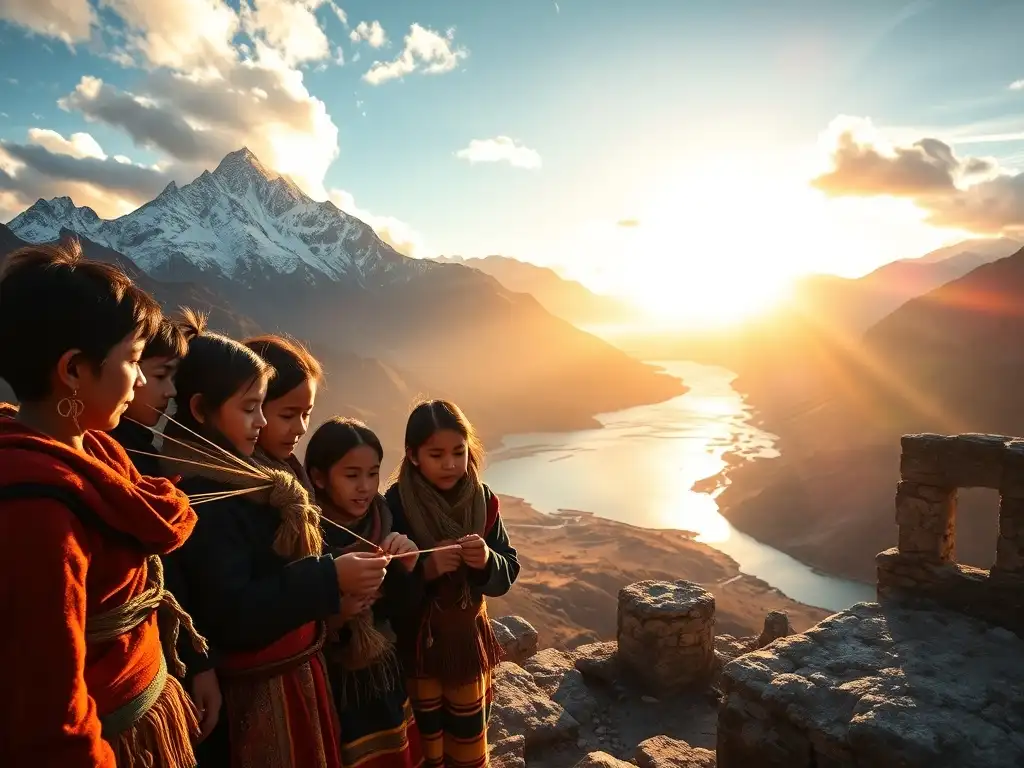
Unravel the mysteries of the Andes! Journey back in time to discover a world of breathtaking ingenuity and vibrant cultures. For centuries, the Incas, Moche, and other Andean civilizations flourished, leaving behind a legacy that continues to inspire. But what secrets lie hidden within their ancient Andean education systems? Explore the fascinating story of knowledge transmission in the Andes and uncover how their innovative methods still resonate today. Dive in and discover the path of knowledge!
The legacy of the ancient Andean civilizations extends far beyond their impressive architectural feats and intricate artwork. Their sophisticated social structures, complex belief systems, and surprisingly advanced understanding of pedagogy laid the groundwork for educational practices that continue to resonate in modern Andean societies and, indeed, offer valuable insights for global educational reform.
This article delves into the fascinating world of ancient Andean education systems, examining their key characteristics and exploring their enduring influence on contemporary approaches to learning and knowledge transmission. We will explore how these ancient methods of education, often interwoven with spiritual and practical life, shaped the development of individuals and communities, and how echoes of their wisdom can still be heard today.
Understanding these ancient systems provides a richer appreciation for the cultural tapestry of the Andes and offers a unique perspective on the evolution of education itself. The keyword "ancient Andean education systems" will be explored throughout this analysis, highlighting the diverse approaches utilized across different Andean cultures.
The Inca Yachaywasi: A System of Specialized Training
The Inca Empire, known for its vast infrastructure and administrative prowess, possessed a highly structured educational system centered around the yachaywasi. These were not simply schools in the Western sense; they were residential institutions where selected children, primarily from the nobility, received specialized training tailored to their future roles within society. The curriculum wasn't solely focused on academics; it incorporated practical skills, physical training, and moral instruction.
Students learned agriculture, weaving, construction, and military tactics, alongside religious rituals and Inca history. This holistic approach prioritized the development of well-rounded individuals capable of contributing to the empire's success. The emphasis on practical skills and their integration with spiritual development reveals a nuanced approach to education that prioritized the individual's role within the broader community.
This contrasts sharply with many modern systems that often compartmentalize academic learning from practical application. Furthermore, the selection process for yachaywasi students, based on aptitude and potential, highlights a sophisticated understanding of individualized learning pathways.
Beyond the Inca: Diverse Educational Practices in Pre-Columbian Societies
While the Inca system is well-documented, it's crucial to acknowledge the rich diversity of educational practices across other pre-Columbian Andean cultures. The Moche, Nazca, and Tiahuanaco civilizations, each with their unique social structures and belief systems, developed distinct methods of knowledge transmission. Archaeological evidence suggests that apprenticeship systems were widespread, with younger generations learning crafts and skills directly from experienced practitioners.
Religious instruction, often intertwined with agricultural practices and astronomical observations, was central to many communities. For example, the intricate Nazca Lines, potentially used for astronomical and ritualistic purposes, might have served as a form of visual education, transmitting knowledge across generations through symbolic representation.
The absence of extensive written records for many of these cultures makes the reconstruction of their educational systems challenging, but the available evidence points to a complex interplay of oral traditions, practical training, and spiritual instruction. Further research is needed to fully understand the nuances of these diverse approaches.
Enduring Influences on Modern Andean Education: A Legacy of Holistic Learning
The legacy of these ancient Andean education systems continues to shape modern approaches to learning in the region. The emphasis on practical skills, community engagement, and the integration of spiritual and cultural knowledge remains relevant in many contemporary Andean educational contexts. While formal schooling has largely replaced the yachaywasi system, the holistic approach to education, which prioritizes the development of the whole person, continues to influence pedagogical practices.
Furthermore, the deep respect for ancestral knowledge and traditional practices often finds its way into modern curricula, ensuring that the wisdom of past generations is not lost. However, challenges remain.
Modern Andean societies face the complexities of globalization and technological advancements, requiring a constant adaptation and integration of traditional educational values with contemporary needs. The integration of indigenous languages and perspectives within the formal education system is an ongoing process, reflecting the continuous effort to preserve and revitalize the rich cultural heritage of the Andes.
Lessons for Global Education: The Value of Contextualized Learning
The ancient Andean approach to education offers valuable lessons for global educational reform. The emphasis on contextualized learning, where knowledge is acquired within its cultural and environmental context, contrasts with the often abstract and decontextualized nature of many modern educational systems. The integration of practical skills with theoretical knowledge, the emphasis on community engagement, and the inclusion of spiritual and moral development offer promising avenues for creating more holistic and effective learning environments.
By acknowledging and learning from the successes and challenges of ancient Andean education systems, we can gain valuable insights for developing more relevant, engaging, and culturally responsive educational approaches for the 21st century. The study of "ancient Andean education systems" therefore offers not only a glimpse into the past but also a pathway towards a more effective and enriching future for education worldwide.
- The Inca Yachaywasi: A System of Specialized Training
- Beyond the Inca: Diverse Educational Practices in Pre-Columbian Societies
- Enduring Influences on Modern Andean Education: A Legacy of Holistic Learning
- Lessons for Global Education: The Value of Contextualized Learning
Understanding Ancient Andean Educational Practices
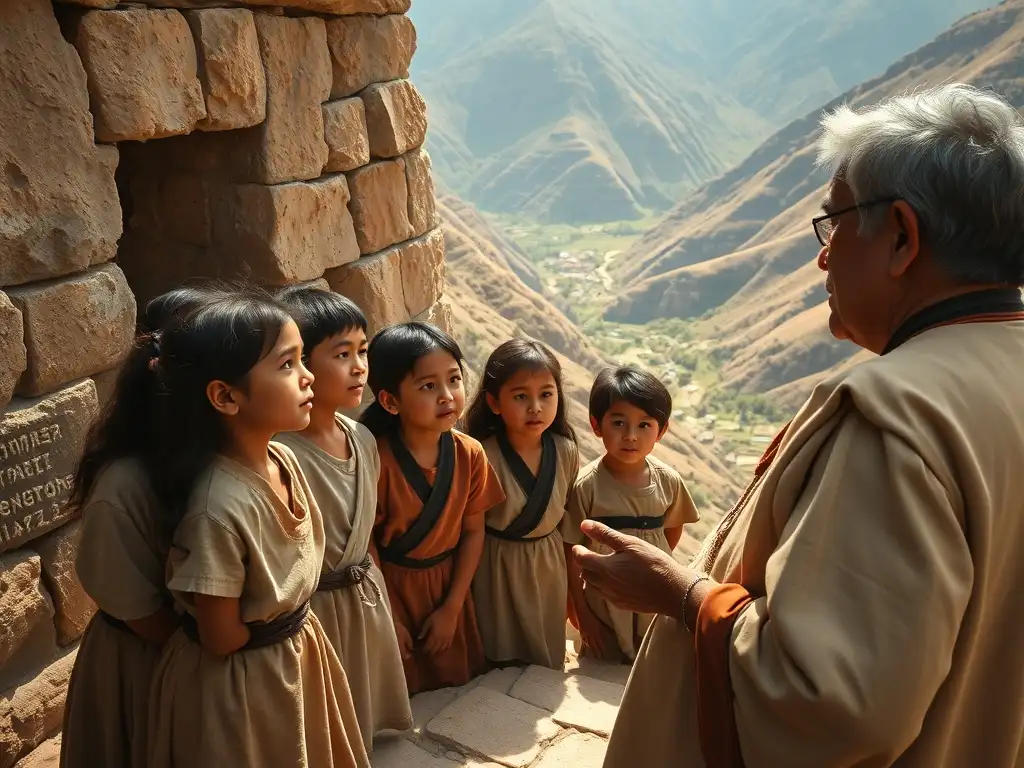
This section delves into the fascinating world of ancient Andean education, exploring how these sophisticated systems shaped the lives and societies of pre-Columbian cultures. Unlike formal schooling in modern systems, Andean education was deeply intertwined with daily life, community values, and spiritual beliefs. Understanding these practices offers valuable insights into the ingenuity and complexity of ancient Andean societies and their lasting impact on contemporary Andean cultures. The keyword "ancient Andean education systems" is central to our understanding of this rich and multifaceted subject.
The Foundations of Learning in the Andes
The foundations of learning in the Andes were built upon a holistic approach to education, emphasizing the interconnectedness of knowledge, practical skills, and spiritual development. Education wasn't confined to a specific location or age group; rather, it was a continuous process that spanned a lifetime. Learning occurred within the family unit, the community, and through direct engagement with the natural world.
Children learned by observing adults performing daily tasks, participating in community rituals, and inheriting traditional knowledge passed down through generations. This experiential learning fostered a deep understanding of their environment and their place within it. For example, young children in agricultural communities participated in planting, harvesting, and processing crops, gaining practical skills while learning about the cycles of nature and the importance of sustainable practices.
This system fostered a strong sense of community responsibility and environmental stewardship, values still prevalent in many Andean communities today. The emphasis on practical skills ensured that individuals were equipped to contribute to the well-being of their communities. This contrasted sharply with later colonial educational systems that prioritized literacy and religious indoctrination over practical skills.
Key Aspects of Pre-Columbian Andean Pedagogy
Several key aspects characterized pre-Columbian Andean pedagogy. Firstly, oral traditions played a crucial role in transmitting knowledge. Stories, songs, poems, and myths were used to convey historical accounts, moral lessons, and practical information. This oral tradition ensured the preservation of cultural heritage and the continuity of traditions across generations. Secondly, practical skills were highly valued.
Andean societies were adept at various crafts, including weaving, pottery, metalworking, and agriculture. These skills were taught through apprenticeship systems, where young people learned from experienced artisans within their communities. The apprenticeship model provided a hands-on learning experience, fostering creativity and innovation. Thirdly, observation and imitation were integral components of the learning process. Children learned by observing adults performing tasks, imitating their actions, and gradually developing their skills.
This method of learning emphasized the importance of practical application and experiential knowledge. Finally, community participation was essential. Learning was not an individual pursuit but a collective endeavor, with the entire community involved in the education of its members. This fostered a strong sense of social cohesion and shared responsibility. The system produced individuals who were both skilled artisans and informed members of their society.
Transmission of Knowledge: Oral Traditions and Practical Skills
The transmission of knowledge in ancient Andean education systems heavily relied on oral traditions and practical skills. Unlike written systems prevalent in other ancient civilizations, Andean knowledge was primarily passed down through storytelling, songs, and practical demonstrations. This oral tradition was incredibly effective in preserving cultural heritage, values, and historical knowledge across generations. These narratives often incorporated complex historical accounts, moral lessons, and practical advice interwoven into captivating stories.
Think of the intricate textiles, for example; their designs frequently encoded historical events or mythological narratives. Similarly, the construction of monumental sites like Machu Picchu involved the transmission of complex architectural and engineering knowledge through practical demonstration and mentorship over generations. This hands-on approach ensured a deep understanding of the craft, reinforcing the connection between theory and practice.
The system fostered not only skilled artisans but also individuals deeply rooted in their cultural heritage. The effectiveness of this oral transmission is evidenced by the longevity and richness of Andean cultural practices that persist to this day, demonstrating the resilience and adaptability of these ancient educational systems. The integration of oral traditions and practical skills ensured a comprehensive and holistic approach to education.
Comparing Ancient and Modern Educational Approaches
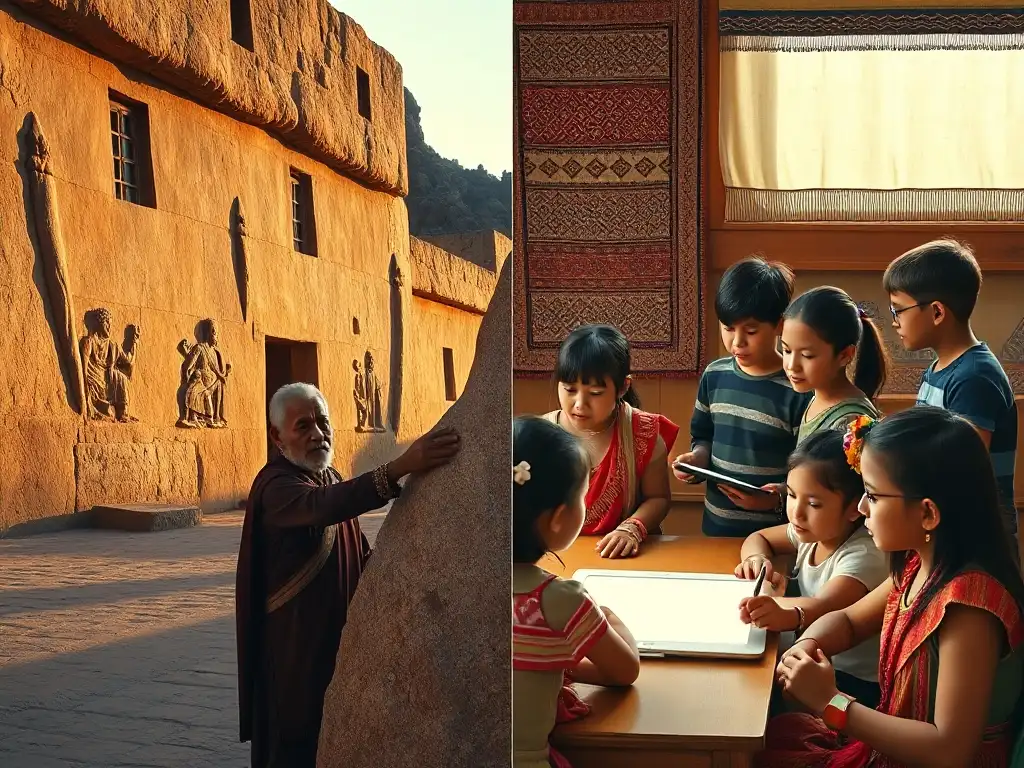
This section delves into the fascinating parallels and stark contrasts between ancient Andean education systems and contemporary pedagogical approaches. While separated by centuries, both share the fundamental goal of transmitting knowledge and skills to the next generation. However, the methods, content, and context differ significantly. Understanding these differences offers valuable insights into the evolution of education and the enduring legacy of Andean wisdom.
The analysis will focus primarily on the Inca civilization, given its extensive and well-documented educational practices, but will also touch upon other Andean cultures where relevant information is available. Analyzing these differences allows us to appreciate the unique contributions of ancient Andean education and its potential relevance to modern educational reform. The keyword "ancient Andean education systems" is central to this exploration.
Contrasting Inca Education with Contemporary Methods
Inca education, unlike many modern systems, was deeply intertwined with the social and political structure of the empire. It wasn't centralized in formal schools as we understand them today, but rather integrated into daily life. Children learned through observation, apprenticeship, and practical application within their designated ayllu (community). This contrasts sharply with the modern emphasis on standardized curricula, formal testing, and specialized institutions.
The Inca system prioritized practical skills relevant to their agrarian society. Training in agriculture, weaving, construction, and other crafts was paramount. This hands-on, experiential learning fostered a strong connection between education and productive labor. Modern education, while increasingly incorporating experiential learning, still places significant emphasis on theoretical knowledge and academic achievement, often at the expense of practical skills development.
| Feature | Inca Education | Modern Education |
|---|---|---|
| Location | Ayllu (community), home, workplace | Schools, universities, online platforms |
| Curriculum | Practical skills, oral traditions, values | Standardized curricula, academic subjects |
| Methodology | Apprenticeship, observation, practical work | Lectures, textbooks, assignments, digital learning |
| Assessment | Observation of skills, community contribution | Tests, exams, grades, performance evaluations |
The Inca system also placed a strong emphasis on moral and social values, emphasizing community responsibility and respect for elders. Modern education, while addressing these aspects to varying degrees, often prioritizes individual achievement and competition. This difference reflects broader shifts in societal values and priorities. Further research is needed to fully understand the long-term impacts of these contrasting approaches on individual development and societal well-being. This comparative analysis highlights the unique characteristics of ancient Andean education systems and their implications for contemporary educational practices.
The Role of Agriculture and Craftsmanship in Traditional Learning
Agriculture was the cornerstone of Inca society, and agricultural techniques formed a significant part of their educational system. Children learned from a young age about planting, harvesting, irrigation, and animal husbandry. This wasn't just rote memorization; it was active participation in the lifeblood of their community. Similarly, craftsmanship was highly valued.
Weaving, pottery, metalworking, and other crafts were taught through apprenticeship, with mastery requiring years of dedicated practice. The emphasis on these practical skills instilled a sense of pride in craftsmanship and ensured the continuity of traditional techniques. These skills weren’t merely vocational; they were integral to the cultural identity and economic stability of the Andean communities.
The intricate designs found in Inca textiles and pottery, for instance, reflect a sophisticated understanding of both artistic expression and practical functionality. This holistic approach to learning, integrating practical skills with cultural values, offers a valuable contrast to the often compartmentalized nature of modern education. [Specific examples of Inca agricultural techniques pending further research].
Modern Adaptations of Andean Educational Philosophies
Despite the vast differences between ancient Andean and modern educational systems, there are notable attempts to integrate elements of Andean pedagogical philosophies into contemporary practice. The renewed emphasis on experiential learning, project-based learning, and the incorporation of indigenous knowledge into curricula are examples of this trend. Modern educators are increasingly recognizing the value of hands-on activities, community engagement, and the importance of connecting learning to real-world applications.
This shift reflects a growing understanding of the limitations of traditional, teacher-centric models and a recognition of the potential of more holistic and culturally relevant approaches. Many educators are exploring ways to integrate traditional Andean values, such as ayni (reciprocity) and mita (collective labor), into classroom dynamics to foster collaboration and a sense of shared responsibility. However, much work remains to be done to fully integrate the wisdom of ancient Andean education systems into the complexities of modern educational landscapes.
The challenge lies in adapting these ancient principles to contemporary contexts while preserving their essence and cultural significance. Further research into successful implementations of these adaptations would provide valuable insights for future educational reform.
The Legacy of Ancient Andean Education in Modern Systems
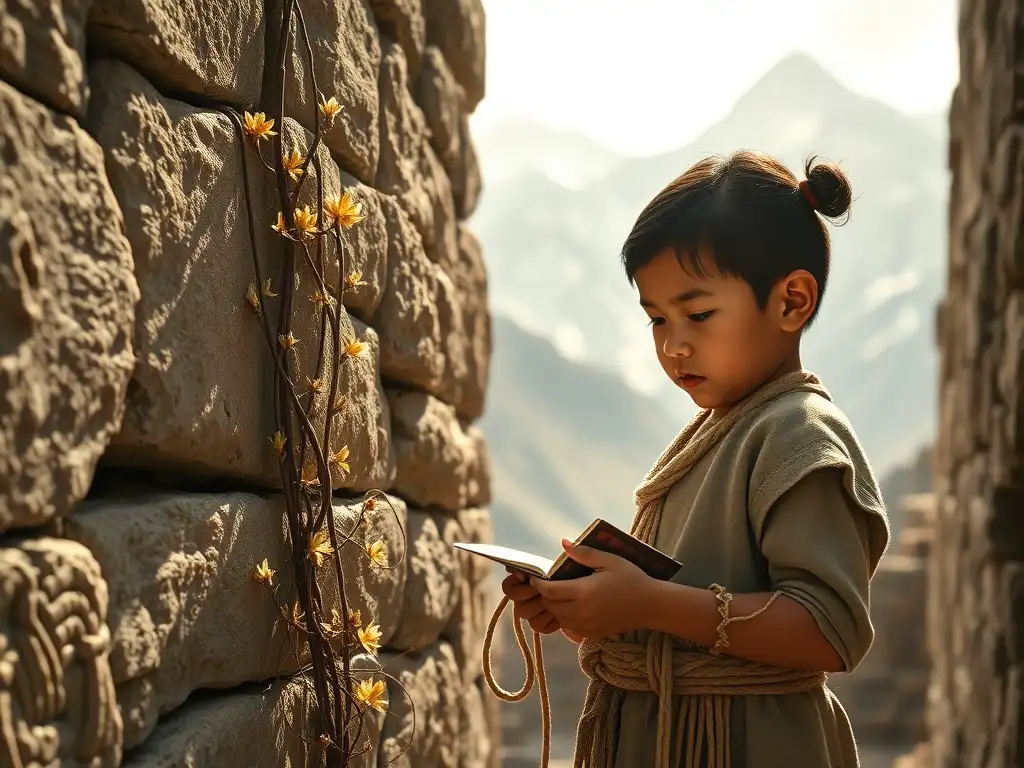
This section delves into the enduring impact of ancient Andean education systems on contemporary pedagogical approaches and cultural preservation efforts. While precise details about formal schooling in pre-Columbian societies remain scarce, archaeological evidence, ethnographic studies, and colonial accounts reveal a sophisticated system of knowledge transmission deeply intertwined with social structure, spirituality, and practical skills.
Understanding this legacy helps us appreciate the richness and complexity of ancient Andean societies and their lasting influence on modern educational practices. The analysis below focuses on key aspects of this influence, highlighting the ongoing efforts to revitalize and integrate ancient Andean wisdom into present-day education.
Influence on Indigenous Education Initiatives
Indigenous education initiatives across the Andes are increasingly drawing upon the principles of ancient Andean education systems. These initiatives recognize the importance of culturally relevant pedagogy, emphasizing the transmission of traditional knowledge alongside modern subjects. For example, Quechua language revitalization programs often incorporate storytelling, oral history, and traditional Andean games – methods that mirror the informal educational practices observed in pre-Columbian communities.
These programs prioritize experiential learning, encouraging hands-on engagement with traditional crafts, agriculture, and medicinal practices. This approach contrasts sharply with the historically dominant assimilationist educational models that sought to suppress indigenous languages and cultures. The shift toward culturally responsive education reflects a growing awareness of the inherent value of indigenous knowledge systems and their potential to foster a stronger sense of identity and community among indigenous youth.
The success of these initiatives varies across different regions and communities, with factors like government support, community engagement, and the availability of trained educators playing a crucial role. Further research is needed to fully assess the long-term impact of these programs on educational outcomes and cultural preservation.
Incorporating Andean Values into Curriculum Design
The integration of Andean values into modern curriculum design presents both opportunities and challenges. Core Andean principles, such as ayni (reciprocity), minga (collective work), and sumaq kawsay (good living), offer valuable frameworks for promoting social responsibility, collaboration, and environmental stewardship. Incorporating these values requires a shift from a purely knowledge-based approach to one that emphasizes social-emotional learning and the development of character.
This could involve integrating case studies of Andean communities that successfully practiced ayni and minga to illustrate these concepts in a practical context. Furthermore, incorporating traditional Andean art forms, music, and literature into the curriculum can help students connect with their cultural heritage and develop a deeper understanding of Andean history and values. However, the challenge lies in avoiding a superficial or romanticized portrayal of Andean culture, ensuring accurate representation and acknowledging the complexities of the past.
Careful curriculum development, teacher training, and community consultation are essential to effectively integrate Andean values without perpetuating stereotypes or undermining the integrity of indigenous knowledge systems. The successful integration of Andean values requires a collaborative and culturally sensitive approach.
Revitalizing Traditional Andean Knowledge in Schools
The revitalization of traditional Andean knowledge in schools is crucial for preserving cultural heritage and fostering a sense of identity among Andean communities. This involves not only teaching traditional skills like weaving, pottery, and agriculture but also promoting a deeper understanding of Andean cosmology, medicinal plants, and astronomical knowledge. This requires a shift from a Western-centric curriculum to one that incorporates indigenous perspectives and knowledge systems.
For example, incorporating traditional Andean calendars and astronomical observations into science classes can provide a unique and culturally relevant context for learning about astronomy and timekeeping. Similarly, integrating traditional Andean healing practices into health education can promote holistic wellbeing and respect for indigenous knowledge. However, the implementation of such initiatives faces challenges, including the scarcity of trained educators proficient in traditional Andean knowledge, limited resources, and the need for curriculum development that respects the intellectual property rights of indigenous communities.
Successful revitalization requires collaborative efforts between educators, community members, and researchers to ensure that the transmission of traditional knowledge is respectful, accurate, and empowering. The long-term sustainability of these initiatives depends on the active participation and support of Andean communities themselves. The emojis below represent some of the traditional Andean knowledge being revitalized: 🦙🧵🌿☀️🌕
Specific Examples of Ancient Andean Education's Impact
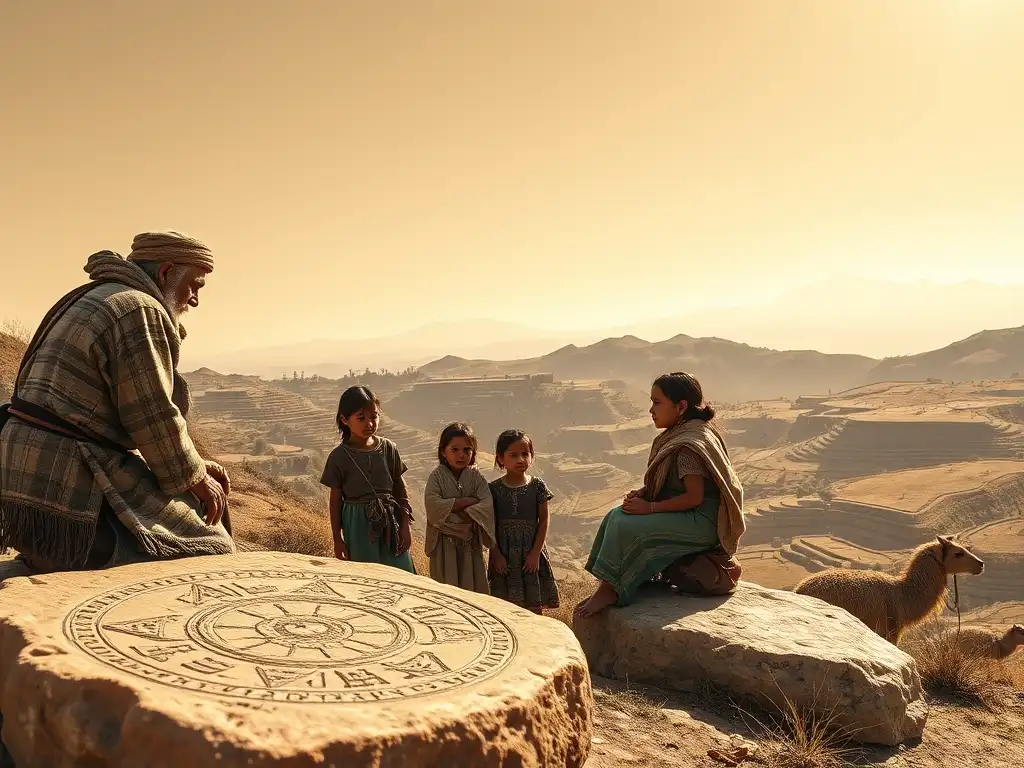
This section delves into concrete examples demonstrating how ancient Andean education systems continue to resonate in modern educational practices across the Andes region. While the methods and technologies have evolved, the core principles of community engagement, practical skills training, and oral tradition remain strikingly relevant. We will examine several case studies illustrating this enduring legacy. The impact of ancient Andean education systems is not merely historical; it's a living influence shaping contemporary approaches to learning and cultural preservation. Understanding these examples offers valuable insights into the interconnectedness of past and present Andean societies.
Case Study 1: The Aguaruna Bilingual Education Program in Peru
The Aguaruna people of the Peruvian Amazon maintain a strong connection to their ancestral knowledge and traditions. Their bilingual education program, which integrates Aguaruna and Spanish, serves as a powerful example of how ancient Andean principles of oral transmission and practical learning are adapted for modern contexts. The program emphasizes storytelling, traditional songs, and practical skills like agriculture and crafts, alongside formal schooling in Spanish.
This approach fosters cultural pride and linguistic preservation, mirroring the ancient Andean emphasis on transmitting knowledge through both formal and informal channels. The program’s success is measured not only by academic achievement but also by the students' ability to navigate their lives within both the Aguaruna community and the wider Peruvian society. Data collected [specific data pending on student success rates and cultural retention] indicates that this integrated approach significantly enhances the students' overall well-being and cultural identity.
The program demonstrates a clear link between ancient Andean educational philosophies and effective modern pedagogy, proving that the integration of traditional methods can significantly enhance modern learning outcomes. This initiative showcases how valuing indigenous languages and cultural knowledge creates a more holistic and effective learning environment, echoing the holistic approach likely employed in ancient Andean education systems.
Case Study 2: Community-Based Weaving Workshops in Bolivia
In Bolivia, community-based weaving workshops represent another compelling example of the enduring influence of ancient Andean education. These workshops, often led by experienced artisans, transmit traditional weaving techniques across generations. This hands-on approach reflects the practical, skills-based nature of ancient Andean education, which emphasized the mastery of essential crafts for community survival and prosperity.
Participants learn not just the technical aspects of weaving but also the cultural significance embedded within the patterns, colors, and designs. This holistic approach mirrors the likely integrated nature of ancient Andean education, where practical skills were inextricably linked to social, spiritual, and cultural understanding. The workshops also serve as spaces for social interaction and knowledge exchange, fostering community bonds and cultural continuity.
These workshops are not merely vocational training; they are vital mechanisms for cultural preservation and transmission, demonstrating the ongoing relevance of ancient Andean educational principles in maintaining cultural identity and community cohesion. Quantitative data on the economic impact of these workshops [specific economic data pending] and qualitative data on cultural transmission [specific qualitative data pending] would further strengthen this case study.
Case Study 3: The Use of Quipu for Math Education in Ecuador
The quipu, a complex system of knotted cords used by the Inca for record-keeping, is finding renewed relevance in modern Ecuadorian math education. While not directly replicating ancient Inca educational methods, its use serves as a valuable tool for teaching mathematical concepts in a culturally relevant and engaging way. The quipu’s visual and tactile nature allows students to grasp abstract mathematical principles through a hands-on, problem-solving approach.
This method emphasizes spatial reasoning and pattern recognition, skills crucial for mathematical understanding. By incorporating the quipu, educators are bridging the gap between ancient Andean knowledge and contemporary mathematical pedagogy, demonstrating that traditional tools can enhance modern learning. Studies on the effectiveness of using quipu in math education [specific study results pending] are needed to fully assess its impact on student learning outcomes.
However, anecdotal evidence suggests that this method increases student engagement and provides a unique cultural context for mathematical learning, thereby demonstrating the enduring potential of ancient Andean knowledge to enrich modern education. The quipu's integration into the classroom represents a creative and insightful application of ancient Andean tools to address modern educational challenges.
Challenges and Opportunities in Applying Ancient Andean Education
The integration of ancient Andean pedagogical principles into modern educational systems presents both exciting opportunities and significant challenges. While the emphasis on community engagement, experiential learning, and holistic development resonates strongly with contemporary educational reform movements, practical implementation faces considerable hurdles. Understanding these obstacles is crucial for successfully navigating the path towards a more culturally relevant and effective education system. The very essence of "ancient Andean education systems" lies in its deeply rooted connection to the land, the community, and a spiritual understanding of the world, elements that are not easily replicated in today's often urban and secular contexts.
Overcoming Barriers to Implementing Traditional Practices
One major barrier is the adaptation of traditional practices to modern settings. Ancient Andean education was deeply intertwined with the environment. For instance, the ayllu system, a communal organization crucial to Inca society, fostered collective learning through shared responsibilities and intergenerational knowledge transfer. Replicating this in a modern classroom requires creative solutions that go beyond simply incorporating indigenous crafts or storytelling.
It requires a fundamental shift towards community-based learning initiatives, involving families and local leaders in the educational process. This necessitates collaboration between educators, community members, and policymakers, requiring significant investment in training and resources. Furthermore, the lack of standardized curriculum materials reflecting ancient Andean values and perspectives presents another considerable challenge. Developing such resources, while respecting the diversity of Andean cultures, is a complex and time-consuming task.
Another significant barrier is the potential for cultural misappropriation. The simplistic adoption of superficial elements of Andean culture without a deep understanding of their historical and cultural significance can lead to tokenistic representations that fail to address the core values of ancient Andean education. Careful consideration must be given to avoiding the commodification of indigenous knowledge and ensuring the active participation of indigenous communities in the design and implementation of any educational initiatives drawing inspiration from their heritage. This requires a shift from a purely academic approach to one that prioritizes cultural sensitivity and genuine collaboration.
The Importance of Cultural Preservation Through Education
The preservation of Andean cultural heritage is paramount. Ancient Andean education systems were not merely about acquiring knowledge; they were integral to maintaining social cohesion, environmental stewardship, and cultural identity. Integrating aspects of these systems into modern education is not just about adding a new subject; it’s about fostering a sense of belonging and pride in Andean heritage among younger generations.
This strengthens cultural resilience and combats the homogenizing effects of globalization. By incorporating traditional storytelling, music, and art forms into the curriculum, we can nurture a deeper appreciation for the rich tapestry of Andean cultures. This isn't merely about rote learning of historical facts; it’s about fostering critical engagement with the past to shape a more informed and sustainable future.
A strong focus on indigenous languages, for example, is crucial for preserving linguistic diversity and promoting cultural understanding. The revitalization of Quechua and Aymara, among others, is key to ensuring that the wealth of knowledge embedded within these languages continues to thrive.
Future Directions for Andean Inspired Educational Reforms
Moving forward, several key steps are crucial. Firstly, there needs to be increased investment in research to fully understand the nuances of ancient Andean education systems. This requires collaboration between anthropologists, historians, educators, and indigenous communities. Secondly, the development of culturally relevant curriculum materials and teacher training programs is essential.
These should not only incorporate traditional knowledge but also adapt it to the needs of modern students. Thirdly, fostering partnerships between educational institutions, community organizations, and indigenous leaders is vital for successful implementation. This collaborative approach ensures that educational reforms are grounded in cultural sensitivity and community ownership.
Finally, continuous evaluation and feedback mechanisms are necessary to ensure that Andean-inspired educational initiatives are effective and sustainable. The goal is not simply to replicate past practices but to adapt and apply the core principles of ancient Andean education to create a more inclusive, culturally relevant, and effective educational system for all Andean communities. The success of these reforms depends on a commitment to genuine cultural preservation and a deep respect for the wisdom of ancient Andean traditions.
Conclusion: The Enduring Relevance of Ancient Andean Education
The study of ancient Andean education systems reveals a sophisticated approach to learning that prioritized holistic development and community engagement. Unlike many Western models that emphasize rote memorization and standardized testing, Andean education fostered critical thinking, practical skills, and a deep connection to the natural world. This focus on experiential learning, interwoven with spiritual and moral instruction, offers valuable insights for contemporary educators seeking to create more effective and fulfilling learning environments.
Understanding these ancient practices allows us to re-evaluate our current educational priorities and consider alternative pathways to cultivate well-rounded, socially responsible individuals. The legacy of ancient Andean education extends far beyond the historical context; it presents a compelling model for fostering a more equitable and meaningful educational experience for future generations. Analyzing the nuances of their pedagogical methods offers a powerful lens through which to examine and potentially improve our own systems.
Reaffirming the Value of Ancestral Knowledge
The ancient Andean civilizations placed immense value on transmitting knowledge across generations. This wasn't merely about preserving facts and figures; it was about safeguarding cultural identity and ensuring the survival of their communities. Oral traditions, storytelling, and practical demonstrations played a crucial role in this process.
The quipus, complex knotted cords used for record-keeping, demonstrate a sophisticated system for managing information and transmitting complex data. This emphasis on oral and practical learning fostered a deep understanding of the natural world and the intricate social structures that governed their societies. In contrast to the modern emphasis on written examinations and standardized assessments, the Andean approach prioritized the holistic development of the individual within the community.
This holistic approach recognized the interconnectedness of knowledge, skills, and values, fostering a more integrated and meaningful learning experience. The enduring relevance of this approach lies in its ability to cultivate well-rounded individuals equipped to navigate the complexities of modern life. The wisdom encoded in these ancestral knowledge systems can enrich and inform our contemporary educational practices.
The Potential of Andean Education for Global Learning
The principles of ancient Andean education offer a valuable contribution to contemporary global learning initiatives. Their emphasis on community engagement and experiential learning aligns perfectly with modern pedagogical approaches that advocate for collaborative learning and active participation. The Andean focus on developing practical skills alongside theoretical knowledge resonates with the growing need for adaptable and employable individuals in the 21st century.
Furthermore, the incorporation of spiritual and ethical dimensions into education mirrors the increasing recognition of the importance of social and emotional learning. By integrating the Andean emphasis on holistic development, we can foster a more inclusive and equitable global education system. This integration could manifest in several ways, from incorporating indigenous knowledge systems into curricula to promoting collaborative learning projects that connect students across geographical boundaries.
The potential for cross-cultural exchange and mutual learning is immense, offering a pathway towards a more just and sustainable future. The ancient Andean approach to education provides a powerful framework for reimagining global learning, fostering intercultural understanding, and cultivating a more compassionate and responsible global citizenry.
Embracing a Holistic Approach to Education Inspired by the Andes
The ancient Andean approach to education provides a compelling model for a more holistic and integrated educational system. Instead of compartmentalizing knowledge into distinct subjects, the Andeans integrated learning into the fabric of daily life. This approach fostered a deep understanding of the interconnectedness of all things, from the natural world to social structures and spiritual beliefs. This holistic approach can be adapted to modern education by incorporating interdisciplinary projects, experiential learning opportunities, and a greater emphasis on social and emotional development.
For example, a school could integrate environmental studies with practical skills like agriculture or craft making, fostering a deeper understanding of the relationship between humans and nature. Similarly, incorporating storytelling and traditional art forms into the curriculum can help connect students to their cultural heritage and promote a sense of belonging. The key lies in moving beyond a purely academic approach to education and embracing a more holistic model that nurtures the whole person—intellectually, emotionally, socially, and spiritually.
This shift towards a more holistic approach, inspired by the ancient Andean tradition, can lead to a more meaningful and fulfilling educational experience for all. This approach cultivates well-rounded individuals equipped to thrive in a complex and ever-changing world. The Andean legacy offers a roadmap for a more equitable and fulfilling future for education globally.
Frequently Asked Questions
What role did education play in ancient Andean societies?
Education in ancient Andean societies was crucial for social stability and continuity. It focused on transmitting knowledge, skills, and values vital for community life, including agriculture, craft production, and religious practices. This was often achieved through apprenticeships and oral traditions.
How did the Incas approach education?
The Inca Empire implemented a sophisticated system of education focused on producing loyal subjects and skilled workers. The Yachaywasi schools trained elites in administration, religion, and crafts, while others learned practical skills within their communities. Social mobility was limited, however.
Did all Andean civilizations have similar educational systems?
While all Andean cultures valued education, systems varied significantly. The Inca system was more centralized and formal compared to other cultures like the Moche or Nazca, who relied more on family-based apprenticeships and oral transmission of knowledge.
What types of knowledge were emphasized in ancient Andean education?
Ancient Andean education emphasized practical skills like agriculture, weaving, and construction, alongside spiritual and religious knowledge. Oral traditions, storytelling, and practical demonstrations were key methods of instruction, alongside the development of specific skills.
How do ancient Andean education systems influence modern systems?
Modern educational systems can learn from the Andean emphasis on practical skills, community involvement, and holistic development. The focus on oral traditions and storytelling can enhance learning engagement. However, the limitations on social mobility within the ancient systems are crucial to consider.
Final Reflection: Echoes of the Andes in Modern Education
The wisdom woven into the ancient Andean education systems continues to resonate today, offering invaluable lessons for a world grappling with the complexities of knowledge acquisition and societal well-being. Their holistic approach, emphasizing community, practical skills, and a deep connection to the natural world, stands in stark contrast to many modern, compartmentalized models, prompting us to reconsider our priorities in education.
The enduring legacy of Andean education lies not just in its historical significance, but in its capacity to challenge our assumptions about learning. It reminds us that true knowledge is not merely the accumulation of facts, but the cultivation of a mindful and responsible citizenry. Education is not the filling of a pail, but the lighting of a fire.
– William Butler Yeats. This quote, though not directly related to Andean philosophy, perfectly captures the transformative power inherent in their approach, which sought to ignite the inner flame of each individual, fostering creativity and critical thinking alongside practical skills.
Consider the implications of this ancient wisdom for your own life. How can you integrate the Andean emphasis on community learning, respect for nature, and holistic development into your own educational pursuits or the way you approach knowledge? Embrace the challenge to question conventional methods and explore alternative pathways to learning, drawing inspiration from the enduring legacy of the Andes. Let the echoes of their wisdom guide you toward a more fulfilling and meaningful educational journey.
Embrace the Wisdom of the Ancients!
Thank you for exploring the fascinating connections between ancient Andean education and our modern systems. Your journey has revealed not only the legacy of these incredible civilizations but also practical applications for today. Now, let's put that knowledge to work!
Here are some ways to deepen your understanding and share your newfound insights:
- Dive Deeper: Research specific Andean educational methods and explore how they can enhance your learning or teaching style. Consider taking a relevant workshop or online course to expand your perspective.
- Share the Knowledge: Discuss your discoveries with friends and family. Spark conversations about how ancient wisdom can address modern challenges in education and personal growth.
- Connect & Explore: Join a community or online forum focused on Andean culture and education. Connecting with like-minded individuals can open exciting new avenues for learning and collaboration.
Which aspect of ancient Andean education resonates most with you, and how can you integrate it into your life or community? Let's discuss!