
The Inca Road Network: A Symbol of Inca Power and Authority

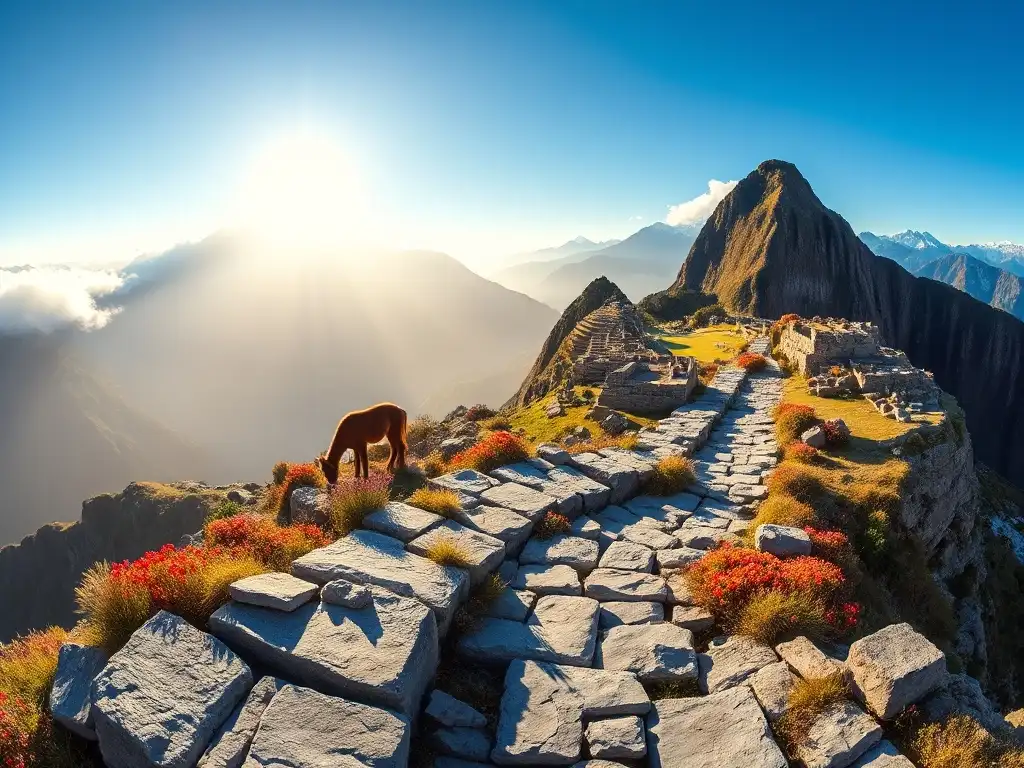
Welcome, explorer! Prepare to be captivated by the enigmatic legacy of the Andean civilizations. For centuries, these masterful builders shaped a world of breathtaking artistry and ingenuity. But did you know the key to their vast empire lay in something far more intricate than just their stunning architecture? Journey with us to unravel the secrets behind the Inca road system history, a testament to their power and a feat of engineering that continues to astound. Discover how this incredible network connected a sprawling empire and learn about the remarkable innovations that made it possible. Dare to delve deeper?
The Inca Empire, renowned for its sophisticated engineering and administrative prowess, left behind a legacy that continues to fascinate and inspire awe: its extensive road network. This intricate system of pathways, spanning thousands of miles across the Andes Mountains, wasn't merely a means of transportation; it was a powerful symbol of Inca authority, facilitating communication, trade, military control, and the efficient administration of a vast and diverse empire.
This article delves into the history of the Inca road system, exploring its construction, significance, and lasting impact on our understanding of Inca power and societal organization. We will examine the historical context, highlighting the pre-Inca influences and the crucial role the road network played in the Inca's expansion and consolidation of power.
Understanding the Inca road system is key to understanding the very fabric of the Inca Empire itself. The keyword "Inca road system history" will be explored through a detailed examination of its development and impact.
Introduction to the Inca Road System and its Significance
The Inca road system, or Qhapaq Ñan (Quechua for "Royal Road"), is a testament to the remarkable engineering skills and organizational capabilities of the Inca civilization. Stretching over approximately 40,000 kilometers (25,000 miles) – some estimates place it even higher – this network of roads connected the far-flung corners of the empire, traversing treacherous mountain passes, dense jungles, and arid deserts. The roads were not merely simple trails; they were meticulously engineered pathways, often paved with stone and featuring sophisticated drainage systems to withstand the harsh Andean climate.
Their strategic placement facilitated the movement of troops, the transport of goods (including food, textiles, and precious metals), and the relay of messages across vast distances. This efficient communication system was crucial for maintaining control over such a geographically diverse empire.
The Qhapaq Ñan wasn't just a road; it was the circulatory system of the Inca Empire, vital to its success and longevity. The impact of this system is still felt today, and its study continues to reveal new insights into Inca society and engineering.
The Historical Context of the Inca Road Network
The Inca road system wasn't built in a vacuum; it was the culmination of centuries of road-building traditions, influenced by prior Andean cultures and adapted to the unique challenges of the Andean landscape.
Pre-Inca Road Building Traditions
Long before the Inca, various Andean cultures had established their own networks of trails and pathways. Evidence suggests that civilizations like the Wari and Tiwanaku possessed sophisticated road systems, albeit on a smaller scale than the Inca. These earlier road networks likely influenced Inca engineering techniques and provided a foundation upon which the Qhapaq Ñan was built.
The Inca likely adopted and improved upon pre-existing routes, integrating them into their larger, more ambitious project. Archaeological discoveries continue to shed light on these earlier road-building traditions, helping us understand the evolutionary process that led to the impressive Inca road system. Specific examples of pre-Inca road segments and their construction techniques require further research [specific information pending].
The Inca Expansion and the Need for Infrastructure
The Inca Empire's rapid expansion during the 15th century created an urgent need for improved communication and transportation. As the empire grew, conquering new territories and incorporating diverse populations, the existing trail networks proved inadequate. The Inca, under the leadership of successive Sapa Incas, embarked on a massive infrastructure project, constructing and improving roads to connect their newly acquired territories.
This expansion wasn't just about military conquest; it was also about integrating the conquered populations into the Inca administrative and economic system. The roads facilitated the movement of tribute, the mobilization of labor, and the dissemination of Inca culture and ideology throughout the empire. The construction of the Qhapaq Ñan was thus intrinsically linked to the empire's expansion and its ability to maintain control over a vast and diverse population.
The scale of this undertaking was truly monumental, reflecting the Inca's remarkable organizational skills and engineering prowess. The construction itself employed a sophisticated system of mita, a form of labor tribute, which organized and directed the workforce efficiently.
- Introduction to the Inca Road System and its Significance
- The Historical Context of the Inca Road Network
Engineering Marvels of the Qhapaq Ñan
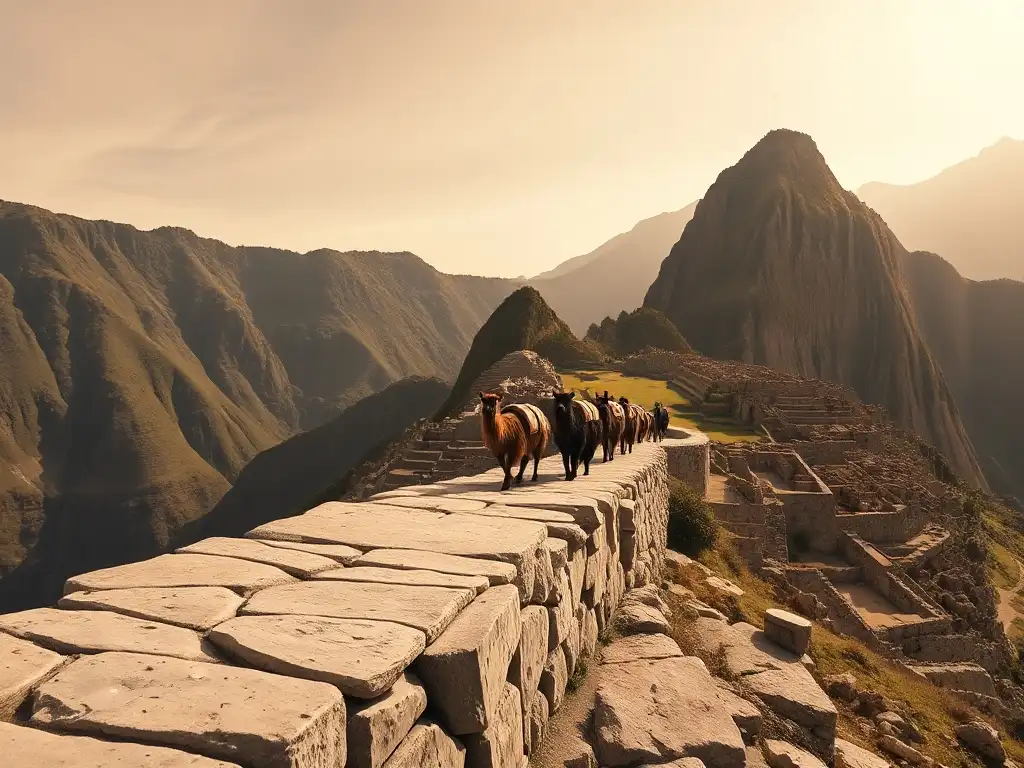
The Inca road system, or Qhapaq Ñan, stands as a testament to the Inca's remarkable engineering prowess and organizational capabilities. Its vast network, spanning thousands of miles across diverse and challenging terrain, facilitated communication, trade, and military control throughout the Inca Empire. Understanding the Qhapaq Ñan's construction and functionality offers invaluable insight into the Inca's sophisticated understanding of engineering principles and their ability to mobilize significant labor forces to achieve ambitious infrastructural goals. This intricate road network wasn't merely a collection of paths; it was a vital artery of the empire, a symbol of Inca power and authority that deeply impacted the social, economic, and political landscape of the Andes. The history of the Inca road system is a story of ingenuity, resilience, and the remarkable capacity of human organization. This section delves into the specifics of its construction and the different types of roads that comprised this impressive network.
Construction Techniques of the Inca Roads
The construction of the Qhapaq Ñan was a monumental undertaking, demanding sophisticated engineering skills and meticulous planning. The Inca's mastery of road building is evident in their ability to navigate diverse landscapes, from the high Andes mountains to the coastal deserts. Their techniques were adapted to the specific challenges posed by each environment, demonstrating an impressive level of adaptability and ingenuity. Analyzing these techniques reveals much about the Inca’s understanding of engineering principles and resource management.
Labor Organization and the Mita System
The sheer scale of the Qhapaq Ñan necessitates understanding the Inca's labor organization. The mita system, a form of obligatory labor, played a crucial role in the construction and maintenance of the roads. Able-bodied individuals from different communities were required to contribute their services for a set period, contributing to the construction and ongoing upkeep of the road network.
This system, while demanding, ensured a constant workforce for this massive project. The organization of this labor force, across vast distances and diverse ethnic groups, represents a significant feat of administrative and logistical prowess. Detailed records of mita assignments, while scarce, suggest a highly organized system with specific roles and responsibilities for different groups.
Use of Stone, Soil, and Other Materials
The Inca road builders demonstrated impressive resourcefulness in their material selection. While stone was a primary material, especially in mountainous regions, its application varied depending on the terrain and available resources. In some areas, they used large, precisely fitted stones to create durable and stable road surfaces. In other areas, they employed a combination of stone, earth, and gravel, adapting their techniques to the local geological conditions.
The use of drainage systems, such as carefully placed stones and ditches, demonstrates a sophisticated understanding of hydrology and its impact on road stability. Evidence suggests that they also utilized local materials like timber and reeds in bridge construction, showcasing adaptability in material choice. The selection and integration of these diverse materials reflect a keen awareness of both structural integrity and environmental factors.
Types of Roads and their Function
The Qhapaq Ñan wasn't a monolithic entity; it comprised a complex network of roads catering to different needs and purposes. These roads varied in size, construction, and function, reflecting the diverse demands of the Inca Empire. The classification of these roads is based on their size, location, and the type of traffic they accommodated.
Coastal Roads and their Purpose
Coastal roads played a crucial role in facilitating trade and communication along the Pacific coast. These routes connected major port cities and facilitated the movement of goods, such as fish, salt, and textiles. The construction of these roads presented unique challenges due to the shifting sands and coastal erosion. However, Inca engineers overcame these obstacles using innovative construction techniques, adapting to the specific conditions of the coastal environment. Evidence suggests that these roads were often strategically located to minimize exposure to the elements and maximize efficiency in transporting goods.
Highland Roads and their Adaptability
Highland roads, traversing the challenging Andean terrain, represent the most impressive feat of Inca engineering. These roads often climbed steep inclines, crossed deep gorges, and navigated treacherous mountain passes. The construction of these roads required an intricate understanding of mountain geology and sophisticated engineering techniques. The Inca's ability to carve paths through seemingly impassable terrain is a testament to their skills and persistence. The use of retaining walls, bridges, and carefully constructed pathways demonstrates their mastery of structural engineering and their ability to adapt to the extreme environmental conditions.
Secondary Routes and Local Connections
Beyond the main highways, a network of secondary roads connected smaller communities and local settlements to the larger imperial network. These routes, while less grand in scale, were crucial for facilitating local trade, communication, and the movement of people within the empire. The construction of these secondary roads followed similar principles to the main highways, though often employing simpler techniques and materials adapted to local conditions.
Their existence highlights the pervasiveness of the Inca road system and its integration into the fabric of Andean life. The intricate network of secondary routes demonstrates the comprehensive nature of the Inca’s infrastructural planning, extending beyond the major arteries to encompass the entire empire.
The Inca Road System History: A Legacy of Control
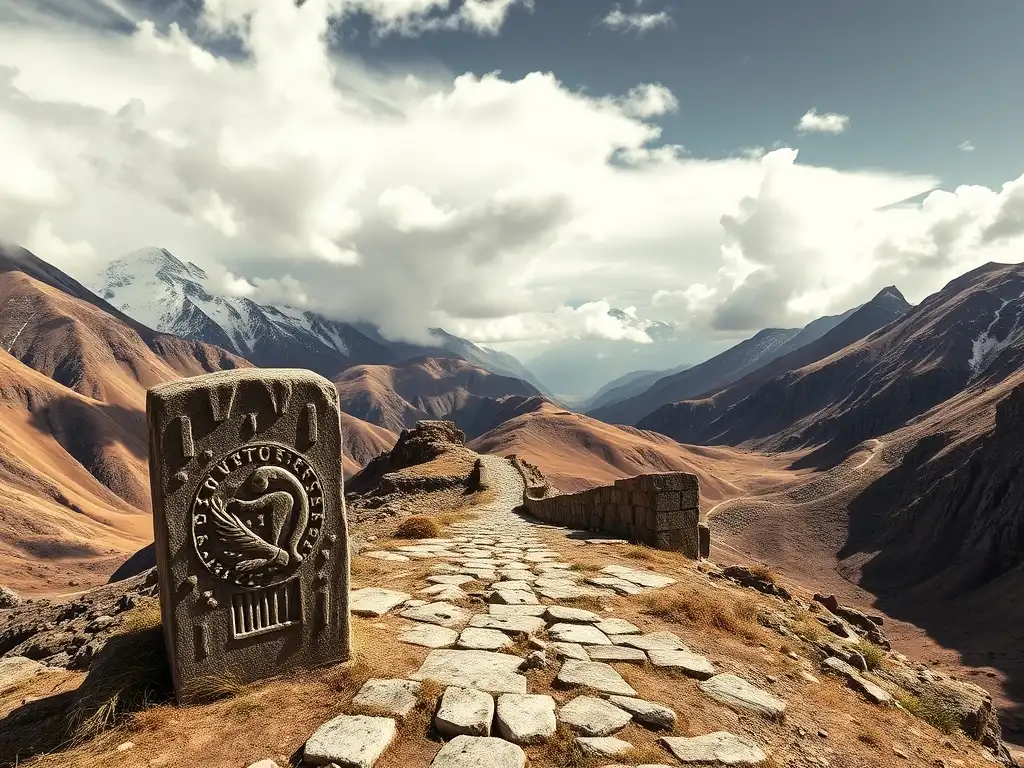
The Inca road system, a marvel of ancient engineering, stands as a testament to the Inca Empire's power and administrative prowess. Its history is intricately woven with the rise and expansion of the empire, reflecting a sophisticated understanding of logistics, communication, and control. Understanding the Inca road system's history is crucial to grasping the full extent of Inca influence and the mechanisms that allowed them to govern such a vast and diverse territory.
The construction and maintenance of this extensive network were significant feats, demanding considerable manpower and resources, showcasing the Inca's ability to mobilize and organize their population on an unprecedented scale. This intricate network wasn't merely a collection of pathways; it was a living artery, pulsating with the lifeblood of the empire, facilitating communication, trade, and military movement across the rugged Andean terrain.
The very existence of this system speaks volumes about the Inca's exceptional organizational skills and their dedication to maintaining control over their far-flung domains. The legacy of this road system continues to resonate today, a powerful reminder of the Inca's remarkable achievements.
The Role of Roads in Inca Administration
The Inca road system was not simply a means of transportation; it was the backbone of their administrative system. Its strategic design facilitated efficient governance across the vast empire, enabling the centralized control that characterized Inca rule.
Communication and Messenger System
The Inca lacked a written language, yet their communication network was remarkably efficient. A sophisticated system of runners, known as chasquis, relayed messages along the roads at incredible speeds. These runners, stationed at regular intervals along the road network, could transmit urgent news or official decrees across hundreds of miles in a matter of days.
This rapid communication was vital for maintaining order, coordinating military campaigns, and ensuring the timely distribution of resources. The speed and reliability of the chasqui system was a key factor in the Inca Empire's success, allowing for swift responses to any situation within the vast empire. The placement of these relay stations, often at strategically located tambos, further highlights the meticulous planning that went into the road network's design.
Military Movement and Control
The Inca road system played a crucial role in military operations. The strategically placed roads allowed for the rapid deployment of troops to quell rebellions, defend borders, or launch campaigns of conquest. The ability to move armies quickly and efficiently was a significant advantage, enabling the Inca to maintain control over their vast territory and subdue any potential threats.
The robust construction of the roads also allowed for the easy transport of heavy military equipment and supplies, enhancing the efficiency and effectiveness of their military operations. This military advantage, facilitated by the road system, was a significant factor in the empire's expansion and enduring power.
Tax Collection and Resource Distribution
The Inca road network was instrumental in collecting taxes and distributing resources throughout the empire. Taxes, often in the form of labor or goods, were transported along the roads to central storage facilities. From these facilities, resources were then redistributed to different regions according to the needs of the population.
This efficient system of resource management ensured the sustenance of the empire and contributed significantly to its stability. The smooth functioning of this system depended heavily on the well-maintained condition of the roads, underscoring their importance in the Inca's economic and social structure. The system's effectiveness allowed the Inca to manage their vast resources and maintain social equilibrium across diverse regions.
Key Features of the Inca Road System
The Inca road system was not a haphazard collection of paths but a meticulously planned and engineered network exhibiting remarkable sophistication for its time.
Tambos: Rest Stops and Supply Depots
Strategically located along the roads were tambos, which served as rest stops, supply depots, and administrative centers. These structures provided accommodation for travelers, storage for goods, and facilities for officials. The tambos were crucial in maintaining the functionality of the road system, ensuring the smooth flow of communication, trade, and military movements.
The spacing of these tambos was carefully planned to ensure that travelers could reach the next stop within a reasonable distance, reflecting the Inca's understanding of logistics and human endurance. The presence of tambos significantly enhanced the efficiency and safety of travel along the vast Inca road network.
Bridges and Tunnels: Overcoming Geographical Challenges
The Andes Mountains presented significant geographical challenges to road construction. However, Inca engineers demonstrated remarkable ingenuity in overcoming these obstacles. They constructed impressive bridges, often using suspension techniques, to span rivers and gorges. They also carved tunnels through mountains to create shorter and safer routes.
These feats of engineering are a testament to their advanced knowledge of construction techniques and their ability to adapt to challenging terrains. These structures, surviving in some form today, are a testament to the Inca's skill and the durability of their construction methods. The integration of bridges and tunnels into the road network showcases their commitment to connecting even the most remote regions of the empire.
Paved Roads and Surface Treatments
Inca roads were not simply dirt tracks. Many sections were paved with stone, often meticulously fitted together to create a smooth and durable surface. Some roads also incorporated surface treatments to improve drainage and reduce wear and tear. This attention to detail highlights the Inca’s commitment to building a high-quality, long-lasting infrastructure.
The engineering skills exhibited in the construction and maintenance of these roads are a compelling demonstration of their mastery of stonework and their dedication to building a lasting legacy. The quality of the road surfaces speaks to their concern for efficiency and the longevity of their infrastructure project. The road system's durability is evident in the sections that have survived to this day, despite the passage of centuries.
The Impact of the Inca Road System on Andean Society
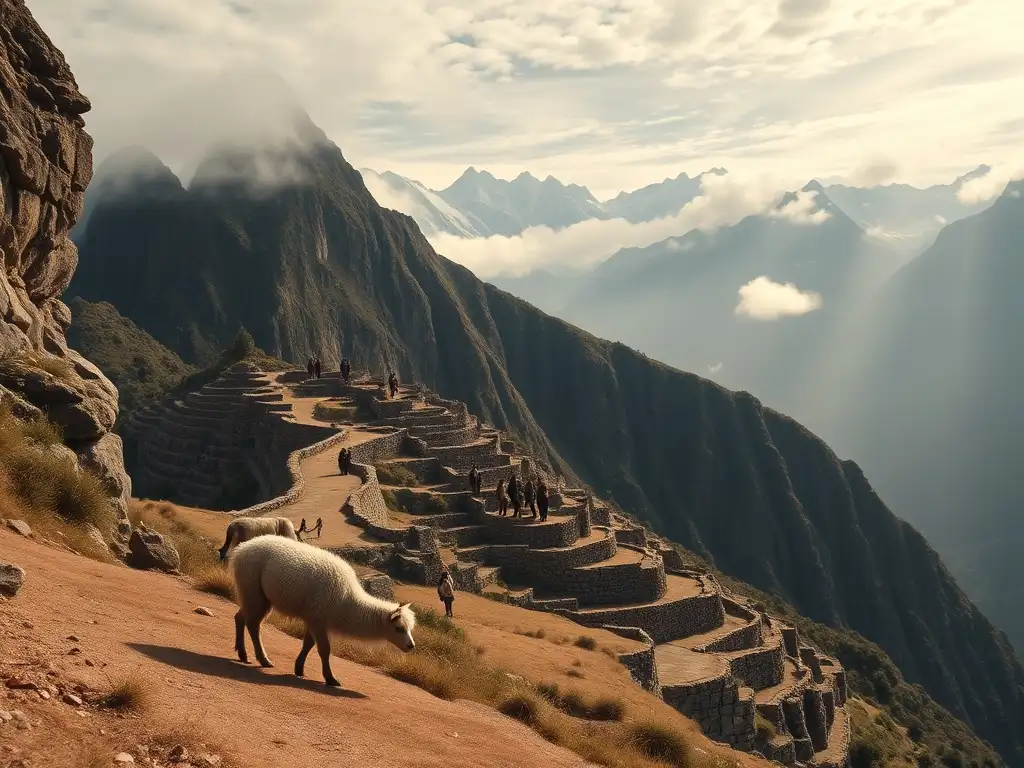
The Inca road system, a marvel of ancient engineering, extended far beyond its logistical function. Its impact reverberated throughout Andean society, shaping economic structures, social interactions, and cultural identities. Understanding this multifaceted influence provides crucial insight into the Inca Empire's enduring power and its legacy on the Andean world. A thorough examination of the Inca road system history reveals its profound and lasting consequences.
Economic Benefits of the Inca Road Network
The Inca road system history is inextricably linked to its economic impact. The extensive network facilitated unprecedented levels of trade and efficient resource distribution, fundamentally altering the economic landscape of the Andes.
Trade and Exchange of Goods
Prior to the Inca Empire, trade within the Andes was often localized and limited by challenging terrain. The Inca road system dramatically changed this, creating a vast interconnected market. Goods – from textiles and ceramics to precious metals and exotic foods – flowed seamlessly across vast distances. This facilitated specialization, allowing different regions to focus on producing goods they were best suited for and then exchanging them for other necessities.
For example, coastal communities specializing in fishing could easily trade their surplus for agricultural products from the highlands, fostering a more robust and resilient economy. This interconnectedness significantly boosted the overall economic output of the empire. The sheer scale of the road system – thousands of miles of meticulously constructed pathways – speaks volumes about the Inca's commitment to economic integration.
Agricultural Surplus Distribution
The Inca's sophisticated agricultural practices resulted in significant surpluses, particularly in fertile valleys. The Inca road system history demonstrates how this surplus was efficiently distributed across the empire, ensuring food security even in less productive regions. This system of distribution, coupled with the mita labor system, was crucial to the empire's stability and prevented widespread famine.
The roads served as arteries, transporting food from areas of abundance to those in need, demonstrating a remarkable level of centralized planning and logistical prowess. This efficient distribution system not only prevented famines but also fostered social cohesion and loyalty to the Inca state. Detailed records, though incomplete, suggest a highly organized system of storage facilities (qollqas) strategically positioned along the roads to facilitate this crucial task.
Beyond its economic implications, the Inca road system had a profound impact on the cultural and social fabric of Andean society. The roads themselves became powerful symbols of Inca authority, fostering a sense of unity and shared identity across diverse populations.
Integration of Diverse Populations
The Inca Empire encompassed a vast array of ethnic groups, each with its unique language, customs, and traditions. The Inca road system history highlights its role in integrating these diverse populations. The roads facilitated communication and interaction, fostering a sense of shared identity and loyalty to the Inca state.
While cultural diversity persisted, the roads acted as unifying forces, promoting a degree of cultural exchange and reducing isolation. The movement of people along these routes – messengers, officials, traders, and even common citizens – helped to break down traditional barriers and create a more cohesive society. This integration, while not without its challenges, was a crucial factor in the empire's stability and longevity.
Diffusion of Inca Culture and Religion
The Inca road system played a pivotal role in the dissemination of Inca culture and religion throughout the empire. The Inca road system history shows how the movement of people and goods along the roads facilitated the spread of Inca beliefs, customs, and language. Religious officials and priests traveled extensively, establishing temples and promoting Inca religious practices in newly conquered territories.
This process of cultural assimilation, though often forceful, contributed to the creation of a more unified cultural identity across the vast Andean region. The standardization of administrative practices, languages (Quechua), and religious beliefs, all facilitated by the road network, underscores the system's significance in shaping the cultural landscape of the Inca Empire. The impact of this cultural diffusion is still visible in the Andes today.
Preservation and Modern Significance of the Inca Road System
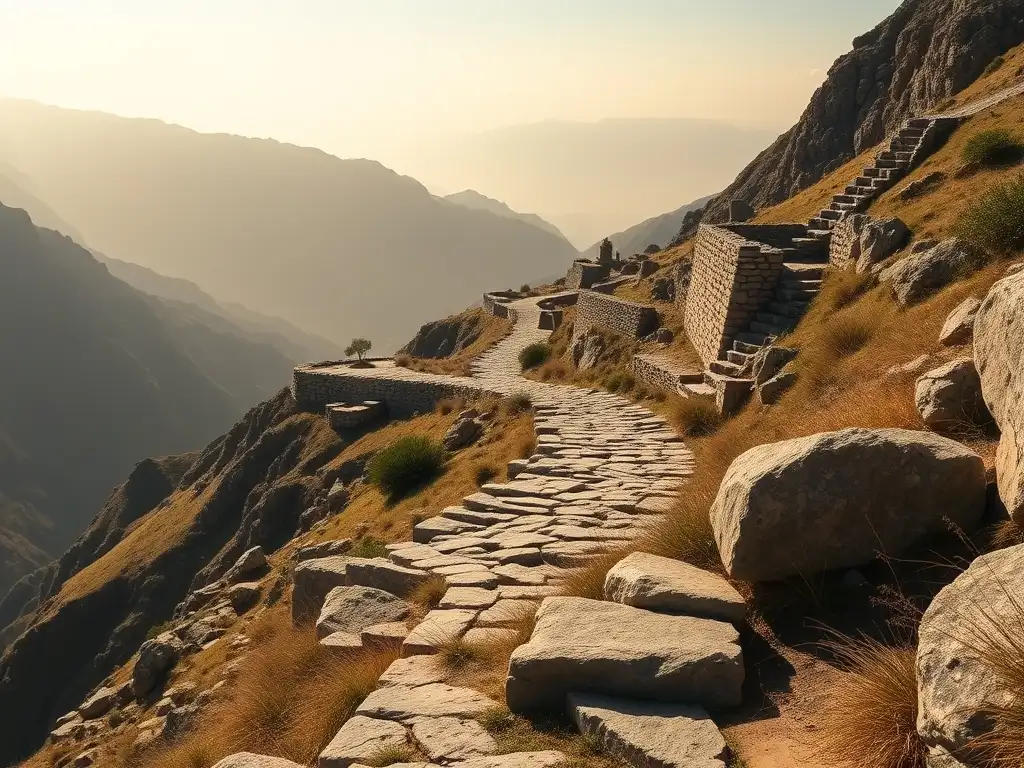
The Inca road system, or Qhapaq Ñan, represents not only a remarkable feat of engineering for its time but also a vital link to understanding Inca power, societal structure, and cultural heritage. Its preservation is crucial for both historical understanding and modern socioeconomic benefits. The Qhapaq Ñan's enduring legacy transcends its physical infrastructure; it embodies the ingenuity and organizational capacity of the Inca Empire, showcasing their advanced knowledge of surveying, construction, and logistics.
Understanding how this intricate network functioned provides invaluable insights into the Inca's sophisticated administrative and communication systems, impacting our comprehension of their social and political organization. Furthermore, the Qhapaq Ñan serves as a powerful symbol of Andean identity and cultural pride, fostering a sense of shared heritage among modern Andean communities.
The ongoing efforts to preserve and understand this network are essential for future generations to appreciate and learn from this incredible achievement. The economic impact of preserving the Qhapaq Ñan is also significant, as it contributes to tourism and cultural preservation initiatives across several South American countries.
Challenges in Preserving the Qhapaq Ñan
Preserving the Qhapaq Ñan presents numerous significant challenges. The sheer scale of the road network, spanning thousands of kilometers across diverse and often remote terrains, necessitates coordinated efforts across multiple national jurisdictions. This involves overcoming bureaucratic hurdles and fostering international collaboration. Furthermore, the effects of natural phenomena such as earthquakes, landslides, and erosion constantly threaten the integrity of the pathways.
Climate change exacerbates these challenges, leading to increased frequency and intensity of extreme weather events. Human activity also poses a significant threat. Illegal mining, uncontrolled development, and even the impact of tourism itself can cause irreversible damage to the fragile historical sites.
Effective preservation requires a multifaceted approach, combining scientific research with community engagement and robust legal frameworks to safeguard the Qhapaq Ñan for posterity. Funding remains a crucial constraint; securing sustainable financial resources for long-term preservation efforts is paramount. Specific data on the annual budget allocated to preservation efforts across different Andean nations is [specific information pending], but the need for increased funding is undeniable.
UNESCO World Heritage Status and International Recognition
The recognition of the Qhapaq Ñan as a UNESCO World Heritage Site in 2014 marked a significant milestone in its preservation efforts. This prestigious designation highlights the exceptional universal value of the Inca road system, emphasizing its importance to world cultural heritage. The UNESCO status provides a framework for international collaboration, facilitating the sharing of best practices and resources amongst the involved countries (Argentina, Bolivia, Chile, Colombia, Ecuador, and Peru).
This collaborative approach is vital in addressing the trans-national challenges posed by the vastness of the Qhapaq Ñan. The international recognition also boosts tourism, generating economic benefits for local communities and providing incentives for continued preservation efforts.
However, the UNESCO status alone is insufficient; it requires continuous monitoring, enforcement, and consistent funding to ensure the long-term protection of this invaluable historical asset. Continued engagement with international organizations and securing additional funding streams are vital steps in maintaining the Qhapaq Ñan's status and its preservation.
The Inca Trail and its Importance for Tourism
The Inca Trail, a specific section of the Qhapaq Ñan leading to Machu Picchu, exemplifies the intricate relationship between the Inca road system and modern tourism. While the Inca Trail's popularity contributes significantly to the Peruvian economy, it also presents challenges to the preservation of the historical site. The high volume of hikers necessitates strict regulations and careful management to minimize environmental impact and prevent damage to the trail and surrounding areas.
This includes implementing permit systems, limiting the number of daily hikers, and promoting responsible tourism practices among visitors. The Inca Trail's success as a tourist attraction underscores the potential of the wider Qhapaq Ñan to generate economic benefits while simultaneously demanding responsible stewardship. Balancing the economic opportunities with the need for preservation is a critical ongoing task.
Data on the number of annual visitors to the Inca Trail and the economic impact on local communities is [specific information pending], but it's clear that sustainable tourism management is crucial for the long-term preservation of this iconic section of the Inca road system. Careful planning and ongoing monitoring are needed to ensure that the economic benefits do not come at the cost of the historical integrity of the Qhapaq Ñan.
The Enduring Legacy of the Inca Road System
The Inca road system, a marvel of ancient engineering, continues to resonate in the modern world, leaving an indelible mark on various aspects of Andean life. Its impact transcends mere historical significance; it shapes contemporary infrastructure planning, tourism, and cultural identity. The very stones that formed the Qhapaq Ñan whisper tales of ingenuity and resilience, inspiring modern engineers and archaeologists alike. Consider, for example, the challenges faced in building modern roads through the rugged Andean terrain.
The Inca's mastery of adapting to the landscape, their understanding of drainage, and their meticulous construction techniques offer invaluable lessons for contemporary projects. Modern road construction often employs heavy machinery and disruptive methods, whereas Inca engineers worked harmoniously with the environment, utilizing local materials and minimizing environmental impact. This sustainable approach is increasingly relevant in today's world, where concerns about environmental sustainability are paramount. Moreover, the Inca road system serves as a powerful symbol of Andean unity and cultural heritage, attracting tourists from around the globe and generating economic opportunities for local communities.
Preservation efforts not only protect a significant historical site but also contribute to the economic well-being of the region. The roads themselves are not merely pathways; they are living testaments to the ingenuity and cultural richness of the Inca Empire, a legacy that continues to inspire awe and wonder. The enduring legacy is not just about the physical infrastructure, but also about the values of community, sustainability, and adaptability that are embedded within its very structure. Many modern initiatives are now focusing on restoring sections of the Qhapaq Ñan to promote sustainable tourism and showcase the Inca's impressive achievements.
Conclusion: Reflecting on the Inca Road System
The Inca road system stands as a testament to the remarkable engineering prowess and organizational capabilities of the Inca Empire. Its construction represents a significant feat of human endeavor, showcasing a deep understanding of geography, logistics, and community collaboration. The Qhapaq Ñan, far from being a mere network of paths, served as the arteries of the empire, facilitating communication, trade, and military movements. Its strategic design and construction ensured the efficient functioning of the Inca state, contributing significantly to its political and economic stability.
The Inca road system's enduring legacy extends beyond its historical significance. Its sustainable construction methods, adaptability to diverse terrains, and its lasting impact on Andean culture continue to inspire and inform modern approaches to infrastructure development and cultural preservation. Studying the Inca road system provides valuable insights into ancient engineering practices, demonstrating the ingenuity and resourcefulness of the Inca civilization. The system's remarkable preservation in certain areas, despite the passage of centuries, highlights the durability and effectiveness of Inca construction techniques.
Moreover, the ongoing efforts to preserve and restore sections of the Qhapaq Ñan underscore the importance of protecting this invaluable cultural heritage for future generations. The Inca road system is more than just roads; it’s a living history lesson, a symbol of Inca power and a testament to human ingenuity. Its story continues to unfold, reminding us of the enduring legacy of a civilization that shaped the Andes and continues to inspire us today. 🌎
Frequently Asked Questions
What was the purpose of the Inca road system?
The Inca road system, or Qhapaq Ñan, served multiple purposes. It facilitated efficient communication and rapid troop movement across the vast empire, enabling political control and resource management. It also supported trade and cultural exchange.
How extensive was the Inca road network?
The Inca road system was incredibly extensive, stretching over 25,000 miles throughout the Andes Mountains. It connected the far-flung corners of the empire, demonstrating the scale of Inca engineering and organizational prowess. This network included bridges, tunnels, and resting places.
What materials were used to construct the Inca roads?
Inca roads were built using locally sourced materials, adapting to the varied terrain. This included stone, earth, and wood. The roads were meticulously constructed to withstand the harsh Andean climate and were remarkably durable.
How did the Inca road system impact the Inca Empire's success?
The Inca road system was crucial to the empire's success. It facilitated the movement of resources, armies, and messages, allowing for centralized control and effective administration over a vast and diverse territory. It also fostered cultural unity.
What is the legacy of the Inca road system today?
Today, sections of the Qhapaq Ñan remain, serving as a testament to Inca engineering skills and a vital part of Andean heritage. It's a UNESCO World Heritage site, highlighting its historical and cultural significance. Research and preservation efforts continue.
Final Reflection: Echoes of the Inca Empire on the Royal Roads
The Inca road system, a marvel of engineering and a testament to centralized power, remains a potent symbol of ingenuity and ambition, its echoes resonating even in our hyper-connected modern world. Its strategic importance in facilitating trade, communication, and military control across a vast and challenging landscape continues to inspire awe and serves as a powerful reminder of the Inca's sophisticated understanding of logistics and governance. The sheer scale of the project, completed without the benefit of modern technology, remains breathtaking.
The enduring legacy of the Inca road network extends far beyond its physical remains; it represents a powerful narrative of cultural achievement and societal organization. Its impact on the social and political fabric of the Inca Empire, and even on subsequent Andean cultures, is undeniable. The system fostered a sense of unity and shared identity across diverse regions, a feat rarely achieved in pre-industrial societies. The roads were not merely pathways; they were the arteries of the empire, carrying the lifeblood of its power and prosperity.
This quote encapsulates the profound significance of the road system, highlighting its role in maintaining control and facilitating the flow of resources.
Consider the ingenuity and dedication required to build such a complex network across treacherous terrain. Reflect on the organizational skills, the collaborative spirit, and the sheer human effort involved. You, too, can harness the spirit of the Inca road builders – the spirit of perseverance, ingenuity, and collaborative effort – to overcome challenges in your own life. Embrace the lessons of this ancient civilization, and let the enduring legacy of the Inca road system inspire you to build your own paths towards success and connection.
Unveil the Legacy of the Inca Road Network!
Thank you for exploring the fascinating Inca Road Network! We hope you've gained a deeper understanding of this remarkable symbol of Inca power and ingenuity that shaped the Andes. Now, let's explore how you can further engage with this incredible legacy.
- Support local historical societies dedicated to preserving indigenous cultures and histories. Your involvement can make a real difference.
- Organize a community event to share your newfound knowledge of the Inca Road Network and its enduring significance. Consider a presentation, workshop, or even a film screening.
- Share this article and spark discussions on social media to connect with others interested in Andean civilizations. Let's build a community of learning!
What aspects of the Inca Road's design and construction are most inspiring to you, and how might their innovative approaches influence modern infrastructure projects?