
The Broken Chains: Unearthing the Stories of Enslaved Andean Peoples


Step into a world lost to time, yet echoing with untold stories. For centuries, the majestic Andes have held secrets within their towering peaks – secrets now beginning to surface. The Broken Chains: Unearthing the Stories of Enslaved Andean Peoples unveils a crucial, often overlooked chapter in Andean history: the experiences of those enslaved during the Spanish Conquest. Dare to delve into the complexities of their lives, their resilience, and their lasting legacy. Prepare to be captivated by a narrative that challenges assumptions and rewrites the history books.
The Spanish conquest of the Andes, a period marked by immense upheaval and transformation, irrevocably altered the course of Andean history. While narratives often focus on the grandeur of Inca empires and the clash of civilizations, a crucial, often overlooked aspect remains: the brutal realities of enslavement faced by Andean peoples.
This article delves into the dark underbelly of the conquest, exploring the diverse experiences of enslaved individuals across different Andean societies, revealing the systemic exploitation and the enduring legacy of this tragic chapter. We will examine not only the Inca experience, but also the impact on other significant Andean cultures like the Moche, Nazca, and Tiahuanaco, highlighting the varied forms of servitude and resistance that characterized this period.
Understanding the history of Andean enslaved people is crucial to a complete understanding of the Spanish conquest and its lasting impact on the region. This exploration aims to give voice to the silenced, to illuminate the human cost of conquest, and to provide a more nuanced perspective on this pivotal moment in Andean history.
The Inca Empire Under Spanish Rule: A System in Transition
The arrival of the Spanish dramatically reshaped the existing social structures within the Inca Empire. While the Inca system itself involved forms of tribute and labor obligations ( mita), the Spanish introduced a far more brutal and exploitative system of enslavement. The mita, although demanding, was tied to reciprocal obligations and community structures.
The Spanish, however, disregarded these existing systems, imposing forced labor on a massive scale in mines, agriculture, and construction projects. This resulted in the deaths of countless individuals due to overwork, malnutrition, and disease. The Spanish crown, in its efforts to extract wealth from the conquered territories, actively fueled this system.
Records reveal staggering numbers of indigenous people forced into these brutal conditions, with many dying within months of their enslavement. The disruption of traditional social hierarchies and the imposition of unfamiliar labor practices resulted in widespread suffering and social disintegration. Moreover, the introduction of new diseases decimated the indigenous population, further weakening their ability to resist enslavement.
Beyond the Inca: Enslavement in Other Andean Societies
The impact of Spanish conquest extended far beyond the Inca Empire. Other thriving Andean civilizations, such as the Moche, Nazca, and Tiahuanaco, also experienced the devastating effects of enslavement. While these societies had their own internal systems of labor and social organization, the Spanish conquest disrupted these established structures, leading to widespread forced labor and exploitation.
For instance, the highly developed agricultural systems of the Nazca were forced to serve Spanish interests, resulting in the degradation of vital irrigation networks and the displacement of indigenous communities. Archaeological evidence suggests a significant decline in population and societal complexity in these areas following the Spanish conquest, directly attributable to the brutal realities of enslavement.
The specific forms of enslavement varied across these different cultures, but the common thread was the systematic dismantling of indigenous social structures and the imposition of a brutal system of forced labor designed to enrich the Spanish colonizers. Further research is needed to fully understand the specific nuances of enslavement in these pre-Inca societies.
Resistance and Resilience: Andean Responses to Enslavement
Despite the overwhelming power of the Spanish, Andean peoples did not passively accept enslavement. Resistance took many forms, from outright rebellion and armed conflict to subtle acts of defiance and cultural preservation. Numerous uprisings, though often brutally suppressed, testify to the determination of Andean communities to fight for their freedom and dignity. These acts of resistance, while often unsuccessful in the short term, demonstrate the resilience and agency of enslaved peoples. Furthermore, the preservation of indigenous languages, traditions, and religious practices served as powerful forms of resistance, maintaining a sense of cultural identity in the face of oppression. The enduring legacy of Andean cultures, despite centuries of colonial rule, speaks volumes about the strength and perseverance of its people in the face of enslavement. Detailed accounts of specific uprisings and acts of resistance, however, remain an area requiring further scholarly investigation.
The story of Andean enslaved people is a complex and multifaceted one, demanding further research and a more nuanced understanding. It is a story of resilience, resistance, and the enduring human spirit in the face of unimaginable hardship. 💪
- The Inca Empire Under Spanish Rule: A System in Transition
- Beyond the Inca: Enslavement in Other Andean Societies
- Resistance and Resilience: Andean Responses to Enslavement
- What role did enslavement play in Andean civilizations?
- How did the Inca Empire utilize enslaved people?
- Were all enslaved people treated the same in the Andes?
- What sources provide information about enslaved Andean peoples?
- How does the study of enslaved Andean peoples challenge existing narratives?
The Pre-Colonial Andean World and the Onset of Enslavement
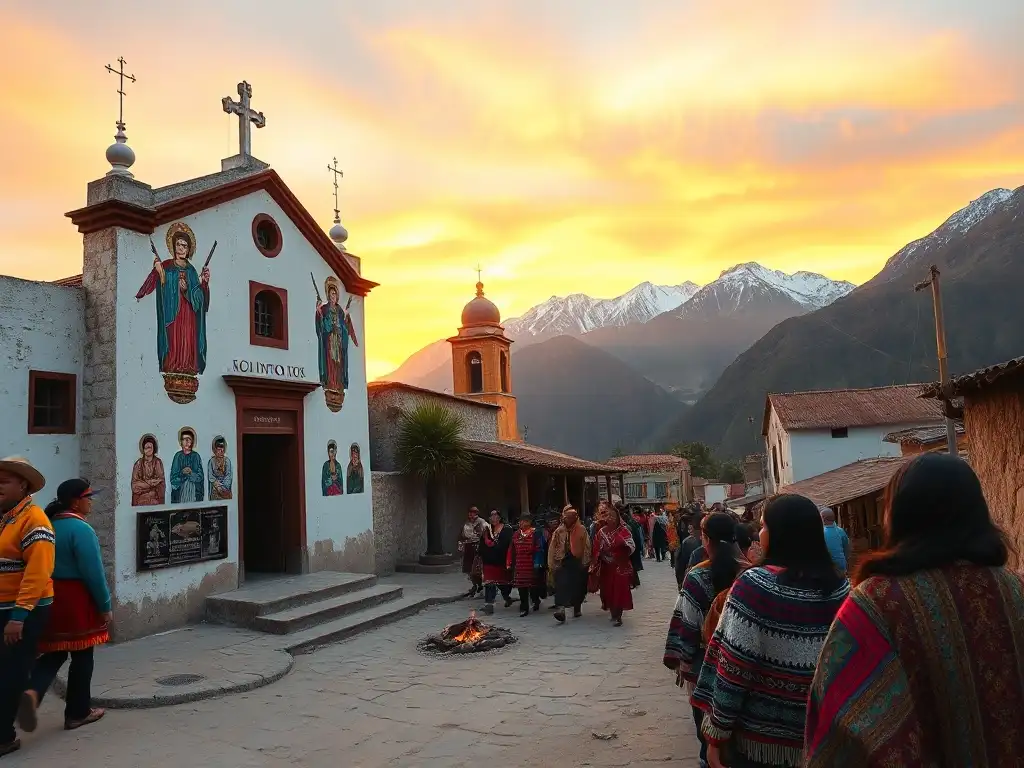
The notion of "enslavement" in the pre-Columbian Andean world requires careful nuance. While the concept of chattel slavery, as understood in the European context, didn't fully exist, forms of forced labor and social hierarchy certainly did. Understanding these pre-existing systems is crucial to grasping the devastating impact of the Spanish conquest on Andean populations and the subsequent intensification of forced labor.
The Inca Empire, for instance, while possessing a highly organized and sophisticated social structure, relied on a system known as mita. This wasn't strictly slavery, but it involved mandatory labor service for the state, often involving demanding tasks like mining, agriculture, and construction projects. Individuals were assigned to these roles based on their ayllu, their community, and failure to fulfill mita obligations could result in severe punishment.
This system, while not equivalent to chattel slavery, provided a foundation upon which the Spanish built their brutal system of exploitation. Other Andean societies, like the Chimu or the Nazca, also had their own forms of hierarchical labor organization, though the specifics varied considerably. The arrival of the Spanish drastically altered these existing structures, transforming them into a system of outright enslavement and brutal exploitation.
Andean Societies Before the Arrival of the Spanish
Before the Spanish arrived, Andean societies were characterized by diverse social structures and forms of labor organization. The Inca Empire, the largest and most powerful of these, had a complex system of social stratification. At the apex were the Sapa Inca (emperor) and the nobility, followed by various social classes, including priests, artisans, farmers, and soldiers. The ayllu, a kinship-based community, played a pivotal role in social organization and resource distribution.
Within the ayllu, individuals were assigned roles and responsibilities based on their age, gender, and skills. The mita system, as mentioned previously, required all able-bodied individuals to contribute a certain amount of labor to the state. While this system could be demanding, it was often integrated into the fabric of Andean society and tied to reciprocal obligations within the community. This contrasts sharply with the later imposition of forced labor under Spanish rule.
The extent of pre-colonial forced labor varied across different Andean societies, highlighting the complexity and diversity of their social structures and the need for careful study of each individual group to understand their unique socio-economic arrangements. Further research is needed to fully understand the nuances of forced labor in pre-colonial Andean societies outside the Inca Empire. [Specific information pending: detailed analysis of pre-Inca forced labor systems].
The Impact of the Spanish Conquest on Indigenous Populations
The Spanish conquest of the Andes dramatically altered the lives of the indigenous populations. The introduction of European diseases alone decimated the population, weakening Andean societies and making them more vulnerable to exploitation. The Spanish systematically dismantled existing social structures, replacing them with a system designed to benefit the conquistadors and the Spanish crown. This involved the appropriation of land, the destruction of traditional forms of governance, and the imposition of brutal forms of forced labor.
The mita system, originally a form of communal obligation, was transformed into a tool for extracting wealth for the Spanish. Indigenous people were forced to work in mines, on plantations, and in other labor-intensive projects, often under horrific conditions. The widespread abuse, starvation, and disease associated with this forced labor led to a drastic decline in the Andean population.
The Spanish conquest represents a profound turning point in Andean history, marking the beginning of a period of intense exploitation and suffering for indigenous peoples. The consequences of this period are still felt today. The disruption of traditional social and economic systems had a lasting impact on Andean communities, contributing to ongoing social and economic inequalities.
Initial Forms of Forced Labor in the Andes
Following the conquest, the Spanish implemented various forms of forced labor to extract resources from the newly colonized territories. The encomienda system, initially granted to Spanish conquistadors, allowed them to demand tribute and labor from indigenous populations living within a specific territory. This system quickly evolved into a form of legalized enslavement, with indigenous people subjected to brutal working conditions and often treated as chattel. The repartimiento system, which replaced the encomienda, was designed to be more regulated, but in practice, it often resulted in similar levels of exploitation. Indigenous people were assigned to work in mines, particularly silver mines, which were crucial to the Spanish economy.
These mines were notoriously dangerous, with high mortality rates due to accidents, disease, and harsh working conditions. The mita system, as previously mentioned, was also adapted and intensified to serve the needs of the Spanish. Indigenous people were forced to work for extended periods, often far from their homes, with little or no compensation. The establishment of haciendas, large agricultural estates, further contributed to the system of forced labor, with indigenous people working as agricultural laborers under harsh conditions.
These systems of forced labor were crucial to the accumulation of wealth by the Spanish crown and contributed significantly to the transatlantic slave trade. The brutality of these systems left an indelible mark on Andean history and culture. The legacy of this exploitation continues to shape the socio-economic landscape of the Andes today. 💔
The Enslavement of Andean Peoples: A System of Oppression
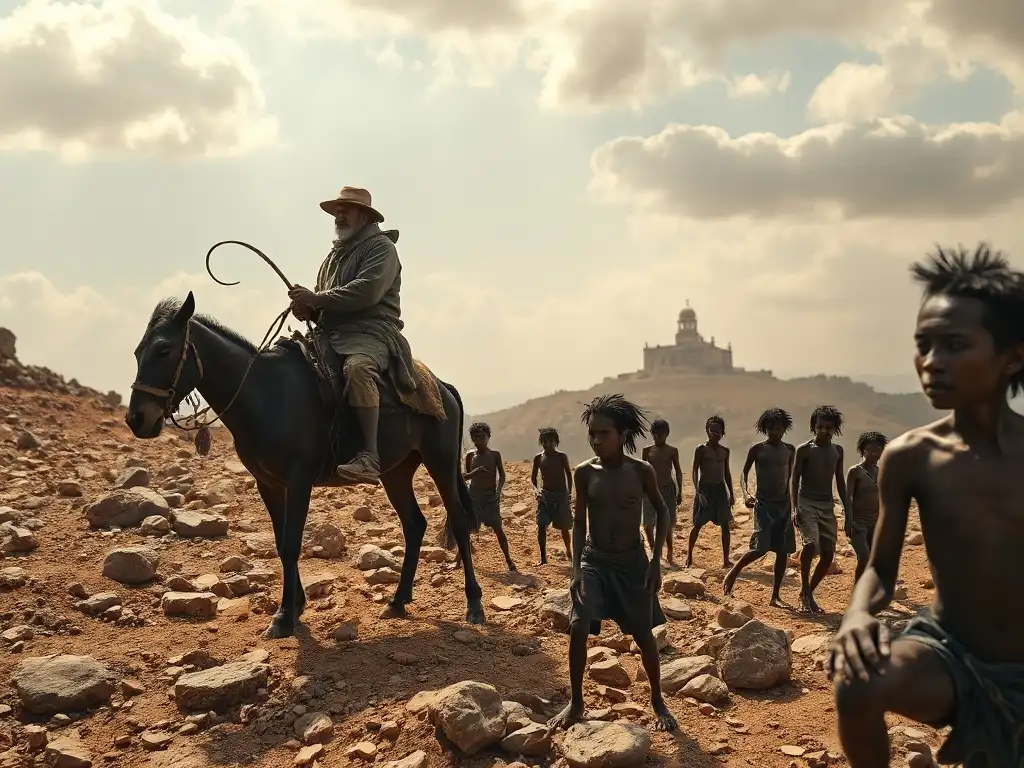
The arrival of the Spanish in the Andes drastically altered the social fabric of the region, introducing a brutal system of enslavement that profoundly impacted Andean communities. While pre-Columbian Andean societies certainly had forms of servitude and tribute, the Spanish system was fundamentally different, characterized by its inherent brutality, scale, and legal framework designed to exploit Indigenous populations for economic gain. Understanding the history of Andean enslaved people requires examining this system not merely as isolated acts of violence, but as a deliberate and systematic process of oppression deeply woven into the colonial structure.
This section will explore the legal underpinnings of this system, the horrific realities of enslaved life, and the devastating demographic consequences for Andean communities. The keyword "Andean enslaved people history" is central to understanding this tragic chapter.
The Legal Framework of Enslavement in Colonial Andes
The Spanish crown, while initially attempting to regulate the exploitation of Indigenous labor through systems like the encomienda, ultimately sanctioned and even encouraged outright enslavement. The encomienda system, while not slavery in name, often functioned as such in practice, forcing Indigenous populations into unpaid labor under the guise of "protection" and "Christianization." However, the legal framework surrounding enslavement evolved, with specific laws and regulations defining the conditions under which Indigenous people could be legally enslaved.
These often hinged on accusations of rebellion, resistance to Spanish authority, or participation in inter-tribal conflicts, providing a convenient justification for the enslavement of entire communities. Documents from the colonial archives reveal a complex interplay between official decrees and on-the-ground realities, where the letter of the law was often subverted to facilitate the continued enslavement of Andean peoples. The system was fluid, adapting to changing economic demands and the resistance of Indigenous populations, leading to a dynamic and tragically effective system of oppression.
Even "free" Indigenous populations faced constant pressure and exploitation, often finding themselves subjected to forced labor through various coercive mechanisms. This legal ambiguity allowed for the near-total subjugation of Andean communities.
The Brutality of the Enslavement System
Beyond the legal framework, the lived experience of enslaved Andean people was characterized by unimaginable hardship. Forced to work in mines, on plantations, and in other grueling conditions, their lives were marked by violence, starvation, and disease. Accounts from colonial chronicles and archaeological evidence paint a harrowing picture of the brutal realities of this system.
The forced marches of enslaved people across treacherous Andean terrain, the brutal punishments inflicted for even minor infractions, and the systematic denial of basic human rights all contributed to a high mortality rate amongst the enslaved population. The physical and psychological trauma inflicted upon Andean individuals and communities had lasting consequences, profoundly shaping their cultural and social identity for generations. Many were separated from their families, their ancestral lands and traditions destroyed, leaving a legacy of trauma that continues to resonate today.
The sheer inhumanity of the system is a stark reminder of the devastating impact of colonial expansion on Indigenous populations. The term "Andean enslaved people history" highlights the sustained suffering endured under this regime.
The Demographic Impact of Enslavement on Andean Communities
The enslavement of Andean peoples had a catastrophic demographic impact. Disease, malnutrition, and overwork decimated Indigenous populations across the Andes. The introduction of Old World diseases, to which Andean communities had no immunity, resulted in widespread epidemics that ravaged entire villages.
Combined with the brutal conditions of enslavement, this led to a dramatic decline in population numbers. Precise figures are difficult to ascertain due to the incomplete nature of colonial records, but available data suggests a significant reduction in the Andean Indigenous population during the colonial period, a direct consequence of the enslavement system. This demographic collapse had profound and lasting consequences, profoundly altering the social, economic, and political landscape of the Andes.
The loss of life and disruption of social structures created a vacuum that the Spanish colonial system readily filled, consolidating their power and control over the region. The impact on Andean enslaved people's history is undeniable, shaping the trajectory of Andean societies for centuries to come. Understanding the scale of this demographic catastrophe is critical to comprehending the long-term consequences of colonial rule in the Andes.
The Case of the Yanaconas and Forced Labor
The Yanaconas represent a complex and often misunderstood aspect of Andean enslavement. Unlike the outright chattel slavery practiced by the Spanish in other parts of the Americas, the Yanacona system predated the arrival of Europeans, existing within the Inca Empire and evolving significantly under Spanish rule. Initially, Yanaconas were a class of individuals who worked the lands of the Inca elite, often in exchange for protection and sustenance. Their status was somewhere between freeman and serf, a nuanced position that shifted dramatically with the Spanish conquest.
The Spanish, upon encountering the Yanacona system, quickly exploited its inherent vulnerabilities. While not initially considered slaves in the traditional sense, the Spanish gradually stripped Yanaconas of their rights and protections. Through a combination of legal manipulation, economic pressure, and outright violence, the Spanish transformed the Yanacona system into a form of forced labor that served their economic interests. The encomienda system, for example, further entrenched the Yanaconas into a cycle of servitude, binding them to the lands of Spanish encomenderos who demanded their labor with little or no compensation.
The nature of the work varied greatly, ranging from agricultural labor in the fields and mines to domestic service in the homes of Spanish colonists. The conditions were often brutal, with Yanaconas subjected to harsh treatment, inadequate food and shelter, and a constant threat of violence. Many were forced to work in the deadly silver mines, significantly contributing to the wealth of the Spanish crown while facing high mortality rates. The Spanish legal system, designed to benefit the colonizers, rarely provided any recourse for Yanaconas who suffered abuse or exploitation.
The impact of the Spanish transformation of the Yanacona system was devastating. It shattered traditional social structures, destroyed communal land ownership, and subjected a significant portion of the Andean population to a life of forced labor and oppression. The legacy of this system continues to resonate in Andean societies today, highlighting the enduring impact of colonial exploitation on the region's social and economic landscape.
The story of the Yanaconas serves as a stark reminder of the complexities of enslavement, showcasing how pre-existing social hierarchies could be twisted and manipulated to serve the interests of a conquering power. Further research into specific regional variations and individual experiences is crucial to fully understanding the diverse realities of Yanacona life under Spanish rule. The available historical records, though incomplete, offer glimpses into the struggles and resilience of these individuals in the face of profound injustice.
Diverse Forms of Enslavement in the Andes
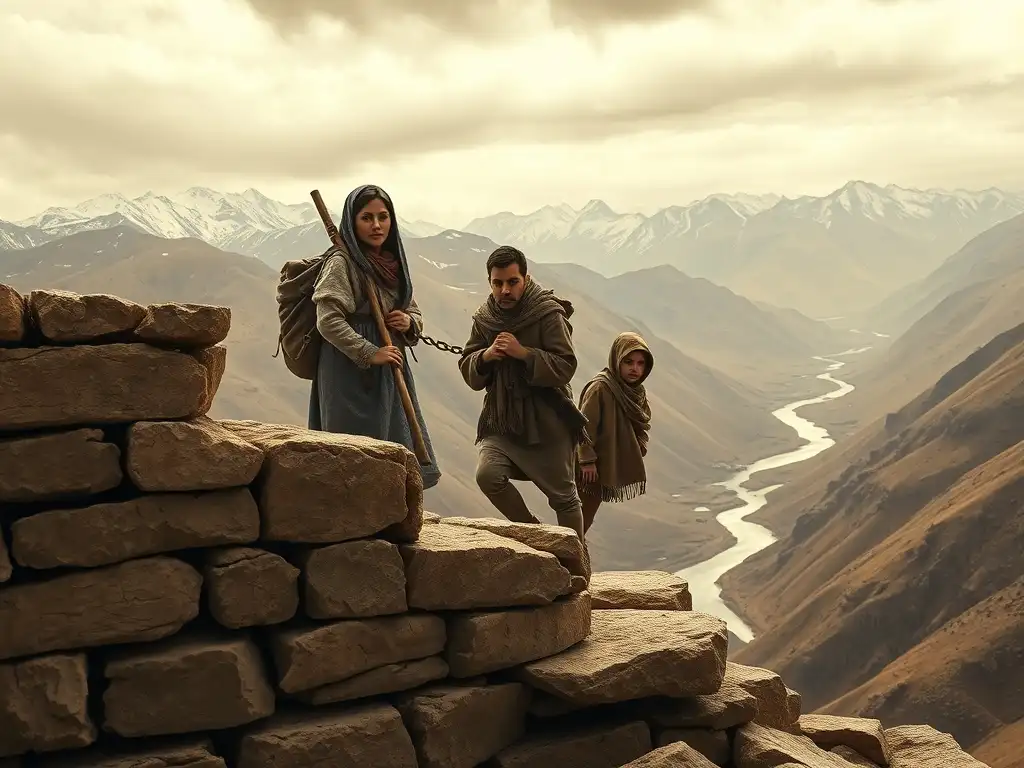
The arrival of the Spanish in the Andes drastically altered the social fabric of the region, introducing new forms of exploitation and oppression that profoundly impacted the lives of Andean peoples. While the concept of chattel slavery, common in other parts of the colonial world, wasn't directly replicated, the Spanish implemented various systems that effectively enslaved Andean populations, leading to widespread suffering and demographic collapse. Understanding the nuanced forms of this enslavement is crucial to comprehending the Andean enslaved people history.
The Spanish conquest didn't simply conquer land; it conquered lives, twisting pre-existing labor systems into instruments of brutal exploitation and effectively creating new forms of forced servitude. The legacy of this period continues to shape Andean societies today.
Enslavement in Mines and Agricultural Plantations
The Spanish thirst for silver fueled the brutal exploitation of Andean miners. The infamous Potosi silver mine in Bolivia became a symbol of this horrific system. Indigenous populations were forced to work in these mines under incredibly harsh conditions, often leading to premature death from exhaustion, disease (like silicosis), and accidents. Mortality rates were staggering.
Historians estimate that millions perished in the mines during the colonial period. This wasn't simply "work"; it was a death sentence for many. The system was meticulously organized, with encomenderos (landowners granted control over indigenous populations) and corregidores (colonial officials) overseeing the extraction of wealth at the cost of human lives. Similarly, large agricultural plantations, particularly those producing coca and other cash crops, relied heavily on forced labor.
Indigenous communities were assigned to work these plantations, enduring grueling schedules and inhumane treatment. The conditions mirrored those in the mines: disease, malnutrition, and overwork were commonplace, resulting in a dramatically reduced lifespan. The sheer scale of this exploitation is difficult to fully grasp, but its consequences are undeniably visible in the demographic records and the enduring social inequalities of the region. The system was so efficient in extracting resources that it fundamentally shaped the Andean enslaved people history.
Domestic Servitude and Forced Labor
Enslavement in the Andes wasn't limited to mines and plantations. Domestic servitude represented another widespread form of forced labor. Indigenous individuals, often women and children, were taken from their communities and forced to work in Spanish households. They performed various tasks, from cooking and cleaning to childcare and personal service. These individuals faced constant abuse, limited freedom, and often suffered sexual exploitation.
Unlike the more structured systems of the mines and plantations, domestic servitude was often less documented, making it challenging to quantify its full impact. However, anecdotal evidence and surviving accounts paint a grim picture of widespread abuse and suffering. These forms of servitude were often intertwined with other exploitative practices, further highlighting the complex and multifaceted nature of Andean enslaved people history. The lack of clear records makes accurately assessing the scope of this form of enslavement difficult, but its pervasive presence is undeniable.
The "Mita" System and its Relation to Enslavement
The mita system, a pre-Columbian form of labor tribute, was brutally repurposed by the Spanish. While originally a cyclical system of community service, the Spanish transformed it into a tool for forced labor in mines and other projects. Indigenous communities were compelled to provide a quota of laborers for extended periods, often far from their homes.
These workers endured appalling conditions and faced high mortality rates, mirroring the experiences in the mines and plantations. The mita system, while not strictly chattel slavery, functioned as a form of forced labor that decimated indigenous populations and greatly contributed to the Andean enslaved people history. The Spanish systematically abused and intensified the mita, turning a traditional system into a tool of brutal colonial exploitation.
The system’s exploitation was so pervasive that it fundamentally altered the social, economic, and demographic landscape of the Andes. The legacy of the mita continues to resonate in modern Andean societies. Understanding its evolution and impact is crucial to a complete understanding of the Andean enslaved people history.
Exploitation in the Silver Mines of Potosí
The silver mines of Potosí, in modern-day Bolivia, represent a chilling example of the brutal exploitation of enslaved Andean peoples during the Spanish colonial era. The sheer scale of the operation, fueled by insatiable European demand for silver, led to the enslavement and death of countless individuals. Conditions within the mines were horrific, with workers enduring suffocating darkness, collapsing tunnels, and the constant threat of rockfalls and flooding.
The air, thick with dust and noxious fumes, caused respiratory illnesses that ravaged the miners' bodies. Many succumbed to these conditions before they could even begin to repay the debts that often bound them to this life of forced labor.
The mita system, while nominally a form of rotational labor obligation, often functioned as a thinly veiled form of enslavement, particularly in the context of the Potosí mines. Indigenous communities were compelled to send a quota of their able-bodied men to work in the mines for extended periods, often years. These men were separated from their families, subjected to brutal overseers, and worked to the point of exhaustion.
Escape was virtually impossible, and those who attempted it faced severe punishment. The system was designed to maximize silver production, regardless of the human cost. Records show staggering mortality rates amongst the mitayos, with many dying from disease, accidents, or outright murder.
The brutal reality of life in the Potosí mines wasn't limited to the mitayos. African slaves, brought to the Americas through the transatlantic slave trade, also endured unimaginable suffering. They were often subjected to even harsher conditions than the indigenous population, relegated to the most dangerous tasks and treated with extreme cruelty.
The combination of the mita system and African slavery created a brutal system of forced labor that fueled the Spanish empire's wealth at the expense of countless lives. The legacy of this exploitation continues to resonate in the region today, shaping social and economic inequalities that persist even centuries later. The sheer scale of death and suffering in the Potosí mines serves as a stark reminder of the devastating impact of colonial-era enslavement on the Andean peoples and their descendants.
The stories of these enslaved individuals, though often lost to history, are crucial to understanding the complex and painful legacy of the Spanish conquest. Their suffering should not be forgotten.
Resistance and Resilience of Enslaved Andean People
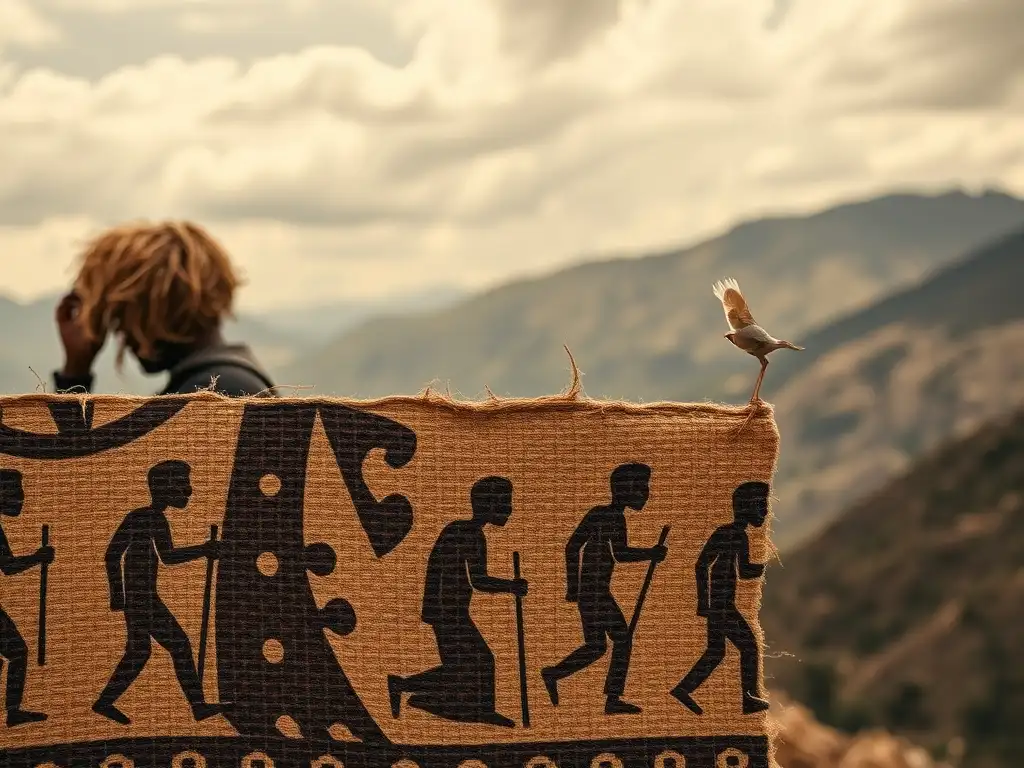
The arrival of the Spanish in the Andes drastically altered the lives of the indigenous population, leading to widespread enslavement and exploitation. However, the narrative of the Andean enslaved people history is not solely one of suffering. It's a testament to the remarkable resilience and ingenuity of a people who, despite facing unimaginable hardship, found ways to resist, preserve their culture, and ultimately, contribute to their own liberation.
The forms of resistance varied widely, from subtle acts of defiance to large-scale rebellions, all fueled by a deep-seated determination to maintain their identity and dignity. Understanding this resistance is crucial to gaining a complete picture of Andean enslaved people history during the colonial era.
The sheer tenacity displayed in the face of brutal oppression offers a powerful counterpoint to the often-simplified narratives of conquest and subjugation. Their struggles underscore the complex interplay between oppression and resistance, shaping the Andean world for centuries to come.
Forms of Resistance: From Subtle Acts to Open Rebellion
Enslaved Andean people employed a diverse range of resistance strategies, adapting their tactics to the specific circumstances and levels of oppression they faced. Subtle forms of resistance were often necessary for survival, given the ever-present threat of brutal punishment. These included:
- Work slowdowns: Deliberately slowing down the pace of work to reduce productivity and disrupt the colonial economic system. This tactic, while seemingly minor, could cumulatively have a significant impact over time.
- Feigning illness: Simulated illness allowed individuals to temporarily escape labor demands, offering brief respites from the relentless toil.
- Sabotage: Subtle acts of sabotage, such as damaging tools or subtly altering work processes, could disrupt production without drawing immediate attention.
- Escape: While incredibly dangerous, escape attempts, often involving perilous journeys through treacherous terrain, represented a bold act of defiance, seeking freedom from enslavement.
More overt forms of resistance included:
- Organized rebellions: Larger-scale uprisings, often involving coordinated efforts among multiple communities, challenged Spanish authority directly. While often brutally suppressed, these rebellions demonstrated a collective determination to fight for freedom.
- Religious syncretism: The blending of indigenous religious practices with elements of Catholicism provided a covert means of maintaining cultural identity and challenging colonial religious impositions. This subtle subversion allowed for the preservation of core beliefs and traditions.
- Maintaining indigenous languages: The continued use of native languages, despite efforts by the Spanish to suppress them, was a powerful assertion of cultural identity and a form of resistance against linguistic assimilation. This linguistic preservation played a key role in transmitting knowledge and cultural heritage across generations.
The diverse nature of these resistance strategies highlights the adaptability and resilience of enslaved Andean peoples, demonstrating their unwavering commitment to preserving their heritage and challenging the oppressive system imposed upon them. These acts, both large and small, contributed significantly to shaping the course of Andean history.
The Role of Indigenous Culture in Preserving Identity
Despite the brutal realities of enslavement, Andean culture played a crucial role in maintaining the identity and spirit of the enslaved population. Traditional practices, beliefs, and social structures provided a vital anchor in the face of relentless colonial pressure. The transmission of knowledge, stories, and traditions through oral histories, rituals, and artistic expressions served to reinforce a sense of collective identity and resistance.
The continued practice of indigenous religious beliefs, often subtly interwoven with imposed Catholicism, offered a space for spiritual and emotional sustenance. This syncretism, a blending of indigenous and colonial religious practices, allowed for the preservation of core spiritual values while navigating the complexities of the colonial environment. Artistic expression, through textiles, pottery, and other crafts, served as a powerful medium for preserving cultural narratives and transmitting knowledge across generations. These artistic creations often subtly encoded messages of resistance or encoded historical memory, representing a form of coded communication that evaded colonial scrutiny.
The Tupac Amaru II Rebellion and Indigenous Resistance
The Tupac Amaru II Rebellion (1780-1783) stands as a pivotal moment in Andean enslaved people history, representing one of the largest and most significant indigenous uprisings against Spanish colonial rule. Led by José Gabriel Condorcanqui, who adopted the name Tupac Amaru II to invoke the legacy of the Inca emperor, the rebellion drew widespread support from indigenous communities across a vast region.
The rebellion was fueled by a complex array of grievances, including forced labor, economic exploitation, and the erosion of indigenous social structures. While ultimately suppressed by the Spanish, the rebellion demonstrated the enduring power of indigenous resistance and left an indelible mark on Andean history.
The scale and scope of the uprising underscore the depth of discontent among the enslaved population and the enduring power of collective action in challenging colonial oppression. The legacy of Tupac Amaru II continues to inspire movements for social justice and indigenous rights in the Andes today, serving as a powerful symbol of resistance and resilience.
The detailed study of this rebellion reveals much about the specific forms of resistance employed, the strategic alliances forged, and the lasting impact of this significant historical event on Andean enslaved people history. The meticulous analysis of this period offers a rich understanding of the complexities and intricacies of the fight for liberation in the face of colonial domination.
The Legacy of Resilience in Modern Andean Communities
The brutal realities of enslavement during the Spanish conquest left an indelible mark on Andean societies, yet the spirit of resistance and resilience persists to this day. The descendants of those who endured unimaginable hardship carry within them a legacy of strength and cultural preservation that continues to shape modern Andean communities. This resilience manifests in various ways, from the tenacious safeguarding of ancestral languages and traditions to the ongoing struggle for social justice and economic empowerment.
Many indigenous communities actively work to reclaim their historical narratives, challenging dominant historical accounts that often minimize or ignore the suffering of enslaved peoples. This reclamation process involves meticulous research, the preservation of oral histories passed down through generations, and the creation of community-based museums and cultural centers that celebrate Andean heritage and honor the memory of their ancestors.
The fight for land rights, a critical aspect of Andean identity and livelihood, is a direct descendant of the struggles against colonial oppression. For centuries, indigenous communities have fought to maintain control over their ancestral territories, facing relentless pressure from outside forces. This ongoing struggle highlights the enduring connection between past injustices and contemporary challenges. The resilience shown in these land rights movements demonstrates a deep-rooted commitment to self-determination and the preservation of their cultural heritage, a heritage directly linked to their ancestors' survival against the odds of enslavement.
Furthermore, the vibrant tapestry of Andean art, music, and religious practices serves as a powerful testament to the enduring spirit of the people. These cultural expressions often incorporate subtle yet powerful references to the past, subtly weaving narratives of resistance and survival into the fabric of daily life. The intricate designs on textiles, the rhythmic beats of traditional music, and the spiritual practices rooted in Andean cosmology all carry echoes of the struggles faced by their forebears.
These cultural forms not only provide a sense of continuity and identity but also serve as a powerful means of resistance against cultural assimilation and erasure. Studying these cultural expressions provides invaluable insight into the enduring legacy of enslaved Andean people and their ongoing fight for recognition and justice.
The continued practice of these traditions stands as a powerful symbol of their refusal to be silenced or forgotten. It is a living testament to the resilience that has allowed Andean communities to not only survive but thrive in the face of immense adversity.
The Long Shadow of Andean Enslavement: Examining the Aftermath

The arrival of the Spanish in the Andes drastically altered the social fabric of the region, introducing a brutal system of enslavement that profoundly impacted Andean societies for centuries. While the official abolition of slavery eventually occurred, its legacy continues to resonate in contemporary Andean communities, shaping socio-economic disparities and influencing cultural identity. Understanding this enduring impact requires a nuanced examination of the post-abolition period and its complexities. The keyword "Andean enslaved people history" is central to this understanding.
The Abolition of Enslavement and its Limitations
The abolition of enslavement in the Andes wasn't a singular event but rather a gradual process marked by inconsistencies and limitations. While official decrees aimed to end the practice, their implementation was often slow and uneven, particularly in remote areas. Many indigenous populations continued to experience forms of forced labor under different guises, such as the repartimiento system, which, while ostensibly offering payment, often resulted in exploitative conditions akin to slavery.
The transition from chattel slavery to other forms of coercive labor wasn't a liberation for many; it was a shift in the mechanisms of oppression. This subtle yet significant distinction is crucial in understanding the enduring impact of the Spanish conquest on Andean enslaved people history. Furthermore, the legal abolition often failed to address the underlying power imbalances and systemic racism that fueled the enslavement in the first place.
The social and economic structures that benefited from enslaved labor remained largely intact, hindering true emancipation. The complexities of this transition are often overlooked in simplified narratives of abolition.
The Continuing Impact of Enslavement on Andean Societies
The trauma of enslavement didn't vanish with its legal abolition. Its impact reverberated through generations, manifesting in various ways. The disruption of traditional social structures, the loss of land and resources, and the psychological scars of oppression profoundly affected Andean communities. The forced assimilation of indigenous populations into the Spanish colonial system further exacerbated these challenges.
Many indigenous languages and cultural practices were suppressed, contributing to a sense of cultural loss and dispossession that persists to this day. This historical trauma continues to influence the social and psychological well-being of Andean communities, highlighting the long-term consequences of Andean enslaved people history. Understanding this ongoing legacy requires acknowledging the intergenerational trauma and the systemic inequalities that continue to perpetuate its effects. Studies on the psychological impact of historical trauma on descendants of enslaved people in the Andes are still relatively limited, indicating a crucial area for future research.
The Socio-Economic Disparities Among Descendants
The socio-economic disparities prevalent in contemporary Andean societies are, in part, a direct consequence of the legacy of enslavement. The descendants of enslaved peoples often face disproportionately higher rates of poverty, limited access to education and healthcare, and marginalization within broader society. This stark reality reflects the enduring effects of centuries of exploitation and oppression.
A thorough analysis of socio-economic data is necessary to fully grasp the extent of these inequalities. For example, [specific data on income disparity between descendants of enslaved people and other populations in the Andes pending]. Moreover, access to land ownership, a critical factor in economic stability, remains significantly skewed against descendants of enslaved populations, perpetuating a cycle of poverty and disadvantage.
The persistent socio-economic inequalities serve as a stark reminder of the enduring legacy of Andean enslaved people history and the urgent need for social justice and restorative measures. The ongoing struggle for equitable access to resources and opportunities underscores the importance of continued research and advocacy in addressing these deeply rooted disparities.
Remembering the History of Andean Enslaved People
The Spanish conquest irrevocably altered the social fabric of Andean societies, leaving a legacy of exploitation and suffering that continues to resonate today. Understanding the history of Andean enslaved people requires moving beyond simplistic narratives of conquest and acknowledging the complex realities of their lives under colonial rule. Oral histories, passed down through generations, often provide crucial insights into the experiences of those who were forcibly subjugated.
These accounts, though fragmented and sometimes obscured by time, offer invaluable glimpses into the resilience and resistance of enslaved individuals and communities. They reveal the strategies employed to maintain cultural identity, preserve traditions, and even subtly challenge the power structures imposed upon them. The stories of resistance, both overt and covert, serve as powerful reminders of the enduring human spirit in the face of unimaginable hardship.
These narratives are not merely historical relics; they are vital threads in the ongoing process of reconciliation and understanding. We must actively seek out and amplify these voices, ensuring that the experiences of Andean enslaved people are not forgotten, but rather become integral parts of a more complete and nuanced historical record.
The systematic destruction of Andean cultural practices by the Spanish further complicates the task of remembering. Temples were razed, sacred objects were looted, and indigenous languages were suppressed. This deliberate dismantling of cultural infrastructure aimed to erase Andean identities and facilitate the imposition of colonial norms. However, despite these efforts, many aspects of Andean culture survived, often subtly interwoven with aspects of the imposed colonial system.
The persistence of traditional practices, beliefs, and artistic expressions demonstrates the enduring strength of Andean identity and the inherent human desire to preserve one's heritage. Studying the ways in which Andean culture adapted and persisted in the face of colonial oppression provides a powerful counter-narrative to the simplistic triumphalism often associated with accounts of the Spanish conquest. This resilience speaks volumes about the determination of Andean peoples to maintain their cultural heritage and their collective memory.
Furthermore, archaeological evidence plays a crucial role in reconstructing the lives of Andean enslaved people. Excavations of colonial-era settlements, burial sites, and agricultural fields can reveal patterns of labor exploitation, dietary changes reflecting altered lifestyles, and evidence of disease outbreaks linked to the harsh conditions of enslavement.
These material remains, when carefully analyzed in conjunction with documentary evidence and oral histories, paint a much richer and more complete picture of the lives of those who were enslaved. The careful study of these artifacts – tools, pottery fragments, even the skeletal remains themselves – allows researchers to glean information about the daily lives, working conditions, and overall health of enslaved individuals, shedding light on the brutal realities of their existence under colonial rule.
By combining archaeological data with historical records and oral traditions, we can create a more holistic and accurate representation of the experiences of Andean enslaved people, ensuring their stories are not lost to time. This multi-faceted approach is essential for building a more complete and accurate understanding of this critical period in Andean history.
Conclusion: A Call for Acknowledgment and Understanding of Andean Enslaved People History
This exploration of the experiences of Andean enslaved people during the Spanish conquest reveals a brutal and often overlooked chapter in history. The systematic exploitation, the forced labor in mines and on encomiendas, the devastating impact on indigenous populations – these are not mere historical footnotes; they are critical components of understanding the complexities of Andean history and the lasting legacies of colonialism.
The narrative of the Spanish conquest often centers on the military clashes and political maneuvering, overshadowing the human cost, the suffering endured by countless individuals and communities. To truly grasp the "Andean enslaved people history," we must actively challenge this skewed perspective and amplify the voices of those who were silenced.
The struggle for survival, the acts of resistance, the enduring cultural resilience – these aspects are integral to a complete and accurate account. By acknowledging the depth and breadth of this suffering, we can begin to build a more just and equitable future.
The Importance of Recognizing the Suffering of Andean Enslaved People
The suffering endured by Andean enslaved people was immense and multifaceted. It wasn't simply about physical hardship; it was a systematic dismantling of entire societies, cultures, and ways of life. The forced conversion to Christianity, the destruction of sacred sites, the disruption of traditional social structures – all contributed to a profound sense of loss and dispossession. Consider, for instance, the devastating impact on the intricate social fabric of the Inca Empire.
The mita system, while existing before the Spanish arrival, was drastically intensified and repurposed to serve the Spanish Crown's insatiable appetite for silver and other resources. This resulted in countless deaths due to overwork, malnutrition, and disease. The disruption of agricultural practices led to widespread famine. These weren't isolated incidents; they were systemic consequences of a brutal colonial regime.
Recognizing this suffering is not just an act of historical empathy; it's a crucial step toward acknowledging the injustices of the past and working towards a more equitable present. Understanding the scale of this suffering requires careful examination of primary sources, such as colonial records, archaeological evidence, and oral histories (where available), to paint a more comprehensive picture of Andean enslaved people's lived experiences. The sheer number of lives lost, the generations scarred by trauma, and the enduring effects on Andean communities demand our attention and understanding.
Reflecting on the Lasting Impact of Enslavement in the Andes
The legacy of Andean enslavement continues to resonate in the Andes today. The socio-economic disparities, the lingering effects of disease, and the psychological trauma passed down through generations are tangible reminders of the lasting impact of colonialism. Many indigenous communities still struggle with land rights, access to resources, and systemic discrimination.
These challenges are directly linked to the historical injustices of enslavement and the subsequent exploitation that followed. The narrative of progress and development often overlooks the persistent inequalities that stem from this dark chapter. For example, [specific data on current socio-economic disparities in Andean communities pending].
A thorough understanding of the lasting impact requires a multidisciplinary approach, incorporating historical research, sociological studies, and anthropological perspectives. This understanding is crucial for developing effective policies and programs aimed at addressing present-day inequalities and fostering reconciliation. It’s vital to acknowledge that the wounds of the past are not simply healed by the passage of time; they demand sustained effort, commitment, and a genuine acknowledgment of the ongoing effects of historical trauma.
Further Research and Resources on Andean Enslavement
Further research into the history of Andean enslaved people requires a critical engagement with various sources and perspectives. This includes examining colonial archives, analyzing archaeological findings, and consulting scholarly works that focus on the experiences of enslaved populations. Oral histories, where accessible and verifiable, provide invaluable insights into the lived realities of those who experienced enslavement.
However, it’s crucial to approach these sources critically, acknowledging potential biases and limitations. [List of specific scholarly works and archives related to Andean enslavement pending]. The study of Andean enslavement should not be confined to academic circles; it should be integrated into educational curricula and public awareness campaigns to ensure a broader understanding of this critical aspect of history.
By promoting access to reliable information and fostering open dialogue, we can contribute to a more inclusive and accurate understanding of the "Andean enslaved people history" and its enduring legacy. The exploration of this topic requires a commitment to ongoing learning, critical analysis, and a respectful engagement with the diverse perspectives and experiences of Andean communities.
Frequently Asked Questions
What role did enslavement play in Andean civilizations?
While not as central as in other societies, enslavement existed in various forms across different Andean civilizations. It often involved war captives, criminals, or those indebted to powerful elites. The nature and extent of enslavement varied significantly between cultures and time periods.
How did the Inca Empire utilize enslaved people?
The Inca Empire employed mita, a system of labor tribute, which often involved forced labor on state projects. While technically not slavery, mita could be incredibly demanding and resulted in harsh conditions for many. It differed significantly from chattel slavery found in other parts of the world.
Were all enslaved people treated the same in the Andes?
No, the treatment of enslaved people varied greatly depending on factors such as their ethnicity, the type of work they performed, and the power of their captors. Some may have experienced relatively lenient conditions, while others faced brutal exploitation.
What sources provide information about enslaved Andean peoples?
Information comes from various sources including archaeological findings, colonial records, and ethnohistorical accounts. Interpreting these sources requires careful consideration of biases and potential inaccuracies. Oral histories also play a crucial role, passed down through generations.
How does the study of enslaved Andean peoples challenge existing narratives?
The study of enslaved Andean peoples challenges simplistic narratives of Andean societies as purely egalitarian or harmonious. It reveals a more complex social structure with significant inequalities and power dynamics, enriching our understanding of their history.
Final Reflection: Echoes of Chains, Whispers of Freedom
The struggle for liberation, though seemingly relegated to history books, continues to resonate in the systemic inequalities we face today. The stories of enslaved Andean peoples are not relics of a distant past; they are potent reminders of the enduring legacy of oppression and the urgent need for social justice. Understanding their experiences illuminates the persistent challenges of power imbalances and the ongoing fight for equitable societies.
The resilience and resistance displayed by enslaved Andean individuals, despite unimaginable hardship, profoundly impacted me during the research process. Their strength, their capacity for hope in the face of brutality, serves as a powerful testament to the human spirit. The most common way people give up their power is by thinking they don't have any.
– Alice Walker. This quote rings true when considering the systematic stripping away of agency experienced by these individuals, yet their stories prove the enduring power of the human will to survive and even thrive.
Consider the echoes of these stories in your own life. How do we, as individuals and as a society, actively combat modern forms of oppression? What steps can we take to ensure that the lessons learned from the past are not forgotten, but rather serve as a catalyst for positive change in the present and future? Let the whispers of freedom carried on the wind from the Andes inspire you to build a more just and equitable world, one where the chains of oppression are truly broken, not just figuratively, but in reality.
Thank you for exploring the powerful narratives of enslaved Andean peoples. Your interest highlights a critical, often overlooked, part of history that deserves recognition and respect. Now, let's turn this understanding into action.
Here are some ways to make a difference:
- Share This Article: Spread awareness and encourage others to learn about the resilience and experiences of enslaved Andean peoples by sharing this article on social media.
- Participate in Community Events: Seek out local discussions, film screenings, or cultural events focusing on Andean history and heritage to deepen your understanding and connect with others.
- Support Andean Heritage: Consider supporting organizations dedicated to preserving and promoting Andean history and culture through donations or volunteer work.
What aspect of these stories resonated most with you, and how will you share it to inspire others?