
The Language of Inca Patterns: Decoding Textile Motifs

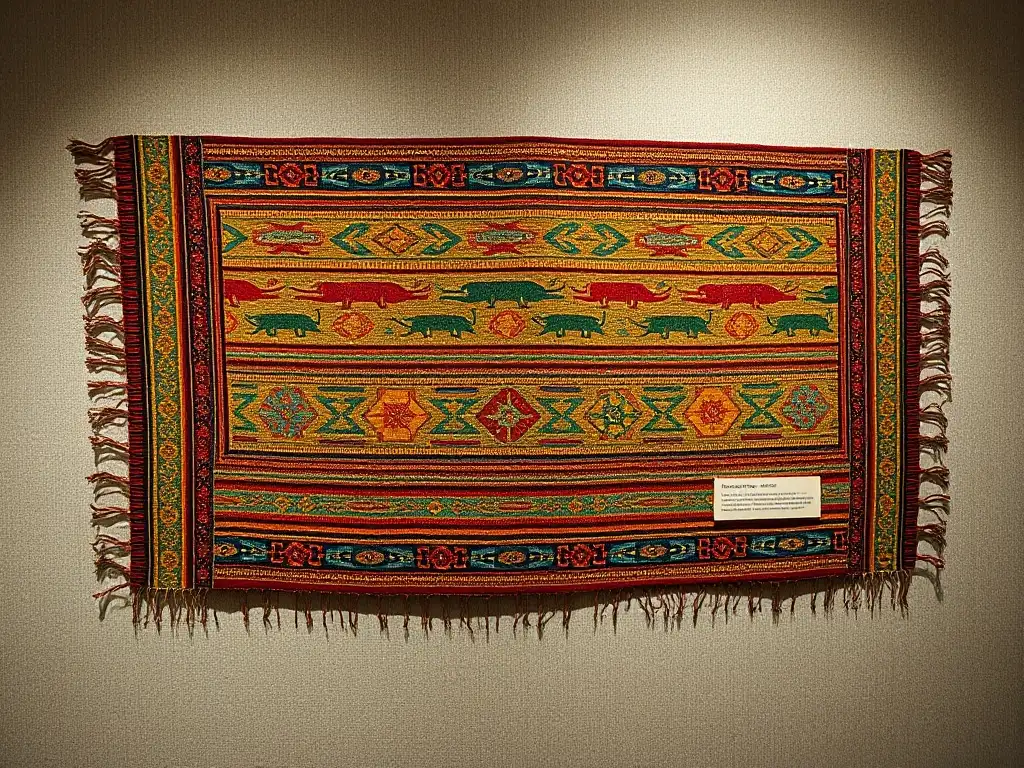
Unravel the mysteries woven into the very fabric of the Andes! Journey through the captivating world of ancient Andean civilizations, from the towering heights of the Inca Empire to the enigmatic artistry of the Nazca. But what secrets do the intricate Inca textile patterns hold? Discover the hidden meanings behind these vibrant designs and unlock a deeper understanding of Inca culture in our exploration of "The Language of Inca Patterns: Decoding Textile Motifs." Prepare to be amazed by the ingenuity and artistry of a lost world.
The Inca Empire, renowned for its sophisticated engineering and vast political reach, left behind a legacy far richer than stone structures and intricate road systems. Their textiles, vibrant tapestries woven with meticulous skill, serve as a powerful testament to their advanced artistic sensibilities and complex social structures.
This article delves into the fascinating world of Inca textile patterns, exploring how these seemingly simple motifs encoded intricate meanings, reflecting cosmology, social status, and even historical narratives. Understanding the language of Inca textile patterns offers a unique window into the minds and lives of these remarkable people, allowing us to decipher a silent story whispered across centuries.
We will explore the symbolism behind various motifs, the techniques used in their creation, and the significance of these textiles within Inca society, ultimately providing a comprehensive guide to understanding the meaning behind Inca textile patterns. This exploration will illuminate how these artifacts function not merely as beautiful objects, but as vital keys to unlocking a deeper understanding of Inca culture.
Unveiling the Symbolism: Common Inca Textile Motifs and their Meanings
Inca textiles are replete with recurring motifs, each carrying specific symbolic weight. These weren't randomly chosen designs; they were carefully selected and arranged to convey complex messages. For example, the khipu, although not strictly a textile pattern itself, offers insight into the Inca's symbolic system. Its intricate knotting system, which was used for record keeping, demonstrates the importance of precise arrangement and symbolic representation. Similarly, many textile patterns utilize representations of nature, animals, and abstract forms. Some common motifs include:
- Geometric Shapes: Squares, triangles, and diamonds frequently appear, potentially representing agricultural fields, celestial bodies, or abstract concepts related to Inca cosmology. The precise meaning often depended on the arrangement and combination of shapes within a larger design. Further research is needed to fully understand the nuances of these geometric representations. [Specific information pending on the precise interpretations of certain geometric patterns].
- Animal Representations: Animals like the condor, puma, and snake were often depicted, reflecting their importance in Inca mythology and worldview. These powerful creatures symbolized strength, royalty, and the forces of nature. The specific animal depicted, and its position within the overall design, likely held a unique significance. [Data needed on regional variations in animal representation and symbolism].
- Plant Motifs: Flowers, fruits, and other plant life were also common motifs, likely representing agricultural bounty, fertility, and the cyclical nature of life and death. Certain plants may have held particular religious or ceremonial significance, adding another layer of meaning to their depiction in textiles. [Further research needed on the specific meaning of different plant motifs].
Techniques and Materials: The Craft of Inca Textile Production
The remarkable quality and intricate detail of Inca textiles were a result of both advanced techniques and high-quality materials. Inca weavers employed a variety of techniques, including:
- Warp and Weft: The basic structure of the fabric involved carefully arranging warp threads (running lengthwise) and weft threads (running crosswise). The precise interweaving of these threads created a highly durable and aesthetically pleasing fabric.
- Supplementary Weft: This technique involved adding extra weft threads to create decorative patterns and designs. This allowed for the creation of complex and highly detailed motifs.
- Dyeing Techniques: Inca weavers utilized natural dyes derived from plants, minerals, and insects to create a vibrant range of colors. The production of these dyes was a skilled process in itself, and the colors obtained held symbolic significance. [Further research is needed on the specific dyes used and their symbolic meanings].
The materials used were also of high quality. Inca textiles were often made from fine alpaca and llama wool, chosen for their softness, warmth, and durability. The selection of materials, combined with the advanced weaving techniques, resulted in exceptionally high-quality textiles.
Inca textiles were not merely decorative items; they served as powerful indicators of social status and power. The complexity of the design, the quality of the materials, and the type of weaving techniques employed all contributed to determining the value and significance of a textile. Elite members of society wore textiles with the most intricate and elaborate designs, while those of lower social standing wore simpler garments.
Certain designs may have been reserved exclusively for the Inca royalty or members of the religious elite. [Further research is needed to fully understand the social hierarchy reflected in textile designs]. The use of textiles in ceremonial contexts further highlighted their social significance, with specific garments worn during religious festivals and other important events.
The careful preservation of certain textiles also points to their enduring value and importance within Inca society. The study of Inca textiles is therefore crucial not only for understanding their artistic achievements, but also for gaining insights into their complex social and political structures.
- Unveiling the Symbolism: Common Inca Textile Motifs and their Meanings
- Techniques and Materials: The Craft of Inca Textile Production
- Social Significance: Textiles as Indicators of Status and Power
Unraveling the Significance of Inca Textile Design
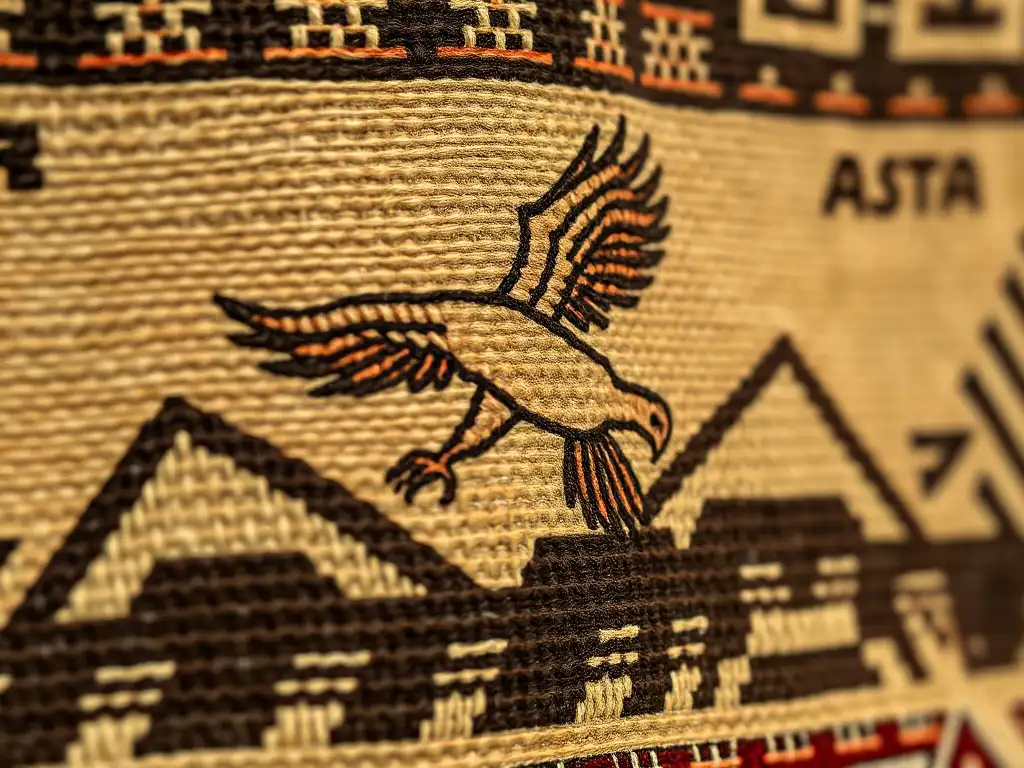
Inca textile patterns weren't merely decorative; they were a complex system of communication, conveying social status, religious beliefs, and historical narratives. Understanding the meaning behind these intricate designs offers a crucial window into the rich tapestry of Inca life and thought. This section delves into the symbolic language woven into these remarkable textiles, exploring how different motifs, colors, and techniques carried profound significance.
The study of Inca textile pattern meaning requires a multi-faceted approach, combining art historical analysis with anthropological insights and archaeological findings. By examining the surviving textiles, we can begin to decipher the messages encoded within their threads.
The Importance of Textiles in Inca Society
Textiles occupied a central role in Inca society, far exceeding their practical function as clothing and household items. They were vital components of religious ceremonies, used to adorn temples and idols, and served as offerings to the gods. The quality and intricacy of a textile often reflected the wearer's social standing. Elite individuals wore garments adorned with elaborate designs and rare materials, while commoners wore simpler, more utilitarian textiles.
This social stratification, clearly visible in the surviving textiles, is a testament to the sophisticated social hierarchy within the Inca Empire. The production and distribution of textiles were carefully controlled by the state, ensuring the continued production of high-quality items for the elite and the provision of adequate clothing for the general population. The Inca textile system was a powerful tool for social control and economic management.
Furthermore, the vibrant colors and complex designs frequently depicted mythological creatures, agricultural symbols, and celestial events. These visual narratives served as powerful reminders of Inca cosmology and worldview. The use of specific colors like red (associated with power and royalty) and yellow (linked to the sun god Inti) further adds layers of meaning to the patterns.
Inca Textile Production and Techniques
Inca textile production was a highly specialized craft, employing advanced techniques and intricate designs. The Inca people were masters of spinning, dyeing, and weaving, using a variety of fibers including alpaca, llama, vicuña, and cotton. The incredible fineness and softness of some Inca textiles are a testament to their technical proficiency. The use of multiple colors and intricate weaving techniques, such as brocade, tapestry, and embroidery, allowed for the creation of incredibly detailed and varied patterns.
Analysis of surviving textiles reveals a remarkable consistency in technique across vast geographical distances, suggesting a highly organized and centralized system of production. Evidence suggests that specialized workshops existed, producing textiles for the Inca elite and for religious purposes. These workshops likely employed skilled artisans who passed down their knowledge and techniques through generations. The process involved meticulous preparation of the fibers, careful dyeing using natural pigments, and precise weaving on backstrap looms or more complex vertical looms.
The intricate designs, often geometric but sometimes incorporating figurative elements, were meticulously planned and executed, reflecting the deep understanding and mastery of their craft. For example, the iconic stepped-pyramid motif, often seen in Inca textiles, likely symbolized the sacred mountains and the verticality of the Andean landscape. Further research into the specific techniques and tools employed by Inca weavers is needed to fully understand the complexity and artistry of their work. The surviving examples are a testament to the ingenuity and dedication of these skilled artisans.
Exploring the Rich Symbolism of Inca Textile Patterns
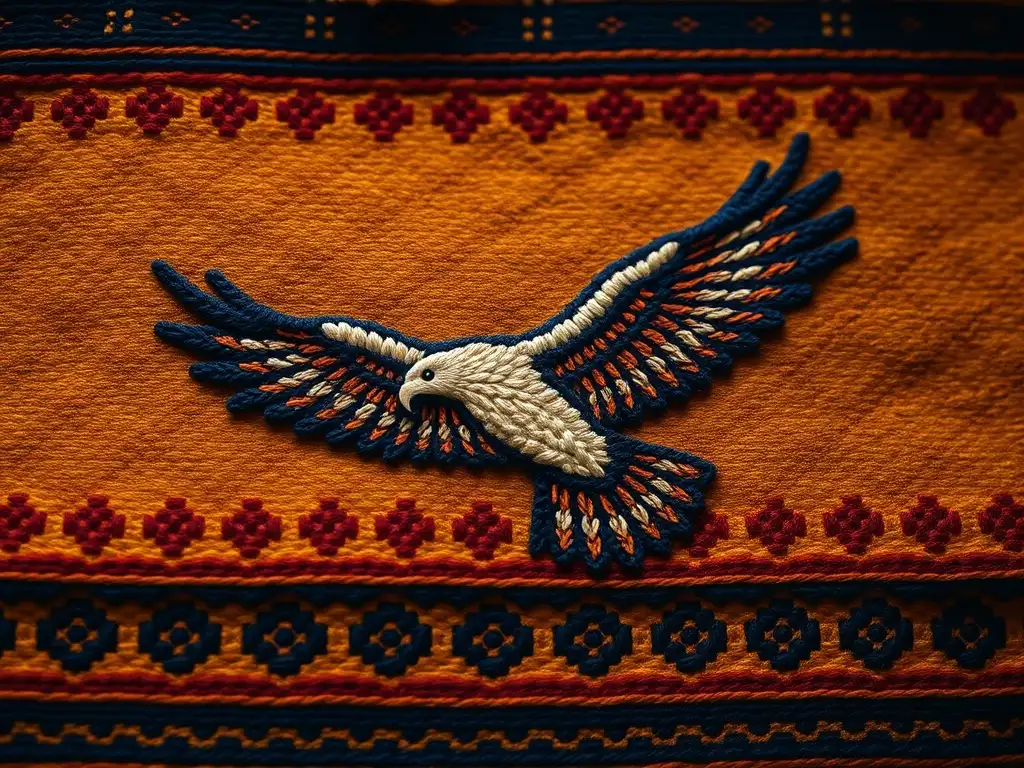
Inca textile patterns are far more than just aesthetically pleasing designs; they are a complex visual language reflecting the Inca worldview, social structure, and religious beliefs. Understanding these patterns provides invaluable insight into the intricacies of Inca society and their sophisticated understanding of the world around them. The intricate weaving techniques, combined with the symbolic power of the motifs, created textiles that were not merely functional garments or household items, but powerful statements of identity, status, and spiritual significance.
This section will delve into the rich symbolism embedded within these fascinating artifacts, exploring common motifs, color usage, and the significance of animal representations. Analyzing "Inca textile pattern meaning" requires a multi-faceted approach, considering the interplay of various elements within the overall design.
Common Motifs in Inca Weavings: Geometric Forms
Geometric patterns form a cornerstone of Inca textile design. These aren't merely random arrangements; they carry profound symbolic weight, often representing cosmological concepts or elements of Inca mythology. Repeating motifs like stepped frets, triangles, and zigzags frequently appear, echoing the Andean landscape's terraced agriculture and the mountain peaks that dominated their environment.
For example, the stepped fret motif, often seen in vibrant colors, is believed to symbolize the agricultural terraces ( andenes) that were crucial to Inca sustenance. The meticulous precision in their execution underscores the importance of agricultural productivity in their society. The triangle, a shape frequently found in Inca architecture and pottery, likely represented mountains – sacred entities in Inca cosmology – or perhaps even the duality inherent in their worldview (e.g., male/female, earth/sky).
Zigzags, on the other hand, could represent lightning, rivers, or even the paths of spirits traversing the sacred landscape. The consistent use of these forms across different textile types and regions underscores their cultural significance.
The complexity of these geometric patterns varies significantly. Some textiles feature simple, repetitive designs, while others showcase intricate, layered compositions of interwoven geometric shapes, demonstrating the high level of skill and artistry possessed by Inca weavers. This variation likely reflected the social status of the wearer or the ritual purpose of the textile.
Understanding the Meaning of Animal Representations in Inca Textiles
Animal representations in Inca textiles are equally rich in symbolism. Specific animals held particular significance within Inca culture, and their depiction on textiles often signified power, status, or a connection to the spiritual realm.
The puma, for instance, was a powerful symbol of royalty and strength, often associated with the Inca emperor himself. Depictions of pumas on textiles likely indicated high social standing or a connection to the ruling elite. Similarly, the condor, a majestic bird that soared high above the Andes, represented power, freedom, and the link between the earthly and celestial realms. Its depiction on textiles could signify a connection to the spiritual world or a desire for protection and guidance.
Other animals, such as snakes, frogs, and llamas, also appear frequently. Snakes, often depicted in coiled forms, could symbolize fertility or the life-giving waters of the Andes. Llamas, crucial to the Inca economy, represented wealth and prosperity. The meaning of these animal representations often depended on the context within the overall design and the combination of other symbolic elements. Further research is needed to fully elucidate the meaning of less common animal depictions found in Inca textiles. [Specific information pending on less common animal representations].
The Role of Colors in Inca Textile Symbolism
Color played a crucial role in Inca textile symbolism, adding another layer of meaning to the already complex visual language. The Incas carefully selected colors based on their symbolic associations, using natural dyes derived from plants and minerals. These dyes were not merely aesthetic choices; they conveyed specific messages, often related to spiritual beliefs, social status, or seasonal changes.
Red, for example, was often associated with blood, sacrifice, and power. It was frequently used in textiles associated with royalty or religious ceremonies. Yellow, on the other hand, was associated with the sun, gold, and royalty, further emphasizing the Inca’s reverence for the sun god, Inti. Other colors, like black, white, and various shades of brown and green, also carried specific meanings, often related to the earth, water, or agricultural cycles.
The precise meaning of color combinations is still being investigated. However, the careful selection and arrangement of colors in Inca textiles suggest a sophisticated understanding of color symbolism and its ability to convey complex messages. Further research into the chemical composition of the dyes used in different textiles could provide additional insights into the intended meaning of the color combinations. The meticulous attention to detail in both the patterns and the color choices emphasizes the profound symbolic significance embedded within Inca textiles.
Deciphering the Inca Textile Pattern Meaning
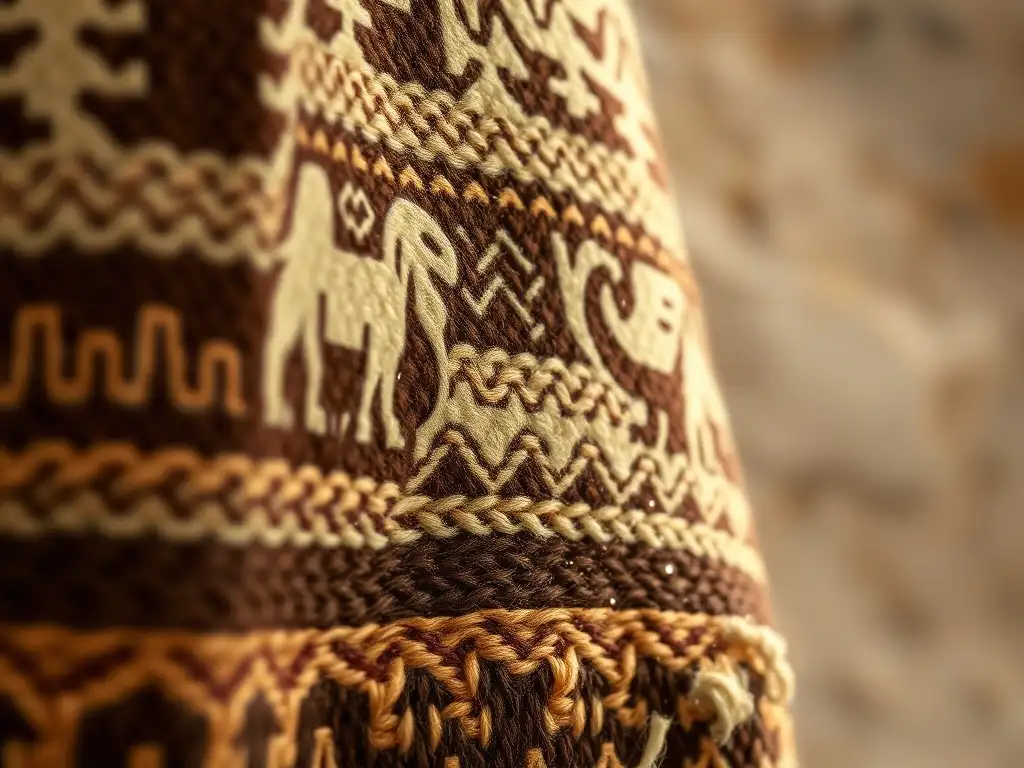
The vibrant and intricate textiles of the Inca Empire are more than just beautiful artifacts; they are rich repositories of information, reflecting the Inca worldview, social structure, and communication systems. Understanding the meaning embedded within these patterns requires careful examination of their iconography, the social context of their creation, and their role in Inca communication. This section delves into the fascinating world of Inca textile pattern meaning, revealing the complex narratives woven into each thread. The study of Inca textile pattern meaning offers a unique window into the beliefs and practices of this remarkable civilization.
Iconography and its connection to Inca Beliefs
Inca textile patterns are replete with symbolic iconography, deeply rooted in their cosmology and religious beliefs. Animals, such as the condor (representing the upper world), the puma (representing the earthly realm), and the snake (representing the underworld), frequently appear, often in stylized forms. These depictions weren't arbitrary; they conveyed specific meanings related to Inca mythology and their relationship with the natural world. For example, the repetition of a particular animal motif might symbolize a specific deity or a desired outcome, such as a successful harvest.
Furthermore, geometric patterns, such as spirals, zigzags, and stepped frets, also held significant religious meaning. These often represented the celestial bodies, the Andes mountains, or the cyclical nature of life and death. The precision and complexity of these geometric designs showcase the advanced mathematical and artistic skills of Inca weavers.
The use of specific colors also played a crucial role, with each color potentially holding its own symbolic weight, for instance, red often representing blood and sacrifice, while yellow symbolized the sun and royalty. Analyzing these interwoven elements – animal figures, geometric patterns, and color choices – allows researchers to begin deciphering the complex narratives embedded within these seemingly simple designs. Further research is needed to fully understand the nuances of each motif, and the precise meaning of specific color combinations, but ongoing analysis of surviving textiles is slowly revealing more about this rich symbolic language.
Inca society was highly stratified, and this social hierarchy was clearly reflected in their textiles. The quality of materials, the intricacy of the designs, and the techniques used in weaving all served as indicators of social standing. Elite individuals, such as the Sapa Inca and members of the nobility, wore garments made from the finest vicuña and alpaca wool, featuring elaborate designs and intricate techniques like tapestry weaving. These textiles served as powerful symbols of their status and authority.
| Textile Feature | Social Status Indication | Example |
|---|---|---|
| Fiber Type | Vicuña wool: Elite; Alpaca wool: Upper Class; Llama wool: Commoners | Vicuña textiles found in royal tombs |
| Weaving Technique | Tapestry weaving: Elite; Simple plain weave: Commoners | Intricate tapestry weavings in royal mantles |
| Design Complexity | Elaborate motifs: Elite; Simple motifs: Commoners | Detailed mythological scenes vs. simple stripes |
| Color Palette | Vibrant and varied colors: Elite; Limited palette: Commoners | Rich use of dyes vs. limited natural colors |
Conversely, commoners wore simpler garments made from coarser materials with less elaborate designs. The differences in textile quality and design served as visual markers of social hierarchy, reinforcing the Inca social structure. The careful study of these distinctions provides invaluable insight into the social dynamics of the Inca Empire, illuminating the power dynamics and social stratification within this complex society.
Inca Textiles as a Form of Communication
Inca textiles weren't merely decorative items or status symbols; they also functioned as a sophisticated form of non-verbal communication. Patterns and colors could convey messages, record historical events, or even transmit information across vast distances. Certain motifs might represent clan affiliations, lineages, or specific achievements. The use of khipu (a system of knotted strings) in conjunction with textiles further suggests a complex system of record-keeping and communication.
The intricate designs, often incorporating symbolic representations of animals, plants, and celestial bodies, communicated complex ideas and narratives. Think of them as visual stories, conveying information that might have been too difficult or impossible to transmit through other means. The enduring nature of textiles also ensured that these messages could be passed down through generations, maintaining a continuity of cultural knowledge and tradition.
Unfortunately, many of the specific meanings of these visual narratives are lost to time, but ongoing research continues to unravel the secrets held within these magnificent Inca textiles. The potential for further discoveries in this field is immense, with the possibility of uncovering even more intricate layers of meaning within the vibrant tapestry of Inca culture.
Analyzing Specific Examples of Inca Textile Patterns
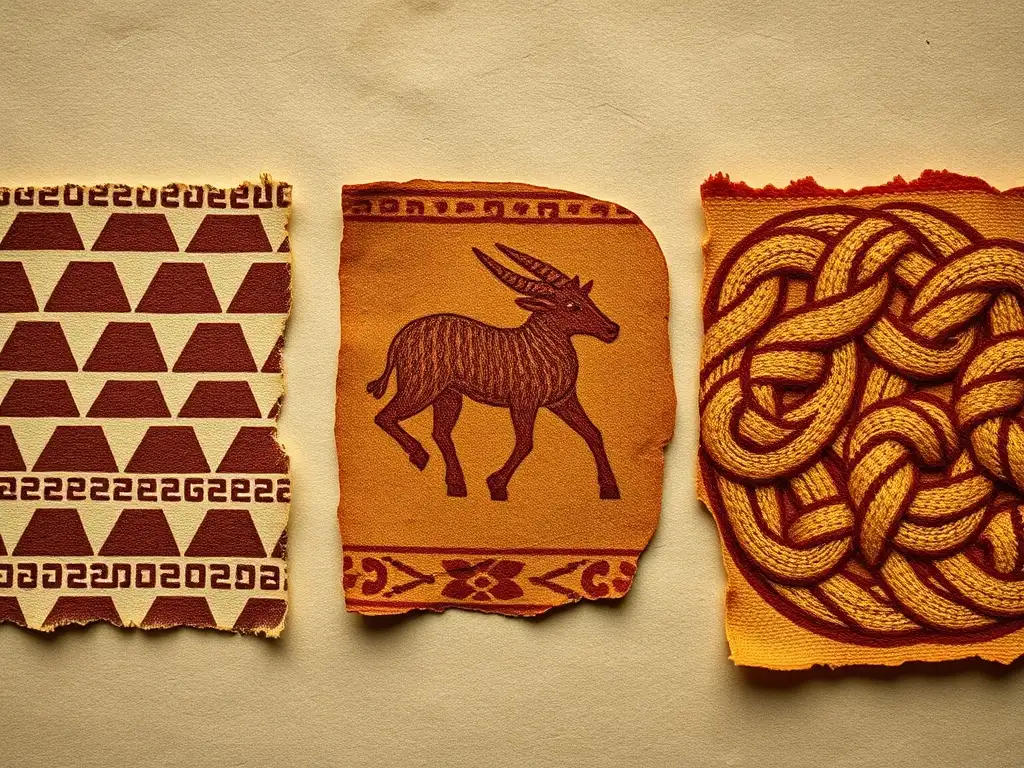
This section delves into the intricate world of Inca textile patterns, exploring the symbolic meaning embedded within their designs. Understanding these patterns offers a unique window into the Inca worldview, social structures, and beliefs. The analysis focuses on three recurring motifs – the t'oqapu, diamond shapes, and step-like designs – showcasing the diversity and complexity of Inca textile artistry. By examining these examples, we can gain a deeper appreciation for the artistry and cultural significance of Inca textile production, furthering our understanding of "Inca textile pattern meaning."
The Meaning of the T'oqapu in Inca Textiles
The t'oqapu (pronounced toh-kah-poo) is a particularly significant motif frequently found in Inca textiles. Often depicted as a stylized, stepped design, sometimes incorporating other elements, the t'oqapu transcends mere aesthetic appeal. Scholars believe it held deep symbolic meaning, possibly representing agricultural terraces or even the cosmos itself. The meticulous precision and vibrant colors used in its creation emphasize its importance within Inca society.
The size and placement of the t'oqapu within a textile could also indicate social status or rank. Larger, more elaborately designed t'oqapu might have adorned the clothing of elite members of society, while simpler versions were used in everyday textiles. Further research is needed to fully understand the nuances of its representation across various Inca textiles, and how the variations in design relate to their cultural context.
For instance, the incorporation of specific colors or additional elements within the t'oqapu may hold further symbolic significance, requiring a detailed analysis of individual artifacts. The study of these textiles offers invaluable insights into the "Inca textile pattern meaning." More detailed studies on the specific dyes and their sources would enrich our understanding.
Decoding Diamond Motifs in Inca Weavings
Diamond shapes, another prevalent motif in Inca textiles, frequently appear in various sizes and configurations. Unlike the potentially cosmological connotations of the t'oqapu, diamond patterns in Inca weaving often seem linked to concepts of fertility and abundance. This interpretation is supported by the frequent association of diamonds with agricultural themes and the cyclical nature of life, death, and rebirth.
The arrangement of the diamonds – whether they are tightly clustered or widely spaced – may also convey different meanings. For example, tightly packed diamonds might symbolize a bountiful harvest, while more dispersed patterns could represent the spread of life across the landscape. The color of the diamonds also plays a role, with specific hues potentially signifying different aspects of fertility or growth.
Further investigation into the specific color palettes and their regional variations would shed light on this aspect of "Inca textile pattern meaning." Detailed analysis of surviving textiles and their context is needed to fully unlock the secrets embedded within these geometric patterns. The use of specific fibers, such as alpaca or vicuña wool, might also be significant.
Examining the Significance of Step-like Designs
Step-like patterns, beyond the t'oqapu, are another recurring theme in Inca textile art. These designs, often composed of a series of horizontal or diagonal lines creating a staircase effect, are believed to represent various aspects of the Andean landscape, particularly agricultural terraces ( andenes). The andenes themselves were crucial to the Inca agricultural system, enabling them to cultivate crops on steep slopes. Therefore, the step-like patterns in textiles could be interpreted as a visual representation of their sophisticated agricultural techniques and their connection to the land.
Furthermore, the step-like designs might also symbolize social hierarchy, with the number of steps potentially reflecting a person's social status or position within the Inca society. A larger number of steps could indicate higher status. The precision and regularity of these designs highlight the Inca's mastery of weaving techniques and their deep connection to their environment.
This aspect of "Inca textile pattern meaning" requires further investigation into the correlation between the complexity of the step patterns and the social status of the individuals who wore the garments. A comparative analysis of different textiles from various Inca regions would be invaluable in understanding regional variations and their significance. The meticulous craftsmanship showcased in these designs underscores the cultural importance placed on textile production.
The Legacy of Inca Textile Patterns and Their Influence
The legacy of Inca textile patterns extends far beyond their historical context. These intricate designs, imbued with symbolic meaning and reflecting a sophisticated understanding of Andean aesthetics, continue to resonate deeply within Peruvian culture and beyond. Their enduring appeal lies not only in their visual complexity but also in the stories they tell – stories of cosmology, social structure, and everyday life within the Inca Empire.
Understanding the Inca textile pattern meaning requires a multi-faceted approach, considering the materials used, the techniques employed, and the specific motifs depicted. The vibrant colors, often derived from natural dyes, further enhanced the visual impact and symbolic significance of these textiles. From the simple yet elegant geometric patterns to the more complex zoomorphic and anthropomorphic representations, each element held a specific meaning, often deeply intertwined with Inca mythology and religious beliefs.
The meticulous craftsmanship and the enduring quality of these textiles are a testament to the skill and dedication of the Inca weavers, whose artistry continues to inspire awe and admiration. The study of these patterns provides invaluable insights into the worldview and cultural practices of the Inca civilization, enriching our understanding of this remarkable society.
Inca Textile Patterns in Contemporary Art and Design
Inca textile patterns have experienced a remarkable resurgence in contemporary art and design. Modern artists and designers draw inspiration from the ancient motifs, reinterpreting them in innovative and unexpected ways. This revival is not merely a stylistic trend; it represents a deeper engagement with the cultural heritage of the Andes.
We see Inca-inspired patterns appearing in everything from clothing and jewelry to home décor and graphic design. The use of traditional colors and techniques, combined with modern materials and technologies, creates a unique fusion of past and present. This contemporary application not only celebrates the beauty of Inca artistry but also ensures the preservation and dissemination of these important cultural elements.
For example, the use of khipu inspired knotting systems in modern jewelry designs showcases the enduring relevance of Inca technologies. This trend reflects a growing global appreciation for indigenous art and a recognition of the rich cultural heritage embedded within Inca textile patterns. Furthermore, the incorporation of Inca motifs into contemporary fashion demonstrates a powerful way to connect with a legacy of craftsmanship and cultural significance.
Preserving the Knowledge of Inca Textile Motifs
Preserving the knowledge of Inca textile motifs is a crucial undertaking, requiring a multi-pronged approach. The fragility of many surviving textiles necessitates careful conservation efforts, utilizing advanced techniques to prevent further deterioration. Additionally, documenting these patterns through high-resolution photography and digital archiving is essential for future research and study.
Furthermore, supporting and promoting the work of contemporary Andean weavers who continue the tradition of Inca weaving techniques is vital for the long-term preservation of this invaluable cultural heritage. Efforts to revive and revitalize traditional dyeing techniques, using natural pigments, are also crucial in maintaining the authenticity and vibrancy of these designs. These initiatives are not only crucial for safeguarding this unique cultural heritage but also serve to empower Andean communities by recognizing and supporting their invaluable contribution to the preservation of Inca textile traditions.
The accurate recording and analysis of Inca textile pattern meaning are also important for future generations. The ongoing research into Inca textile patterns provides valuable insights into the social, political, and religious structures of the Inca civilization.
Continuing the Tradition of Inca Weaving Techniques
The intricate weaving techniques employed by Inca artisans are a testament to their mastery of textile production. These techniques, passed down through generations, represent a remarkable continuity of cultural practice. The use of sophisticated spinning and dyeing methods, combined with complex weaving patterns, resulted in textiles of exceptional quality and beauty.
Contemporary Andean weavers continue to utilize and refine these ancient techniques, adapting them to modern contexts while maintaining their core essence. The preservation of these techniques is not merely a matter of historical significance; it also represents a vibrant and ongoing cultural practice. The continued production of textiles using traditional methods ensures the survival of this unique craft, providing economic opportunities for Andean communities and fostering a sense of cultural identity.
This continuity is vital for maintaining the authenticity and integrity of Inca textile patterns, ensuring that their symbolic meaning and cultural significance are understood and appreciated by future generations. The transmission of knowledge from experienced weavers to younger generations is paramount to the survival of this craft, ensuring that the Inca textile pattern meaning remains relevant and understood in the years to come.
Frequently Asked Questions
What is the significance of Inca textiles?
Inca textiles held immense cultural and religious significance. They were not merely clothing but also served as symbols of status, power, and identity, often incorporating intricate designs with specific meanings.
How were Inca textile patterns created?
Inca artisans used a variety of complex weaving techniques, including backstrap loom weaving, to create intricate patterns. They employed natural dyes from plants and minerals to achieve a wide range of vibrant colors.
What do common Inca textile motifs represent?
Common motifs, such as geometric shapes, animals, and stylized plants, often held symbolic meaning related to nature, mythology, and social hierarchy. Specific patterns could represent deities, ancestors, or important events.
Where can I learn more about the meaning of specific Inca textile patterns?
Further research into Inca iconography and textile analysis is recommended. Academic journals, museum collections, and books on Andean textiles offer detailed information on specific patterns and their interpretations.
Why is understanding Inca textile pattern meaning important?
Understanding these patterns provides invaluable insights into Inca beliefs, social structures, and artistic achievements. It allows us to connect with the rich cultural heritage of this remarkable civilization and appreciate the complexity of their artistic expression.
Final Reflection: Unraveling the Threads of Inca Legacy
The intricate textile patterns of the Inca civilization continue to speak volumes, not only about their rich history but also about our enduring fascination with the power of visual communication. These vibrant designs, far from being mere decoration, serve as a powerful testament to a sophisticated society that expressed its beliefs, values, and social structures through the art of weaving. Their enduring presence challenges us to reconsider the ways in which we interpret and understand the past.
The impact of Inca textile patterns extends far beyond the realm of archaeology; their influence resonates in contemporary art, fashion, and design. Their geometric precision and symbolic depth continue to inspire artists and designers, demonstrating the timeless appeal of these ancient motifs. The past is never dead. It's not even past.
– William Faulkner. This quote perfectly encapsulates the enduring relevance of Inca textiles, their stories woven into the fabric of our present. Their continued study allows us to appreciate the ingenuity and cultural richness of a civilization that, despite its demise, continues to leave an indelible mark on our world.
Consider the intricate detail, the symbolic weight, and the sheer artistry involved in each Inca textile. Now, consider how you might apply this understanding of meticulous craftsmanship and profound symbolism to your own life. What stories are you weaving into the fabric of your existence? What patterns are you creating, and what messages are they conveying? Take a moment to reflect on the power of visual communication and the lasting legacy of those who came before us. Let the vibrant threads of Inca history inspire you to create your own meaningful and enduring patterns.
Unveil the Richness of Inca Textiles!
Thank you for exploring the fascinating world of Inca textile motifs! Understanding the intricate patterns reveals a wealth of cultural significance and history. Now, let's put your knowledge to practical use.
Here are some ways to further connect with the vibrant legacy of Inca weaving:
- Visit a local museum or cultural center to examine authentic Inca textiles and learn from experts about their importance.
- Share your discoveries with friends and family; perhaps organize a discussion or gathering to explore the beauty and significance of Andean culture together.
- Consider trying your hand at creating your own textile design inspired by the motifs you've learned about! You might be surprised by your creative potential.
What aspect of Inca textile culture most captivates you, and how will you explore it further?