
Inca Textiles: Woven Stories of Power and Divinity

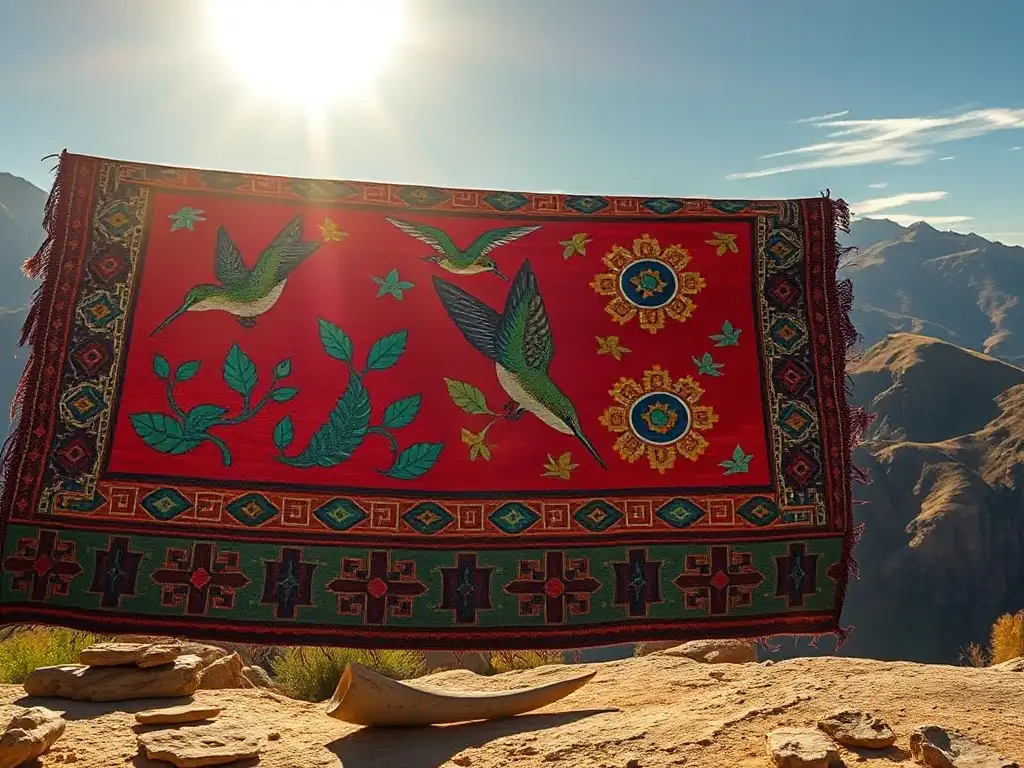
Step into a world lost to time, yet vividly preserved in thread. Imagine the intricate artistry of the Inca Empire, where textiles weren't just clothing, but powerful symbols of status, spirituality, and storytelling. Discover the secrets woven into the very fabric of their existence—unravel the mysteries of Inca textiles history and meaning and embark on a journey through a legacy of unparalleled craftsmanship. Are you ready to explore?
The Inca Empire, a civilization that flourished in the Andes Mountains from the 15th to the 16th centuries, left behind a remarkable legacy. Beyond their impressive architectural feats like Machu Picchu and their sophisticated administrative systems, the Inca also possessed a mastery of textile arts that continues to fascinate and inspire. This article delves into the rich history and symbolism embedded within Inca textiles, exploring how these intricate woven fabrics served as powerful expressions of social status, religious beliefs, and imperial authority.
We will examine the materials, techniques, and symbolic meanings woven into these extraordinary pieces, providing insight into the Inca worldview and their unparalleled artistic achievements. Understanding Inca textiles offers a unique window into the heart of this magnificent civilization, revealing the intricate connections between their art, their society, and their deeply held spiritual beliefs. This exploration will cover the significance of Inca textiles in Andean culture, the production methods employed, and the symbolic meaning imbued in the vibrant colors and intricate designs.
By examining the available evidence, we aim to unravel the stories woven into each thread, revealing the remarkable artistry and cultural significance of Inca textiles. This deep dive into Inca textiles history and meaning will showcase the profound impact these creations had on the Inca Empire and its enduring legacy.
The Significance of Inca Textiles in Andean Culture
Inca textiles were far more than mere clothing or decorative items; they were integral to the social, political, and religious fabric of Andean society. Textiles held profound symbolic meaning, reflecting an individual's social standing, clan affiliation, and even their relationship to the Inca gods. Elaborately woven garments and textiles were often reserved for the elite, including the Sapa Inca (emperor) and members of the royal family.
These garments, adorned with intricate designs and vibrant colors, served as powerful symbols of authority and prestige. The use of specific colors, patterns, and fibers communicated complex messages, indicating the wearer's role within the social hierarchy and their connection to the divine. For example, particular designs might represent specific deities or significant events in Inca history, while the choice of fiber could denote the wearer's proximity to power.
Furthermore, textiles played a vital role in religious ceremonies and rituals, with finely crafted textiles used in offerings to the gods and as adornments for sacred objects. The production and distribution of textiles were carefully controlled by the Inca state, highlighting their importance within the empire's economic and social structure. The intricate craftsmanship and symbolic richness of Inca textiles demonstrate their profound cultural significance and their role as powerful communicators of Andean beliefs and values.
Inca Textile Production: Materials and Techniques
The creation of Inca textiles was a complex and highly skilled process, involving a combination of carefully selected materials and sophisticated weaving techniques. The exceptional quality and artistry of Inca textiles are a testament to the ingenuity and expertise of Andean weavers.
Andean Fibers: Alpaca, Vicuña, and Cotton
Inca weavers utilized a variety of high-quality fibers, each with its unique properties and symbolic significance. Alpaca and vicuña, both camelid fibers native to the Andes, were particularly prized for their softness, warmth, and lustrous sheen. Alpaca fiber, readily available, was used extensively in the production of textiles for various social classes. Vicuña, however, was incredibly soft and luxurious, reserved primarily for the elite.
Cotton, cultivated in warmer regions of the empire, provided a lighter and more breathable option, often used in warmer climates. The careful selection of fibers reflected both the practical needs and the social status of the intended wearer. The quality of the fiber, and thus the textile, directly correlated with the wearer's place in Inca society. The choice of fiber itself communicated a subtle yet significant message.
Weaving Techniques: Backstrap Looms and Tapestry Weaving
Inca weavers employed sophisticated techniques to create their intricate textiles. The backstrap loom, a portable and versatile device, was the primary tool used for weaving. This loom allowed for the creation of a wide variety of textiles, from simple cloths to complex tapestries. The backstrap loom's portability allowed weavers to work in various locations, enabling the production of textiles throughout the empire.
In addition to backstrap weaving, Inca artisans also mastered tapestry weaving, a technique that involved interweaving different colored yarns to create intricate designs and patterns. This complex technique required a high level of skill and precision, resulting in textiles of exceptional quality and beauty. These sophisticated techniques, combined with the use of high-quality fibers, contributed to the enduring legacy of Inca textiles. The mastery of these techniques showcases the advanced technological capabilities of Inca society.
Inca Dyes and Color Symbolism: Cochineal, Indigo, and Mineral Pigments
The vibrant colors of Inca textiles were achieved through the use of natural dyes derived from plants, insects, and minerals. Cochineal, a scale insect, produced a rich crimson dye, highly valued and often associated with royalty and divinity. Indigo, a plant-based dye, yielded various shades of blue, while mineral pigments, such as ochre and malachite, provided earthy tones. The use of specific colors held significant symbolic meaning within Inca culture.
For example, red was often associated with power and divinity, while yellow represented gold and the sun. The careful selection and combination of colors further enhanced the symbolic message conveyed by the textile. The intricate knowledge of dyeing techniques and the symbolic meanings associated with specific colors highlight the sophisticated understanding of color and its cultural significance within Inca society. The vibrant and enduring colors of Inca textiles are a testament to the ingenuity and artistry of Andean dyers.
Inca Textile Patterns and Designs: Decoding the Visual Language
Inca textile patterns and designs weren't merely decorative; they were a sophisticated visual language conveying complex social, political, and religious messages. The intricate weaving techniques, combined with symbolic motifs, created textiles that served as powerful indicators of status, lineage, and even historical events. Scholars continue to decipher these visual narratives, uncovering new insights into Inca society with each newly discovered artifact.
The vibrant colors, often derived from natural dyes like cochineal (producing crimson) and various plants (yielding yellows, browns, and greens), further enhanced the expressive power of the textiles. The precision and skill involved in creating these designs highlight the high level of craftsmanship within Inca society. Master weavers held esteemed positions, their expertise contributing significantly to the Inca's cultural identity.
Geometric Motifs in Inca Textiles: Checkerboards, Diamonds, and Step Fret
Geometric motifs, such as checkerboards, diamonds, and step frets, frequently appear in Inca textiles. These seemingly simple patterns held deep symbolic meaning. Checkerboards, for example, might represent duality, the balance between opposing forces, or the structured organization of Inca society. Diamonds, with their sharp angles and symmetrical forms, could symbolize strength, stability, and the enduring power of the Inca empire.
The step fret pattern, reminiscent of Andean mountain ranges, likely held cosmological significance, connecting the textiles to the sacred landscape and the Inca worldview. The variations in size, color, and arrangement of these geometric patterns further enriched their symbolic complexity, allowing for nuanced communication. Careful analysis of these patterns provides crucial clues in understanding Inca cosmology and social structures.
Animal and Human Representations: Felines, Birds, and Royal Figures
Beyond geometric designs, Inca textiles frequently featured depictions of animals and humans. Felines, particularly pumas, held significant symbolic importance, often representing power, nobility, and connection to the supernatural realm. Birds, such as condors, symbolized high altitudes, celestial connections, and royal authority. Depictions of human figures, often stylized and in ceremonial attire, likely represented important figures within Inca society, including rulers, priests, and ancestors.
These representations were not merely portraits; they were powerful statements of identity and social status. The level of detail and the stylistic choices in these representations reveal much about Inca artistic conventions and their understanding of the world around them. The use of specific colors and the positions of the figures within the textile's overall design also contributed to the narrative.
The Meaning of Tocapus in Inca Textiles: Clan Affiliation and Royal Lineage
Tocapus, distinctive decorative elements frequently incorporated into Inca textiles, played a vital role in identifying clan affiliation and royal lineage. These symbolic motifs, often intricate and highly stylized, acted as visual markers, distinguishing different groups within Inca society. The specific tocapus used on a textile indicated the wearer's family, their social standing, and their place within the complex Inca social hierarchy.
The use of tocapus in royal textiles, in particular, served to reinforce the legitimacy and authority of the Inca rulers. The inheritance and careful preservation of these specific tocapus across generations provided a visual record of lineage and kinship, demonstrating the significance of family history within Inca culture. Research on tocapus continues to unravel the intricacies of Inca kinship systems.
Inca Textiles as Symbols of Power and Status
Inca textiles served as potent symbols of power and status, reflecting the wearer's position within the intricate social hierarchy. The quality of the materials, the complexity of the designs, and the techniques employed all contributed to a textile's social significance. Fine cottons, alpaca, and vicuña wools, along with intricate weaving techniques, were reserved for the elite, signifying their high social standing.
The use of specific colors and patterns further reinforced the wearer's status. For example, certain colors might be associated with royalty or religious figures, while others were reserved for specific social groups. The distribution and control of these high-quality textiles were carefully managed by the Inca state, ensuring that the symbols of power remained within the hands of the elite.
Royal Inca Textiles: Cumbi Cloth and Fine Tapestries
Royal Inca textiles, such as the renowned cumbi cloth and fine tapestries, represented the pinnacle of Inca weaving artistry. Cumbi, a luxurious fabric characterized by its exceptional softness and fine weave, was reserved exclusively for the Inca royalty and high-ranking officials. These textiles often featured elaborate designs, incorporating both geometric motifs and representations of royal figures and sacred animals.
Fine tapestries, meticulously woven with intricate patterns and vibrant colors, were used for ceremonial purposes and adorned the palaces and temples of the Inca elite. The creation of these magnificent textiles required immense skill and time, highlighting the importance placed on craftsmanship and artistry within the Inca court. The possession of such textiles served as a visual affirmation of royal power and divine legitimacy.
Textiles as Tribute: Mit'a Labor and Economic Control
Textiles also played a crucial role in the Inca economic system, serving as a form of tribute collected through the mit'a labor system. Communities were required to contribute textiles as a form of tax, providing the Inca state with valuable resources and reinforcing its control over the empire. The quantity and quality of the textiles demanded reflected the community's productivity and its position within the imperial structure.
This system of tribute not only provided the Inca with essential goods but also served to maintain social order and economic stability. The control over textile production and distribution was a key element in the Inca's centralized administrative system. The types of textiles demanded often reflected the needs of the imperial court and the state's overall economic strategy.
The Social Hierarchy Reflected in Inca Clothing: Tunics and Llicllas
The intricate social hierarchy of the Inca Empire was clearly reflected in the clothing worn by its people. The type of textile used, the style of garment, and the embellishments employed all served as visual markers of social status. Tunics, for example, varied in quality and decoration depending on the wearer's rank. Elite individuals wore tunics made from fine cottons and vicuña wool, often adorned with elaborate designs and symbolic motifs.
The lliclla, a type of shawl, also reflected social standing; those of higher status wore llicllas made from finer materials and featuring more intricate designs. The careful regulation of clothing styles ensured that the social hierarchy was clearly visible, reinforcing the Inca's centralized authority and social order. Even the colors used in clothing held social significance, with certain colors reserved for specific social groups or occasions.
Inca Textiles and Religious Beliefs
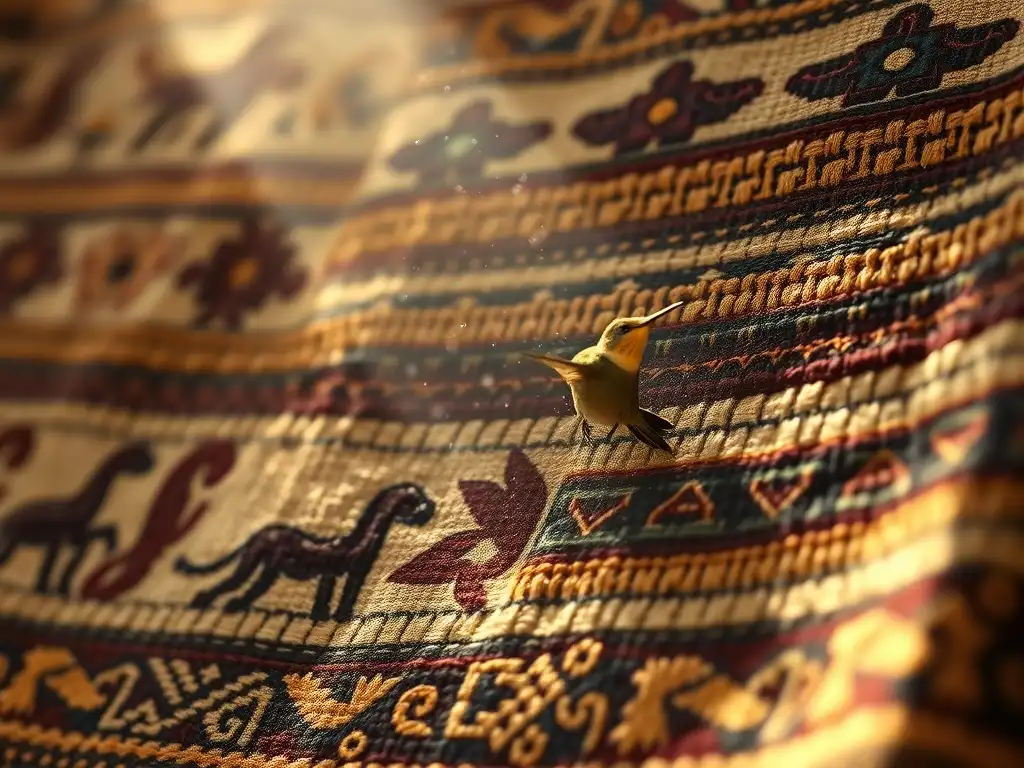
Inca textiles were deeply intertwined with religious beliefs, forming a crucial aspect of their spiritual worldview. The intricate designs, vibrant colors, and the very act of weaving itself were imbued with symbolic meaning, reflecting the Inca's profound connection to the cosmos and their deities. Textiles weren't merely clothing; they were powerful mediums through which the Inca expressed their reverence for the spiritual realm and their own social standing.
The creation of textiles was often viewed as a sacred act, performed with meticulous care and attention to detail, reflecting the spiritual devotion embedded within the practice. The use of specific materials, like alpaca or vicuña wool, also held symbolic weight, further enhancing the spiritual significance of the finished product. The Inca believed that their skilled artisans were blessed with divine inspiration, allowing them to create textiles worthy of the gods.
Textiles in Inca Rituals and Ceremonies: Burial Shrouds and Sacred Wrappings
Textiles played a vital role in Inca rituals and ceremonies. Burial shrouds, for instance, were not simply garments to cover the deceased; they were elaborate, richly decorated textiles that reflected the social status and spiritual significance of the individual. The intricacy and quality of the shroud were directly proportional to the deceased's importance within Inca society. Similarly, sacred objects and mummies were often wrapped in fine textiles, further emphasizing their sanctity.
These wrappings weren't merely for protection; they were part of the ritual process, acting as a conduit between the physical and spiritual worlds. The use of specific colors and motifs within these textiles served to reinforce the spiritual context of the ritual, strengthening the connection between the living and the deceased. Archaeological evidence supports this, with numerous examples of exquisitely preserved burial shrouds and sacred wrappings unearthed across the Andean region.
Textiles as Offerings: Cloth Burnings and Dedications to Deities
In addition to their use in rituals and burials, Inca textiles were also used as offerings to the deities. Cloth burnings were a common practice, with finely woven textiles offered to appease or honor the gods. These offerings were seen as a way to communicate with the spiritual realm and gain favor from the powerful deities that governed the Inca world. The burning of the textiles was not merely a destructive act; it was a symbolic transformation, releasing the spiritual essence of the cloth into the cosmos. Furthermore, textiles were dedicated to specific deities, with particular colors and patterns associated with each god or goddess. This practice reflects the deeply interconnected nature of Inca religion and textile production, with the creation and offering of textiles forming a significant component of their spiritual life. The choice of materials and the complexity of the design further emphasized the significance of the offering.
Spiritual Significance of Colors and Patterns in Inca Art: Associations with the Cosmos
The colors and patterns in Inca textiles held profound spiritual significance, often reflecting the Inca's understanding of the cosmos and their relationship with the natural world. Specific colors were associated with particular deities or natural elements. For example, red might represent the sun god Inti, while yellow could symbolize the earth. Similarly, geometric patterns often symbolized celestial bodies or agricultural cycles, reflecting the Inca's deep connection to their environment.
The intricate designs weren't merely decorative; they were visual representations of their worldview, conveying complex spiritual narratives. The use of these symbols in textiles served to reinforce the Inca's belief system, connecting the everyday with the divine. Understanding these symbolic associations provides crucial insights into the Inca worldview and the spiritual significance of their textile production.
Preserving Inca Textile Heritage: Archaeological Discoveries
The preservation of Inca textile heritage relies heavily on archaeological discoveries. The harsh Andean environment presents significant challenges, yet remarkably well-preserved textiles have been found, offering invaluable insights into Inca culture and technology. These discoveries allow researchers to study the techniques, materials, and designs employed by Inca weavers, providing crucial information about their artistic skills and spiritual beliefs. The careful excavation and subsequent preservation of these artifacts are essential to understanding the rich tapestry of Inca civilization. These discoveries continue to shape our understanding of Inca history, providing tangible evidence of their complex society and artistic achievements.
Textile Preservation in the Andean Environment: Dry Climates and Burial Practices
The arid climate of the Andes Mountains has played a crucial role in preserving Inca textiles. The dry conditions have inhibited the growth of microorganisms that typically cause decay, leading to the remarkable survival of many textiles for centuries. Furthermore, Inca burial practices, often involving the placement of textiles in dry tombs or caves, have further contributed to their exceptional preservation.
These practices, combined with the use of durable materials like alpaca and vicuña wool, have resulted in the survival of numerous examples of Inca textile artistry, providing invaluable resources for modern researchers. Studying these well-preserved textiles allows scientists to learn about ancient dyeing techniques, weaving styles, and the social and religious significance of textile production.
Insights from Archaeological Finds: Paracas Necropolis and Coricancha Temple
Archaeological sites like the Paracas Necropolis and the Coricancha Temple have yielded exceptional examples of preserved Inca textiles. The Paracas Necropolis, while predating the Inca, provides a glimpse into the earlier textile traditions that influenced Inca weaving. The intricacy and sophistication of the Paracas textiles highlight the long history of textile production in the Andes and provide a context for understanding the later Inca achievements.
The Coricancha Temple, the Inca's main religious center, has also yielded significant textile finds, further underscoring the religious significance of textiles in Inca society. These findings demonstrate the importance of textiles in both funerary practices and religious ceremonies, providing concrete evidence of their integral role in Inca life. Continued research at these and other sites promises to reveal even more about the history and meaning of Inca textiles.
The Legacy of Inca Weaving Today
The legacy of Inca weaving continues to thrive today. Contemporary Andean communities maintain traditional weaving techniques, perpetuating a rich artistic heritage that stretches back centuries. These communities utilize ancient patterns and designs, often incorporating modern interpretations while preserving the essence of Inca textile tradition.
This living legacy serves as a powerful testament to the enduring influence of Inca culture and the importance of preserving traditional arts and crafts. The continued practice of Inca-inspired weaving not only preserves cultural heritage but also provides economic opportunities for many Andean communities, ensuring the continuation of this significant artistic tradition for generations to come. The vibrant colors and intricate designs of modern Inca-inspired textiles are a testament to the enduring power and beauty of this ancient art form.
The Enduring Legacy of Inca Textiles: Influence on Modern Art
Inca textile designs, with their vibrant colors, intricate patterns, and symbolic richness, continue to inspire artists and designers centuries later. The legacy of Inca weaving is not merely historical; it's a living tradition that permeates contemporary artistic expression. The bold geometric shapes, the use of natural dyes, and the sophisticated techniques employed by Inca artisans are all readily apparent in various modern art forms.
This influence is seen not only in high-fashion design but also in everyday textiles, demonstrating the enduring power and aesthetic appeal of Inca artistry. The revival of traditional Andean techniques, often coupled with modern materials and interpretations, creates a unique dialogue between past and present. This fusion demonstrates the timelessness and adaptability of Inca textile designs.
Contemporary artists often reinterpret traditional Inca motifs, incorporating them into modern canvases, sculptures, and installations, enriching the contemporary art landscape with a vibrant heritage. The intricate interplay of colors and patterns, originally imbued with profound symbolic meaning, now serves as a potent source of inspiration for exploring themes of identity, cultural heritage, and artistic innovation.
Inca Textile Designs in Contemporary Art: Geometric Patterns in Modern Textiles
Geometric patterns are a defining characteristic of Inca textiles. These patterns, often composed of repeating motifs like zigzags, triangles, and stepped designs, weren't merely decorative; they held significant cultural and religious meanings. In contemporary art, these geometric forms continue to resonate, finding their way into various applications. Modern fashion designers frequently incorporate Inca-inspired geometric patterns into clothing and accessories.
We see these patterns on everything from sweaters and scarves to dresses and handbags. The use of vibrant, naturally-derived colors further enhances the connection to the Inca heritage. Furthermore, contemporary textile artists often create works that directly engage with Inca geometric patterns, reinterpreting them through modern lenses.
This can involve the use of unconventional materials, the exploration of new weaving techniques, or the reimagining of traditional motifs within a contemporary context. These modern interpretations often explore themes of cultural appropriation and the complexities of representing a historical culture in a contemporary setting. The enduring appeal of these designs lies in their inherent visual dynamism and their ability to transcend time and cultural boundaries.
The Importance of Inca Textile History and Meaning in Cultural Studies
The study of Inca textiles offers invaluable insights into the social, political, and religious structures of the Inca Empire. The intricate designs, the choice of materials, and even the techniques used in weaving reveal a great deal about Inca society. Cultural studies scholars analyze these textiles to understand the power dynamics within the empire, the role of women in Inca society (weaving was primarily a female activity), and the importance of religious beliefs.
The symbolism embedded within the patterns provides clues to Inca cosmology, mythology, and social hierarchies. For example, the presence of specific animal or plant motifs might indicate a connection to specific deities or social groups. Analyzing the distribution of textiles across different regions of the empire can help researchers understand trade routes and economic systems.
Therefore, Inca textile history and meaning are not simply aesthetic considerations; they are crucial components of understanding the complexity and richness of Inca culture. These studies provide a deeper understanding of the Inca worldview and their sophisticated social organization. The textiles serve as tangible representations of their beliefs, values, and social structures.
Understanding Inca Culture Through their Woven Art
Inca textiles are more than just beautiful objects; they are powerful artifacts that offer a window into the rich tapestry of Inca culture. By meticulously studying the techniques, materials, and designs used in Inca weaving, researchers can gain valuable insights into various aspects of Inca life. The choice of fibers, such as alpaca or vicuña wool, reflects the Inca's mastery of animal husbandry and their understanding of the natural world.
The intricate weaving techniques, some of which are still practiced today, demonstrate a high level of skill and artistry. The vibrant colors, often derived from natural sources, speak to the Inca's deep connection to their environment and their sophisticated knowledge of plant-based dyes. Moreover, the symbolic representations woven into the textiles provide insights into their religious beliefs, social structures, and political systems.
By examining the motifs, patterns, and colors, researchers can decipher narratives, identify social status, and trace the evolution of Inca artistic expression over time. The study of Inca textiles thus provides an unparalleled opportunity to understand and appreciate the richness and complexity of this remarkable civilization. The textiles serve as a tangible link to the past, offering a profound and multifaceted understanding of Inca culture.
- The Significance of Inca Textiles in Andean Culture
- Inca Textile Production: Materials and Techniques
- Inca Textile Patterns and Designs: Decoding the Visual Language
- Inca Textiles as Symbols of Power and Status
- Inca Textiles and Religious Beliefs
- Preserving Inca Textile Heritage: Archaeological Discoveries
- The Enduring Legacy of Inca Textiles: Influence on Modern Art
Frequently Asked Questions
What makes Inca textiles so unique?
Inca textiles were incredibly complex and sophisticated, utilizing a wide range of vibrant natural dyes and intricate weaving techniques. Their designs often held deep symbolic meaning, reflecting social status and religious beliefs.
What materials did the Inca use for their textiles?
Inca textiles were primarily made from alpaca and llama wool, renowned for their softness and warmth. Cotton was also used, particularly in warmer regions. The quality of the materials reflected the status of the wearer.
What were the common designs and symbols found in Inca textiles?
Inca textile designs frequently incorporated geometric patterns, zoomorphic motifs (animals), and anthropomorphic figures (humans). These symbols often represented deities, ancestors, and cosmological concepts.
What was the role of textiles in Inca society?
Textiles played a vital role in Inca society, serving as indicators of social status, religious objects, and forms of currency. Clothing and textiles were used in ceremonies and rituals.
How has our understanding of Inca textiles evolved over time?
Archaeological discoveries and advanced textile analysis have significantly enhanced our understanding of Inca textile production, techniques, and their cultural significance. New research continues to reveal the complexity and artistry of Inca textiles.
Final Reflection: Unraveling the Enduring Legacy of Inca Textiles
The vibrant threads of Inca textile artistry continue to resonate today, a testament to the ingenuity and spiritual depth of a civilization lost to time. Their intricate designs, far from mere decoration, served as powerful symbols of social status, religious belief, and a profound connection to the Andean landscape. These weren't simply clothes; they were living narratives, woven into the very fabric of Inca society.
The enduring influence of Inca textiles is undeniable, shaping not only our understanding of pre-Columbian history but also inspiring contemporary artists and designers. Their sophisticated techniques and symbolic imagery continue to fascinate and inspire, reminding us of the rich tapestry of human creativity and the power of art to transcend generations. The past is never dead. It's not even past.
– William Faulkner. This quote perfectly encapsulates the enduring relevance of Inca textiles, their stories echoing across centuries, enriching our present understanding and shaping our future perspectives.
Consider the intricate detail, the vibrant colors, the stories whispered in each thread. Let the legacy of Inca textiles inspire you to appreciate the artistry and cultural significance embedded in the objects around you. Take a moment to reflect on the stories that surround you, the narratives woven into the fabric of your own life, and how you, too, can contribute to the rich tapestry of human experience. Let the threads of the past inform and inspire the designs of your future.
Unveil the Rich Tapestry of Inca Heritage!
Thank you for exploring the fascinating world of Inca textiles with us! These woven masterpieces are truly remarkable, carrying deep stories of power and divinity. Now, let's deepen your connection and explore further.
- Visit local museums and exhibitions: Immerse yourself in the artistry of Andean crafts firsthand.
- Share your newfound appreciation: Inspire friends and family to discover the beauty and history of Inca textiles.
- Join our vibrant community: Connect with fellow enthusiasts through online forums and workshops dedicated to textile arts.
What will you discover about the power and beauty of Inca textiles?