
The Invisible Thread: How Oral Tradition Binds Andean Communities Together

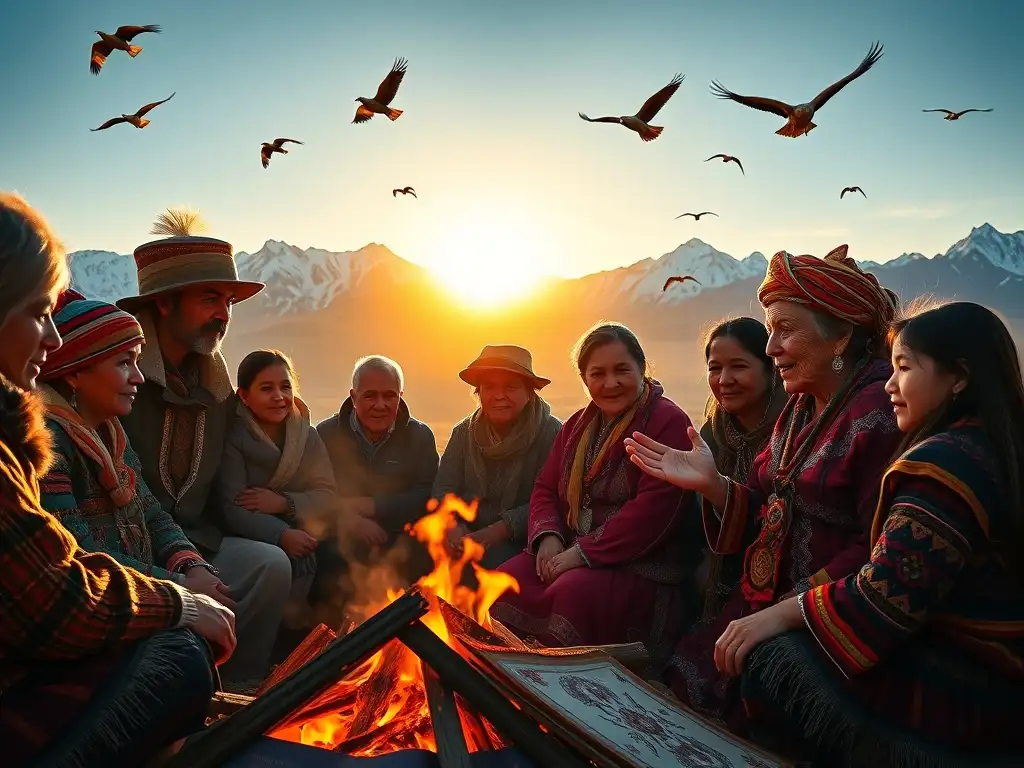
Step into a world lost in time, yet echoing in the present. For centuries, the Andes Mountains have whispered secrets, passed down through generations not in stone, but in the vibrant tapestry of Andean oral tradition history. Discover how this invisible thread connects the Incas, Moche, Nazca, and Tiahuanaco, and unravel the enduring legacy of their rich cultures. Prepare to be captivated by the stories woven into the very fabric of Andean life – a journey awaits.
The Andes Mountains, a spine of towering peaks running down the western coast of South America, are more than just a geographical feature; they are the cradle of vibrant and enduring cultures. For millennia, Andean communities have woven a rich tapestry of life, bound together not only by shared geography but also by an invisible thread – oral tradition.
This powerful force, passed down through generations, shapes identity, preserves history, and guides daily life in ways unimaginable in many other cultures. This article delves into the profound significance of Andean oral tradition, exploring its historical role, its diverse forms, and its continued relevance in the modern world.
We'll examine how this dynamic system of storytelling, song, and ritual has preserved knowledge and fostered community resilience amidst dramatic societal shifts and environmental challenges, making it a key element in understanding the complex history of Andean civilizations, including the Incas, Moche, Nazca, and Tiahuanaco. Understanding Andean oral tradition history is crucial to appreciating the enduring spirit of these remarkable societies.
The Historical Roots of Andean Oral Tradition
Andean oral tradition isn't a monolithic entity; rather, it's a multifaceted system reflecting the diverse landscapes and cultures of the region. Long before the advent of writing systems, oral narratives served as the primary means of transmitting knowledge, history, and cultural values. These weren't simply idle tales; they were meticulously crafted and carefully preserved, often incorporating mnemonic devices, songs, and rituals to ensure accuracy and memorability across generations.
Archaeological evidence, alongside ethnographic studies, suggests that sophisticated systems of knowledge transmission existed within various Andean societies, including complex mythological cycles, detailed genealogies of ruling lineages, and practical knowledge related to agriculture, medicine, and astronomy. The precise origins are difficult to pinpoint, however, evidence suggests a long and continuous development, spanning millennia. We know, for example, that the Inca empire, while possessing a rudimentary writing system (quipus), heavily relied on oral tradition for governance, law, and the transmission of historical accounts.
Diverse Forms of Oral Transmission
The richness of Andean oral tradition lies in its diversity. It's not limited to simple storytelling; it encompasses a vast array of forms, each with its own unique function and aesthetic qualities.
- Narratives (Willka): These encompass myths, legends, and historical accounts, often featuring powerful deities, ancestral heroes, and cautionary tales. These stories are not simply entertainment; they serve to transmit moral values, explain natural phenomena, and reinforce social structures.
- Songs (Harawi): Music plays a vital role in Andean culture, with songs serving as powerful vehicles for storytelling, expressing emotions, and preserving historical memories. Different styles of songs are associated with specific regions, occasions, and social groups.
- Rituals (Pachamama): Rituals, often involving offerings to the earth (Pachamama) and other deities, are integral to Andean oral tradition. These rituals are accompanied by chants, prayers, and symbolic actions that reinforce community bonds and maintain a connection with the spiritual world.
- Proverbs and Sayings: These concise and memorable expressions encapsulate cultural wisdom, providing guidance and insight into Andean values and beliefs. They often reflect a deep understanding of the natural world and human relationships.
The Enduring Relevance of Oral Tradition in Modern Andean Communities
Despite the influence of globalization and modern technologies, Andean oral tradition continues to thrive in many communities. While written forms of communication are increasingly prevalent, oral traditions remain central to social cohesion, cultural identity, and the transmission of knowledge. Elderly members of the community play a crucial role as keepers of this knowledge, passing down stories, songs, and traditions to younger generations.
This intergenerational transmission ensures the survival of cultural heritage and strengthens community bonds. Moreover, efforts are underway to document and preserve these traditions, recognizing their immense cultural and historical value. This involves working with community members to record and archive oral narratives, songs, and rituals, ensuring that this precious legacy endures for future generations.
The revitalization of indigenous languages is also intrinsically linked to the preservation of oral traditions, highlighting their interconnectedness. The ongoing efforts to preserve and promote Andean oral tradition demonstrate its enduring vitality and its essential role in shaping the identity and resilience of Andean communities.
Challenges and Preservation Efforts
The preservation of Andean oral tradition faces significant challenges in the modern world. The influence of dominant cultures, migration patterns, and the loss of indigenous languages pose threats to the continuity of these traditions. However, there are also significant efforts underway to counteract these threats.
These include initiatives to document and archive oral narratives, the promotion of indigenous language education, and the support of community-based projects that aim to revitalize and celebrate Andean cultural heritage. The success of these preservation efforts will depend on the active participation of Andean communities themselves, along with the support of researchers, educators, and policymakers who recognize the invaluable cultural heritage embodied in Andean oral tradition.
- The Historical Roots of Andean Oral Tradition
- Diverse Forms of Oral Transmission
- The Enduring Relevance of Oral Tradition in Modern Andean Communities
- Challenges and Preservation Efforts
- What role did oral tradition play in Andean societies?
- How was information passed down through oral tradition?
- How reliable is information passed down through oral tradition?
- How did the Spanish conquest affect Andean oral traditions?
- What are some examples of Andean oral traditions that still exist today?
Understanding Andean Oral Tradition: A Historical Perspective
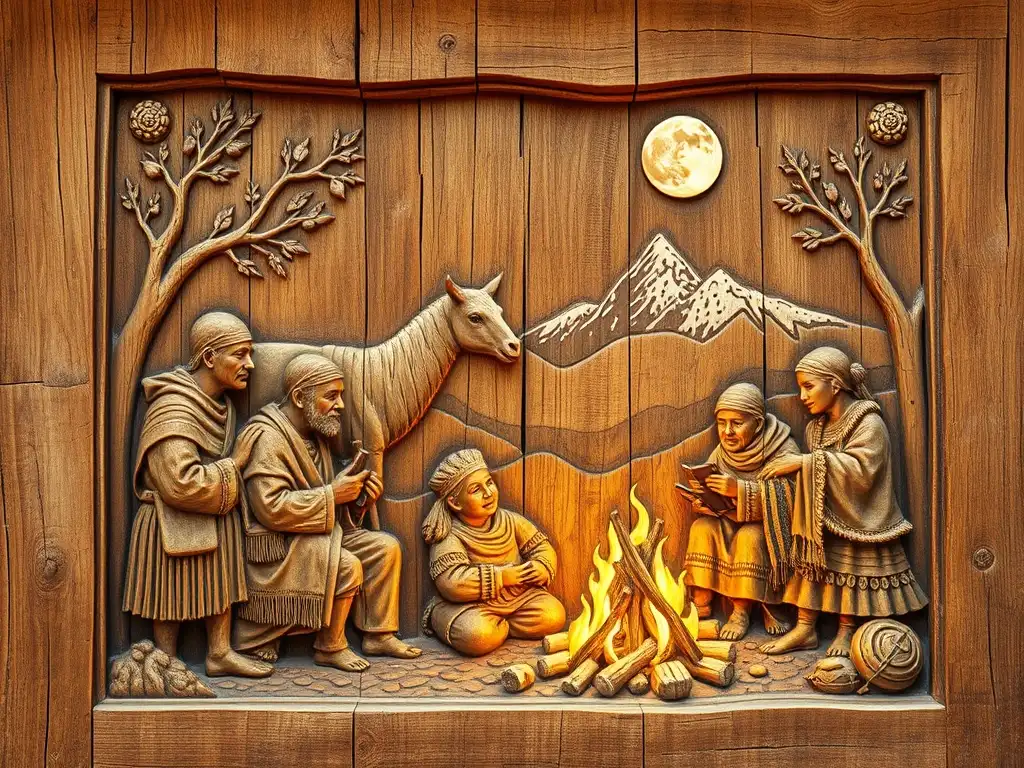
This section delves into the historical context of Andean oral traditions, exploring their deep roots and enduring significance in shaping Andean identities and societies. We will examine how these traditions, passed down through generations, have served as the primary means of preserving knowledge, history, and cultural values in the absence of widespread written records. Understanding this rich tapestry of storytelling, song, and ritual is crucial to appreciating the complexities of Andean cultures. The enduring power of Andean oral tradition history is a testament to its adaptability and resilience.
The Roots of Andean Storytelling: Ancient Practices
Andean storytelling didn't begin with the Inca Empire; its roots stretch back millennia. Archaeological evidence, coupled with the surviving fragments of oral narratives, suggests a long history of sophisticated oral traditions among various pre-Inca cultures. The Moche, for example, are known for their intricate pottery depicting narratives of their myths and daily life.
These visual representations provide valuable insights into the themes and styles of their oral storytelling, hinting at complex mythological systems and sophisticated social structures. Similarly, the Nazca lines, though their precise purpose remains debated, are often interpreted within the framework of cosmological beliefs transmitted orally. These beliefs likely informed rituals and narratives that were central to Nazca society.
The intricate designs and their alignment with astronomical events suggest a deep understanding of the cosmos, passed down through generations via oral tradition. Even before these cultures, evidence points to even older forms of oral transmission of knowledge and beliefs.
The enduring nature of these practices is evident in the continuity of certain narrative motifs and themes across different Andean cultures. This suggests a shared cultural heritage, passed down and adapted over centuries, highlighting the remarkable capacity of oral tradition to maintain cultural cohesion even in the face of significant social and political changes.
Many of these ancient narratives continue to resonate within contemporary Andean communities, demonstrating the lasting impact of these early oral traditions. The use of mnemonic devices, such as songs and repetitive phrases, further enhanced the memorization and transmission of these stories, ensuring their survival across generations.
The Role of Memory in Preserving Andean History
The preservation of Andean history heavily relied on collective memory. Unlike societies with extensive written records, Andean communities developed sophisticated systems for remembering and transmitting historical events, genealogies, and cultural knowledge. This wasn't simply rote memorization; it involved active engagement with the past, shaping individual and collective identities.
The use of quipus—complex knotted cords—while not a written language in the traditional sense, served as a powerful mnemonic device, aiding in the recording and recall of numerical data and possibly even narrative information. The exact extent of their use for storing narratives is still debated, but their presence underscores the sophisticated memory systems employed by Andean cultures.
Furthermore, oral tradition wasn't a passive process of repetition. Storytellers, often elders or respected members of the community, actively shaped and adapted narratives to reflect contemporary concerns and circumstances. This dynamic process ensured that the stories remained relevant and meaningful to each generation.
The narratives themselves served as powerful tools for social cohesion, transmitting values, reinforcing social norms, and resolving conflicts. These stories often incorporated lessons about community, respect for elders, and the importance of maintaining balance within the natural world—all vital elements of Andean worldview. The very act of storytelling fostered a sense of shared identity and belonging, strengthening social bonds within the community.
The power of collective memory, therefore, wasn't just about preserving the past; it was about actively constructing and shaping the present and future of Andean societies. The study of Andean oral tradition history reveals a sophisticated approach to knowledge transmission and cultural preservation, highlighting the resilience and adaptability of oral cultures.
The Power of Oral Transmission in Andean Cultures
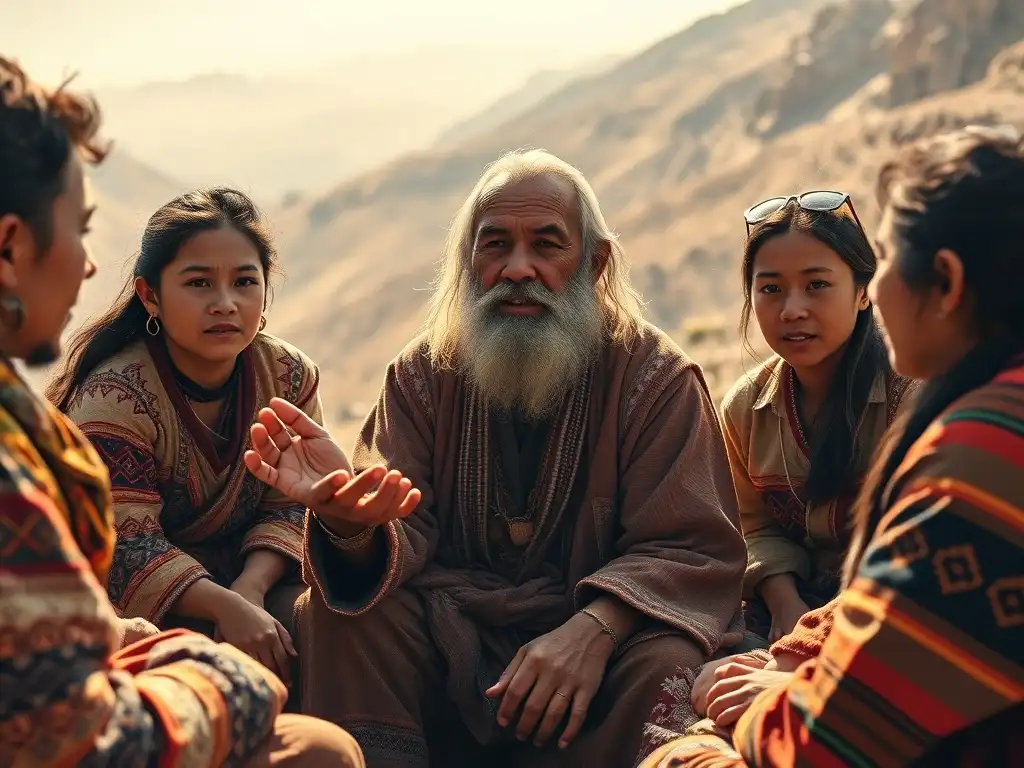
The enduring strength of Andean societies throughout history is inextricably linked to their sophisticated systems of oral transmission. Unlike many cultures that relied heavily on written records, Andean communities meticulously preserved their history, knowledge, beliefs, and social structures through meticulously crafted oral traditions. This wasn't simply a matter of storytelling; it was a dynamic, evolving process deeply embedded in the fabric of daily life, shaping cultural identity and ensuring societal continuity across generations.
Understanding this intricate network of oral transmission provides crucial insight into the resilience and complexity of Andean civilizations. The careful preservation and transmission of Andean oral tradition history is a testament to the ingenuity and cultural richness of these societies.
Andean Myths and Legends: Shaping Cultural Identity
Andean myths and legends aren't mere tales; they are powerful tools for shaping cultural identity and transmitting moral and social values. Stories of powerful deities like Viracocha, the creator god, or Pachamama, the Earth Mother, instill a profound respect for nature and the interconnectedness of all living things. These narratives, passed down through generations, explain the origins of the world, the creation of humans, and the reasons behind natural phenomena.
For example, the legend of the ahuano, a mythical being that protects the mountains and their resources, underscores the importance of responsible stewardship of the environment. This emphasis on ecological balance is reflected in many Andean traditions and continues to influence contemporary environmental practices.
The specific details of these myths varied across different Andean communities, reflecting the diversity of cultures within the region, but the underlying themes of respect for nature and the importance of community were universally present. The consistent retelling and adaptation of these myths ensured their relevance and continued influence on social behavior.
The Significance of Music and Song in Oral Tradition
Music and song played, and continue to play, a pivotal role in transmitting Andean oral tradition history. They weren't simply forms of entertainment; they were vehicles for preserving historical accounts, teaching moral lessons, and expressing social and political commentary. Harawi, a genre of Quechua song, often recounts historical events, family lineages, or important social customs. The melodies themselves could act as mnemonic devices, aiding in the memorization and accurate transmission of complex information.
Furthermore, musical instruments, such as the zampoña (panpipes) and the charango (a small lute), were not just instruments; they were symbols of cultural identity and played a crucial role in rituals and ceremonies. The intricate rhythms and melodies of Andean music reflected the sophisticated understanding of acoustics and musical theory developed within these cultures. The continued popularity of traditional Andean music demonstrates its enduring power to connect past and present generations.
Andean Rituals and Ceremonies: Transmitting Knowledge Through Performance
Andean rituals and ceremonies provided a crucial context for the transmission of knowledge. These weren't simply religious observances; they were highly structured performances that incorporated music, dance, storytelling, and symbolic gestures to convey complex historical, social, and spiritual information. For instance, the Inti Raymi, the Inca festival celebrating the sun god Inti, involved elaborate performances that reenacted important historical events, reinforced social hierarchies, and reaffirmed the community's connection to the cosmos.
Participants learned about their history, their social roles, and their spiritual beliefs through active participation in these rituals. The precise choreography, costumes, and spoken word all contributed to the preservation and transmission of cultural knowledge.
The continuation of some of these rituals today demonstrates the power of performance in maintaining cultural memory and transmitting traditional values across vast stretches of time. The meticulous transmission of these practices underscores the deep-rooted connection between Andean communities and their rich history, reinforcing the importance of Andean oral tradition history in their cultural continuity.
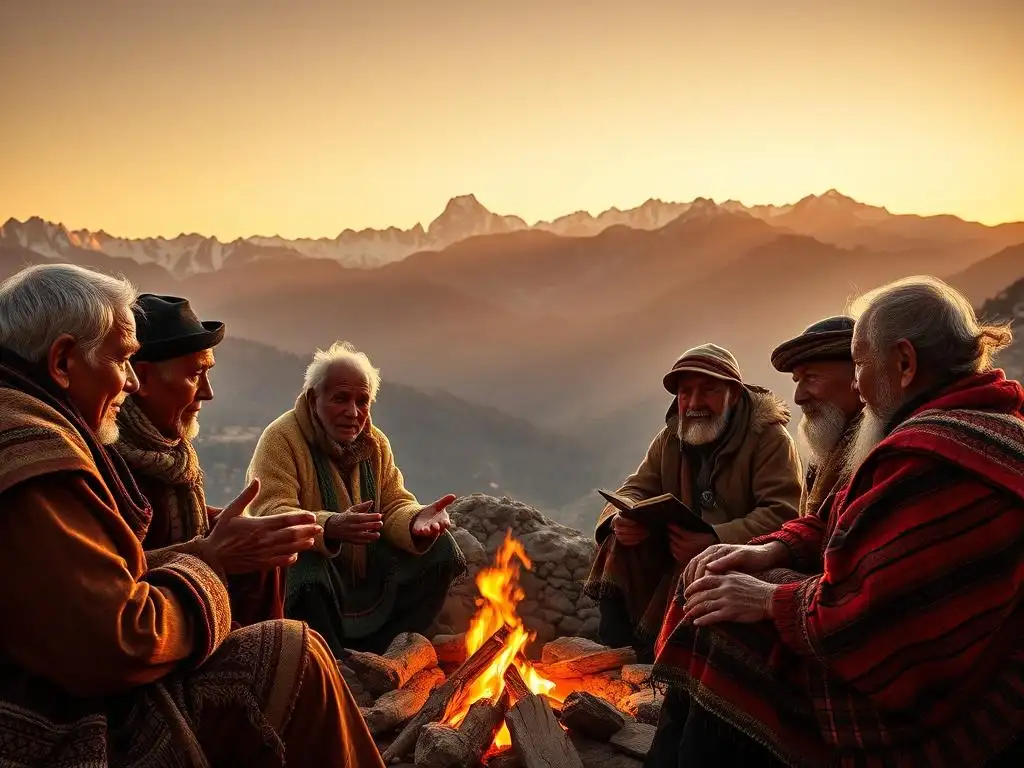
Oral tradition wasn't merely a method of storytelling in Andean societies; it was the very bedrock upon which their intricate social structures were built. The absence of widespread written language meant that the transmission of knowledge, history, laws, and social norms relied entirely on the spoken word, passed down through generations. This oral transmission fostered a strong sense of collective identity and continuity, binding communities together across vast geographical distances and significant periods.
Understanding this profound impact is key to appreciating the resilience and longevity of Andean cultures. The intricate web of kinship ties, social hierarchies, and community governance were all deeply intertwined with the narratives, songs, and rituals that formed the core of Andean oral tradition history.
This wasn't a static system; the stories themselves evolved, reflecting changing societal needs and adapting to new circumstances, yet the fundamental role of oral transmission remained constant. Analyzing the structure of Andean oral narratives reveals a sophisticated system of social control and knowledge preservation, reflecting a deep understanding of human psychology and societal dynamics.
Oral Tradition and Community Bonds in the Andes
The strength of Andean communities stemmed significantly from their shared oral history. Stories, myths, and legends, often recounted during communal gatherings and ceremonies, reinforced a sense of belonging and collective identity. These narratives weren't simply entertaining tales; they served as powerful tools for transmitting values, teaching moral lessons, and resolving conflicts.
For example, the stories of powerful ancestors, imbued with both human and supernatural qualities, provided role models and instilled respect for tradition. The recounting of historical events, even those stretching back centuries, served to strengthen kinship ties and solidify social hierarchies. The vibrant tapestry of Andean oral tradition history included specific narratives that defined acceptable behavior within the community, promoting cooperation and discouraging actions that could disrupt social harmony.
This constant reinforcement of shared values and beliefs through oral narratives created a strong social fabric, fostering unity and resilience in the face of adversity. Think of the yaravíes, melancholic songs that often expressed longing and social commentary – these weren't just songs, they were active participants in shaping social cohesion.
The Role of Elders as Keepers of Andean Lore
Within Andean communities, elders held a position of immense respect and authority, not solely due to their age but because they were the custodians of oral tradition. They were the living repositories of ancestral knowledge, responsible for preserving and transmitting the stories, songs, and rituals that defined their culture. Their role transcended mere storytelling; they acted as interpreters of tradition, adapting ancient narratives to contemporary contexts while ensuring the core values remained intact.
This role required immense skill and memory, as the volume of information they needed to retain and transmit was considerable. The training of younger generations in the art of memorization and oral performance was a crucial aspect of their responsibilities. The elders' authority wasn't imposed; it was earned through their mastery of oral tradition and their ability to use it to guide and educate the community.
Their expertise extended beyond storytelling; they often played crucial roles in conflict resolution, utilizing traditional narratives to mediate disputes and maintain social order. Their wisdom, born from a lifetime of experience and steeped in the richness of Andean oral tradition history, was invaluable to the well-being of the community.
How Oral Narratives Influence Andean Values and Beliefs
Andean oral narratives profoundly shaped the values and beliefs of the people. Through stories, myths, and legends, fundamental principles of Andean worldview were transmitted across generations. The concept of ayni, reciprocal exchange and mutual support, was often illustrated through narratives emphasizing cooperation and collective responsibility.
Similarly, stories featuring deities and supernatural beings reinforced the importance of respecting nature and maintaining a harmonious relationship with the environment. The emphasis on ancestor veneration, a key aspect of Andean spirituality, was also ingrained through oral traditions, which often celebrated the achievements and wisdom of past generations. These narratives weren't simply religious doctrines; they were integrated into everyday life, shaping social interactions, ethical considerations, and even economic practices.
For example, the concept of Pachamama, Mother Earth, was not just a theological idea; it was a living reality, reflected in agricultural practices, rituals, and social customs, all reinforced by oral tradition history. The stories themselves often served as ethical guides, illustrating the consequences of violating social norms or disrespecting the natural world. The enduring power of Andean oral tradition lies in its ability to seamlessly integrate spiritual, social, and practical aspects of life, transmitting a holistic worldview that continues to shape Andean communities today.
The Challenges and Resilience of Andean Oral Tradition
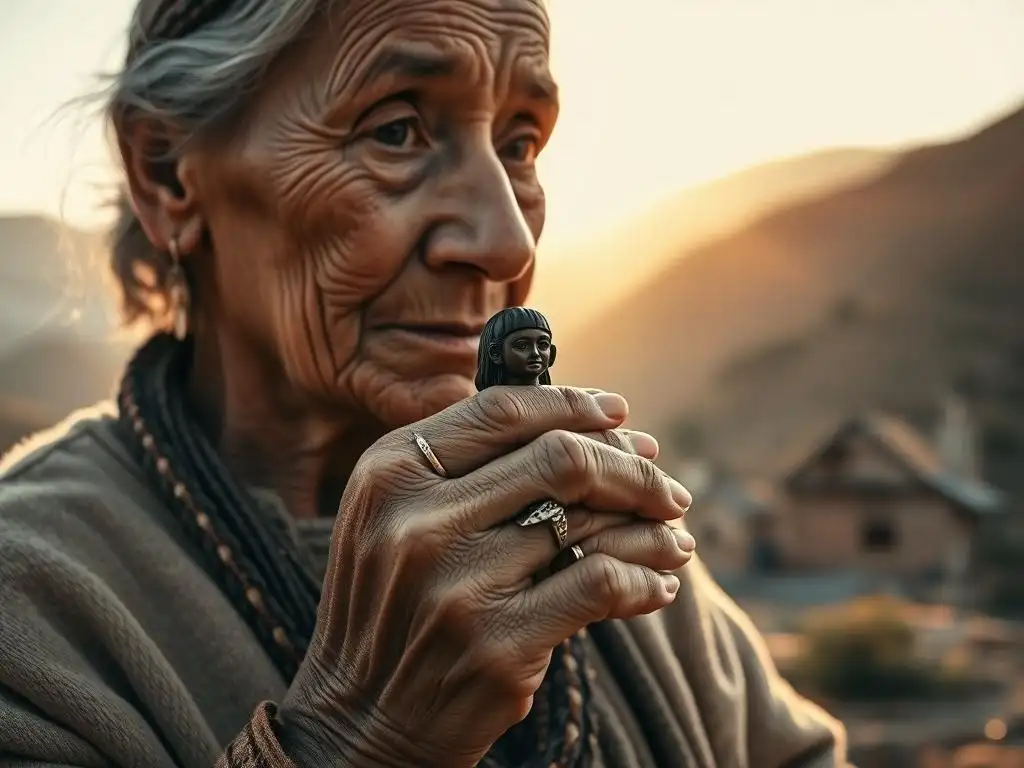
The vibrant tapestry of Andean oral tradition, a cornerstone of Andean oral tradition history, faces significant challenges in the modern world. While its resilience is undeniable, the transmission of knowledge, stories, and cultural practices through spoken word is constantly battling against powerful forces threatening its very existence. The intricate web of narratives, songs, and rituals that have bound Andean communities for millennia is increasingly fragile, requiring concerted efforts to ensure its survival. Understanding these challenges is crucial to appreciating the remarkable tenacity of this ancient form of communication and knowledge preservation.
Threats to Andean Indigenous Languages and Storytelling
The decline of indigenous Andean languages presents a severe threat to oral tradition. As Quechua, Aymara, and other languages lose speakers, the rich body of knowledge embedded within them risks disappearing. The intricate nuances of storytelling, the subtleties of poetic expression, and the profound wisdom encoded in these languages are all vulnerable.
For example, the loss of specific vocabulary related to traditional agricultural practices, medicinal plants, or celestial navigation represents an irreplaceable loss of cultural heritage. This isn't simply a linguistic issue; it's a profound erosion of cultural memory. The younger generations, often more fluent in Spanish or other dominant languages, may not fully grasp the depth and meaning of stories told in their ancestral tongues.
This linguistic shift creates a critical gap, threatening the continuity of Andean oral tradition history. Quantitative data on language loss in specific Andean communities is urgently needed to fully assess the extent of this threat and inform effective preservation strategies. [Specific data on language endangerment in Andean communities pending].
The Adaptation of Oral Tradition in Modern Andean Society
Despite the challenges, Andean oral tradition demonstrates remarkable adaptability. It's not a static entity; instead, it continuously evolves, incorporating new elements and finding new avenues for expression. Oral narratives are being documented and shared through digital platforms, bridging geographical distances and connecting communities.
While this digital transition presents opportunities, it also necessitates careful consideration to avoid cultural appropriation and misrepresentation. Furthermore, the integration of oral traditions into educational curricula and community-based initiatives is fostering renewed interest among younger generations. For example, storytelling workshops, theatrical performances based on traditional narratives, and the use of oral histories in museums are effectively engaging younger audiences and promoting cultural pride.
The use of multimedia, such as videos and podcasts, also offer new avenues for disseminating these stories, making them accessible to a wider audience. However, it's crucial to balance innovation with authenticity, ensuring that the integrity and spirit of the oral tradition are preserved in these new forms.
The Importance of Preserving Andean Oral History for Future Generations
Preserving Andean oral tradition is not merely an academic exercise; it's a vital act of cultural preservation that holds profound implications for future generations. The stories, songs, and knowledge passed down through generations provide a deep understanding of Andean societies, their worldview, and their relationship with the natural environment. This rich heritage informs a sense of identity, fosters community cohesion, and provides valuable insights into sustainable living practices.
By supporting initiatives that document, archive, and transmit Andean oral tradition, we ensure that the wisdom and cultural heritage of these communities continue to thrive. This includes investing in language revitalization programs, supporting community-based projects that promote oral storytelling, and encouraging research that explores the diverse forms and functions of Andean oral tradition.
The long-term benefits of preserving this invaluable heritage are immeasurable, contributing to a richer cultural landscape and a deeper understanding of humanity's shared past. The preservation of Andean oral tradition history is not just about the past; it's about shaping a more vibrant and culturally diverse future.
Key Elements of Andean Oral Tradition: A Closer Look
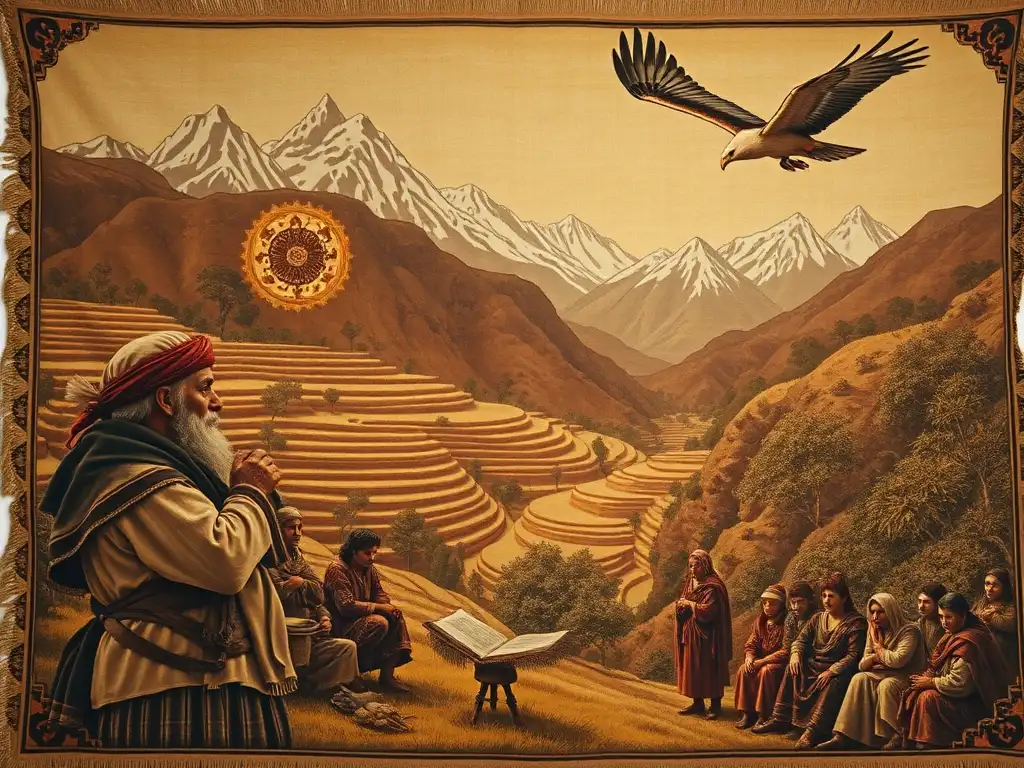
This section delves into the core components that shape Andean oral tradition, a vital aspect of Andean oral tradition history. We will explore how cosmological beliefs, symbolic language, and the environment intertwine to create a rich and enduring tapestry of storytelling. Understanding these elements is crucial to appreciating the profound impact of oral tradition on Andean communities and their enduring connection to their past.
The Importance of Andean Cosmovision in Narratives
Andean oral tradition isn't merely a collection of stories; it's a reflection of a deeply ingrained cosmovision. Narratives are infused with beliefs about the interconnectedness of the natural world, the spiritual realm, and humanity. The Pachamama (Mother Earth) is a central figure, representing fertility, sustenance, and the very foundation of life. Stories often explain the origins of landscapes, the behavior of animals, and the cycles of nature, all within this cosmological framework.
For example, the creation myths of various Andean groups frequently involve deities interacting with the physical world, shaping mountains, rivers, and valleys, and explaining the existence of specific plants and animals. These narratives are not just entertaining tales; they serve as a guide to understanding the world and one's place within it, reinforcing societal values and responsibilities towards nature. The transmission of this cosmovision through oral tradition ensures its continuity across generations, strengthening cultural identity and promoting environmental stewardship.
Detailed analysis of these narratives reveals a complex system of beliefs that inform every aspect of Andean life, from agriculture to social organization. Understanding the Andean cosmovision is key to unlocking the deeper meaning embedded within their oral traditions. Further research is needed to fully explore the nuances of cosmovision within specific Andean communities [specific information pending on regional variations].
The Use of Symbolism and Metaphor in Andean Storytelling
Andean storytelling is rich in symbolism and metaphor. Animals, plants, celestial bodies, and natural phenomena are often used to represent abstract concepts and convey deeper meanings. The condor, for instance, frequently symbolizes power and strength, while the llama represents community and interdependence.
Metaphors drawn from the Andean landscape – the towering mountains, the flowing rivers, the fertile valleys – are integral to the narratives, enriching their descriptive power and adding layers of meaning. Consider the use of specific plants in storytelling; the coca leaf, for instance, often represents community, sharing, and ritual. The skillful use of these symbols and metaphors allows storytellers to transmit complex ideas and historical events in a way that is both engaging and easily remembered.
The effectiveness of this method is evident in the longevity and widespread understanding of these narratives across various Andean communities. The symbolic language used in Andean oral tradition is a testament to the creativity and ingenuity of its storytellers and their ability to convey profound messages through seemingly simple narratives. A deeper study of the specific symbolic systems used in different Andean regions would greatly enhance our understanding of this aspect of their oral tradition history.
The Connection Between Oral Tradition and Andean Landscapes
The Andean landscape isn't just the backdrop for oral traditions; it's an active participant. Stories are often intimately tied to specific geographical locations, with mountains, rivers, and caves serving as both settings and symbolic representations of historical events or mythological figures. This close relationship between oral tradition and the environment fosters a deep sense of place and belonging among Andean communities.
The transmission of these geographically-specific narratives helps reinforce community identity and strengthens the connection between people and their environment. For example, the stories associated with particular archaeological sites often serve to reinforce the historical significance of those places and to transmit knowledge about ancestral practices and beliefs. The close link between the landscape and oral tradition is crucial in understanding the sustainability of Andean cultures and their ability to adapt to environmental changes.
This deep-rooted connection between stories and the physical environment makes the preservation of both equally important for the continued vitality of Andean oral tradition. Further investigation is needed into the specific ways different Andean groups connect their oral histories to particular landmarks and landscapes [specific information pending on regional examples]. The study of Andean oral tradition history reveals a complex interplay between human narratives and the natural world, highlighting the importance of environmental stewardship and cultural preservation.
Andean Oral Tradition: A Legacy Worth Protecting
The Andean oral tradition, a vibrant tapestry woven from countless narratives, songs, and rituals, represents a crucial element of Andean cultural heritage. For centuries, this tradition served as the primary means of transmitting knowledge, history, and values across generations, long before the widespread adoption of written language. Understanding its significance requires appreciating its multifaceted role in shaping Andean societies and its enduring impact on contemporary communities.
This intricate system of knowledge transfer encompassed not only historical accounts but also practical skills, spiritual beliefs, and social structures. The stories themselves, often passed down through specific lineages or community elders, were not mere entertainment; they were living repositories of cultural memory, shaping identities and reinforcing social cohesion. The loss of this oral tradition would represent an irreparable loss to our understanding of Andean history and culture.
The sheer volume of information transmitted orally, passed down through generations, is staggering, representing a wealth of knowledge far exceeding what any written record could ever fully encompass. This includes detailed accounts of astronomical observations, sophisticated agricultural techniques, and complex social hierarchies, all woven into captivating narratives.
The Enduring Relevance of Andean Storytelling Today
Even in the face of globalization and technological advancements, Andean oral tradition continues to thrive. Storytelling remains a central aspect of Andean life, preserving a connection to ancestral ways of knowing. These narratives are not static; they adapt and evolve, incorporating contemporary experiences while retaining their core cultural values. For example, traditional tales of resilience in the face of adversity resonate deeply with modern-day challenges faced by Andean communities.
These stories often serve as a source of inspiration and empowerment, fostering a sense of collective identity and shared heritage. The continued practice of oral storytelling also plays a vital role in language preservation. Many indigenous Andean languages, facing the threat of extinction, are primarily transmitted orally.
The vibrant narratives and songs in Quechua, Aymara, and other languages serve as powerful tools for language revitalization, ensuring that these linguistic treasures are passed down to future generations. The use of oral tradition in education initiatives is gaining momentum, with educators recognizing its effectiveness in engaging students and fostering a deeper understanding of Andean culture and history. This approach allows for a more holistic and culturally relevant learning experience, moving beyond textbook learning to encompass the richness of lived experience.
Supporting Initiatives for the Preservation of Andean Oral Tradition
The preservation of Andean oral tradition requires a multi-pronged approach. Governmental and non-governmental organizations are increasingly recognizing the importance of supporting initiatives that document, archive, and promote this invaluable heritage. These initiatives include the systematic recording and transcription of oral narratives, the establishment of community-based archives, and the development of educational programs that integrate oral tradition into the curriculum.
Furthermore, there's a growing emphasis on supporting the elders and storytellers who are the custodians of this knowledge. This support may include providing resources for recording their stories, facilitating intergenerational transmission of knowledge, and ensuring their active participation in cultural events. Funding for research projects focused on Andean oral traditions is crucial, as this research helps to shed light on the historical context of the narratives, identify patterns and themes, and understand the social and cultural functions of oral storytelling.
Crucially, these initiatives must be developed in close collaboration with Andean communities, ensuring that the preservation efforts respect cultural sensitivities and empower local communities to safeguard their own heritage. The active participation of community members is vital to ensure the authenticity and sustainability of these initiatives. This collaborative approach respects the inherent knowledge and expertise of the communities themselves.
Conclusion: The Ongoing Importance of the Invisible Thread
The Andean oral tradition, often described as an "invisible thread," binds Andean communities together across time and space. It is a living testament to the resilience, creativity, and wisdom of Andean peoples. Preserving this rich heritage is not merely a matter of historical preservation; it is essential for maintaining cultural identity, fostering social cohesion, and ensuring the continuity of Andean languages and traditions.
Continued investment in initiatives that support the documentation, preservation, and transmission of Andean oral traditions is vital for safeguarding this invaluable cultural legacy for future generations. The ongoing effort to protect and celebrate this rich heritage is a testament to the enduring power of storytelling and its ability to connect us to our past, present, and future.
The vibrant narratives, songs, and rituals of the Andean oral tradition continue to shape identities, inspire action, and forge a sense of belonging within Andean communities, underscoring its enduring relevance in the modern world. The protection of this heritage is not just a responsibility, but a celebration of the human spirit and its capacity for storytelling.
Frequently Asked Questions
What role did oral tradition play in Andean societies?
Oral tradition was central to Andean life, transmitting history, knowledge, beliefs, and values across generations. It served as a vital link to the past and a foundation for community identity. Stories, songs, and rituals preserved crucial cultural information.
How was information passed down through oral tradition?
Information was passed down through storytelling, songs, rituals, and performances. Specialized individuals, like quipucamayocs (Inca record keepers), played a role in preserving and interpreting this knowledge. This ensured the continuity of their culture.
How reliable is information passed down through oral tradition?
While not always perfectly accurate in a strictly historical sense, oral tradition provides valuable insights into Andean worldviews and social structures. Multiple versions of stories often exist, offering different perspectives on the same events.
How did the Spanish conquest affect Andean oral traditions?
The Spanish conquest significantly impacted Andean oral traditions, leading to the suppression of some practices and the integration of European elements. Many stories were lost, but others adapted and survived, reflecting both pre- and post-conquest realities.
What are some examples of Andean oral traditions that still exist today?
Many Andean communities continue to practice oral traditions, including storytelling, music, and dance. These traditions often incorporate both ancient narratives and contemporary experiences, demonstrating the enduring power of oral history.
Final Reflection: The Enduring Power of Whispered Histories
The vibrant tapestry of Andean culture, woven through generations, remains powerfully shaped by its oral traditions. These aren't mere stories; they are the living heart of a civilization, a dynamic force that continues to shape identities, beliefs, and social structures in the 21st century. The seemingly simple act of storytelling becomes a profound act of cultural preservation, a testament to the resilience and adaptability of Andean communities.
The impact of oral tradition extends far beyond the immediate act of sharing a narrative. It's a continuous process of negotiation, adaptation, and reinterpretation, reflecting the ever-changing realities of Andean life. These stories, passed down through countless generations, act as a powerful form of social cohesion, reinforcing shared values and a sense of collective identity. As the Peruvian writer Mario Vargas Llosa once observed, Literature is a mirror which reflects society.
This holds true for oral tradition as well; it reflects not only the past but also the present aspirations and anxieties of Andean communities, offering a unique lens through which to understand their complex history and ongoing struggles.
Consider the stories you carry within you, the narratives that shape your understanding of the world. How do they connect you to your past, your community, and your future? I invite you to reflect on the power of storytelling in your own life, and to consider how the preservation and celebration of oral traditions, like those found in the Andes, can enrich our understanding of humanity's shared heritage. Let us actively listen to the whispers of the past, for within them lies the key to a more vibrant and connected future.
Unveil the Power of Oral Tradition!
Thank you for exploring the profound impact of oral tradition in Andean communities. Your interest underscores the vital role these stories play in connecting and empowering generations.
Now, let's deepen your engagement with this vibrant cultural heritage! Here are some suggestions:
- Share a personal story reflecting the themes we've discussed, fostering cross-cultural understanding and appreciation.
- Attend local Andean cultural events or workshops to experience these traditions firsthand. Immersing yourself in the culture will provide invaluable insights.
- Join online or in-person discussions with others passionate about preserving cultural heritage. Sharing perspectives and learning from others enhances our collective understanding of oral traditions.
Consider the stories that have shaped your own community and how sharing them can strengthen bonds and build bridges between cultures.