
Coca and Social Harmony: The Role of Plants in Andean Community Life


Step into a world lost to time, yet echoing with vibrant life. Imagine a society where the seemingly humble Andean coca leaf held the key to social harmony, intricate rituals, and the very fabric of community life. This isn't just a story of plants; it's a journey into the heart of ancient Andean civilizations, revealing how their understanding of nature shaped their societies in profound ways. Uncover the secrets of the coca leaf's social function and delve deeper into the fascinating world of Andean agriculture and food – your exploration begins now.
- Andean Coca and Social Harmony: The Role of Plants in Andean Community Life
- The Sacred Coca Leaf: Beyond Simple Consumption in the Andes
- Andean Coca Leaf Social Function: Fostering Community Bonds
- Beyond Coca: Other Plants and their Social Functions in the Andes
- The Interconnectedness of Plants and Andean Social Life
- Andean Perspectives on Coca and Plant Use: A Holistic View
- Conclusion: The Enduring Legacy of Plants in Andean Social Harmony
-
Frequently Asked Questions
- What was the primary social function of the coca leaf in Andean societies?
- How did coca leaf use differ between different Andean cultures?
- Was coca leaf use solely restricted to religious or ceremonial purposes?
- How did the Spanish conquest impact the traditional use of the coca leaf?
- What is the current status of coca leaf use in Andean communities?
- Final Reflection: The Enduring Legacy of Coca in Andean Harmony
- Embrace the Power of Plants: Cultivate Community Harmony!
The Andean region, home to a breathtaking array of diverse ecosystems and ancient civilizations, boasts a profound history intertwined with the utilization of plants. This relationship extends far beyond mere sustenance; plants played, and continue to play, a crucial role in shaping social structures, religious beliefs, and daily life. This article delves into the multifaceted significance of the coca leaf ( Erythroxylum coca) within Andean communities, exploring its social function and illustrating how its use fostered – and continues to foster – social harmony and cohesion.
We will examine its role not only in ritual and ceremony, but also in everyday interactions, highlighting the intricate connection between plant life and the vibrant tapestry of Andean culture. Understanding the Andean coca leaf's social function requires moving beyond simplistic narratives and appreciating the nuanced ways in which this plant has been integrated into the fabric of Andean society for millennia.
The coca leaf's significance in Andean society transcends its stimulant properties. It serves as a powerful symbol of reciprocity, ayni, a cornerstone of Andean social organization. The act of sharing coca leaves during social gatherings, ceremonies, and everyday interactions strengthens community bonds and reinforces social obligations.
The offering of coca, whether a few leaves or a larger quantity, represents a gesture of respect, friendship, and a commitment to mutual support. This practice fosters a sense of collective identity and reinforces the importance of collaboration within the community. The quantity and manner of offering can vary depending on the social context, signifying the depth of the relationship and the importance of the occasion.
For example, a small offering might accompany a casual greeting, while a larger, more formal presentation might be reserved for significant events or interactions with elders. This nuanced system of communication underscores the coca leaf's role as a facilitator of social harmony.
Coca in Ritual and Ceremony: Strengthening Community Cohesion
Beyond everyday interactions, the coca leaf holds immense significance in Andean religious and ceremonial practices. Its use is deeply intertwined with the veneration of deities and the maintenance of cosmic balance. In many communities, coca is offered as a sacred offering to apus (mountain spirits) and other powerful entities, seeking their favor and protection. Shamans and healers utilize coca leaves in divination rituals, seeking guidance and interpreting messages from the spiritual realm.
These rituals not only serve individual needs but also strengthen the collective identity of the community by reaffirming shared beliefs and practices. The communal participation in these ceremonies reinforces social bonds and solidifies the community's connection to its ancestral heritage and spiritual landscape. The shared experience of ritual consumption strengthens social solidarity and reinforces the collective's spiritual well-being.
The coca leaf also plays a vital role in the Andean economy, contributing significantly to the livelihoods of many communities. The cultivation, processing, and trade of coca leaves create economic opportunities and foster social interaction. The exchange of coca leaves, whether in local markets or through broader trade networks, facilitates social connections and builds relationships between individuals and communities.
This economic activity strengthens social networks and contributes to the overall stability and prosperity of Andean communities. Furthermore, the coca leaf's economic significance reinforces its social importance, making it an integral part of the Andean social fabric. The economic dimension of coca's role is inseparable from its social functions, creating a complex interplay of economic activity and social cohesion.
The Ongoing Relevance of Coca in Contemporary Andean Society
Despite historical attempts to suppress coca cultivation and use, the coca leaf remains deeply embedded in contemporary Andean society. It continues to play a vital role in social life, reflecting the enduring cultural significance of this remarkable plant. Its use is not only a testament to the resilience of Andean traditions but also a powerful symbol of cultural identity and community cohesion. The ongoing significance of coca underscores the necessity of understanding its cultural and social context, moving beyond simplistic and often biased perspectives. The plant’s enduring presence highlights the intricate relationship between plants, culture, and the sustainability of Andean communities. Further research is needed to fully document the multifaceted ways coca continues to shape Andean social life and to ensure the protection of this vital component of Andean heritage. The continued study of coca's role is critical for appreciating its complex and nuanced social function in the modern day.
The Sacred Coca Leaf: Beyond Simple Consumption in the Andes
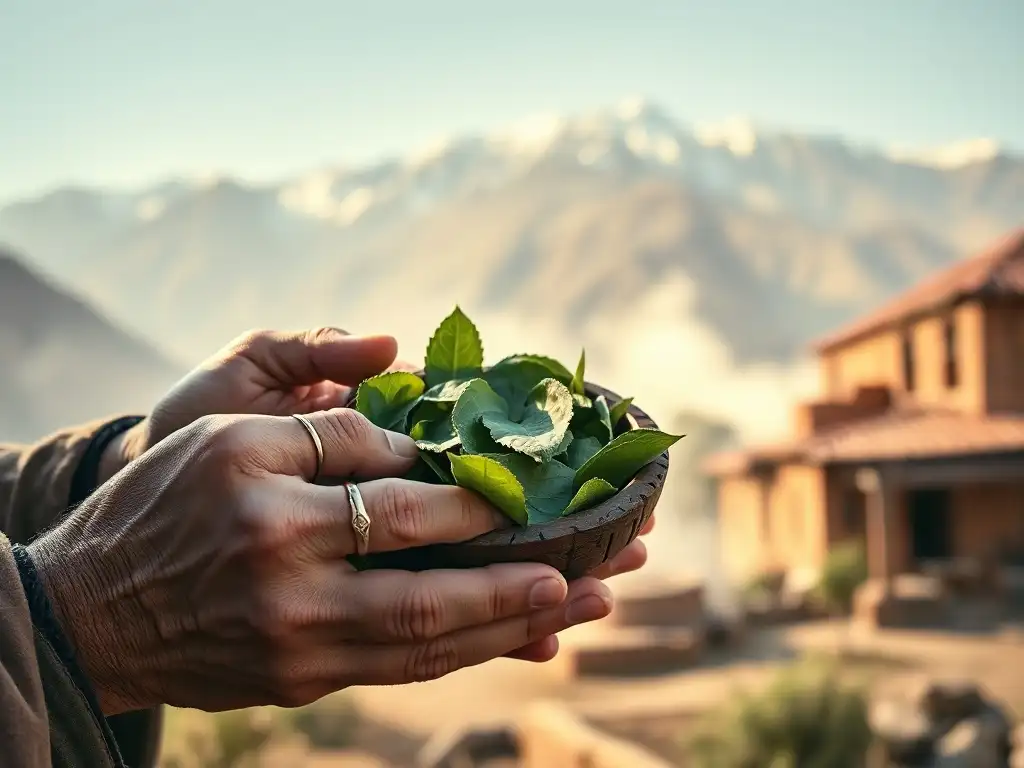
The Andean coca leaf, Erythroxylum coca, transcends its simple categorization as a stimulant. For millennia, it has served as a vital component of Andean social structures, religious practices, and daily life, deeply intertwined with their worldview and understanding of the cosmos. The Andean coca leaf social function is far richer and more complex than merely recreational use; it embodies a profound relationship between humans and nature, reflecting a sophisticated understanding of plant-based medicine and its societal implications.
This section explores the multifaceted role of the coca leaf within Andean societies, moving beyond simplistic narratives to reveal its profound cultural and spiritual significance. Understanding this nuanced perspective is crucial to appreciating the intricate tapestry of Andean civilization.
Historical Significance of Coca in Andean Societies
Archaeological evidence suggests coca leaf use dates back thousands of years, predating the Inca Empire. Ceramic artifacts from various pre-Inca cultures, such as the Moche and Nazca, depict coca leaves, illustrating its long-standing importance. These depictions often appear alongside depictions of deities and ritualistic practices, strongly suggesting its sacred status. For example, Moche pottery frequently shows individuals chewing coca leaves, often in contexts associated with ceremonies or offerings to the gods.
This early evidence underscores the coca leaf's deep-rooted presence in Andean spiritual and social life, predating the Inca's widespread influence and highlighting its enduring cultural significance. The continuity of coca use across such diverse Andean cultures points to its fundamental role within their societies. The enduring legacy of the coca leaf is a testament to its multifaceted social and cultural importance.
The Inca Empire further solidified the coca leaf's significance, integrating it into their economic and social systems. Coca leaves were used as a form of payment, a tribute, and a reward, highlighting its economic value alongside its spiritual importance. The Inca's sophisticated agricultural techniques ensured a plentiful coca supply, reflecting its vital role in their empire's stability and functioning. The Inca's meticulous organization of coca cultivation and distribution demonstrates the leaf's central position in their social fabric. The integration of coca into the Inca state's economic and administrative systems further cemented its social importance.
Beyond its historical significance, the coca leaf continues to play a crucial role in contemporary Andean communities. It's integral to social rituals, ceremonies, and everyday interactions. Sharing coca leaves is a fundamental aspect of Andean hospitality and social bonding. The act of acullico (chewing coca leaves) is often a communal activity, fostering social interaction and strengthening community ties. This shared experience transcends mere consumption; it represents a symbolic act of unity, sharing, and mutual respect. The coca leaf facilitates communication, builds trust, and solidifies relationships within Andean communities, illustrating its enduring social function.
The coca leaf also holds medicinal properties, traditionally used to alleviate altitude sickness, hunger, and fatigue. This practical utility further reinforces its significance in daily life. Furthermore, the coca leaf is intricately woven into Andean spiritual practices, used in offerings and ceremonies to connect with the spirit world and ancestors.
This dual role, both medicinal and spiritual, underscores the holistic Andean worldview that integrates the physical and spiritual realms. It is not merely a plant; it is a sacred entity that connects the living with the spiritual world. This deep-rooted connection further explains the enduring social and cultural significance of the coca leaf in Andean societies.
The importance of the Andean coca leaf in social harmony cannot be overstated. It's a symbol of reciprocity, community, and spiritual connection, demonstrating the profound relationship between Andean peoples and their environment. The coca leaf's multifaceted roles, from economic to spiritual, highlight its enduring legacy as a cornerstone of Andean culture and social life. The continued use and reverence of the coca leaf reflects the enduring strength and resilience of Andean traditions and their profound connection to the natural world. Its significance persists as a powerful symbol of Andean identity and social cohesion.

The Andean coca leaf, far from being merely a stimulant, played – and continues to play – a crucial role in fostering social harmony and strengthening community bonds across various Andean cultures. Its significance transcends simple consumption; it's deeply interwoven with social interactions, rituals, and economic exchange, solidifying social structures and promoting a sense of collective identity. This section will explore the multifaceted ways in which the coca leaf served, and continues to serve, as a cornerstone of Andean social life. Understanding this intricate relationship is key to comprehending the complex social fabric of Andean civilizations.
The act of sharing coca leaves is a powerful symbol of reciprocity and mutual respect within Andean communities. It's not simply a casual gesture; it's a carefully considered act that signifies trust, friendship, and shared experience. The offering and acceptance of coca leaves establish social connections, initiating conversations and fostering a sense of camaraderie. Think of it as a social lubricant, easing interactions and creating a more convivial atmosphere.
Consider the ayni system, a crucial element of Andean reciprocity. This system of mutual exchange, encompassing labor, goods, and services, often involves the sharing of coca leaves. Participating in ayni reinforces social bonds, demonstrating commitment to the community and ensuring collective well-being. The coca leaf, therefore, acts as a tangible symbol of this vital social contract, embedding itself within the very fabric of Andean social life. The sharing of coca isn't just about the physical act; it's about reinforcing the social contract and maintaining a sense of interconnectedness.
Further, the act of chewing coca together, a common practice, creates a shared experience that binds individuals. This shared activity fosters intimacy and strengthens relationships, contributing to a more cohesive community structure. The subtle nuances of coca chewing – the preparation, the sharing, the conversation that unfolds – all contribute to the social function of the leaf.
The Role of Coca in Andean Rituals and Ceremonies
Beyond everyday social interactions, coca leaves hold immense significance in Andean rituals and ceremonies. Their use is integral to many religious and spiritual practices, further solidifying their role in community cohesion. The offering of coca to deities or ancestral spirits is a common practice, seeking blessings, protection, or guidance. These rituals bring the community together, reinforcing shared beliefs and strengthening collective identity.
For example, in many Andean communities, coca is offered during important life cycle events like births, marriages, and deaths. These ceremonies, often involving extended family and community members, utilize coca as a vital component, underscoring its spiritual and social importance. The coca leaf, in this context, serves as a mediator between the human and spiritual realms, facilitating communication and reinforcing community ties.
Data on the specific rituals and their variations across different Andean groups is extensive, highlighting the diverse yet unified role of coca in religious life. Anthropological studies consistently demonstrate the powerful social function of coca in these religious contexts.
Coca and its Importance in Traditional Andean Gatherings
Traditional Andean gatherings, whether for celebrations, work parties, or community meetings, invariably involve the sharing of coca. The leaf acts as a social catalyst, stimulating conversation and fostering a sense of unity amongst participants. It creates a relaxed and welcoming atmosphere, encouraging open communication and collaboration. The coca leaf, therefore, becomes an integral part of the social fabric of these events.
Imagine a minga, a communal work party common in Andean communities. Participants work together on tasks such as building houses, clearing land, or harvesting crops. The sharing of coca provides energy and sustains morale throughout the long working hours. It also serves as a way to acknowledge the collective effort and reinforce the communal spirit.
The coca leaf, therefore, is not just a stimulant; it's a crucial element in maintaining social cohesion during these collaborative endeavors. The consistent presence of coca in these gatherings highlights its enduring social significance. Further research into the specific roles of coca in various Andean communities could provide even richer insights into this dynamic.
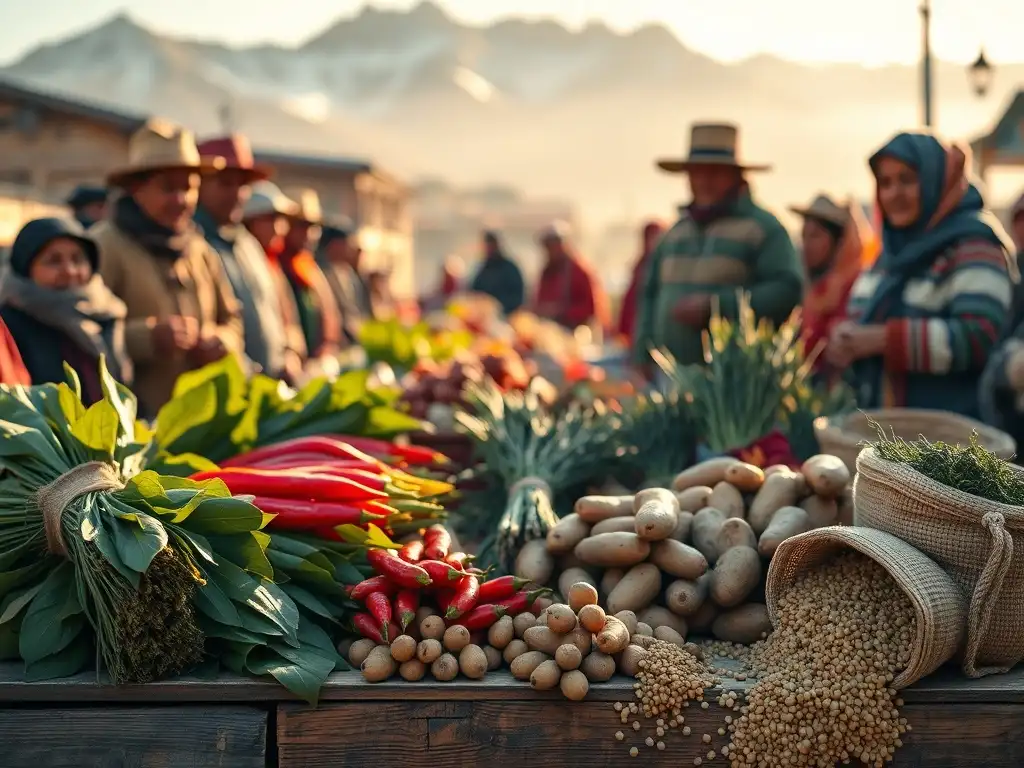
The Andean coca leaf's social function is well-documented, but its significance shouldn't overshadow the crucial roles played by other plants in fostering community harmony and daily life. Understanding the Andean cosmovision, a worldview deeply intertwined with nature, reveals how plants beyond coca contributed—and continue to contribute—to social cohesion and cultural identity. This section explores the social functions of two other vital Andean crops: yuca and quinoa, highlighting their impact on community life and economic structures.
Yuca and its Role in Andean Society
Yuca ( Manihot esculenta), a staple crop across many parts of the Andes, held—and still holds—a significant place in Andean society, far beyond mere sustenance. Its cultivation and consumption are embedded in social rituals and economic exchanges, reflecting a deep-rooted connection between people and the land. The versatility of yuca, allowing for diverse culinary applications, further amplified its social importance.
Preparation and Sharing of Yuca-Based Meals
The preparation and sharing of yuca-based meals are often communal activities, reinforcing social bonds. Families and communities gather to harvest, process, and cook the yuca, creating opportunities for interaction and strengthening social ties. Traditional recipes, passed down through generations, represent cultural heritage and contribute to a sense of shared identity. For instance, the preparation of chicha de yuca, a fermented yuca beverage, often forms part of celebrations and rituals, further solidifying its social role.
The process itself involves collective labor and shared consumption, fostering a sense of community and collaboration. Even the distribution of yuca, whether through reciprocal exchanges or market transactions, reinforces social networks and economic interdependencies within Andean communities. The social function of yuca extends beyond mere nutrition; it's a cornerstone of social interaction and cultural transmission.
Quinoa and its Significance in Andean Culture
Quinoa ( Chenopodium quinoa), often referred to as the "mother grain," is another essential element in the Andean diet and social fabric. Its nutritional value and adaptability to diverse climates made it a crucial crop for Andean civilizations, contributing significantly to social stability and economic prosperity. Its cultivation and distribution played, and continue to play, a pivotal role in shaping Andean social structures and economic activities.
Nutritional Benefits and Trade of Quinoa
Quinoa's high nutritional content, rich in protein and essential amino acids, made it a vital food source for sustaining healthy populations. This nutritional significance translated directly into social stability. Communities relying on quinoa were better equipped to withstand periods of scarcity and environmental challenges, contributing to a more resilient and cohesive social structure. Furthermore, quinoa's cultivation and trade fostered economic exchange and interaction between different Andean communities.
The surplus production of quinoa often served as a valuable commodity, facilitating trade networks and promoting interdependence among different groups. This economic exchange further strengthened social ties and fostered a sense of shared prosperity. The Andean coca leaf social function might be prominent, but the economic and nutritional contributions of quinoa are equally crucial to understanding the complex social dynamics of the region. The enduring significance of quinoa in Andean culture underscores its deep-rooted connection to social harmony and economic well-being.
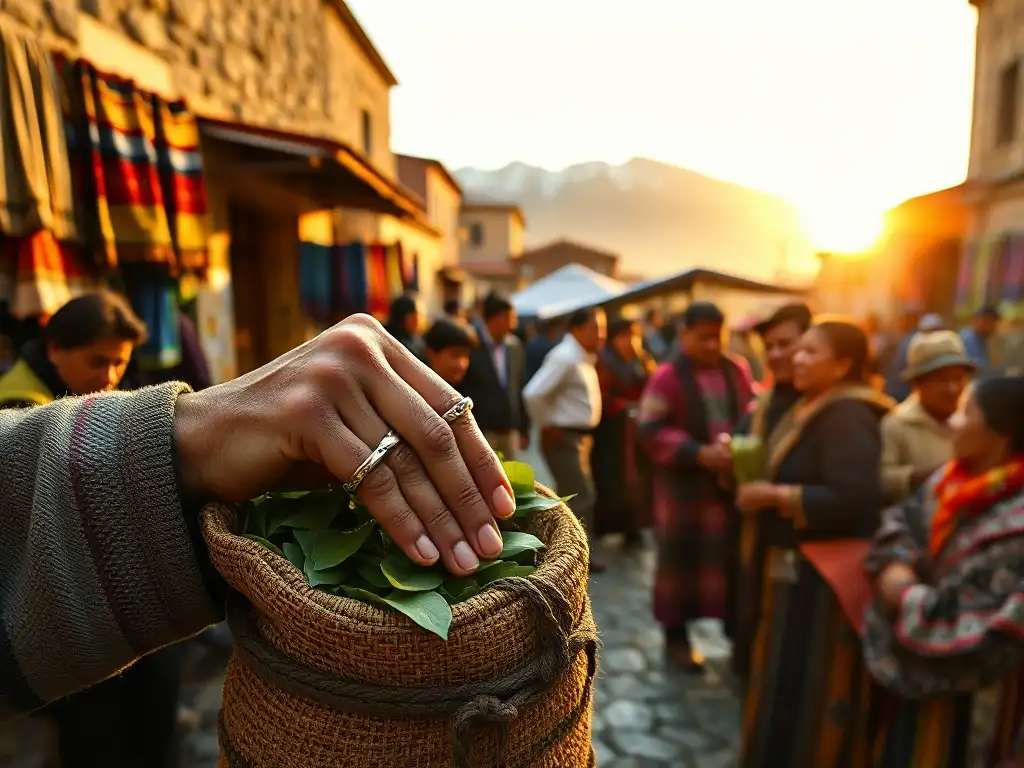
The Andean worldview profoundly intertwines the spiritual and material realms, viewing plants not merely as resources but as integral components of a complex social fabric. This perspective, deeply rooted in Andean cosmology, shaped social structures, religious practices, and economic systems. The Andean coca leaf social function, for example, extends far beyond simple consumption; it's a cornerstone of social interaction, ritual, and even economic exchange. Understanding this interconnectedness is crucial to grasping the richness and complexity of Andean civilizations.
The relationship between humans and the natural world wasn't one of domination, but of reciprocal exchange and mutual respect. This perspective is reflected in various aspects of Andean life, from agricultural practices to religious ceremonies. The cultivation and use of coca, along with other plants, exemplify this profound connection.
How Plants Shape Andean Community Structures
The cultivation and distribution of vital plants, like coca, played a significant role in structuring Andean communities. Cooperative labor was essential for successful harvests, fostering strong social bonds and interdependence. For instance, ayni, a system of reciprocal labor exchange, ensured that tasks like planting, harvesting, and processing coca were shared among community members.
This collaborative effort strengthened social cohesion and reinforced community identity. Furthermore, the control and distribution of coca, a highly valued resource, often fell to community leaders or religious figures, further solidifying their authority and influence within the social hierarchy. The coca leaf itself wasn't just a commodity; it was a symbol of social status, community affiliation, and spiritual power.
Its use in rituals and ceremonies cemented its importance in the social fabric. The intricate system of mita, a form of labor tax, further intertwined the economic and social aspects of coca cultivation, with individuals contributing their labor to the production and distribution of this vital plant.
The Importance of Reciprocal Relationships with Nature in the Andes
The Andean concept of ayni extends beyond human interactions to encompass the relationship between humans and the natural world. The successful cultivation of coca, and indeed all crops, was seen as dependent on maintaining a harmonious balance with nature. Rituals and offerings were performed to appease the spirits associated with the land and ensure bountiful harvests. This reciprocal relationship wasn't simply a matter of superstition; it reflected a deep understanding of ecological interdependence.
The coca plant itself was often considered a sacred entity, deserving of respect and careful stewardship. The sustainable agricultural practices employed by Andean communities, such as terracing and crop rotation, demonstrate a remarkable understanding of ecological principles and a commitment to long-term sustainability. This approach to agriculture was not only economically beneficial but also fostered a deep sense of connection to the land and its resources.
The Andean coca leaf social function is thus deeply embedded within this broader framework of reciprocal exchange between humans and the natural world, underscoring the holistic and interconnected nature of Andean society. The careful management of coca resources, alongside other plants, reflects a sophisticated understanding of environmental stewardship and its importance for social harmony and well-being. Ignoring this profound connection risks misinterpreting the crucial role coca played, and continues to play, in Andean culture and social life.
Andean Perspectives on Coca and Plant Use: A Holistic View

The Andean worldview fundamentally differs from many Western perspectives on the relationship between humans and nature. Instead of viewing plants as mere resources to be exploited, Andean cultures, including the Inca, Moche, and others, understood plants as integral parts of a vibrant, interconnected cosmos. This holistic understanding profoundly shaped their agricultural practices and their use of plants like coca, imbuing them with deep spiritual and social significance. The concept of ayni, reciprocal exchange, permeates this relationship.
People are expected to give back to the earth and its bounty, fostering a sense of responsibility and sustainability that's directly linked to the Andean coca leaf social function. This understanding wasn't limited to coca; it encompassed all plants crucial to their survival and well-being. The Andean coca leaf social function is inextricably tied to this broader cosmological perspective.
Understanding the Sacred Nature of Plants in Andean Cosmovision
Andean cosmovision sees the world as a living entity, a complex web of relationships between humans, animals, plants, and spirits. Mountains, rivers, and plants are often considered sacred, embodying powerful energies and possessing spiritual significance. Plants weren't simply harvested; they were respectfully interacted with, often through ceremonies and rituals.
The coca leaf, for instance, wasn't just a stimulant; it served as a vital link to the spiritual realm, used in offerings to deities and in various rituals aimed at maintaining harmony and balance within the community. This sacred nature of plants profoundly influenced the cultivation and consumption practices, ensuring respectful harvesting and mindful consumption. The Pachamama (Mother Earth) is central to this worldview, and her well-being is intrinsically linked to the well-being of the community.
Therefore, sustainable agricultural practices were not merely practical but also deeply spiritual obligations. The Andean coca leaf social function is deeply rooted in these beliefs; sharing coca leaves is an act of community building and spiritual connection.
The Importance of Sustainable Practices in Andean Agriculture
Andean agricultural techniques, developed over millennia, prioritized sustainability and harmony with the environment. Terracing, irrigation systems, and crop rotation were not merely technological advancements but expressions of a deep respect for the earth. These practices ensured the long-term viability of agricultural production, minimizing environmental impact and maximizing yields.
The careful cultivation of coca, for example, exemplifies this approach. Coca bushes were often integrated into existing ecosystems, rather than grown in monocultures that could deplete the soil. This integrated approach helped maintain biodiversity and soil fertility, ensuring the long-term availability of coca and other essential crops.
The Andean coca leaf social function is further strengthened by this sustainable approach, guaranteeing the continuation of traditional practices for future generations. Evidence suggests that the Inca empire's impressive agricultural achievements were directly linked to their understanding of these principles, highlighting the profound connection between agricultural success and spiritual harmony. Understanding these sustainable practices is crucial to appreciating the full significance of the Andean coca leaf social function within the broader context of Andean civilization.
The profound interconnection between Andean civilizations and their plant life, particularly the coca leaf, extended far beyond mere sustenance. Coca, as we've explored, played a pivotal role in shaping social structures, religious practices, and daily life. Its use wasn't simply recreational; it was deeply embedded in a complex system of social harmony and reciprocity, reflecting a worldview that saw humans and nature as inextricably linked.
Understanding the Andean coca leaf social function requires appreciating this holistic perspective, recognizing the plant not as an isolated entity, but as a vital thread in the rich tapestry of Andean culture. The detailed analysis of its ceremonial, medicinal, and economic roles illuminates the sophistication and ingenuity of these ancient societies.
Their deep knowledge of the natural world, their ability to harness its resources for social cohesion, and their enduring respect for the environment serve as a powerful example for contemporary societies grappling with issues of sustainability and social equity. The Andean legacy reminds us that a harmonious relationship with nature is not merely desirable, but essential for the well-being of both humanity and the planet.
The Ongoing Significance of Coca and Other Plants in Modern Andean Communities
Despite centuries of colonial influence and globalization, the significance of coca and other plants in Andean communities persists. While the coca leaf faces ongoing challenges related to international drug control policies, its cultural and economic importance remains undeniable. In many Andean communities, traditional coca use continues, playing a crucial role in social rituals, ceremonies, and everyday life. The chewing of coca leaves remains a common practice, providing energy, aiding digestion, and serving as a social lubricant.
Moreover, the cultivation and trade of coca remain vital economic activities for many families, contributing significantly to their livelihoods. This enduring legacy underscores the resilience of Andean traditions and the strong connection between people and their environment. The continued use of coca in modern Andean communities highlights the need for a nuanced approach to understanding its multifaceted role, moving beyond simplistic narratives focused solely on its potential for illicit drug production.
We need to recognize and respect the cultural value of coca and the importance of preserving traditional practices within a framework of sustainable development and responsible resource management. The nuanced understanding of the "Andean coca leaf social function" in the 21st century requires a shift towards acknowledging the complex reality of coca's role in contemporary Andean societies. Further research is needed to fully document the contemporary uses of coca and other plants, particularly in light of increasing globalization and environmental changes.
Protecting the Cultural Heritage of Andean Plant Use
Preserving the rich cultural heritage associated with Andean plant use requires a multifaceted approach. This involves not only protecting the biodiversity of Andean ecosystems but also safeguarding traditional knowledge and practices. Efforts to support sustainable coca cultivation, promoting fair trade practices, and empowering local communities are crucial. Moreover, educational initiatives aimed at raising awareness about the cultural significance of coca and other Andean plants are essential.
This includes promoting research that documents traditional knowledge and practices, fostering collaborations between researchers, community members, and policymakers, and supporting the development of culturally sensitive policies that address the challenges faced by Andean communities. The preservation of this heritage is not merely an academic exercise; it is a matter of social justice and environmental stewardship. It's about recognizing the inherent value of traditional ecological knowledge and ensuring that future generations can benefit from the wisdom and practices of their ancestors.
The protection of Andean plant use is intrinsically linked to the preservation of a unique cultural identity and a sustainable future for the Andean region. A collaborative and culturally sensitive approach is vital to ensure the long-term survival of these invaluable traditions, and the continued understanding of the nuanced "Andean coca leaf social function" within its broader cultural context. This requires a concerted effort from governments, international organizations, researchers, and local communities alike.
Frequently Asked Questions
The coca leaf played a vital role in social harmony and reciprocity. It was used in rituals, ceremonies, and everyday interactions, fostering a sense of community and shared experience. Its use was deeply embedded in Andean social structures.
How did coca leaf use differ between different Andean cultures?
While coca was central across various Andean cultures (Inca, Moche, Nazca etc.), specific ritual practices and social contexts varied. Some cultures might emphasize its use in religious ceremonies more than others, reflecting unique cultural beliefs and traditions. Variations in preparation and consumption also existed.
Was coca leaf use solely restricted to religious or ceremonial purposes?
No, coca leaf use extended far beyond religious contexts. It was integrated into daily life, used as a stimulant for work and social gatherings, and exchanged as a gesture of friendship and hospitality. Its social function was multifaceted.
How did the Spanish conquest impact the traditional use of the coca leaf?
The Spanish conquest significantly impacted coca leaf use, initially attempting suppression and control. However, they eventually recognized its economic value and its deep integration into Andean society, leading to a complex and often exploitative relationship.
What is the current status of coca leaf use in Andean communities?
While coca leaf chewing remains a significant part of Andean cultural identity, its use is now subject to strict regulations and international concerns regarding its association with cocaine production. Traditional practices continue, but face challenges from modern influences and global drug policies.
Final Reflection: The Enduring Legacy of Coca in Andean Harmony
The enduring power of the coca leaf in Andean communities transcends mere plant use; it represents a complex tapestry of social cohesion, spiritual practice, and cultural identity that remains profoundly relevant today. While globalization and modernization pressures continue to impact traditional ways of life, the coca leaf's significance persists, a testament to its deep-rooted importance in the Andean worldview.
The coca leaf's influence extends far beyond its medicinal and stimulant properties; it acts as a cornerstone of social interaction, a facilitator of community rituals, and a symbol of Andean heritage. Its role in ceremonies, reciprocal exchanges, and everyday life underscores its integral place within the social fabric. Coca is not just a plant; it is a living being, a sacred gift from the Pachamama (Mother Earth),
a Quechua elder once shared with me, highlighting the profound spiritual connection that many Andeans hold with this plant. This perspective challenges simplistic narratives and demands a deeper understanding of the cultural context surrounding coca use.
Consider the implications of this enduring legacy. How can we, as global citizens, approach the complex issue of coca cultivation and use with greater sensitivity and respect for the cultural traditions it sustains? You are invited to reflect on the ways in which cultural understanding can bridge divides and foster mutual respect, challenging preconceived notions and embracing the richness of diverse perspectives. Let the story of coca in the Andes inspire you to appreciate the intricate relationship between plants, people, and the enduring power of cultural heritage.
Embrace the Power of Plants: Cultivate Community Harmony!
Thank you for exploring the vital role plants play in Andean community life. Understanding this connection reveals how nature profoundly influences social cohesion and cultural identity.
Now, let's build on this knowledge and take meaningful action:
- Join a local community garden or urban farming project, learning about traditional plants and their role in building community.
- Share what you've learned with friends and family, sparking conversations about the importance of plants in shaping culture and fostering harmony.
- Deepen your understanding by participating in workshops or events focused on Andean traditions and sustainable practices.
How will you connect with your community through the power of plants today?