
Beyond Gold and Glory: The Complex Motivations Behind the Spanish Invasion of the Andes


Dive into a world lost in time, where majestic empires thrived amidst breathtaking Andean peaks. For centuries, the Incas, Moche, Nazca, and Tiahuanaco shaped a landscape rich with intricate artistry and astonishing engineering. But what truly drove the Spanish conquest? Beyond the glittering allure of gold and the promise of glory, lay a web of complex motivations that shaped the fate of these magnificent civilizations. Discover the unsettling truth behind the Spanish invasion motivations Andes in our in-depth exploration of this pivotal moment in history. Unravel the mysteries and prepare to be captivated.
- Beyond Gold and Glory: Understanding the Spanish Invasion Motivations in the Andes
- The Initial Lure: Gold and Silver in the Andean Region
- The Political and Religious Landscape of 16th Century Spain
- The Complex Socioeconomic Factors Driving the Conquest
- The Strategic Importance of the Andes for the Spanish Crown
- The Indigenous Perspective: Understanding the Impact of the Invasion
- The Role of Technology and Military Superiority
- Long-Term Consequences of the Spanish Invasion
- Re-evaluating the "Spanish invasion motivations Andes"
-
Frequently Asked Questions
- What were the primary motivations behind the Spanish conquest of the Andes?
- Beyond riches, what other factors influenced the Spanish invasion?
- How did the existing power structures in the Andes influence the Spanish conquest?
- What role did technology play in the Spanish conquest of the Andes?
- Were the motivations for the Spanish conquest solely economic?
- Final Reflection: Unraveling the Tapestry of Conquest in the Andes
- Unleash Your Curiosity: Dive Deeper into Andean History!
Beyond Gold and Glory: Understanding the Spanish Invasion Motivations in the Andes
The Spanish conquest of the Andes, a period marked by dramatic upheaval and the demise of powerful empires like the Inca, is often simplified to a narrative of greed and conquest driven solely by the lust for gold. However, a deeper examination reveals a far more complex tapestry of motivations, woven from threads of religious zeal, political ambition, economic opportunity, and the inherent dynamics of European expansionism in the 16th century.
This article delves into these multifaceted drivers, moving beyond the simplistic "gold and glory" narrative to explore the nuanced reasons behind the Spanish invasion of the Andes, providing a more complete understanding of this pivotal historical event. Understanding these motivations is crucial to grasping the lasting impact of the conquest on the Andean region and its indigenous populations.
We will explore the key factors that fueled the Spanish ambition, examining the interplay between religious fervor, economic incentives, and the political landscape of both Europe and the Andes.
The Allure of Gold and Other Riches: Economic Incentives
The allure of gold and other precious metals undeniably played a significant role in the Spanish conquest. Chronicles from the period detail the vast quantities of gold and silver possessed by the Inca Empire, fueling the avarice of Spanish conquistadors. However, it's crucial to understand that the pursuit of wealth extended beyond mere precious metals.
The Andes were also rich in other resources, including silver (which ultimately proved even more valuable than gold in the long run), agricultural products like coca and potatoes, and textiles. The Spanish saw the potential for immense economic gain through the exploitation of these resources, creating a powerful incentive for colonization and the subjugation of the indigenous populations. The Spanish Crown, heavily in debt, also saw the potential for immense tax revenue from the newly acquired territories and resources.
The sheer scale of the wealth available in the Andes, coupled with the economic instability in Spain, provided a powerful impetus for the invasion. The economic benefits were not just limited to precious metals; the potential for trade routes and access to new markets further fueled the Spanish ambition.
Religious Zeal and the "Missionary" Impulse: Spreading Christianity
The Spanish conquest was deeply intertwined with the fervent religious zeal of the time. The Spanish crown actively promoted the spread of Catholicism, viewing the conversion of indigenous populations as a divinely ordained mission. This religious fervor fueled the conquistadors' actions, often justifying violence and oppression in the name of spreading Christianity. The subjugation of the Andean peoples was thus presented, at least partially, as a righteous act of bringing salvation to "pagan" souls.
Missionaries accompanied the conquistadors, establishing churches and attempting to impose Christian beliefs and practices on the existing indigenous religions. The clash between the indigenous belief systems and the imposed Catholicism resulted in significant cultural disruption and the suppression of traditional Andean practices. The extent to which religious zeal genuinely motivated individual conquistadors varies, but it undoubtedly played a significant role in shaping the narrative and justifying the conquest.
Political Ambition and the Quest for Power: Competition and Glory
The Spanish conquest wasn't solely driven by economic or religious motives; personal ambition and the pursuit of power also played crucial roles. The conquistadors were driven by a desire for personal glory, wealth, and advancement within the Spanish hierarchy. Competition between conquistadors, often fueled by rivalry and personal ambition, intensified the drive for conquest and territorial expansion. The quest for power extended beyond individual ambitions; the Spanish Crown itself sought to expand its influence and control over global territories, thereby increasing its prestige and power on the world stage.
The conquest of the Andes represented a significant triumph, bolstering Spain's position as a dominant European power. This political dimension of the conquest is often overlooked, but it is essential to understanding the complex motivations behind the invasion. The desire for recognition and advancement within the Spanish court further spurred the conquistadors’ actions.
The Legacy of Conquest: Lasting Impacts of the Spanish Invasion
The Spanish invasion of the Andes had profound and lasting consequences, shaping the political, social, and cultural landscape of the region for centuries to come. The destruction of the Inca Empire and the imposition of Spanish rule led to the displacement, enslavement, and decimation of the indigenous populations. The introduction of new diseases, coupled with forced labor and exploitation, resulted in a drastic decline in the indigenous population. The legacy of this invasion continues to resonate today, affecting the social, economic, and political dynamics of the Andean region.
Understanding the complex motivations behind this historical event is crucial for comprehending its lasting impact. The consequences were far-reaching, impacting not only the political structure but also the cultural identity and societal fabric of the Andean region. The story of the Spanish conquest is therefore not just one of gold and glory, but also one of profound and lasting consequences.
The Initial Lure: Gold and Silver in the Andean Region

The Spanish invasion of the Andes was undeniably fueled by a powerful, almost insatiable, greed for gold and silver. The sheer abundance of these precious metals in the region, far exceeding anything previously encountered by the conquistadors, acted as a potent magnet, driving ambitious adventurers across the vast ocean. This wasn't merely a matter of individual avarice; the allure of untold riches resonated deeply within the Spanish crown itself, promising to bolster its already considerable power and influence on the global stage.
The Spanish conquest wasn't solely a military endeavor; it was also a meticulously planned economic expedition, aiming to exploit the Andean region's wealth to enrich the Spanish empire. The scale of this ambition is evidenced by the sheer number of expeditions launched, each fueled by the promise of unimaginable treasures. Understanding this economic drive is crucial to comprehending the broader motivations behind the invasion.
The Spanish were not merely seeking glory; they were actively pursuing a significant economic advantage, a strategic resource acquisition on a grand scale. The subsequent exploitation of Andean mines, like Potosí, would dramatically reshape the global economy for centuries to come.
The Myth of El Dorado and the Promise of Riches
The legend of El Dorado, the mythical city of gold, played a significant role in igniting the Spanish conquest of the Andes. While likely a fabrication, the persistent rumors of a city overflowing with unimaginable riches fueled the imaginations of countless conquistadors. This myth, disseminated through various accounts and exaggerated by word of mouth, created an irresistible allure, attracting ambitious adventurers willing to risk everything in pursuit of this elusive prize.
The persistent belief in El Dorado overshadowed any rational assessment of the potential risks and difficulties involved in traversing the treacherous Andean terrain and conquering established civilizations. Many expeditions, while ultimately failing to find the mythical city, did discover substantial quantities of gold and silver, reinforcing the belief in the legend and further fueling the insatiable appetite for Andean wealth. The myth of El Dorado served as a powerful propaganda tool, justifying the immense human cost of the conquest in the eyes of many Spanish participants.
It was a powerful motivator, shaping perceptions and driving the relentless pursuit of riches in the Andes. The psychological impact of the legend shouldn't be underestimated; it was a potent force in shaping the Spanish invasion.
Early Spanish Expeditions and the Search for Precious Metals
Early Spanish expeditions to the Andes were explicitly focused on the acquisition of gold and silver. The initial voyages, often undertaken with minimal planning and resources, demonstrated the raw, unbridled greed that characterized the early stages of the conquest. These expeditions, while often brutal and ill-fated, provided crucial information about the location of Andean mineral wealth.
Reports of vast quantities of gold and silver, meticulously documented (albeit often exaggerated), were relayed back to Spain, further fueling the influx of expeditions. The success of even a few early expeditions, however modest, was enough to generate a self-perpetuating cycle of exploration and exploitation. The early Spanish conquistadors learned quickly that the indigenous populations possessed extensive knowledge of gold and silver deposits, information they ruthlessly extracted through violence and intimidation.
This early focus on precious metals laid the foundation for the systematic plunder and exploitation that would characterize the later, more organized phases of the Spanish conquest. The initial successes, however brutal, set the stage for decades of relentless pursuit of Andean riches, profoundly shaping the course of history in the region. The systematic looting of gold and silver from Andean temples and tombs, for example, became a commonplace tactic, further highlighting the economic motivations behind the Spanish invasion.
The Political and Religious Landscape of 16th Century Spain
The Spanish invasion of the Andes wasn't solely driven by a lust for gold, though that certainly played a significant role. Understanding the motivations requires examining the complex political and religious climate of 16th-century Spain. The confluence of factors – the culmination of the Reconquista, the powerful influence of the Catholic Church, and the ambitions of the Spanish crown – created a potent brew that fueled the conquest. This section delves into these intertwined aspects, revealing a picture far more nuanced than simple greed.
The Reconquista and the Expansionist Mindset
The centuries-long Reconquista, the Christian reconquest of the Iberian Peninsula from Muslim rule, profoundly shaped the Spanish psyche. By 1492, the final Muslim stronghold in Granada fell, marking a watershed moment. This victory instilled a powerful sense of national identity and a belief in divine right and manifest destiny.
The successful expulsion of the Moors fostered an expansionist mindset, a belief that Spain's mission extended beyond its own borders. This ideology, fueled by religious zeal and a sense of military prowess, readily translated to overseas exploration and conquest. The successful conquest of the Canary Islands in the previous decades provided a testing ground and a model for future expansion, further reinforcing this mindset.
The "Spanish invasion motivations Andes" were, in part, a continuation of this long-standing pattern of territorial expansion born from the Reconquista's legacy. The newly unified Spain, brimming with confidence and resources, looked outward for new challenges and opportunities.
The Role of the Catholic Church in Colonial Expansion
The Catholic Church played a pivotal role, inextricably linked with the Spanish crown. The Papacy's granting of the Requerimiento, a document demanding submission to the Spanish Crown and the Catholic faith, demonstrates the Church's active participation in the conquest. The Requerimiento itself highlights the religious justification for colonization, framing the invasion as a holy mission to convert indigenous populations to Christianity.
This religious zeal, coupled with the Church's significant economic and political power, provided both moral and practical support for the colonial enterprise. Missionaries accompanied conquistadors, aiming to spread Catholicism and establish religious institutions in the newly acquired territories. This religious fervor, however, often masked brutal realities, as the conversion process frequently involved coercion and violence.
The Church's involvement, therefore, presents a complicated picture: a driving force in colonial expansion, yet also a participant in the exploitation and subjugation of indigenous populations. Understanding the Church's role is crucial to understanding the full spectrum of the "Spanish invasion motivations Andes."
The Spanish monarchy, under monarchs like Ferdinand and Isabella and later Charles V, actively pursued colonial expansion. The quest for new territories served several key objectives: economic enrichment (access to gold, silver, and other resources), the extension of royal power and prestige on a global scale, and the consolidation of Spain's position as a major European power. The crown granted encomiendas, a system of land grants and forced labor, to conquistadors, creating a direct link between royal authority and the exploitation of indigenous populations.
This system, while enriching the crown, also fueled further expansion as conquistadors sought greater wealth and power. The competition between different conquistadors for royal favor and resources further intensified the drive to conquer new territories and amass wealth in the Andes.
The ambition of the Spanish monarchy, therefore, was a key element contributing to the "Spanish invasion motivations Andes," shaping the policies and actions that led to the conquest. The desire for increased power, prestige, and economic might on the world stage directly influenced the decision-making process that ultimately resulted in the Spanish conquest.
The Complex Socioeconomic Factors Driving the Conquest
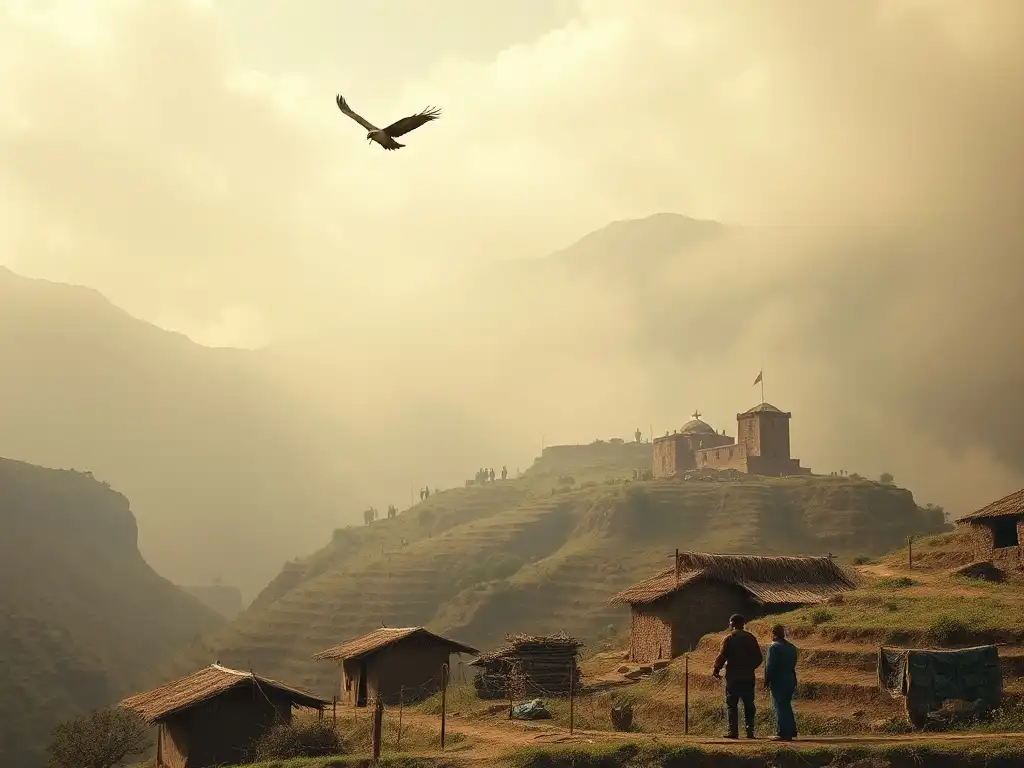
The Spanish conquest of the Andes was not solely driven by a thirst for gold and glory, a simplistic narrative often perpetuated. A deeper understanding requires examining the intricate socioeconomic factors that propelled thousands of Spaniards across the Atlantic, fueling their ambition and justifying, in their minds, the brutal conquest. The motivations were multifaceted, interwoven, and deeply rooted in the socio-economic fabric of 16th-century Spain. Understanding these underlying pressures provides a more nuanced and accurate picture of the "Spanish invasion motivations Andes".
16th-century Spain, despite its imperial grandeur, presented a rigid social hierarchy. Opportunities for advancement were limited, particularly for the ambitious but less privileged. The hidalgos, or lesser nobility, often found themselves struggling to maintain their status, facing economic hardship and limited prospects within the established system.
The New World offered a tantalizing alternative: a chance to escape the constraints of the old order and acquire wealth and prestige that could elevate their social standing dramatically. The promise of land grants, encomiendas (discussed below), and the accumulation of riches from mining and trade presented a potent lure for those seeking to improve their social standing and escape the confines of their birth.
Many soldiers and adventurers saw the conquest not just as a military campaign, but as a means of personal enrichment and social ascension, a pathway to becoming caballeros (gentlemen) and even achieving noble status. This social mobility aspect was a powerful engine driving individual participation in the conquest, significantly contributing to the overall "Spanish invasion motivations Andes."
Land Acquisition and the Encomienda System
The encomienda system played a crucial role in attracting Spaniards to the Andes. This system, ostensibly designed to reward conquistadors and encourage the conversion of Indigenous populations to Christianity, granted Spanish colonists control over Indigenous labor and resources within specific territories. While the crown intended the encomienda to be temporary, in practice it often became a hereditary right, granting its holders significant economic power and vast landholdings.
The promise of acquiring extensive tracts of land, coupled with the potential for exploiting Indigenous labor for personal profit, proved irresistible to many Spaniards, particularly those from impoverished backgrounds. The potential for accumulating wealth through agricultural production and mining further intensified the allure of the encomienda system, making land acquisition a primary driver of the "Spanish invasion motivations Andes". The system, however, would ultimately lead to widespread exploitation and abuse of the Indigenous population.
Opportunities for Trade and Economic Gain
Beyond land and labor, the Andes offered unprecedented opportunities for trade and economic gain. The region's abundant mineral resources, particularly gold and silver, fueled the insatiable appetite of the Spanish crown and private investors alike. The sheer volume of precious metals extracted from Andean mines transformed the Spanish economy, and participation in this lucrative enterprise became a major impetus for the conquest.
Furthermore, the Andes possessed a diverse range of agricultural products, textiles, and other goods that could be traded within the Spanish empire and beyond. The potential for accumulating significant wealth through mining, agricultural production, and mercantile activities attracted merchants, traders, and investors, all contributing to the complex tapestry of "Spanish invasion motivations Andes". The promise of economic prosperity far outweighed the risks and hardships associated with the journey and the conquest itself, acting as a powerful economic magnet.
The Spanish conquest of the Andes, therefore, was far from a simple tale of military ambition. It was a complex undertaking driven by a potent combination of social aspirations, economic incentives, and the allure of vast wealth and power. The interplay of these factors provides a more complete and accurate understanding of the events that shaped the history of the Andes.
The Strategic Importance of the Andes for the Spanish Crown
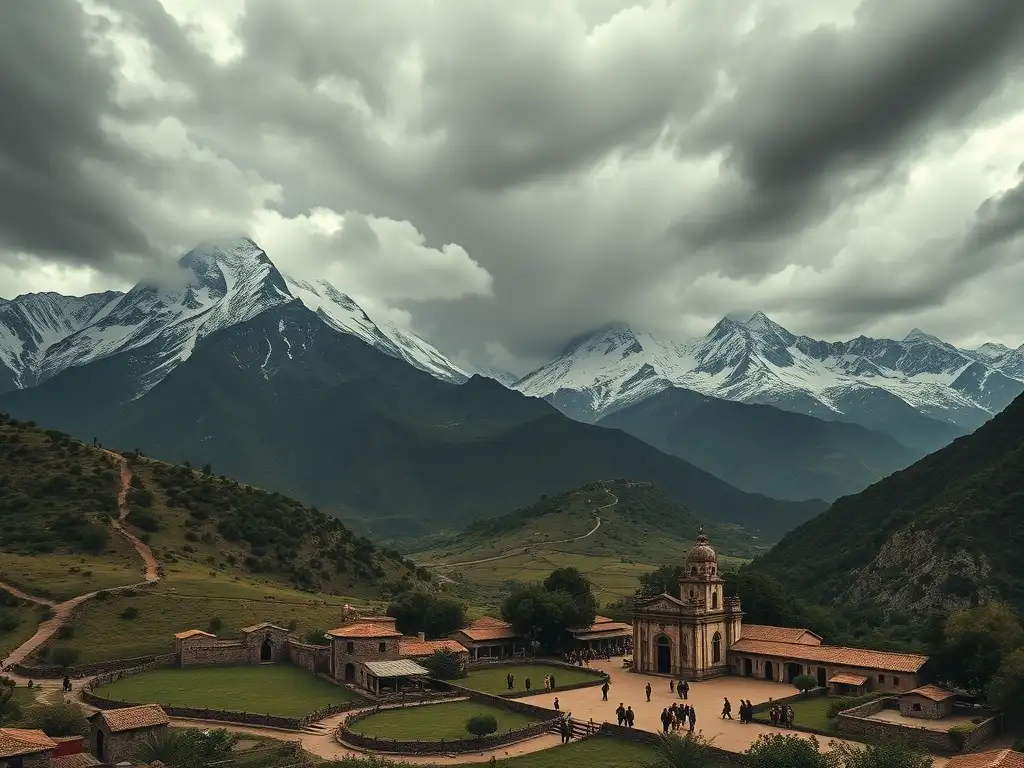
The Spanish invasion of the Andes wasn't solely driven by the lust for gold, though that undoubtedly played a significant role. A deeper analysis reveals a complex interplay of strategic motivations, placing the Andean region at the heart of Spain's imperial ambitions in the New World. The sheer strategic value of the Andes, encompassing its rich resources and geopolitical position, fueled the Spanish conquest far beyond the allure of precious metals. Understanding these strategic imperatives is crucial to grasping the full complexity of the "Spanish invasion motivations Andes."
Controlling Trade Routes and Resources
The Andes possessed immense economic potential, far surpassing the immediate value of gold and silver. Control over the region meant access to vital trade routes connecting the Pacific coast with the interior, facilitating the exploitation of various resources. The Inca Empire, prior to the Spanish arrival, had already established a sophisticated system of roads and trade networks.
The Spanish recognized the potential to leverage this existing infrastructure for their own economic gain, creating a lucrative conduit for extracting wealth from the conquered territories. This included not only precious metals but also agricultural products like potatoes, maize, and coca, which became staples in the Spanish colonial economy.
The Spanish Crown aimed to monopolize these resources, generating substantial revenue and consolidating its economic power on a global scale. Precise figures on the immediate economic gains are difficult to ascertain due to the chaotic nature of the conquest, but contemporary accounts consistently highlight the vast economic potential of the Andean region as a primary motivator for the invasion.
Establishing a Foothold in South America
Beyond immediate economic gains, the Andes represented a crucial strategic foothold for Spanish expansion in South America. Securing control over this mountainous region provided a springboard for further conquests throughout the continent. The high altitude passes and strategically located settlements offered exceptional defensive positions, allowing the Spanish to consolidate their power and launch further expeditions into neighboring territories.
The Inca Empire's vast infrastructure – roads, storehouses, and administrative centers – provided a ready-made framework for Spanish colonial administration, significantly reducing the challenges of establishing control over such a large and diverse region. The conquest of the Andes wasn't just about seizing existing resources; it was about establishing a secure base from which to launch further expansion across the entire South American continent. The strategic location, offering control over both coastal regions and the interior, significantly enhanced the long-term viability of Spanish colonial rule.
Preventing Rival European Powers from Gaining a Stronghold
The Spanish invasion was also fueled by a keen awareness of the growing competition among European powers for colonial dominance. The Andes, with its wealth and strategic location, represented a highly desirable prize, and the Spanish were determined to prevent other nations, particularly Portugal, England, and France, from establishing a significant presence in the region.
The race for colonial territories was fierce, and the Spanish Crown understood that securing the Andes would not only enhance its own power but also severely cripple the ambitions of its rivals. This aspect of the invasion highlights the geopolitical context of the conquest, demonstrating that the motivations went beyond purely economic considerations.
The Spanish Crown viewed the Andes as a vital piece in a larger game of imperial power struggles, a crucial territory that had to be secured to maintain Spain's position as a leading global power. The fear of losing this strategic advantage to rival powers was a significant factor driving the intensity and brutality of the Spanish conquest.
The Indigenous Perspective: Understanding the Impact of the Invasion
The Spanish invasion of the Andes wasn't simply a clash of armies; it was a cataclysmic event that irrevocably altered the social fabric, political structures, and cultural landscape of a diverse array of Andean societies. Understanding the motivations behind the Spanish conquest requires acknowledging the profound impact from the indigenous perspective, moving beyond the Eurocentric narratives that often dominate historical accounts.
This section will explore the vulnerabilities of pre-Inca societies, the internal weaknesses of the Inca Empire, and the devastating role of disease in shaping the outcome of the conquest. The Spanish invasion motivations Andes were multifaceted, and understanding the indigenous experience is crucial to a complete picture.
The Pre-Inca Andean Societies and their Vulnerabilities
Before the Inca Empire's rise, the Andes were home to a mosaic of diverse and sophisticated cultures, including the Nazca, Moche, and Tiahuanaco. While these civilizations achieved remarkable feats in engineering, art, and agriculture, they were not immune to internal pressures and external threats. Many existed in a state of constant competition and conflict, often engaging in warfare over resources and territory.
This fragmented political landscape made them individually vulnerable to the superior weaponry and organized military force of the Spanish. The lack of a unified front among these pre-Inca societies significantly hampered their ability to mount an effective resistance against the invading forces. For example, the Moche, known for their impressive irrigation systems and artistic achievements, were likely weakened by internal strife and possibly environmental challenges in the centuries leading up to the Spanish arrival, making them easier targets.
Analyzing the pre-existing social and political structures reveals a complex tapestry of strengths and weaknesses that significantly influenced the success of the Spanish conquest. The Spanish invasion motivations Andes were, in part, facilitated by these pre-existing vulnerabilities.
The Inca Empire's Internal Dynamics and Weaknesses
The Inca Empire, at the time of the Spanish arrival, was not the monolithic, invincible force often portrayed in historical narratives. While undeniably powerful, the empire faced significant internal challenges. Recent research suggests that the Inca's control over its vast territories was more tenuous than previously believed, with frequent rebellions and resistance among conquered populations.
The forced assimilation policies and the imposition of the Inca language and religion created resentment and dissatisfaction amongst many groups. The relatively recent unification of the empire under Huayna Capac, followed by his death and the subsequent succession crisis between his sons Huáscar and Atahualpa, plunged the empire into a devastating civil war, significantly weakening its military and administrative capabilities.
This internal conflict diverted resources and manpower, leaving the Inca Empire ill-prepared to defend itself against the comparatively small Spanish expedition. This internal fracturing played a crucial role in the Spanish victory, highlighting the crucial impact of the Inca Empire's internal dynamics on the Spanish invasion motivations Andes.
The Impact of Disease on Indigenous Populations
The devastation wrought by Old World diseases, such as smallpox, measles, and influenza, cannot be overstated. These diseases, to which the Andean populations had no immunity, decimated indigenous communities, weakening their resistance to Spanish conquest. Epidemics ravaged the Inca Empire before the arrival of Pizarro, significantly reducing the population and undermining the empire's capacity for resistance.
Some scholars estimate that up to 90% of the indigenous population perished from disease in the decades following the initial contact, a catastrophic loss that fundamentally altered the demographic landscape of the Andes. This demographic collapse, combined with the disruption of social structures and agricultural practices, created a power vacuum that the Spanish readily exploited.
The devastating impact of disease profoundly influenced the Spanish invasion motivations Andes, as it significantly reduced the indigenous population's ability to resist the invasion. The scale of death caused by disease facilitated the conquest far beyond the military actions of the Spanish themselves.
The Role of Technology and Military Superiority
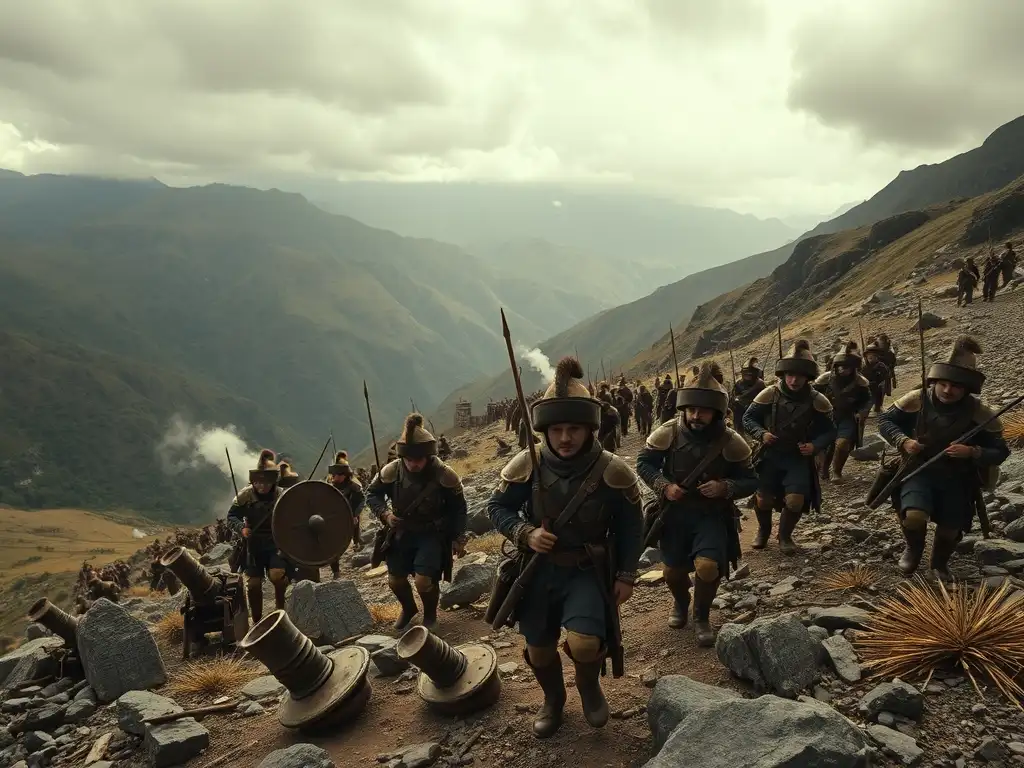
The Spanish conquest of the Andes wasn't solely a matter of brute force; it was a sophisticated interplay of military advancements, strategic exploitation of indigenous weaknesses, and psychological warfare. Understanding the Spanish invasion motivations Andes requires acknowledging their technological and military superiority, which played a crucial role in their success. This superiority wasn't just about having better weapons; it was about a holistic approach to warfare that the Andean civilizations were ill-prepared to counter.
The disparity in technology and military organization tipped the scales heavily in favor of the Spanish conquistadors. The subsequent collapse of the Andean empires was not simply a result of conquest, but a complex interplay of factors amplified by this technological gap.
Spanish Weaponry and Military Tactics
Spanish weaponry represented a significant leap forward compared to the Andean arsenal. Steel swords, crossbows, and, most importantly, firearms like muskets and cannons, inflicted devastating casualties. Indigenous weapons, primarily made of bronze, copper, and wood, were simply no match for the superior penetration and range of Spanish steel. The impact of firearms was particularly profound: the psychological effect of explosive weaponry, combined with the accuracy of muskets at relatively long range, shattered the confidence of Andean warriors accustomed to close-quarters combat.
Furthermore, Spanish military tactics were far more organized and disciplined. They employed formations and strategies, such as the tercio, a tightly-packed square formation that proved highly effective against indigenous attacks. This structured approach, combined with the use of cavalry, allowed the Spanish to coordinate their forces effectively and overwhelm their opponents. The Andean armies, while often numerous, lacked the same level of tactical cohesion and strategic planning, making them vulnerable to the Spanish's organized assaults. The difference wasn't just in the weaponry itself, but in the way the Spanish used it.
The Use of Horses and Other Animals in Warfare
The introduction of horses to the Andes was a game-changer. Indigenous populations had never encountered mounted warriors before. The sight of heavily armored soldiers charging on horseback instilled terror and disarray among the Andean armies. This psychological impact was amplified by the horses' speed and maneuverability, allowing the Spanish cavalry to quickly outflank and overwhelm enemy formations.
The shock and awe effect of cavalry charges were instrumental in many key battles, effectively breaking enemy lines and creating chaos. The Spanish also utilized other animals, such as dogs, for warfare, adding another layer to their technological advantage. The use of animals in warfare was not merely a military tactic, but also a symbolic representation of the Spanish power and dominance.
The Psychological Impact of Superior Technology on Indigenous Peoples
The technological disparity between the Spanish and the Andean civilizations had a profound psychological impact on the indigenous populations. The seemingly supernatural power of firearms and the terrifying sight of mounted warriors instilled fear and demoralization. This psychological warfare played a significant role in the Spanish conquest's success. Many indigenous communities surrendered without a fight, realizing the futility of resistance against such overwhelming power.
The Spanish effectively exploited this psychological advantage, spreading rumors and exaggerating their capabilities to further demoralize their opponents. This psychological impact, combined with the material destruction wrought by superior weaponry, contributed significantly to the rapid collapse of the Andean empires. The Spanish invasion motivations Andes cannot be fully understood without considering this significant psychological dimension of the conflict. It was a war won not only on the battlefield, but also in the minds of the conquered.
Long-Term Consequences of the Spanish Invasion
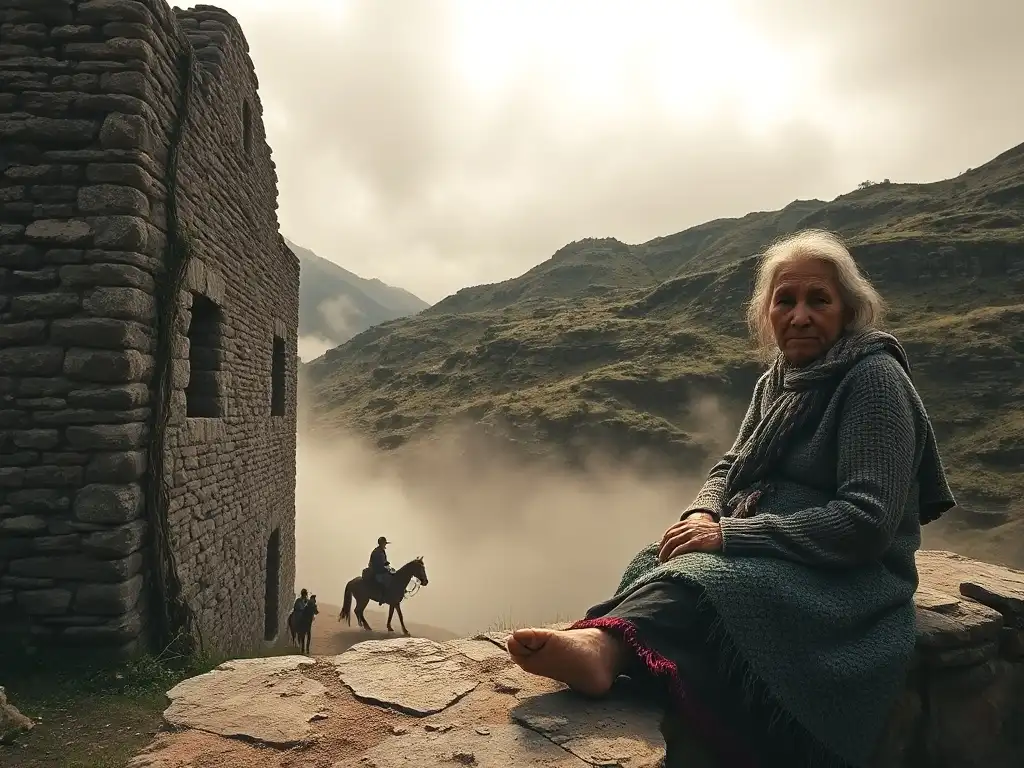
The Spanish invasion of the Andes, driven by a complex interplay of factors explored elsewhere in this article, had profound and lasting consequences that continue to shape the region today. The immediate impact, characterized by violence, disease, and the collapse of existing political structures, was only the beginning of a long and transformative process. Understanding these long-term effects is crucial to grasping the full historical weight of the Spanish conquest and its enduring legacy on Andean societies.
The motivations behind the invasion, while initially focused on gold and glory, ultimately unleashed a cascade of interconnected events that reshaped the social, economic, and political landscape of the Andes for centuries to come. Analyzing these consequences requires a multifaceted approach, examining the transformation of Andean societies, the lingering legacy of colonialism, and the ongoing struggle for indigenous rights and recognition.
The Transformation of Andean Societies
The Spanish conquest dramatically altered the social fabric of Andean societies. The pre-Columbian hierarchical systems, characterized by sophisticated administrative structures and intricate social networks, were dismantled and replaced with a colonial system centered around the Spanish crown. The Inca Empire, at its zenith prior to the invasion, was shattered, its vast network of roads and infrastructure repurposed or neglected.
Indigenous populations faced forced labor ( mita ), disease outbreaks (smallpox, measles, influenza decimated populations), and the disruption of traditional agricultural practices. This led to significant demographic shifts, with entire communities displaced or decimated. The introduction of new crops and livestock, while initially appearing beneficial, often disrupted existing ecological balances and agricultural systems, leading to long-term environmental consequences.
The Spanish also imposed their religious beliefs, leading to the suppression of indigenous spiritual practices and the forced conversion to Catholicism. This cultural imposition, often violent and coercive, resulted in a complex syncretism—a blending of indigenous and Catholic beliefs and practices—that persists to this day. The impact on Andean identity was profound and multifaceted, shaping the cultural landscape for generations.
The Legacy of Colonialism and its Impact on Identity
The legacy of Spanish colonialism continues to resonate in the Andes. The economic structures established during this period—the encomienda system, the hacienda system, and the mining operations—created deep-seated inequalities that persist even today. These systems often resulted in the exploitation of indigenous labor and the concentration of wealth and power in the hands of a small elite.
The colonial administrative divisions and the imposition of Spanish law created a framework that marginalized indigenous populations and limited their political participation. Moreover, the cultural imposition of Spanish language and customs led to a systematic erosion of indigenous languages and traditions, although many Andean communities have actively worked to preserve their cultural heritage.
The psychological impact of colonialism, characterized by the suppression of indigenous identities and the internalization of colonial ideologies, has also had lasting consequences, contributing to ongoing social and economic disparities. This complex legacy is reflected in the ongoing struggles for land rights, cultural preservation, and political representation in many Andean communities.
The Ongoing Struggle for Indigenous Rights and Recognition
The struggle for indigenous rights and recognition in the Andes is a direct consequence of the lasting impact of the Spanish invasion. Centuries of marginalization, discrimination, and economic exploitation have fueled ongoing efforts to reclaim indigenous identities, languages, and cultural practices.
Indigenous communities across the Andes are actively engaged in political movements advocating for land rights, self-determination, and greater participation in political processes. The fight for recognition of indigenous knowledge systems and traditional practices is also a central aspect of this struggle, challenging the dominant narratives that have historically minimized or ignored indigenous contributions to Andean culture and society.
This ongoing struggle highlights the enduring legacy of the Spanish invasion and the need for continued efforts to address the historical injustices and inequalities that persist in the region. The quest for social justice and equitable representation reflects a powerful resistance against the lasting consequences of the Spanish invasion and a determination to build a future that acknowledges and celebrates the rich diversity of Andean cultures.
Re-evaluating the "Spanish invasion motivations Andes"
The simplistic narrative of the Spanish conquest of the Andes, often reduced to a tale of avarice driven by the pursuit of gold and silver, significantly undersells the complex tapestry of motivations that fueled the invasion. Understanding the "Spanish invasion motivations Andes" requires a nuanced approach, moving beyond the readily apparent to delve into the intricate interplay of economic, political, and religious factors that shaped the actions of the conquistadors.
This section aims to provide a more comprehensive analysis, challenging the reductionist view and offering a deeper understanding of the events that irrevocably altered the course of Andean history. The sheer scale of the undertaking, the sustained commitment over decades, and the diverse backgrounds of the participants all point to a more multifaceted reality than a simple lust for riches.
Beyond Simple Greed: A Multifaceted Analysis
While the allure of Andean gold and silver undeniably played a significant role, reducing the Spanish invasion solely to economic greed ignores crucial contextual factors. The Spanish Crown, burdened by debt and engaged in costly European conflicts, certainly saw the potential for immense wealth in the Andes. However, this economic incentive was intertwined with other powerful drivers.
The conquistadors themselves were not simply agents of the Crown; they were driven by a complex mix of personal ambition, the promise of land and titles, and the desire for social advancement – a classic example of what historians might term "mercantilism" in action. The potential for personal enrichment was a powerful motivator, fueling individual ambition and creating a self-perpetuating cycle of conquest and exploitation. The sheer scale of the operation, involving thousands of men and massive logistical efforts, testifies to motivations that extended far beyond the immediate acquisition of gold.
Moreover, the systematic plunder of Andean resources extended beyond precious metals to encompass land, labor, and other valuable commodities, highlighting the multifaceted nature of economic motivations. The desire for control over existing trade routes and resources also played a critical role, demonstrating that the Spanish were not only interested in plunder but also in establishing lasting economic dominance.
The Interplay of Economic, Political, and Religious Factors
The Spanish invasion of the Andes was not solely an economic endeavor; it was deeply intertwined with political and religious ambitions. The Spanish monarchy sought to expand its power and influence on a global scale, viewing the conquest of the Andes as a strategic move to consolidate its position as a major European power. The vast territories and resources of the Inca Empire presented an irresistible opportunity to enhance Spain's global stature and compete effectively against other European powers.
Furthermore, the religious zeal of the conquistadors, fueled by the Catholic Church's mandate to spread Christianity, played a crucial role. The conversion of the indigenous population to Catholicism was presented as a divinely ordained mission, justifying the violence and exploitation that characterized the conquest. The ideological justification of the conquest, deeply rooted in the religious beliefs of the time, provided a powerful impetus for the Spanish to overcome immense challenges and continue their relentless pursuit of dominance.
This interplay of economic, political, and religious factors created a potent combination that propelled the Spanish forward, justifying their actions through a complex interplay of greed, ambition, and religious fervor. The conquistadors often acted in their own self-interest while simultaneously serving the interests of the crown and the church, creating a complex web of motivations.
The Importance of Understanding Historical Context
Analyzing the "Spanish invasion motivations Andes" necessitates a deep understanding of the historical context. Europe in the 15th and 16th centuries was a dynamic and competitive environment, characterized by intense rivalry between nations, religious fervor, and a growing global awareness. The Spanish were not alone in their pursuit of overseas expansion; other European powers were actively engaged in similar ventures.
Understanding this broader context reveals that the Spanish conquest of the Andes was not an isolated event but rather part of a larger historical process of European expansionism and colonization. The prevailing political climate, the economic pressures on the Spanish Crown, and the religious climate all significantly shaped the motivations and actions of the conquistadors. Furthermore, the internal dynamics of the Inca Empire itself, including existing tensions and vulnerabilities, played a pivotal role in the success of the Spanish conquest.
Ignoring the broader historical context would be to fundamentally misunderstand the driving forces behind this pivotal moment in Andean history and the lasting impact it has had on the region. Therefore, a complete analysis must consider the multifaceted nature of the motivations, placing them firmly within the context of the time.
Frequently Asked Questions
What were the primary motivations behind the Spanish conquest of the Andes?
The Spanish conquest was driven by a complex interplay of factors, including the desire for gold and silver, the spread of Catholicism, and the establishment of a vast empire. These intertwined motivations fueled the relentless Spanish expansion.
Beyond riches, what other factors influenced the Spanish invasion?
Religious zeal played a significant role, with the Spanish aiming to convert the indigenous populations to Christianity. The desire for political power and prestige within Europe also significantly motivated the conquest.
How did the existing power structures in the Andes influence the Spanish conquest?
The presence of powerful Andean empires, such as the Inca, initially provided resistance. However, internal conflicts and weaknesses within these empires ultimately facilitated the Spanish advance and conquest.
What role did technology play in the Spanish conquest of the Andes?
Superior weaponry, such as firearms and cannons, gave the Spanish a decisive military advantage. Horses also provided unmatched mobility and tactical flexibility on the Andean battlefields.
Were the motivations for the Spanish conquest solely economic?
No, while the lust for gold and other resources was a major driving force, the conquest was also propelled by religious ideology, political ambition, and the desire for territorial expansion. It was a multifaceted endeavor.
Final Reflection: Unraveling the Tapestry of Conquest in the Andes
The Spanish invasion of the Andes was not a simple tale of greed, but a complex interplay of religious zeal, economic ambition, and the inherent human desire for power and glory, a narrative that continues to resonate deeply in the modern world. Understanding these multifaceted motivations is crucial not only for comprehending the historical event itself but also for recognizing the enduring legacy of colonialism and its impact on contemporary societies grappling with issues of inequality and exploitation.
The enduring influence of the Spanish conquest on the cultural and social landscape of the Andes is undeniable, shaping everything from language and religion to political structures and economic systems. The trauma inflicted during this period continues to echo through generations, a stark reminder of the devastating consequences of unchecked ambition. History is a relentless teacher; those who refuse to learn from its lessons are doomed to repeat them.
This quote underscores the importance of critically examining the past, not to dwell on past grievances, but to learn from the mistakes of history and prevent their recurrence.
Consider the complexities of motivation explored within this article. Reflect on the ways in which seemingly disparate forces – religious fervor, the allure of wealth, and the thirst for power – can intertwine to produce devastating consequences. You, the reader, hold the power to shape a future where such destructive forces are understood, challenged, and ultimately overcome. Let the story of the Spanish conquest serve not as a celebration of conquest, but as a powerful reminder of the importance of empathy, critical thinking, and the pursuit of a more just and equitable world.
Unleash Your Curiosity: Dive Deeper into Andean History!
Thank you for exploring the fascinating motivations behind the Spanish conquest of the Andes! You've gained insights into a complex and pivotal period that profoundly shaped Andean civilizations. Now, let's delve even further into the rich tapestry of Andean cultures and their enduring historical narratives.
Here are a few ways to continue your exploration:
- Visit local museums and historical sites showcasing Andean heritage and artifacts. Immerse yourself in the captivating stories echoing through time! Consider visiting sites such as Machu Picchu or exploring museums with significant collections of Inca artifacts.
- Join our vibrant online community dedicated to Andean Civilizations! Share your insights, ask questions, and connect with fellow history enthusiasts eager to learn and discuss these fascinating cultures.
- Expand your reading and viewing: Explore books and documentaries that examine the rich and diverse cultures of the Andes before European contact. Discover the vibrant lives and intricate societies that existed prior to the conquest.
Are you ready to uncover the untold stories of the Andean civilizations and their remarkable resilience in the aftermath of colonialism?