
Ancient Andean Engineering: Online Modules on Technology and Innovation

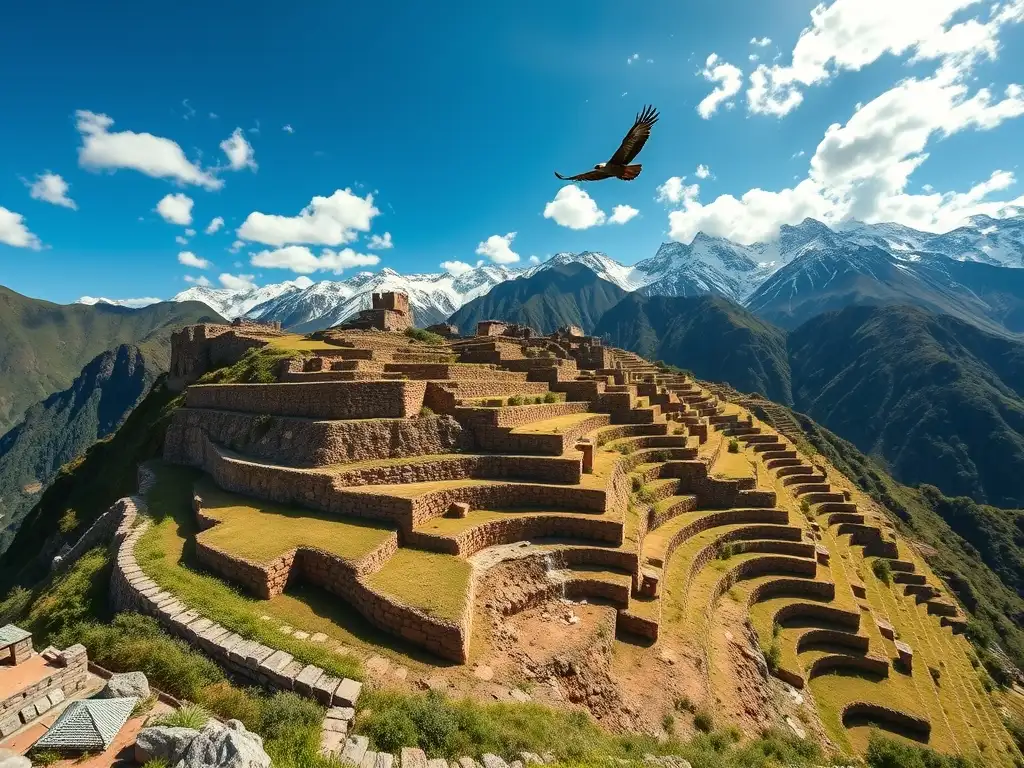
Step into a world lost to time, yet echoing with innovation. Imagine the ingenuity of the ancient Andes – the breathtaking ingenuity behind Machu Picchu, the intricate artistry of Nazca lines, the sophisticated irrigation systems of the Moche. This is more than just history; it's a testament to human resilience and brilliance. Discover the secrets of Ancient Andean technology online modules, and unlock the mysteries of these remarkable civilizations. Prepare to be amazed.
Exploring the remarkable achievements of the ancient Andean civilizations often evokes images of majestic mountain citadels and intricate textiles. However, a deeper dive reveals a sophisticated understanding of engineering and technology that continues to fascinate and inspire researchers today. This article delves into the availability of online modules dedicated to exploring the ingenuity of the Incas, Moche, Nazca, and Tiahuanaco, offering a unique opportunity to learn about their advancements in irrigation, architecture, metallurgy, and more.
We'll examine the types of resources available, their educational value, and how they contribute to a more comprehensive understanding of Ancient Andean technology. These online modules provide accessible and engaging ways to explore the fascinating world of Ancient Andean innovation, making complex topics understandable and enjoyable for learners of all levels. The keyword "Ancient Andean technology online modules" will be explored thoroughly throughout this article, highlighting the specific resources and their strengths.
Unveiling the Ingenuity of Ancient Andean Civilizations Through Online Learning
The rise of online learning platforms has democratized access to educational resources, making specialized knowledge readily available. For those interested in Ancient Andean technology, several online modules offer in-depth explorations of specific aspects of their engineering prowess. These modules often incorporate various learning styles, utilizing videos, interactive exercises, 3D models, and quizzes to enhance comprehension and engagement.
The availability of these resources allows for a flexible and personalized learning experience, catering to diverse learning preferences and schedules. This accessibility is particularly valuable for students, researchers, and enthusiasts who may not have access to traditional academic institutions or physical archives. The quality of these modules varies, however, so it's important to consider factors like curriculum design, instructor expertise, and interactive elements when selecting a course.
Irrigation Systems: A Lifeline in the Andes
The success of Andean civilizations was intrinsically linked to their mastery of water management. Online modules dedicated to Andean irrigation often showcase the complex network of canals, aqueducts, and terraces that allowed for successful agriculture in challenging terrains. These systems, often built on steep slopes and utilizing sophisticated techniques like subsurface irrigation, demonstrate a profound understanding of hydraulic engineering.
Detailed diagrams and animations within the online modules help visualize the intricate designs and functionality of these systems. Specific examples, such as the ingenious irrigation systems of the Nazca culture, are frequently highlighted, showcasing their remarkable achievements in water resource management. These modules often include discussions on the social and economic implications of these advancements, emphasizing their crucial role in the stability and prosperity of Andean societies.
Architectural Marvels: From Machu Picchu to Tiahuanaco
The impressive architecture of the Andes, exemplified by sites like Machu Picchu and Tiahuanaco, is a testament to the advanced engineering skills of these civilizations. Online modules explore the construction techniques employed, including the precise stonework, sophisticated building materials, and innovative architectural designs that allowed for the creation of monumental structures in challenging environments. The modules often delve into the logistical challenges of transporting massive stones and the precise methods used to fit them together without mortar.
Discussions on the use of different building materials, such as stone, adobe, and wood, and their specific applications in varying climates and terrains, are common themes. The social and religious significance of these structures is also explored, providing context to their engineering achievements. The precision and durability of these structures, even after centuries, are points of particular focus.
Metallurgy and Metalworking: Crafting Advanced Tools and Ornaments

Ancient Andean civilizations were skilled metallurgists, producing intricate tools, weapons, and ornaments from various metals, including gold, silver, copper, and bronze. Online modules dedicated to Andean metallurgy explore the techniques used in mining, smelting, alloying, and shaping these metals. The modules often showcase the artistry and technical skill involved in creating intricate objects, highlighting the development of sophisticated techniques like lost-wax casting and hammering.
The social and symbolic significance of metalwork, particularly gold and silver objects, is also a key area of discussion. The analysis of specific artifacts and their technological implications is often used to illustrate the sophistication of Andean metalworking. The modules may also include information on the trade routes and networks that facilitated the acquisition of raw materials and the dissemination of metalworking technologies.
Textiles and Weaving: Innovation in Fiber Arts
Beyond their engineering feats, the Andean civilizations also demonstrated remarkable skills in textile production. Online modules dedicated to this aspect of Andean technology explore the techniques of spinning, weaving, dyeing, and embroidery, highlighting the intricate designs and the use of diverse materials like alpaca and llama wool. The different weaving techniques, including backstrap loom weaving and the use of various knots and patterns, are often described in detail, sometimes with accompanying videos demonstrating the processes.
The social and cultural significance of textiles, their use in clothing, rituals, and ceremonies, is also frequently discussed, connecting the technological aspects with the broader cultural context. The modules may also include information on the symbolism and iconography woven into the textiles, providing insights into Andean beliefs and worldview.
- Unveiling the Ingenuity of Ancient Andean Civilizations Through Online Learning
- Irrigation Systems: A Lifeline in the Andes
- Architectural Marvels: From Machu Picchu to Tiahuanaco
- Metallurgy and Metalworking: Crafting Advanced Tools and Ornaments
- Textiles and Weaving: Innovation in Fiber Arts
Discovering Ancient Andean Technology: A Journey Through Online Modules
This section explores the wealth of online learning resources dedicated to the remarkable technological achievements of the ancient Andean civilizations. These modules offer a unique opportunity to delve into the ingenuity and innovation of cultures that thrived in challenging environments, leaving behind a legacy of impressive engineering feats. We'll examine specific examples from the Inca, Moche, and Nazca cultures, highlighting the diverse range of online educational materials currently available. The availability of these Ancient Andean technology online modules signifies a growing interest in making this fascinating subject accessible to a wider audience.
Explore the Marvels of Inca Engineering with Specialized Online Courses
Inca engineering stands as a testament to their sophisticated understanding of architecture, agriculture, and logistics. Online modules dedicated to Inca technology often cover topics such as:
- Road Networks: The extensive Qhapaq Ñan, or Inca Road system, is a prime example of their mastery of civil engineering. Modules often feature detailed maps, 3D models, and analyses of the construction techniques employed, including the use of sophisticated drainage systems and strategically placed resting points. The courses often emphasize the impressive logistical feats required to maintain and manage such a vast network across diverse terrains.
- Agricultural Terraces: The Inca's mastery of agriculture in steep, mountainous regions is equally impressive. Online courses provide insights into the design and construction of andenes, or terraced fields, which maximized arable land and controlled water flow. These modules frequently incorporate images and videos showcasing the precision and scale of these agricultural marvels, highlighting their impact on Inca society and food production.
- Stonework Precision: The Inca's ability to precisely cut and fit massive stones without mortar is a marvel of engineering. Online learning resources often analyze the techniques used, including the potential use of advanced tools and knowledge of stone properties. The modules may include close-up images and interactive 3D models of iconic Inca structures like Machu Picchu, allowing for a detailed examination of their construction.
Delve into Moche Innovations: Online Modules on Water Management and Metallurgy
The Moche civilization, known for its elaborate artistry and sophisticated social organization, also displayed remarkable technological prowess, particularly in water management and metallurgy. Online courses focusing on Moche technology often feature:
- Irrigation Systems: The Moche thrived in a desert environment, relying on complex irrigation systems to support their agriculture. Online modules often analyze the ingenuity of their canal networks, reservoirs, and aqueducts, highlighting the sophisticated understanding of hydraulics required for their construction and maintenance. The courses may include maps illustrating the extent of their irrigation systems and discussions of the societal implications of their water management strategies.
- Metallurgy and Craftsmanship: Moche artisans were renowned for their mastery of metallurgy, producing intricate gold, silver, and copper artifacts. Online courses dedicated to Moche technology often explore their techniques, including casting, hammering, and alloying. The modules typically feature high-resolution images of Moche metalwork, allowing for an appreciation of their skill and artistry. Discussions often include analysis of the social and religious significance of these artifacts.
Nazca Lines and Beyond: Online Education on Ancient Andean Geoglyphs
The Nazca Lines, enigmatic geoglyphs etched into the desert landscape, represent a unique technological and artistic achievement. While the precise purpose remains debated, online learning resources offer insights into the creation and potential significance of these colossal figures:
- Geoglyph Construction Techniques: Online modules dedicated to the Nazca Lines often explore the techniques used to create these massive designs. The challenges of working on such a vast scale in the harsh desert environment are often highlighted, along with theories regarding the tools and methods employed. The courses may include detailed analyses of individual geoglyphs, exploring their composition and possible meanings.
- Interpretations and Theories: The purpose of the Nazca Lines remains a topic of ongoing research. Online modules often present various interpretations, ranging from astronomical alignments to ritualistic practices. These courses usually present a balanced perspective, acknowledging the uncertainties while exploring the different hypotheses. Discussions often incorporate archaeological findings and advanced imaging techniques used to study the geoglyphs. The mystery surrounding these Ancient Andean technology online modules continues to fuel fascination and research.
This exploration of available online modules only scratches the surface of the rich technological legacy of the Andean civilizations. Further research and the development of more comprehensive online resources promise to further illuminate the ingenuity and innovation of these remarkable cultures.
Understanding Andean Innovation: Online Modules for Deep Learning
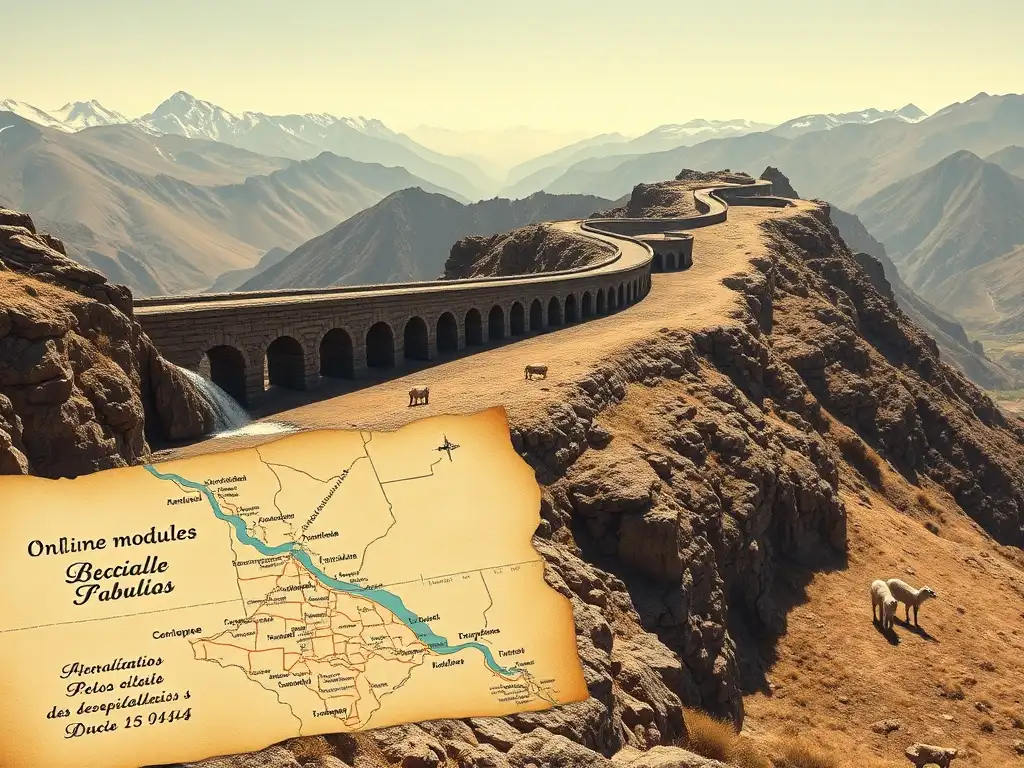
This section delves into the specifically designed online modules offering in-depth exploration of Ancient Andean technology. These resources go beyond superficial overviews, providing learners with a nuanced understanding of the ingenuity and sophistication of pre-Columbian Andean civilizations. The modules utilize a variety of pedagogical approaches, including interactive simulations, high-resolution image galleries showcasing artifacts and archaeological sites, and engaging video lectures from leading experts in the field. The aim is to foster a deeper appreciation for the technological achievements of these remarkable cultures, offering a unique perspective on Ancient Andean technology online.
Mastering Ancient Andean Construction Techniques Through Online Training
The online modules dedicated to Andean construction techniques provide a comprehensive overview of the remarkable architectural feats achieved by civilizations like the Incas, Tiahuanaco, and Wari. These modules meticulously examine the sophisticated stonework, intricate irrigation systems, and impressive road networks that defined the Andean landscape.
Students will learn about:
- Precise Stone Cutting and Fitting: Detailed analysis of the techniques used to create incredibly precise stone blocks, often without the use of mortar, as evidenced by sites like Machu Picchu. The modules explore the potential use of tools, the understanding of stone properties, and the organizational structures necessary for such large-scale projects. Specific examples from Ollantaytambo and Sacsayhuamán will be analyzed.
- Advanced Irrigation Systems: The modules will explore the complex canal systems and sophisticated water management techniques employed by Andean civilizations. Detailed maps and diagrams illustrate the ingenuity of these systems, highlighting their role in supporting intensive agriculture in challenging terrains. The impact of these systems on population density and societal development will be discussed. Case studies will feature the Nazca and Moche irrigation systems.
- Road Networks and Infrastructure: The vast road networks of the Inca Empire, known as Qhapaq Ñan, will be examined in detail. The modules will analyze the engineering challenges overcome in constructing these roads across diverse and challenging terrains. The strategic importance of these roads for communication, trade, and military control will be emphasized. Specific examples of road construction techniques and their adaptation to varied environments will be provided.
The modules incorporate interactive 3D models allowing students to virtually explore key sites and manipulate virtual tools, enhancing their understanding of the construction process.
Advanced Online Modules on Pre-Columbian Andean Agricultural Practices
These modules delve into the innovative agricultural practices employed by ancient Andean societies, showcasing their remarkable adaptation to diverse and often challenging environments. The curriculum emphasizes the interplay between technology, environment, and social organization in shaping Andean agricultural systems.
The modules cover:
- Terracing and Hillside Farming: Detailed explanations of the construction and function of agricultural terraces, a technique used to maximize arable land on steep slopes. The modules analyze the engineering principles behind terrace construction, the impact on soil erosion, and the long-term sustainability of this method. Examples from various Andean regions will be provided.
- Andean Crop Domestication: The modules explore the domestication of key Andean crops, such as potatoes, maize, and quinoa, highlighting the selection processes and genetic modifications that led to the development of high-yielding varieties adapted to diverse ecological conditions. The significance of these crops to Andean societies will be discussed, considering their nutritional value and cultural importance.
- Waru Waru Agriculture: This module focuses on the unique raised-field agricultural system known as waru waru, prevalent in the Titicaca Basin. The modules will analyze the construction techniques, the hydrological benefits, and the ecological advantages of this system. The module will also discuss the role of waru waru in mitigating the effects of climate change and its potential for modern applications.
These modules use high-quality images and videos to illustrate the different agricultural techniques and their impact on the landscape. Interactive quizzes and assignments further solidify learning and encourage critical thinking.
Decoding the Secrets of Andean Textiles: Online Courses on Ancient Techniques
These online courses explore the sophisticated textile traditions of the Andean region, highlighting the remarkable skills and artistry of ancient Andean weavers. These courses not only showcase the beauty of Andean textiles but also delve into the technological innovations and cultural significance embedded within them.
The modules will cover:
- Fiber Preparation and Spinning Techniques: Detailed analysis of the processes involved in preparing fibers from various sources, including alpaca, llama, vicuña, and cotton. The modules will explore different spinning techniques, examining the tools used and the resulting yarn properties. Examples of different yarn structures and their functionalities will be presented.
- Weaving Techniques and Designs: A comprehensive exploration of various Andean weaving techniques, including backstrap loom weaving, and the intricate patterns and symbolic meanings woven into the textiles. The modules will analyze the relationship between textile designs and social status, religious beliefs, and cultural identity. Detailed images of textiles from different Andean cultures will be showcased.
- Dyeing Techniques and Natural Dyes: The modules will explore the diverse range of natural dyes used by ancient Andean cultures, examining the sources of these dyes and the processes involved in extracting and applying them to textiles. The environmental impact of these dyeing techniques and their sustainability will be discussed. The symbolic meaning of different colors in Andean textile traditions will be analyzed.
The modules include high-resolution images of ancient Andean textiles, allowing students to closely examine the intricate details and appreciate the artistry involved. Interactive exercises will help students understand the complexities of the weaving techniques and the symbolic meanings embedded within the designs. The modules aim to provide a comprehensive understanding of Ancient Andean technology within the context of textile production.
Maximizing Your Learning: Choosing the Right Ancient Andean Technology Online Module
This section guides you through selecting the ideal online module to delve into the fascinating world of Ancient Andean technology. We'll explore different platforms and course structures, helping you make an informed decision based on your learning style and specific interests. Understanding the nuances of each platform ensures you maximize your learning experience and gain a comprehensive understanding of Ancient Andean innovations. The availability of specialized modules focusing on specific aspects of Ancient Andean technology online, allows for a focused and enriching learning experience.
Comparing Online Platforms Offering Andean Engineering Courses
Several online learning platforms offer courses on Ancient Andean technology, each with its own strengths and weaknesses. Choosing the right platform depends on your budget, learning preferences, and specific learning goals related to Ancient Andean technology. Let's examine three popular platforms: Coursera, edX, and Udemy. Each offers a unique approach to teaching Ancient Andean engineering principles and innovations.
Coursera: Features, Pricing, and Specializations in Andean Technology
Coursera often partners with prestigious universities and institutions to deliver high-quality courses. Their Ancient Andean technology modules typically feature structured learning paths, video lectures from leading experts, graded assignments, and peer-reviewed projects. Pricing varies; some courses are free to audit, while others require payment for a certificate of completion. Look for specializations focusing on specific aspects of Andean engineering, such as Inca road construction or Nazca aqueducts. The structured approach of Coursera's Ancient Andean technology online modules provides a comprehensive and credible learning experience. Furthermore, the availability of specializations allows for a focused learning path tailored to specific interests.
edX: Interactive Modules and Expert Instructors on Andean Innovation
edX, similar to Coursera, collaborates with universities globally. Their Ancient Andean technology modules often incorporate interactive elements, such as simulations and quizzes, to enhance engagement. You'll find courses taught by renowned archaeologists and engineers, providing insights into the ingenuity of Ancient Andean civilizations. Like Coursera, edX offers both free audit options and paid certificates. The interactive nature of edX's modules makes learning Ancient Andean technology engaging and memorable. The courses are often designed with a focus on interactive elements to enhance student engagement and knowledge retention.
Udemy: Focus on Practical Applications of Ancient Andean Knowledge
Udemy stands out for its diverse range of courses, often created by individual instructors. While the quality can vary, you'll find Ancient Andean technology modules that focus on practical applications of Ancient Andean knowledge. These might include courses on replicating Andean building techniques or understanding the principles behind their sophisticated irrigation systems. Udemy's pricing model is typically course-specific, with significant price variations. The diverse range of offerings on Udemy provides flexibility in choosing a course that aligns with your specific learning objectives regarding Ancient Andean technology. However, it requires more careful selection due to the variable quality.
Choosing a Module Based on Your Specific Interests: From Irrigation to Architecture
The beauty of studying Ancient Andean technology lies in its diversity. From the intricate irrigation systems of the Nazca to the monumental architecture of the Inca, there's a wealth of knowledge to explore. To maximize your learning, choose a module that aligns with your specific interests.
Consider these specialized areas:
- Irrigation Systems: Explore the ingenuity behind the canales and andenes, understanding how these civilizations harnessed water resources in challenging terrains. Many online modules dedicated to Ancient Andean technology will offer detailed explanations and visualizations of these complex systems.
- Architectural Marvels: Analyze the construction techniques of Machu Picchu, Sacsayhuamán, or other impressive structures. Learn about the materials, tools, and techniques used, and how these structures demonstrate advanced engineering knowledge. Specific Ancient Andean technology online modules may focus on the construction methods of particular structures.
- Road Networks: Examine the Inca's impressive road network, its strategic importance, and the engineering feats involved in its construction across diverse landscapes. Some online courses may delve into the logistics and organization required for such large-scale projects.
- Metallurgy: Discover the advanced metallurgical skills of the Ancient Andeans, focusing on their techniques for working with gold, silver, copper, and bronze. These modules often include details of the tools and processes used by Ancient Andean civilizations.
- Textiles and Weaving: Explore the sophisticated textile production of the Ancient Andeans, from the preparation of fibers to the intricate designs and techniques used in weaving. The Ancient Andean technology online modules may feature detailed information on the dyeing techniques and the symbolism woven into the textiles.
By carefully considering your learning style, budget, and specific interests within Ancient Andean technology, you can choose the online module that best suits your needs, leading to a rewarding and enriching learning journey. Remember to check course reviews and syllabi before enrolling to ensure the module aligns with your expectations and learning goals related to Ancient Andean technology.
Real-World Applications and Benefits of Studying Ancient Andean Technology Online

This section explores the practical advantages of engaging with online modules focused on Ancient Andean technology. Understanding the ingenuity of these civilizations offers unexpected benefits extending far beyond historical appreciation. We delve into how these ancient techniques can inform and inspire modern solutions and highlight the career opportunities this specialized knowledge can unlock.
How Ancient Andean Engineering Principles Can Inspire Modern Solutions
Ancient Andean civilizations, despite lacking modern tools and materials, demonstrated remarkable engineering prowess. Their innovative solutions to challenges like irrigation, construction, and resource management offer valuable lessons for contemporary engineers and designers. For example, the intricate canals and terraces used by the Inca for agriculture are still studied today for their efficiency in water management, particularly relevant in the face of modern climate change and increasing water scarcity. Their understanding of hillside agriculture minimized soil erosion and maximized crop yields – principles we can adapt to create more sustainable farming practices.
The Nazca lines, while their purpose remains debated, showcase a sophisticated understanding of surveying and land measurement. The precision and scale of these geoglyphs suggest advanced knowledge of geometry and astronomy, inspiring modern researchers to explore innovative surveying techniques. Further, the Inca's mastery of stonework, evident in structures like Machu Picchu, highlights an understanding of structural engineering and building materials that continues to fascinate and inspire architects and construction engineers.
Their ability to create such precise fits without mortar remains a testament to their ingenuity and a challenge to modern techniques. The study of their techniques could lead to advancements in sustainable construction and the development of more resilient infrastructure.
Career Opportunities and Applications of Knowledge Gained from Online Modules
Engaging with online modules on Ancient Andean technology opens doors to various career paths. A deep understanding of this field can enhance the prospects of professionals in several domains. For example, archaeologists and anthropologists directly benefit from this knowledge, enhancing their research and interpretation of ancient sites.
Furthermore, civil engineers, architects, and environmental scientists can draw inspiration from Andean engineering solutions for contemporary challenges. The study of ancient irrigation systems, for instance, can inform the design of modern water management systems, leading to more efficient and sustainable practices. Similarly, the analysis of Inca stonework can contribute to advancements in construction techniques and materials science.
Moreover, knowledge of Ancient Andean technology can be a valuable asset in heritage preservation and tourism. Professionals working in these sectors can benefit from a deeper understanding of the cultural and technological significance of ancient sites, enabling them to develop more effective preservation strategies and create more engaging and informative visitor experiences. The growing interest in sustainable tourism further emphasizes the importance of understanding and preserving these ancient legacies. The potential for combining this knowledge with digital technologies, such as virtual reality tours, also presents exciting career opportunities.
The Cultural and Historical Significance of Studying Andean Innovation Online
Studying Ancient Andean technology online isn't simply about acquiring technical skills; it's also about understanding the cultural and historical context of these innovations. These online modules provide access to a rich tapestry of human ingenuity, showcasing the impressive achievements of Andean civilizations and their profound impact on the world. Understanding the societal structures and belief systems that shaped these technological advancements provides a deeper appreciation for the complexity and sophistication of these societies.
The study of Andean innovation online contributes to a more inclusive and comprehensive understanding of global history, challenging Eurocentric narratives and highlighting the contributions of often-overlooked cultures. By learning about the diverse approaches to problem-solving employed by these civilizations, we broaden our perspectives and gain insights into human creativity and adaptability. This understanding fosters a greater respect for cultural diversity and promotes a more nuanced appreciation of human history.
Furthermore, access to these online resources democratizes learning, making this fascinating subject accessible to a wider audience, regardless of geographical location or socioeconomic background. The preservation and dissemination of this knowledge through online modules ensures the continuity of this rich cultural heritage for future generations.
Embark on Your Journey: Accessing Ancient Andean Technology Online Modules
This section details how to access and utilize the online modules dedicated to Ancient Andean technology. We offer a curated selection of resources designed to provide a comprehensive understanding of the ingenuity and innovation of Andean civilizations. These modules cater to various learning styles and levels of prior knowledge, ensuring an enriching and accessible learning experience for everyone.
Our commitment is to provide high-quality, engaging content that brings the fascinating world of Ancient Andean technology to life. We believe that understanding this technology is crucial to appreciating the complexity and sophistication of these ancient societies. This section will guide you through the process, ensuring a smooth and rewarding journey into the past.
Step-by-Step Guide to Enrolling in Online Andean Engineering Courses
Enrolling in our online Andean engineering courses is straightforward and user-friendly. Follow these simple steps to begin your exploration of Ancient Andean technology:
- Navigate to the Course Catalog: Locate the "Online Courses and Educational Resources" section of our website. You'll find a comprehensive catalog of available modules, categorized for easy browsing.
- Select Your Desired Module: Browse through the available modules on Ancient Andean technology. Each module description provides detailed information on its content, duration, and learning objectives. Consider your interests and prior knowledge when making your selection. For example, you might choose a module focused on Inca road systems or a more general overview of Andean engineering principles.
- Create an Account (if needed): If you're a new user, you'll need to create a free account. This allows you to track your progress, access course materials, and participate in any online discussions. The registration process is quick and secure.
- Enroll in the Course: Once you've selected your module and created an account, simply click the "Enroll" button. You'll then have immediate access to the course materials.
- Begin Learning: Start exploring the rich content! Each module is designed to be engaging and informative, incorporating a variety of learning methods, including videos, interactive exercises, and downloadable resources. Remember to utilize all available resources for optimal learning.
Resources and Tools for Optimal Learning in Online Andean History Modules
To maximize your learning experience with our Ancient Andean technology online modules, consider utilizing these supplementary resources and tools:
- Note-Taking System: Develop a consistent note-taking system to effectively capture key concepts and insights from the modules. This could involve using digital note-taking apps, creating physical notebooks, or a combination of both.
- Time Management: Allocate dedicated time slots for studying to ensure consistent progress. Creating a study schedule can enhance focus and productivity.
- Discussion Forums: Engage with fellow learners and instructors through the online discussion forums. This is an excellent opportunity to ask questions, share insights, and collaborate on projects.
- Supplementary Reading: Explore additional resources, such as books and academic articles, to deepen your understanding of specific topics. Our modules often include suggested readings to help you delve further.
- Mind Mapping: Use mind mapping techniques to visualize complex concepts and relationships within Ancient Andean technology. This can be particularly useful for understanding the interconnectedness of various engineering achievements.
Start Exploring the Fascinating World of Ancient Andean Technology Today
The online modules on Ancient Andean technology offer an unparalleled opportunity to explore the remarkable engineering achievements of these ancient civilizations. From intricate irrigation systems to monumental architecture, the ingenuity and innovation of the Andean peoples are truly awe-inspiring. Our modules provide a structured and accessible pathway to understanding this fascinating subject. Don't hesitate – embark on your journey today and discover the wonders of Ancient Andean technology!
We've carefully crafted these modules to be both informative and engaging, making the learning process enjoyable and rewarding. Start learning about Ancient Andean technology online today and unlock the secrets of a remarkable past! 🎉
Frequently Asked Questions
What online modules are available on Ancient Andean technology?
Our website offers online modules covering various aspects of Ancient Andean technology, including irrigation systems, metallurgy, textiles, and architecture. These modules are designed for diverse learning levels.
Are these modules suitable for beginners?
Yes, absolutely! Our modules are designed to be accessible to all, regardless of prior knowledge. We start with foundational concepts and gradually build complexity.
What specific Andean civilizations are covered in the modules?
The modules explore the technological achievements of several key civilizations, including the Incas, Moche, Nazca, and Tiahuanaco, showcasing their unique innovations and engineering prowess.
How can I access these Ancient Andean technology online modules?
Access is easy! Simply visit our website and navigate to the "Online Modules" section. You'll find a detailed catalog of available courses and resources.
What makes your Ancient Andean technology online modules unique?
Our modules offer a unique blend of historical context, visual aids, and interactive exercises, making learning engaging and effective. We also feature primary source material for a deeper understanding.
Final Reflection: Echoes of Ingenuity: Ancient Andean Technology and Our Modern World
The ingenuity of the ancient Andean civilizations continues to resonate today, challenging our assumptions about technological advancement and inspiring innovative solutions to modern problems. Their mastery of complex irrigation systems, sophisticated agricultural techniques, and awe-inspiring architectural feats stand as a testament to human potential and the power of collaborative problem-solving, even without the benefit of modern tools and technologies. These achievements offer valuable lessons for our own time, urging us to consider sustainable practices and collaborative innovation.
The enduring legacy of Andean engineering is not merely historical; it's a living example of human resilience and adaptability. Their innovations, born from necessity and a deep understanding of their environment, offer a powerful counterpoint to our often unsustainable practices. The greatest glory in living lies not in never falling, but in rising every time we fall.
This quote, though not directly from an Andean source, perfectly encapsulates the spirit of perseverance and innovation that permeates their achievements and should inspire us all. Their ability to thrive in challenging environments, using limited resources, provides a powerful model for sustainable development in our own era.
Consider the intricate network of canals and terraces that allowed the Andes to flourish. Think about the precision and skill involved in constructing Machu Picchu, a city that remains a marvel of engineering even today. You, too, can harness the spirit of innovation and resourcefulness demonstrated by these ancient cultures. By embracing sustainable practices, collaborative problem-solving, and a deep understanding of our environment, you can contribute to a more resilient and innovative future. Let the echoes of their ingenuity inspire your own journey of discovery and creation.
Embark on a Journey of Andean Innovation!
Thank you for exploring the fascinating world of Ancient Andean Engineering! You've discovered how these remarkable civilizations shaped technology and innovation, offering insights that can inspire modern approaches. Now, let's translate that excitement into action.
Here's how you can further engage with this rich topic:
- **Deepen your knowledge:** Expand your understanding of Andean engineering practices and their modern relevance through our comprehensive online courses.
- **Share your perspectives:** Join our vibrant online community to discuss your thoughts and connect with fellow enthusiasts passionate about Andean innovations.
- **Test your understanding:** Challenge yourself with our upcoming quiz to solidify your knowledge and deepen your appreciation of the subject.
What aspect of Ancient Andean engineering captivates you most, and how might it inspire your own creative endeavors?