
The Role of Ancestors in Andean Life: Guidance, Protection, and Spiritual Power

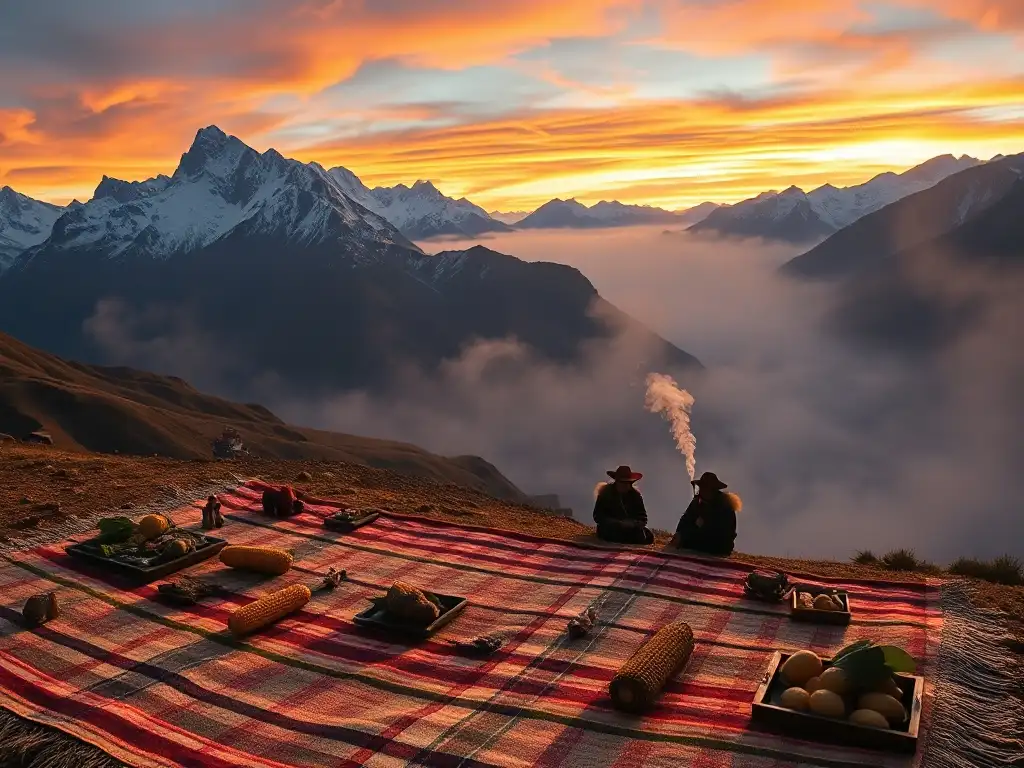
Step into a world lost to time, yet echoing with power and mystery. For centuries, the towering Andes Mountains have witnessed the rise and fall of magnificent civilizations. But what truly fueled their ingenuity and shaped their destinies? Discover the captivating secrets behind Andean ancestor worship practices, a cornerstone of Andean cosmology that reveals the profound connection between the living and the spirit world. Unravel the intricate tapestry of guidance, protection, and spiritual power woven into the very fabric of Andean life—a journey that will leave you breathless and hungry for more.
- The Enduring Significance of Ancestors in Andean Life
- The Spiritual Role of Ancestors in Andean Cosmology
- Andean Ancestor Worship Practices: Rituals and Traditions
- The Living Presence of Ancestors in Daily Andean Life
- Mummification and Burial Practices: Honoring the Departed
- Andean Ancestor Worship Practices: A Legacy of Continuity
- Connecting with the Past: The Power of Ancestral Connection
-
Frequently Asked Questions
- What role did ancestors play in Andean societies?
- How did the Andean people communicate with their ancestors?
- What were some common ancestor worship practices in Andean cultures?
- Did all Andean cultures share the same ancestor worship beliefs and practices?
- How did ancestor worship influence Andean art and architecture?
- Final Reflection: Echoes of the Past, Shaping the Future
- Embrace Your Ancestral Connection Today!
The Enduring Significance of Ancestors in Andean Life
The Andean worldview, a complex tapestry woven from millennia of cultural evolution, places immense importance on the connection between the living and their ancestors. This isn't simply a matter of historical remembrance; ancestor veneration in Andean societies permeates every aspect of life, from daily routines to major societal events.
This article delves into the profound role ancestors played—and continue to play—in the spiritual, social, and even political fabric of Andean cultures, exploring the practices associated with "Andean ancestor worship practices" and the beliefs that underpinned them. We will examine the diverse ways in which Andean peoples, including the Inca, Moche, Nazca, and Tiahuanaco, sought guidance, protection, and spiritual power through their interactions with the departed.
The enduring legacy of these beliefs continues to resonate in contemporary Andean communities, highlighting the persistent strength of ancestral ties across generations. Understanding this profound connection provides crucial insight into the very heart of Andean cosmology and worldview.
Understanding Andean Ancestor Veneration
Andean ancestor veneration wasn't a passive remembrance; it was an active, ongoing relationship. Ancestors weren't simply figures from the past; they were considered powerful intermediaries between the living world and the spiritual realm. This belief system fostered a profound sense of continuity and connection across generations. The deceased weren't seen as definitively "gone," but rather as existing in a different state, capable of influencing the lives of their descendants.
This influence wasn't always benevolent; ancestors could bestow blessings, but also inflict misfortune if neglected or angered. Therefore, maintaining respectful relationships with ancestors was paramount. This involved a range of practices, including:
- Offering rituals: Regular offerings of food, drink, coca leaves, and other precious items were presented at ancestral shrines and burial sites to appease and honor the ancestors. These offerings were not merely symbolic gestures; they were believed to provide sustenance and maintain a vital connection.
- Mummification and preservation: The meticulous mummification practices prevalent in many Andean cultures demonstrate the high value placed on the physical remains of ancestors. Mummies weren't simply objects of morbid fascination; they were active participants in family life, often consulted for guidance and protection.
- Ancestor worship festivals: Many festivals and ceremonies were dedicated to honoring ancestors, often incorporating music, dance, and elaborate rituals designed to strengthen the bond between the living and the dead. These events solidified community bonds and reaffirmed cultural identity.
- Invocation and consultation: Shamans and other spiritual leaders often played a crucial role in mediating communication with ancestors. They used divination techniques, such as interpreting dreams or reading coca leaves, to seek guidance from the spirit world. This form of spiritual consultation was crucial in making important decisions.
The intricate details varied across different Andean cultures, reflecting the diverse expressions of this central belief. For example, the Inca emphasis on imperial lineage and state power infused their ancestor veneration with a strong political dimension, while smaller communities might have focused on family-based rituals. However, the underlying principle of a continuous, reciprocal relationship between the living and the dead remained consistent across diverse Andean societies.
The Spiritual Role of Ancestors in Andean Cosmology
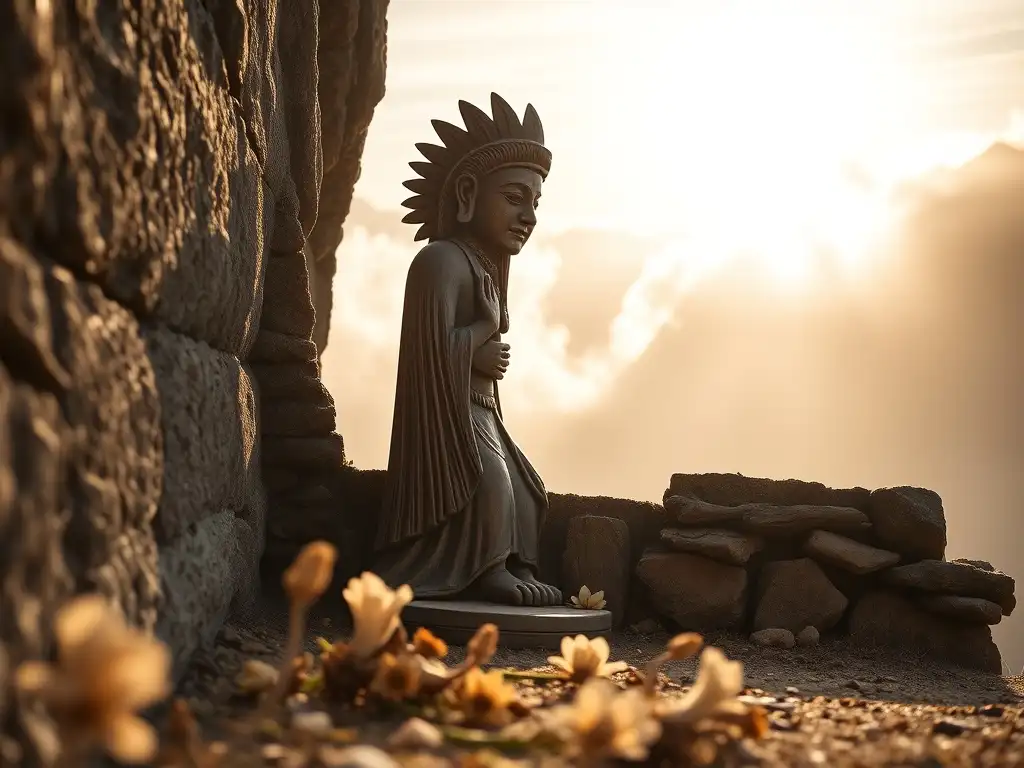
The Andean worldview was deeply intertwined with the spiritual realm, and ancestors held a central position in this cosmology. Ancestor veneration wasn't merely a ritualistic practice; it was an integral part of daily life, shaping social structures, agricultural practices, and individual destinies. The belief that ancestors continued to exist in a spiritual plane, influencing the living, permeated all aspects of Andean society, from the Inca Empire to smaller, less centralized groups.
This profound connection fostered a sense of continuity between the living and the dead, ensuring guidance, protection, and the perpetuation of cultural traditions across generations. Understanding Andean ancestor worship practices requires recognizing this pervasive influence on their worldview.
Ancestral Spirits as Guides and Protectors
Andean peoples believed that their ancestors acted as powerful intermediaries between the living and the spirit world. They weren't simply remembered; they were actively engaged with, consulted for guidance, and invoked for protection. This interaction frequently involved offerings, prayers, and specific rituals tailored to the ancestor's role in the family or community. For instance, a successful warrior ancestor might be consulted before battle, while a skilled artisan ancestor could be called upon for assistance in crafting.
This wasn't a passive relationship. Ancestors were believed to actively intervene in the lives of their descendants, influencing harvests, health, and even political fortunes. Failure to properly honor ancestors could result in misfortune, highlighting the crucial role of ancestor worship practices in maintaining balance and prosperity. The belief in ancestral protection extended to the physical world as well; ancestral spirits were seen as guardians against natural disasters and malevolent forces.
The specific methods of communicating with ancestors varied across different Andean cultures. Some involved elaborate ceremonies with priests and shamans, while others incorporated simpler, daily practices like leaving offerings at family shrines or speaking to deceased relatives during special occasions. The common thread was the unwavering belief in the continued presence and active participation of ancestors in the lives of the living.
The Concept of "Apus" and Mountain Ancestors
The Andean landscape itself played a significant role in ancestral veneration. Mountains, particularly the towering peaks known as Apus, were considered sacred entities, often dwelling places of powerful ancestral spirits. These Apus weren't simply geographical features; they were revered as deities, embodying the strength, endurance, and wisdom of ancestral beings. Their presence shaped the lives of the communities living in their shadows, influencing agricultural cycles, water resources, and overall well-being.
Offering ceremonies to the Apus were crucial for ensuring a successful harvest and protection from natural calamities. These ceremonies frequently involved coca leaf offerings, prayers, and other rituals aimed at appeasing and honoring the mountain spirits. The Apus were considered protectors, providing sustenance and guidance to the communities that acknowledged their power.
The relationship between the living and the Apus exemplified the deep interconnectedness of the Andean worldview, where the spiritual and physical realms were inextricably linked. The reverence for the Apus demonstrates the extent to which Andean ancestor worship practices were integrated into their relationship with the natural world.
The Importance of Lineage in Andean Societies
Ancestor veneration played a critical role in shaping Andean social structures. Lineage was paramount, with individuals' identities and social standing deeply rooted in their ancestral connections. The continuity of family lines was crucial for maintaining social order and ensuring the transmission of cultural knowledge and practices. Knowledge of one's ancestors, their achievements, and their failures, formed the foundation of individual and collective identity.
This emphasis on lineage is evident in the intricate kinship systems and inheritance practices found across various Andean cultures. Inheritance often followed specific lines of descent, with property, titles, and responsibilities passed down through generations. The maintenance of genealogical records was crucial for preserving social order and ensuring the proper allocation of resources.
This intricate system of ancestor worship practices reinforced social cohesion and stability, ensuring that the legacy of past generations continued to shape the present. The importance placed on lineage highlights the profound influence of ancestors on the social fabric of Andean societies. Understanding this aspect is crucial for comprehending the full scope of Andean ancestor worship practices.
Andean Ancestor Worship Practices: Rituals and Traditions
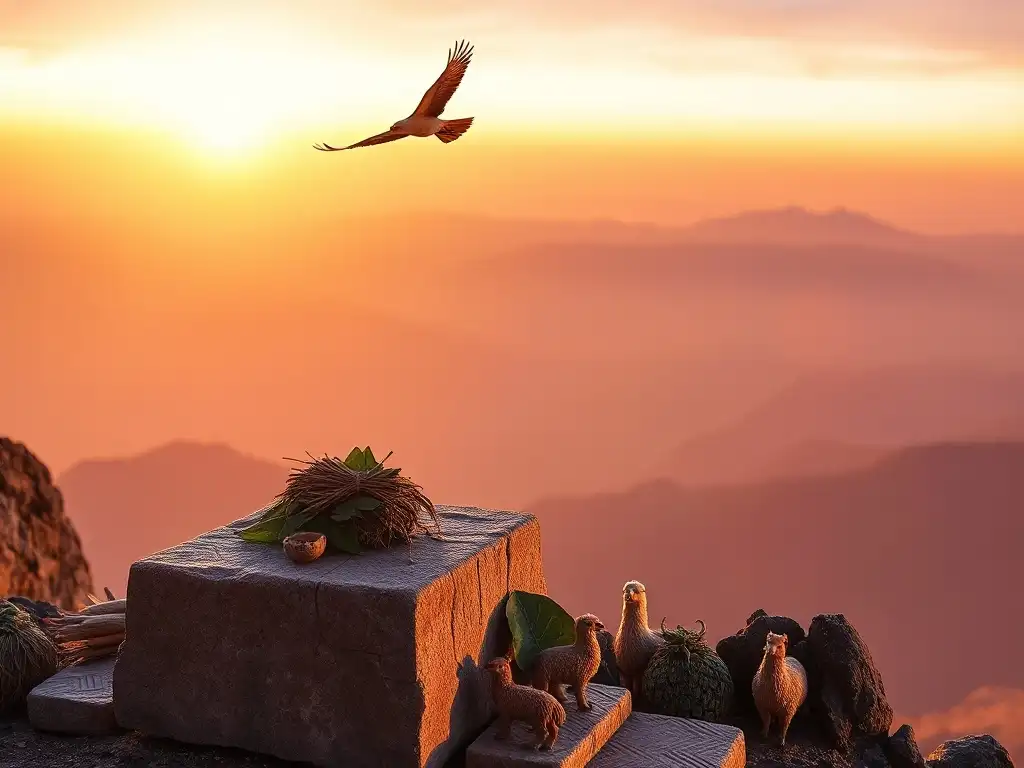
Andean ancestor worship practices weren't simply a matter of remembering the deceased; they were a vibrant, ongoing relationship impacting daily life and major decisions. The belief system permeated all aspects of Andean society, from agriculture to warfare, emphasizing the continuous influence of ancestors on the living. This deep connection manifested in various rituals and traditions designed to honor, appease, and maintain communication with the spirit world.
Understanding these practices offers a crucial window into the Andean worldview and its profound respect for lineage and continuity. The term "ancestor worship" itself might be a slight oversimplification; a more accurate description would be a complex system of reciprocity and ongoing dialogue with ancestral spirits.
Offerings and Sacrifices to the Ancestors
Offerings and sacrifices formed the cornerstone of Andean ancestor veneration. These weren't merely symbolic gestures; they were believed to directly nourish and strengthen ancestral spirits, maintaining their benevolent influence over the living. The types of offerings varied widely depending on the specific ancestor, the occasion, and the community's resources.
Common offerings included:
- Food and Drink: chicha (fermented corn beer), coca leaves, maize, potatoes, and other agricultural products were frequently presented. The quality and quantity of the offering often reflected the importance of the ancestor or the urgency of the request.
- Textiles: Finely woven textiles, often imbued with symbolic designs, were considered valuable gifts, representing the ancestor's continued connection to the community's creativity and craftsmanship.
- Precious Objects: Gold, silver, and other precious materials were offered in some cases, particularly to powerful or important ancestral figures. These offerings served not only as tributes but also as a demonstration of the living's respect and devotion.
- Animal Sacrifices: While less common than food offerings, animal sacrifices, particularly llamas and alpacas, were performed on significant occasions, such as important agricultural festivals or to appease angry ancestral spirits. The act of sacrifice was deeply symbolic, representing a form of exchange and renewal.
The offerings weren't simply left at a designated place; they were often ritually presented and accompanied by prayers, chants, and other forms of communication intended to convey the living's needs and gratitude to their ancestors. The act of offering itself was a sacred process, carefully orchestrated to ensure the effectiveness of the communication with the spirit world.
Archaeological evidence reveals intricate burial sites containing a wealth of such offerings, providing concrete evidence of the significant role these rituals played in Andean life. For example, the elaborate grave goods found in Moche tombs clearly illustrate the importance placed on providing for the ancestors in the afterlife.
The Role of Shamanic Practices in Connecting with Ancestors
Shamanic practices played a critical role in facilitating communication between the living and their ancestors. Shamans, or paqos, acted as intermediaries, possessing the spiritual abilities to enter altered states of consciousness and interact directly with the spirit world. Their expertise was vital in navigating the complexities of the Andean cosmology, interpreting ancestral messages, and ensuring the proper execution of rituals.
Shamanic practices included:
- Ritualistic Use of Hallucinogens: Substances like San Pedro cactus and ayahuasca were used to induce altered states of consciousness, allowing shamans to journey into the spirit world and consult with ancestors. These experiences weren't recreational; they were purposeful journeys undertaken to seek guidance, resolve conflicts, or predict future events.
- Divination Techniques: Shamans employed various divination techniques, such as interpreting dreams, reading coca leaves, or observing natural phenomena, to gain insights from the ancestral realm. These techniques provided crucial information for decision-making, conflict resolution, and understanding the will of the ancestors.
- Healing Rituals: Shamans were also responsible for healing rituals, often involving ancestral spirits. Illness was frequently attributed to imbalances in the relationship between the living and their ancestors, and shamanic intervention was crucial for restoring harmony and health.
The shaman's role extended beyond mere ritual practice. They acted as custodians of ancestral knowledge, preserving and transmitting traditions, ensuring the continuity of the relationship between the living and the dead. Their authority stemmed from their ability to access and interpret the will of the ancestors, making them indispensable figures in Andean society. The profound respect accorded to shamans underscores the importance of the spiritual dimension in Andean ancestor veneration.
Communal Rituals Honoring Ancestral Memory
Beyond individual offerings, Andean communities engaged in large-scale communal rituals to honor their ancestors. These rituals served to reinforce social bonds, reaffirm shared heritage, and ensure the continued prosperity of the community. These were not isolated events but integral parts of the annual agricultural cycle and other important societal milestones.
Examples of these communal rituals include:
- Ancestor Festivals: Many communities held annual festivals dedicated to honoring their ancestors. These festivals often involved elaborate processions, offerings, feasts, and performances, bringing the entire community together in a shared act of remembrance and celebration.
- Ritual Feasts: Communal feasts played a critical role in ancestor veneration. These feasts were not simply opportunities for social gathering; they were sacred events where offerings were made to the ancestors, prayers were recited, and stories of ancestral heroes were recounted.
- Mummification and Mausoleums: The elaborate mummification practices and construction of mausoleums demonstrate the enduring respect for ancestors. These mausoleums served not only as burial places but also as sacred sites where communities could interact with their ancestors and offer tributes.
The communal nature of these rituals highlights the collective aspect of Andean ancestor veneration. The ancestors weren't simply individual spirits; they represented the collective memory and identity of the community. Honoring them strengthened social cohesion and provided a sense of continuity across generations.
The meticulous preservation of ancestral remains and the continued performance of rituals demonstrate the enduring power of these traditions in shaping Andean culture and worldview. The rich tapestry of Andean ancestor worship practices showcases a sophisticated understanding of the relationship between the living and the dead, a relationship that profoundly shaped their lives and continues to resonate today.
The Living Presence of Ancestors in Daily Andean Life
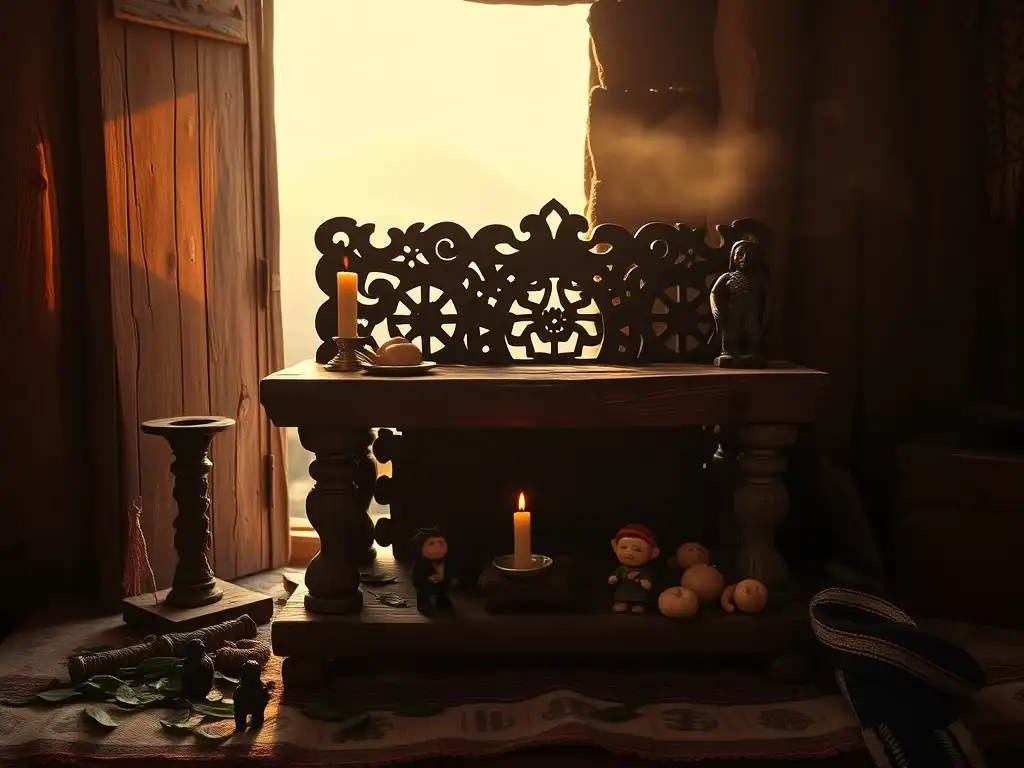
The Andean worldview fundamentally differs from many Western perspectives on death. Death isn't viewed as an absolute end but rather a transition to a different plane of existence where ancestors remain active participants in the lives of the living. This belief system, deeply ingrained in Andean culture for millennia, permeates every aspect of daily life, from agriculture and medicine to family structures and political decisions.
Understanding Andean ancestor worship practices requires recognizing this continuous, vibrant connection between the living and the dead. The ancestors aren't distant figures relegated to the past; they are considered powerful intermediaries between the human world and the supernatural realm, offering guidance, protection, and spiritual power. This section will explore several key areas where this living presence is demonstrably felt.
Ancestral Influence on Agricultural Practices
Andean agriculture, renowned for its ingenuity and adaptation to diverse ecological zones, is inextricably linked to ancestor veneration. Farmers don't simply cultivate the land; they engage in a sacred dialogue with their ancestors who are believed to influence crop yields, weather patterns, and the overall success of the harvest. Many rituals are performed to appease and honor the ancestral spirits, ensuring a bountiful harvest.
For instance, the offering of coca leaves, chicha (fermented corn beer), and other agricultural products during planting and harvesting ceremonies is a common practice. These offerings are not merely symbolic gestures; they are believed to actively solicit the ancestors' blessings and protection against crop failure or natural disasters. The meticulous maintenance of ancestral huacas (sacred places), often located near agricultural fields, further underscores the importance of maintaining a strong connection with the ancestral realm.
The layout of terraces and irrigation systems themselves, sometimes reflecting specific cosmological beliefs, are further examples of ancestor veneration woven into the practical aspects of farming. Detailed ethnobotanical studies would further illuminate the specific plant species associated with particular ancestral spirits and their role in agricultural success.
Ancestral Wisdom in Traditional Medicine
Traditional Andean medicine, a complex system combining herbal remedies, spiritual healing, and ancestor veneration, demonstrates the continuing relevance of ancestral knowledge. Healers, or curanderos, often act as intermediaries between the living and the spirit world, seeking ancestral guidance in diagnosing and treating illnesses. Dreams, visions, and other forms of divination are employed to understand the spiritual causes of disease, which are often attributed to imbalances in the relationship between the living and their ancestors.
The use of specific plants and medicinal preparations is often tied to ancestral practices, passed down through generations. For example, the preparation and use of specific teas or infusions might be associated with a particular ancestral figure known for their healing abilities. The efficacy of these treatments is not solely based on their pharmacological properties but also on the belief in the ancestral power that imbues them.
[Specific examples of medicinal plants and associated ancestral figures pending further research]. The holistic approach to healing in Andean traditions underscores the inseparable link between physical and spiritual well-being, highlighting the crucial role of ancestors in maintaining health and balance.
The Role of Ancestors in Family Decision-Making
Family structures in Andean communities are deeply rooted in ancestral lineage and kinship ties. Major life decisions, such as marriage, land inheritance, or even the construction of a new home, are often guided by ancestral counsel. Family elders, considered repositories of ancestral wisdom, play a vital role in mediating disputes and making crucial decisions.
They are seen as channels through which the ancestors communicate their will and guidance. Rituals and ceremonies involving ancestors are frequently performed to seek their blessings and approval before undertaking significant endeavors. The concept of ayni, reciprocal exchange and mutual responsibility, extends beyond the living to encompass the ancestors, who are seen as active participants in the social and economic fabric of the community.
This continuous interaction with the ancestral realm ensures social cohesion and the perpetuation of traditional values and practices. Further research into specific case studies of family decision-making processes would provide richer insights into the practical application of ancestor veneration in everyday Andean life. The strength and continuity of Andean family units are directly connected to the perceived presence and influence of their ancestors.
Mummification and Burial Practices: Honoring the Departed
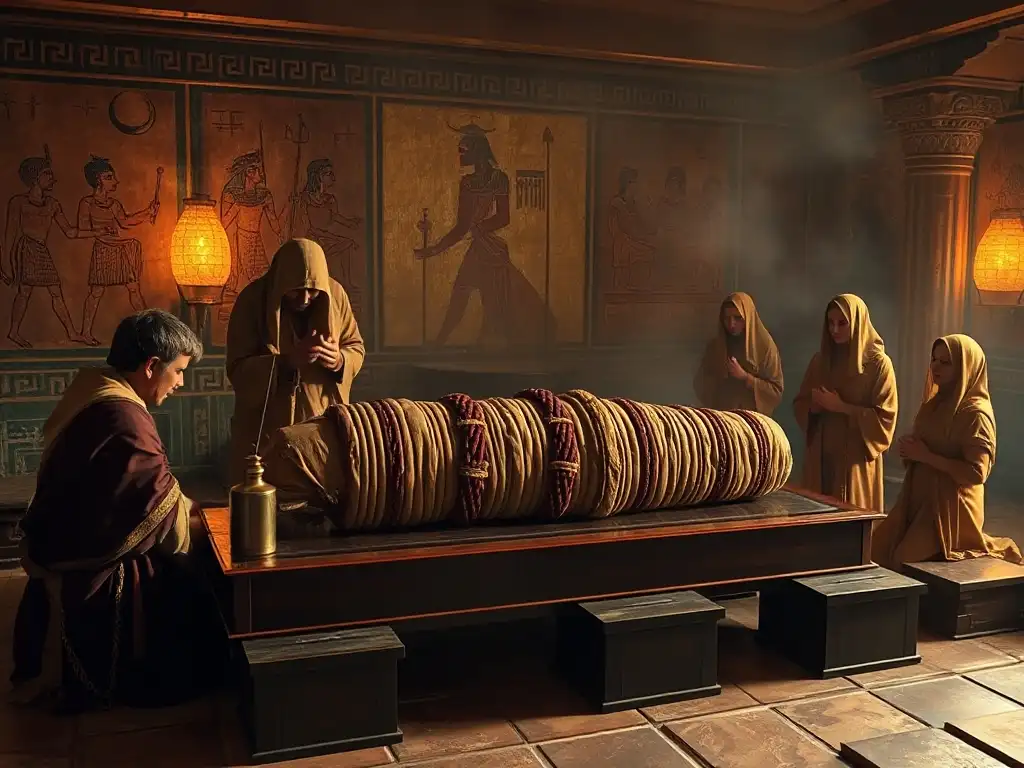
The reverence for ancestors in Andean cultures deeply influenced their elaborate burial rituals and mummification practices. These weren't merely methods of preserving the body; they were integral parts of a complex belief system that ensured the continued well-being and influence of the deceased in the living world. The meticulous care taken in preparing the deceased for their afterlife reflects the profound respect and ongoing relationship maintained with ancestors.
These practices varied significantly across different Andean cultures and time periods, reflecting the diversity of beliefs and traditions within the region. Understanding these variations is crucial to appreciating the nuanced understanding of death and the afterlife within Andean cosmology.
Preservation Techniques: Mummies and Their Significance
Mummification, while not practiced uniformly across all Andean cultures, reached remarkable levels of sophistication, particularly among the Inca. The process involved removing internal organs, drying the body with natural methods like air and sun exposure, and then wrapping it in textiles and adornments. The quality of the mummification often reflected the social status of the deceased; elite individuals received more elaborate treatments, resulting in remarkably well-preserved bodies.
These mummies weren't simply preserved corpses; they were actively incorporated into the lives of the living. They were often kept in family homes, dressed in fine clothing, and participated in important social events. The continued presence of the ancestor, embodied in the mummy, ensured their continued guidance and protection of their descendants.
Indeed, the very act of creating and maintaining a mummy was a statement of continued connection and veneration, reinforcing the belief in the ancestor's ongoing spiritual power. Further research is needed to fully understand the specific chemical processes involved in different mummification techniques across various Andean cultures [Specific chemical analysis pending].
Variations in Burial Rituals Across Andean Cultures
While mummification was a prominent practice, particularly among the Inca, burial rituals varied significantly across different Andean groups. The Nazca, for example, are known for their elaborate subterranean tombs, often containing multiple individuals along with grave goods reflecting their social status and beliefs. These goods, ranging from textiles and pottery to food and tools, were intended to provide the deceased with everything they needed in the afterlife.
The Moche, on the other hand, employed a range of burial practices, from simple interments to elaborate chamber tombs containing richly decorated artifacts. The Tiahuanaco culture also displayed diverse burial customs, with evidence suggesting both individual and collective burials, often accompanied by offerings and symbolic objects. These variations highlight the rich tapestry of Andean beliefs surrounding death and the afterlife, demonstrating that ancestor veneration was expressed through diverse and regionally specific practices.
The type of burial, the accompanying grave goods, and the location of the burial site all contributed to the overall understanding of the deceased's role and continued connection with the living. A comprehensive comparative study of Andean burial sites is needed to better understand the relationship between burial practices and social organization within each culture [Comparative data pending].
The Afterlife and the Journey of the Soul
Andean beliefs about the afterlife were complex and varied. While the specifics differed across cultures, a common thread was the belief that the deceased continued to exist in a spiritual realm, maintaining a connection with the living. The journey of the soul after death was often depicted in art and mythology, often involving challenges and trials.
The continued presence and influence of ancestors were essential to the well-being of the community. Ancestor worship practices, therefore, weren't simply acts of reverence; they were crucial mechanisms for maintaining social order, ensuring successful harvests, and gaining protection from misfortune. The ancestors were seen as powerful intermediaries between the living and the supernatural world, capable of influencing events and providing guidance.
The vibrant and diverse nature of Andean ancestor worship practices, reflected in their burial rituals and beliefs about the afterlife, underscores the importance of these practices in shaping Andean societies and their worldview. The continued study of Andean cosmology, particularly the diverse expressions of Andean ancestor worship practices, is crucial for a complete understanding of the region's rich cultural heritage. 👻
Andean Ancestor Worship Practices: A Legacy of Continuity
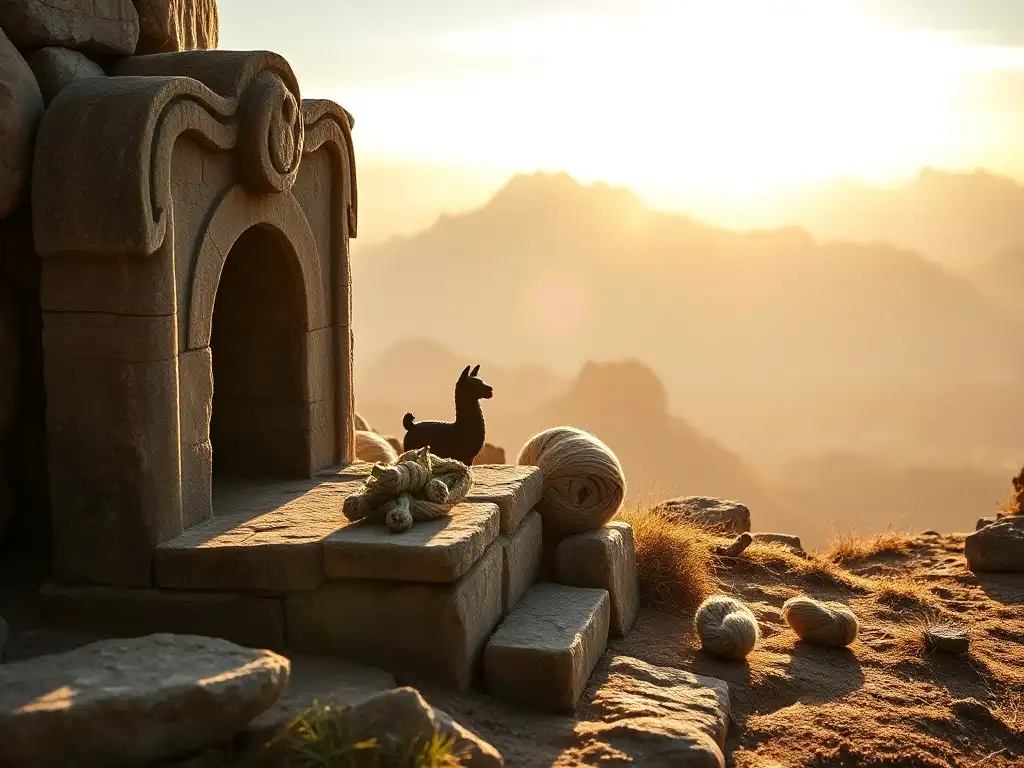
Andean ancestor worship practices represent a complex and deeply ingrained system of beliefs and rituals that have profoundly shaped Andean societies for millennia. This wasn't simply a matter of remembering the dead; it was a vibrant, ongoing relationship impacting daily life, decisions, and the very structure of society. The concept of ayni, reciprocal exchange, extended beyond the living to encompass ancestors, who were considered active participants in the community's well-being.
Their continued presence was believed to influence harvests, health, and social harmony. This enduring connection is evident in the numerous archaeological findings, from carefully constructed tombs filled with grave goods reflecting the deceased's status to the intricate iconography depicting ancestral figures in textiles and ceramics. The reverence for ancestors wasn't solely a religious practice; it was interwoven into the fabric of everyday life, influencing social structures, political systems, and economic activities.
Evidence suggests that ancestor veneration provided a powerful framework for maintaining social order and transmitting cultural knowledge across generations. The continuity of these practices, though adapted over time, underscores their fundamental importance in shaping Andean identity and worldview.
The Enduring Relevance of Ancestor Veneration Today
While the forms of Andean ancestor worship practices have evolved, the core beliefs persist in many contemporary Andean communities. The veneration of ancestors remains a vital aspect of their spiritual and social life. For example, in many rural communities, rituals involving offerings of food, coca leaves, and chicha (a fermented corn beverage) to ancestral spirits are still routinely practiced.
These offerings are not merely symbolic gestures; they are understood as vital acts of maintaining a reciprocal relationship with the ancestors, ensuring their continued favor and protection. Furthermore, many indigenous communities continue to maintain ancestral burial sites, often undertaking pilgrimages to these locations to pay their respects and seek guidance. These practices serve not only as a connection to the past but also as a means of strengthening community bonds and preserving cultural heritage.
The continued relevance of ancestor veneration highlights its adaptability and enduring significance in the lives of Andean peoples. The strength of these traditions is a testament to their deep-rooted cultural significance and their ongoing role in shaping contemporary Andean identity.
Modern Adaptations of Traditional Practices
The integration of Andean ancestor worship practices into contemporary life demonstrates remarkable resilience and adaptability. While traditional ceremonies continue, they often incorporate elements of Catholicism and other influences introduced during the colonial era. This syncretism is not a dilution of the original practices but rather a creative adaptation, reflecting the dynamic nature of Andean culture.
For example, some communities may incorporate Catholic saints into their ancestral veneration rituals, viewing them as intermediaries between the living and the spirit world. This blending of religious systems showcases the ability of Andean cultures to integrate new beliefs without abandoning their core values and traditions. Additionally, the use of modern communication technologies, such as social media, has facilitated the exchange of information and the dissemination of ancestral knowledge among dispersed communities.
This ensures the preservation and transmission of these valuable traditions to future generations. The ongoing evolution of Andean ancestor worship practices underscores their dynamic nature and their capacity to adapt to changing social and historical contexts.
Protecting the Sacred Sites of Ancestral Heritage
The preservation of sacred sites associated with Andean ancestor worship practices is of paramount importance for maintaining cultural heritage and respecting the spiritual beliefs of indigenous communities. These sites, often located in remote and ecologically sensitive areas, are frequently threatened by factors such as uncontrolled tourism, looting, and environmental degradation. Efforts to protect these sites require a multi-faceted approach, involving collaboration between indigenous communities, government agencies, and international organizations.
This collaborative effort is crucial not only for the physical protection of these sites but also for ensuring that their spiritual significance is recognized and respected. Sustainable tourism initiatives, educational programs, and community-based conservation projects are essential tools for safeguarding these invaluable cultural resources.
The preservation of these sites is not merely an act of historical preservation; it is a matter of upholding the cultural identity and spiritual well-being of Andean communities and honoring the legacy of their ancestors. The ongoing challenge is to balance the need for preservation with the desire to allow for respectful access and engagement with these significant sites.
Connecting with the Past: The Power of Ancestral Connection
This section delves into the profound significance of ancestral connection within Andean cultures, exploring how these societies viewed their ancestors and the enduring impact of this worldview on their daily lives. Understanding the Andean ancestor worship practices requires acknowledging the deeply intertwined relationship between the living and the dead. It wasn't merely a matter of remembrance; it was a vibrant, ongoing relationship built on mutual respect, guidance, and shared spiritual power.
The concept of death itself differed significantly from Western perspectives; death wasn't an end but a transformation, a transition to a different plane of existence where ancestors continued to play an active role in the lives of their descendants. This understanding shaped social structures, rituals, and even agricultural practices. The legacy of this worldview continues to resonate in modern Andean communities.
Understanding the Andean Worldview Through Ancestral Beliefs
Andean ancestor worship practices were not uniform across all cultures. However, a common thread runs through the diverse expressions of this belief system: the conviction that ancestors remained present and influential in the lives of the living. This wasn't a passive presence; ancestors were considered active participants in the community, capable of offering protection, guidance, and even intervention in worldly affairs. Their continued influence was a source of both comfort and responsibility.
The living were obligated to honor and remember their ancestors through offerings, rituals, and the preservation of ancestral traditions. Failure to do so was believed to invite misfortune and disrupt the delicate balance between the living and the spirit world. For example, the Incas maintained elaborate mummification practices, and mummies were often treated as active members of the household, participating in family celebrations and consulted for important decisions.
This level of interaction highlights the deeply integrated nature of ancestral veneration in Andean life. The concept of ayni, reciprocal exchange, extended beyond interpersonal relationships to encompass the exchange between the living and their ancestors. This reciprocal relationship underpinned many aspects of Andean society, emphasizing the interconnectedness of all beings across time.
The belief in the continued spiritual power of ancestors influenced various aspects of Andean life. For instance, agricultural cycles were often timed to coincide with ancestral festivals, with offerings made to ensure a bountiful harvest. Similarly, decisions regarding community governance or warfare were often made after consulting with ancestors through divination or shamanistic rituals. This demonstrates how deeply embedded ancestor veneration was within the fabric of Andean society. The power of ancestors was not solely spiritual; it was also a tangible force that shaped everyday life.
The Importance of Remembering and Honoring Our Roots
The practice of remembering and honoring ancestors wasn't merely a spiritual obligation; it was a vital part of maintaining social cohesion and cultural continuity. Andean ancestor worship practices served as a powerful mechanism for transmitting knowledge, traditions, and values across generations. Stories, songs, and rituals served as vessels for preserving and disseminating ancestral wisdom. This ensured that the collective memory of the community remained vibrant and that cultural identity was preserved.
The continued practice of traditional rituals, such as those associated with harvest festivals or ancestor veneration ceremonies, further reinforced this sense of continuity and belonging. This collective memory wasn't just a passive repository of the past; it actively shaped the present and informed the future. Furthermore, the physical preservation of ancestral remains, through mummification or the construction of elaborate tombs, served as powerful symbols of respect and remembrance. These practices underscored the ongoing significance of ancestors in the lives of their descendants.
The meticulous care taken in preserving these remains highlights the enduring reverence for those who came before. The study of Andean ancestor worship practices reveals a sophisticated and nuanced understanding of the relationship between the living and the dead, a relationship that continues to shape Andean cultures today. The legacy of these beliefs is evident in the enduring respect for ancestral traditions and the ongoing importance of maintaining connection with the past. Understanding this connection provides a crucial key to understanding the complexities of Andean civilizations.
Frequently Asked Questions
What role did ancestors play in Andean societies?
Andean cultures deeply revered their ancestors, believing they provided guidance, protection, and spiritual power. Ancestor veneration was central to their worldview and daily life, influencing everything from agriculture to political structures.
How did the Andean people communicate with their ancestors?
Communication with ancestors involved various rituals and ceremonies. These included offerings of food, drink, and precious objects, as well as performing specific dances and prayers at designated sacred sites (huacas).
What were some common ancestor worship practices in Andean cultures?
Common practices included building elaborate tombs and mausoleums, creating mummy bundles to preserve deceased relatives, and performing ancestor veneration ceremonies during important agricultural cycles and festivals.
While ancestor veneration was a common thread across Andean cultures, specific beliefs and practices varied. The Incas, Moche, Nazca, and Tiahuanaco, for example, each had their unique expressions of ancestor worship, reflecting their distinct cultural identities.
How did ancestor worship influence Andean art and architecture?
Ancestor worship heavily influenced Andean art and architecture. Many artistic representations depict ancestors, and architectural structures like tombs and temples were built to honor and house them, reflecting their importance in society.
Final Reflection: Echoes of the Past, Shaping the Future
The reverence for ancestors in Andean cultures remains a vibrant force, shaping not only spiritual beliefs but also the very fabric of daily life. This enduring connection transcends mere historical curiosity; it's a living testament to the power of intergenerational bonds and the enduring wisdom passed down through generations. Understanding these practices offers a profound insight into a worldview deeply rooted in respect for the past and a profound understanding of the interconnectedness of life.
The influence of ancestor veneration on Andean societies is undeniable, permeating everything from agricultural practices to social structures. It's a constant reminder that the past isn't simply a collection of events, but a living presence that guides and protects. This profound connection resonates deeply with me, highlighting the importance of honoring our own familial legacies and learning from the experiences of those who came before us. The dead are not truly dead until they are forgotten.
This sentiment, though not specifically Andean, perfectly encapsulates the vital role memory and remembrance play in maintaining cultural continuity and spiritual strength.
Consider, then, the echoes of your own ancestors. What wisdom do they hold? What challenges did they overcome? What values did they embody? Take a moment to reflect on your own heritage, to connect with the stories and traditions that have shaped who you are. Let the enduring legacy of Andean ancestor worship inspire you to honor your own lineage, to learn from the past, and to build a future rooted in respect, remembrance, and the enduring power of connection.
Embrace Your Ancestral Connection Today!
Thank you for exploring the profound role of ancestors in Andean life. Understanding their significance reveals powerful insights into guidance, protection, and spiritual empowerment that can enrich your life. Now, let's explore ways to deepen this connection.
- Create a personal ancestral altar: Honoring your lineage at home invites ancestral wisdom into your daily life.
- Connect with a community: Join a group or online forum dedicated to Andean traditions to share experiences and learn from others.
- Explore Andean spiritual practices: Consider a retreat focused on ancestral teachings and rituals to deepen your understanding.
What wisdom will your ancestors bring to your life?