
The Enigma of the Curacas: Local Leaders and Their Authority

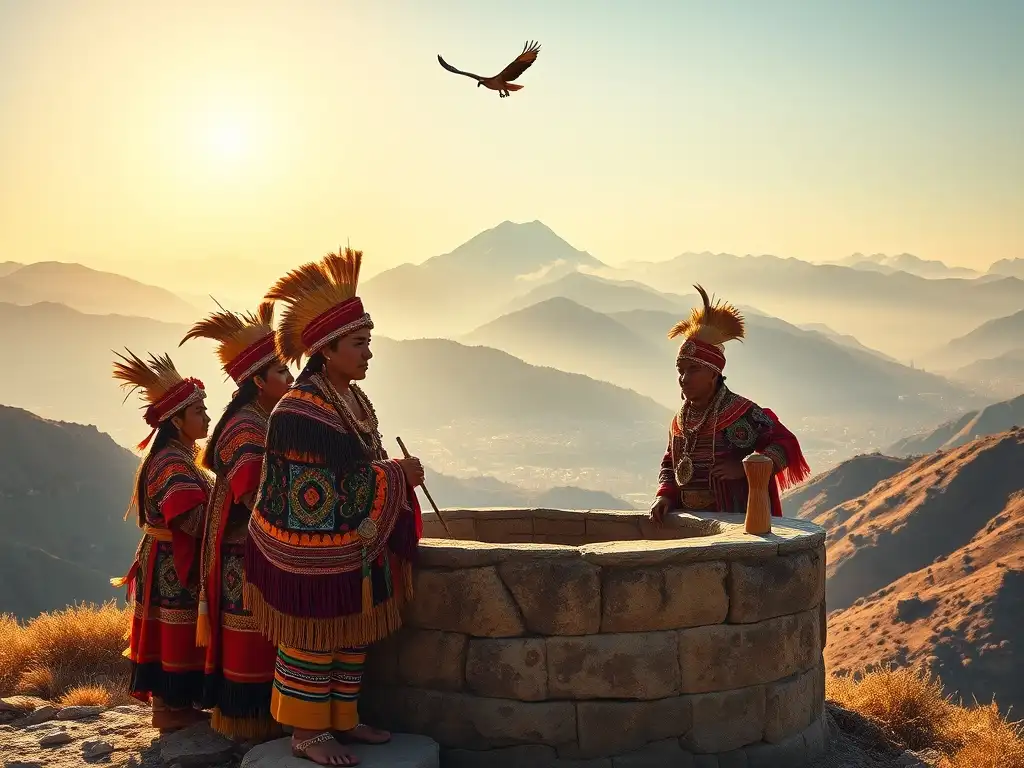
Step into a world lost to time, yet echoing with the power of the Andes. Discover the intricate tapestry of Andean civilizations, where empires rose and fell, leaving behind a legacy of breathtaking artistry and sophisticated engineering. But who truly held the reins of power? This journey into the enigma of the Andean Curacas and their authority will unravel the mysteries surrounding these local leaders and their influence on the vast Andean landscape. Prepare to be captivated by their story—a tale of influence, intrigue, and the enduring power of local governance.
- Andean Curacas Authority: Local Leadership in Ancient Societies
- The Origins of Curacas: Tracing the Roots of Andean Leadership
- The Power and Responsibilities of Andean Curacas
- The Relationship Between Curacas and Higher Authority
- The Symbolism of Curacas: Status and Recognition
- The Impact of Curacas on Andean Society
- Case Studies of Notable Andean Curacas
- The Enduring Relevance of Studying Andean Curacas
- Frequently Asked Questions
- Final Reflection: The Enduring Legacy of Andean Curacas
- Unveil the Legacy of the Curacas: Take Action Today!
The Andean region, home to a tapestry of vibrant and sophisticated pre-Columbian civilizations, presents a complex social structure often overlooked in broader narratives. While the Inca Empire's centralized power is well-documented, understanding the Andean social fabric requires delving into the crucial role played by curacas, local leaders whose authority shaped the lives of their communities for centuries before, during, and even after the Inca expansion.
This article explores the enigma of curaca authority, examining their power structures, influence, and the diverse ways their leadership manifested across different Andean societies, from the pre-Inca era to the colonial period. We will investigate how their influence intertwined with the broader Andean social hierarchy, challenging the often simplistic portrayals of a strictly pyramidal system.
Understanding the curacas is key to unlocking a more nuanced and complete understanding of Andean social organization and the enduring legacy of these fascinating societies. The keyword "Andean Curacas authority" will be explored through a detailed analysis of their political, economic, and religious roles.
The term "curaca" itself encompasses a range of local leaders with varying levels of authority and influence. It wasn't a uniform title across all Andean cultures; its meaning and implications shifted based on the specific society and historical context. In some societies, curacas held significant power, controlling land distribution, managing resources, and even wielding judicial authority.
In others, their influence might have been more limited, acting as intermediaries between their communities and larger political entities. The level of a curaca's authority was often intricately linked to factors such as the size and wealth of their community, their lineage, and their relationship with more powerful regional or imperial structures. Think of it as a spectrum of power, rather than a single, rigidly defined position.
Some curacas controlled vast territories and populations, while others governed smaller, more localized groups. This variability makes a general definition challenging, yet understanding this nuance is crucial for a proper analysis of Andean Curacas authority.
The social hierarchy wasn't always strictly pyramidal. The relationship between the curacas and the broader imperial structures (like the Inca Empire) was often complex and dynamic, characterized by a blend of cooperation and resistance. Some curacas actively collaborated with the Inca, maintaining their positions and even gaining increased influence within the imperial system. Others fiercely resisted Inca domination, leading rebellions and maintaining a degree of autonomy.
This complex interplay shaped the evolution of curaca authority throughout the Andean region. The Inca, for example, often co-opted existing power structures, integrating curacas into their administrative system while simultaneously attempting to limit their power. This dynamic created a fascinating blend of local and imperial authority.
Economic Control and Resource Management by Curacas
Curacas played a vital role in the economic life of their communities. Their authority often extended to controlling access to crucial resources such as land, water, and minerals. They were responsible for the efficient allocation of these resources, ensuring the well-being of their people. This economic power translated into political influence, as control over resources was fundamental to maintaining social order and stability. Agricultural production, a cornerstone of Andean economies, was largely organized under the curacas’ direction.
They oversaw irrigation systems, agricultural practices, and the distribution of crops. This control gave them significant leverage in their communities. Furthermore, many curacas also controlled trade networks, acting as intermediaries between their communities and external markets. This control over trade routes and goods further enhanced their economic power and, consequently, their social standing. The economic power of the curacas is a key aspect of understanding their overall influence and authority.
Religious Influence and the Curaca's Role as Intermediary
Beyond their economic and political roles, many curacas also held significant religious authority. They often acted as intermediaries between their communities and the supernatural world, performing rituals, making offerings, and interpreting omens. This religious influence further cemented their position within the social hierarchy. In many Andean societies, religious beliefs and practices were deeply intertwined with social structures, and the curaca's religious authority reinforced their political and economic power.
Their ability to access and interpret the divine will gave them considerable prestige and influence, making them essential figures in their communities' lives. This religious dimension of curaca authority should not be overlooked, as it played a critical role in maintaining social cohesion and stability. The blending of religious and secular power within the curaca’s role highlights the complex and interwoven nature of Andean societies.
The Legacy of Curacas in Post-Conquest Andean Society
The impact of the Spanish conquest drastically altered the Andean social landscape. However, the legacy of the curacas persisted, albeit in a transformed form. The Spanish colonial administration, recognizing the existing power structures, often co-opted curacas into their system of governance. While their authority was diminished and their power often curtailed, curacas continued to play a significant role in mediating between the colonial authorities and their communities.
This complex relationship between the curacas and the Spanish colonial administration shaped the social and political dynamics of the Andean region for centuries after the conquest. The persistence of curaca influence, even under colonial rule, underscores their enduring importance in the Andean social fabric. The study of their role in the post-conquest period offers valuable insights into the resilience of indigenous institutions and the complex process of cultural adaptation and resistance.
The Origins of Curacas: Tracing the Roots of Andean Leadership
The term "Curaca" evokes images of power and influence within the complex tapestry of Andean societies. But understanding their authority requires delving into their origins, a journey that takes us far beyond the Inca Empire's zenith. While the Inca systematized and formalized the curaca system, its roots stretch back centuries, embedded in the diverse pre-Inca cultures that shaped the Andean landscape.
The nature and extent of curaca authority varied significantly across different regions and time periods, reflecting the dynamic interplay of political, economic, and social factors. Understanding this evolution is crucial to grasping the true meaning of Andean Curacas authority.
Pre-Inca Curacas: Early Forms of Local Power
Before the Inca expansion, various Andean societies exhibited forms of local leadership. Evidence suggests that curacas, or their equivalents, existed in diverse forms across the region. For example, the Moche civilization, known for its elaborate artistry and sophisticated irrigation systems, likely had a hierarchical structure with powerful local leaders managing resources and mediating disputes within their respective territories.
These early curacas probably derived their authority from a combination of factors including kinship ties, religious expertise, and control over crucial resources like fertile land or water access. Their power wasn't necessarily centralized; instead, it was likely distributed across a network of interconnected communities, each with its own respected leader. Archaeological findings, such as elaborate tombs and distinctive burial practices of prominent individuals, offer glimpses into the status and prestige enjoyed by these early leaders.
Further research into pre-Inca social structures is needed to fully understand the nuanced variations in local leadership across different regions and cultures. The precise mechanisms of power transfer – whether hereditary, achieved, or a combination – remain areas of ongoing scholarly debate. Analyzing iconography, settlement patterns, and the distribution of artifacts could provide further insights into the roles and responsibilities of these early Andean leaders.
The Inca conquest profoundly impacted the role and authority of the curacas. While some were replaced, many were incorporated into the Inca administrative system. The Inca Empire cleverly co-opted existing power structures, utilizing the curacas as intermediaries between the imperial state and local populations. This strategy, while seemingly beneficial to the Inca, also allowed curacas to retain a degree of autonomy and continue to wield significant influence within their communities.
However, the Inca imposed strict controls and regulations on the curacas, limiting their power and ensuring loyalty to the Sapa Inca. This resulted in a complex dynamic, where the curacas balanced their traditional authority with the demands of the imperial administration. The level of control exerted by the Inca varied regionally, depending on factors such as proximity to the imperial center, the level of resistance encountered during conquest, and the economic importance of the region. The Inca system, however, was far from monolithic; regional variations in the implementation and interpretation of imperial policies inevitably influenced the practical authority exercised by curacas in different parts of the empire.
This highlights the importance of considering the specific historical context when assessing the extent of Andean Curacas authority throughout the empire's existence. Analyzing Inca administrative records, alongside archaeological evidence, is crucial for a more complete understanding of this complex relationship. The Inca's strategy illustrates a sophisticated approach to governance, demonstrating an understanding of the importance of local leadership in maintaining control over a vast and diverse empire. Further research could focus on the specific strategies employed by Inca administrators to manage and control the curacas, shedding light on the intricate power dynamics at play within the late Andean world.
The Power and Responsibilities of Andean Curacas
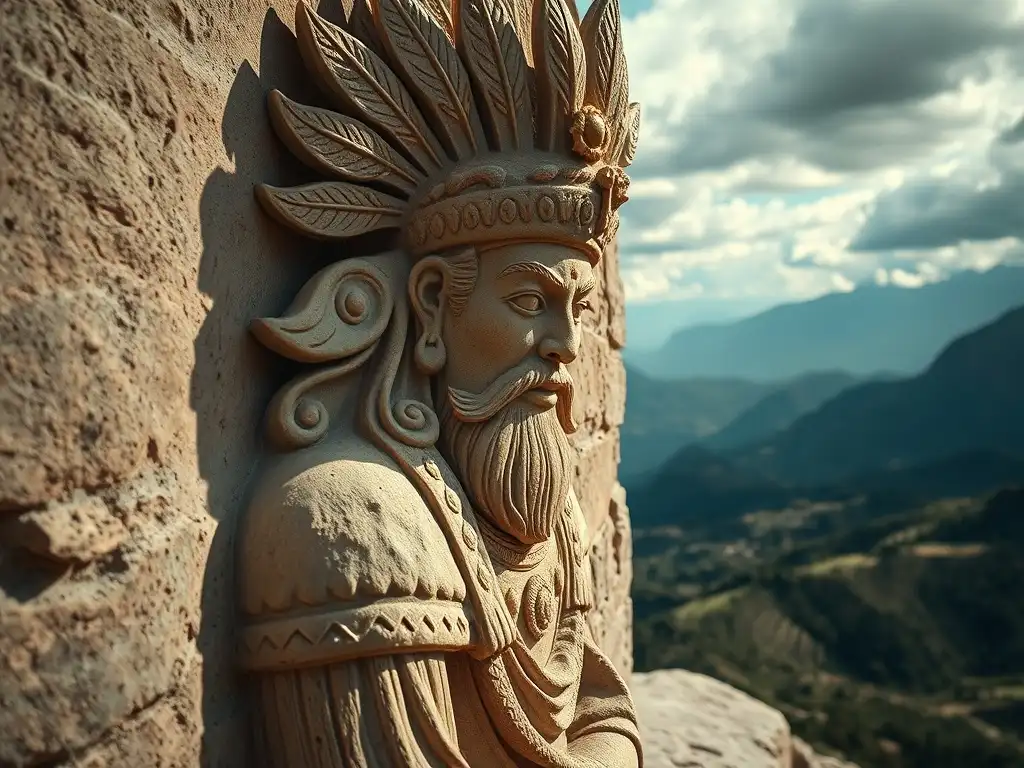
The Andean Curacas, local leaders in pre-Columbian Andean societies, wielded significant power and bore substantial responsibilities within their communities. Their authority, far from being a monolithic entity, varied considerably depending on the specific civilization (Inca, Moche, Nazca, etc. ), the geographic location, and the historical period. Understanding the nuances of Curaca authority requires examining their roles in political administration, economic management, and religious practices. The term "Andean Curacas authority" itself encompasses a complex web of interconnected factors influencing the social fabric of these vibrant ancient cultures.
Curacas as Political Administrators: Governing Local Communities
Curacas served as the primary political administrators within their respective ayllus (kinship-based communities). Their responsibilities extended to maintaining order, resolving disputes, organizing labor for public works projects, and collecting tributes. Evidence suggests that their authority was often legitimized through a combination of hereditary lineage, demonstrated competence, and often, a perceived connection to the supernatural. This wasn't a simple top-down structure; Curacas frequently consulted with community elders and leaders before making major decisions, indicating a degree of participatory governance.
For example, in Inca society, Curacas were integral to the mita system, a form of mandatory labor service. While the Inca emperor ultimately controlled the mita, Curacas played a crucial role in organizing and overseeing the labor contributions within their ayllus. Their effectiveness in managing the mita directly influenced their standing within the broader Inca empire.
Failure to meet quotas or manage labor effectively could lead to sanctions, highlighting the importance of efficient administration in maintaining their authority. Furthermore, the Inca system involved a hierarchical structure of Curacas, with some holding greater power and influence than others, based on the size and importance of their ayllu and their proximity to the imperial center.
The Moche and Nazca civilizations, while lacking the centralized imperial structure of the Inca, also featured influential local leaders whose power stemmed from their control over resources and their ability to maintain social cohesion within their communities. Detailed analysis of their iconography and archaeological findings suggests a complex interplay between political authority, religious influence, and economic control.
Economic Influence of Curacas: Land Management and Resource Control
Control over land and resources was a cornerstone of Curaca authority. They often managed the allocation of arable land, water rights, and other crucial resources within their communities. This control translated into significant economic influence and power. Their ability to distribute resources effectively was directly linked to their legitimacy and ability to maintain social order. The efficient management of agricultural production, for instance, was vital for the survival and prosperity of the ayllu, and the Curaca played a key role in this process.
The evidence suggests that Curacas often received a portion of the agricultural surplus as tribute, reinforcing their economic power and providing resources to support their households and maintain their position within the community. This tribute system, while varying in specifics across different Andean societies, solidified their economic dominance and ensured their continued influence.
The economic prosperity of the ayllu was intrinsically linked to the Curaca's competence and leadership, demonstrating the close relationship between economic power and political authority. Further research is needed to fully quantify the exact nature and extent of the economic power held by different Curacas across the various Andean civilizations, however, existing evidence strongly suggests a significant level of control over crucial resources.
Curacas as Religious Figures: Spiritual Leadership and Ritual Practices
Beyond their political and economic roles, many Curacas also held significant religious authority. They often served as intermediaries between the community and the supernatural world, performing rituals, making offerings, and interpreting omens. This spiritual leadership bolstered their political influence, as their connection to the divine provided a powerful source of legitimacy. Their religious roles were not merely symbolic; they were actively involved in maintaining the spiritual well-being of the community.
In many Andean societies, the Curacas were believed to have access to sacred knowledge and the ability to communicate with deities or ancestral spirits. This perception reinforced their authority and ensured their compliance. The performance of rituals, such as agricultural ceremonies or ancestor veneration, served to reinforce social bonds and strengthen the Curaca's position within the community.
The precise nature of their religious roles varied across different Andean cultures, but the common thread was their role as key figures in maintaining the spiritual health and stability of the ayllu. Further research into the specific religious practices associated with different Curacas is needed to fully elucidate this aspect of their authority. The intertwining of religious and political authority is a key aspect of understanding “Andean Curacas authority”.
Judicial Roles of Curacas: Conflict Resolution and Law Enforcement
The Andean curacas played a crucial role in maintaining social order within their communities. Their authority extended beyond simple leadership; they functioned as judges, mediators, and enforcers of customary law. This judicial role was integral to their power and influence, ensuring the smooth functioning of their ayllus (community groups) and preventing larger conflicts from escalating. The specifics of their judicial processes varied across different Andean cultures and time periods, but several common threads emerge.
One of the primary functions of the curaca was conflict resolution. Disputes over land, resources, or even personal matters were often brought before them for arbitration. The curaca, drawing on established customary laws and traditions, would listen to both sides, weigh the evidence (often relying on testimony and community knowledge), and render a judgment.
These judgments were generally accepted by the community, demonstrating the curaca's authority and the respect afforded to their decisions. Failure to abide by a curaca's ruling could lead to social ostracism or even more severe penalties, depending on the severity of the offense. This system effectively prevented the breakdown of social order and ensured a degree of justice within the community.
Beyond mediation, curacas also played a vital role in law enforcement. While they didn't possess a formal police force in the modern sense, they had the power to impose punishments for infractions against community rules or customary law. These punishments varied considerably, ranging from fines (often in the form of goods or labor) to corporal punishment or even banishment from the community.
The severity of the punishment was often proportionate to the offense and the curaca's assessment of the offender's culpability. The threat of these punishments, combined with the curaca's moral authority, served as a deterrent against criminal activity, maintaining a sense of safety and security within the ayllu.
The effectiveness of the curaca's judicial role stemmed from a combination of factors. Their deep understanding of customary law, their intimate knowledge of the community, and their established position of authority all contributed to their success in maintaining order and resolving disputes. Moreover, the strong social bonds within the ayllu and the shared values of the community fostered a sense of collective responsibility and a willingness to comply with the curaca's decisions.
The system, while informal, was remarkably effective in managing conflict and upholding a basic level of justice within the complex social structures of the Andean world. Understanding this aspect of curaca authority provides a valuable insight into the sophisticated social mechanisms employed by Andean societies to maintain stability and cohesion. Further research into specific examples from different Andean cultures could illuminate the nuances of these judicial processes and their variations across time and geography.
The Andean Curacas, regional leaders wielding significant influence within their communities, didn't operate in a vacuum. Their authority, while substantial at a local level, was often intertwined with, and sometimes subordinate to, larger power structures. Understanding the nuances of this dynamic is crucial to grasping the complexities of Andean social organization and the evolution of power throughout different historical periods.
The level of autonomy enjoyed by a Curaca varied considerably depending on the prevailing political landscape, fluctuating between periods of relative independence and times of direct subjugation. Analyzing this interplay of power reveals much about the resilience and adaptability of Andean leadership. This section will examine the relationship between Curacas and higher authorities, focusing on two key periods: the Inca Empire and the subsequent Spanish colonial era.
Curacas and the Inca Empire: Integration and Negotiation
The Inca Empire's expansion dramatically impacted the authority of existing Curacas. While the Inca administration aimed for centralized control, they shrewdly employed a strategy of integration rather than outright annihilation. Many pre-existing Curacas were incorporated into the Inca system, maintaining their positions but now as subordinate officials within the imperial hierarchy.
This was a pragmatic approach, leveraging existing power structures to facilitate governance and minimize resistance. The Inca mita system, a form of mandatory labor service, was effectively managed through these local leaders. Curacas were responsible for organizing and overseeing the mita, ensuring the efficient allocation of manpower for imperial projects like road construction, agriculture, and military campaigns.
However, this integration wasn't always seamless. Resistance and negotiation were common occurrences. Some Curacas actively challenged Inca authority, leading to conflicts and potential displacement. Others skillfully navigated the complexities of the imperial system, leveraging their local knowledge and influence to maintain a degree of autonomy and protect their communities' interests.
The extent of a Curaca's power under Inca rule depended on various factors, including their pre-Inca prominence, the geographical location of their territory, and their ability to successfully negotiate with Inca officials. Evidence suggests a spectrum of relationships, ranging from complete subservience to a more collaborative and even strategic partnership. Detailed records of these interactions, unfortunately, are scarce, leaving many aspects of this dynamic open to further scholarly investigation. Archaeological findings, coupled with ethnohistorical accounts, offer glimpses into this intricate relationship, but a complete picture remains elusive.
Curacas under Colonial Rule: Adapting to New Power Structures
The Spanish conquest brought about a radical shift in the Andean political landscape. The Inca Empire's fall created a power vacuum, and the Spanish crown sought to establish its own control. The Spanish crown initially attempted to utilize the existing system of Curacas, recognizing their local knowledge and influence as valuable tools for governance. However, the colonial administration quickly implemented changes designed to solidify Spanish dominance. The repartimiento system, a form of forced labor, replaced the mita, further intensifying the control exerted over indigenous populations.
Curacas found themselves caught in a precarious position. They were expected to maintain order within their communities, collect taxes, and ensure the compliance of their people with Spanish demands. Failure to do so resulted in severe consequences, ranging from fines and imprisonment to outright removal from power.
Yet, many Curacas demonstrated remarkable resilience and adaptability. They learned to navigate the complexities of the colonial bureaucracy, often using their knowledge of local customs and traditions to mediate between the Spanish authorities and their communities. Some Curacas even rose to positions of considerable influence within the colonial system, though this often came at the expense of their communities' autonomy and well-being.
The legacy of the Curacas under colonial rule is complex, a testament to their capacity for adaptation in the face of overwhelming challenges, but also a stark reminder of the exploitation and oppression they endured under Spanish rule. Understanding their role in this period provides valuable insights into the enduring strength and resilience of Andean communities in the face of dramatic societal shifts. Further research is needed to fully illuminate the diverse experiences of Curacas across the various Andean regions during the colonial era.
The Symbolism of Curacas: Status and Recognition
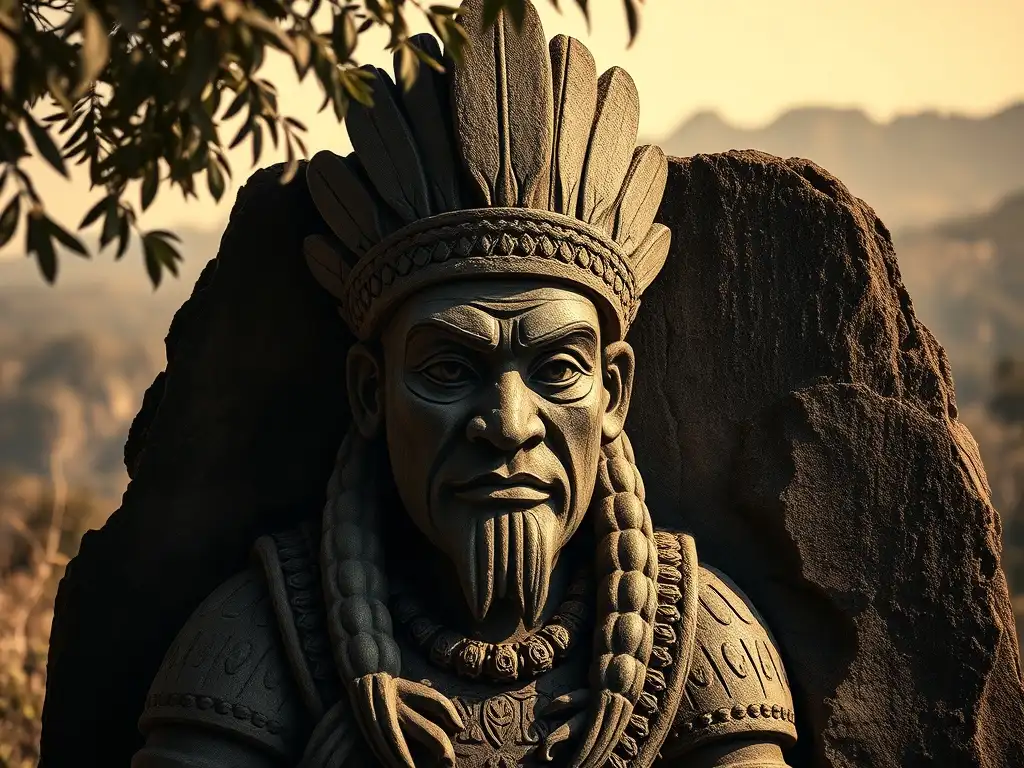
The Andean Curacas, regional leaders within the complex social fabric of pre-Columbian Andean societies, wielded authority not solely through coercive power, but also through a sophisticated system of symbolic representation. Their status and influence were deeply intertwined with visual displays of power, meticulously crafted to reinforce their legitimacy and command respect. Understanding these symbols is crucial to deciphering the nuances of Curaca authority and the dynamics of Andean political organization.
The very fabric of their existence, from their attire to their lineage, contributed to the projection of their power and influence. This section delves into the key symbolic elements that underscored the authority of the Andean Curacas.
Clothing, Jewelry and Regalia of Curacas
Clothing served as a potent visual marker of a Curaca's elevated social standing. Unlike the simpler garments worn by commoners, Curaca attire was often richly decorated and made from high-quality materials unavailable to the general population. Fine textiles, such as intricately woven cumbi and brightly colored mantles, were frequently adorned with symbolic designs representing their power, lineage, and connection to the supernatural. These designs, often incorporating stylized animals, geometric patterns, and representations of deities, were not merely decorative; they served as powerful visual statements, communicating the Curaca's authority and divine right to rule.
Furthermore, elaborate jewelry played a significant role in signifying Curaca status. Gold, silver, and precious stones were frequently incorporated into necklaces, earrings, and headdresses, further emphasizing their elevated position within Andean society. The specific type and style of jewelry could vary depending on the region and the particular Curaca's lineage, reflecting the complexities of Andean political organization. Certain symbols, like specific animal representations or intricate knots, might indicate alliances or connections to particular deities, further reinforcing the Curaca's authority.
Consider, for example, the use of tupu (ear spools) among certain Curacas. These large, often ornate ear ornaments, made from precious metals or carved from stone, were not merely decorative items but powerful symbols of authority and social standing. The size and craftsmanship of the tupu often reflected the Curaca's power and wealth, directly correlating with the level of deference and respect they commanded. The careful selection and display of these regalia were crucial in maintaining the Curaca's image and authority.
The Significance of Curaca's Lineage and Descent
Beyond material displays of power, the Andean Curacas’ authority was deeply rooted in their lineage and descent. Their legitimacy stemmed from their claimed connection to ancestral deities or powerful figures, establishing a continuity of power that extended beyond their own lifespan. This concept of inherited authority was crucial to maintaining social order and stability.
Genealogical records, often passed down through oral traditions and meticulously preserved through various means, meticulously documented their lineage, reinforcing their claim to power. The Curaca's ancestry was not merely a matter of historical record; it was a living symbol of their authority, actively used to legitimize their rule and command respect from their subjects.
The importance of lineage is reflected in the elaborate ceremonies and rituals surrounding Curaca succession. These events weren't simply transfers of power; they were carefully orchestrated performances designed to reaffirm the continuity of authority and the sacredness of the Curaca's position. These ceremonies often involved elaborate displays of wealth, symbolic acts of power, and the invocation of ancestral spirits, all aimed at reinforcing the legitimacy of the new Curaca and ensuring the continued stability of the community.
Furthermore, the Curaca's ability to trace their ancestry back to powerful figures or mythical beings was crucial to consolidating their authority and maintaining social harmony. This connection to the past not only legitimized their rule but also provided a framework for understanding their role within the wider Andean cosmology.
The narrative of their lineage provided a sense of continuity and stability, strengthening the bonds between the Curaca and their community and ensuring the perpetuation of their authority across generations. The careful preservation and dissemination of this genealogical information was a vital aspect of maintaining the Curaca's power and influence within Andean society.
The Impact of Curacas on Andean Society
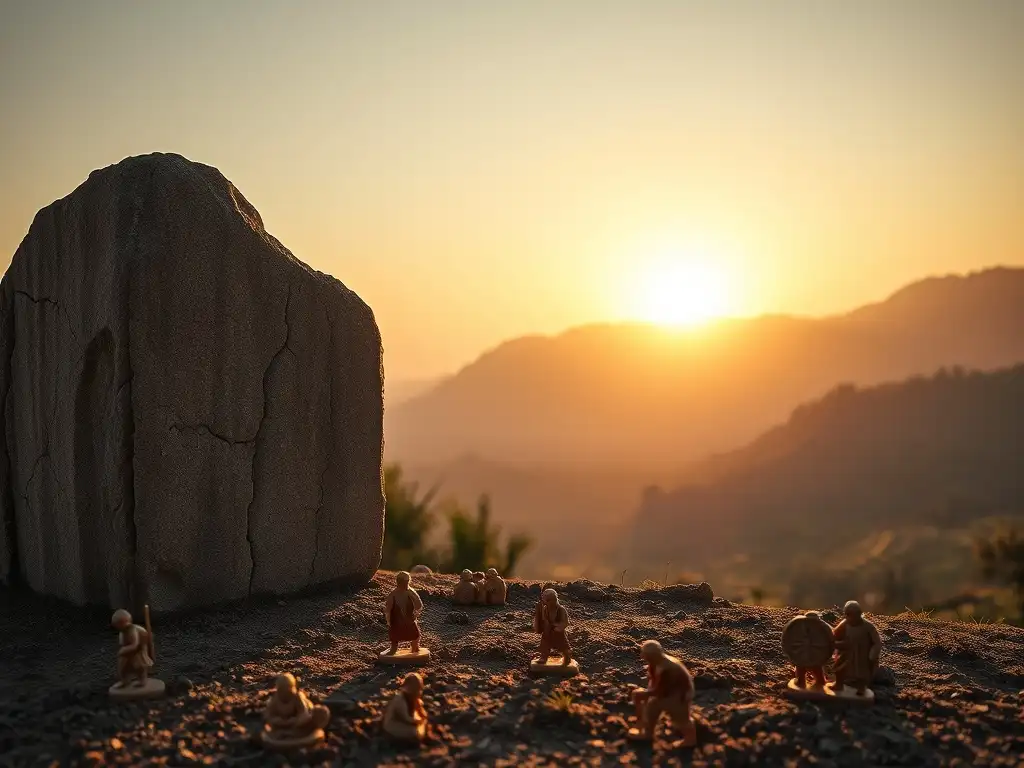
The Andean Curacas, regional leaders wielding significant authority within their respective ayllus (communities), played a pivotal role in shaping Andean societies. Their influence extended far beyond simple governance; they were key figures in maintaining social order, facilitating economic activity, and preserving cultural traditions. Understanding their impact requires examining their multifaceted roles and the intricate web of relationships they fostered.
The extent of a Curaca's authority varied depending on factors such as the size and prosperity of their ayllu, their lineage, and the prevailing political climate. However, their overall contribution to the social fabric of Andean life was undeniable. The keyword "Andean Curacas authority" is central to understanding this complex dynamic.
Curaca Influence on Local Culture and Traditions
Curacas were not merely political administrators; they were deeply involved in the preservation and propagation of local culture and traditions. Their influence permeated various aspects of daily life, from religious ceremonies and agricultural practices to artistic expressions and social customs. For example, many Curacas acted as intermediaries between the community and the supernatural realm, leading rituals and interpreting omens.
This role solidified their authority and reinforced their position as essential figures within the social hierarchy. Their patronage of local artisans and artists also fostered the development of unique regional styles in pottery, textiles, and metalwork, reflecting the diverse cultural landscape of the Andes. Furthermore, Curacas often played a crucial role in preserving oral histories and traditions, ensuring the continuity of cultural memory across generations.
The transmission of knowledge and skills, including advanced agricultural techniques and construction methods, was often facilitated by the Curacas, solidifying their position as crucial leaders in Andean society. Their understanding and application of Andean cosmology, reflected in their leadership, further cemented their authority.
The Legacy of Curacas: A Lasting Impact on Andean Communities
The legacy of the Andean Curacas continues to resonate in contemporary Andean communities. While their formal political power may have diminished with the arrival of the Spanish conquistadors and the subsequent restructuring of Andean societies, their influence on social structures, cultural practices, and even land ownership remains palpable. The concept of community leadership, rooted in the Curaca system, persists in many Andean communities today.
Many contemporary community leaders trace their lineage back to the ancient Curacas, drawing upon their authority and influence to navigate modern challenges. Moreover, the cultural traditions and artistic styles patronized by the Curacas continue to inspire and inform contemporary Andean art and craftsmanship. The enduring impact of the Curacas serves as a testament to their profound influence on the historical and cultural development of the Andean region.
Further research into specific regional variations in Curaca authority and their lasting impact on individual communities is needed to fully understand their complex legacy. The study of Andean Curacas authority continues to be a rich field of anthropological and historical inquiry.
Case Studies of Notable Andean Curacas
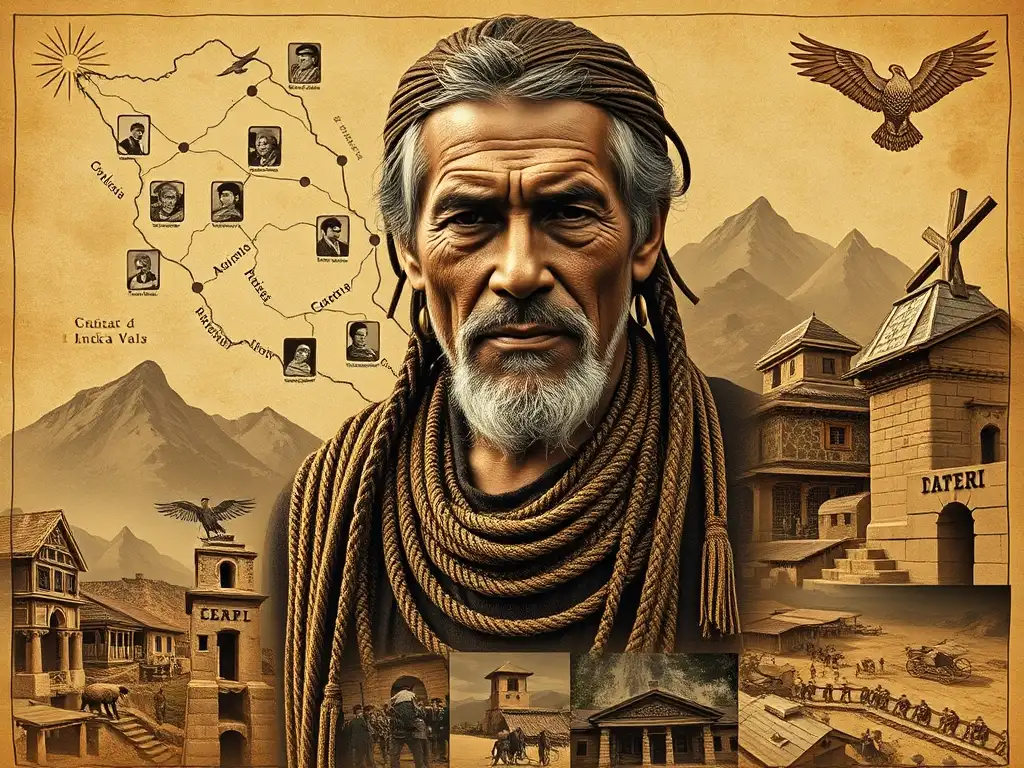
This section delves into the roles and influence of specific Andean Curacas, providing concrete examples of their authority and impact on their communities. Understanding these individual cases illuminates the diverse ways Curaca authority manifested across different regions and time periods. Analyzing their actions reveals the complexities of their power, often navigating the delicate balance between local traditions and external pressures, particularly during the Spanish conquest. The term "Andean Curacas authority" itself encompasses a broad spectrum of power dynamics, and these case studies offer valuable insights into its nuances.
Curaca Martín Cari of the Lupaca Kingdom
Martín Cari, a Curaca of the Lupaca kingdom in the southern Andes (modern-day Peru and Bolivia), exemplifies the enduring power of local leadership even within a changing political landscape. His life spanned a crucial period of transition – the initial stages of Spanish colonization. While the Spanish sought to impose their authority, Curacas like Martín Cari skillfully navigated this complex situation, leveraging their existing influence and knowledge to maintain a degree of autonomy.
Martín Cari's authority stemmed from a combination of factors. Firstly, his lineage provided him with legitimacy in the eyes of his people. He was descended from a long line of Lupaca rulers, inheriting a deep understanding of his community's customs, traditions, and land management practices. This traditional authority formed the bedrock of his power.
Secondly, Martín Cari demonstrated shrewd political acumen. He understood the strengths and weaknesses of the Spanish, adopting a strategy of calculated cooperation while subtly resisting direct subjugation. He negotiated treaties, paid tributes (often strategically minimizing them), and maintained control over significant aspects of Lupaca life, including resource allocation and justice systems. This demonstrates the adaptive nature of Andean Curacas authority, its ability to adapt and evolve in response to external pressures.
Finally, Martín Cari's influence extended beyond the purely political. He played a crucial role in mediating conflicts within the Lupaca community, maintaining social order and ensuring the well-being of his people. This social authority cemented his position as a vital leader, even amidst the uncertainties of colonial rule. His story highlights the enduring legacy of Andean Curacas and the multifaceted nature of their authority. Further research into the specific details of his treaties with the Spanish would further illuminate the extent of his political maneuvering and the limits of Spanish control.
Curaca Guaman Poma de Ayala's Role in Colonial Resistance
Felipe Guaman Poma de Ayala, a Curaca from the region of Lucanas in modern-day Peru, stands as a powerful figure in the study of Andean Curacas authority during the early colonial period. Unlike Martín Cari, who adopted a strategy of cautious collaboration, Guaman Poma actively resisted Spanish domination. His resistance, however, manifested not through armed rebellion but through a unique form of cultural and political critique.
His most famous contribution is his "Nueva Corónica y Buen Gobierno," a meticulously crafted manuscript combining indigenous artwork with a detailed chronicle of Inca history and the early years of Spanish colonization. This work served as a powerful form of resistance, not through direct military confrontation but through a detailed and scathing indictment of Spanish abuses. His detailed depictions of Spanish cruelty and the exploitation of indigenous populations served as a powerful testament to the injustices faced by the Andean peoples.
Guaman Poma's authority, while challenged by the Spanish conquest, was not extinguished. His ability to compile such a comprehensive and influential document, despite the oppressive conditions of colonial rule, highlights his enduring cultural authority and his capacity to influence the historical narrative. This demonstrates the continuity of Andean Curacas authority even in the face of profound social and political upheaval. His manuscript itself became a powerful symbol of resistance, preserving indigenous perspectives and challenging the dominant colonial narrative.
Further study of the manuscript's reception and impact on subsequent historical accounts would provide deeper insights into the lasting influence of Guaman Poma's actions and his enduring legacy. His work continues to serve as a vital source for understanding Andean social structures and the complexities of colonial encounters. The enduring relevance of his "Nueva Corónica y Buen Gobierno" underscores the continuing significance of Andean Curacas authority in shaping historical understanding.
The Enduring Relevance of Studying Andean Curacas
The study of Andean curacas offers a compelling lens through which to examine the complexities of pre-Columbian social organization. Understanding their authority isn't merely an academic exercise; it provides crucial insights into the dynamics of power, governance, and social control in a diverse range of Andean societies. While the Inca Empire imposed a centralized system, the preceding and contemporaneous cultures displayed a fascinating array of local power structures, each reflecting unique adaptations to their environment and social needs.
Analyzing these variations allows for a more nuanced understanding of the Andean world, moving beyond simplistic narratives of monolithic empires. The influence of the curacas extended far beyond simple administrative roles; their authority permeated religious practices, economic production, and even warfare. By examining their roles, we gain a deeper appreciation for the intricate web of relationships that shaped Andean societies.
This understanding is further enriched by considering the varied ways in which curaca authority was legitimized and maintained, a process involving kinship, ritual, and often, a delicate balance of power with both their people and higher authorities. The legacy of the curacas continues to resonate in contemporary Andean communities, influencing social structures and perspectives on leadership.
The role of curacas reveals a significant amount about the tiered nature of Andean social structures. It wasn't a simple hierarchy; instead, it was a complex system of interwoven power dynamics. The curacas, as regional leaders, weren't simply puppets of larger empires. Their authority was rooted in their local communities, often tied to ancestral claims to land and resources.
This localized power base allowed for considerable autonomy, even under the overarching control of empires like the Inca. The system wasn't static; the influence and power of individual curacas fluctuated based on factors such as military prowess, economic success, and religious influence. This dynamic interplay is reflected in archaeological findings, which show variations in the size and complexity of settlements linked to the power of the local curaca.
For example, evidence from the Moche culture suggests a strong connection between the curaca's power and the control of irrigation systems. The ability to manage water resources directly impacted agricultural production and, subsequently, the curaca's authority and influence within the community. Similarly, in the Nazca region, the construction of monumental geoglyphs might have served as a visual manifestation of the curaca's power and legitimacy.
These complex projects required significant organization and labor, indicating a considerable degree of social control and mobilization. Analyzing the material culture associated with curacas—elaborate burial goods, distinctive clothing, and specialized tools—further illuminates their elevated social status and the resources at their disposal.
Lessons from Andean Leadership for Contemporary Societies
The study of Andean curacas offers valuable lessons for contemporary leadership, particularly in diverse and decentralized societies. The successful curacas demonstrated a nuanced understanding of their communities, skillfully navigating the complexities of social relationships and resource management. Their ability to balance local autonomy with regional or imperial demands is a valuable case study in effective governance.
The methods they used to consolidate and legitimize their power—through kinship ties, ritual practices, and public works—offer insights into the creation and maintenance of social cohesion. Furthermore, understanding how curacas adapted to changing circumstances, such as environmental pressures or conflicts with neighboring groups, provides valuable lessons in resilience and adaptability.
The emphasis on community engagement and the importance of building consensus, evident in many Andean leadership models, stands in stark contrast to some contemporary top-down approaches. The curacas' ability to foster a sense of shared identity and purpose within their communities demonstrates the importance of inclusive leadership and the role of cultural traditions in strengthening social bonds. While the context is vastly different, the principles of effective communication, equitable resource distribution, and community involvement remain relevant in today's world.
The legacy of the Andean curacas serves as a reminder that successful leadership necessitates both strength and sensitivity, the ability to command respect while also fostering collaboration and mutual trust. Their story offers a rich tapestry of examples to study for the betterment of modern leadership practices.
Frequently Asked Questions
What were Andean Curacas?
Andean Curacas were local leaders within the complex social structures of pre-Columbian Andean societies. Their authority varied depending on the specific civilization and time period, but they generally held significant power and influence within their communities. They often served as intermediaries between the ruling elite and the common people.
Curacas' authority was often hereditary, passed down through family lines. However, skill, charisma, and military prowess also played significant roles. Their legitimacy was frequently tied to their lineage and their ability to effectively govern and protect their communities.
What was the extent of a Curaca's power?
The power of a Curaca varied considerably. Some had extensive control over land, resources, and labor, while others had more limited influence. Their authority was often intertwined with religious beliefs and practices, giving them considerable social and political influence.
The Inca Empire incorporated existing Curacas into their administrative system. While Curacas retained some local authority, they were ultimately subordinate to the Inca emperor. Their power was often diminished, with the Inca appointing or removing them as deemed necessary.
Curacas maintained their authority through a variety of means including religious rituals, alliances, and effective governance. They often relied on patronage networks and provided essential services to their communities, ensuring their continued support and loyalty. Successful leadership and the maintenance of social order were crucial to their continued power.
Final Reflection: The Enduring Legacy of Andean Curacas
The intricate web of power wielded by Andean Curacas remains a potent symbol of indigenous governance, echoing through centuries and resonating powerfully in contemporary discussions of self-determination and community leadership. Their influence, far from being a relic of the past, continues to shape our understanding of effective governance and the enduring strength of local traditions in the face of immense societal shifts.
The Curacas' ability to navigate complex social structures, balancing the needs of their communities with the demands of larger empires, offers a compelling case study in leadership. Their authority, rooted in a deep understanding of their people and their environment, serves as a powerful counterpoint to modern, often centralized, models of governance. The true measure of a leader is not power, but the ability to inspire and serve.
This quote, while not directly from the Andean context, speaks to the core of the Curacas' enduring influence: their leadership was built on service and a profound connection to their communities.
Consider the implications of this legacy. How can we, in our own lives and communities, learn from the Curacas' example? How can we foster leadership that is both effective and deeply rooted in the needs and aspirations of the people it serves? I urge you to reflect on the enduring wisdom of these ancient leaders and to consider how their principles might inform your own understanding of power, responsibility, and the pursuit of a more just and equitable world.
Unveil the Legacy of the Curacas: Take Action Today!
Thank you for exploring the fascinating world of the Curacas and their pivotal role in Andean civilizations. Your interest helps preserve their stories and enriches your understanding of history. Let's continue this journey together!
- Dive Deeper: Explore further readings and documentaries to learn more about the Curacas and their enduring influence on Andean cultures.
- Share Your Knowledge: Discuss your discoveries with friends, family, or online communities to spread awareness of these important historical figures.
- Connect and Engage: Join a local history group or online forum to connect with others passionate about Andean heritage.
What aspect of the Curacas' authority intrigues you most, and how do you see its influence on modern leadership?