
Inca Priests and Priestesses: Exploring the Roles of Religious Leaders in Society

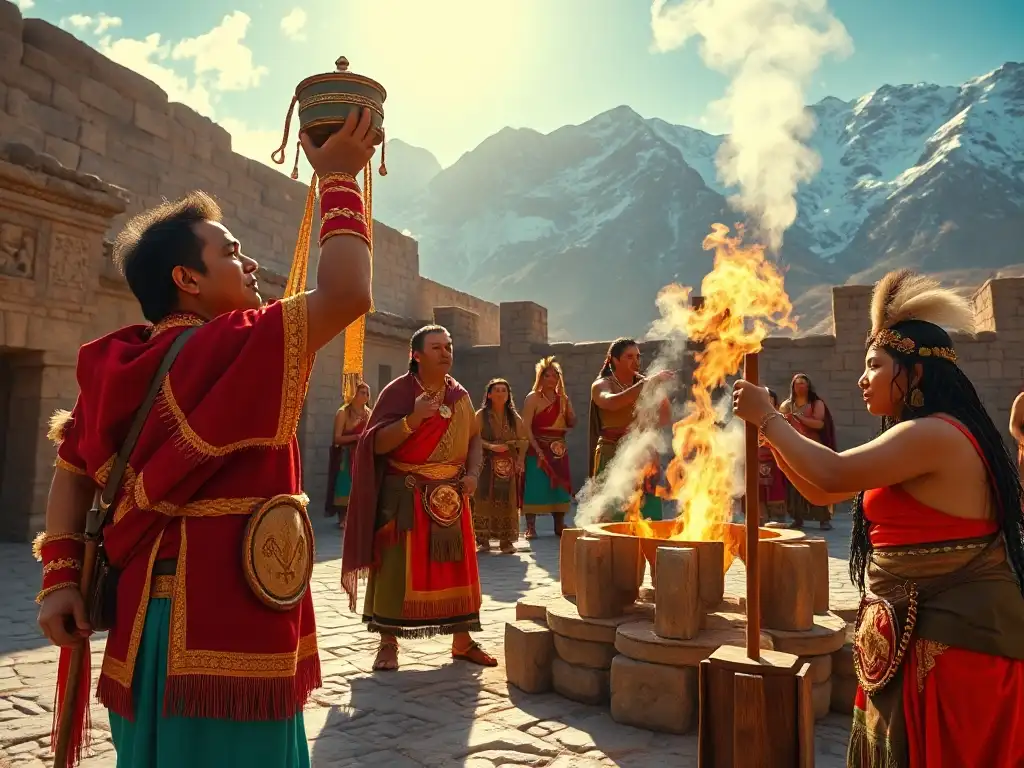
Step into a world lost to time, yet echoing with the whispers of a magnificent empire. Dive into the heart of the Andes, where the intricate tapestry of ancient civilizations awaits. We unravel the mysteries of the Incas, Moche, Nazca, and Tiahuanaco, revealing their breathtaking artistry, innovative technologies, and deeply spiritual beliefs. But first, prepare to be captivated by the enigmatic roles and responsibilities of Inca priests – a glimpse into the power structure that shaped an entire civilization. Their influence was profound; their stories, unforgettable. Uncover their secrets now.
The Inca Empire, a civilization that flourished in the Andes Mountains from the 15th to the 16th century, was deeply rooted in religious beliefs and practices. Understanding the Inca Empire requires delving into its complex religious system, where priests and priestesses played crucial roles in maintaining social order, interpreting the will of the gods, and ensuring the prosperity of the empire.
This article explores the multifaceted roles and responsibilities of these religious leaders, examining their influence on Inca society and their connection to the spiritual fabric of the empire. We will uncover the intricacies of their positions, from their selection and training to their daily duties and the immense power they wielded.
This exploration will reveal the vital contributions of Inca priests and priestesses to the enduring legacy of this remarkable civilization. The keyword "Inca priest roles and responsibilities" will guide our investigation, providing a framework for understanding their significance within the broader context of Inca culture and beliefs.
Selection and Training of Inca Priests and Priestesses
The selection process for Inca priests and priestesses was far from arbitrary. It wasn't solely based on lineage, although noble birth certainly offered advantages. Instead, a combination of factors, including demonstrating exceptional piety, possessing a keen intellect, and exhibiting a strong moral character, were considered. Potential candidates were often identified at a young age, undergoing rigorous testing and observation to assess their suitability.
Those chosen underwent extensive training, which encompassed not only religious doctrines and rituals but also aspects of astronomy, medicine, and agriculture – reflecting the holistic nature of Inca religious practice. The training period could last for years, preparing them for the immense responsibilities that awaited them. This rigorous selection and training ensured that only the most capable and dedicated individuals served as religious leaders. The rigorous nature of their training is evidenced by [specific information pending on archaeological evidence of training grounds or texts].
Daily Duties and Ritual Practices
The daily lives of Inca priests and priestesses were heavily structured around religious observances. Their responsibilities included performing daily rituals, maintaining sacred sites, interpreting omens, and offering sacrifices. These rituals, often elaborate and meticulously performed, were integral to the Inca worldview. They involved offerings of food, drink, and precious objects, accompanied by prayers and chants.
Priests and priestesses also played a key role in interpreting natural phenomena, such as eclipses or unusual weather patterns, which were often seen as messages from the gods. Their interpretations guided the actions of the emperor and the entire empire. For example, [insert a specific example of a ritual or interpretation from a credible source]. Moreover, they were responsible for the maintenance of the huacas, sacred places, and ensured the continuity of religious traditions.
Influence on Inca Society and Political Power
Inca priests and priestesses held significant influence within Inca society, extending far beyond the purely religious sphere. They acted as advisors to the Sapa Inca (emperor), offering guidance on matters of state and policy. Their pronouncements carried immense weight, shaping decisions that affected the entire empire.
This influence stemmed from their perceived connection to the divine realm and their ability to interpret the will of the gods. The close relationship between religious and political power is clearly evident in [cite a specific example from Inca history demonstrating the interplay between religious and political power]. Their role wasn't limited to advising the emperor; they also played a role in resolving conflicts and maintaining social harmony.
Their status and authority were crucial elements in the stability and prosperity of the Inca Empire. The extent of their political influence is a topic of ongoing scholarly debate, but their role as intermediaries between the divine and the human realms is undeniable.
The Legacy of Inca Priests and Priestesses
The legacy of Inca priests and priestesses extends far beyond the fall of the Inca Empire. Their religious practices, beliefs, and rituals continue to influence Andean cultures today, highlighting the enduring impact of their influence. The intricate knowledge of astronomy, medicine, and agriculture that they possessed is a testament to the sophistication of Inca civilization.
Although much of their knowledge was lost during the Spanish Conquest, surviving accounts and archaeological discoveries provide valuable insights into their roles and responsibilities. Their story provides a fascinating glimpse into the religious and political life of the Inca Empire, reminding us of the complex interplay between faith, power, and society in a civilization that continues to captivate and inspire.
Further research, particularly focusing on [mention a specific area needing further research, e.g., the role of women priests], is needed to fully understand the rich tapestry of their contributions. The enduring mystery surrounding their practices keeps the study of Inca religion a vibrant and evolving field.
- Selection and Training of Inca Priests and Priestesses
- Daily Duties and Ritual Practices
- Influence on Inca Society and Political Power
- The Legacy of Inca Priests and Priestesses
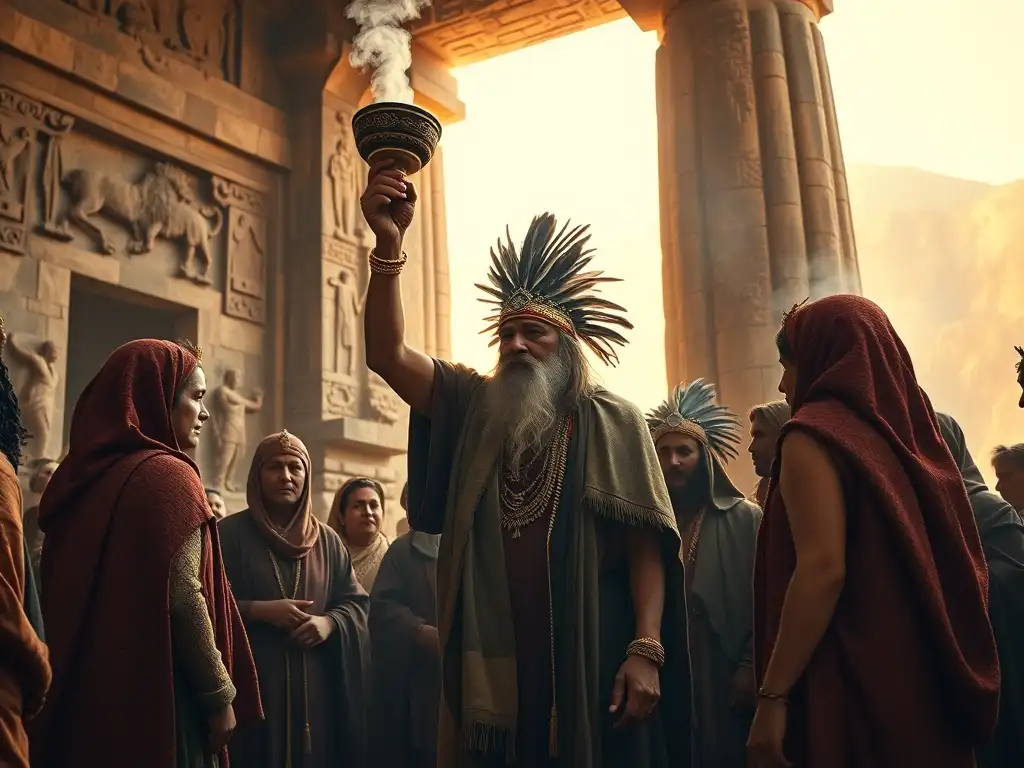
The Inca Empire, renowned for its sophisticated infrastructure and intricate social organization, placed immense importance on religious authority. Unlike many other ancient societies where religious and political power were often distinct, the Inca system intricately intertwined these spheres. The Sapa Inca, the emperor, held ultimate religious authority, considered a direct descendant of the sun god, Inti. This divine lineage legitimized his rule and ensured the cooperation of the populace.
The emperor's religious role wasn't merely symbolic; he presided over major festivals, offered sacrifices, and consulted with priests on matters of state and religious significance. This close connection between religious and political power cemented the emperor's position and maintained social order within the vast empire. The pervasive influence of religion permeated all aspects of Inca life, from agriculture and warfare to daily routines and social interactions. The success of the empire was inextricably linked to the perceived favor of the gods, making religious leaders crucial figures in Inca society.
Understanding the roles and responsibilities of Inca priests is key to understanding the power dynamics and societal structures of the Inca civilization. The very fabric of Inca society was woven with threads of religious belief, impacting every facet of their daily existence, from grand ceremonies to mundane tasks. This deep-seated faith provided a strong social glue, maintaining order and stability across a vast and diverse empire.
Understanding Inca Religious Hierarchy
The Inca religious hierarchy was complex, mirroring the empire's political structure. At the apex stood the Sapa Inca, followed by a select group of high priests ( Willaq Uma) responsible for overseeing major temples and conducting significant rituals. Below them were various levels of priests and priestesses, each with specific roles and responsibilities.
These roles weren't merely ceremonial; they involved practical tasks, including maintaining temples, interpreting omens, conducting divination, and leading communal prayers. The hierarchy wasn't rigid; some priests gained influence and power through their knowledge and abilities, while others inherited their positions. The system also included specialized priests, such as those dedicated to specific deities or responsible for particular rituals.
For example, some priests were experts in astronomy, using celestial observations to determine auspicious times for planting and harvesting, crucial for the empire's agricultural success. Others were skilled in medicine, combining religious practices with herbal remedies. This intricate system ensured the smooth functioning of religious life and provided a framework for the empire's religious practices.
| Priest Level | Responsibilities | Status |
|---|---|---|
| Sapa Inca | Supreme religious authority, presided over major festivals | Emperor, divine lineage |
| Willaq Uma | Overseeing major temples, conducting significant rituals | High-ranking, considerable influence |
| Regional Priests | Managing local temples, conducting smaller-scale rituals | Varying levels of influence and power |
| Specialized Priests | Experts in specific areas (astronomy, medicine, etc.) | Influence based on expertise |
| Priestesses | Roles varied, including divination, textile production, etc. | Significant roles in specific domains |
The Central Role of Priests in Inca Society
Inca priests held a position of significant power and influence within Inca society. Their role extended far beyond the performance of religious ceremonies. They were vital in interpreting the will of the gods, advising the emperor on matters of state, and maintaining social order. Priests were often involved in resolving disputes, offering guidance on ethical dilemmas, and providing psychological support to the community.
Their knowledge of astronomy, agriculture, and medicine made them essential figures in daily life. The accurate prediction of weather patterns and the timing of agricultural cycles, for example, were crucial for the success of Inca agriculture, a cornerstone of their economy. Similarly, their medical expertise, often involving herbal remedies and religious healing practices, played a crucial role in maintaining the health of the population. The Inca priest's influence wasn't limited to the religious sphere; it extended to all aspects of Inca life, firmly establishing them as central figures in the social and political landscape.
Their involvement in decision-making, dispute resolution, and community guidance underscores their crucial role in maintaining social cohesion and stability throughout the empire. The intricate interplay between religious and secular life highlights the deep-seated influence of the Inca priestly class. Their expertise and authority were integral to the functioning of Inca society at all levels. The pervasive influence of these religious leaders solidified their central role in the Inca Empire's social fabric.
Inca Priest Roles and Responsibilities: A Detailed Look
The Inca Empire, renowned for its sophisticated social structure and advanced engineering, also possessed a complex religious system overseen by a hierarchical priesthood. Understanding the Inca priest roles and responsibilities is crucial to grasping the intricacies of Inca society and its worldview. Priests, known as wilaq (plural wilakuq), weren't simply religious figures; they were integral to the political, economic, and social fabric of the empire.
Their influence extended far beyond the temples, shaping daily life and impacting the lives of every citizen. The power and prestige associated with these roles varied greatly depending on seniority and specialization, but all played a vital part in maintaining the cosmovision and the stability of the Inca state.
Key Duties of Inca Priests
Inca priests had a wide array of duties, many interwoven and interdependent. Their responsibilities extended beyond conducting rituals. Let's examine some key aspects:
- Maintaining Temples and Shrines: A significant portion of their time was dedicated to the upkeep of sacred spaces. This included cleaning, decorating, and ensuring the proper functioning of these vital centers of worship. They were responsible for the preservation of religious artifacts, ensuring their continued sanctity. The meticulous nature of this task highlights the reverence held for religious objects and spaces.
- Agricultural Oversight: The Inca economy was heavily reliant on agriculture. Priests played a crucial role in ensuring successful harvests, often acting as advisors to farmers and overseeing agricultural practices. They would perform rituals to ensure fertility and ward off crop failures, directly impacting the empire's food security. Their knowledge of agricultural cycles and astronomical events was essential for optimal planting and harvesting times.
- Record Keeping: Inca priests were often responsible for keeping meticulous records. These records were not just limited to religious matters; they also encompassed historical events, astronomical observations, and census data. The quipus, a system of knotted cords, served as a sophisticated method of record-keeping, demonstrating the advanced organizational skills of the Inca priesthood.
- Education and Training: The Inca priesthood also played a significant role in education and training, particularly of future priests and other religious officials. They passed down religious knowledge, traditions, and rituals through generations, ensuring the continuity of religious practices. This involved rigorous training programs that emphasized discipline, memorization, and a deep understanding of Inca cosmology.
- Medical Practices: While distinct from modern medicine, Inca priests often played a role in healing practices. They combined religious rituals with herbal remedies and other techniques, aiming to cure illness and restore balance. This integration of religious and medical practices underscores the holistic nature of Inca beliefs and practices.
Responsibilities in Rituals and Ceremonies
Inca religious life was vibrant and multifaceted, with numerous festivals and ceremonies throughout the year. The priests played a central role in these events, acting as intermediaries between the human and divine realms.
The Capacocha, a ritual sacrifice of children and young adults, was perhaps the most well-known ceremony. While the exact details and motivations remain debated, priests were undeniably central to the preparations and execution of this ritual, highlighting their immense influence and power within Inca society. Other rituals involved offerings of food, coca leaves, and other precious items to appease the gods and maintain cosmic harmony. The priests meticulously followed established procedures, ensuring the proper conduct of each ritual.
Failure to follow these protocols was believed to have dire consequences. The intricate choreography and symbolic actions within these rituals reinforced the societal hierarchy and the importance of religious observance. Their understanding and execution of these rituals were critical to maintaining the social order and ensuring the empire's prosperity.
Interpretation of Omens and Prophecies
Inca priests were skilled in interpreting omens and prophecies, using various methods to discern the will of the gods and predict future events.
Observing celestial events such as eclipses and the movements of stars and constellations was crucial. They interpreted these phenomena as messages from the gods, using their observations to inform political decisions, agricultural practices, and even personal choices. Additionally, they employed divination techniques involving llamas or other animals, interpreting their behavior as signs of divine favor or displeasure. The ability to interpret these omens and prophecies granted Inca priests immense power and influence, as their interpretations guided the actions of the emperor and the entire empire.
Their pronouncements shaped policy, influenced military campaigns, and ultimately impacted the lives of countless individuals. The accuracy of their predictions, or the perceived accuracy, significantly contributed to their authority and the legitimacy of the Inca rule. This aspect of their role highlights the deeply intertwined nature of religion and politics within the Inca Empire.
The Role of Priestesses in the Inca Religious System
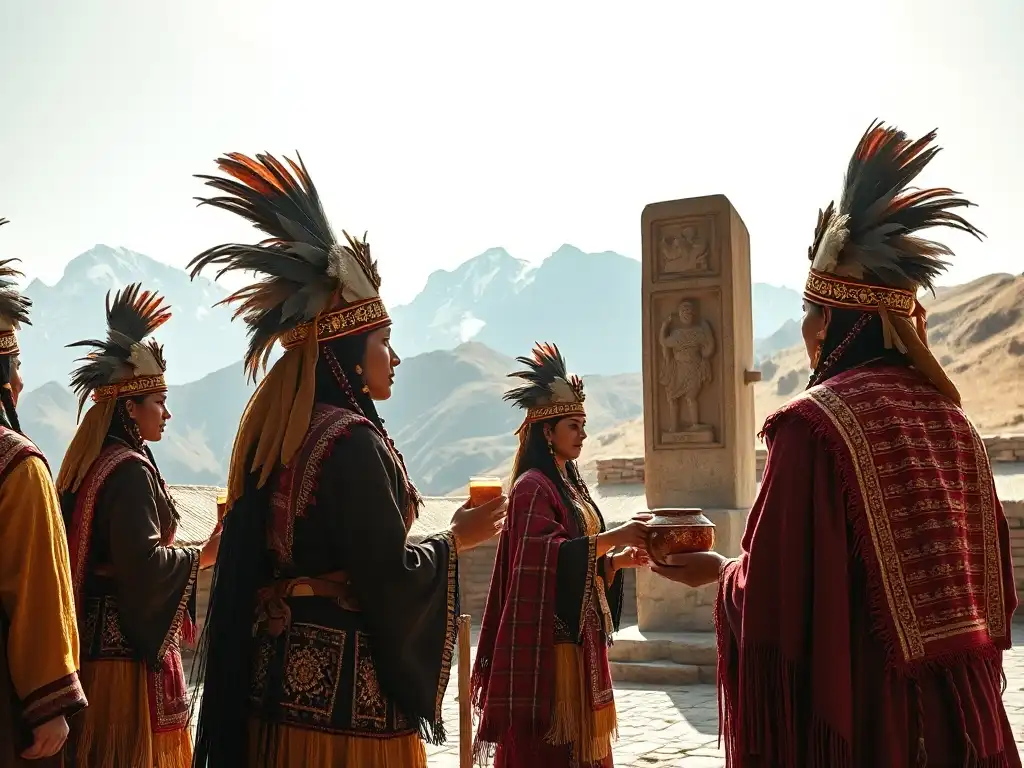
The Inca religious system, while seemingly dominated by male priests, also held a significant place for priestesses. Their roles, though less extensively documented than those of their male counterparts, were crucial to the spiritual well-being of the empire. Understanding the contributions of Inca priestesses provides a more complete picture of Inca religion and its intricate societal structure.
Their influence extended beyond simple ritualistic participation; they held positions of power and authority, impacting both religious and secular life. This section will delve into the specific roles and responsibilities of these women, highlighting their importance within the context of Inca society and its complex religious beliefs. The keyword, "Inca priest roles and responsibilities," inherently encompasses the vital contributions of both male and female religious leaders.
The Acllas: Chosen Women and Their Sacred Duties
The acllas, often translated as "chosen women," formed a significant part of the Inca priestly system. These women, selected from across the empire for their beauty, intelligence, and perceived purity, were dedicated to the service of the sun god, Inti, and other deities. Their lives were structured around religious service, textile production, and the creation of sacred objects.
The acllas lived in convent-like structures, known as acllahuasi, where they received specialized training in weaving, brewing chicha (a fermented corn beverage used in rituals), and other crafts vital to Inca religious practices. They were not merely artisans; they were considered sacred figures, vital to the maintenance of the cosmic order.
Their textile production wasn't just a matter of practicality; the intricate tapestries and garments they created were often used in religious ceremonies and adorned important figures, including the Sapa Inca himself. The chicha they brewed was not simply an alcoholic drink; it held significant ritualistic importance, used in offerings and ceremonies to appease the gods. The acllas' dedication to these tasks reinforced their status as intermediaries between the human and divine realms.
Evidence suggests that some acllas also served as oracles, interpreting divine signs and providing guidance to the Inca leadership. Their roles, therefore, extended beyond craftsmanship; they served as essential links between the spiritual and the earthly.
Priestesses and Their Connection to the Divine Feminine
While the acllas represent a specific group of priestesses, other women held important religious positions within the Inca system. These roles often emphasized the connection to the divine feminine, complementing the predominantly masculine focus on the sun god. The Inca pantheon included a variety of female deities associated with fertility, the earth, and the moon.
Priestesses dedicated to these goddesses played crucial roles in rituals related to agriculture, childbirth, and other aspects of life deeply connected to the natural world. These women may have held positions of influence within their local communities, advising on matters related to fertility, health, and the well-being of the community.
Unfortunately, detailed records regarding the specific roles and responsibilities of these priestesses outside the aclla system are scarce. Further research is needed to fully understand the extent of their influence and the diversity of their functions within Inca religious society. However, the existing evidence strongly suggests that their contributions were significant and multifaceted, highlighting a more nuanced and complex understanding of gender roles within the Inca religious system than previously assumed. The limited information available points to a vital role in maintaining the balance of the cosmos and the prosperity of the Inca Empire.
Participation in Inca Religious Practices
Both acllas and other priestesses participated actively in a wide range of Inca religious practices. Their roles encompassed everything from preparing sacred objects and offerings to assisting in major ceremonies and festivals. They were involved in the intricate rituals surrounding the capacocha, a form of human sacrifice practiced by the Incas. While the precise nature of their involvement in these ceremonies remains unclear, their presence suggests a level of spiritual authority and influence that transcended simple servitude.
Furthermore, their involvement extended beyond formal ceremonies. They likely played a vital role in maintaining the sacred sites and temples, ensuring the proper execution of daily rituals and offerings. Their knowledge of Inca religious traditions and practices, passed down through generations, was invaluable to the continuity of the religious system.
The priestesses' contributions were integral to the functioning of Inca religion, highlighting the essential role of women in maintaining the spiritual fabric of the empire. Their active participation demonstrates the importance of a holistic understanding of Inca religious leadership, recognizing the significant contributions of both male and female religious figures. The limited historical documentation unfortunately leaves many questions unanswered, underscoring the need for continued research and analysis to uncover more details about the daily lives and religious functions of Inca priestesses.
High Priests and Their Influence
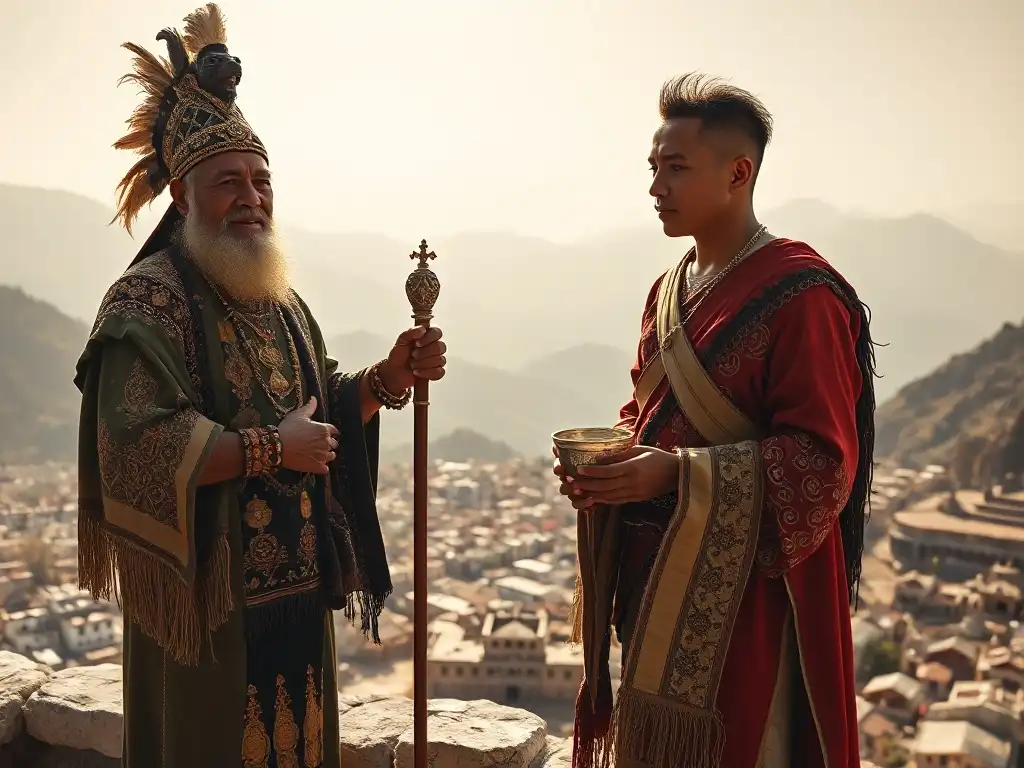
The Inca religious system, a complex web of beliefs and practices, was overseen by a hierarchical structure of priests and priestesses. Understanding the Inca priest roles and responsibilities requires focusing on the varying levels of authority and influence within this structure. While numerous individuals played vital roles in local and regional religious activities, the high priests held unparalleled power and influence, shaping not only religious life but also the political landscape of the Inca Empire.
Their authority stemmed from their perceived connection to the divine and their ability to interpret the will of the gods. This section will delve into the roles and responsibilities of these high-ranking religious figures, examining their influence on both religious practices and the broader Inca society. The sheer scale of the Inca empire demanded a sophisticated religious organization, and the high priests were central to its functioning.
At the apex of the Inca priestly hierarchy stood the Vila Uma, often translated as the "High Priest" or "Chief Priest." However, the Vila Uma's role transcended a simple priestly function. They were considered the ultimate religious authority, directly responsible for interpreting divine messages and advising the Sapa Inca, the emperor, on matters of state.
The Vila Uma wasn't merely a religious leader; they were a key advisor and influencer in the most crucial decisions of the empire. Their pronouncements carried immense weight, impacting everything from agricultural practices and warfare strategies to major ceremonial events. Evidence suggests that the Vila Uma held considerable political influence, often acting as a mediator between the Sapa Inca and the various curacas (local chiefs).
The selection process for the Vila Uma remains shrouded in some mystery, but it's likely that lineage, demonstrated piety, and exceptional knowledge of Inca religious traditions were crucial factors. The Vila Uma's residence and the exact nature of their daily rituals are not fully documented, but their influence permeated every aspect of Inca life. Think of them as the religious equivalent of a prime minister, wielding immense power and shaping the destiny of the empire.
Powers and Responsibilities of High Priests
The responsibilities of the high priests extended far beyond simply conducting religious ceremonies. They were responsible for overseeing the vast network of lesser priests and priestesses, ensuring the proper execution of rituals across the empire. Their duties included:
- Maintaining the calendar: Accurately tracking the agricultural cycle and predicting astronomical events was crucial for Inca society. The high priests were responsible for observing the celestial bodies and advising on appropriate times for planting, harvesting, and conducting religious festivals.
- Interpreting omens: The Inca believed that the gods communicated through various signs and omens. High priests were adept at interpreting these omens, guiding the Sapa Inca and the populace on the appropriate course of action.
- Training and supervising lesser priests: Ensuring the proper training and conduct of the vast number of priests and priestesses was a significant undertaking. The high priests developed and maintained a standardized system of religious education and practice.
- Managing temple complexes: The high priests oversaw the maintenance and upkeep of the numerous temples and religious sites across the empire. This included managing resources, organizing labor, and ensuring the proper performance of rituals within these sacred spaces.
- Advising the Sapa Inca: As previously mentioned, the high priests acted as key advisors to the Sapa Inca, shaping policy and influencing decisions on matters of war, peace, and economic stability.
The power and prestige associated with these responsibilities solidified the high priests' position as influential figures within Inca society. Their actions directly impacted the lives of millions.
The Impact of High Priests on Inca Politics
The influence of high priests extended far beyond the purely religious sphere. Their advice to the Sapa Inca often carried significant political weight. Decisions regarding warfare, alliances, and resource allocation could be heavily influenced by the priests' interpretations of religious omens and prophecies. For example, a negative omen might lead to the postponement or cancellation of a military campaign, while a favorable sign might embolden the Inca to pursue aggressive expansionist policies. This demonstrates the intricate interplay between religion and politics within the Inca Empire.
Furthermore, the high priests controlled significant resources and manpower, managing temples, religious festivals, and the training of new priests. This economic and administrative power further enhanced their political influence. Their control over the religious calendar also impacted agricultural practices, a critical aspect of the Inca economy.
Essentially, the high priests were not simply religious figures; they were powerful political actors whose decisions shaped the course of the empire. Their role underscores the deeply intertwined nature of religion and politics in Inca society, highlighting the significant influence of religious leaders on the political landscape. Further research into specific cases of high priest influence on Inca political decisions is needed to fully understand the extent of this power dynamic.
Training and Selection of Inca Religious Leaders
The selection and training of Inca religious leaders, encompassing both priests ( qhapaq ) and priestesses ( palla ), was a rigorous and highly selective process, reflecting the crucial role religion played in Inca society. Unlike many other ancient civilizations where religious leadership could be hereditary or based on social standing alone, the Inca system emphasized both innate aptitude and rigorous training. This ensured a high standard of religious knowledge and ritual proficiency among those entrusted with communicating with the gods and maintaining the cosmic order.
The keyword "Inca priest roles and responsibilities" is directly addressed by the very nature of this training, which was designed to equip individuals to fulfill their complex duties. The selection process itself helped to solidify the power and authority of the Inca state, as it acted as a tool for social control and the propagation of Inca ideology.
The Process of Becoming a Priest or Priestess
The path to becoming an Inca priest or priestess wasn't simply a matter of religious vocation; it was a carefully orchestrated process involving observation, selection, and extensive training. Children, often from noble families but sometimes from commoner backgrounds exhibiting exceptional qualities, were identified at a young age. These children were assessed for qualities such as intelligence, piety, physical prowess, and a perceived connection to the divine. This assessment might involve observing their behavior, analyzing their dreams, or even consulting oracles.
Those chosen underwent a rigorous selection process, often involving various tests and trials to gauge their suitability for religious service. The selection process aimed not only to identify individuals with potential but also to weed out those deemed unsuitable. Failure to meet the high standards established could mean exclusion from religious service, a significant setback in Inca society given the prestige and influence associated with religious roles.
Education and Knowledge Required for Religious Service
Once selected, young aspirants embarked on extensive periods of training. Their education encompassed a wide range of subjects crucial for religious service, including astronomy, calendar systems, mathematics (often used in astronomical calculations and temple construction), herbalism, and intricate knowledge of Inca mythology and rituals. They learned to interpret omens, predict agricultural cycles based on celestial observations, and perform complex ceremonies.
The curriculum emphasized memorization of sacred texts, prayers, and hymns, as well as mastering the precise execution of ritual practices. This education wasn't merely theoretical; it involved practical application, with apprentices participating in actual ceremonies under the guidance of experienced priests and priestesses. A deep understanding of Inca cosmology and its intricate relationship with the natural world was essential.
The training period was long and demanding, often lasting for years, and aimed to produce religious leaders who were both knowledgeable and skilled. The level of expertise required underscored the immense importance placed on religious practices within the Inca Empire. The successful completion of this rigorous training signified not only mastery of religious knowledge but also the individual’s suitability to perform their Inca priest roles and responsibilities.
The Capac Cocha Ceremony: Ritual Sacrifice
The Capac Cocha ceremony represented a particularly significant ritual, deeply intertwined with the training and selection of Inca religious leaders. While the specifics remain debated amongst scholars, this ceremony appears to have involved human sacrifice, though not necessarily in the brutal manner often depicted in popular culture. The selected victims, often children, were believed to be offerings to the gods, ensuring fertility, prosperity, and the continued well-being of the Inca Empire.
While the exact nature of the Capac Cocha ceremony remains shrouded in some mystery, its significance in the Inca religious system cannot be overstated. It served not only as a ritualistic act but also as a powerful symbol of the Inca’s devotion to their gods and their commitment to maintaining the cosmic balance. It’s crucial to approach this topic with sensitivity and a critical eye, acknowledging the complexities and ethical implications of human sacrifice within the context of Inca religious practices.
The ceremony highlights the extreme lengths to which the Inca went to ensure the effectiveness and legitimacy of their religious leaders, connecting their training directly to the most significant rituals of the empire. The ceremony further emphasizes the significance of the Inca priest roles and responsibilities within the larger context of Inca society and belief.
The Impact of Inca Priests on Daily Life
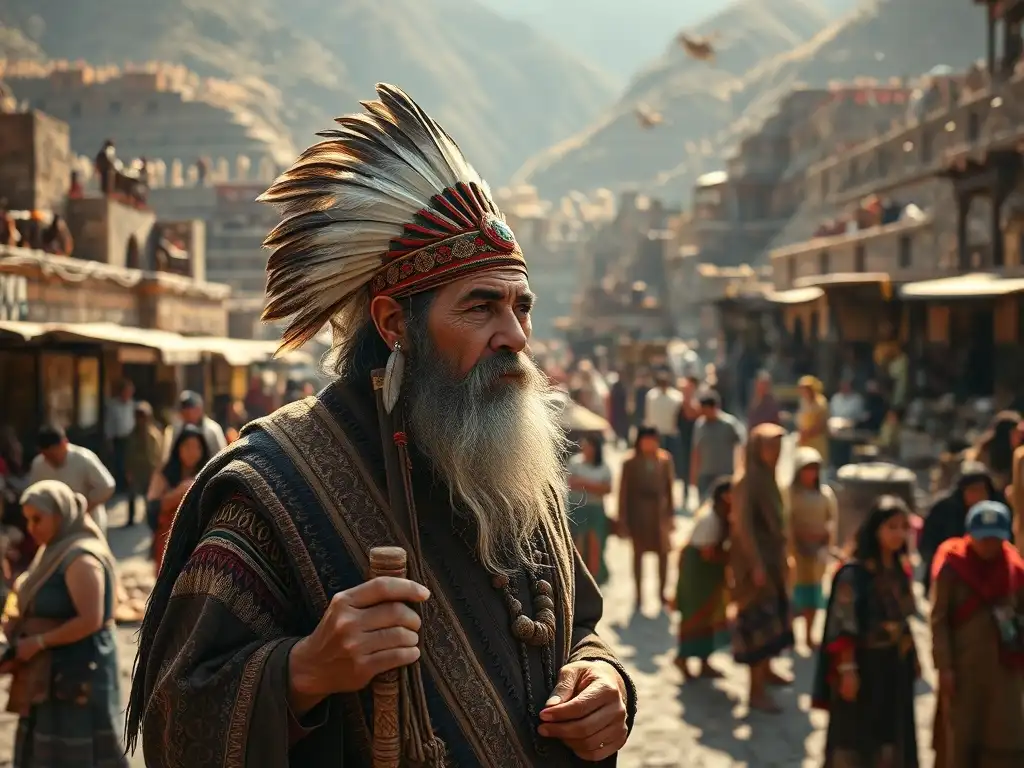
The Inca priest roles and responsibilities extended far beyond the performance of rituals. Inca priests and priestesses were deeply interwoven into the fabric of daily life, acting as advisors, mediators, and interpreters of the divine will. Their influence permeated every aspect of Inca society, from the most mundane tasks to the most significant decisions. Understanding their impact requires examining their multifaceted roles within the community. This section explores the pervasive influence of these religious leaders, highlighting their importance in shaping Inca society.
The Influence of Religious Leaders on Community Decisions
Inca priests weren't merely spiritual figures; they were key players in the political and social governance of the empire. Their expertise in interpreting celestial events, interpreting dreams, and understanding the intricacies of Inca mythology granted them significant authority. Decisions regarding warfare, agricultural cycles, and even infrastructure projects often involved consultation with priests.
For example, before embarking on a military campaign, the Sapa Inca (emperor) would consult with the wilaq uma, the high priest, to ascertain the auspiciousness of the timing and the likely outcome based on astrological readings and divination. This wasn't simply a symbolic gesture; the priest's assessment carried considerable weight, potentially influencing the course of the entire campaign. The influence extended to local communities as well, where local priests played a similar advisory role in village matters.
Detailed records of these consultations are unfortunately scarce, leaving much to the interpretation of surviving archaeological evidence and the limited chronicles written by Spanish conquistadors. Further research is needed to fully understand the extent of priestly involvement in community decision-making processes.
The Role of Priests in Agricultural Practices
Agriculture formed the bedrock of Inca society, and Inca priest roles and responsibilities were intrinsically linked to successful harvests. Priests played a crucial role in predicting weather patterns, conducting ceremonies to ensure fertile lands, and overseeing the distribution of agricultural resources. They meticulously observed the movements of celestial bodies, correlating them with the planting and harvesting seasons.
Their knowledge was essential for maximizing crop yields and mitigating the risks associated with unpredictable weather events. The mamacocha, the goddess of the sea, held significant importance, and priests associated with her performed rituals to ensure successful fishing. Furthermore, the achachila and mamaquilla, mountain deities, were appeased through offerings and ceremonies to guarantee the fertility of the high-altitude agricultural terraces.
The intricate relationship between religious practices and agriculture demonstrates the deep integration of spirituality into the practical aspects of Inca life. This intimate connection highlights the vital role that priests played in ensuring the empire’s food security.
The Inca religion wasn't merely a collection of beliefs; it was a powerful tool for maintaining social order and reinforcing the authority of the Inca state. Inca priest roles and responsibilities included the propagation and enforcement of religious doctrines, which subtly but effectively reinforced the hierarchical structure of society. The divine right of the Sapa Inca to rule was a cornerstone of Inca ideology, meticulously maintained and propagated by the priestly class.
Religious festivals and ceremonies served not only as spiritual events but also as demonstrations of imperial power and the unity of the empire. These events brought diverse populations together, reinforcing a sense of shared identity and loyalty to the Inca state. The priests, through their control over religious narratives and rituals, played a key role in cultivating this sense of collective identity and social cohesion.
Furthermore, the strict code of conduct enforced by the Inca religion, which emphasized obedience and respect for authority, helped maintain social stability. The intricate web of religious beliefs and social structures, actively managed by the priestly caste, ensured the smooth functioning of the vast Inca empire. The effectiveness of this system is a testament to the significant influence wielded by Inca priests in shaping the social and political landscape of the empire.
Inca Temple Function and Priest's Residence
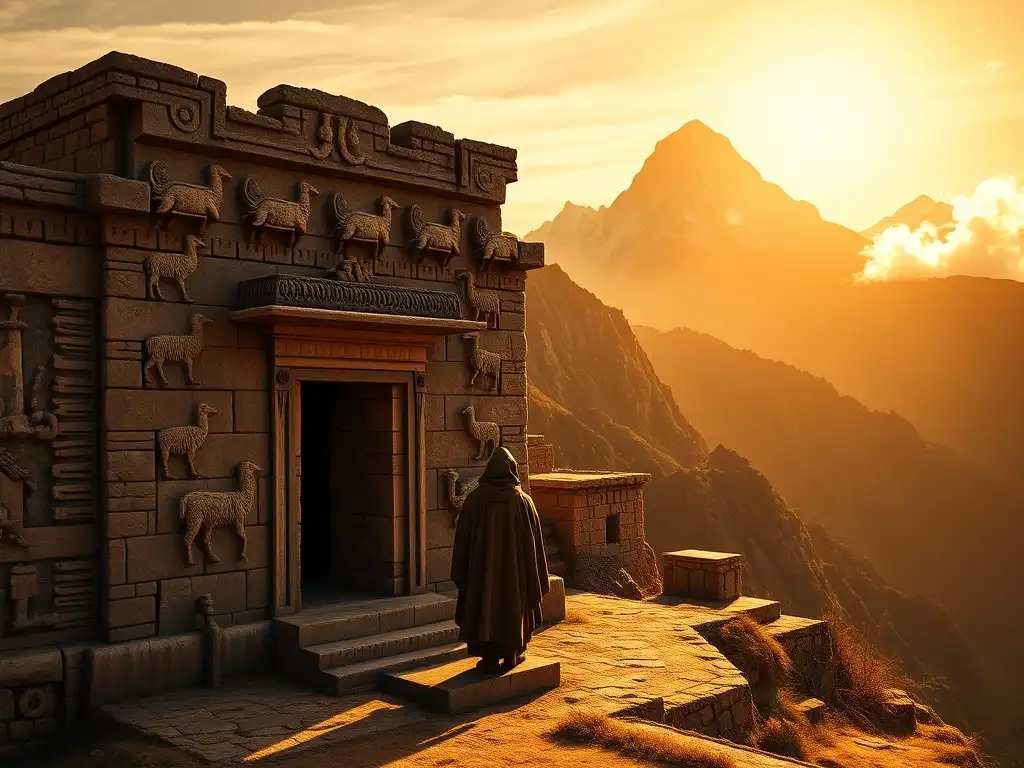
Inca temples weren't merely places of worship; they served as multifaceted centers of religious, social, and political life. Their function extended far beyond simple prayer and ritual. Understanding the Inca temple's role is crucial to grasping the priest's position within society. The wakas, or sacred places, often incorporated into temple complexes, further emphasized their significance. These wakas could be natural features like mountains or springs, or man-made structures, all imbued with spiritual power and carefully maintained by priests. The Inca priest's role was intrinsically linked to these sacred spaces.
The importance of Inca temples as centers of worship
Inca temples served as the focal point for a complex system of religious beliefs and practices. They were not simply buildings; they were living, breathing entities infused with spiritual energy. Daily rituals, including offerings of food, coca leaves, and llama blood, were performed to appease the gods and ensure the prosperity of the empire.
Elaborate ceremonies, often involving processions and sacrifices, took place on significant religious holidays, drawing large numbers of people to the temples. The priests oversaw these activities, ensuring that the rituals were performed correctly and effectively. The temples themselves were often richly decorated with gold, silver, and precious stones, reflecting the importance placed on religious observance within the Inca worldview.
Archaeological evidence, such as the remains of ceremonial objects and the layout of temple complexes, provides invaluable insights into the centrality of these spaces in Inca life. The sheer scale and architectural sophistication of some temples, like the Coricancha, speak volumes about the reverence afforded to the Inca gods.
The relationship between priests and temple management
The Inca priests were not simply religious figures; they also played a significant role in managing the temples themselves. This included overseeing construction and maintenance, managing temple resources, and training younger priests. Their responsibilities extended to the economic aspects of temple life, often involving the collection of offerings and the distribution of resources to the community. This intricate relationship between religious authority and practical management highlights the priests' position of power and influence.
The priests’ economic influence stemmed directly from their religious authority, reinforcing their standing within Inca society. The system was highly centralized, with high-ranking priests reporting directly to the Sapa Inca, the emperor. This organizational structure ensured efficient administration and resource allocation across the empire's various religious centers. Furthermore, the training of new priests was a key responsibility, ensuring the continuity of religious practices and the preservation of sacred knowledge across generations.
Coricancha and the Temple of the Sun
The Coricancha, or Temple of the Sun, in Cusco, serves as a prime example of the Inca priest's influence and the significance of temples. This magnificent structure, once adorned with immense amounts of gold, was not only a place of worship but also a significant repository of wealth and power. The high priests residing at the Coricancha held immense influence over the Inca emperor and the empire itself.
Their pronouncements carried significant weight, shaping policy and influencing the lives of ordinary citizens. The meticulous craftsmanship and the sheer scale of the Coricancha exemplify the level of resources dedicated to religious activities, underlining the crucial role played by priests in managing these resources effectively. The Temple of the Sun's position at the heart of Cusco further underscores its importance as a symbol of Inca power and religious authority, a power closely intertwined with the roles and responsibilities of the Inca priests.
The meticulous records kept by Inca scribes, though limited in surviving fragments, hint at the complex administrative functions handled within the temple complex, further highlighting the multifaceted nature of the Inca priest’s role. The careful organization and management of the Coricancha's resources reflect the sophisticated logistical capabilities of the Inca religious system, a system largely managed by the priests.
The Legacy of Inca Religious Leaders
The Inca religious system, a complex tapestry woven from cosmology, ancestor veneration, and intricate rituals, left an indelible mark on Andean spirituality. Understanding the roles and responsibilities of Inca priests and priestesses is crucial to grasping the enduring influence of this civilization. Their authority extended beyond mere religious observance; they were deeply involved in the political, social, and economic fabric of Inca society. Their legacy continues to resonate in modern Andean practices and cultural expressions. This section will explore the lasting impact of these religious leaders, examining how their influence persists in contemporary Andean life.
The Lasting Impact of Inca Priests and Priestesses on Andean Spirituality
The Inca priests, known as wilaq uma, and priestesses, pallaq, weren't merely intermediaries between the human and divine realms. They were highly trained individuals responsible for maintaining cosmological harmony. Their understanding of the intricate relationship between the celestial bodies, the earth, and humanity guided their rituals and practices.
This holistic approach to spirituality, emphasizing the interconnectedness of all things, continues to influence Andean spirituality today. Many modern Andean spiritual practices, such as the veneration of apus (mountain spirits) and the use of coca leaves in ceremonies, have their roots in Inca religious traditions. The deep respect for nature and the belief in a living, interconnected world are direct descendants of Inca cosmology, maintained and adapted through centuries.
The Inca emphasis on maintaining balance – between the human and divine, the earth and the heavens – remains a central tenet of many contemporary Andean spiritual beliefs. The enduring power of this spiritual legacy is evident in the continued practice of ancient rituals and the persistence of traditional beliefs across generations.
The Influence of Inca Rituals on Modern Andean Practices
Inca rituals were elaborate affairs, often involving large-scale public ceremonies and intricate offerings. These rituals served multiple purposes: ensuring a bountiful harvest, appeasing the gods, maintaining social order, and reinforcing the power of the Inca state. Many elements of these rituals persist in modern Andean practices.
For example, the Capacocha, a ritual sacrifice involving children and young adults, though horrifying in its nature, highlights the Inca's profound connection to the cosmos and their belief in the importance of maintaining balance. While the practice itself is thankfully extinct, the underlying concept of offering to maintain cosmic harmony finds echoes in contemporary Andean practices, albeit in less extreme forms. Modern celebrations and festivals often incorporate elements of Inca ritual, such as music, dance, and offerings to the apus.
The use of specific textiles, colors, and symbolic objects in these ceremonies directly reflects the Inca's meticulous attention to detail and symbolism in their religious practices. The continuity of these practices underscores the enduring influence of Inca religious traditions on Andean culture.
The Persistence of Inca Religious Concepts in Contemporary Culture
Beyond specific rituals, certain Inca religious concepts continue to shape Andean worldview. The concept of ayni, the principle of reciprocity and mutual obligation, remains a fundamental aspect of Andean social relations. This principle, deeply embedded in Inca religious ideology, emphasizes the importance of balance and exchange within the community and between humans and the divine.
The Inca belief in the power of huacas, sacred places imbued with spiritual energy, persists in modern Andean culture. These sacred sites, often natural features such as mountains or rocks, continue to be venerated and visited for spiritual purposes. The Inca's emphasis on ancestor veneration also lives on, with many Andean communities maintaining traditions of honoring their ancestors and seeking their guidance.
The enduring power of these concepts demonstrates the profound and lasting impact of Inca religious ideology on contemporary Andean culture. The integration of these concepts into the daily lives of modern Andean communities showcases the resilience and adaptability of Inca religious beliefs. The interwoven nature of Inca religious concepts with modern Andean practices exemplifies a continuous thread connecting the past to the present.
Frequently Asked Questions
What was the primary role of Inca priests?
Inca priests held a crucial role in maintaining the cosmic order, performing rituals, and ensuring the well-being of the empire. They acted as intermediaries between the gods and the people.
How were Inca priests selected?
Priests were often chosen from the elite classes, demonstrating a high level of religious knowledge and understanding. Some were appointed, while others inherited their positions through family lineage.
What were the responsibilities of an Inca priestess?
Inca priestesses played vital roles in religious ceremonies, particularly those relating to fertility and weaving. They also held significant social standing within their communities.
Did Inca priests have political influence?
Yes, Inca priests held considerable political influence, advising the emperor and interpreting divine will. Their pronouncements often impacted major decisions within the empire.
What were some of the daily tasks of an Inca priest?
Daily tasks varied, including performing sacrifices, maintaining temples, and interpreting omens. They also educated others about Inca religious beliefs and practices.
Final Reflection: The Enduring Legacy of Inca Religious Leadership
The intricate roles of Inca priests and priestesses remain profoundly relevant today, offering a powerful lens through which to examine the enduring relationship between spirituality, power, and societal structure. Their complex responsibilities, far exceeding simple ritualistic duties, shaped the very fabric of Inca society, influencing everything from agriculture and governance to medicine and daily life. Understanding their influence allows us to better appreciate the sophisticated organization and cultural depth of the Inca Empire.
The impact of Inca religious leadership continues to resonate in modern discussions of spiritual authority, social responsibility, and the intersection of faith and governance. Their dedication to maintaining cosmic balance, reflected in their meticulous astronomical observations and agricultural practices, serves as a compelling example of a society deeply intertwined with its environment and beliefs. The Inca religion was not a separate entity, but rather an integral part of the social and political fabric of the empire.
This quote highlights the pervasive influence of religious leaders in all aspects of Inca life, a dynamic that continues to shape our understanding of the relationship between religion and society in various cultures.
Consider the ways in which spiritual leaders, in any society, impact the lives of their followers. Reflect on the responsibilities inherent in positions of spiritual authority and the ethical considerations that arise.
You, the reader, are now empowered to explore these connections further, to examine the parallels between Inca religious practices and contemporary spiritual movements, and to consider the enduring lessons of a civilization that placed such profound importance on the harmonious relationship between humanity and the cosmos. Let the legacy of the Inca priests and priestesses inspire you to contemplate the power of faith and its role in shaping our world.
Unveil the Spiritual Legacy of Inca Leadership!
Thank you for exploring the fascinating world of Inca priests and priestesses! You've gained valuable insights into their profound influence on Inca society and culture. Now, let's put that knowledge to good use.
Here are some ways to further explore Inca spirituality and connect with others who share your interest:
- Join our online community forum to discuss your thoughts and discoveries with fellow enthusiasts of Andean history. Share your insights and learn from others.
- Explore local museums and online exhibits featuring Inca artifacts related to religious practices. Seeing these objects firsthand will deepen your understanding and appreciation.
- Share this article with your friends and colleagues to spread awareness of the rich spiritual heritage of the Inca civilization.
What aspect of Inca spirituality captivates you most, and how do you see these ancient practices resonating with modern societies?