
The Nazca’s Approach to Food Security: A Look at Their Ingenious Techniques

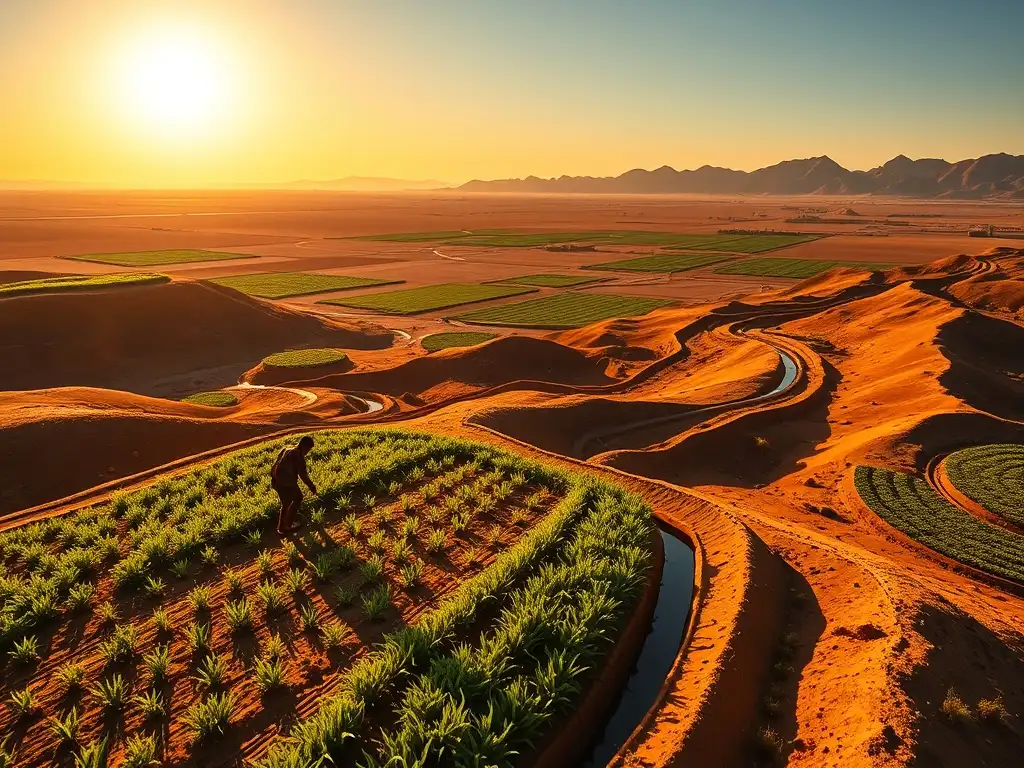
Step into a world lost to time, yet echoing with ingenuity. For centuries, the Andean civilizations thrived, mastering landscapes others deemed impossible. But how did they achieve such remarkable food security in such harsh environments? Discover the secrets behind the Nazca's food security techniques, a testament to their advanced agricultural knowledge and resilience. Prepare to be amazed by their innovative solutions and the enduring legacy they left behind. Unravel the mysteries of their success – your journey begins now.
- Nazca Food Security Techniques: Ingenious Solutions in the Arid Andes
- Understanding the Environmental Challenges Faced by the Nazca
- Innovative Nazca Agricultural Practices for Food Stability
- Nazca Food Storage Methods for Long-Term Security
- The Nazca's System of Food Distribution and Management
- The Significance of Nazca Food Security Strategies
-
Frequently Asked Questions
- What were the biggest challenges to food security faced by the Nazca?
- How did the Nazca overcome the challenges of their environment to ensure food security?
- What crops were most important for Nazca food security?
- What role did camelids play in Nazca food security?
- What evidence exists to support our understanding of Nazca food security techniques?
- Final Reflection: Echoes of Ingenuity: The Enduring Legacy of Nazca Food Security
- Unveil Innovative Paths to Food Security Today!
Nazca Food Security Techniques: Ingenious Solutions in the Arid Andes
The Nazca civilization, flourishing along Peru's southern coast between 100 BCE and 800 CE, thrived in one of the world's most arid environments. Their remarkable achievements in agriculture and water management were crucial to their survival and societal development. This article delves into the ingenious food security techniques employed by the Nazca, highlighting their adaptability and innovative solutions to the challenges posed by their harsh desert environment.
Understanding their approach to food production and storage offers valuable insights into the resilience and ingenuity of this fascinating ancient civilization and provides a compelling case study for modern sustainable agriculture in arid regions. We will explore their sophisticated systems, demonstrating how they maximized limited resources to ensure a relatively stable food supply, a key factor in their cultural and social progress.
The Nazca’s success in achieving food security in such a challenging climate stands as a testament to their advanced understanding of their environment and their capacity for innovation. Their legacy continues to inspire research and inform contemporary approaches to sustainable agriculture.
Water Management: The Foundation of Nazca Food Security
The Nazca's success in food production hinged entirely on their mastery of water management. The arid coastal plain received minimal rainfall, making water conservation and efficient irrigation paramount. Their solutions were remarkably sophisticated for their time.
They developed extensive networks of canals and aqueducts, some stretching for kilometers, to channel water from infrequent rains and underground sources to their agricultural fields. These intricate systems were carefully planned and constructed, often utilizing sophisticated surveying techniques to ensure even water distribution. Evidence suggests the use of underground channels ( puquios) to access subterranean water tables, a testament to their deep understanding of hydrology.
These systems weren't merely functional; they were integrated into the Nazca's worldview, possibly holding symbolic significance as well. The meticulous planning and execution of these projects reveal a high level of social organization and engineering expertise, crucial for the success of their food security strategies. Further research into the precise construction methods and the social organization behind these projects is ongoing, promising to reveal even more fascinating details about Nazca ingenuity.
Agricultural Techniques: Maximizing Limited Resources
Beyond water management, the Nazca employed several ingenious agricultural techniques to maximize their limited arable land. They developed raised fields, known as camellones, which acted as miniature reservoirs, retaining moisture and improving soil fertility. These elevated platforms allowed for better drainage and protection from flooding, optimizing crop yields in a climate prone to both drought and occasional heavy rainfall. The construction of these camellones was a labor-intensive process, requiring significant community effort and coordination, emphasizing the importance of social cooperation in their food security strategies.
Furthermore, the Nazca likely practiced crop diversification, growing a variety of drought-resistant crops suited to the arid climate. While the exact species cultivated remain a topic of ongoing research, evidence suggests the cultivation of cotton, beans, maize, and various other crops adapted to the harsh environment. This diversification strategy significantly reduced the risk of crop failure due to unpredictable weather patterns.
Food Storage and Preservation: Ensuring Year-Round Availability
Efficient food storage and preservation were essential components of Nazca food security. Archaeological evidence points to the use of storage structures, such as subterranean granaries, to protect harvested crops from the elements and pests. These structures likely provided a safe environment to store surplus food, ensuring a supply throughout the year and mitigating the impact of unpredictable harvests.
The Nazca may have also employed various preservation techniques, such as drying, salting, and perhaps even fermentation, to extend the shelf life of their food. Further research is needed to fully understand the specific techniques employed, but the existence of well-preserved food remnants in archaeological sites hints at the effectiveness of their preservation methods. The development of sophisticated storage and preservation techniques demonstrates a deep understanding of food science and its crucial role in guaranteeing year-round food availability.
The Nazca's success in food security wasn't solely reliant on technological innovations but also on a well-organized social structure. The construction and maintenance of irrigation systems, raised fields, and storage facilities required significant community participation and cooperation. A hierarchical system likely played a role in organizing labor and distributing food resources, ensuring equitable access to essential supplies.
While the specifics of their social organization remain an area of ongoing study, it's clear that food security was a collective endeavor, requiring collaboration and resource management at various levels of society. Understanding the social dynamics surrounding food production and distribution is crucial to a complete understanding of Nazca food security strategies. Further research into the social structures and power dynamics of Nazca society will enhance our understanding of this critical aspect of their success.
Understanding the Environmental Challenges Faced by the Nazca
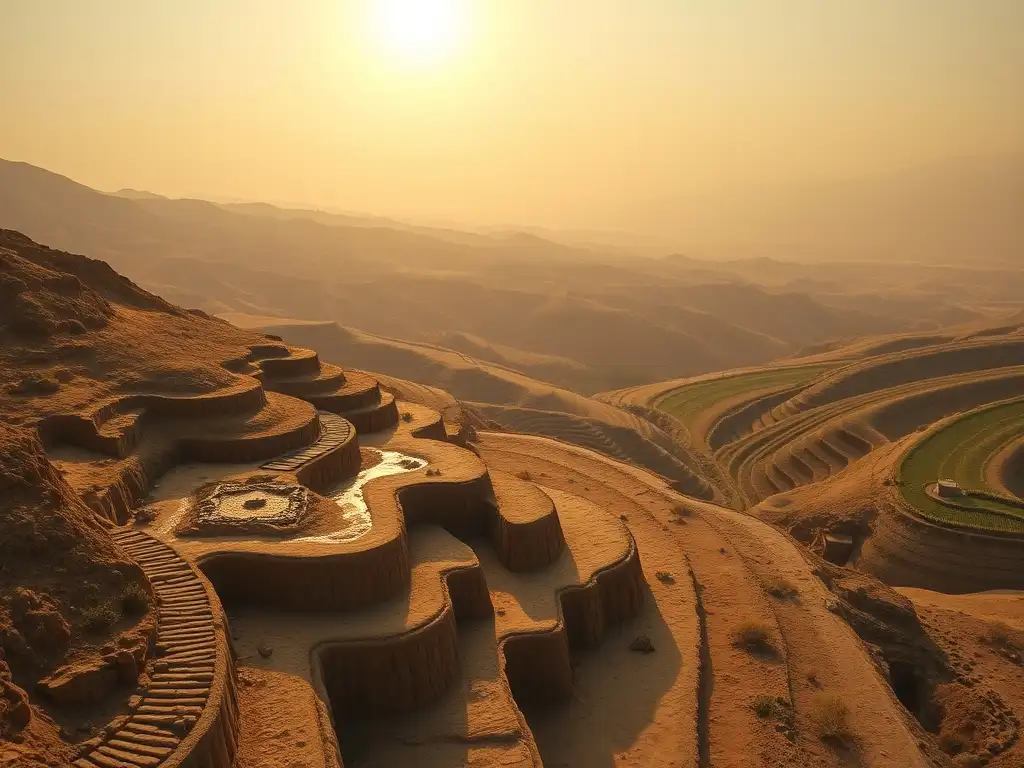
The Nazca civilization, renowned for its enigmatic geoglyphs, thrived in a remarkably challenging environment. Their success in establishing a sustainable society hinged on innovative strategies to overcome significant obstacles related to Nazca food security techniques. Understanding these challenges is crucial to appreciating the ingenuity of their agricultural practices. This section will delve into the specific environmental hurdles they faced, laying the groundwork for exploring their remarkable solutions.
The Arid Landscape of the Nazca Region
The Nazca people inhabited the coastal desert of southern Peru, a region characterized by extreme aridity. The Nazca desert receives minimal rainfall, averaging less than 150 mm annually, making it one of the driest places on Earth. This scarcity of precipitation drastically limited the availability of surface water, posing a major impediment to traditional agricultural methods. The terrain itself, consisting largely of sandy plains and rocky hills, further complicated the task of cultivating crops.
The soil, while potentially fertile in some areas, required careful management to prevent erosion and maintain its productivity. This harsh, unforgiving landscape demanded innovative solutions for water acquisition and soil conservation – key elements of their approach to Nazca food security techniques. The very survival of the Nazca depended on their ability to overcome these environmental limitations.
Limited Water Resources and Rainfall Patterns
The unpredictable and infrequent rainfall in the Nazca region meant that water was a precious and highly valued resource. Surface water sources were scarce, and rivers were often ephemeral, drying up during the dry season. Underground water sources, while present, were not easily accessible and required sophisticated techniques for extraction. The Nazca relied heavily on subsurface aquifers, developing intricate systems of subterranean canals and wells to tap into these vital sources.
The timing of planting and harvesting was strictly dictated by the erratic rainfall patterns, requiring a deep understanding of the local climate and the ability to predict, with reasonable accuracy, the onset of the rainy season. This meticulous planning and management of water resources were essential components of their Nazca food security techniques. Failure to effectively manage water would have resulted in widespread crop failure and potential societal collapse.
The Impact of Climate on Nazca Agriculture
The Nazca climate, marked by extreme temperature fluctuations and intense solar radiation, placed additional stress on agricultural production. High temperatures and strong winds could easily damage crops, while the lack of cloud cover offered minimal protection from the sun's harsh rays. These climatic conditions dictated the types of crops that could be successfully cultivated, favoring drought-resistant species and those adapted to arid environments. The Nazca, through careful observation and experimentation, developed a deep understanding of their climate and its impact on agriculture.
This knowledge, coupled with their ingenious irrigation and water management systems, allowed them to maximize crop yields despite the challenging environmental conditions. Their success underscores the crucial role of climate adaptation in their overall approach to Nazca food security techniques. The ability to thrive in such a harsh environment speaks volumes about their agricultural acumen and resilience.
Innovative Nazca Agricultural Practices for Food Stability
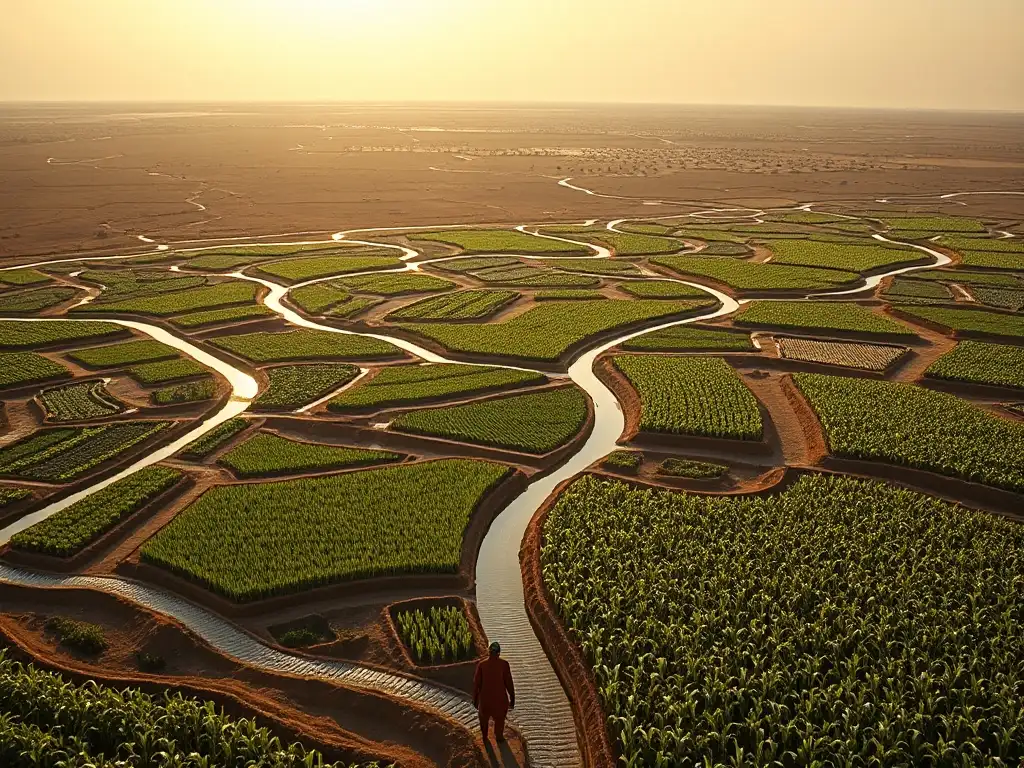
The Nazca civilization, renowned for its enigmatic geoglyphs, also possessed sophisticated agricultural techniques crucial for ensuring food security in their arid coastal environment. Their success wasn't solely reliant on divine favor; rather, it stemmed from a deep understanding of their environment and the ingenious development of water management and land cultivation strategies. These techniques, honed over centuries, allowed the Nazca to thrive in a region characterized by scarce rainfall and challenging terrain.
Analyzing their methods reveals a remarkable level of ingenuity and planning, showcasing a profound connection between the Nazca people and their environment. Understanding their Nazca food security techniques offers valuable insights into sustainable agriculture in challenging climates.
The Ingenious Use of Puquios: Underground Aqueducts
The Nazca's most impressive feat in water management was undoubtedly the construction of puquios. These weren't simply wells; they were elaborate underground aqueducts that tapped into groundwater sources, channeling water to surface areas for irrigation. The puquios were cleverly engineered systems, utilizing a network of shafts and tunnels to bring water up from the water table.
This ingenious approach minimized water loss through evaporation, a significant concern in the hot, dry Nazca desert. Construction involved digging vertical shafts to reach the water table, then creating horizontal tunnels to connect these shafts, forming a subterranean network. The shafts were strategically placed to take advantage of natural water flows and gradients.
The construction of puquios required considerable engineering skill and collaborative effort. Evidence suggests that the Nazca utilized sophisticated tools and techniques, including stone implements and possibly primitive levers and pulleys, to excavate the tunnels. The precise placement of the shafts and the construction of the tunnels indicate a detailed understanding of hydrology and geology.
The longevity of many puquios, some of which remain functional today, is a testament to the durability and effectiveness of the Nazca's engineering prowess. The puquios were not just a technological marvel; they represented a cornerstone of Nazca food security, providing a reliable source of water for irrigation even during periods of drought.
Surface Irrigation Systems and Canals
Complementing their underground water systems, the Nazca also developed extensive surface irrigation networks. These consisted of canals and ditches that carried water from rivers, springs, and the puquios to agricultural fields. The construction of these canals required careful planning and surveying to ensure efficient water distribution. The canals were often built along contours, minimizing the need for steep gradients and reducing water loss through erosion. They were typically lined with stones or clay to prevent seepage and maintain water flow.
The Nazca’s surface irrigation systems were adapted to the varied topography of the region. In some areas, they constructed relatively simple ditches to irrigate small plots of land. In other areas, where larger-scale irrigation was needed, they built more complex canal systems that extended for several kilometers. These systems allowed the Nazca to cultivate a wider range of crops and increase agricultural productivity.
The effectiveness of these systems is evident in the extensive agricultural terraces and cultivated fields that have been discovered across the Nazca region. The careful management of water resources, both underground and on the surface, was essential for the Nazca's agricultural success and their overall food security. This integrated approach highlights a sophisticated understanding of hydraulic engineering.
Terraced Farming Techniques to Maximize Land Use
To maximize their limited arable land, the Nazca employed terraced farming techniques. This involved carving the steep slopes of hills and mountains into a series of level platforms, creating more cultivatable land. These terraces weren't just randomly carved; they were carefully designed to optimize water retention and minimize soil erosion. The terraces were typically built using stone retaining walls, which helped to prevent soil from washing away during periods of heavy rainfall. The walls also served to create level surfaces for planting.
The construction of terraces was a labor-intensive process, requiring significant human effort and coordination. However, the benefits were substantial. Terraced farming increased the amount of land available for cultivation, allowing the Nazca to grow a wider variety of crops and increase their food production. Furthermore, the terraces helped to conserve water by slowing down the flow of water and allowing it to infiltrate the soil.
This reduced water loss through runoff and helped to maintain soil moisture. The combination of sophisticated water management and terraced farming allowed the Nazca to achieve a remarkable level of agricultural productivity in a challenging environment, directly contributing to their food security and the overall success of their civilization. The legacy of their ingenuity remains visible in the landscape today.
Cultivation of Drought-Resistant Crops
The Nazca, inhabiting a coastal desert region, developed ingenious methods to cultivate crops despite the harsh, arid climate. Their success hinged on understanding and harnessing available water resources, coupled with selecting and cultivating drought-resistant plant varieties. This wasn't merely a matter of survival; it was a sophisticated agricultural strategy crucial for their food security. They weren't just planting any seeds; they actively sought out and cultivated strains of plants specifically adapted to minimal rainfall and high temperatures.
This involved a deep understanding of plant genetics and an intuitive grasp of environmental factors, far exceeding simple subsistence farming. Evidence suggests they employed techniques like careful seed selection, based on observation of plants that thrived under the existing conditions. They likely saved seeds from the most robust plants year after year, gradually improving the drought resistance of their crops through generations of selective breeding. This painstaking process, spanning centuries, demonstrates a remarkable commitment to long-term food security.
Furthermore, their agricultural practices were intertwined with their religious beliefs, suggesting that even the selection of drought-resistant crops was imbued with spiritual significance, further emphasizing the importance placed upon this aspect of their society. The precise methods of seed selection remain partially obscured by the passage of time, but the results are undeniable: a thriving civilization sustained in a seemingly inhospitable environment. Archaeological findings continue to reveal new insights into their sophisticated agricultural knowledge and their dedication to food production in challenging conditions.
Specific Crop Choices for Food Security: Maize, Beans, Squash, Potatoes, Peppers
The Nazca's food security strategy wasn't just about cultivating drought-resistant plants; it was also about diversifying their crops. Their selection of maize, beans, squash, potatoes, and peppers wasn't arbitrary; each played a vital role in ensuring a balanced and resilient food supply. Maize, a staple crop across many Andean cultures, provided carbohydrates. However, the Nazca likely cultivated specific varieties adapted to their arid environment, perhaps smaller, faster-maturing types that required less water.
Beans, rich in protein and essential nutrients, complemented maize, creating a synergistic effect in terms of nutritional value. Squash, another crucial component of their diet, offered vitamins and minerals, further enhancing the nutritional balance. The introduction of potatoes, a tuber crop exceptionally well-suited to the Andean highlands and some lower altitudes, provided a significant source of carbohydrates and nutrients. Different potato varieties were likely cultivated, each possessing unique characteristics relating to water needs and growing conditions.
Finally, peppers, aside from their culinary uses, provided essential vitamins and capsaicin, which possesses some medicinal properties. This carefully selected combination of crops, each contributing distinct nutritional elements and resilience to varying conditions, represents a sophisticated understanding of dietary needs and agricultural diversification. The success of this system speaks volumes about the Nazca’s understanding of sustainable agriculture and their commitment to long-term food security, reducing their reliance on any single crop and mitigating the risk of widespread crop failure. This diversified approach guaranteed a more stable food supply, even in years of reduced rainfall or other environmental challenges.
Nazca Food Storage Methods for Long-Term Security
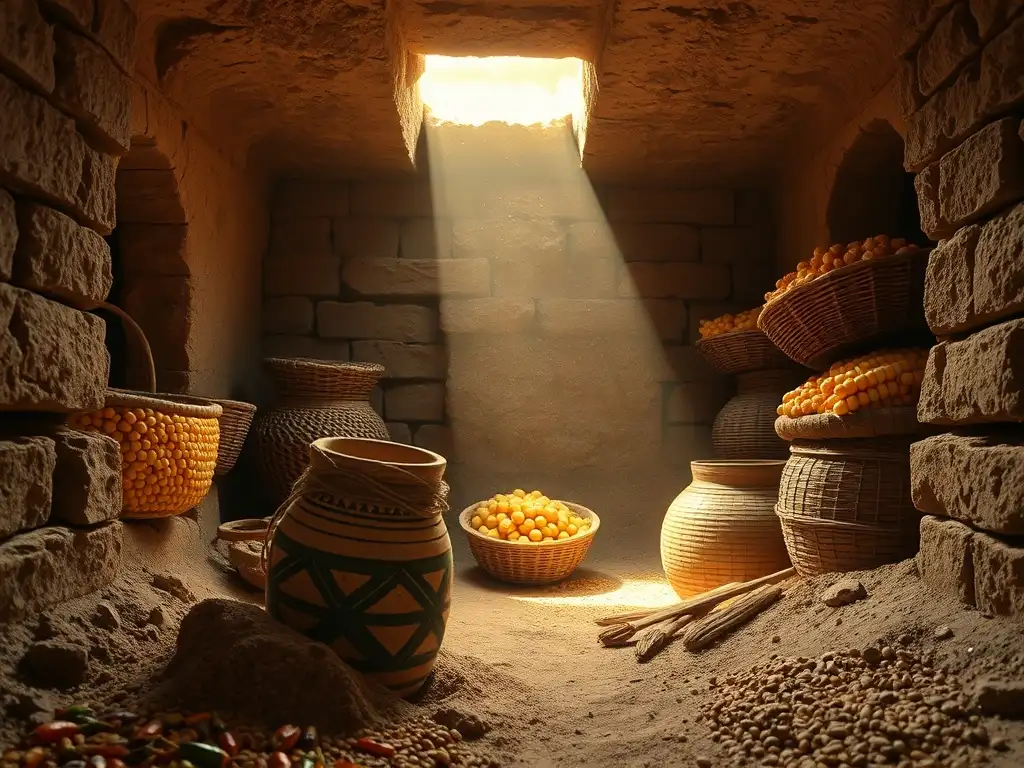
The Nazca civilization, renowned for its enigmatic geoglyphs, also possessed sophisticated agricultural practices and ingenious food storage techniques crucial for their survival in the arid coastal region of modern-day Peru. Their success hinged on strategies that ensured food security throughout the year, mitigating the risks associated with unpredictable weather patterns and ensuring community resilience. Understanding their methods provides invaluable insights into their resource management and societal organization, highlighting the ingenuity of their approach to "Nazca food security techniques".
Underground Storage Pits and Silos
A cornerstone of Nazca food security was their extensive use of underground storage facilities. These weren't simply haphazard holes; they were meticulously constructed pits and silos designed to maintain optimal conditions for long-term food preservation. Archaeological evidence reveals a range of sizes and designs, suggesting adaptation to different food types and storage needs.
Larger pits, often lined with stones or clay, likely held bulk grain reserves such as maize and beans—staples of the Nazca diet. Smaller, more specialized pits may have been used for storing other perishable goods like dried fruits or preserved meats. The underground location offered several key advantages:
- Temperature regulation: The consistent temperature underground minimized fluctuations, reducing spoilage and insect infestation. This natural refrigeration was particularly crucial in the hot, dry climate.
- Protection from elements: These pits offered protection from the sun, rain, and extreme temperature swings. This shielded stored food from damage and ensured its longevity.
- Pest control: The earth itself acted as a barrier against many common pests that could devastate stored harvests.
The construction of these pits required considerable labor and planning, indicating a level of community organization and investment in long-term food security. The careful selection of locations, often near settlements or agricultural fields, further demonstrates their strategic approach to resource management. Analysis of soil samples from these sites could potentially reveal further information on preservation techniques and the types of food stored. Further research into the precise dimensions and construction methods of these pits would offer a more comprehensive understanding of their effectiveness.
Preservation Techniques: Drying and Salting
Beyond efficient storage, the Nazca employed effective preservation techniques to extend the shelf life of their harvested food. Drying and salting were paramount in this process, significantly reducing spoilage and ensuring food availability during lean periods.
- Drying: The abundant sunshine of the Nazca desert provided ideal conditions for sun-drying various food items. Maize, beans, and other crops were spread out on mats or elevated platforms to dry thoroughly, reducing moisture content and inhibiting microbial growth. This process not only extended shelf life but also reduced the bulk of the food, making storage more efficient.
- Salting: Salting was another crucial preservation method, particularly for meats and fish. Salt acted as a natural preservative, drawing out moisture and inhibiting bacterial growth. This method allowed the Nazca to preserve protein sources, adding valuable nutritional diversity to their diet throughout the year. The availability of salt, whether from coastal sources or inland salt deposits, played a critical role in their food preservation strategies. The precise methods of salting, including the type of salt used and the duration of the process, remain areas requiring further investigation. Analysis of preserved artifacts could shed light on these practices.
The combination of drying and salting, often used in conjunction with underground storage, maximized the longevity of food supplies, ensuring that the Nazca population had access to a varied and nutritious diet even in the face of environmental challenges. The ingenuity of these methods is a testament to their profound understanding of food preservation principles.
Strategic Grain Storage Locations
The location of grain storage facilities wasn't arbitrary. The Nazca strategically placed their storage pits and silos to optimize access and minimize risk. Evidence suggests that:
- Proximity to agricultural fields: Many storage structures were located near cultivated areas, facilitating efficient transport of harvested crops and minimizing post-harvest losses. This reduced the time and effort required for moving food from the field to storage, a crucial factor in preserving its quality.
- Accessibility and defensibility: While proximity to fields was important, the Nazca also considered the accessibility and defensibility of storage sites. Some storage facilities may have been located within or near settlements for easier access and protection from theft or damage. Others may have been situated in more secluded areas, potentially offering better protection from natural disasters or enemy raids. The specific factors influencing location choice likely varied depending on the size of the storage facility and the overall security needs of the community.
- Microclimatic conditions: Beyond proximity and security, the Nazca may have also considered microclimatic conditions when choosing storage locations. Certain areas might have provided more favorable temperature and humidity levels for long-term food preservation. Further research into the precise location of storage facilities and their surrounding environment is needed to fully understand this aspect of their strategic planning.
The strategic placement of storage facilities underscores the Nazca's understanding of logistics and risk management. Their careful consideration of accessibility, security, and environmental factors demonstrates a sophisticated approach to food resource management that contributed significantly to their long-term survival and prosperity. The integration of these strategies with their agricultural practices and preservation techniques formed a robust system for ensuring food security. The study of Nazca food security techniques remains a compelling area of research, promising further revelations about this fascinating civilization.
Ceramic Jars and Baskets for Storage
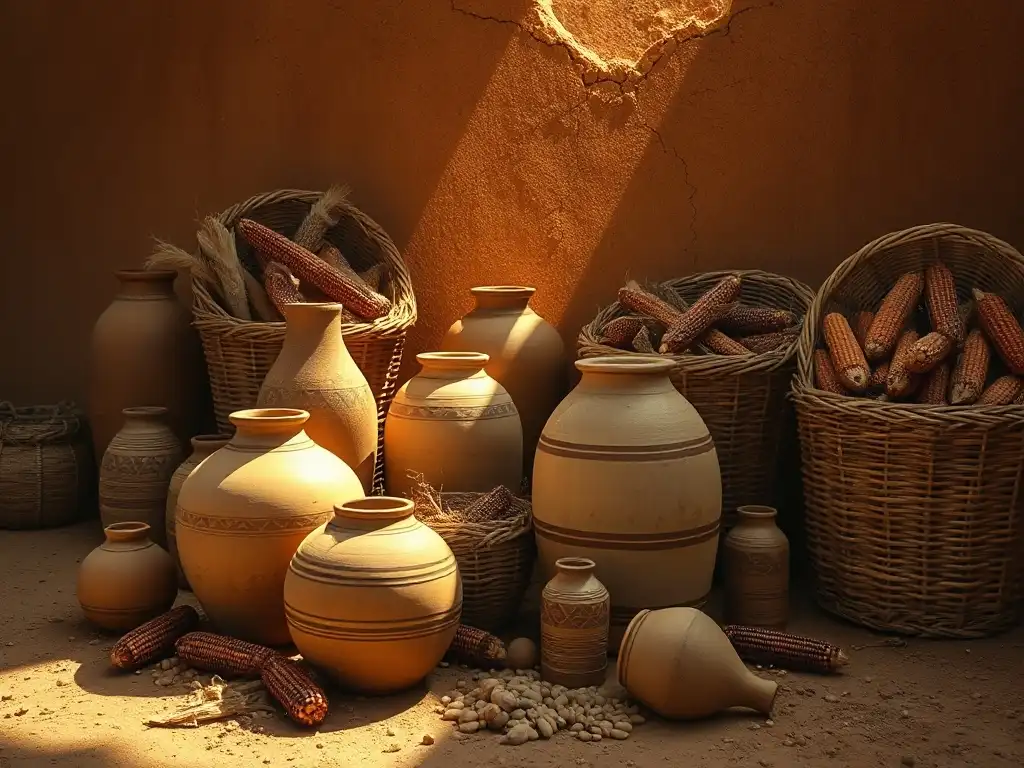
The Nazca people, renowned for their intricate geoglyphs, were equally adept at developing sophisticated food storage techniques crucial for their survival in the arid coastal region of Peru. Their ingenuity is clearly demonstrated in the diverse range of containers they employed. Ceramic jars, varying significantly in size and shape depending on the stored goods, were a cornerstone of their storage system.
Larger vessels, often elaborately decorated with geometric patterns and stylized figures, likely held grains such as maize and beans, essential staples of their diet. Smaller jars, perhaps more intricately painted or with more delicate designs, might have been used for storing condiments, seeds, or other smaller quantities of important foodstuffs.
The careful selection of clay types and firing techniques ensured the jars' durability and water-tightness, protecting the contents from spoilage and environmental factors. The use of lids, often made from the same ceramic material or woven materials, further enhanced the effectiveness of these storage solutions.
Beyond ceramics, woven baskets played a vital role in the Nazca food storage strategy. These baskets, expertly crafted from reeds, fibers, and other locally available plant materials, provided a lightweight and readily available alternative to ceramic containers.
Their porosity, while potentially a drawback in humid climates, likely proved advantageous in the dry Nazca environment by allowing for some air circulation, preventing excessive moisture buildup that could lead to mold or rot. Different basket sizes and weaving techniques catered to the varied needs of food storage, from storing smaller quantities of fruits and vegetables to larger amounts of dried goods.
The use of both ceramic jars and woven baskets showcases the Nazca's pragmatic approach to food preservation, adapting their techniques to the available resources and the specific characteristics of the stored food. This diversity in storage containers also suggests a complex understanding of different food preservation needs and a commitment to safeguarding their food supply.
The Role of Storage in Mitigating Seasonal Scarcity
The harsh desert environment of the Nazca region presented significant challenges to food production. Seasonal variations in rainfall and unpredictable weather patterns meant that periods of abundance were often followed by extended droughts, creating a constant threat of famine. Effective food storage, therefore, was not merely a convenience but a critical factor in ensuring the survival of the Nazca population. Their ingenious storage methods, as outlined above, allowed them to mitigate the impact of these seasonal fluctuations.
The ability to store surplus food during periods of plentiful harvests provided a crucial buffer against lean times. This strategic stockpiling ensured that the community had access to essential nutrients and calories even when agricultural yields were low, preventing widespread malnutrition and starvation. The preservation of seeds was also vital, allowing the Nazca to maintain consistent crop production year after year, despite the climatic uncertainties.
Careful management of stored food supplies was likely a significant social and economic aspect of Nazca society, with communal storage facilities or household stores playing a crucial role in the community's resilience. The sophisticated storage techniques employed by the Nazca highlight their deep understanding of the challenges of their environment and their remarkable ability to adapt and develop solutions to ensure their long-term food security. This highlights the importance of food storage not just as a technical skill but as a vital component of their social and economic organization.
The Nazca's System of Food Distribution and Management

The Nazca civilization, renowned for its enigmatic geoglyphs, also possessed sophisticated strategies for ensuring food security. Their success wasn't solely reliant on advanced agricultural techniques, but also on a complex system of food distribution and management, reflecting a blend of community cooperation and elite control. Understanding this system provides crucial insights into the societal structure and resilience of this remarkable civilization. The Nazca's approach to "Nazca food security techniques" involved a multifaceted strategy that combined ingenious agricultural practices with effective storage and distribution methods.
Community-Based Food Sharing Practices
Evidence suggests a strong emphasis on community-based food sharing within Nazca society. While the precise mechanisms remain debated by researchers, archaeological findings point towards a system of reciprocal exchange and communal storage. The relative abundance of storage facilities found near residential areas, rather than solely in elite compounds, supports this hypothesis.
These structures, often built from adobe bricks and featuring various compartments for different food types, likely served as communal repositories. The size and distribution of these storage facilities suggest that food wasn't solely controlled by a central authority but also managed at a community level. This system likely fostered social cohesion and ensured food availability during periods of scarcity, a crucial element in their "Nazca food security techniques."
Furthermore, the relatively egalitarian distribution of certain types of pottery, used for food storage and preparation, also suggests a widespread participation in food sharing networks across different social strata. This communal approach to food management helped to mitigate risk and ensured the survival of the community as a whole. We can speculate that festivals and rituals played a significant role in reinforcing these community bonds and facilitating the redistribution of resources.
Evidence of Centralized Food Management
While community-based sharing was prevalent, evidence also suggests a degree of centralized food management within the Nazca civilization. The discovery of large-scale storage facilities located near administrative centers indicates a role for elites in food control and distribution. These larger structures, often more elaborate in their construction and featuring sophisticated ventilation systems, likely served as central repositories for surplus food collected from various communities.
This centralized system allowed for efficient redistribution of food during times of drought or other crises, acting as a safety net for the entire population. The meticulous organization of these large storage facilities and the presence of specialized personnel (indicated by specific grave goods found near these sites) suggest a level of planning and control that extended beyond individual communities.
However, the exact mechanisms of collection and distribution remain unclear, and further research is needed to fully understand the interaction between centralized and community-based food management within the Nazca "Nazca food security techniques." The scale of these centralized facilities suggests a significant degree of power and authority wielded by the ruling elite.
The Role of Elites in Food Control
The role of elites in Nazca food control was likely multifaceted. While they didn't solely control all food resources, their influence on distribution and redistribution was undeniable. The construction and maintenance of large-scale storage facilities, along with the organization of labor required for agriculture and food processing, would have necessitated significant resources and authority. It's plausible that elites used their control over food resources to consolidate power and maintain social order.
The distribution of food during ceremonies and festivals could have served as a means of reinforcing their authority and demonstrating their benevolence. Moreover, access to surplus food likely conferred a significant advantage to elites, enabling them to maintain their lifestyle and political influence. However, this control wasn't necessarily oppressive.
The simultaneous existence of community-based sharing suggests a system of balanced power, where elites played a vital role in risk management and crisis response, while community-level management ensured basic food security for all. The exact balance between these two systems remains a subject of ongoing research, but it's clear that the Nazca's "Nazca food security techniques" were a complex and dynamic reflection of their social and political organization. Further research, particularly detailed analysis of existing storage facilities and their contents, could shed more light on this intricate interplay.
Clan-Based Systems and Labor Organization
The Nazca's success in achieving food security was significantly intertwined with their sophisticated social organization, primarily centered around clan-based systems. These weren't simply familial units; they represented complex networks of individuals bound by kinship, shared resources, and reciprocal obligations. Labor organization within these clans was crucial to the efficient production and distribution of food. Agricultural tasks, from land preparation and planting to harvesting and storage, were often undertaken collectively, leveraging the combined strength and skills of the clan members.
This communal approach ensured that even during periods of drought or other unforeseen challenges, the entire clan could rely on the shared resources and collective effort to mitigate hardship. The system promoted a sense of shared responsibility and minimized individual risk, contributing significantly to the overall food security of the Nazca civilization. Evidence suggests that specialized roles within the clan might have existed, with some individuals possessing greater expertise in certain agricultural techniques or management responsibilities. This division of labor, while operating within the framework of communal effort, likely enhanced efficiency and productivity.
The precise structure of these clan-based labor organizations remains a subject of ongoing research, but the available archaeological evidence strongly suggests their vital role in Nazca food security. Further investigation into the social dynamics and power structures within these clans could reveal a more complete understanding of their impact on agricultural practices and food distribution. This collective approach to labor, deeply rooted in the social fabric of Nazca society, stands as a testament to their ingenuity in managing resources and ensuring the survival of their communities. The integration of social structures with agricultural practices was not merely a coincidence; it was a fundamental aspect of their strategy for achieving and maintaining food security.
The Significance of Nazca Food Security Strategies
The Nazca civilization, flourishing along the arid southern coast of Peru from approximately 100 BCE to 800 CE, developed remarkably sophisticated strategies for food security in a challenging environment. Their success wasn't merely a matter of survival; it fueled significant cultural and societal advancements. Understanding their techniques provides invaluable insights into sustainable resource management and offers lessons for contemporary agricultural practices.
The Nazca weren't simply reacting to scarcity; they actively shaped their environment to enhance productivity and resilience against droughts and other environmental stresses. Their commitment to food security is reflected in their complex irrigation systems, innovative storage solutions, and diverse agricultural practices, all meticulously designed to maximize yield and minimize waste. This proactive approach to resource management allowed the Nazca to support a relatively large and dense population in a harsh desert landscape, a testament to their ingenuity and organizational prowess.
Analyzing their achievements allows us to appreciate the intricate interplay between environmental adaptation and cultural development in the ancient Andes. Their success underscores the crucial link between agricultural innovation and societal stability.
Lessons from Nazca Ingenuity for Modern Challenges
The Nazca's ingenious methods for food security offer valuable lessons for addressing contemporary challenges in agriculture and resource management. Their sophisticated irrigation systems, for instance, highlight the importance of water conservation in arid and semi-arid regions. Modern agricultural practices often grapple with water scarcity, and studying the Nazca's canal systems – their design, maintenance, and distribution networks – provides potential solutions for efficient water use.
Furthermore, their diverse cropping strategies, including the cultivation of both staple crops and less common varieties, demonstrate the importance of biodiversity in ensuring food security. This contrasts sharply with modern monoculture farming, which is highly vulnerable to pests and diseases. The Nazca's emphasis on storage and preservation techniques, using underground storage facilities and various preservation methods, is equally relevant today, particularly given concerns about food waste and spoilage.
By adopting a holistic approach that integrated irrigation, diverse cropping, and efficient storage, the Nazca achieved a remarkable level of food security. Modern agricultural systems can learn from this integrated approach, moving beyond isolated solutions towards a more comprehensive and sustainable model. Their success serves as a powerful reminder that food security is not solely about technological advancement, but also about careful planning, resource management, and a deep understanding of the environment.
The Nazca Legacy in Sustainable Agriculture
The Nazca's impact on sustainable agriculture extends far beyond their own time. Their innovations in irrigation, particularly their mastery of subsurface water management techniques, left a lasting legacy in the Andean region. Evidence suggests that later Andean cultures, including the Inca, adopted and adapted many of the Nazca's techniques, integrating them into their own agricultural systems.
The sophisticated understanding of water resources and efficient distribution techniques, developed and refined by the Nazca, played a crucial role in the agricultural success of subsequent Andean societies. Their emphasis on terracing and other land management practices also contributed to the long-term sustainability of Andean agriculture. The Nazca's commitment to biodiversity and the development of resilient agricultural systems ensured the long-term productivity of the land, providing a model for sustainable agricultural practices that resonated through centuries.
Their legacy is not just a historical curiosity; it represents a vital contribution to understanding and implementing sustainable agricultural practices in challenging environments. The principles of water conservation, biodiversity, and efficient storage, which underpinned Nazca food security, remain highly relevant in addressing modern food security challenges.
The Impact of Nazca Techniques on Later Andean Societies
The Nazca's advancements in food security weren't confined to their own society; they had a profound and lasting impact on subsequent Andean civilizations. Their irrigation techniques, notably their mastery of underground canals ( puquios), were adopted and refined by later cultures, significantly influencing agricultural practices across the region. The Inca, for example, famously built upon the Nazca's irrigation infrastructure, expanding and improving upon existing systems to support their vast empire.
The impact extended beyond irrigation; their diverse cropping patterns and storage techniques also served as models for later Andean societies. The sophisticated understanding of water management and agricultural practices developed by the Nazca provided a foundation for the agricultural prosperity of later Andean civilizations. Evidence suggests a clear continuity in agricultural techniques, with later cultures building upon and adapting the Nazca's innovations to suit their specific needs and environments.
This demonstrates the enduring legacy of the Nazca's achievements and their significant contribution to the development of Andean agriculture. Their legacy showcases the powerful influence of technological and agricultural innovations on the trajectory of subsequent cultures, highlighting the importance of understanding past agricultural practices to inform present-day solutions. The Nazca's contribution to Andean agricultural development serves as a powerful illustration of cultural transmission and the long-term impact of sustainable practices.
Studies on Modern Water Management Inspired by Puquios
The ingenuity of the Nazca's water management systems, particularly the puquios, continues to inspire modern approaches to water resource management in arid and semi-arid regions. These underground channels, cleverly designed to tap into aquifers, offer a sustainable and environmentally friendly model for water extraction. Researchers are actively studying the hydraulic principles behind the puquios' construction and operation, seeking to replicate their effectiveness in contemporary contexts. The remarkable longevity of these systems, some of which remain functional even today, underscores their resilience and adaptability to changing climatic conditions.
This makes them a valuable case study for developing sustainable water solutions in areas facing water scarcity. Understanding the Nazca's sophisticated understanding of hydrology and their ability to construct and maintain these complex systems offers valuable insights for modern engineers and water resource managers. Studies focus not only on the technical aspects of puquio construction but also on the social and organizational structures that enabled the Nazca to collaboratively manage this vital resource. The lessons learned from the Nazca's approach can contribute to the development of community-based water management strategies that are both effective and equitable.
For example, several projects in Peru are currently exploring the use of puquio-inspired techniques to improve water access in rural communities, demonstrating the practical relevance of this ancient technology. The integration of traditional knowledge with modern engineering principles offers a promising pathway towards achieving sustainable water security in regions grappling with water stress. This approach highlights the importance of considering both technological innovation and community participation in addressing contemporary water challenges. The ongoing research into Nazca puquios continues to reveal new insights into their design, construction, and long-term sustainability, further reinforcing their significance as a model for sustainable water management in the 21st century.
Frequently Asked Questions
What were the biggest challenges to food security faced by the Nazca?
The Nazca civilization faced challenges like arid climate, limited water resources, and infertile land. These factors made consistent food production difficult.
How did the Nazca overcome the challenges of their environment to ensure food security?
The Nazca developed ingenious irrigation systems, such as canals and aqueducts, to channel water from rivers and underground sources to their fields. They also employed terracing to maximize arable land.
What crops were most important for Nazca food security?
Cotton, beans, peppers, and various tubers formed the backbone of the Nazca diet. These crops were chosen for their adaptability to the arid climate and nutritional value.
What role did camelids play in Nazca food security?
Llamas and alpacas provided the Nazca with meat, wool, and dung (fertilizer), contributing significantly to their overall food security and economy.
What evidence exists to support our understanding of Nazca food security techniques?
Archaeological evidence, including irrigation canals, terraced fields, and agricultural tools, provides strong support for our understanding of Nazca food security techniques. Analysis of ancient plant and animal remains further informs our knowledge.
Final Reflection: Echoes of Ingenuity: The Enduring Legacy of Nazca Food Security
The Nazca's mastery of water management and agricultural innovation remains a powerful testament to human resilience and ingenuity, a lesson particularly relevant in our era of climate change and growing food insecurity. Their sophisticated techniques, developed centuries ago in a harsh desert environment, offer invaluable insights into sustainable practices that we can adapt and apply today to address the challenges of feeding a burgeoning global population.
The Nazca's profound understanding of their environment and their ability to harness limited resources to achieve remarkable agricultural success continues to inspire awe and admiration. Their legacy extends far beyond the impressive geoglyphs; it's a story of adaptation, resourcefulness, and community collaboration. The desert, though seemingly barren, holds the potential for abundance if one understands its rhythms and respects its limits.
This unspoken principle guided the Nazca, and it's a principle we would do well to heed in our own time.
Consider the ingenuity of their canal systems, the precision of their terraced farming, and the diversity of their crops. These weren't merely survival strategies; they were expressions of a deep connection to the land and a commitment to collective well-being. You, the reader, are now equipped with a deeper understanding of these remarkable achievements. Take a moment to reflect on how the Nazca's solutions might inform your own approach to sustainability, resource management, and community engagement. Let their legacy inspire you to find innovative and responsible ways to ensure food security for future generations.
Unveil Innovative Paths to Food Security Today!
Thank you for exploring the fascinating world of the Nazca civilization and their remarkable food security techniques. We hope you were inspired by their ingenuity and the challenges they overcame. Now, it's your turn to make a difference and improve food security in your community!
Here are some specific actions you can take:
- Start a community garden to educate others about sustainable agricultural practices.
- Share your knowledge: Discuss what you've learned with friends, family, or neighbors, or start a blog to raise awareness about sustainable food systems.
- Join or create a local community group focused on sustainable food practices to collaborate on innovative solutions.
What unique strategies could your community adapt from ancient civilizations to enhance food security?