
The Significance of Andean War Drums: Rhythms of Battle and Mobilization

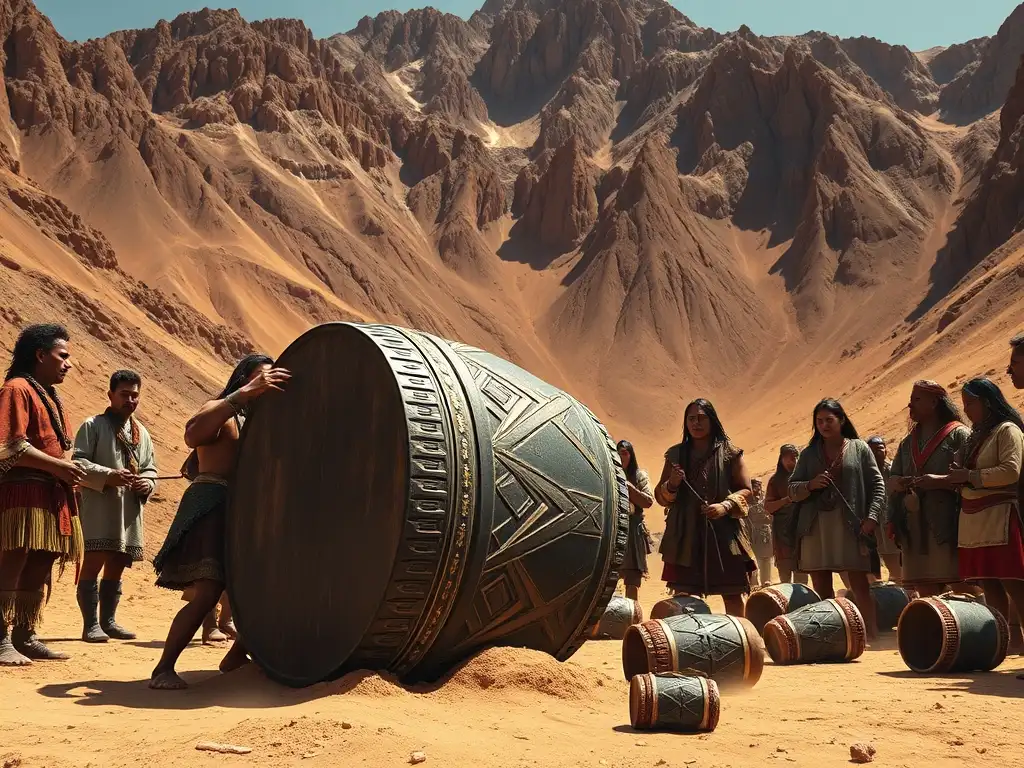
Uncover the mysteries hidden within the echoes of the Andes! Journey through time and discover a world shaped by powerful empires and breathtaking artistry. But what secrets do the rhythms of war hold? Delve into the captivating significance of Andean war drums, their role in battle, and their profound impact on the societies that wielded them. Prepare to be amazed by the intricate story waiting to unfold.
The thunderous beat of Andean war drums resonated across the vast landscapes of the Andes Mountains for centuries, serving as much more than mere instruments of percussion. These drums were integral components of Andean warfare, playing a crucial role in battle strategies, troop mobilization, and the overall cultural and spiritual life of these powerful civilizations. This article delves into the profound significance of these drums, exploring their multifaceted roles in shaping the military and societal structures of the Inca, Moche, Nazca, and Tiahuanaco cultures, among others.
We will examine their construction, the varied rhythms employed, and the psychological impact they had on both warriors and their enemies, ultimately highlighting their importance in understanding the complexities of Andean warfare and its impact on the development of these incredible societies. Understanding the significance of Andean war drums offers a unique window into the mindset and strategies of these ancient Andean peoples.
Construction and Materials of Andean War Drums
Andean war drums, unlike many of their counterparts from other regions, varied significantly in their construction depending on the specific civilization and the available resources. Many were crafted from hollowed-out logs, meticulously carved and often decorated with intricate carvings and vibrant pigments. The drumheads themselves were typically made from animal hides, meticulously stretched and secured to the wooden body.
The Moche, known for their sophisticated metalworking, sometimes incorporated metal elements into the drum's construction, adding strength and aesthetic appeal. The size and shape of the drums also varied greatly, ranging from smaller, hand-held drums used for signaling to larger, communal drums that could be beaten by multiple individuals to create a powerful and overwhelming sound.
The choice of materials, size, and design reflected not only practical considerations but also the cultural and symbolic significance attributed to the drum within each specific Andean society. For instance, the use of specific animal hides might have held symbolic meaning related to power, strength, or spiritual beliefs.
Rhythms of War: Signaling and Mobilization
The rhythms produced by Andean war drums were far from random; they served as a sophisticated system of communication on the battlefield and beyond. Different rhythms could signal an attack, a retreat, a change in formation, or even the location of enemy forces. These coded rhythms were likely understood by all members of the army, allowing for rapid and coordinated responses to changing battle conditions. Beyond the battlefield, these drums played a vital role in mobilizing troops.
The powerful and resonant sound could be heard across vast distances, summoning warriors from distant villages and inspiring them to join the ranks. The rhythmic pulse would create a sense of unity and purpose, fueling the collective energy necessary for successful military campaigns. The use of drums in mobilization was crucial for the effectiveness of Andean armies, especially given the challenging terrain and the distances they sometimes had to cover.
Psychological Warfare: The Power of Sound
The psychological impact of the Andean war drums should not be underestimated. The sheer volume and intensity of the sound could be disorienting and demoralizing to enemy forces, creating an atmosphere of fear and uncertainty. The relentless beat could disrupt enemy formations and coordination, giving Andean armies a tactical advantage. Furthermore, the drums served to bolster the morale and confidence of Andean warriors, creating a sense of collective power and invincibility.
The rhythmic pounding could evoke feelings of unity, strength, and shared purpose, making them more resilient in the face of adversity. This psychological aspect of the drums underscores their importance as more than just instruments of war; they were tools of psychological warfare, shaping the battle's outcome as much as physical weaponry. The study of Andean warfare must consider this powerful auditory element.
The Legacy of Andean War Drums
Even though the Andean empires fell, the legacy of their war drums continues to resonate. The rhythmic traditions and the profound cultural significance attached to percussion instruments persist in many Andean communities today. Modern interpretations and recreations of these ancient drums allow us to connect with the rich history and cultural heritage of these civilizations.
Studying these instruments provides valuable insights into the social, political, and military structures of the Andean world, reminding us of the intricate relationship between sound, culture, and warfare in shaping the history of these remarkable societies. The echoes of these drums continue to inspire awe and wonder, reminding us of the power of rhythm and its enduring impact on human history. 🎉
- Construction and Materials of Andean War Drums
- Rhythms of War: Signaling and Mobilization
- Psychological Warfare: The Power of Sound
- The Legacy of Andean War Drums
Andean War Drums: An Introduction to Their Role in Ancient Warfare
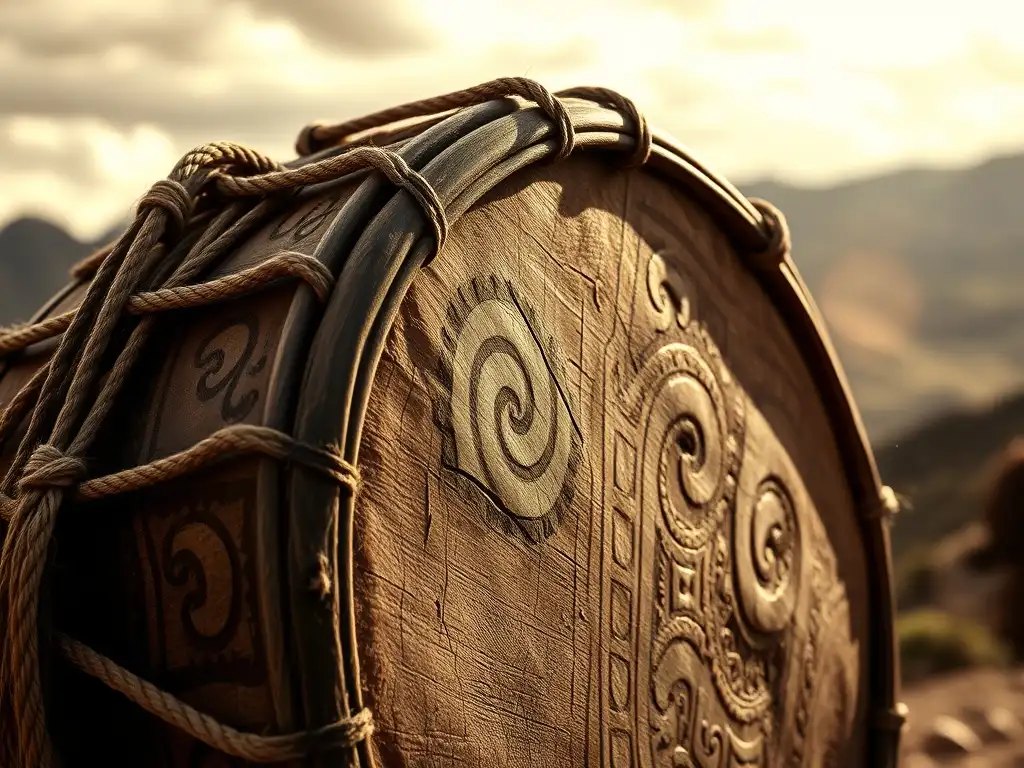
The rhythmic pulse of Andean war drums reverberated across the mountains, shaping the course of battles and influencing the very fabric of Andean military organization. These weren't merely instruments; they were integral components of warfare, serving crucial roles in communication, psychological warfare, and the maintenance of military discipline. Their significance extended beyond the battlefield, reflecting the deeply ingrained importance of music and rhythm in Andean cultures.
This section explores the multifaceted role of these drums, examining their construction, use, and the broader cultural context that informed their importance. Understanding the Andean war drums significance requires delving into both their practical applications and their symbolic power.
Understanding the Context of Andean Military Practices
Andean warfare wasn't a homogenous entity; it varied significantly across different cultures and time periods. However, several common threads emerge. Military organization often involved complex hierarchical structures, with specialized units and clearly defined command chains. The Inca Empire, for example, boasted a highly organized army, capable of mobilizing large numbers of soldiers for both offensive and defensive campaigns.
Smaller, less centralized societies like the Nazca and Moche also possessed well-defined military structures, although their scale and sophistication differed. In all cases, effective communication was paramount, and this is where the war drums played a critical role. Their booming sounds could be heard across significant distances, transmitting vital information in the absence of sophisticated signaling technologies.
The nature of Andean warfare itself also influenced the use of drums. Battles were often fought at high altitudes, with challenging terrain and varying weather conditions impacting tactics and strategy. The drums served as a means to coordinate movements, maintain morale, and inspire soldiers in the face of adversity. The relentless rhythm of the drums could be as much a weapon as any spear or club, bolstering the fighting spirit of the warriors and potentially demoralizing their opponents. Consider the psychological impact of a powerful, unified rhythm echoing across a desolate mountain landscape – a potent force in itself.
The Importance of Music in Andean Societies
The Andean war drums significance is inextricably linked to the pervasive role of music in Andean societies. Music wasn't simply entertainment; it was deeply embedded in religious ceremonies, agricultural practices, and social life. The use of drums, panpipes, and other instruments permeated daily existence, reflecting a profound connection to the spiritual and natural world. This spiritual dimension extended to warfare; the drums weren't merely instruments of communication but also tools for invoking power, establishing a connection with ancestral spirits, and enhancing the warriors' sense of purpose and invincibility.
The construction of the drums themselves often incorporated symbolic elements, further reinforcing their sacred significance. Materials used in their creation, such as specific types of wood or animal hides, might have held spiritual meaning. The intricate designs and decorations adorning the drums could also convey symbolic messages, reflecting the beliefs and values of the culture.
The rhythmic patterns played on the drums might have been linked to specific deities or rituals, adding another layer of symbolic weight to their function on the battlefield. Indeed, the soundscape of war would have been a powerful blend of human effort and spiritual invocation, with the drums acting as the conduit between the two. Further research into specific Andean cultures and their unique drum-making traditions would further illuminate this fascinating connection.
The Functionality of Andean War Drums in Military Contexts
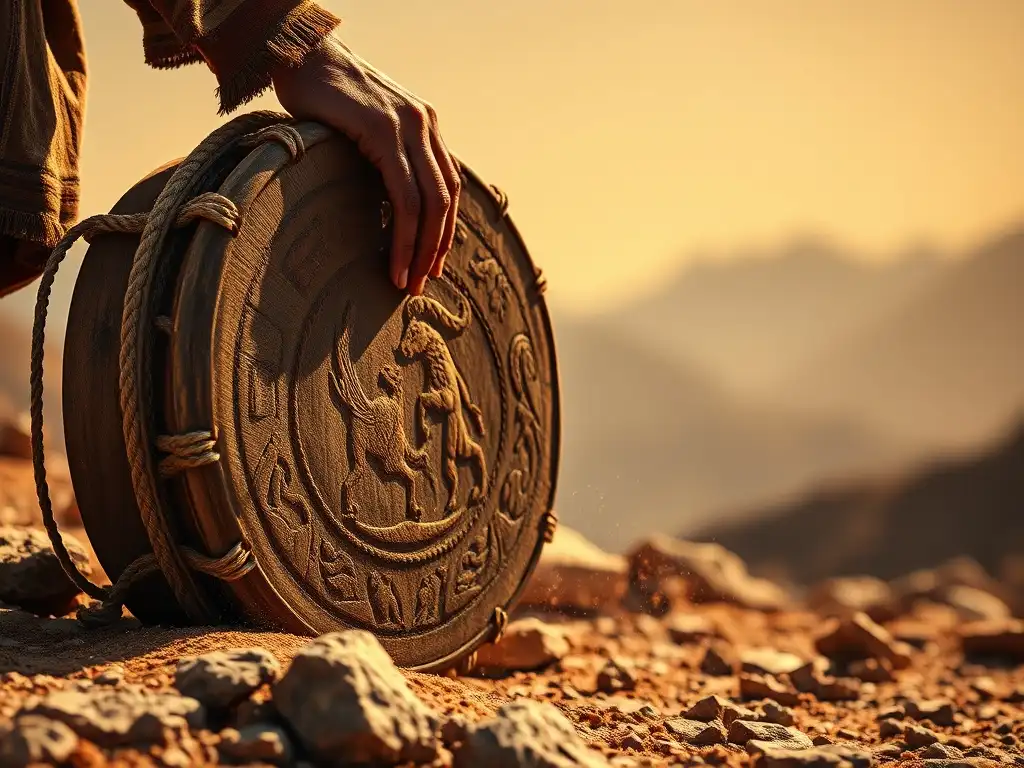
Andean war drums weren't merely percussion instruments; they were vital components of Andean military strategies, playing a crucial role in communication, troop mobilization, and psychological warfare. Their significance extended far beyond simple noise-making; they were sophisticated tools that shaped the outcome of battles and influenced the morale of both friend and foe. The deep, resonant sounds of these drums, often crafted from animal hides stretched over wooden frames, resonated across vast distances, effectively transmitting information and commands across the rugged Andean terrain. Understanding their functionality reveals a fascinating insight into the strategic thinking of Andean civilizations.
War Drums as Instruments of Communication on the Battlefield
The chaotic environment of a battlefield demands efficient communication. Andean war drums provided a surprisingly effective solution to this challenge. Different drum rhythms conveyed specific messages, allowing commanders to issue orders, relay battlefield assessments, and coordinate troop movements with remarkable speed and precision.
For instance, a rapid, repetitive beat might signal an imminent attack, while a slower, more measured rhythm could indicate a strategic retreat or a change in formation. The complexity of the drumming codes varied among different Andean cultures, reflecting the sophistication of their military organizations. Archaeological evidence, while limited in directly depicting specific drum codes, suggests a level of standardization within individual empires.
Further research into surviving iconography and accounts from Spanish conquistadors could shed more light on the specific meanings behind various drum patterns. This system provided a clear advantage in the fog of war, allowing for swift adaptation to changing battle conditions. The effectiveness of this communication system is a testament to the Andean understanding of the interplay between sound, rhythm, and military strategy.
Mobilization and Coordination of Troops Through Drumming
Beyond battlefield communication, Andean war drums played a critical role in mobilizing and coordinating troops before and during campaigns. The rhythmic beats served as a powerful call to arms, summoning warriors from distant villages and regions. The resounding sounds, amplified by the mountainous landscape, could be heard for miles, effectively gathering a dispersed fighting force into a cohesive unit.
The drums' importance in large-scale mobilization is supported by accounts from chroniclers, who described the awe-inspiring spectacle of thousands of warriors responding to the rhythmic summons of war drums before major battles. This mobilization wasn't just about numbers; the coordinated drumming ensured a sense of unity and purpose, transforming individual warriors into a well-oiled fighting machine.
The synchronization of movements and attacks, often witnessed in Andean warfare, strongly suggests the drums' role in orchestrating complex military maneuvers. The strategic use of drumming for mobilization highlights the logistical sophistication of Andean armies, capable of coordinating large-scale movements across challenging terrain.
Psychological Impact of War Drums on Andean Warriors
The psychological impact of Andean war drums should not be underestimated. The powerful rhythms not only served practical purposes but also played a vital role in boosting the morale and instilling fear in opponents. The intense, driving beats could induce a state of heightened excitement and aggression among Andean warriors, preparing them for battle.
Conversely, the same sounds could be terrifying to enemy forces, creating a sense of dread and disorientation. The sheer volume and intensity of the drumming, amplified by the natural acoustics of the Andean environment, had a powerful psychological effect. Think of the effect of a modern drumline – the same principles applied, albeit with different instruments and cultural contexts.
The strategic use of drumming to influence the psychological state of both sides underscores the understanding of psychological warfare inherent in Andean military strategies. Further research into the cultural significance of rhythm and sound in Andean societies could further illuminate the psychological dimensions of war drum usage. The impact of these instruments extended beyond the immediate battlefield; the memory of their powerful sounds likely served to solidify the fearsome reputation of Andean armies.
Construction and Materials of Andean War Drums
The significance of Andean war drums extends far beyond their purely percussive function; their construction and the materials used reveal intricate details about the technological prowess and cultural beliefs of the Andean civilizations. Understanding these aspects is crucial to appreciating the full impact these instruments had on warfare and societal organization. The Andean war drums significance lies not only in their sound, but in the craftsmanship and symbolism embedded within their very being.
Variations in Drum Types Across Different Andean Cultures
Andean war drums weren't monolithic; their design varied significantly across different cultures and time periods. For instance, the Incas favored larger, cylindrical drums, often made from hollowed-out logs, while the Moche culture might have utilized smaller, more portable drums made from pottery or animal skins stretched over frames. The Nazca, known for their intricate artistry, likely incorporated elaborate painted designs onto their drums, transforming them into both instruments and works of art.
Unfortunately, the precise details of drum construction for some cultures, particularly those with limited surviving artifacts, remain shrouded in mystery. More research is needed to fully understand the diversity of Andean war drum types and their regional variations.
We need more archaeological evidence to clarify the specific characteristics of drums used by the Tiahuanaco culture, for example. The available data suggests a preference for certain materials and sizes based on geographical location and available resources, highlighting the adaptive nature of Andean technology.
The Use of Animal Hides and Wood in Drum Making
Animal hides, primarily llama or alpaca, played a vital role in Andean war drum construction. These hides, carefully stretched and treated, formed the drumheads, providing the resonant surface crucial for producing the deep, booming sounds that characterized these instruments. The type of animal hide used may have influenced the tone and quality of the drum's sound, with thicker hides potentially producing a lower pitch. The selection of animal hide might have also held symbolic meaning, reflecting the cultural importance assigned to specific animals within each Andean society.
The wooden bodies of the drums, often crafted from readily available hardwoods like cedar or algarrobo, provided the structural framework. The skill involved in hollowing out the wood and shaping it into the desired form was significant, showcasing advanced woodworking techniques. The craftsmanship involved in selecting, preparing, and combining these materials demonstrates a sophisticated understanding of acoustics and material properties.
Techniques of Drum Construction and Their Sonic Impact
The construction techniques employed in making Andean war drums directly impacted their sonic qualities. The precise method of stretching the animal hide over the wooden frame, for example, would have significantly affected the drum's resonance and pitch. Intricate techniques of lacing or binding the hide were likely used to ensure a taut and even surface, maximizing the drum's sound projection.
The skill of the artisan was paramount in achieving the desired sound, influencing the drum's ability to carry across vast distances, a crucial factor in mobilizing troops or signaling during battle. Furthermore, the size and shape of the drum itself influenced its sonic characteristics. Larger drums, such as those likely used by the Incas, would have produced deeper, more resonant sounds, ideal for conveying messages over long distances or inspiring awe and fear in opposing forces.
Smaller drums may have been used for more localized communication or rhythmic accompaniment during ceremonies. The combination of material selection, construction techniques, and drum design contributed to the unique sonic landscape of Andean warfare, underscoring the Andean war drums significance in both practical and symbolic terms. Further investigation into specific techniques and their impact on sound production is needed to completely elucidate this fascinating aspect of Andean craftsmanship.
The Cultural Significance of Andean War Drums

The Andean war drums, far from being mere instruments of noise, held profound cultural significance for numerous pre-Columbian Andean societies. Their role extended far beyond battlefield communication; they served as powerful symbols of power, ritualistic objects, and integral components of societal structure. Understanding their significance requires examining their use in various contexts, from ceremonial practices to their representation in art and iconography.
The very rhythm of the drums resonated with the spiritual and political heart of these ancient civilizations, shaping their beliefs and actions. The impact of these drums on Andean warfare is undeniable, and studying their significance illuminates a deeper understanding of Andean culture and military practices. The keyword "Andean war drums significance" perfectly encapsulates the central theme of this exploration.
Andean war drums weren't solely deployed during battles. Their use in rituals and ceremonies preceding, accompanying, and following military campaigns underscores their deep spiritual and symbolic importance. Evidence suggests that specific rhythms were associated with different stages of warfare.
For instance, a slow, deliberate beat might have signified a period of preparation and spiritual cleansing before a campaign, while a faster, more frenzied rhythm accompanied the actual fighting, possibly serving to instill courage and synchronize attacks. Post-battle ceremonies likely involved unique rhythmic patterns to celebrate victories, honor the fallen, or appease ancestral spirits. The precise nature of these rituals and their associated rhythmic patterns remains a subject of ongoing research, with only fragmented evidence available from archaeological sites.
Further investigation into surviving artifacts and iconography is crucial to fully unravel the complex relationship between Andean war drums and their rituals. The analysis of surviving fragments of drums themselves, along with depictions in pottery and textiles, offers tantalizing clues about the role of these instruments in Andean religious life.
Symbolism and Iconography Associated with Andean War Drums
The symbolism embedded within Andean war drums is multifaceted and often intertwined with broader Andean cosmology. Many drums were elaborately decorated with intricate carvings, paintings, and feathers, signifying their spiritual power and the status of their owners. Common motifs included depictions of deities, mythical creatures, and scenes of warfare, reflecting the drums’ role as both instruments of war and sacred objects.
The materials used in their construction—ranging from animal hides to specially treated wood—also held symbolic meaning. For example, the use of specific animal skins might have been linked to the animal’s symbolic attributes, imbuing the drum with particular powers or qualities. The size and shape of the drums themselves likely also carried symbolic weight, with larger drums potentially representing greater power or authority.
Detailed analyses of surviving Andean art, including pottery, textiles, and metalwork, reveal recurring iconographic elements associated with war drums, providing valuable insights into their symbolic function within Andean society. These visual representations offer crucial data for understanding the deeper cultural meaning embedded within these instruments.
The possession and use of war drums were often closely linked to power and social hierarchy within Andean societies. Larger, more elaborately decorated drums were likely reserved for elites, such as chiefs, priests, or military leaders. The size and ornamentation of the drum served as a visual manifestation of the owner's status and authority.
Control over the drums, and the ability to use their sound to mobilize armies or command respect, was a key aspect of power. The rhythmic patterns themselves may have been used to signal commands or to convey messages across distances, further reinforcing the drums’ role in military organization and leadership. The distribution and use of war drums across different social groups provides valuable insight into the political and social structure of Andean societies.
Variations in drum size, decoration, and rhythmic patterns reflect the complex interplay of power and social status within these communities. Archaeological evidence, including the burial contexts of drums and their associated artifacts, supports this interpretation, indicating a clear connection between drum ownership and elite status. Further research into the social organization of Andean societies will likely provide a more nuanced understanding of the significance of war drums as indicators of power and social hierarchy.
Case Studies: Examples of Andean War Drum Use in Battles
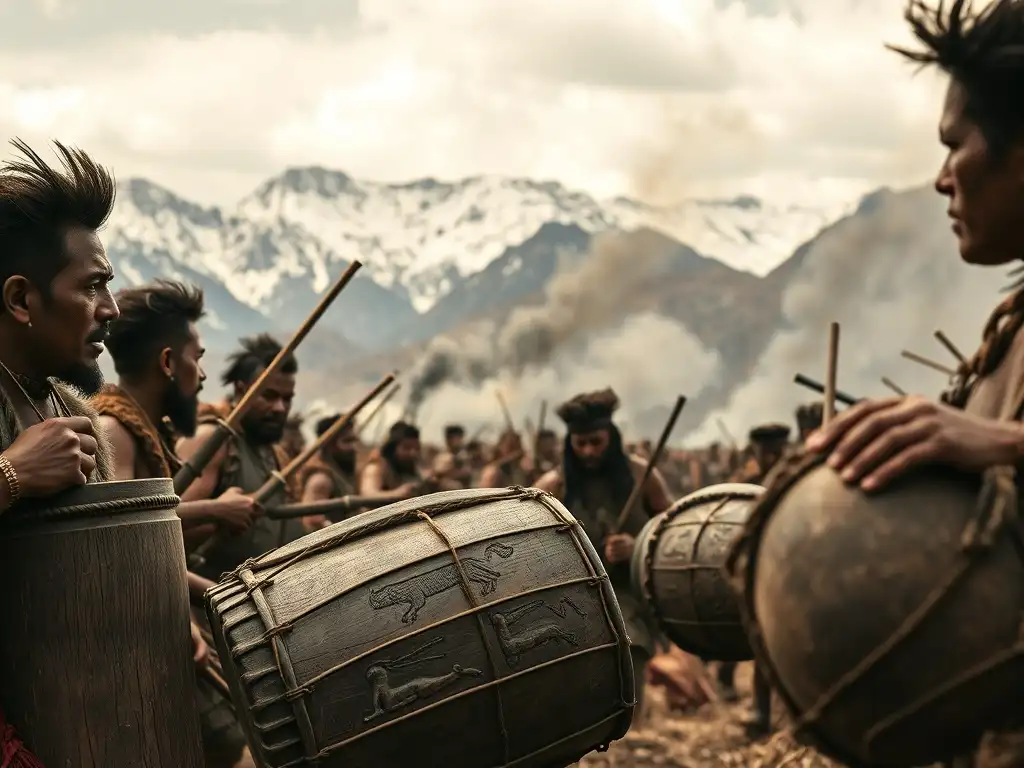
This section delves into specific historical examples demonstrating the practical application of Andean war drums in actual battles and military campaigns. Analyzing these cases illuminates the significance of these instruments not just as symbols, but as crucial components of Andean warfare strategies. The rhythmic sounds were far more than mere noise; they were integral to the coordination, morale, and ultimately, the success or failure of military endeavors. The effectiveness of this auditory communication system is a fascinating aspect of Andean military technology, often overlooked in favor of discussions of weaponry and fortifications.
The Battle of Yahuarcocha and the Use of Drum Signals
The Battle of Yahuarcocha (circa 1470 CE) provides a compelling example of the strategic use of Andean war drums. This pivotal battle, fought between the Inca and the Quito armies, saw the Inca forces achieving a decisive victory, partly attributed to their superior organization and communication facilitated by war drums. Historical accounts, though scarce and often fragmented, suggest the Inca utilized a complex system of drum signals to coordinate troop movements, relay orders from commanders, and maintain morale amidst the chaos of battle.
Different drum rhythms likely signified specific commands – advance, retreat, flanking maneuvers, etc. The precise nature of this signaling system remains elusive, hampered by the limited surviving documentation. However, the very existence of a drum-based communication system highlights its importance in enabling coordinated actions on the battlefield.
This coordinated movement, enabled by the rhythmic commands relayed through the drums, was crucial in overwhelming the Quito forces and securing the Inca victory. Further research into the specifics of the Yahuarcocha drum signals would greatly enhance our understanding of Andean military tactics.
The Inca Conquest of the Chimor Kingdom and the Role of Drums in Mobilization
The Inca conquest of the Chimor Kingdom (1470-1472 CE) offers another perspective on the significance of Andean war drums. In this context, drums played a vital role not only during battles but also in the crucial pre-battle phase of mobilization. The vast Inca army, marching across significant distances, relied on drums to maintain order, coordinate the movement of different units (e.g., infantry, cavalry, and support personnel), and bolster morale amongst the soldiers.
The rhythmic pulse of the drums provided a constant, unifying presence, sustaining the army's energy and focus during long and arduous marches. The drums served as a powerful psychological weapon, projecting an image of strength and unity, both internally within the Inca ranks and externally to intimidate the Chimor population.
The sheer scale of the Inca army and the distances covered during the campaign underscore the vital role played by drum-based communication in ensuring the smooth and efficient movement of such a large force. Analyzing the logistical challenges of the campaign further highlights the effectiveness of the drum-based communication system.
Analysis of the Effectiveness of Drum-Based Communication
The effectiveness of Andean war drum communication systems is a subject worthy of detailed analysis. While written records are limited, archaeological evidence, along with ethnohistorical accounts from later Andean societies, offer valuable insights. The different types of drums utilized – varying in size, material, and the resulting sound – likely had specific functions. Larger drums might have been used for long-range communication, while smaller, more portable drums were ideal for close-quarters battle commands.
The rhythmic complexity of the signals, though largely unknown, must have been significant enough to convey a range of tactical instructions within the noisy environment of a battle. The ability to transmit complex commands across large distances, amidst the clamor of combat, underscores the sophisticated nature of this system. Moreover, the psychological impact of the drum rhythms on both the soldiers and the enemy should not be underestimated.
The drums served not only as communication tools but also as powerful instruments of morale boosting and intimidation. Further research, incorporating acoustic analysis and detailed examination of surviving drum fragments, is needed to fully appreciate the technological sophistication and strategic effectiveness of Andean war drum communication. The study of these drums offers a unique perspective on the technological and strategic ingenuity of Andean civilizations, adding another layer to our understanding of their military prowess.
Legacy and Modern Interpretations of Andean War Drums
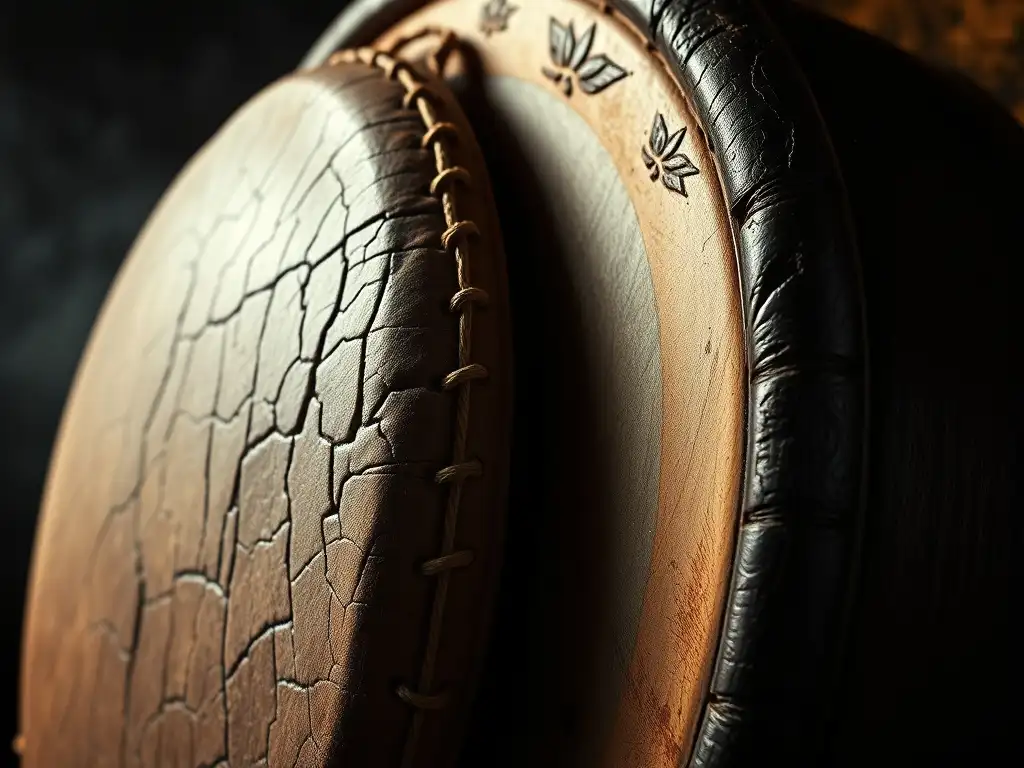
The resounding echoes of Andean war drums, once instruments of mobilization and terror on the battlefields of ancient empires, continue to resonate in contemporary Andean societies. Their significance extends far beyond their historical military role, weaving deeply into the fabric of cultural identity and artistic expression. Understanding their legacy requires examining their persistence in modern traditions and the ongoing efforts to reconstruct and study these powerful artifacts.
The Persistence of Drumming Traditions in Contemporary Andean Communities
Drumming traditions, though evolved, remain vibrant in many Andean communities. While the specific designs and uses may differ from their ancient counterparts, the rhythmic pulse of the drum continues to play a crucial role in festivals, religious ceremonies, and social gatherings. These modern drumming practices often incorporate elements from both pre-Columbian and colonial-era influences, creating a rich tapestry of sound that reflects the complex history of the region.
For example, in many communities of the Peruvian Andes, large, cylindrical drums (similar in form to some ancient war drums) are still used during celebratory processions, their deep resonant beats echoing the power and energy of their ancestors. The rhythms, while perhaps not directly related to battle commands, still evoke a sense of collective identity and shared history. This continuity highlights the enduring importance of the drum as a powerful symbol of Andean culture.
The rhythmic pulse, passed down through generations, acts as a living link to the past, maintaining the legacy of the ancient war drums even in the absence of warfare. The specific rhythmic patterns and their associated meanings often vary between different communities, reflecting the diversity of Andean cultures and traditions. Further research is needed to fully document and analyze the nuances of these modern drumming traditions across the various Andean regions.
Reconstructions and Studies of Ancient Andean War Drums
Archaeological discoveries and meticulous research have allowed for a growing understanding of ancient Andean war drums. While complete, intact drums are rare due to the perishable nature of the materials often used in their construction (wood, hide), fragmented remains and depictions in art have provided valuable insights. Researchers meticulously study these fragments, analyzing the materials, construction techniques, and decorative elements to reconstruct the drums’ appearance and potential functions.
These reconstructions, often based on careful analysis of surviving examples combined with artistic representations found in pottery and textiles, allow for a more comprehensive understanding of their role in warfare and society. For example, studies of the chemical composition of pigments used in decorating some fragmented drums have revealed the sourcing of raw materials, shedding light on the trade networks and economic organization of ancient Andean societies.
The meticulous work of archaeologists and material scientists helps us understand not only the physical attributes of the drums but also the social and economic contexts of their creation and use. The process of reconstruction, however, is often challenging due to the fragmented nature of the evidence and the lack of complete examples.
The Enduring Significance of Andean War Drums in Cultural Identity
The Andean war drum's enduring significance transcends its historical military role; it embodies a powerful symbol of Andean cultural identity. The rhythmic pulse of the drum, deeply embedded in the collective memory of Andean communities, serves as a powerful reminder of a rich and complex past. The drums' continued presence in contemporary traditions underscores their importance as vehicles for transmitting cultural knowledge, values, and traditions across generations.
The sounds themselves evoke a sense of history, strength, and resilience, connecting modern Andean peoples with their ancestors. This connection is crucial in maintaining a sense of cultural continuity in the face of globalization and modernization. Further study into the specific symbolism and cultural meanings associated with different types of drums and rhythmic patterns would provide a more nuanced understanding of their role in shaping Andean identities.
The powerful and evocative sounds of these drums provide a tangible link to the past, helping to shape and preserve Andean cultural heritage for future generations. The significance of these drums extends beyond mere historical artifacts; they represent the enduring spirit and cultural richness of the Andean people.
Conclusion: The Indelible Mark of Andean War Drums
The resounding beat of Andean war drums reverberated across the mountains, valleys, and plains, shaping not only the course of battles but also the very fabric of Andean societies. Their significance extended far beyond their immediate use in warfare, acting as powerful symbols of power, religious authority, and cultural identity. Understanding their role provides crucial insight into the complex military strategies, social structures, and spiritual beliefs of these remarkable civilizations.
The enduring legacy of these instruments is undeniable, a testament to their importance in shaping the Andean world. The study of Andean war drums offers a unique lens through which to examine the multifaceted nature of Andean warfare and its lasting impact.
Further research into specific drum types, manufacturing techniques, and regional variations will undoubtedly enrich our understanding of their overall significance. The analysis of surviving artifacts, coupled with careful interpretation of historical accounts (where available), remains crucial for unlocking the complete story of these powerful instruments.
Summary of the Key Functions of War Drums in Andean Warfare
Andean war drums served multiple critical functions on the battlefield and beyond. Their primary role was undoubtedly communication. The rhythmic beats could transmit commands across vast distances, coordinating troop movements, signaling attacks, and relaying vital information during engagements.
The different rhythms likely conveyed specific messages, a complex system of auditory signals understood by trained warriors. Imagine the chaotic scene of battle – the clash of weapons, the shouts of combatants – and the crucial role of the drum in cutting through the noise, directing the flow of the conflict. This ability to maintain order and coordination in the midst of chaos was vital to Andean military success.
Beyond communication, the drums also played a significant role in psychological warfare. The powerful, resonant sounds could inspire fear and demoralize the enemy, while simultaneously boosting the morale and courage of Andean soldiers. The sheer volume and intensity of the drumming would have been awe-inspiring, creating a sense of overwhelming force and power. The drums were not merely instruments; they were tangible manifestations of the military might of the Andean civilizations.
Finally, the drums were deeply intertwined with religious and spiritual beliefs. Many Andean cultures believed in the power of music and rhythm to connect with the supernatural world. The war drums may have been considered sacred objects, imbued with spiritual energy, enhancing their effectiveness in battle and contributing to the overall success of military campaigns. This sacred aspect added an additional layer of significance to their role in warfare, solidifying their status as more than just instruments of war.
Final Thoughts on the Importance of These Instruments
The study of Andean war drums offers a compelling case study in the intersection of warfare, technology, and spirituality. These instruments were not simply tools of war; they were integral components of Andean societies, reflecting their complex social structures, military strategies, and spiritual beliefs. Their impact extended far beyond the battlefield, influencing social organization, religious practices, and cultural identity. Their continued presence in modern Andean cultures, albeit in modified forms, is a testament to their enduring legacy and the profound significance they held for generations.
Further research is needed to fully understand the nuances of their construction, use, and symbolic meaning across different Andean cultures and time periods. The rhythmic pulse of these ancient drums continues to resonate, reminding us of the rich and complex history of the Andean world. Unlocking their secrets provides invaluable insights into the lives and societies that crafted and wielded them. 😜
Frequently Asked Questions
What were Andean war drums used for?
Andean war drums served a crucial role in military mobilization and battle. Their rhythms could coordinate troop movements, instill fear in enemies, and boost morale among soldiers.
Which Andean cultures used war drums?
Many Andean cultures utilized war drums, including the Inca, Moche, Nazca, and Tiahuanaco. Their designs and uses might have varied slightly between cultures.
What materials were Andean war drums typically made from?
War drums were often crafted from hollowed-out logs or animal hides stretched over frames. The specific materials depended on the available resources and the cultural preferences of the specific civilization.
How did the sound of war drums influence battles?
The powerful and rhythmic sounds of war drums could be psychologically impactful. They could intimidate opposing forces and serve as a powerful symbol of strength and unity for the Andean armies.
Beyond warfare, what other purposes did Andean drums serve?
While primarily associated with war, Andean drums likely also had ceremonial and ritualistic significance. They may have been used in religious festivals and other important community events.
Final Reflection: Echoes of the Andes: A Legacy of Rhythm and Resistance
The rhythmic pulse of Andean war drums, once a call to arms across mountain valleys, continues to resonate in the cultural landscape of today. Their significance transcends mere historical artifact; they represent a powerful legacy of resilience, community, and the enduring spirit of a people who harnessed the power of sound to shape their destiny. The echoes of these drums are a potent reminder of the enduring strength of cultural identity in the face of adversity.
The impact of Andean war drums extends far beyond the battlefield; their rhythms are woven into the very fabric of Andean identity. They represent a connection to ancestors, a shared history of struggle and triumph, and a vibrant cultural heritage that continues to inspire artists, musicians, and communities alike. Music is the universal language of mankind,
said Henry Wadsworth Longfellow, and in the case of the Andean war drums, this language speaks volumes about the power of collective identity and the enduring strength of cultural memory. Their influence can be seen in contemporary Andean music, dance, and ceremonies, demonstrating their ongoing relevance and transformative power.
Consider the power of rhythm, the way it can unite, inspire, and even incite. The Andean war drums offer a profound lesson in the potent force of collective action and the importance of preserving cultural heritage. You, the reader, are now part of this ongoing conversation.
Take a moment to reflect on the power of sound in your own life, and how the legacy of the Andean war drums might inspire you to connect with your own cultural heritage, or to appreciate the rich tapestry of human expression found across the globe. Let the echoes of these ancient rhythms inspire you to find your own voice and contribute to the ongoing symphony of human experience.
Unleash the Power of Andean Rhythms!
Thank you for exploring the powerful legacy of Andean war drums with us! You've discovered the significance of these incredible instruments and their historical role in battle and community mobilization. Now, let's put that knowledge into action!
Here are some ways to deepen your connection to Andean heritage:
- Join a local drumming circle or workshop to experience the vibrant rhythms firsthand.
- Share this article with friends and family to spark conversations about Andean culture and its rich history.
- Engage with our online community forum to connect with other enthusiasts and learn more about Andean civilization.
How can you integrate the rhythms of the Andes into your daily life or community?