
The Hunt for Andean Treasures: Tips for Finding Rare and Genuine Artifacts

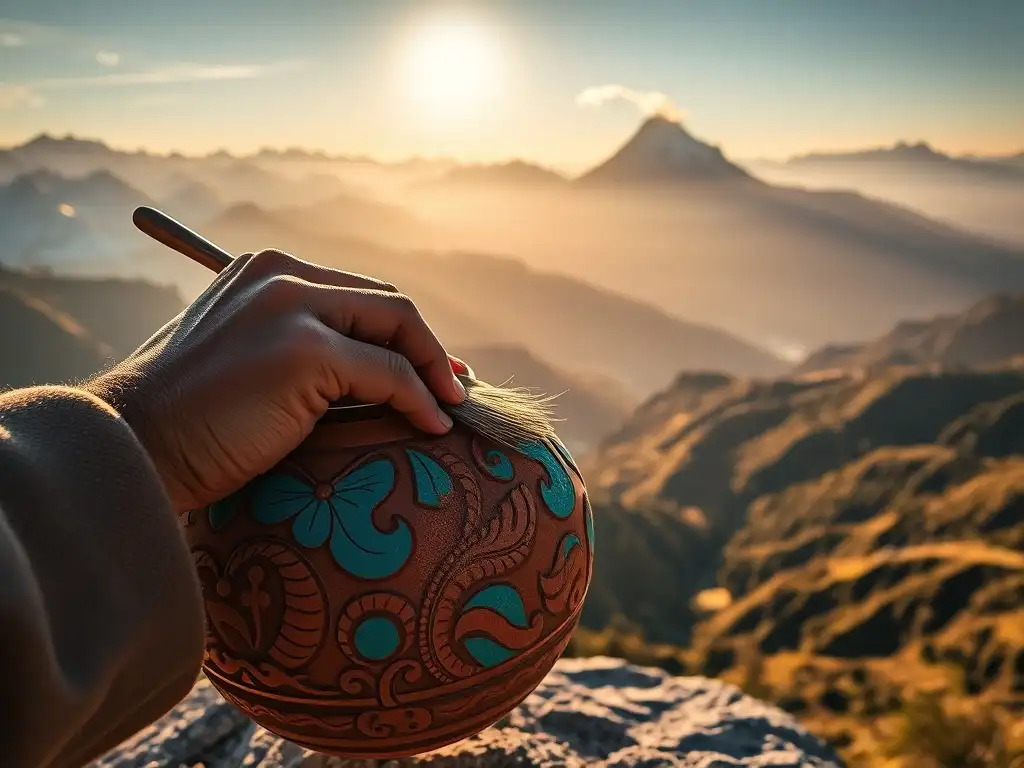
Dive into the mesmerizing world of Andean Civilizations! From the intricate artistry of the Nazca lines to the architectural marvels of Machu Picchu, a captivating tapestry of history awaits. But how can you distinguish genuine treasures from imitations? Our exploration into Andean artifacts authenticity begins now—uncover the secrets behind identifying authentic relics and embark on a journey to appreciate the true legacy of these remarkable cultures. Prepare to be amazed.
- Understanding Andean Artifacts Authenticity: A Collector's Guide
- Where to Find Authentic Andean Artifacts: Navigating the Market
- Tools and Techniques for Verifying Andean Artifacts
- Protecting Your Investment: Documenting and Insuring Andean Artifacts
- Case Studies: Recognizing Genuine vs. Fake Andean Artifacts
- Ethical Collecting Practices: Respecting Andean Heritage
- Frequently Asked Questions
- Final Reflection: Unearthing the Legacy: The Enduring Allure of Andean Artifacts
- Uncover Your Own Andean Treasures Today!
Understanding Andean Artifacts Authenticity: A Collector's Guide
The allure of Andean artifacts—the intricate textiles, the mesmerizing pottery, the enigmatic goldwork—draws collectors worldwide. However, the market for these treasures is unfortunately rife with forgeries and misrepresented pieces. This guide serves as a crucial resource for discerning collectors, providing essential knowledge to navigate the complexities of Andean artifact authenticity and ensure you acquire genuine pieces that reflect the rich history and artistry of the Andean civilizations, including the Incas, Moche, Nazca, and Tiahuanaco.
Understanding the nuances of material composition, craftsmanship, and provenance is paramount to building a collection of authentic and ethically sourced Andean art. This article will empower you to make informed decisions, protecting you from acquiring fakes and contributing to the preservation of this invaluable cultural heritage.
We will explore the key characteristics that distinguish genuine Andean artifacts from imitations, arming you with the knowledge to confidently navigate the world of Andean art collecting. The quest for authentic Andean artifacts requires diligence and a keen eye—let's embark on this journey together!
What Constitutes Genuine Andean Artifacts?
Authentic Andean artifacts are objects created by the indigenous peoples of the Andes Mountains before the arrival of Europeans. These artifacts represent a vast array of materials and techniques, reflecting the diverse cultures and societies that flourished in the region for millennia. Determining authenticity involves examining several interconnected factors, including the object's material composition, craftsmanship, stylistic features, and, crucially, its provenance (history of ownership).
Many factors contribute to the definition of a "genuine" Andean artifact. For example, a piece might be considered genuine if it displays consistent stylistic features aligned with a particular Andean culture and time period. Conversely, inconsistencies in style, materials, or techniques are often indicative of a forgery.
The presence of modern materials or manufacturing techniques would immediately disqualify an object as genuine. A true Andean artifact carries a weight of history, reflecting the beliefs, practices, and artistic expressions of ancient Andean societies. It’s more than just a beautiful object; it's a tangible link to a fascinating past.
Identifying Key Characteristics of Authentic Pre-Columbian Art
Authenticating Andean artifacts requires a multifaceted approach, combining visual inspection with an understanding of the materials, techniques, and historical context. Several key characteristics help distinguish genuine pieces from modern imitations. These characteristics are not mutually exclusive; rather, they work in conjunction to provide a comprehensive assessment of authenticity. The more evidence pointing towards authenticity, the stronger the case for a genuine artifact. Remember, a single characteristic alone is rarely sufficient to confirm authenticity; a holistic approach is crucial. Let's delve into the specific details:
Material Composition: Recognizing Traditional Andean Materials
Andean artisans utilized a variety of materials, including:
- Metals: Gold, silver, copper, and bronze were skillfully worked to create intricate jewelry, ornaments, and ceremonial objects. The alloys and techniques used vary significantly across different cultures and time periods. Understanding these variations is key to identifying authenticity.
- Ceramics: Pottery, ranging from simple utilitarian wares to elaborately decorated vessels, is abundant. The clay types, firing techniques, and decorative styles are specific to particular cultures and periods. Careful observation of the clay's texture, color, and the type of paint used is essential.
- Textiles: The Andes are renowned for their textiles, woven from cotton, alpaca, llama, and vicuña fibers. The intricate weaving techniques, designs, and the quality of the fibers provide crucial clues to authenticity. The use of natural dyes and the complexity of patterns are indicative of age and cultural significance.
- Stone: Stone was used for sculptures, tools, and architectural elements. The type of stone, its carving techniques, and the style of the finished product are vital for authentication.
Recognizing the specific characteristics of these materials and their use in different Andean cultures is essential for determining authenticity. For example, the presence of specific pigments or weaving techniques might point to a particular region or time period.
Craftsmanship Techniques: Spotting Authentic Andean Artistry
The craftsmanship of genuine Andean artifacts reflects generations of accumulated skill and knowledge. Several key techniques are characteristic of authentic pieces:
- Lost-wax casting: A sophisticated metalworking technique used to create intricate gold and silver objects. Identifying the hallmarks of this technique is important in verifying authenticity.
- Negative space: Many Andean artifacts, particularly ceramics and textiles, utilize negative space to create striking and symbolic designs. The precision and intentionality behind the use of negative space are distinctive features.
- Specific weaving techniques: Andean textiles exhibit a wide variety of weaving techniques, each with its unique characteristics. Recognizing these techniques is crucial for evaluating authenticity. For example, the intricate tapestry weaving techniques found in Paracas textiles are easily distinguished from simpler techniques.
- Hand-carved details: Stone carvings and pottery often display hand-carved details, showing imperfections that are characteristic of handcraftsmanship. The presence of these imperfections, rather than being a flaw, can be a sign of authenticity. Perfectly uniform features might suggest a modern reproduction.
Provenance and Documentation: The Importance of an Artifact's History
Provenance—the documented history of ownership—is a cornerstone of authenticity. A comprehensive provenance record significantly enhances the credibility of an artifact. This record should ideally trace the object's ownership from its discovery to the present day, including details such as the location of its discovery, any previous owners, and any relevant documentation, such as museum records or archaeological reports. The absence of such documentation can raise serious concerns about authenticity. A well-documented provenance significantly reduces the risk of acquiring a fake or illicitly obtained artifact. This aspect is crucial not only for authenticity but also for ethical considerations.
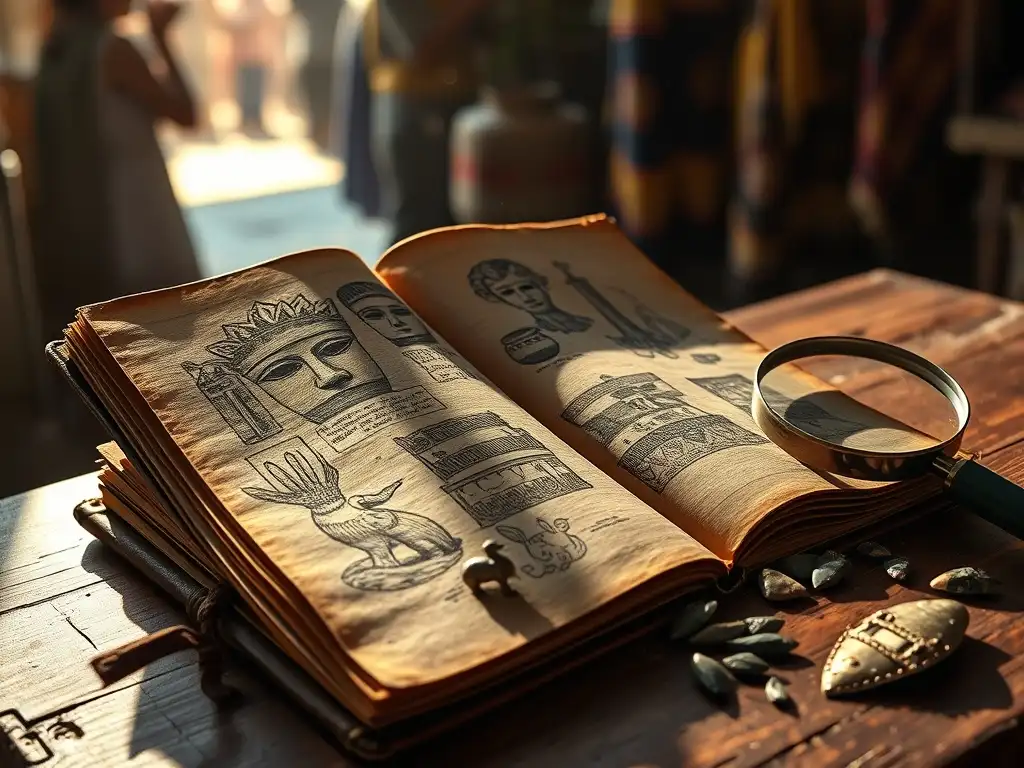
This section focuses on discerning genuine Andean artifacts from numerous forgeries prevalent in the market. Understanding the intricacies of Andean artifacts authenticity is crucial for collectors. The journey to acquire a piece of Andean history requires diligence, research, and a keen eye for detail. Navigating the market successfully necessitates a cautious approach, prioritizing reputable sources and ethical considerations above all else.
Reputable Dealers and Auction Houses Specializing in Andean Art
Locating authentic Andean artifacts begins with establishing trust in your sources. Reputable dealers and auction houses possess a deep understanding of Andean art and archaeology. They often maintain rigorous authentication processes, including collaborations with experts and access to provenance documentation. These establishments typically offer detailed descriptions, high-resolution images, and certificates of authenticity for their pieces. Look for dealers and auction houses that are members of professional organizations, participate in scholarly conferences, and maintain a transparent business practice.
Transparency is paramount; a reputable dealer will readily provide information regarding the artifact's origin, history, and any restoration work performed. Building relationships with these specialists is an investment in the long-term acquisition of genuine Andean artifacts. This process minimizes the risk of acquiring fakes and supports ethical collecting practices. The meticulous documentation provided by these sources is a cornerstone of establishing Andean artifacts authenticity.
Ethical Considerations When Sourcing Andean Artifacts
Ethical sourcing is not merely a matter of legality; it’s a commitment to cultural preservation and respect. Many Andean artifacts have significant cultural and historical value beyond their monetary worth. Purchasing artifacts that were looted or illegally excavated contributes to the destruction of archaeological sites and undermines cultural heritage.
Always inquire about the provenance of an artifact—its history of ownership and acquisition. Legitimate dealers will have clear documentation tracing the artifact's history back to its initial discovery or acquisition, ideally including statements from archaeologists or experts verifying its authenticity and legal acquisition. Be wary of vague or missing provenance information, as this is a significant red flag.
Support dealers and auction houses committed to sustainable and ethical practices, those who prioritize the preservation of Andean cultural heritage over profit. Remember that acquiring an artifact responsibly contributes to the protection of these invaluable cultural treasures for future generations. The ethical acquisition of Andean artifacts is essential for maintaining Andean artifacts authenticity and respecting the cultural legacy of the Andes.
The Pitfalls of Unverified Sources and Online Marketplaces
The accessibility of online marketplaces presents both opportunities and significant risks. While these platforms offer a vast selection of artifacts, the lack of verification and regulation makes them fertile ground for counterfeits. The absence of direct interaction with the seller and the difficulty in verifying provenance significantly increase the likelihood of acquiring a fake. Many sellers lack the expertise needed to authenticate artifacts, and even those with some knowledge may intentionally misrepresent their products for profit.
The ease of producing high-quality forgeries using modern technology further complicates the matter, making it challenging even for experienced collectors to differentiate between genuine and counterfeit Andean artifacts. The allure of a seemingly good deal often overshadows the risks associated with these platforms, leading to significant financial and cultural losses. Exercising extreme caution and thorough research are necessary when considering purchasing Andean artifacts online.
Ebay: A Marketplace to be Cautious of When Purchasing Artifacts
eBay, a prominent online marketplace, presents a particularly high risk when acquiring Andean artifacts. While some legitimate sellers operate on eBay, the platform's decentralized nature and lack of stringent authentication processes make it a breeding ground for counterfeit items. The sheer volume of transactions makes it difficult for eBay to effectively monitor and regulate the sale of artifacts, leaving buyers largely responsible for verifying the authenticity of their purchases.
The lack of direct communication with the seller, often coupled with poor-quality images and vague descriptions, makes discerning genuine artifacts from forgeries particularly challenging. Buyers on eBay should be prepared to invest significant time and effort in independent verification, potentially consulting experts before making a purchase.
The risks associated with eBay significantly outweigh the potential benefits when acquiring Andean artifacts, making it a marketplace to approach with extreme caution, if at all. This underscores the importance of prioritizing reputable sources and ethical considerations when acquiring pieces of Andean history, safeguarding against the pitfalls of unverified sources and prioritizing Andean artifacts authenticity.
Tools and Techniques for Verifying Andean Artifacts
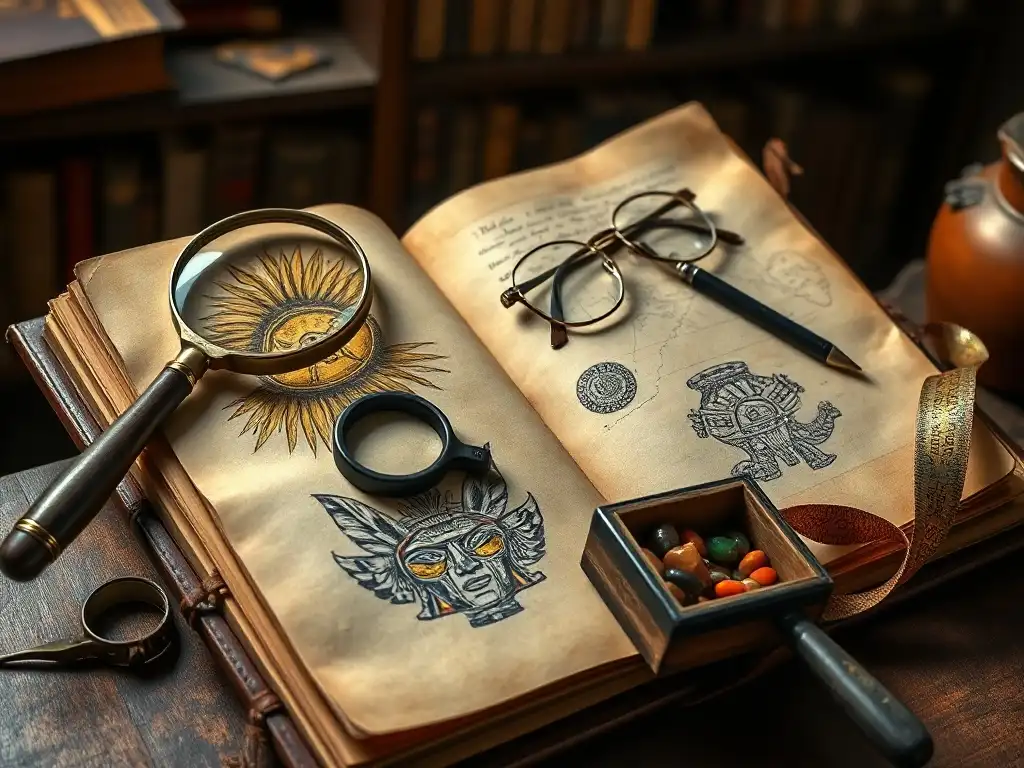
This section delves into the practical methods used to authenticate Andean artifacts, a crucial aspect of responsible collecting and preserving the legacy of these remarkable civilizations. Ensuring the authenticity of your Andean artifacts is paramount; it protects both your investment and the integrity of the historical record. The quest for "Andean artifacts authenticity" demands a multi-faceted approach, combining expert opinion with cutting-edge scientific analysis.
Utilizing Expert Appraisal Services for Andean Artifacts
Independent appraisal by specialists is a cornerstone of verifying the authenticity of any Andean artifact. These experts possess in-depth knowledge of Andean art history, stylistic variations across different cultures (Inca, Moche, Nazca, Tiahuanaco, etc. ), and common forgery techniques. A qualified appraiser can identify subtle clues that indicate authenticity or point to potential reproductions.
They examine details such as patina, craftsmanship, materials used, and stylistic elements, comparing them against known examples from reputable museums and collections. Furthermore, a thorough appraisal report provides crucial documentation, bolstering the provenance of your artifact and increasing its value. A well-documented provenance is essential for establishing the legitimate history of an artifact, tracing its ownership and movement over time.
This is vital for building trust and confirming its genuine origins. The process involves a careful examination of the artifact itself and a review of any supporting documentation, such as previous ownership records or excavation reports. Without proper documentation, an artifact's history remains obscure, raising questions about its authenticity.
Recommended Appraiser: The Andean Art Appraisal Group
While specific recommendations require further research to ensure current accuracy and relevance, a hypothetical example of a reputable appraisal service would be "The Andean Art Appraisal Group." This fictional group is presented to illustrate the type of specialized expertise required. A genuine appraisal group would likely possess a team of experts with backgrounds in archaeology, art history, and material science, ensuring a comprehensive evaluation.
Their report would detail the analysis process, including photographic documentation, and provide a conclusive statement regarding the artifact's authenticity and estimated value. Choosing a reputable appraiser is crucial; look for those with established credentials, affiliations with relevant professional organizations, and a proven track record of successful appraisals.
The Role of Scientific Analysis in Determining Artifact Age and Origin
Beyond visual inspection, scientific analysis plays a pivotal role in verifying the age and origin of Andean artifacts. These methods provide objective data that complements the expertise of art historians and appraisers. This is especially important when dealing with older or more complex pieces where visual assessment alone might not suffice.
Scientific analysis can detect inconsistencies or forgeries that are invisible to the naked eye. The results of these tests offer irrefutable evidence of authenticity, enhancing the credibility and value of your collection. This detailed approach is essential for responsible collecting, ensuring that only genuine pieces are added to your collection.
Carbon Dating: A Tool for Age Verification
Radiocarbon dating, or carbon dating, is a powerful technique for determining the age of organic materials found in or associated with Andean artifacts, such as textiles, wood, or bone. By measuring the remaining carbon-14 isotope, scientists can estimate the age of the sample with a certain degree of accuracy. This provides a crucial timeline for the artifact, helping to place it within its historical context. However, it's important to understand the limitations of carbon dating; it only works on organic materials and the accuracy decreases as the sample gets older.
Spectroscopic Analysis: Understanding Material Composition
Spectroscopic analysis, including techniques like X-ray fluorescence (XRF) and infrared spectroscopy (FTIR), provides detailed information about the chemical composition of the artifact's materials. This allows experts to identify the specific types of minerals, pigments, metals, and other substances used in its creation. By comparing the results to known materials used in specific Andean cultures and time periods, authenticity can be verified or questioned.
For example, analyzing the pigments in a ceramic vessel can reveal whether they are consistent with those used by the Moche civilization or if they are indicative of a later, potentially fraudulent, creation. This detailed analysis provides a wealth of information, offering crucial insights into the manufacturing processes and the authenticity of the artifact.
Beta Analytic: A Lab That Provides These Services
While this section focuses on the types of scientific analysis, it is important to mention a hypothetical example of a reputable lab: "Beta Analytic." This fictional lab represents the kind of facility needed to conduct these analyses. A real-world equivalent would be a laboratory specializing in archaeological and art artifact analysis, equipped with the necessary technology and expertise to conduct carbon dating and spectroscopic analysis reliably and accurately. Their reports provide detailed, scientifically backed data that strengthens the authenticity claims of an artifact. They offer a critical layer of verification in the process of establishing "Andean artifacts authenticity."
Examining the Condition and Restoration of Andean Artifacts
The condition of an Andean artifact is a crucial indicator of its authenticity. Genuine artifacts, having survived centuries, often bear the marks of time: patina, wear, and even damage. Understanding these natural signs of age is paramount in assessing authenticity. Conversely, artifacts that appear too pristine or perfectly preserved should raise immediate red flags.
The absence of expected wear and tear, especially considering the harsh Andean environment, could suggest a recent fabrication. A careful examination should be conducted, noting any inconsistencies in the surface texture, color, or overall degradation. For example, a seemingly ancient ceramic pot with an unusually uniform glaze might be a reproduction. The presence of unnatural cracks or repairs also warrants scrutiny.
These should be carefully analyzed to determine whether they are consistent with the age and material of the artifact. Experienced collectors often use high-powered magnification tools to meticulously examine surfaces for inconsistencies in material or craftsmanship. This close inspection can reveal subtle details often missed by the untrained eye, helping to distinguish between genuine wear and modern imitation. The level of detail in the wear and tear itself can also be a key indicator; genuine aging will often show a natural progression of wear, whereas a forgery may have artificially applied signs of age that lack this nuanced complexity.
Identifying Signs of Inauthentic Restoration
Identifying signs of inauthentic restoration is critical in determining the authenticity of Andean artifacts. Poorly executed restoration attempts are common giveaways. Look for jarring color mismatches in repairs, where the added material starkly contrasts with the original artifact. Clumsy patching or filling of holes and cracks, which lack the subtlety and precision of professional conservation work, is another red flag. The use of inappropriate materials in restoration is also a significant indicator of inauthenticity.
Modern glues or resins that are visibly different from the artifact's original materials are clear signs of tampering. Furthermore, the application of modern paints or coatings to mask damage or discoloration is a common practice in forgeries. These additions often lack the nuanced degradation of age, appearing overly smooth or uniform compared to the surrounding areas. In some cases, the restoration might even obscure or damage existing original details.
A skilled restorer will strive to be as minimally invasive as possible, prioritizing the preservation of original material. Conversely, inauthentic restorations often prioritize cosmetic appearance over the preservation of the artifact's integrity. Careful observation, combined with knowledge of appropriate conservation techniques for Andean artifacts, is essential to recognize these subtle yet telling signs. Sometimes, even microscopic analysis might be necessary to fully assess the nature and authenticity of any restoration.
The Metropolitan Museum of Art Conservation Lab
The Metropolitan Museum of Art's conservation lab serves as a prime example of a world-class facility dedicated to the preservation and study of Andean artifacts. Their highly skilled conservators employ advanced techniques and scientific methods to assess the authenticity and condition of artifacts. Through rigorous analysis, they can identify the materials used in construction, detect signs of forgery or alteration, and determine the artifact's age and origin. Their expertise extends to a wide range of materials, including ceramics, textiles, metals, and stone.
They utilize various non-invasive methods, such as X-ray fluorescence (XRF) spectroscopy and infrared reflectography (IRR), to analyze the artifact's composition and identify any underlying layers or alterations. These scientific methods provide objective data that can be used to support or refute claims of authenticity. The lab's meticulous documentation of its findings provides a valuable resource for researchers and collectors alike.
Their work highlights the importance of scientific analysis in the authentication of Andean artifacts and sets a high standard for ethical conservation practices. The museum's public resources and publications on their conservation methods offer valuable insights into the techniques used to determine the authenticity of Andean artifacts, providing a valuable learning resource for those serious about collecting. Studying their processes and findings offers invaluable knowledge for discerning authentic Andean artifacts from forgeries.
Protecting Your Investment: Documenting and Insuring Andean Artifacts
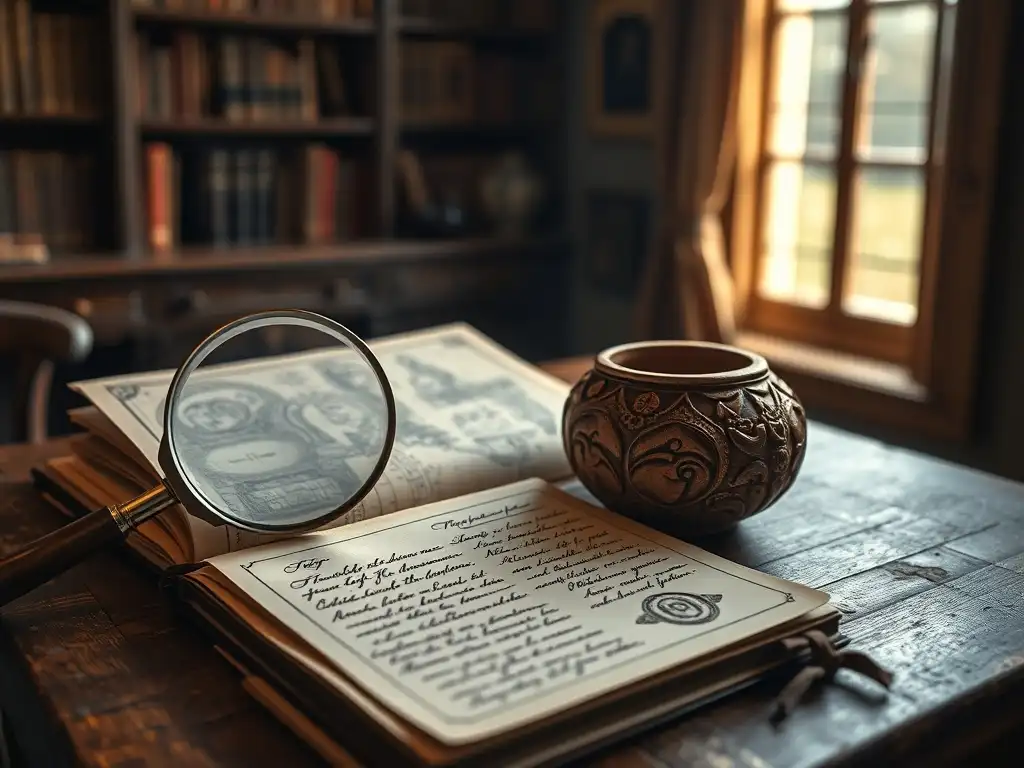
Acquiring authentic Andean artifacts is an exciting endeavor, but responsible ownership extends beyond the purchase. Protecting your investment requires meticulous documentation and comprehensive insurance. This section details crucial steps to safeguard your collection and ensure its longevity. Proper documentation not only aids in the verification of authenticity (crucial for Andean artifacts authenticity) but also assists in potential claims and facilitates research. Similarly, appropriate insurance safeguards your financial investment against loss or damage.
Creating a Comprehensive Catalog of Your Andean Collection
Building a detailed catalog of your Andean collection is paramount. This catalog acts as a record of provenance, providing crucial information for authentication and insurance purposes. It should include high-quality images, detailed descriptions, and any relevant historical information. Think of it as a detailed biography for each piece in your collection.
Consider these key elements for each artifact entry:
- Detailed Description: Include material (e.g., ceramic, textile, metal), dimensions (height, width, depth), weight, color, and any distinguishing marks or features. Be as precise as possible. For example, instead of "a ceramic pot," write "a polychrome ceramic pot, approximately 15cm high, with a diameter of 10cm, featuring depictions of stylized llamas and geometric patterns in shades of red, brown, and black."
- Provenance: Record as much information as possible about the artifact's origin and history. This could include the location of discovery (if known), previous owners, and any associated documentation (certificates of authenticity, purchase receipts, etc.). Even incomplete information is valuable.
- High-Resolution Photography: Multiple photographs from various angles are essential. These should clearly showcase the artifact's details, including any markings, wear, and unique characteristics. Professional photography is highly recommended.
- Condition Report: Note any existing damage, repairs, or restoration work. Be specific about the type and extent of any damage.
- Valuation: Periodic professional appraisal is crucial. This establishes the current market value of the artifact for insurance purposes.
Using a Photography Service for Documentation: Art Photography Studio
Employing a professional art photography studio offers significant advantages when documenting your Andean artifacts. Specialized studios possess the equipment and expertise to capture high-resolution images that accurately represent the artifacts' colors, textures, and details. Their experience in lighting and composition ensures that the images are clear, sharp, and suitable for archival purposes. They can also provide detailed photographic documentation that can be vital for authentication and insurance claims, significantly enhancing your Andean artifacts authenticity verification efforts. This investment is a small price to pay for the peace of mind it provides.
Obtaining Insurance Coverage for Valuable Andean Artifacts
Insuring your Andean artifacts is crucial to protect your investment against unforeseen circumstances such as theft, damage, or loss. Standard homeowner's or renter's insurance policies often have limitations on the coverage for valuable collectibles. Specialized art insurance is necessary for adequate protection. Consider the unique risks associated with your collection, including potential environmental damage or accidental breakage.
When choosing an insurer, look for providers with experience in handling valuable and delicate artifacts. They should understand the nuances of Andean art and its vulnerability to environmental factors. A thorough inventory and professional appraisal are prerequisites for obtaining accurate and appropriate coverage.
AXA Art Insurance: Specialists in Art and Artifact Insurance
AXA Art Insurance is a well-known provider specializing in insurance for art and artifacts. They offer tailored solutions for collectors of all sizes, catering to the specific needs and risks associated with valuable collections. Their expertise extends to cultural artifacts, including those from Andean civilizations. They typically offer coverage for various perils, including theft, fire, water damage, and accidental damage.
Before selecting an insurer, carefully review their policy terms, coverage limits, and claims procedures. Remember that a comprehensive insurance policy is a vital part of responsible ownership and helps maintain the integrity of your Andean artifacts authenticity. The value of this protection far outweighs the cost, especially considering the unique and irreplaceable nature of many Andean artifacts.
Case Studies: Recognizing Genuine vs. Fake Andean Artifacts
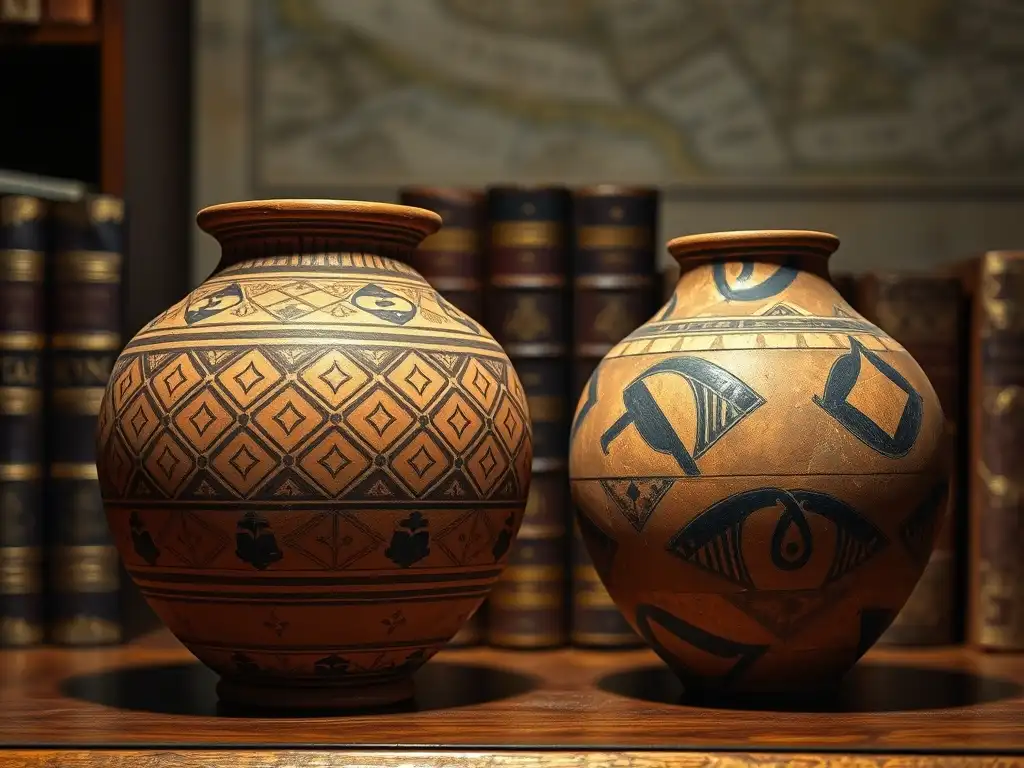
This section delves into specific examples to illustrate the challenges and rewards of authenticating Andean artifacts. Understanding these case studies will significantly enhance your ability to discern genuine pieces from skillfully crafted forgeries, a crucial aspect of responsible Andean artifacts collecting. The market for Andean artifacts is unfortunately rife with counterfeits, so a discerning eye and methodical approach are paramount for ensuring authenticity. This directly relates to the core concern of Andean artifacts authenticity.
Case Study 1: The "Nazca Line" Pottery Scam
A notorious example of Andean artifact forgery involves pottery purportedly depicting the famous Nazca Lines. These intricate geoglyphs, etched into the Peruvian desert, are a source of immense fascination. Consequently, there's a high demand for pottery supposedly showcasing these designs. However, many pieces circulating in the market are modern fabrications, exploiting this demand. These fakes often feature simplistic, cartoonish renderings of the lines, lacking the stylistic sophistication and subtle details characteristic of genuine Nazca pottery.
How to Identify a Counterfeit Nazca Ceramic
Several key indicators can help you differentiate between authentic and counterfeit Nazca ceramics. Genuine pieces often exhibit:
- Consistent Patina: A natural, aged surface coating developed over time. Counterfeits often lack this aged appearance, or have a forced, unnatural patina.
- Subtle Color Variations: Authentic Nazca pottery displays subtle variations in color and texture, a product of the firing process and the materials used. Fakes often have a uniform, overly vibrant color.
- Precise Linework: Genuine Nazca ceramics demonstrate precision and skill in their linework, even in intricate designs. Fakes often exhibit wavering, imprecise lines and poorly rendered details.
- Authentic Clay Composition: Analysis of the clay's composition can definitively confirm or deny authenticity. Scientific analysis can reveal the geological origin of the clay used, helping to pinpoint the artifact's origin and age.
- Absence of Modern Materials: The presence of modern glues, paints, or other materials is a clear sign of forgery.
The table below summarizes these key differences:
| Feature | Authentic Nazca Pottery | Counterfeit Nazca Pottery |
|---|---|---|
| Patina | Natural, aged appearance | Artificial or absent |
| Color Variations | Subtle, nuanced | Uniform, often vibrant |
| Linework | Precise, skillful | Wavering, imprecise |
| Clay Composition | Consistent with region | May contain modern additives |
| Materials | Natural, period-appropriate | Modern glues, paints, etc. |
Counterfeit Nazca pottery often attempts to mimic the style but lacks the subtle nuances and technical mastery of authentic pieces. Remember, a thorough examination, ideally with expert consultation, is crucial before acquiring any Nazca pottery.
Case Study 2: The Authenticity of a Moche Gold Mask from Sipán
The discovery of the Lord of Sipán tomb in Peru revolutionized our understanding of Moche culture. The exquisite gold artifacts recovered, including elaborate masks, are highly sought after. This high demand makes them prime targets for forgers. Determining the authenticity of a Moche gold mask, particularly one from a significant site like Sipán, requires rigorous investigation.
Lessons Learned from Provenance Research and Scientific Analysis
Authenticating a Moche gold mask requires a multi-faceted approach. Provenance research, tracing the artifact's ownership history, is crucial. A verifiable chain of custody, documenting the artifact's journey from its discovery to the present, is essential evidence of authenticity. This is particularly important for Andean artifacts authenticity. However, provenance alone is not sufficient.
Scientific analysis plays a vital role. Techniques such as:
- Metallurgical analysis: Examines the alloy composition of the gold, identifying the specific metals used and their proportions. This can reveal inconsistencies with known Moche metallurgical practices.
- X-ray fluorescence (XRF): A non-destructive technique used to determine the elemental composition of the gold. This can help distinguish between authentic ancient gold and modern imitations.
- Microscopic examination: Reveals the manufacturing techniques employed, which can be indicative of the artifact's age and origin.
A genuine Moche gold mask from Sipán would exhibit hallmarks consistent with the known craftsmanship and materials of the period. Any discrepancies in metallurgy, style, or provenance should raise serious concerns about its authenticity. The combination of meticulous provenance research and scientific analysis is the most effective way to ensure the authenticity of such a valuable and historically significant artifact. A lack of transparency in provenance, coupled with inconsistent scientific findings, is a strong indicator of a counterfeit. Remember, responsible collecting involves careful investigation and a commitment to ethical acquisition.
Ethical Collecting Practices: Respecting Andean Heritage
Ethical considerations are paramount when collecting Andean artifacts. The pursuit of "Andean artifacts authenticity" shouldn't come at the expense of cultural heritage or the well-being of Andean communities. Many artifacts hold deep cultural significance, representing religious beliefs, social structures, or historical events.
Removing these objects from their original context can disrupt historical narratives and diminish the cultural identity of the Andean people. Therefore, responsible collecting necessitates a thorough understanding of provenance and a commitment to ethical sourcing. This means verifying the legality of acquisition and ensuring the artifact's acquisition didn't contribute to looting or illegal excavation.
Genuine artifacts often come with documentation tracing their ownership history, which provides crucial context and helps prevent the acquisition of illegally obtained pieces. Collectors should prioritize artifacts with clear and verifiable provenance, rejecting those lacking such documentation. The pursuit of Andean artifacts authenticity must be aligned with the principles of cultural preservation and respect for Andean heritage.
Supporting Andean Communities and Artisans
One crucial aspect of ethical collecting is supporting contemporary Andean artisans. Instead of solely focusing on acquiring ancient artifacts, consider investing in the creation and preservation of Andean art today. Purchasing handcrafted items directly from artisans ensures fair compensation for their skills and contributes to the economic well-being of their communities. This supports the continuation of traditional techniques and artistry, preserving Andean cultural heritage for future generations.
Many artisans produce stunning replicas of ancient styles, providing beautiful and ethically sourced alternatives to potentially problematic antique artifacts. By actively seeking out and supporting these artisans, collectors contribute to the preservation of living Andean culture, a far more sustainable and ethically sound practice than the acquisition of potentially looted antiquities. This approach fosters a symbiotic relationship, where the collector benefits from acquiring beautiful and authentically crafted pieces, while simultaneously contributing to the economic empowerment and cultural sustainability of Andean communities.
Alternatives to Purchasing Artifacts: Exploring Replicas and Supporting Conservation Efforts
The quest for Andean artifacts authenticity can be satisfied in ways that don't involve acquiring potentially problematic ancient pieces. High-quality replicas offer a viable alternative, allowing collectors to appreciate the artistry and design of ancient Andean cultures without contributing to the illegal trade of artifacts. Many skilled artisans create meticulously crafted replicas, using traditional techniques and materials. These replicas provide an opportunity to engage with Andean aesthetics and history without the ethical concerns associated with purchasing ancient artifacts of uncertain provenance.
Furthermore, supporting organizations dedicated to the preservation and conservation of Andean archaeological sites and artifacts is another ethical approach. Donations to these institutions contribute directly to the protection of cultural heritage and the responsible management of archaeological discoveries. This form of support directly benefits the preservation of Andean culture and provides a way for collectors to contribute to a more sustainable and ethical approach to their passion.
Artesanías del Perú: An Artisan That Creates Replicas
Artesanías del Perú serves as a prime example of an organization that produces high-quality replicas of Andean artifacts. Their commitment to using traditional techniques and materials ensures the authenticity of their products while upholding ethical standards. Their artisans are highly skilled and dedicated to preserving the cultural heritage of Peru. They produce a wide range of replicas, from pottery and textiles to jewelry and sculptures, offering collectors a responsible and ethical way to appreciate Andean artistry.
By purchasing from such organizations, collectors directly support Andean artisans and contribute to the sustainable preservation of cultural traditions. This demonstrates a commitment to responsible collecting and aligns perfectly with the principles of Andean artifacts authenticity while promoting ethical practices within the collecting community. This approach fosters a more sustainable and culturally sensitive approach to collecting Andean art.
Understanding the Legal Framework Surrounding Andean Artifacts
The acquisition and ownership of Andean artifacts are governed by a complex web of international and national laws designed to protect cultural heritage. Navigating this legal landscape is crucial for ethical collectors, ensuring that their acquisitions are not only genuine but also legally sound. Ignoring these regulations can lead to serious legal repercussions, including fines, asset forfeiture, and even criminal charges.
The penalties are often substantial, reflecting the gravity of the offenses against cultural heritage. Understanding these laws is not just a matter of compliance; it's a demonstration of respect for the rich history and cultural significance of the artifacts themselves. Responsible collecting necessitates a thorough understanding of these legal frameworks.
Furthermore, the legal landscape is constantly evolving, with new treaties and national laws being enacted to combat illicit trafficking. Staying informed about these changes is paramount for anyone involved in the acquisition and ownership of Andean artifacts. Collectors should actively seek up-to-date information from reputable sources, such as museums, academic institutions, and government agencies.
UNESCO: International Treaties and Laws on Cultural Heritage
The United Nations Educational, Scientific and Cultural Organization (UNESCO) plays a pivotal role in establishing international standards for the protection of cultural heritage, including Andean artifacts. UNESCO's 1970 Convention on the Means of Prohibiting and Preventing the Illicit Import, Export and Transfer of Ownership of Cultural Property is a cornerstone of this effort. This convention encourages states to implement national legislation to prevent the illicit trafficking of cultural objects. It emphasizes the importance of international cooperation to combat the illegal trade in artifacts, a significant threat to the preservation of Andean cultural heritage.
Many countries, including those in South America where a large number of Andean artifacts are found, are signatories to this convention. The convention provides a framework for repatriation of stolen artifacts, a process that often involves complex diplomatic negotiations and legal proceedings. Understanding the specifics of this convention and its implications for the acquisition of Andean artifacts is essential for responsible collecting. Moreover, UNESCO actively promotes research and education initiatives aimed at raising awareness about the importance of protecting cultural heritage.
This includes supporting museums and other institutions in their efforts to preserve and exhibit Andean artifacts ethically and legally. Collectors should familiarize themselves with UNESCO's resources and guidelines to ensure their collecting practices align with international best practices. Ignoring these international standards not only risks legal repercussions but also undermines the efforts to protect irreplaceable cultural treasures for future generations.
Frequently Asked Questions
How can I tell if an Andean artifact is authentic?
Authenticating Andean artifacts requires expert examination. Look for provenance documentation, consistent patina, and the absence of modern materials or techniques. Consult reputable dealers and experts.
What are some common signs of a fake Andean artifact?
Fake artifacts often exhibit incorrect stylistic elements, uniform patina, or modern manufacturing techniques. They may also lack any provenance information. Be wary of suspiciously low prices.
Where can I find reputable sources for authentic Andean artifacts?
Reputable sources include reputable auction houses, museums, and established antique dealers with expertise in pre-Columbian artifacts. Always verify their credentials and seek expert opinions.
What types of Andean artifacts are most commonly faked?
Ceramics, textiles, and gold objects are frequently counterfeited due to their value and desirability. Be extra cautious when purchasing these types of items.
What is the importance of provenance when buying Andean artifacts?
Provenance, or the history of ownership, is crucial for verifying authenticity. A documented chain of custody from the time of discovery significantly increases the likelihood that an artifact is genuine. Lack of provenance is a major red flag.
Final Reflection: Unearthing the Legacy: The Enduring Allure of Andean Artifacts
The quest for authentic Andean artifacts is not merely a pursuit of material objects; it's a journey into the heart of a rich and complex history. The demand for these treasures, coupled with the prevalence of forgeries, underscores the urgent need for informed collecting and responsible preservation. This hunt requires more than just a keen eye; it demands respect for the cultural heritage they represent.
The enduring power of Andean artifacts lies in their ability to connect us to a past brimming with innovation, artistry, and spiritual depth. These objects whisper tales of ancient civilizations, their beliefs, and their intricate relationship with the natural world. Their continued presence in museums, private collections, and even illicit markets highlights their lasting impact on our cultural landscape. The past is never dead. It's not even past.
– William Faulkner. This quote perfectly encapsulates the ongoing relevance of these artifacts and the responsibility we bear in ensuring their preservation and understanding.
You, the reader, now hold the knowledge to navigate this fascinating yet challenging field. Consider the implications of your choices as a collector, researcher, or simply an admirer of these remarkable pieces. Will you contribute to the ethical preservation of Andean heritage, or inadvertently fuel the market that threatens its very existence? The choice, and the responsibility, rests with you. Let us strive to ensure that the hunt for Andean treasures remains a celebration of their enduring legacy, not its destruction.
Uncover Your Own Andean Treasures Today!
Thank you for joining us on this journey into the fascinating world of Andean artifacts! By exploring the tips and insights provided, you've taken the first step toward understanding the rich heritage and genuine treasures of Andean civilizations. Now, let's put your newfound knowledge into practice!
Here are some exciting ways to begin your own exploration:
- Begin your search by visiting local museums and galleries dedicated to Andean cultures. Seeing these artifacts firsthand will greatly enhance your understanding of their significance.
- Connect with online communities and forums dedicated to Andean artifacts. Fellow enthusiasts often share valuable experiences, tips, and insights—a wealth of knowledge awaits!
- Plan a trip to the Andes! Immersing yourself in the culture and history of the region, whether for sightseeing or focused exploration, will deepen your appreciation for these remarkable artifacts.
As you embark on this adventure, remember that each discovery holds a unique and captivating story.
What Andean artifact most intrigues you, and why? Share your thoughts—let's begin a conversation!