
From Generation to Generation: The Enduring Strength of Andean Oral Lore

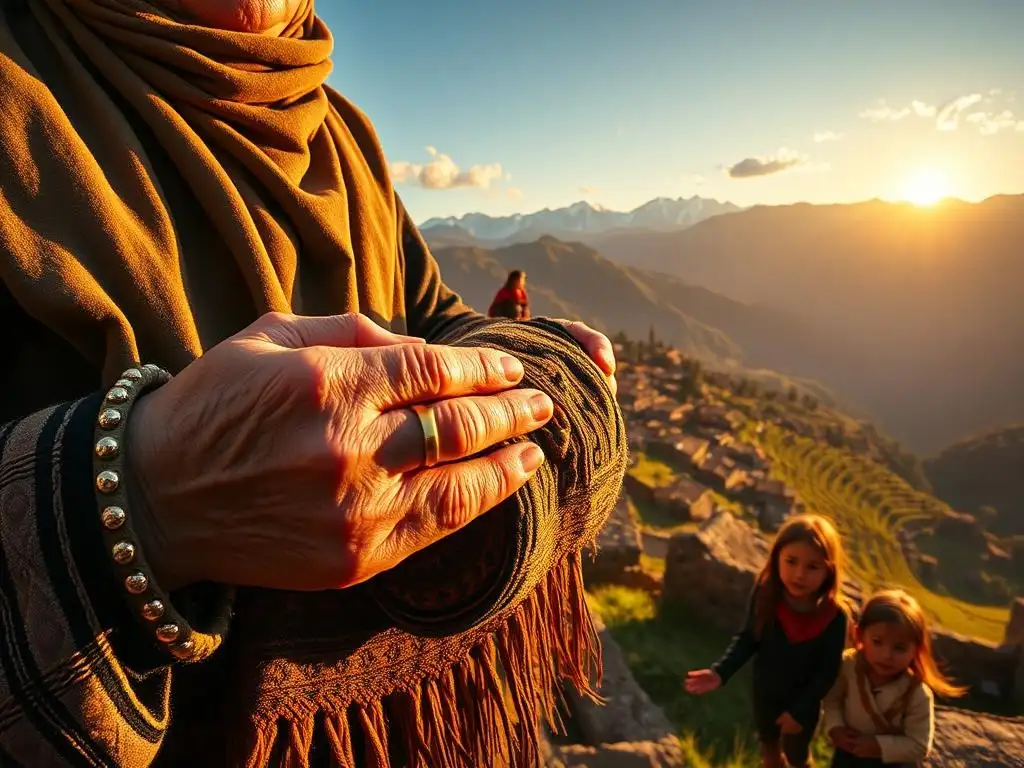
Unravel the mysteries whispered across millennia! Journey with us into the heart of the Andes, where vibrant civilizations thrived and left behind a legacy far beyond towering ruins. Discover how Andean oral traditions history shaped the identities of the Incas, Moche, Nazca, and Tiahuanaco, and unlock the enduring strength of their stories, passed down through generations. Prepare to be captivated by the secrets held within their words – a legacy waiting to be explored.
- Andean Oral Traditions History: A Legacy Through Generations
- The Power of Andean Storytelling
- Exploring Specific Andean Oral Traditions
- Andean Oral Traditions: Preserving the Past, Shaping the Future
- The Interweaving of Andean Oral Lore and Andean Languages
- Frequently Asked Questions
- Final Reflection: Echoes Across the Andes: The Living Legacy of Oral Lore
- Celebrate and Share the Power of Andean Oral Lore!
Andean Oral Traditions History: A Legacy Through Generations
The Andes Mountains, a spine of towering peaks running down the western coast of South America, have witnessed the rise and fall of numerous remarkable civilizations. While written records offer valuable insights into some of these societies, the enduring strength of Andean oral lore provides a crucial, often overlooked, window into their rich history, beliefs, and daily lives.
This article delves into the fascinating world of Andean oral traditions, exploring their historical roots, societal significance, and the ingenious methods used to transmit these invaluable narratives across generations. We will examine how these traditions, passed down through centuries, continue to shape the cultural landscape of the Andes today, offering a deeper understanding of the "Andean oral traditions history" and its lasting impact.
The vibrant tapestry of Andean culture is interwoven with stories, songs, and rituals—a legacy whispered on the wind and etched into the very fabric of the mountainous terrain itself. Understanding this oral history is key to unlocking a profound appreciation for the complexity and resilience of Andean civilizations.
Understanding the Roots of Andean Oral Lore
Andean oral traditions didn't emerge in a vacuum; they are deeply intertwined with the unique environmental and social contexts of the region. The mountainous terrain, often isolating communities, fostered the development of distinct local traditions. The lack of widespread literacy among many Andean communities for significant periods of their history meant that oral transmission became the primary means of preserving knowledge, history, and cultural values.
This oral tradition wasn't simply a method of storytelling; it was a vital mechanism for maintaining social cohesion, transmitting practical skills (like agriculture and medicine), and ensuring the continuity of cultural identity. Many myths and legends are directly related to the environment, explaining natural phenomena, the origins of specific places, and the relationships between humans and the spirit world. For instance, stories about the creation of the world or the origin of particular plants and animals, often imbued with deep spiritual significance, were passed down through generations, shaping the worldview and practices of Andean peoples.
These narratives were not static; they evolved and adapted over time, reflecting changing social structures and environmental conditions. The sheer diversity of Andean cultures—from the Inca to the Moche, Nazca, and Tiahuanaco—also contributed to the rich tapestry of oral traditions, each with its unique style, themes, and narrative forms.
The Significance of Oral Tradition in Andean Societies
The importance of oral tradition in Andean societies cannot be overstated. It served as the cornerstone of their social, political, and religious structures. Oral narratives were not mere entertainment; they acted as a powerful tool for:
- Social Control: Many stories conveyed moral lessons and social norms, reinforcing community values and regulating behavior.
- Historical Record: Genealogies, historical accounts of significant events, and the origins of clans were all transmitted orally, providing a framework for understanding their place in the larger world.
- Religious Beliefs: Myths and legends explained the relationship between humans and the supernatural, shaping religious practices and beliefs. These stories often involved powerful deities, ancestral spirits, and the intricate cosmology of Andean cultures.
- Knowledge Transmission: Practical skills, such as agricultural techniques, medicinal remedies, and building methods, were passed down through generations via oral instruction and apprenticeship. This knowledge was often embedded within narratives and songs, making it more memorable and engaging.
- Cultural Identity: Oral traditions played a crucial role in maintaining cultural identity in the face of external influences and colonization. The preservation of native languages and storytelling practices helped to ensure the continuity of Andean culture.
The use of mnemonic devices, such as repetition, rhythm, and song, played a vital role in ensuring the accurate transmission of complex information across generations. The oral tradition wasn't just a collection of isolated stories; it was a dynamic and interconnected system of knowledge that helped shape the lives of Andean people. The continued practice of oral storytelling in many Andean communities today underscores the enduring relevance and power of these ancient traditions. The stories and songs passed down through generations continue to shape their identity, worldview, and relationship with the land.
Transmission Methods of Andean Narratives
The transmission of Andean narratives relied on a variety of sophisticated methods, tailored to the specific cultural context and the nature of the information being conveyed. These methods went beyond simple storytelling; they involved a complex interplay of performance, ritual, and social interaction. Some key techniques included:
- Storytelling Performances: Professional storytellers, often highly respected within their communities, played a vital role in transmitting narratives. These performances were often accompanied by music, dance, and dramatic gestures, making the stories more engaging and memorable.
- Memorization Techniques: Complex mnemonic devices, such as repetitive phrases, rhythmic patterns, and symbolic imagery, helped storytellers memorize and accurately recount lengthy narratives. This ensured that the stories were passed down relatively unchanged over time.
- Intergenerational Learning: Children learned stories and traditions through observation, participation, and active engagement in community events. The transmission wasn't a passive process; it involved a dynamic interaction between generations.
- Ritual and Ceremony: Many narratives were embedded within religious rituals and ceremonies, reinforcing their significance and ensuring their continued transmission. These rituals provided a framework for understanding and interpreting the stories within a broader cultural context.
- Songs and Poetry: Songs and poems were effective tools for preserving and transmitting knowledge, often encoding historical information, practical skills, or moral lessons in memorable verses. The musicality of these forms aided in memorization and transmission.
The effectiveness of these methods is a testament to the cultural value placed on oral traditions and the ingenuity of Andean societies in preserving their rich heritage. The persistence of these methods in contemporary Andean communities highlights the enduring power of oral storytelling and its importance in shaping cultural identity. The legacy of these transmission methods continues to resonate, shaping how knowledge and cultural values are passed down across generations in the Andes.
Key Themes in Andean Oral Stories
Andean oral traditions, passed down through generations, weren't simply entertaining narratives. They served crucial functions within their societies, reflecting and shaping their worldview. Recurring themes reveal deep-seated values and beliefs, offering invaluable insights into the Andean way of life. These stories weren't static; they evolved and adapted over time, reflecting changing social structures and environmental challenges. The consistent presence of certain motifs, however, underscores their enduring significance.
One prominent theme centers around the relationship between humans and the natural world. Many stories feature powerful deities associated with mountains, rivers, and the sun, highlighting the profound respect and reverence for the environment. These narratives emphasize the interconnectedness of all living things and the importance of maintaining a harmonious balance with nature. For example, tales of Pachamama, the Earth Mother, illustrate the Andean belief in the earth's life-giving power and the need for reciprocal respect. Disrespecting nature often resulted in catastrophic consequences in these stories, serving as a cautionary tale for listeners.
Another recurring theme is the concept of ayni, a Quechua term signifying reciprocity and mutual obligation. Stories frequently depict characters engaging in acts of exchange and cooperation, emphasizing the importance of community and social responsibility. This theme highlights the collectivist nature of Andean societies, where individual well-being was inextricably linked to the prosperity of the entire community. Failure to uphold ayni often led to conflict or misfortune in the narratives, reinforcing the moral imperative of reciprocal action. The stories demonstrate how Andean societies fostered cooperation and interdependence through the cultural value of ayni.
Furthermore, many Andean oral traditions explore the cyclical nature of time and the importance of remembering the past. Stories often recount the origins of the world, the deeds of ancestral heroes, and the lessons learned from past generations. This emphasis on history and ancestry reinforces social cohesion and provides a sense of continuity.
These narratives served as a valuable means of transmitting knowledge, customs, and values from one generation to the next, ensuring the preservation of cultural identity. The cyclical nature of time, often depicted through recurring events or motifs, reinforces the ongoing relevance of these ancestral teachings. The stories weren't merely about the past; they offered guidance and wisdom for navigating the present and future.
Finally, the theme of struggle and triumph frequently appears in Andean oral lore. Stories of overcoming adversity, both natural and human-made, illustrate the resilience and adaptability of the Andean peoples. These tales often feature heroic figures who confront challenges and emerge victorious, inspiring listeners to persevere in the face of hardship.
Such stories served as a source of hope and encouragement, reminding communities of their strength and capacity for overcoming obstacles. The perseverance of the heroes in these stories, and the eventual triumph despite challenges, served as powerful metaphors for the Andean peoples' own historical experiences. The enduring strength of these oral traditions lies in their ability to convey such powerful and relevant themes across generations.
The Power of Andean Storytelling

Andean oral traditions represent a vital link to the past, a living repository of history, culture, and knowledge passed down through generations. This rich tapestry of narratives, songs, and rituals provides invaluable insights into the worldview, social structures, and beliefs of ancient Andean societies. Understanding the power of Andean storytelling is crucial to appreciating the enduring strength of their cultural heritage.
The preservation of these traditions is not merely an academic exercise; it's a testament to the resilience of Andean communities and their unwavering commitment to maintaining their unique identities. The sheer volume of information transmitted orally across millennia is staggering, highlighting the effectiveness and sophistication of these methods of knowledge transfer.
The intricate details woven into these narratives, often reflecting complex cosmological beliefs and historical events, underscore the importance of studying these traditions for a comprehensive understanding of Andean civilizations. The impact of colonization and globalization on Andean oral traditions has also created a need for ongoing preservation efforts, ensuring that these invaluable stories continue to resonate for future generations.
Andean Myths and Legends: Preserving History and Culture
Andean myths and legends are not simply fanciful tales; they are powerful tools for preserving history and transmitting cultural values. These narratives often encapsulate historical events, albeit sometimes embellished or mythologized, offering valuable insights into the past. For example, the stories surrounding the creation of the world, the origins of different ethnic groups, and the exploits of legendary figures often contain kernels of historical truth, interwoven with symbolic meaning and cultural commentary.
Consider the numerous legends surrounding the origins of specific Andean landscapes – mountains, rivers, and lakes – which reflect a deep connection between the people and their environment. These stories often explain natural phenomena, reinforcing a sense of place and belonging. Furthermore, the recurring motifs and characters in Andean mythology reveal shared cultural beliefs and values across different Andean groups, illustrating a remarkable continuity in worldview despite regional variations.
Analyzing these narratives allows us to decipher the intricate social structures, political systems, and religious beliefs of past Andean societies. The preservation of these myths and legends is therefore critical for understanding the rich cultural tapestry of the Andean world and its enduring legacy. The ongoing study and documentation of these stories are essential for future generations to connect with their heritage.
The Role of Andean Oral Narratives in Community Cohesion
Andean oral narratives play a crucial role in fostering community cohesion and social solidarity. The act of sharing stories, songs, and rituals strengthens social bonds and reinforces a shared sense of identity. These narratives often highlight community values, emphasizing cooperation, reciprocity, and respect for elders.
For instance, many Andean stories emphasize the importance of ayni, a system of reciprocal exchange, which underpins the social fabric of many Andean communities. The transmission of these narratives across generations ensures the continuity of these values, shaping the social behavior and moral compass of community members. Furthermore, oral performances, such as storytelling during festivals or ceremonies, provide opportunities for social interaction and community building.
These events serve as important spaces for reinforcing social ties and reaffirming collective identity. The vibrant performance traditions associated with these narratives, often incorporating music, dance, and elaborate costumes, enhance the social impact and contribute to the overall vitality of Andean communities. The decline of oral traditions can therefore have significant consequences for social cohesion and community well-being.
The Impact of Oral Tradition on Andean Identity
Andean oral traditions are fundamental to the formation and maintenance of Andean identity. The narratives, songs, and rituals passed down through generations shape individual and collective understandings of self, history, and place. These traditions provide a framework for understanding one's place within the broader Andean community and its rich history.
The stories themselves often embody core values and beliefs, shaping the worldview and cultural perspectives of individuals. For example, stories about ancestral heroes and legendary figures instill a sense of pride and belonging, reinforcing a strong collective identity. Moreover, the use of indigenous languages in oral traditions is crucial for maintaining linguistic diversity and cultural survival.
The preservation of these languages through oral transmission ensures the continuity of Andean cultural heritage and strengthens community resilience. The ongoing documentation and revitalization of Andean oral traditions are therefore essential for safeguarding Andean identity in the face of globalization and cultural homogenization. This preservation effort is not simply about archiving stories; it's about empowering communities to maintain their unique cultural heritage and pass it on to future generations.
Exploring Specific Andean Oral Traditions

This section delves into the diverse tapestry of Andean oral traditions, showcasing the unique characteristics and enduring legacy of storytelling within different indigenous communities. We will explore the richness of Quechua and Aymara traditions, while also acknowledging the vast and varied oral lore maintained by other Andean groups. Understanding these distinct yet interconnected narratives offers a deeper appreciation for the complex history and cultural resilience of the Andes.
The survival and continued practice of these traditions, despite external pressures, highlights their vital role in maintaining cultural identity and transmitting knowledge across generations. This exploration focuses on the historical context and enduring impact of Andean oral traditions history.
The Richness of Quechua Storytelling Traditions
Quechua, a language family encompassing numerous dialects spoken across the Andes, boasts a vibrant oral tradition rich in myths, legends, and historical accounts. These narratives, often passed down through generations of storytellers, are crucial for understanding Quechua cosmology, social structures, and historical events. The oral tradition is not merely entertainment; it serves as a vital repository of knowledge about agriculture, medicine, and social customs.
For example, Quechua storytelling often incorporates yaravis, melancholic songs that explore themes of love, loss, and the harsh realities of Andean life. These songs, passed down orally, provide invaluable insights into the emotional lives and social experiences of Quechua communities throughout history. Furthermore, Quechua myths surrounding the creation of the world and the origins of various animals and plants demonstrate the deep connection between Quechua people and their environment.
These stories are not static; they evolve and adapt over time, reflecting the changing circumstances of the communities that preserve them. The intricate details embedded within these narratives contribute significantly to the understanding of Andean oral traditions history.
The use of mnemonic devices, such as repetitive phrases and memorable imagery, ensures the accurate transmission of information across generations. This oral transmission method, while seemingly simple, is remarkably effective in preserving cultural heritage. The continued use of Quechua in everyday life, especially in rural communities, is crucial for the survival of these rich storytelling traditions. The loss of the language would inevitably lead to the erosion of this invaluable cultural heritage. The preservation of Quechua and its associated oral traditions is therefore essential for the maintenance of Andean cultural identity.
The Aymara Oral Tradition and its Unique Characteristics
The Aymara people, inhabiting regions of the Andes in Bolivia, Peru, and Chile, also possess a rich and distinct oral tradition. While sharing some thematic similarities with Quechua traditions, Aymara oral lore exhibits unique characteristics reflecting the specific cultural and environmental context of the Aymara people. Their narratives often center on themes of resilience, adaptation, and the enduring spirit of their communities in the face of adversity. Aymara storytelling frequently employs allegory and symbolism, adding layers of meaning to their narratives.
Unlike the Quechua yaravis, Aymara oral traditions often incorporate rhythmic chants and musical accompaniment, enhancing the memorability and emotional impact of the stories. These chants, frequently used in rituals and ceremonies, serve both social and spiritual purposes, reinforcing community bonds and connecting the present with the past. The Aymara oral tradition also emphasizes the importance of ancestral knowledge, with stories recounting the wisdom and experiences of past generations.
This emphasis on ancestral lineage is crucial for maintaining cultural continuity and identity within Aymara communities. The survival of these traditions is closely tied to the continued use of the Aymara language, underscoring the importance of language preservation efforts in safeguarding Andean oral traditions history.
The Aymara oral tradition plays a significant role in transmitting practical knowledge, including agricultural techniques, medicinal practices, and methods for navigating the challenging Andean terrain. These narratives are not merely stories; they are functional tools for survival and community well-being. The integration of this practical knowledge within the oral tradition highlights its crucial role in sustaining Aymara communities throughout history. Detailed analysis of these narratives reveals a deep understanding of ecology, astronomy, and social organization.
Other Andean Indigenous Groups and Their Oral Lore
Beyond Quechua and Aymara, numerous other indigenous groups in the Andes maintain vibrant oral traditions. These include, but are not limited to, the Mapuche, Colla, and Atacameño peoples, each with unique storytelling practices and thematic concerns. While specific details regarding the oral traditions of these groups require further research [specific information pending], it is crucial to acknowledge their significant contributions to the broader Andean cultural heritage. The diversity of these traditions underscores the complexity and richness of Andean oral traditions history.
The common thread connecting these diverse oral traditions is their role in preserving cultural identity, transmitting knowledge, and fostering a sense of community. These narratives are not simply historical relics; they are living traditions that continue to shape the lives and cultures of Andean communities today. Further research into the oral traditions of these lesser-known groups is essential for a more complete understanding of Andean cultural diversity and the enduring power of oral storytelling.
The preservation of these traditions is a crucial task for safeguarding Andean cultural heritage and ensuring the continuity of Andean oral traditions history for future generations. The ongoing documentation and study of these traditions are essential for their survival and the enrichment of our understanding of Andean culture.
Andean Oral Traditions: Preserving the Past, Shaping the Future
Andean oral traditions represent a vibrant tapestry woven from centuries of accumulated knowledge, beliefs, and experiences. This rich heritage, passed down through generations, encompasses not only captivating narratives and songs but also intricate systems of knowledge crucial for survival and societal cohesion in the challenging Andean environment.
Understanding the history of Andean oral traditions requires appreciating their inherent dynamism; they are not static relics of the past but living entities constantly adapting and evolving. This section explores the multifaceted nature of these traditions, highlighting their significance in shaping Andean identities and their ongoing struggle for survival in the face of modern challenges.
The continued existence of these traditions is vital for understanding the complexities of Andean history and culture, offering invaluable insights into their social structures, beliefs, and relationship with their environment. The study of these traditions offers a unique lens through which to examine the enduring power of storytelling and the preservation of cultural memory.
Challenges Faced by Andean Oral Traditions Today
The transmission of Andean oral traditions faces numerous contemporary challenges threatening their very existence. The rapid pace of globalization and urbanization has led to a significant decline in the use of indigenous Andean languages, directly impacting the viability of oral traditions deeply intertwined with these linguistic forms. Many younger generations are increasingly drawn to dominant languages, such as Spanish, resulting in a knowledge gap and a weakening of the intergenerational transmission of stories, songs, and traditional knowledge.
Furthermore, the influence of mass media and digital technologies presents a potent counter-narrative, often overshadowing the rich tapestry of local oral traditions. The allure of readily available entertainment can lead to a diminished appreciation for the nuanced narratives and intricate storytelling techniques characteristic of Andean oral lore. This shift in cultural preference poses a substantial threat to the preservation of a vital part of Andean cultural heritage.
Another significant challenge stems from the marginalization and often outright suppression of indigenous cultures throughout history. This historical oppression has resulted in a loss of cultural confidence and a reluctance to openly practice and celebrate traditional storytelling practices. The recovery and revitalization of these traditions requires not only active preservation efforts but also a concerted push to reclaim cultural pride and assert the value of indigenous knowledge systems. The impact of these challenges is profound, threatening the loss of invaluable cultural knowledge and impacting the sense of identity and belonging for Andean communities.
Efforts to Revitalize and Preserve Andean Storytelling
Despite the challenges, significant efforts are underway to revitalize and preserve Andean storytelling traditions. Community-based initiatives play a crucial role, fostering spaces for elders to share their knowledge with younger generations. Workshops, storytelling festivals, and the creation of community archives are vital components of this grassroots movement. These efforts are not merely about preserving narratives; they are about empowering communities to reclaim their cultural heritage and strengthen their sense of identity.
Academic institutions and researchers are also contributing significantly to the preservation of Andean oral traditions. Ethnographic studies meticulously document stories, songs, and rituals, creating valuable records for future generations. Digital archiving projects are also emerging, utilizing technology to preserve and disseminate oral traditions in accessible formats. This digital preservation offers a powerful tool for combating the loss of cultural knowledge, making these traditions available to a wider audience beyond their immediate communities. These collaborative efforts, combining community-led initiatives with academic support, are crucial in ensuring the survival of this vital aspect of Andean culture.
The Enduring Importance of Oral Lore in Andean Culture
Andean oral lore continues to hold immense significance in contemporary Andean culture. It serves as a repository of ancestral knowledge, encompassing practical skills related to agriculture, medicine, and environmental management. These traditions offer valuable insights into sustainable living practices developed over centuries of interaction with the unique Andean environment. The stories themselves transmit crucial social values, moral codes, and historical memory, contributing significantly to the social cohesion and cultural identity of Andean communities. These narratives are not mere entertainment; they are the bedrock of Andean cultural identity, providing a sense of continuity and belonging.
Moreover, Andean oral traditions play a vital role in maintaining spiritual and religious beliefs. Many stories and rituals are intrinsically linked to Andean cosmologies, reflecting a deep connection to the natural world and ancestral spirits. The preservation of these traditions is therefore essential for maintaining the vibrant spiritual life of Andean communities.
The ongoing relevance of Andean oral lore underscores its enduring power and its importance in shaping the cultural landscape of the Andes. The continued study and celebration of these traditions are essential for understanding the rich and complex history of Andean civilization and for ensuring the preservation of its unique cultural heritage for future generations. 👨👩👧👦 The legacy of Andean oral traditions is not just a matter of historical preservation; it's a living testament to the resilience and enduring spirit of Andean peoples.
The Interweaving of Andean Oral Lore and Andean Languages
Andean oral traditions history is deeply intertwined with the languages themselves. The vibrant tapestry of myths, legends, songs, and historical accounts that constitute Andean oral lore weren't simply told; they were lived through the languages in which they were expressed. Quechua, Aymara, and numerous other indigenous languages acted as the very vessels that carried these traditions across generations, shaping their nuances and influencing their evolution.
The loss of a language, therefore, represents an irreplaceable loss of cultural memory encoded within its unique linguistic structures and expressive capabilities. This intricate relationship highlights the urgent need for language preservation efforts as a crucial component of safeguarding Andean cultural heritage. The sounds, rhythms, and grammatical structures of these languages are integral to the very essence of the oral traditions they carry.
For example, the poetic meter of Quechua songs, often used to transmit historical events or ancestral wisdom, is inseparable from the language's inherent phonetic qualities. Similarly, the intricate kinship terms embedded within Aymara language structure reflect a deep understanding of social hierarchy and familial relationships, vital components of many oral narratives.
How Andean Languages Carry the Weight of Oral Tradition
The survival of Andean oral traditions is inextricably linked to the continued use of indigenous languages. These traditions are not merely collections of stories; they are dynamic, living entities that adapt and evolve within the linguistic context in which they are shared. The nuances of meaning, the subtle shifts in emphasis, the evocative power of specific words—all these elements are fundamentally shaped by the linguistic framework of the language itself. Consider, for instance, the use of metaphor and simile in Quechua storytelling.
The ability to convey complex ideas through vivid imagery relies heavily on the richness and flexibility of the Quechua lexicon. The loss of this lexicon would inevitably lead to a simplification and impoverishment of the oral traditions themselves. Furthermore, the very act of speaking these languages maintains the active transmission of oral traditions.
Children learning Quechua or Aymara from their elders are simultaneously inheriting the wealth of knowledge embedded within their language's oral narratives. This intergenerational transmission is crucial for the longevity of these traditions, ensuring their continuity and relevance for future generations. Many stories, songs, and rituals are only partially documented, with much of their content and significance relying on oral conveyance and linguistic context.
The Relationship between Storytelling and Language Preservation
Storytelling is not merely a form of entertainment in Andean cultures; it is a fundamental mechanism for preserving and transmitting knowledge, values, and cultural identity. The act of recounting ancestral tales, myths, and historical accounts reinforces the significance of the language in which they are expressed. This active engagement with the language strengthens its vitality and prevents its erosion.
Moreover, the storytelling process itself often involves a degree of improvisation and adaptation, with storytellers tailoring their narratives to suit their audience and context. This dynamic interaction between storyteller and audience ensures that the oral traditions remain relevant and engaging, fostering a sense of community and shared cultural heritage. The preservation of Andean languages is therefore not just a linguistic issue; it's a matter of cultural survival.
The more people who speak these languages, the more opportunities there are to revitalize and transmit these rich oral traditions. Initiatives focusing on language immersion programs, storytelling workshops, and the documentation of oral narratives are essential for supporting both language preservation and the continuity of Andean oral lore. The relationship is symbiotic: a thriving language supports vibrant storytelling, which in turn strengthens the language's position within the community.
The Future of Andean Oral Lore and its Connection to Language
The future of Andean oral traditions rests heavily on the shoulders of language revitalization efforts. While significant work has been done to document and preserve these traditions, the active transmission of knowledge through the languages themselves remains paramount. This requires a multi-pronged approach involving community engagement, educational initiatives, and technological advancements.
Supporting community-based language learning programs, encouraging the use of indigenous languages in schools and media, and developing digital archives of oral narratives are crucial steps in ensuring the continuity of these traditions. The digital documentation of oral traditions can be particularly powerful, allowing for wider access and dissemination of these stories while also providing valuable resources for researchers and language learners. However, it's important to approach digital archiving with sensitivity, ensuring that the integrity and cultural context of these traditions are respected and maintained.
Moreover, integrating oral traditions into contemporary forms of expression, such as literature, music, and film, can help to broaden their appeal and ensure their relevance for future generations. The challenge lies in balancing the preservation of authenticity with the need for accessibility and engagement in a rapidly changing world. The ultimate goal is to empower Andean communities to be the custodians of their own cultural heritage, ensuring that the vibrant voices of their ancestors continue to resonate for centuries to come.
Frequently Asked Questions
What role did oral traditions play in Andean societies?
Oral traditions were essential for transmitting knowledge, history, and cultural values across generations. They served as the primary means of preserving their history before the arrival of writing systems, shaping their worldview and social structures. Storytelling was a vital part of their culture.
How were Andean oral traditions preserved?
Through memorization and recitation, often by specialized storytellers or yachaywasi (houses of knowledge). Rituals, songs, and dances also helped to embed and pass down knowledge. Intergenerational transmission was crucial for their survival.
Andean oral traditions included myths, legends, historical narratives, and practical knowledge related to agriculture, medicine, and daily life. These stories often involved powerful figures, both human and divine, and explained the world around them. Creation myths were particularly important.
How did the Spanish conquest affect Andean oral traditions?
The Spanish conquest significantly impacted Andean oral traditions, leading to the suppression of many stories and practices. However, many traditions persisted albeit often adapted and interwoven with new elements. The impact remains a complex topic of study.
How are Andean oral traditions relevant today?
Andean oral traditions continue to be vital in shaping modern Andean identities and communities. They offer insights into the past and provide a connection to ancestral knowledge and values. Preservation and revitalization efforts are crucial for their continued existence.
Final Reflection: Echoes Across the Andes: The Living Legacy of Oral Lore
The vibrant tapestry of Andean oral traditions, far from being a relic of the past, continues to shape identities and communities in the present. These stories, songs, and rituals, passed down through generations, offer a powerful lens through which to understand the resilience and adaptability of Andean cultures in the face of immense social and political change. Their enduring strength is a testament to the human spirit's capacity for preservation and innovation.
The impact of Andean oral lore extends far beyond the immediate communities that actively practice it. It provides invaluable insight into pre-Columbian history, offering perspectives often absent from written records. These narratives, imbued with profound spiritual and ecological meaning, continue to inform contemporary Andean worldviews and social structures. The stories we tell are not just stories; they are the very fabric of our being,
a Quechua elder once shared with me, a sentiment that encapsulates the profound connection between oral tradition and cultural identity. The ongoing struggle to preserve these traditions in the face of globalization and modernization underscores their vital importance.
Consider, for a moment, the power of a story shared around a crackling fire, the weight of history carried in a single song, the wisdom embedded in ancient rituals. You, the reader, hold the power to amplify these voices. Seek out opportunities to learn more about Andean oral traditions; support organizations dedicated to their preservation; and most importantly, recognize the enduring value of storytelling in shaping our understanding of the world and our place within it. Let the echoes of the Andes resonate within you, inspiring a deeper appreciation for the rich tapestry of human experience.
Thank you for exploring the rich tapestry of Andean oral traditions with us! You've discovered the profound strength and resilience embedded in these cultural narratives. Now, let's explore how to integrate these stories into your own life and share their power with others.
Here are some impactful ways to do just that:
- Engage your community: Organize a storytelling evening or discussion group to share your favorite Andean tales and learn from others' experiences. This collaborative approach will enrich your understanding and help preserve these vital stories.
- Preserve these invaluable stories: Start a blog or journal to document the oral lore you discover within your family or community. This ensures these precious narratives endure for generations to come.
- Deepen your knowledge: Explore additional resources such as books, documentaries, and academic articles that delve deeper into Andean culture and its captivating narratives. The more you learn, the more effectively you can share these traditions.
How will you help ensure that the inspiring stories of the Andean civilizations continue to resonate with future generations?