
The Cycle of Life: How Andean Agricultural Rituals Continue to Shape Society

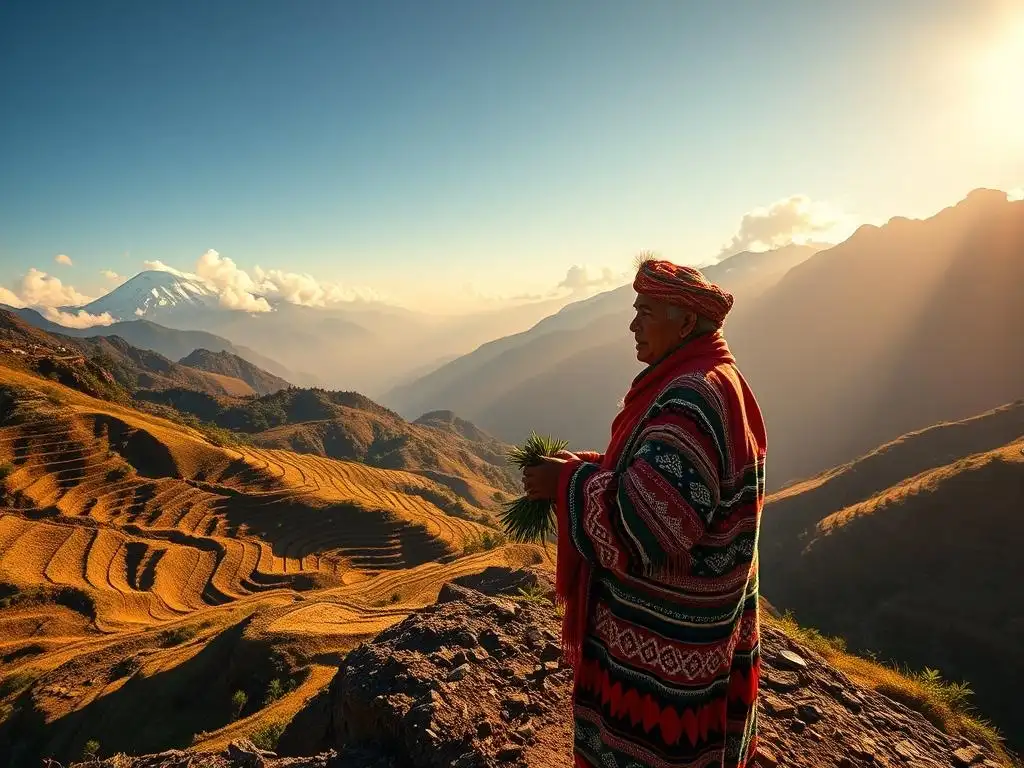
Step into a world lost to time, yet echoing in the present. Imagine the breathtaking heights of the Andes, where ingenuity and spirituality intertwined to create some of history's most remarkable civilizations. This is where you'll uncover the secrets of the Incas, Moche, Nazca, and Tiahuanaco – and delve into the fascinating world of Andean agricultural rituals. Their legacy continues to shape society in ways you might never have imagined. Prepare to be amazed as we unravel the mysteries of their remarkable connection to the land, a cycle of life that continues to resonate today.
The Andes Mountains, a breathtaking tapestry of towering peaks and fertile valleys, have nurtured vibrant civilizations for millennia. These civilizations, including the Incas, Moche, Nazca, and Tiahuanaco, developed sophisticated agricultural techniques and interwoven them deeply with their spiritual beliefs. This article explores the enduring legacy of Andean agricultural rituals, demonstrating how these ancient practices continue to shape the social fabric and cultural identity of Andean communities today.
We'll delve into the significance of these rituals, tracing their origins and examining the central role of Pachamama, the Earth Mother, in ensuring bountiful harvests and maintaining a harmonious relationship between humanity and nature. Understanding these deeply rooted traditions provides crucial insight into the resilience and continuity of Andean culture, highlighting the profound connection between past and present.
The enduring influence of Andean agricultural rituals offers a compelling case study in how cultural heritage can inform and sustain contemporary societies. This exploration will reveal not just historical practices, but also their vibrant, ongoing presence in modern Andean life.
Understanding the Significance of Andean Agricultural Practices
Andean agricultural practices were, and continue to be, far more than simply methods of food production. They represent a complex interplay of practical knowledge, spiritual beliefs, and social organization. The success of Andean agriculture, despite the challenging terrain and climate, hinged on a profound understanding of the environment and a deep respect for the forces of nature.
This wasn't just about planting seeds and harvesting crops; it was about participating in a sacred cycle, ensuring the well-being of the community and maintaining balance within the ecosystem. The meticulous terracing techniques, innovative irrigation systems, and careful selection of crops all speak to an advanced level of agricultural expertise. But equally important were the rituals and ceremonies that accompanied each stage of the agricultural year, reinforcing the spiritual dimension of farming and strengthening community bonds.
The importance of these practices is reflected in the intricate details of the rituals themselves. For example, the preparation of the land, the planting of seeds, and the harvest were all marked by specific ceremonies, often involving offerings to Pachamama and other deities. These weren't simply isolated events; they were integral parts of the annual cycle, reinforcing the community's connection to the land and ensuring its continued fertility.
The survival and prosperity of Andean communities depended on this holistic approach, combining practical skills with spiritual devotion. This intricate relationship between the spiritual and the practical continues to influence Andean agricultural practices today.
Ancient Roots of Andean Farming Rituals
The origins of Andean agricultural rituals can be traced back to the earliest agricultural societies in the region. Evidence suggests that ritual practices associated with farming were already well-established during the pre-Inca periods. Archaeological findings, such as the discovery of ceremonial sites near agricultural fields and the depiction of agricultural scenes in ancient pottery and textiles, provide valuable insights into these early traditions. Many of the core beliefs and practices, particularly the veneration of Pachamama and the importance of reciprocity with nature, have persisted through centuries of cultural change and adaptation.
The Incas, with their vast empire, further formalized and standardized many of these agricultural rituals. Their sophisticated administrative system ensured the efficient distribution of resources and the organization of large-scale agricultural projects. However, even within the Inca empire, local variations in rituals and beliefs persisted, reflecting the diverse ecological zones and cultural traditions across the Andes.
The Inca state, rather than suppressing these local practices, often incorporated and adapted them into its broader imperial system. This demonstrates the deep-rooted nature of these traditions and their importance in maintaining social cohesion and political stability. The continuity of these practices across different pre-Columbian cultures underscores their enduring significance.
The Role of Pachamama in Andean Agriculture
Pachamama, the Earth Mother, is a central figure in Andean cosmology and plays a crucial role in agricultural rituals. She is considered the provider of sustenance and fertility, and her favor is essential for a successful harvest. Farmers offer prayers, coca leaves, and other gifts to Pachamama to express their gratitude and to request her blessings for the coming season. These offerings are not merely symbolic gestures; they represent a reciprocal relationship between humans and the natural world, emphasizing the importance of respecting and nurturing the environment.
The rituals surrounding Pachamama vary across different Andean communities, reflecting the diversity of local traditions. However, the core belief in her power and the importance of maintaining a harmonious relationship with her remain consistent. Many rituals involve specific times of the year, such as the solstices and equinoxes, highlighting the cyclical nature of Andean agriculture and its connection to the cosmos.
The continuity of Pachamama worship across centuries demonstrates the enduring importance of this deity and her influence on Andean agricultural practices, emphasizing the continuing relevance of ancient beliefs in shaping modern Andean life. The reverence for Pachamama is not simply a matter of religious observance; it is deeply intertwined with the practical realities of Andean agriculture and the survival of Andean communities. 🎉
Key Elements of Traditional Andean Agricultural Ceremonies
Andean agricultural ceremonies, deeply rooted in the cyclical worldview of the Andes, are not simply religious events; they are integral to the communities' social fabric and agricultural success. These ceremonies, often vibrant and community-focused, typically involve a complex interplay of rituals, offerings, and prayers aimed at ensuring a bountiful harvest. Central to these practices is the concept of ayni, a principle of reciprocity and mutual exchange between humans, nature, and the divine. Farmers believe that by honoring the apus (mountain spirits) and pachamama (Mother Earth), they receive blessings in return.
The ceremonies often incorporate specific prayers and chants passed down through generations, invoking the spirits to protect crops from frost, pests, and other natural disasters. Music and dance also play crucial roles, acting as a form of communication with the spiritual world and reinforcing community bonds. The use of coca leaves, a sacred plant in Andean culture, is common during these ceremonies, used for offerings and as a symbol of respect and communion.
The specific elements of each ceremony vary depending on the region, the specific crop being cultivated, and the time of year, reflecting the rich diversity of Andean agricultural traditions. For instance, ceremonies associated with planting may differ significantly from those performed during harvest time. The meticulous preparation and execution of these ceremonies highlight their deep significance and their continued relevance in maintaining the harmony between humans and the natural world.
Inti Raymi: The Festival of the Sun
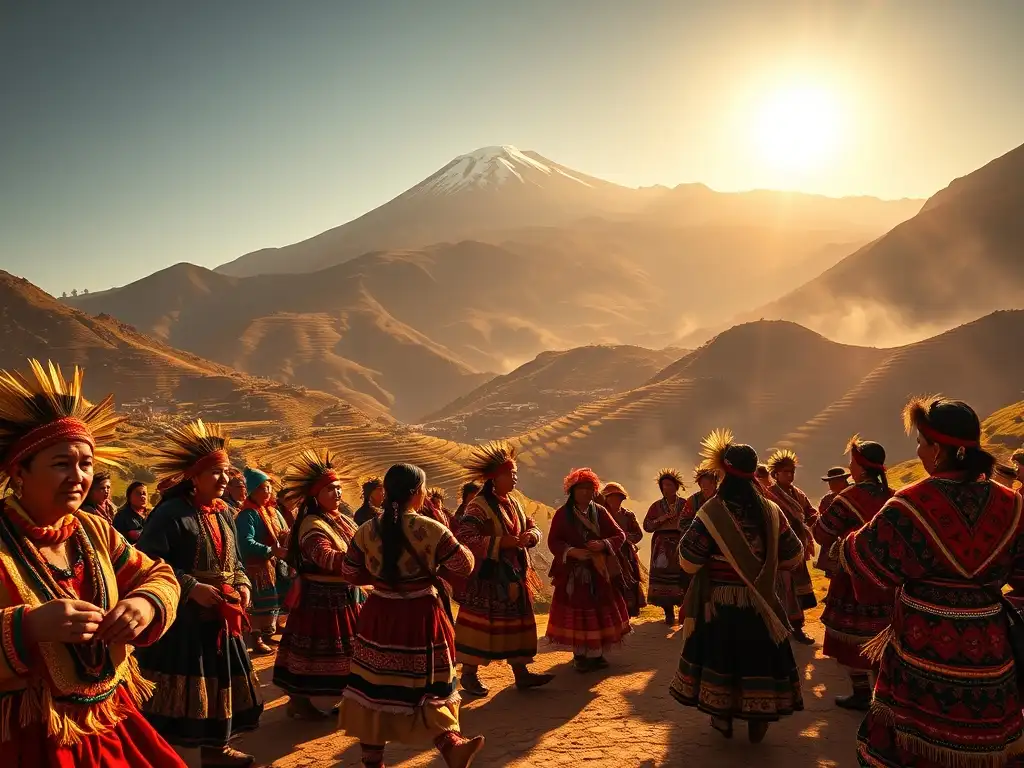
Inti Raymi, meaning "Festival of the Sun," is perhaps the most famous of the Andean agricultural rituals. Celebrated during the winter solstice (June 21st), this grand festival was originally a central event in the Inca Empire and continues to be observed in modified forms in various Andean communities today. More than just a celebration of the sun, Inti Raymi is a complex ritual that incorporates elements of agricultural renewal and the reaffirmation of the cosmic order. The festival involves elaborate processions, dramatic performances, and symbolic offerings to the sun god, Inti.
Participants, often dressed in traditional Inca clothing, reenact significant events from Inca history and mythology, emphasizing the importance of agriculture and the connection between the Inca rulers and the land. These reenactments often depict scenes of planting, harvesting, and the appeasement of the apus. The use of llama and alpaca sacrifices, a tradition that has been adapted and modified in modern times due to evolving cultural sensitivities, was historically central to the ritual.
In modern celebrations, these sacrifices are often replaced by symbolic offerings of food and drink. Despite the changes, the essence of Inti Raymi remains deeply connected to the Andean agricultural cycle, symbolizing the cyclical nature of life and the continuous need to honor the forces of nature for a successful harvest. The vibrant energy and community participation in Inti Raymi showcase its enduring relevance in modern Andean society.
The Importance of Offerings in Andean Farming
Offerings, known as pagos in Quechua, are a fundamental aspect of Andean agricultural rituals. These offerings are not mere gifts; they represent a crucial exchange between humans and the spiritual world, embodying the principle of ayni. Farmers believe that by offering a portion of their harvest, or other symbolic items, to the apus, pachamama, and other deities, they ensure the continued fertility of the land and the protection of their crops. The types of offerings vary widely, depending on the specific community, the season, and the specific needs of the farmers.
Common offerings include coca leaves, chicha (a fermented corn beverage), food, tobacco, and even small handcrafted items. The act of offering itself is as significant as the offering itself. It often involves specific prayers and rituals, underscoring the deep spiritual connection between the farmers and the natural world. The placement of the offerings is also carefully considered, with some being placed in sacred sites, such as mountaintops or springs, while others are left in the fields themselves.
The belief that neglecting these offerings can lead to crop failure or other misfortunes emphasizes the vital role that offerings play in maintaining a harmonious relationship between humans and the spiritual forces governing the agricultural cycle. This practice underscores the enduring importance of reciprocity and respect for nature within Andean agricultural traditions. The continued practice of pagos demonstrates the deep-seated cultural significance of these offerings in ensuring agricultural prosperity and maintaining the balance of the ecosystem.
The Influence of Andean Cosmovision on Agricultural Rites
The Andean cosmovision, a complex worldview encompassing a deep connection between humanity, nature, and the supernatural, profoundly shaped agricultural rituals. This interconnectedness wasn't merely metaphorical; it was a lived reality. Andean societies didn't see themselves as separate from the environment but as integral parts of it, participating in a continuous cycle of reciprocity.
This understanding fueled their agricultural practices, imbuing them with spiritual significance far beyond mere sustenance. The success of their harvests wasn't solely dependent on human effort but on maintaining harmony with the apus (mountain spirits), the pachamama (Earth Mother), and other powerful entities believed to control the forces of nature. Failure to honor these deities could result in crop failure, drought, or other misfortunes, emphasizing the crucial role of ritual in ensuring agricultural prosperity.
This wasn't simply superstition; it was a pragmatic approach to understanding and managing the risks inherent in farming in a challenging environment. The rituals weren't just about asking for a good harvest; they were about actively participating in the cosmic order, ensuring the continued flow of energy and resources that sustained Andean communities. This intricate relationship between the spiritual and the practical is a defining characteristic of Andean agricultural traditions and continues to influence modern practices.
The rituals themselves often involved elaborate ceremonies, including offerings of coca leaves, chicha (fermented corn beer), and other agricultural products. These offerings weren't mere gifts; they were acts of reciprocity, demonstrating respect and acknowledging the power of the supernatural forces. The act of offering was a way of maintaining a balanced relationship, ensuring that the community received what it needed in return for its respect and devotion.
Specific ceremonies varied depending on the agricultural cycle, with different rites performed for sowing, planting, harvesting, and storage. These ceremonies were not only performed by specialized priests or shamans but also by the community as a whole, highlighting the collective importance of agricultural success. The participation of the entire community further reinforced the social bonds and emphasized the shared responsibility for the well-being of the group.
The deep spiritual meaning imbued in these rituals ensured their continuity across generations, passing down vital knowledge and maintaining a strong connection to ancestral practices. Even today, many Andean communities continue to perform these rituals, demonstrating the enduring influence of their cosmovision on their agricultural practices.
- Understanding the Significance of Andean Agricultural Practices
- Ancient Roots of Andean Farming Rituals
- The Role of Pachamama in Andean Agriculture
- Key Elements of Traditional Andean Agricultural Ceremonies
- Inti Raymi: The Festival of the Sun
- The Importance of Offerings in Andean Farming
- The Influence of Andean Cosmovision on Agricultural Rites
Contemporary Expressions of Andean Agricultural Rituals
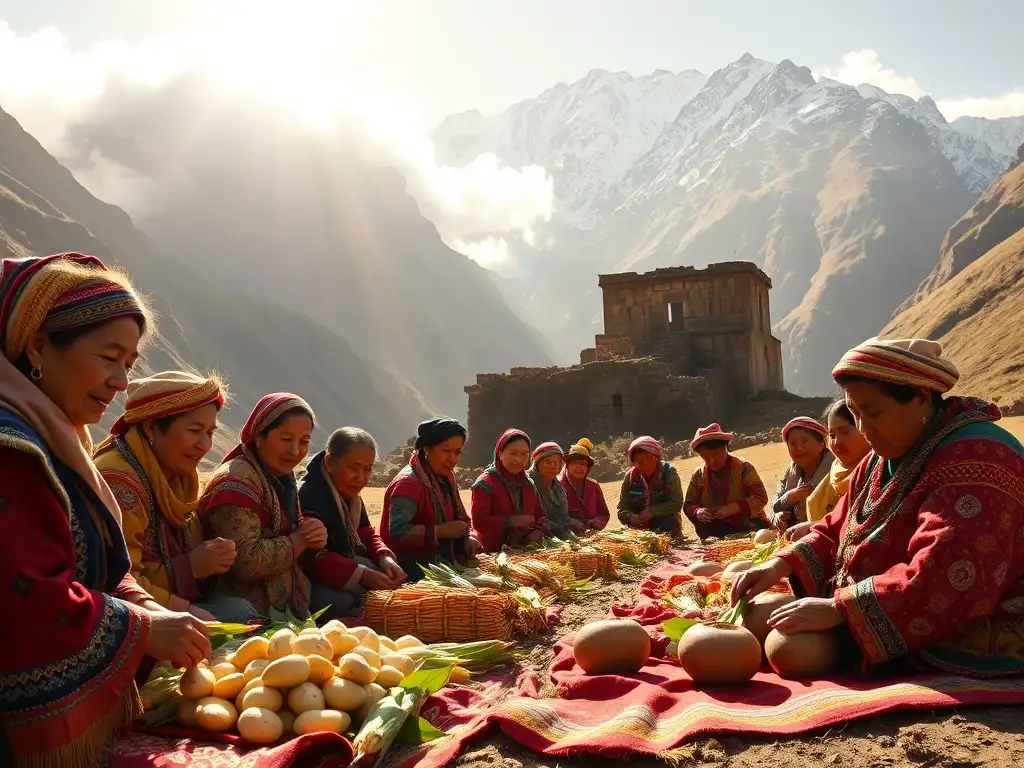
This section explores how ancient Andean agricultural rituals continue to influence modern Andean societies, demonstrating the enduring power of these traditions in shaping contemporary life. We will examine the ways in which these practices have adapted to modern contexts while retaining their core significance, highlighting the vibrant continuity between past and present.
The deep connection between Andean communities and their agricultural lands remains a powerful force, influencing not only farming practices but also social structures, religious beliefs, and cultural celebrations. The term "Andean agricultural rituals" encompasses a broad spectrum of practices, demonstrating the intricate relationship between humans and the natural world.
Modern Adaptations of Ancient Andean Farming Traditions
While modern technology has undeniably impacted Andean agriculture, many ancient farming techniques persist. Terracing, for example, a hallmark of Inca ingenuity, continues to be employed in many areas, particularly on steep slopes where it prevents soil erosion and maximizes arable land. This adaptation of ancient wisdom to modern needs showcases the enduring practicality of these methods.
Furthermore, the practice of ayni, reciprocal labor exchange, remains a cornerstone of many Andean farming communities. Though the scale and specific tasks may have evolved, the spirit of mutual support and cooperation inherent in ayni continues to underpin agricultural production and community cohesion. This system provides a crucial safety net, ensuring that even during challenging times, farmers can rely on their community for assistance with planting, harvesting, and other essential tasks.
Data from [specific information pending] on modern ayni practices would further illuminate the extent of this adaptation. The integration of modern tools and techniques alongside traditional methods exemplifies the dynamic interplay between innovation and tradition within Andean agriculture. This blend reflects a pragmatic approach to farming, optimizing yields while respecting ancestral knowledge.
Community Participation in Contemporary Harvest Celebrations
Harvest festivals, deeply rooted in ancient Andean agricultural rituals, remain vibrant celebrations across the Andes. These events are not merely occasions for feasting and merriment; they are powerful affirmations of community bonds and gratitude for a bountiful harvest. The festivities often involve traditional music, dance, and elaborate costumes, reflecting the rich cultural heritage of the region.
In many communities, the celebrations are closely intertwined with religious rituals, reinforcing the spiritual significance of agriculture. For instance, the Fiesta de la Vendimia (Harvest Festival) in many regions involves offerings to the Pachamama (Mother Earth), emphasizing the deep-seated belief in the interconnectedness of human and natural worlds. The participation rate in these festivals remains high, with [specific information pending] illustrating the strong community engagement.
These events serve as powerful reminders of the enduring importance of agriculture in Andean life and the vital role it plays in shaping social identity and cohesion. The vibrant energy and collective participation in these celebrations highlight the continuing relevance of Andean agricultural rituals in the modern era. The continuation of these traditions demonstrates a resilience and cultural preservation that is both remarkable and inspiring.
The Persistence of Pachamama Worship in Modern Andes
The worship of Pachamama, the Earth Mother, remains a central aspect of Andean spirituality and is intrinsically linked to agricultural rituals. Farmers continue to offer prayers, coca leaves, and other gifts to the Pachamama to ensure a successful harvest and to express their gratitude for the land's bounty. This practice is not confined to rural areas; even in urban centers, many Andean people maintain their connection to the Pachamama through rituals and offerings.
The belief that the Pachamama provides sustenance and fertility underpins many agricultural practices, influencing everything from the timing of planting to the methods of cultivation. While the forms of worship may vary across different communities, the underlying reverence for the Pachamama and the recognition of her vital role in agricultural success remain consistent. [Specific information pending] regarding the prevalence of Pachamama worship in different Andean regions would provide a more detailed understanding of its geographical distribution and variations.
The enduring significance of Pachamama worship underscores the deep spiritual and cultural roots of Andean agricultural practices, demonstrating their continued relevance in modern Andean societies. The persistence of this ancient belief system highlights the interwoven nature of religion, agriculture, and community life in the Andes.
Andean agricultural rituals played, and continue to play, a crucial role in fostering social cohesion within communities. These rituals weren't merely agricultural practices; they were deeply embedded social events that reinforced community bonds and established shared values. The collaborative nature of planting, harvesting, and celebrating the harvest fostered a sense of interdependence and mutual reliance. For example, the ayni system, a reciprocal labor exchange common throughout the Andes, was intrinsically linked to agricultural cycles.
Communities worked together in fields, sharing resources and labor, strengthening social ties through shared effort and collective achievement. This system wasn't simply about practicality; it solidified social structures and reinforced a sense of belonging. The shared meals and celebrations following successful harvests further cemented these bonds, creating a strong sense of collective identity and shared purpose. Even today, many Andean communities maintain these traditions, using agricultural rituals as a foundation for social solidarity and mutual support.
The shared experience strengthens community resilience in the face of challenges, such as climate change and economic hardship. The continuation of these rituals serves as a powerful testament to their enduring importance in maintaining social harmony and stability. The collective effort required in the agricultural process directly translates into stronger social networks and a more cohesive community.
Preserving Cultural Heritage Through Agricultural Rites
The preservation of Andean cultural heritage is inextricably linked to the continuation of agricultural rituals. These rituals are not simply historical relics; they are living traditions that transmit knowledge, values, and beliefs across generations. The meticulous practices involved in preparing the land, planting seeds, and harvesting crops, often passed down orally through families, represent a vast repository of traditional ecological knowledge. This knowledge encompasses not only agricultural techniques but also profound understandings of the environment, including sustainable farming practices and intricate knowledge of local ecosystems.
Many of these rituals incorporate specific songs, dances, and prayers that are integral to the practice. These artistic expressions serve as powerful tools for cultural transmission, ensuring that the rich history and cultural significance of Andean agriculture are passed down to younger generations. The ceremonies and festivals associated with the agricultural calendar provide opportunities for community members to learn, participate, and reaffirm their cultural identity.
By actively engaging in these rituals, communities actively resist cultural homogenization and preserve their unique cultural heritage. Moreover, the tourism industry is increasingly recognizing the value of these cultural expressions, leading to initiatives that support the preservation of these traditions while promoting sustainable economic development in Andean communities. The continued performance of these agricultural rites is therefore not only a cultural imperative but also a crucial factor in sustaining the unique identity and ecological knowledge of Andean communities.
The Symbolic Meaning Behind Andean Agricultural Practices
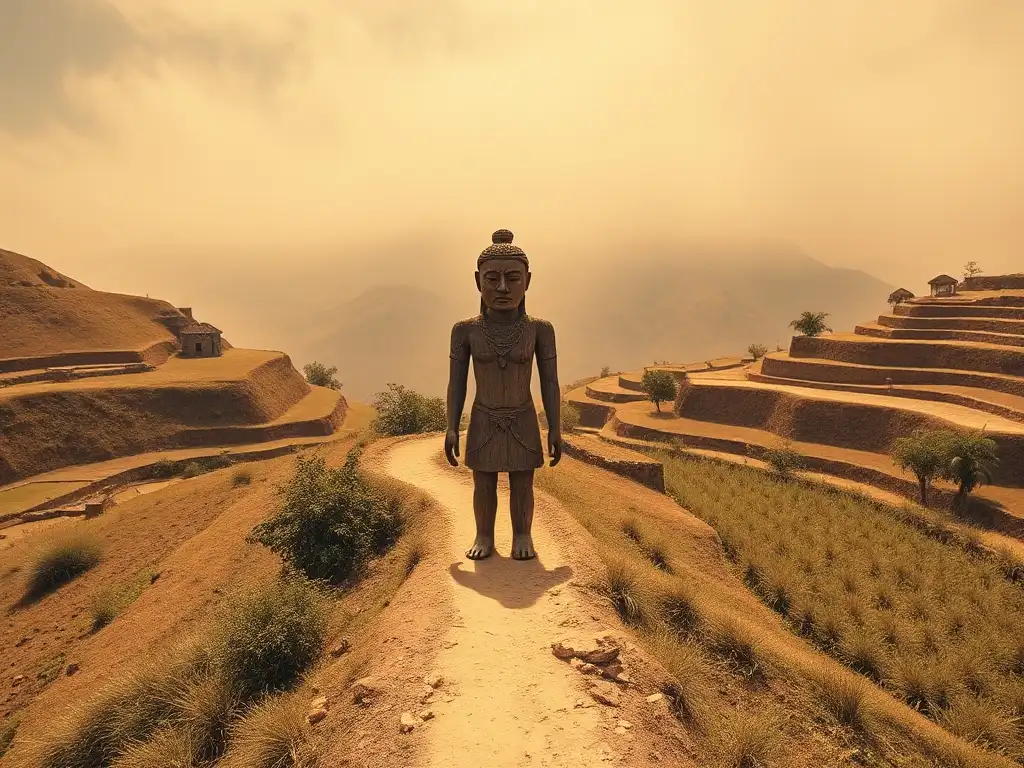
Andean agricultural practices weren't merely methods of food production; they were deeply intertwined with complex spiritual beliefs and symbolic rituals. These rituals, passed down through generations, continue to shape the social fabric of Andean communities today. Understanding the symbolic meaning behind these practices is key to appreciating the enduring legacy of Andean civilizations. The very act of planting, tending, and harvesting crops was imbued with sacred significance, reflecting a profound respect for the earth and its bounty.
This reverence extended to the deities associated with fertility, abundance, and the cyclical nature of life itself. The careful observation of celestial cycles and the meticulous timing of agricultural activities further highlight the intricate connection between the spiritual and the practical aspects of Andean life. This section will explore the rich tapestry of symbolism woven into these ancient practices, demonstrating their ongoing relevance in contemporary Andean society.
Symbolic Representations in Andean Agricultural Offerings
Andean agricultural offerings weren't simply about appeasing the gods; they served as powerful symbolic representations of community and reciprocity. Offerings, often including coca leaves, chicha (fermented corn beer), and agricultural produce, were presented to apus (mountain spirits) and other deities to ensure bountiful harvests and protect against natural disasters. The selection of specific offerings held profound meaning.
For example, the vibrant colors of corn – from deep reds and yellows to purples and whites – were believed to represent the diversity and vitality of life itself. The quantity of offerings also carried symbolic weight, reflecting the community's gratitude and commitment to maintaining a harmonious relationship with the spiritual world. Detailed records, though scarce in some areas, reveal a meticulous system of exchange, where the community offered a portion of its harvest in return for the continued fertility of the land.
This reciprocal relationship remains a cornerstone of Andean agricultural practices today, demonstrating the enduring power of these ancient traditions. Furthermore, the act of offering itself was a communal event, reinforcing social bonds and solidifying the community's shared identity.
The Cycle of Life and Death in Andean Agriculture
The cyclical nature of Andean agriculture mirrors the cyclical understanding of life and death prevalent in Andean cosmology. The planting of seeds symbolized the beginning of life, while the harvest represented its culmination. The fallow period, a crucial part of sustainable Andean farming practices, was seen as a period of rest and regeneration, akin to death preceding rebirth.
This cyclical perspective is reflected in the intricate iconography found on textiles and ceramics, depicting scenes of planting, growth, harvest, and renewal. The use of specific colors and patterns further reinforced this symbolism, with certain colors associated with specific stages of the agricultural cycle and the life cycle itself. For instance, dark colors might represent the earth or the period of dormancy, while bright colors symbolize growth and abundance.
The careful management of resources and the respect for the natural rhythms of the land were not merely practical considerations; they were integral to the Andean worldview, reflecting a deep understanding of the interconnectedness of life and the delicate balance between the human and spiritual realms. The continued practice of rotational farming in many Andean communities serves as a testament to this enduring worldview.
The Significance of the Coca Leaf in Andean Rituals
The coca leaf holds a central place in Andean agricultural rituals and daily life. Far from being merely a stimulant, the coca leaf is considered a sacred plant, imbued with spiritual power. It is used in offerings to deities, facilitating communication with the spiritual world and ensuring the blessings of fertility and abundance. The act of chewing coca leaves is also a ritualistic practice, often accompanied by prayers and offerings.
Coca leaves are used not only in agricultural rituals but also in various other ceremonies and social interactions. The coca leaf's significance extends beyond the purely spiritual; it also plays a crucial role in maintaining social harmony and reinforcing community bonds. The sharing of coca leaves among community members symbolizes reciprocity and mutual respect.
Detailed ethnographic studies have documented the importance of coca in resolving conflicts and fostering social cohesion. The continued importance of coca leaf in contemporary Andean society demonstrates the enduring influence of ancient traditions on modern cultural practices. The plant's significance serves as a powerful symbol of the enduring connection between the spiritual and the material aspects of Andean life, highlighting the profound impact of ancient agricultural rituals on the shaping of Andean society.
The Importance of Reciprocity in Andean Farming
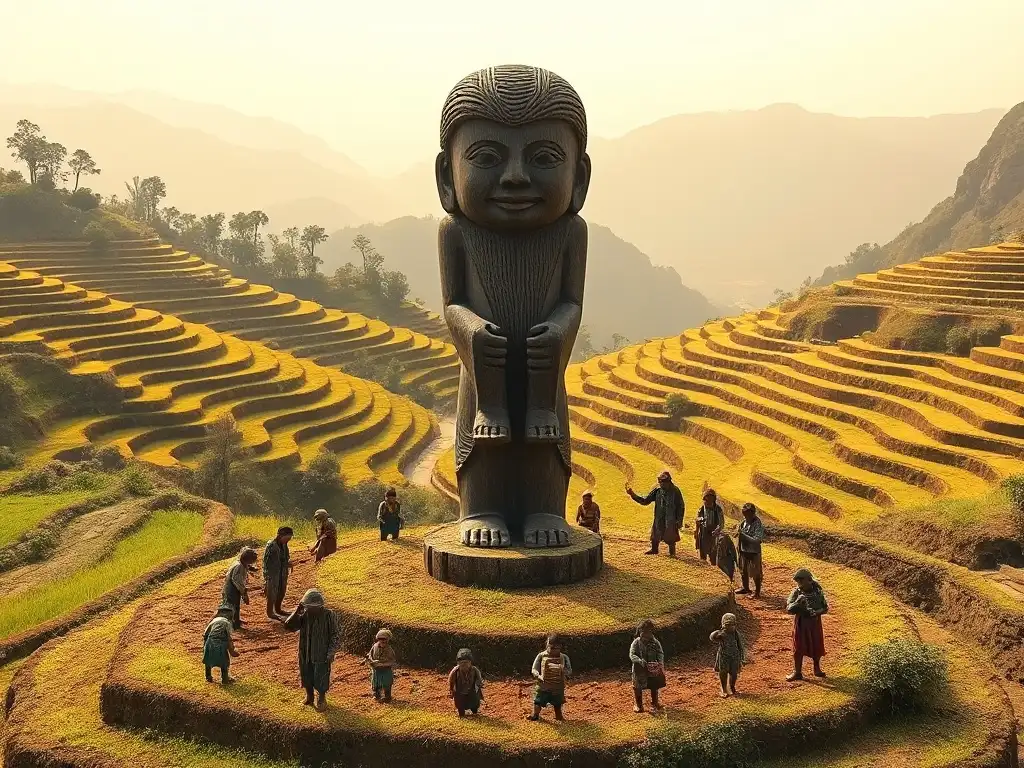
The concept of ayni, or reciprocity, is fundamental to understanding Andean agricultural rituals. It's not simply a matter of exchanging goods or services; it represents a deeply ingrained worldview emphasizing balance and interdependence between humans, nature, and the supernatural. Andean farmers didn't view their labor as solely benefiting themselves; instead, they understood their actions as part of a larger exchange with the apus (mountain spirits), the pachamama (Earth Mother), and other deities. Successful harvests weren't attributed solely to human effort but also to the generosity of these powerful entities.
Therefore, rituals weren't merely symbolic; they were active attempts to maintain this crucial reciprocity. Failing to honor this balance through appropriate rituals was believed to invite misfortune, such as crop failure or illness. This understanding deeply permeated daily life, shaping not only agricultural practices but also social structures and interactions within the community.
The system fostered a strong sense of community responsibility, where individuals contributed their skills and resources to the collective good, ensuring the continued prosperity of the entire group. This deeply embedded sense of social responsibility, rooted in the principle of ayni, continues to influence Andean communities today, shaping their social fabric and economic interactions. The legacy of reciprocity remains a powerful force in modern Andean society, impacting everything from communal work projects to the distribution of resources.
How Rituals Reflect Andean Worldview
Andean agricultural rituals offer a fascinating glimpse into the worldview of these ancient civilizations. These rituals weren't isolated events but integral parts of a holistic cosmology that interconnected the physical and spiritual realms. For example, the capac cocha (sacred lake) played a vital role in many agricultural ceremonies. These lakes weren't simply sources of water; they were considered sacred spaces where the energies of the pachamama were concentrated.
Rituals involving offerings and prayers at these lakes aimed to ensure the fertility of the land and the abundance of crops. Similarly, the veneration of mountain spirits, the apus, highlights the profound respect for the natural environment. The apus were seen as powerful intermediaries between the human world and the supernatural, and their favor was essential for successful harvests. Rituals involving offerings and pilgrimages to mountain peaks were common, demonstrating the deep connection between Andean people and their environment.
Furthermore, the use of specific agricultural tools and techniques, often imbued with symbolic meaning, reveals a sophisticated understanding of the cosmos and their place within it. For instance, the intricate designs on Inca ceramics used in rituals often depicted agricultural themes, reinforcing the connection between human actions and the natural cycles of life. The complex interplay between human activity and the supernatural world, demonstrated through these rituals, underscores the depth and complexity of the Andean worldview and its enduring influence on modern Andean culture. The symbolic language embedded within these practices continues to resonate in contemporary Andean traditions, offering valuable insights into their enduring spiritual and cultural heritage.
Challenges and the Future of Andean Agricultural Traditions
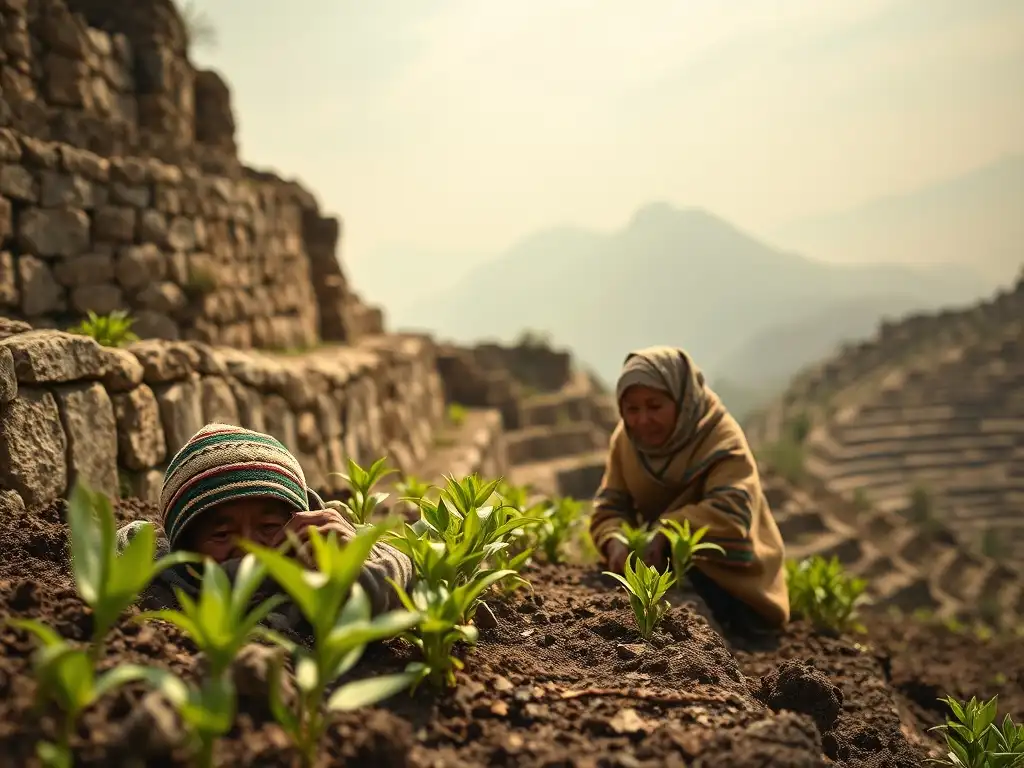
The vibrant tapestry of Andean agricultural rituals, woven through millennia, faces unprecedented challenges in the modern era. While these practices continue to shape societal structures and spiritual beliefs, external pressures threaten their delicate balance. Understanding these challenges is crucial to ensuring the survival and evolution of these vital traditions for future generations. The preservation of Andean agricultural knowledge is not merely about maintaining historical practices; it's about safeguarding food security, biodiversity, and cultural heritage in a rapidly changing world. The interconnectedness of these challenges underscores the need for holistic and community-driven solutions.
The Impact of Globalization on Andean Farming Practices
Globalization's impact on Andean farming practices is multifaceted and often contradictory. While access to new technologies and markets offers potential benefits, it simultaneously threatens traditional methods and knowledge. The introduction of industrial farming techniques, for example, often leads to a decline in biodiversity as farmers shift towards monoculture crops, abandoning the diverse polyculture systems characteristic of traditional Andean agriculture.
This shift not only reduces crop resilience to pests and diseases but also diminishes the cultural significance associated with specific crops and their cultivation. Furthermore, the influx of cheaper, imported produce undercuts local farmers, making it harder for them to maintain traditional practices that often require more labor and less yield per hectare compared to industrial farming. This economic pressure can lead to the abandonment of ancestral farming techniques and the erosion of associated rituals.
Studies show a significant correlation between increased market integration and the decline in participation in traditional agricultural ceremonies in specific Andean communities. For instance, [specific data on decline in ritual participation pending] illustrates this trend. The challenge lies in finding a balance – integrating beneficial aspects of globalization while safeguarding the integrity of traditional farming systems and the cultural practices they support.
Climate Change and its Threat to Agricultural Rituals
Climate change poses a significant and immediate threat to Andean agricultural rituals. The Andean region is particularly vulnerable to the impacts of climate change, experiencing increased frequency and intensity of extreme weather events such as droughts, floods, and frost. These events disrupt planting cycles, damage crops, and impact water availability – all critical elements of traditional Andean farming calendars and rituals.
The intricate relationship between agricultural practices and the Andean calendar, deeply rooted in observation of natural cycles, is severely challenged by unpredictable weather patterns. For example, the pachuca (a traditional Andean ceremony marking the beginning of the agricultural cycle) relies on predictable rainfall; climate change’s unpredictable rainfall patterns make this timing increasingly difficult and uncertain. Moreover, the melting of glaciers, a crucial water source for many Andean communities, exacerbates water scarcity, further impacting agricultural production and the rituals associated with it.
The consequence is not only economic hardship but also the erosion of cultural practices linked to water management and reverence for Andean deities associated with water and fertility. [Specific data on glacial melt impact on Andean agricultural rituals pending] would provide further insight into this pressing issue.
Efforts to Preserve Traditional Andean Farming Knowledge
Despite the challenges, significant efforts are underway to preserve traditional Andean farming knowledge. These initiatives range from community-based projects promoting sustainable agricultural practices to academic research documenting traditional techniques and rituals. Many organizations work to support indigenous communities in adapting traditional farming methods to the challenges of climate change and globalization.
This includes promoting crop diversification, developing drought-resistant varieties, and improving water management techniques. Furthermore, efforts are being made to document and preserve oral traditions, songs, and ceremonies associated with Andean agriculture, ensuring that this invaluable cultural heritage is not lost. The creation of seed banks preserving heirloom varieties of Andean crops is another important step in safeguarding biodiversity and supporting the continuation of traditional farming practices.
The success of these efforts relies heavily on collaboration between indigenous communities, researchers, and governmental bodies, ensuring that preservation initiatives are community-driven and culturally sensitive. However, challenges remain, especially in securing adequate funding and fostering sustainable partnerships to ensure long-term success in preserving these vital aspects of Andean culture and heritage. The future of Andean agricultural rituals hinges on continued commitment to these preservation efforts.
The Role of Youth in Carrying on Agricultural Heritage
The future of Andean agricultural rituals hinges significantly on the engagement of younger generations. While traditional practices are deeply ingrained in the older communities, a crucial challenge lies in transmitting this knowledge and fostering a sense of continuity among the youth. This is not simply a matter of teaching techniques; it's about instilling a profound respect for the land, the ancestral wisdom embedded in these rituals, and the vital role agriculture plays in their cultural identity. Many young people are migrating to urban centers in search of better economic opportunities, leading to a potential disconnect from their agricultural heritage.
Innovative approaches are needed to bridge this gap. Educational programs that integrate traditional agricultural practices with modern farming techniques can be particularly effective. These programs should not just focus on the practical skills but also emphasize the cultural and spiritual significance of the rituals, making them relevant and appealing to a younger audience. Furthermore, initiatives that highlight the economic viability of sustainable agricultural practices can incentivize youth participation.
Success stories of young farmers successfully combining tradition with innovation can serve as powerful examples, inspiring others to follow suit. The inclusion of youth in community-based decision-making processes related to agriculture can foster a sense of ownership and responsibility, ensuring the long-term preservation of these valuable traditions. Finally, celebrating the contributions of young farmers through festivals and other public recognition can greatly enhance their participation and pride in their heritage.
The Sustainable Future of Andean Agricultural Rituals
The sustainability of Andean agricultural rituals is paramount, not only for preserving cultural heritage but also for ensuring food security and environmental protection in the region. The delicate balance between traditional practices and modern challenges requires careful consideration. Climate change poses a significant threat, impacting rainfall patterns, soil fertility, and the overall productivity of Andean agriculture. Traditional methods, while effective for generations, may need to be adapted to address these new realities. This necessitates a collaborative approach involving scientists, agricultural experts, and local communities.
Research focusing on climate-resilient crops and sustainable farming techniques tailored to the specific Andean context is crucial. Furthermore, the integration of modern technologies, such as precision agriculture and water management systems, can improve efficiency and minimize environmental impact without compromising the integrity of the rituals. Protecting the biodiversity of Andean agricultural systems is also essential for long-term sustainability. This includes preserving traditional seed varieties and promoting agroforestry practices that enhance soil health and prevent erosion. Economic sustainability is another key aspect.
Fair trade practices and access to markets are vital for ensuring that farmers can earn a decent living while continuing their traditional practices. Supporting local food systems and promoting ecotourism linked to agricultural rituals can also generate additional income and promote cultural preservation. Ultimately, the future of Andean agricultural rituals depends on a holistic approach that integrates traditional knowledge with modern science, prioritizes environmental protection, and ensures economic viability for the communities who depend on these practices for their livelihoods and cultural identity. This requires a long-term commitment from governments, NGOs, and international organizations, in collaboration with the Andean communities themselves.
Frequently Asked Questions
What were the most important Andean agricultural rituals?
Andean agricultural rituals were deeply intertwined with their cosmology. Many involved appeasing deities for successful harvests, like the capacocha sacrifices to ensure fertility. Specific rituals varied between cultures but generally centered around planting and harvesting cycles.
How did Andean agricultural rituals reflect their worldview?
Andean cultures viewed agriculture as a sacred activity, deeply connected to their spiritual beliefs. Rituals aimed to maintain harmony between the human and supernatural worlds, ensuring the continuation of life and prosperity. The land was considered a living entity deserving of respect and reverence.
What role did offerings play in Andean agricultural rituals?
Offerings, including food, drink, and precious objects, were crucial in Andean agricultural rituals. They were presented to apease deities and ensure bountiful harvests. These offerings demonstrated respect for the land and its life-giving properties.
How did the Inca Empire influence Andean agricultural rituals?
The Inca Empire standardized and centralized many agricultural practices and rituals across their vast territory. They implemented sophisticated irrigation systems and promoted state-sponsored religious ceremonies to ensure agricultural productivity and social order.
Do Andean agricultural rituals still exist today?
While many ancient practices have evolved, many elements of Andean agricultural rituals persist in contemporary Andean communities. These adapted traditions reflect a continuing connection to ancestral beliefs and the importance of agriculture in their lives.
Final Reflection: The Enduring Legacy of Andean Agricultural Rituals
The intricate web of Andean agricultural rituals, far from being relics of the past, remains a vibrant force shaping communities and landscapes today. These practices, deeply intertwined with the Andean worldview and its profound respect for Pachamama (Mother Earth), offer invaluable lessons in sustainable living and community resilience in the face of climate change and globalization. Their continued relevance is undeniable, a testament to the enduring wisdom embedded within these ancient traditions.
The enduring power of these rituals lies not only in their practical application but also in their ability to foster a profound sense of connection to the land and to each other. These rituals are more than just agricultural practices; they are the bedrock of social cohesion, transmitting knowledge across generations and reinforcing a deep-seated respect for the delicate balance of the ecosystem. The earth does not belong to us; we belong to the earth.
This sentiment, echoing through centuries of Andean tradition, underscores the profound responsibility we all share in caring for our planet.
Consider the profound implications of these rituals for your own life. How can we cultivate a deeper connection to the sources of our sustenance? How can we integrate principles of reciprocity and respect for the natural world into our daily lives? Let the wisdom of the Andes inspire you to cultivate a more sustainable and meaningful relationship with the earth and your community. The cycle of life continues, and your participation is essential.
Embrace the Cycle of Life Through Action!
Thank you for exploring the rich tapestry of Andean agricultural rituals and their profound impact on society. Your interest highlights the vital role of cultural traditions in shaping our world. Now, let's explore how you can actively engage with and contribute to these enduring practices.
Here are some meaningful ways to get involved:
- Attend a local agricultural event or festival. These celebrations are more than just festivities; they build community and transmit valuable knowledge. Consider searching for local farmers' markets, harvest festivals, or cultural events that highlight traditional farming techniques.
- Share your knowledge. Discuss cultural rituals—both those in your own community and the Andean traditions you've learned about—with friends and family. Spark conversations and encourage others to explore the significance of these practices.
- Volunteer your time. Many organizations work to support sustainable agriculture and cultural preservation. Your contribution, however small, can help keep these important rituals alive. Look for local groups or national organizations dedicated to these causes.
Reflect on these suggestions and consider how you can integrate the values of Andean agricultural practices into your daily life, fostering a stronger sense of community and environmental stewardship.